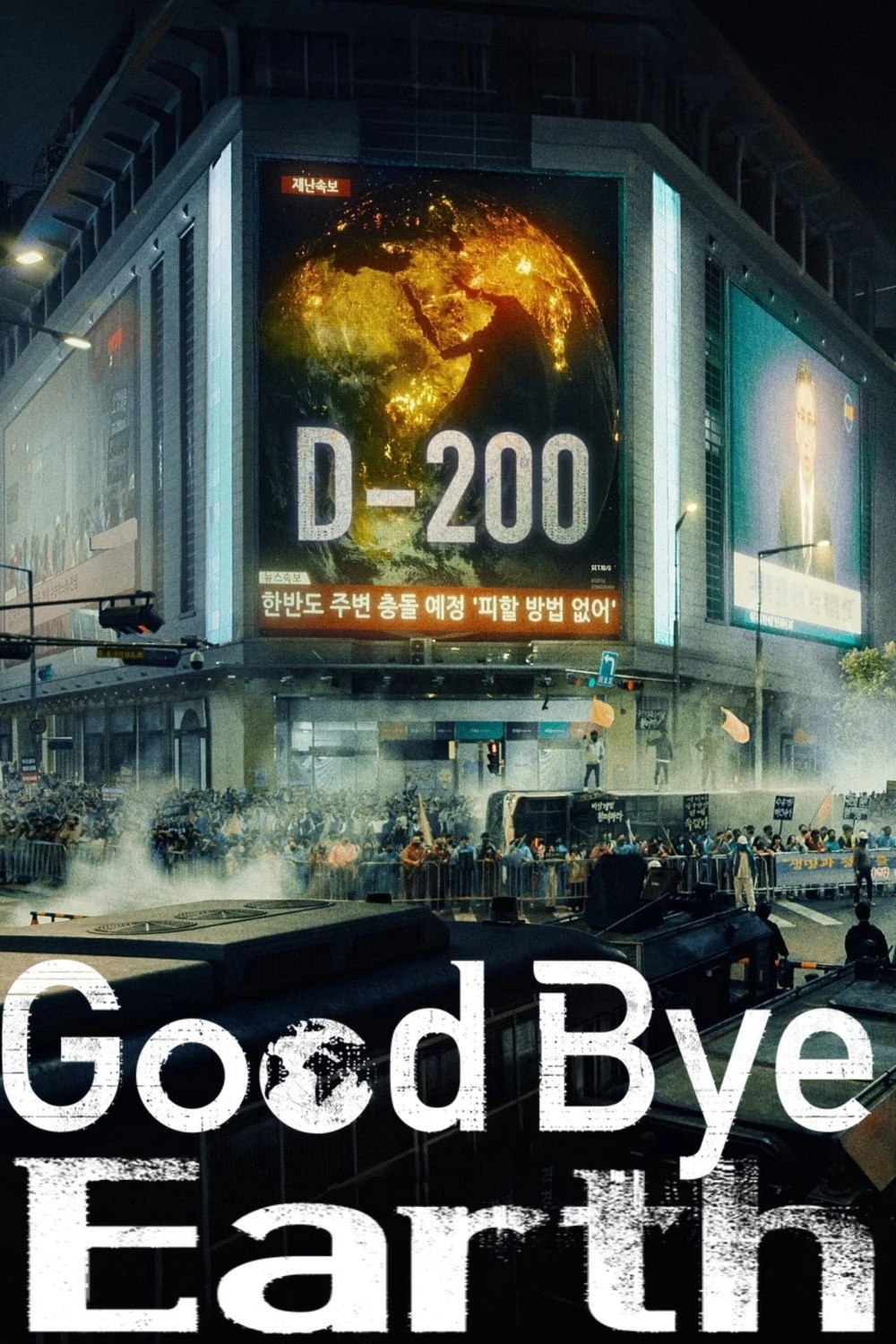
Goodbye Earth
🎬 Netflix
⭐ 6.4 / 10 MDL
🔞 TV-MA · Mature Themes
📋 Drama Overview
Everything you need to know before you hit play.
🌍 Netflix Original
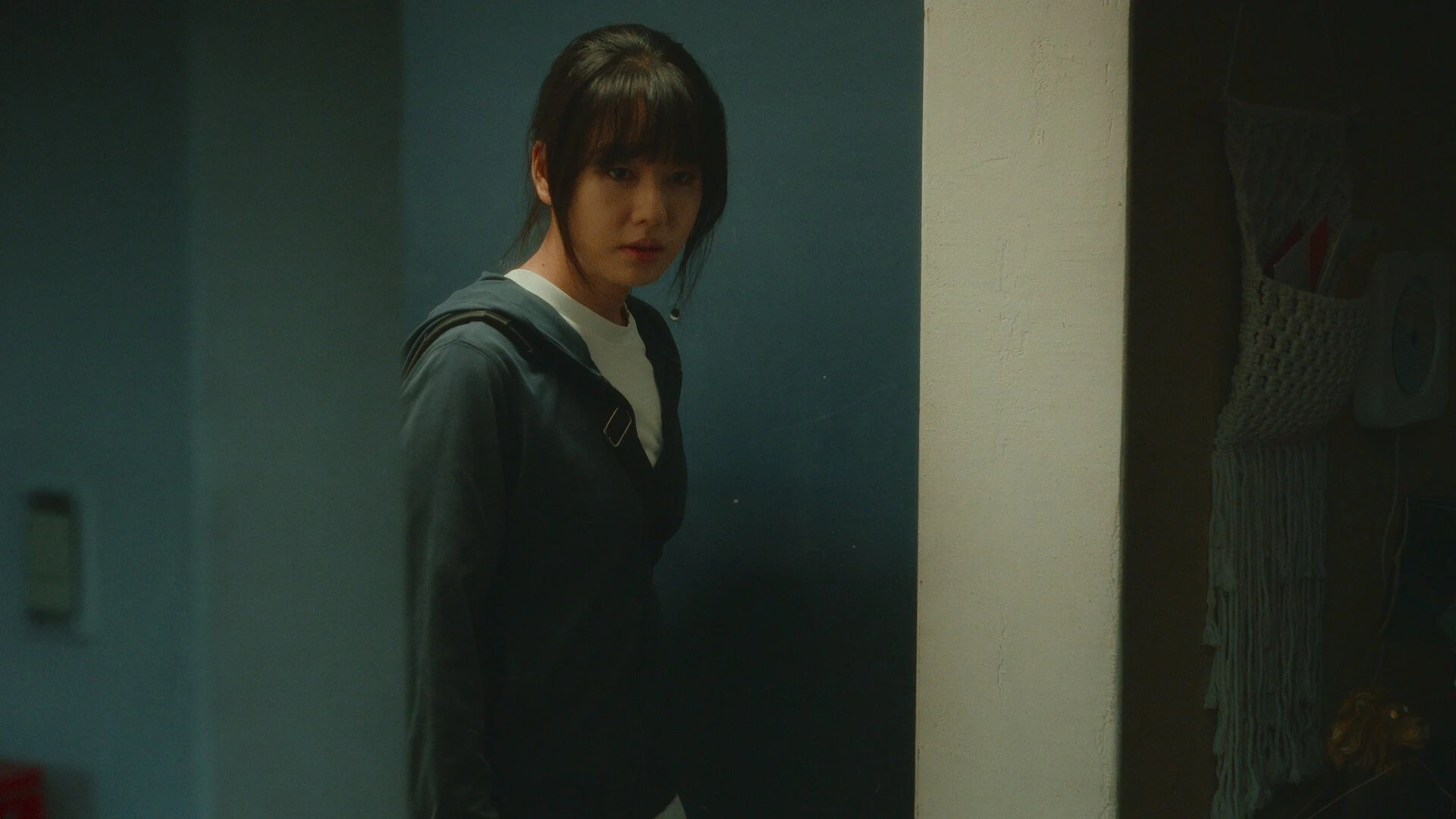
Jin Se-kyung (Ahn Eun-jin) is a former middle school teacher who has reinvented herself as a city hall volunteer — a woman who couldn’t stop teaching, even when the classroom disappeared. When the announcement comes that an asteroid will strike Earth in 200 days, South Korea collapses inward: martial law is declared, the wealthy flee, crime surges, and the people left behind in the small city of Woongcheon are left to face the end on their own terms. Se-kyung’s fiancé Ha Yun-sang (Yoo Ah-in), a geneticist, returns from the United States carrying a secret — an offer of escape that will force him to choose between his own survival and the woman he loves.
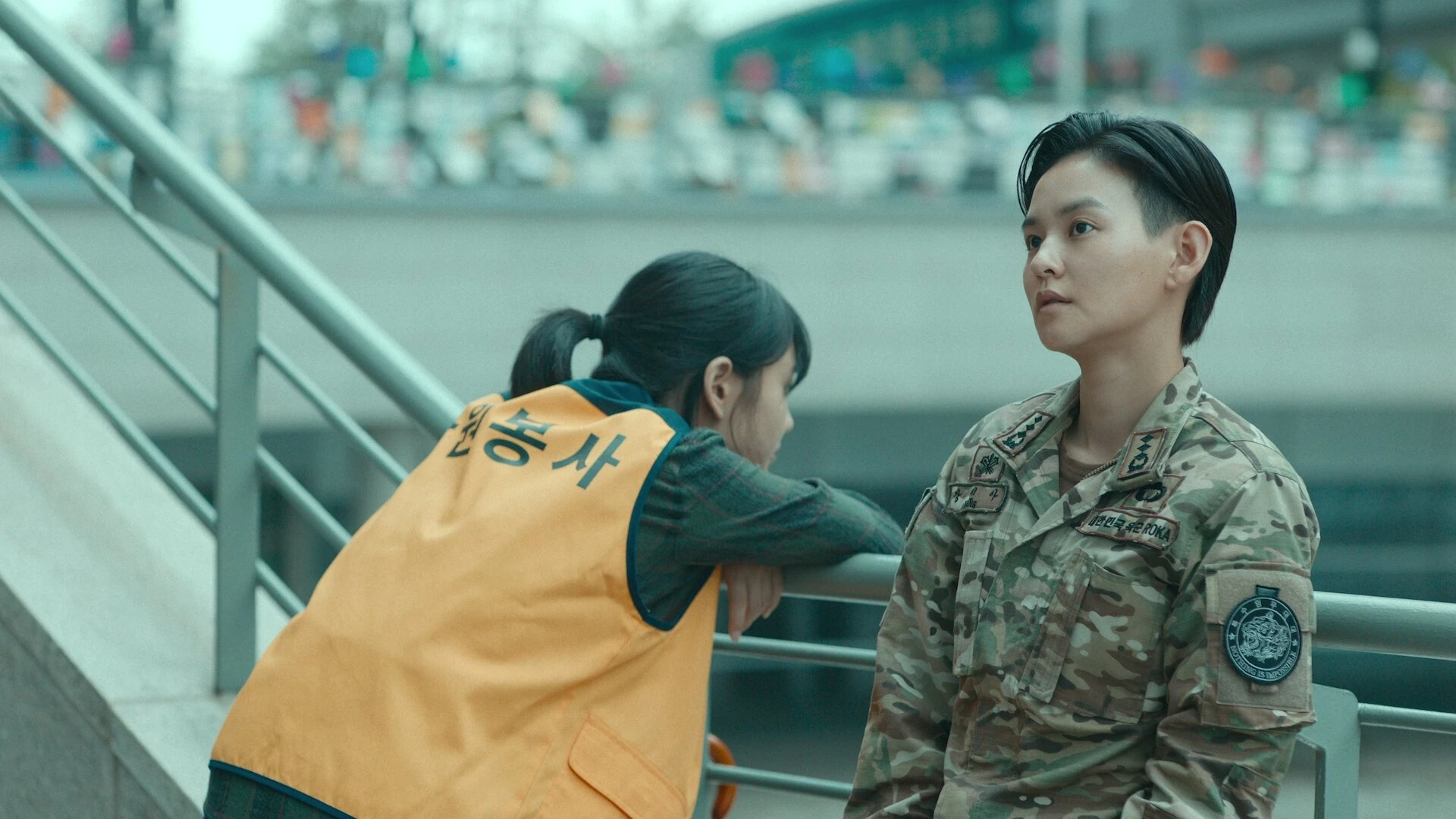
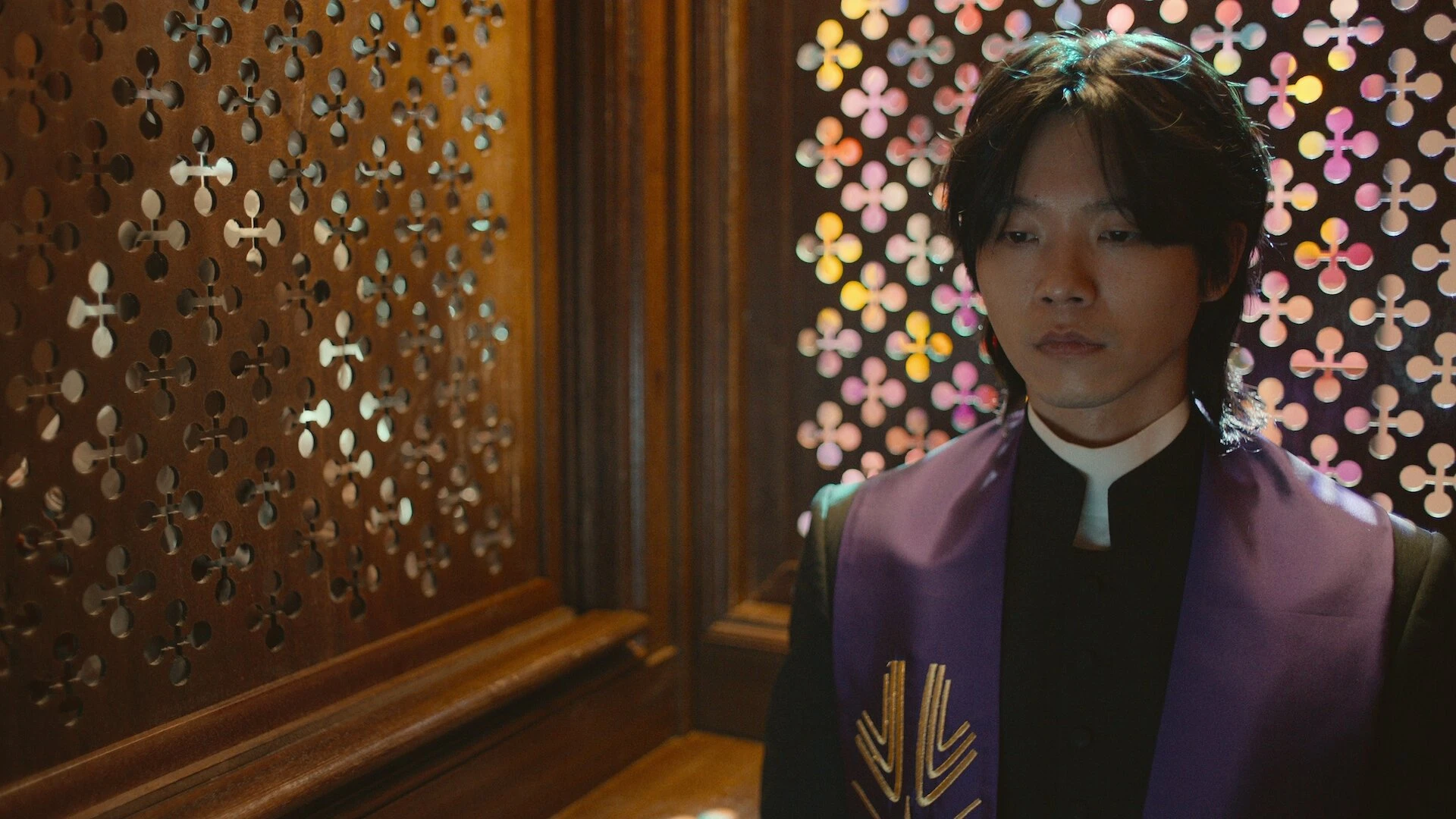
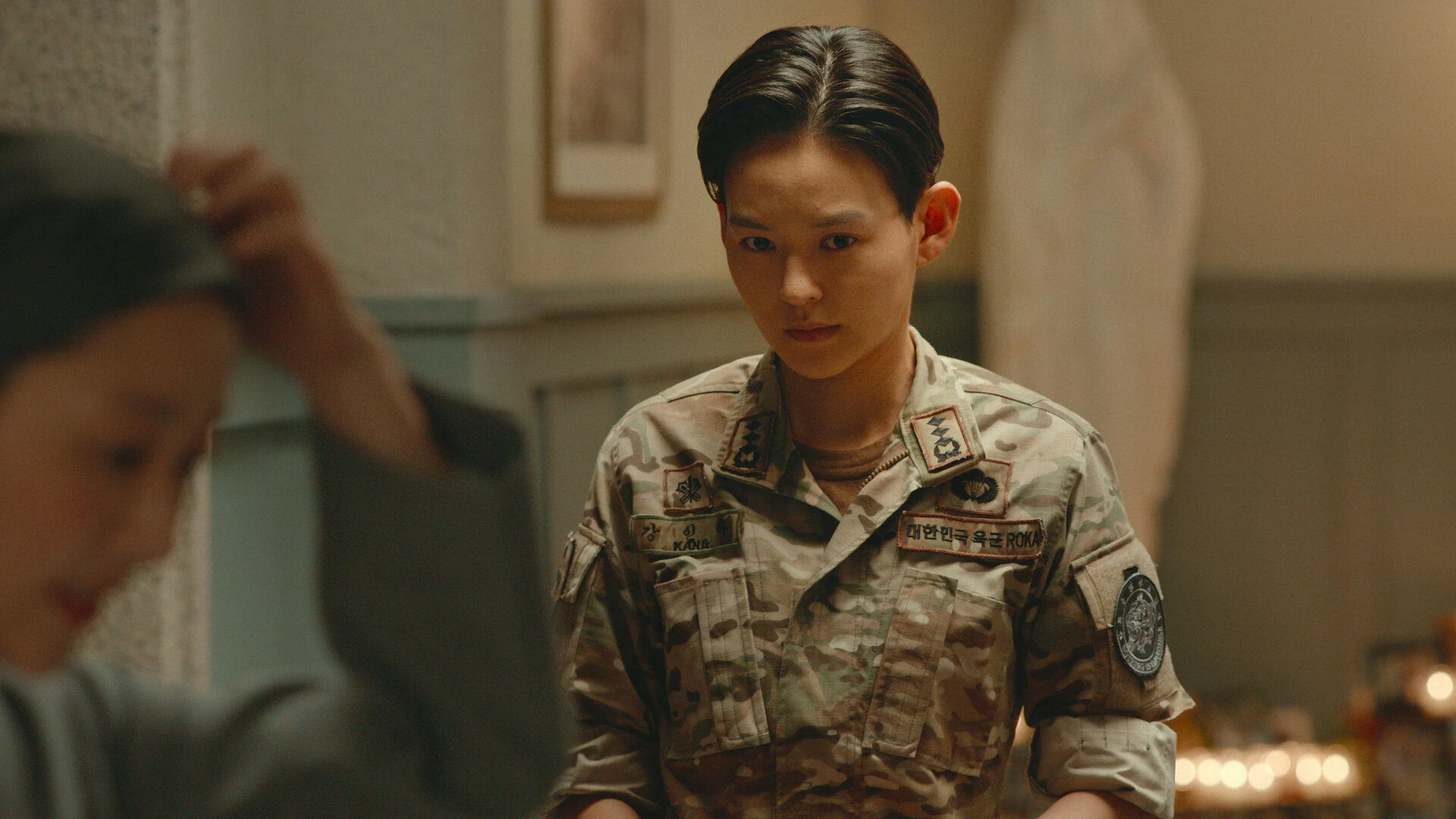
What follows is not a disaster movie. There is no plan to stop the asteroid, no countdown room, no last-second miracle. Instead, Goodbye Earth asks something harder: what do you do with the time you have left? Se-kyung’s answer is to fight for the children nobody else is fighting for — a human trafficking ring, run by escaped convicts exploiting the collapse of law, has its eyes on the most vulnerable in Woongcheon. Alongside assistant priest Woo Sung-jae (Jeon Seong-woo) and army captain Kang In-ah (Kim Yoon-hye), she chooses justice over self-preservation, every single day until the end.
12 / 12 ✅ Completed
⚡ Quick Verdict
One box. Everything you need to decide.
· MDL Score · 3,057 ratings
▶ Official Trailer
🎭 Cast & Characters
Six performances holding the world together — one ordinary city at the end of everything.

Lead

Lead

Lead

Lead

Supporting

Supporting
📺 Episode Guide
Spoiler-light recaps — enough to remember where you left off, nothing that ruins the ride.
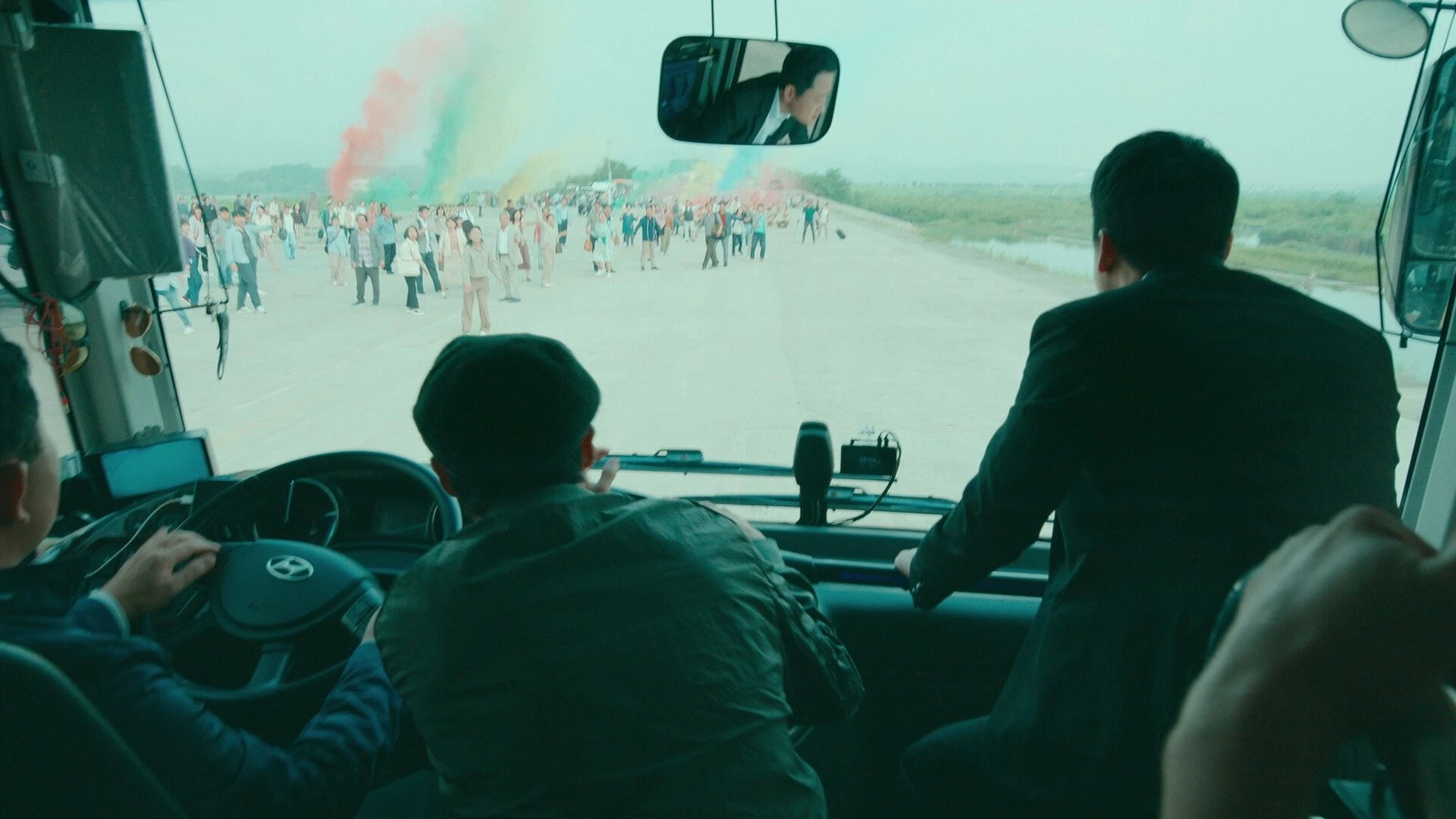
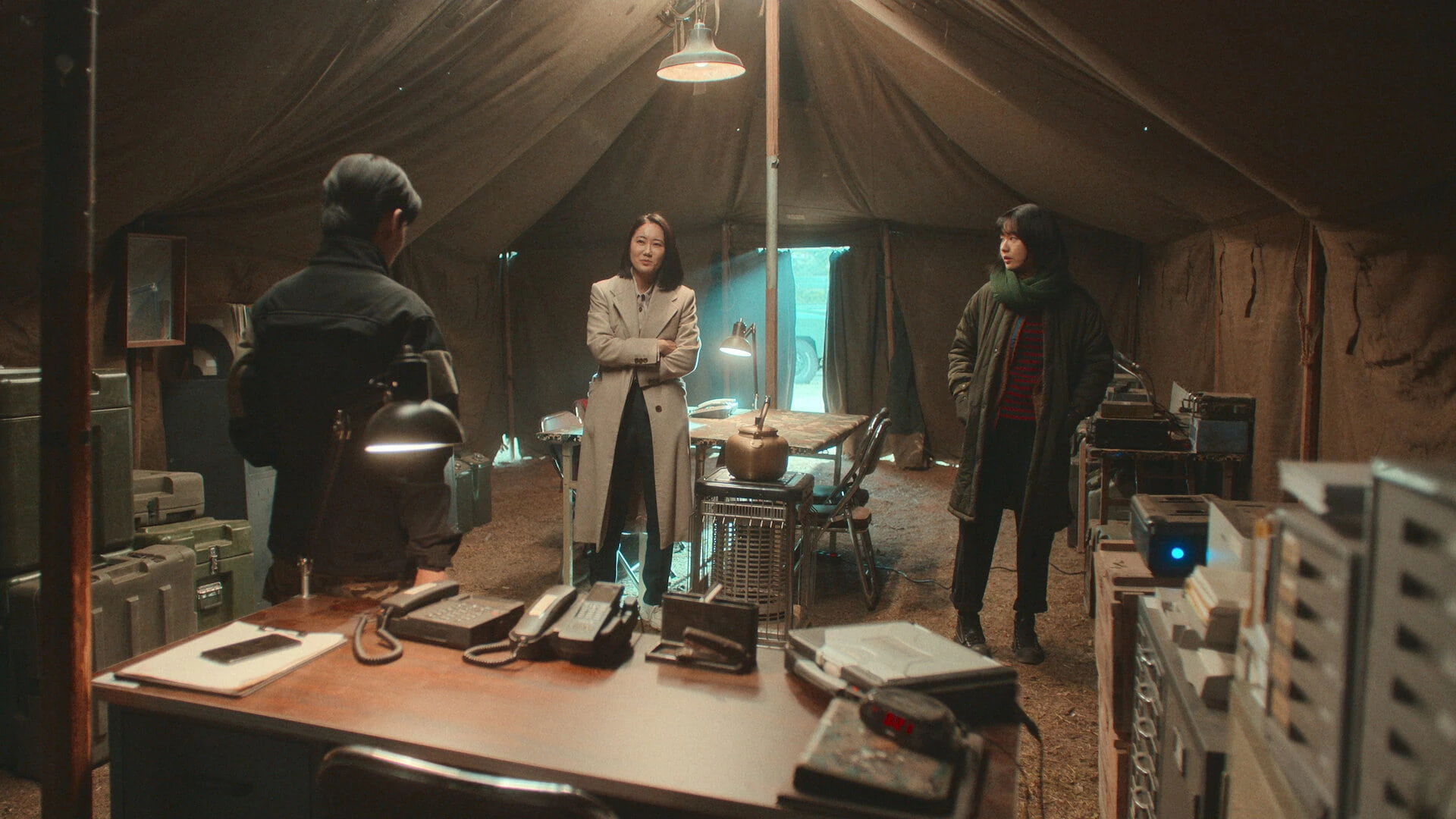
🏁 Ending Explained
Full spoilers ahead — everything that happens in the finale and what it all means.
Spoiler Warning — This section covers the full finale of Goodbye Earth. Stop here if you haven’t finished the series.
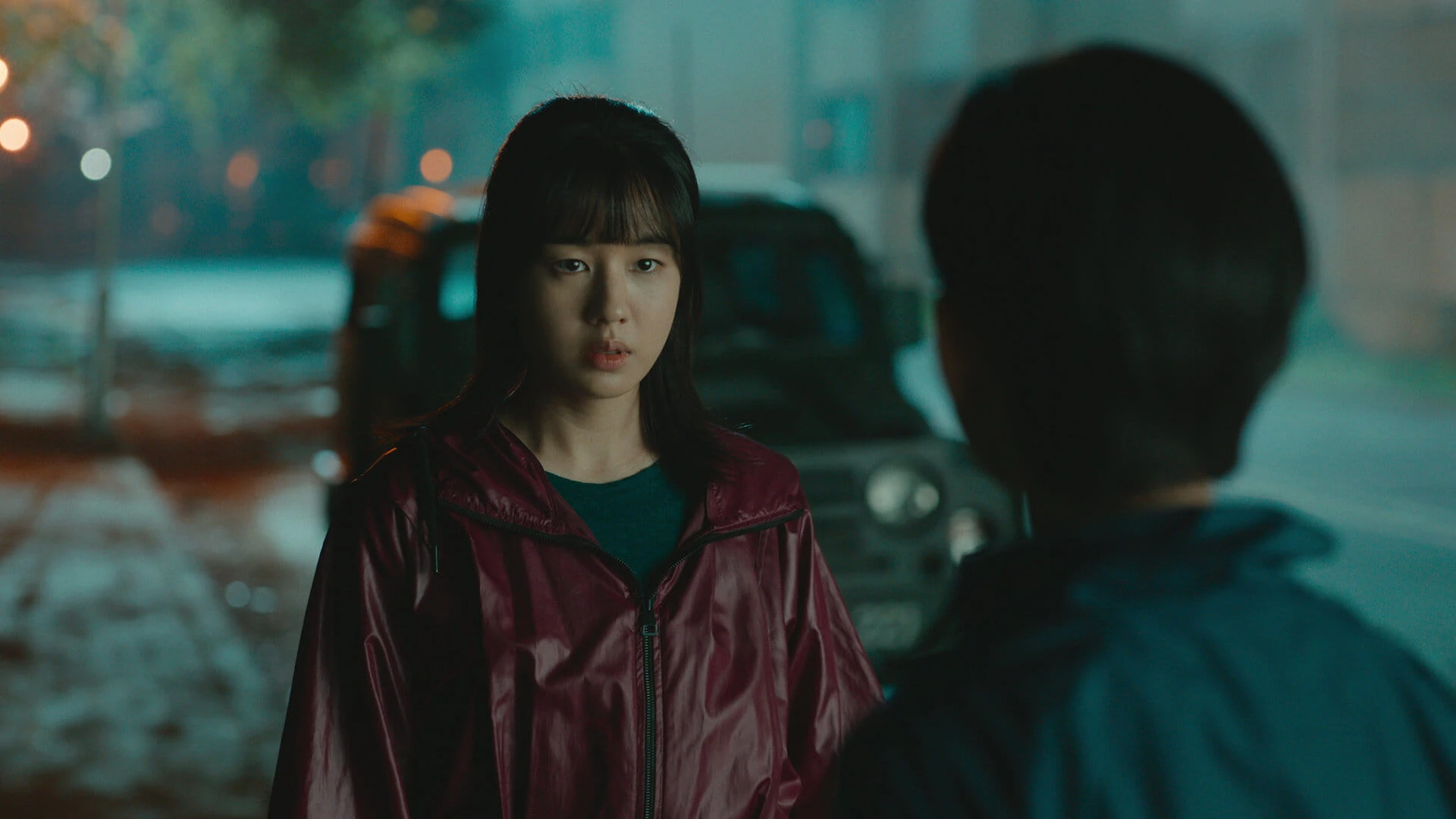
Se-kyung’s Last Mission. With fewer than 20 days before the asteroid’s confirmed impact, Se-kyung discovers that human trafficking has resumed in a new, more desperate form: gang leaders are now accepting children as payment for passage on the last ship out of Woongcheon. She doesn’t report it. She doesn’t ask for help. She tells no one — not Yun-sang, not Sung-jae — and walks into the gang’s gambling den alone, armed with a gun. The finale’s first act is a direct echo of who Se-kyung has been for the entire series: a woman who cannot stop protecting the children no one else will protect, even at the cost of her own life.
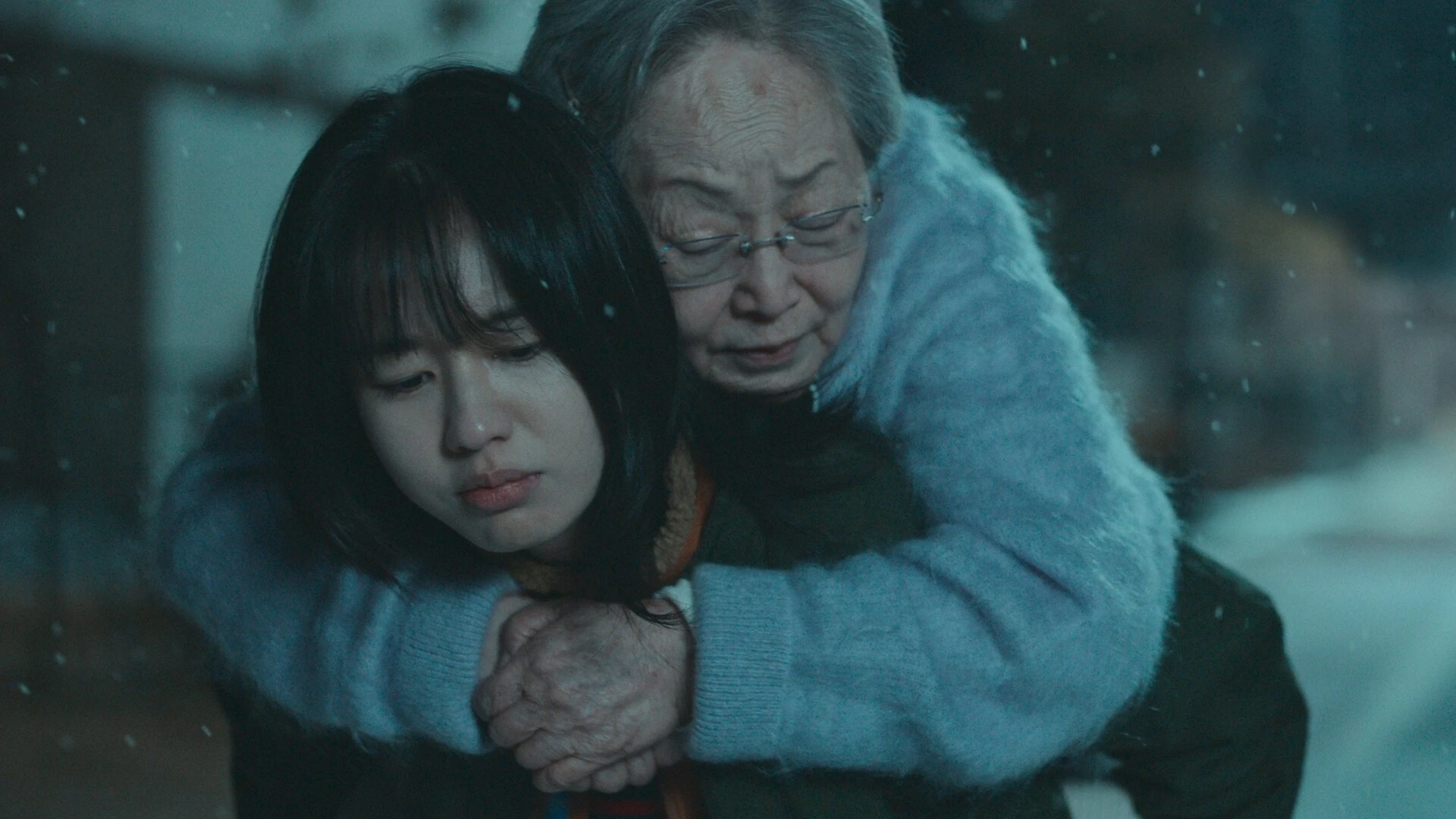
The Ambiguous Gunshot. The confrontation inside the gambling den escalates to a face-off between Se-kyung and the gang leader. She doesn’t hesitate. A gunshot rings out — and the camera cuts away before we see who fired or who fell. The drama refuses to give us a clean resolution. Se-kyung’s fate is deliberately left unresolved, and the show is entirely clear that it is doing this on purpose. The question it leaves behind is not “did she survive?” — it is “does her survival change what her choice meant?” The answer, the finale argues, is no.
Yun-sang Moves Toward Her. Sensing danger, Yun-sang leaves their home carrying Molotov cocktails — a man who spent the entire drama weighing escape against love finally moving, without calculation, toward the woman he chose. Whether he arrives in time is as unresolved as Se-kyung’s fate. What the drama is showing us, in these parallel images, is the same person at two points in their arc: Yun-sang at the beginning, measuring everything; Yun-sang at the end, past measuring.
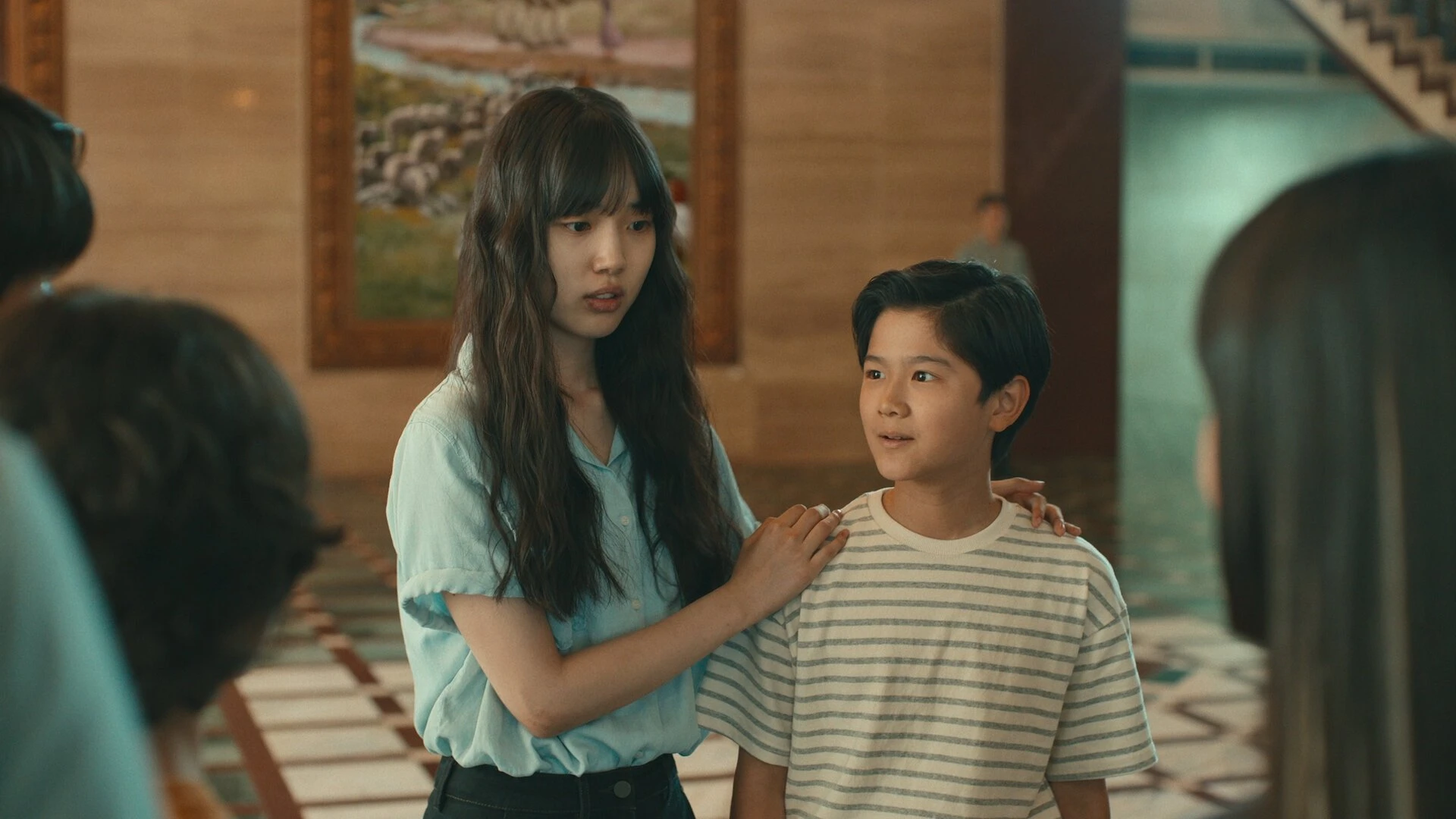
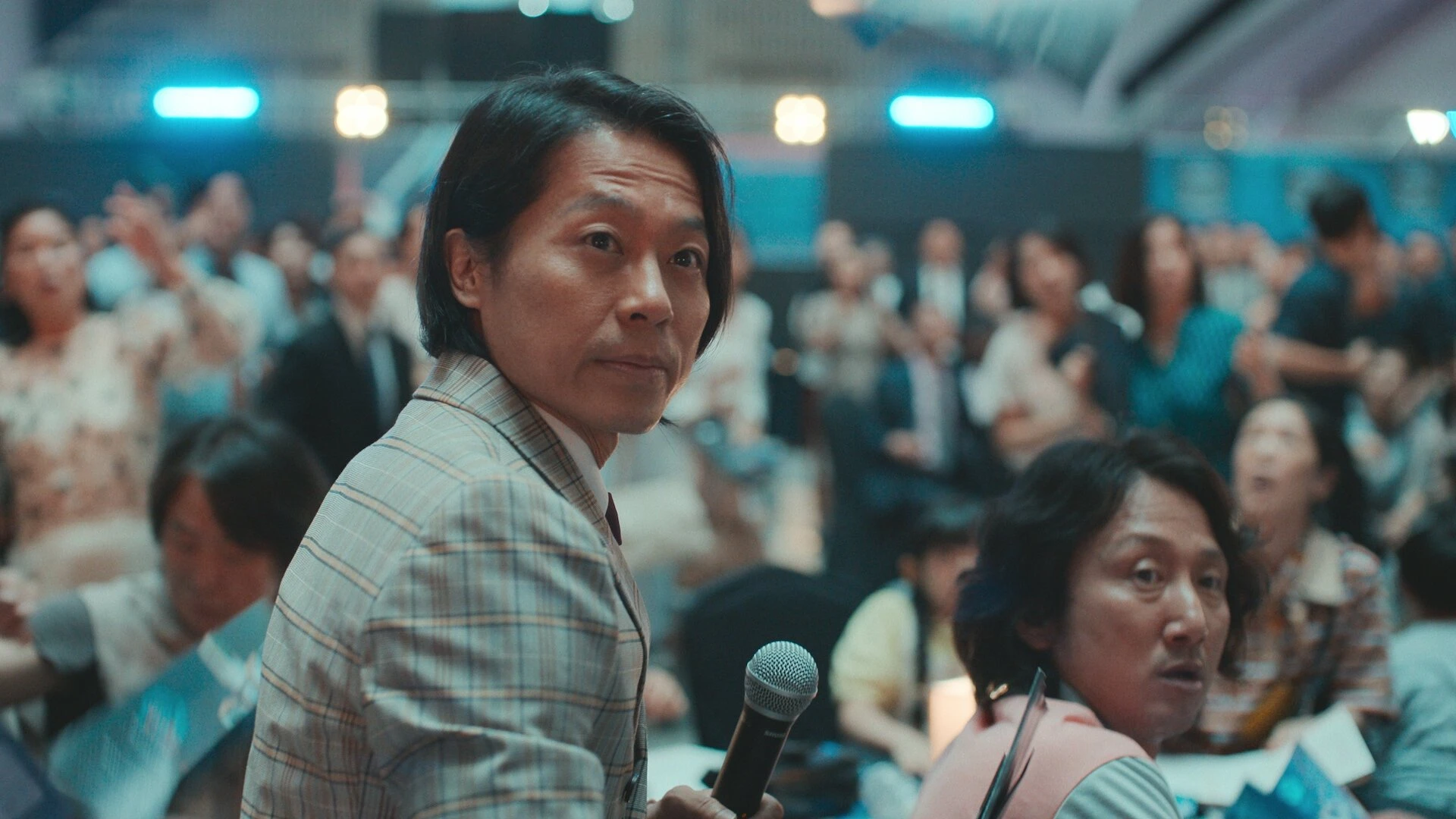
The Others Find Their Endings. The finale distributes its remaining time to everyone who survived the collapse of the cult, the escape planes, and the institutional failures of the past 200 days. Sung-jae — no longer a priest but never less than a servant — continues caring for his community without a collar. In-ah finds solitude on an open road, entirely on her own terms. Father Baek, traumatised and amnesiac, wanders the streets with no memory of what he did — the most quietly damning fate in the series. And Yun-sang’s memorial project — a documentary archive of Woongcheon and its people — stands as a record of lives that mattered.
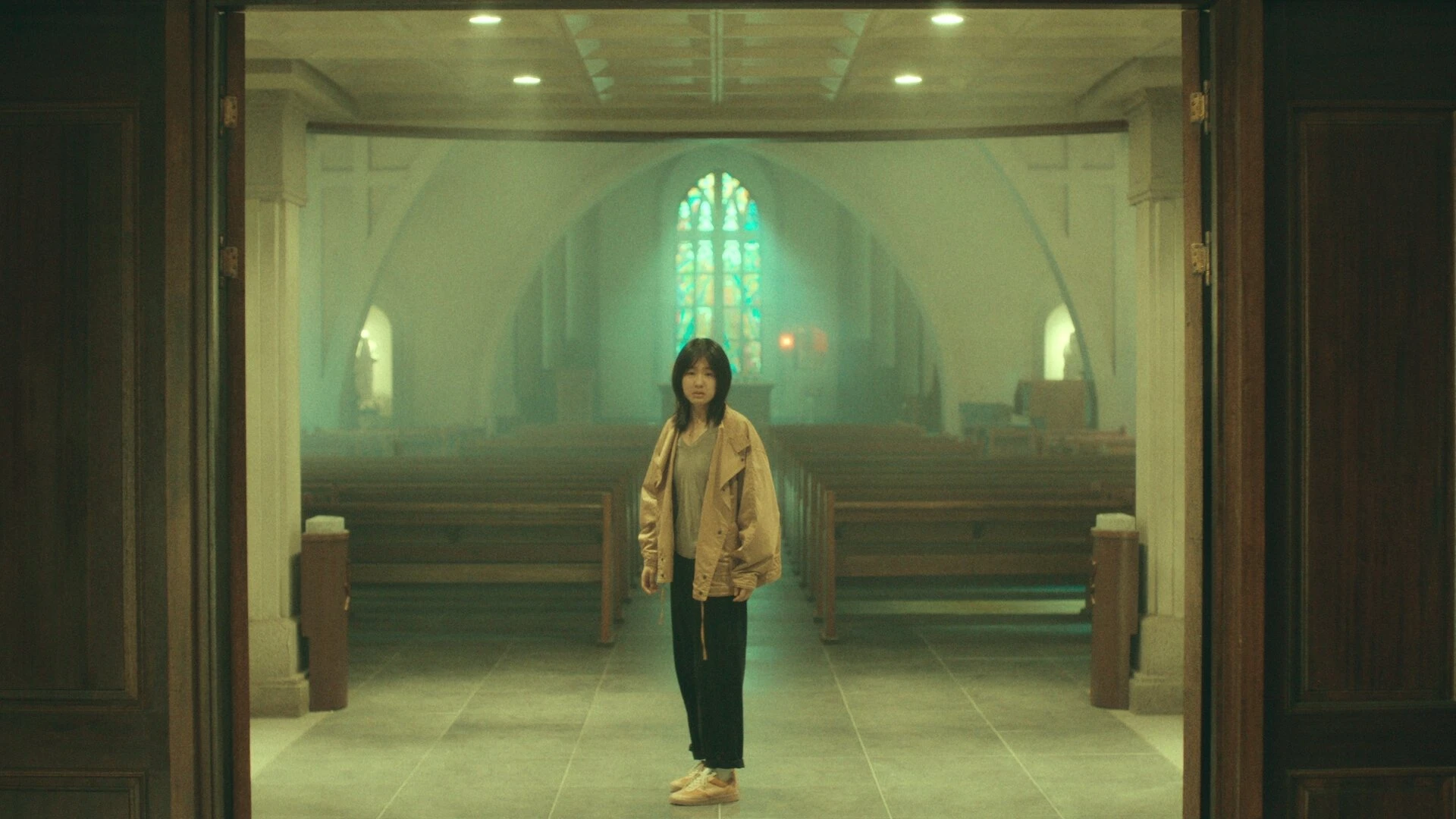
What the Drama Is Actually About. Goodbye Earth was never about the asteroid. The asteroid is the condition of the story, not its subject. The drama is about what people do with the time they know is running out — whether they use it to accumulate more, to escape, to exploit, or to serve. Se-kyung’s final walk into that gambling den is not heroism in the conventional K-drama sense. It is a woman who looked at twenty days left on Earth and decided exactly how she wanted to spend them. The series closes not with an impact or a countdown but with the quiet image of a woman mid-action, in the middle of doing the thing she has always done. How you choose to live matters more than whether you survive — and Goodbye Earth never lets you forget it.
✍️ KDramaWorlds Editor’s Take
Our honest read on why this drama is worth your time — and who it’s for.
💔 Quietly Devastating
⚖️ Moral Weight
🧒 Child Protection
🎭 Ahn Eun-jin Showcase
The most important thing to know about Goodbye Earth before you start is the thing most of its poor reviews are actually complaining about: there is no asteroid action. The asteroid is not a problem to be solved. It is a fact to be lived with. The drama is not interested in Bruce Willis moments or last-second heroics — it is interested in what an ordinary woman in an ordinary city does when the calendar shows 200 days left and no one is coming to fix it. If you go in expecting a disaster thriller, you will be frustrated. If you go in expecting a slow, humanist character study about the ethics of how to spend limited time — you will find something genuinely rare. Ahn Eun-jin’s performance is the backbone of everything: controlled, lived-in, and quietly devastating in a way that only registers fully once the series is over and you’ve had time to sit with it. The series was significantly reworked after Yoo Ah-in’s drug use charges led to an extensive reduction of his screen time — which is visible in the final product, creating an imbalance that the drama never fully rights. But the decision to lean further into Ahn Eun-jin as the sole narrative centre turns out to be the show’s saving grace.
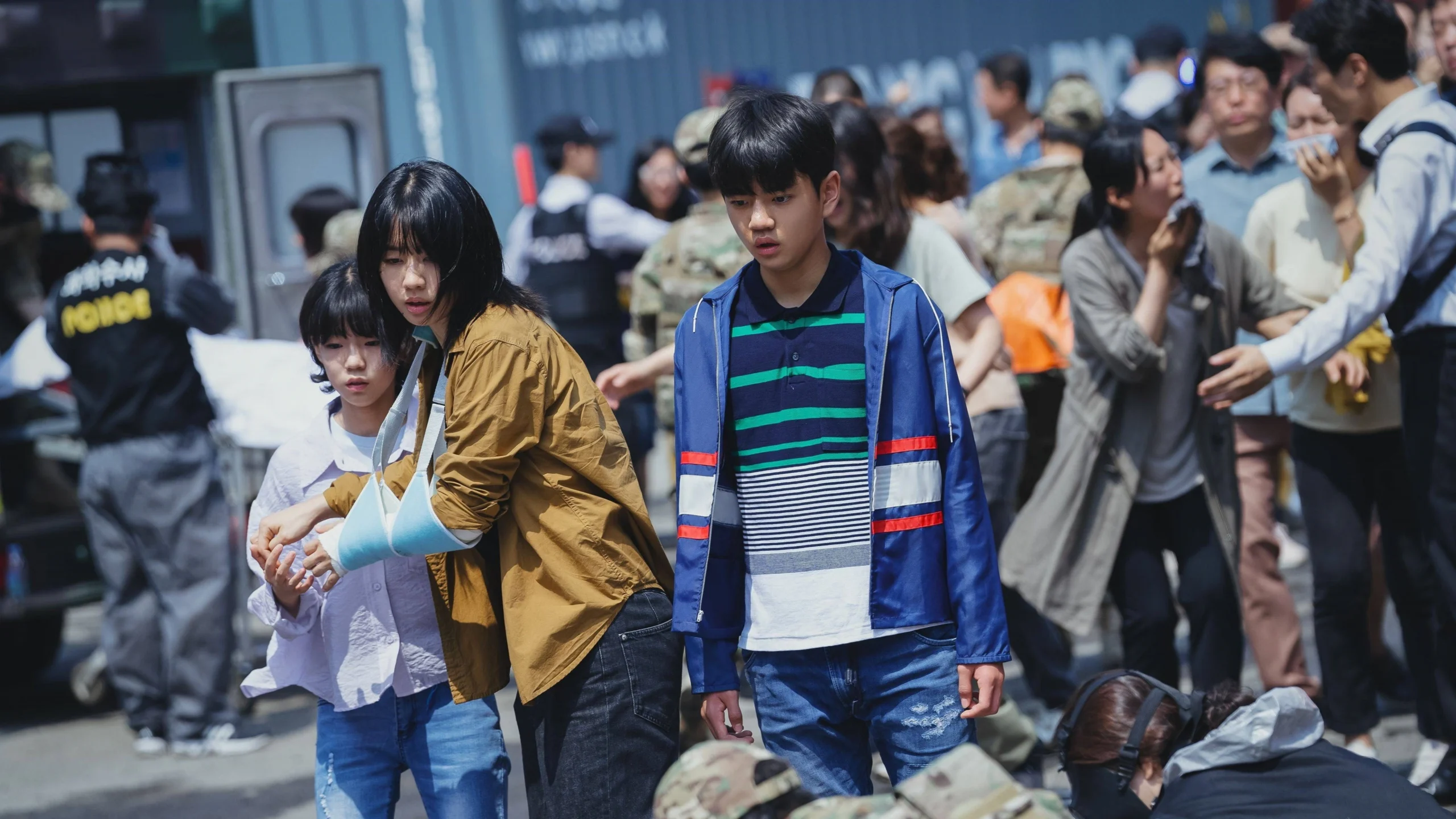
The middle section — episodes 5 through 8 in particular — is where the show’s weaknesses are most exposed. Multiple subplots (the cult, the escape network, the church corruption, the trafficking ring) compete for space without fully resolving into a unified dramatic argument, and the non-linear structure of the early episodes can feel genuinely impenetrable on first watch. But the trafficking storyline, which runs like a quiet thread through the entire series, is handled with more care and weight than almost any comparable K-drama subplot. The drama never sensationalises it. It treats the children in danger as people — not props — and Se-kyung’s commitment to them never feels performative. That moral seriousness is what elevates Goodbye Earth above the genre films it superficially resembles.
The finale is the drama at its most honest. The ambiguous ending — a gunshot off-camera, a fate unresolved — will frustrate anyone who wanted closure, and deliberately so. Goodbye Earth has been arguing since its first episode that the point isn’t what happens at the end; the point is what you chose to do along the way. Se-kyung’s last walk into that gambling den is not a heroic sacrifice. It is just the next thing she was going to do. The series earns that ending because it has spent 12 hours making you understand exactly who she is. Not comfortable. Not easy. But absolutely one of the most distinctive K-dramas Netflix has ever quietly dropped.
Anyone who loved the quietly devastating tone of When Life Gives You Tangerines
Viewers who want to see what a female-led K-drama looks like at its most uncompromising
🎬 You Might Also Like
If you liked Goodbye Earth, these are your next three watches.
 The Ordinary Jackpot
Dramafantasy
Read Full Review →
|
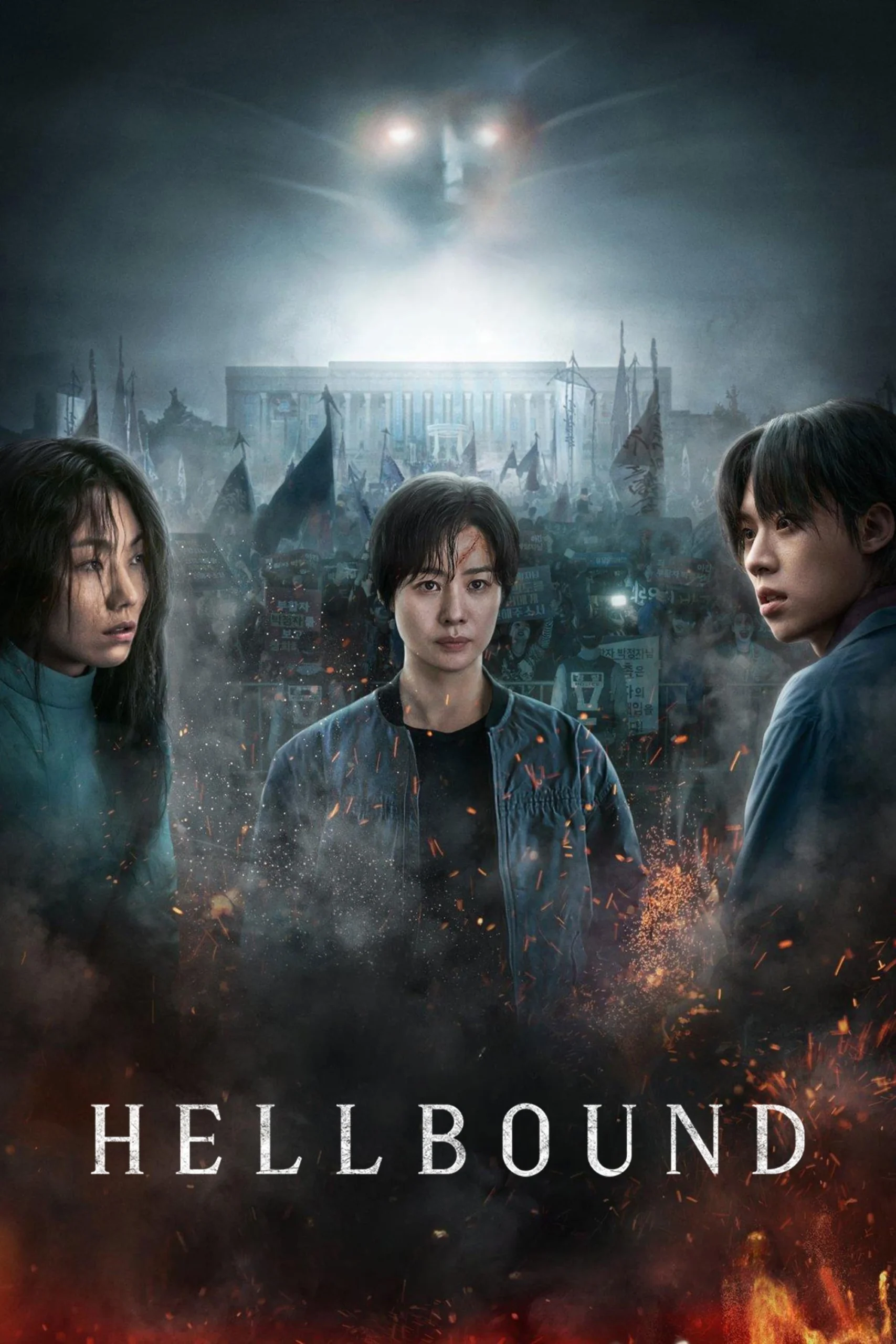 Hellbound (Season 2)
cultdystopian Korea
Read Full Review →
|
 Shark: The Storm
Actioncrime
Read Full Review →
|












Keep it kind, skip the harsh language, and please — no spoilers. Everyone's taste is different, and that's perfectly fine.
This space is for real reactions and discussion from other viewers. Help keep it comfortable for everyone by not giving away major plot details.
What do you think of this drama?
Login to share your review or leave a comment.
No email needed — just pick a username & password.