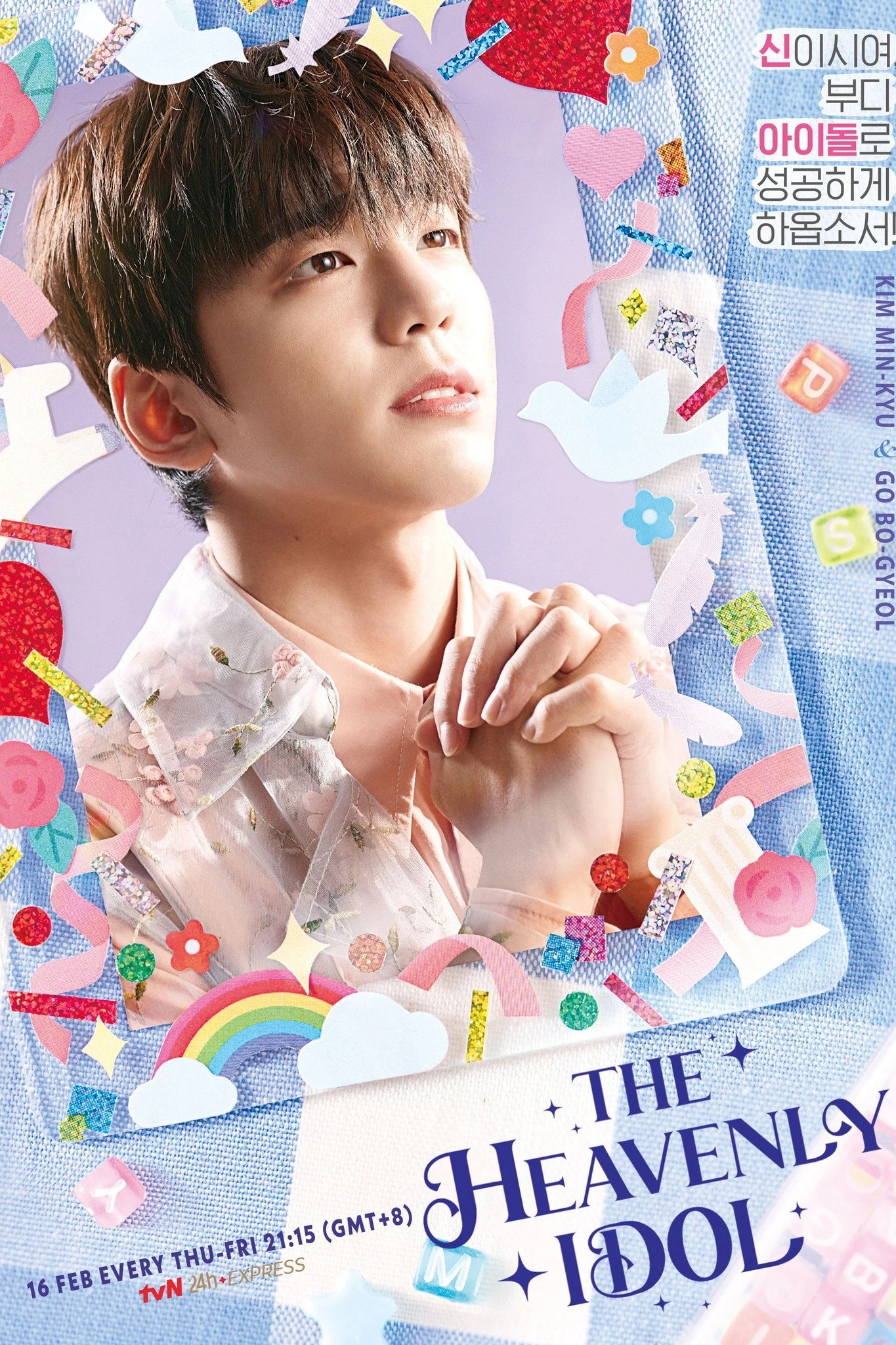
The Heavenly Idol
🎬 Viki · Prime Video · Viu
⭐ 7.5 MDL
📺 15+
📋 Drama Overview
What you’re getting into, at a glance.
🔮 Supernatural Pick
Prime Video
Viu
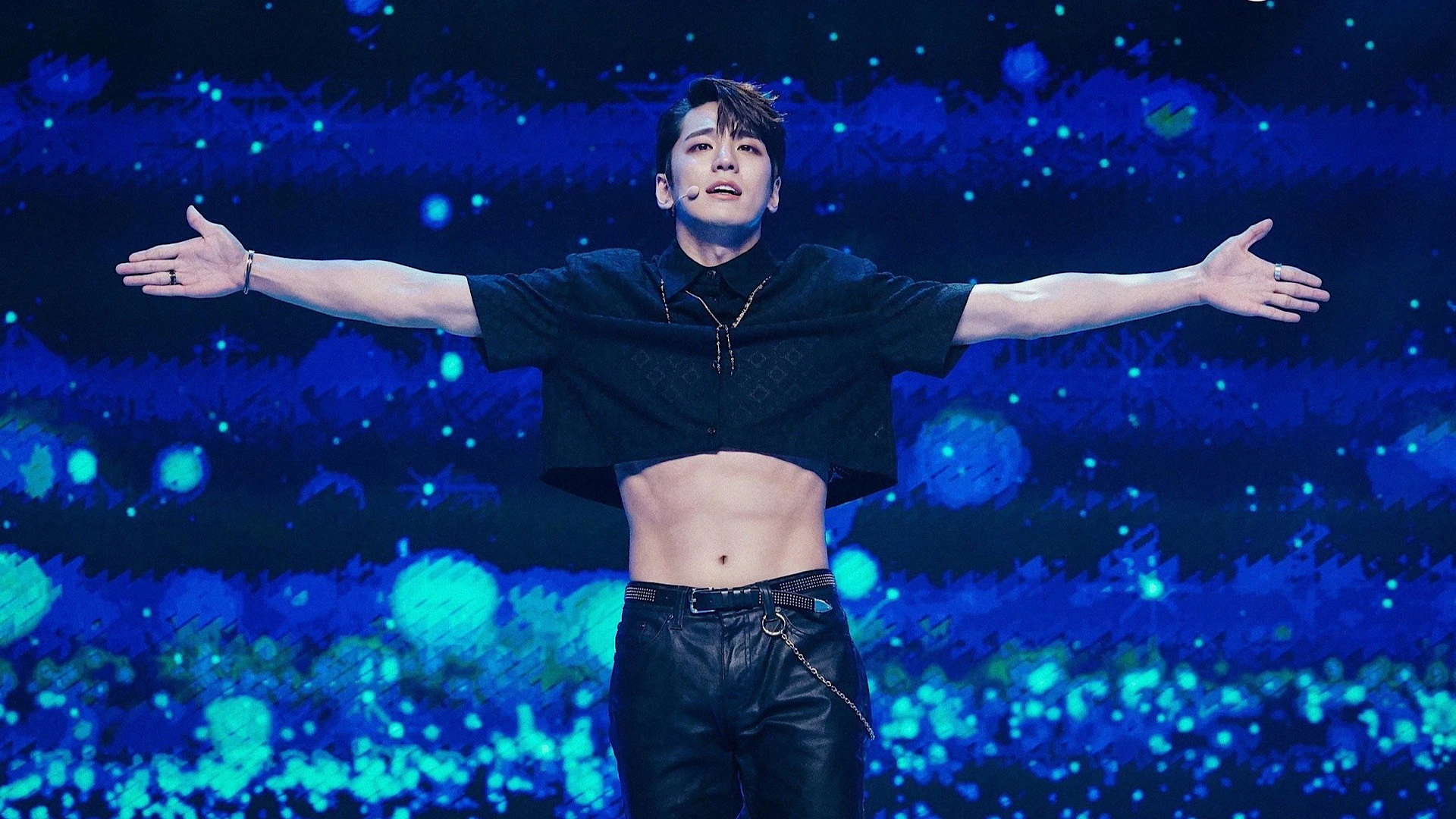
The premise of The Heavenly Idol asks a reasonable question and refuses to treat it as rhetorical: what would happen if the most powerful divine being in another dimension — a Pontifex who has spent his entire existence above human weakness — suddenly had to perform a choreographed dance routine on live television? The last thing Rembrary expected during his battle with the Evil One was a dimensional ambush. The second-to-last thing was waking up in the body of a failing K-pop idol, three minutes before broadcast.
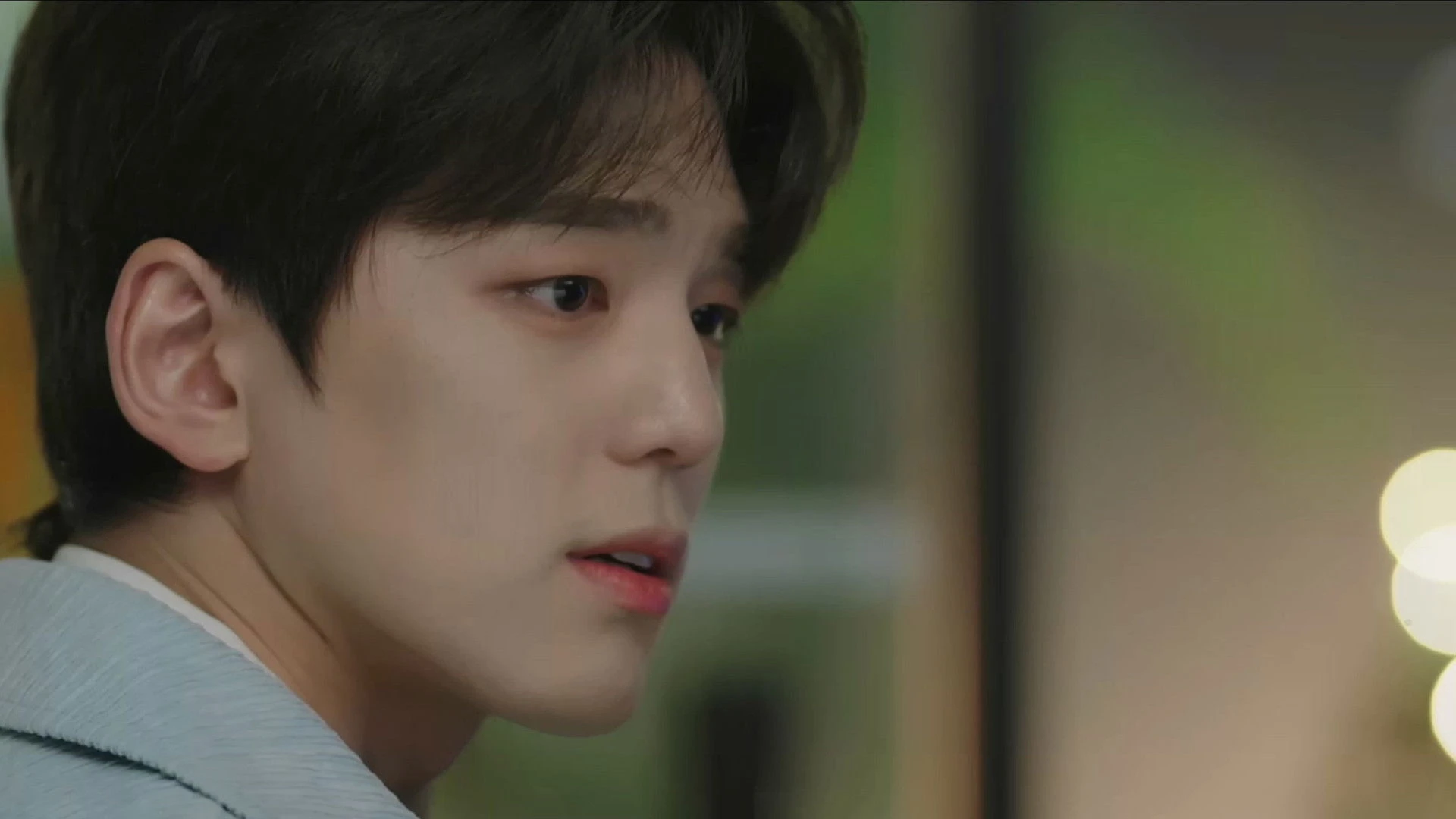
The disaster that follows — a man who speaks like ancient scripture trying to remember how to breathe in formation — is the show’s first real argument that Kim Min-gue is doing something interesting here. Rembrary doesn’t know choreography, but he has enough divine charisma that confusion reads as magnetism on camera. The Evil One follows him across dimensions, takes the form of entertainment executive Shin Jo-woon, and begins quietly compromising the idol industry’s power structures. Rembrary, stranded in a body with a contract and a fan base, strikes a binding holy vow with the real Woo Yeon-woo across dimensions and gets to work figuring out how music competition shows, celebrity management, and Korean entertainment contracts operate. The comedy lands. The mythology, when it arrives in full, is denser than you expect.
12 / 12 ✅ Completed
⚡ Quick Verdict
Skip the scroll — here’s the verdict in one glance.
MDL Score · Check MyDramaList for updated community rating
▶ Official Trailer
🎭 Cast & Characters
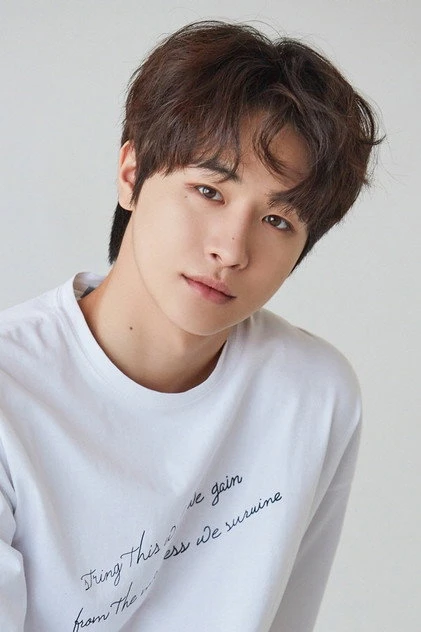
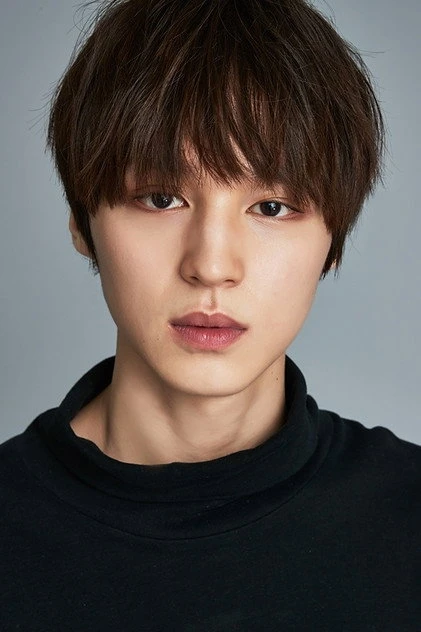
Two leads playing completely different versions of sincerity — one who’s never had to perform it, one who’s spent years performing it for the wrong person.

Lead

Lead

Villain

Supporting

Supporting

Supporting

Supporting
Supporting

Supporting

Supporting

Supporting
Supporting
📺 Episode Guide
Just enough per episode to remember where things stood.


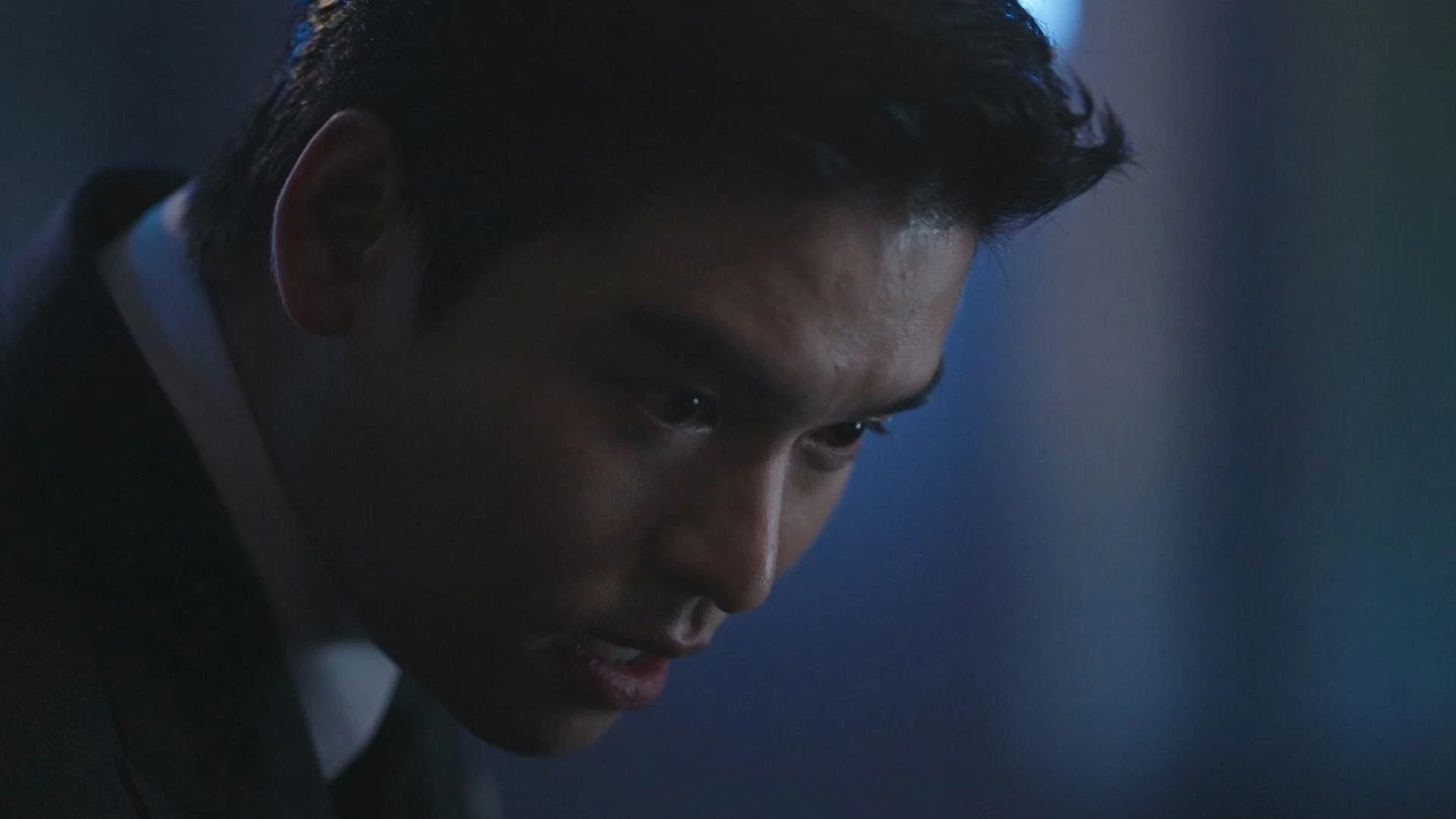
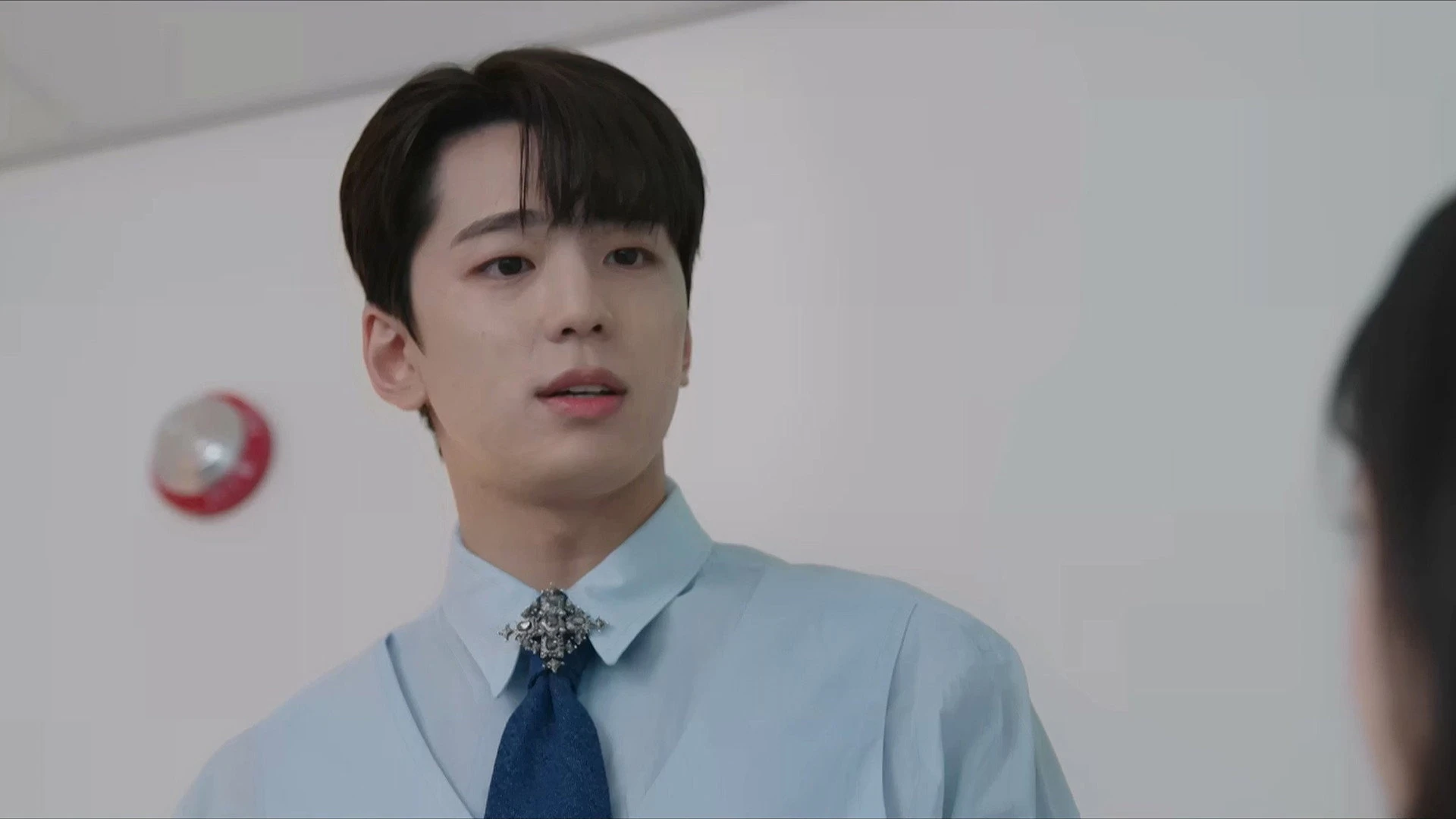


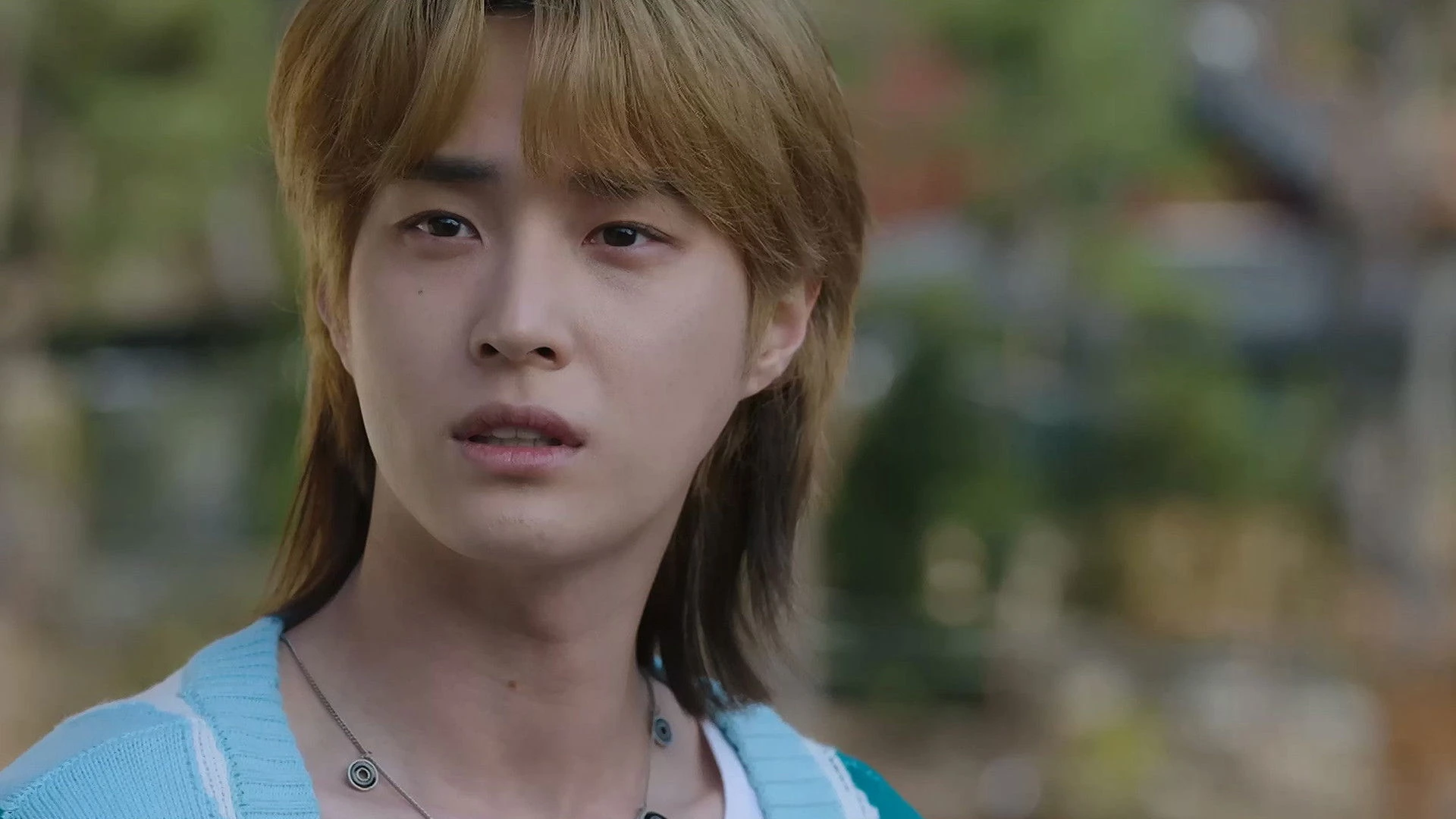

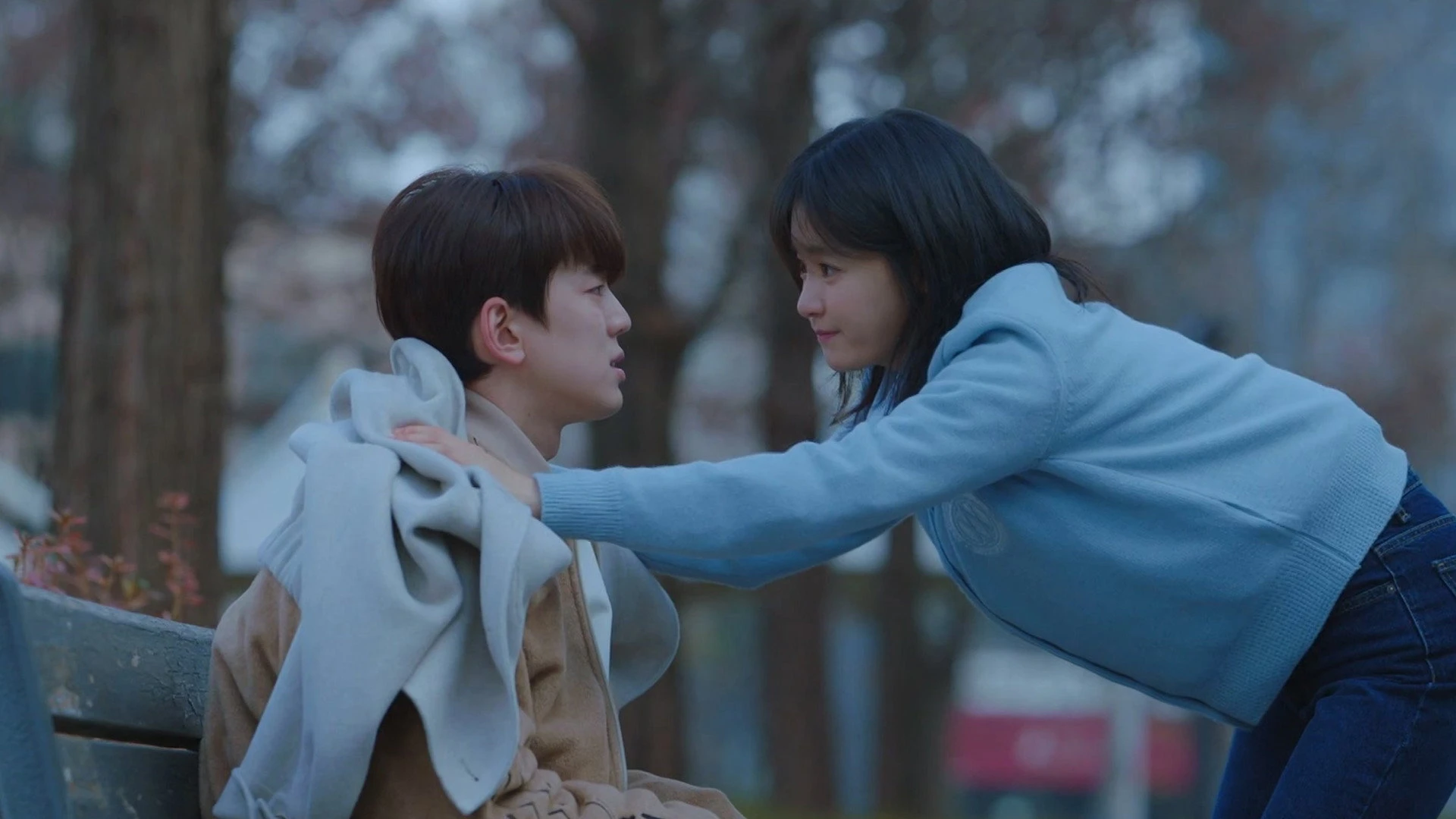
🏁 Ending Explained
Full spoilers — breaking down the finale and what it means.
Spoiler Warning — This section covers the full finale of The Heavenly Idol. Stop here if you haven’t finished the series.
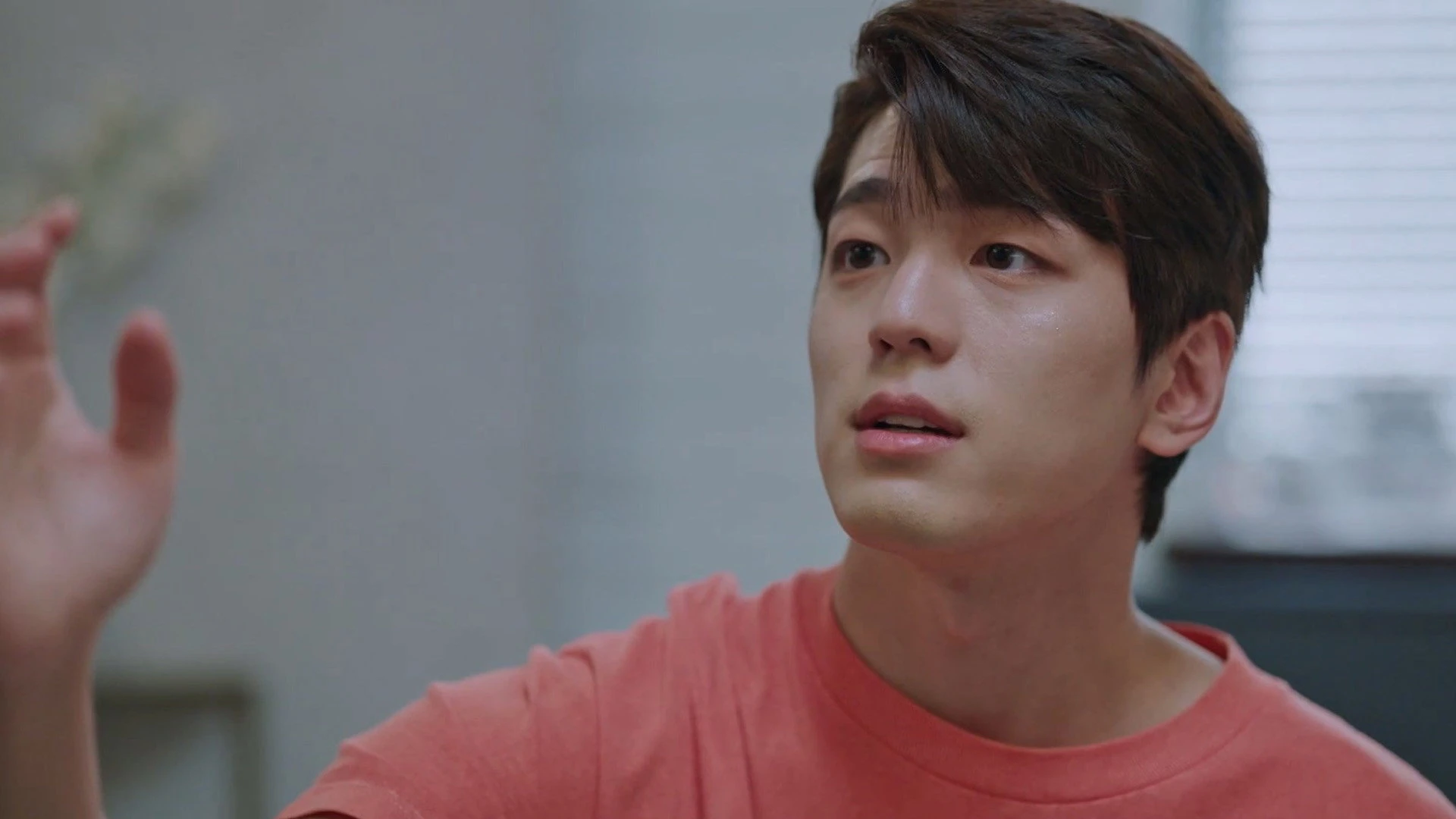
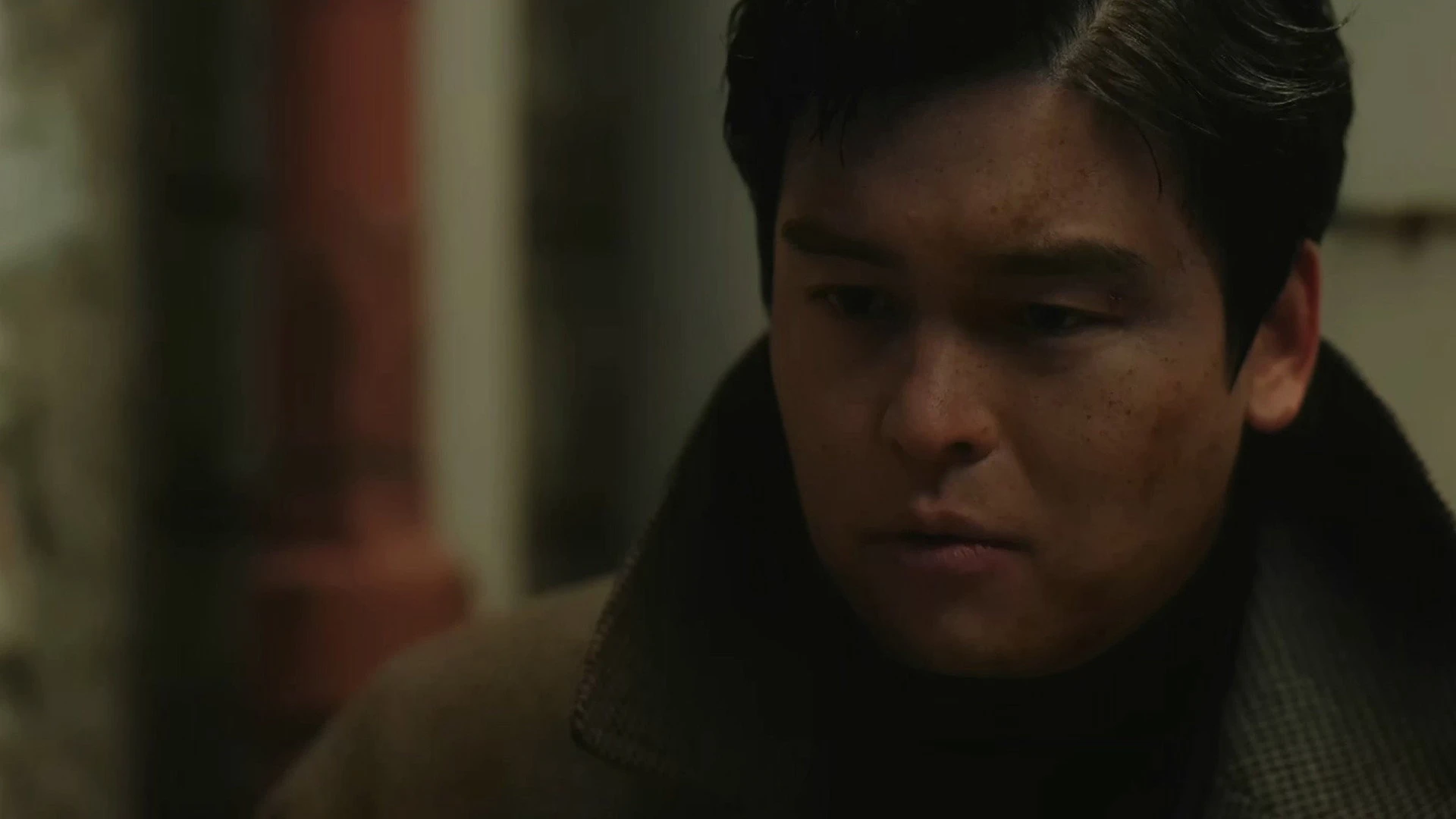
What Actually Happens. Redrin escapes into the present dimension and strips the Evil One of his powers in the finale’s first turn — Shin Jo-woon is left mid-scene suddenly powerless, suddenly human, suddenly nothing. Dal travels to the Other World, locates a devastated Rembrary, and pulls him back. He faces Redrin in the final battle not with the invincible divine authority that defined him in episode 1 but as someone who has learned to accept loss, care, and the possibility of failure — and defeats her on those terms. The Evil One survives but is left alive without purpose, which the show frames as a harder condition than defeat. Rembrary stays tethered to the present through a mechanism the drama leaves slightly vague. The real Woo Yeon-woo returns to his idol career.
The Villain Swap: What the Show Does with Redrin. The reveal that Redrin is the true antagonist reframes the entire mythology. The Evil One, stripped of power and exposed as something that craved love rather than destruction, becomes almost a cautionary figure — less villain than consequence. Redrin, who created the Other World, gets roughly twenty minutes of villain time across the full twelve-episode run, which is not enough for the weight the finale asks us to assign her. The logic holds despite the thin development: the show was always more interested in what makes someone corruptible than in what makes someone evil, and Redrin’s actions follow naturally from that interest. She wanted to undo what she created. The show doesn’t explain why. This is either the drama’s most interesting choice or its most unfinished one.
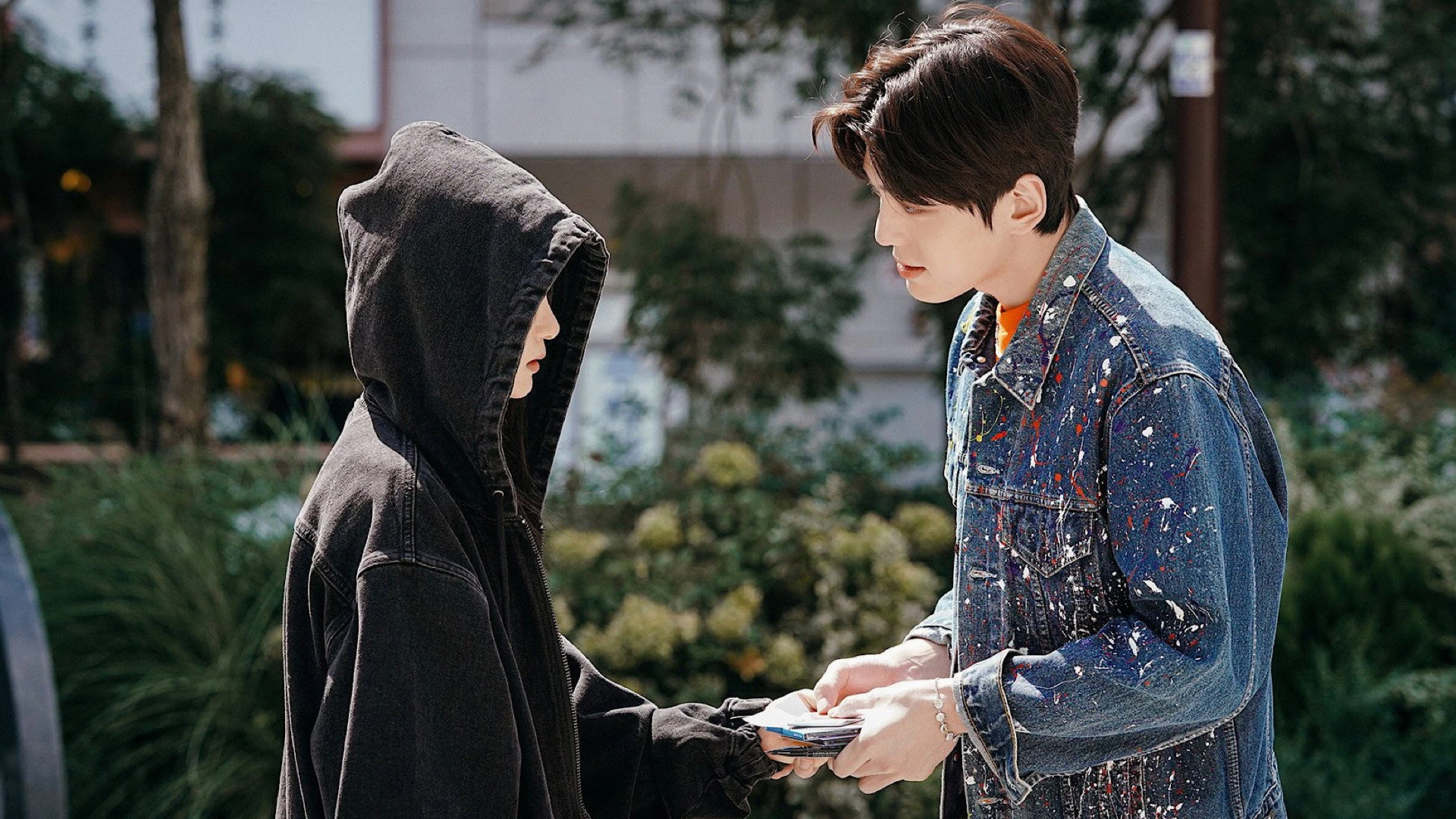
Dal’s Sacrifice and What It Actually Costs. Dal’s three acts of self-sacrifice in the finale follow a pattern the show established in episode 5: she doesn’t wait to be asked. Each act escalates in what it costs her personally and professionally — the last one, requesting passage into the Other World from Yeomra, is the most irreversible thing she does in the series. Go Bo-gyeol plays the decision in the final episode without announcement. Dal doesn’t make a speech about why she’s going. She goes. The romance is consummated not in a dramatic declaration at episode’s end but in the fact that she crossed dimensions to retrieve someone — which is, the show argues, a more honest version of the thing.
What Happens to the Real Woo Yeon-woo. Yeon-woo’s return to his idol career is handled in several quick scenes, and the show is honest enough not to make them triumphant. Wild Animal has to absorb the shock of learning who they were actually training with; Yeon-woo has to absorb who he became while living as a revered Pontifex in another world. He isn’t broken by it. He isn’t unaffected. The drama gives him a quiet dignity in these scenes without fully exploring what two simultaneous lives costs a person — he picks up his career with the bearing of someone who has been somewhere significant and hasn’t told anyone yet. The show doesn’t decide whether that’s loss or growth. It lets it be both.
What “성스러운 아이돌” Actually Refers To. The Heavenly Idol — literally “Sacred Idol” in Korean — earns its title through irony rather than description. Rembrary is sacred in the Other World sense: highest rank, untouchable authority, above human vulnerability. In the present world, an idol is someone who accumulates worship through image and performance — a manufactured version of the same thing. The show’s real question is whether something becomes sacred because of what it is, or because of what others project onto it. Rembrary arrives without understanding how idol culture works and produces the genuine article anyway, which is the premise’s best joke. What the finale suggests, in its closing scenes, is that the gap between divine and human is less about power than about willingness to be vulnerable — and that an idol who has learned that willingness is the more complete version of both things at once.
✍️ KDramaWorlds Editor’s Take
Here’s our honest verdict, and who’s going to love it.
😂 Fish-out-of-water Comedy
💗 Slow Burn Romance
🌟 Idol Industry
⚔️ Good vs Evil
Kim Min-gue has been building toward a lead role through a sequence of reliable supporting turns — the steadfast friend in Business Proposal, the quietly tragic second in Record of Youth — but The Heavenly Idol is the first drama that actually tests the full range. What he finds is that Rembrary’s divine nature gives him permission to be genuinely strange. The awkwardness that might read as miscalibration in another drama is, here, the correct choice: a being with no cultural knowledge learning that moving through a choreography formation is different from commanding a celestial army. He plays that mismatch with a physical specificity — too upright, too deliberate, not performing self-consciousness because Rembrary doesn’t have any — that makes every small adjustment across twelve episodes feel earned. By episode 10, when the powers are gone and only human uncertainty remains, the performance has built enough context that his helplessness lands as something the show has been working toward, not as a gear change. Compare this to Tale of the Nine-Tailed, which gave Lee Dong-wook similar supernatural-being-in-modern-world territory — both actors find different solutions to the same core problem of playing a non-human learning to be one.

Go Bo-gyeol’s challenge is stranger than it looks on paper. Dal is in love with someone who isn’t there — the real Yeon-woo was, by her own retrospective acknowledgment, not who she believed him to be. What Go Bo-gyeol manages is a performance where the feelings are genuine but the target keeps shifting underneath them: Rembrary is not the person she built these feelings for, and yet. The confession scene in episode 9 is the show’s best acting moment precisely because she plays it as honest rather than triumphant — someone saying a true thing about themselves without expecting it to change anything. You might find My Demon (2023) interesting alongside this one — another drama where the human romantic lead has to reckon with whether the feelings they built were constructed on accurate information.
The show’s structural problem is that its mythology and its romance never fully agree on what story they’re telling. Episodes 6 through 8 lean heavily into Hongwoodaedae and the yogoe subplot, and the comedic momentum the first five episodes built dissipates quickly under the weight of worldbuilding that keeps expanding. The finale asks too much of its final hour: Evil One resolution, Redrin reveal, Other World rescue, Yeon-woo return — all of it compressed in ways that work logically but land without the emotional room the individual beats deserve. What survives all of this is the comedy, the lead performances, and one quietly exceptional episode about what it costs a divine being to accept that he needs someone. For a fantasy rom-com asking you to believe in both dimensions, that’s enough.
K-drama viewers curious about idol industry satire done with affection
Fans of leads who earn the romance through twelve episodes of building it
A fantasy rom-com that earns its charm through one committed lead performance and knows exactly when to let the comedy breathe.
🎬 You Might Also Like
If you liked The Heavenly Idol, these are your next three watches.
 Dive into You
Body SwapBona
Read Full Review →
|
 Spice Up Our Love
Body Swapfantasy
Read Full Review →
|
 My Military Valentine
DMZEnemies to Lovers
Read Full Review →
|













Keep it kind, skip the harsh language, and please — no spoilers. Everyone's taste is different, and that's perfectly fine.
This space is for real reactions and discussion from other viewers. Help keep it comfortable for everyone by not giving away major plot details.
What do you think of this drama?
Login to share your review or leave a comment.
No email needed — just pick a username & password.