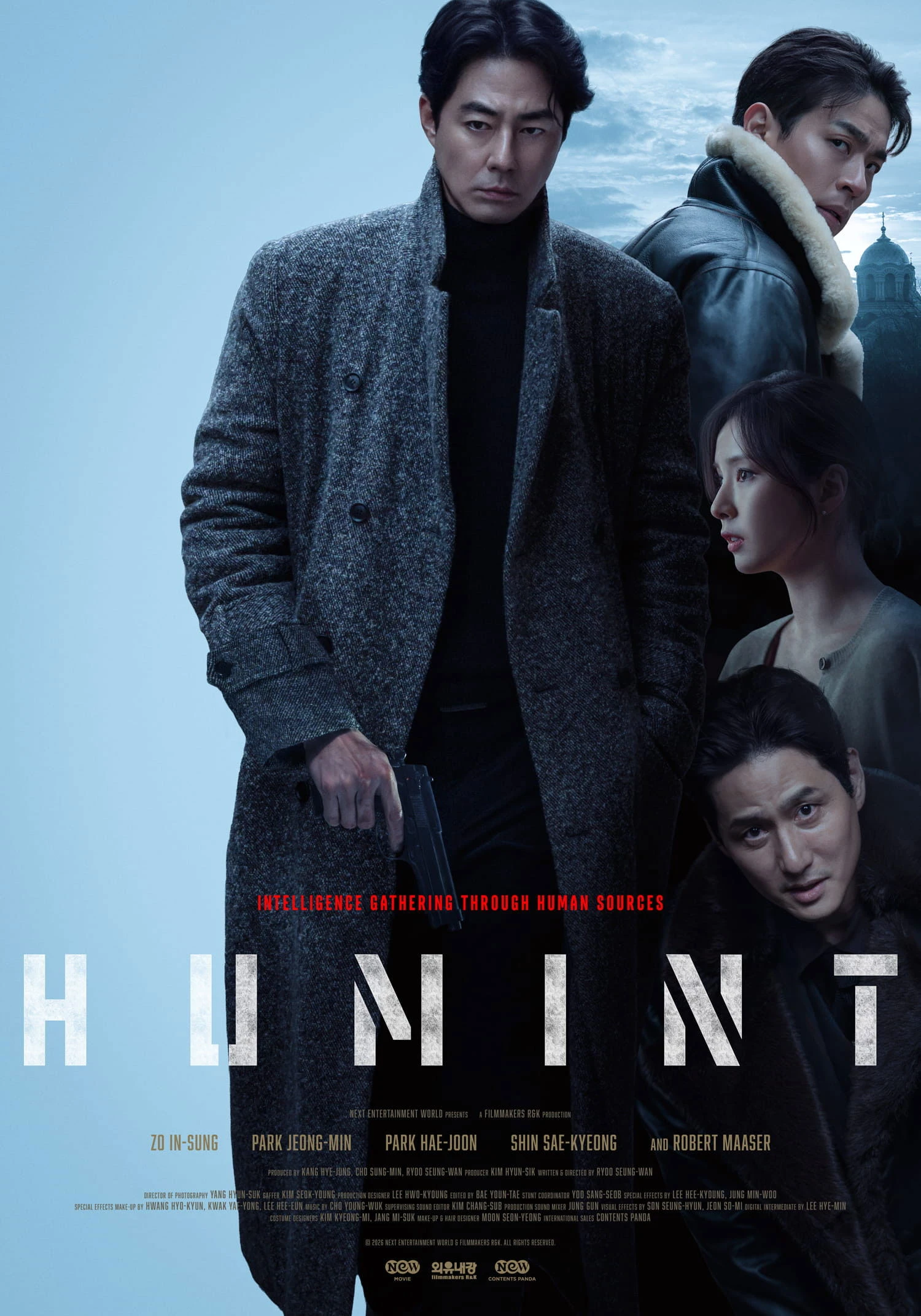
Humint
🎬 Film Overview
In the frost-bitten port city of Vladivostok, South Korean NIS agent Manager Zo is deployed to dismantle an international crime syndicate trafficking North Korean women across Russian, Chinese, and European borders. His mission collides with that of Park Geon — a North Korean State Security officer hunting the same network from the opposite side of the ideological divide. When both men discover that a restaurant hostess named Chae Seon-hwa holds critical intelligence and is being hunted by forces within her own government, they are forced to reckon with a shared enemy — and an impossible choice.
⚡ Quick Verdict
One box. Everything you need to decide.
· IMDb
▶ Official Trailer
🎭 Cast & Characters
Twelve performances across 119 minutes of cold-war espionage.

Lead

Lead

Lead
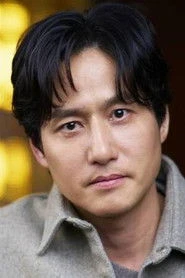
Antagonist

Supporting
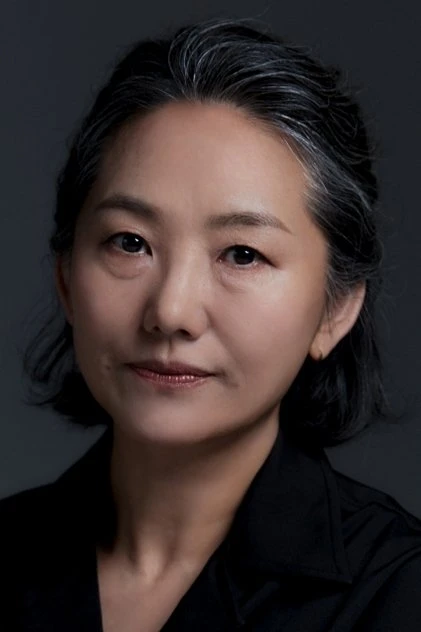
Supporting
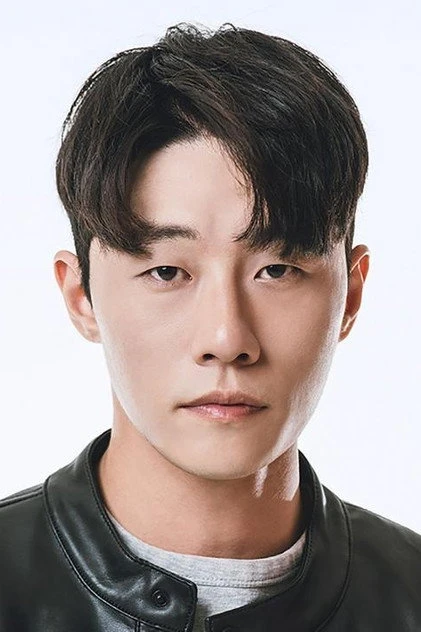
Supporting

Supporting
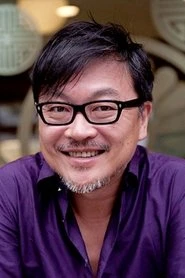
Supporting
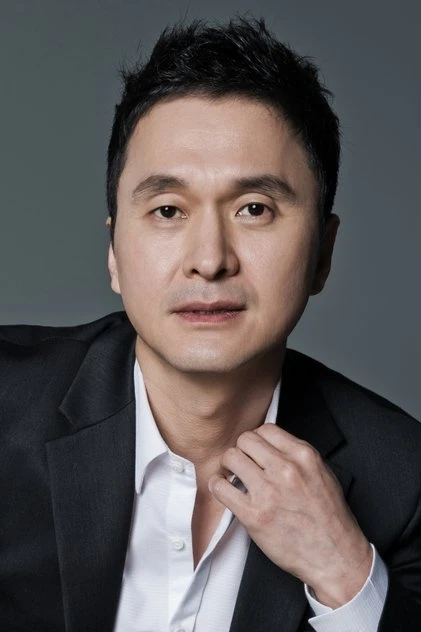
Supporting

Supporting

Villain
📖 The Story
No spoilers — just enough to know if this is your film.
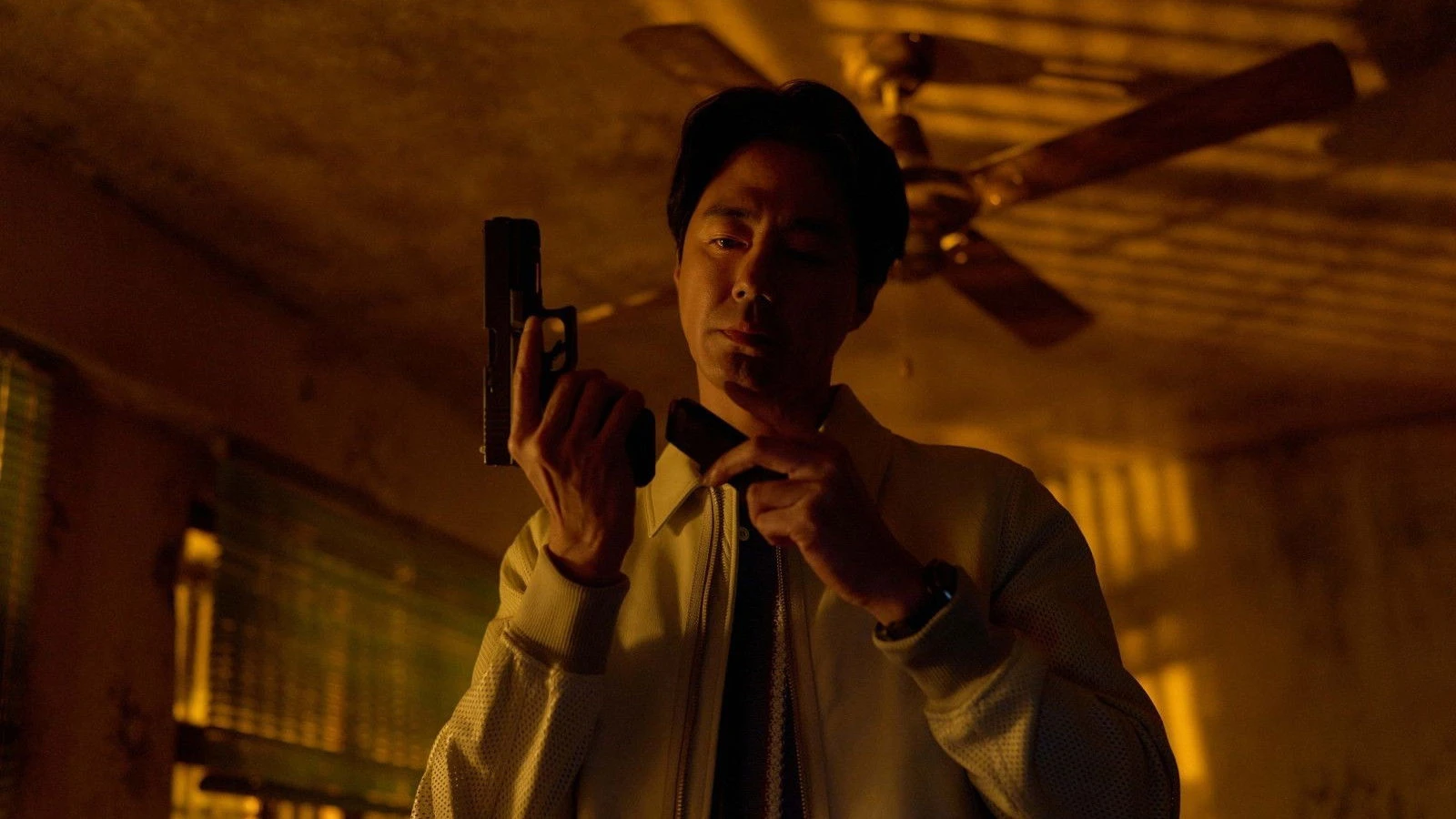
Manager Zo is not a man who delivers speeches about duty. He is a field operative who speaks in the language of surveillance — the calibrated stillness of a nightclub booth, the careful geometry of a source meet, the quiet calculation of how much trust can be extended before it becomes liability. He works for the South Korean National Intelligence Service, and his currency is the conversion of human vulnerability into actionable intelligence. His world exists in the moral gray zone between protection and exploitation, between the promise made to a terrified informant and the cold institutional math that decides whether that promise can actually be kept. When we first meet him, it is in Mahador, running a contact who has survived horrors he can barely name — and whose survival he has pledged to guarantee.
What shatters the case open — and begins to fracture Zo himself — is the death of that informant in a safe house he could not protect in time. On paper, the operation delivered results. In every other way, it was a catastrophe measured in one life. The intelligence she provided before she died leads to Vladivostok: a frost-bitten port city on the Russia-North Korea-China border where a Russian criminal network, run by a man named Aleksei, is operating a trafficking pipeline that feeds on North Korean women. Zo’s superiors want to close the file. Zo cannot stop reading it. He requests deployment, and the film follows him into the cold.
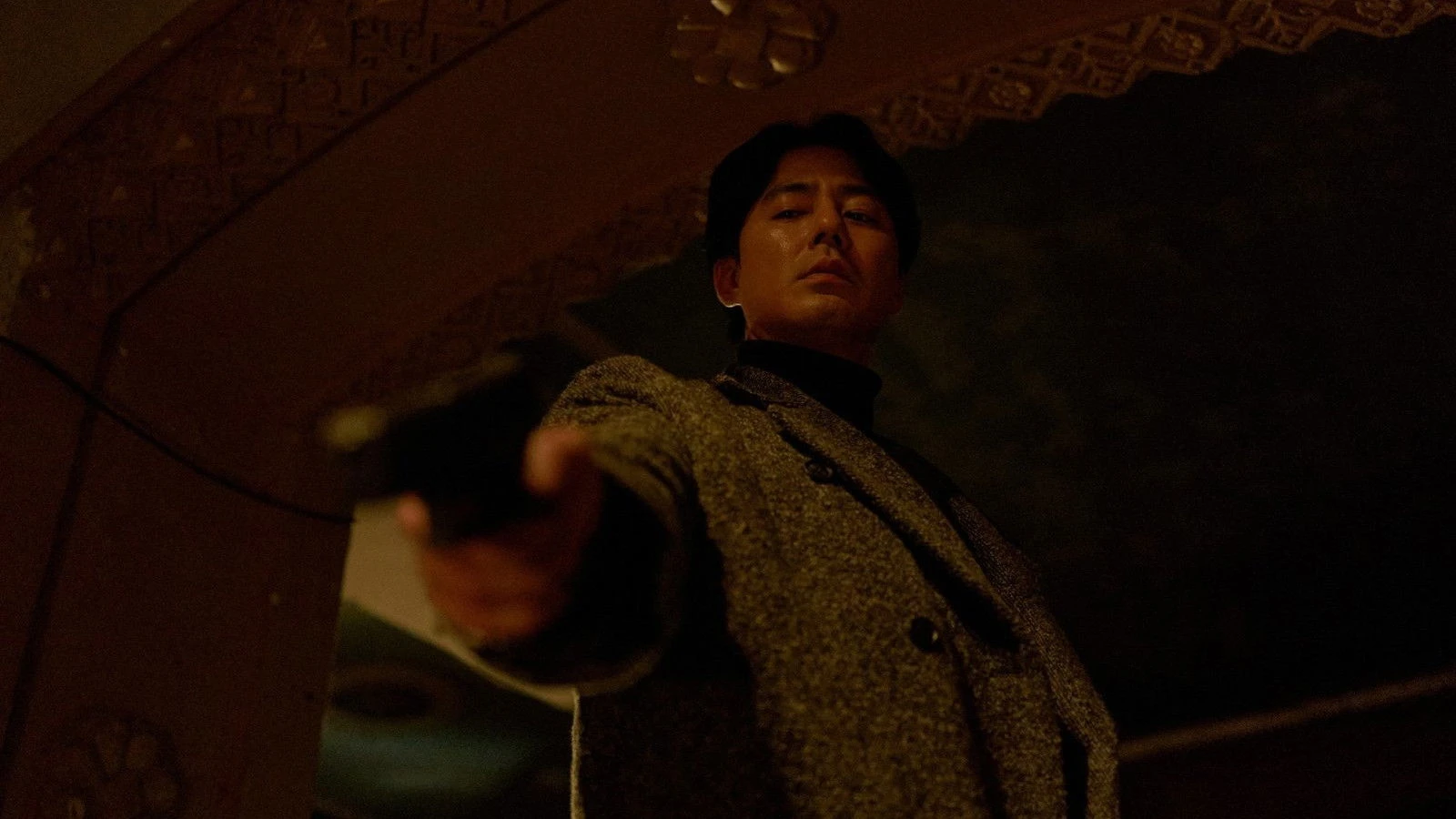
The stakes for Zo are not professional — they are moral debts accumulated over a career of making promises to people who needed them most. Every source he runs in Vladivostok carries the weight of the contact he failed. When he identifies Chae Seon-hwa — a hostess at a North Korean restaurant who holds dangerous knowledge about the trafficking network — and recruits her as a source, he makes her the same guarantee he made before. The question the film pursues, quietly and with growing pressure, is whether a man in Zo’s position can ever truly protect someone he has converted into an asset. The intelligence world he inhabits is constructed on the controlled expenditure of human lives, and Humint does not allow Zo — or the audience — to look away from that architecture.
Park Geon arrives in Vladivostok under very different orders. A North Korean State Security officer, lean and watchful and carrying a quality of disciplined grief that never fully resolves, he is assigned to trace missing North Korean nationals. His investigation and Zo’s run in parallel for much of the film’s first half — two men circling the same truth from opposing directions, each unaware the other is closing in on the same network. What neither has disclosed is the personal dimension: Geon and Seon-hwa share a broken history, a prior connection that neither has processed and that the film deploys at exactly the right moment. General Consul Hwang Chi-seong occupies a position above Geon — but his actual relationship to the trafficking operation raises questions that no official briefing has authorized anyone to ask.

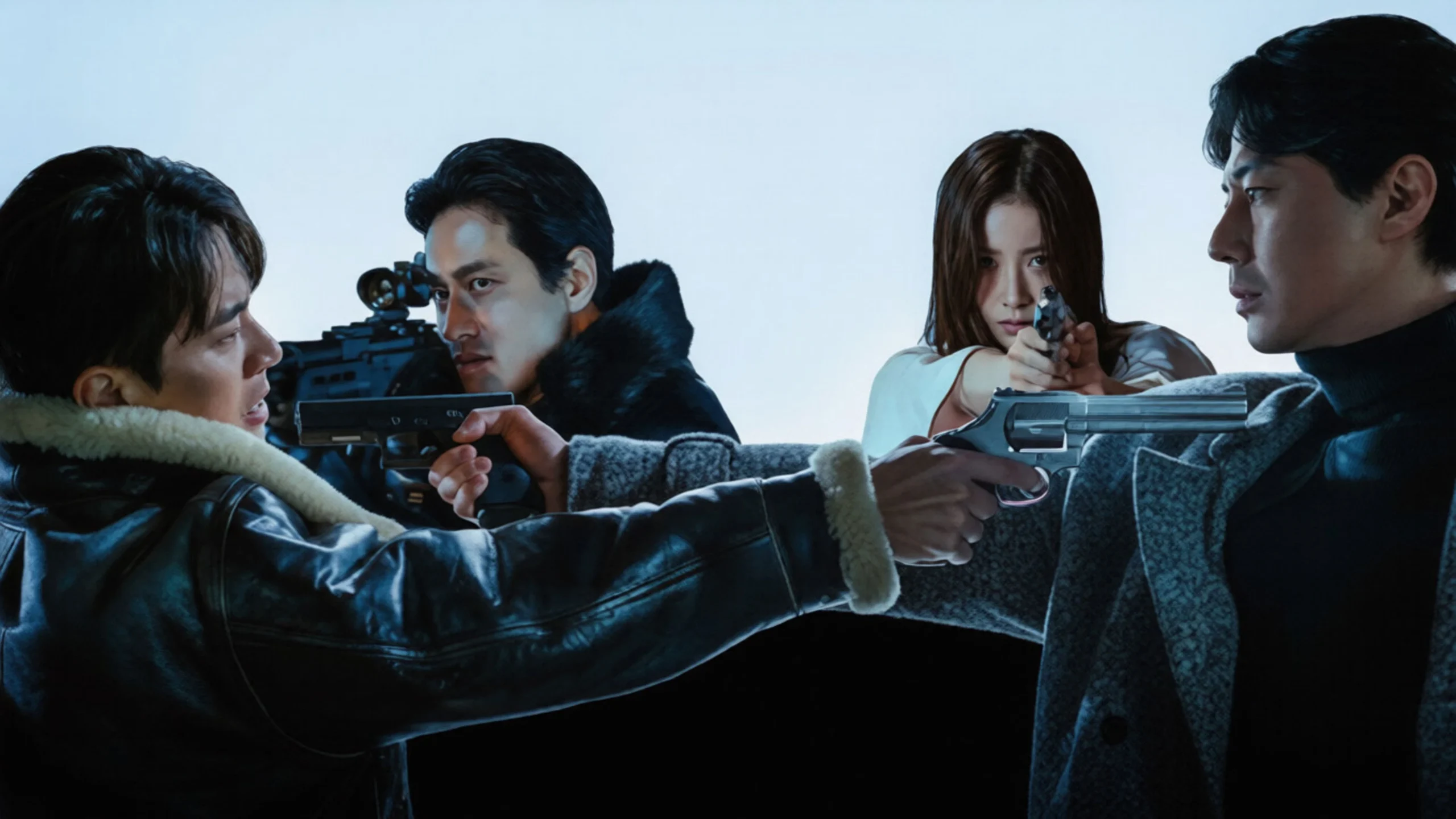
What separates Humint from the standard architecture of the spy thriller is its absolute refusal to assign heroism along national lines. Zo and Geon are both competent, principled men who are genuinely committed to their respective missions — and both are instruments of systems that routinely sacrifice the people those systems claim to protect. The film is not interested in which country comes out looking better. It is interested in watching two men, ideologically opposed and institutionally forbidden from trusting each other, slowly arrive at the recognition that the enemy they share is more dangerous than the one they were briefed to find. That recognition does not come with a handshake or a speech. It comes through violence, through betrayal, and through a woman who has long since stopped accepting any man’s guarantees at face value.
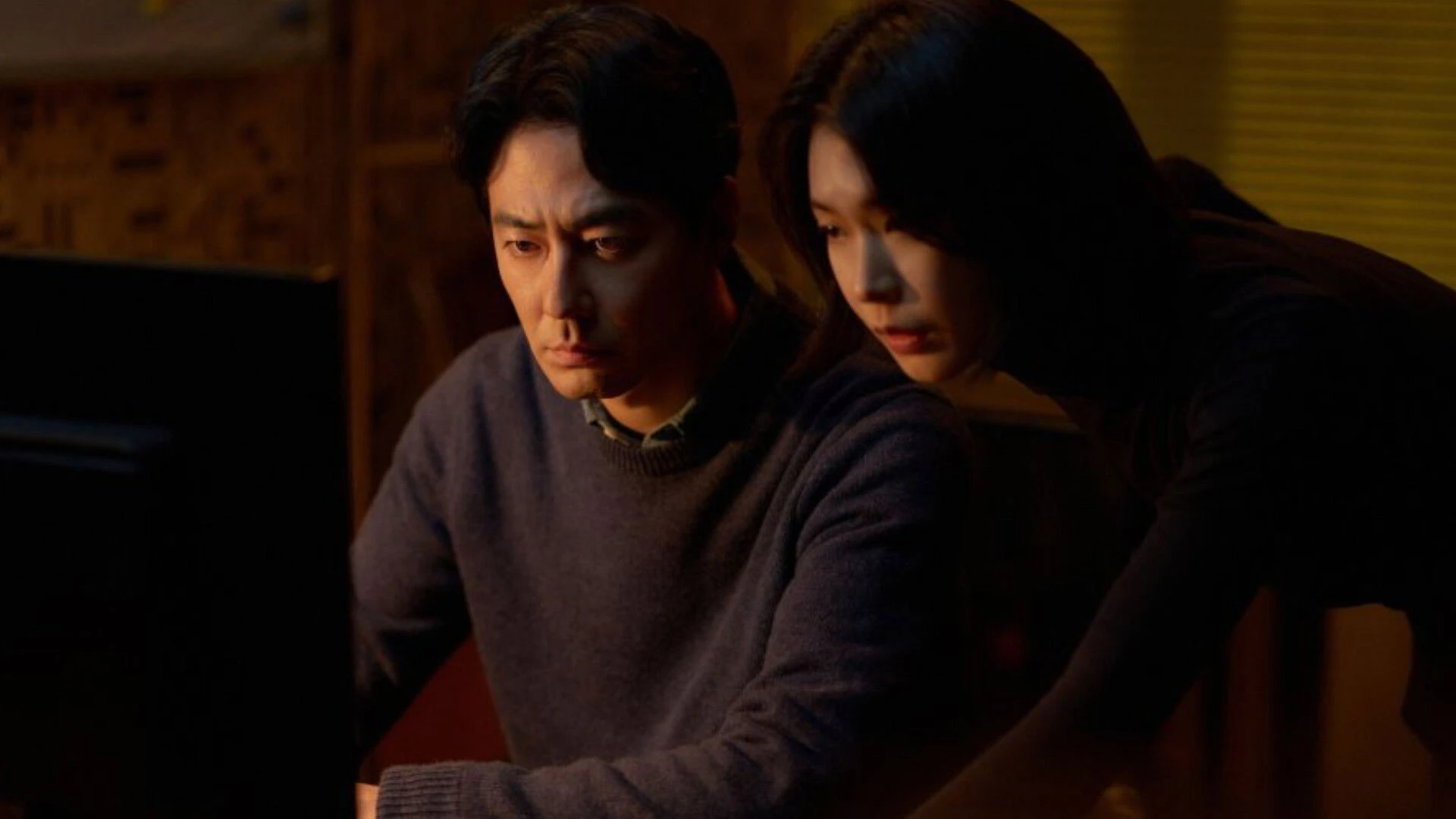
Director Ryoo Seung-wan works in two registers here, and the shift between them is the film’s argument expressed physically. The first hour is deliberate and procedural — quiet source meets in cramped back rooms, surveillance in snowbound alleys, the slow, careful layering of trust between an agent and a woman who has every reason not to extend it. Vladivostok’s icy palette is not just atmosphere; it is pressure. Then the second half detonates into action filmmaking of the most visceral kind: kinetic, brutally staged, and shot with the assurance of a director who has spent decades building toward exactly this register. The tonal gear-shift is not a flaw in the design. It is the design.
The world Humint inhabits is not invented. North Korean women fleeing across the border and being funneled into trafficking networks through Russia and China is a documented humanitarian crisis — one that human rights organizations have been reporting for years without adequate international response. The North Korean state’s culpability in this, whether through negligence, institutional complicity, or direct participation by consular officials, remains one of the most uncomfortable unresolved questions in regional geopolitics. Ryoo Seung-wan makes no speeches about it. He builds it into the machinery of the narrative, allowing the pipeline to reveal itself piece by piece, and trusting Korean audiences — who understand what the division of the peninsula has cost ordinary people on both sides — to feel the full weight of what they are watching.
🏁 Ending Explained
⚠️ Full spoilers below — read only if you’ve watched the film.
The film’s climax converges on Aleksei’s compound outside Vladivostok — an auction facility where trafficked women, including Seon-hwa, are held in glass cells and prepared for sale. Zo infiltrates alone, fighting through the compound’s guards. He reaches Seon-hwa but takes a bullet in the chaos — his bulletproof vest absorbs it. At that precise moment, Park Geon arrives. Earlier, Zo had sent Geon proof that General Consul Hwang Chi-seong had personally sold Seon-hwa to the Russian mafia. The two men face each other across the room with weapons raised, each carrying the anger of what the other’s government has enabled. Then, without a word, they turn together against the Russians. In a prolonged, punishing fight, they take down Aleksei and his men.
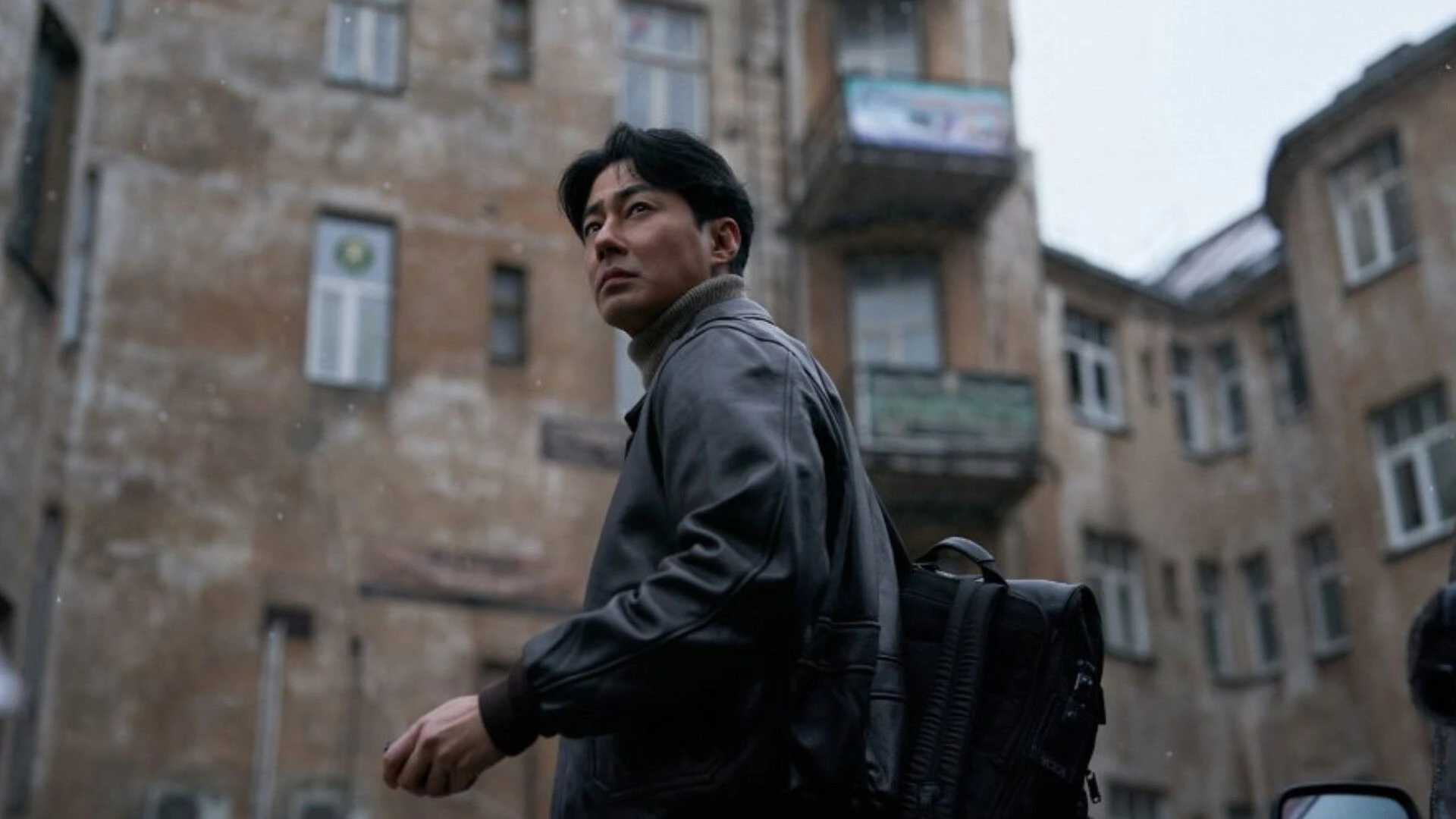
Outside the compound, Hwang Chi-seong — cornered but not finished — opens fire on the freed women, killing three without hesitation. A gunfight erupts between Zo, Geon, and the consulate members. Agent Im arrives and cuts off Hwang’s escape. In the final struggle, Hwang shoots Geon, wounding him critically. Zo subdues Hwang. Geon — on the ground, bleeding, with Seon-hwa beside him — whispers something into Zo’s ear, and dies. In the aftermath, Zo presents a full intelligence report: the trafficking network, the meth distribution pipeline (bingdu), and a pornographic recording operation that monetized the women’s exploitation for additional revenue. The bureau’s debrief probes whether Zo’s emotional connection to his earlier informant compromised his judgment with Seon-hwa. Agent Im defends him: nothing Zo did damaged the mission.
Seon-hwa is resettled under a new identity in what appears to be a Western country — not Japan, as originally arranged. Her mother, the person she risked everything to reach, died of a heart attack before any extraction could happen. Zo watches Seon-hwa from a distance — unseen, not approaching. When Im asks what Geon whispered in his final moments, Zo answers simply: he said he wanted to live. The film refuses catharsis. The mission succeeded. The people it cost cannot be recovered.
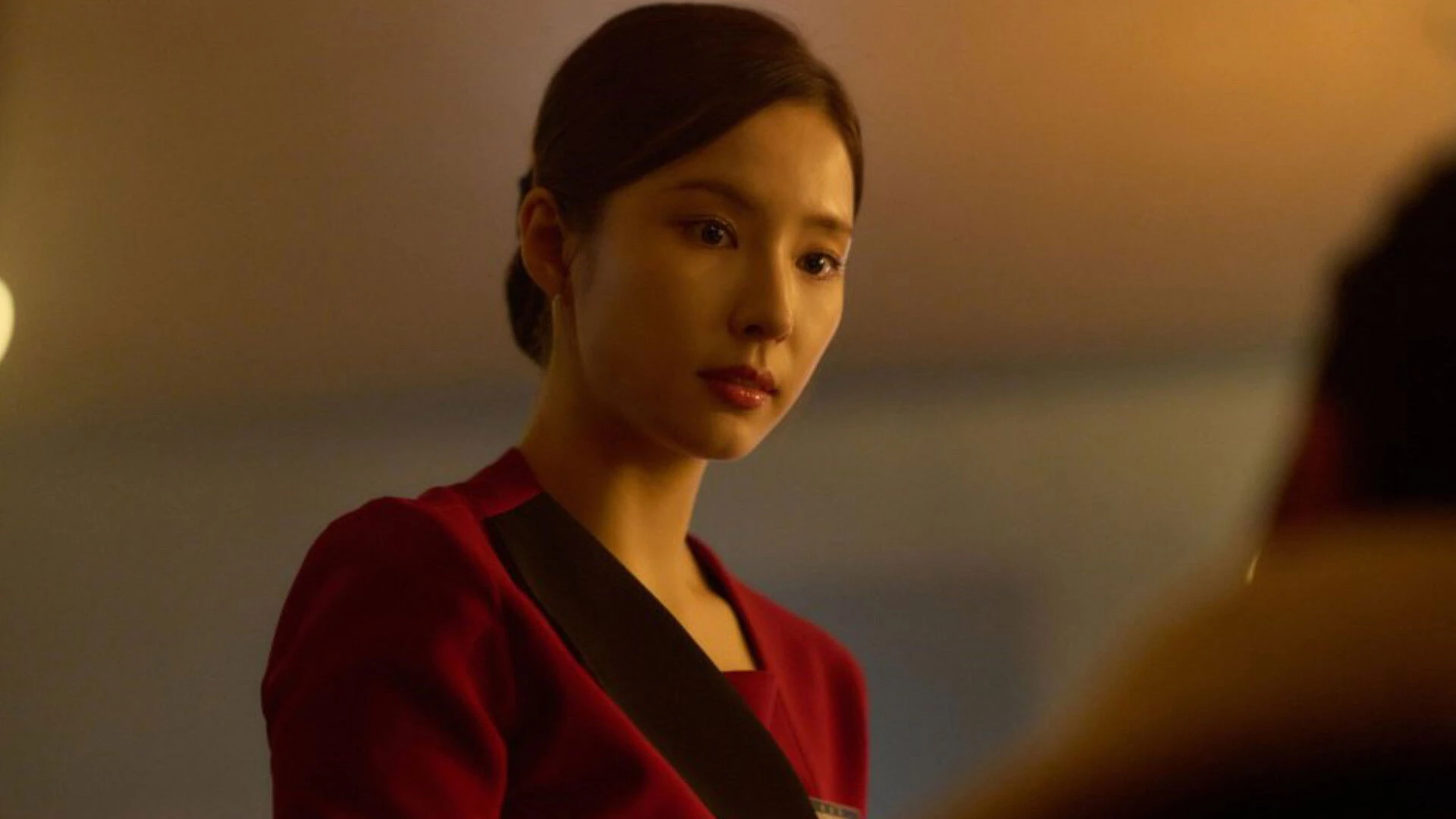
The ending carries multiple live interpretations. Why does Zo not approach Seon-hwa? The most generous reading is that he stays back to protect her emotionally — so that seeing him will not bind her present life to her trauma. The darker reading is that he is still operating inside his institution’s reflexes: proximity creates liability, and the habit of keeping distance is one he cannot break even when the professional justification has expired. The film supports both. Geon’s final words carry their own ambiguity: Zo’s report of them — “he said he wanted to live” — is simple and humanizing, but the film shows us only Zo’s interpretation. We cannot verify it. What Geon actually said, whether it was about survival or about Seon-hwa or about something he asked of Zo, remains genuinely open.
The KDW read: Humint’s ending is not about espionage at all. It is about the cost of being the person who keeps making promises in a system designed to break them. Zo pledged to protect his first informant — she died. He pledged to protect Seon-hwa — her mother died before the promise could be honored. The final image of Zo watching from the shadows is the film’s thesis expressed as a single held shot: the man who refuses to stop making promises — in an institution that trains you to stop — pays for that refusal in accumulated grief, carried silently, never discharged. Geon’s last words are not an irony. They are the most human thing in the film: a soldier of the state, dying, wanting nothing more than the ordinary thing everyone wants. Humint is not a film about the spy game. It is a film about what it costs to remain a human being inside it.
✍️ KDramaWorlds Editor’s Take
Our honest read on why this film is worth your time — and who it’s for.
Ryoo Seung-wan
Known for: The Berlin File (2013) · Veteran (2015) · Escape from Mogadishu (2021)
Ryoo Seung-wan has spent his career teaching Korean cinema how to stage action — from the street brawls of Arahan to the kinetic city sequences of Veteran to the compound raids of Escape from Mogadishu. What Humint adds to that filmography is patience. The first hour is as cold and deliberate as anything he has ever made: back-room meetings, surveillance in snowbound alleys, the meticulous construction of a source relationship between a man who cannot afford to feel too much and a woman who cannot afford to trust anyone. That restraint makes the second half’s detonation hit harder. You feel what it cost to get there.
Zo In-sung carries the film differently than he has carried anything before. He is almost entirely interior here — a performance built from restraint rather than expression, from what his character does not say rather than what he does. Park Jeong-min matches him in an entirely different register: coiled, watchful, and capable of suggesting grief and pride and professional discipline all in a single held look. The film’s best scene is arguably neither an action sequence nor a confrontation — it is the restaurant scene, where Geon sits alone with a full bottle of vodka listening to old recordings of Seon-hwa singing, and the camera simply watches him. Everything the film is about lives in that four-minute stretch.
The IMDb rating undersells this one. Humint is a film that rewards attention — which streaming audiences, clicking in casually, do not always supply in the first act. The slow procedural first hour is doing essential work, but it asks you to meet it halfway. Come to it cold, come to it focused, and the second half will feel earned in a way that action movies rarely manage. 119 minutes. Two operatives. One woman neither system can protect. Watch it for the action — stay for the cost.
Action viewers who want stakes that are actually moral, not just physical
Anyone drawn to the complex human cost of the North-South divide
Zo In-sung and Park Jeong-min fans — both are operating at a different level here
🎬 You Might Also Like
If you liked Humint, these are your next three watches.
 Newtopia
JisooNewtopia
Read Full Review →
|
 Mousetrap
crimeIdentity Theft
Read Full Review →
|
 Blind
childhood traumaCorruption
Read Full Review →
|








Keep it kind, skip the harsh language, and please — no spoilers. Everyone's taste is different, and that's perfectly fine.
This space is for real reactions and discussion from other viewers. Help keep it comfortable for everyone by not giving away major plot details.
1 Comment
Two agents from opposite sides of the same ideological divide hunting the same trafficking network, only to realize they need the same witness, is such a tight spy-thriller premise 🛰️ — and grounding Manager Zo’s whole worldview in the cold math of what a promise to an informant is actually worth gives the espionage genuinely uncomfortable stakes. Curious how everyone felt the alliance between Zo and Geon held up under that pressure.
What do you think of this drama?
Login to share your review or leave a comment.
No email needed — just pick a username & password.