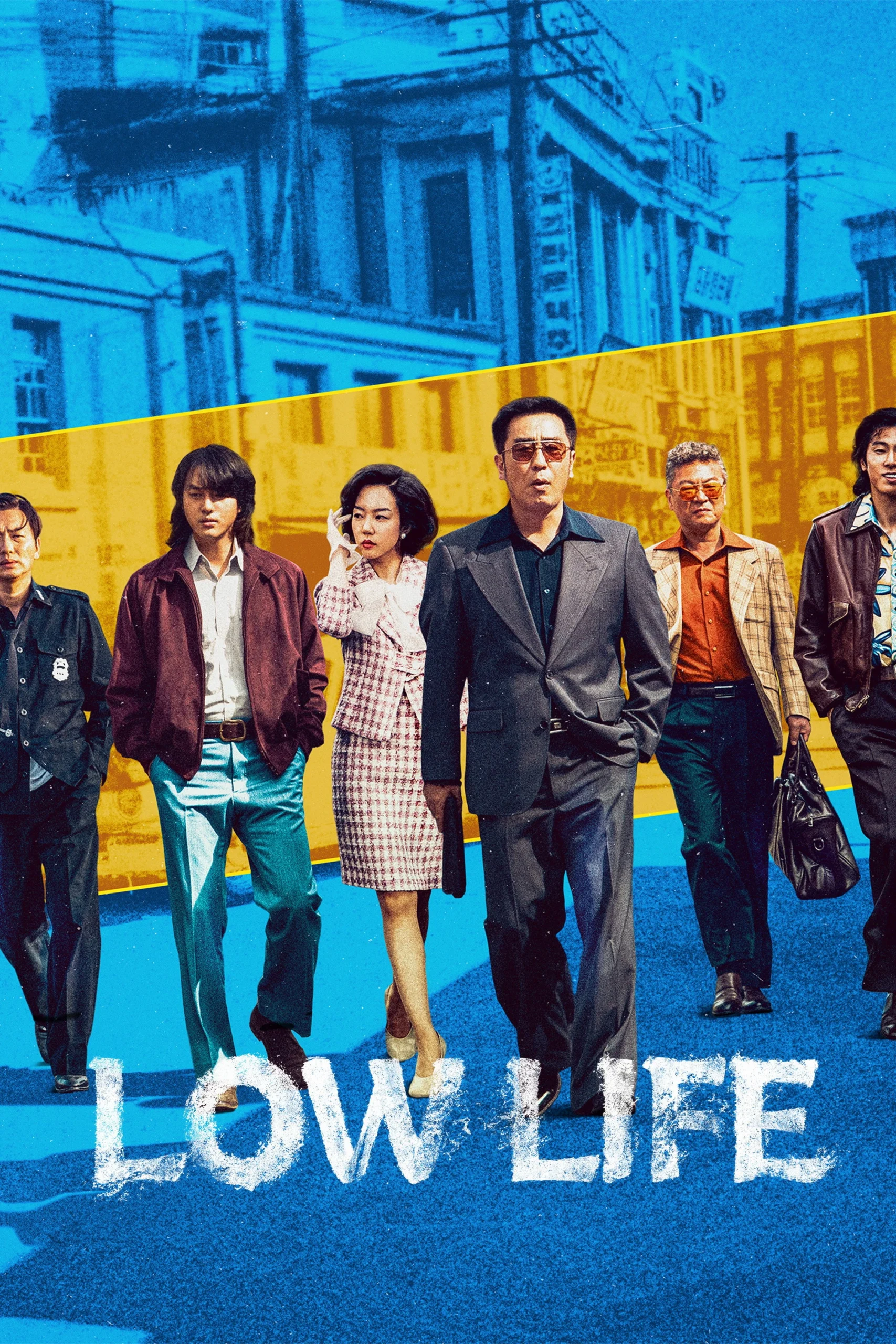
Low Life
📋 Drama Overview
What to expect, before you press play.
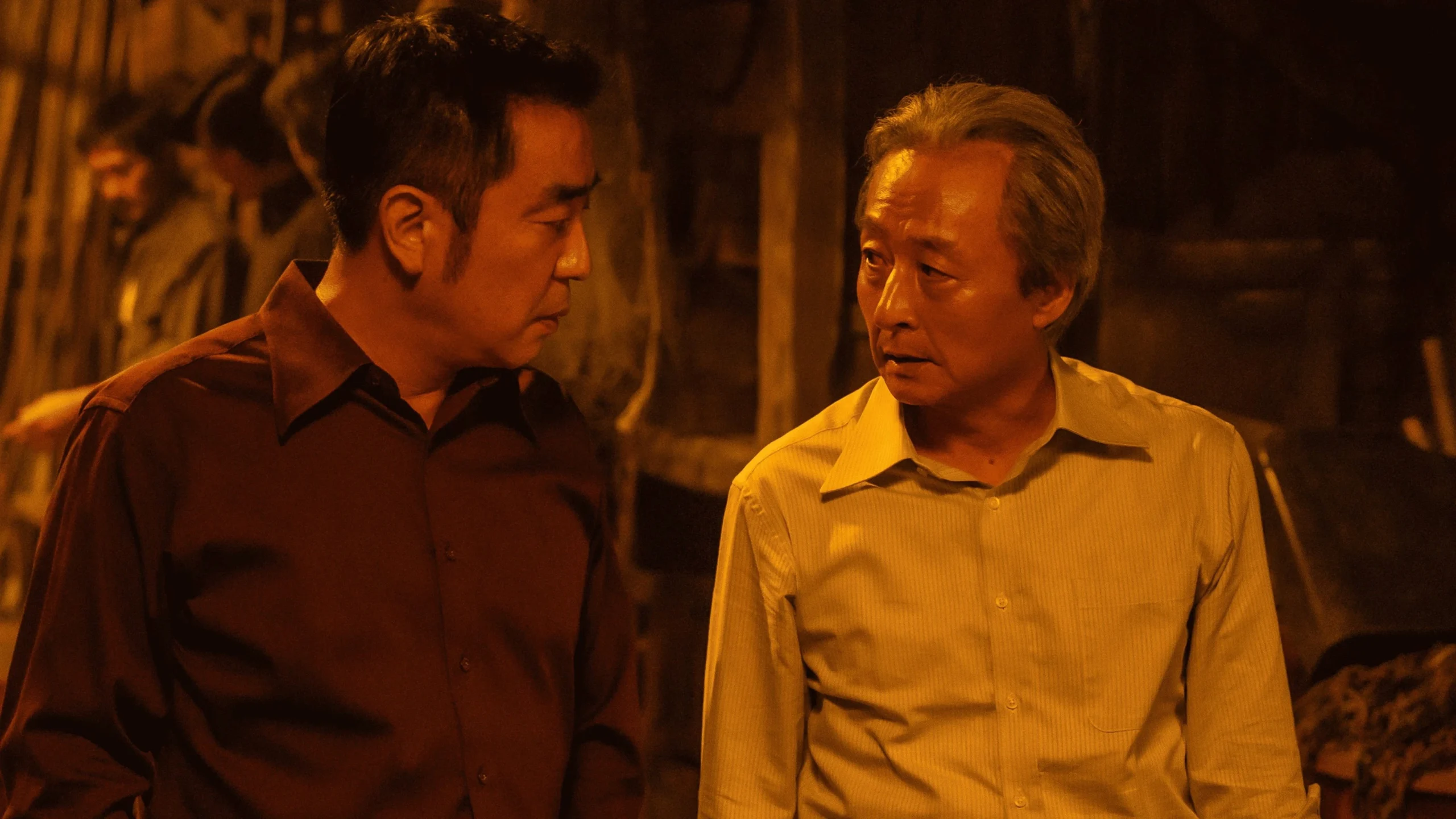
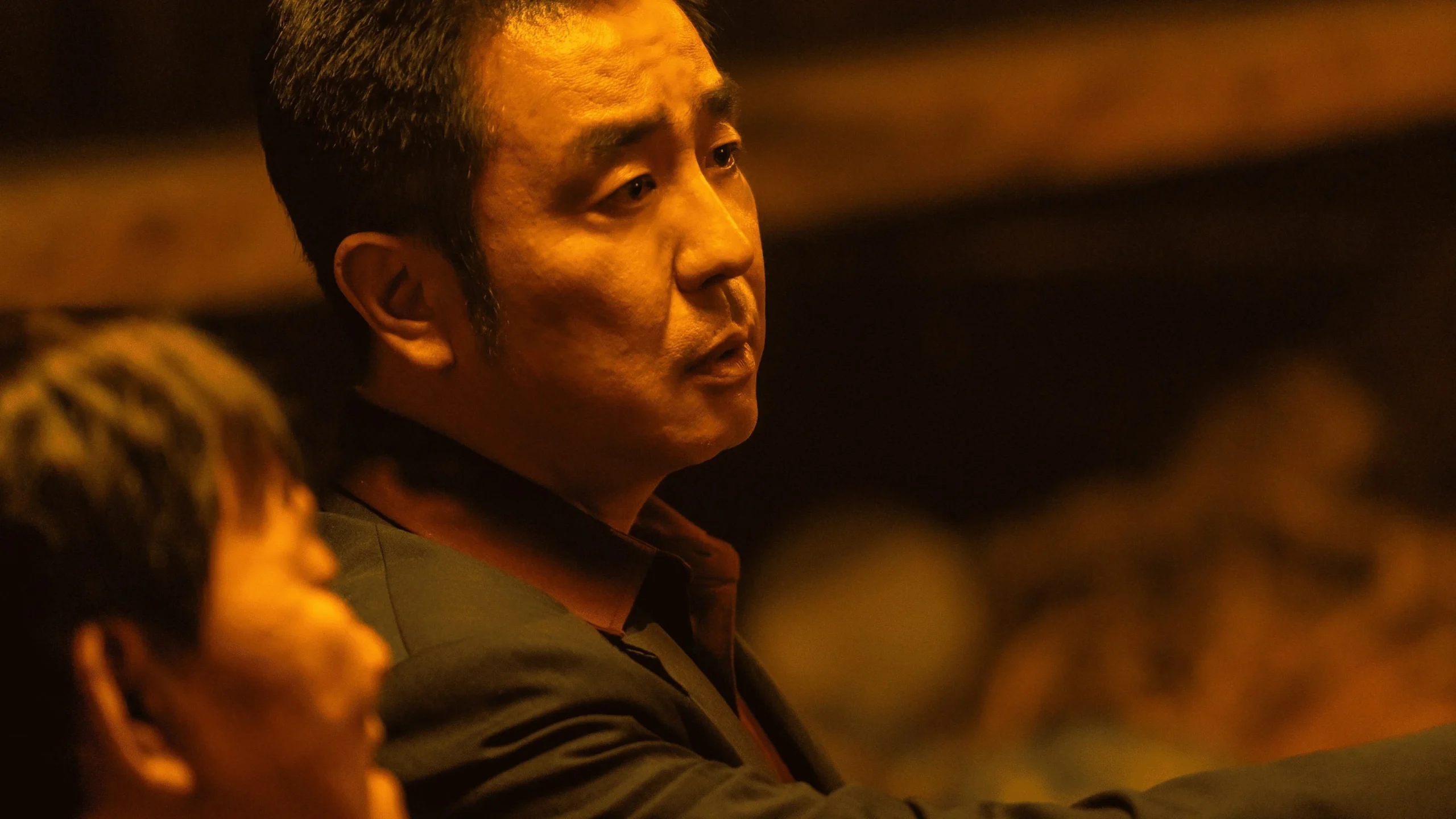
Oh Gwan-seok has spent his whole life running small cons, and 1977 finally hands him a big one: a sunken Chinese shipwreck off the coast of Sinan, loaded with centuries-old ceramics worth more money than he or his nephew Hee-dong have ever seen in one place. Backed by a wealthy chairman’s promise to buy whatever they can salvage, uncle and nephew head to Mokpo expecting a straightforward payday. What they get instead is a small war — rival treasure hunters, a chairman’s wife who turns out to be smarter than everyone underestimating her, and a growing body count that makes clear nobody involved is walking away clean.
Low Life is a period crime drama with a heist movie’s structure and a much darker set of instincts — based on Yoon Tae-ho’s webcomic, it treats greed less as a character flaw than as a force that reshapes everyone it touches, uncle and nephew included. Director Kang Yoon-sung, who made his name on morally compromised ensemble crime stories, uses the treasure hunt as a pressure test: how far will ordinary people go once the money is finally, actually within reach? The answer the show gives isn’t comforting, and it isn’t supposed to be.
⚡ Quick Verdict
Everything that matters, at a glance.
▶ Official Trailer
🎭 Cast & Characters
A crew of thieves, scammers, and one very underestimated chairman’s wife.

Lead

Lead

Supporting

Supporting

Supporting

Supporting

Supporting

Supporting

Supporting

Supporting

Supporting

Supporting
📺 Episode Guide
Just enough per episode to remember where things stood.



🏁 Ending Explained
Spoilers from here on — what actually happened, and why it lands.
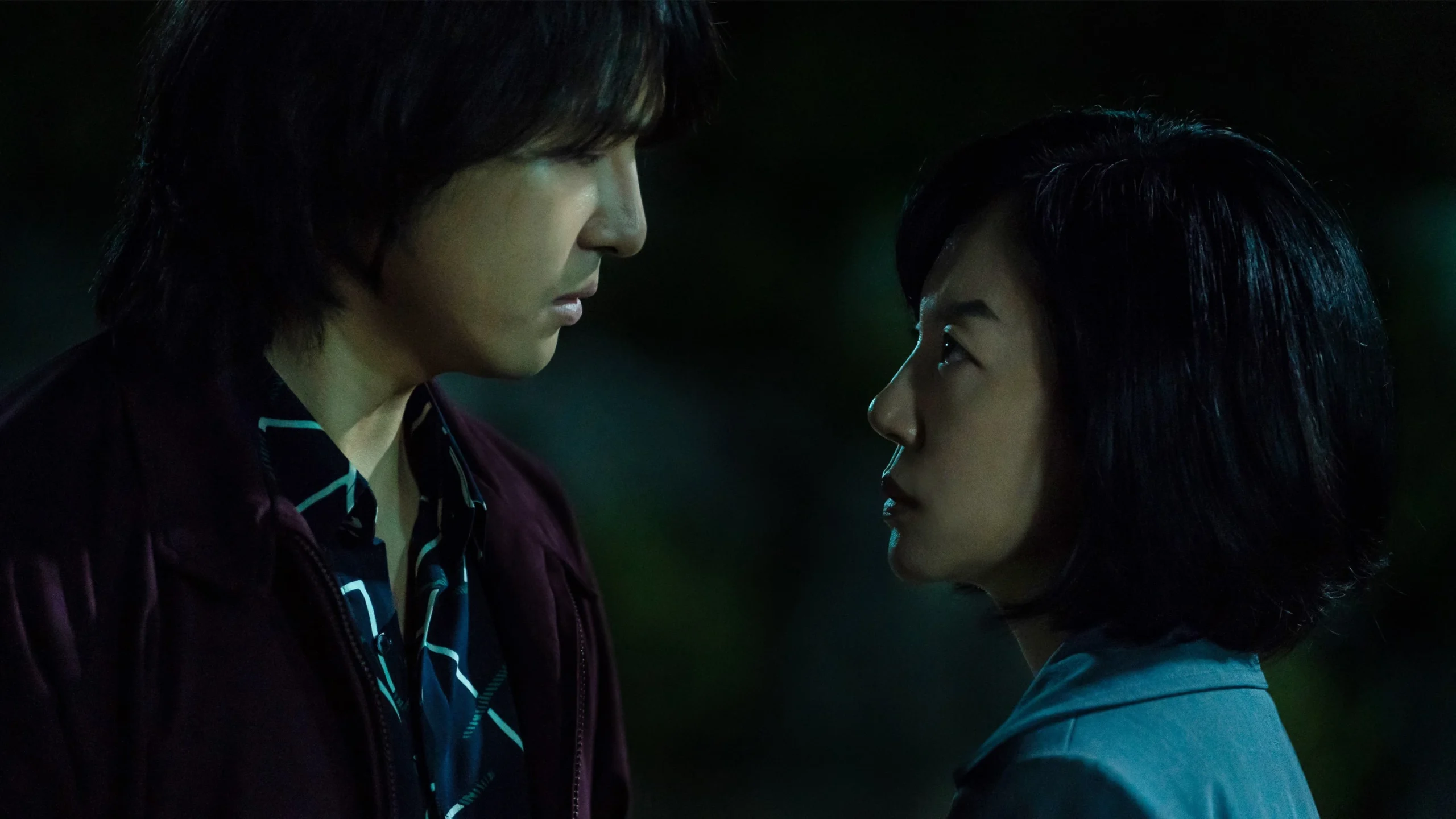
What actually happened Nobody gets the clean fortune the treasure hunt promised. Professor Kim’s boat sinks with a share of the pottery still aboard, and what survives becomes the last object of a desperate, ugly scramble between Gwan-seok, Hee-dong, Jung-sook, and whoever else is still standing by the finale. Gwan-seok corners Jung-sook and asserts his claim over what’s left, not as a victory lap but as a man refusing to walk away with nothing after everything the hunt has cost him. Hee-dong, meanwhile, ends the series not with a share of the treasure but with Seon-ja at his side — the one thing in eleven episodes he actually chose for himself instead of being maneuvered into.
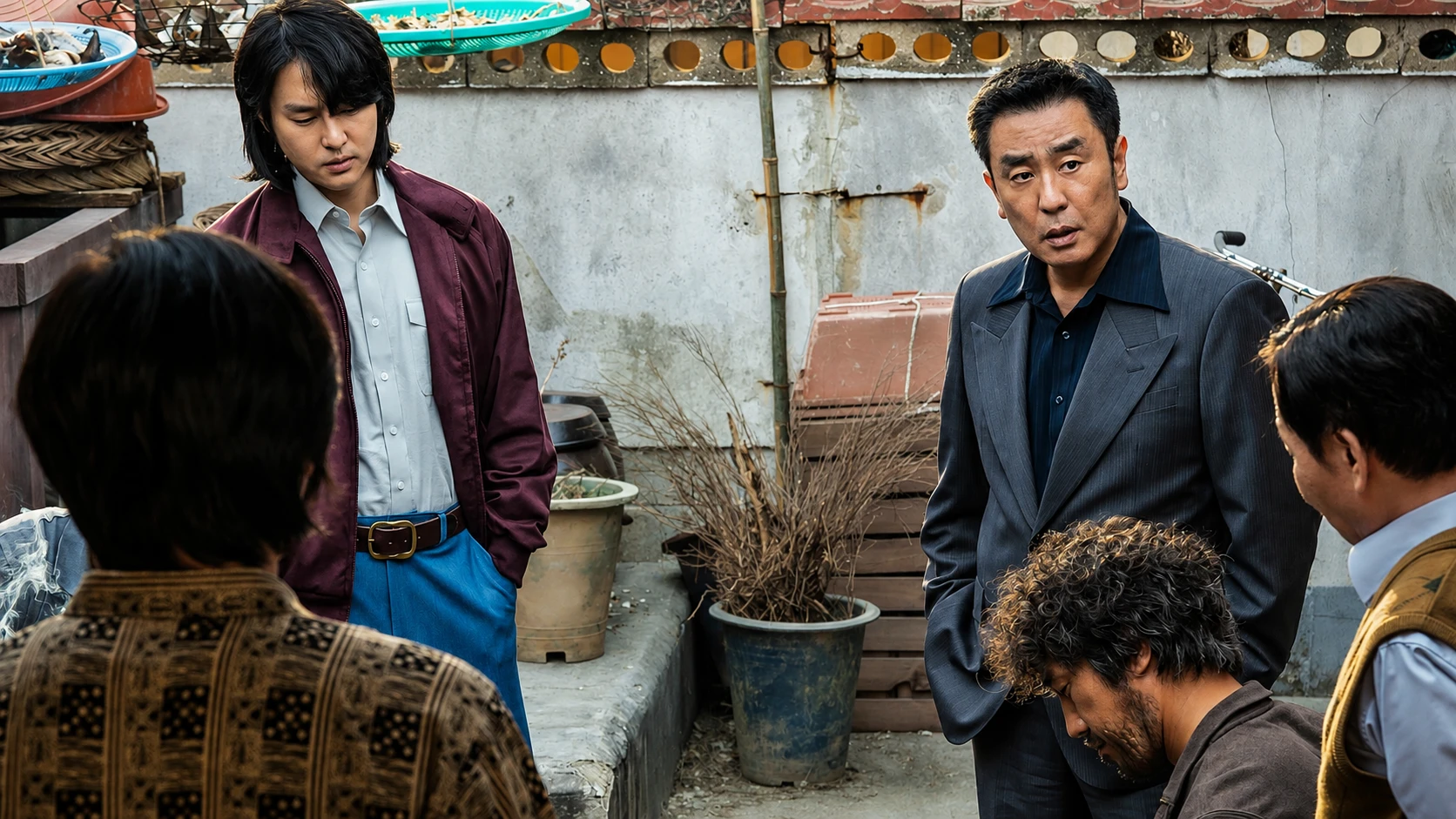
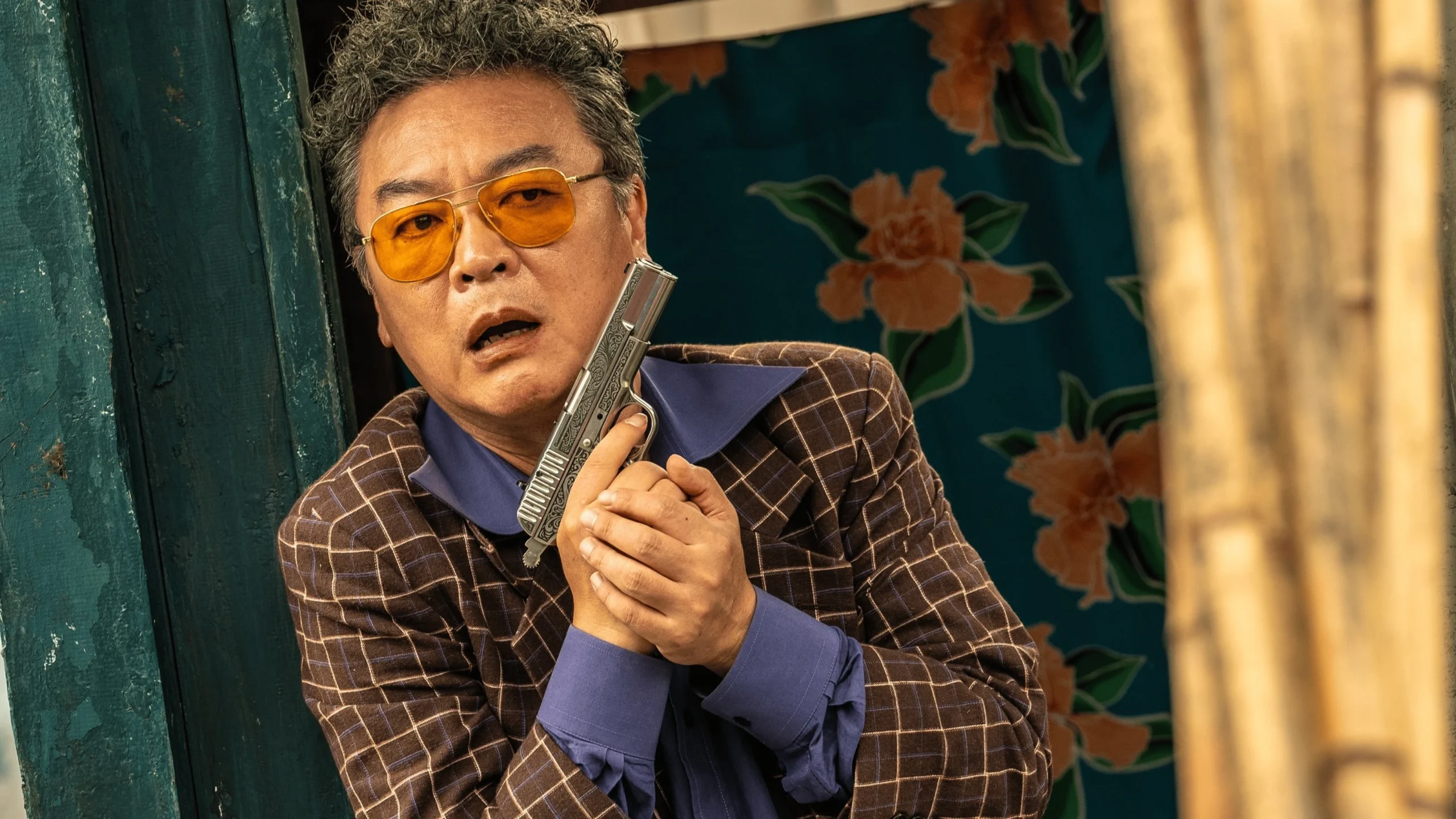
What happens to each of them Yang Jung-sook comes out of the finale still standing, still grabbing money and jewels with the same cold efficiency she’s shown since episode three — the show never punishes her for it, which is arguably its most honest choice. Superintendent Sim Hong-gi’s corruption pays off exactly as cynically as you’d expect from a cop who spent the whole season leveraging his badge for a cut. Professor Kim turns on his last remaining ally in a final act of self-preservation that costs him any goodwill he had left, a fitting note for a character defined entirely by how little loyalty he was ever capable of.
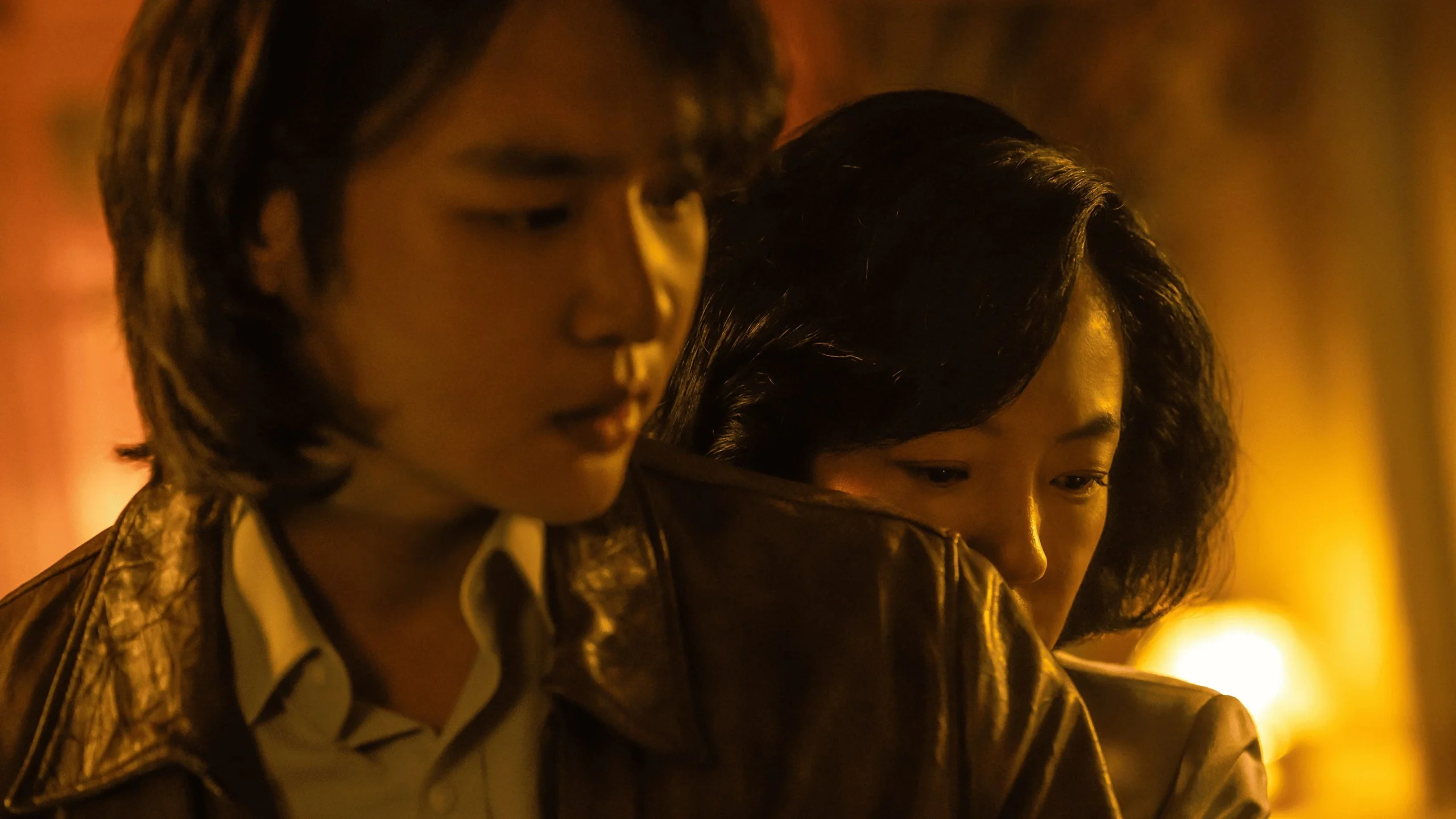
What it means for Hee-dong Hee-dong walking away with Seon-ja instead of a fortune is the one uncomplicated resolution the show allows anyone, and it lands precisely because everything around it stays messy. He spent eleven episodes watching men he respected justify murder as a rounding error, and the finale rewards him not for outsmarting them but for refusing to become fully one of them. It’s a quiet ending for a loud show, and that contrast is deliberate — Low Life has spent its whole runtime arguing that getting out with your conscience intact is its own kind of treasure.
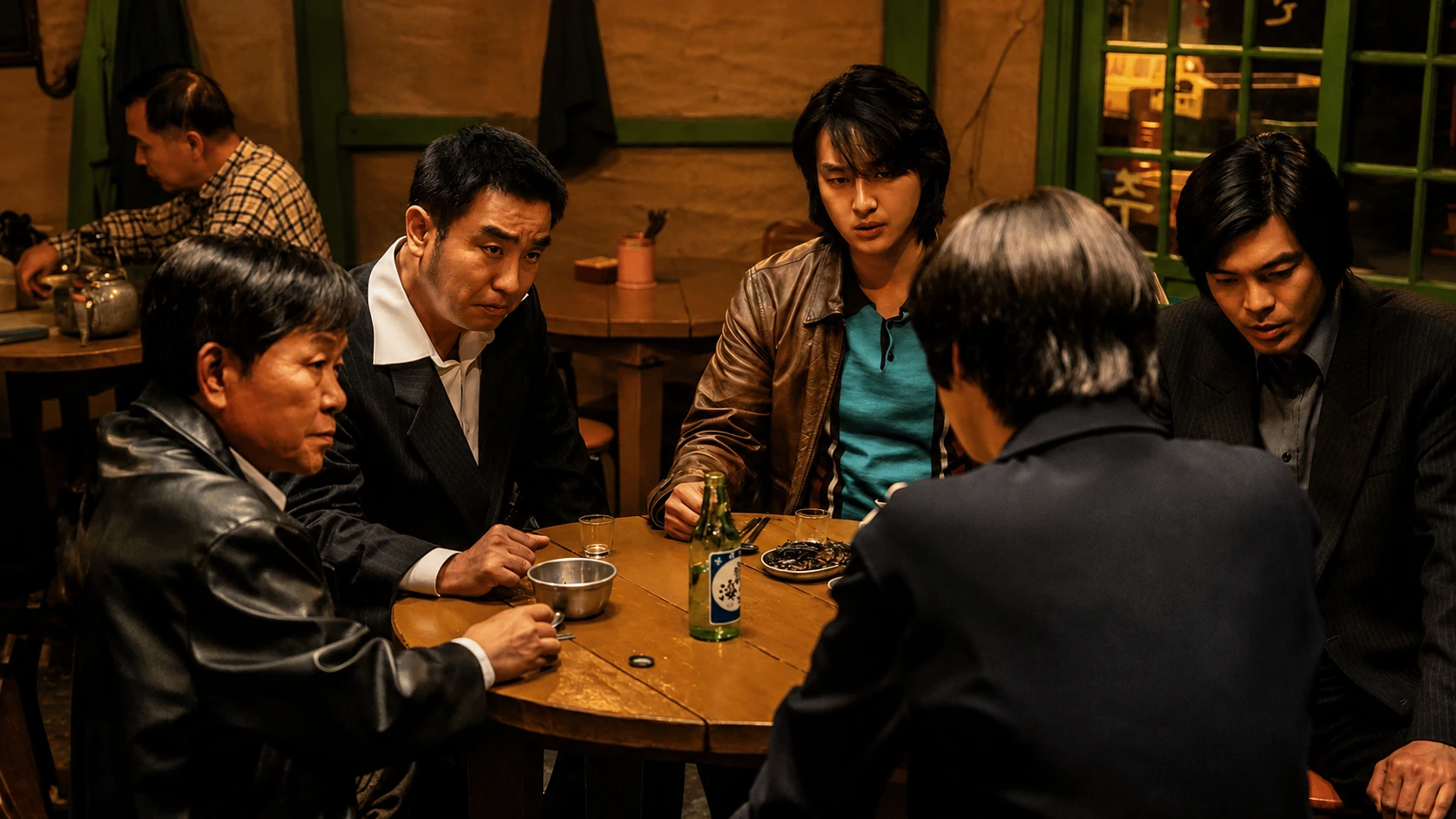
What the finale is arguing The larger point Low Life keeps circling back to is that greed doesn’t resolve into justice on its own — it just keeps consuming whoever’s closest to it until the treasure itself stops mattering and the fighting becomes the point. Betrayal was never a plot twist here so much as the operating system: every alliance was a temporary truce, every partner a future liability. By the time the pottery actually surfaces, it’s almost beside the point compared to who’s willing to drown a crewmate to protect their cut.
The KDW verdict Low Life ends on a note that’s more elegiac than triumphant, and that restraint is what keeps it from feeling like just another heist-gone-wrong story. Ryu Seung-ryong and Yang Se-jong sell the uncle-nephew relationship as something genuinely worth saving even as everyone around them proves it isn’t worth much at all, and Lim Soo-jung’s Jung-sook walks away as one of the more compelling cold operators in recent K-drama memory. It’s a bleak, well-constructed answer to a simple question: what does surviving a treasure hunt actually cost you?
✍️ KDramaWorlds Editor’s Take
Is it worth your time? Here’s our honest take, and who it suits best.
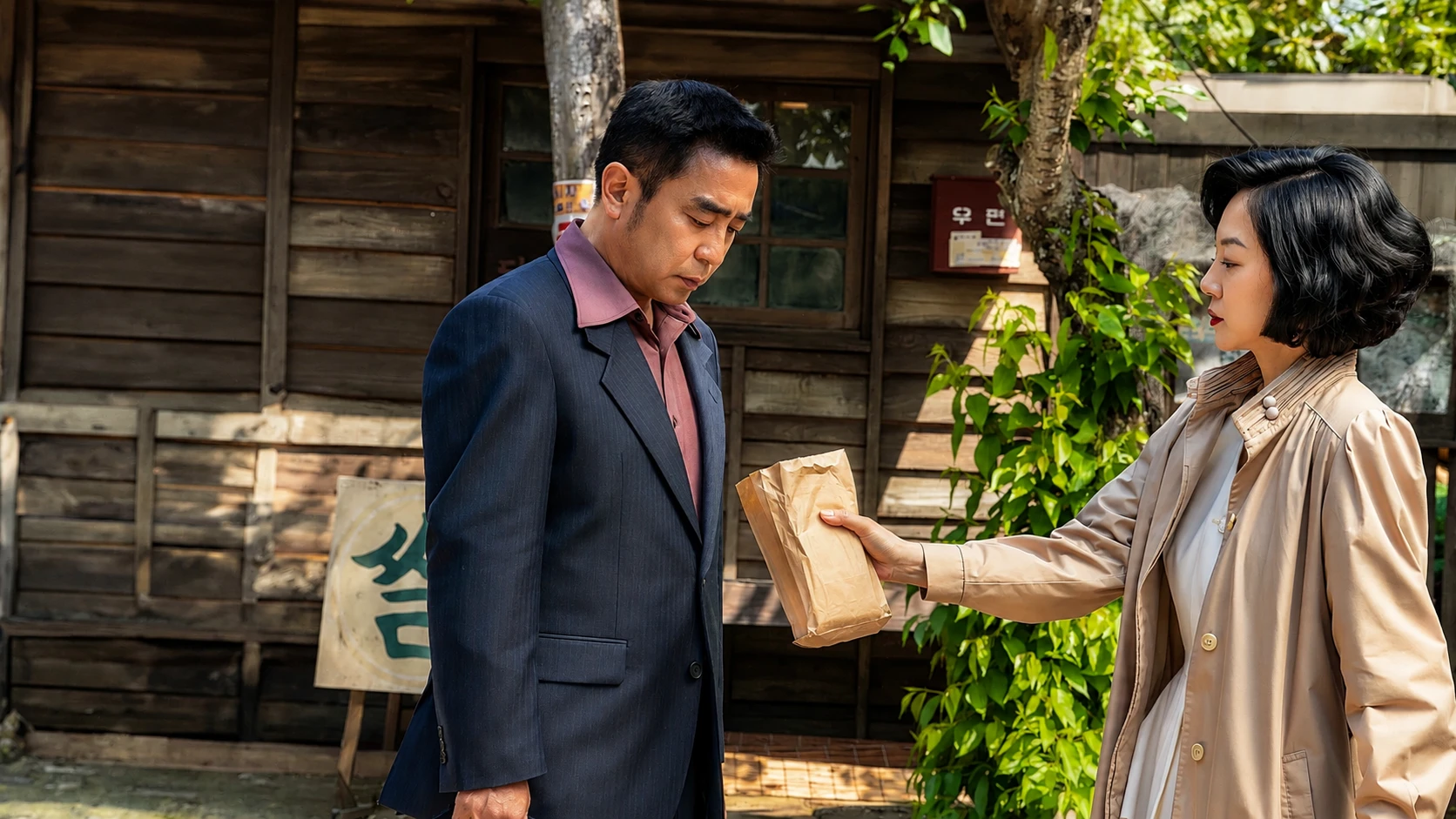
There’s a version of Low Life that plays its treasure hunt for pure adventure, and this isn’t that version — every time the crew gets closer to the sunken pottery, the show finds a new way to make the win feel more costly than the loss would have been. Ryu Seung-ryong’s Gwan-seok is compelling precisely because he never fully commits to being either the hero or the villain of his own story; he’s a man improvising his morality one bribe and one betrayal at a time. It scratches a similar itch to Money Heist: Korea‘s ensemble-of-thieves energy, minus the elaborate heist choreography and plus a much bleaker view of what people actually do to each other for money.
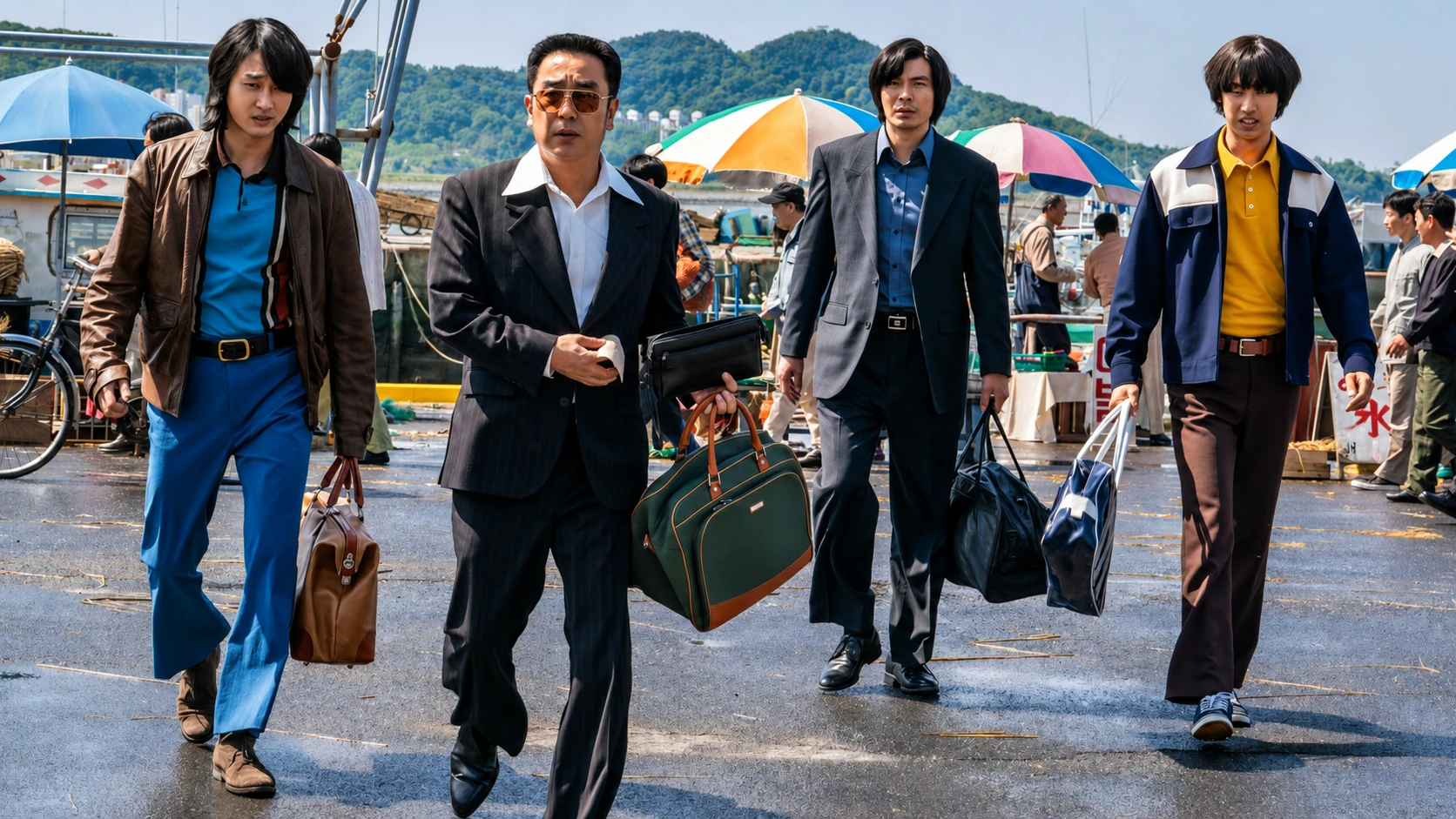
Lim Soo-jung is the standout here — Yang Jung-sook starts the series as a chairman’s wife managing household accounts and ends it running an entire criminal operation better than any of the men who thought they were in charge, and Soo-jung plays every step of that ascent as inevitable rather than surprising. Yang Se-jong’s Hee-dong gives the show its conscience, or what’s left of one, and his slow corruption across eleven episodes is genuinely difficult to watch in the way the writers clearly intended. If you want the treasure-hunting premise without quite so much moral rot, Stealer: The Treasure Keeper plays a similar premise for considerably lighter fun.
The finale doesn’t wrap everything in a bow, and that’s the right call — a show this committed to showing greed as a corrosive, ongoing process would ring false if it suddenly resolved into tidy justice. Low Life is bleak, occasionally punishing to watch, and one of the more clear-eyed treasure-hunt stories Korean TV has put out in a while.
🎬 You Might Also Like
If you liked Low Life, these are your next three watches.
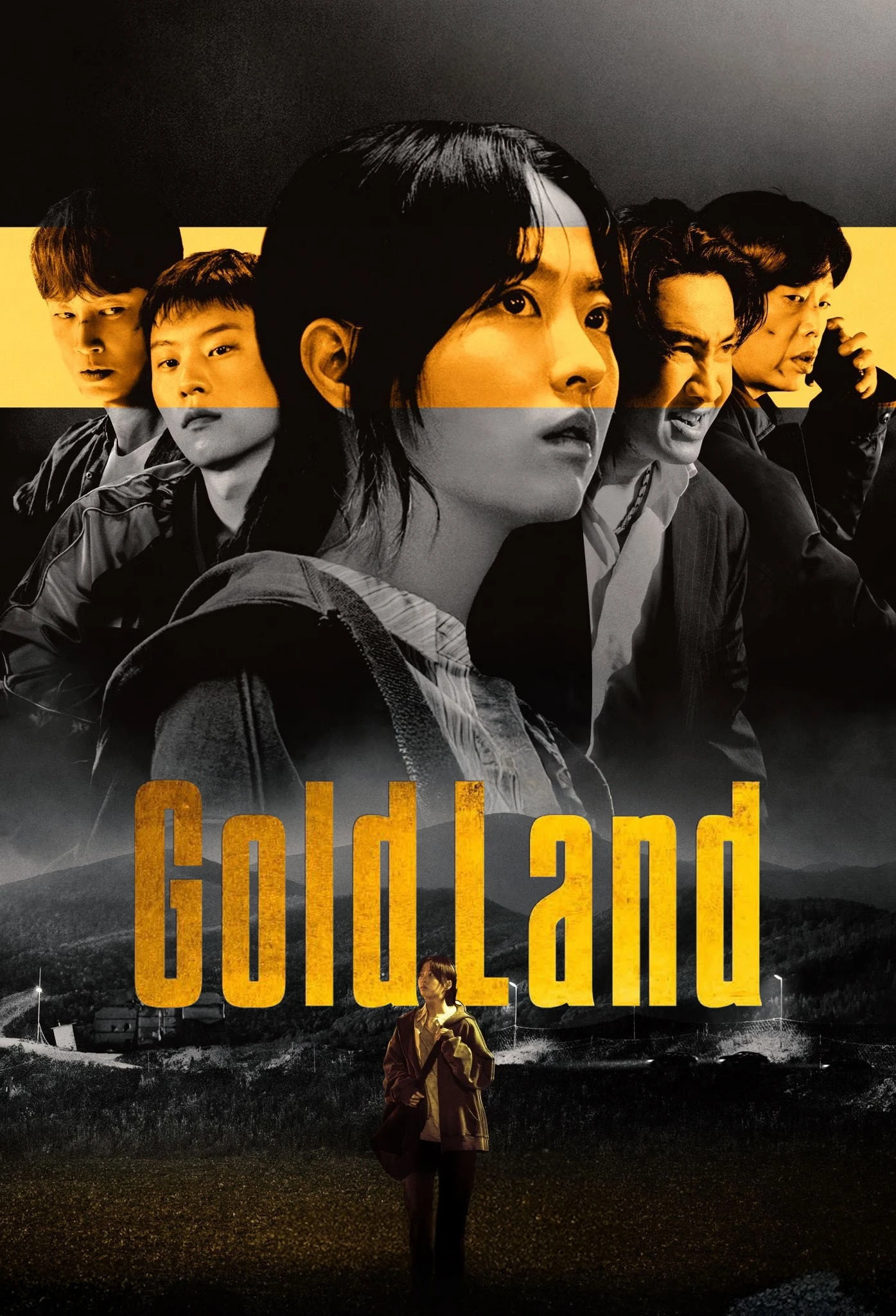 Gold Land
BetrayalCasino
Read Full Review →
|
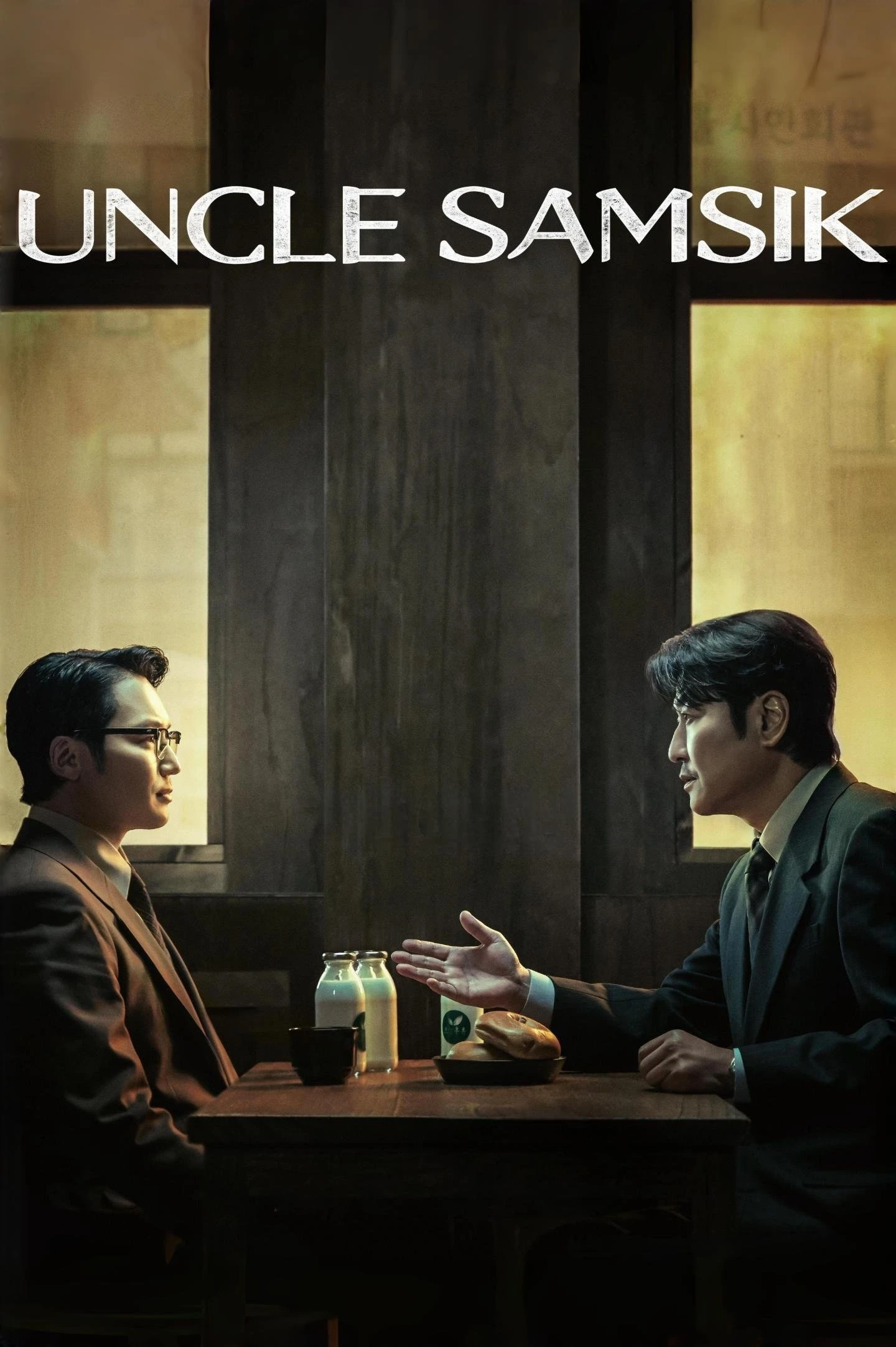 Uncle Samsik
BetrayalByun Yo-han
Read Full Review →
|
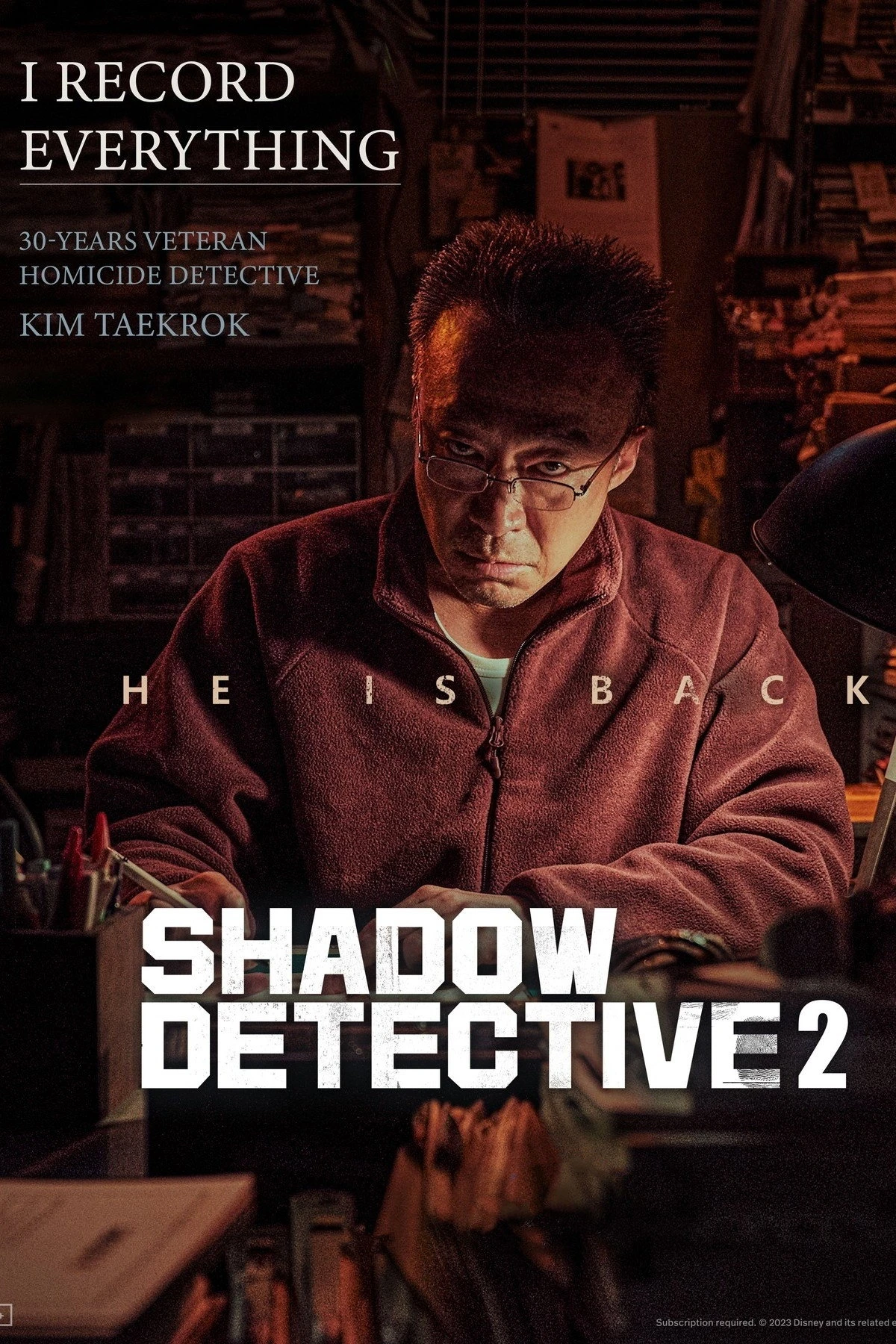 Shadow Detective (Season 2)
BetrayalConspiracy Thriller
Read Full Review →
|













Keep it kind, skip the harsh language, and please — no spoilers. Everyone's taste is different, and that's perfectly fine.
This space is for real reactions and discussion from other viewers. Help keep it comfortable for everyone by not giving away major plot details.
What do you think of this drama?
Login to share your review or leave a comment.
No email needed — just pick a username & password.