
My Dearest Nemesis
🎬 Viki · TVING
⭐ 7.9 / 10 MDL
🔞 PG-13
📋 Drama Overview
Sixteen years ago, nineteen-year-old Baek Soo-jung fell hard for an online gamer who called himself “Black Dragon” — a player whose confidence and wit had her convinced she’d found something real. The moment they agreed to meet in person, reality collapsed: Black Dragon turned out to be an awkward middle schooler, nowhere close to the man she’d imagined. The humiliation left a mark she never fully let go of.
Now a sharp and capable planning team leader at Yongseong Department Store, Soo-jung is very good at keeping her professional armor on — until a new boss walks in. Ban Joo-yeon is the ambitious heir to the company, poised, infuriating, and carrying a secret double life she’s about to stumble into. He is, of course, Black Dragon. All grown up. And now her boss. What follows is twelve episodes of workplace tension, unresolved grudges, and feelings that refuse to be buried — built around two leads who are genuinely, effortlessly funny together.
12 / 12 ✅ Completed
⚡ Quick Verdict
One box. Everything you need to decide.
· MDL Score · ~8,200 ratings
▶ Official Trailer
🎭 Cast & Characters
Meet the full cast of My Dearest Nemesis (2025).

Lead

Lead

Supporting

Supporting

Supporting

Antagonist

Supporting

Supporting

Supporting

Supporting

Supporting

Supporting
📺 Episode Guide
All 12 episodes of My Dearest Nemesis — spoiler-light recaps with key moments.

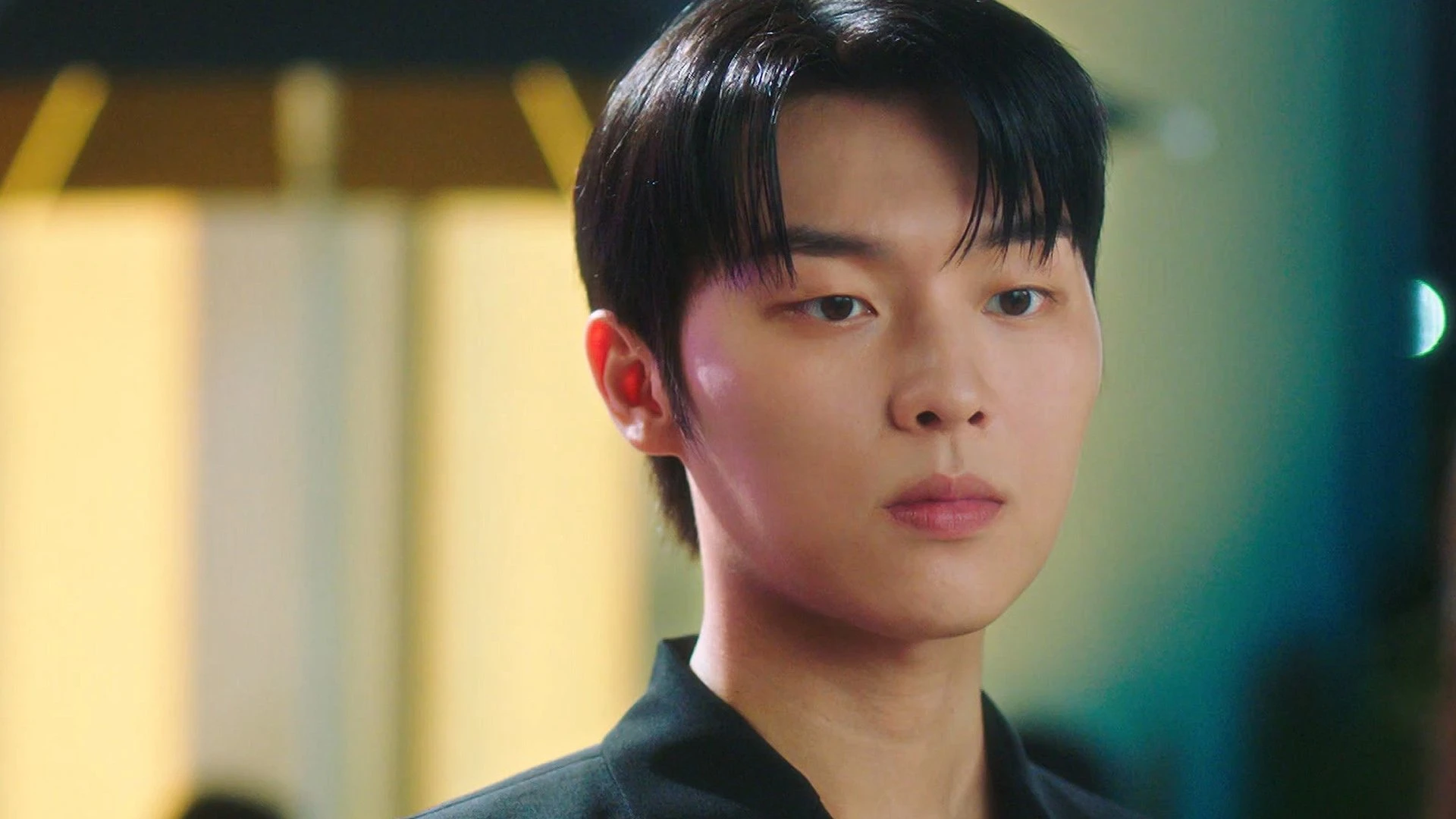

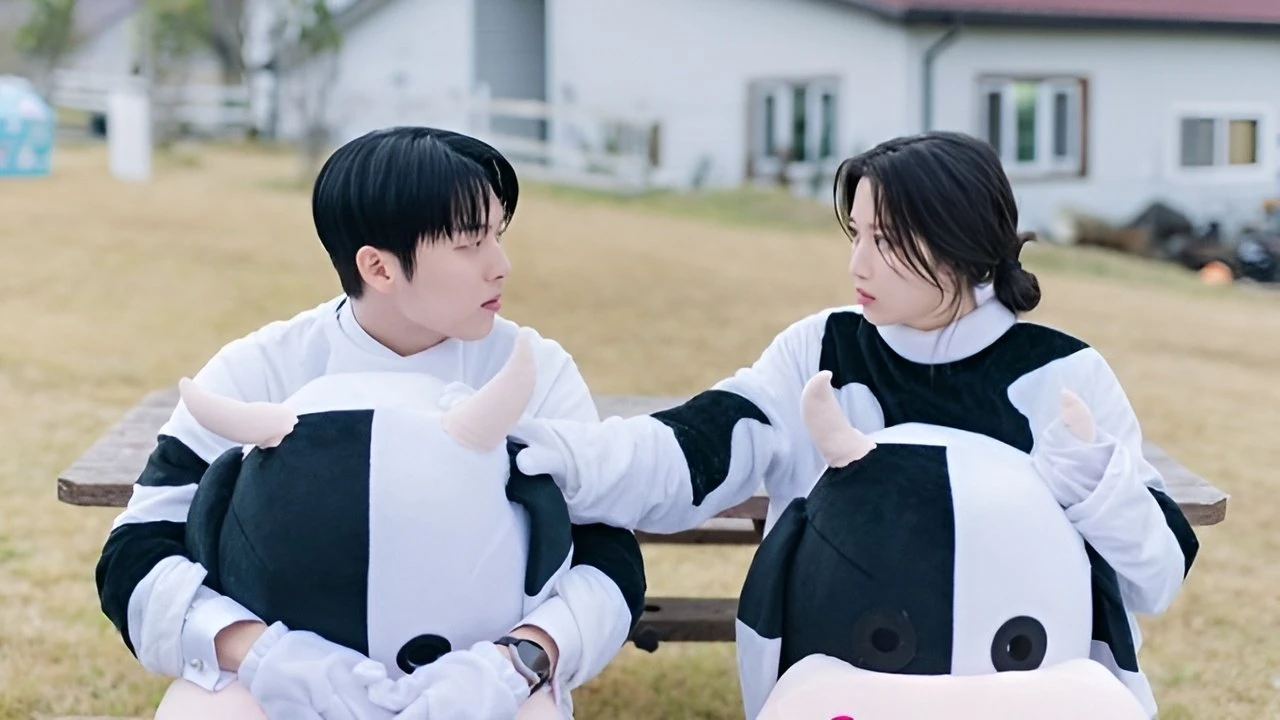
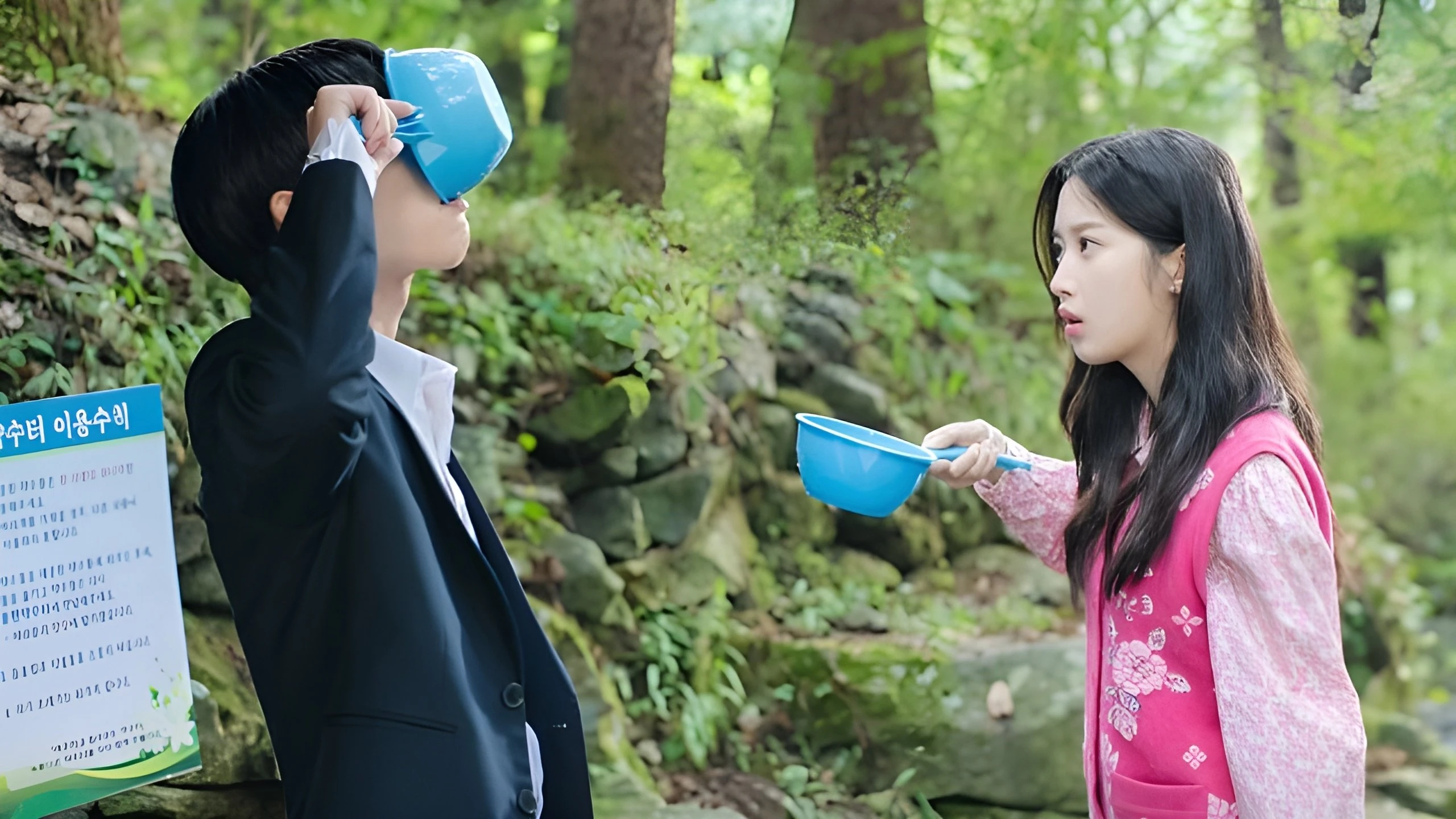




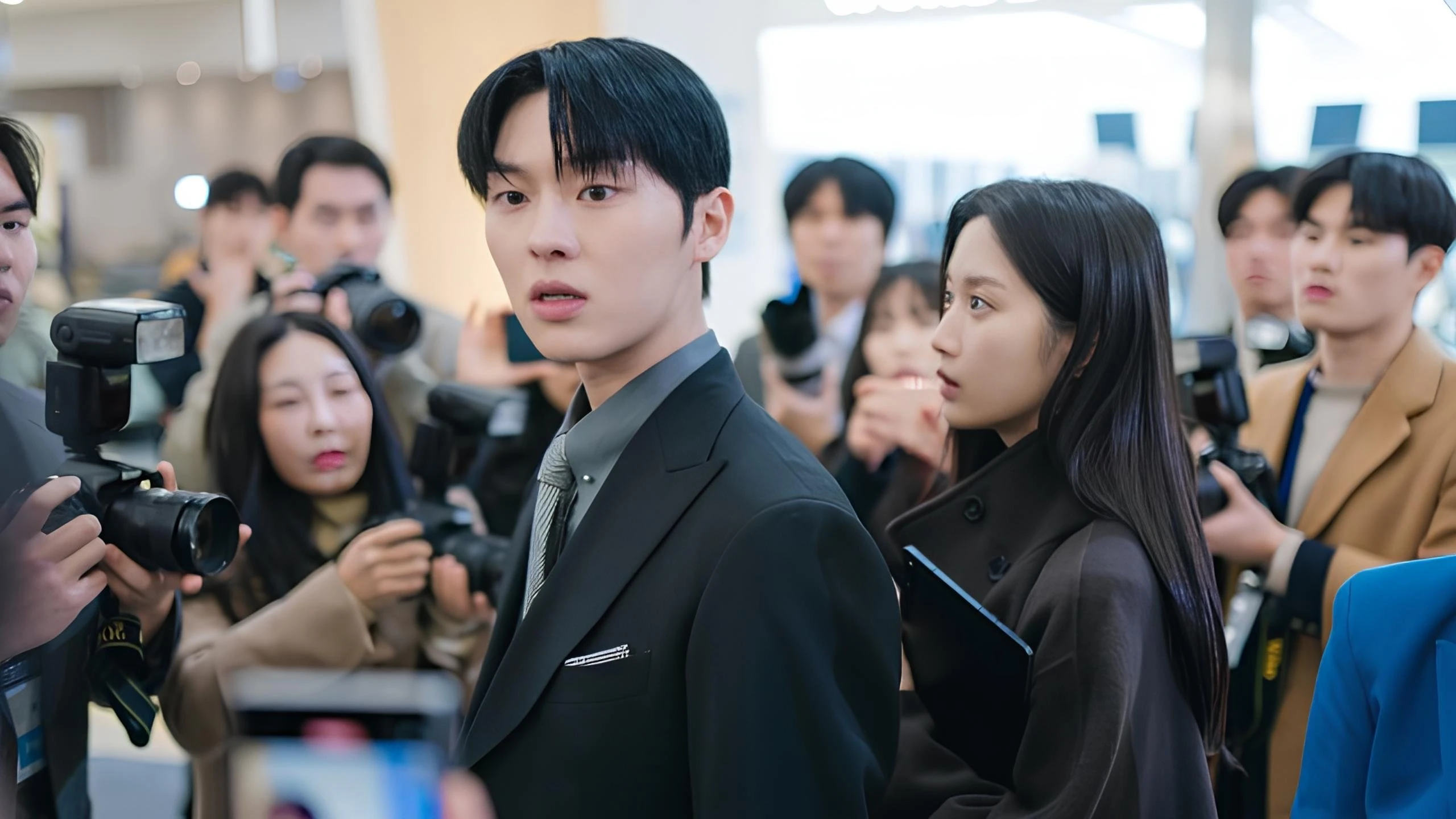
🏁 Ending Explained
Full spoilers ahead — everything that happens in the finale and what it all means.
Spoiler Warning — This section covers the full finale of My Dearest Nemesis. Stop here if you haven’t finished the series.
The finale begins where the drama always had to end up: with both leads choosing honesty over self-protection. Joo-yeon’s confrontation with his grandmother Hyo-sun is the centerpiece of the closing episode — a long-overdue reckoning that the show had been building toward since episode one. Hyo-sun, who used conditional love as a control mechanism for years, is finally held accountable by the grandson she raised to perform a version of himself she could accept. What makes the scene land is that Joo-yeon doesn’t rage at her. He simply stops pretending, and the effect is more devastating than anger would have been.
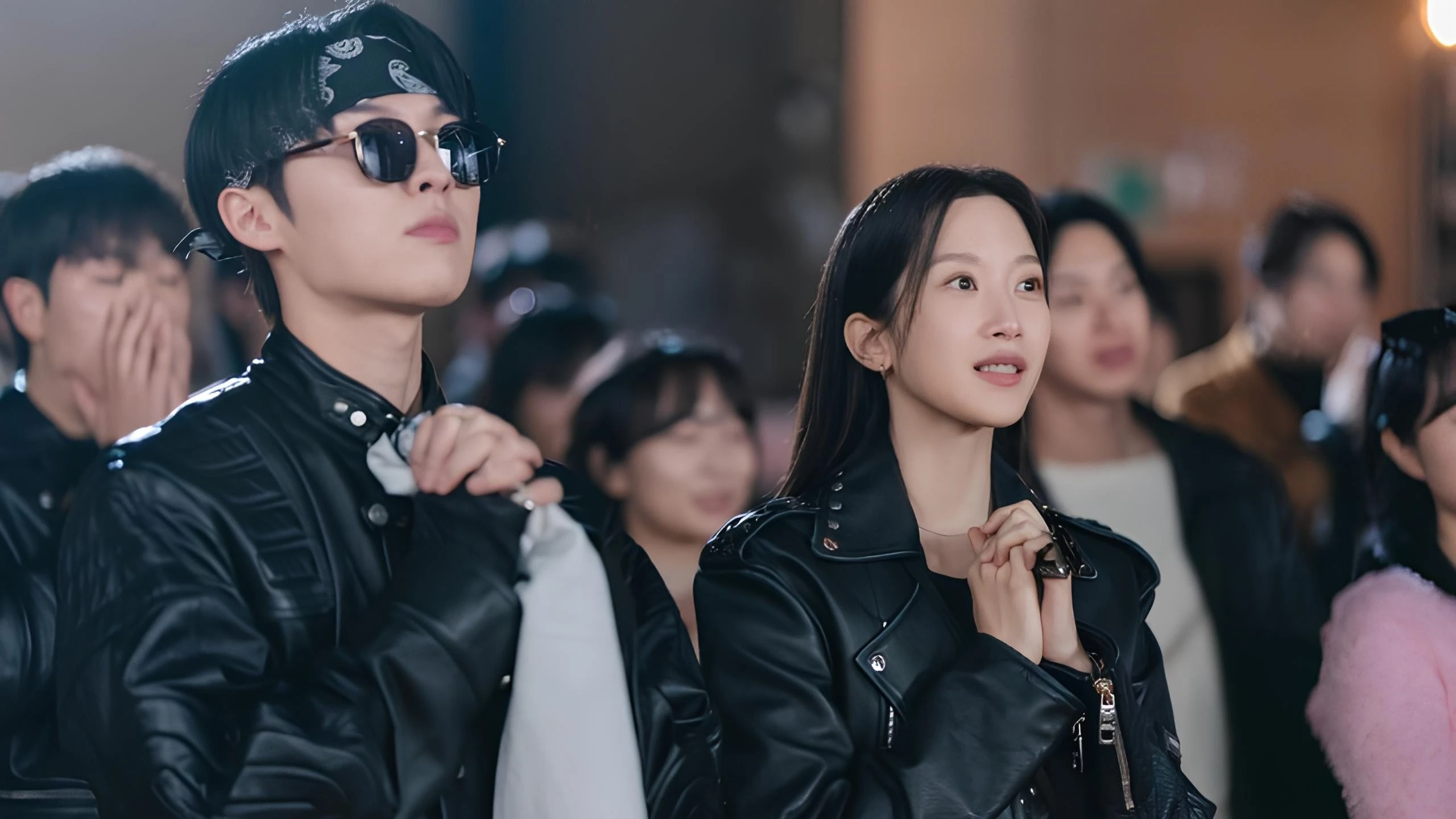
Soo-jung’s arc resolves with equal emotional precision. The woman who spent her adult life being competent and indispensable — partly to honor the absence left by her mother, partly to ensure she was never dismissed or overlooked — finally lets someone see the version of her that doesn’t have everything together. The moment she stops managing the relationship and allows herself to simply be in it is the real payoff of the series. The drama never over-explains this shift, which is the right call: it trusts the audience to feel it land without underlining it twice.
The romantic resolution doesn’t arrive as a dramatic declaration but as something quieter and more earned. Soo-jung and Joo-yeon come together not because the comedic misunderstandings are cleared up with a speech, but because both of them have done the actual internal work required to choose someone without the protection of their old armor. Their past — the online game, the humiliating meeting, the sixteen years in between — gets reframed not as a wound but as the origin story of something real. The secondary couple’s resolution is handled with restraint: Ha-jin closes the chapter on her ex-husband and moves forward with Shin-won entirely on her own terms, which feels consistent with everything the drama told us about her character from the start.
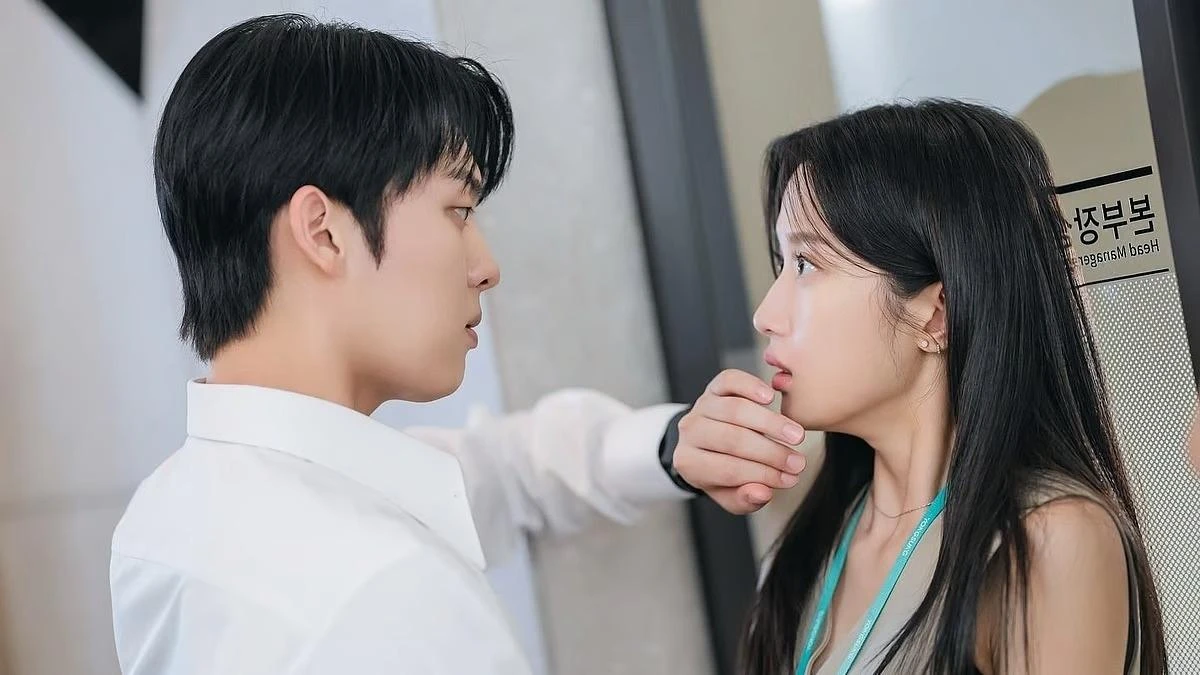
What the finale ultimately argues is that the most embarrassing moment of your life might also be the beginning of something. The drama’s greatest structural choice was building a twelve-episode romance out of a single moment of profound cringe — a teenager’s first love collapsing in real time — and then asking what happens when those two people meet again and have actually grown. The answer it offers is warm without being naive: they’re not healed by each other, they’re healed enough on their own to finally reach out. My Dearest Nemesis ends the way the best rom-coms do — not with everything fixed, but with everything possible.
✍️ KDramaWorlds Editor’s Take
Our honest read on why this drama is worth your time — and who it’s for.
My Dearest Nemesis runs on a premise that should not work as well as it does: a woman discovers her new boss is the middle schooler who humiliated her online sixteen years ago, and now she has to work alongside him while both of them pretend they’ve never met. The comedy that comes out of that setup is genuinely sharp — not the kind that leans on misunderstandings played straight, but the kind where you can feel both characters straining against their own pride in real time. Mun Ka-young and Choi Hyun-wook have chemistry that feels effortless, which matters enormously for a show where so much of the tension is internal. The best rom-coms in this sub-genre — workplace enemies-to-lovers, shared humiliating past — tend to live or die on the leads’ ability to make the repression funny rather than frustrating. This one gets that balance right more often than not. If you enjoyed Business Proposal (2022) for its comedic timing, or King the Land (2023) for its warm workplace romance energy, this fits neatly into that lineage.

Where the show earns more credit than you might expect is in how it handles the emotional scaffolding underneath the comedy. The “younger man trauma” that drives Soo-jung’s resistance isn’t just a plot device — it’s the drama’s way of showing how formative embarrassment can calcify into a fixed self-perception. Joo-yeon’s relationship with his grandmother operates similarly: a man who’s been performing an acceptable version of himself for so long that he’s almost lost track of the real one. The drama doesn’t make either arc heavy-handed, which is to its credit. The secondary romance between Lim Se-mi and Kwak Si-yang is handled with enough warmth to feel like a genuine subplot rather than filler, though it’s clearly the B-story and knows its place.
The pacing is tightest in the middle stretch, where the double-identity tension is at its peak, and loosens a little in the final quarter as everything moves toward resolution. The grandmother storyline wraps a touch quickly given how much weight it carries, but the finale earns its ending by keeping both emotional resolutions character-consistent rather than forcing catharsis. At twelve episodes, it never outstays its welcome. My Dearest Nemesis is not reinventing the genre, but it’s executing it with more wit and warmth than the premise alone would suggest.
Viewers who like workplace romance with comedic tension
Anyone who’s ever cringed at a formative online memory
🎬 You Might Also Like
If you liked My Dearest Nemesis, these are your next three watches.
 See You at Work Tomorrow!
boss-employee relationship
Read Full Review →
|
 Cinderella at 2AM
ChaebolDetermined male lead
Read Full Review →
|
 Sh**ting Stars
Celebrity Culture별똥별
Read Full Review →
|











Keep it kind, skip the harsh language, and please — no spoilers. Everyone's taste is different, and that's perfectly fine.
This space is for real reactions and discussion from other viewers. Help keep it comfortable for everyone by not giving away major plot details.
What do you think of this drama?
Login to share your review or leave a comment.
No email needed — just pick a username & password.