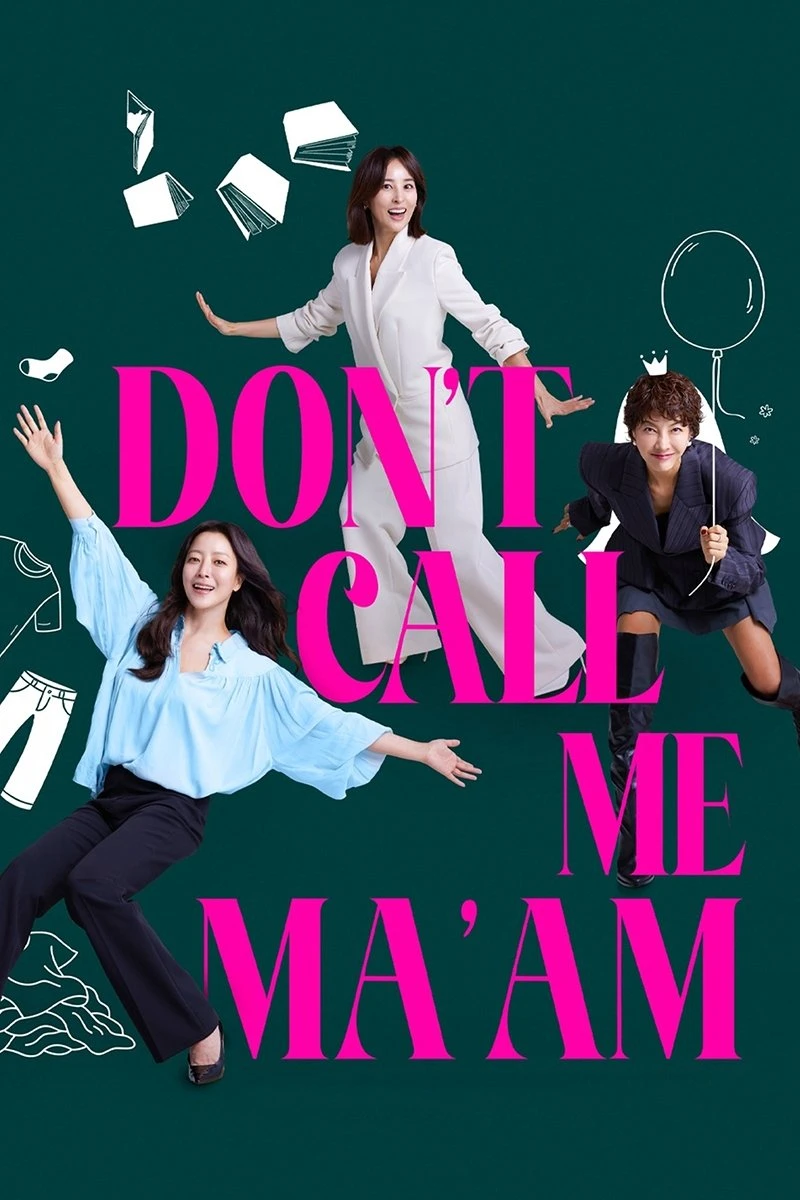
Don’t Call Me Ma’am
🎬 Netflix · TV Chosun
⭐ 7.6 / 10 MDL
🔞 15+
📋 Drama Overview
TV Chosun
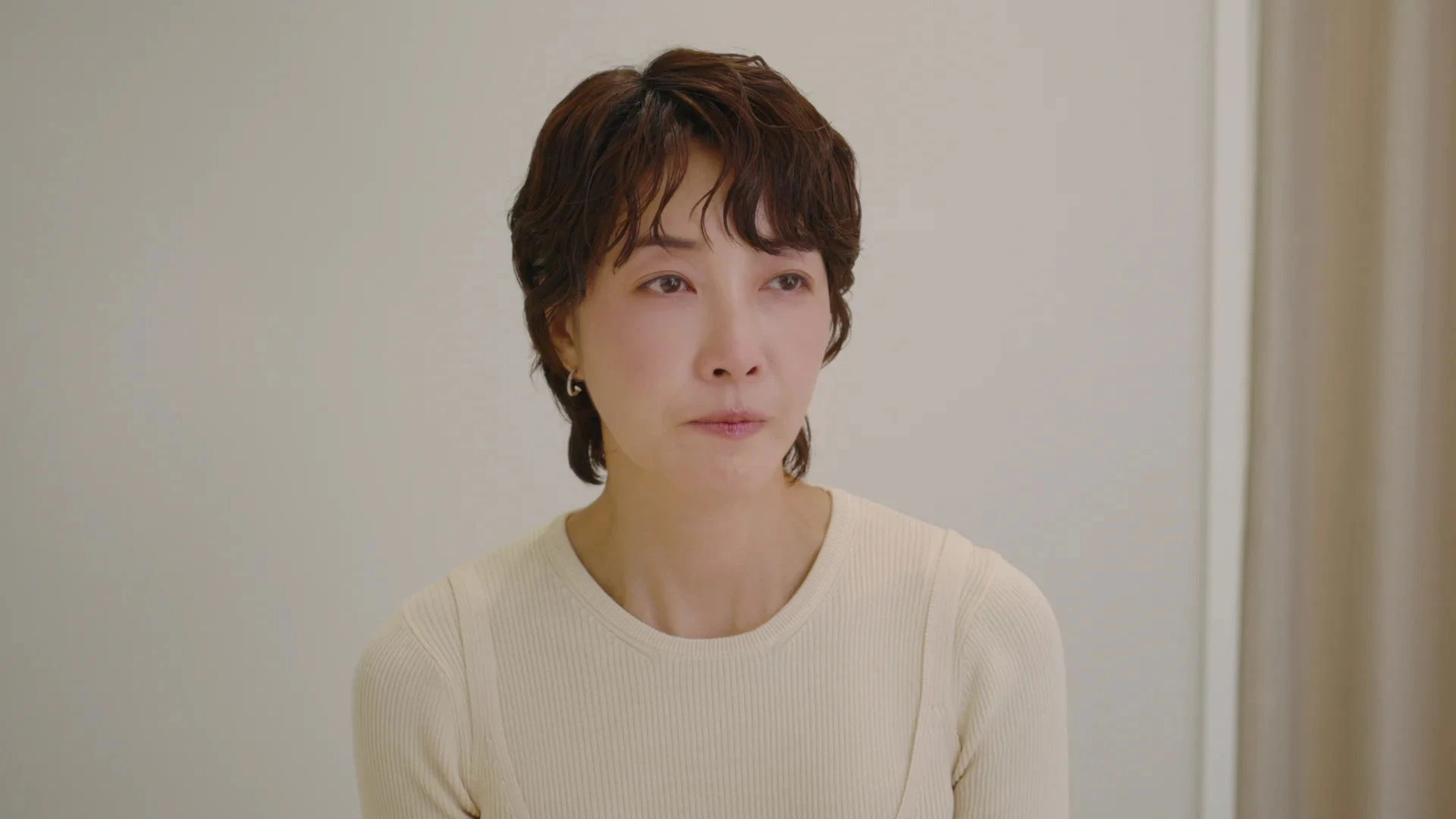
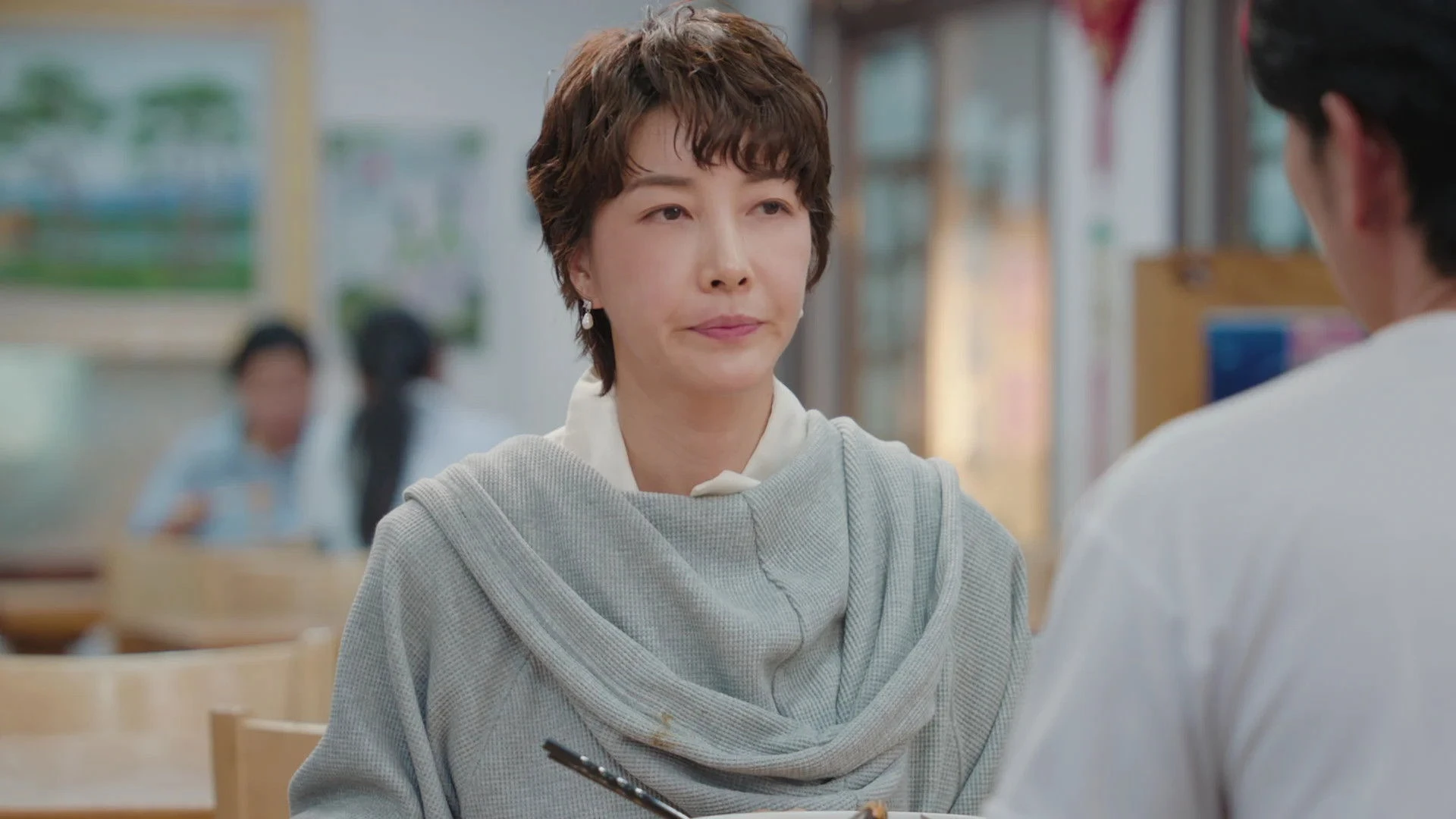
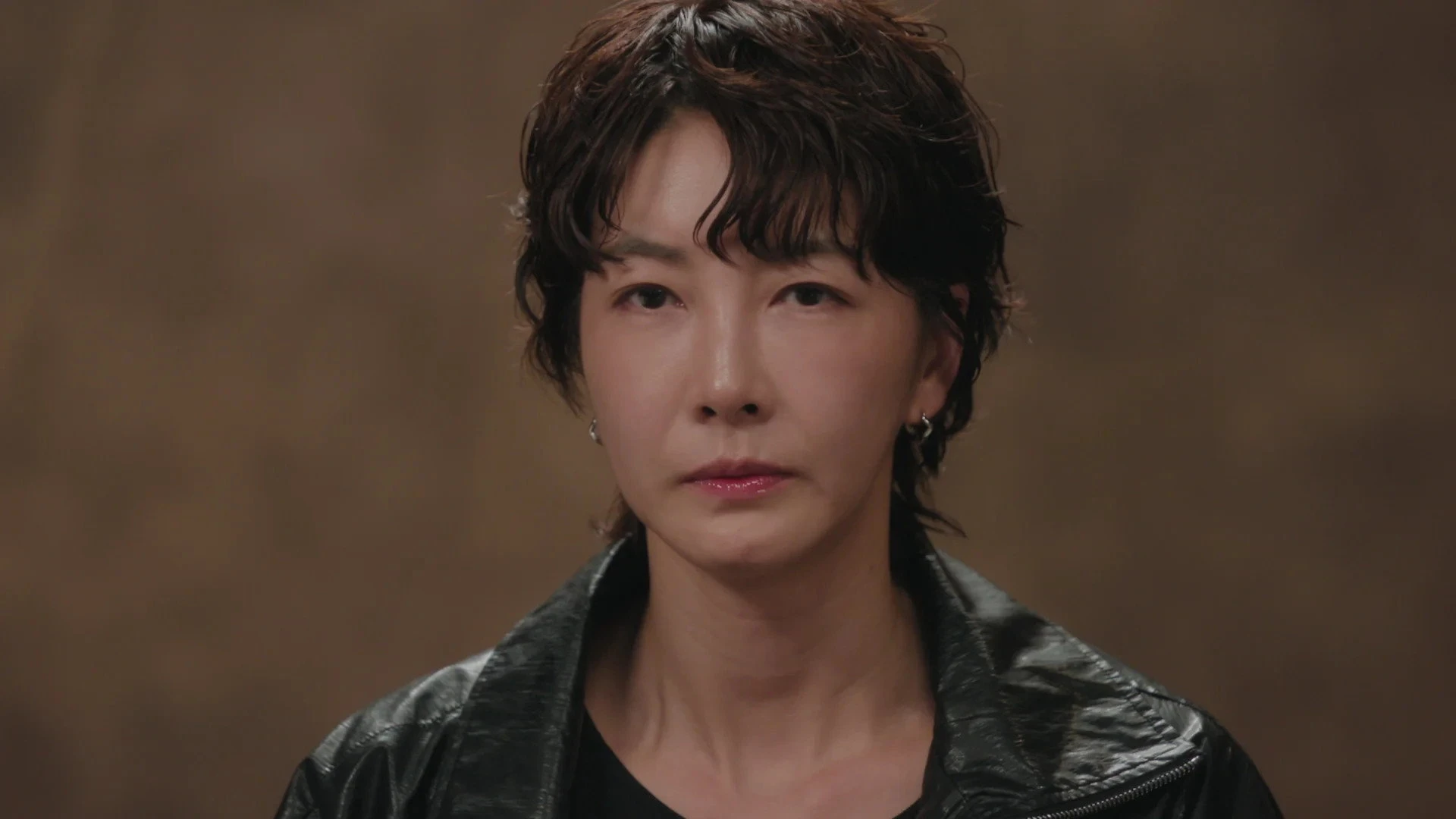
Three best friends. Twenty years of shared history. And one collective realization: they’ve been quietly disappearing inside the lives they thought they wanted. Jo Na-jeong gave up a thriving TV career to raise her kids, and now can’t remember who she was before motherhood swallowed her whole. Koo Ju-young has the stable job, the stable husband, the stable house — and the suffocating, airless routine that comes with all of it. Lee Yi-lee climbed all the way to the top of the fashion industry and arrived there alone, her heart still on pause. On Na-jeong’s fortieth birthday, the three of them sit around a table and decide: no next life. This one counts.
Don’t Call Me Ma’am is the kind of drama that arrives exactly when you need it — warm without being soft, funny without being lightweight, and deeply honest about what it costs women to be good at everything except being themselves. Screenwriter Shin Yi Won, who also wrote Green Mothers’ Club, brings the same sharp understanding of female friendships under pressure, and the three leads carry it with performances that feel less like acting and more like memory.
12 / 12 ✅ Completed
⚡ Quick Verdict
The TL;DR, boxed and ready.
· MDL Score · 520 ratings
▶ Official Trailer
🎭 Cast & Characters
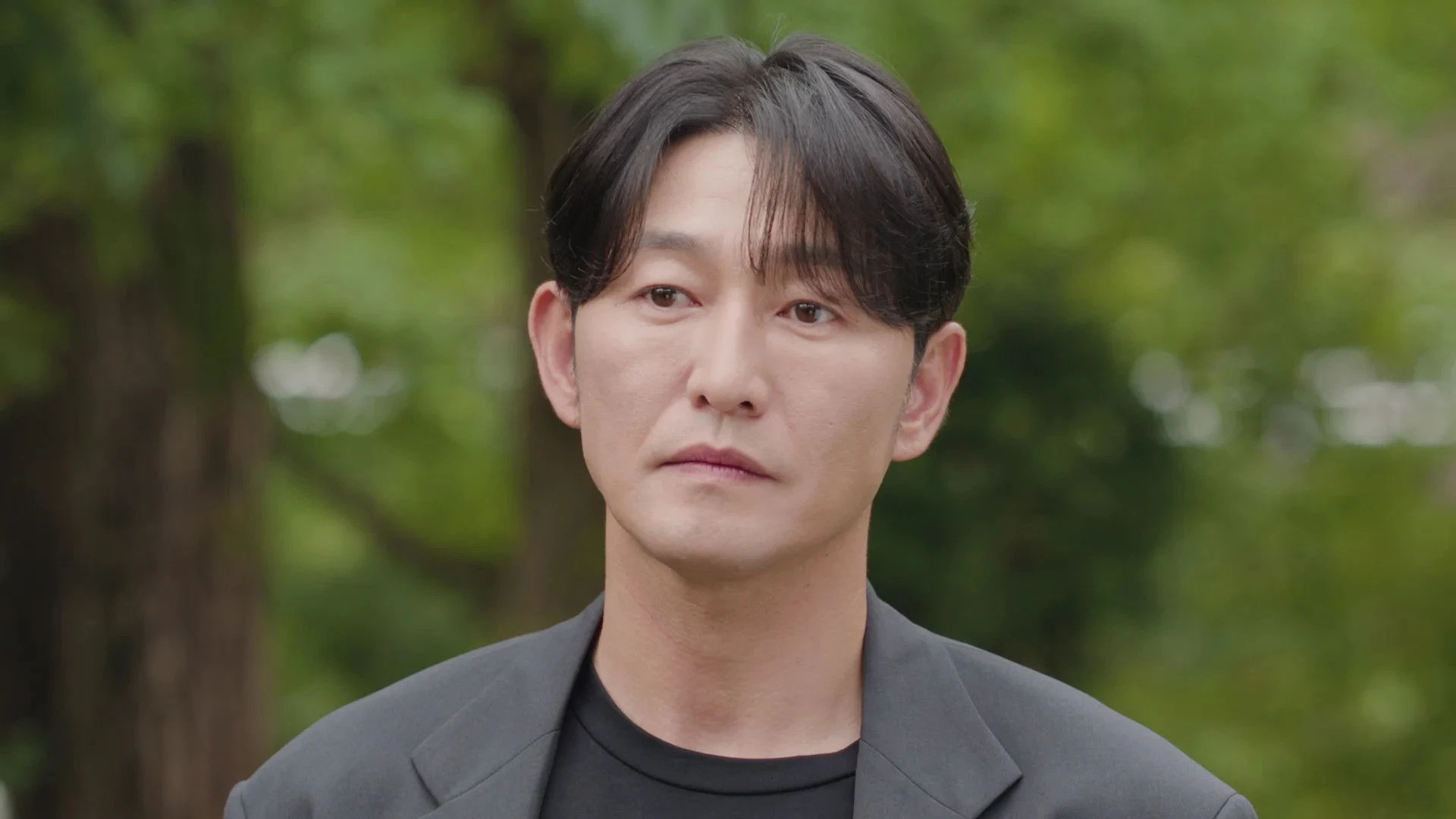
Meet the women — and the men in their orbit — who make this drama worth every minute.

Lead

Lead

Lead

Supporting

Supporting

Supporting

Supporting

Supporting

Supporting

Supporting

Supporting

Supporting
🎬 Episode Guide
12 episodes · ~70 minutes each · Spoiler-light recaps for every episode.

🏁 Ending Explained
Spoiler territory from here — the finale, fully unpacked.
Spoiler Warning — This section covers the full finale of Don’t Call Me Ma’am. Stop here if you haven’t finished the series.
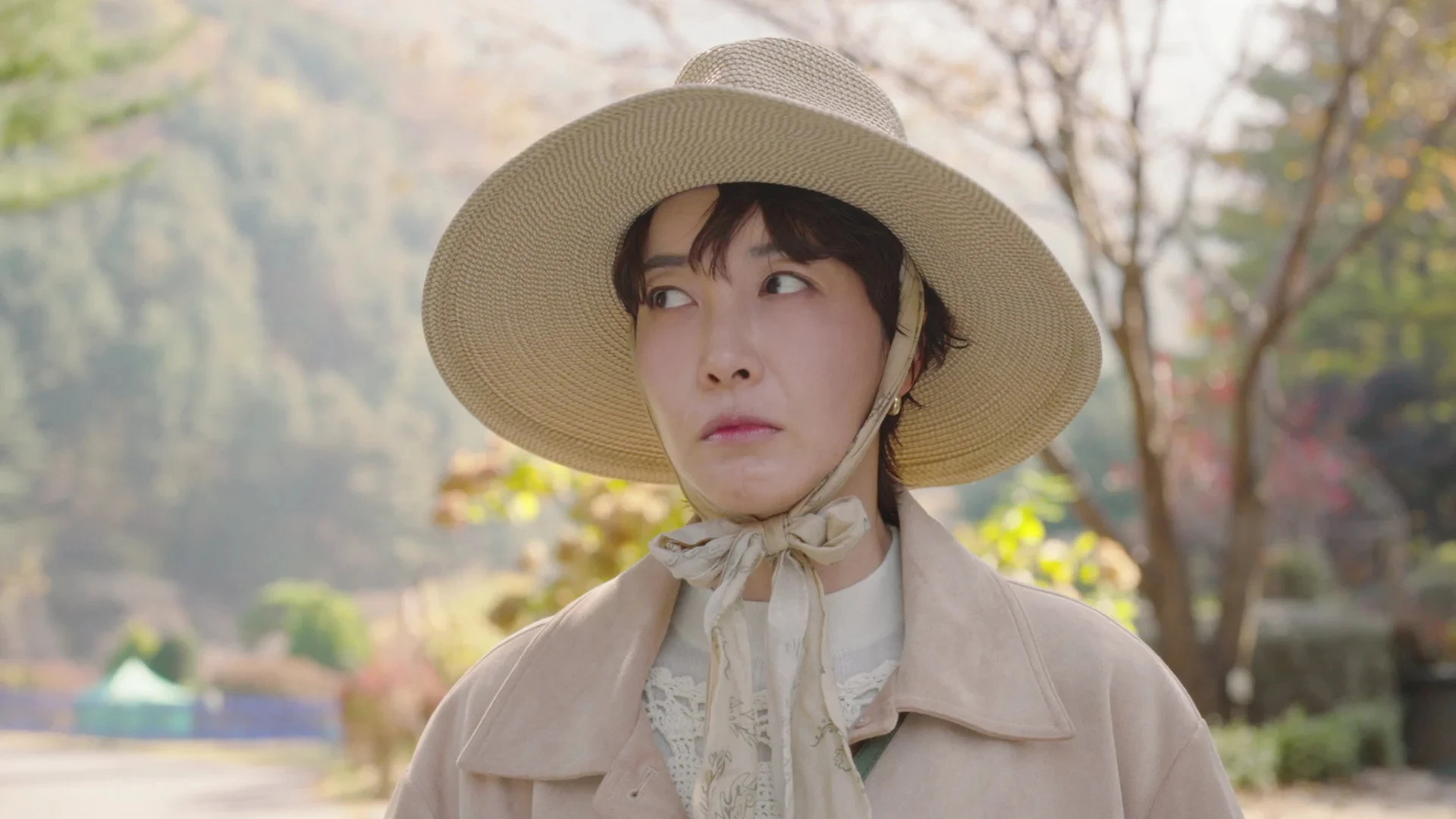
Na-jeong refuses the compromise. The finale opens with Na-jeong being offered a return to TV — but on terms designed to minimize her. She’s offered a reduced hosting slot, dressed up in generous-sounding language about “fresh formats” and “modern audiences,” which translates plainly to: we’ll take you back if you agree to be less. She turns it down. What follows is a quieter, more meaningful negotiation for a role that reflects who she actually is — not who she was before she left, and not a diminished version of either. It’s the first time in the drama that Na-jeong negotiates from a place of knowing her own value, and the scene works because it isn’t triumphant; it’s just clear.
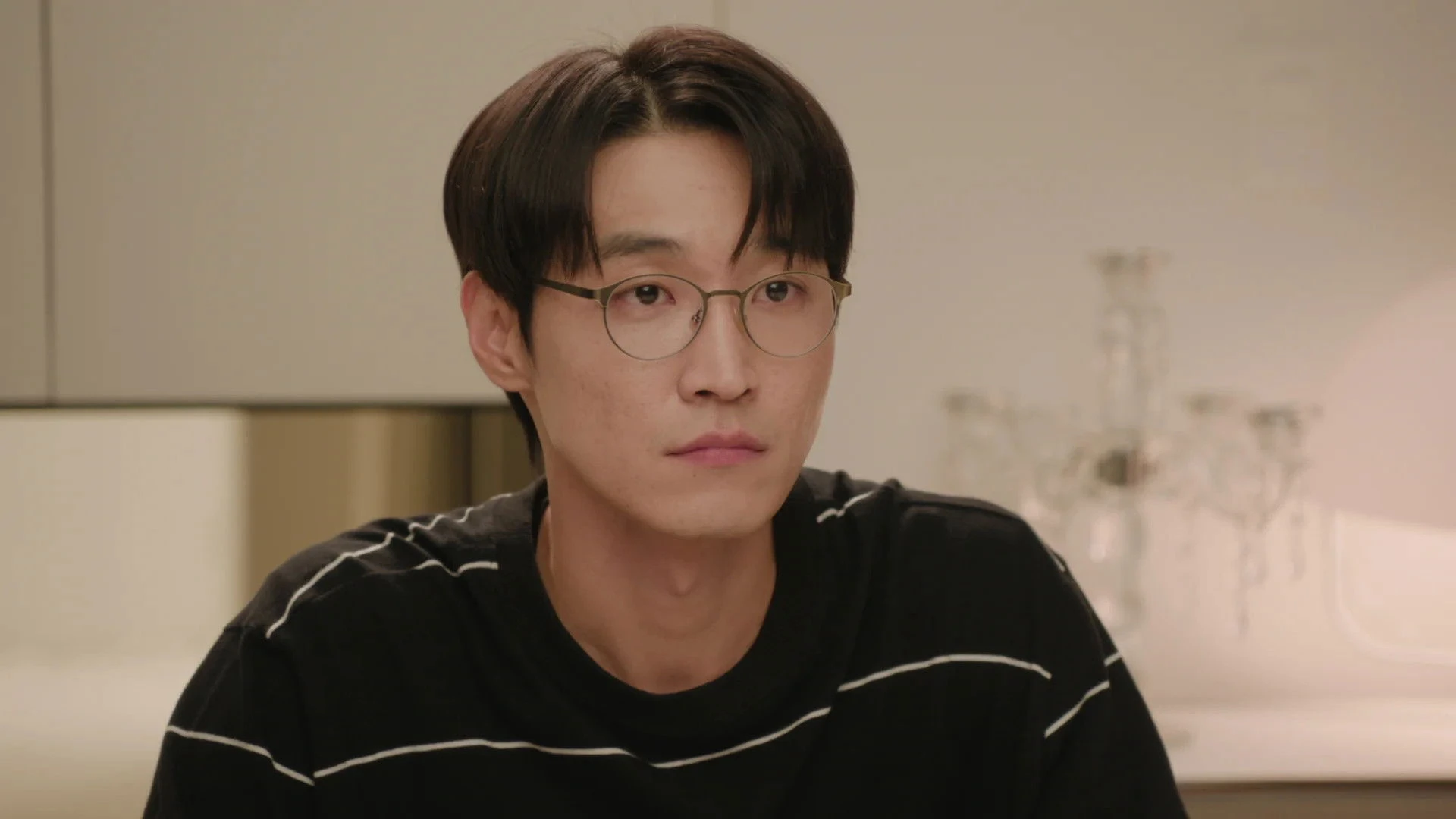
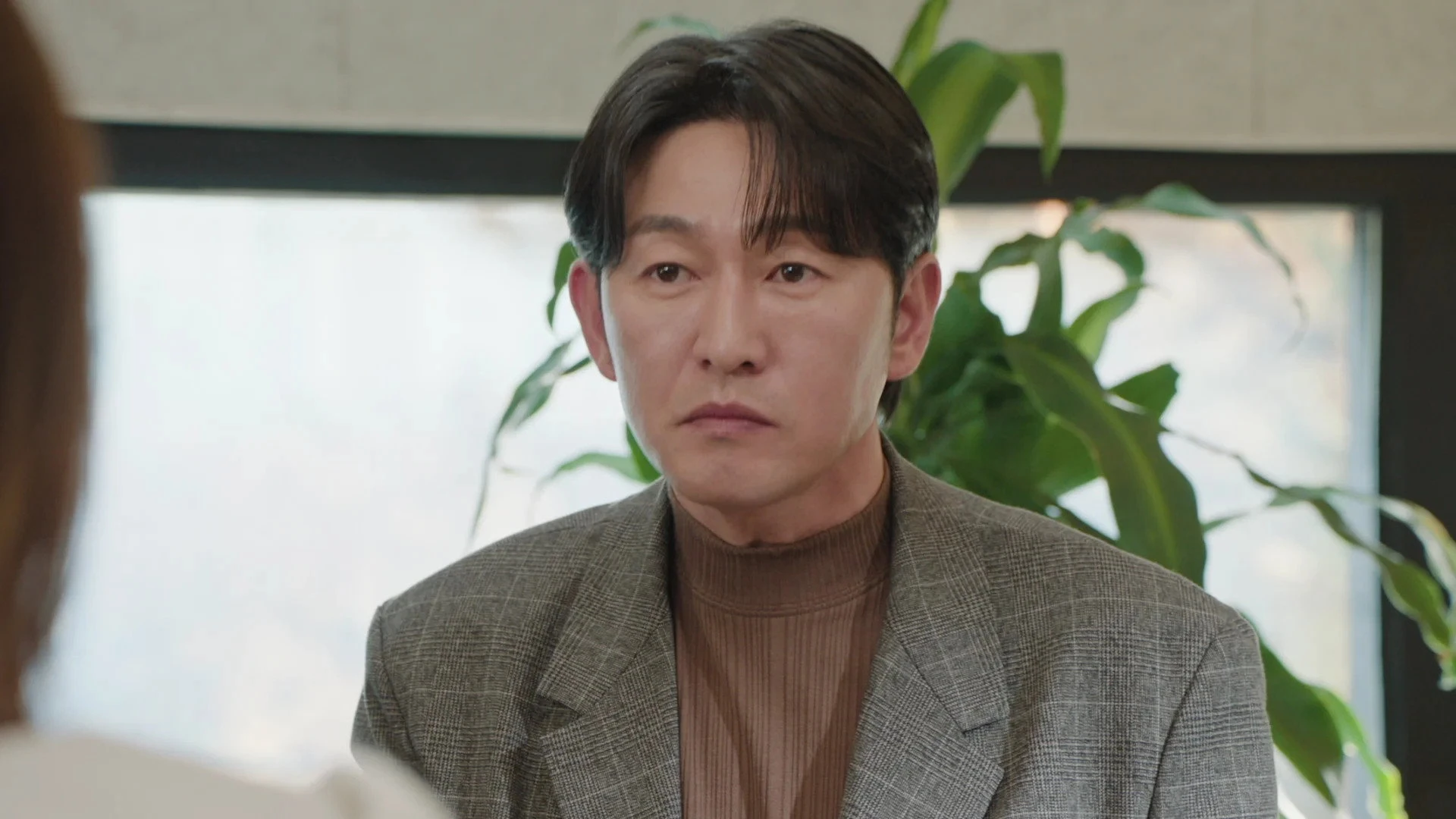
Ju-young doesn’t leave — she renegotiates. The resolution to Ju-young’s marriage arc is the drama’s most interesting creative choice. There’s no divorce, no cathartic separation — instead, she sits her husband down and, for the first time, speaks plainly about what she needs and what happens if nothing changes. The scene is less a confrontation than a reckoning, and what makes it land is that her husband has to reckon with it too. The drama refuses to let the marriage be either fixed or ended — it leaves it in the much more honest state of being renegotiated by two adults who have stopped pretending.
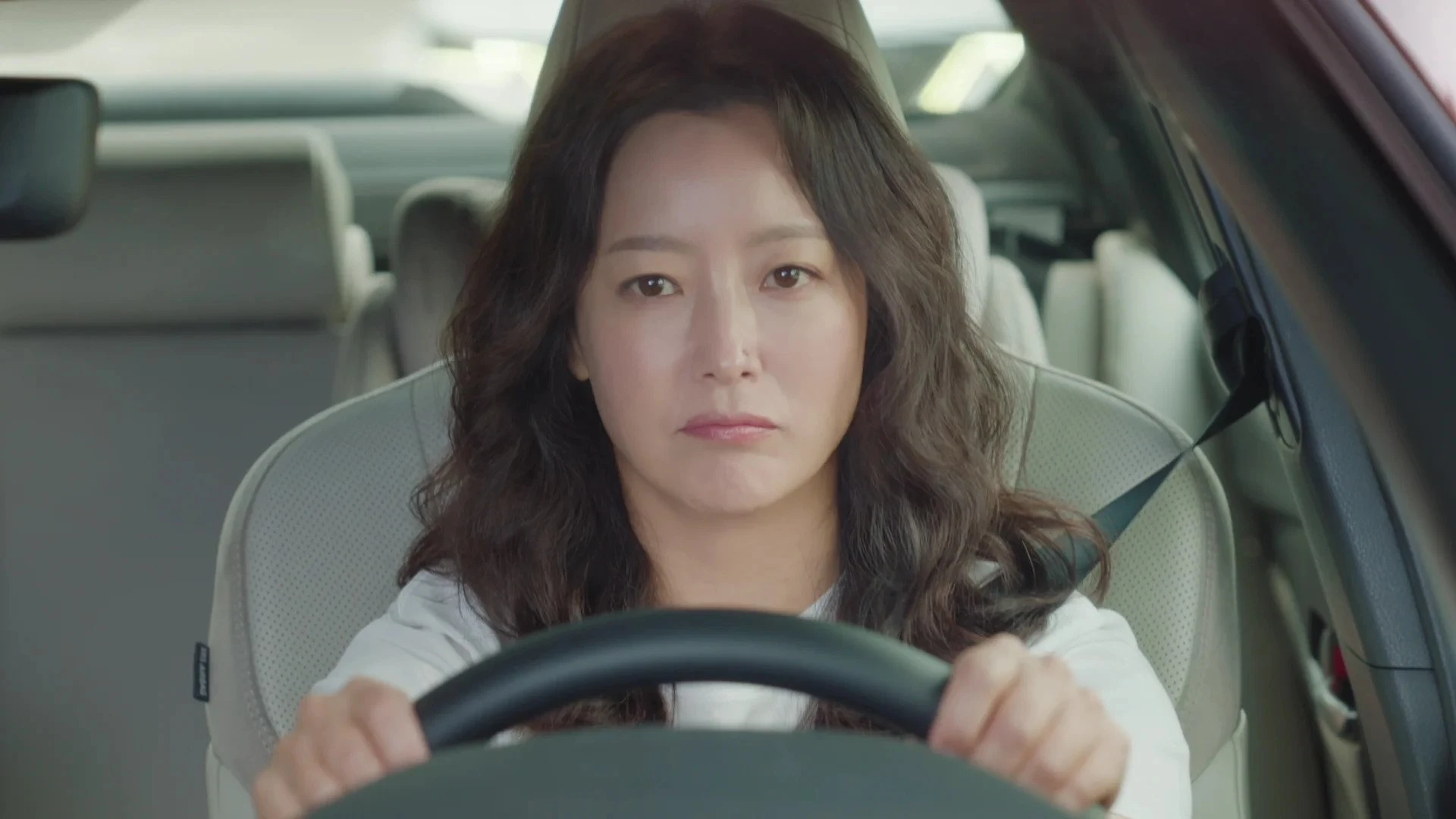
Yi-lee takes the unguarded step. Yi-lee’s arc closes with her choosing vulnerability over protection — she stops calculating the risk of being hurt and simply shows up. It’s the smallest of the three resolutions in terms of plot weight, but it carries the most emotional freight because of how long the drama has made us watch her protect herself. The pay-off is proportional to the patience the show asked of us.
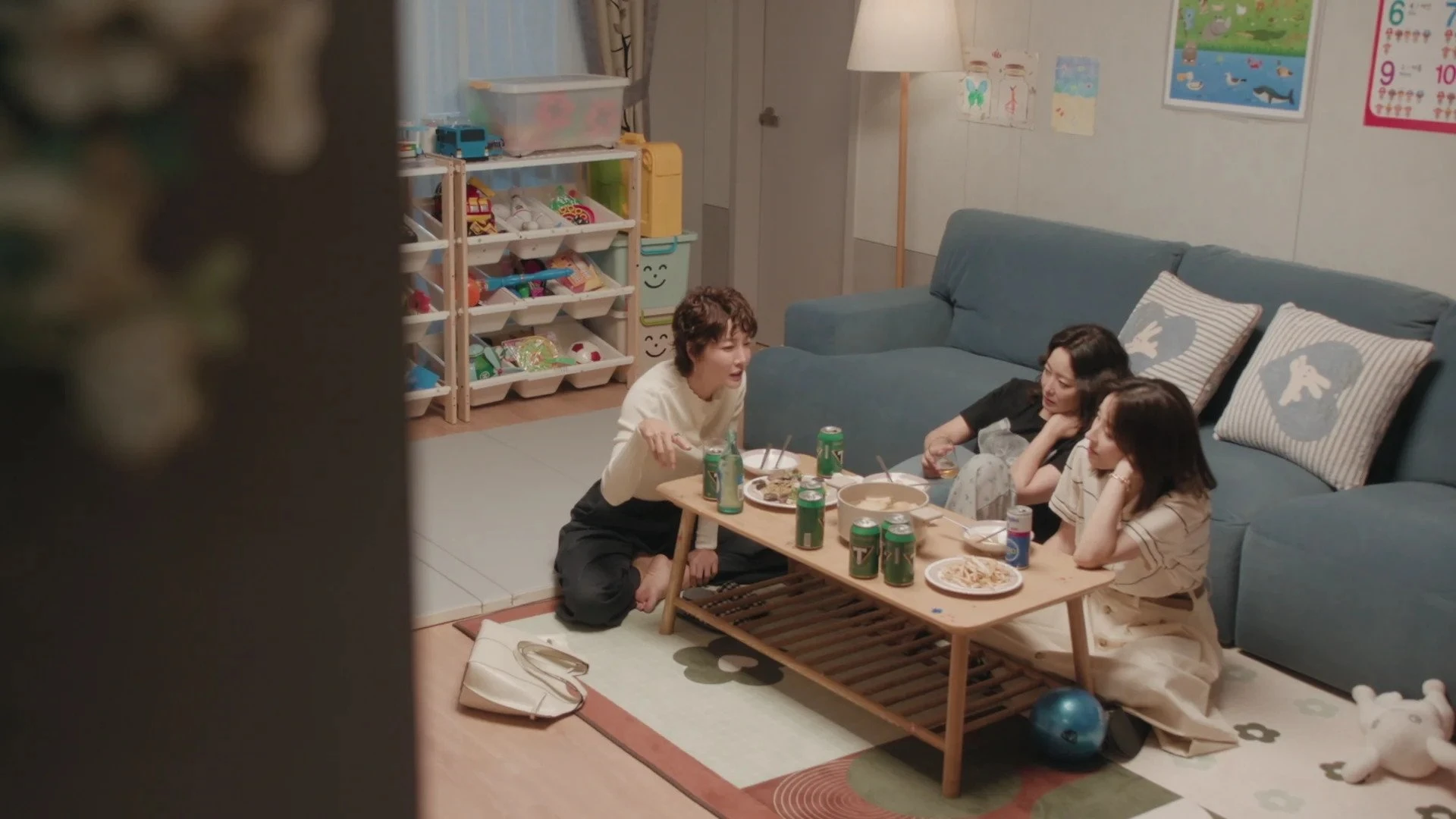
The birthday table, again. The finale closes on the three friends gathered around a table — deliberately mirroring the birthday scene from Episode 1. The difference is everything. In Episode 1, the gathering was bittersweet, tinged with the weight of lives that had drifted from what the women had imagined. In Episode 12, the same configuration feels forward-facing and unhurried. Nobody is pretending. Nobody is performing. The drama earns its ending not through grand gestures but through the accumulated weight of twelve episodes of women choosing, imperfectly, to take themselves seriously. There is no next life — and the finale makes you believe they’ve finally understood that.
✍️ KDramaWorlds Editor’s Take
Worth the watch? Our honest answer, and who it’s aimed at.
Don’t Call Me Ma’am arrives in the comfortable company of dramas about women rediscovering themselves — but it earns its place in that space rather than simply occupying it. What screenwriter Shin Yi Won does here that she also did in Green Mothers’ Club is resist the urge to make the central friendship a vehicle for individual character growth. The friendship is the point. These three women are not each other’s supporting cast — they are each other’s witness, and the drama is most alive when it trusts that dynamic enough to let scenes breathe without pushing toward resolution. Kim Hee-seon’s Jo Na-jeong is the natural anchor, but the writing never punishes Han Hye-jin’s Ju-young or Jin Seo-yeon’s Yi-lee for being the less obviously dramatic storylines. All three arcs are treated with equal seriousness and equal warmth.

The drama’s one genuine weakness is pacing in the middle stretch — Episodes 6 through 8 occasionally stall on the same emotional beats without moving them forward, and viewers who need narrative momentum to stay engaged may start feeling the 70-minute runtime. But this is a show that is fundamentally about the texture of everyday life rather than plot mechanics, and if you’ve calibrated to its register by Episode 3, the slower passages feel less like filler and more like the drama honoring the weight of what its characters are carrying. The comedy, when it lands, is genuinely funny rather than sitcom-adjacent — the three leads have a gift for finding absurdity in recognizable situations without breaking the emotional frame.
This is the K-drama equivalent of a long dinner with your closest friends — the kind where you start with complaints about small things and end up somewhere much more honest. It doesn’t try to change your life. It just reminds you, quietly and persistently, that yours is the only one you have. For anyone who has watched their own ambitions quietly migrate to the back of a drawer, Don’t Call Me Ma’am is worth clearing your schedule for.
Viewers who prefer warm, slow-burn slice of life over high-stakes plot
Anyone navigating a career break, a life pivot, or a relationship that’s outgrown its old shape
🎬 You Might Also Like
If you liked Don't Call Me Ma'am, these are your next three watches.
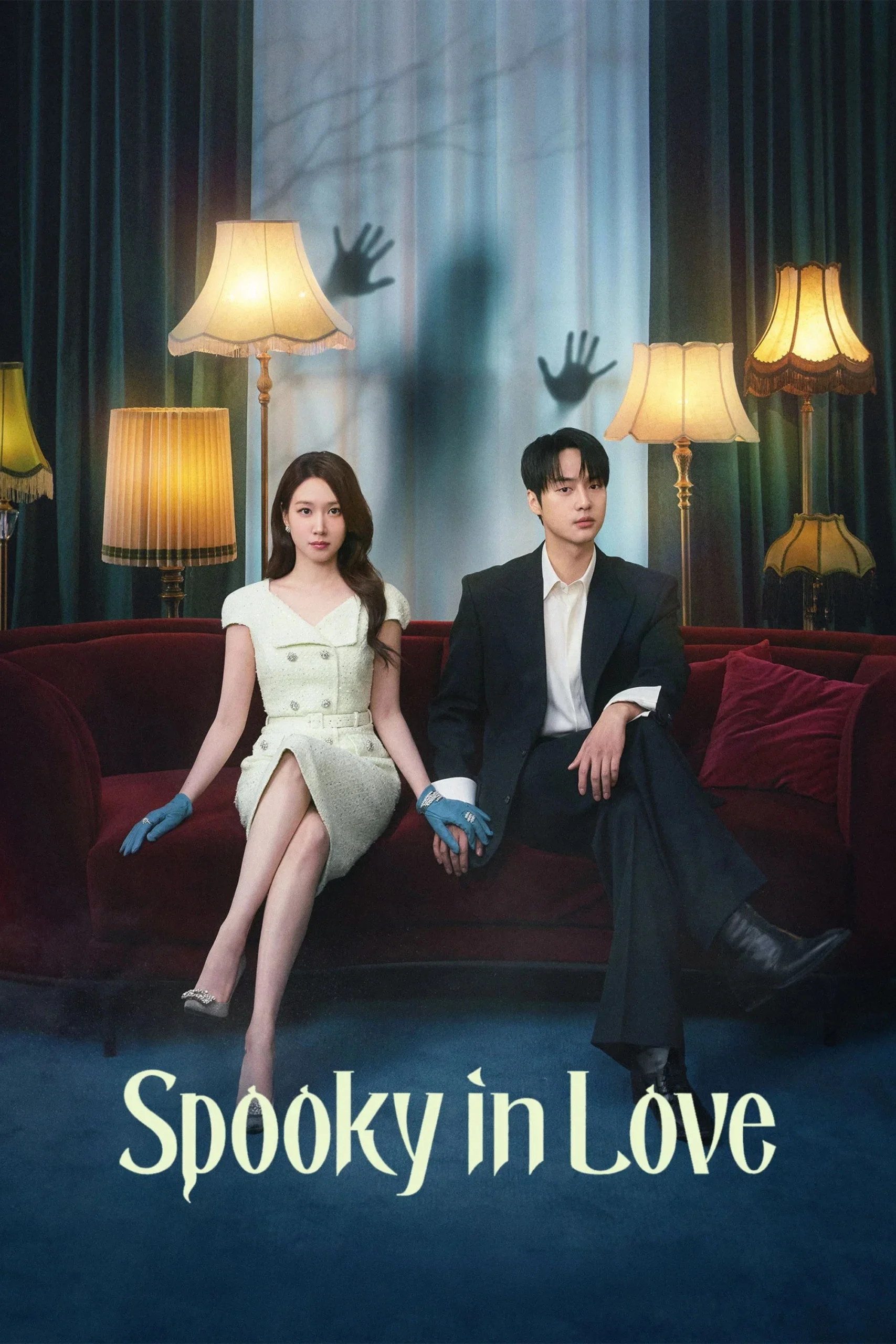 Spooky in Love
comedyghosts
Read Full Review →
|
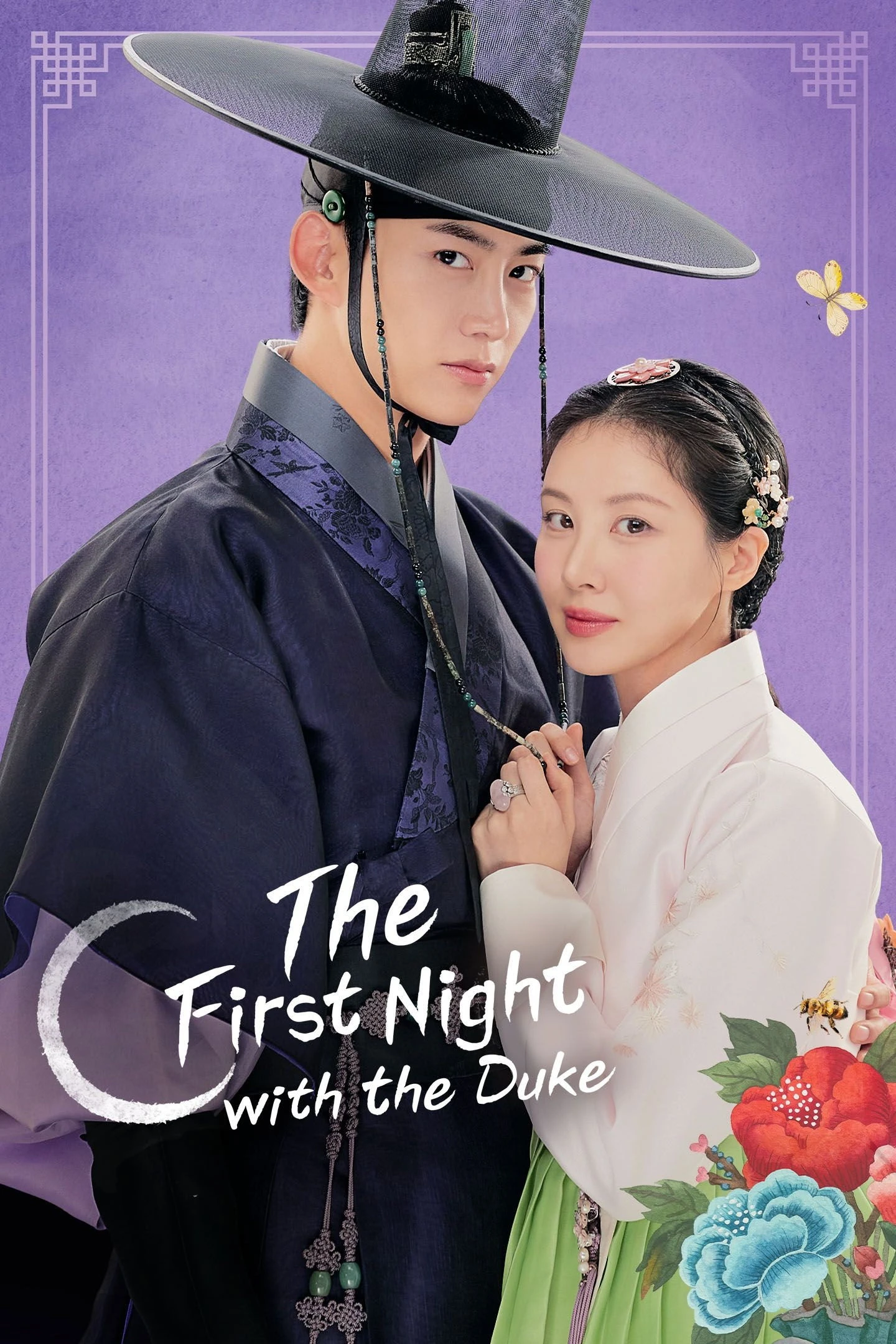 The First Night with the Duke
comedynoble love
Read Full Review →
|
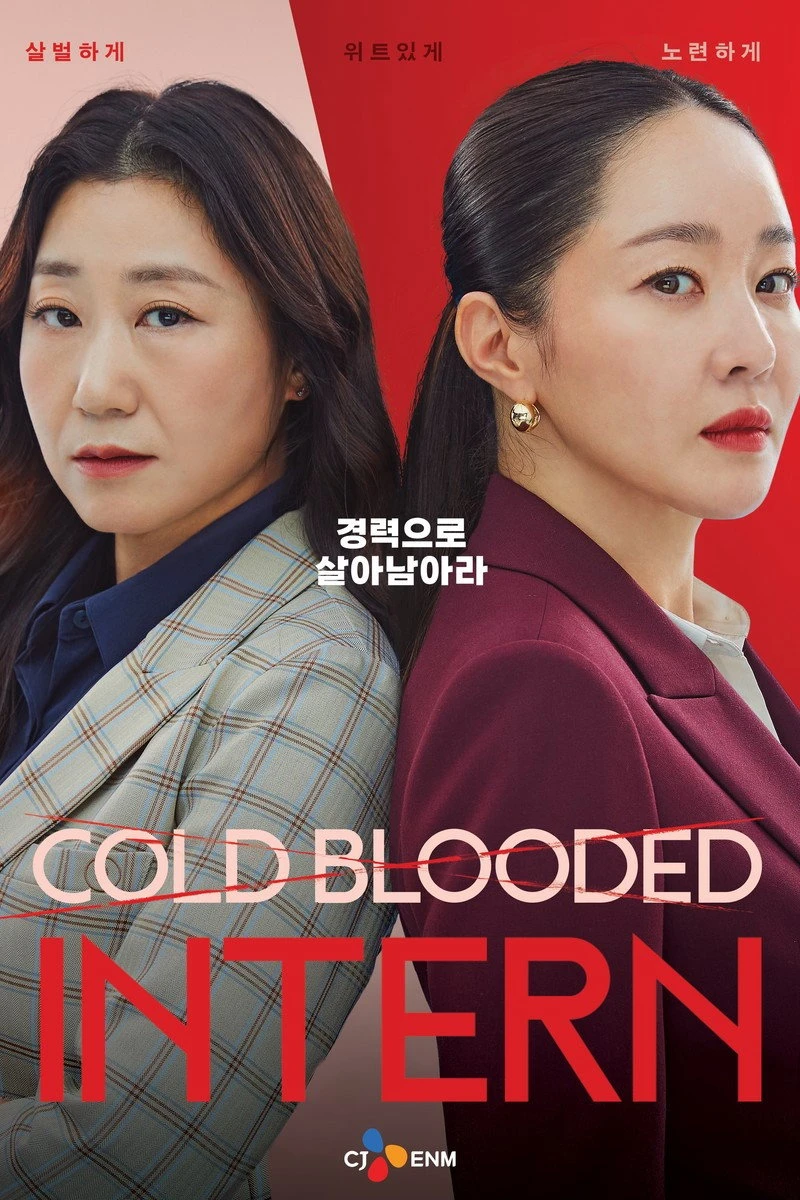 Cold Blooded Intern
career comebackComedy Drama
Read Full Review →
|










Keep it kind, skip the harsh language, and please — no spoilers. Everyone's taste is different, and that's perfectly fine.
This space is for real reactions and discussion from other viewers. Help keep it comfortable for everyone by not giving away major plot details.
What do you think of this drama?
Login to share your review or leave a comment.
No email needed — just pick a username & password.