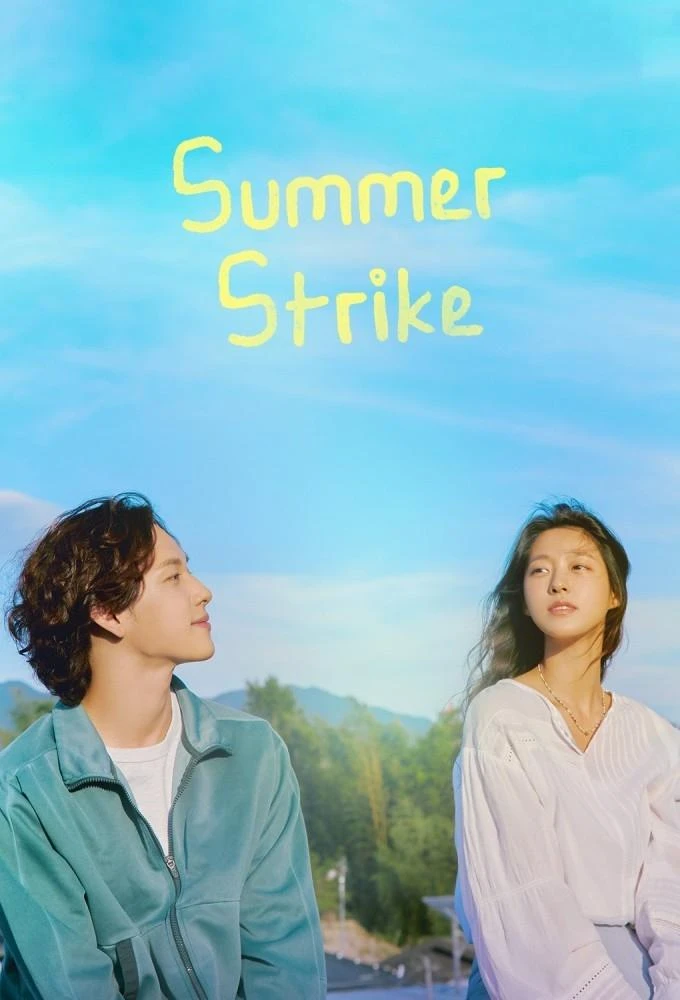
Summer Strike
🎬 Netflix · Viki
⭐ 8.4 MDL
📺 15+
📋 Drama Overview
The essentials — before you press play.
🌊 Healing Drama Pick
Viki
Prime Video
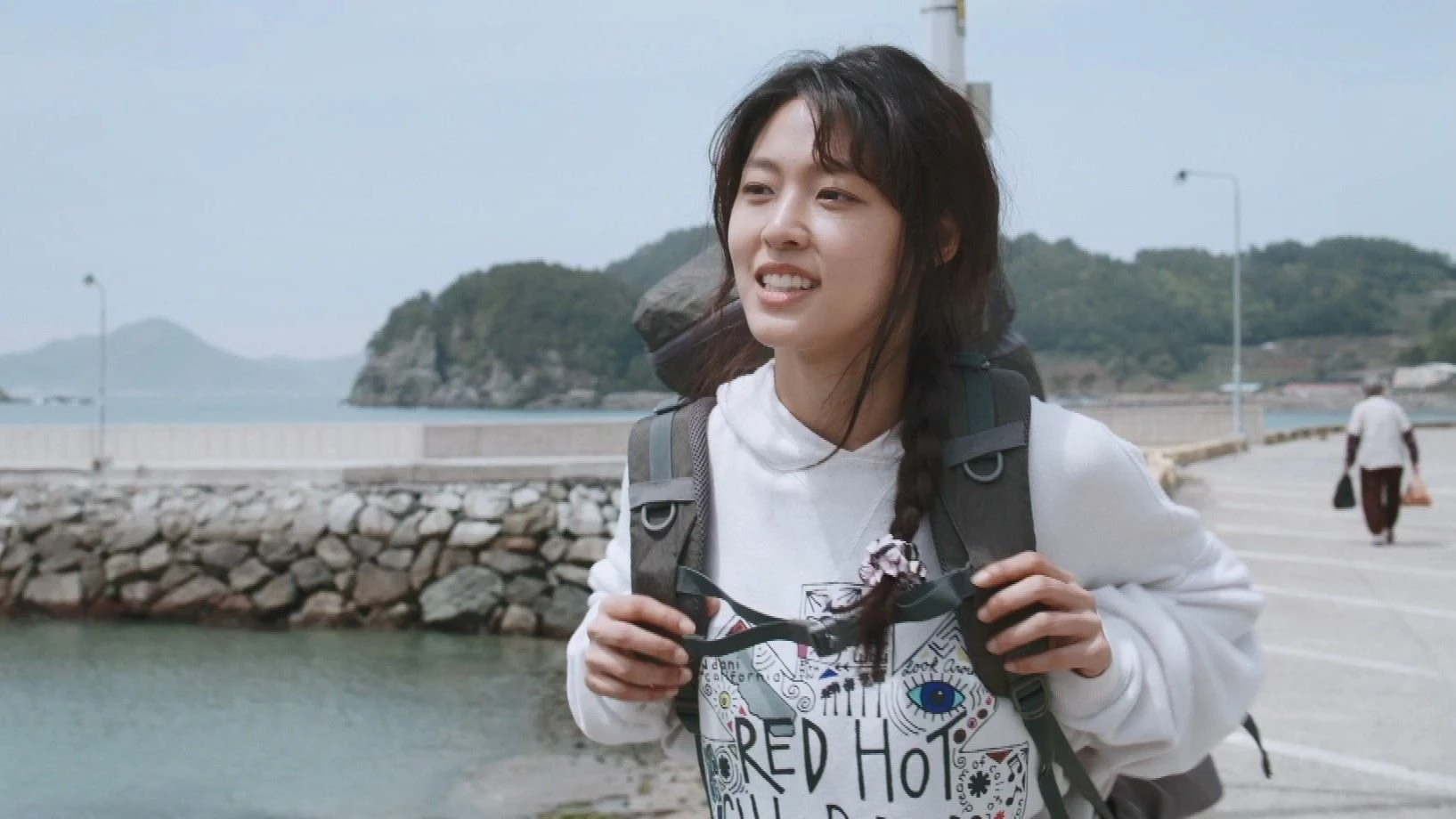
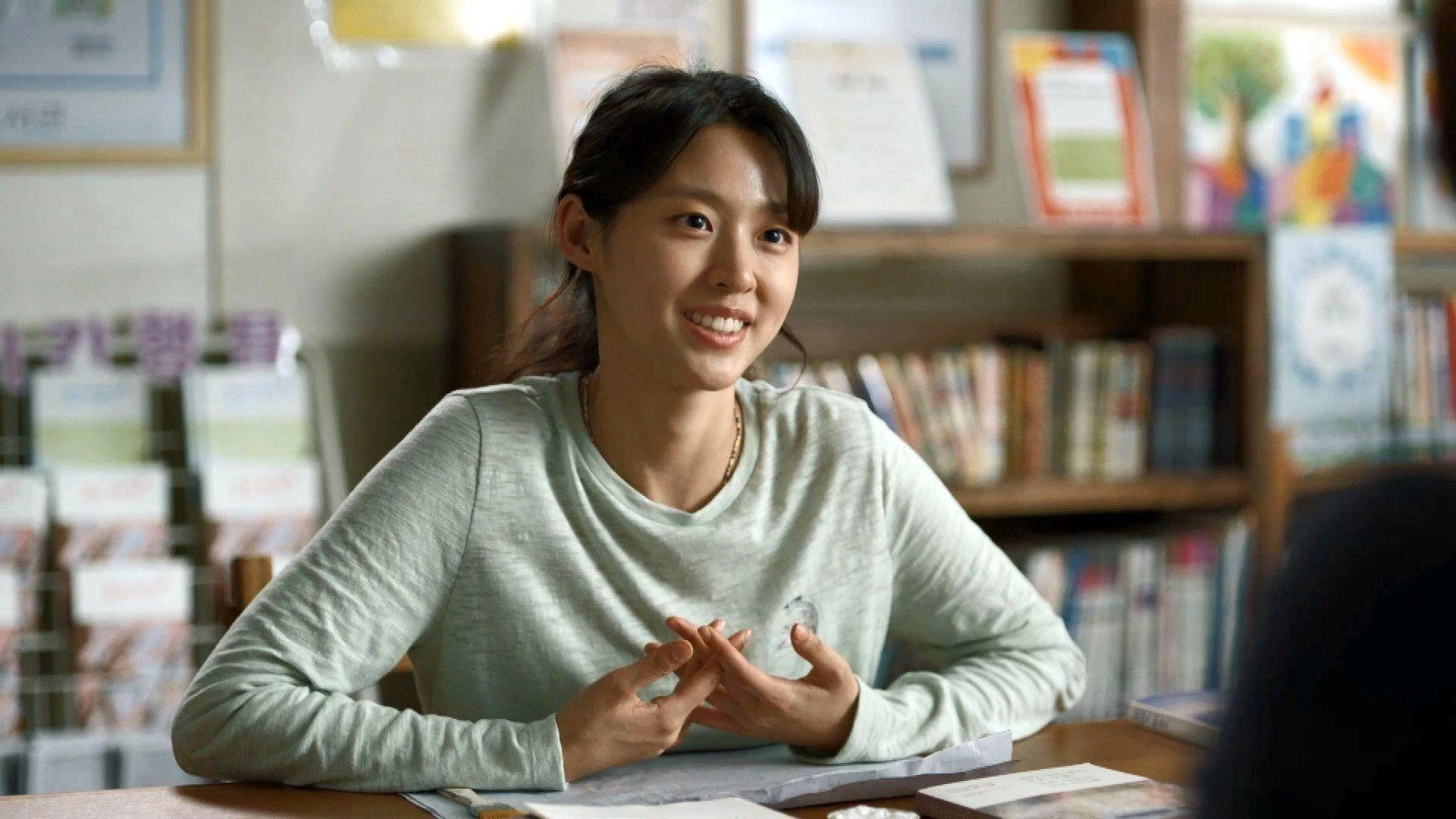
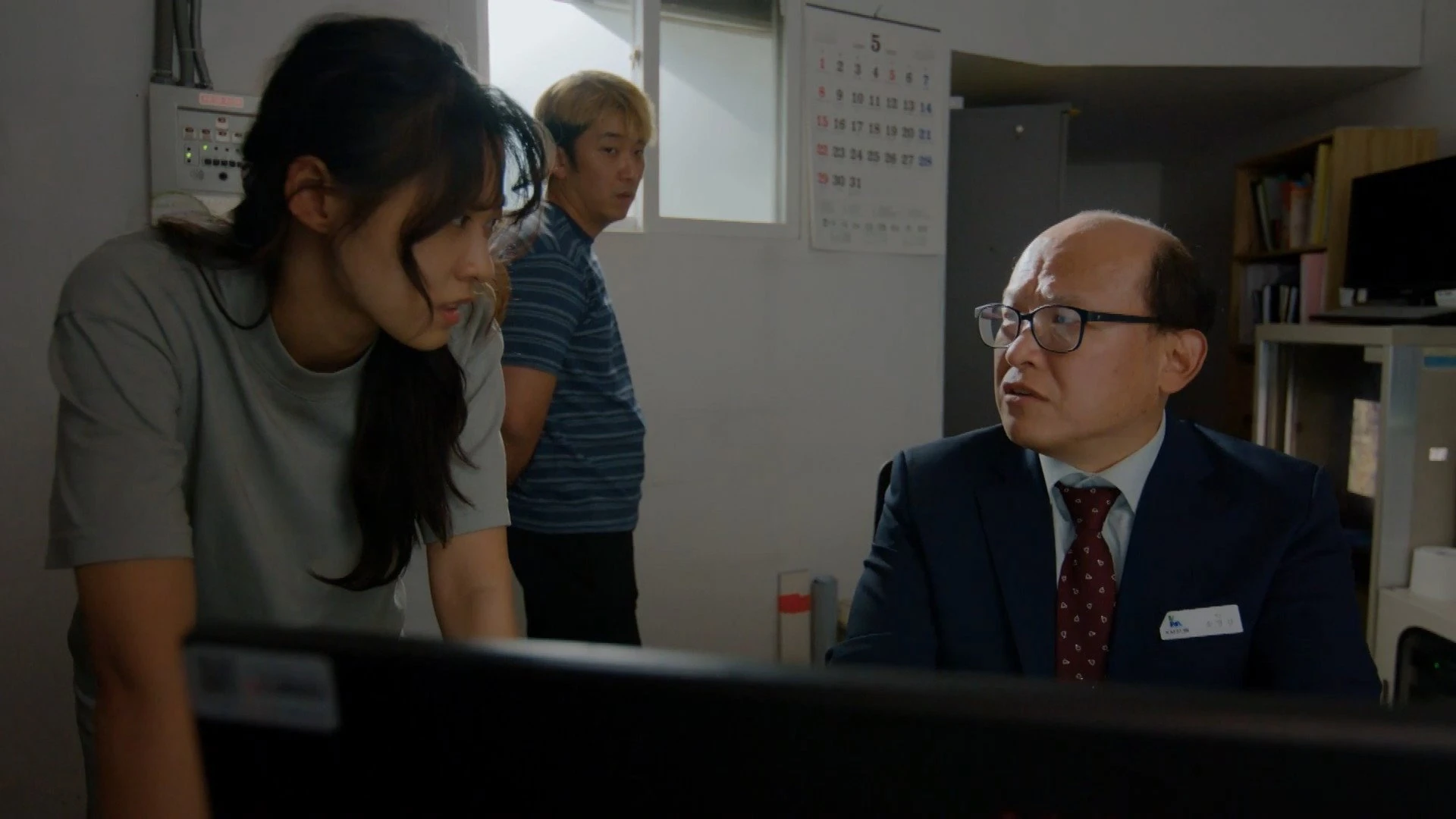
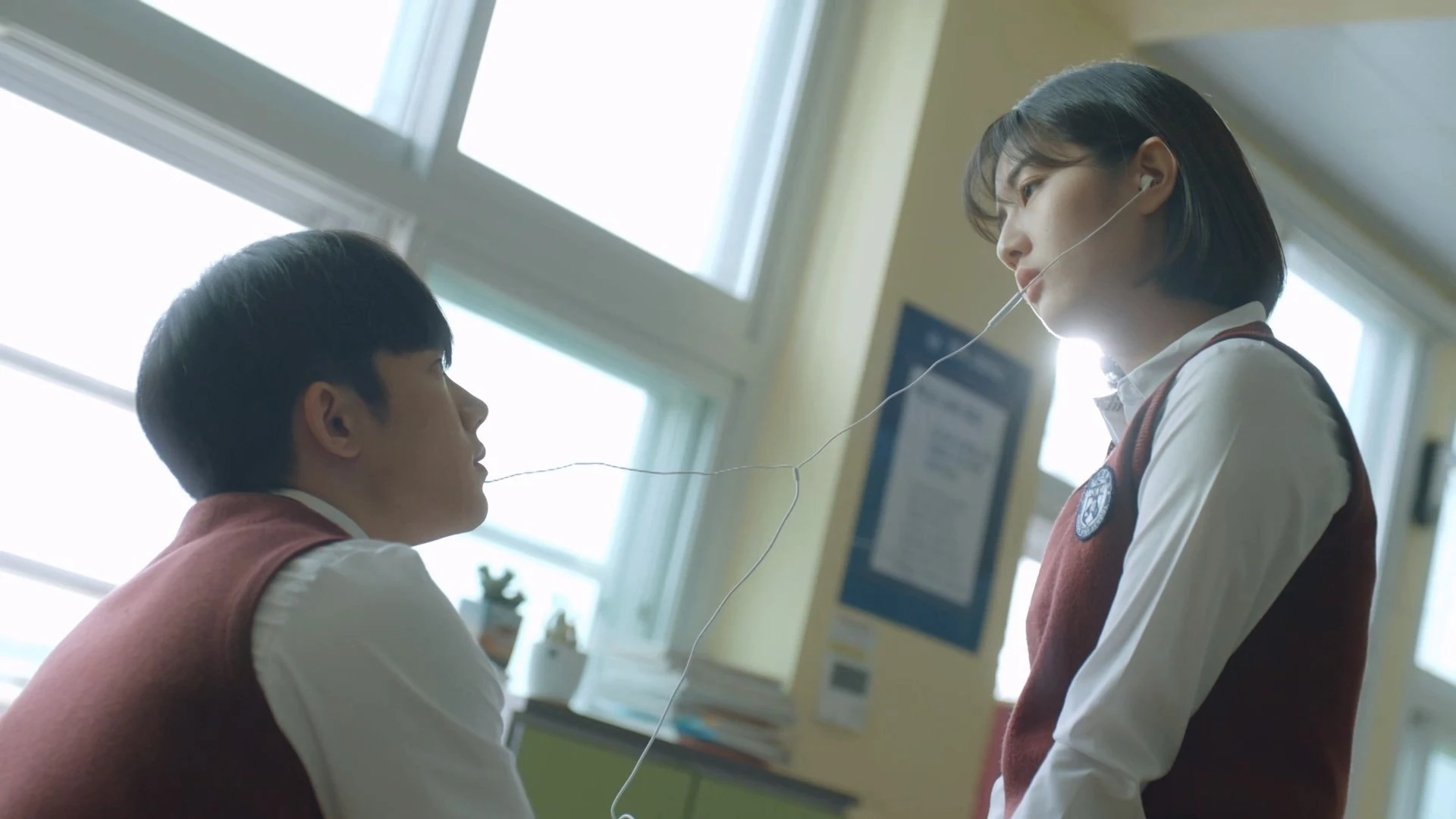
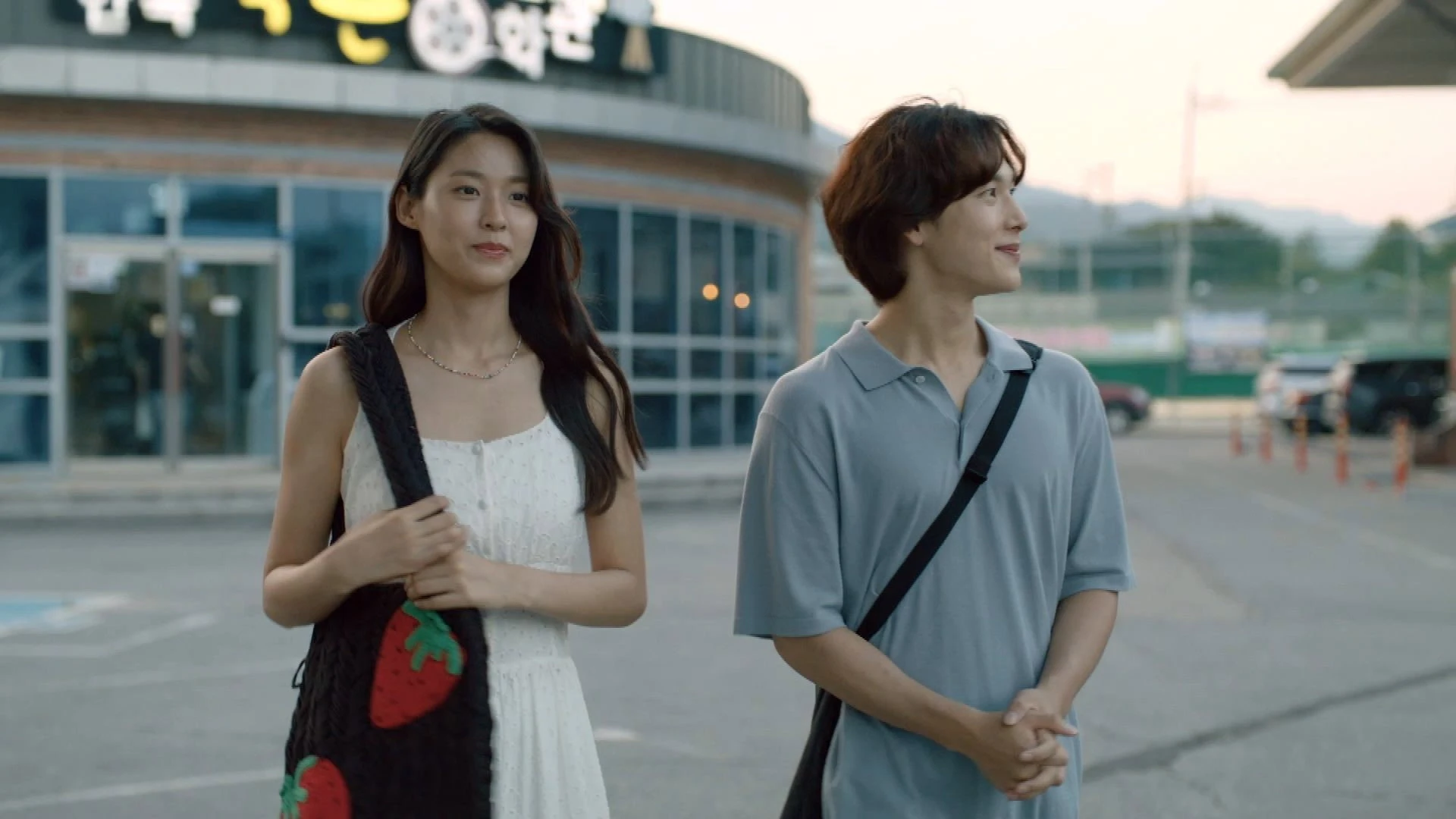
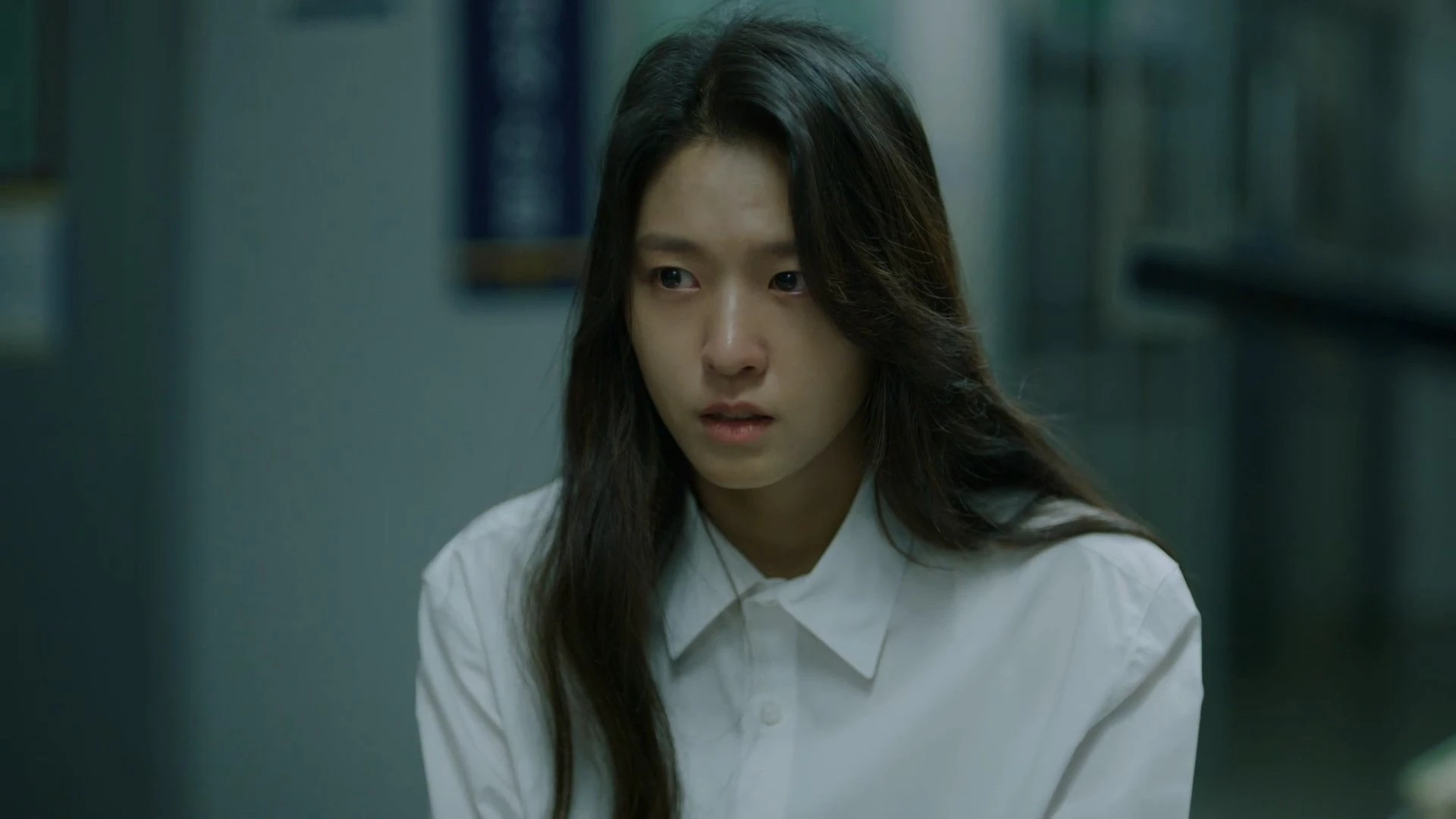
Lee Yeo-reum (Kim Seol-hyun) is 28, employed, and completely depleted — five years of absorbing every workplace indignity have left her with nothing she actually chose. When her mother dies in a sudden accident and her boyfriend responds to her grief by calling her too much to handle, she does the only thing left: she quits her job, packs a bag, and moves to Angok, a seaside village far enough from Seoul that no one there knows who she used to be. Her only plan is the absence of one.
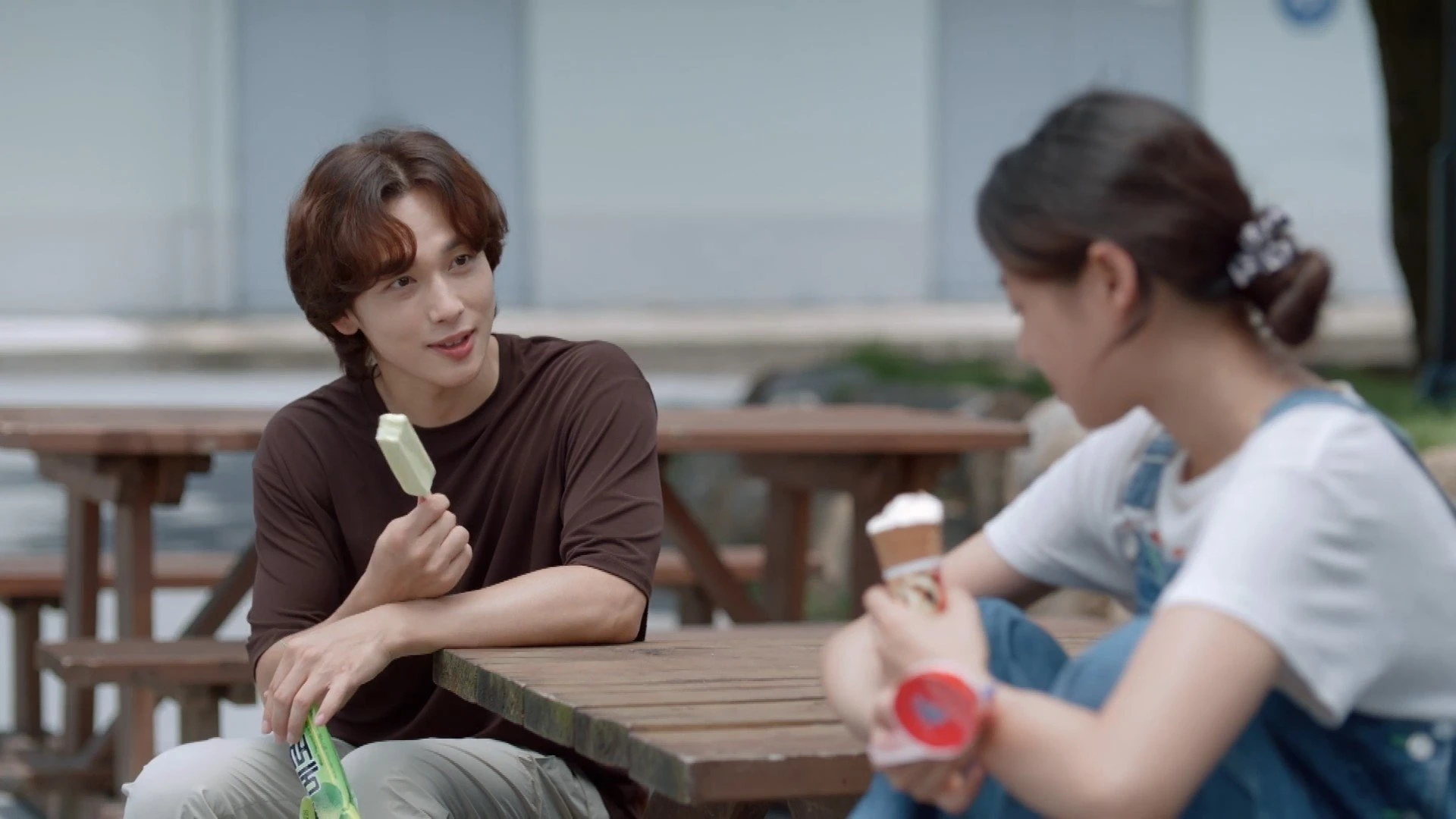
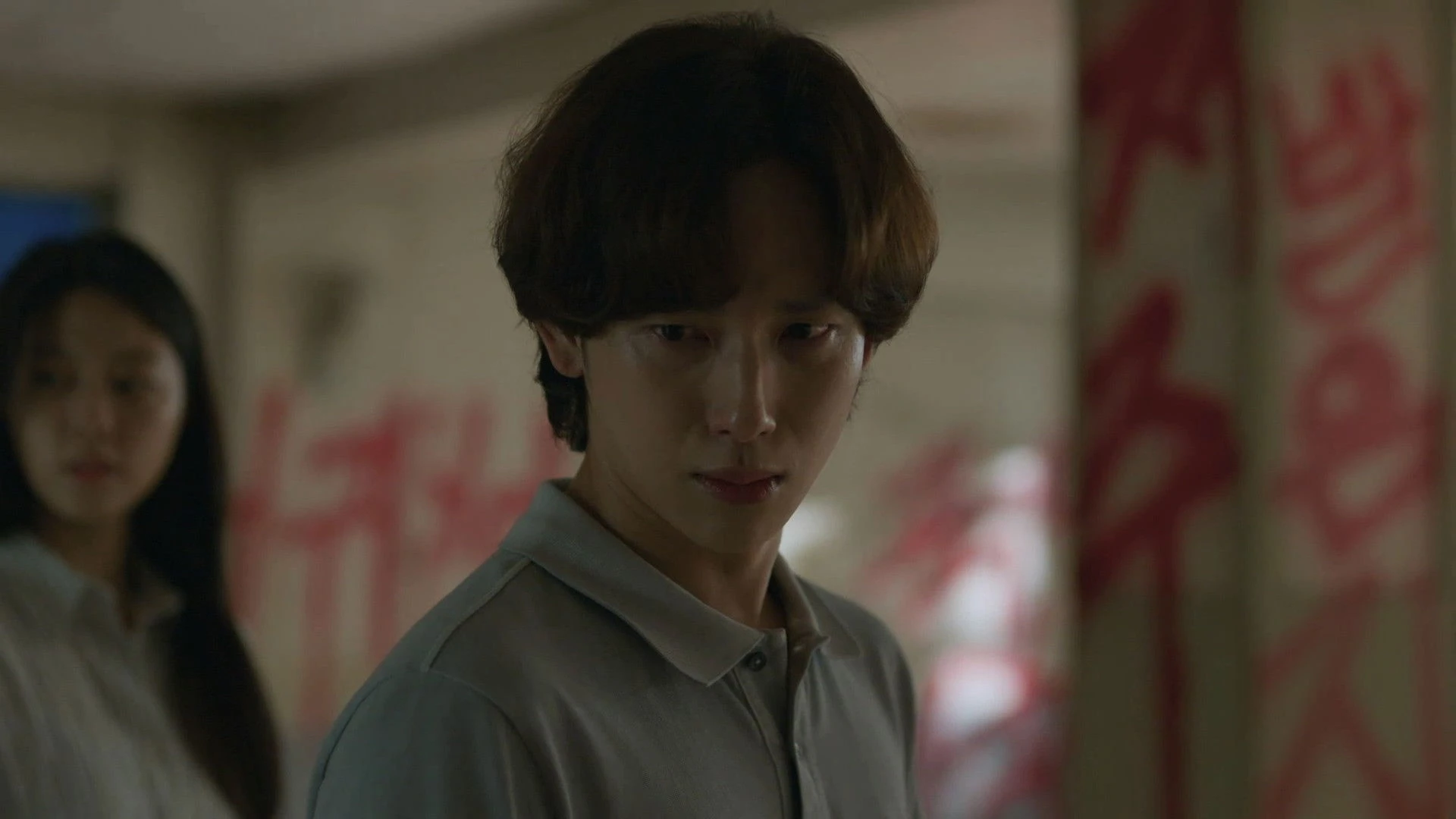
In Angok she meets Ahn Dae-beom (Yim Si-wan), the village librarian — a man who stutters, keeps to himself, and was once a physics prodigy before a family tragedy brought him home for good. Summer Strike is about two people who stopped mid-sentence and are trying to figure out whether that’s defeat or the beginning of something more honest. Based on the webtoon Amugeotdo Hago Sipji Anha by Namsoo.
12 / 12 ✅ Completed
⚡ Quick Verdict
The whole verdict, boiled down to one box.
· MyDramaList community rating
▶ Official Trailer
🎭 Cast & Characters
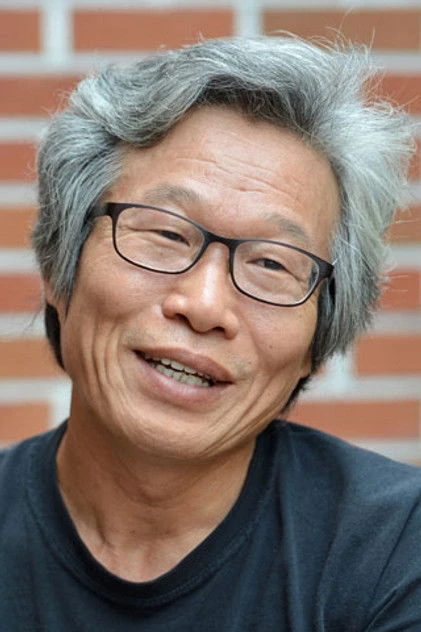
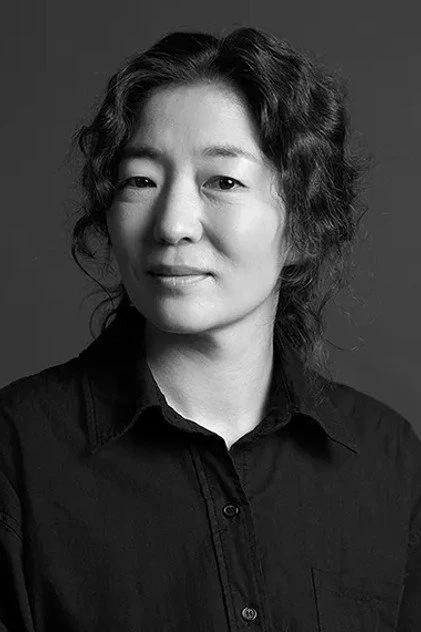
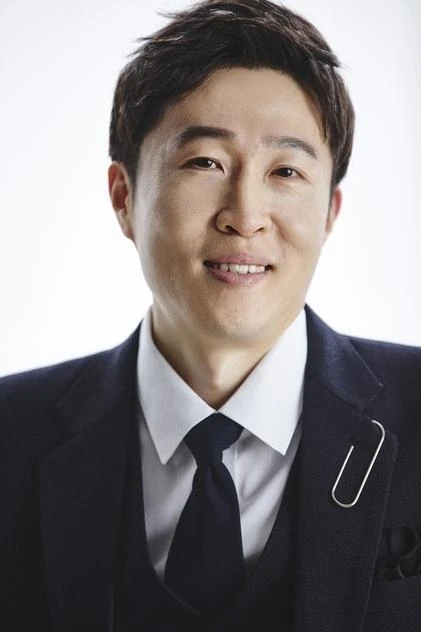
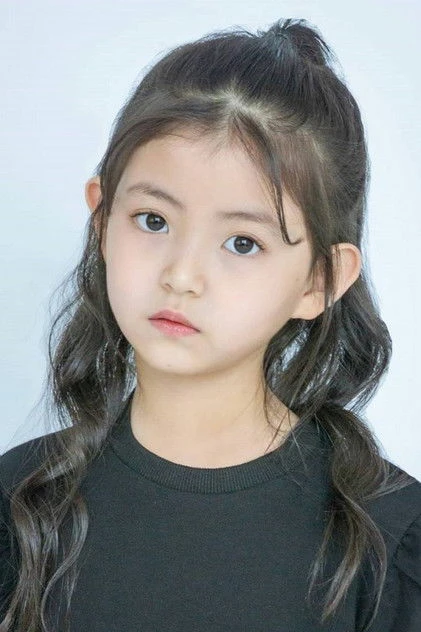
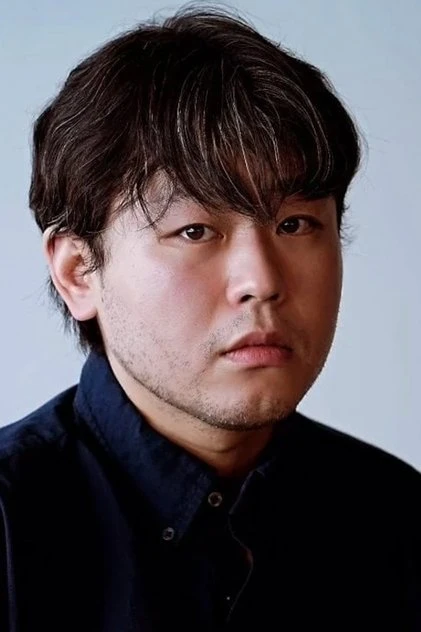
A burned-out Seoul professional, a reclusive librarian who was once a prodigy, and a high school girl carrying more than her age should allow — twelve performers in a drama about people who stopped and had to figure out what to do next.

Lead

Lead

Lead

Supporting

Supporting

Supporting
Supporting
Supporting
Supporting
Supporting
Supporting
Supporting
📺 Episode Guide
Spoiler-light guide — enough to remember where you left off, nothing that ruins the quiet.


🏁 Ending Explained
Full spoilers — what happened, and why it hits the way it does.
Spoiler Warning — This section covers the full finale of Summer Strike. Stop here if you haven’t finished the series.
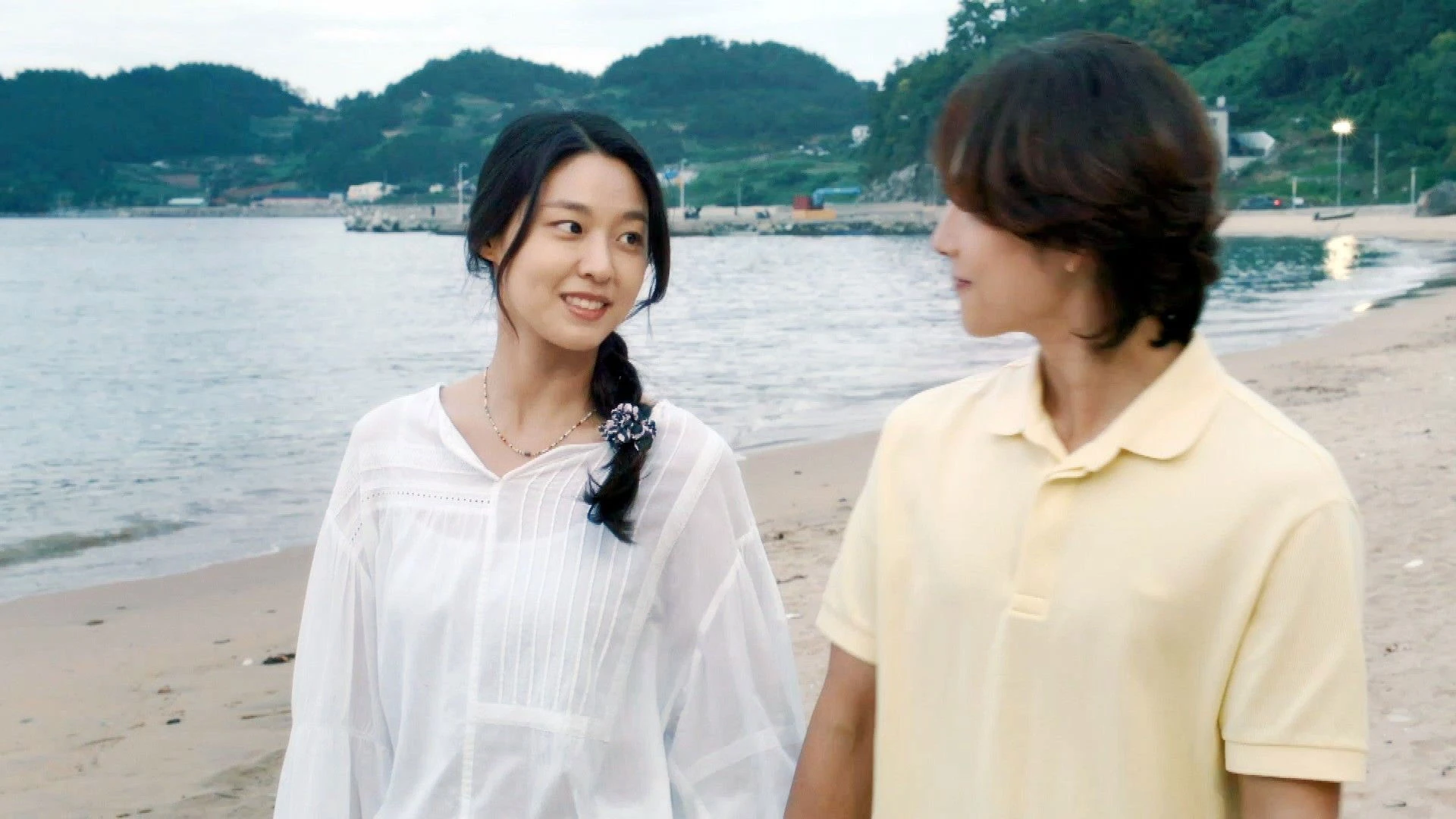
What the Drama Is Actually About. What Summer Strike builds toward has nothing to do with justice — even though justice arrives in the final episode. Kwak Moo-chul is arrested, Dae-beom’s sister gets a kind of posthumous acknowledgment, the mystery thread closes. But the ending the drama actually earns is smaller and quieter: five people on a beach, none of them where they started, none of them certain where they’re going next.
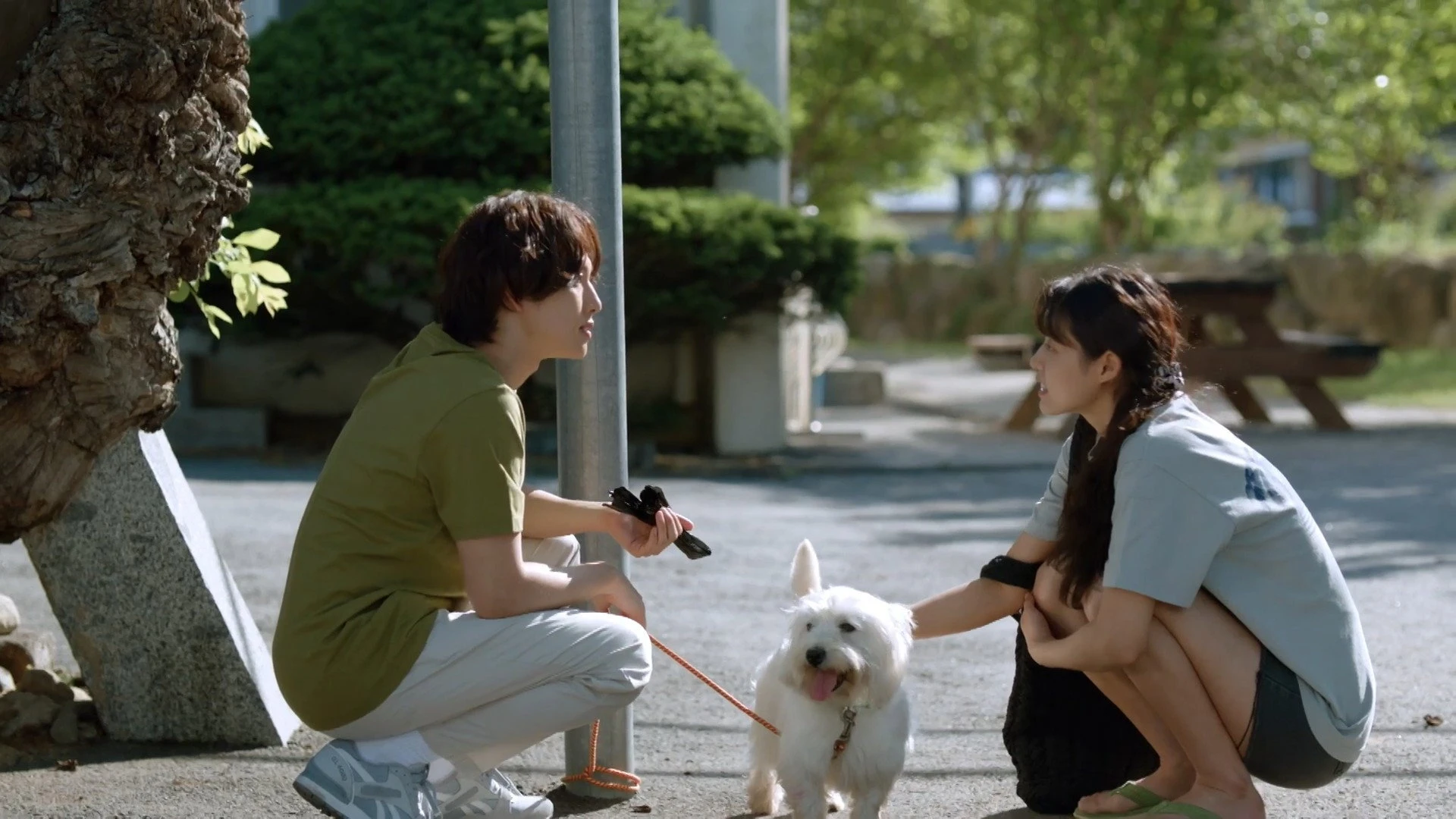
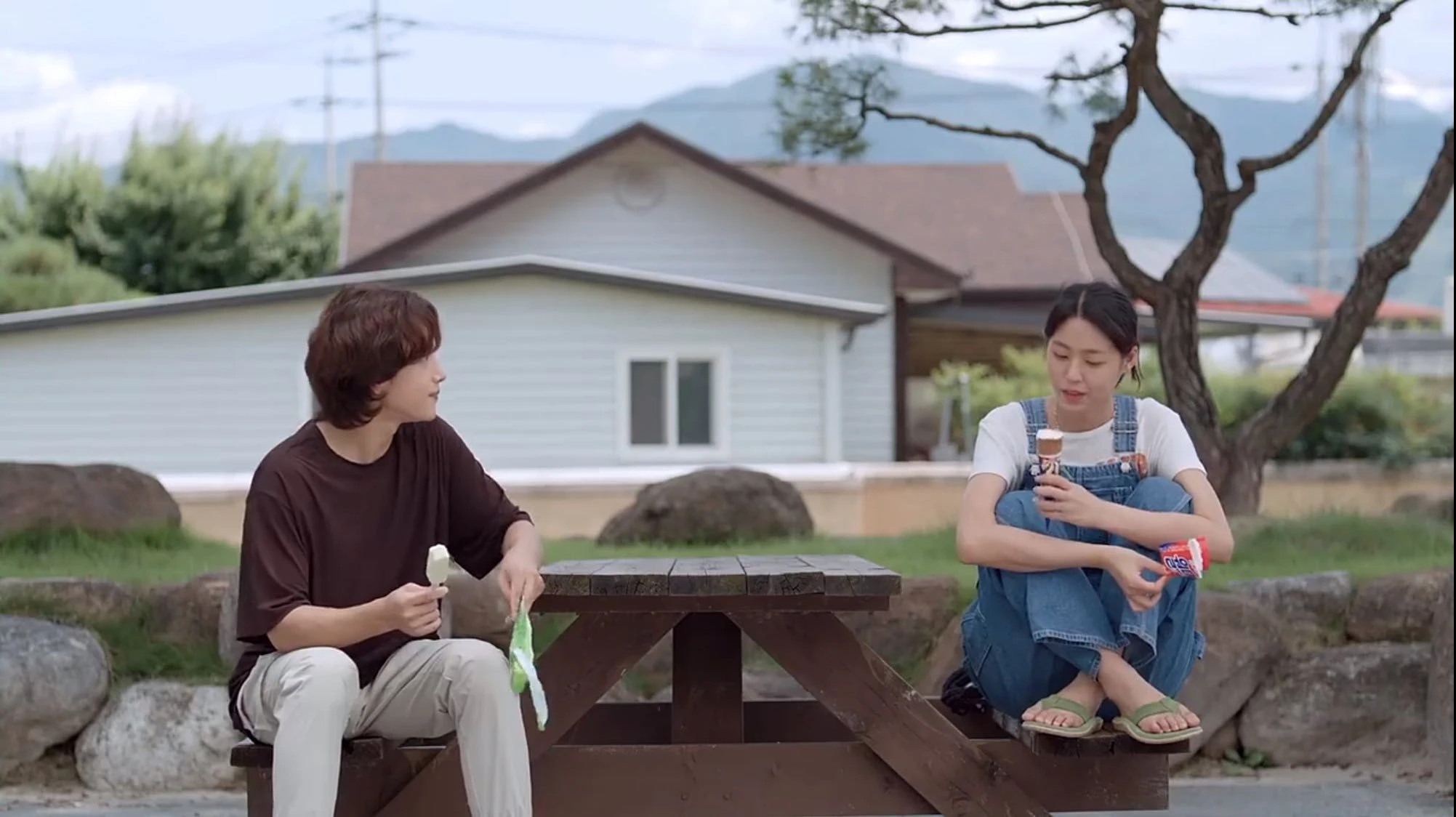
Yeo-reum’s Arc. Yeo-reum’s ending doesn’t come with a plan. She doesn’t stay in Angok because Angok became a solution — she stays because staying stopped feeling like surrender and started feeling like choosing. The domestic arrangement with Bom and Ha-neul isn’t a quiet happy ending; it looks a lot like taking on more responsibility. The point is that she’s doing it because she wants to, and that wanting has been missing from her life for longer than the drama’s runtime covers.
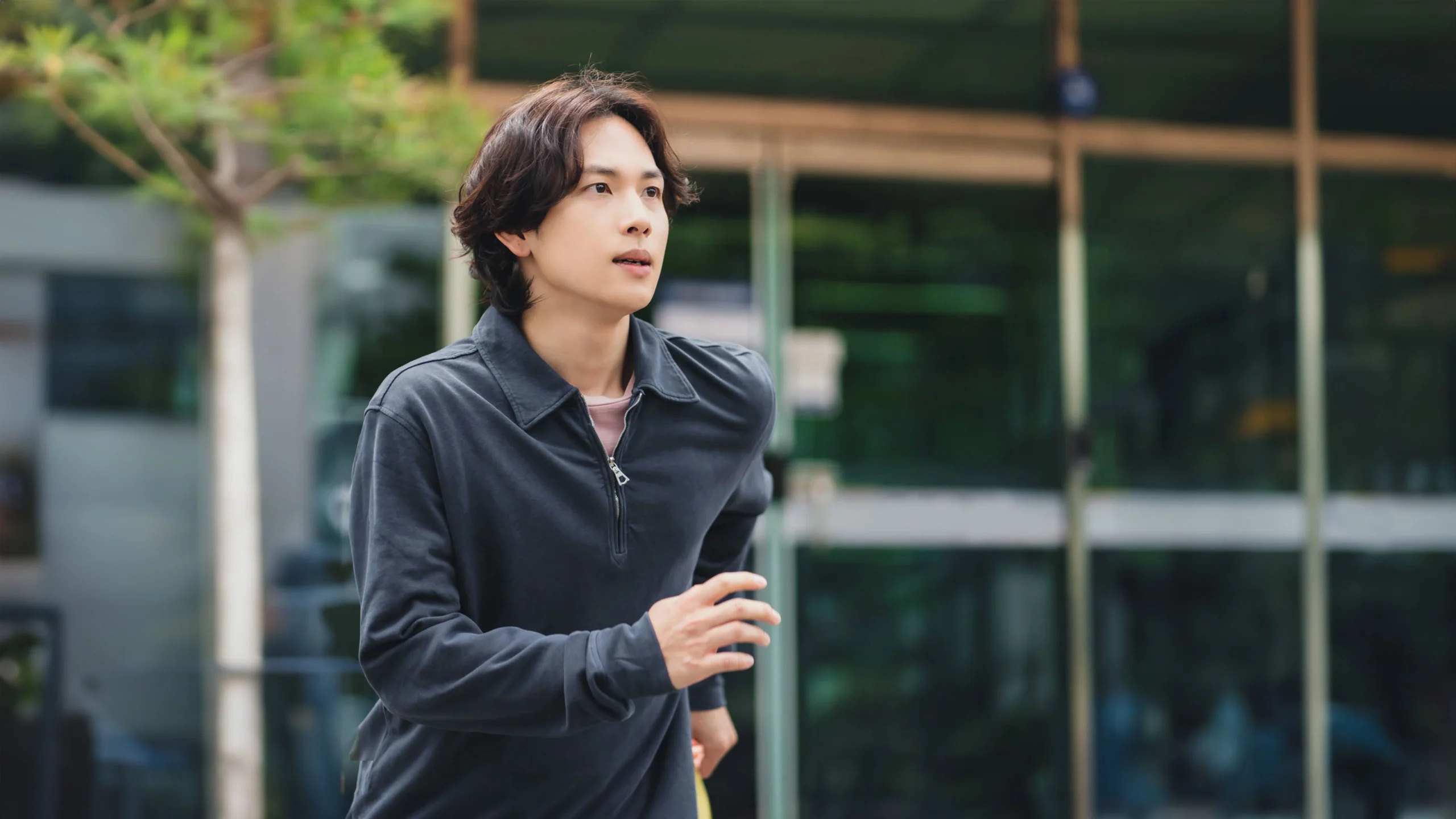
Dae-beom’s Recovery. Dae-beom’s arc is the quietest thread and the most earned. A man who had to be coaxed into complete sentences at the start of the series is, by the end, returning to academic physics and asking questions about regret out loud. The stutter hasn’t disappeared — that would be false comfort — but the distance it once created has. He’s not fixed. He’s open.
Kim Bom’s Honest Ending. The drama’s most clear-eyed observation is in Kim Bom’s ending. Her father leaves again — a second abandonment, the pattern repeating exactly. Jae-hoon’s return from the U.S. and his asking to date first is the show’s counterweight: not a replacement for the stability Bom’s family should have provided, but evidence that chosen attachment is worth something. She says yes. It’s not a fix. It’s a fact.
“I Shall Live.” Yeo-reum’s final voiceover — “This is really enough. I still haven’t figured out how I should live my life but this really is good enough. I shall live.” — is the thesis the drama has been circling for twelve episodes. Not contentment, not resolution. A decision to remain in the present tense. Summer Strike earns that line because it never promised more than that, and it never pretended the hard things went away.

✍️ KDramaWorlds Editor’s Take
Worth the watch? Our honest answer, and who it’s aimed at.
📖 Slow Burn Romance
🏃 Burnout Escape
📚 Librarian Lead
👨👩👧 Found Family
Kim Seol-hyun has been cast in romantic roles before, but Summer Strike is the first that asks her to carry sustained exhaustion rather than performed emotion. Lee Yeo-reum is depleted from the opening scene — not dramatically, not with tears, but with the specific flatness of someone who has been absorbing too much for too long. Kim Seol-hyun plays that depletion with a specificity that goes beyond the script: the way Yeo-reum holds herself in the first two episodes — slightly caved inward, shoulders that haven’t fully unclenched — communicates five years of workplace survival without a single line of dialogue explaining it. For viewers who remember her primarily from action roles, this is a revelation.

Yim Si-wan’s Ahn Dae-beom is a more technically demanding performance than it appears. The character stutters, and the show’s choice to write it with consistency — not as a dramatic device that disappears when the moment turns romantic — means Si-wan has to find warmth and connection within that constraint rather than around it. He does. The scenes where Dae-beom helps Yeo-reum without announcing it — quietly paying hospital bills, wordlessly returning her missing money — are the drama’s romantic engine, and Si-wan makes them feel natural rather than saintly. If you’ve seen him in My Liberation Notes, you already know he can carry introspective stillness without losing the viewer. Summer Strike gives him a different kind of stillness — warmer, more fragile — and he earns every scene.
Shin Eun-soo as Kim Bom is the drama’s most emotionally complicated performance. The schoolgirl-with-gambling-father arc could easily slide into melodrama; Shin Eun-soo keeps Bom grounded, even in the episode’s hardest scene. The drama’s real weakness is elsewhere: the murder mystery subplot introduced in episodes 9–11 sits uneasily with the show’s otherwise gentle register. It doesn’t break Summer Strike, but it does shift the tonal centre of gravity — and the pivot back to warmth in the finale feels slightly effortful. Hometown Cha-Cha-Cha navigated the same rural healing formula with more tonal consistency; Summer Strike is the more honest of the two, but the less smooth. Stick with it.
Anyone who wants to see Yim Si-wan in a genuinely tender, unguarded role
Viewers who believe that “I shall live” is a complete ending, and not a consolation prize
🎬 You Might Also Like
If you liked Summer Strike, these are your next three watches.
 Spring Fever
Ahn Bo-hyunHealing Drama
Read Full Review →
|
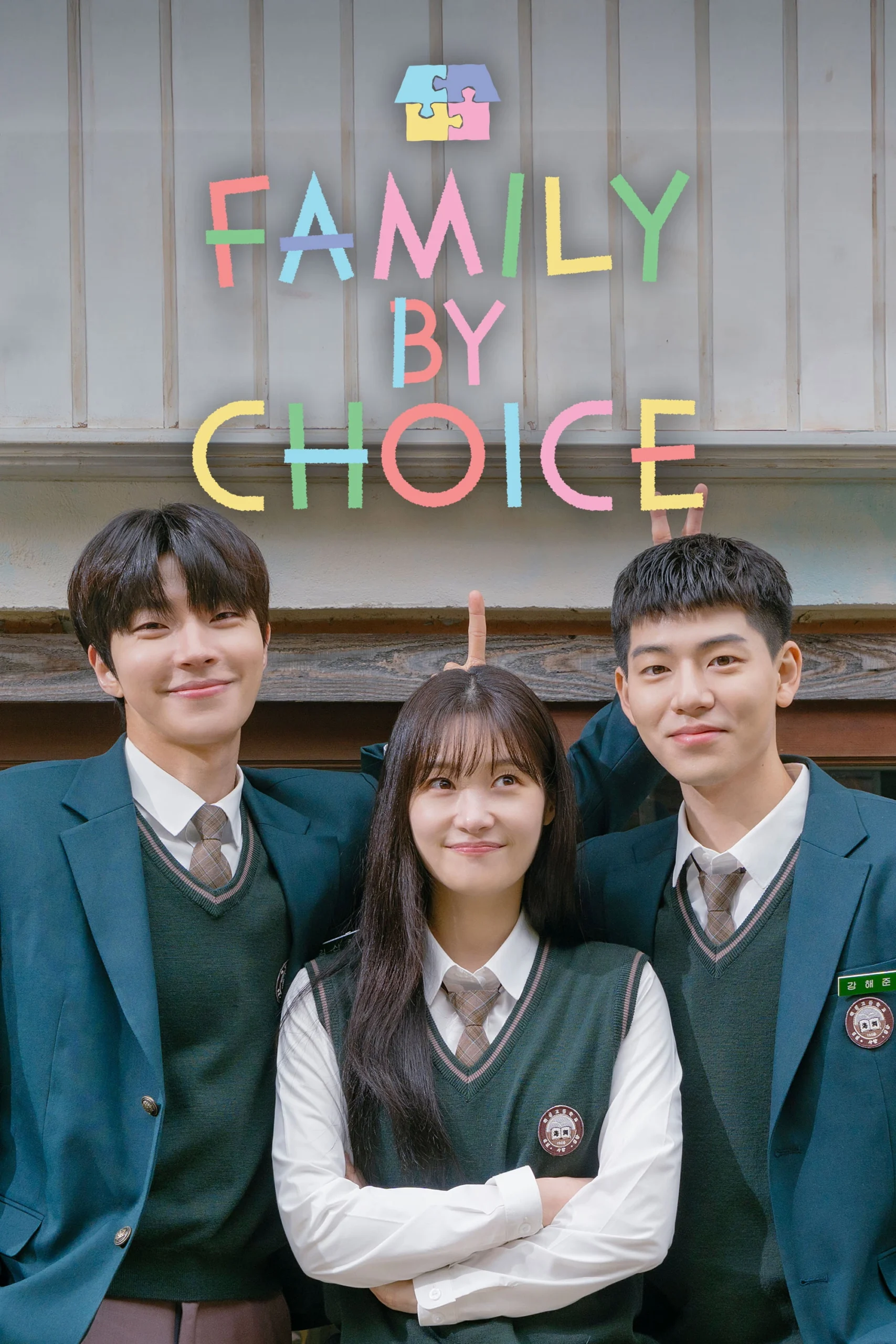 Family by Choice
Bae Hyeon-seongFound Family
Read Full Review →
|
 Castaway Diva
character growthformer idol
Read Full Review →
|









Keep it kind, skip the harsh language, and please — no spoilers. Everyone's taste is different, and that's perfectly fine.
This space is for real reactions and discussion from other viewers. Help keep it comfortable for everyone by not giving away major plot details.
What do you think of this drama?
Login to share your review or leave a comment.
No email needed — just pick a username & password.