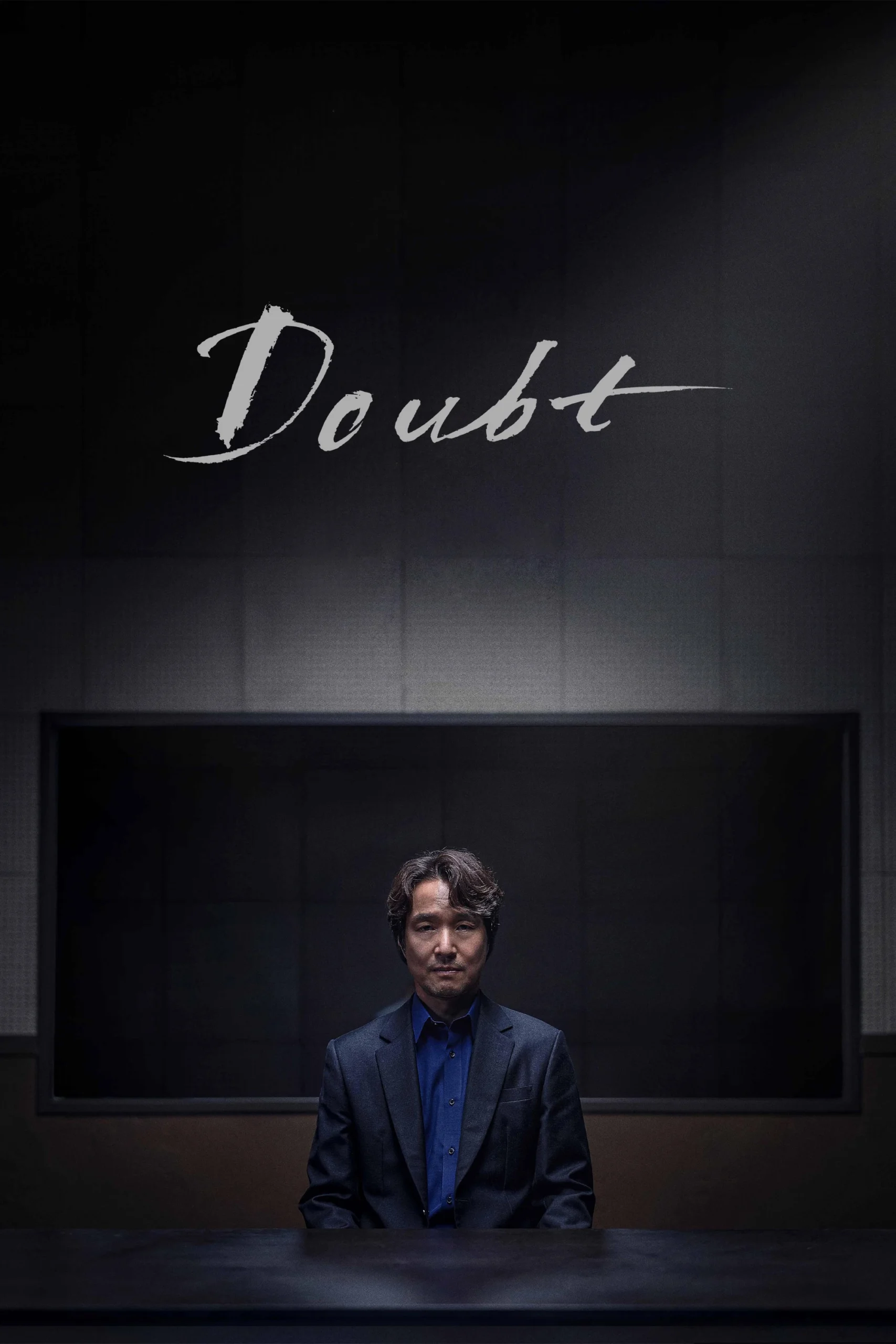
Doubt
🎬 Netflix · Viki · Kocowa · Prime · VIU
⭐ 8.6 MDL
📺 TV-14
🎬 Drama Overview
🔪 Thriller Pick
Viki
Kocowa
Prime
VIU
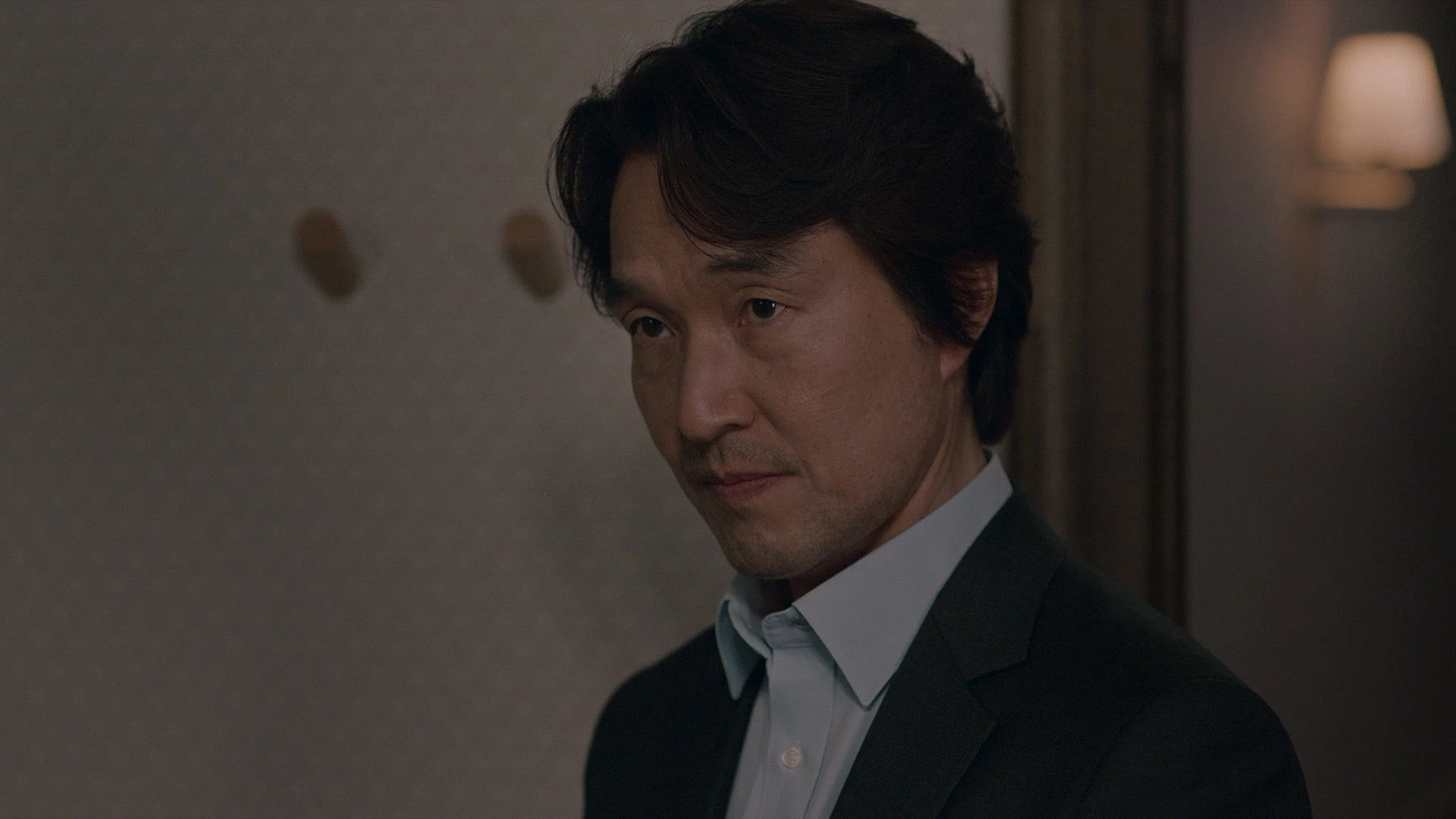
Jang Tae-su has spent his career reading killers. He can sit across from the most depraved minds in South Korea and map exactly how they work — the tells, the redirections, the particular silence that precedes violence. That expertise is the basis of his entire professional identity. Then a strand of hair at a murder scene matches his teenage daughter, and suddenly the thing he is best at in the world becomes the thing he can no longer trust.
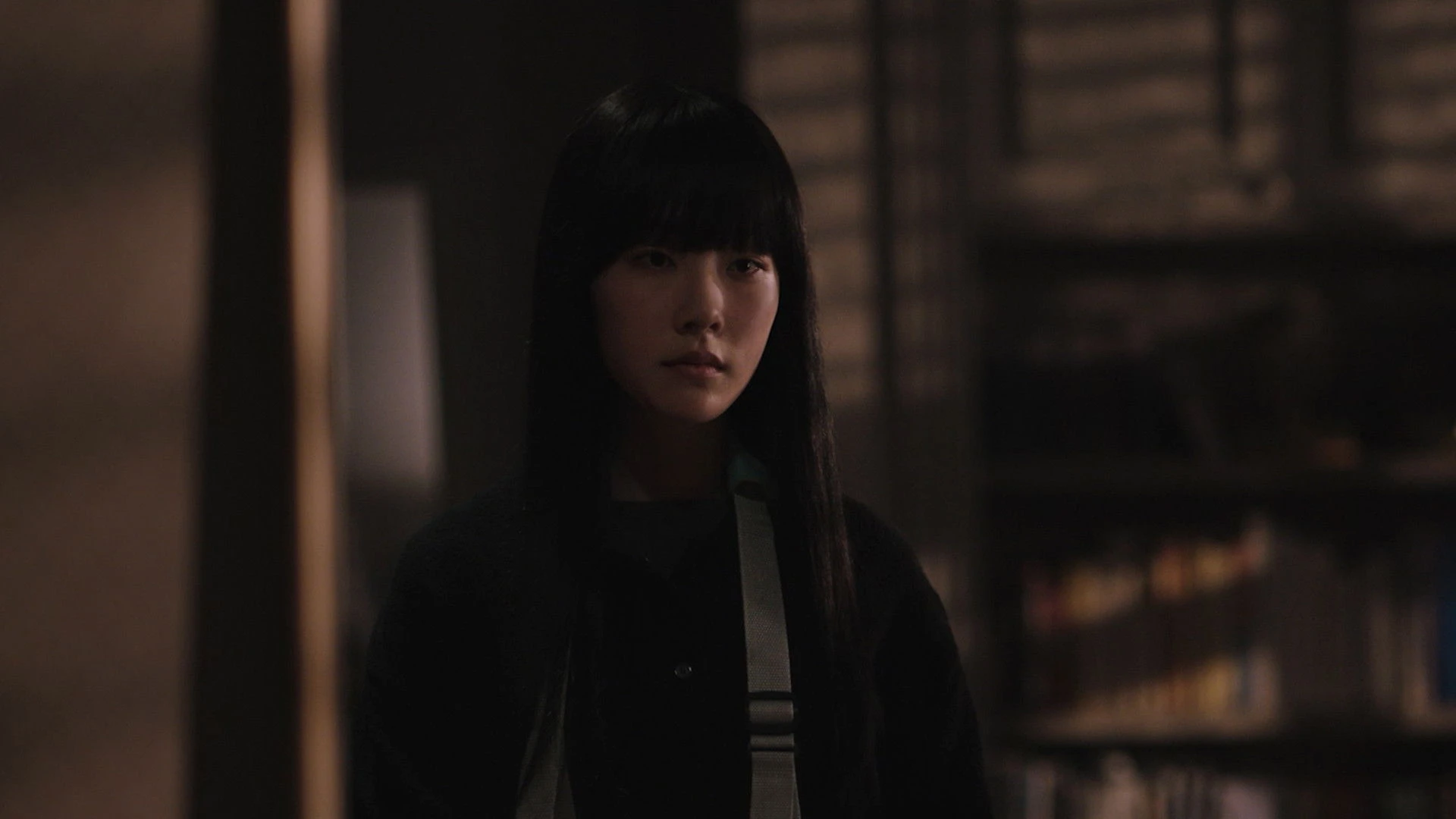
Doubt spends ten episodes in the psychological space between a father’s certainty and his dread. Jang Tae-su is not a man being manipulated into overlooking evidence — he sees the evidence clearly. He is a man being forced to decide whether the cold, observant child across from him is a person he failed to understand, or a person he failed to see. The show is merciless about refusing to tell you which one is true.
10 / 10 ✅ Completed
⚡ Quick Verdict
Everything that matters, at a glance.
MDL Score · Check MyDramaList for updated community rating
▶ Official Trailer
🎭 Cast & Characters
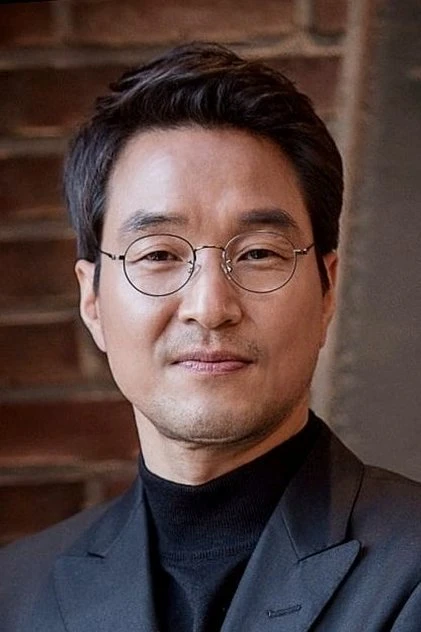
Han Suk-kyu leads a cast built entirely around one impossible question.
Lead

Lead

Lead

Supporting
Supporting

Supporting
Supporting

Supporting
Supporting
Supporting

Supporting

Supporting
📺 Episode Guide
A light recap per episode — nothing more than a nudge.
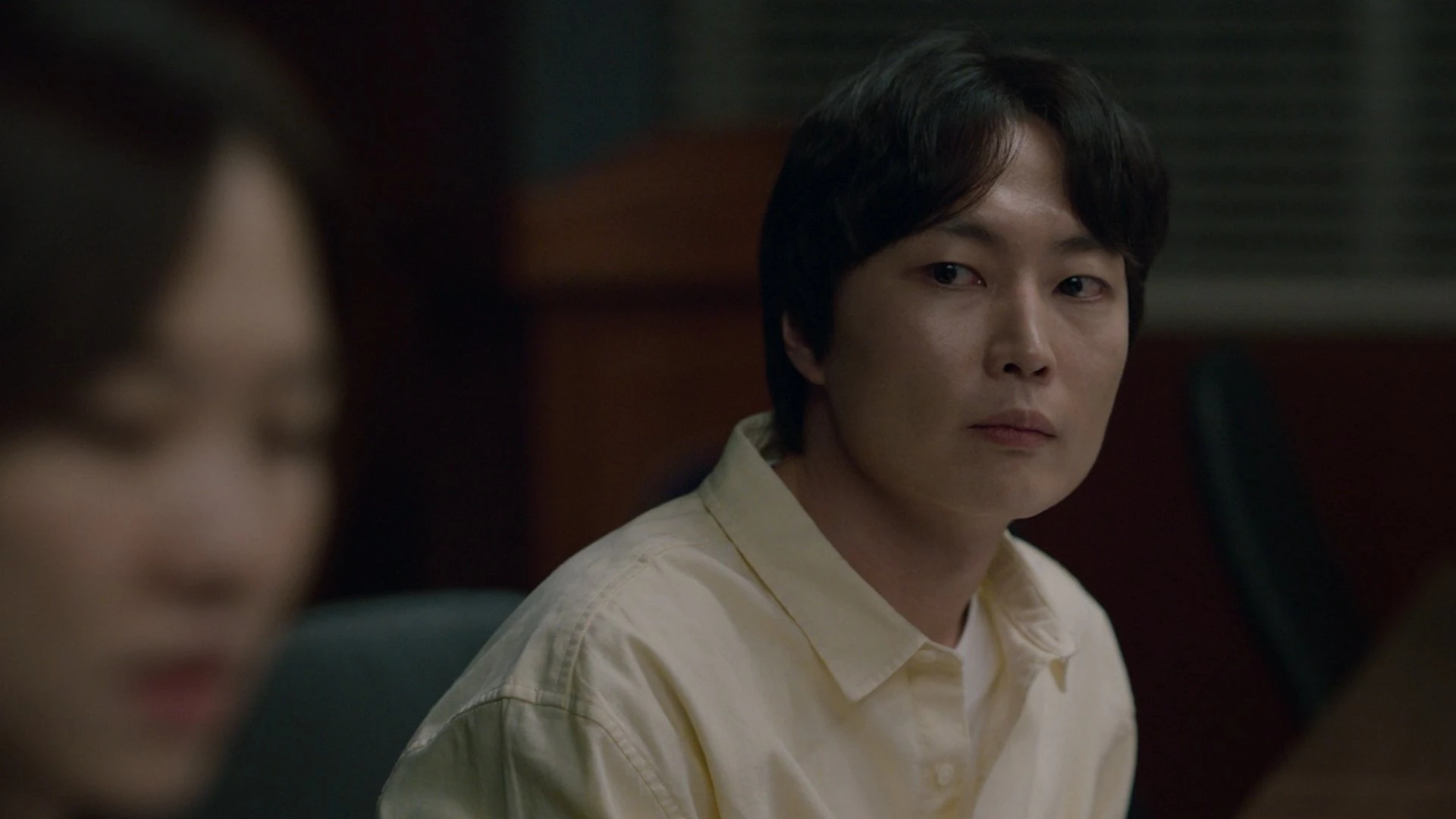
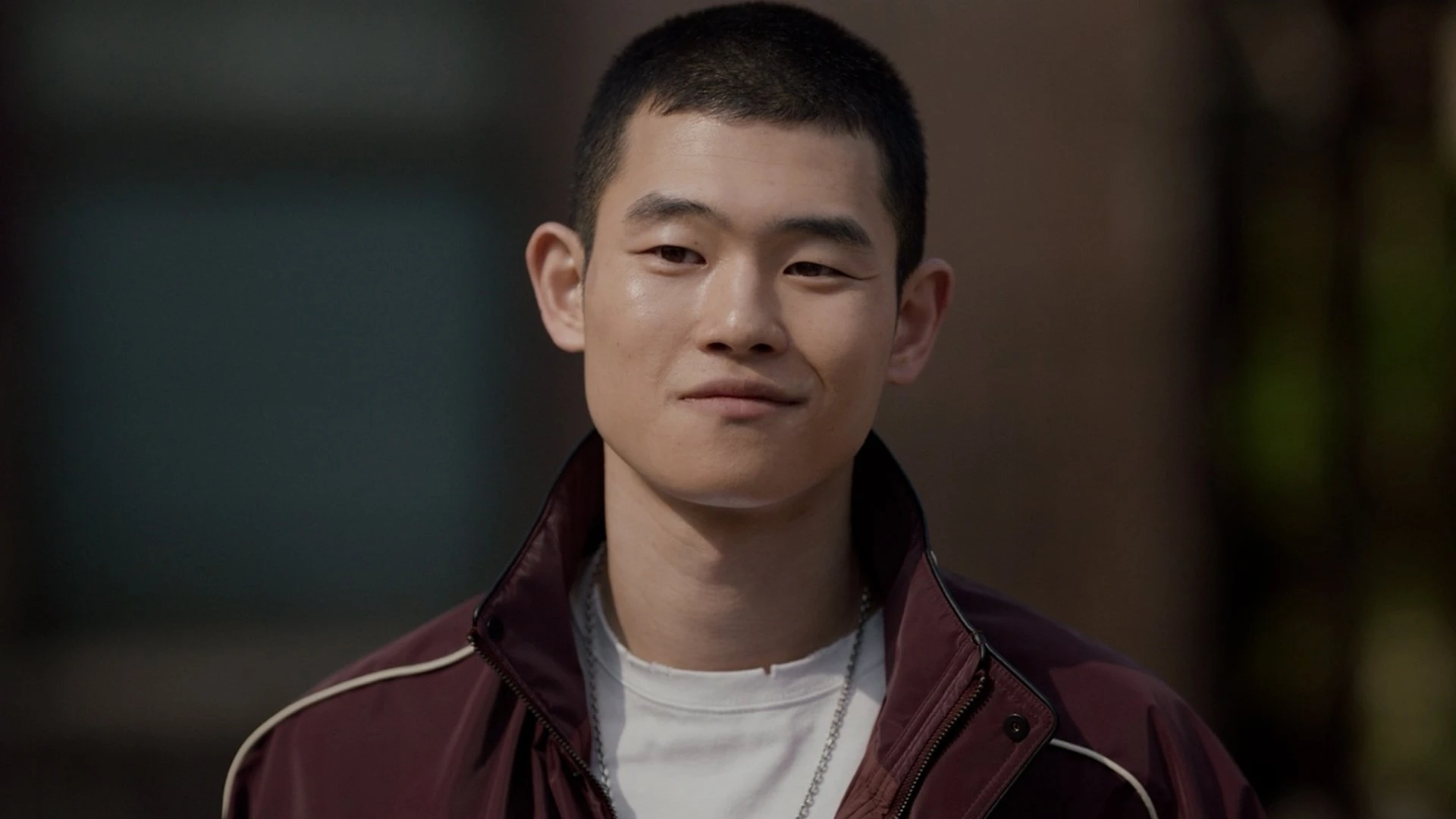
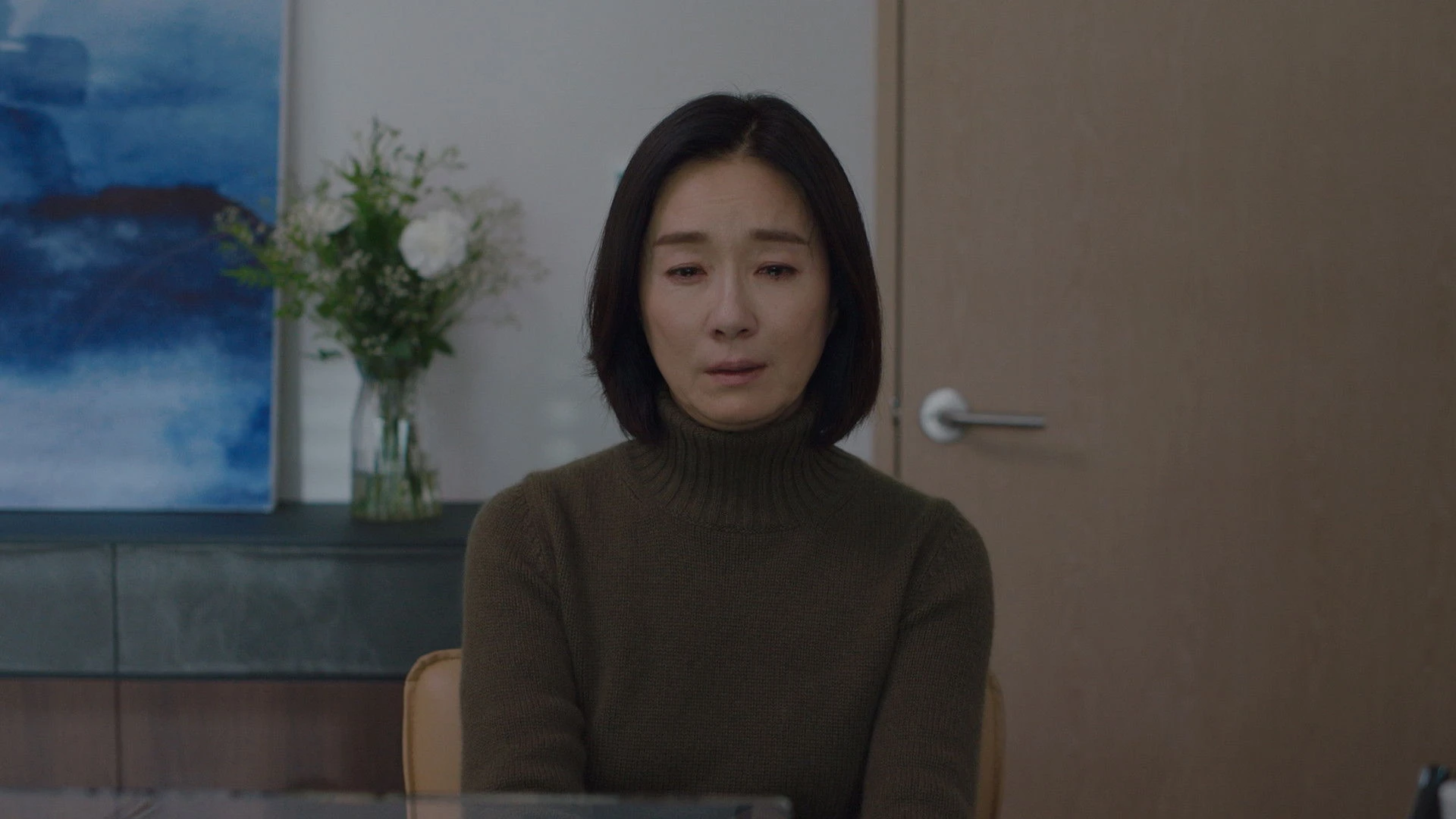
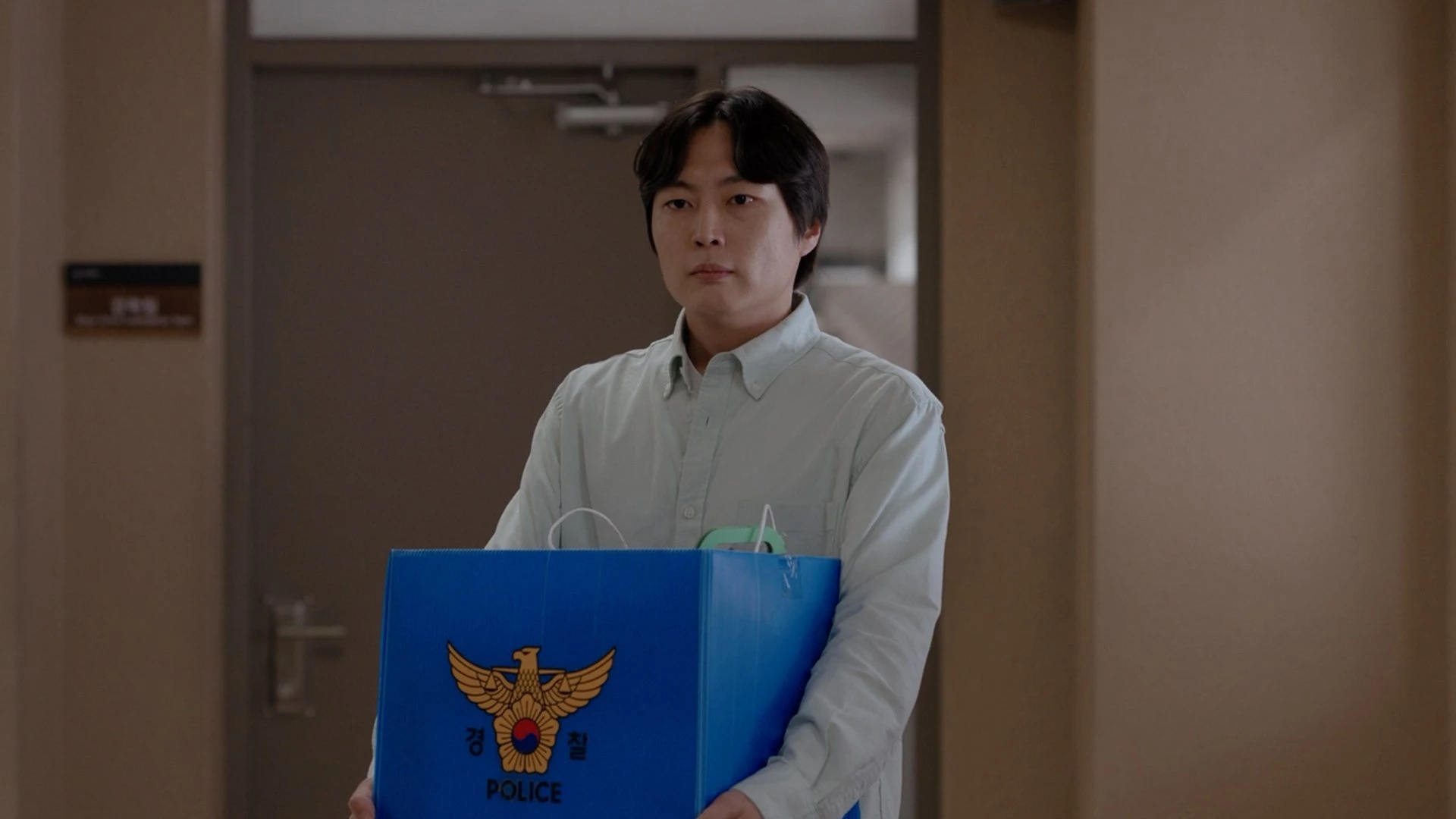
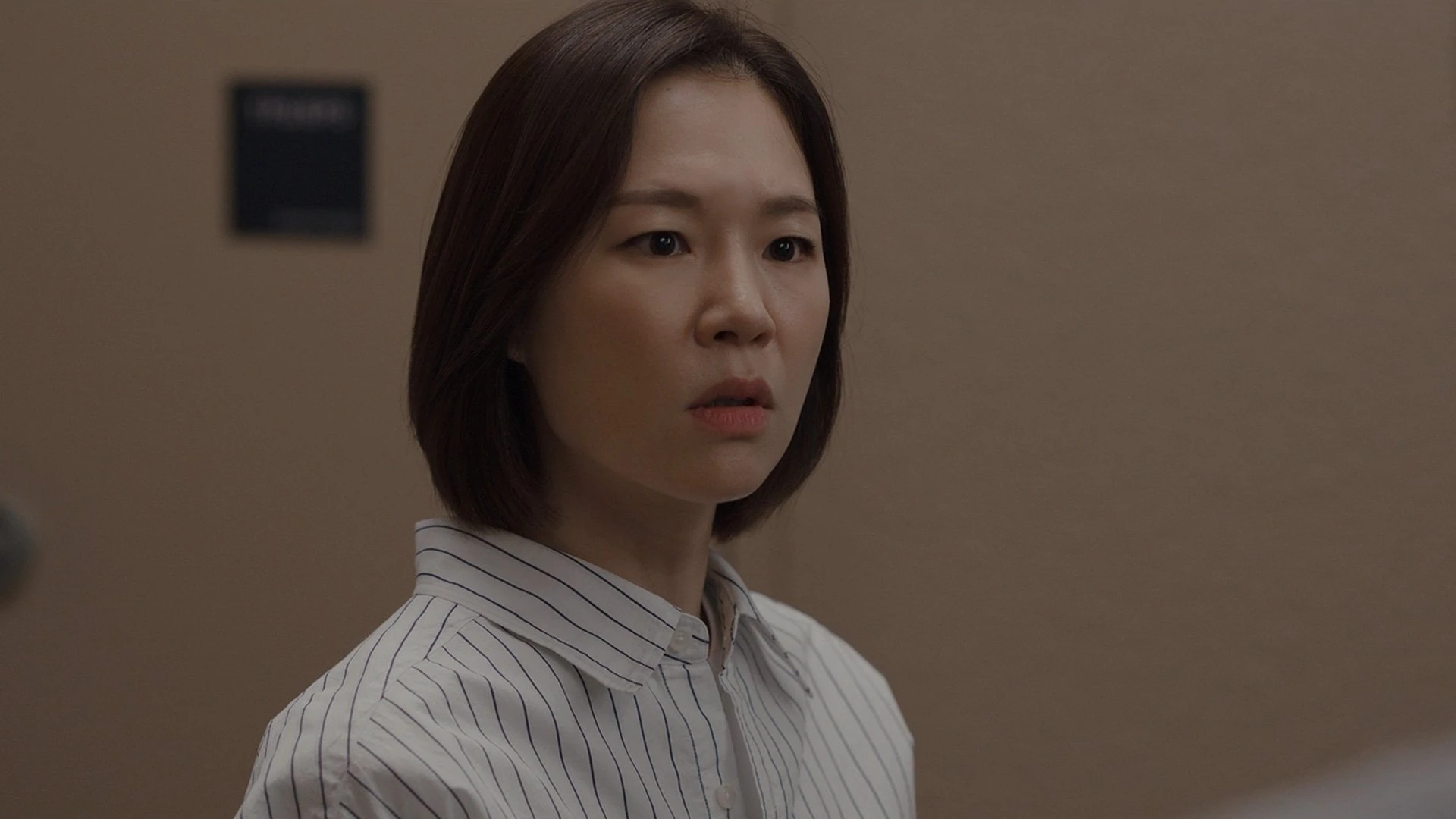
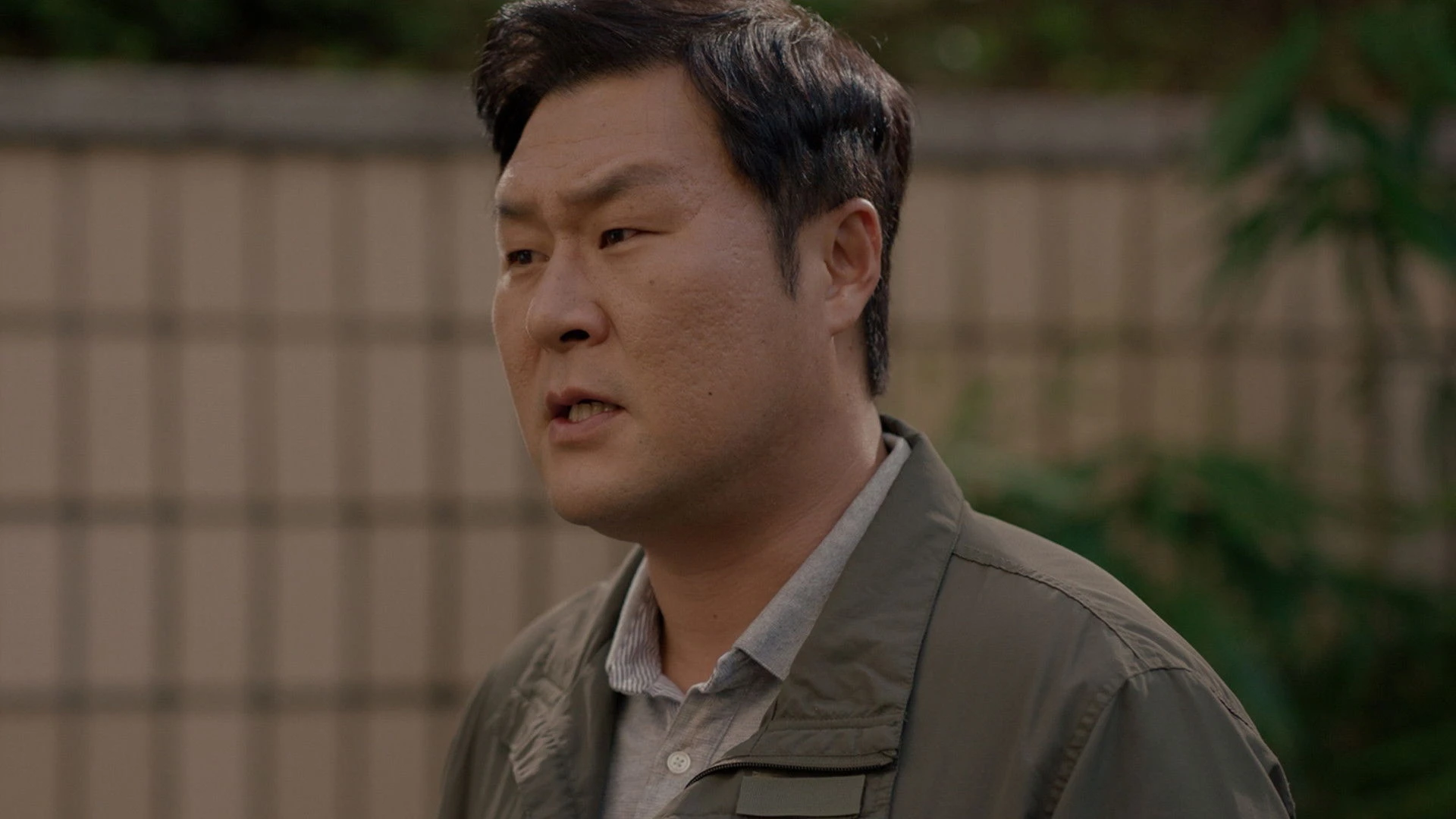
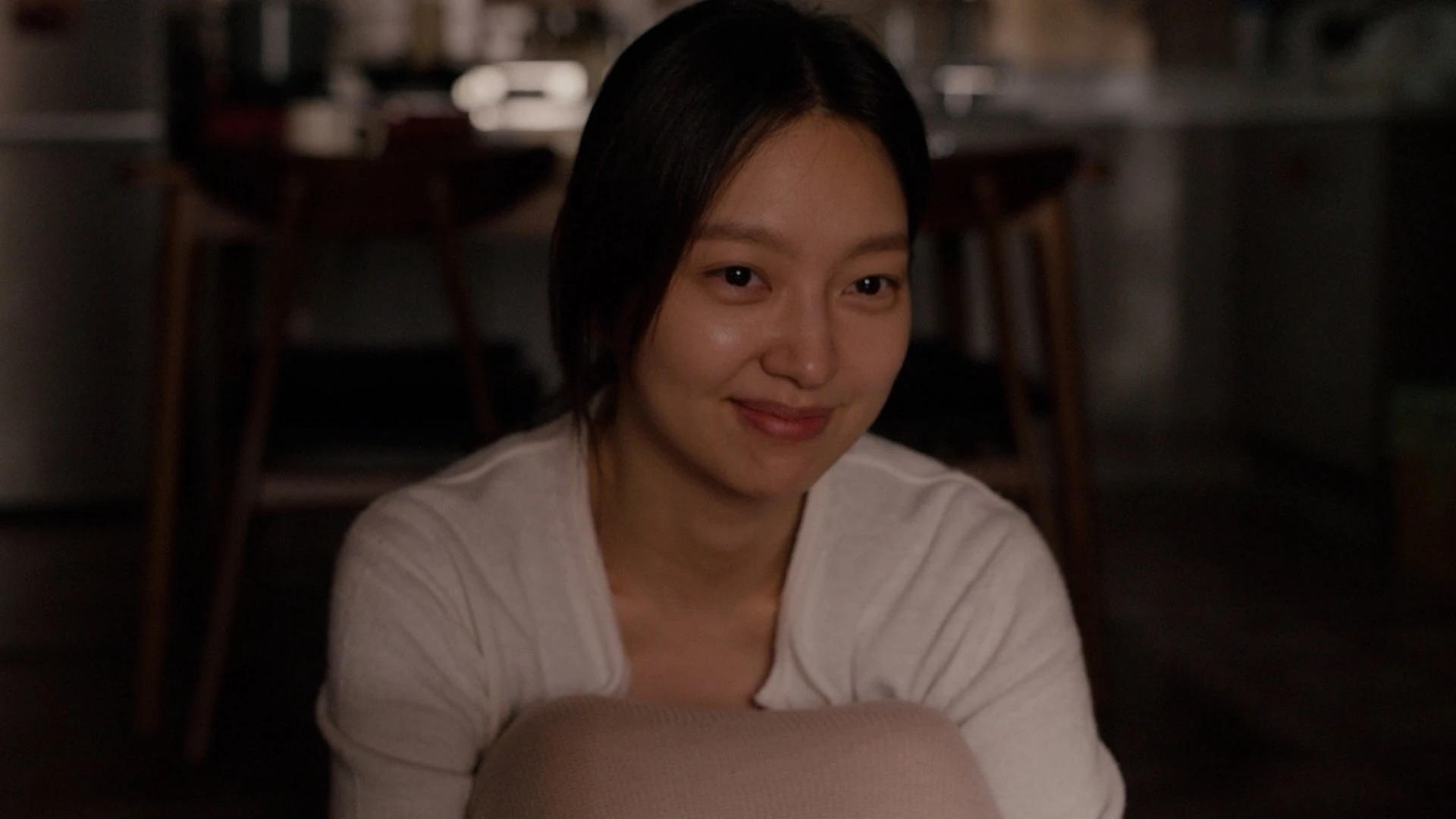
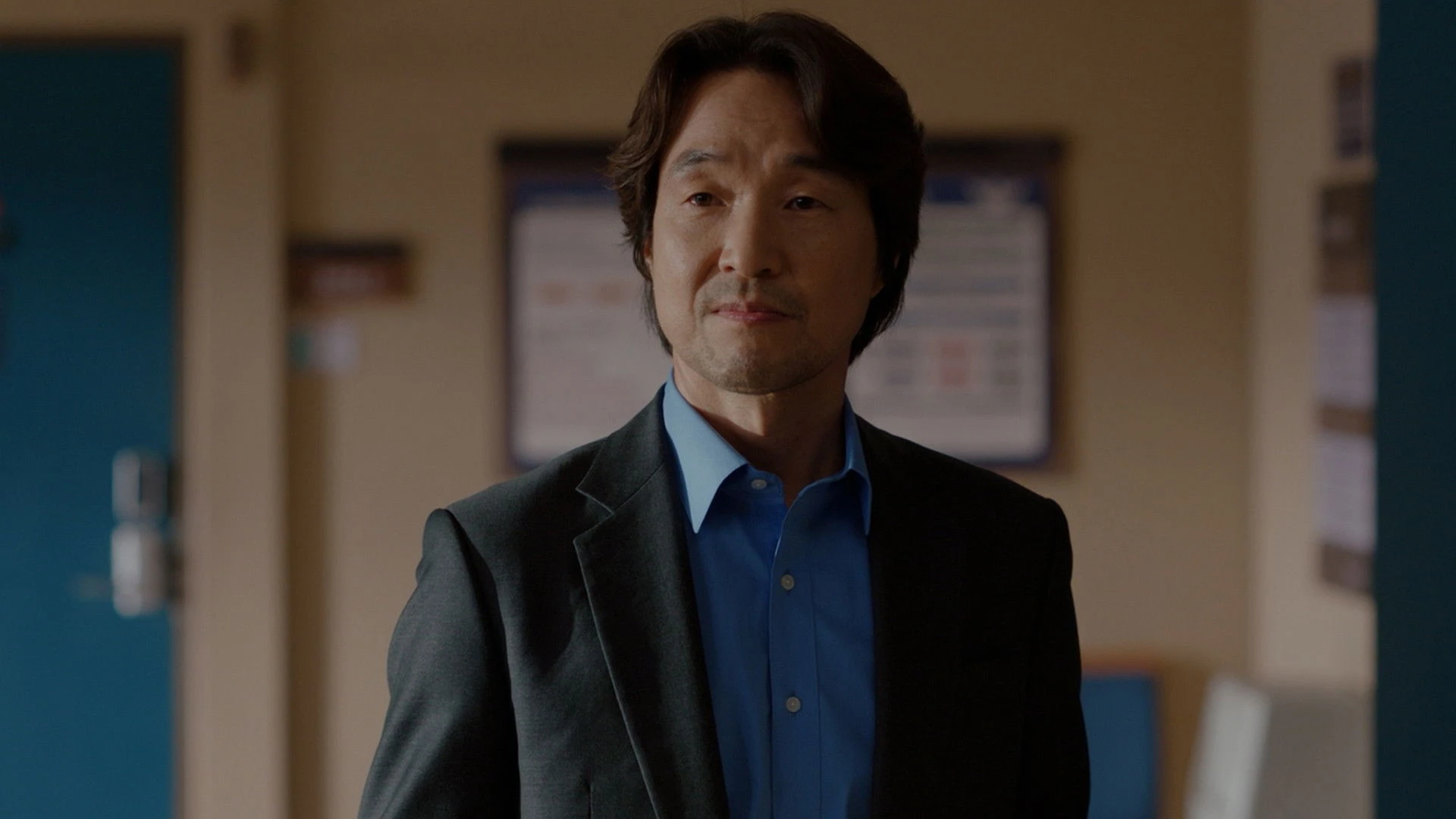
🏁 Ending Explained
Spoilers from here on — what actually happened, and why it lands.
Spoiler Warning — This section covers the full finale of Doubt. Stop here if you haven’t finished the series.
The Architect. The finale confirms what the show has been suggesting since episode eight: Kim Seong-hee, the landlord who hovered at the edge of the investigation, was the one running the runaway network for financial gain, using vulnerable teenagers as pawns and her own son as camouflage. Park Joon-tae’s earlier confession was manufactured — an act of devotion to protect her, not guilt. Once Jang Tae-su untangles this as a civilian, stripped of his badge and his institution, the shape of the actual crime becomes visible for the first time.
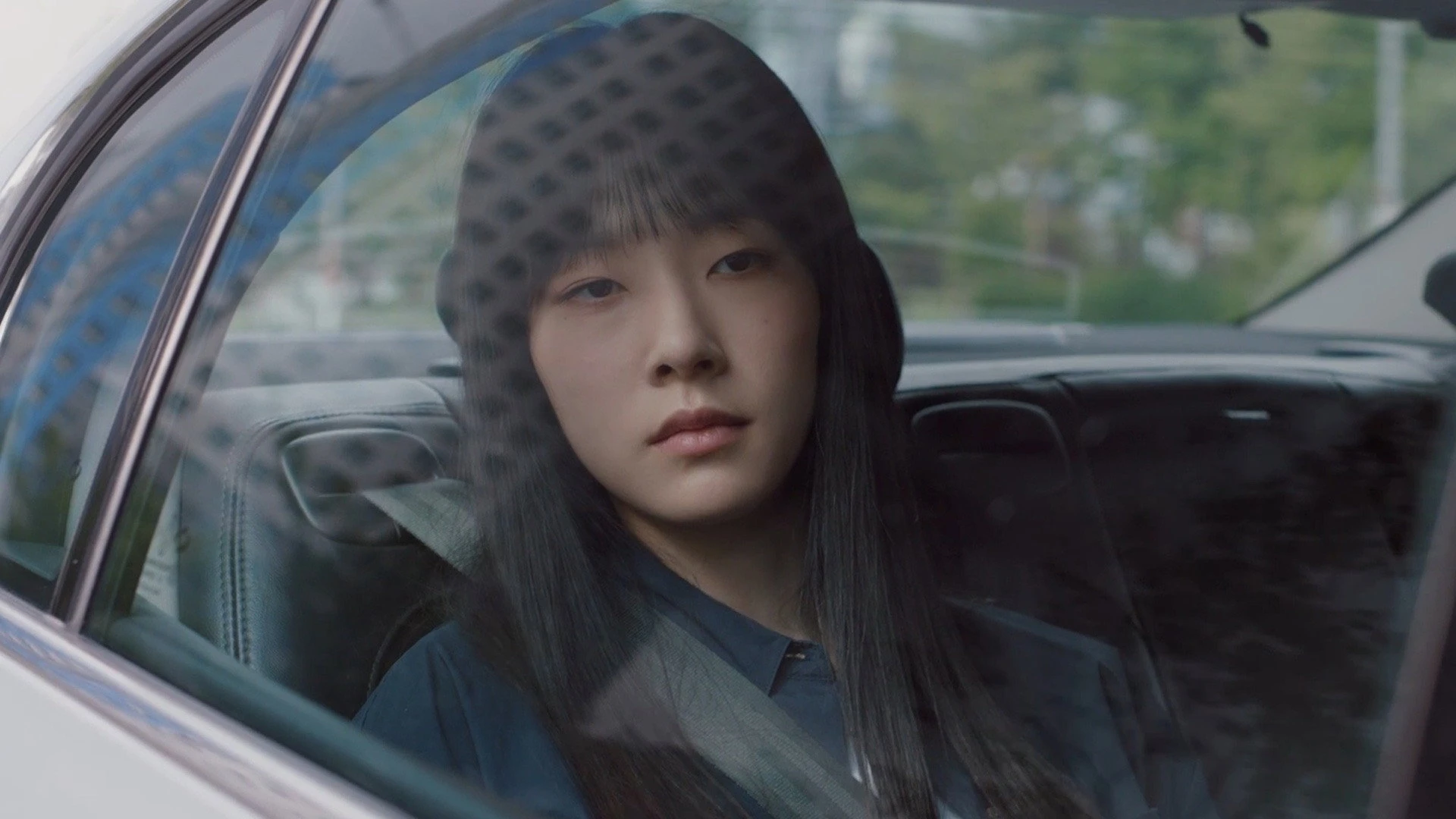
The Act He Stopped. Ha-bin goes to confront Kim Seong-hee with the intention of killing her. Jang Tae-su intercepts her. He doesn’t stop her with authority — he has none left — he stops her with his body, physically placing himself between his daughter and an act of revenge that would have made her everything he feared. He bleeds. The drama’s most consequential scene is not the confrontation with the villain. It is a father choosing, at the cost of his own body, to believe his daughter is still reachable.
The Questions He Finally Asked. For the first time in ten episodes, Jang Tae-su stops profiling Ha-bin and starts speaking to her. He asks about her brother. He asks about her mother. He asks what she was thinking all those years while he stood across from her with his professional detachment and called it clarity. The show’s argument, made quietly here, is that the damage between them was never about whether she was a monster — it was about whether he ever allowed her to be a person in his presence.
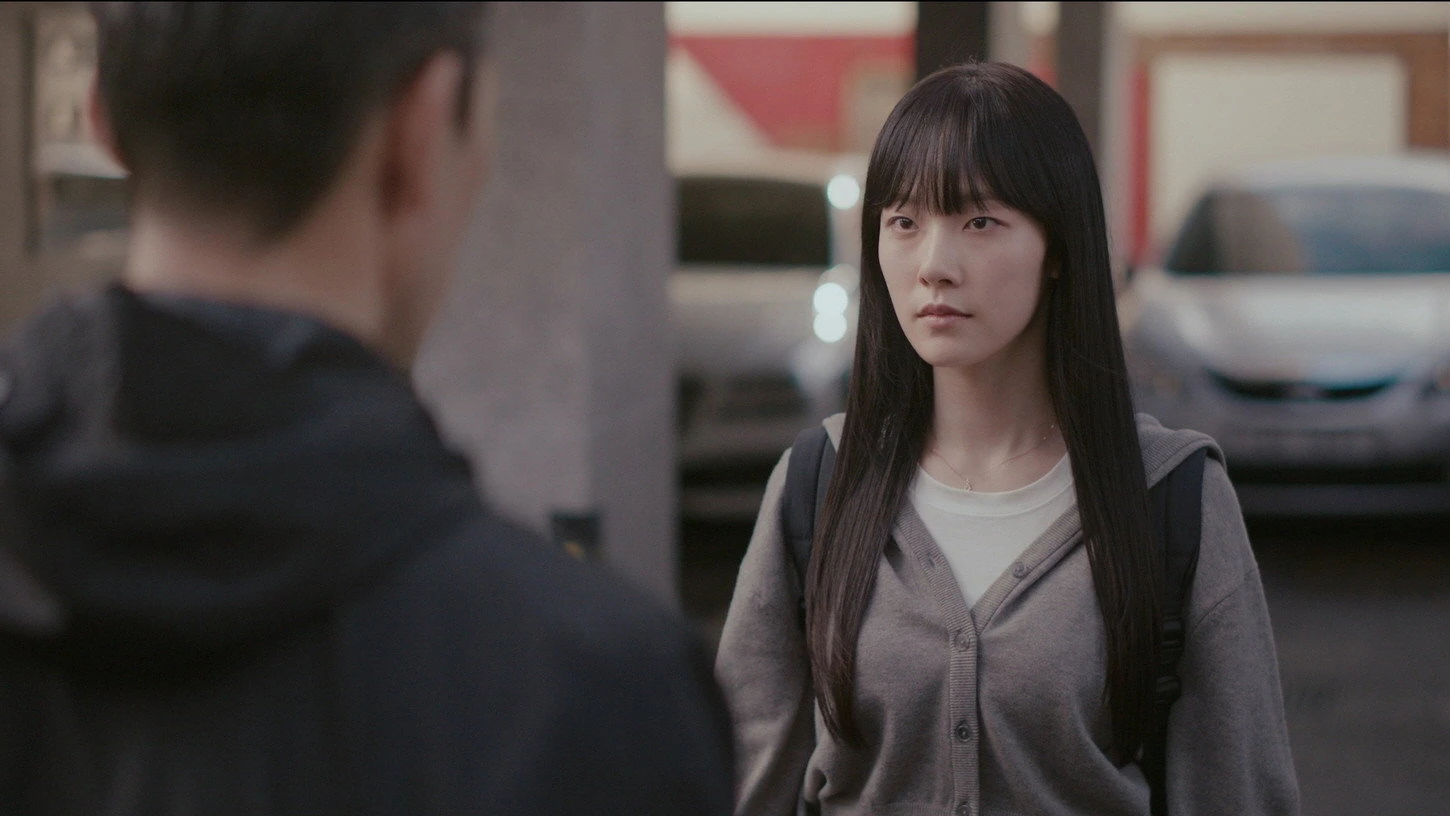
What She Actually Did. Ha-bin did not kill Lee Soo-hyun. She was present at the margins of events that spiraled beyond her. The childhood death of her brother — the wound the drama kept returning to — does not belong to her either. Doubt is careful about this distinction: Ha-bin is not innocent in the way a child in a fairy tale is innocent, but the specific crimes that tore the family apart twice were not hers to carry. The show lets her be exonerated without making exoneration the point. She survived something. That is what matters.
Starting. The final image is a small table in morning sunlight — father and daughter, the first meal they have ever shared without suspicion in the room. They are not healed. The decade of silence and misread signals and professional distance dressed up as parenting does not dissolve over breakfast. But they are, for the first time, sitting still together rather than watching each other from opposite sides of an interrogation dynamic neither of them chose. The show ends not with certainty, but with the possibility of a different kind of relationship — which, given everything, is the only honest ending available.
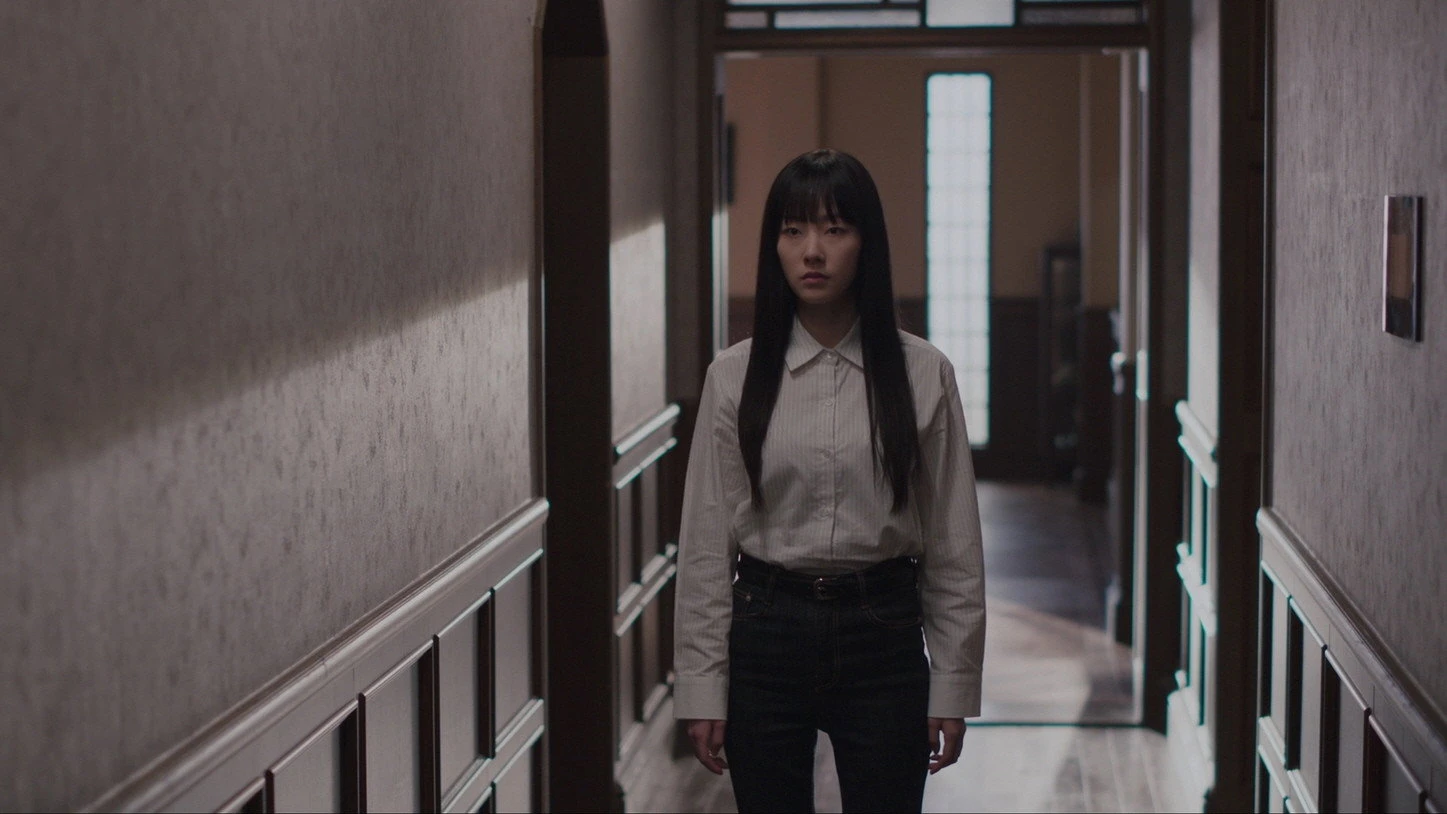
✍️ KDramaWorlds Editor’s Take
Here’s our real take, and exactly who this one’s for.
🧠 Psychological
👨👧 Father–Daughter
🌑 Slow-burn
🎭 Character-driven
Han Suk-kyu has been one of Korean cinema’s most trusted presences for three decades — the kind of actor whose restraint so reliably signals intelligence that you trust the material more just because he chose it. Doubt uses that capital deliberately. For most of the series, Jang Tae-su doesn’t perform anguish; he contains it, and Han Suk-kyu makes the containment itself feel like its own kind of violence. The scene where he watches his dead wife’s video diary — the camera stays on his face for almost two minutes — gives you not grief but a man very carefully not allowing himself to collapse. If the father-investigating-loved-one premise interests you, Flower of Evil (2020) runs similar rails from the opposite direction and is worth the comparison.
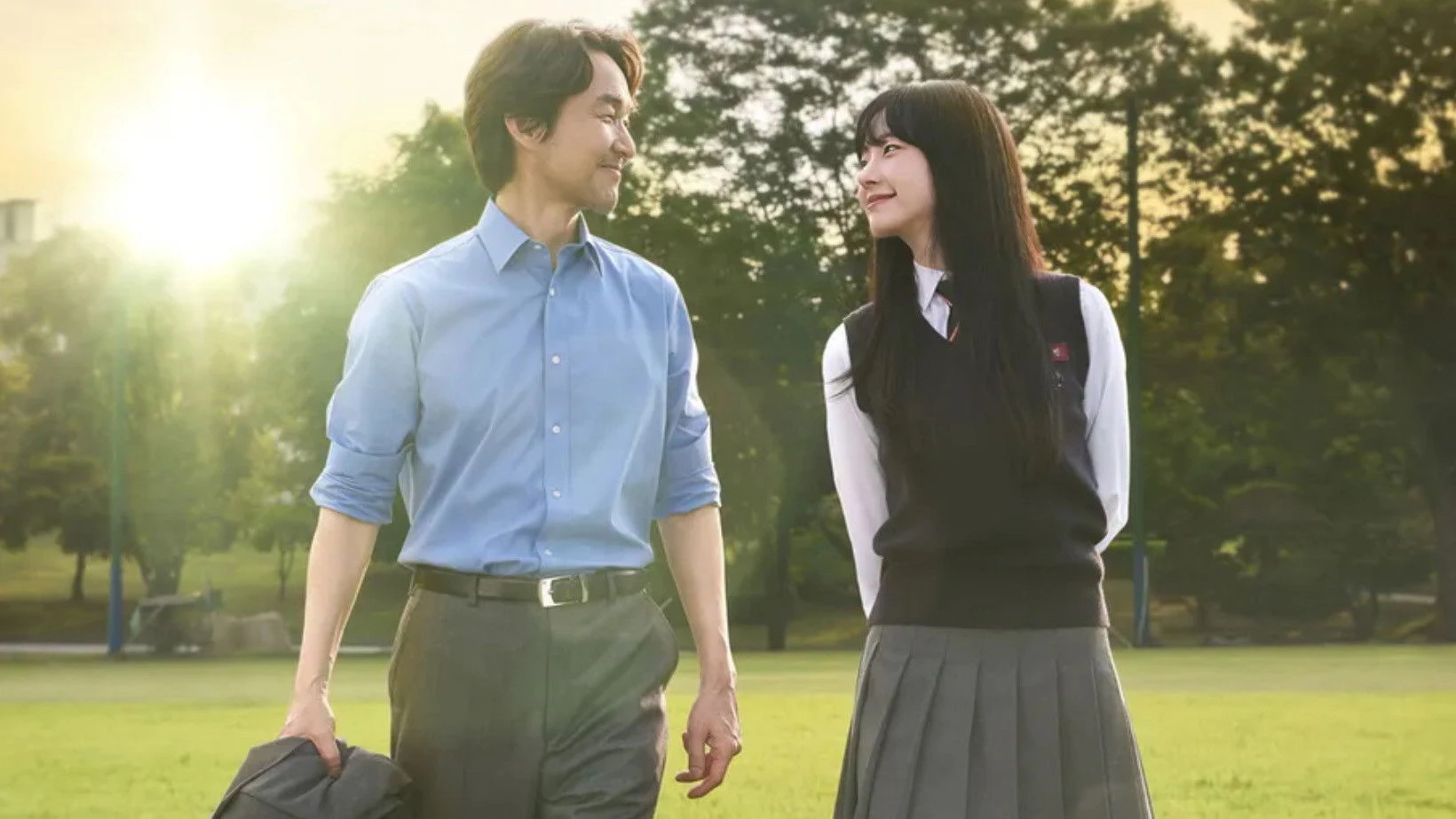
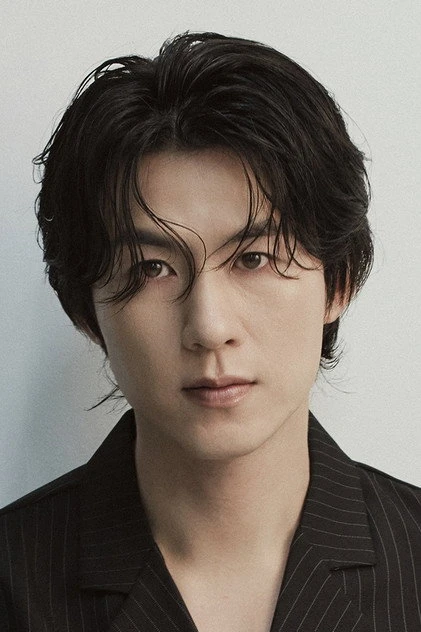
Chae Won-bin’s Jang Ha-bin is the engine of everything — a teenager whose emotional unavailability is never explained away as pathology, which keeps her dangerous and sympathetic at the same time. The show could have tipped into monster-of-the-week territory and doesn’t, largely because Chae Won-bin never lets Ha-bin be fully threatening or fully innocent. Han Ye-ri, as fellow profiler Lee Eo-jin, provides the drama’s most grounded register: someone who suspects her mentor’s motives without making that suspicion her entire performance. Her best scenes are the quiet ones, where she’s watching rather than confronting, and the watching says everything. If the psychological thriller architecture is what draws you, The Manipulated (2025) builds on similar foundations in a different, darker key.
The structure holds through eight episodes and loses some precision in the final stretch — the villain’s identity is visible a little earlier than the show intends, and the last two hours rush to close what the first eight earned slowly. But the premise is executed with enough intelligence and casting that the flaws read as the cost of the ambition. Ten episodes at 70 minutes each is a real commitment; the show earns most of it.
Han Suk-kyu fans ready for his finest recent work
Thriller lovers who can sit with discomfort
A psychological thriller that earns its ambiguity — and a Han Suk-kyu performance that reminds you why restraint can be the most devastating acting choice.
🎬 You Might Also Like
If you liked Doubt, these are your next three watches.
 The Scarecrow
cold casecriminal profiler
Read Full Review →
|
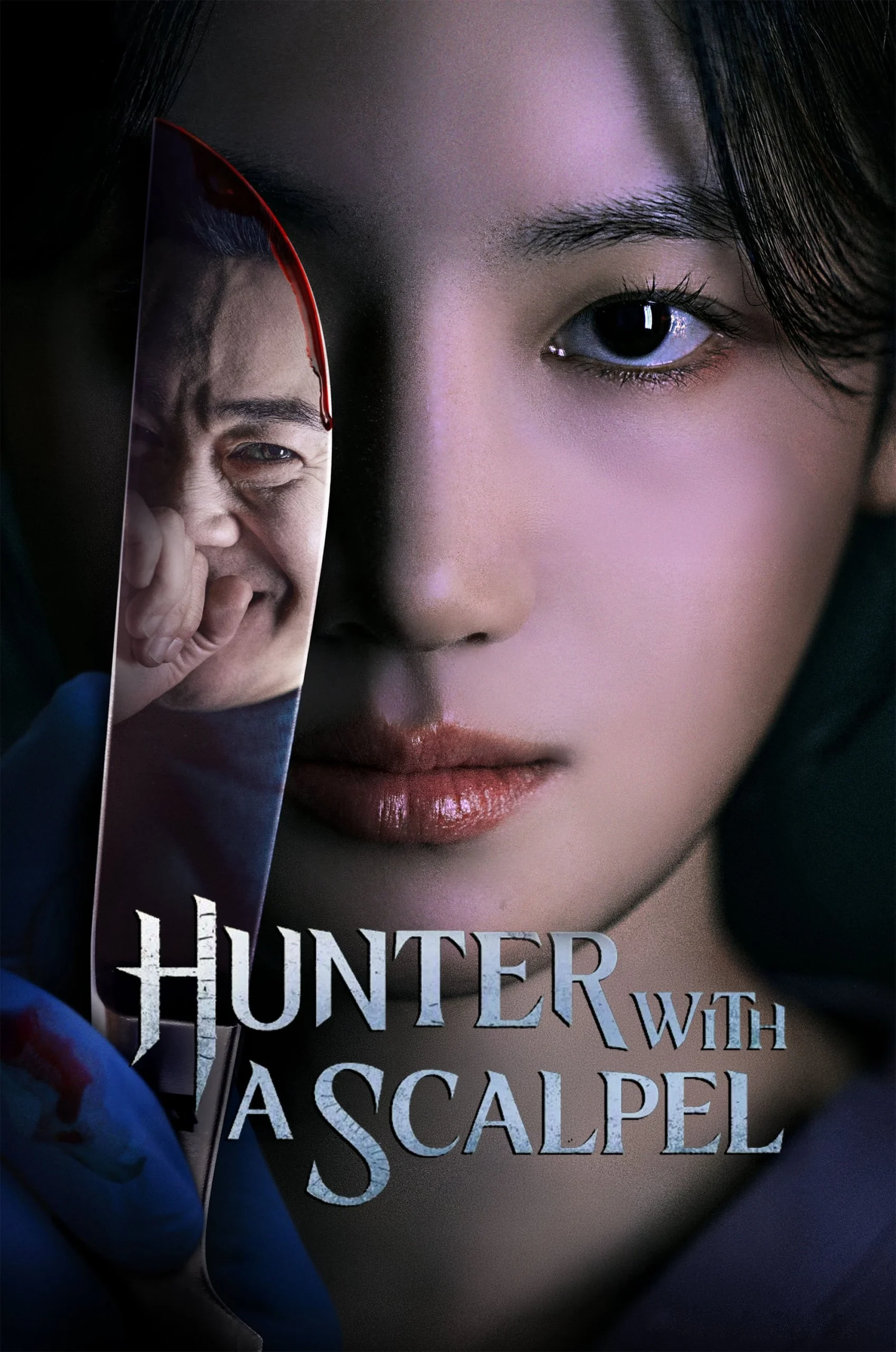 Hunter with a Scalpel
Cat and MouseCrime Thriller
Read Full Review →
|
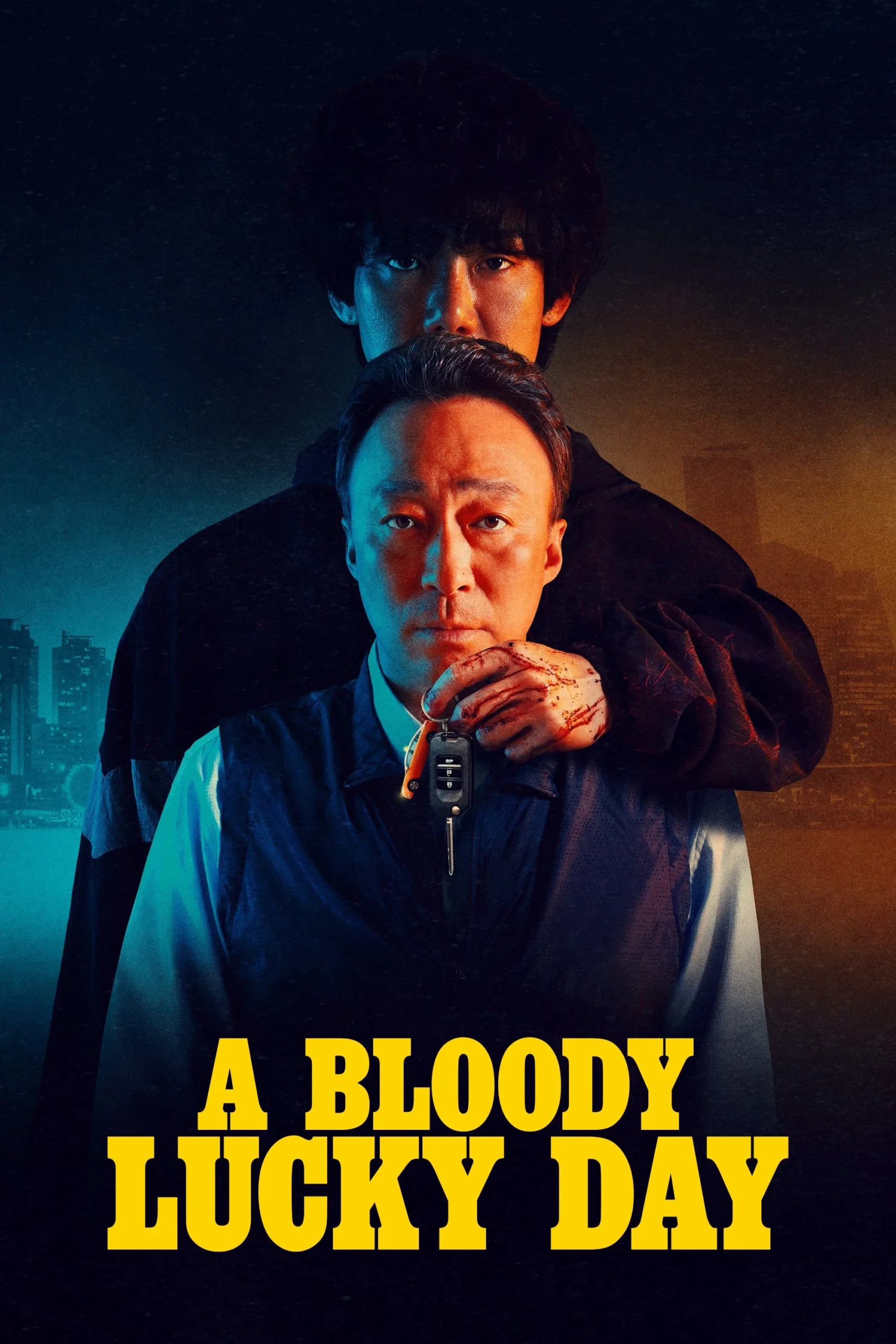 A Bloody Lucky Day
Cat and MouseCrime Thriller
Read Full Review →
|








Keep it kind, skip the harsh language, and please — no spoilers. Everyone's taste is different, and that's perfectly fine.
This space is for real reactions and discussion from other viewers. Help keep it comfortable for everyone by not giving away major plot details.
What do you think of this drama?
Login to share your review or leave a comment.
No email needed — just pick a username & password.