
W: Two Worlds Apart
🎬 Viki · Viu · Prime Video
⭐ 8.4 MDL
📺 12+
📋 Drama Overview
The essentials — before you press play.
🌀 Meta-Fiction Pick
Viu
Prime Video
Oh Yeon-joo is a cardiothoracic surgery resident whose father is one of the most famous webtoon creators in Korea. One night she is pulled — literally, through a tablet screen — into the world of his most successful work, where she lands next to a man bleeding on a rooftop. His name is Kang Cheol. He is the protagonist. He is, technically, fictional.
The drama’s central premise is stranger than a romance and more dangerous than a mystery: Yeon-joo’s movements between worlds are tied to Kang Cheol’s emotional state. She appears when he feels something strong enough to create a pull. Which means every time she shows up in his world, it means something is happening to him — and every time she leaves, he remembers. W: Two Worlds Apart uses the webtoon premise to ask real questions about authorship, agency, and what makes a person real, then wraps all of it in a romance that earns its stakes because both characters have something to lose beyond just each other.
16 / 16 ✅ Completed
⚡ Quick Verdict
Everything that matters, at a glance.
MDL Score · Check MyDramaList for updated community rating
▶ Official Trailer
🎭 Cast & Characters
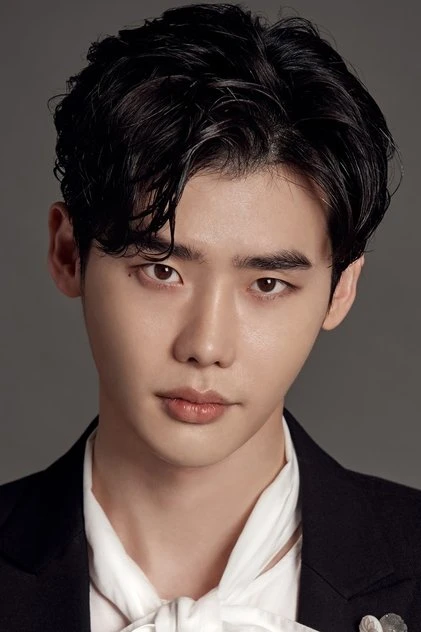
Lee Jong-suk and Han Hyo-joo lead a cast that makes the impossible feel personal.
Lead

Lead

Supporting

Supporting
Supporting
Supporting

Supporting
Supporting
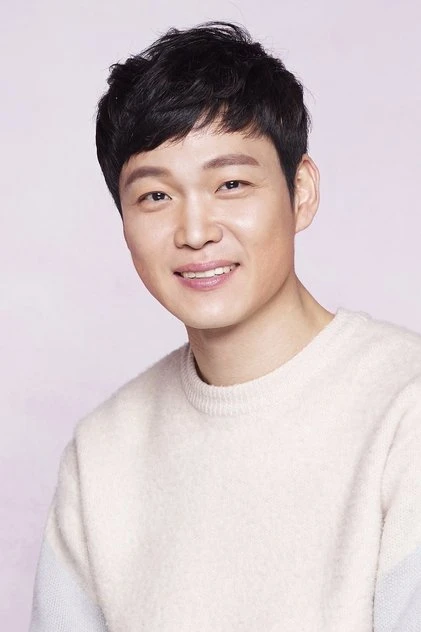
Supporting

Supporting
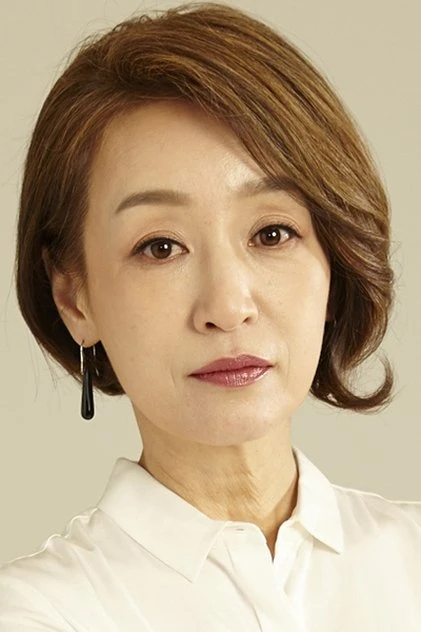
Supporting
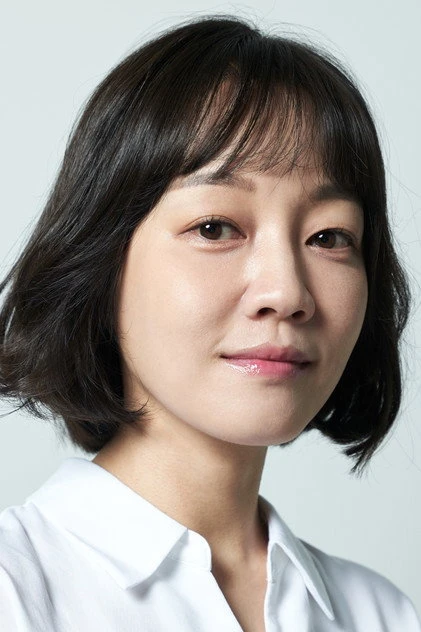
Supporting
📺 Episode Guide
Enough per episode to jog your memory, nothing more.
EP 2
EP 3
EP 4
EP 5
EP 6
EP 7
EP 8
EP 9
EP 10
EP 11
EP 12
EP 13
EP 14
EP 15
EP 16 · Final
🏁 Ending
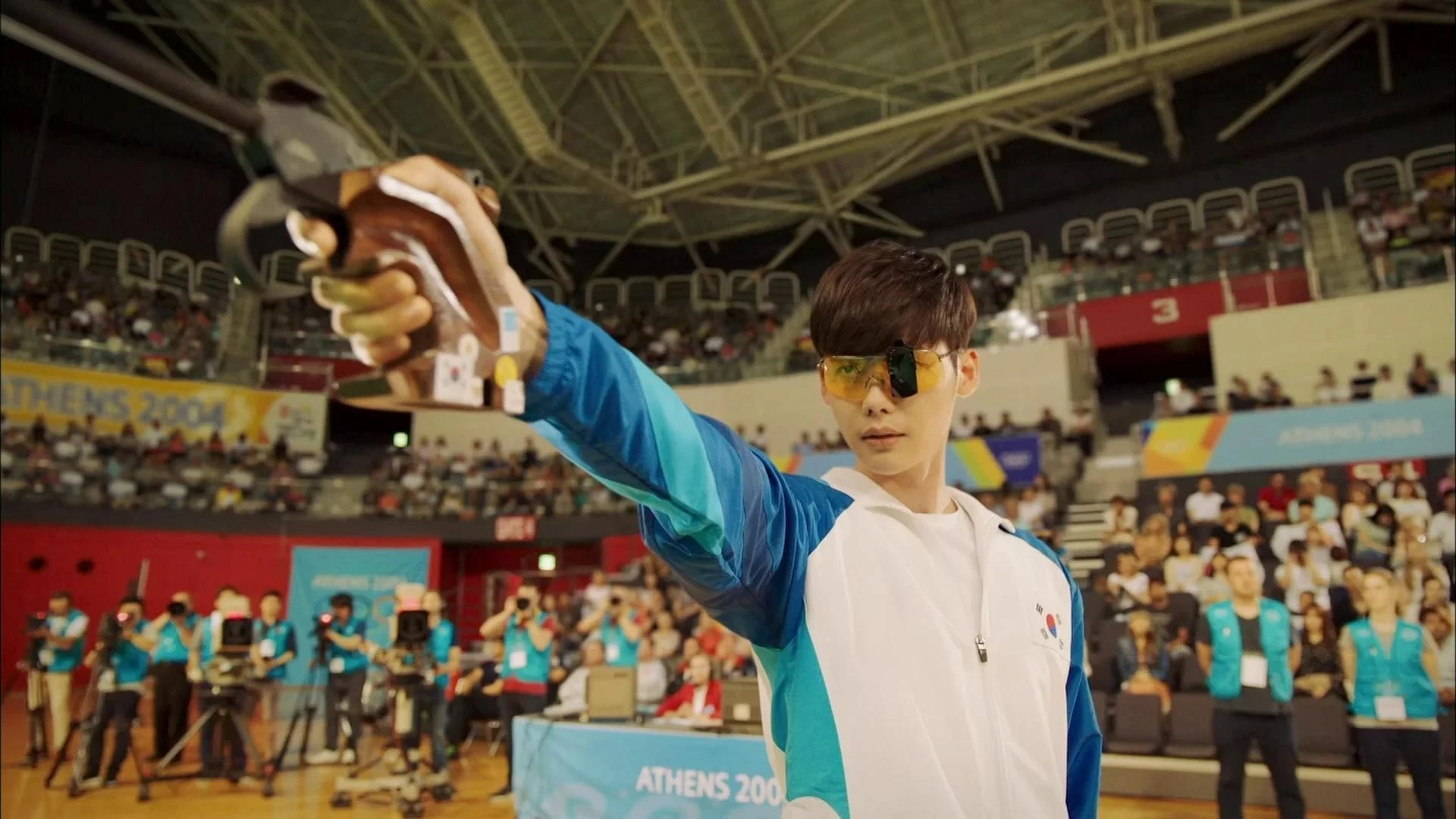
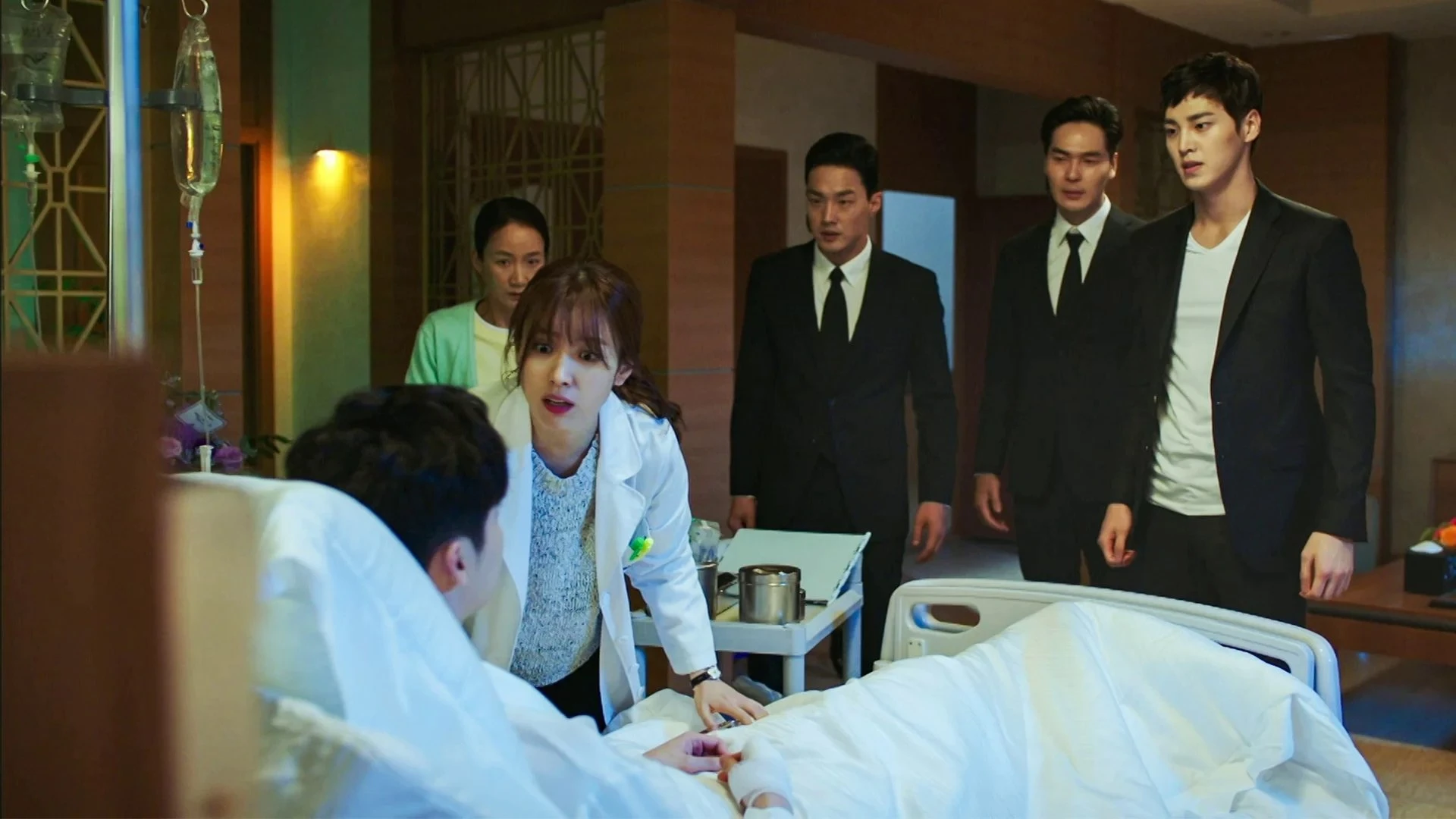
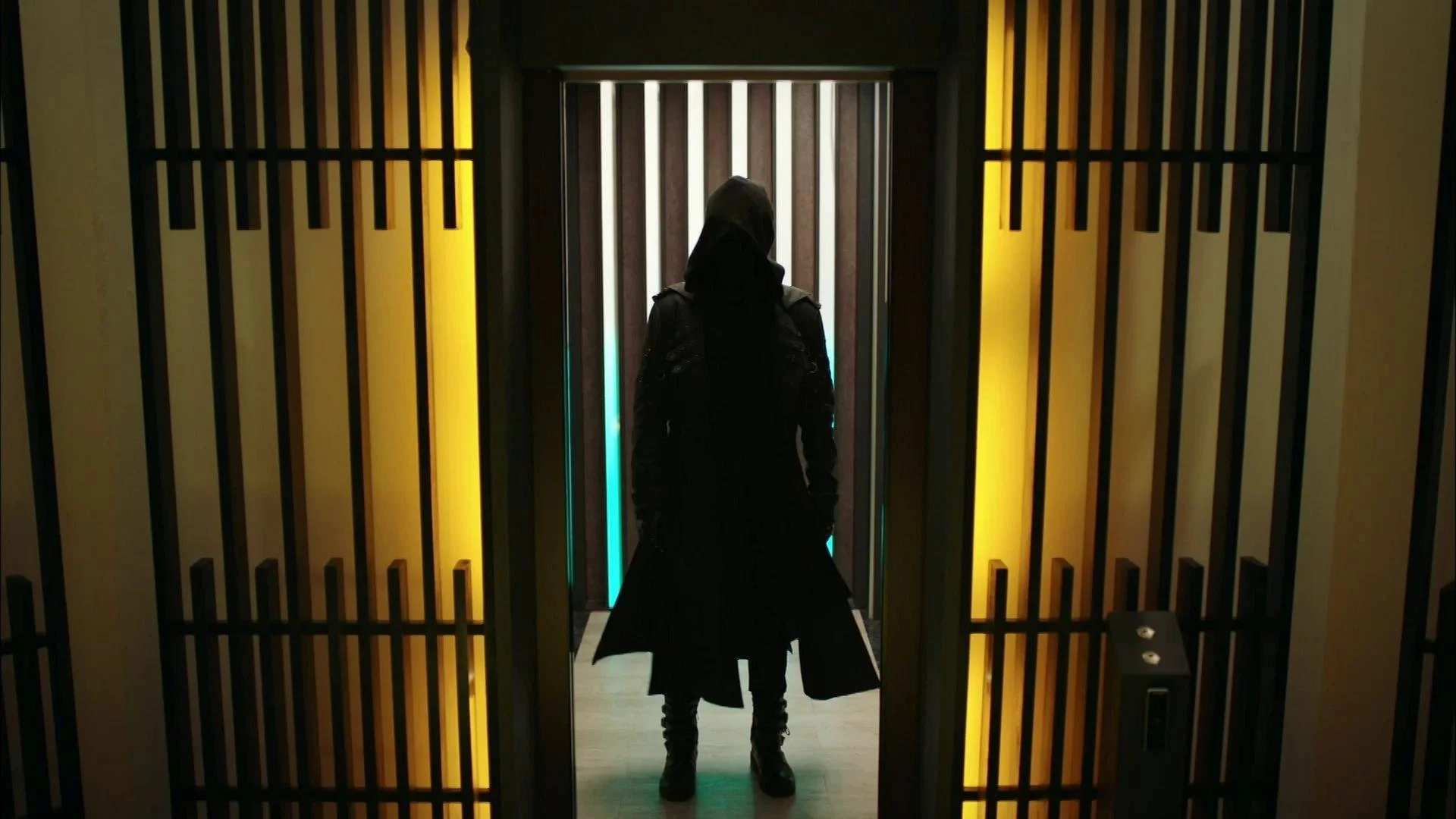
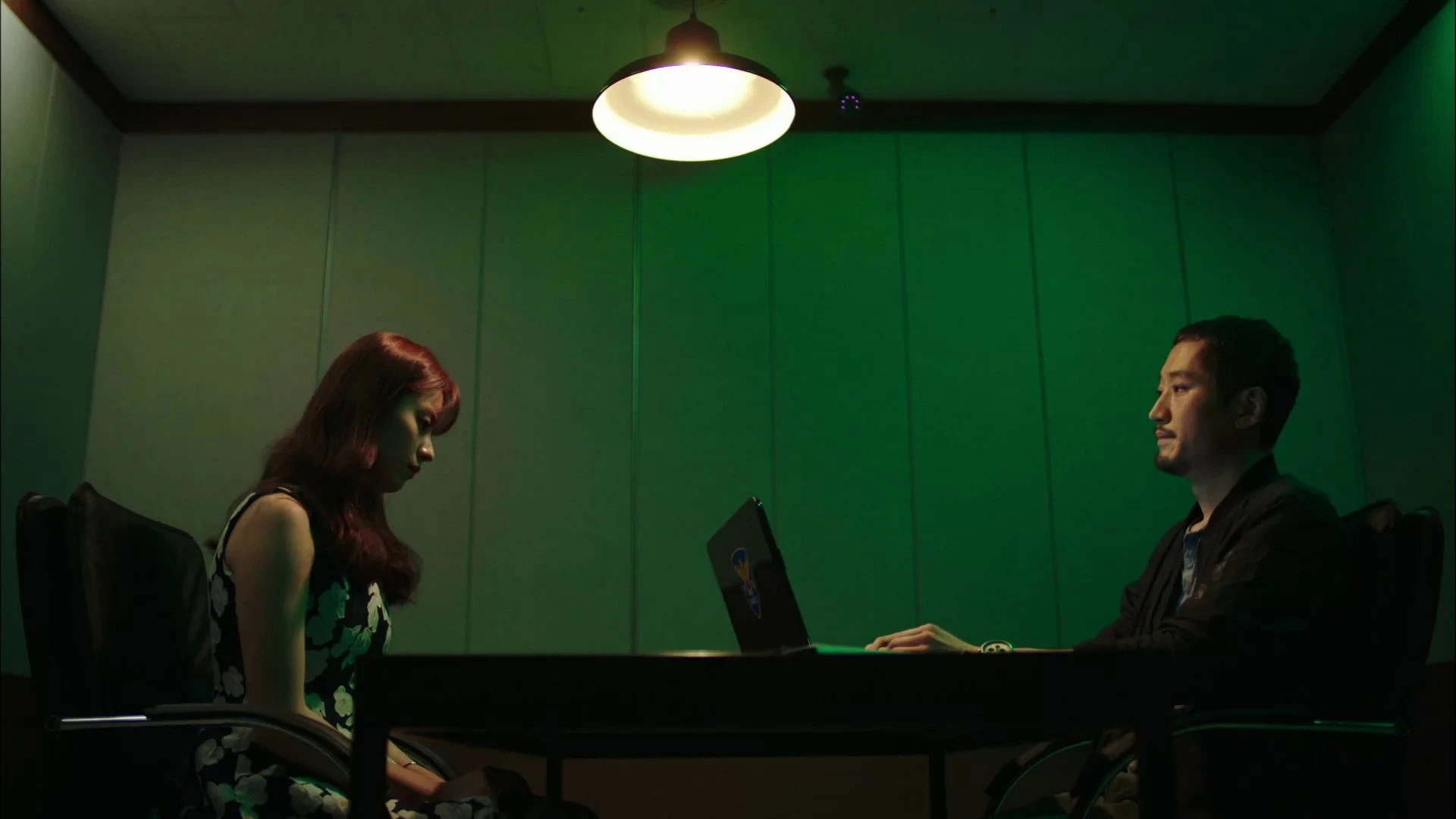
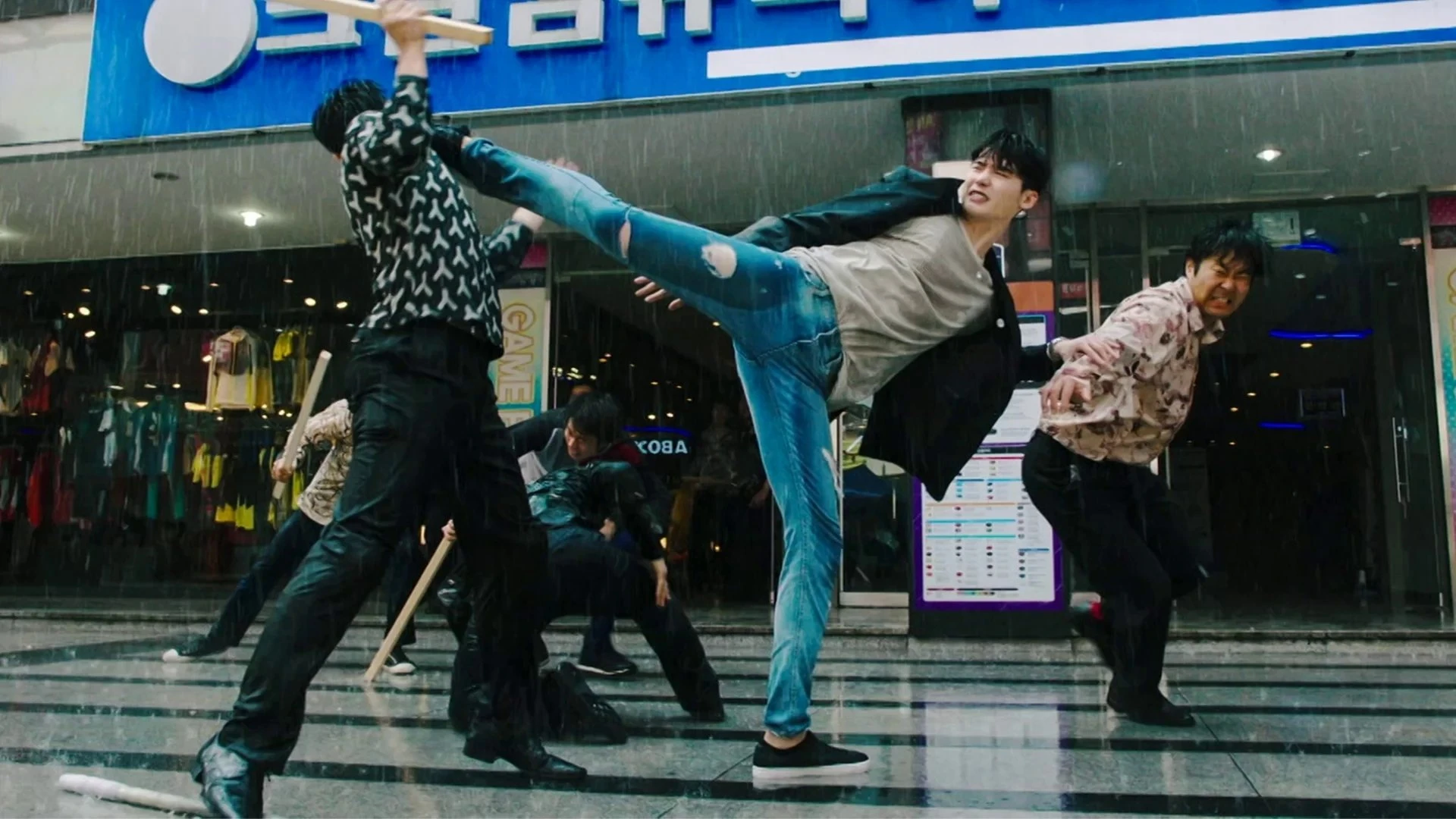
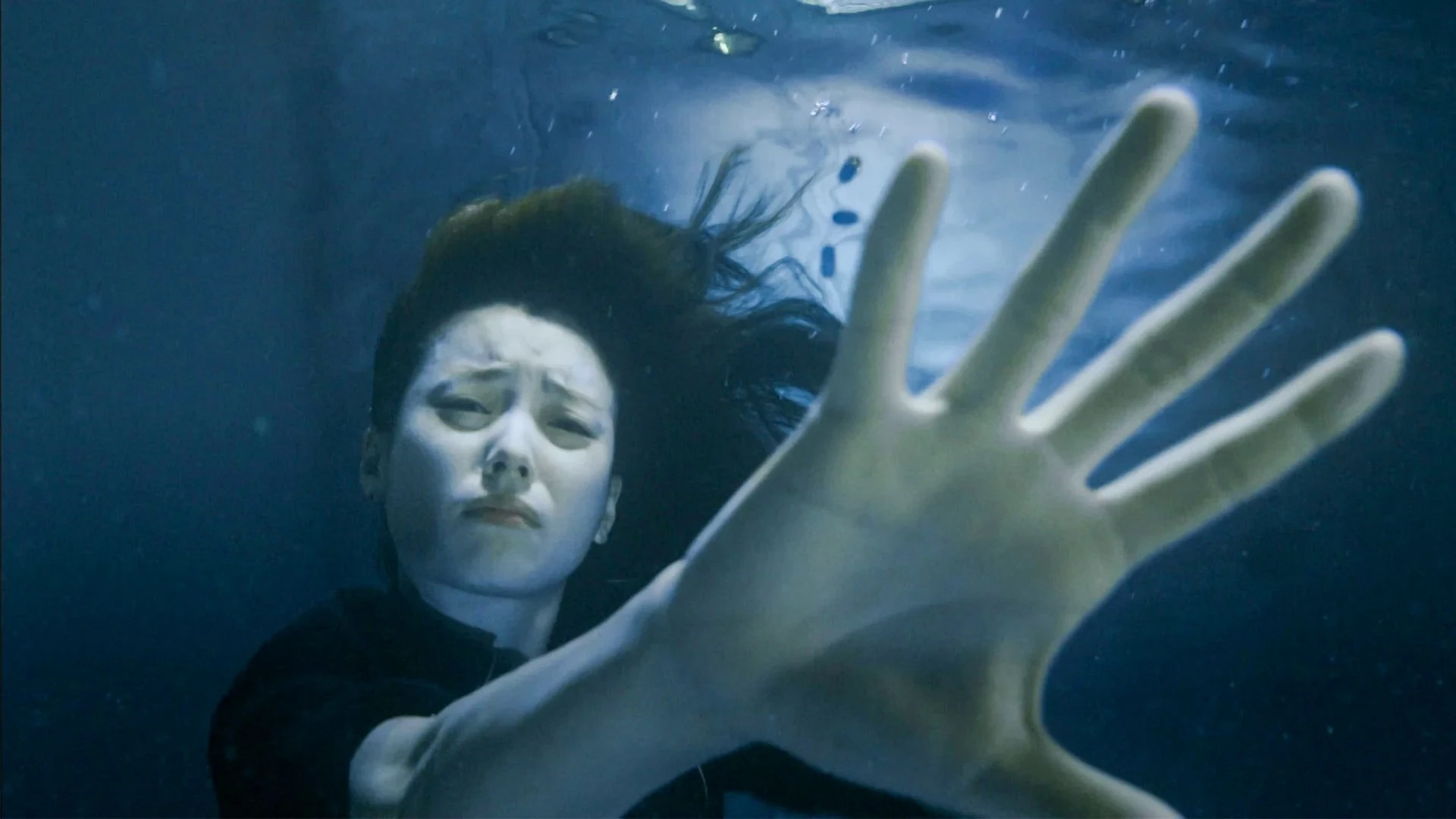
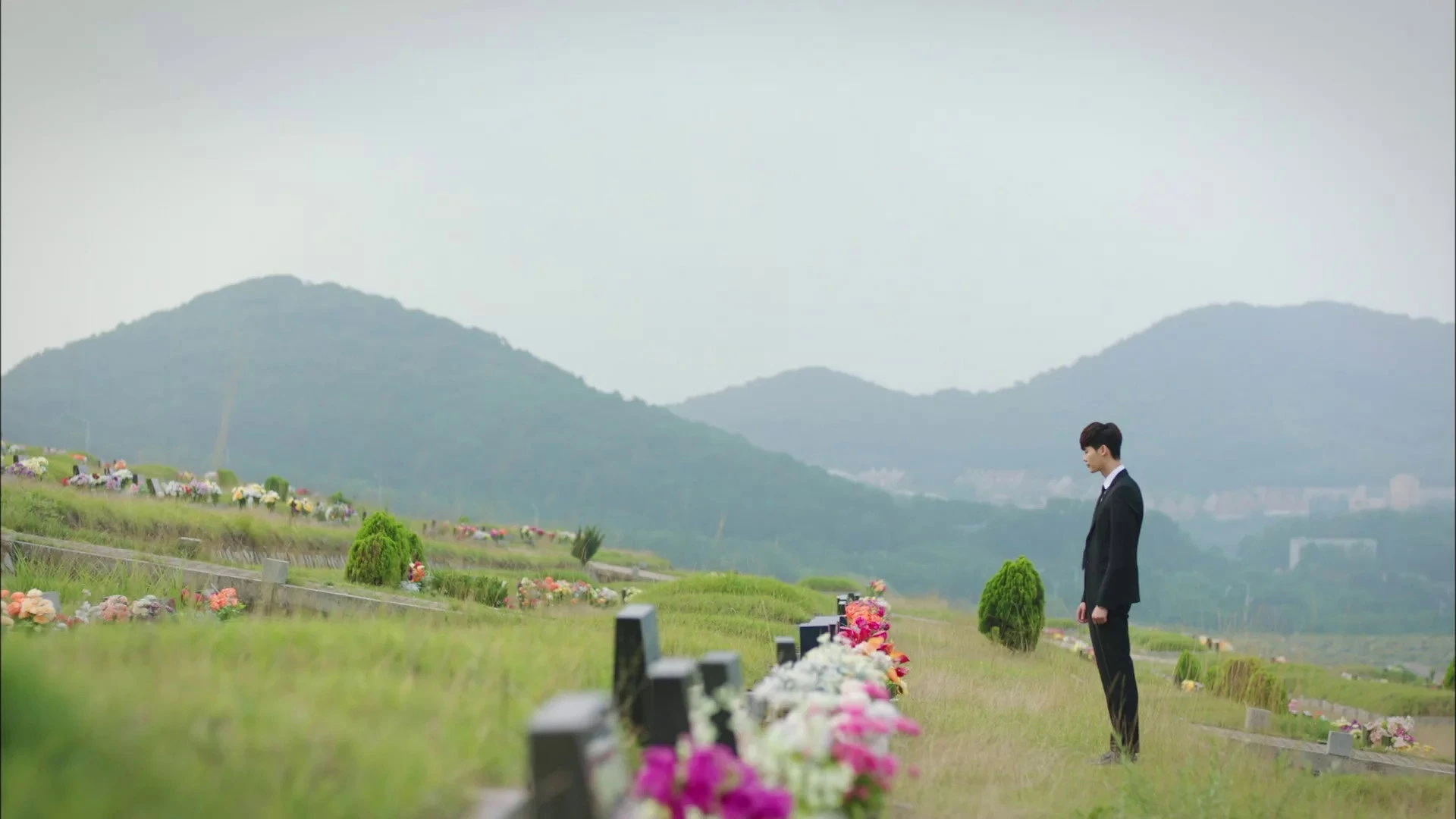
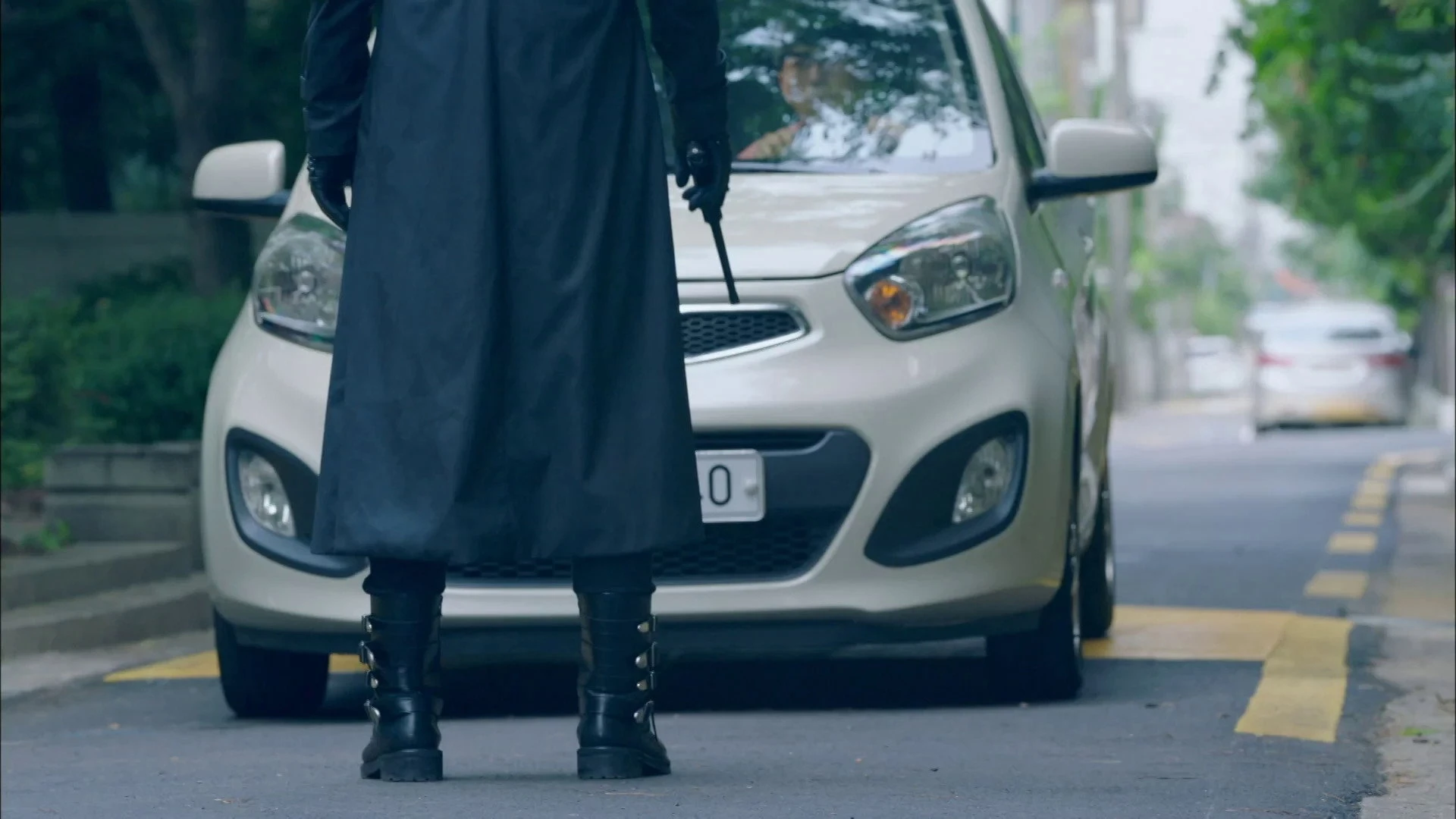
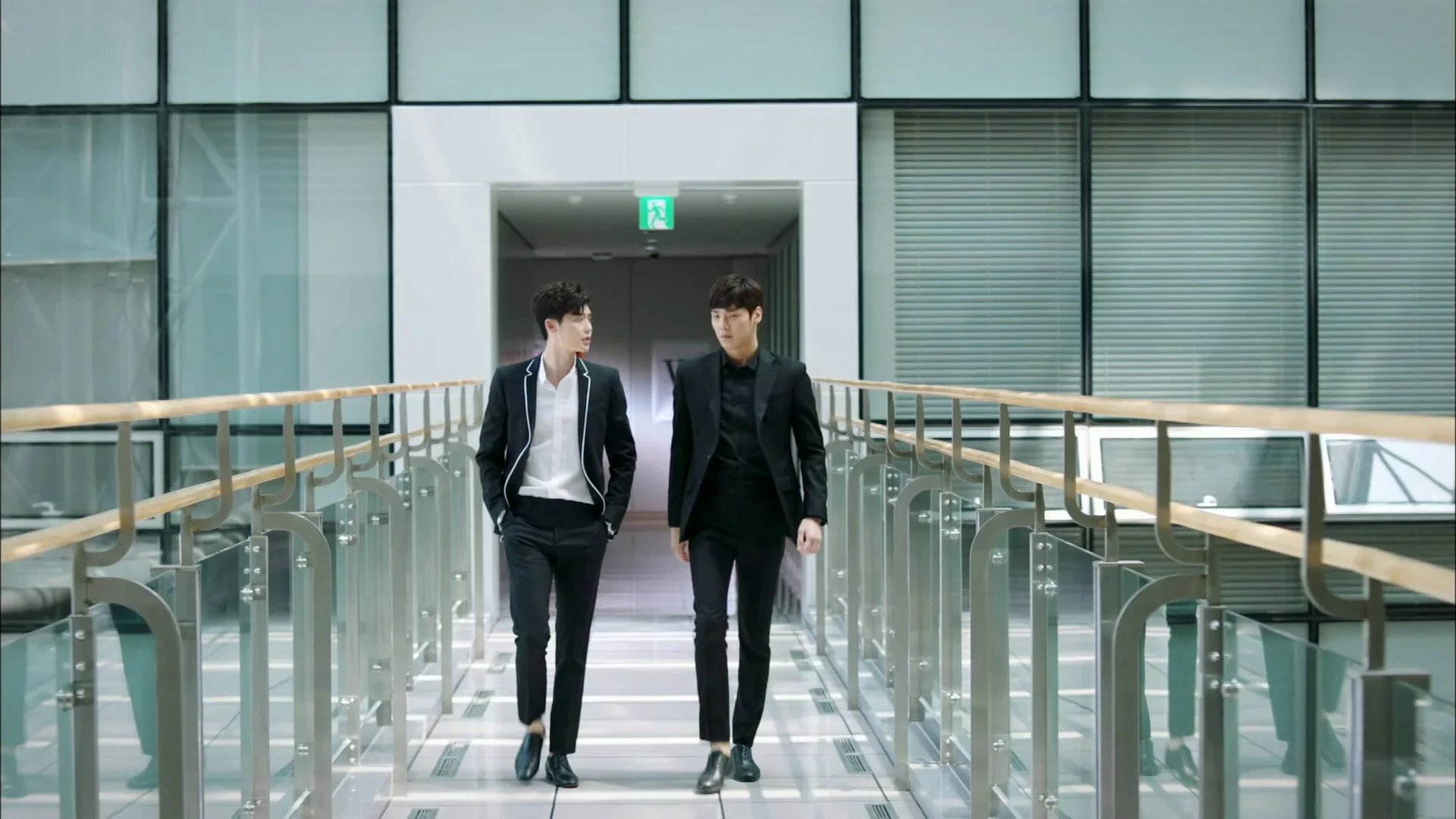
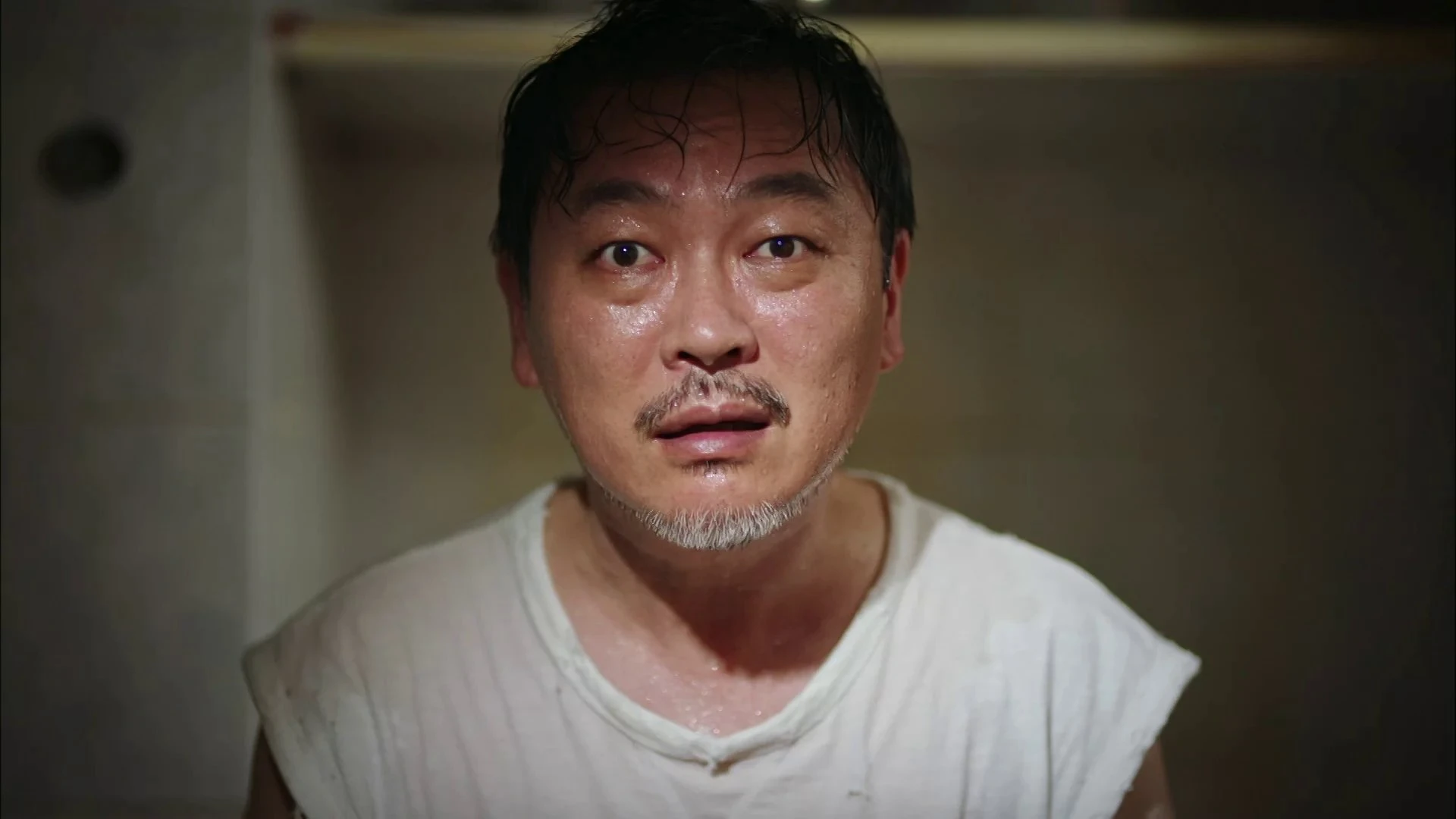
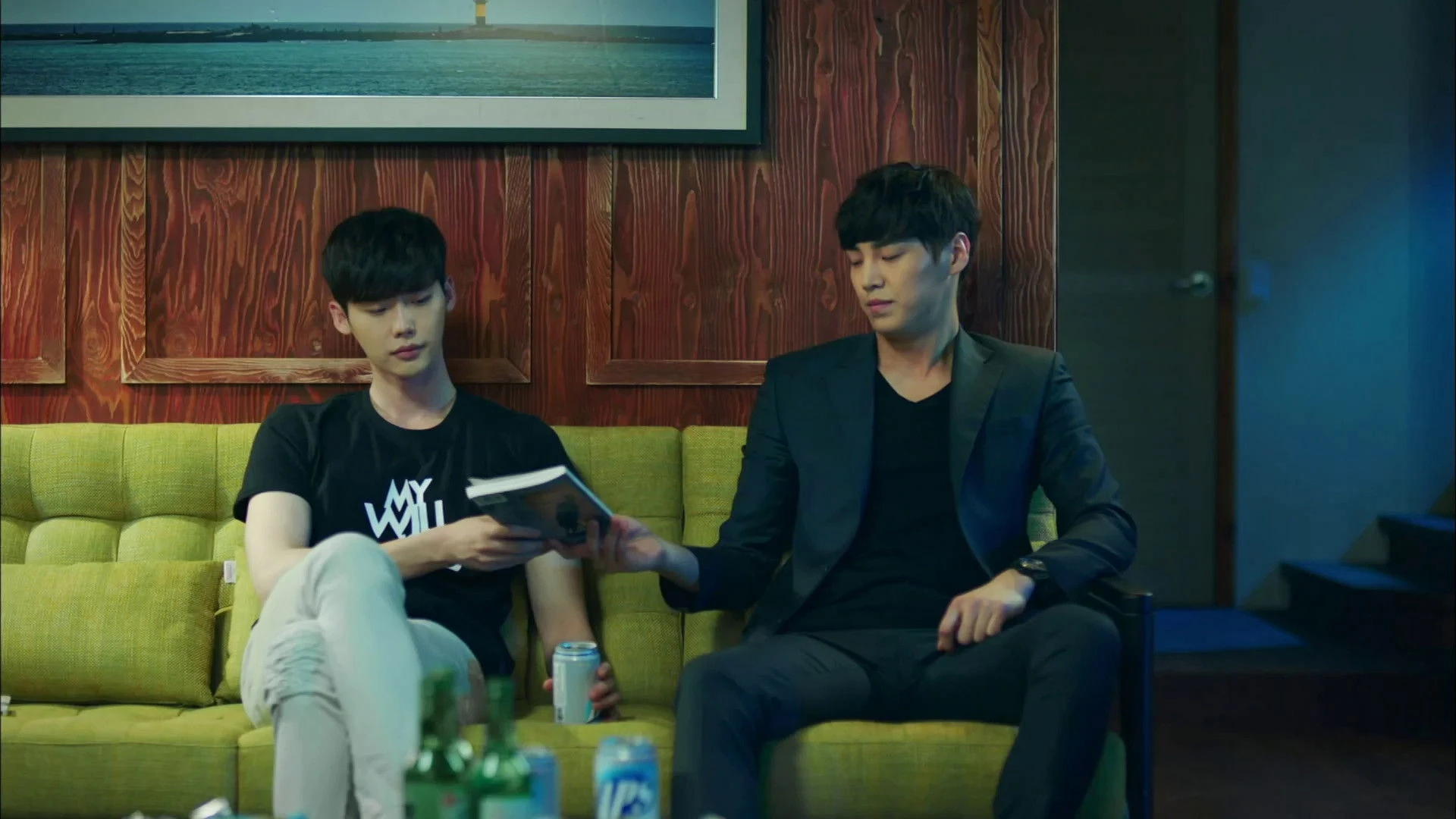
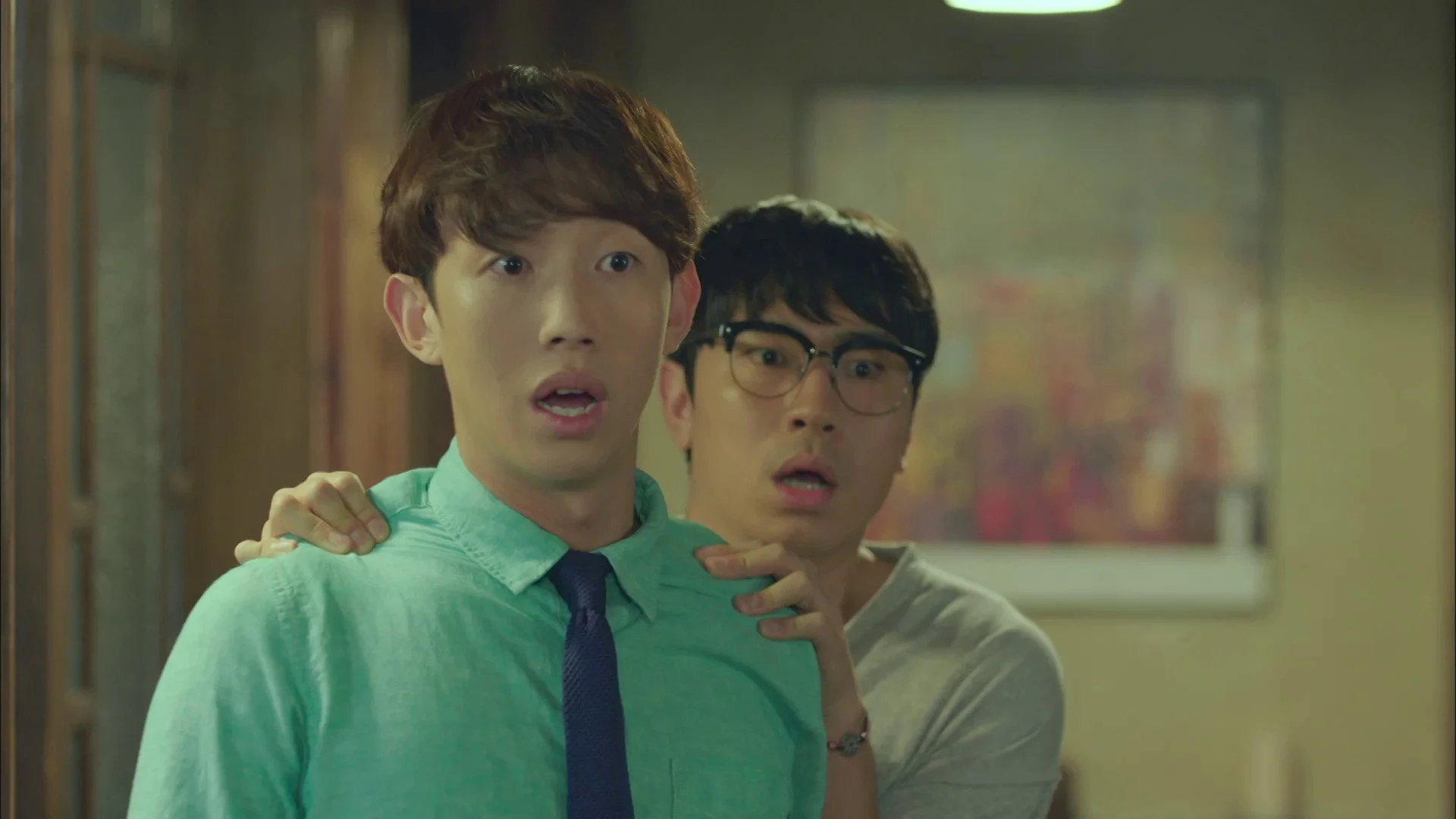
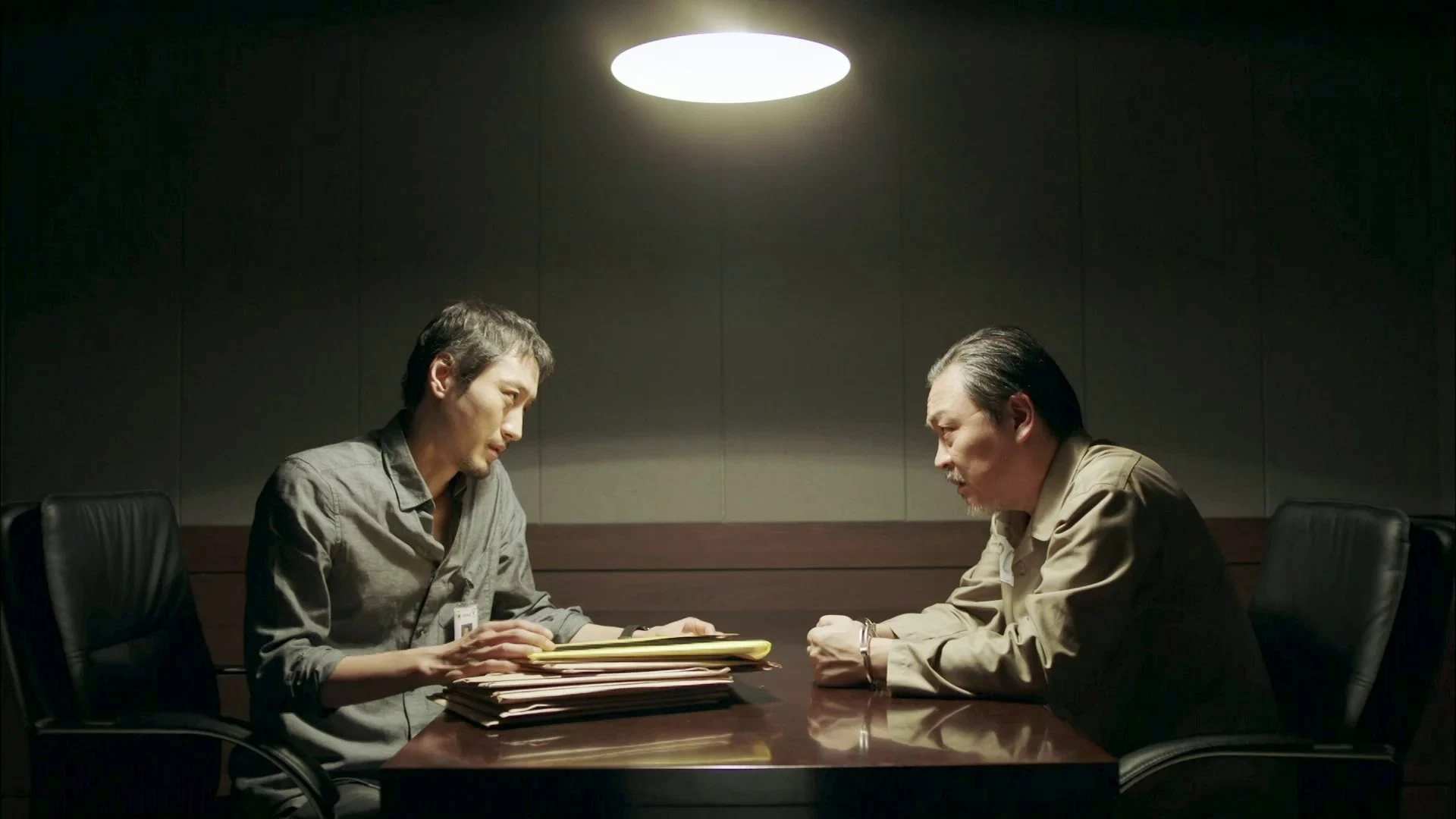
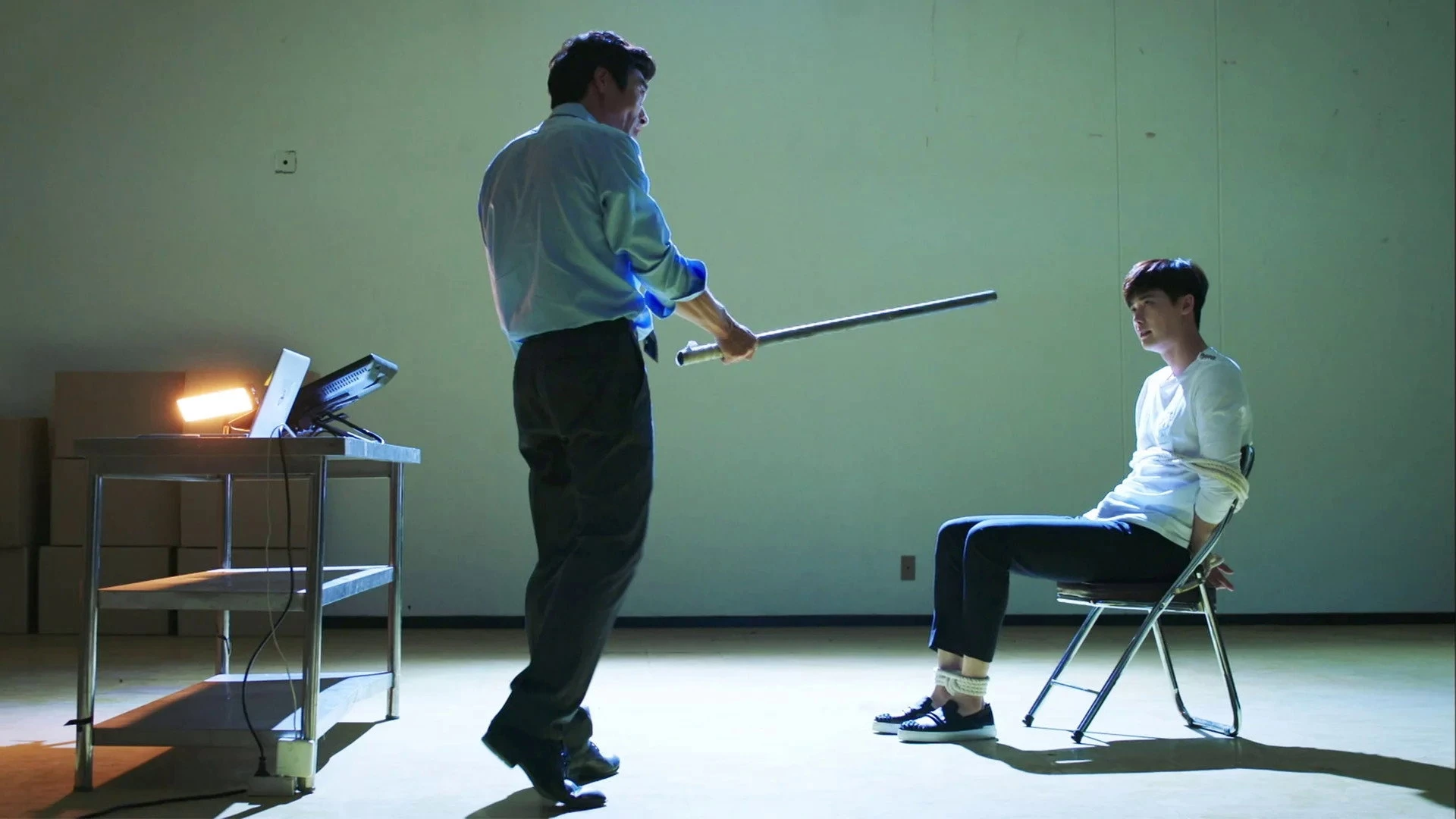
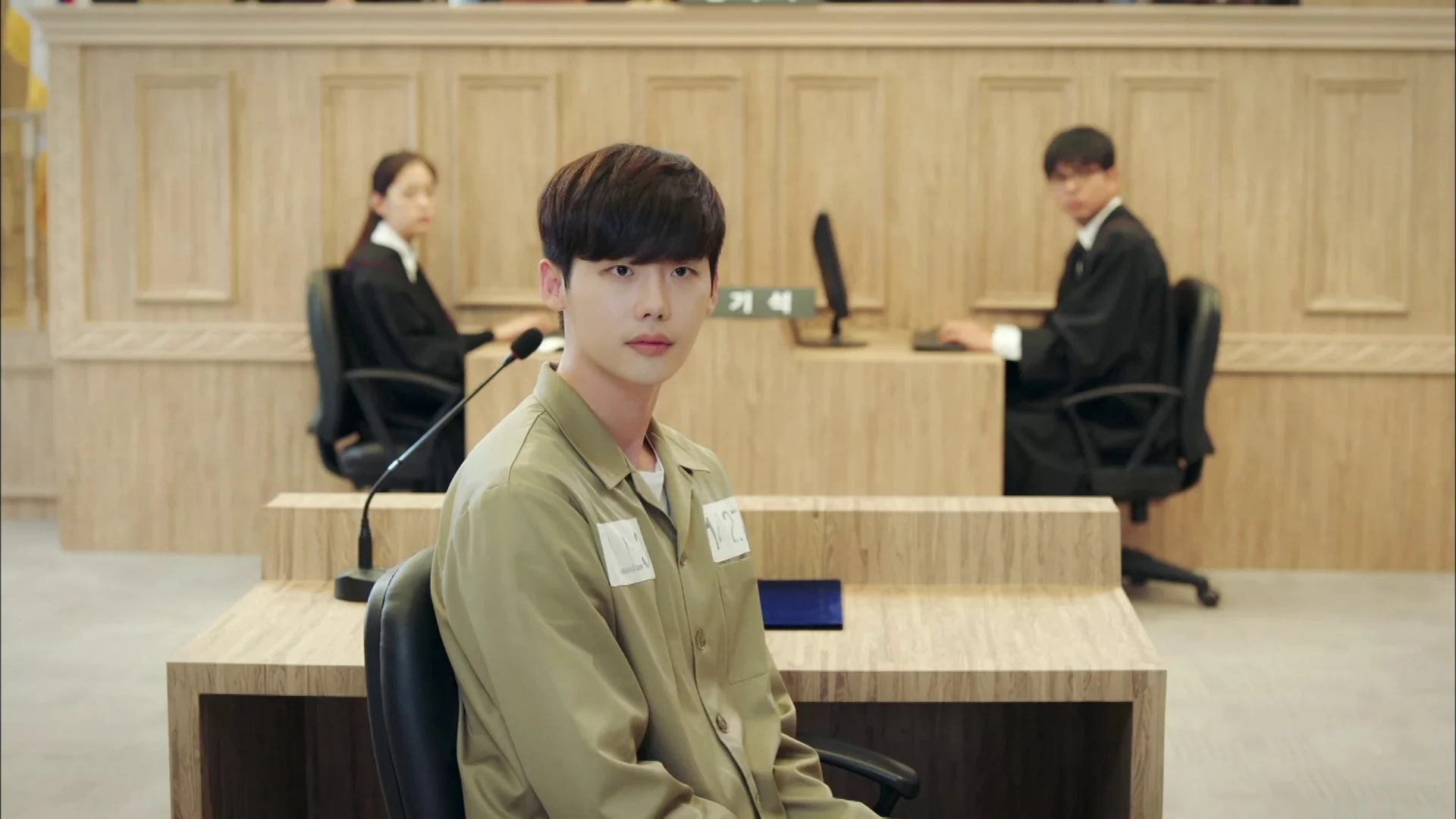
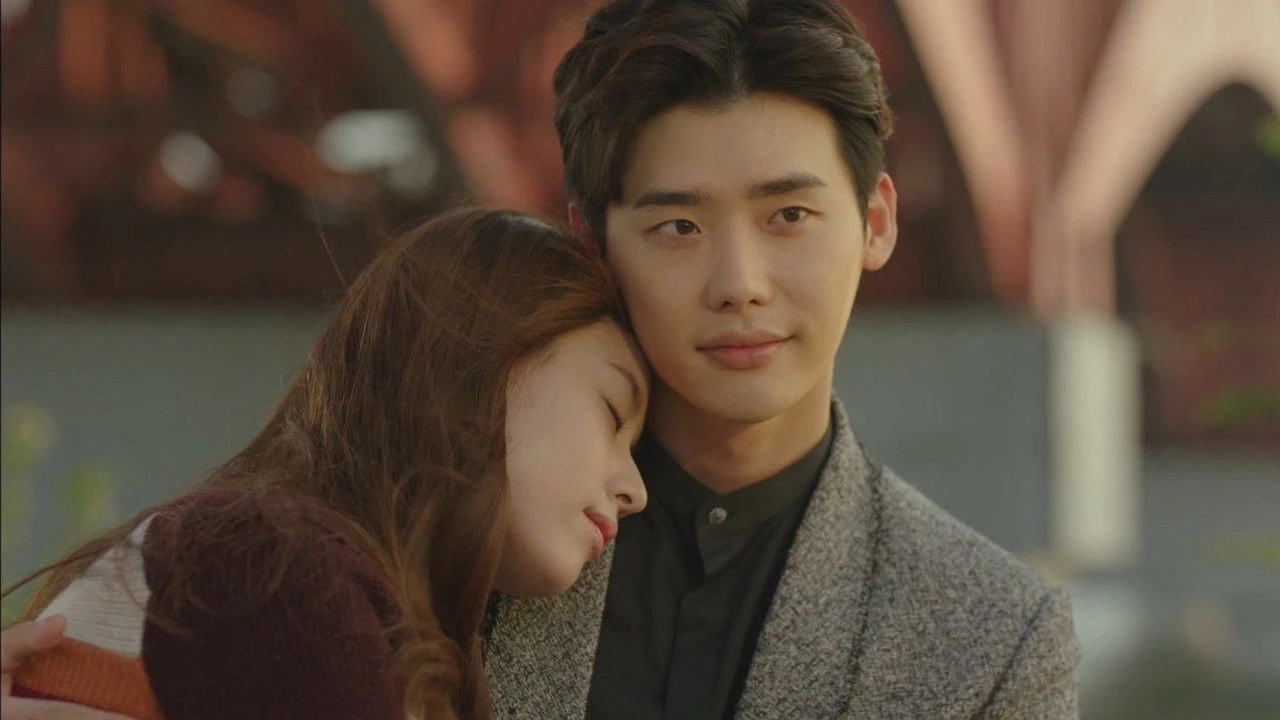
🏁 Ending Explained
Full spoilers — what happened, and why it hits the way it does.
Spoiler Warning — This section covers the full finale of W: Two Worlds Apart. Stop here if you haven’t finished the series.
The Killer’s True Nature. W’s antagonist was never a person, exactly — it was a narrative force. The faceless killer that haunted Kang Cheol’s world from the early episodes was the webtoon trying to generate its own ending, a consciousness that emerged from the story’s need for dramatic resolution. The finale makes this explicit, and it reframes everything: the violence wasn’t malicious. It was structural. A story requiring a conclusion.
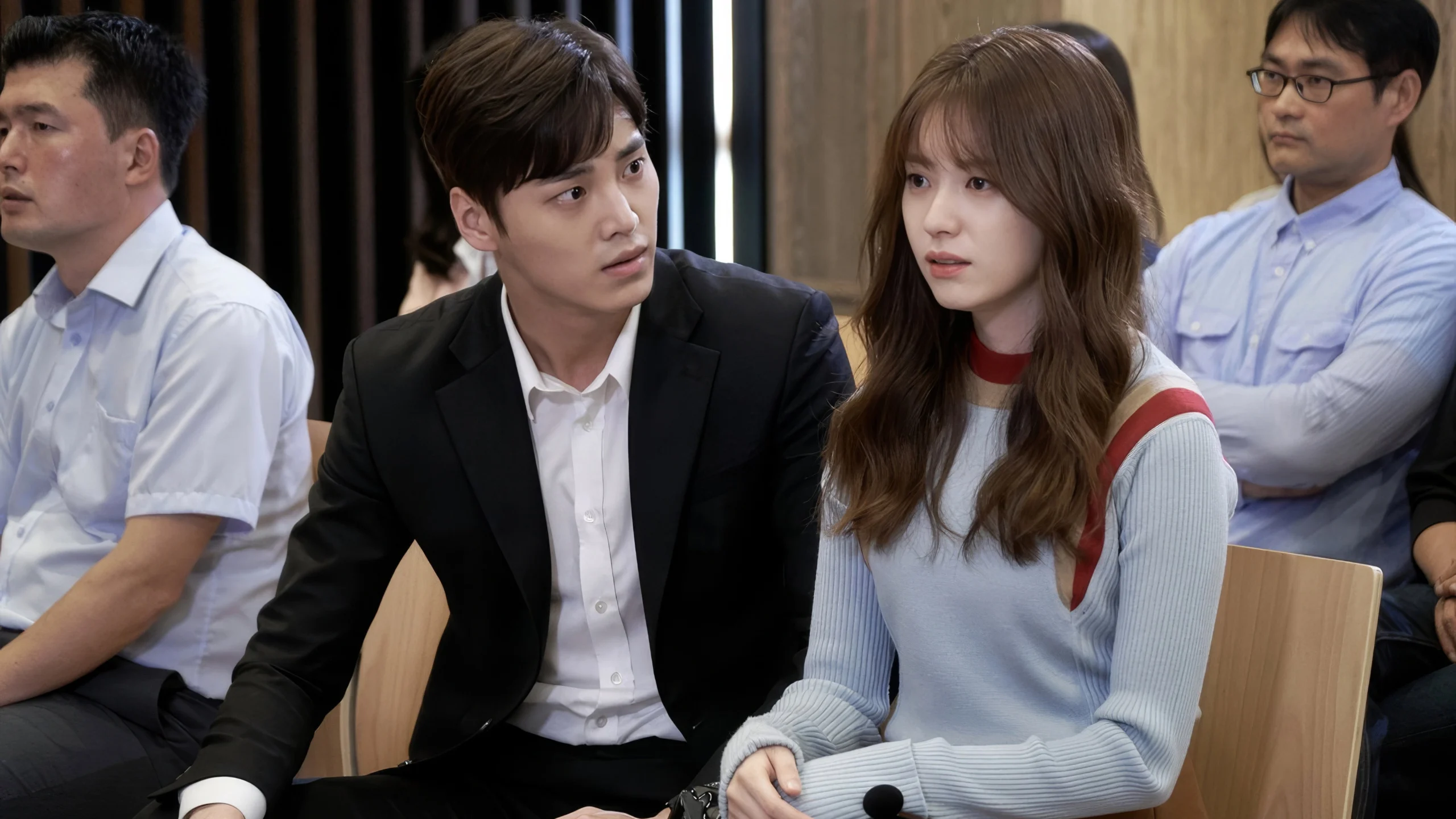
Oh Sung-moo’s Accounting. Oh Sung-moo’s disappearance — the mystery that opened the drama — resolves as the consequences of a creator’s irresponsibility rather than a villain’s calculation. He built Kang Cheol, gave him a trauma, and then couldn’t finish what that trauma demanded. His reckoning is almost quiet. A man confronting what his abandonment of a character cost — and what it required other people to pay on his behalf.
Kang Cheol’s Choice. The drama’s most careful argument is that Kang Cheol’s acceptance of his own existence — knowing he was authored, knowing his world was created, choosing to exist anyway — is not resignation. It’s something closer to dignity. He doesn’t reclaim certainty. He builds something with what’s left after certainty is gone. Lee Jong-suk plays the finale’s emotional register with the restraint the material demands: not triumph, not relief, just a man who has decided.

Yeon-joo and the Price of Intervention. Yeon-joo spent 16 episodes trying to steer the story toward an ending that kept Kang Cheol alive. The finale shows what that intervention cost her — professionally, relationally, in her relationship to her father’s work — and doesn’t pretend the cost was nothing. What she built with those losses is the relationship the drama was actually arguing for: not a romance that fell together, but one that was actively constructed by someone willing to pay real prices.
After W Ends. The final image of W: Two Worlds Apart is not the webtoon’s last panel. It’s two people in the real world, continuing. The drama’s title turns out to be a description rather than a location — there are two worlds apart, and then there are people who crossed between them enough times that the distance stopped mattering. The ending is not perfect. It’s honest, which is the harder thing.

✍️ KDramaWorlds Editor’s Take
Worth watching or not — our honest read, and who it’s for.
💫 High Concept
🔫 Narrative Conspiracy
💜 Earned Romance
📱 Two Worlds
Lee Jong-suk built his career on a specific kind of intensity — the kind that reads as intelligence rather than brooding, calculation rather than feeling. Kang Cheol is the role that uses every register of that at once: a character who is the most capable person in his world, then suddenly ordinary in another one, then forced to rebuild his sense of what’s real across both. The way Jong-suk plays the early episodes — a man whose rational architecture keeps encountering something it has no category for — is the precise reason the romance works. He doesn’t play falling in love. He plays someone whose resistance runs out. Viewers who appreciated the inter-dimensional romance of The King: Eternal Monarch will find W operating with more structural risk and considerably more intimacy — the two-world premise is the same idea taken further from the edge.

Han Hyo-joo’s performance is the drama’s most quietly demanding: Yeon-joo is the one character who understands both worlds fully, which means she’s the one character the audience needs to trust completely. Hyo-joo plays that competence without arrogance — the specific warmth of someone who is the smartest person in the room and uses it to help rather than to win. Her best scenes are the ones where Yeon-joo has to make a difficult call alone and then live with having made it. There’s an episode late in the run where she’s carrying four episodes of withheld information and has to perform normalcy; the physical restraint Hyo-joo brings to that scene is the kind of acting that only works if you’ve been watching the same character for thirteen episodes. Those who followed her in Doom at Your Service will recognize the pattern: a lead who anchors a high-concept fantasy in something specifically human.
The middle section — Episodes 9 through 11 — is where the concept stretches thinnest, and where a viewer’s willingness to extend trust will be tested most. The rules shift more than once, and some of the shifts are not fully earned. The finale is satisfying without being airtight; there are threads the show chose not to close and you can feel the choice. None of that undoes what W accomplishes when it’s working: a romance with genuine structural stakes, a premise that rewards the kind of attention most dramas don’t ask for, and two lead performances calibrated precisely to the material. Sixteen episodes, and the concept never fully runs out of room.
Lee Jong-suk and Han Hyo-joo fans who haven’t seen them at full capacity
Anyone who enjoys dramas that ask real questions about authorship and agency
One of K-drama’s most inventive premises, delivered with enough sincerity to make you forgive the places where the logic needs you to stop asking questions.
🎬 You Might Also Like
If you liked W: Two Worlds Apart, these are your next three watches.
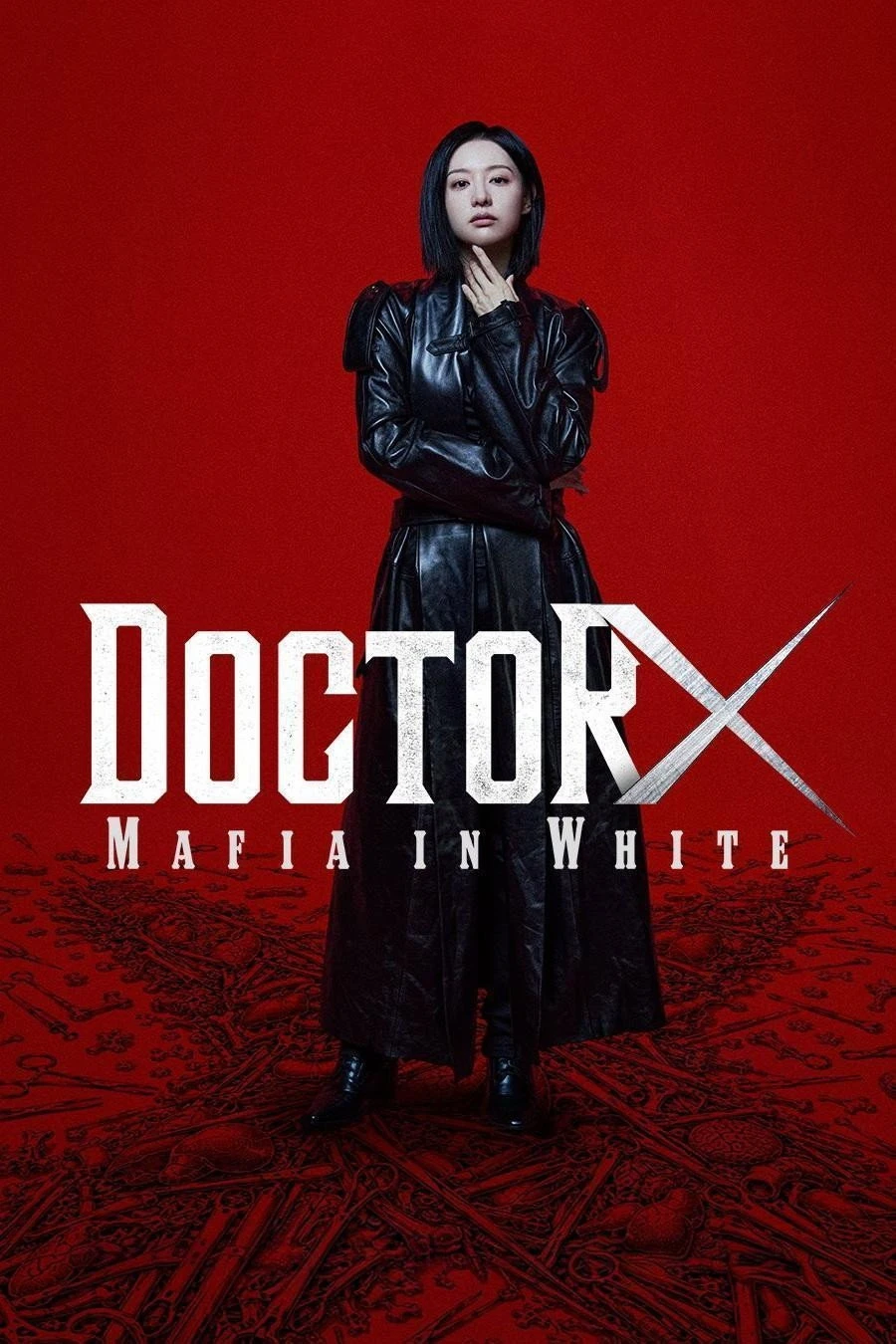 Doctor X: Mafia in White
Genius SurgeonKim Ji-won
Read Full Review →
|
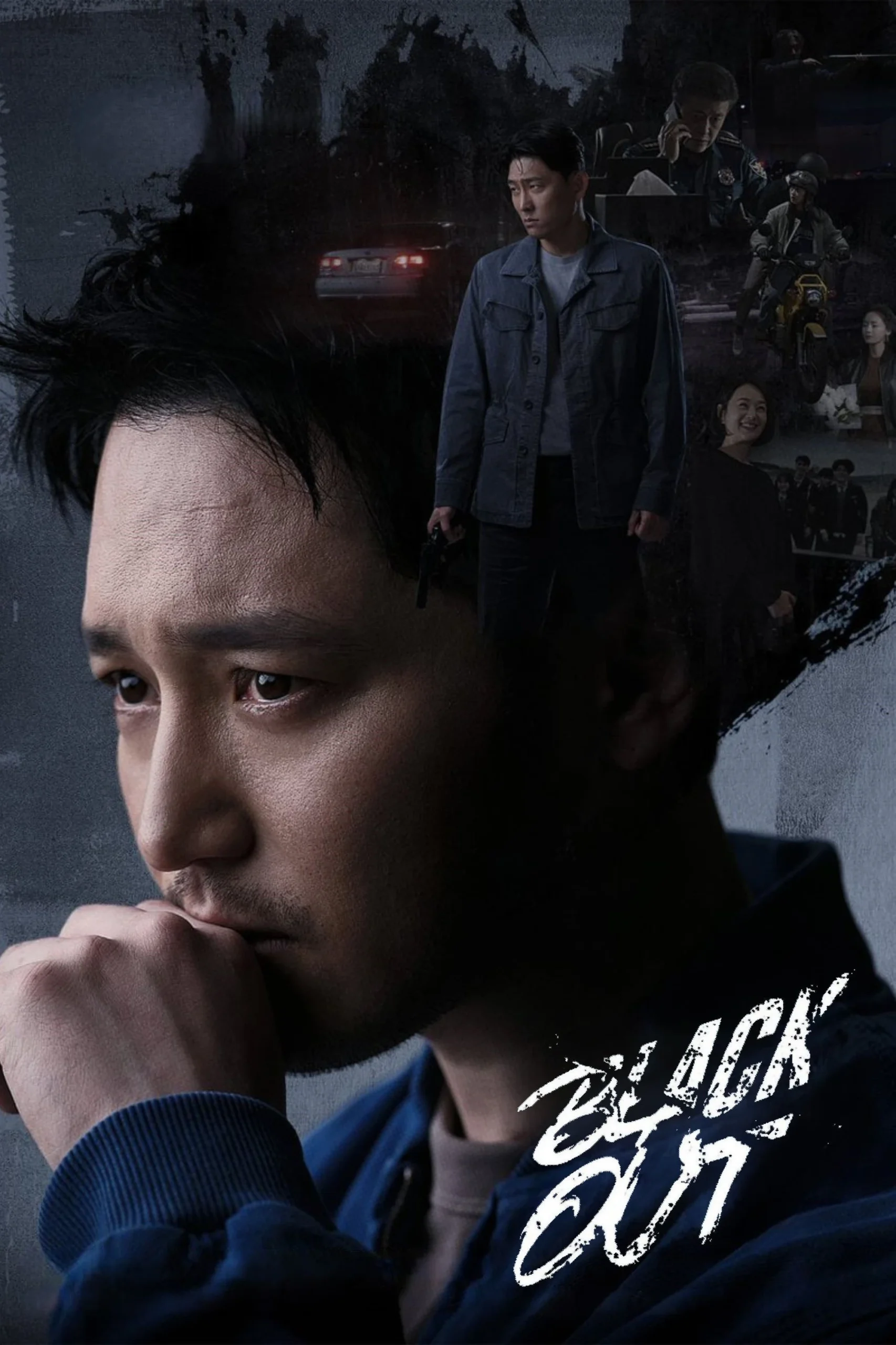 Black Out
Byun Yo-hancrime
Read Full Review →
|
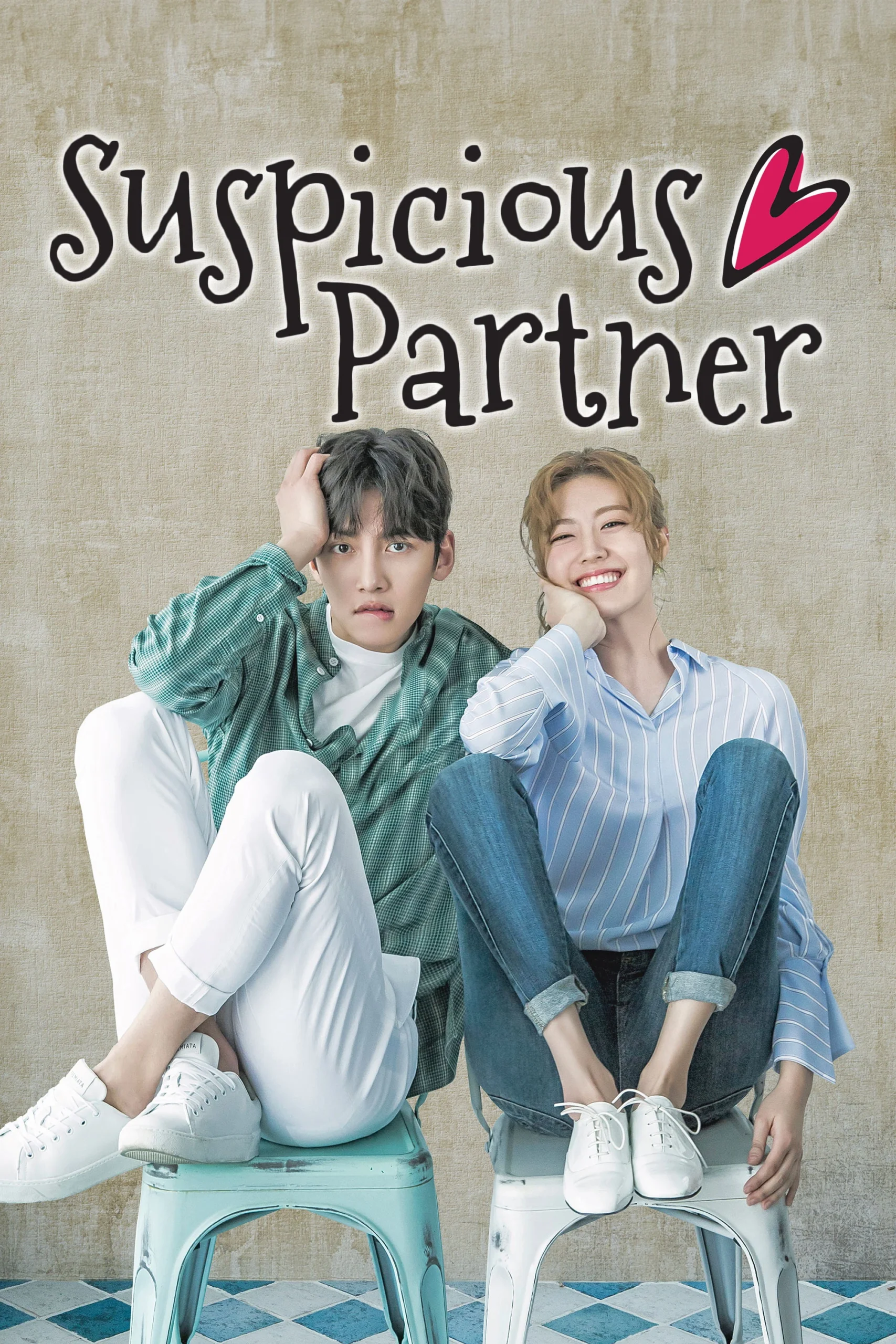 Suspicious Partner
comedyJi Chang-wook
Read Full Review →
|





Keep it kind, skip the harsh language, and please — no spoilers. Everyone's taste is different, and that's perfectly fine.
This space is for real reactions and discussion from other viewers. Help keep it comfortable for everyone by not giving away major plot details.
What do you think of this drama?
Login to share your review or leave a comment.
No email needed — just pick a username & password.