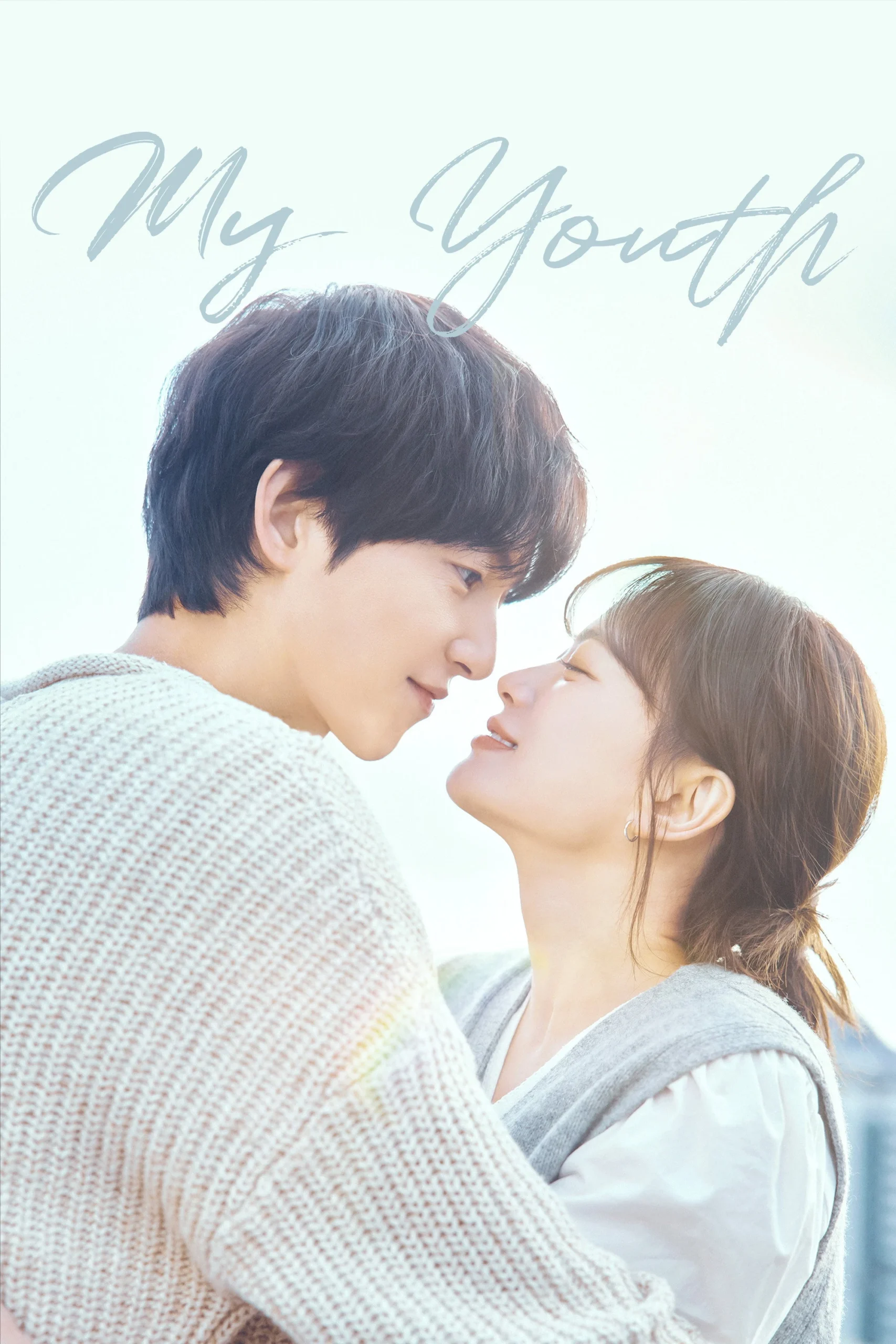
My Youth
🎬 Viki · Viu
⭐ No MDL Score Yet
📺 13+
📋 Drama Overview
Everything you need to know before you hit play.
💗 Healing Romance Pick
Viu
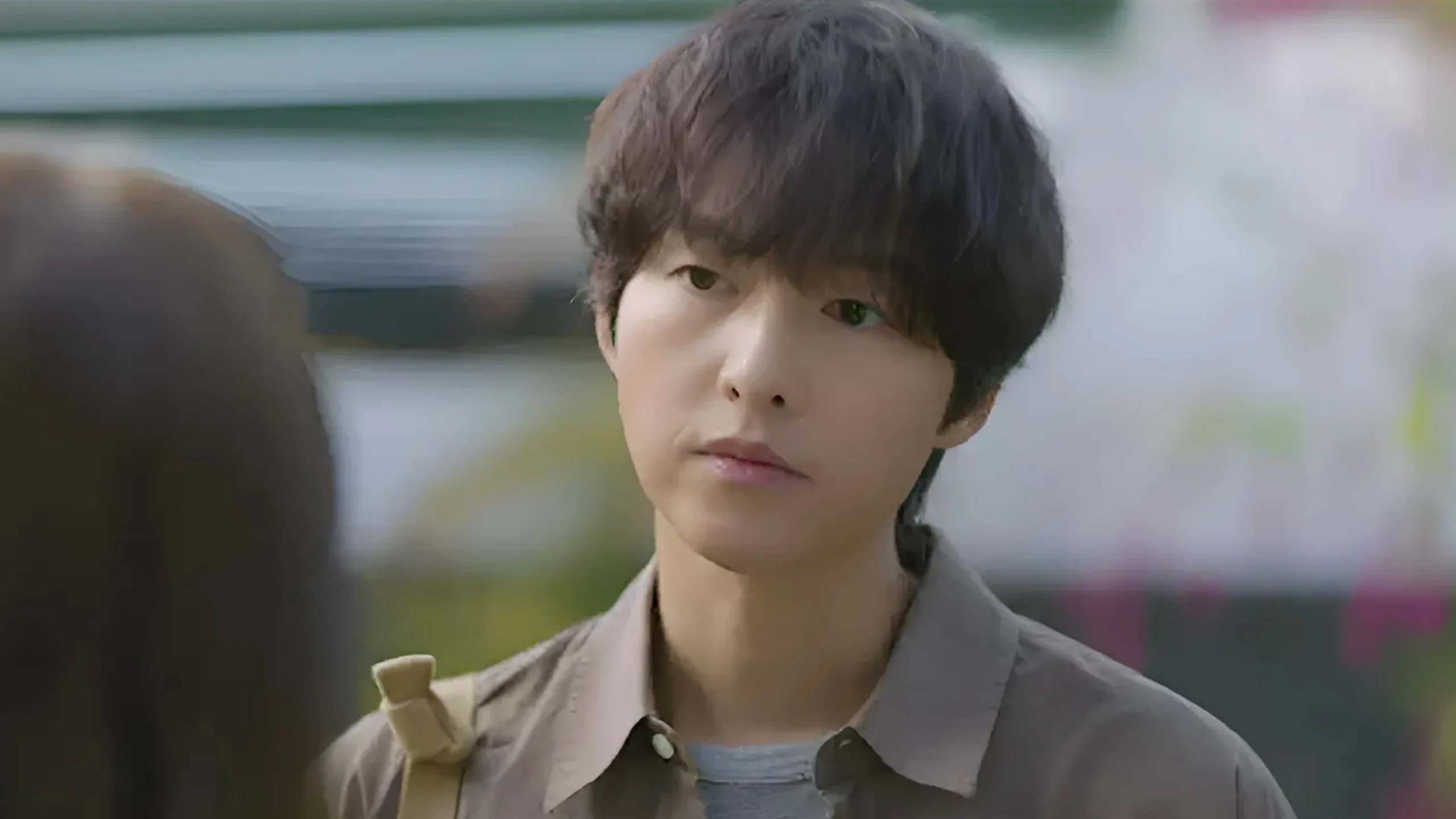
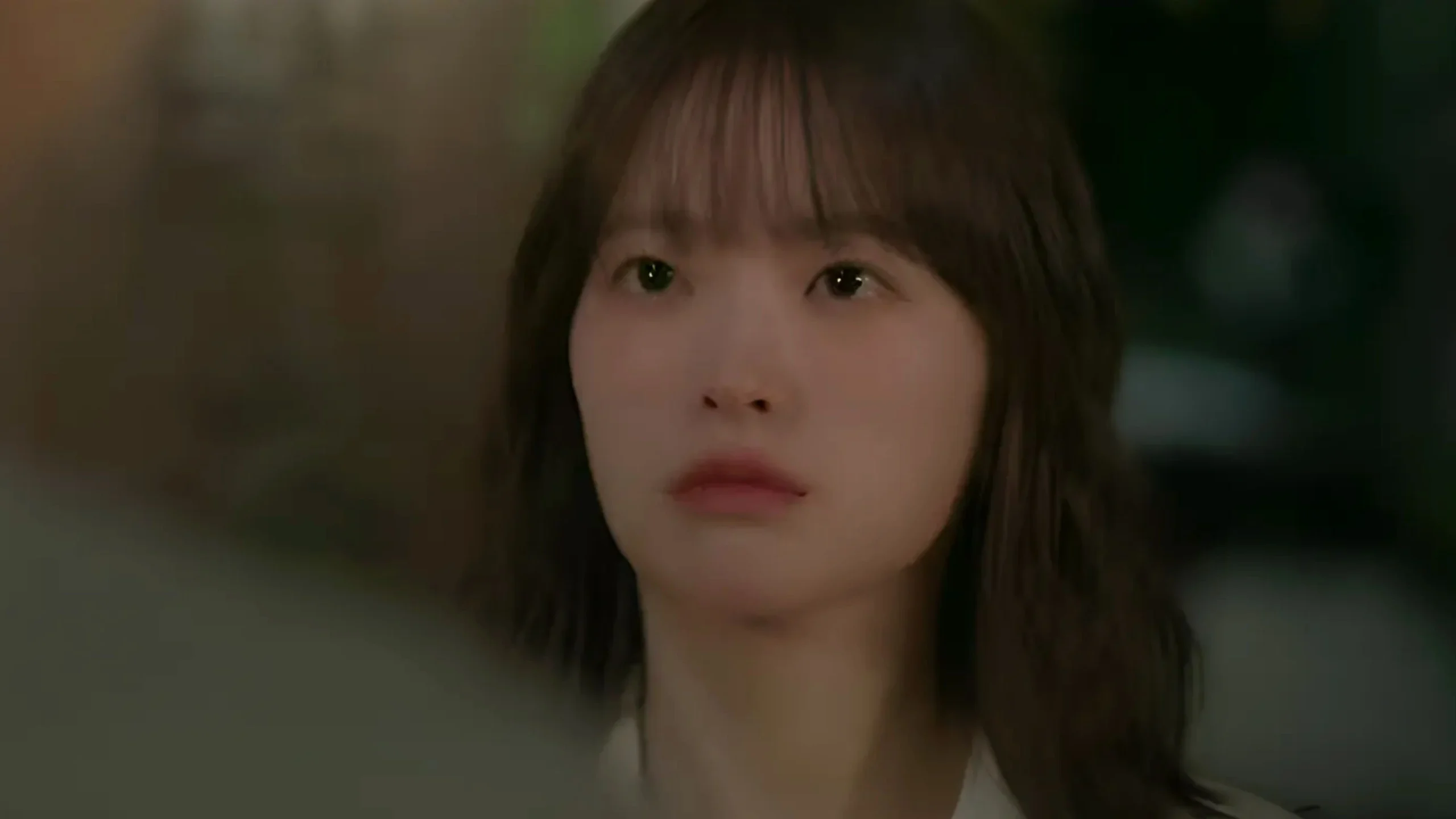
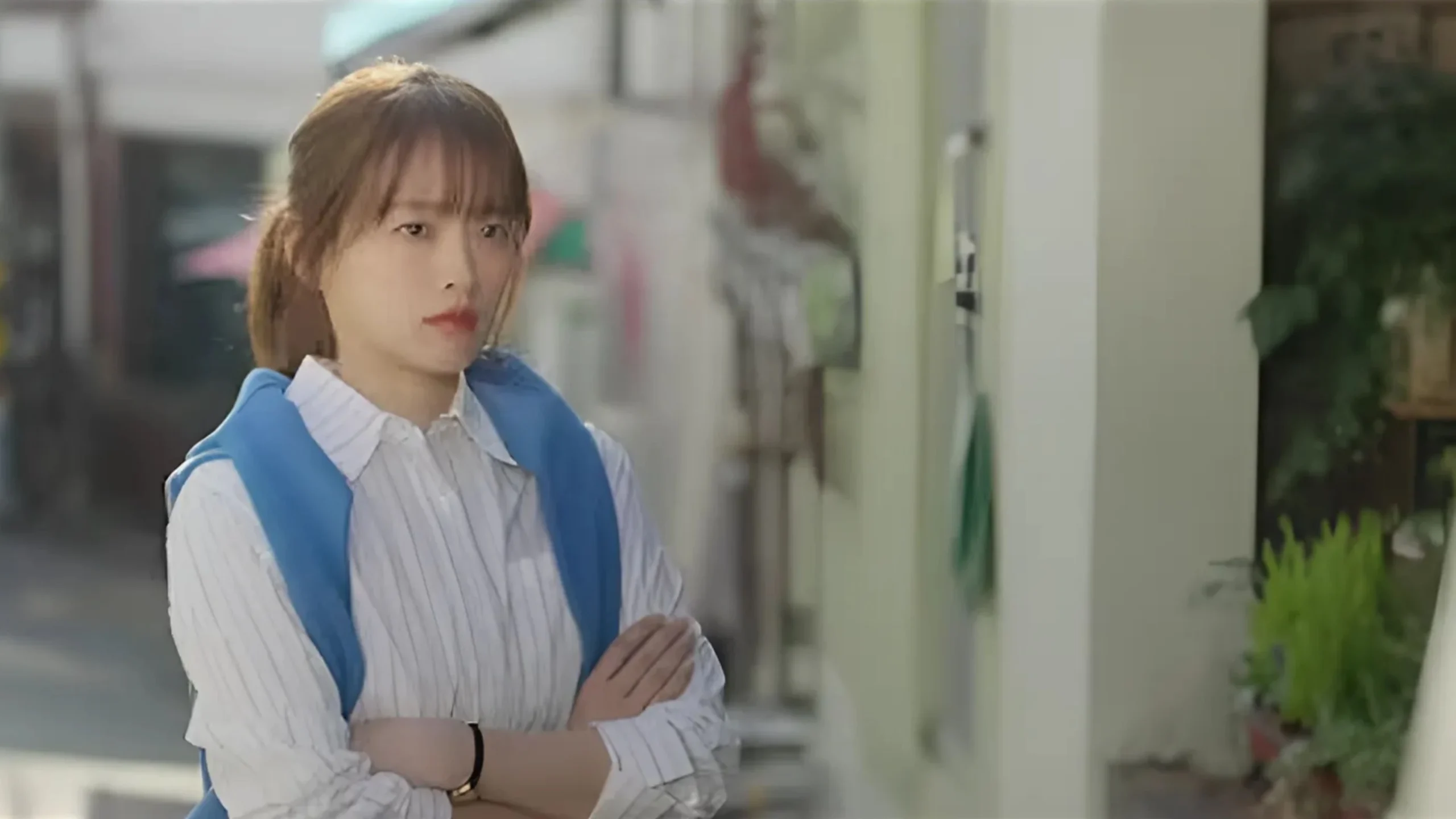
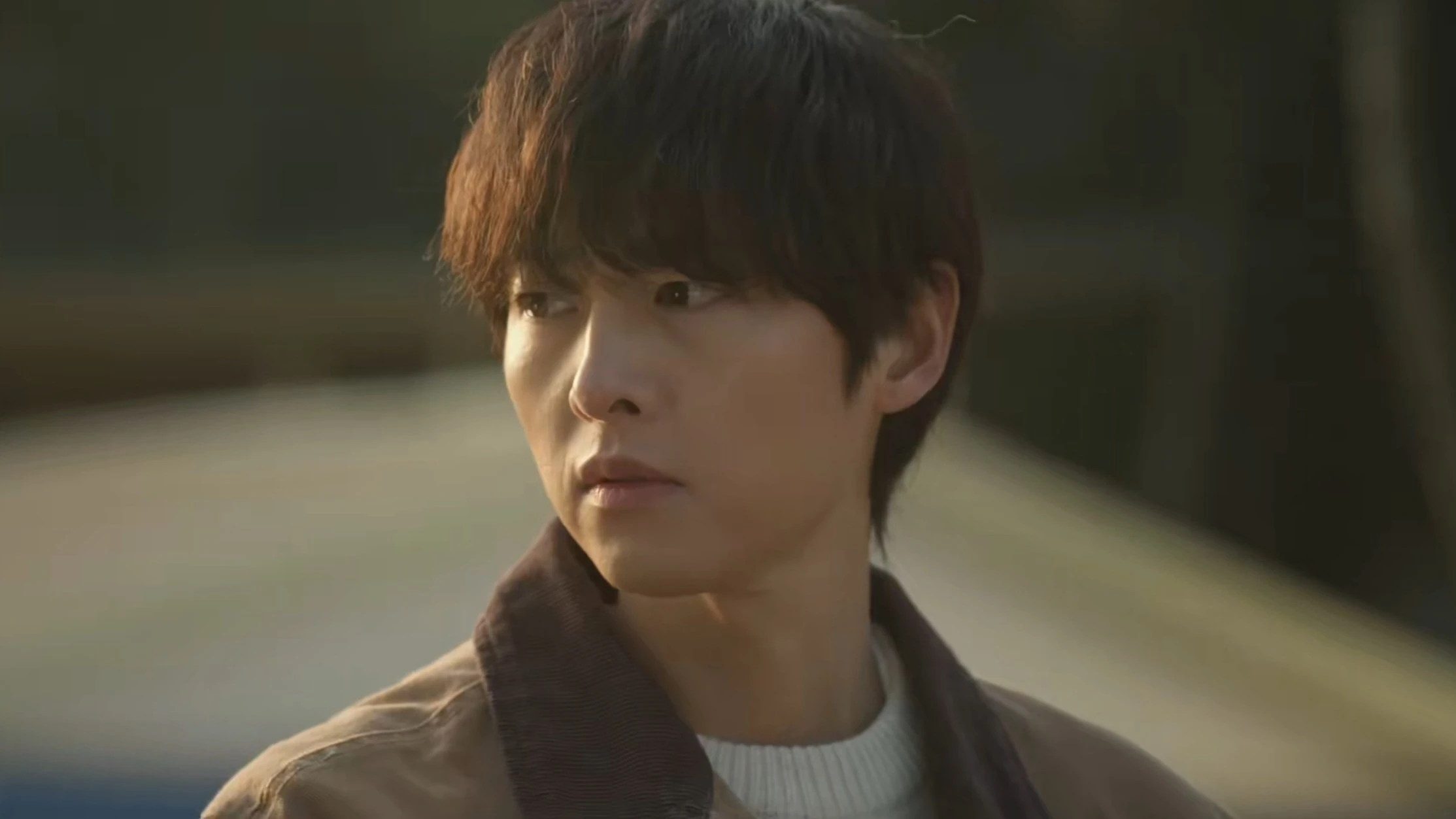
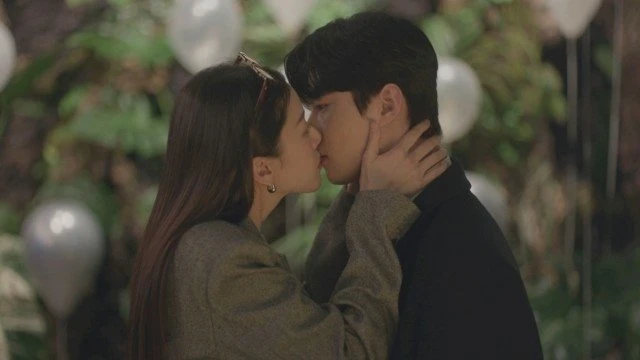
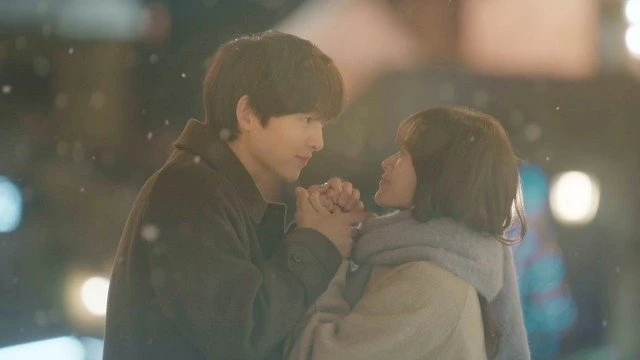
Sunwoo Hae (Song Joong-ki) left childhood fame behind to become a quiet novelist and florist — a man who traded the spotlight for a life small enough to control. That careful distance collapses when Sung Je-yeon (Chun Woo-hee), his first love from fifteen years ago, walks back into his life with a professional request he can’t easily refuse. She’s harder now, driven by stability rather than dreams, shaped by family struggles he knows nothing about.
Through present-day encounters and flashbacks to their carefree school days, My Youth traces what happens when two people who lost each other try to figure out who they’ve become — and whether the distance between those two versions of themselves can ever be closed. It’s a healing romance about the wounds we carry quietly and the courage it takes to let someone see them again.
12 / 12 ✅ Completed
⚡ Quick Verdict
One box. Everything you need to decide.
· Check MyDramaList for updated community rating
▶ Official Trailer
🎭 Cast & Characters
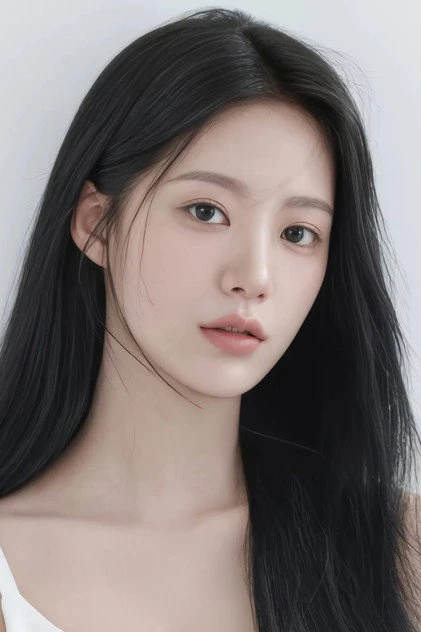
The former child actor, his first love, and a glamorous actress caught between two worlds — twelve performances carrying fifteen years of weight.
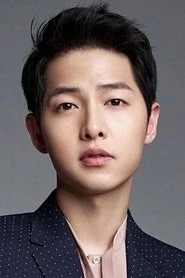
Lead
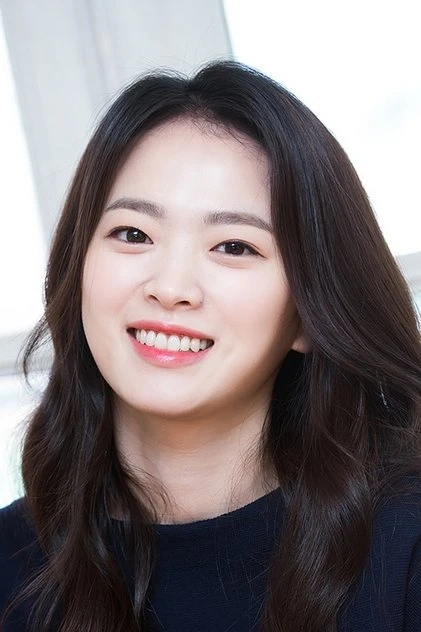
Lead
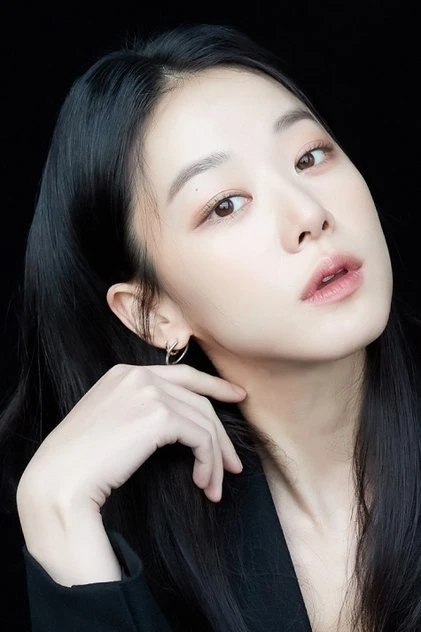
Lead
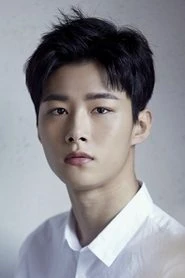
Supporting
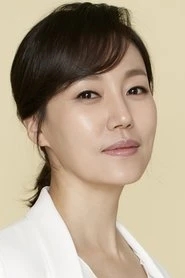
Supporting
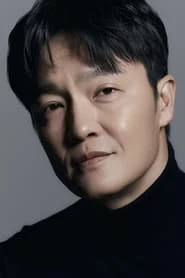
Supporting
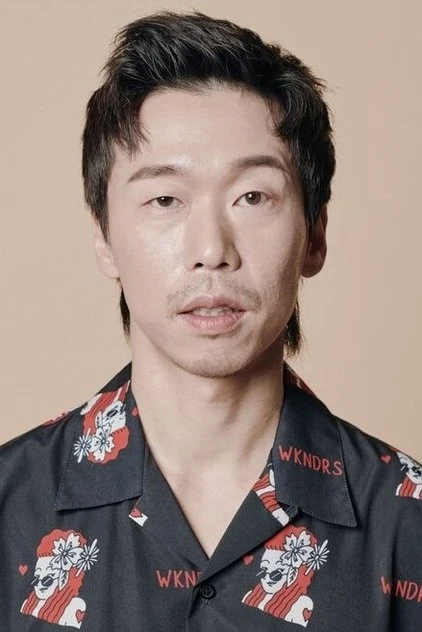
Supporting
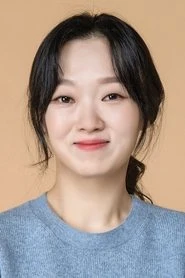
Supporting
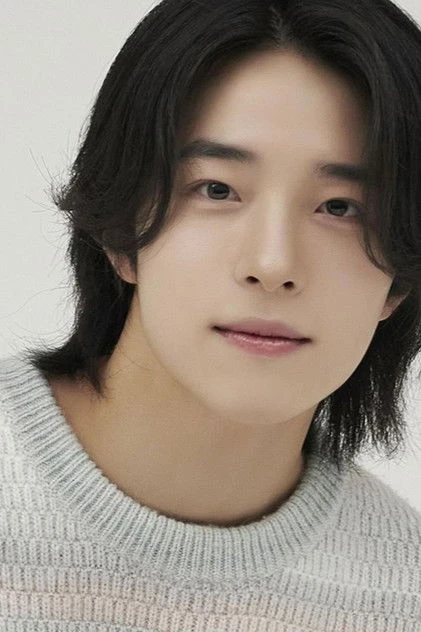
Supporting
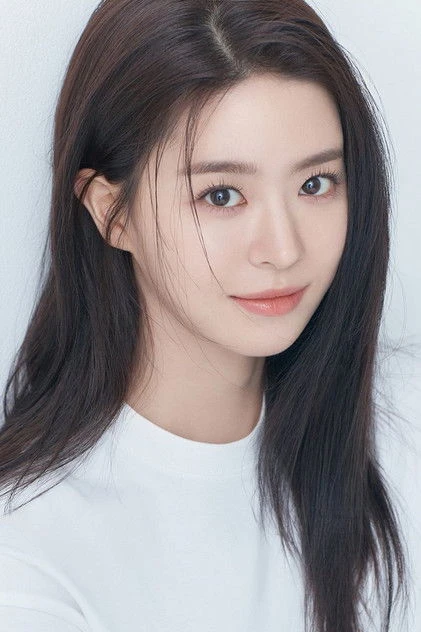
Supporting
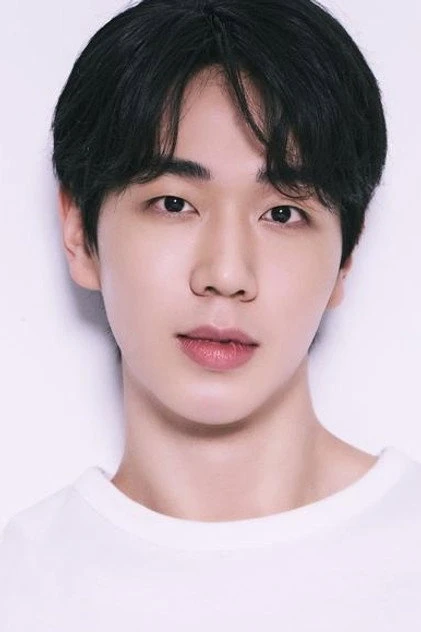
Supporting
Supporting
📺 Episode Guide
Spoiler-light recaps — enough to remember where you left off, nothing that ruins the ride.
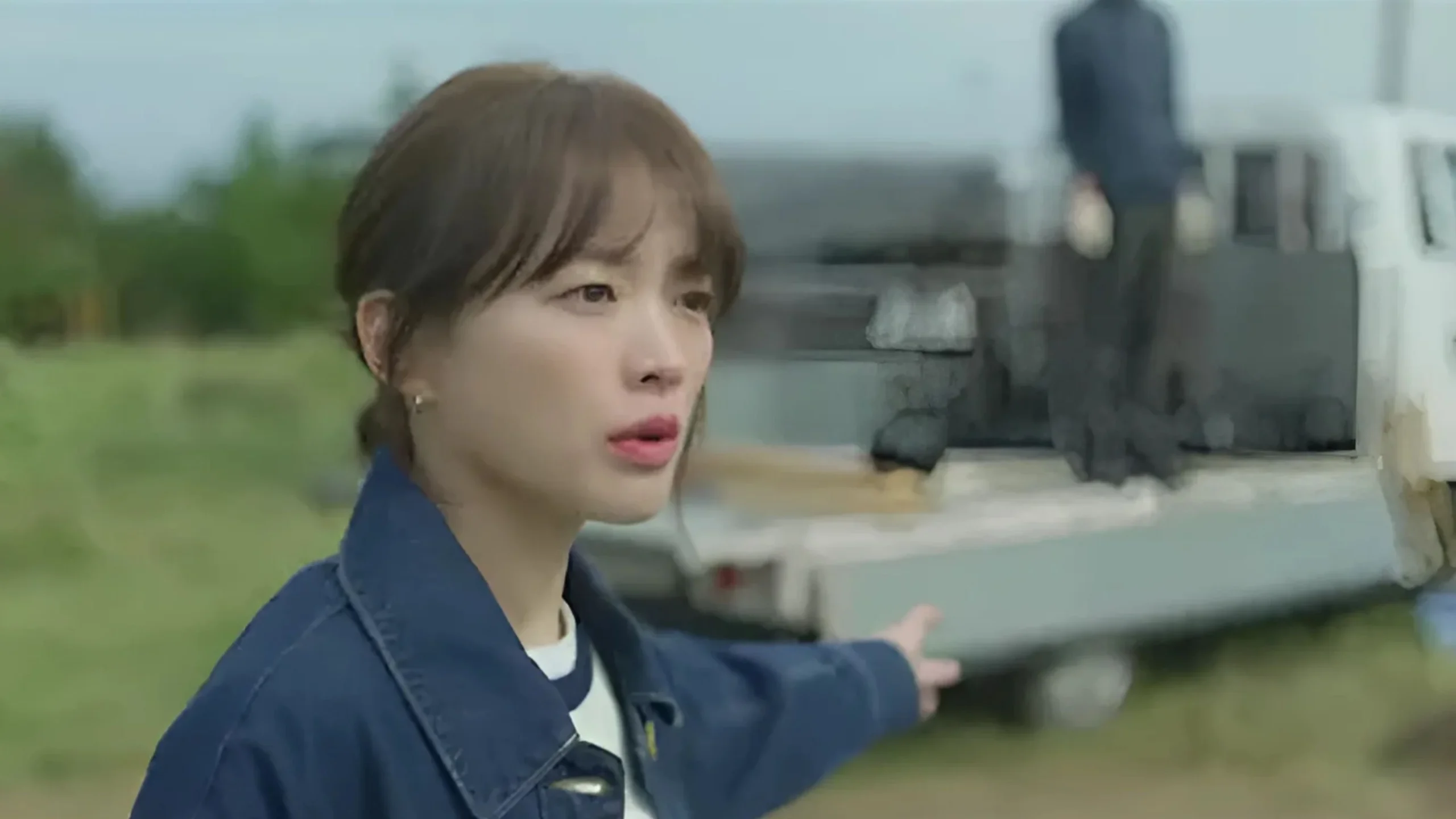
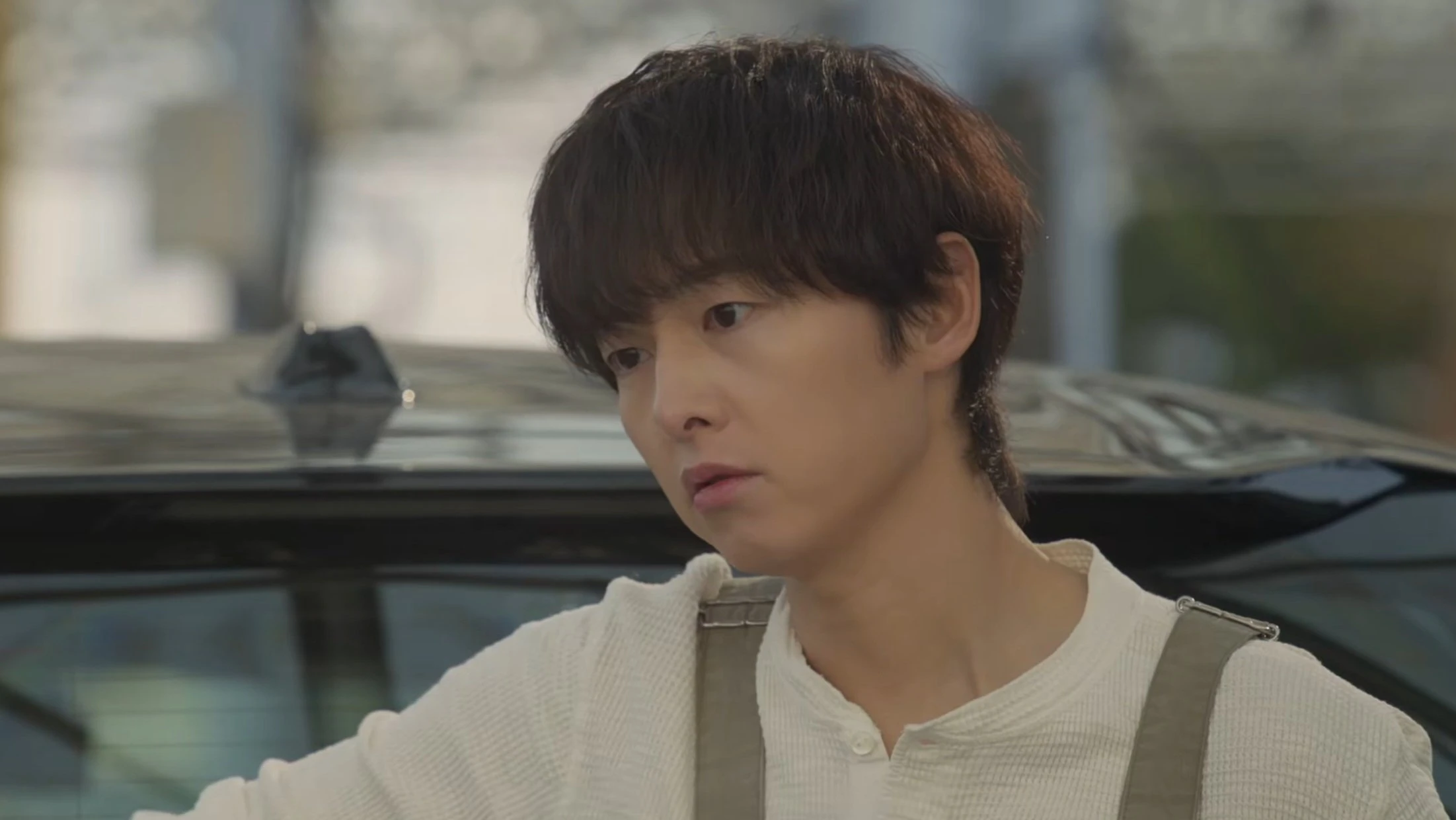
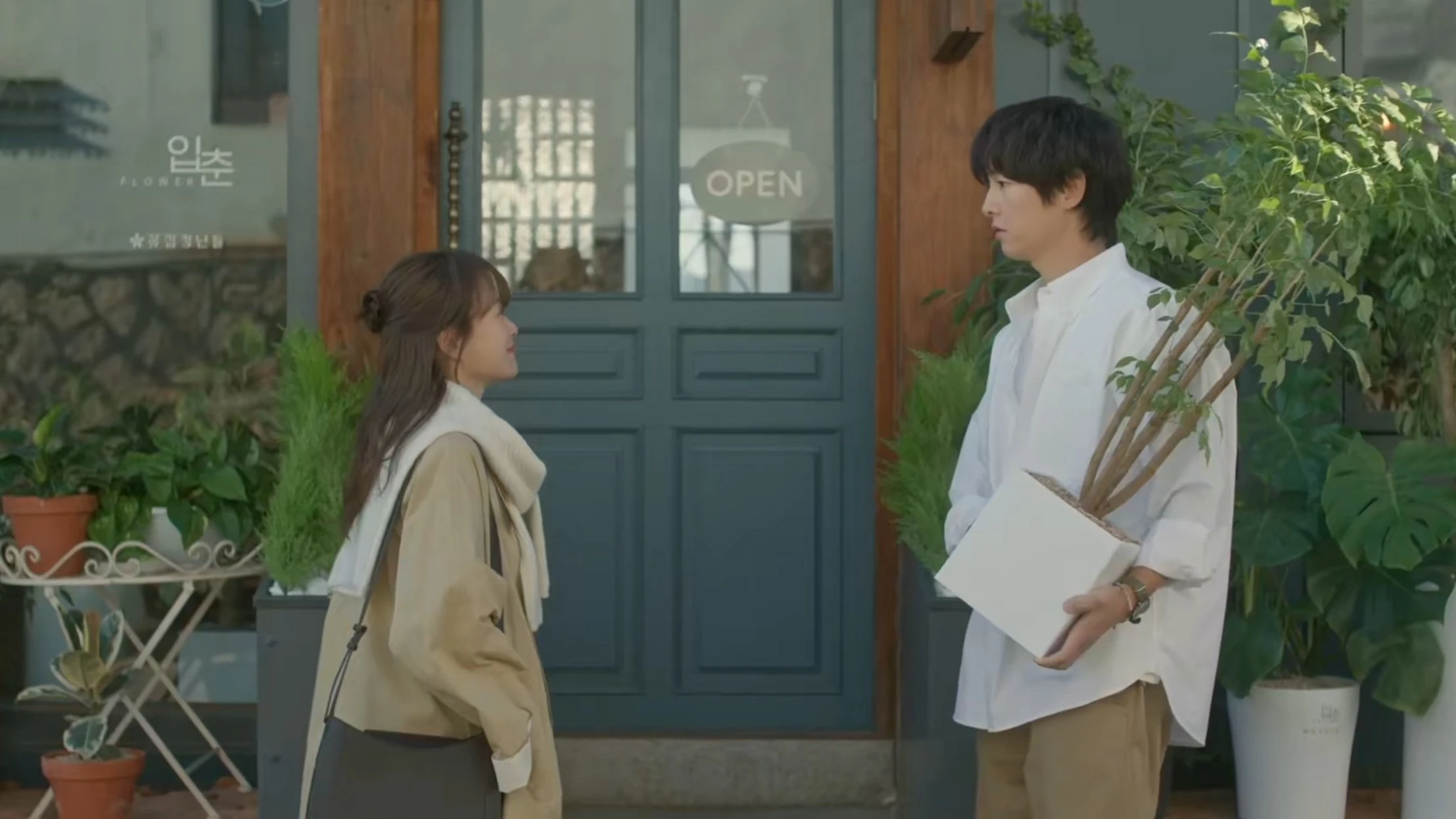
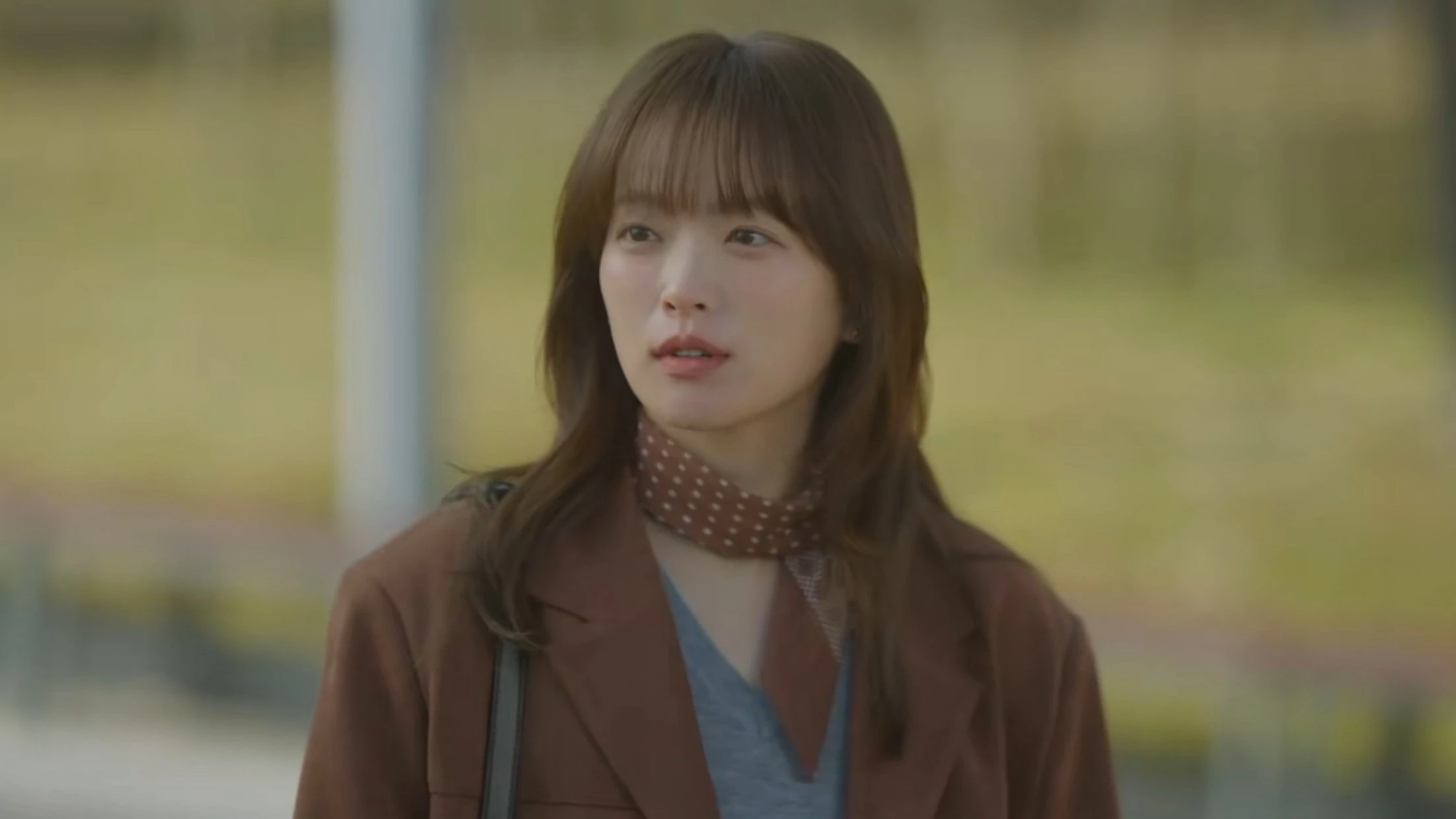
🏁 Ending Explained
Full spoilers ahead — everything that happens in the finale and what it all means.
Spoiler Warning — This section covers the full finale of My Youth. Stop here if you haven’t finished the series.
The Choice. The finale centres on a single question that has been deferred for eleven episodes: can two people whose wounds were shaped by the same loss actually build something together, or do they just keep re-injuring each other in the same familiar places? Hae’s answer comes first — quietly, in the flower shop, where he’s been all along. He tells Je-yeon that he doesn’t need her to be who she was at seventeen. He needs her to be who she is now, with everything that cost her. It’s the most important sentence in the drama, and Song Joong-ki delivers it without a single note of performance.

Je-yeon’s Arc Resolved. Je-yeon’s resolution is harder-won and more satisfying for it. Her entire adult life has been organized around financial security — a response to her family’s collapse that became a prison she designed herself. The finale gives her the scene she’s earned: a moment where she acknowledges what the stability cost her, and makes the deliberate choice to want something that can’t be measured. Chun Woo-hee plays the scene with the kind of controlled emotion that makes a single tear do the work of a monologue. Je-yeon doesn’t transform. She expands.
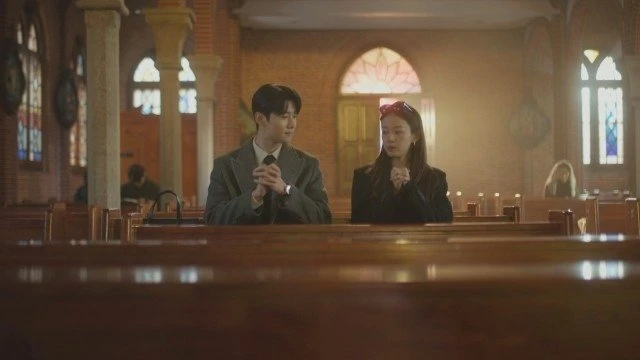
Tae-rin and Seok-ju Find Closure. The secondary romance resolves in a way that feels true to both characters. Tae-rin doesn’t end up with Seok-ju in a neat bow — she ends up with herself, independently, having finally processed the first love that defined her self-image for years. Seok-ju gets his own version of the same release. The show is wise enough to know that some first love stories don’t end in reunion. They end in understanding. Lee Ju-myoung and Seo Ji-hoon make this feel earned rather than consolatory.
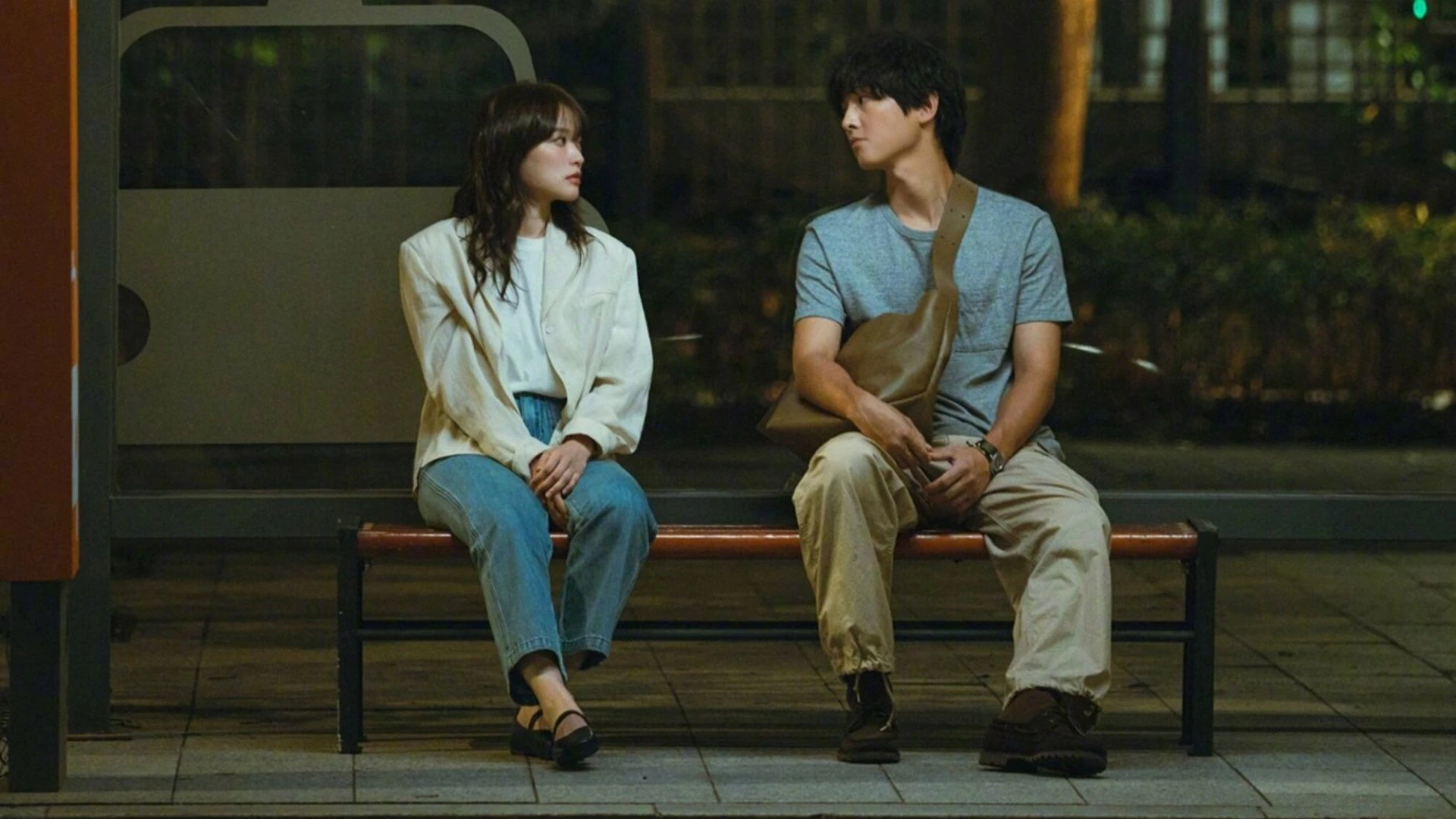
Hae’s Return — On His Own Terms. In the finale’s most satisfying development, Hae agrees to a public appearance — not as the child star who disappeared, but as the novelist who wrote a book about what happened when he left. It’s a small step, taken on his own timeline, without Je-yeon pushing and without his father’s expectations attached. The scene where he walks into the event — quietly, no fanfare — and finds Je-yeon already there, not waiting for him but simply present, is where the drama earns its title. This is what youth looks like when you’ve finally stopped running from it.
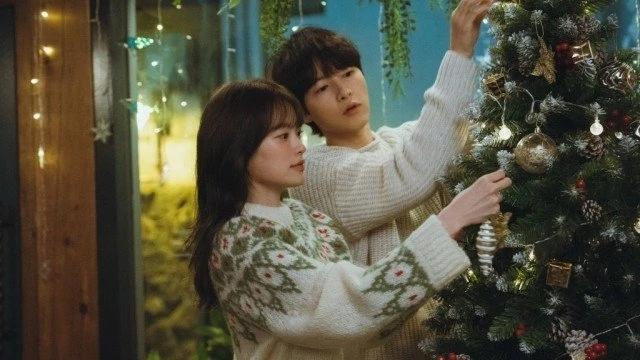
Ipchun, One Year Later. The epilogue returns to the flower shop — Hae behind the counter, Je-yeon on the other side, the dynamic reversed from where they started. The shop has regulars now. Lee Geon-no’s dining bar is three doors down. Noo-Ri visits on weekends. Seon Woo-chan published his poetry collection and left two signed copies on the counter. Nothing dramatic has happened. Everything is different. That is what healing looks like in this drama — not a transformation, but an accumulation of small, ordinary things that add up to a life you actually chose.
✍️ KDramaWorlds Editor’s Take
Our honest read on why this drama is worth your time — and who it’s for.
🕰️ Flashback Structure
🌸 First Love Reunion
🤫 Quietly Devastating
🌿 Gentle Pacing
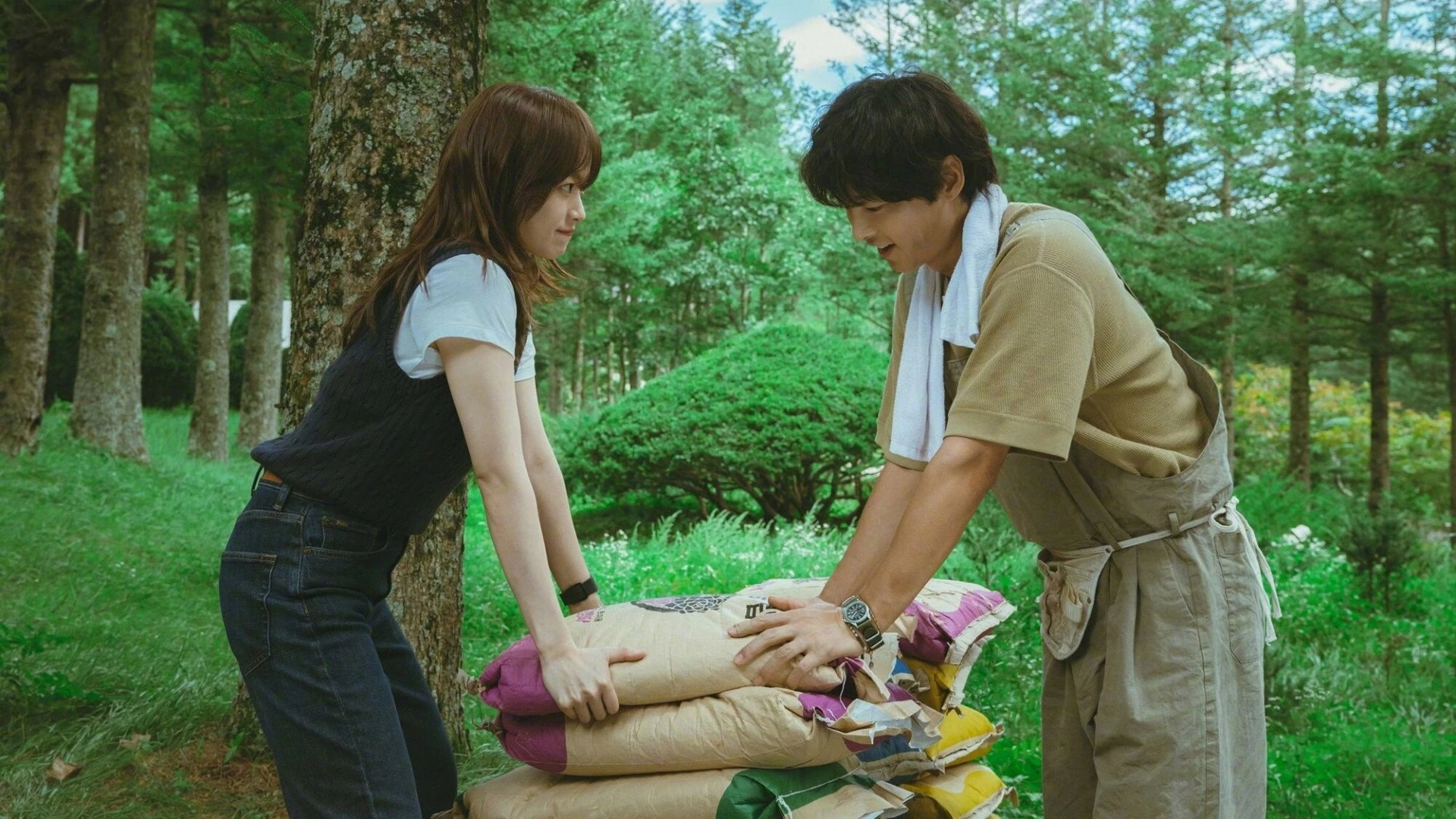
After Vincenzo and Reborn Rich, the expectation walking into a Song Joong-ki drama is charisma on full blast — the kind of presence that fills a room before a character speaks. My Youth makes the opposite choice, and it’s the right one. Hae is a man who has spent fifteen years learning how to take up less space, and Song Joong-ki plays that quality with such precision that the moments when Hae finally lets his guard down hit with disproportionate force. It’s a performance built on subtraction rather than addition, and it’s some of the best work he’s done.
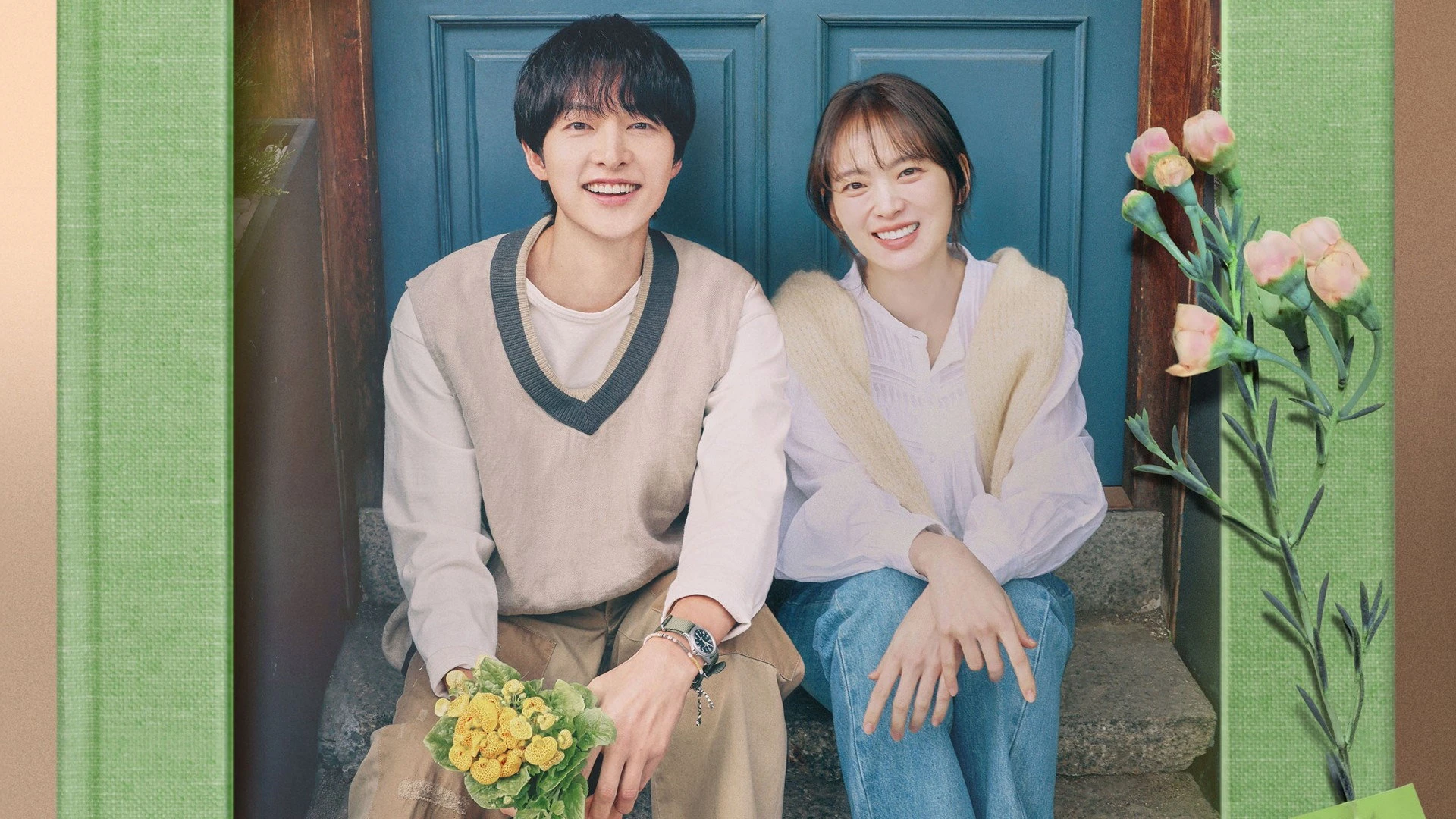
Chun Woo-hee matches him entirely. Je-yeon is a harder character to love on paper — driven, defended, prone to treating vulnerability as a liability — but Chun Woo-hee never lets her become unsympathetic. She plays the armour and the person underneath simultaneously, and the scenes where the two characters are in the same room together carry the kind of low-level charge that good slow-burn romance depends on. If you’ve seen Chun Woo-hee in Our Blues, you already know she can carry emotional weight without telegraphing it. My Youth gives her the lead role her talent has long deserved.
The drama’s weaknesses are real: the middle section loses some momentum in episodes 7–9 as the show leans into atmosphere over plot, and the Tae-rin/Seok-ju subplot, while handled well in the finale, gets less development than it deserves in the build-up. But the core relationship is handled with a patience and intelligence that healing romance rarely achieves. My Youth understands that second chances aren’t about going back — they’re about deciding that the person you’ve become is worth showing to someone else. For viewers willing to sit with that idea at the drama’s pace, this is a deeply rewarding watch.
Anyone who wants to see Song Joong-ki’s quieter, more restrained side
Viewers who believe healing romance can be just as compelling as plot-driven drama
🎬 You Might Also Like
If you liked My Youth, these are your next three watches.
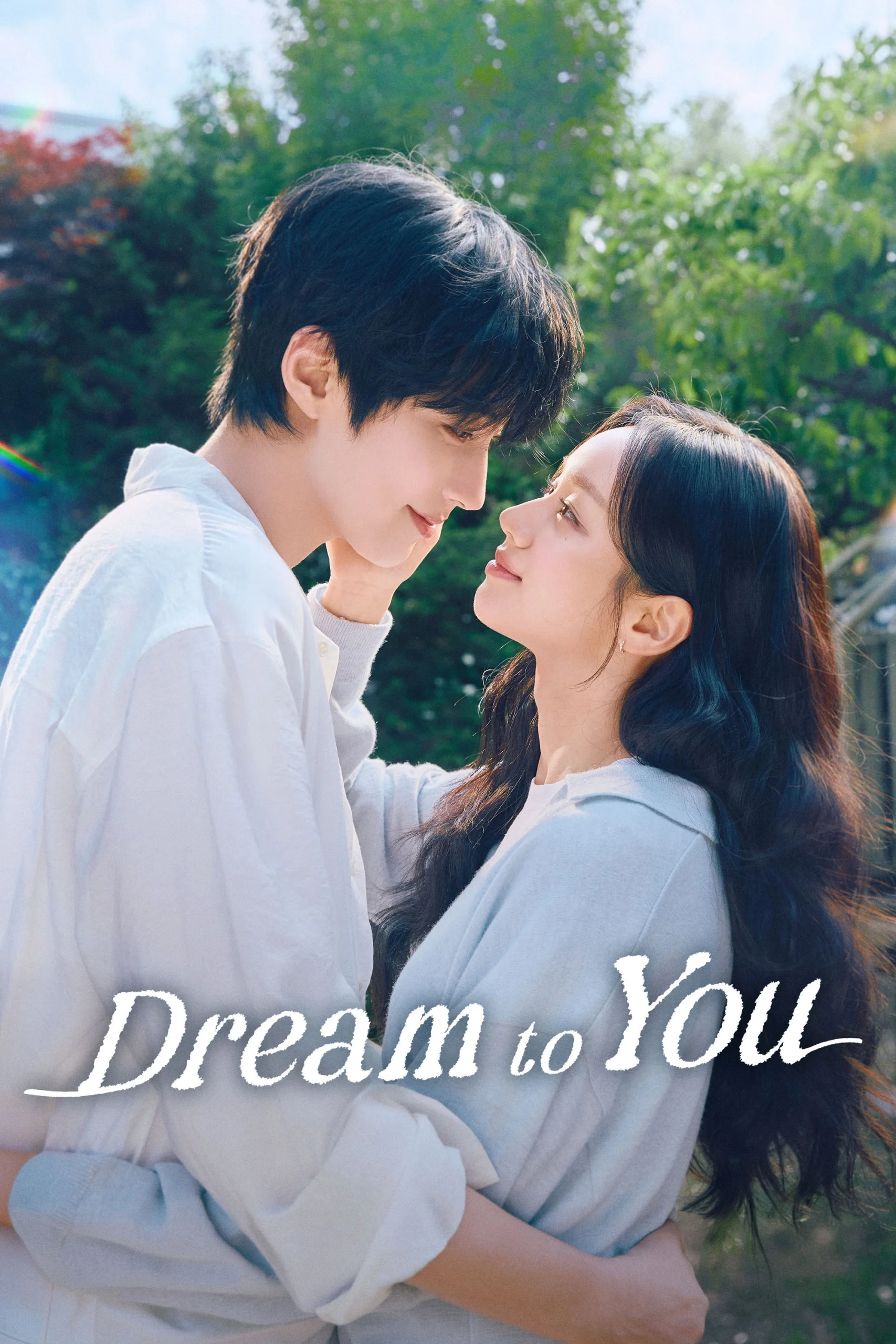 Dream to You
AdulthoodChasing Dreams
Read Full Review →
|
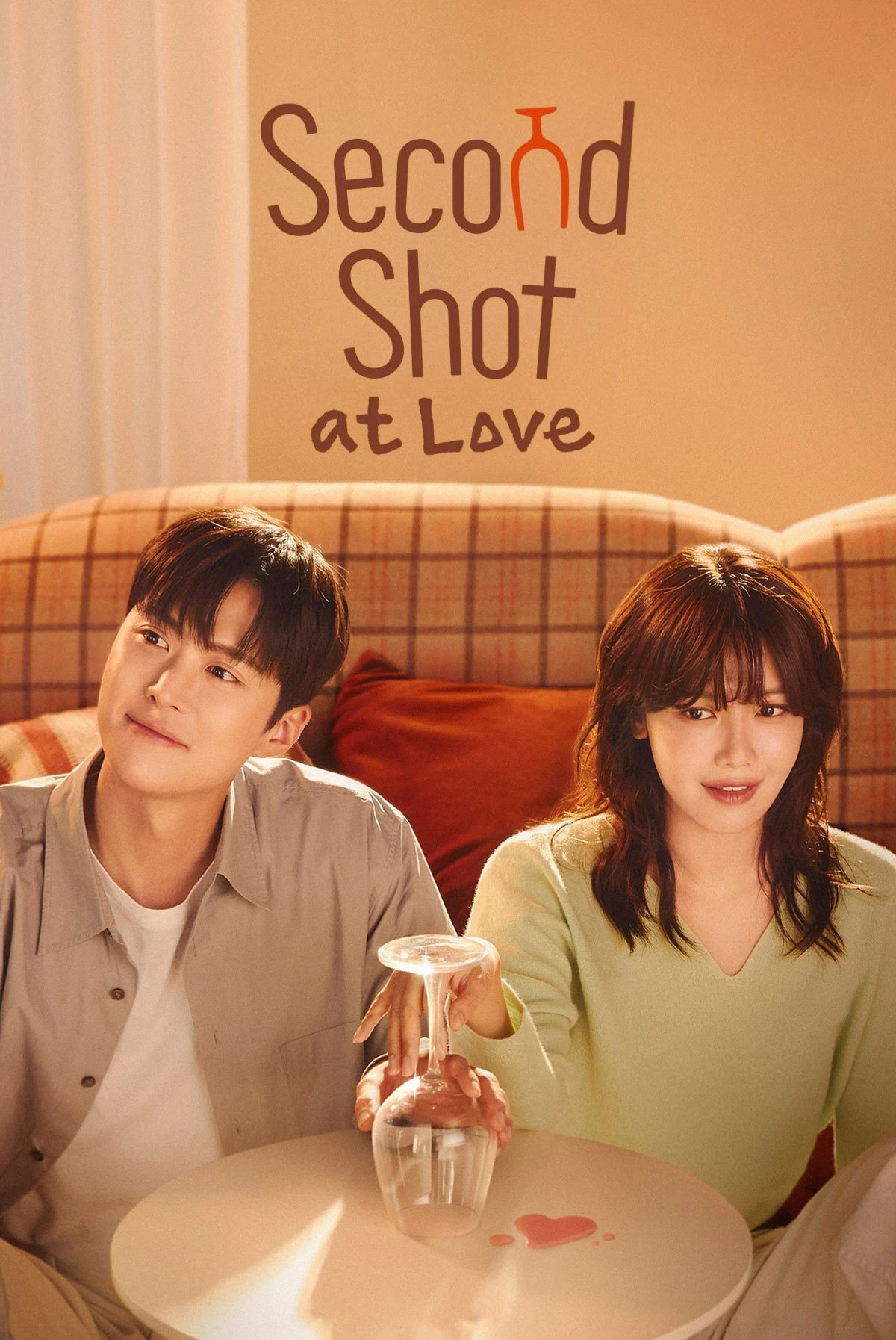 Second Shot at Love
Alcoholism RecoveryHealing
Read Full Review →
|
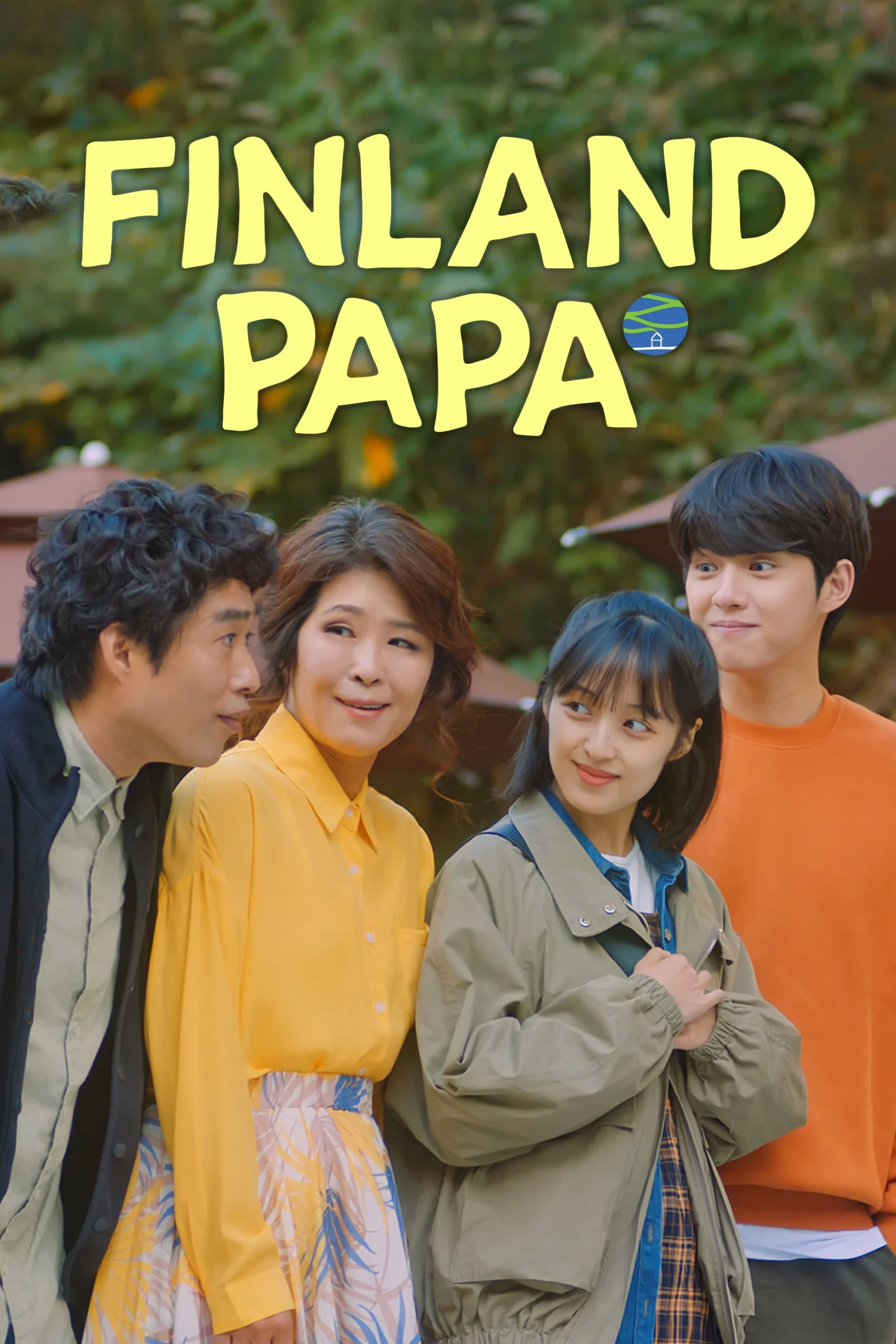 Finland Papa
CafeCinema Heaven
Read Full Review →
|





Keep it kind, skip the harsh language, and please — no spoilers. Everyone's taste is different, and that's perfectly fine.
This space is for real reactions and discussion from other viewers. Help keep it comfortable for everyone by not giving away major plot details.
What do you think of this drama?
Login to share your review or leave a comment.
No email needed — just pick a username & password.