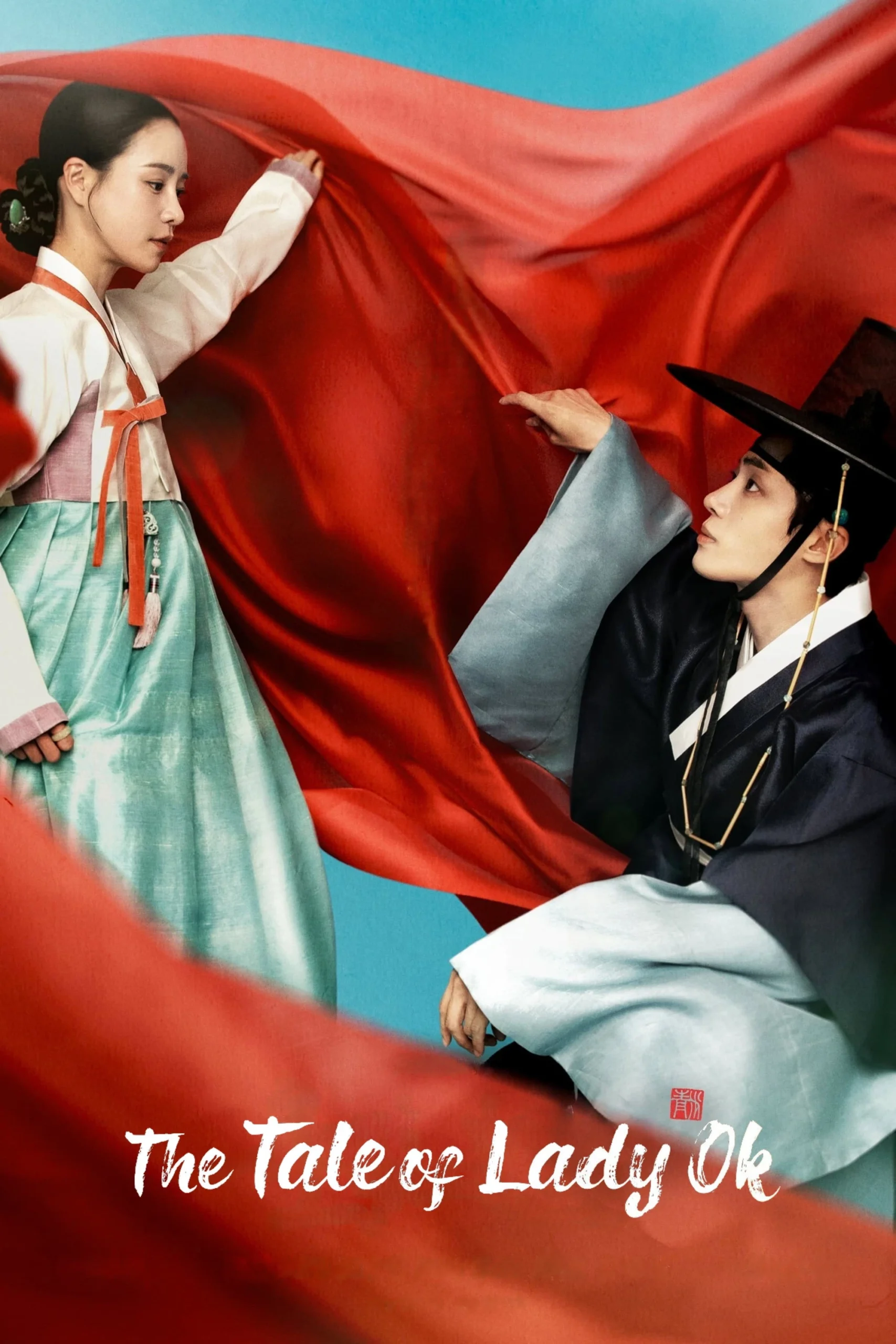
The Tale of Lady Ok
🎬 JTBC · Netflix · Viu · Prime Video · Apple TV+
⭐ 8.6 / 10 MDL
🔞 18+
📋 Drama Overview
Everything you need to know before you hit play.
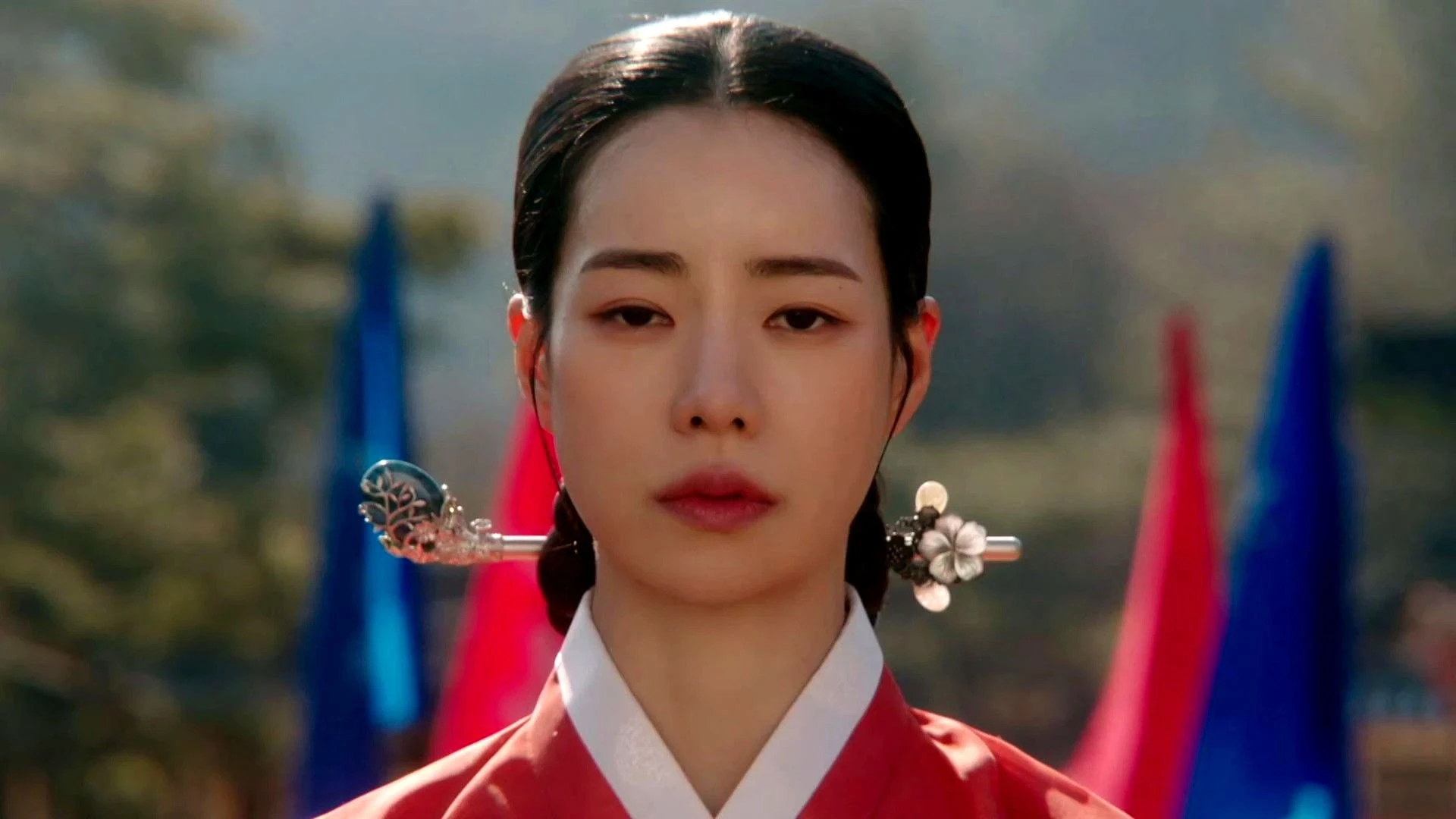
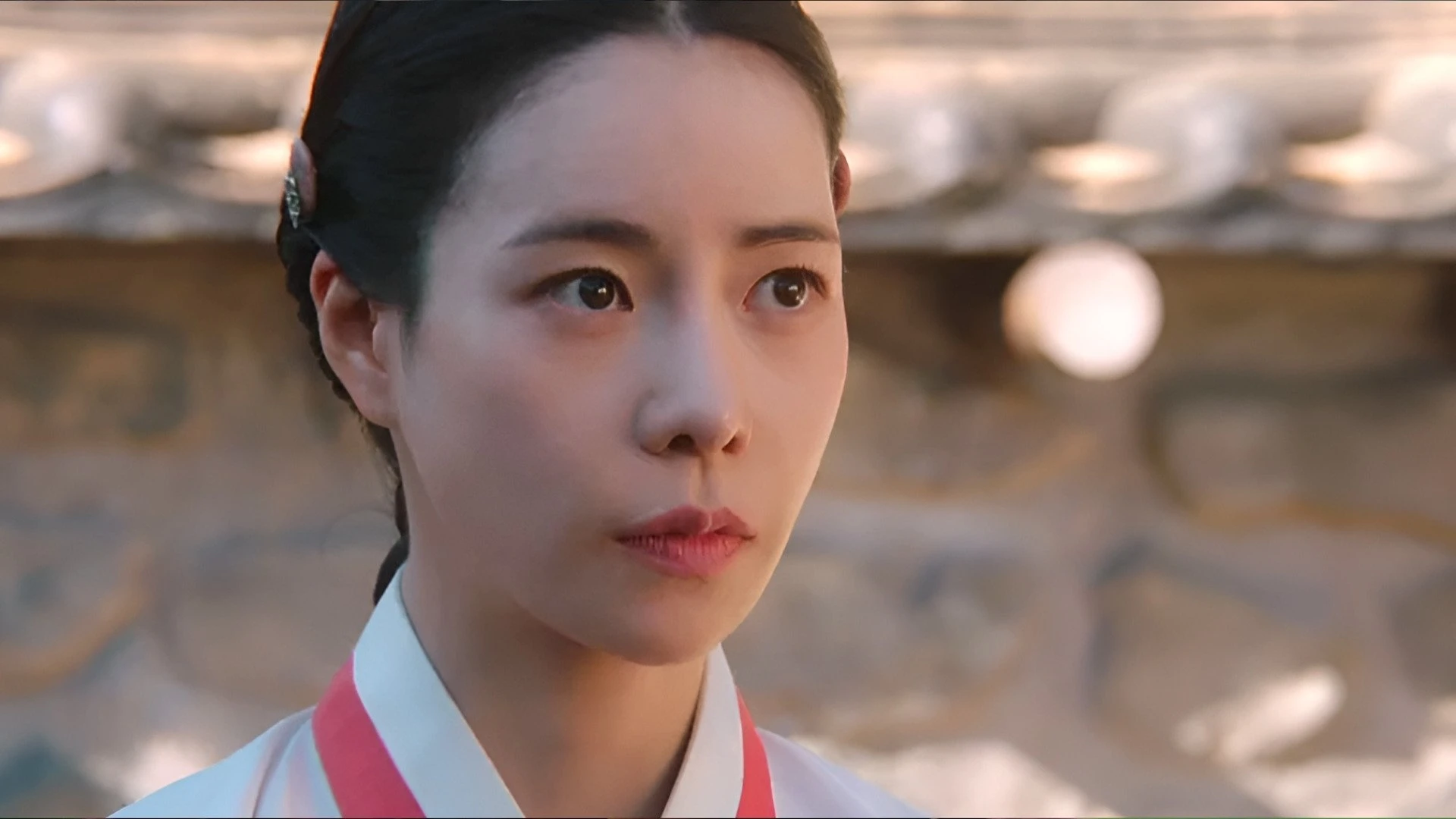
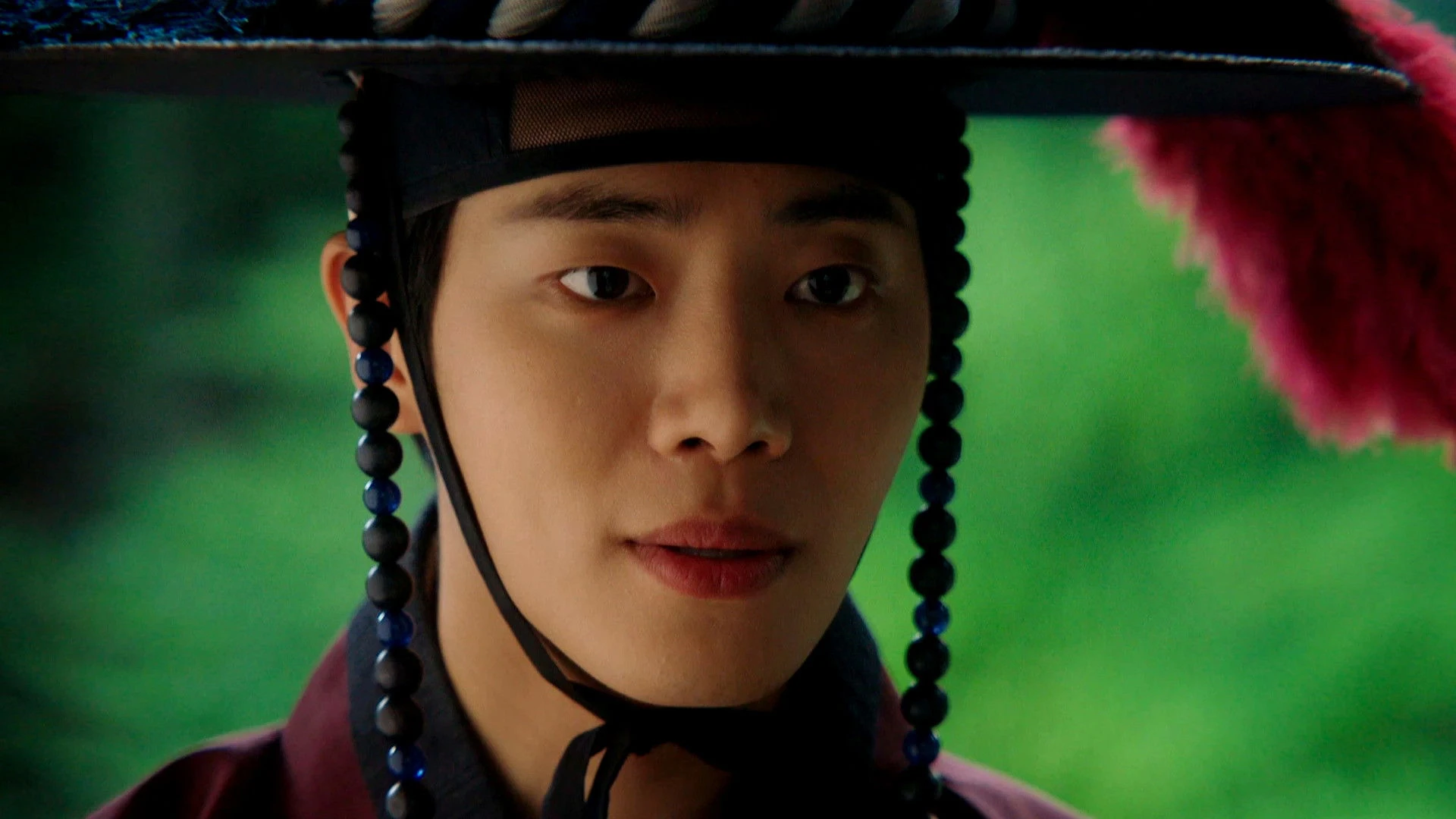
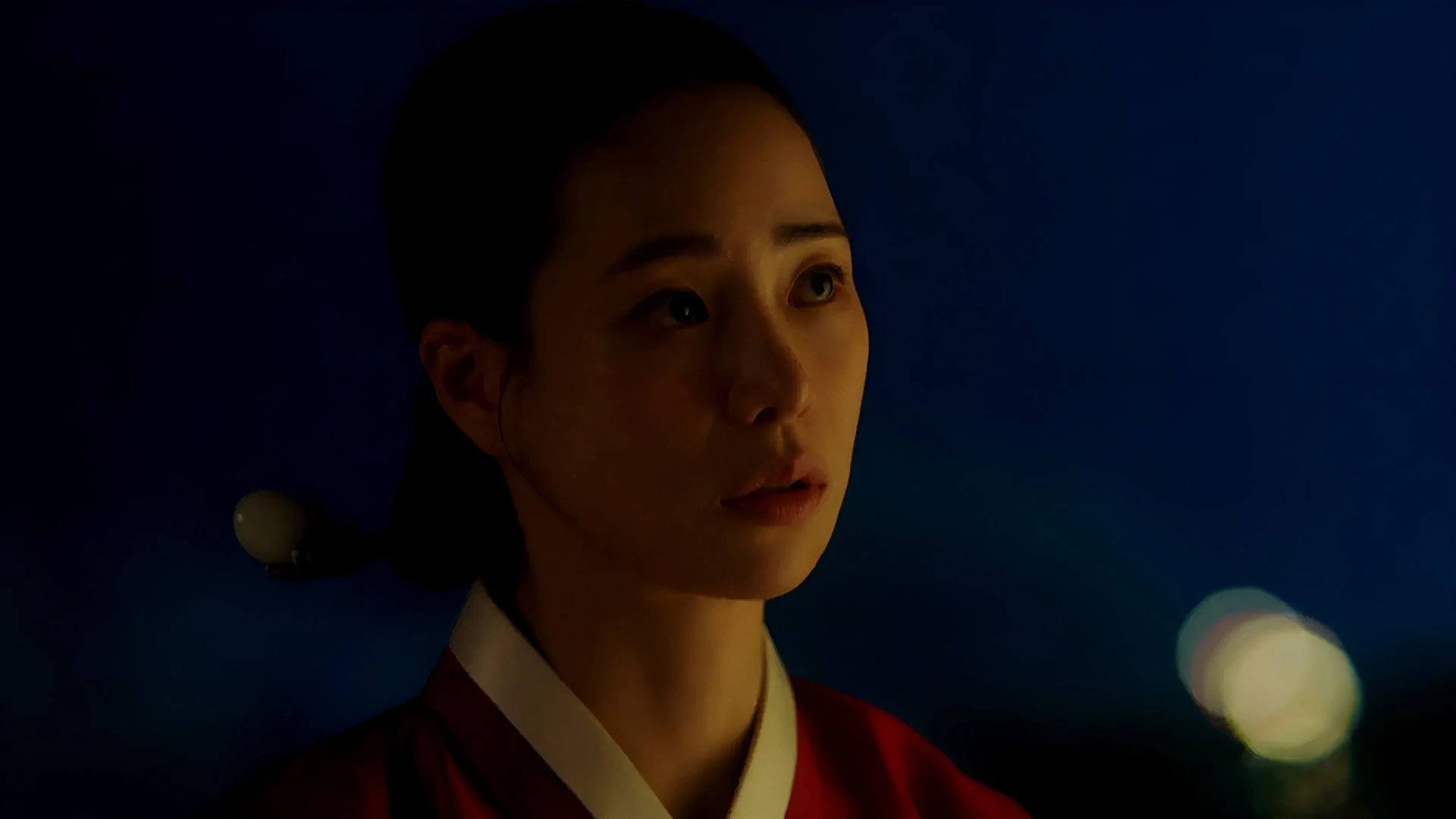
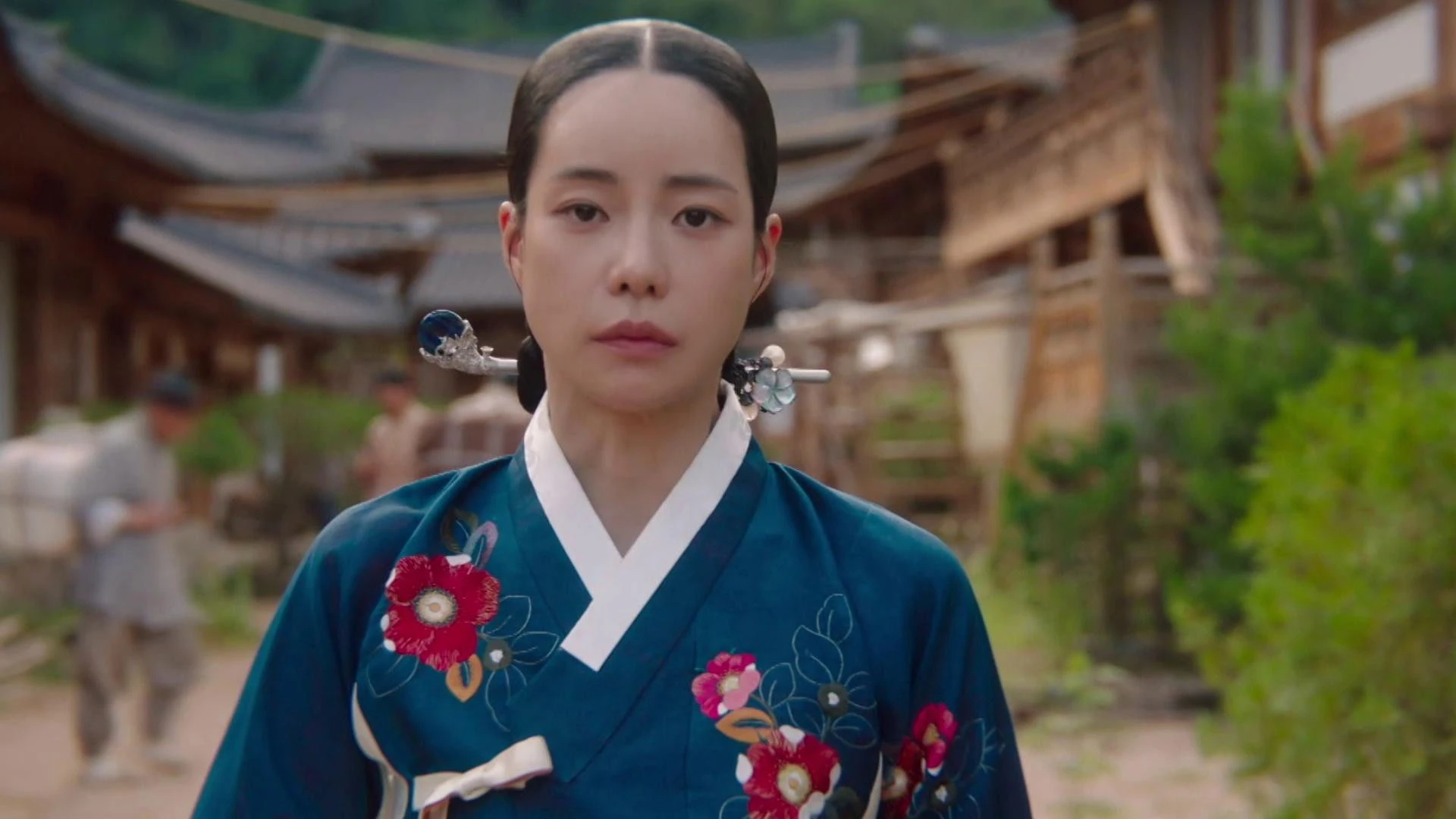
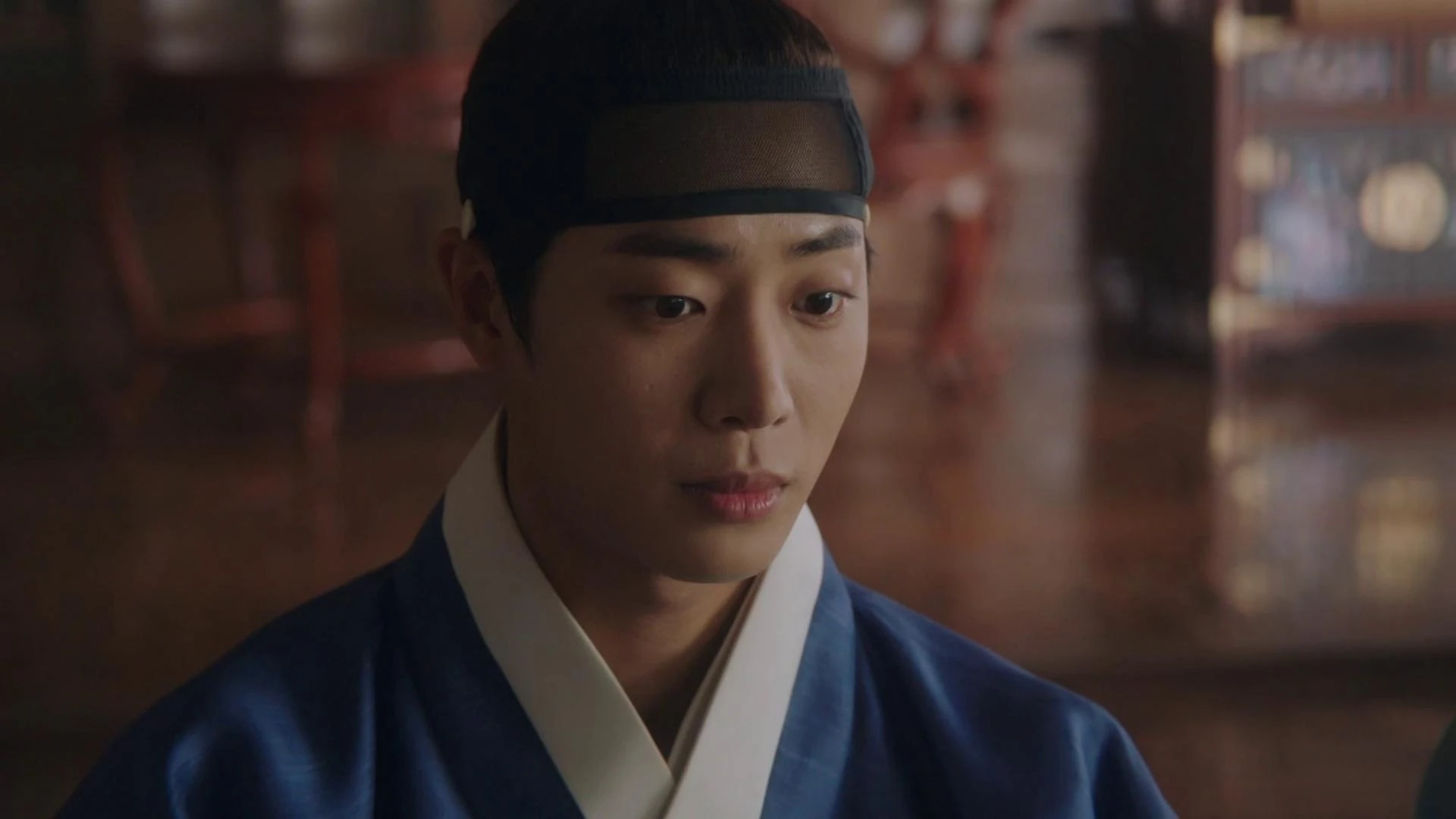
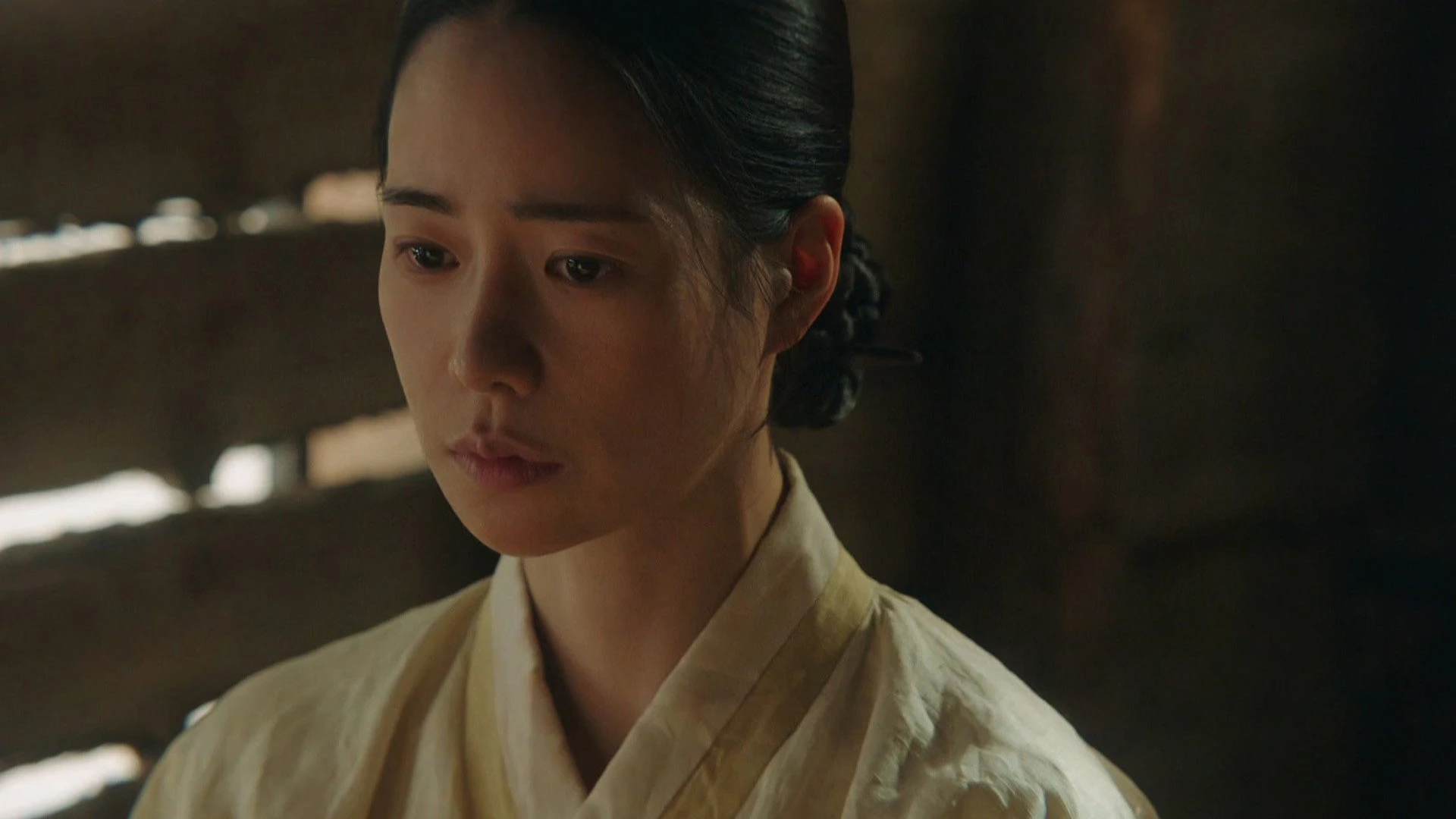
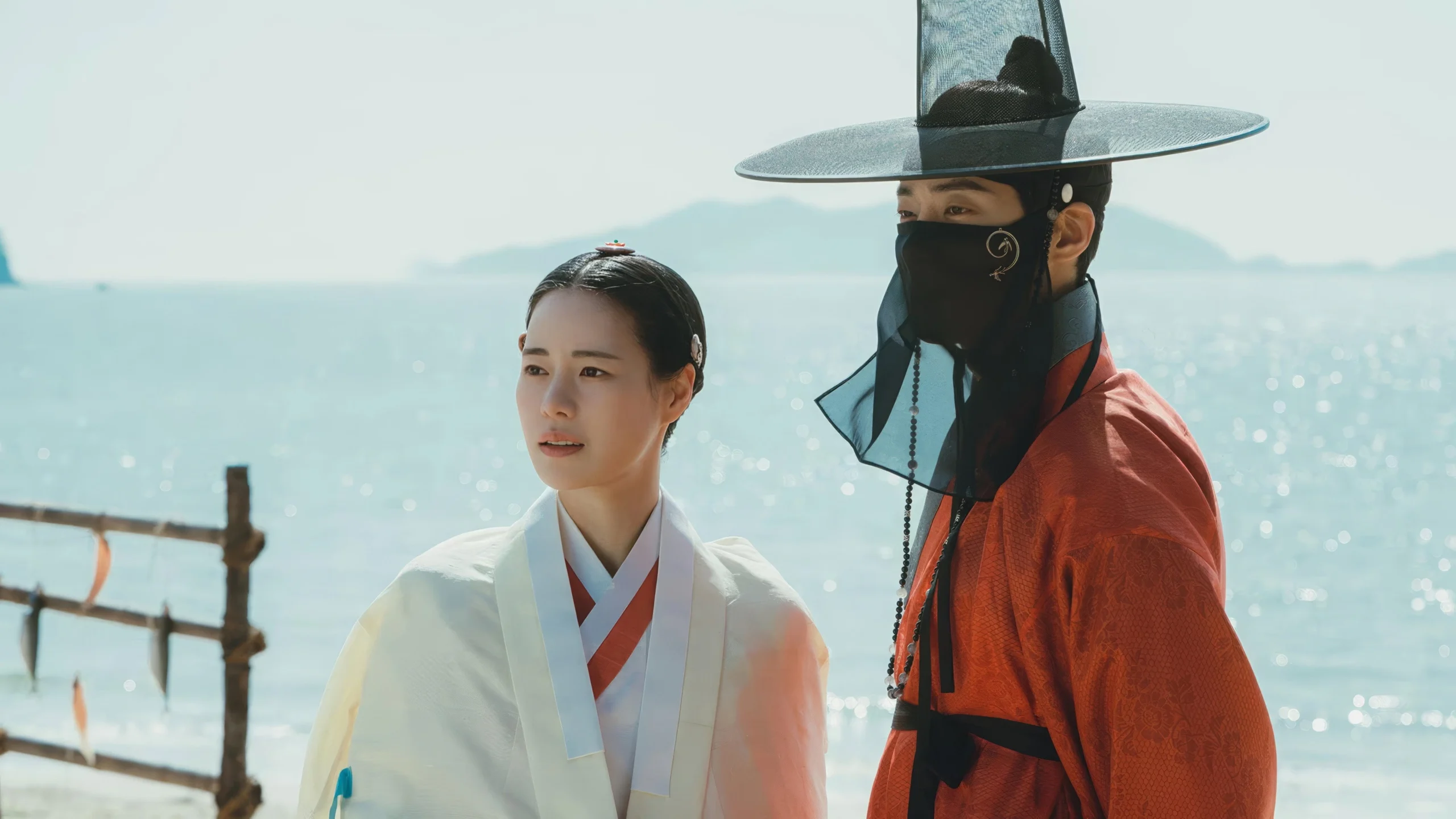
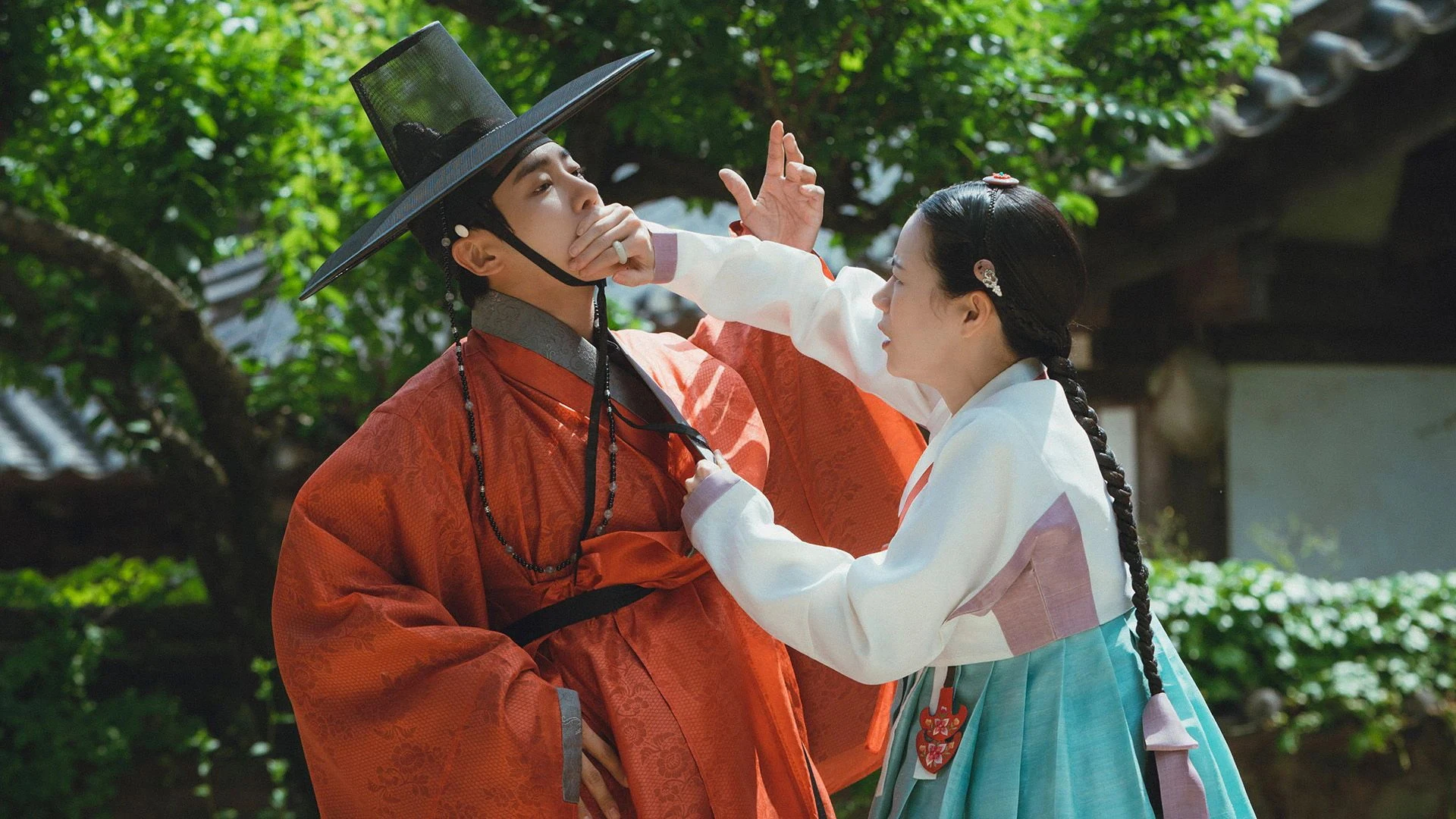
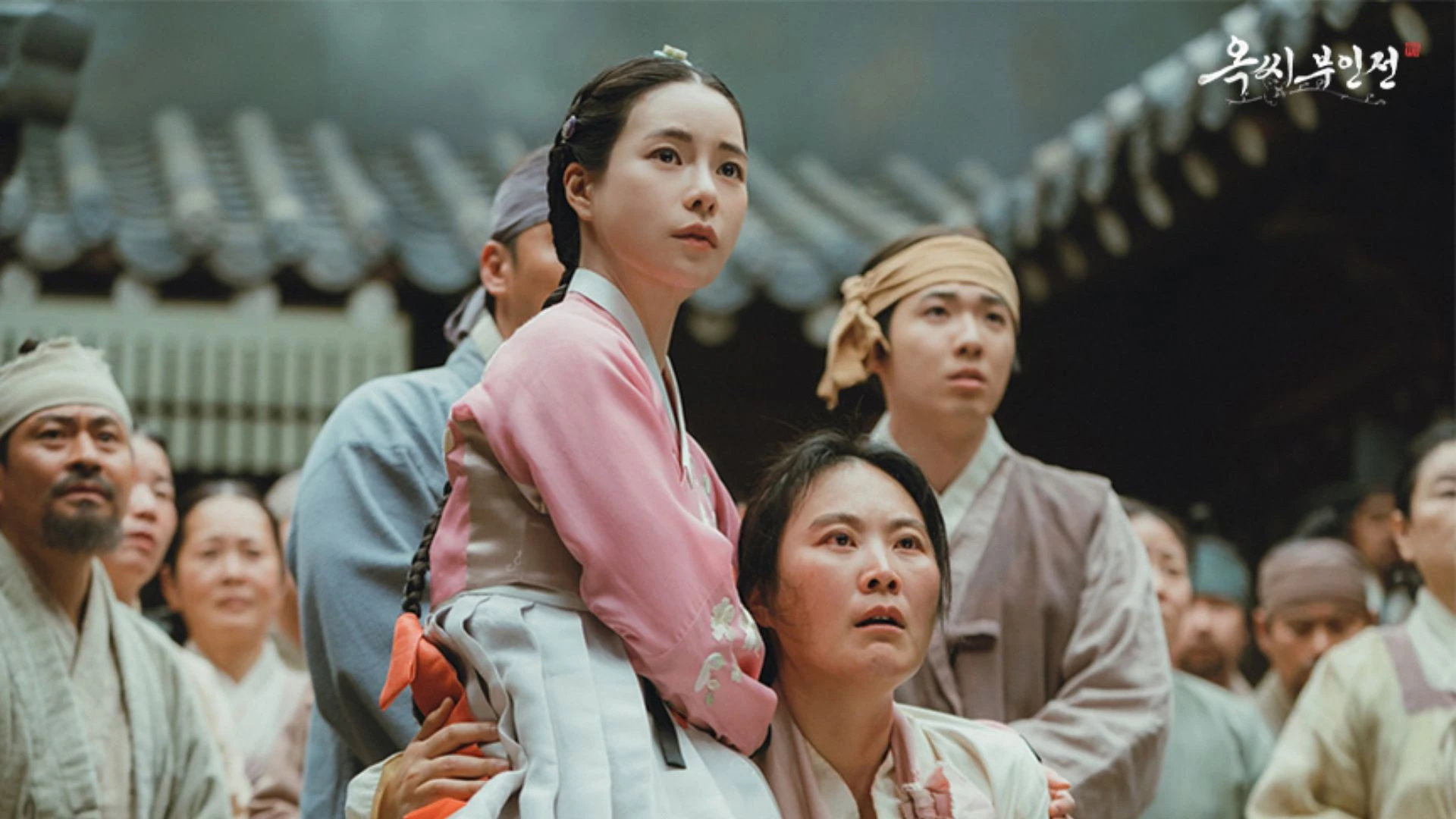
Gu Deok-i (Lim Ji-yeon) is a slave. Not a metaphorical one — a person who, by the laws of Joseon, belongs to someone else. When her life at a rural inn ends in massacre and flight, she does what survivors do: she rebuilds. She takes a dead woman’s name, her husband, her legal status, and her world, becoming Ok Tae-yeong — brilliant legal expert, respected scholar’s widow, and the most dangerous kind of fraud in a society that punishes imposture with death. Into this constructed life walks Cheon Seung-hwi (Choo Young-woo), a traveling storyteller who sees her through a carriage curtain and decides, catastrophically, that she is worth staying near.
The Tale of Lady Ok is Lim Ji-yeon’s drama completely. Her Ok Tae-yeong is not written as a victim waiting for rescue or a genius operating above consequence — she is a woman running an exhausting daily calculation of survival whose emotional life has been deferred because feeling anything real is a vulnerability she cannot afford. The show’s thriller architecture holds because the identity stakes are genuinely legal and fatal in this world. Director Jin Hyeok keeps the Joseon setting from becoming decorative; the magistrate system, the slave registry, and the class mechanics are all load-bearing structures through which Tae-yeong must move without leaving footprints.
16 / 16 ✅ Completed
⚡ Quick Verdict
One box. Everything you need to decide.
· MDL Score
▶ Official Trailer
🎭 Cast & Characters
One lead holding a double identity — and one man making that position significantly more dangerous.

Lead

Lead

Supporting

Supporting

Supporting

Supporting

Supporting

Supporting
Supporting
Supporting

Supporting
Supporting
📺 Episode Guide
Spoiler-light recaps — enough to remember where you left off, nothing that ruins the ride.


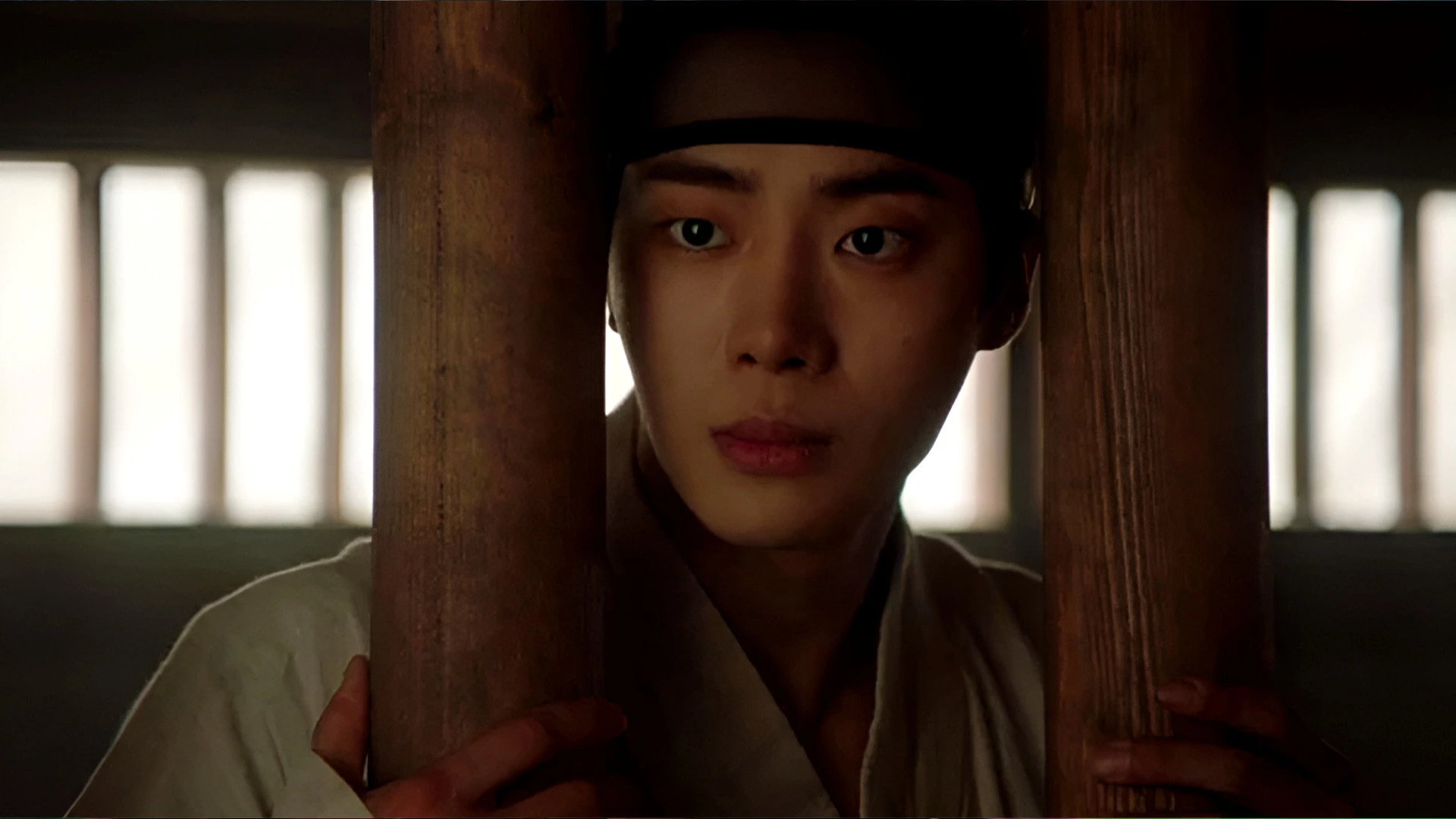
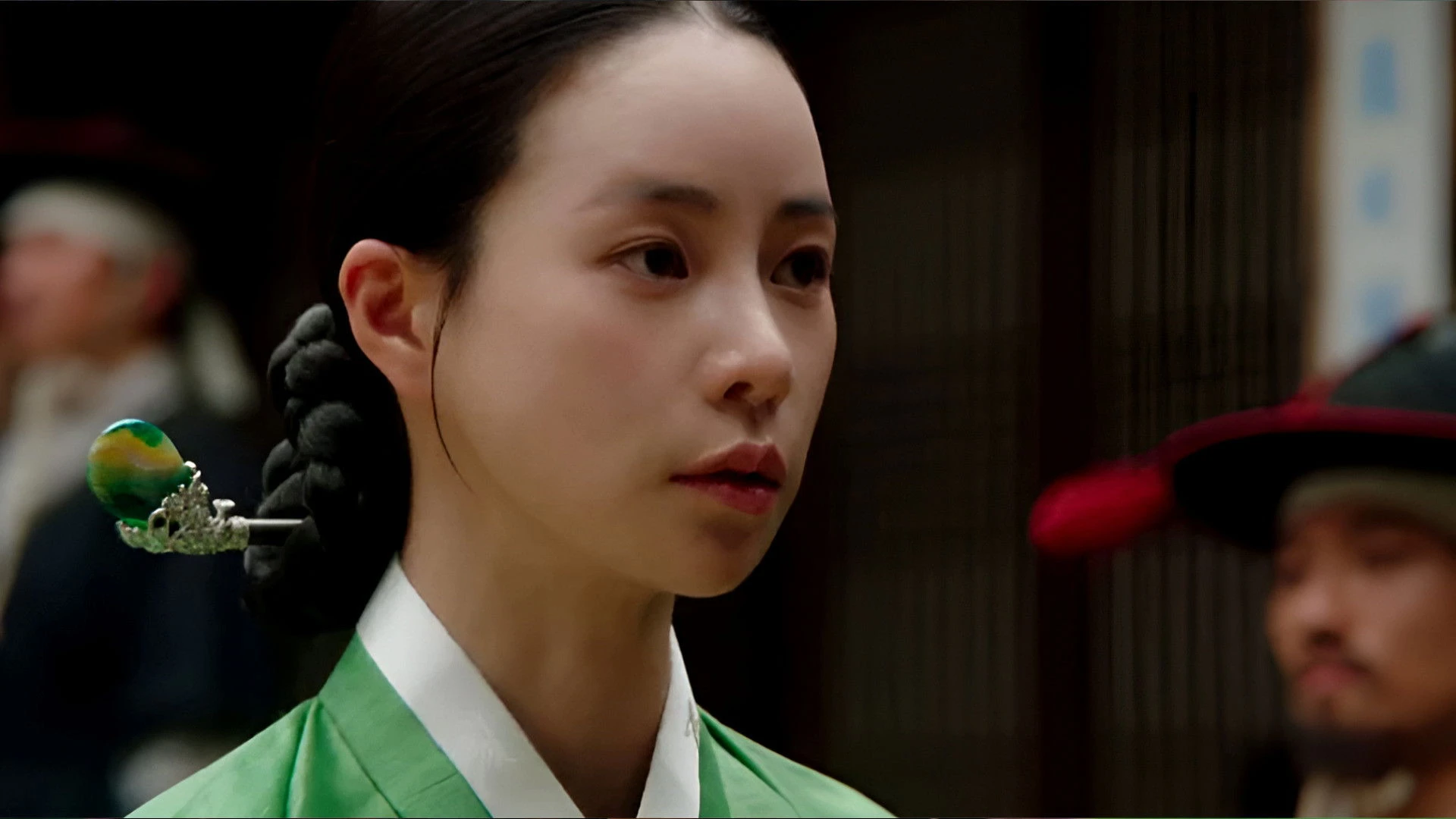
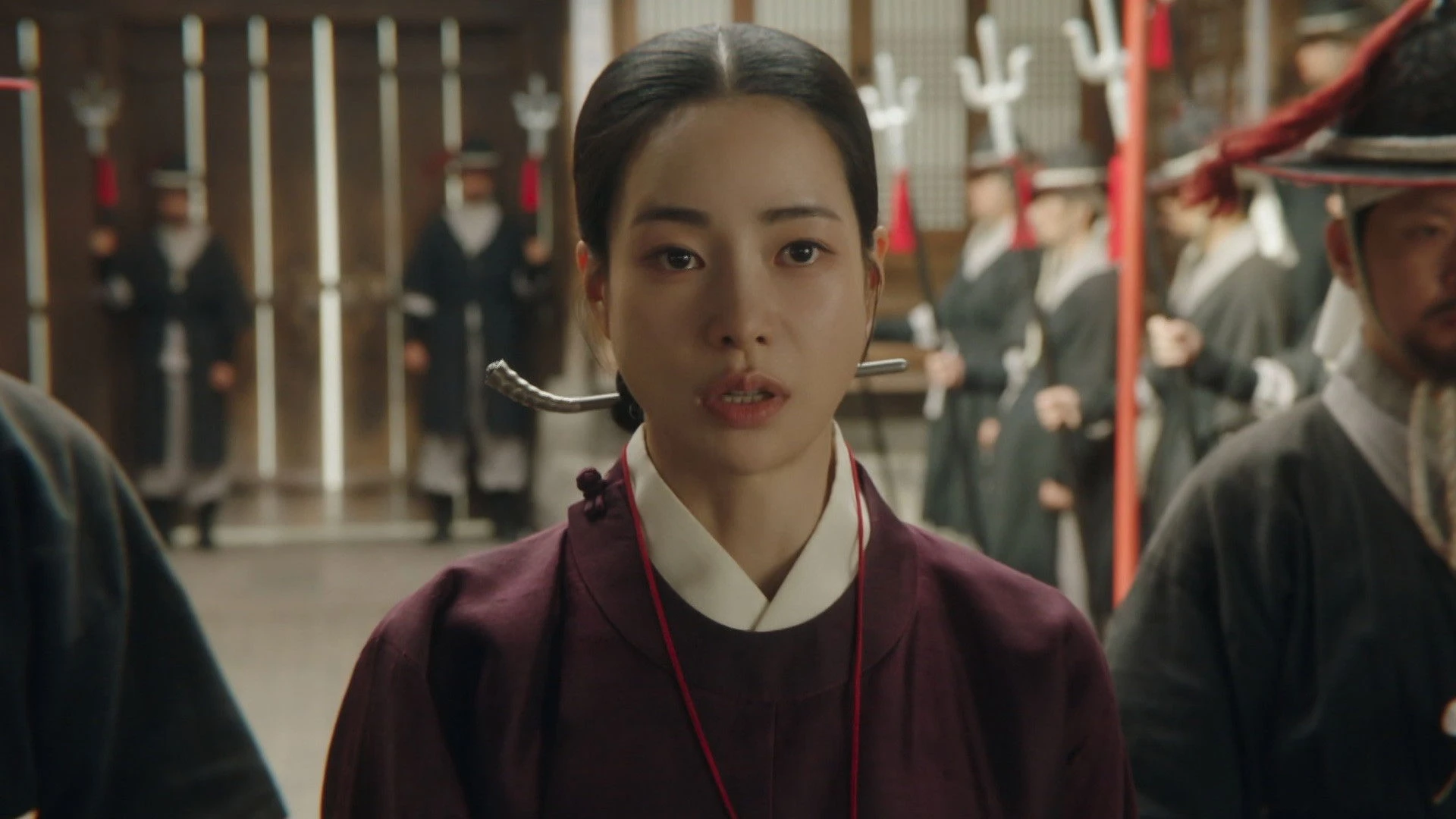
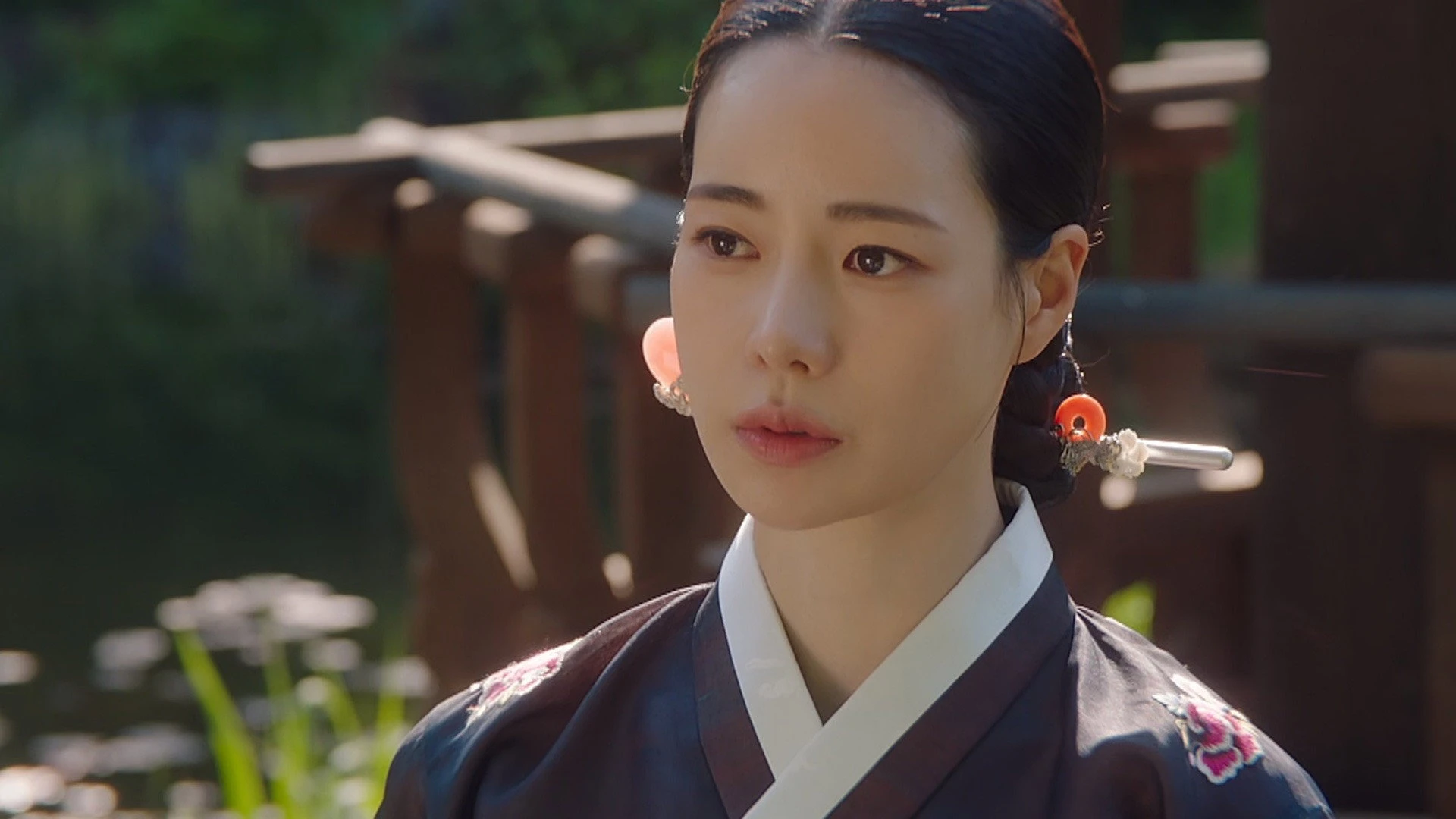


🏁 Ending Explained
Full spoilers ahead — everything that happens in the finale and what it all means.
Spoiler Warning — This section covers the full finale of The Tale of Lady Ok. Stop here if you haven’t finished the series.
What the finale gives you The final episode resolves with Ok Tae-yeong’s identity exposed and judged. There is no clean legal technicality that makes the fraud disappear — the Joseon system sees her clearly, and she stands before it without the cover she spent the entire series constructing. The ending doesn’t cheat this. What Tae-yeong receives in the finale is not vindication but something harder and more honest: the acknowledgment that the life she built was real even if the name it was built under wasn’t. Cheon Seung-hwi, who has known her true identity and chosen her anyway, makes that choice public and permanent.

Ok Tae-yeong’s arc Tae-yeong’s arc resolves around agency, not status. The drama’s central tension was always about what it costs to survive a society that has no structural place for you — and the ending’s answer is that survival costs identity, constantly, relentlessly, until there is almost nothing left that is truly yours. What the finale gives back is ownership. Tae-yeong stops existing in borrowed space. She is no longer a fugitive, no longer a fraudster. The legal framework may not know what to call her. She does.
Cheon Seung-hwi’s resolution Seung-hwi arrives in the story as a man without weight — a storyteller who watches the world and recites it rather than changing it. His arc is the journey from observer to participant, and the finale closes that journey by making his choice public and costly. He does not love Tae-yeong from a safe distance. He stands in the open, beside someone society is actively trying to reduce, and does not move. The drama earns this ending because it spent sixteen episodes showing us exactly what Seung-hwi gives up to make it true.
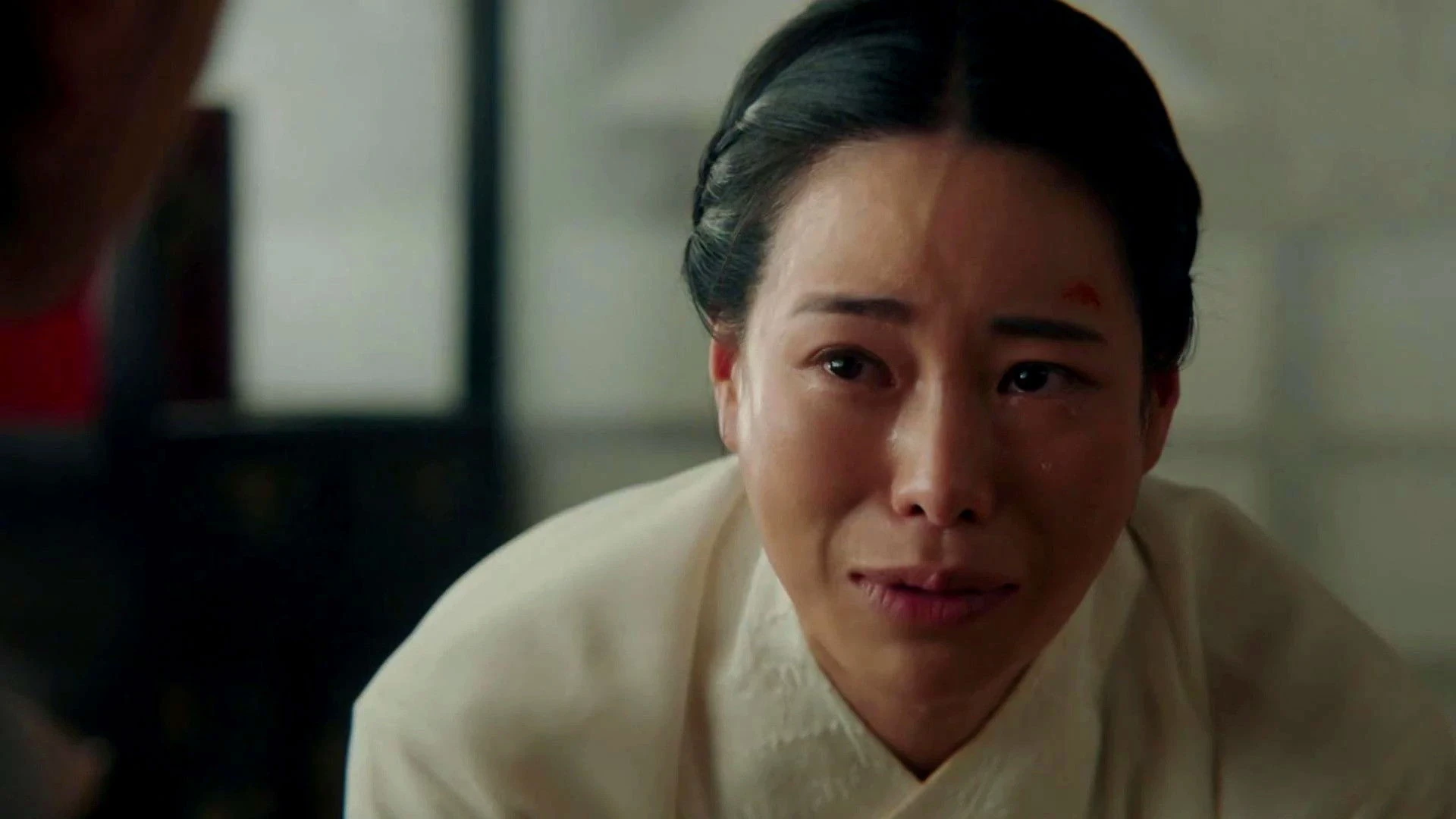
Secondary characters The supporting cast’s resolutions are shaped by the drama’s organizing principle: consequence, not fantasy. Seong Do-gyeom, whose loyalty was always conditional on the family’s honor, faces the fracture between that honor and what it actually requires of him. Seong Gyu-jin’s patriarchal authority is tested against the reality that the woman he accepted into his family was never who he was told she was — his response defines the drama’s most interesting secondary question: what does honor mean when the house it protects is built on someone else’s suffering? Cha Mi-ryung’s arc closes proportionally dark. She weaponized her proximity to Tae-yeong, and the drama doesn’t let her escape the logic of that choice.
The KDW verdict The Tale of Lady Ok works because it refuses to make the hidden identity premise metaphorical. Gu Deok-i’s reinvention as Ok Tae-yeong isn’t a spiritual journey — it’s a survival mechanism under a legal system that classified her as property. Every deception in the drama carries the weight of that reality. When the truth surfaces, the drama doesn’t let it be laundered into a triumphant reveal. It’s a reckoning. What makes the series exceptional is Lim Ji-yeon, who inhabits the full span of that calculation — not as victim, not as superhero, but as someone running the daily arithmetic of staying alive in a world built against her.
✍️ KDramaWorlds Editor’s Take
Our honest read on why this drama is worth your time — and who it’s for.
🎭 One Woman, Two Identities
🗡️ Joseon’s Class System as Villain
💌 Love That Costs Something Real
There’s a scene in episode eight where Lim Ji-yeon has to appear in a formal Joseon setting, performing the role of the scholarly widow Ok Tae-yeong, while simultaneously running a background calculation about whether the magistrate across the table suspects her. The performance requires three things at once: the surface display of composure, the interior mechanics of deception, and the specific vulnerability of someone who learned long ago that any emotional tell is a liability. She does all three without signaling the labor. That scene is when the rest of the series earns its place. If you found the palace performances in The Red Sleeve emotionally precise, Lady Ok operates at a similar register — but through a character whose survival requires that precision rather than just her dignity.
The hidden identity premise is well-worn territory in Korean drama, but what The Tale of Lady Ok does with it is specific: the identity isn’t concealing a romantic complication or a family secret — it’s concealing the legal fact of slavery in a society where that fact determines everything. That distinction changes the emotional weight of every scene. When Seung-hwi learns who Tae-yeong really is and stays anyway, it’s not a grand romantic gesture in isolation. It’s a statement about which side of a class system he’s choosing to stand on. If you watched Flower of Evil for its exploration of how a relationship survives the discovery of a catastrophic secret, Lady Ok is working in the same emotional territory with a completely different moral architecture.
Yeon Woo as Cha Mi-ryung is the series’ most watchable secondary performance. She’s written as an antagonist — someone whose proximity to Tae-yeong is never entirely benign — but the drama is smart enough not to make her a simple villain. Mi-ryung has her own reading of what survival requires, and it doesn’t overlap with Tae-yeong’s. That gap between two women who both understand the cost of existing in this world is the most genuinely interesting relationship in the show, and Yeon Woo plays it with a controlled duality that makes Mi-ryung’s eventual arc feel earned rather than convenient.
Fans of Lim Ji-yeon looking for her most complete and sustained lead performance
Anyone who wants a Joseon story where the legal and class system is structurally the villain
🎬 You Might Also Like
If you liked The Tale of Lady Ok, these are your next three watches.
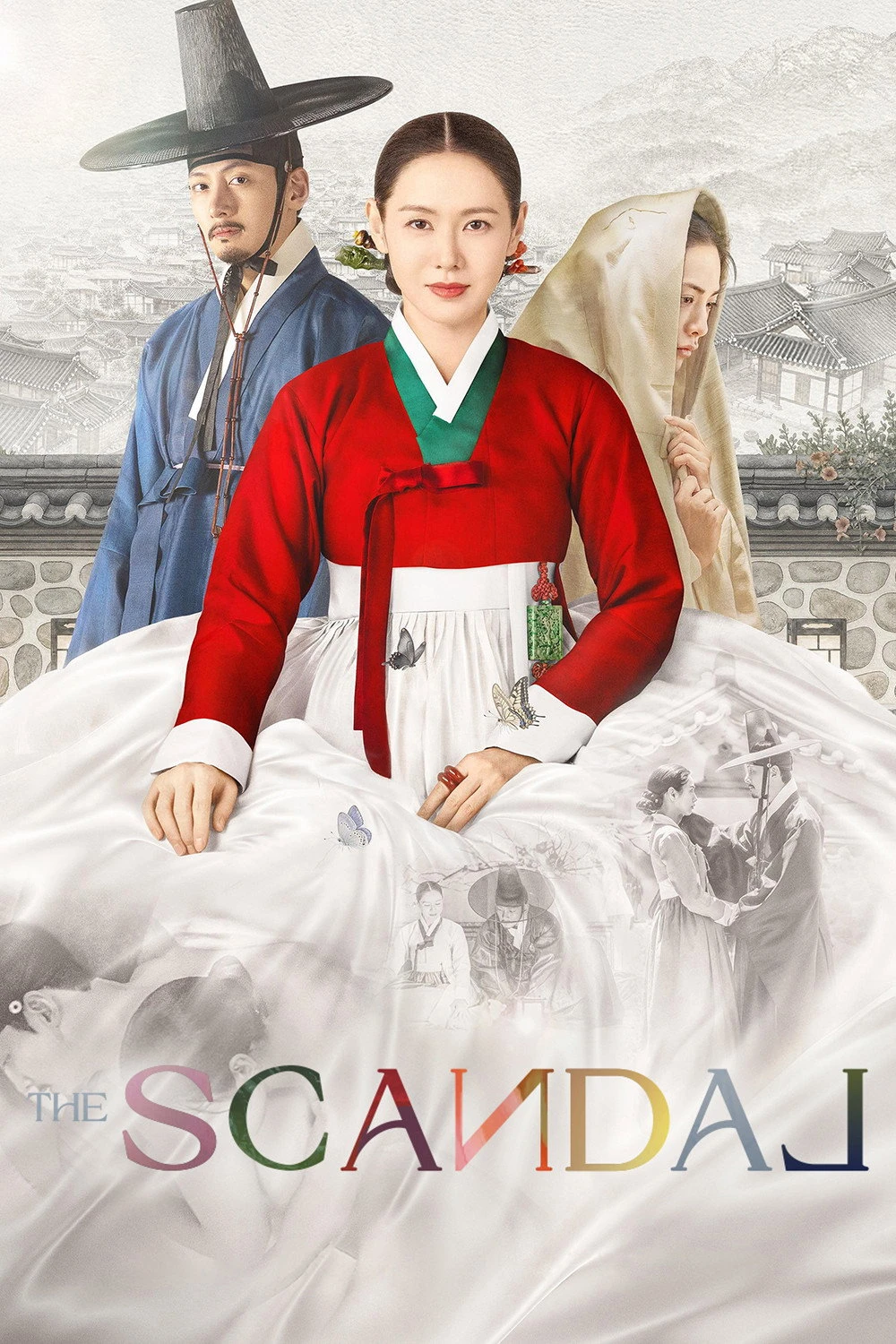 The Scandal
Dangerous LiaisonsDrama
Read Full Review →
|
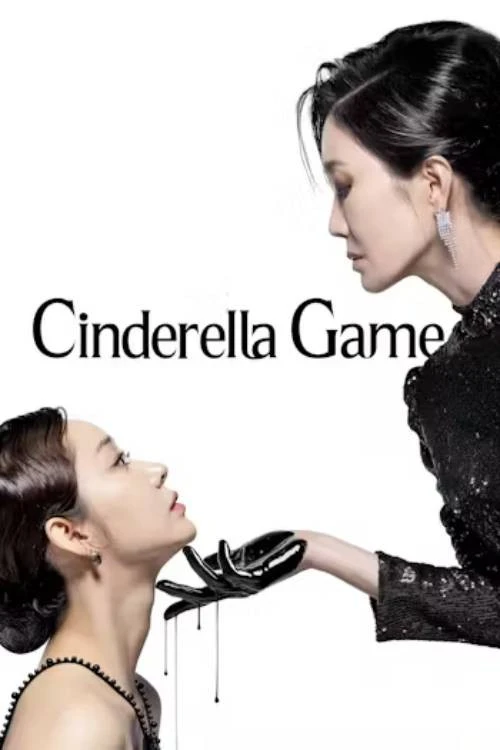 Cinderella Game
ChaebolChoi Shang
Read Full Review →
|
 Suspicious Partner
comedyJi Chang-wook
Read Full Review →
|













Keep it kind, skip the harsh language, and please — no spoilers. Everyone's taste is different, and that's perfectly fine.
This space is for real reactions and discussion from other viewers. Help keep it comfortable for everyone by not giving away major plot details.
What do you think of this drama?
Login to share your review or leave a comment.
No email needed — just pick a username & password.