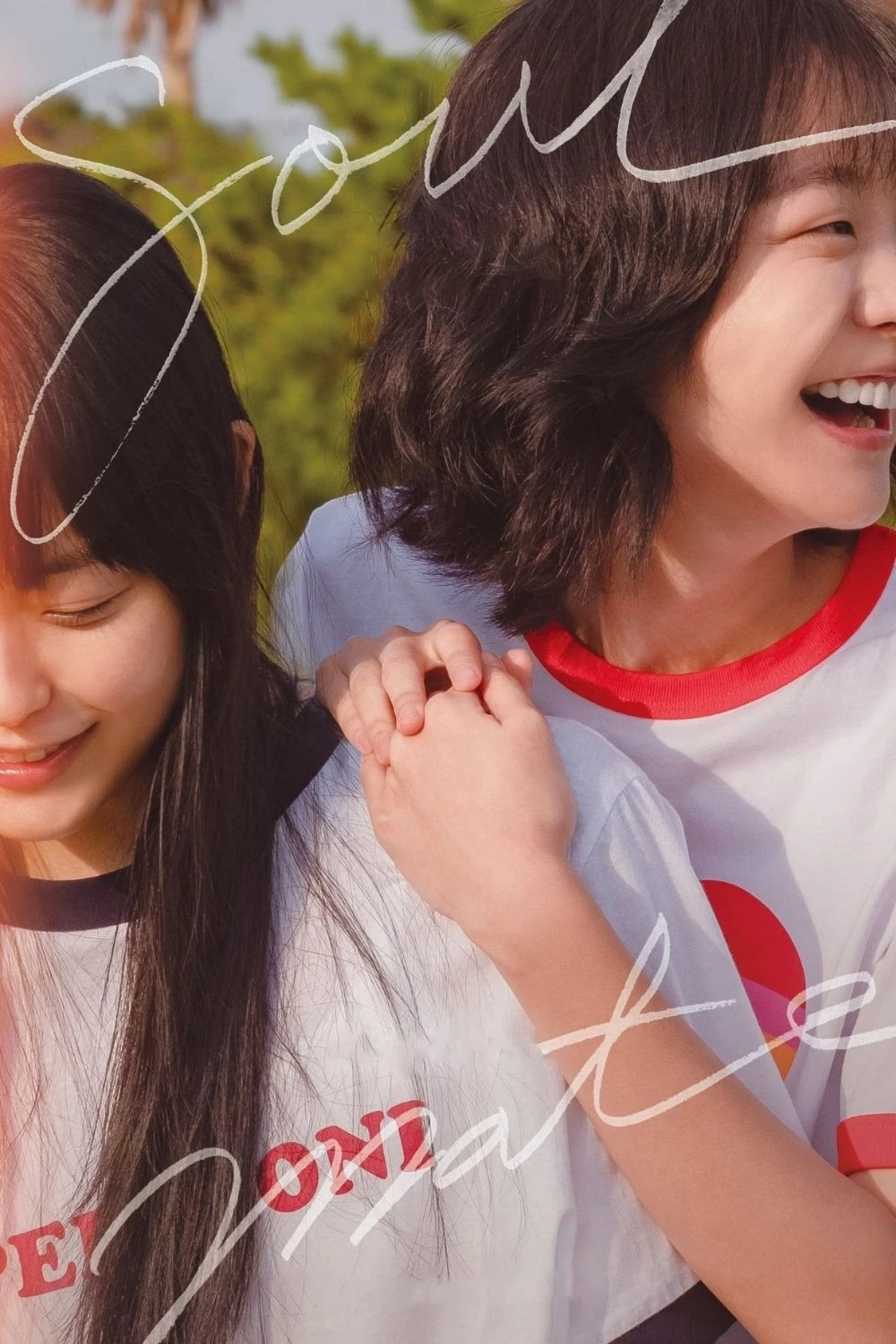
Soulmate
🎬 HBO Max · Prime Video · Apple TV+ · Hulu · Tubi
⭐ 7.5 IMDb
🔞 12+
🎬 Film Overview
FEMALE FRIENDSHIP PICK
Mi-so and Ha-eun meet on Jeju Island at thirteen and spend the next fourteen years learning what it costs to stay each other’s person. Free-spirited Mi-so wants nothing more than to leave the island behind; steady, grounded Ha-eun wants nothing more than to stay. That difference should keep them apart. Instead it’s the thing that binds them — until a boy named Ham Jin-woo walks into both of their lives at once, and the friendship that felt unbreakable has to survive its first real test.
Soulmate isn’t interested in choosing a side in that triangle. It’s interested in what happens after the triangle resolves — the years of distance, the resentments nobody says out loud, the way two people can drift apart and still carry each other everywhere. Kim Da-mi and Jeon So-nee play the adult versions of Mi-so and Ha-eun with the kind of lived-in familiarity that makes fourteen years of history feel earned rather than summarized.
⚡ Quick Verdict
One box. Everything you need to decide.
· IMDb
▶ Official Trailer
🎭 Cast & Characters
Fourteen years of friendship, told through the two women who lived it.
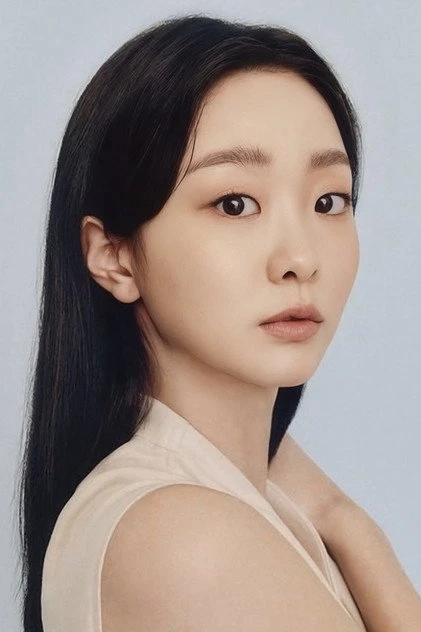
Lead

Lead
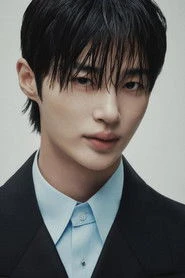
Supporting
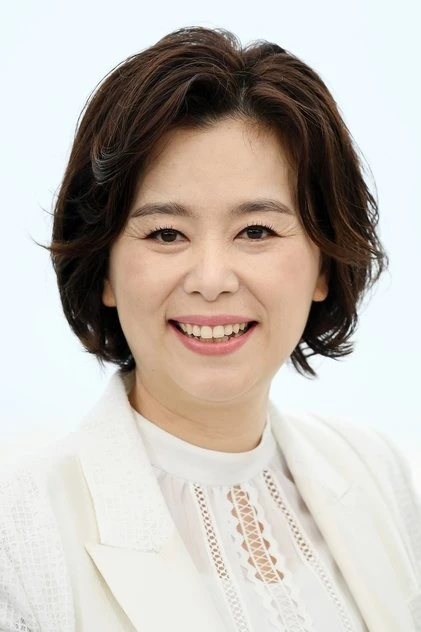
Supporting
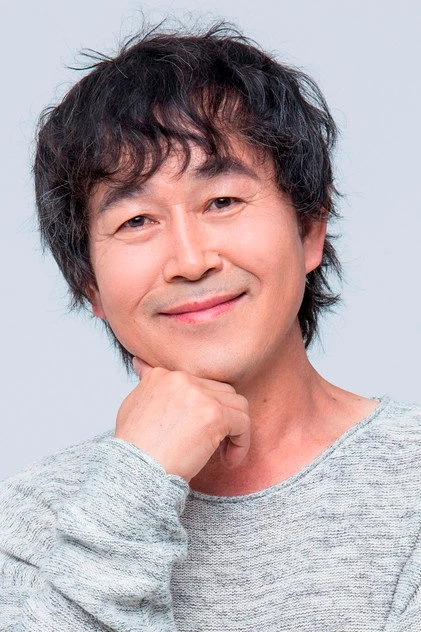
Supporting
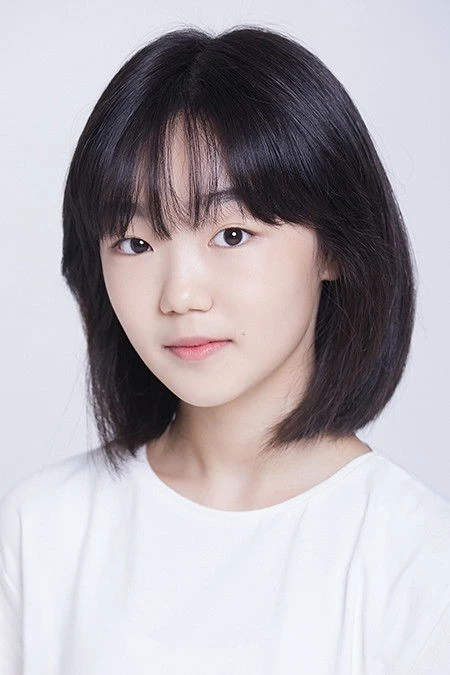
Supporting
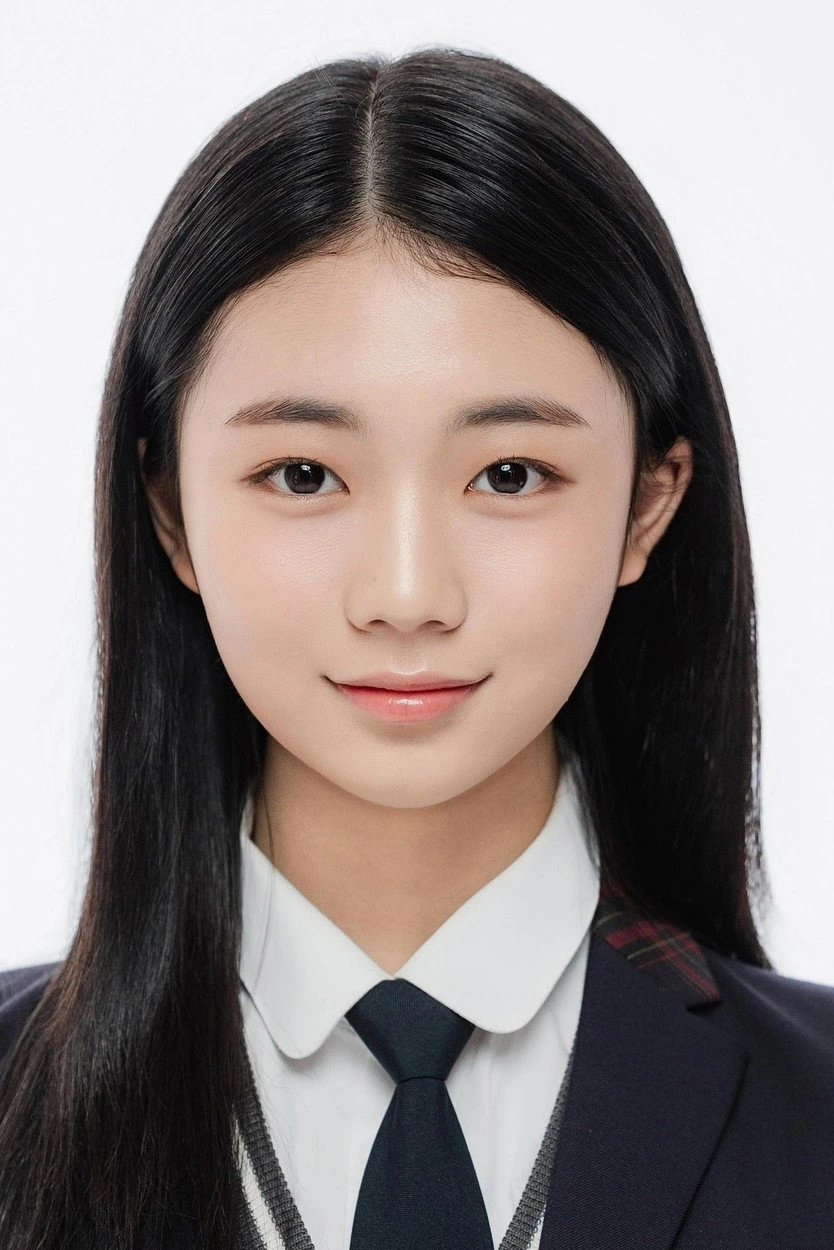
Supporting
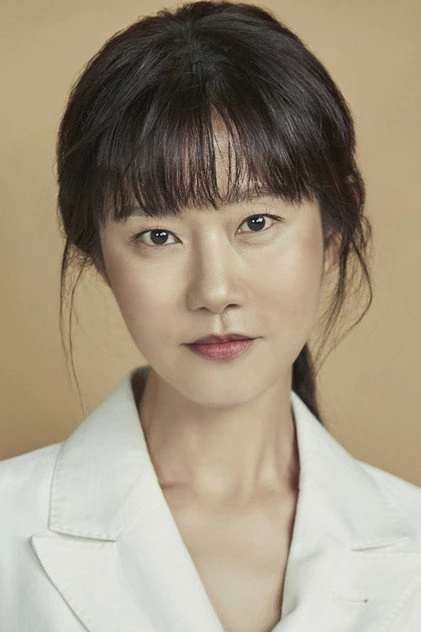
Supporting

Supporting
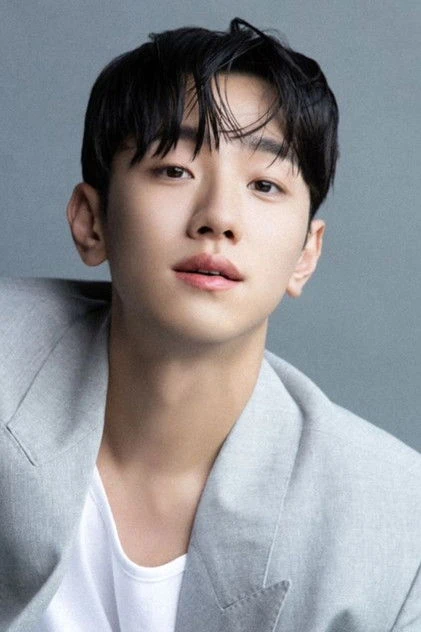
Supporting
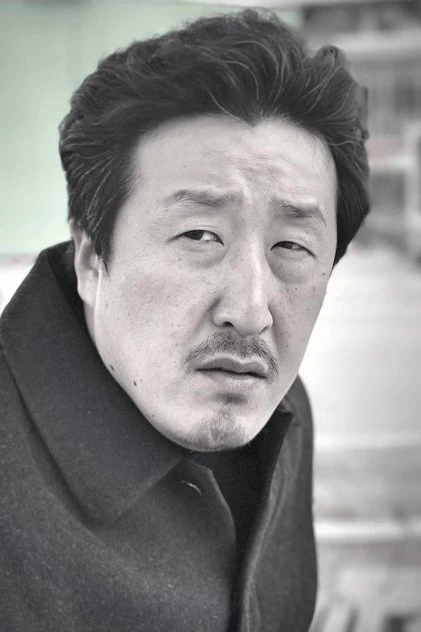
Supporting
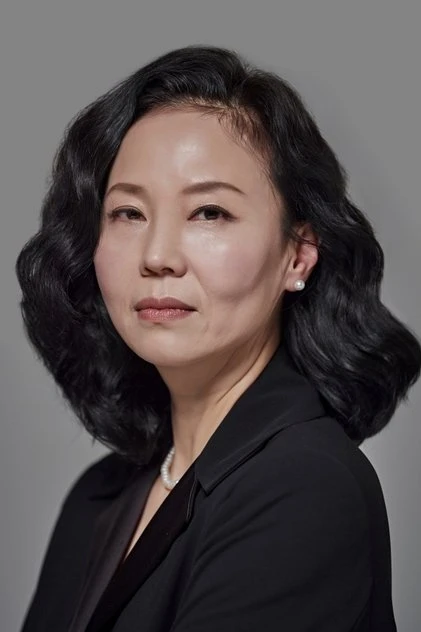
Supporting
📖 The Story
No spoilers — just enough to know if this is your film.
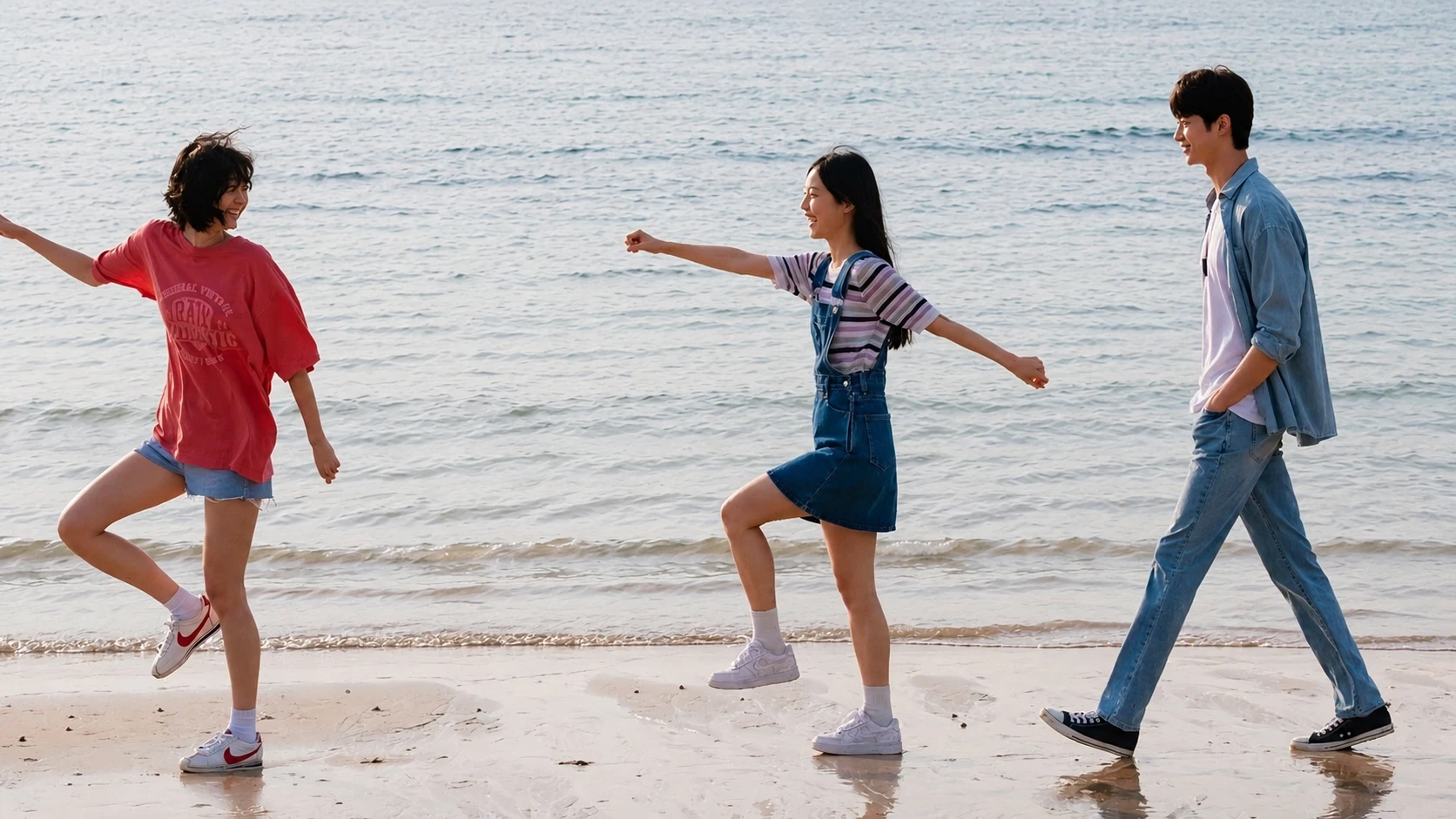
Mi-so and Ha-eun meet at thirteen on Jeju Island, and the friendship that forms is instant in the way only childhood friendships can be — no negotiation, no testing period, just two girls who recognize something in each other and decide it’s permanent. Mi-so is restless and outward-facing, already dreaming past the island’s edges. Ha-eun is content, rooted, unbothered by the world beyond their hometown. The film spends real time establishing how little that difference matters to either of them at thirteen.
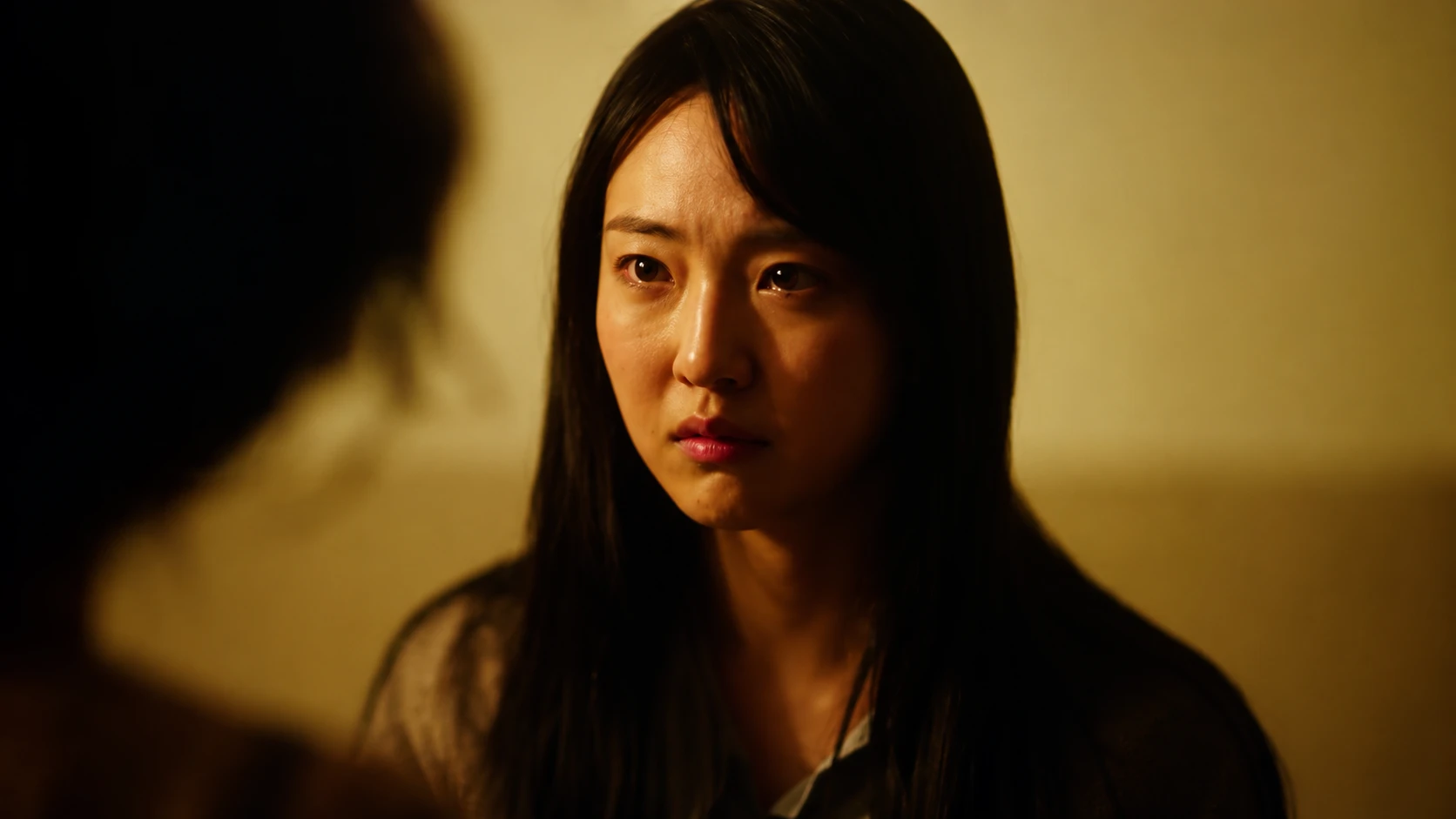
What the early scenes build isn’t just affection — it’s a kind of shorthand. Shared secrets, private jokes, the sense that neither girl needs to finish a sentence for the other to understand it. It’s presented almost as a given, a fact of their world rather than something either of them worked to build, which makes the cracks that come later feel less like a betrayal and more like erosion.
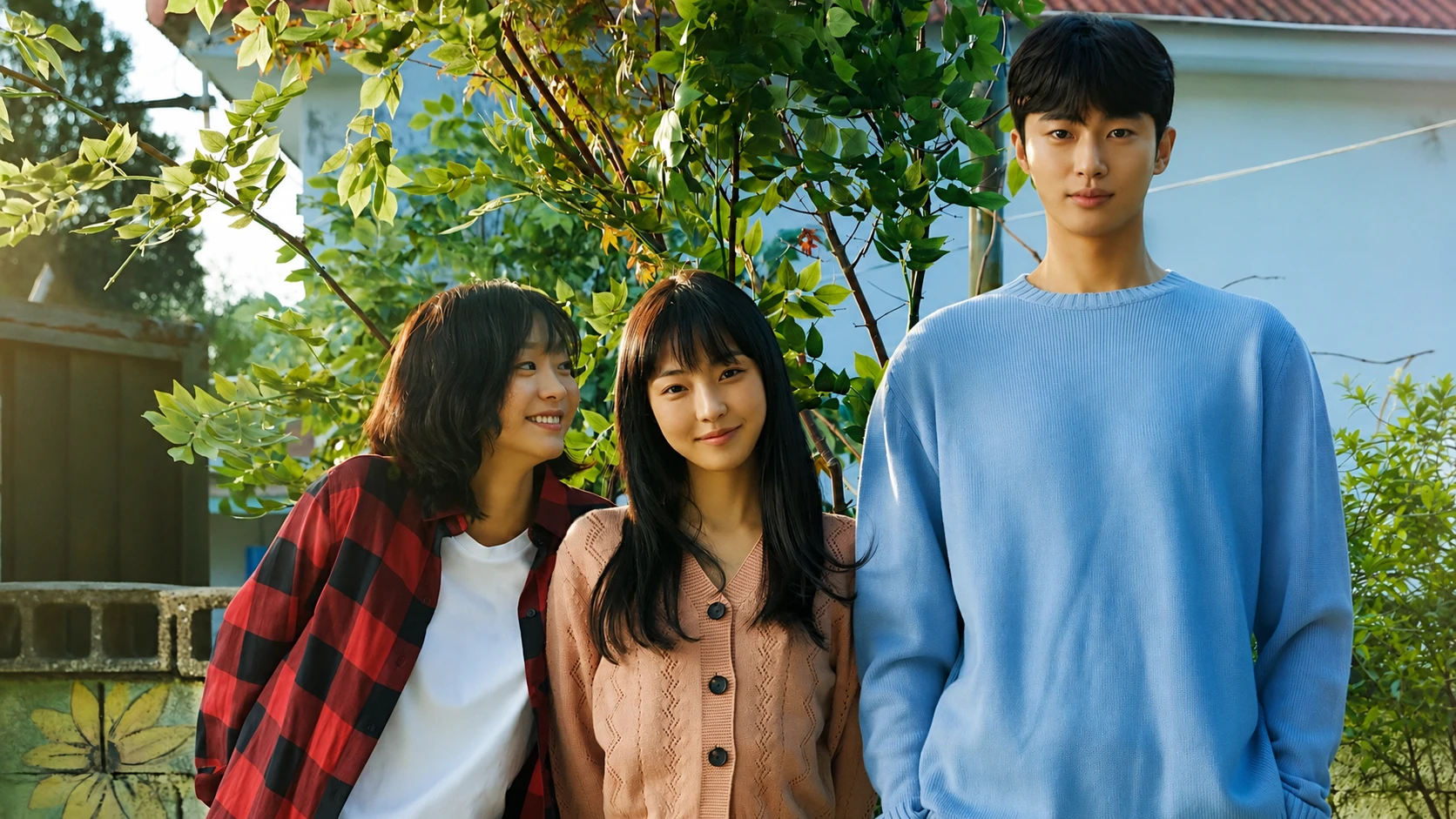
That erosion starts with Ham Jin-woo, a quiet classmate who becomes Ha-eun’s first real crush as the girls move into their teens. It’s a familiar setup — until the film makes clear that Jin-woo is drawn to Mi-so too, and that Mi-so doesn’t entirely resist it. Nobody says anything cruel. Nobody does anything dramatic. That restraint is the point: this is jealousy that festers quietly, in glances and silences, not in confrontations.
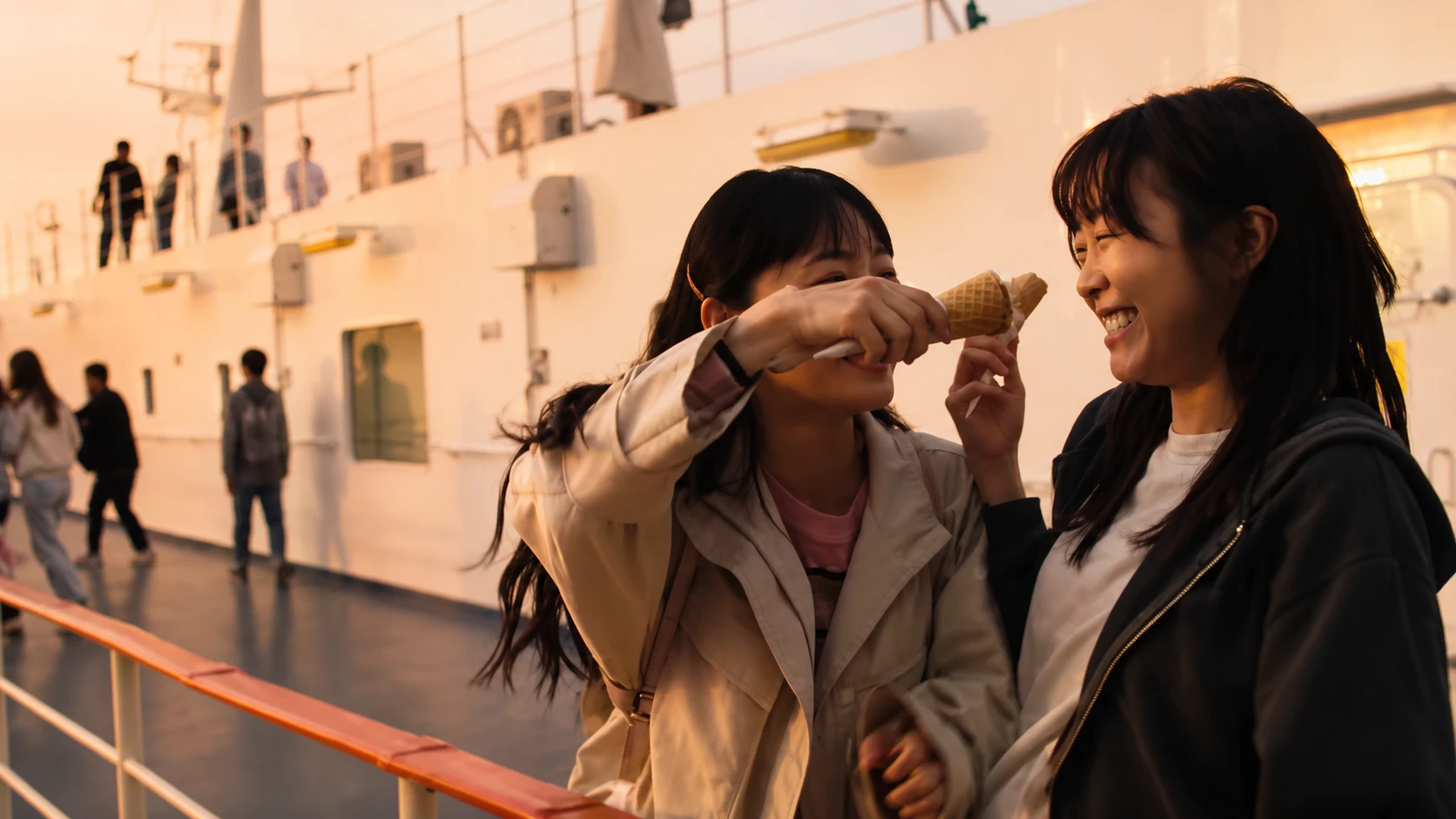
The film doesn’t rush to resolve the triangle, and it doesn’t pretend the girls’ bond survives it untouched either. Something shifts. Neither Mi-so nor Ha-eun says out loud what they’re each giving up, and that unspoken accounting becomes the quiet engine of everything that follows.
Adulthood pulls them apart geographically before it pulls them apart emotionally. Mi-so leaves for the mainland chasing an art career that stalls more than it takes off; Ha-eun stays close to home, builds a life that looks stable from the outside, and quietly resents Mi-so’s freedom to fail forward. Their reunions get shorter and more careful, weighted with things neither of them will bring up first.
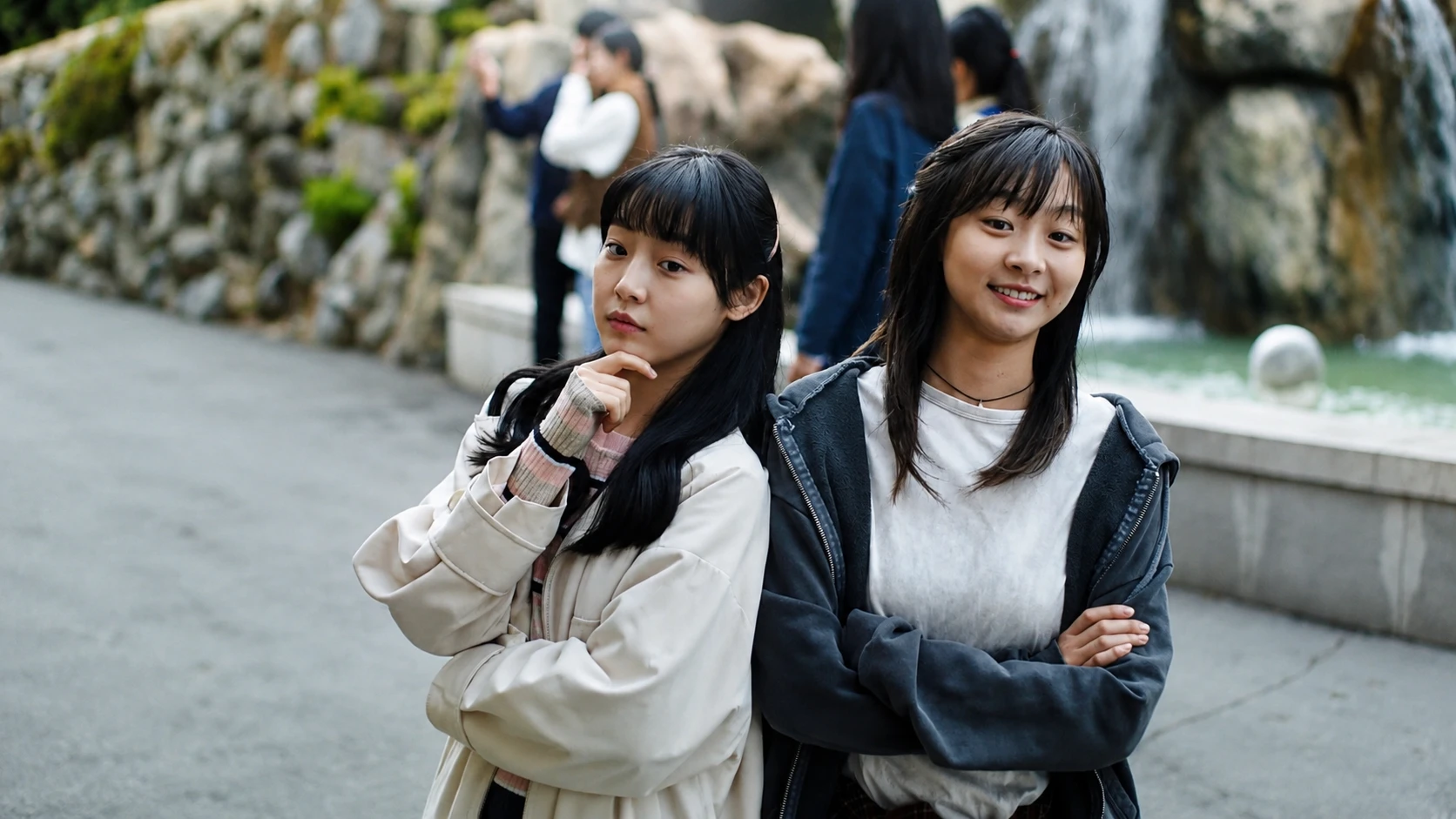
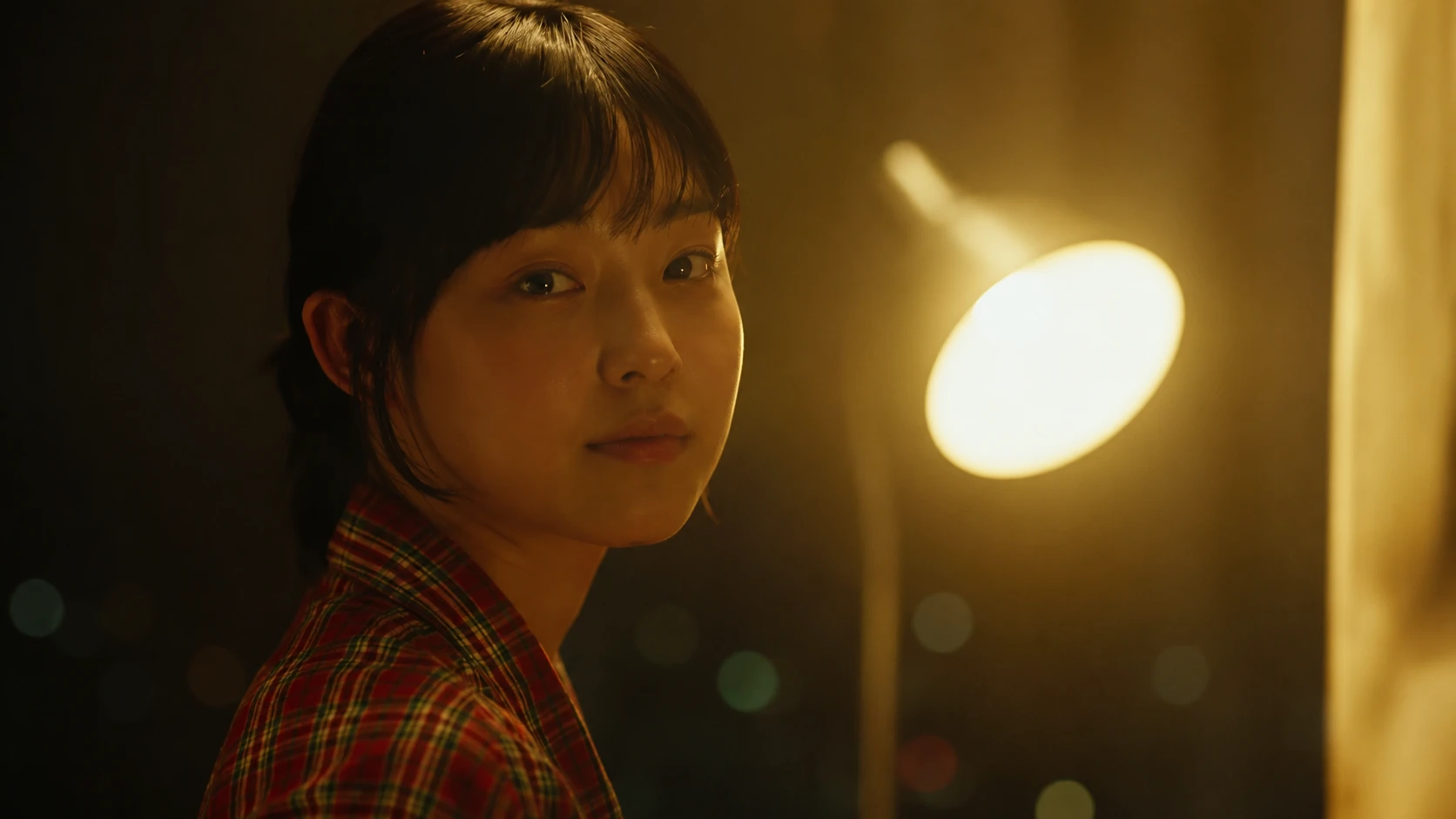
By the time the film settles into its present-day framing, Mi-so is raising a young daughter alone and working sporadically as an artist — the specifics of how she got there are held back deliberately. Ha-eun, meanwhile, has all but disappeared from the narrative’s present tense, present only in flashback and in the things Mi-so still carries from her.
The film lets that absence sit unexplained for longer than feels comfortable, and that discomfort is doing exactly what it’s supposed to. By the time Mi-so finally confronts what happened to her best friend, the audience has spent two hours learning to read these two women as extensions of each other — which makes the answer, when it comes, land less like a plot twist and more like a confirmation of something the film had been quietly building toward all along.
🏁 Ending Explained
Full spoilers ahead — what happens, what it means, and what it all adds up to.
Full Spoilers Ahead — This section covers the complete ending of Soulmate. Stop here if you haven’t watched.
What actually happened Ha-eun dies during childbirth — a fact the film withholds until its final stretch, revealing that she secretly gave birth to Ham Jin-woo’s daughter before her death. Mi-so takes the baby in and raises her, naming her Ha-eun in direct memory of her best friend. Alongside raising the child, Mi-so also finishes the artwork Ha-eun left unfinished, staging the exhibition her friend never got to see completed.
Why it doesn’t play as a twist The film has spent two hours training the audience to read Mi-so and Ha-eun as two halves of the same person, so the reveal doesn’t land as a shock — it lands as the story finally saying out loud what it had been implying all along.
The unanswered question What the film never explains outright is why Jin-woo is never told. Ha-eun’s choice to hide the pregnancy, and Mi-so’s choice to keep hiding it after her death, are both left open. One reading: Ha-eun didn’t want Jin-woo defined by grief instead of by whatever life he’d build next. Another: Mi-so is protecting something more selfish — the last piece of Ha-eun that still belongs only to her.
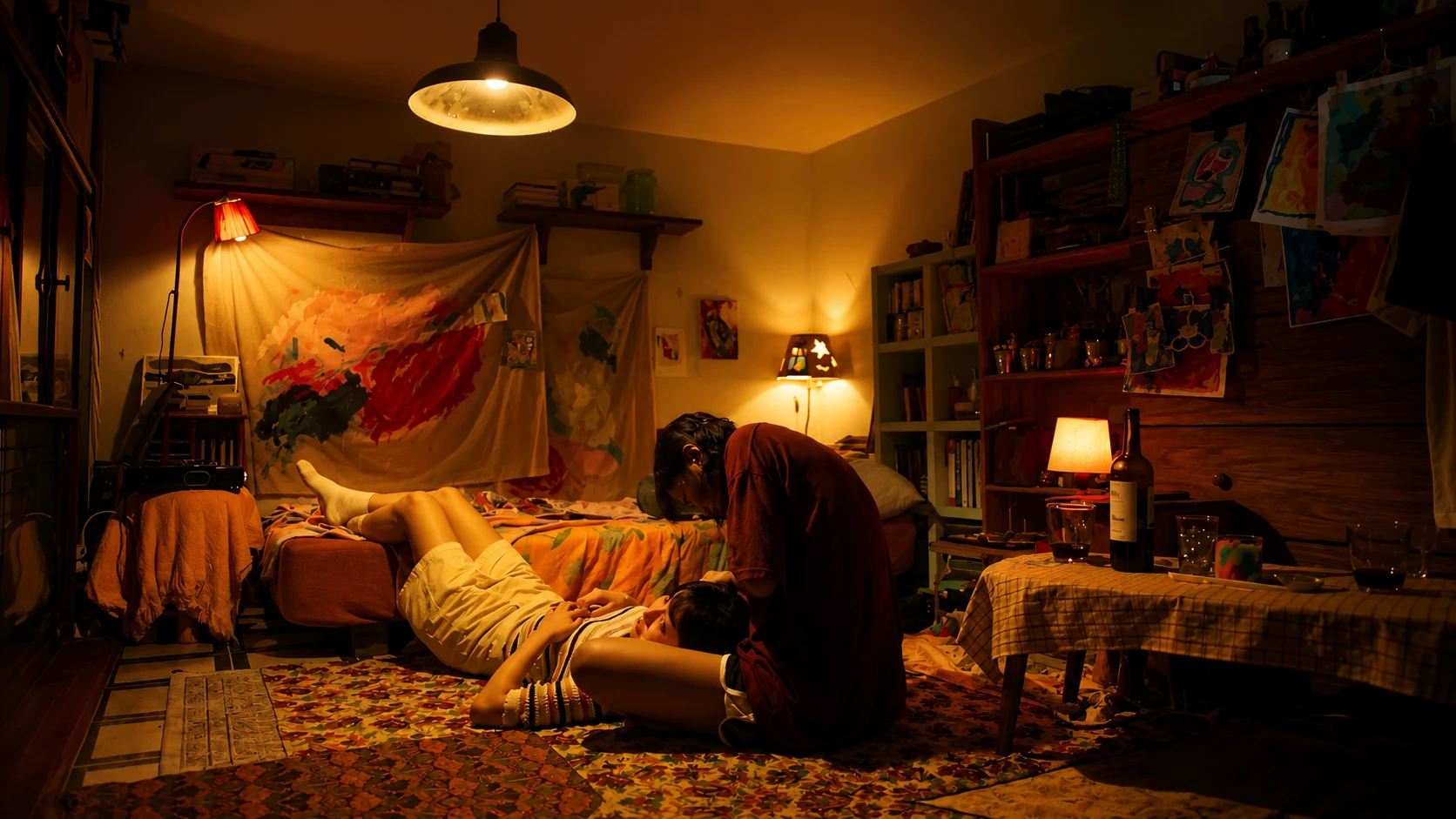
The mirrored destinies reading Either interpretation holds. Soulmate has never been that interested in explaining its characters’ motives cleanly — it’s more interested in what those motives cost the people who hold them.
The KDW verdict The strongest read is that Mi-so and Ha-eun were always going to complete each other by trading places — the free spirit grounds herself to raise a child, the grounded one gets her art finished and shown to the world. Their roles don’t just parallel each other by the end. They swap outright. That’s the ending’s real argument: soulmate was never a metaphor for who you fall in love with. It’s a word for who you become because of someone else.
✍️ KDramaWorlds Editor’s Take
Our honest read on why this film is worth your time — and who it’s for.
Min Yong-geun
Known for: Known primarily for indie and festival work before Soulmate, Min Yong-geun brings a restrained, character-first sensibility to what could have been a much broader melodrama — resisting the urge to underline every emotional beat and trusting his two leads to carry the weight instead.
There’s a scene roughly a third of the way through Soulmate where Mi-so watches Ha-eun and Jin-woo together from just outside the frame — not eavesdropping exactly, just present in a way nobody registers. Kim Da-mi plays it without a single obvious tell. No wounded expression, no dramatic exit. She just keeps existing in the scene a beat too long, and that’s the whole performance. It’s the kind of restraint that My Youth also trusted its lead to carry, and Kim Da-mi earns it the same way — by refusing to explain the feeling before the audience has caught up to it.
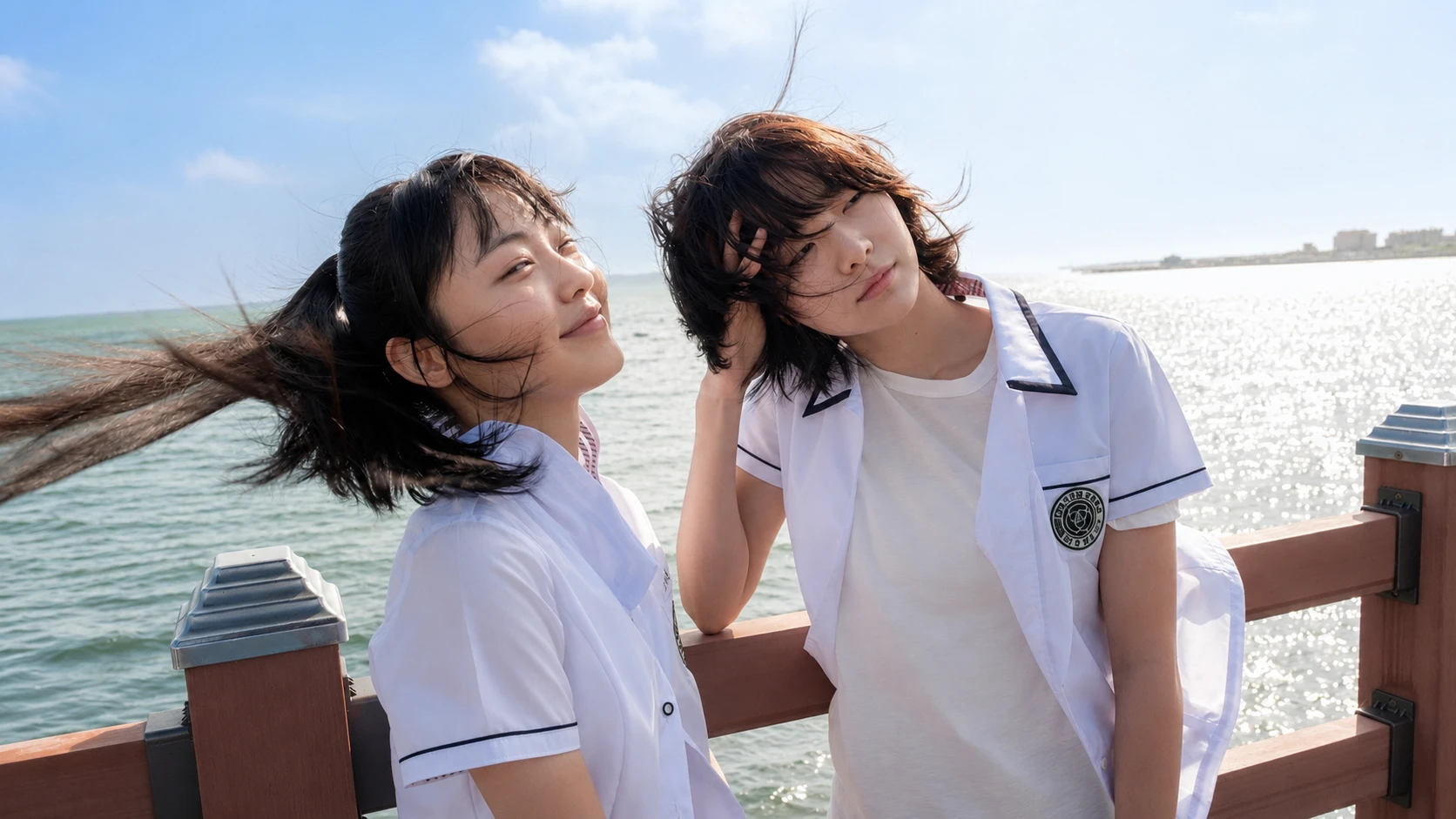
Jeon So-nee has the harder job, honestly. Ha-eun is written as the ‘stable’ one, which usually means a film forgets to give her an inner life — but Jeon So-nee keeps finding small, specific ways to suggest Ha-eun wants things she’ll never ask for out loud. It’s the same trick Melo Movie pulled off with its own quietly repressed lead — you don’t notice how much is being withheld until the film cashes it in.
Byeon Woo-seok, for his part, plays Jin-woo as exactly what he needs to be and nothing more: a mirror the two women look into rather than a person with his own gravity. That’s a deliberate choice, and mostly the right one — this was never his story to carry. The film knows who its center of gravity is, and it never lets him pull focus from it.
🎬 You Might Also Like
If you liked Soulmate, these are your next three watches.
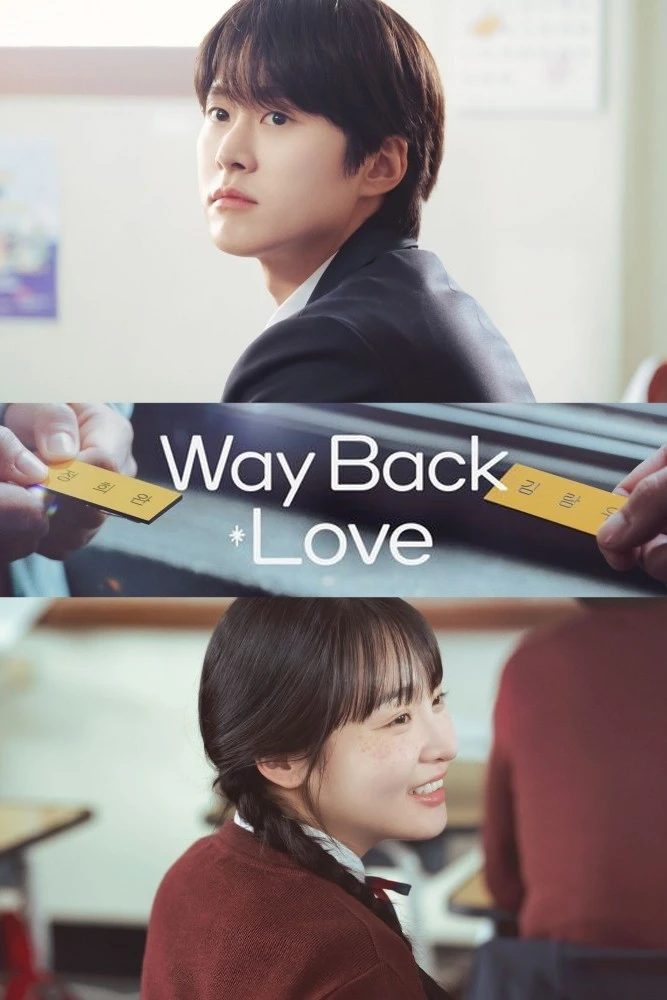 Way Back Love
Bucket ListFantasy Romance
Read Full Review →
|
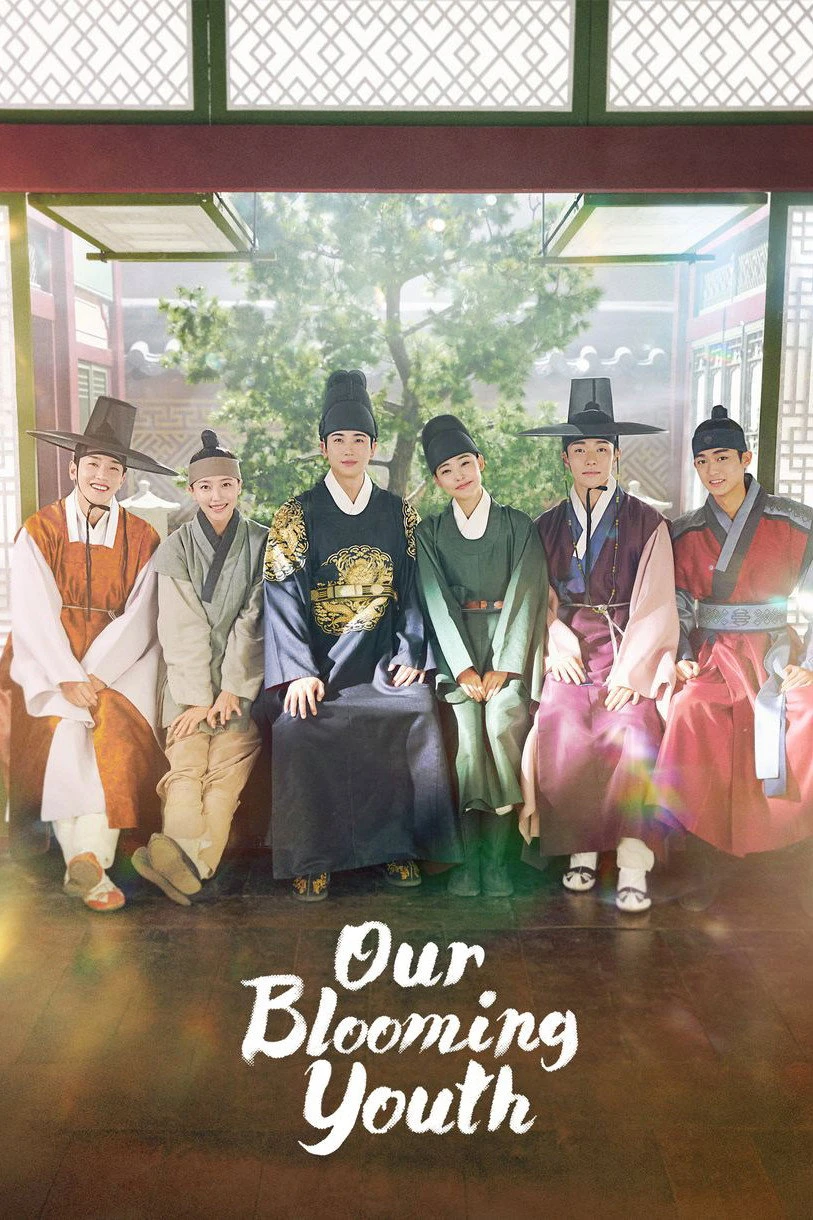 Our Blooming Youth
Cursed PrinceJeon So-nee
Read Full Review →
|
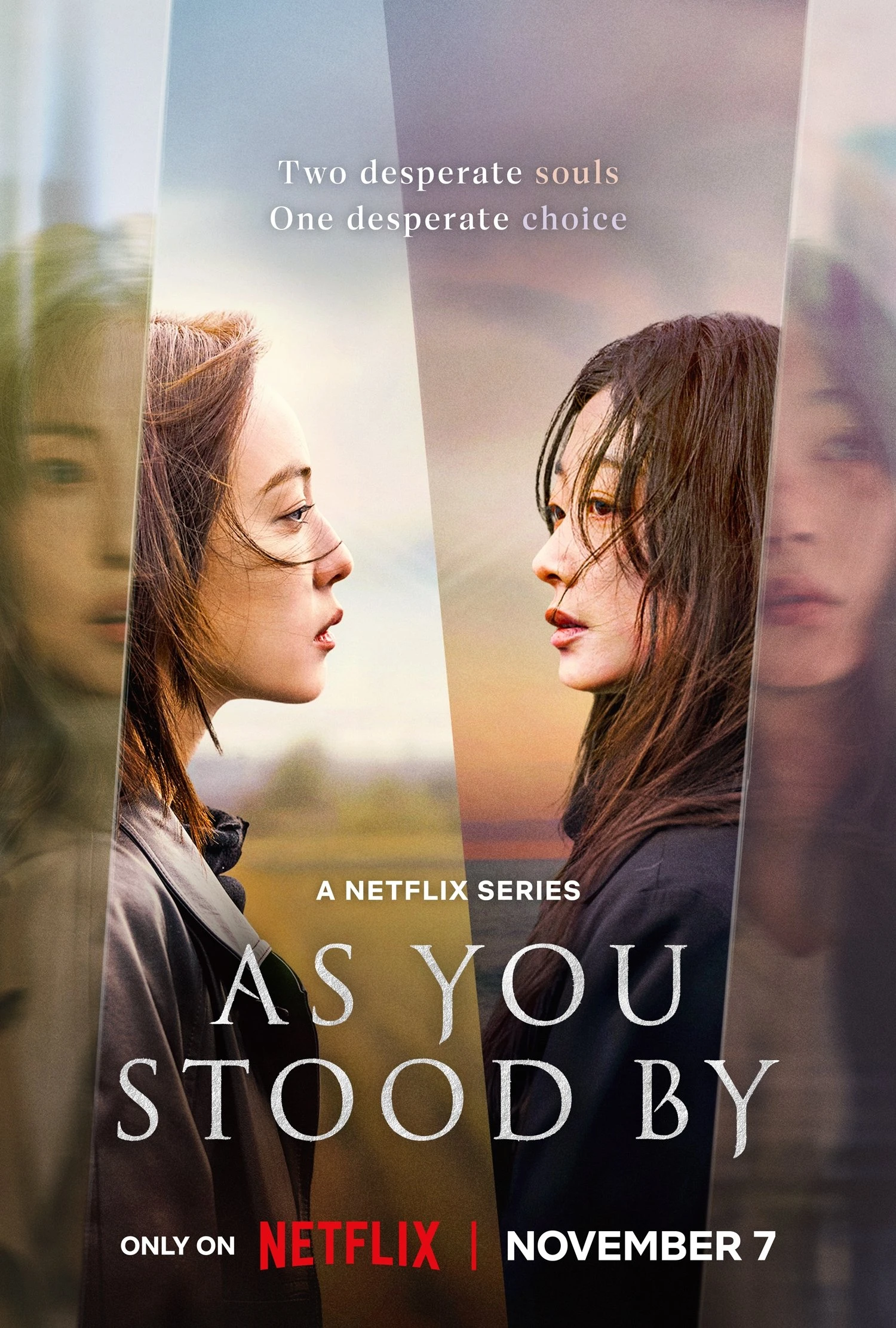 As You Stood By
Jeon So-nee
Read Full Review →
|




Keep it kind, skip the harsh language, and please — no spoilers. Everyone's taste is different, and that's perfectly fine.
This space is for real reactions and discussion from other viewers. Help keep it comfortable for everyone by not giving away major plot details.
What do you think of this drama?
Login to share your review or leave a comment.
No email needed — just pick a username & password.