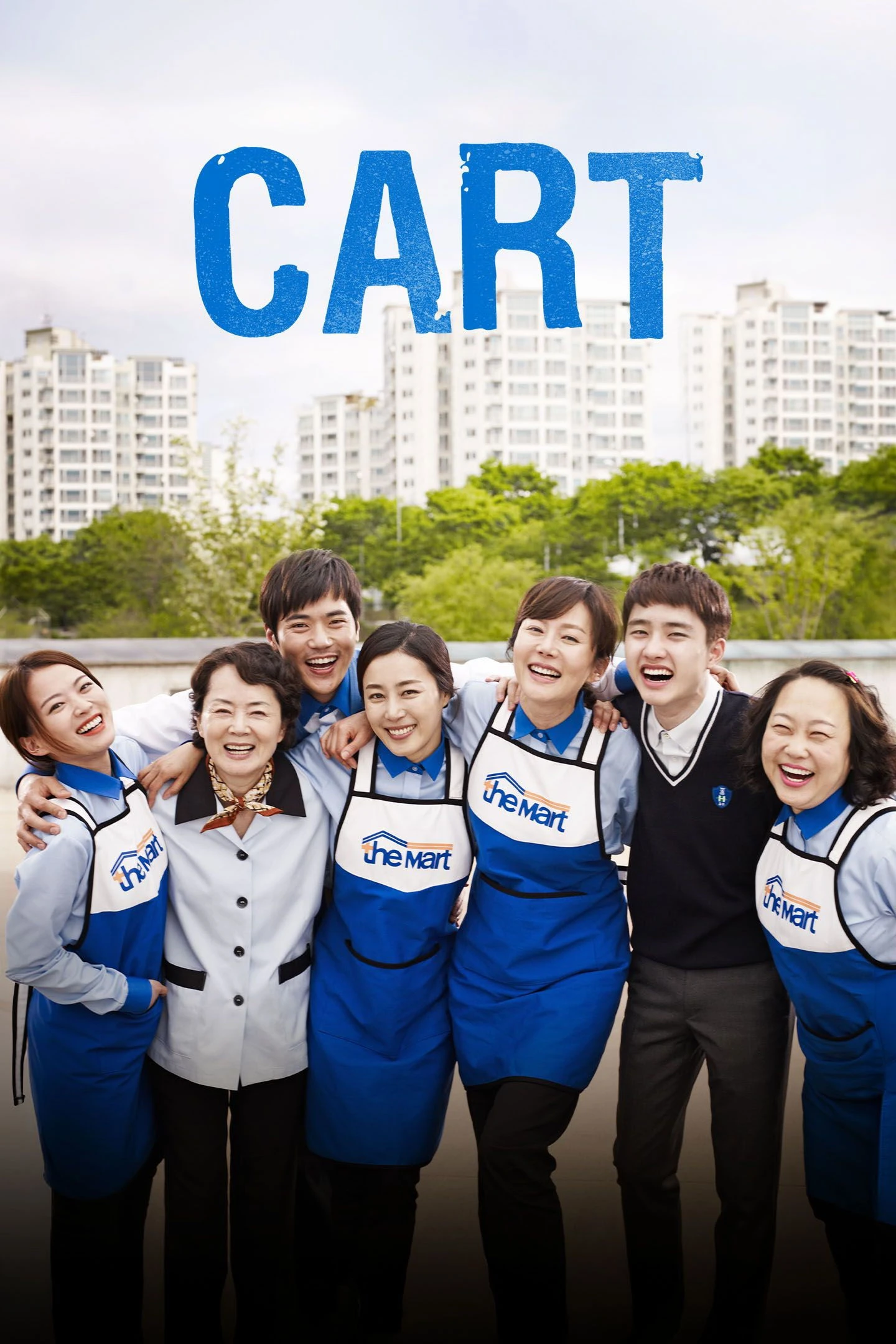
Cart
🎬 Tubi · Apple TV+ · Prime Video · VIU
⭐ 6.7 IMDb
🔞 13+
🎬 Film Overview
WORKERS’ STRIKE DRAMA PICK
Sun-hee has worked the register at a sprawling discount supermarket for five years, always told that a permanent contract is right around the corner. Then, with no warning beyond a company memo, she and every other contract worker at the store are simply let go — years of quiet loyalty erased in a single afternoon. What Sun-hee and her coworkers do next is the entire film: they stop being quiet.
Cart follows the women of The Mart from shock to organizing to the picket line, refusing to treat their strike as a footnote to someone else’s story. It’s inspired by a real 2007 mass layoff at a Korean discount chain, and it wears that history openly — this isn’t a film interested in easy villains or a tidy finish, just in what it costs a group of ordinary women to say no.
⚡ Quick Verdict
Everything you need to decide, in one place.
· IMDb · 1,000 ratings
· MDL 7.8/10 (3,003 ratings)
▶ Official Trailer
🎭 Cast & Characters
The women of The Mart, and the fight that turns coworkers into something closer to family.

Lead

Lead

Lead

Supporting

Supporting

Supporting

Supporting

Supporting

Supporting

Supporting

Supporting

Supporting
📖 The Story
Spoiler-free — enough to know whether this is your kind of film.
Sun-hee has spent five years at the register of The Mart, a sprawling discount supermarket, always told that a permanent position is one review cycle away. It’s the promise she’s built her whole routine around — the customer-service smile, the extra shifts, the quiet acceptance of being the last one considered and the first one blamed. She’s good at the job. The job was never going to be good back.
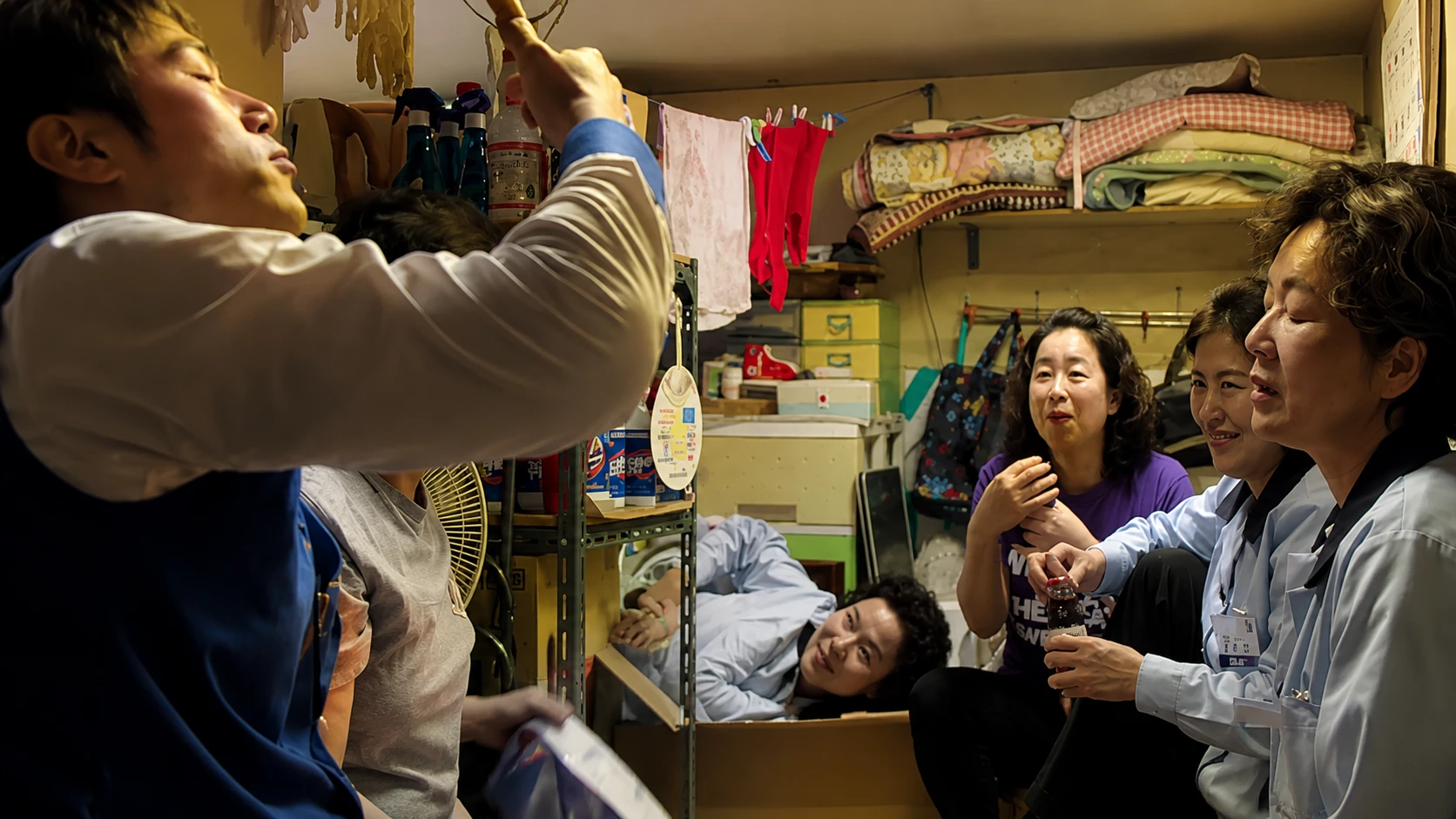
Her husband works away from home more often than not, which makes Sun-hee the one who actually raises her two kids day to day, on a contract worker’s wage that was never designed to cover it. She isn’t unusual. That’s the point — she’s one of hundreds of women doing exactly this math every month, and the film spends real time letting that ordinariness sit before it breaks.
The break comes fast and total: a company memo announces the mass dismissal of every contract worker, effective almost immediately. No negotiation, no transition period, no acknowledgment of the years already put in. Sun-hee and her coworkers go from employed to expendable in the space of a single announcement, and the shock curdles into something closer to fury within days.

Sun-hee isn’t the only one with everything riding on this. Hye-mi is raising a child alone and has no fallback income if this job disappears; Soon-rye is close enough to retirement that this was supposed to be her last, dignified stretch of work, not the end of it on someone else’s terms. Their fear doesn’t stay private for long — it starts to look, to all of them, like something worth acting on together.
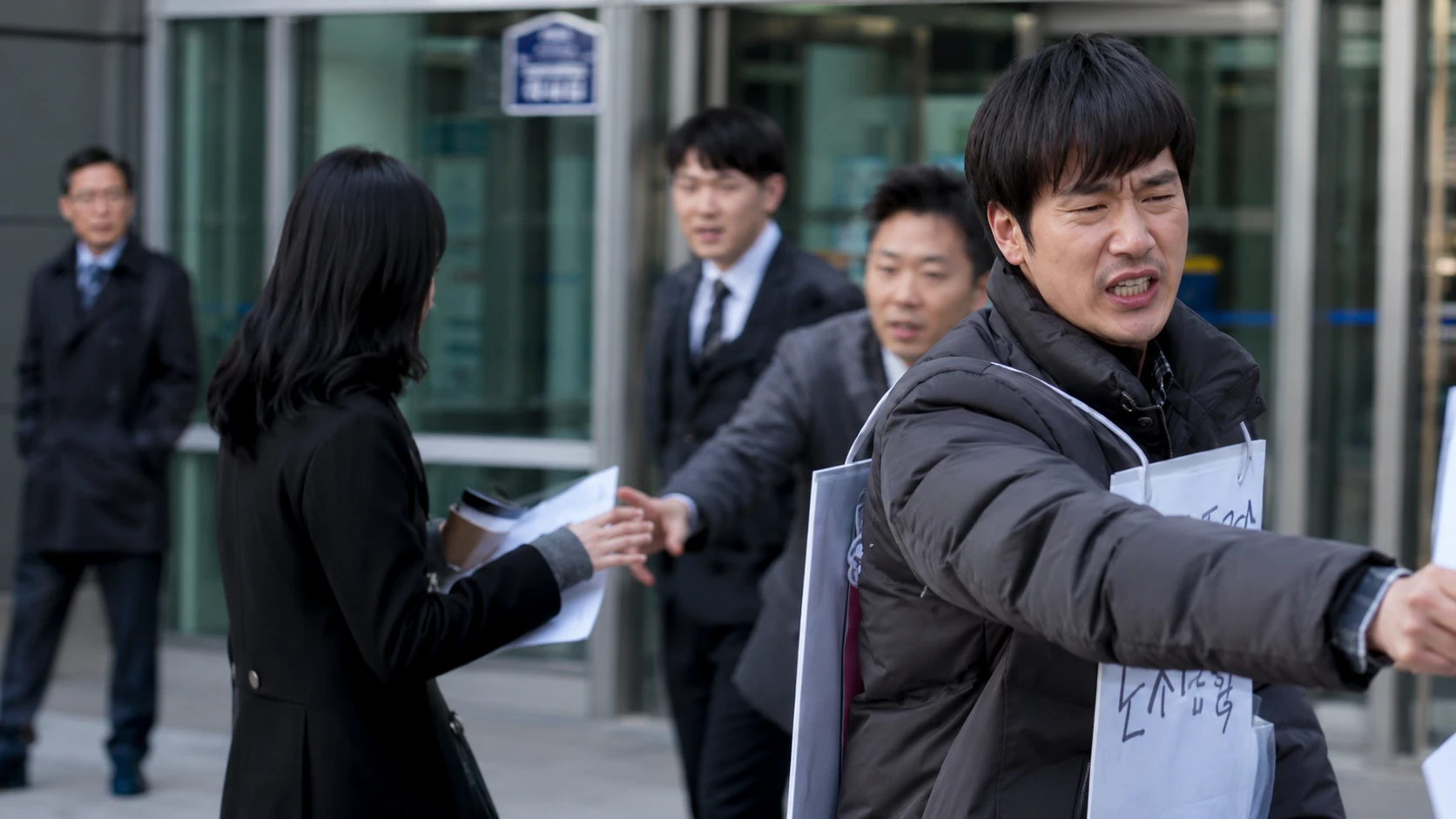
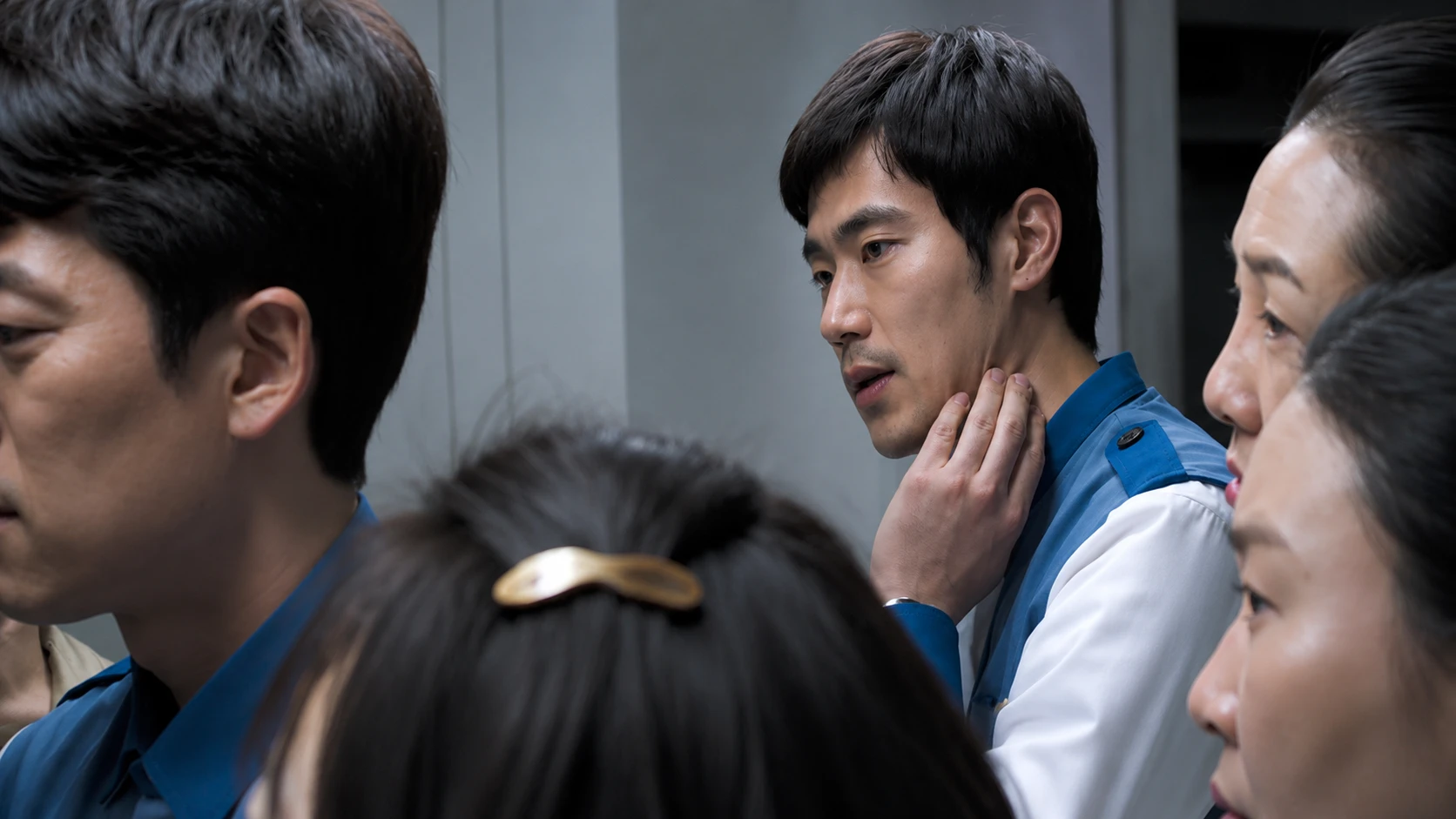
What follows isn’t a triumphant montage of empowerment — it’s slow, awkward, and genuinely risky. Dong-joon, a junior manager with one foot in the labor union, becomes a hesitant but real bridge between the women and a company that would rather not hear from them at all. Getting him, and enough of the workforce, on board takes most of the film’s back half.
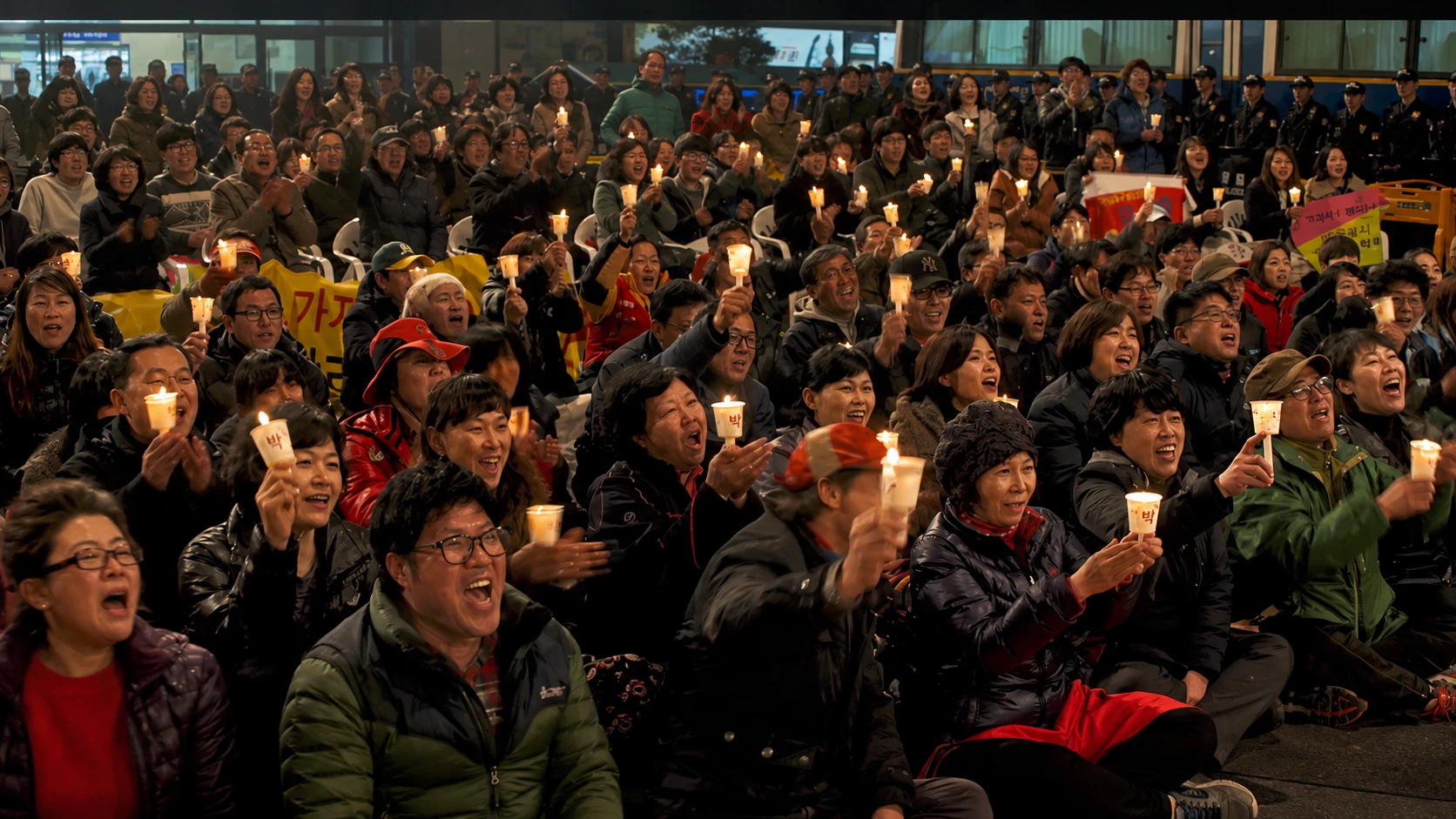
At home, Sun-hee’s teenage son Tae-young is mortified before he’s anything else — his mother, on the news, holding a picket sign outside the store where his friends shop. That embarrassment doesn’t resolve quickly or cleanly, and the film doesn’t rush it into a hug-it-out scene either.
By the time the strike moves from the parking lot to something the whole company has to respond to, the question Cart is actually asking has very little to do with whether these particular women win their jobs back. It’s about what happens to people who did everything they were supposed to do, and were let go anyway.
🏁 Ending Explained
Full spoilers — breaking down the ending and what it means.
Full Spoilers Ahead — This section covers the complete ending of Cart. Stop here if you haven’t watched.
What actually happens The strike doesn’t end in victory. The company refuses to negotiate, brings in hired men to intimidate the picket line, and eventually the police move in — Sun-hee, Hye-mi, Soon-rye, and their coworkers are arrested for a protest that never turned violent on their end. Some of the women’s resolve breaks under the pressure and they leave the line. The ones who remain are still outside The Mart when the film cuts to black, jobs not reinstated, outcome unresolved.

That’s a deliberately uncomfortable place to leave an audience. There’s no scene where the company backs down, no reinstatement notice, no clean scoreboard of who won. What’s left is just a smaller group of women who are still there, still saying no, with no guarantee it changes anything.
Why there’s no clean resolution Cart is drawing directly from a real 2007 mass layoff at a Korean discount chain, and that dispute didn’t resolve into a movie ending in real life either. Giving Sun-hee’s story a fictional win would have quietly let the actual company, and every company like it, off the hook. The film’s refusal to manufacture a victory is the most honest thing it does.
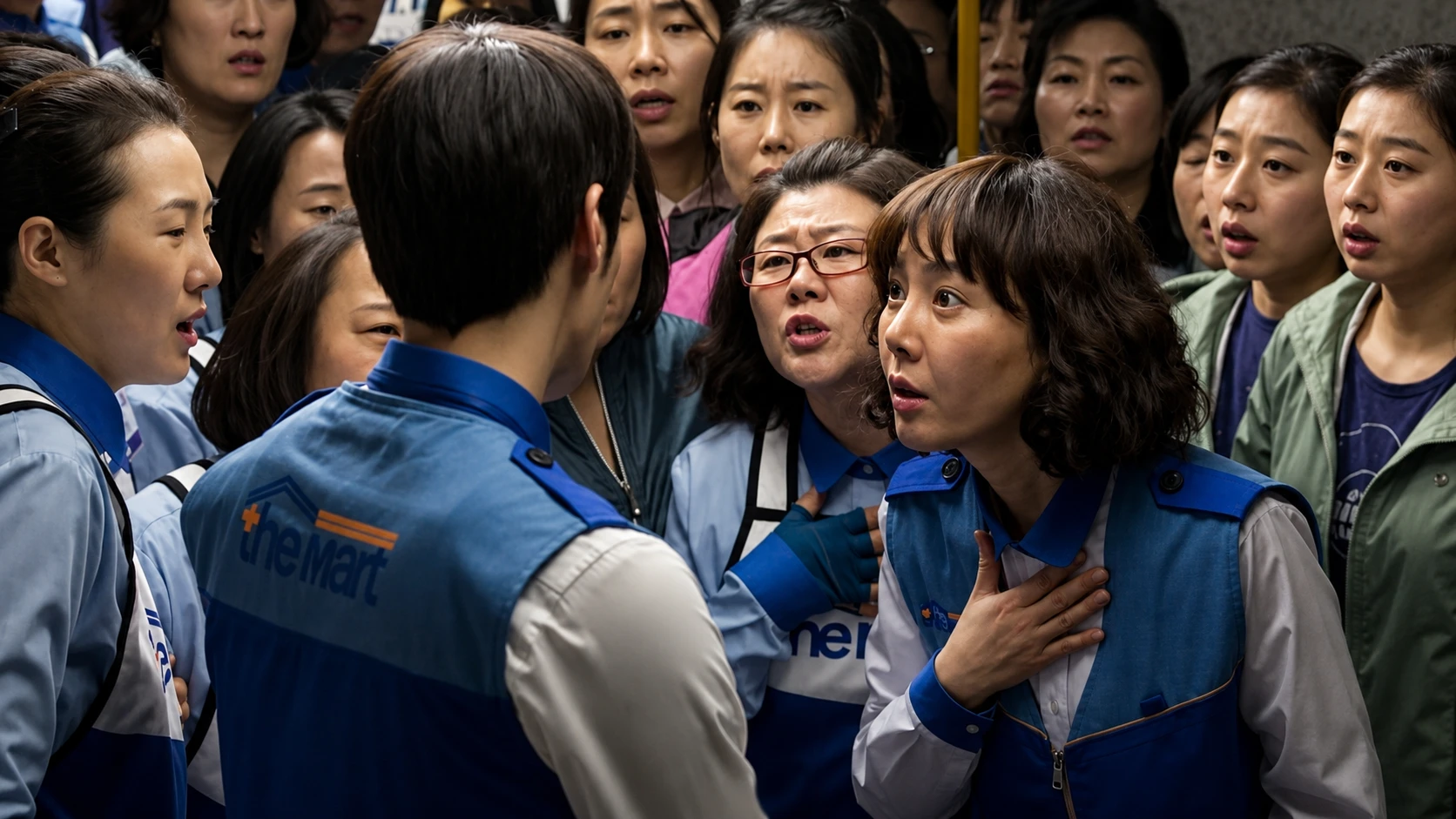
It also recontextualizes the film’s opening. Sun-hee’s early eagerness to please, her quiet belief that loyalty would eventually be rewarded with a permanent contract — none of that reads as naive in hindsight so much as it reads as a system counting on exactly that belief to keep her compliant.
The KDW verdict Cart’s thesis isn’t that solidarity guarantees a win — it’s that showing up for each other still means something even when it doesn’t. The film ends with these women together on a sidewalk instead of alone in an unemployment line, and treats that, quietly, as the only victory it’s willing to promise.
✍️ KDramaWorlds Editor’s Take
Straight talk on whether this one’s worth watching, and for who.
Boo Ji-young
Known for: Boo Ji-young came up through independent film, directing Sisters on the Road (2008) before Cart became her international breakout, screening at festivals worldwide. Her work consistently centers women navigating institutions — family, work, the law — that were never built with them in mind, and Cart applies that same lens to a labor dispute without ever softening it into an easy underdog story.
Yum Jung-ah plays Sun-hee’s unraveling in stages, not a single breakdown — the quiet humiliation of being dismissed, then the slower, harder work of deciding she has something worth fighting for. Where Parasite examines Korea’s class divide from a genre-thriller remove, Cart sits inside the exploited class and never leaves, which makes its version of the same anger feel much closer to the skin.
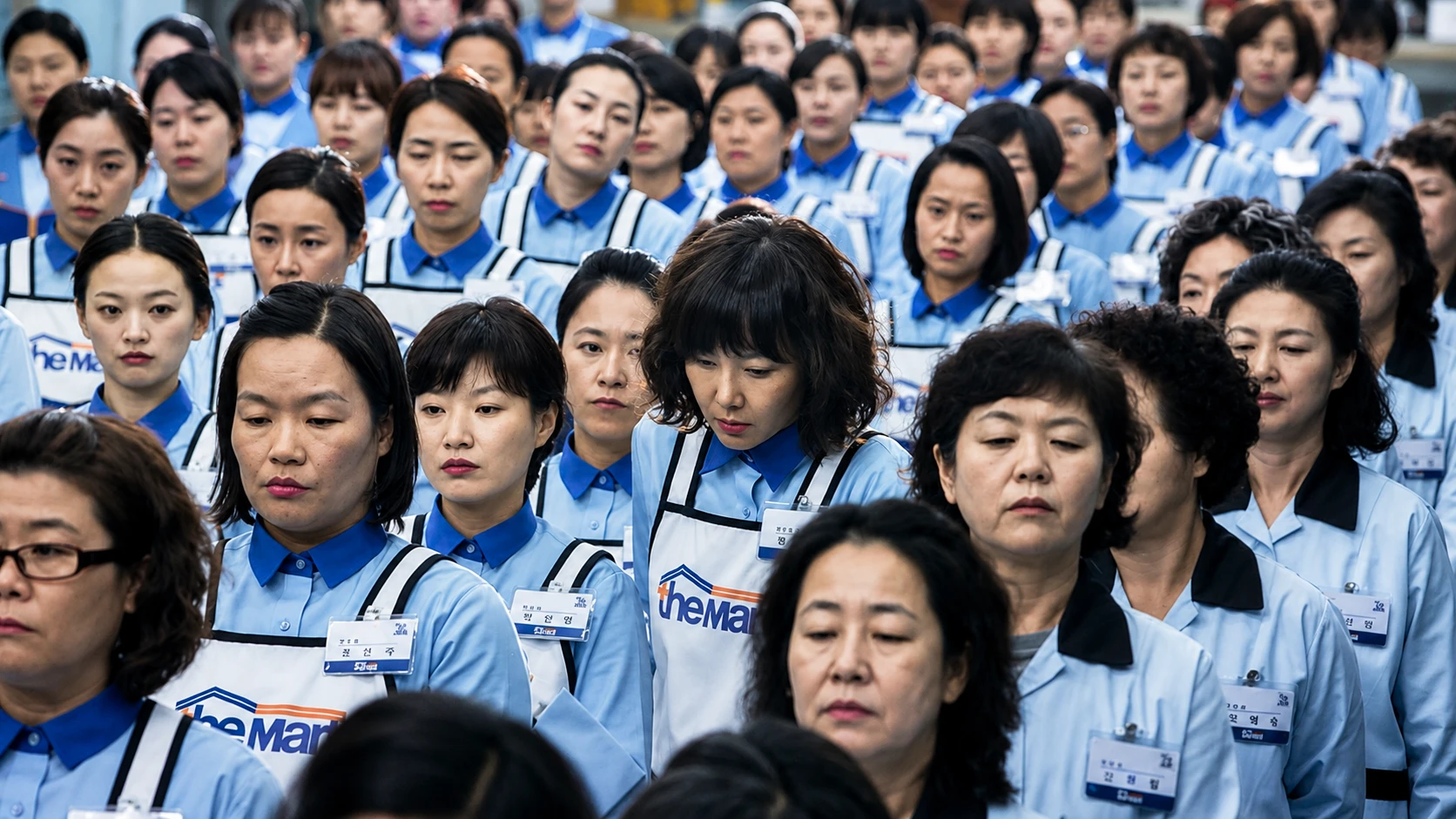
The ensemble around her — Moon Jeong-hee’s Hye-mi, Kim Young-ae’s Soon-rye — never get reduced to a single defining trait each, which is harder to pull off in a film with this many characters than it looks. Cart extends its women the kind of patient, unhurried dignity that Miracle in Cell No. 7 extends to its own overlooked, easily dismissed protagonist.
There’s very little score, very few speeches, and almost no scene that reaches for a big emotional swing it hasn’t earned first. Boo Ji-young trusts the material — a real labor dispute, real financial stakes, real exhaustion — enough to just point the camera at it and let the women carry the rest.
🎬 You Might Also Like
If you liked Cart, these are your next three watches.
 Work Later, Drink Now (Season 2)
comedyDrama
Read Full Review →
|
 Voice (Season 4)
Crime Thrillercult
Read Full Review →
|
 Dreaming of a Freaking Fairy Tale
ChaebolCinderella Story
Read Full Review →
|
















Keep it kind, skip the harsh language, and please — no spoilers. Everyone's taste is different, and that's perfectly fine.
This space is for real reactions and discussion from other viewers. Help keep it comfortable for everyone by not giving away major plot details.
What do you think of this drama?
Login to share your review or leave a comment.
No email needed — just pick a username & password.