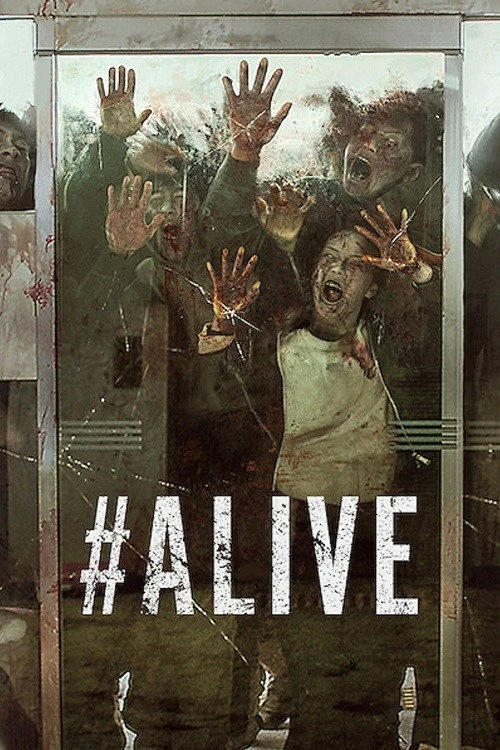
#Alive
🎬 Film Overview
A sudden infection turns Seoul into a city of panic, leaving Oh Joon-woo trapped alone inside his apartment with dwindling supplies and no reliable way to reach the outside world. As the infected multiply and the building falls to chaos, survival becomes a test of will, improvisation, and nerve. Across the complex, another survivor — Kim Yoo-bin — becomes his only real connection to hope.
⚡ Quick Verdict
Everything that matters, at a glance.
· IMDb
· 88% RT Critics
· 63% RT Audience
▶ Official Trailer
🎭 Cast & Characters
Twelve performances across 98 minutes of Seoul under siege.

Lead

Lead

Supporting

Supporting

Supporting

Supporting

Supporting

Supporting

Supporting

Supporting

Supporting

Supporting
📖 The Story
A quick, spoiler-free look at what you’re in for.
Oh Joon-woo lives alone in a high-rise apartment in Seoul, where his days revolve around gaming, livestreaming, and the deliberate comfort of a life that asks as little of him as possible. He is not exactly adrift — he has routines, he has food delivered, he has a screen that fills the room with noise — but he is someone who has quietly arranged his world to minimize contact with it. His apartment is both his headquarters and his refuge, and the city outside is something he observes from a distance rather than participates in. By every external measure, his life is fine. By the measure of what actually connects people to people, it is remarkably thin.
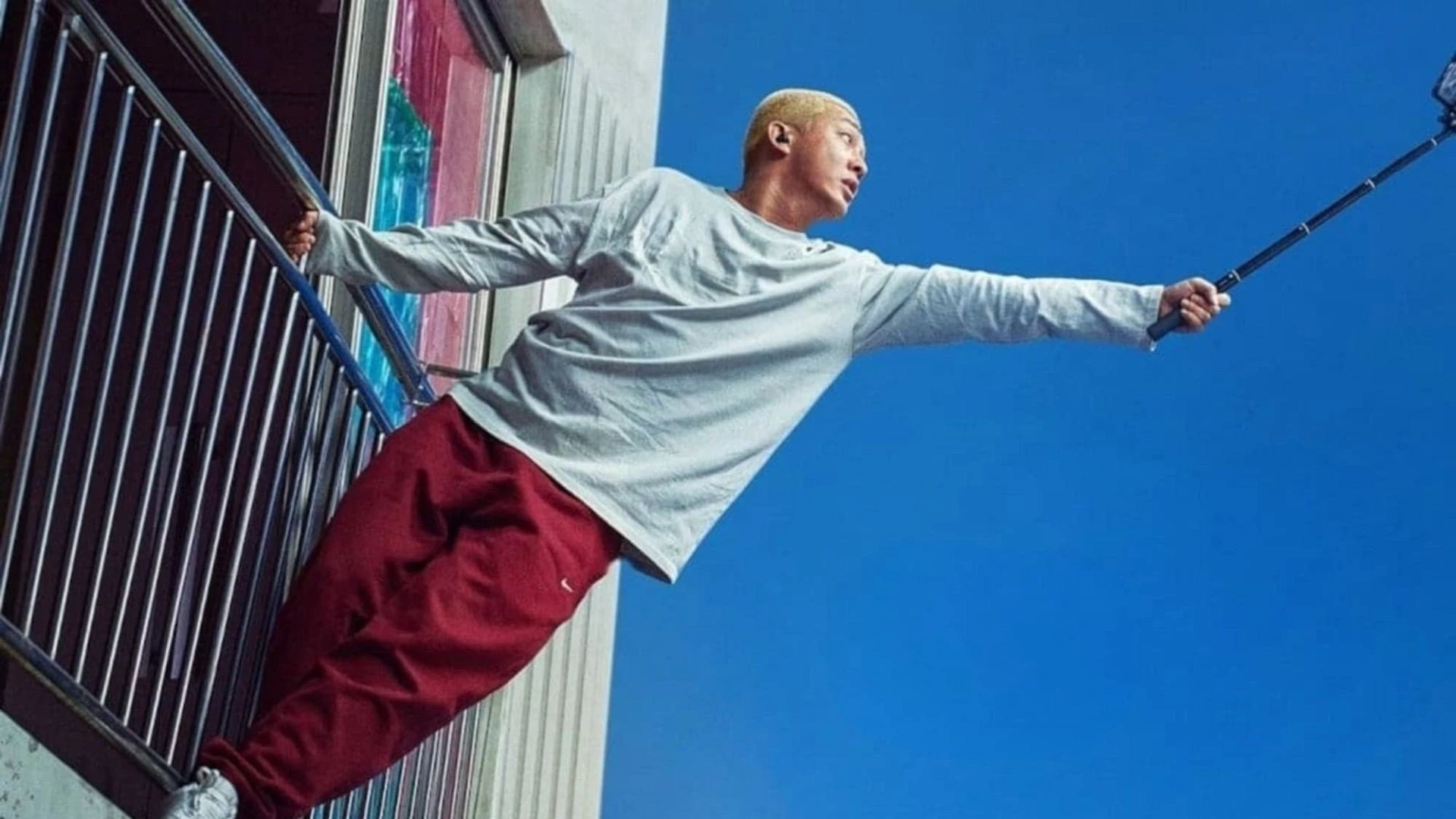
The crisis arrives without warning. One morning, the streets below erupt in chaos — people attacking one another with frenzied, inhuman speed and force. The infection spreads faster than anyone can process, and within hours the apartment complex transforms from an ordinary residential building into a maze of danger. Phones fail, the internet becomes unreliable, emergency broadcasts disappear, and the careful infrastructure of modern urban life collapses under the weight of something that has no playbook. Joon-woo, who signed up for a day of gaming, finds himself completely alone in a city that no longer works.
What makes the film’s first act distinctively unsettling is how precisely it maps the failure of technology. Every tool Joon-woo reaches for — his phone, his social media, his delivery apps, the building’s intercom — either fails or becomes useless. The horror here is not purely the infected. It is the discovery that every system he trusted was always dependent on other people functioning, and now those people have stopped. Joon-woo’s particular form of isolation — the kind you build deliberately through screens and routines — is revealed to be no protection at all against the kind of isolation the world can impose without warning.
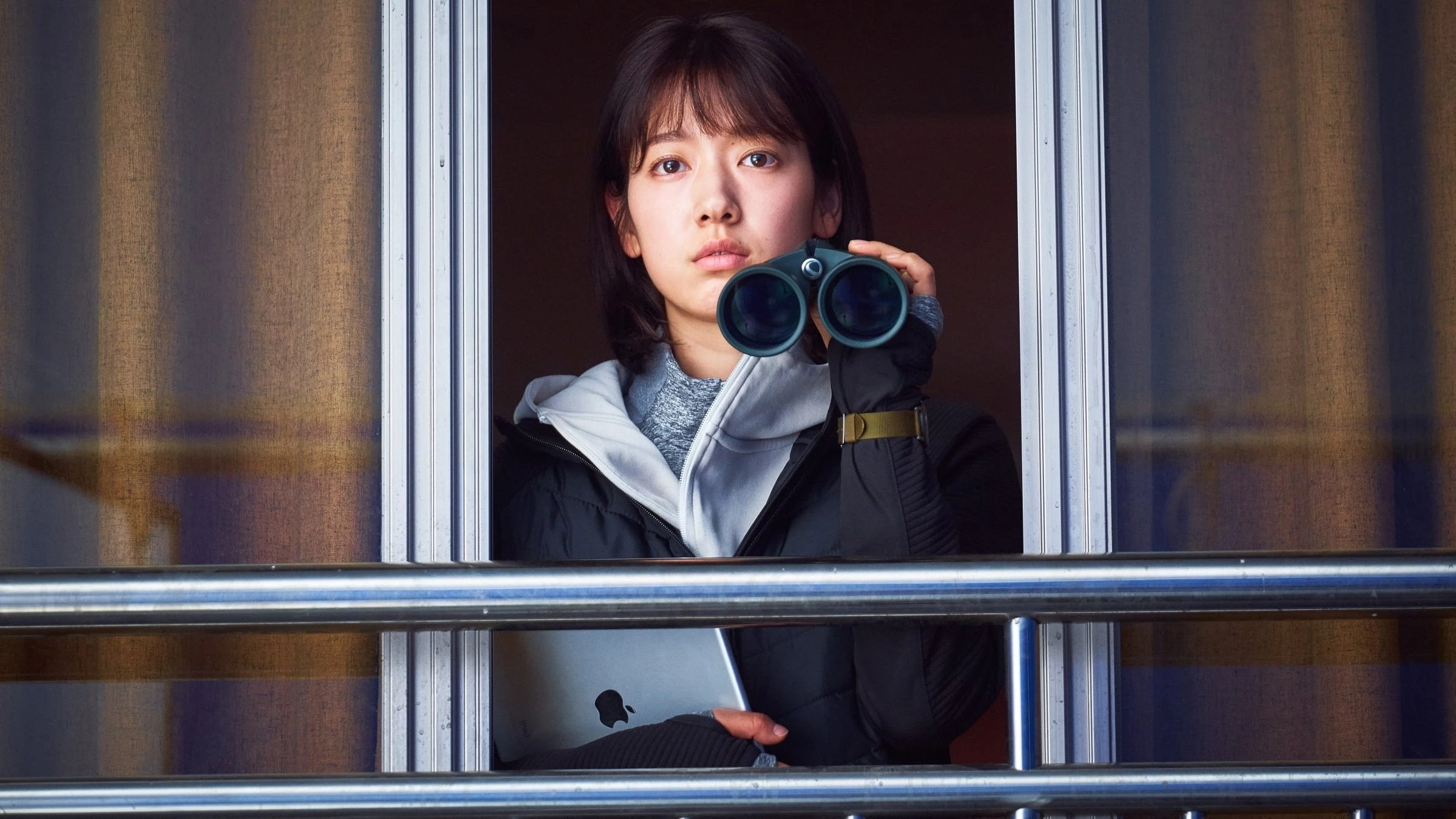
A crucial shift arrives when Joon-woo spots another survivor, Kim Yoo-bin, living in a nearby apartment across the building’s interior. Their first communications are wordless — a flashlight in the dark, a handwritten sign held to a window, improvised signals traded between two people who cannot safely move toward each other. Yoo-bin is calm and methodical in a way that Joon-woo is not; she has been surviving longer, has organized her supplies, and approaches the crisis with a steadiness that reads as experience rather than luck. Their dynamic becomes the film’s emotional center — not a romance in any conventional sense, but something closer to the specific relief of discovering that another person is still out there and still rational.
What distinguishes the film from most survival thrillers is its insistence on using the apartment itself as the terrain of the drama. Director Cho Il-hyung turns domestic architecture into suspense: the balcony becomes a vantage point and a liability, the elevator shaft a passage with lethal possibilities, the supply closet a measure of time remaining. Every room has a function in the film’s survival logic, and every object — fishing line, a drone, canned goods, rope — accumulates meaning as the story progresses. The film understands that being trapped in a place you know intimately is a different kind of terror than being trapped somewhere foreign, because you understand exactly how limited your options are.

The tone moves between genuine dread and flashes of dark comedy — Joon-woo’s gaming instincts sometimes surface at absurd moments, and the film is self-aware enough about his character to let those moments land without undercutting the stakes. The pacing is disciplined rather than relentless. Cho Il-hyung knows when to pull back, letting claustrophobia build through silence and waiting rather than constant spectacle. The visual language of the film — confined frames, tight corridors, the city visible but unreachable through glass — does the work that a larger budget would accomplish with set pieces.
For audiences watching in 2020, the film arrived at an uncanny moment. South Korea had been living through COVID-19 restrictions, and the film’s central anxieties — the lockdown apartment, the failing supply chain, the question of how long you can survive on what you have — resonated in ways that no marketing campaign could have engineered. Korean urban life is defined by high-density apartment living, food delivery culture, and a digital infrastructure that has become inseparable from daily existence. When that infrastructure breaks in #Alive, it is not imagined as fantasy. It feels like a very specific and immediate fear. The film’s version of the apocalypse is frightening precisely because it disrupts the habits and conveniences that Seoul residents actually rely on — not some abstract catastrophe, but the failure of the things you use without thinking every single day.
🏁 Ending Explained
Full spoilers ahead — what happens, what it means, and why the ending lands the way it does.
Full Spoilers Ahead — This section covers the complete ending of #Alive. Stop here if you haven’t watched.
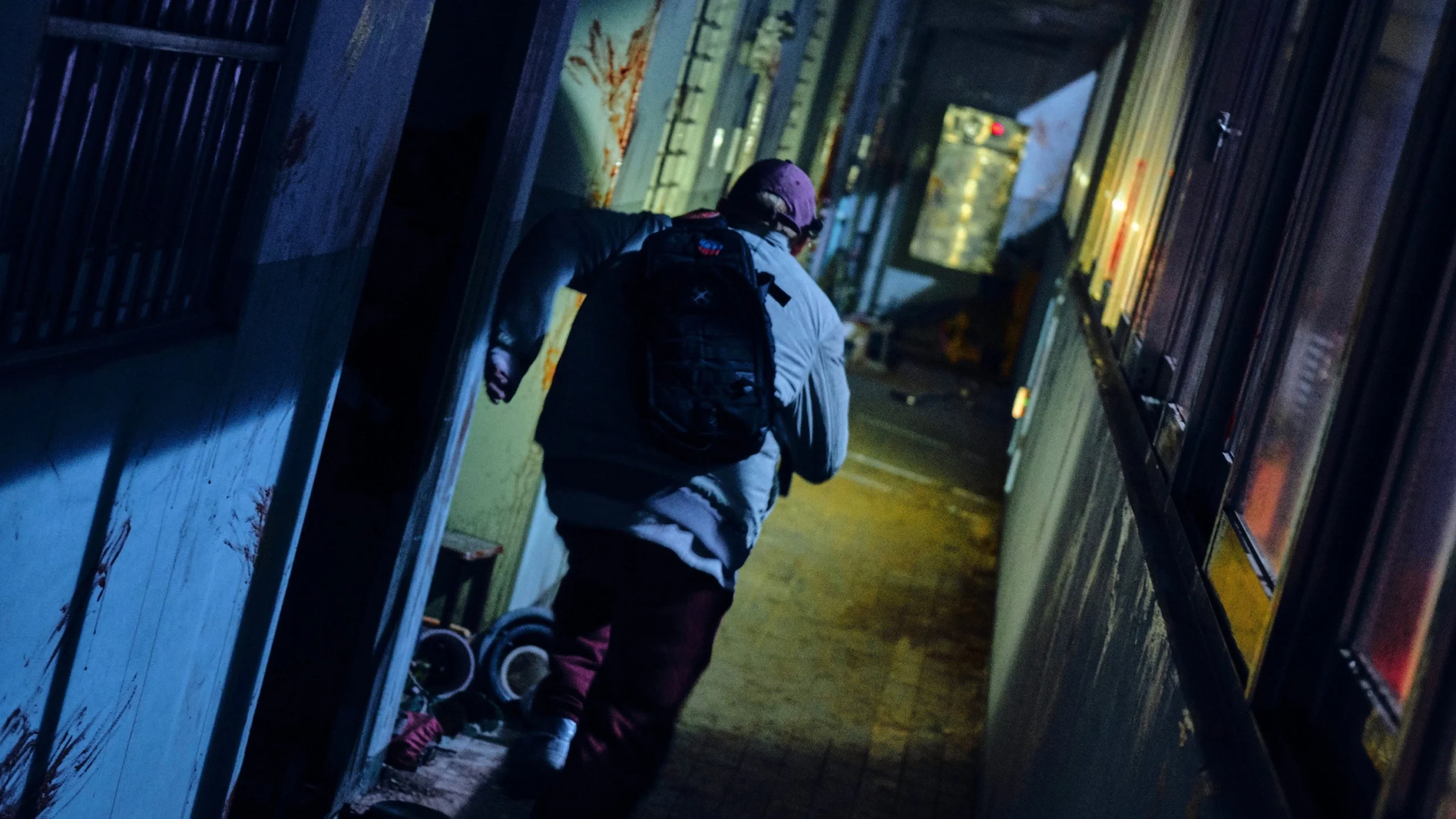
In the finale, Joon-woo and Yoo-bin coordinate their escape after realizing that waiting will eventually kill them. Their plan hinges on the building’s layout, improvised equipment, and the specific knowledge of the infected’s behavior that both have gathered over days of forced observation. Yoo-bin takes the lead — she is calmer, better prepared, and has already mapped the building’s danger zones from her vantage point. Joon-woo, who began the film paralyzed by hesitation and inertia, is finally forced to move with deliberate purpose rather than reactive panic. Their plan does not go cleanly. There are close calls, misjudgments, and moments where the outcome is genuinely unclear.
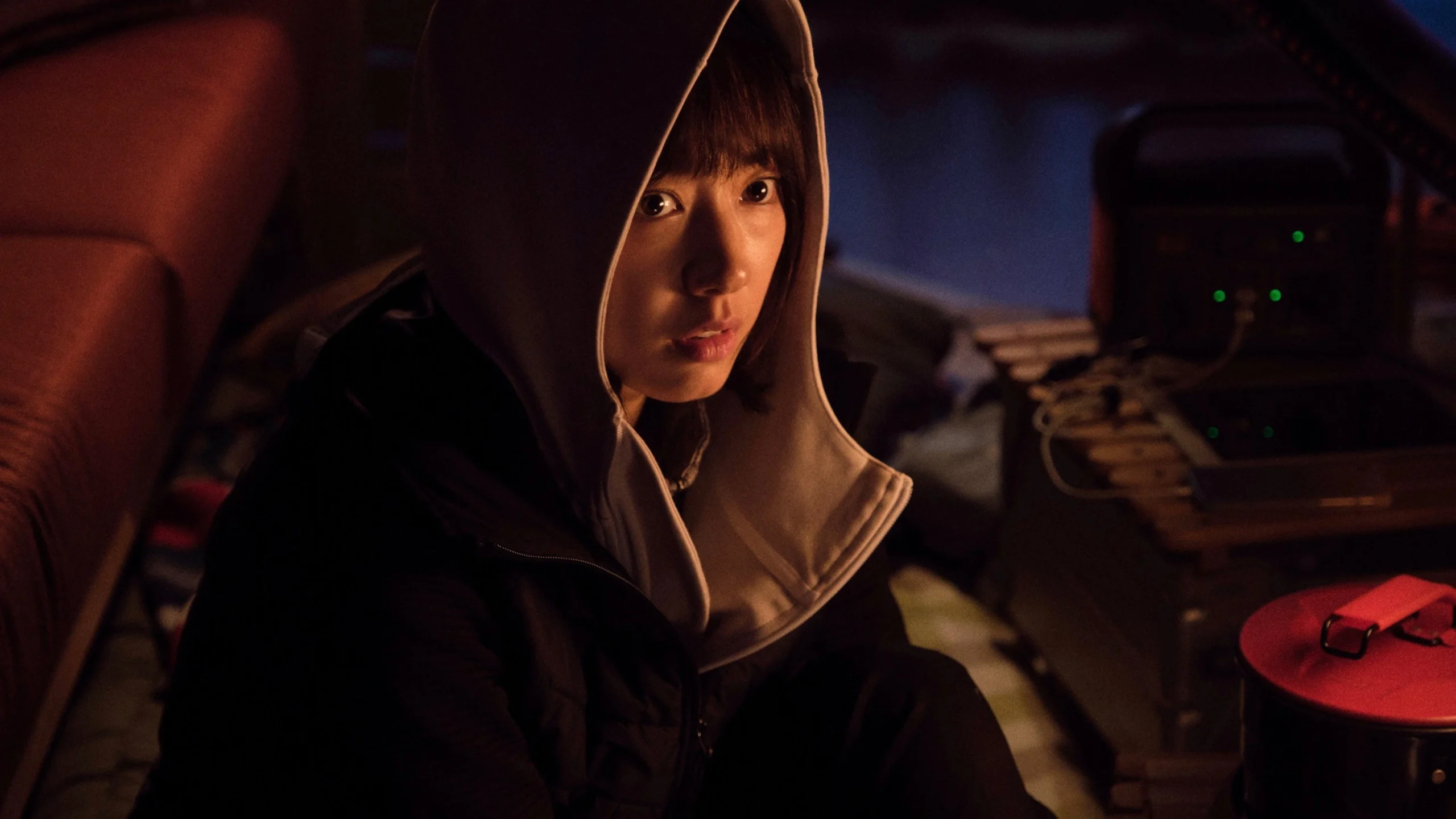
The ending’s emotional weight rests on what survival actually means in this film. #Alive is never really about the infected. The zombies are the pressure that makes the story run, but the film is about what forces a person out of self-imposed disconnection and back into genuine contact with another human being. Joon-woo at the beginning of the film has built a life that is technically functional but emotionally empty — screens and routines as substitutes for real relationship. The outbreak does not simply threaten his physical survival. It strips away every system he was using to avoid the vulnerability of needing people. Yoo-bin’s calm competence and her willingness to reach out to a stranger are the things that keep him alive — not in the logistical sense alone, but in the sense that matters.
The film leaves the wider outbreak deliberately unresolved. There is no explanation of the infection’s origin, no indication of whether any government response is working, and no promise of rescue or recovery. The ending does not offer safety — it offers a narrow exit into an uncertain world. Two readings compete: one reads the ending as a straightforward survival victory, two survivors making it out of a building that has become a death trap; the other reads it as the film’s thesis made literal, that the only thing that actually saves Joon-woo is his willingness to stop functioning alone. The film clearly intends both, and the deliberate ambiguity about what comes next supports the second reading as the more important one.
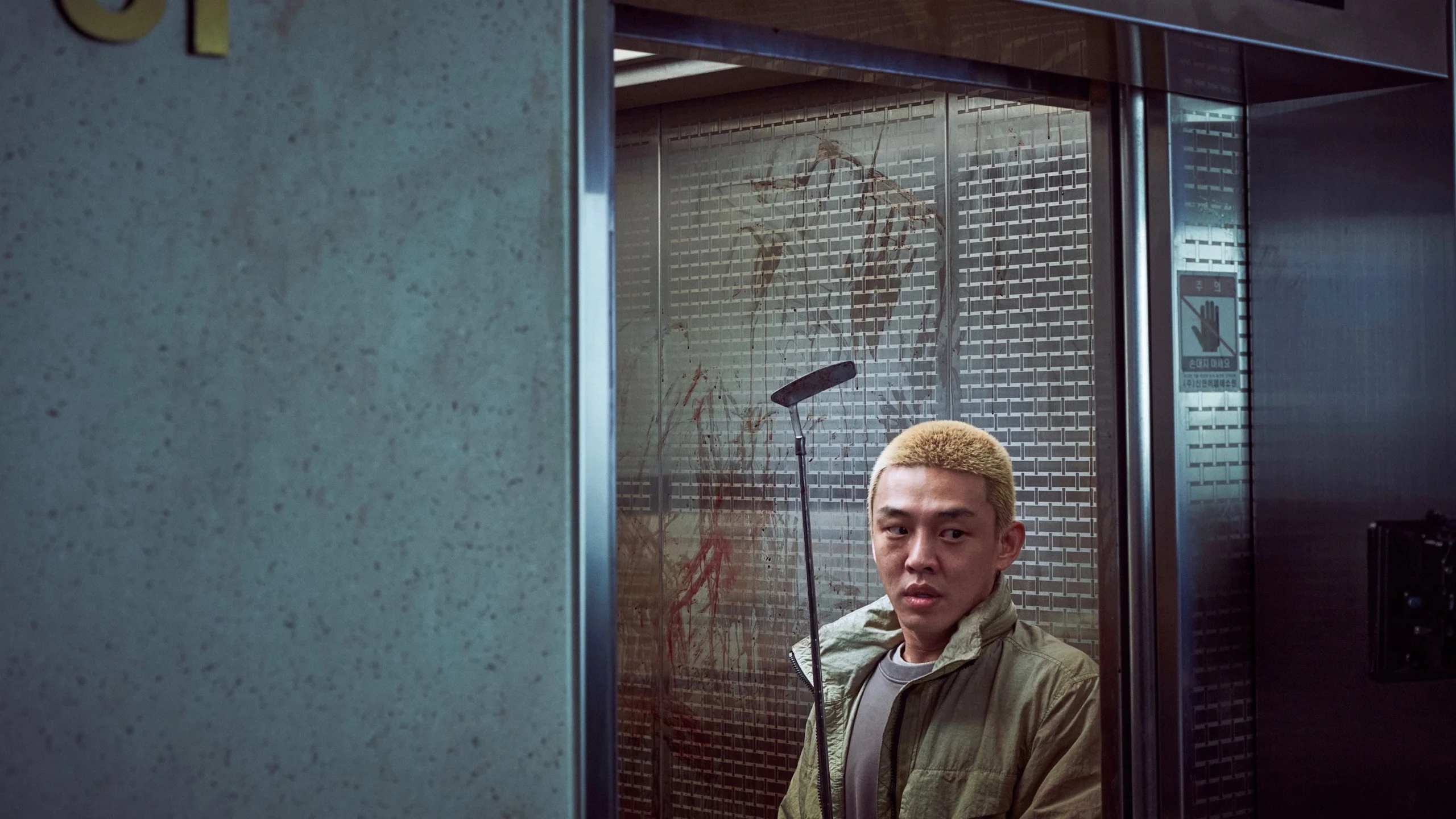
The strongest reading of the ending is that it reframes the entire film as a story about emotional reactivation. Joon-woo does not become a different person in any dramatic sense — he does not discover hidden competence or perform an unlikely heroic act. What he does is stop retreating. The final movement of the film is not victory over the infected; it is the decision to remain present and reachable, to accept that survival and isolation are incompatible. Yoo-bin’s steadiness is the film’s model for what that looks like in practice, and the ending’s quiet resolution — two people stepping out into a broken city together — is the film’s most direct statement about what being alive actually requires. 98 minutes of locked doors and dead phones, and the only thing that ever mattered was the window you kept checking to see if anyone was still there.
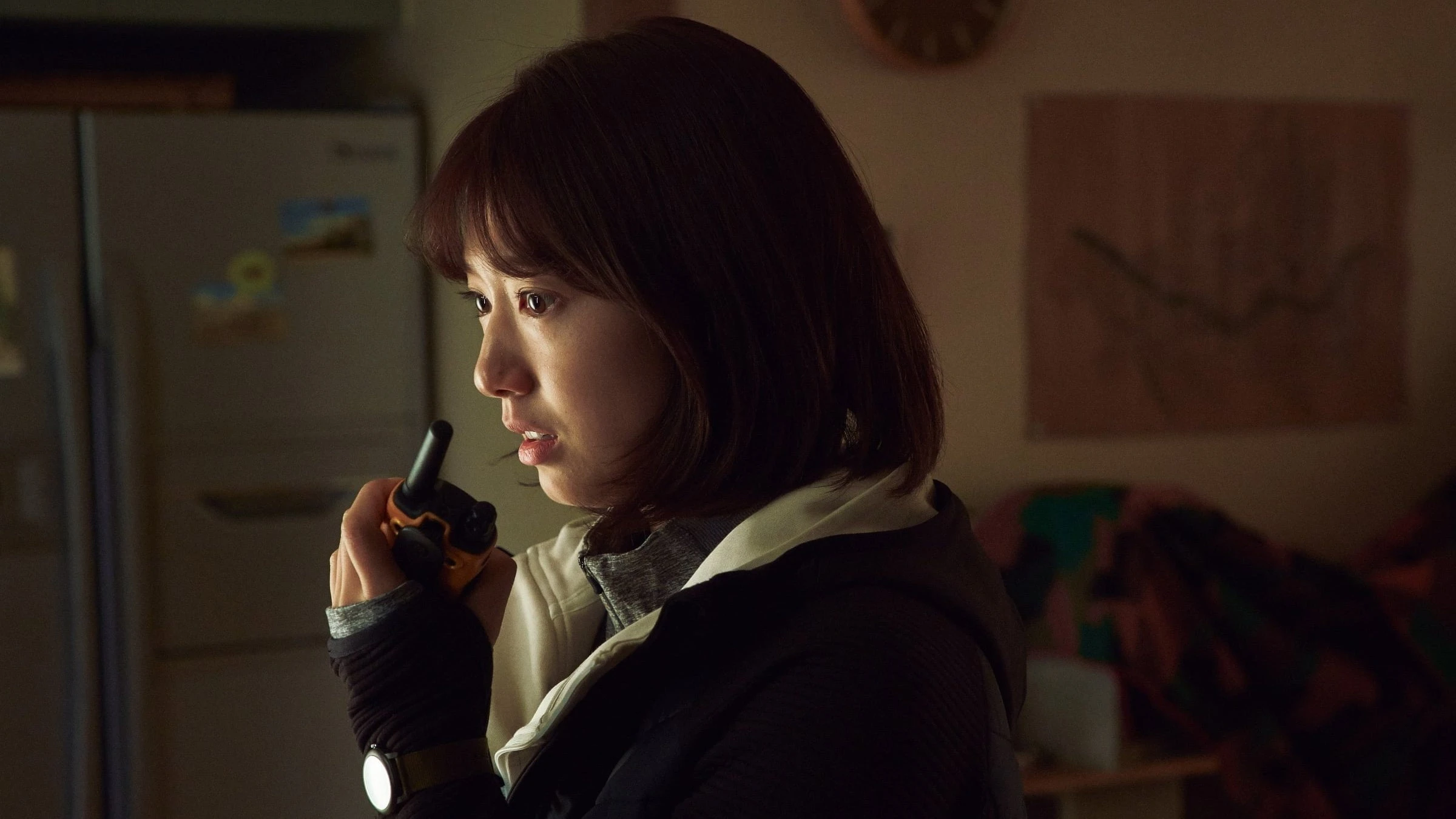
✍️ KDramaWorlds Editor’s Take
Our honest take — is it worth your time, and who’s it really for.
Yoo Ah-in is the engine that makes #Alive work, and it is not a small ask. The film requires him to carry most of the first act almost entirely alone — no scene partner, no dialogue to push against, just a young man in an apartment slowly realizing the world has ended — and he does it with an authenticity that never tips into performance. His Joon-woo is not an action hero in hiding, nor is he the kind of comically useless protagonist designed to make audiences feel superior. He is genuinely, painfully recognizable: someone who has used the conveniences of modern life to insulate himself from the discomfort of real engagement, now confronted with a situation that has stripped every one of those insulations away. That specificity is what makes the film’s emotional arc earn its landing.
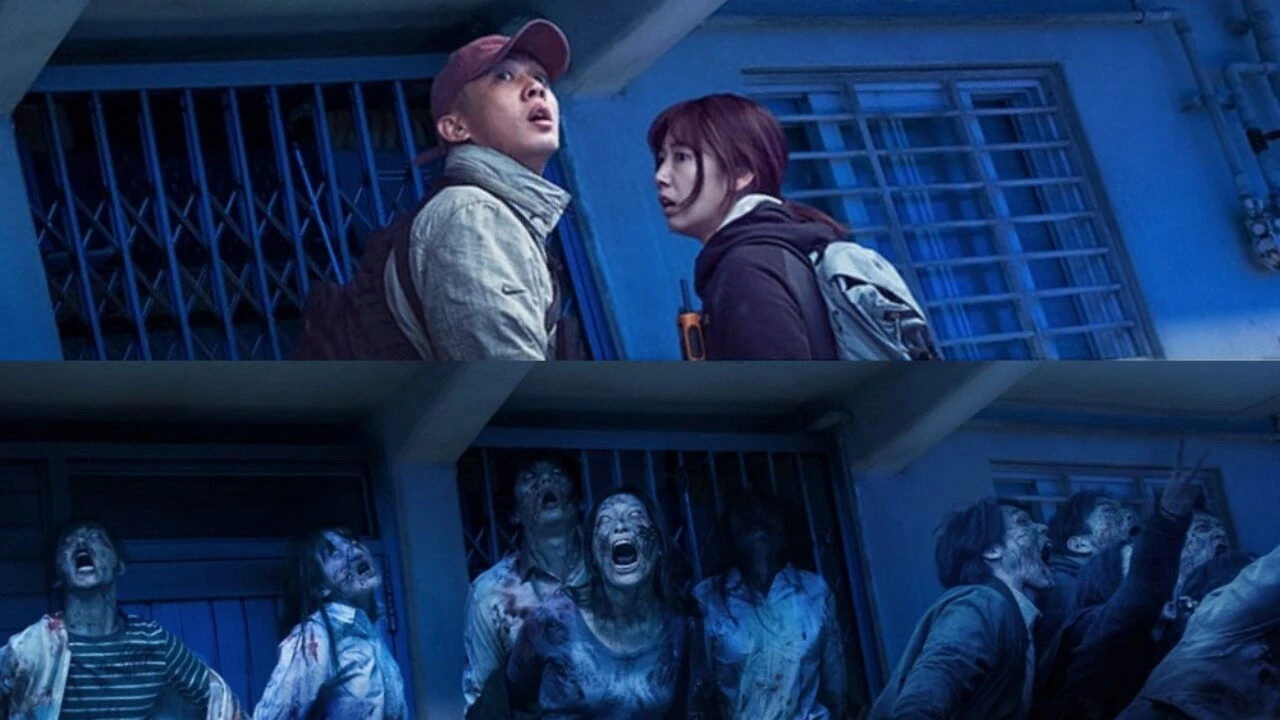
Park Shin-hye’s Yoo-bin arrives in the film as something the genre rarely gives its female characters — genuine competence without explanation. She has been surviving longer than Joon-woo, she has already made her assessments, and she extends help from a position of clarity rather than desperation. The film does not over-explain her or give her a backstory monologue to justify why she is calm under pressure. It simply shows her being calm under pressure, and trusts the audience to register the difference between the two leads without spelling it out. Their dynamic works because it refuses the obvious romantic subplot and instead gives the relationship an earned warmth that is more interesting — two people who need each other functionally discovering that they also simply like each other.
The film’s real argument is not about zombies. Director Cho Il-hyung uses the apartment setting — Korea’s most universal domestic space — to make a case about modern urban loneliness that lands harder than any PSA could manage. The horror of #Alive is that Joon-woo’s pre-outbreak life and his outbreak life look similar from the outside: same apartment, same screens, same limited human contact. The infection makes visible what was already quietly true. 98 minutes. One apartment. Two survivors. And the uncomfortable question of whether you were already living in the kind of isolation that makes disasters feel like business as usual.
Anyone who loves a tight, single-location thriller
Fans of Yoo Ah-in and Park Shin-hye at their most grounded
People who felt the COVID lockdown in their bones — this film was written for you
🎬 You Might Also Like
If you liked #Alive, these are your next three watches.
 Pinocchio
CorruptionFamily Melodrama
Read Full Review →
|
 Gyeongseong Creature (Season 1)
body horrorHan So-hee
Read Full Review →
|
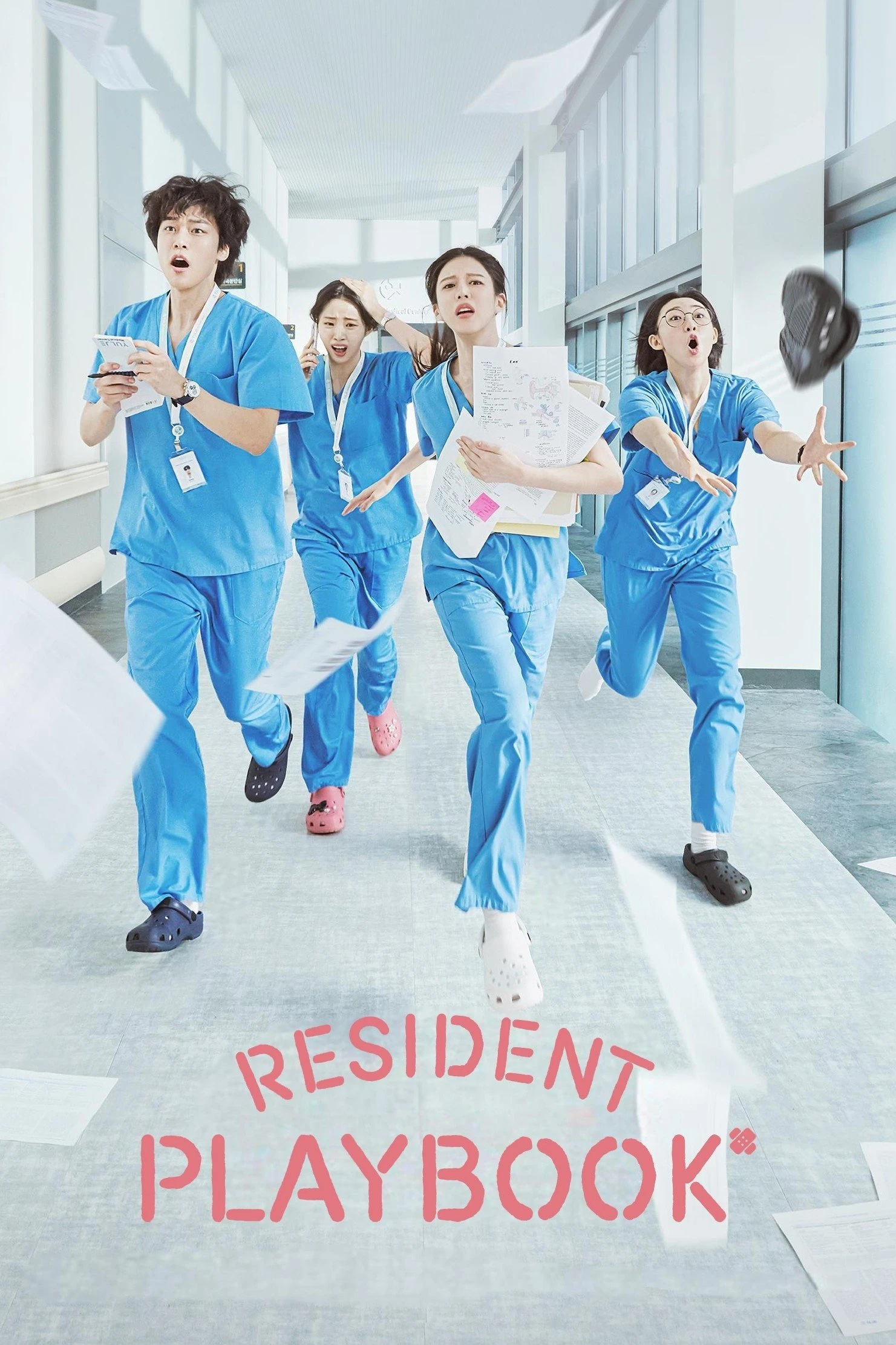 Resident Playbook
friendship dramaGo Youn-jung
Read Full Review →
|













Keep it kind, skip the harsh language, and please — no spoilers. Everyone's taste is different, and that's perfectly fine.
This space is for real reactions and discussion from other viewers. Help keep it comfortable for everyone by not giving away major plot details.
What do you think of this drama?
Login to share your review or leave a comment.
No email needed — just pick a username & password.