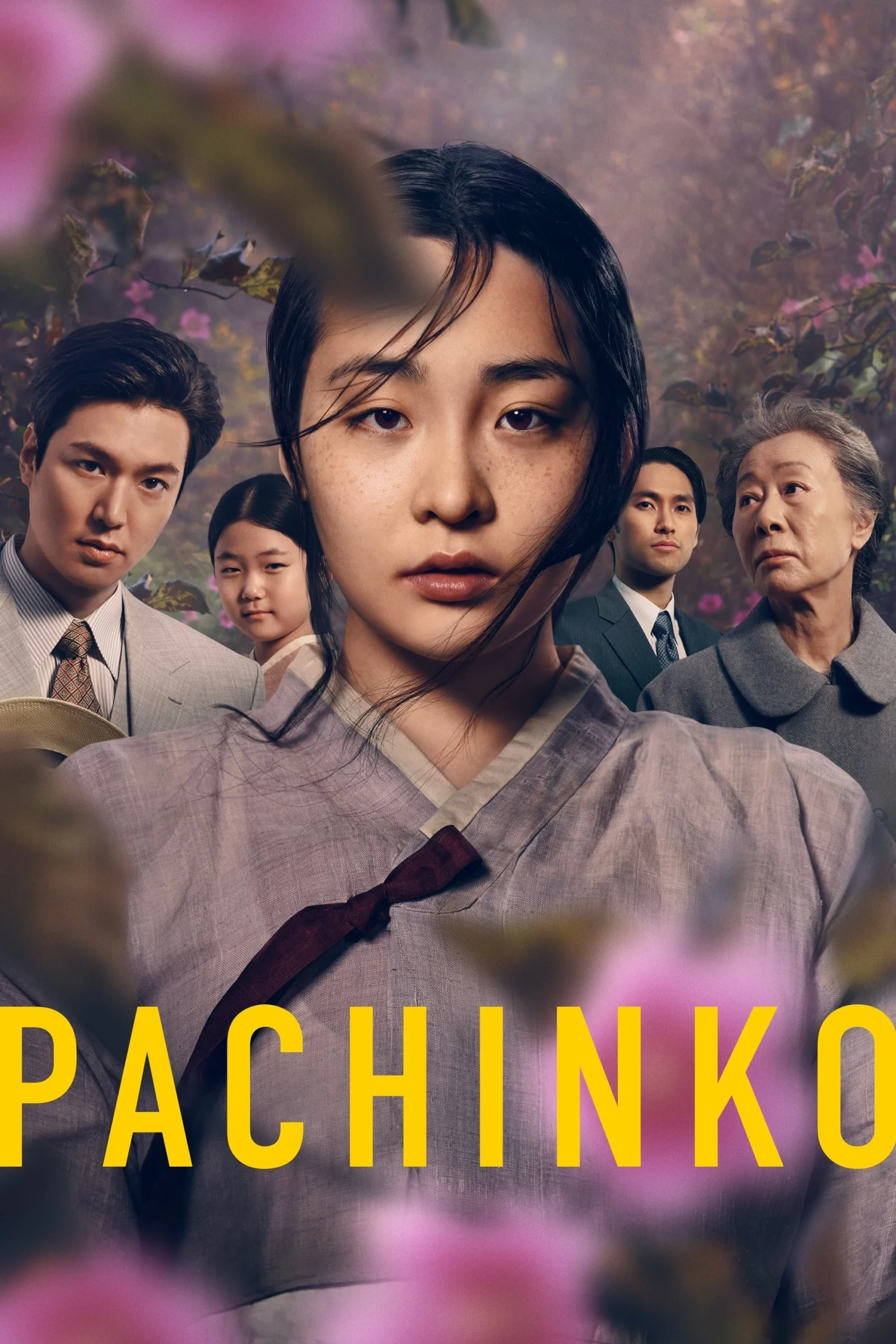
Pachinko (Season 1)
🎬 Apple TV+
⭐ 8.4 / 10 MDL 🔞 15+
📋 Drama Overview
Everything you need to know before you hit play.
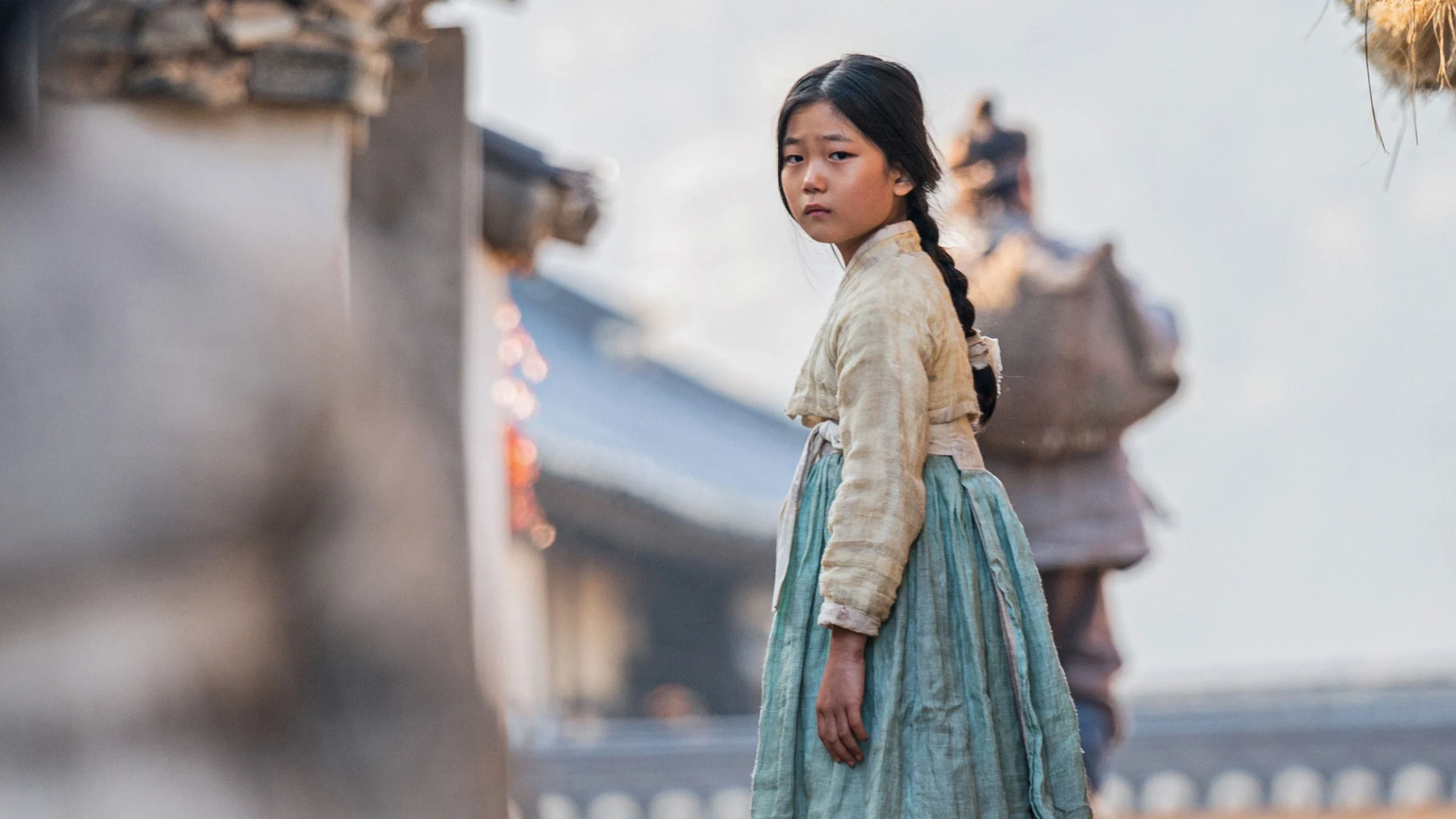
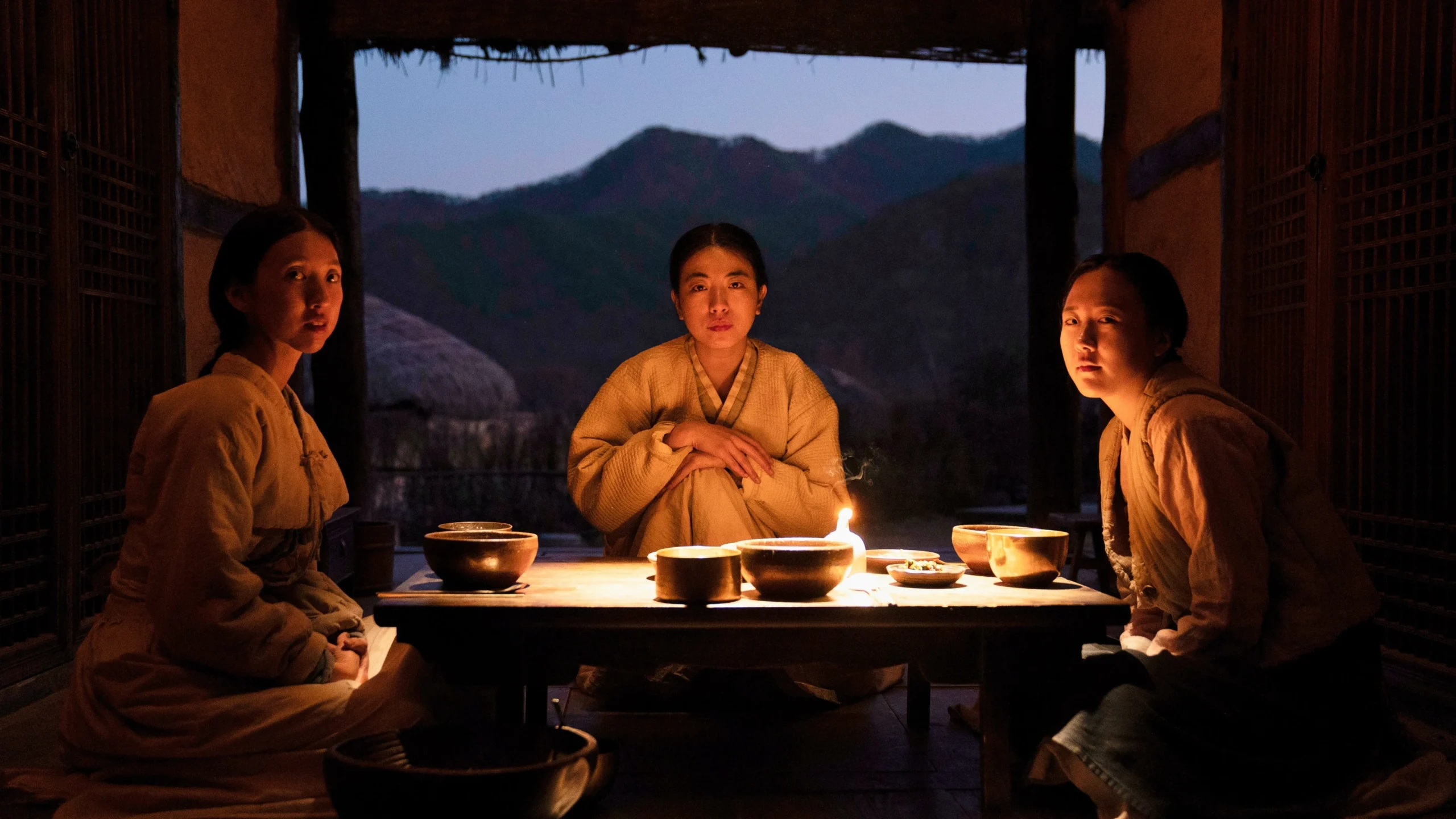
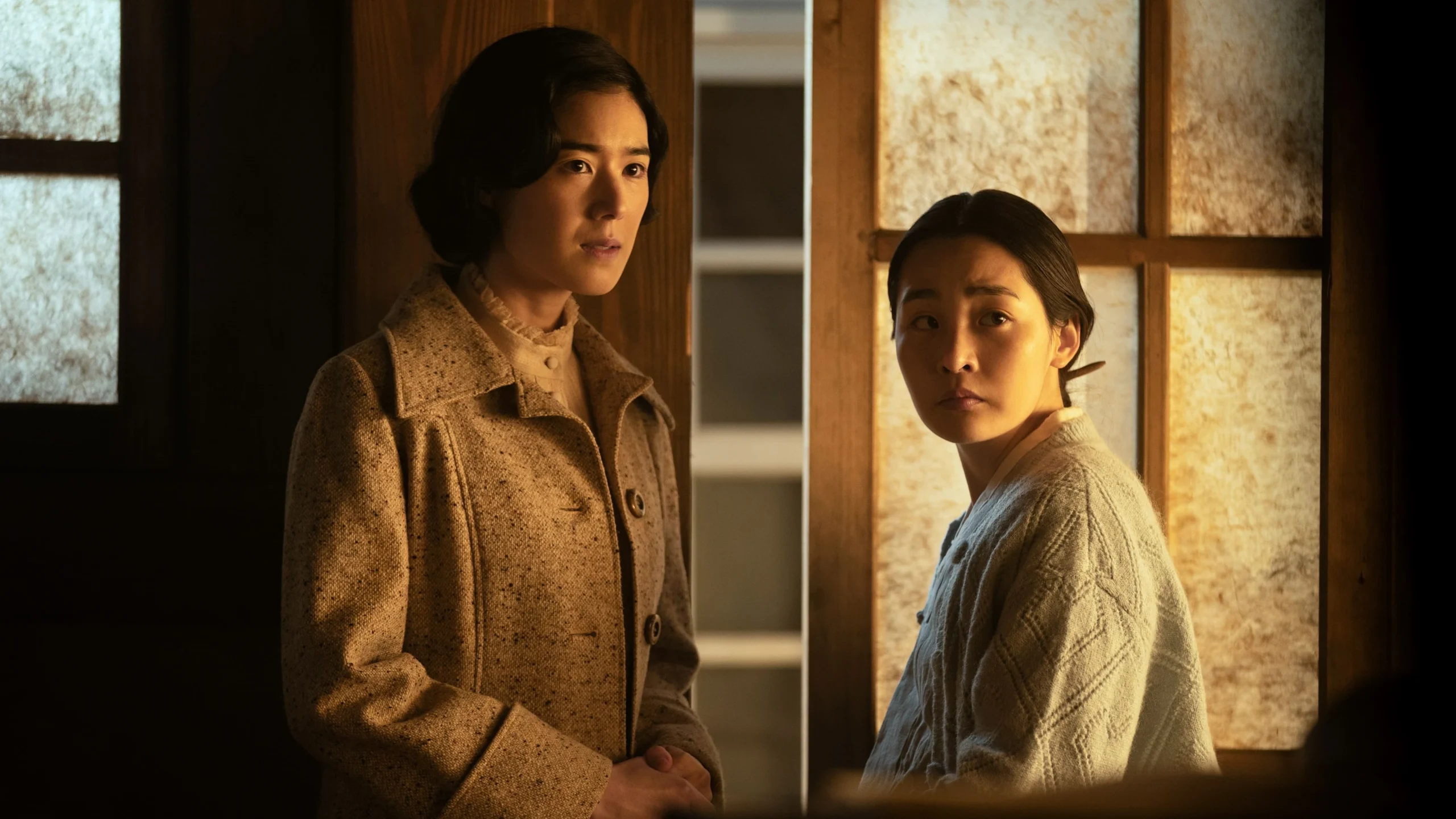
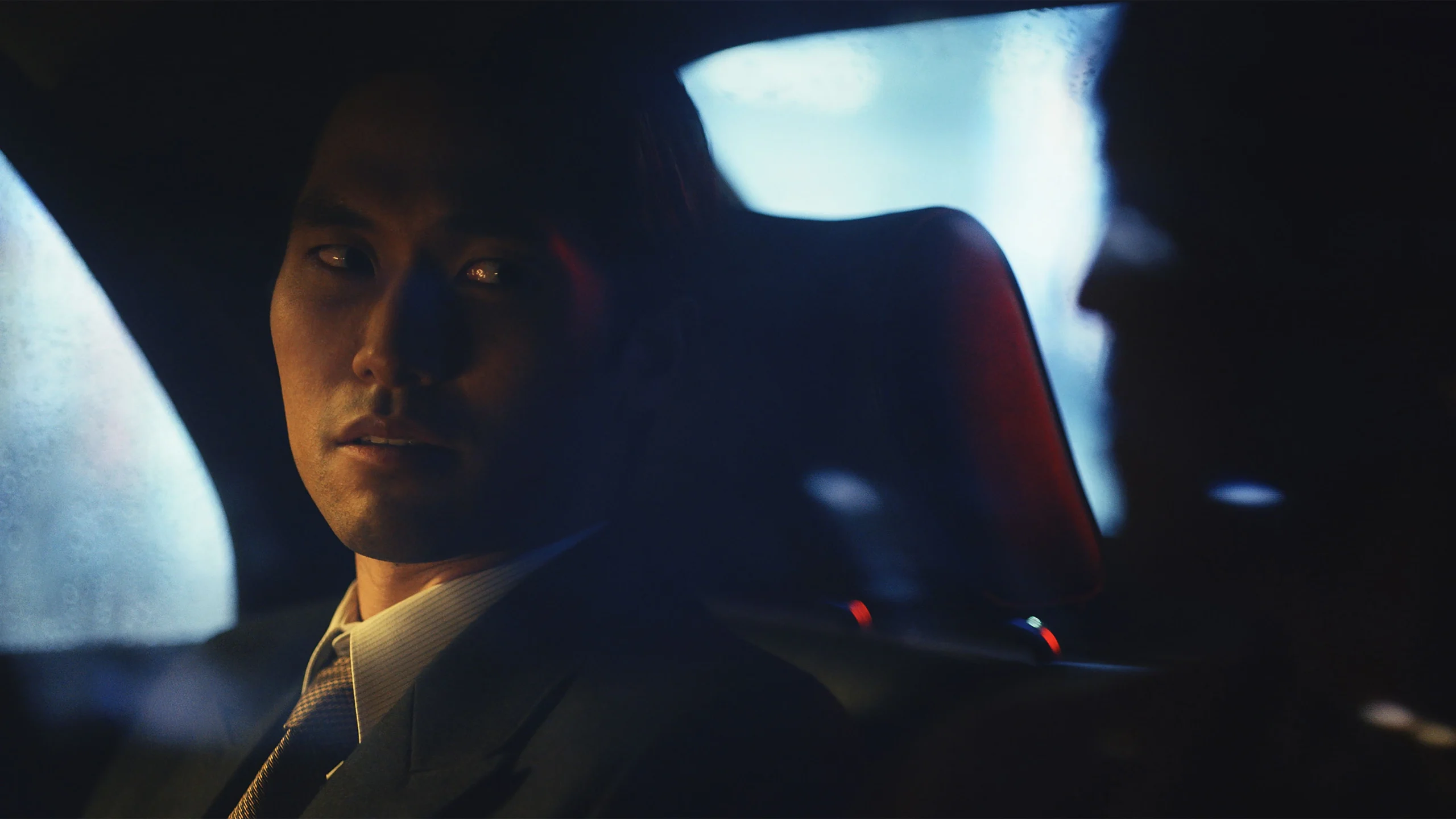
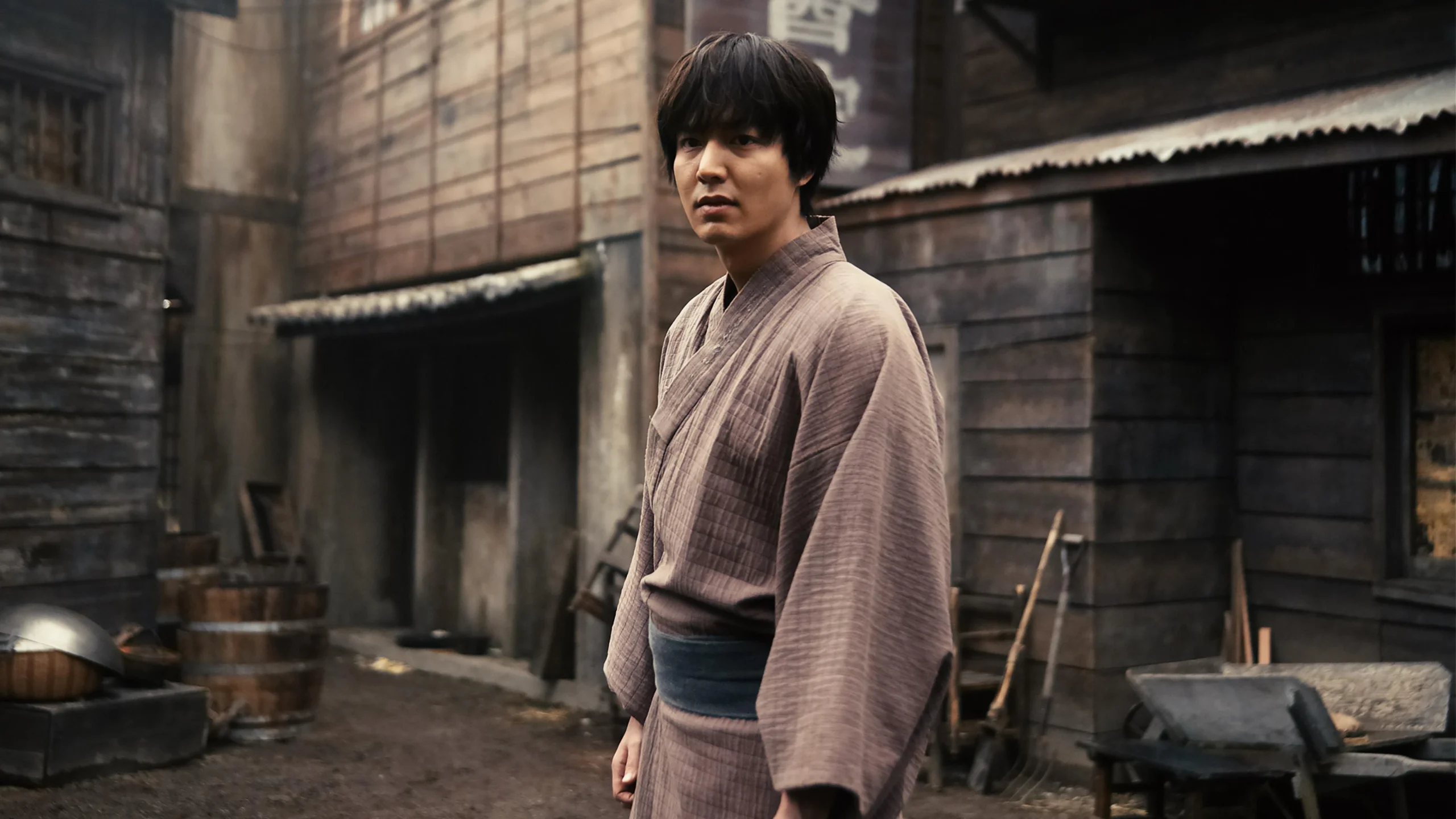
Sunja doesn’t start out as anyone’s grand historical symbol — she’s a teenage girl minding her mother’s boarding house in a Korean fishing village, and the first mistake she makes is falling for a man who’s already spoken for. Pachinko builds its entire four-generation story out of that one ordinary, catastrophic decision, then keeps widening the frame until it covers occupied Korea, wartime Japan, and a Tokyo boardroom sixty years later where her grandson is still living with the consequences.
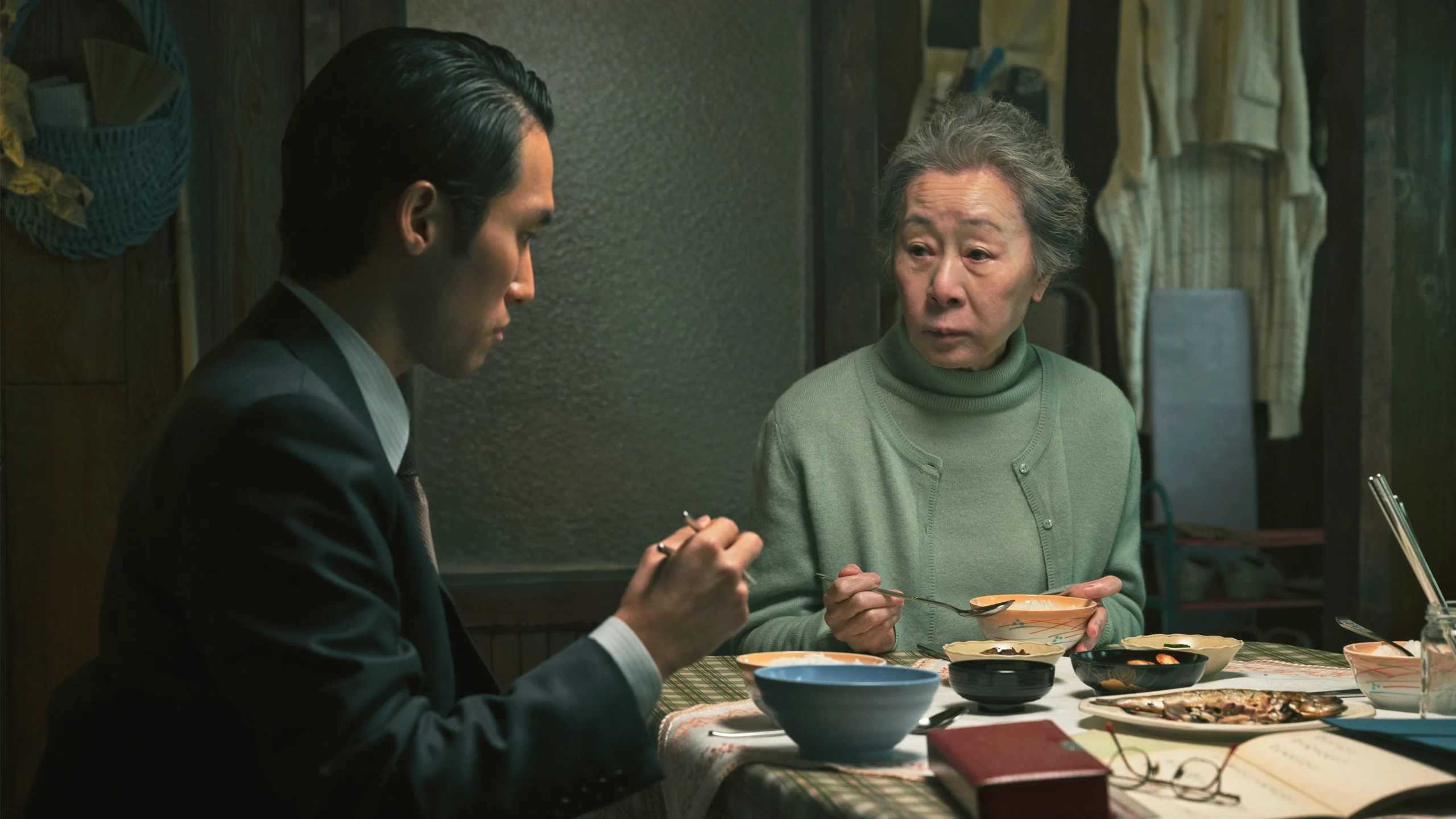
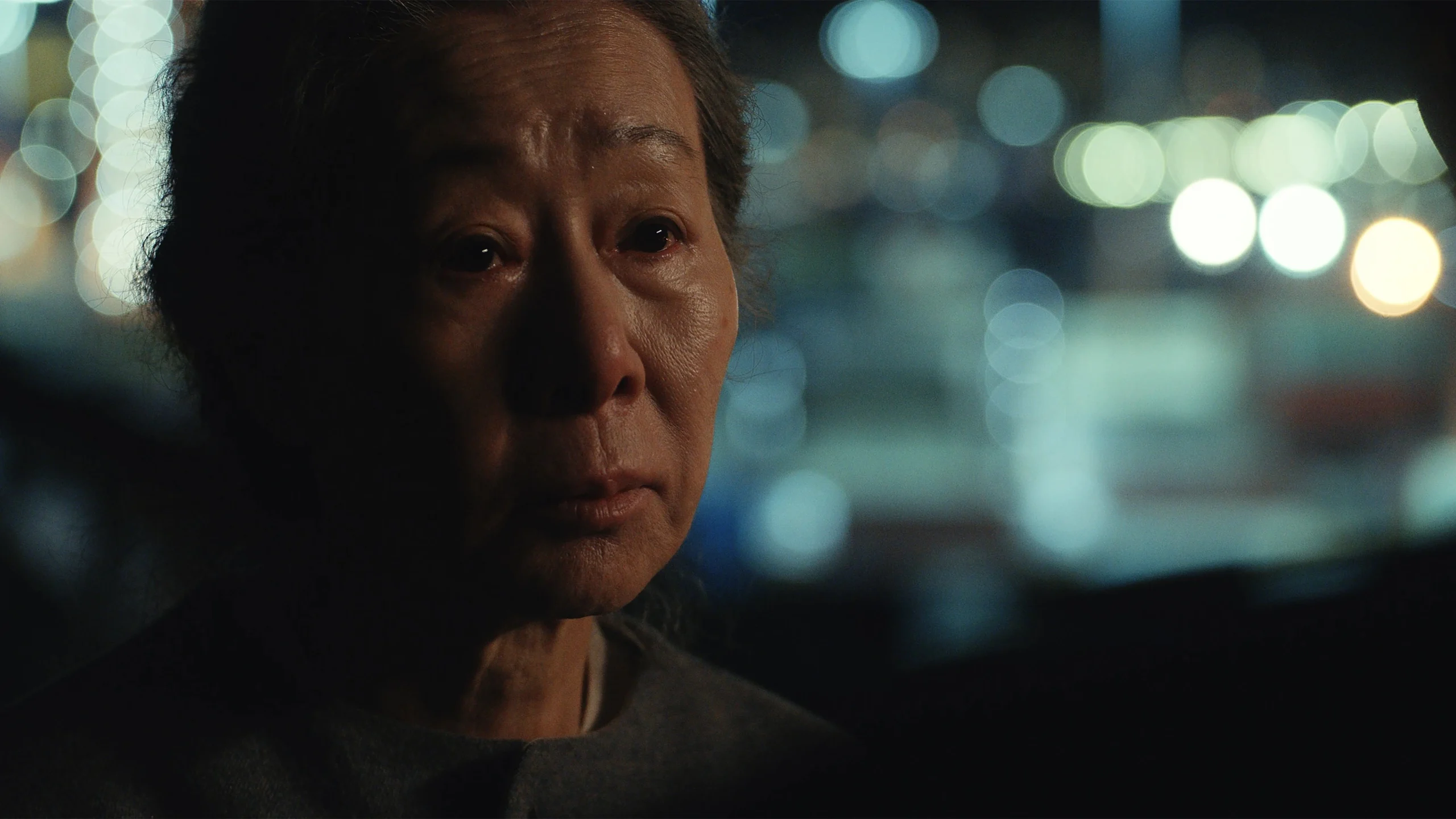
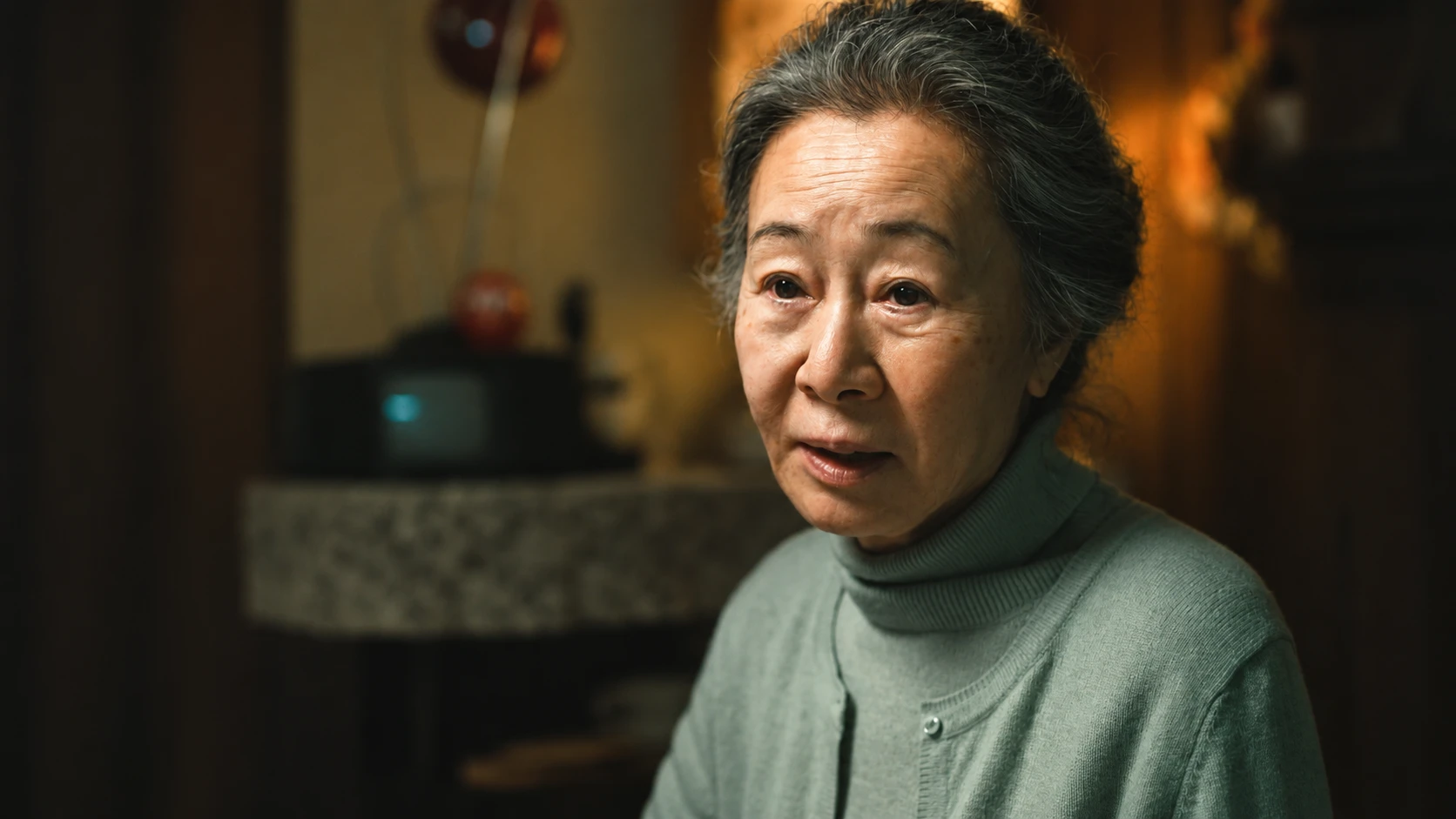
The show earns its scale through patience — treating every timeline as equally urgent instead of using the past as decoration for the present. Youn Yuh-jung anchors the 1989 thread as the older Sunja with the quiet authority of someone who has survived everything the last two hours just showed you, while Kim Min-ha carries the 1920s–30s sections with a stubbornness that makes her choices feel inevitable rather than naive. Few historical dramas make hindsight feel this alive.
8 / 8 ✅ Completed
⚡ Quick Verdict
One box. Everything you need to decide.
· MDL Score · 9,776 ratings
▶ Official Trailer
🎭 Cast & Characters
The four-generation ensemble that turns one family’s history into television this alive.

Lead

Lead

Supporting

Supporting

Supporting

Supporting

Supporting

Supporting

Supporting

Supporting

Supporting

Supporting
📺 Episode Guide
Spoiler-light recaps — enough to remember where you left off, nothing that ruins the ride.

🏁 Ending Explained
Full spoilers ahead — everything that happens in the finale and what it all means.
Spoiler Warning — This section covers the full finale of Pachinko (Season 1). Stop here if you haven’t finished the series.
What actually happens Season one ends mid-story by design. Isak is arrested for his political activities and dragged away from his family, forced to say goodbye to a son, Noa, who’s too young to understand what’s happening. Sunja, now solely responsible for her family, starts selling kimchi in the market to survive. Before the season closes, she hands Solomon her father’s pocket watch — the same one that’s traveled with this family since Korea — passing on not an answer but a responsibility.
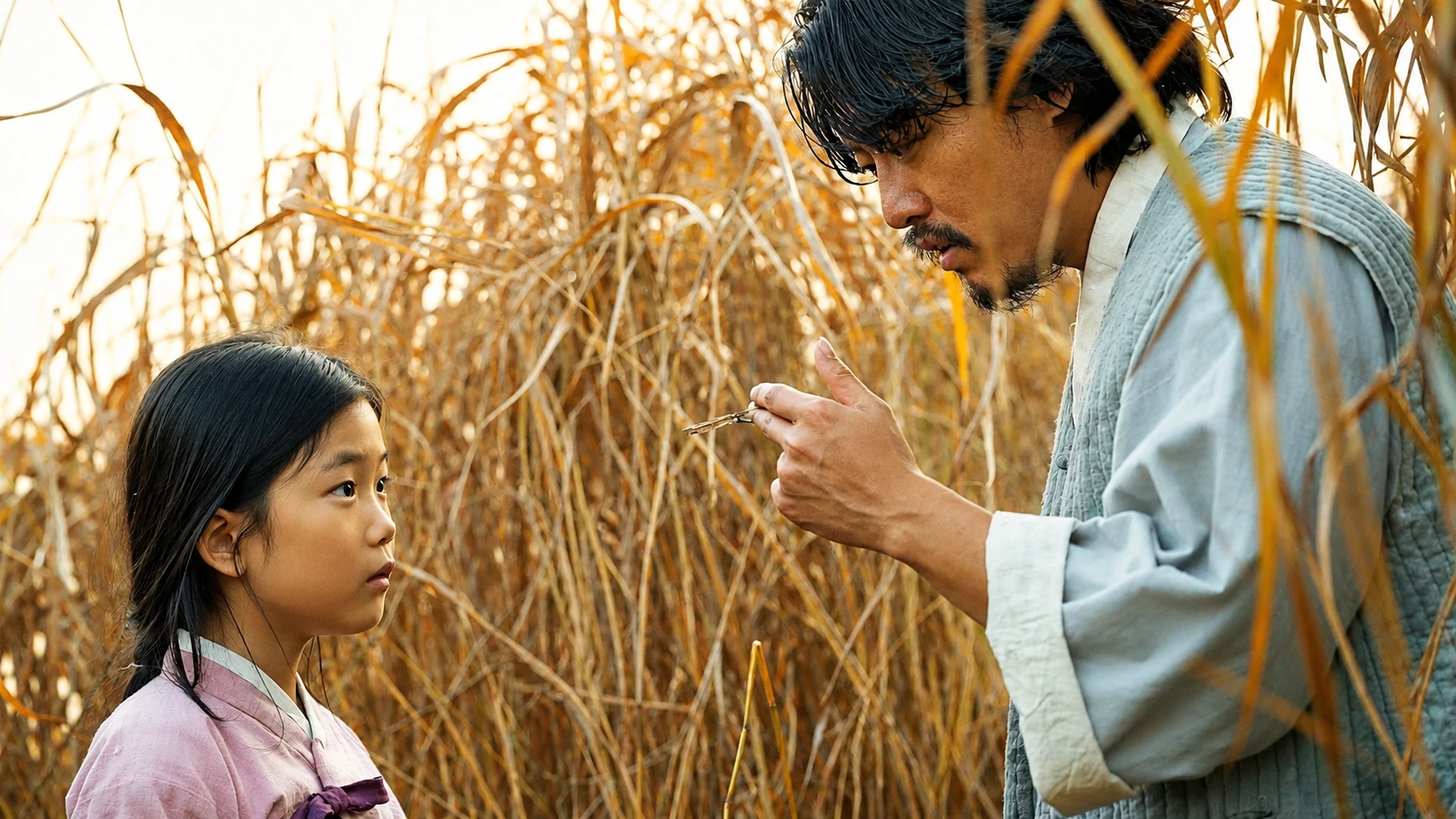
Isak was never a consolation prize It would be easy to read Sunja’s marriage to Isak as a fallback after Hansu’s betrayal, but the show refuses that framing. Isak offers her something Hansu structurally cannot — a name, a future, a family that doesn’t require her to disappear into someone else’s secret. Their marriage plays as a genuine partnership built on mutual rescue: he needed a wife to justify his move to Japan and a reason to keep living through his illness, and she needed a way to give her child a father who would actually claim him.
Hansu’s shadow never really leaves Episode seven’s detour into Hansu’s past in the 1923 Kanto earthquake massacre recontextualizes everything about the man Sunja fell for. He isn’t cruel because he’s powerful; he became powerful because cruelty was the only language that kept him alive when an entire country turned on people like him overnight. That backstory doesn’t excuse what he does to Sunja, but it explains the machinery underneath his charm, and sets up exactly how much he’ll still be shaping her family’s fate decades later.
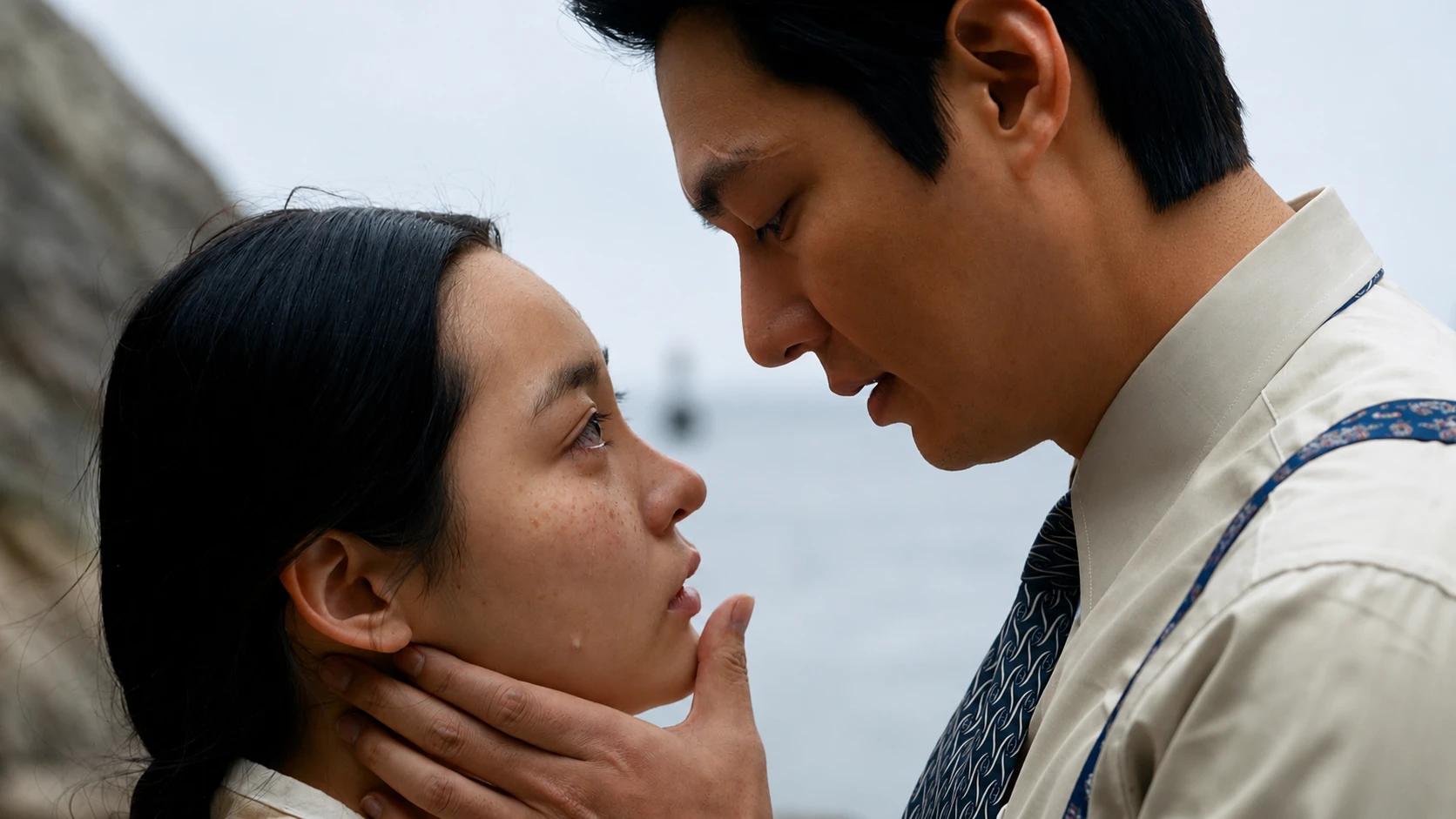
The pocket watch, explained The watch Sunja gives Solomon in the finale belonged to her father Hoonie, one of the only physical objects that survives the family’s journey from Korea to Japan intact. Handing it over isn’t a sentimental gesture so much as a transfer of obligation — a reminder that Solomon’s Tokyo career, his American education, his entire comfortable modern life, was purchased by decisions made in a fish market and a boarding house he’s never seen. The show trusts the object to carry that weight without spelling it out.
The KDW verdict Season one is deliberately unresolved — Noa hasn’t grown up yet, Solomon hasn’t decided what kind of man he wants to be, and Hansu is still circling the family from a distance. What the finale does resolve is tone: this is a show about people who keep choosing to survive with their dignity mostly intact, generation after generation, even when survival costs them almost everything else. That’s a hard note to end a season on, and Pachinko earns it.
✍️ KDramaWorlds Editor’s Take
Our honest read on why this drama is worth your time — and who it’s for.
🀄 Multilingual Epic
😢 Quiet Devastation
🕰️ History That Bites Back
There’s a shot early on of Sunja walking through her mother’s boarding house that the camera holds just a beat too long — long enough that you register how ordinary this room is, how little it looks like the start of an epic. That’s the show’s whole strategy in miniature: treat the intimate scale of one family’s choices as the actual subject, and let history happen around the edges of it instead of at the center. It’s a similar bet to the one Mr. Sunshine makes with colonial-era Korea, except Pachinko trades that show’s sweep for something closer to a family album.
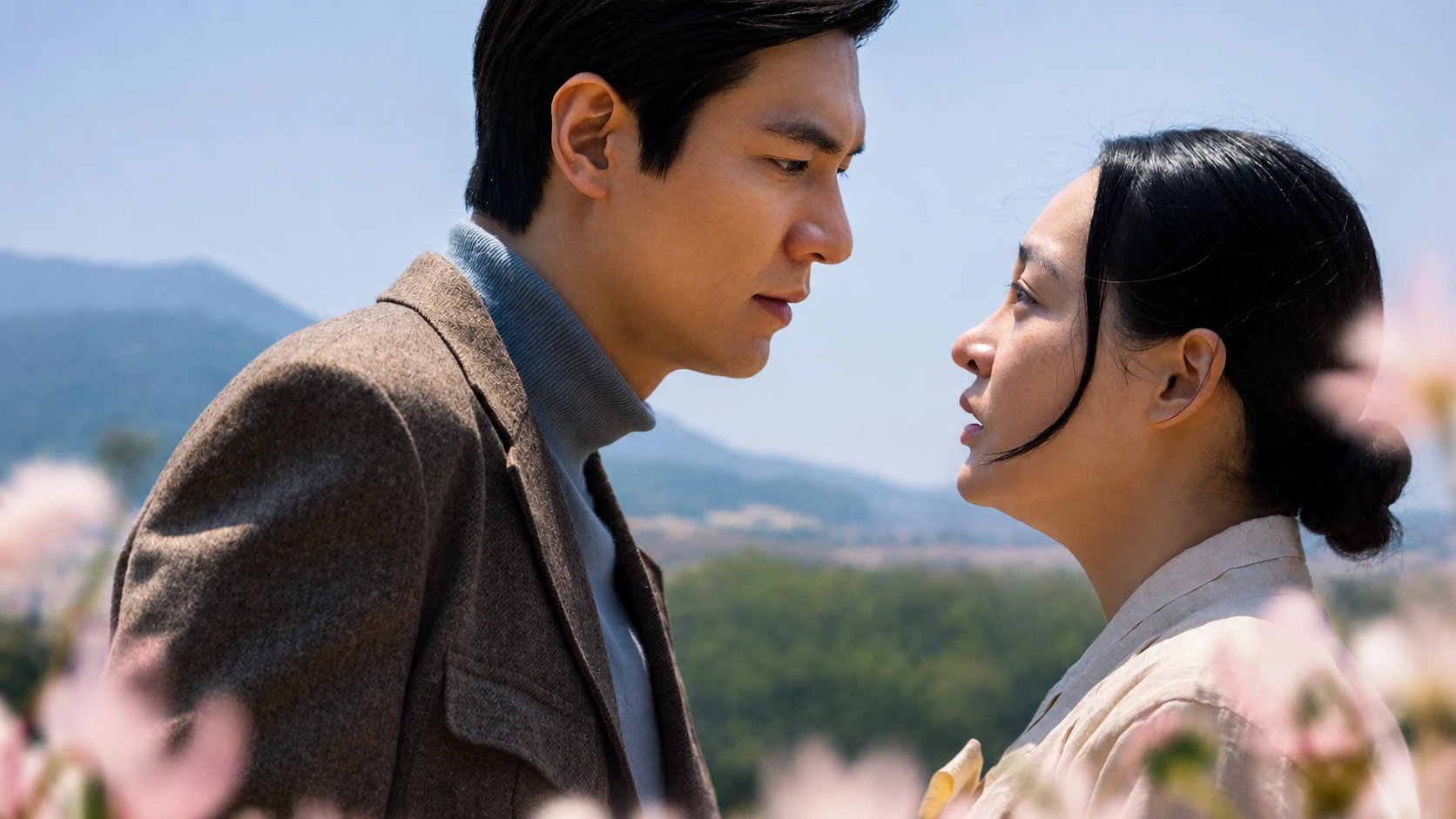
Youn Yuh-jung does something genuinely difficult in the 1989 sections — she plays a woman who has already survived everything the show is about to reveal, without ever tipping into performance that feels like foreshadowing. You believe she’s lived the life the flashbacks are showing you, which is a much harder trick than it sounds. That kind of lived-in family weight is rare enough that it’s worth comparing to how Typhoon Family handles its own multigenerational household, just stretched across sixty more years and three more countries.
The dual-timeline structure asks a lot of patience early on, and episode one in particular plays like a promise you have to trust will pay off. It does. By the time Solomon’s boardroom failures start rhyming with his grandmother’s market-stall survival tactics, the two timelines aren’t just parallel anymore — they’re the same story, told twice, so you can see what actually changed and what didn’t.
Anyone interested in the Korean diaspora experience in Japan, told from the inside
Fans of family sagas that earn their emotional payoffs across decades, not episodes
🎬 You Might Also Like
If you liked Pachinko (Season 1), these are your next three watches.












Keep it kind, skip the harsh language, and please — no spoilers. Everyone's taste is different, and that's perfectly fine.
This space is for real reactions and discussion from other viewers. Help keep it comfortable for everyone by not giving away major plot details.
What do you think of this drama?
Login to share your review or leave a comment.
No email needed — just pick a username & password.