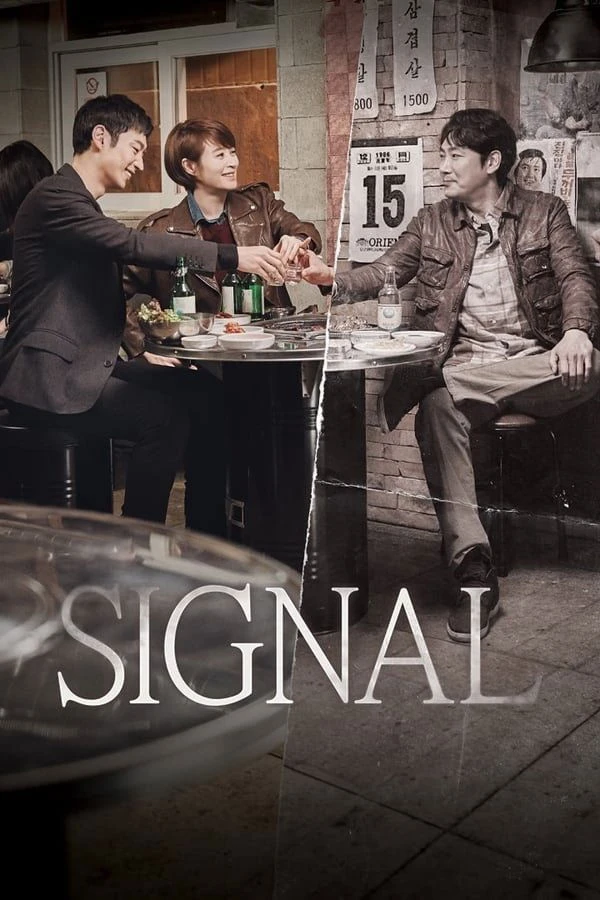
Signal (Season 1)
📋 Drama Overview
A fast rundown of what this one’s about.
What would you do if you could talk to someone fifteen years in the past — and actually change what happens? Signal hands that impossible chance to a burned-out profiler and a detective who’s already been gone for decades, then spends sixteen episodes showing exactly what a decision like that actually costs.
Every case they solve together reopens old wounds instead of neatly closing them — wrongful convictions, buried evidence, powerful men who were never supposed to walk free. What starts as two strangers fixing cold cases becomes something far more dangerous: two men accidentally rewriting each other’s entire lives, one transmission at a time.
⚡ Quick Verdict
One box. Everything you need to decide.
▶ Official Trailer
🎭 Cast & Characters
Two timelines, one radio, and the corruption that connects them.

Lead

Lead

Supporting

Supporting
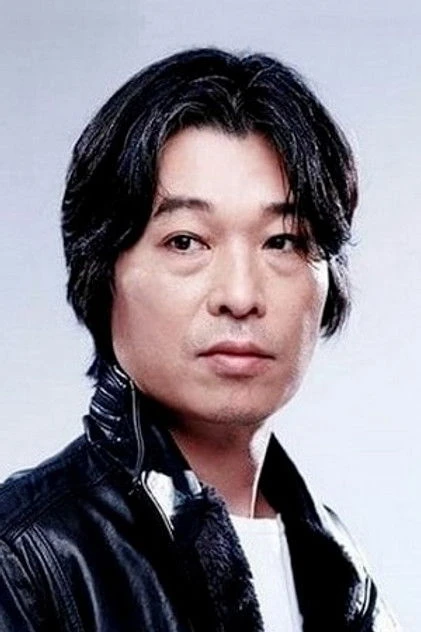
Supporting

Supporting

Supporting

Supporting

Supporting

Supporting

Supporting
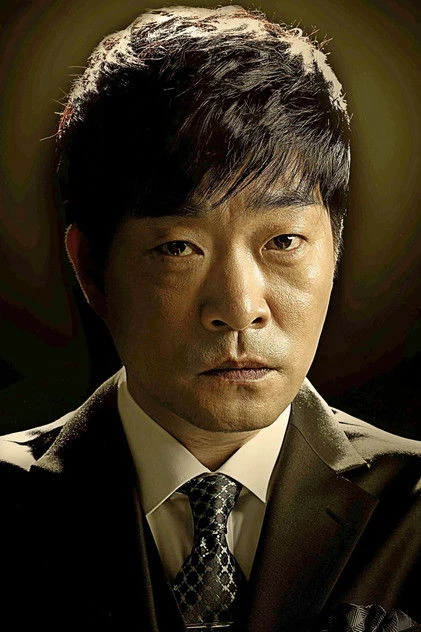
Supporting
📺 Episode Guide
A spoiler-light refresher, episode by episode.
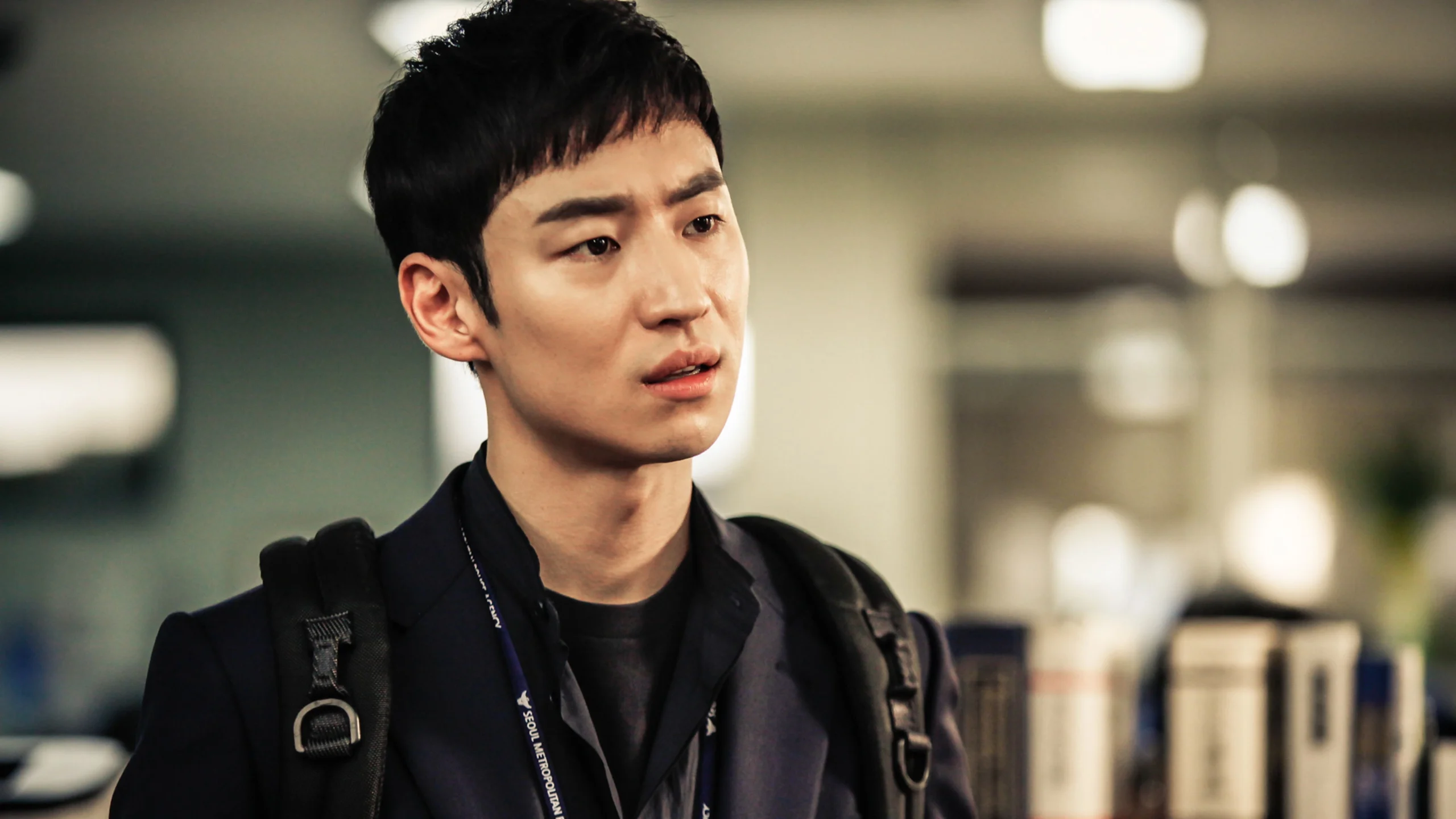
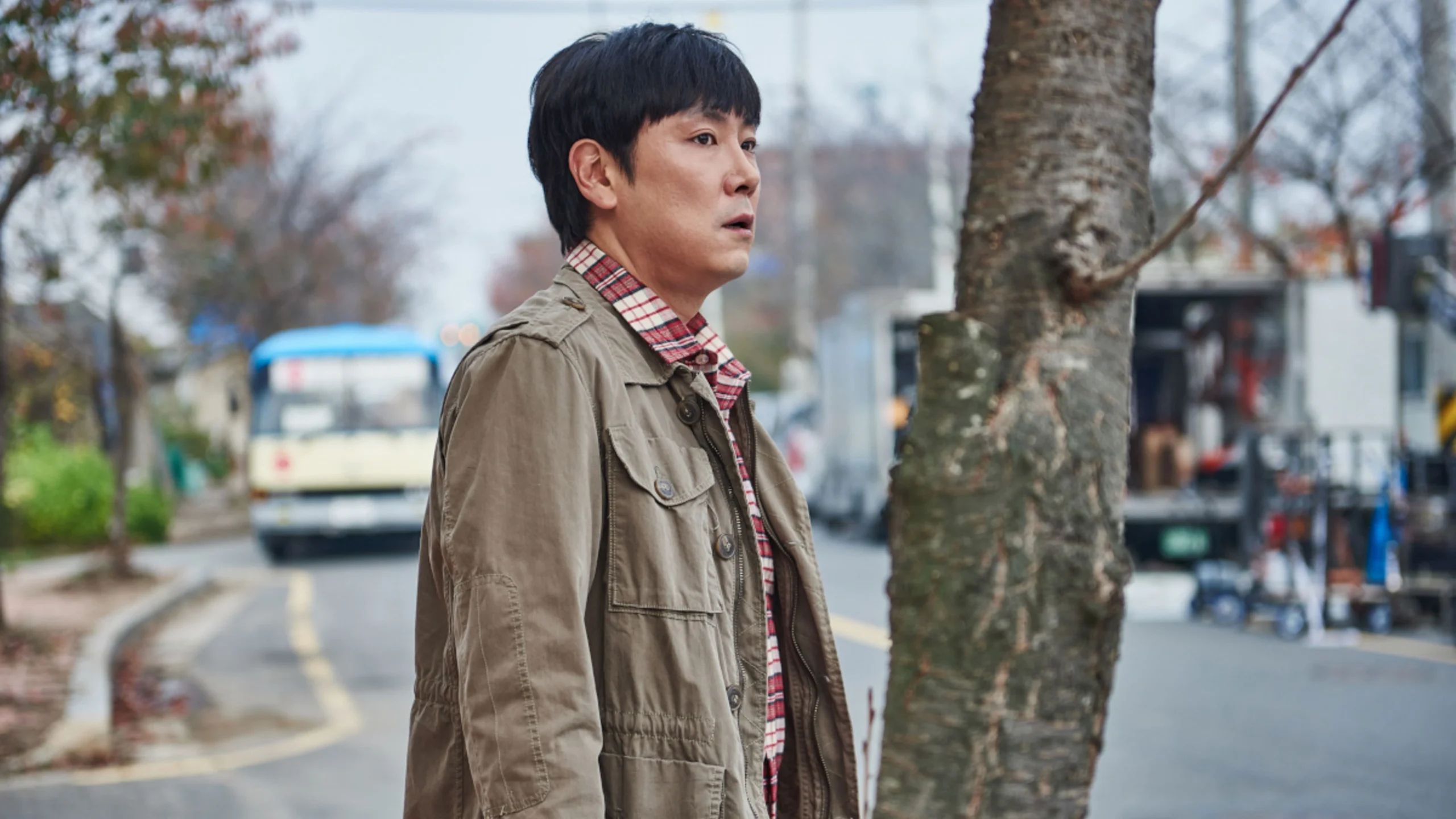
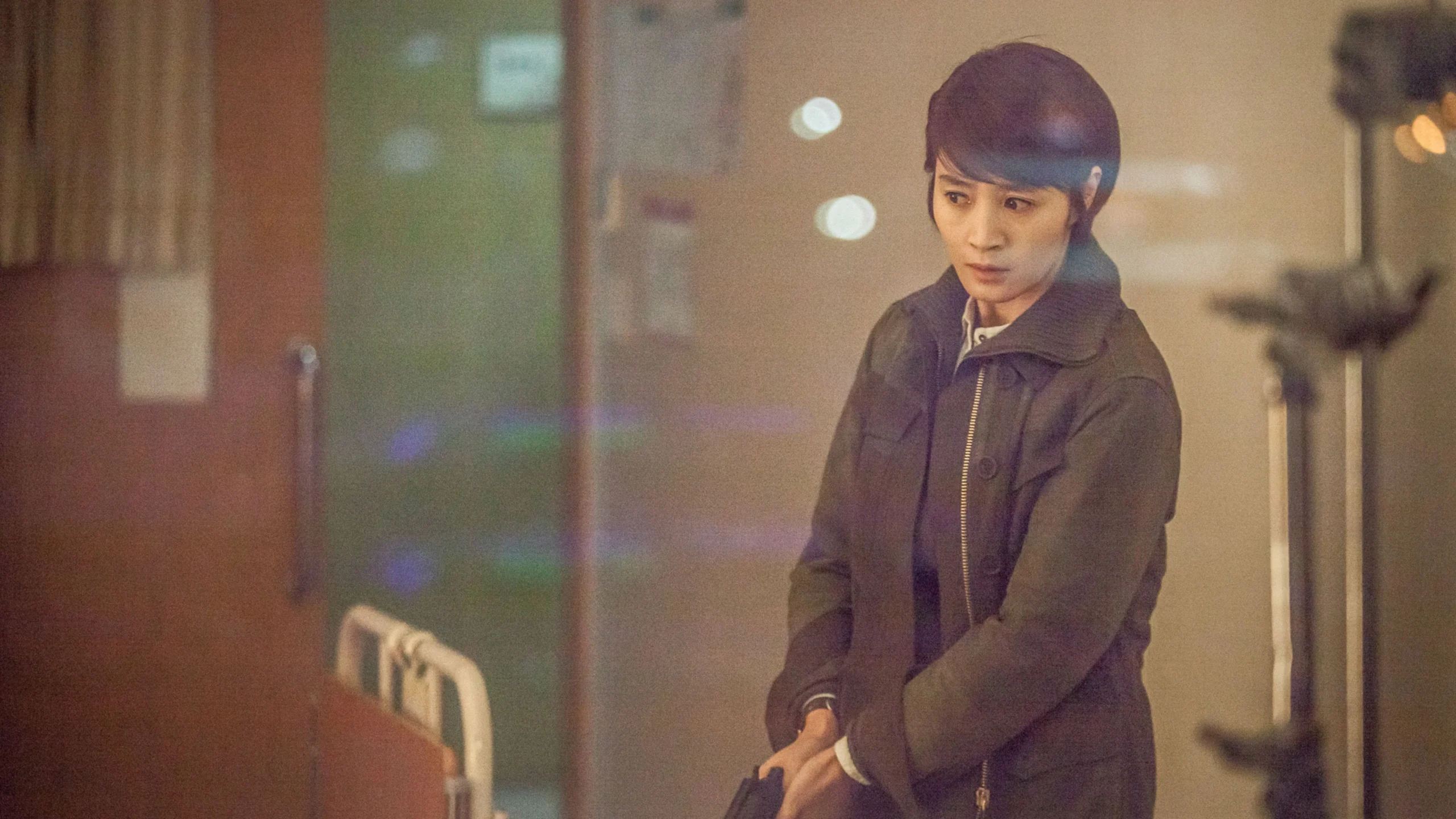
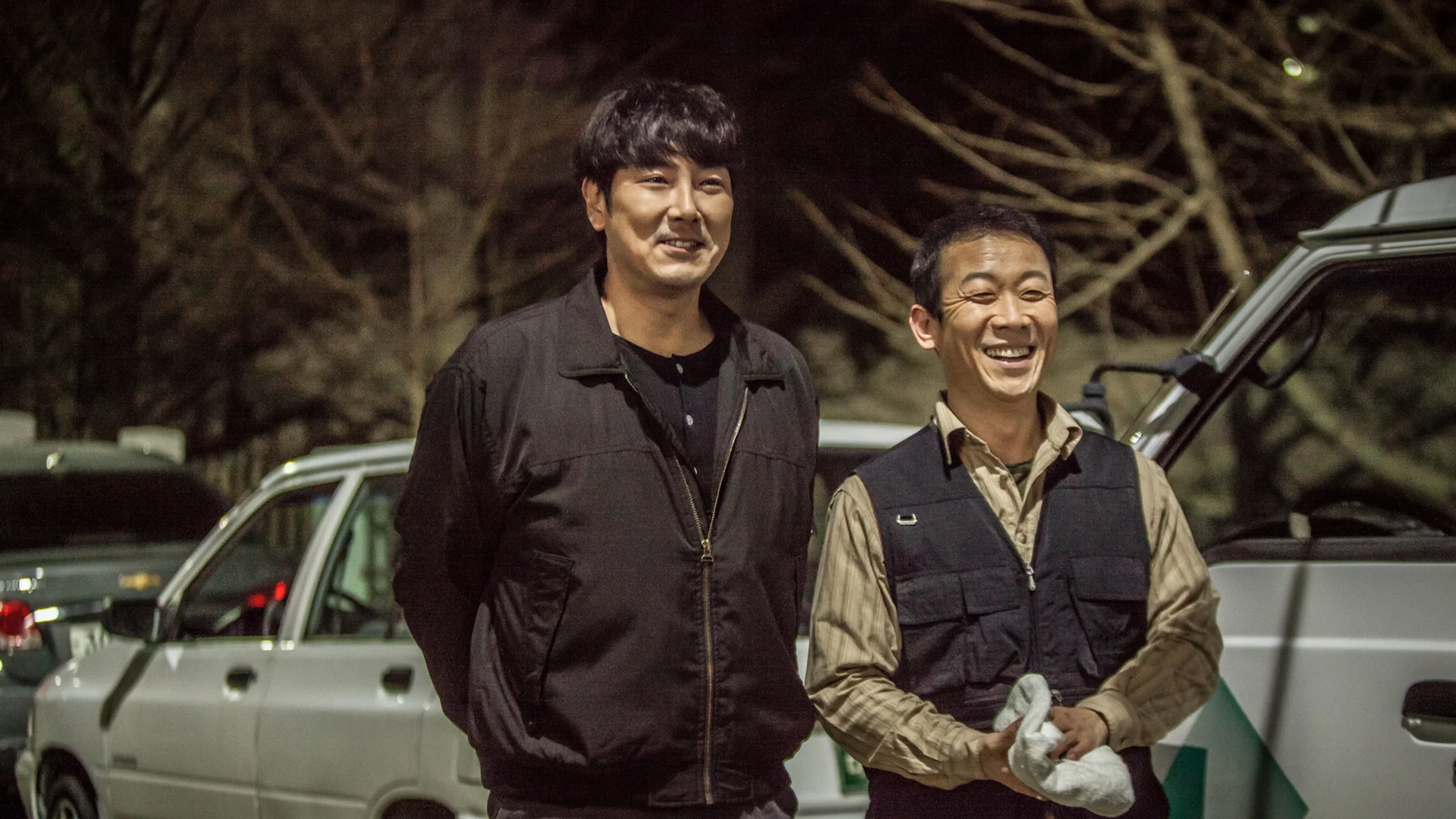

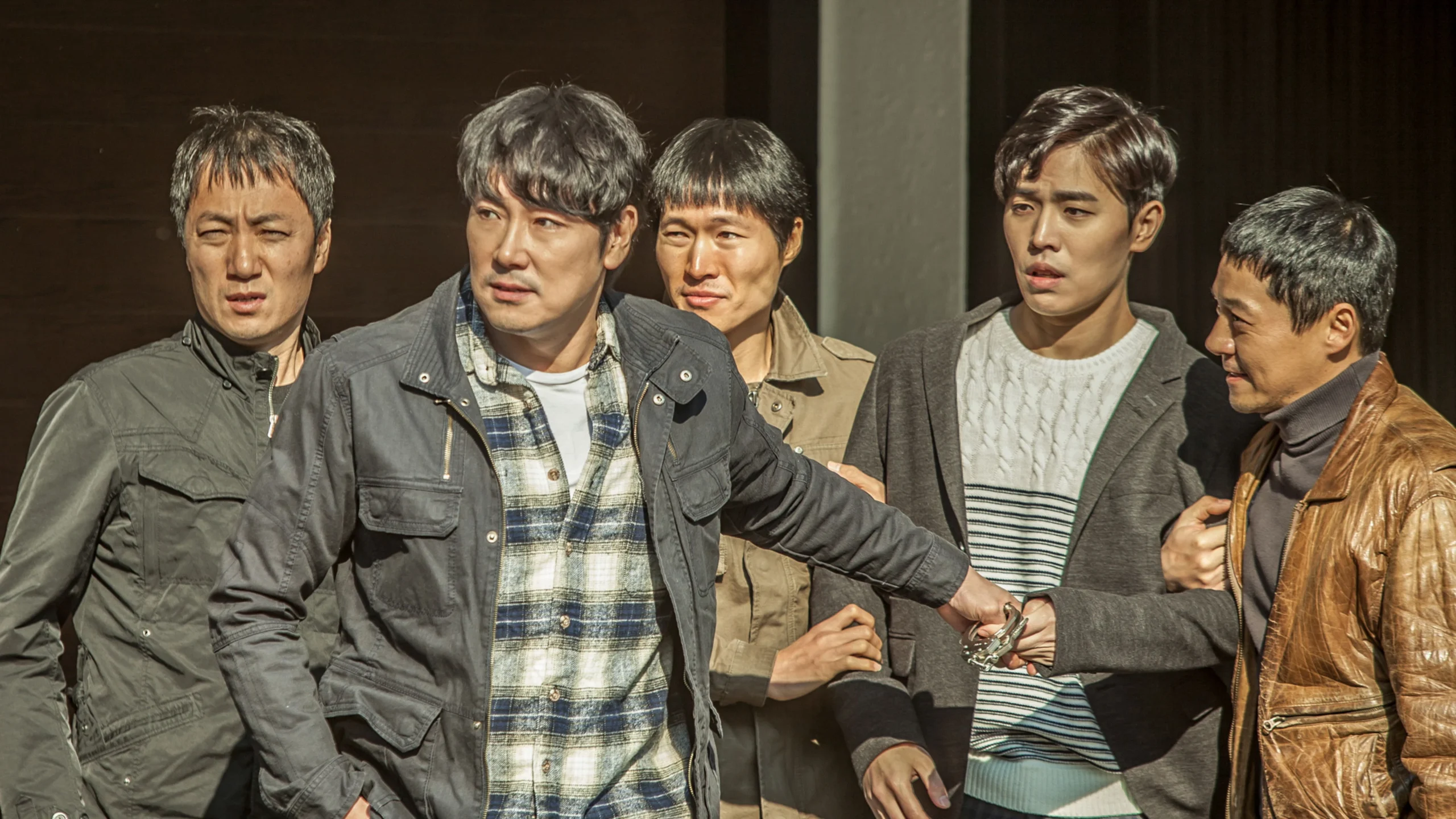
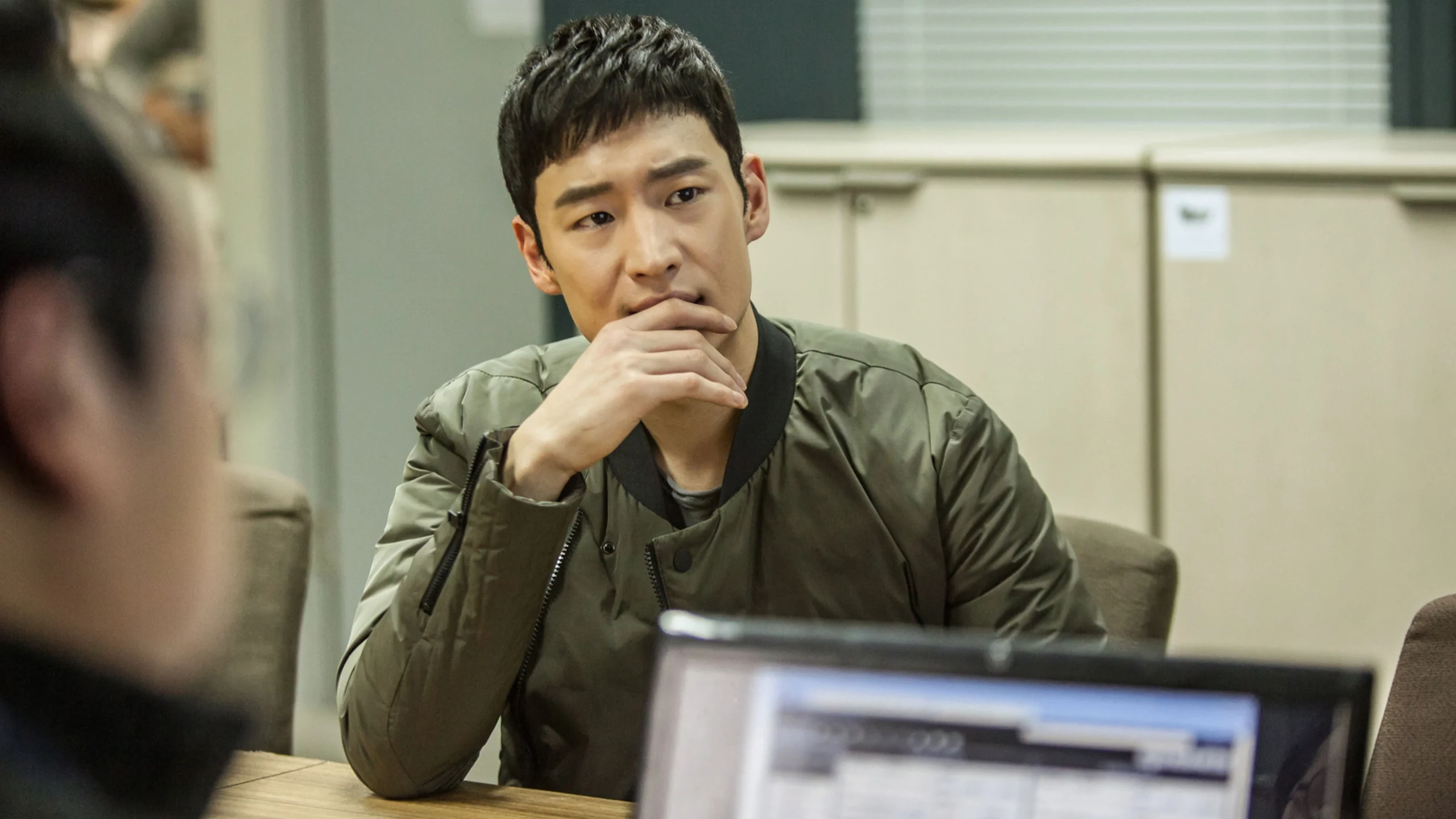



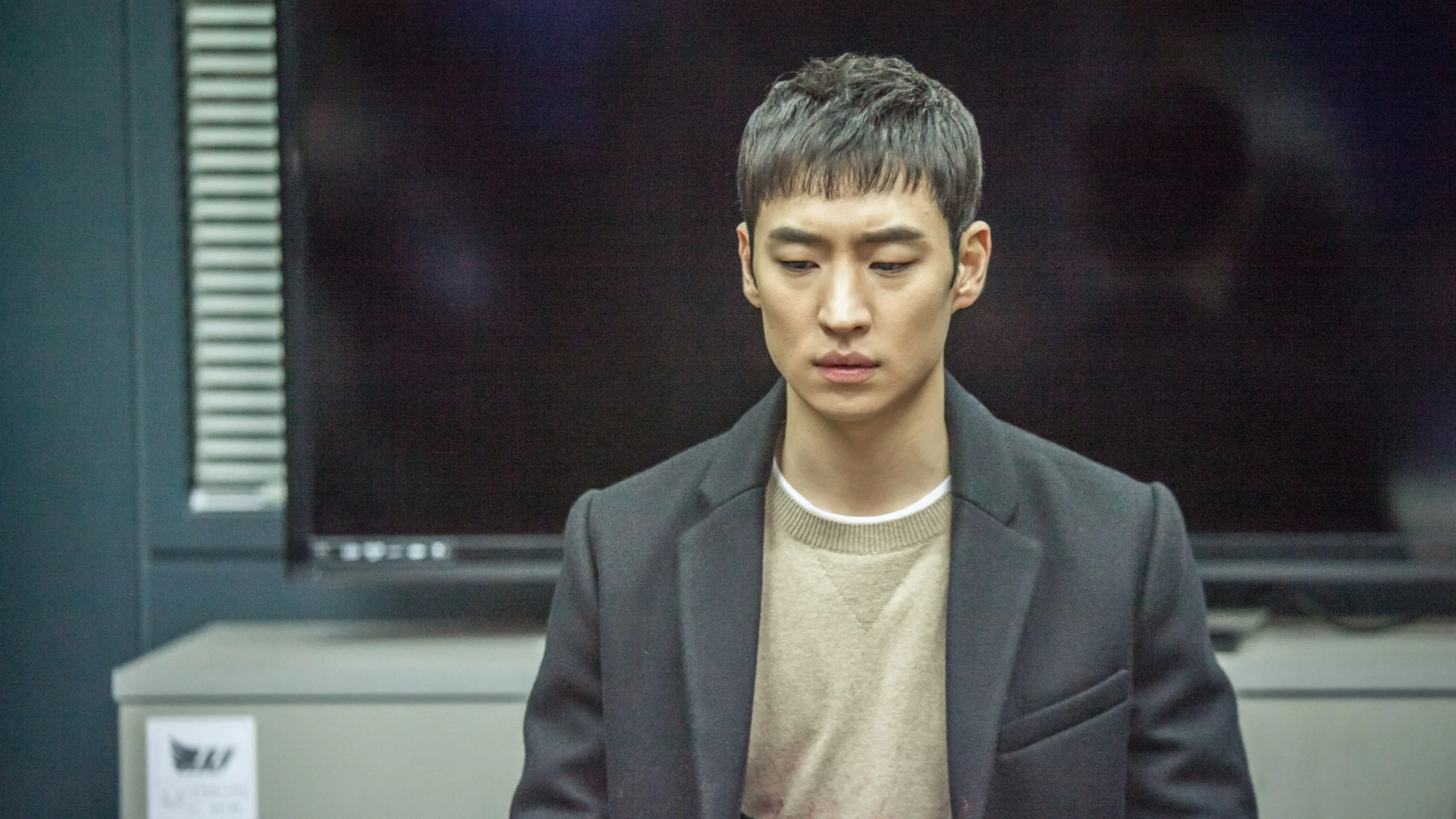
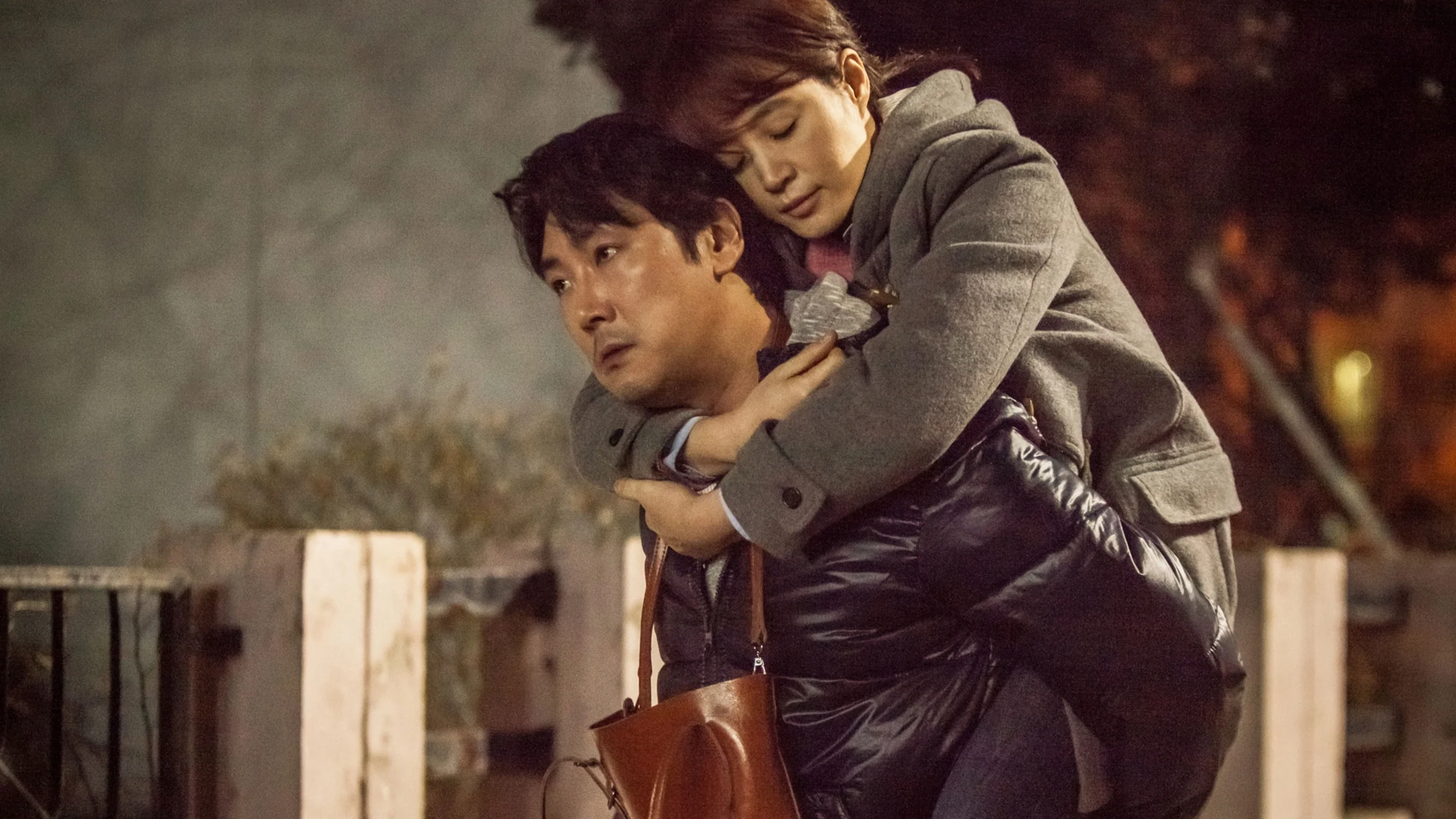
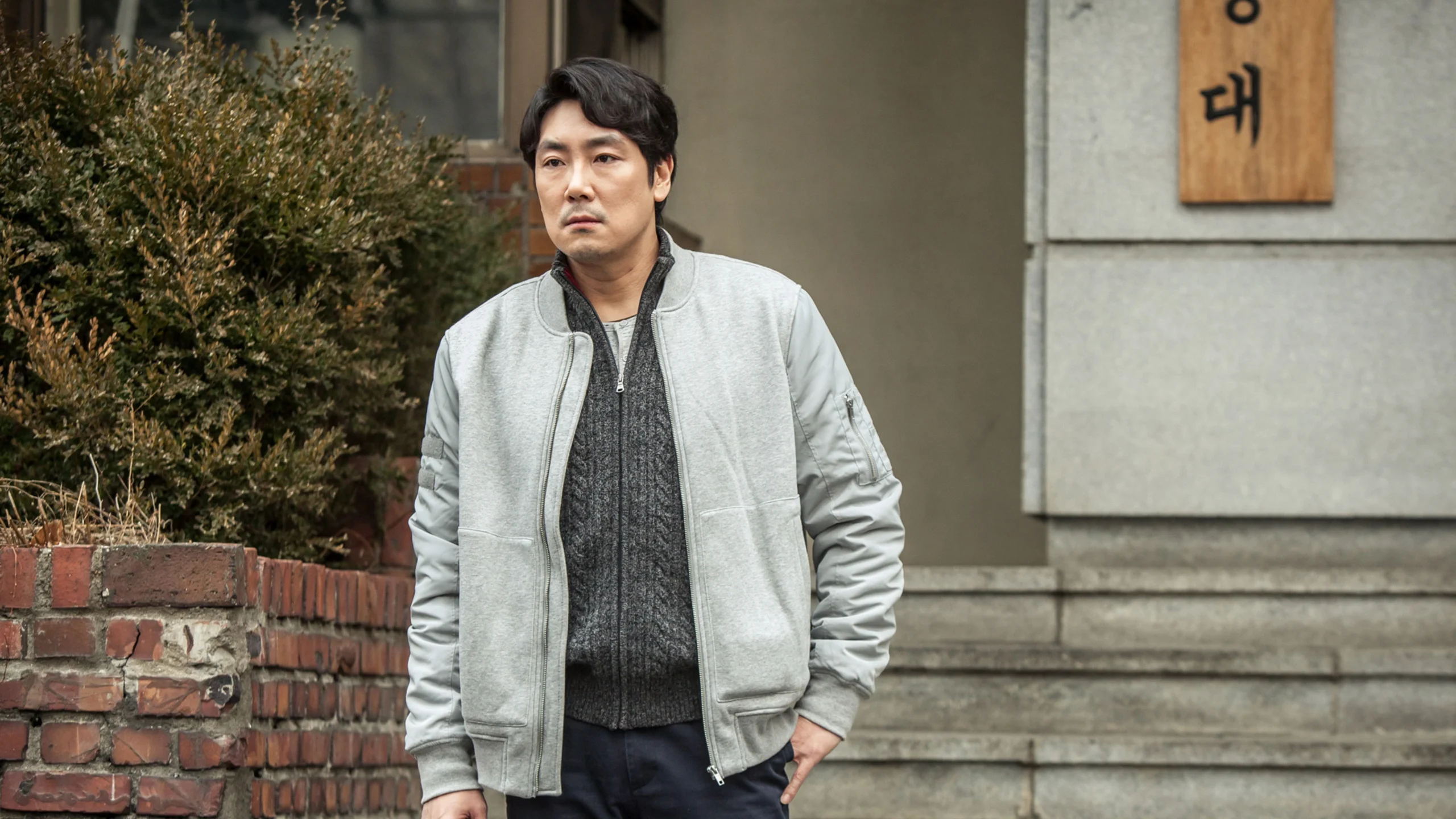
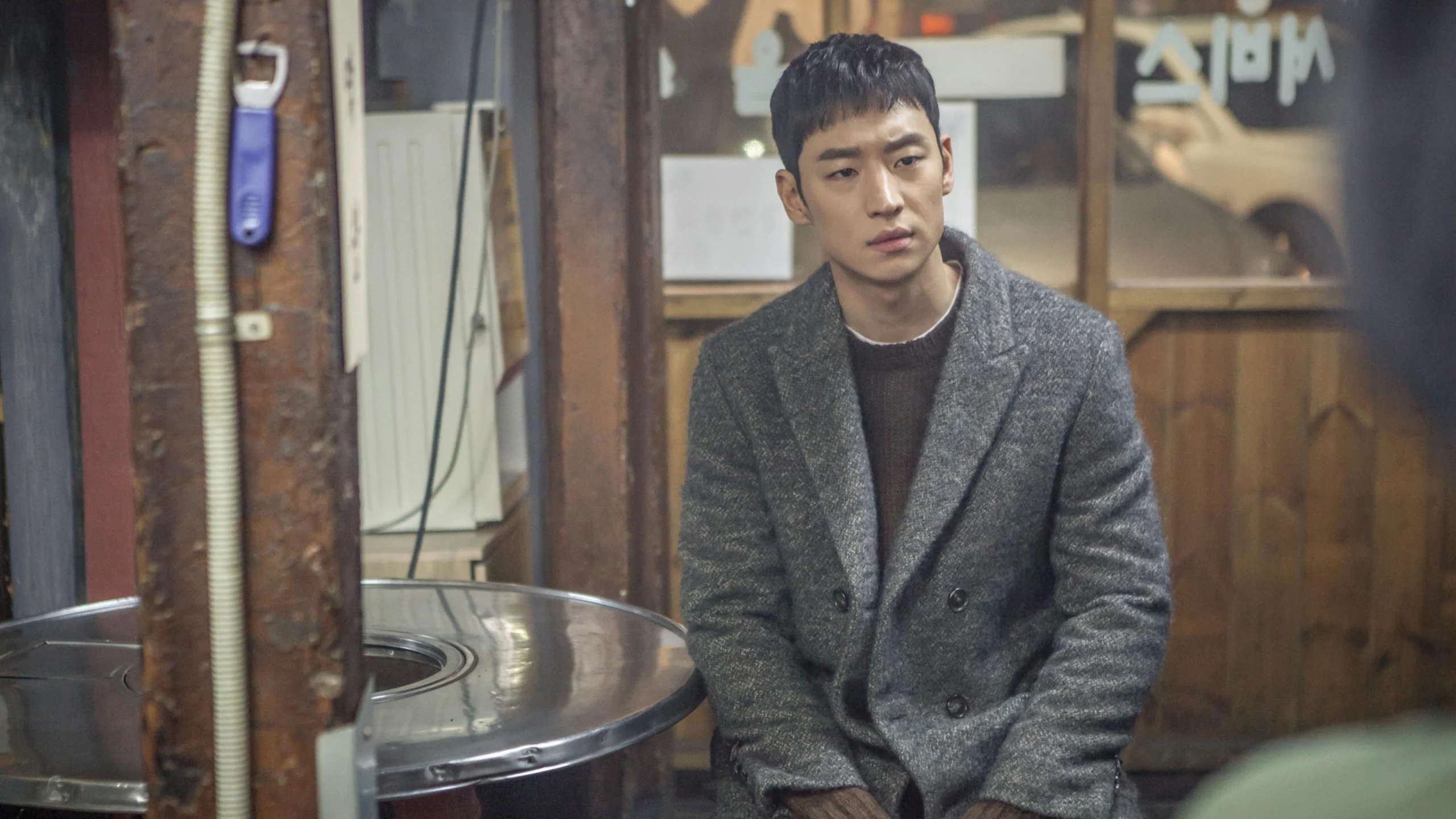

🏁 Ending Explained
Full spoilers — breaking down the finale and what it means.
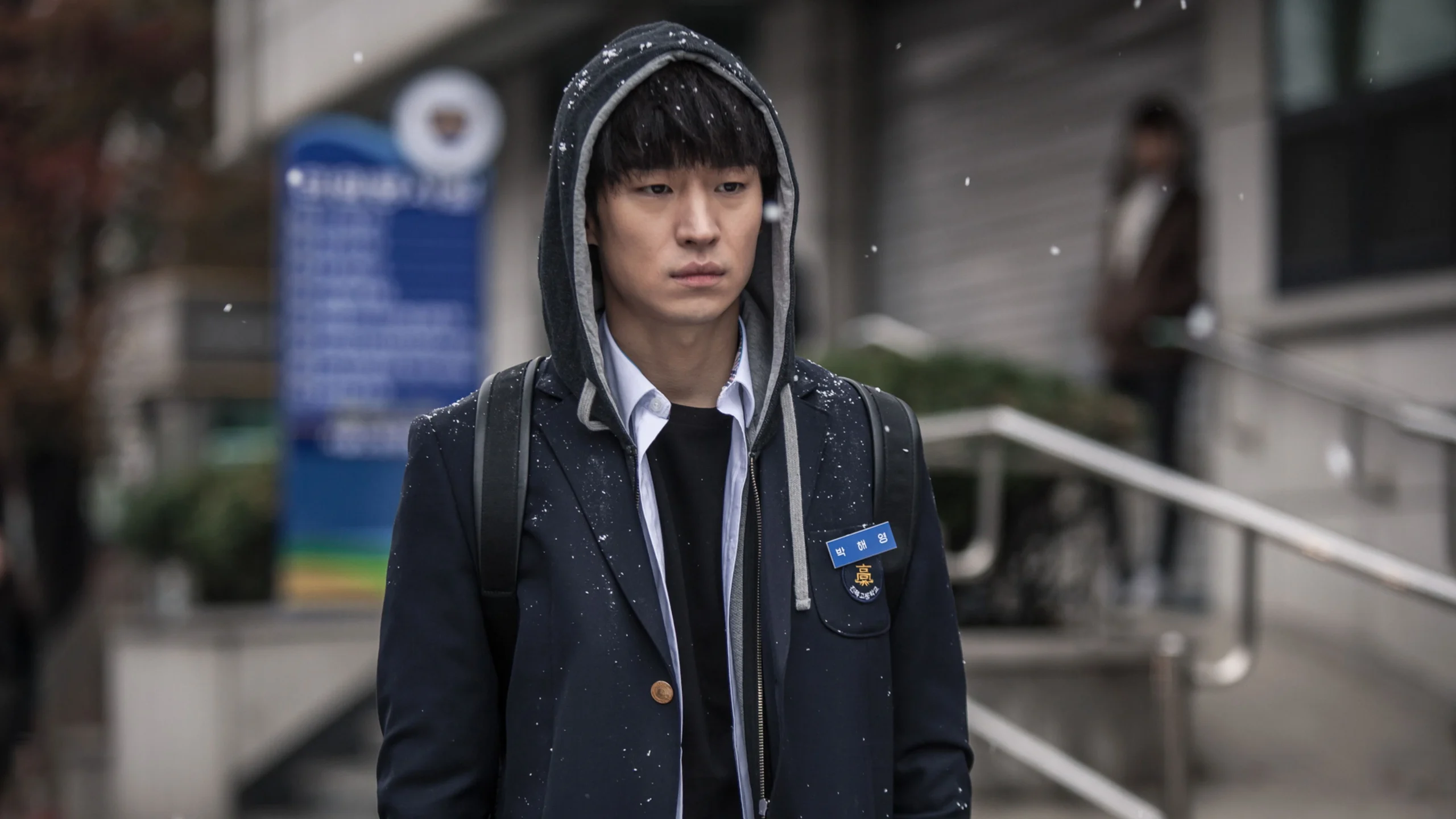
What actually happens in the finale Lee Jae-han is cornered and stabbed by Kim Bum-joo’s men, but Section Chief Ahn — in a late, complicated act of conscience — holds back the man delivering the final blow long enough for Jae-han to fight free, grab the radio, and run. The season doesn’t show what happens to him next. Instead, it cuts to the present, where Park Hae-young, badly wounded himself, notices something has quietly shifted in his own memory of events.
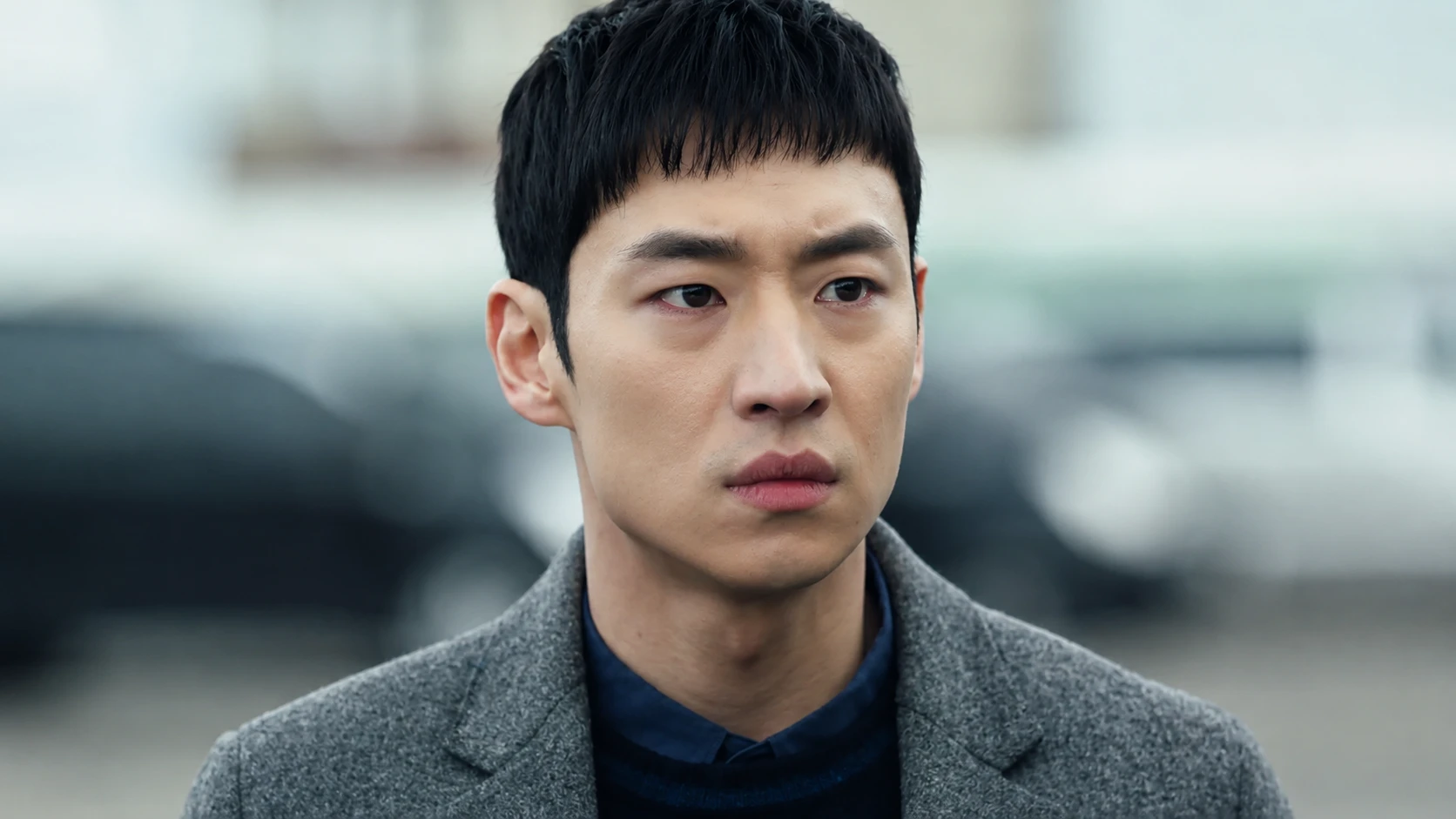
The clue that proves the timeline actually changed In the show’s very first transmission, it was Jae-han who warned Hae-young to stay away from a psychiatric hospital that matters later. In the altered present, Hae-young suddenly remembers that warning coming from Soo-hyun instead — a small, precise detail that only makes sense if the past really has been rewritten by everything they’ve done across sixteen episodes. It’s the show’s proof of concept, delivered in its final minutes instead of its first.
Does Jae-han survive? The finale never says, on purpose. Signal is built entirely around the idea that changing the past has real, unpredictable costs, so the fairest ending it could give itself was one that doesn’t pretend to know the outcome either. What it does confirm is that Soo-hyun’s own memories shift too, now carrying a promise from Jae-han that he’ll come back to her — less proof he’s alive than proof their connection across time was never one-directional.

Why the open ending works An unresolved finale can feel like a cop-out, but Signal earns its ambiguity by spending sixteen episodes proving that every rescue creates a new cost somewhere else. Giving Jae-han a clean, confirmed survival would have contradicted the show’s entire thesis about consequence. Leaving it open honors the rules the story built for itself, even when that means denying the audience an easy answer.
The KDW verdict Signal is regularly ranked among the best Korean dramas ever made for a reason: it uses its time-travel premise to interrogate real institutional failure — wrongful convictions, buried evidence, corruption that protects the powerful — without ever letting the mechanics overshadow the people paying for it. Nearly a decade later, that unresolved ending is finally getting a sequel, with the original leads reportedly attached — a rare case of an open ending actually earning its follow-up.

✍️ KDramaWorlds Editor’s Take
Our honest read on why this drama is worth your time — and who it’s for.
Signal doesn’t just use its supernatural radio as a gimmick — it uses it as an argument, showing exactly how much wrongful convictions and buried evidence actually cost the people living with them. That same unflinching interest in institutional rot is what makes Beyond Evil such a natural next watch — both shows treat corruption as the actual antagonist, with the serial killers and cold cases as symptoms rather than the whole disease.
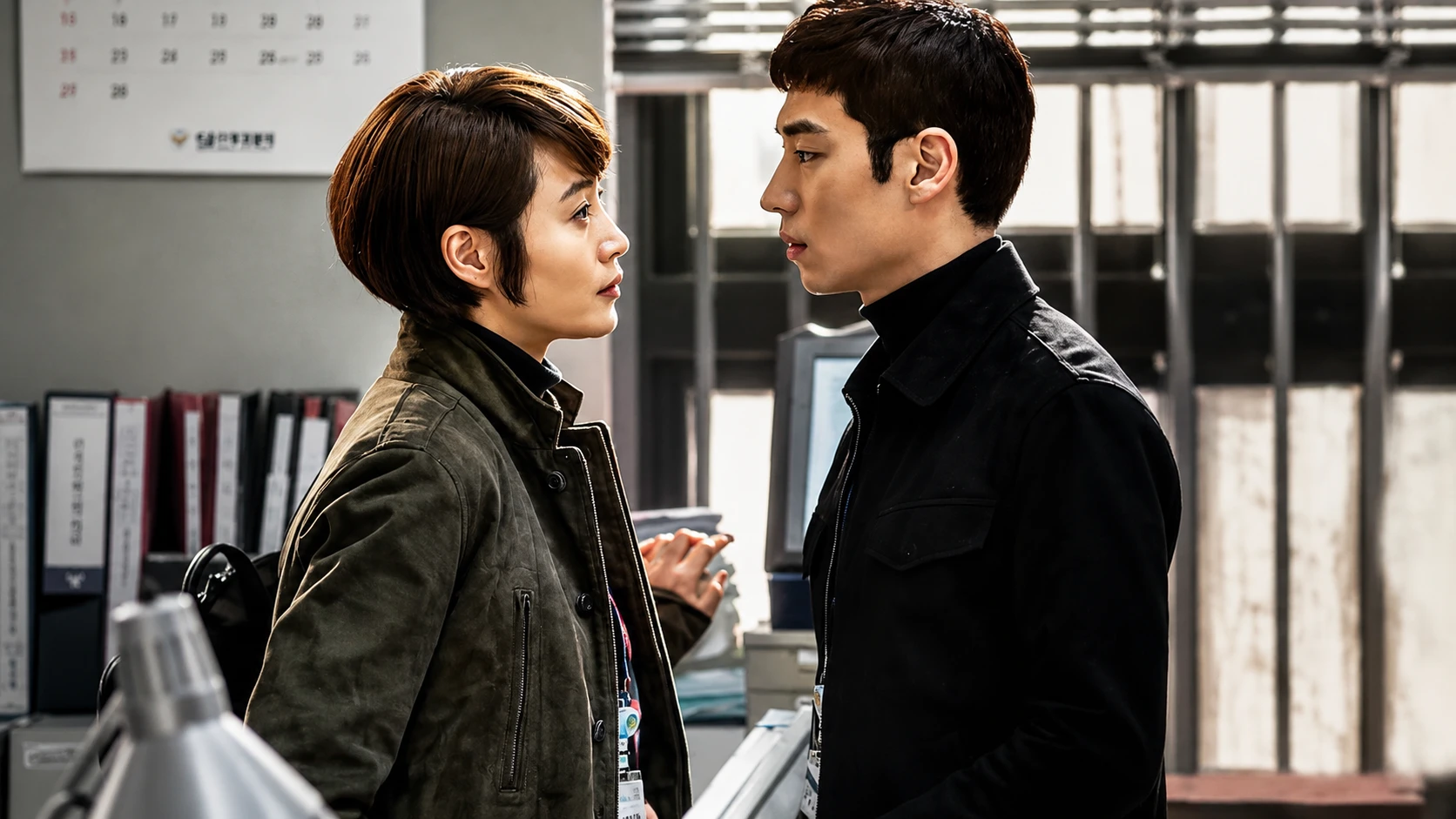
Cho Jin-woong’s Lee Jae-han is the emotional center the show never has to justify — a detective whose stubborn decency across three separate decades makes every one of his transmissions feel like a small act of defiance. Lee Je-hoon and Kim Hye-soo carry the present-day half of the story with equal weight, never letting Hae-young and Soo-hyun feel like passive recipients of Jae-han’s help. Fans of tense, profiler-driven procedurals who liked Voice will find a version of that tension here with a decade of consequence layered on top.
What separates Signal from a standard time-travel gimmick show is how rigorously it holds itself to the ‘butterfly effect’ idea — nearly every fix creates a new problem, and the show never lets its characters, or its audience, forget that changing the past isn’t the same as controlling it. That discipline is exactly why the open ending doesn’t feel like a cheat: this was always a show more interested in consequence than resolution.
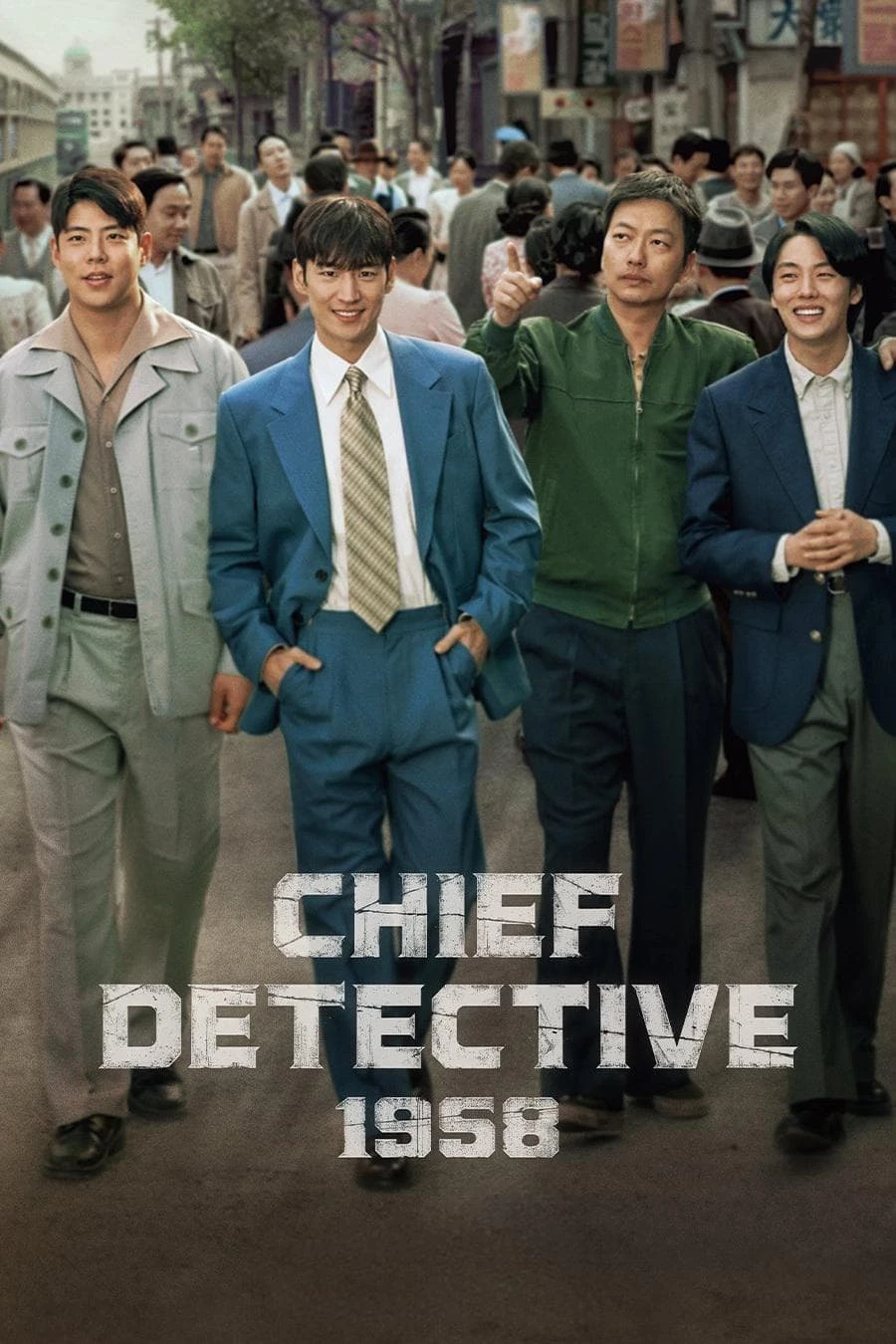
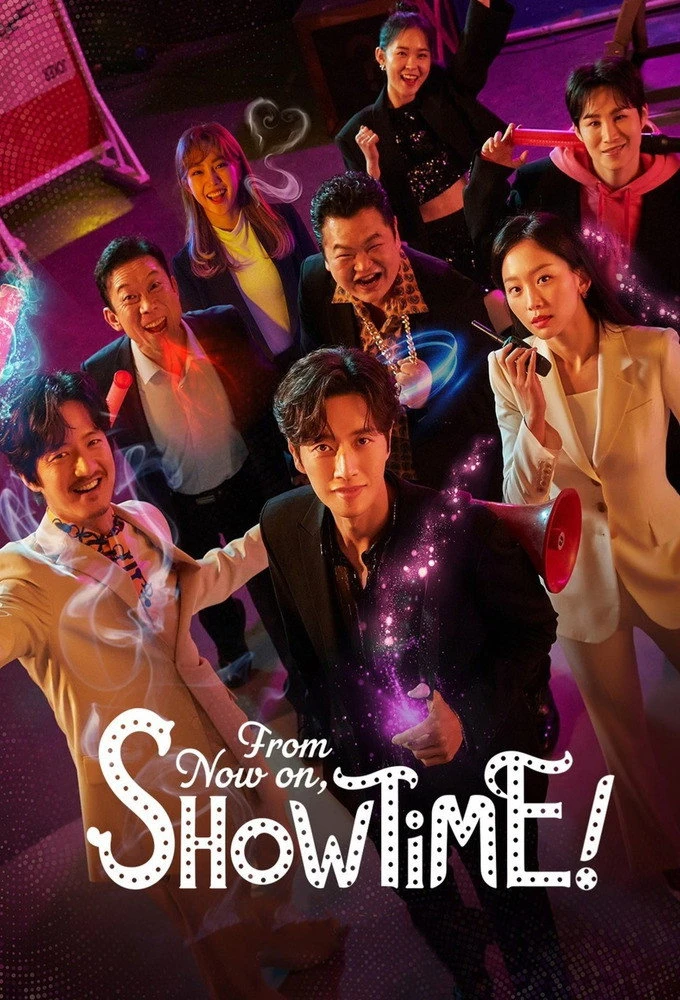
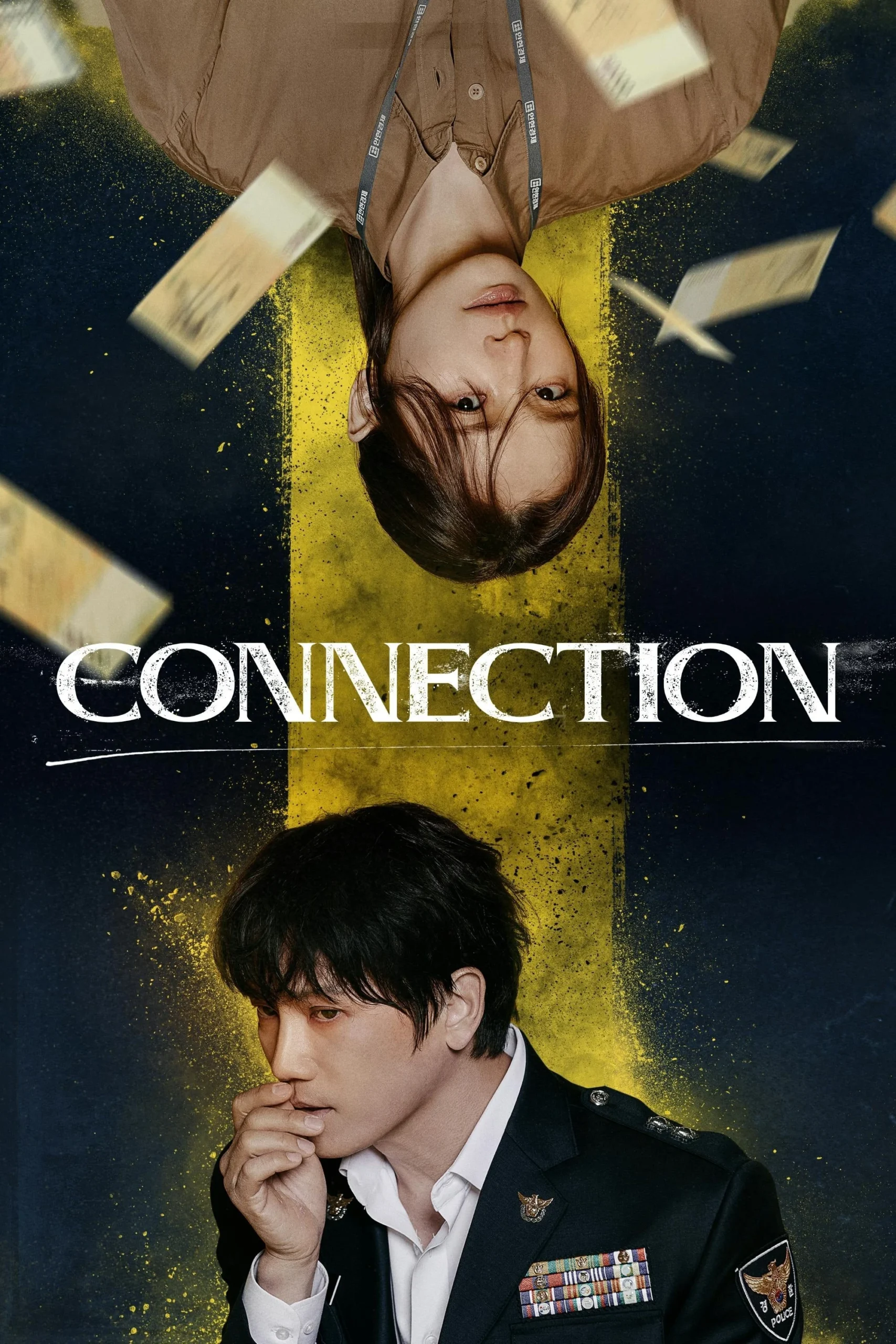
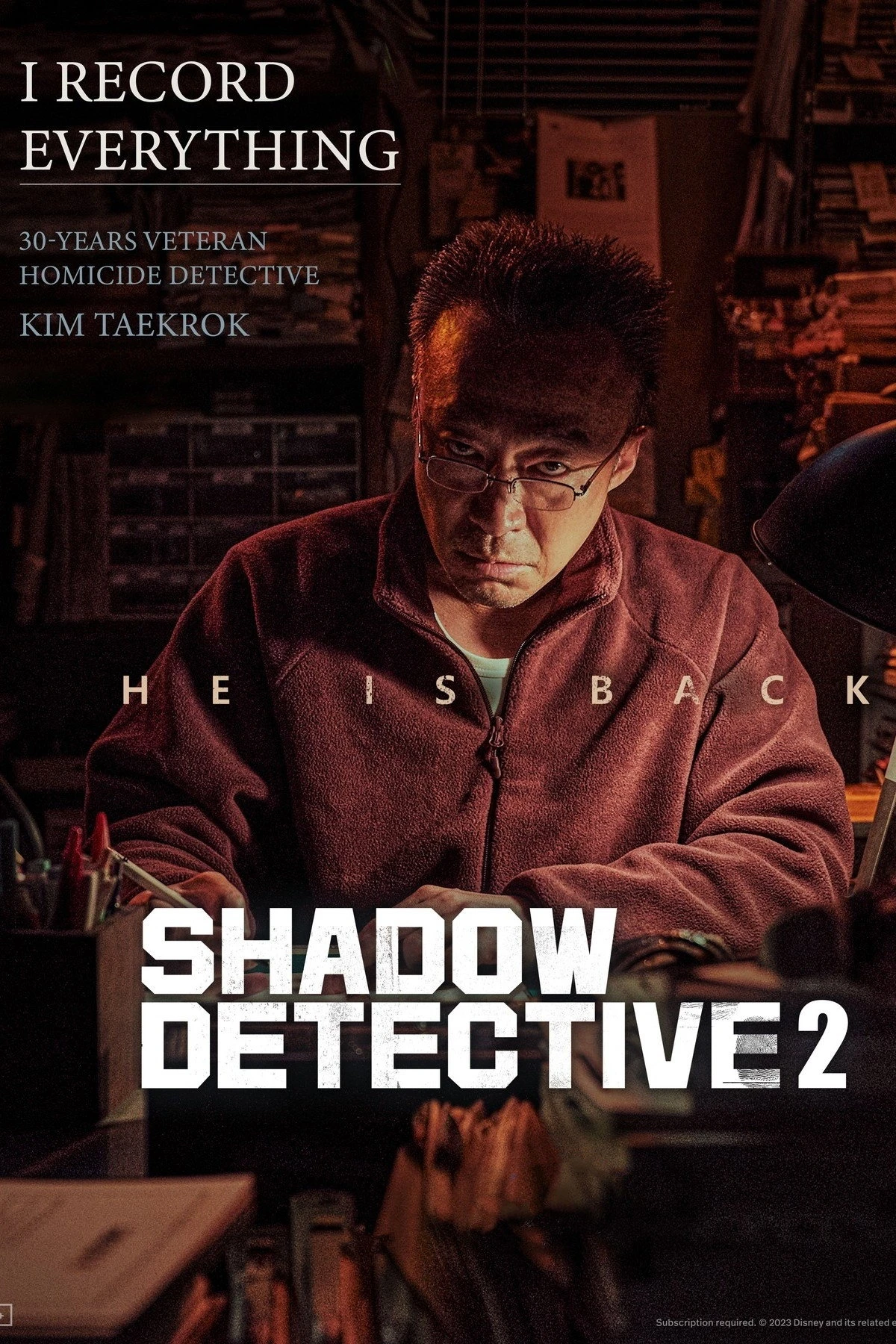
🎬 You Might Also Like
If you liked Signal (Season 1), these are your next three watches.















Keep it kind, skip the harsh language, and please — no spoilers. Everyone's taste is different, and that's perfectly fine.
This space is for real reactions and discussion from other viewers. Help keep it comfortable for everyone by not giving away major plot details.
1 Comment
Handing a burned-out profiler the ability to talk to a detective fifteen years in the past — and actually change outcomes — is such a great premise on its own, but making every solved case reopen an old wound instead of closing it cleanly is what elevates it 📻 — nobody gets an easy win here. Curious how everyone felt about the cost the two of them paid for rewriting those cases.
What do you think of this drama?
Login to share your review or leave a comment.
No email needed — just pick a username & password.