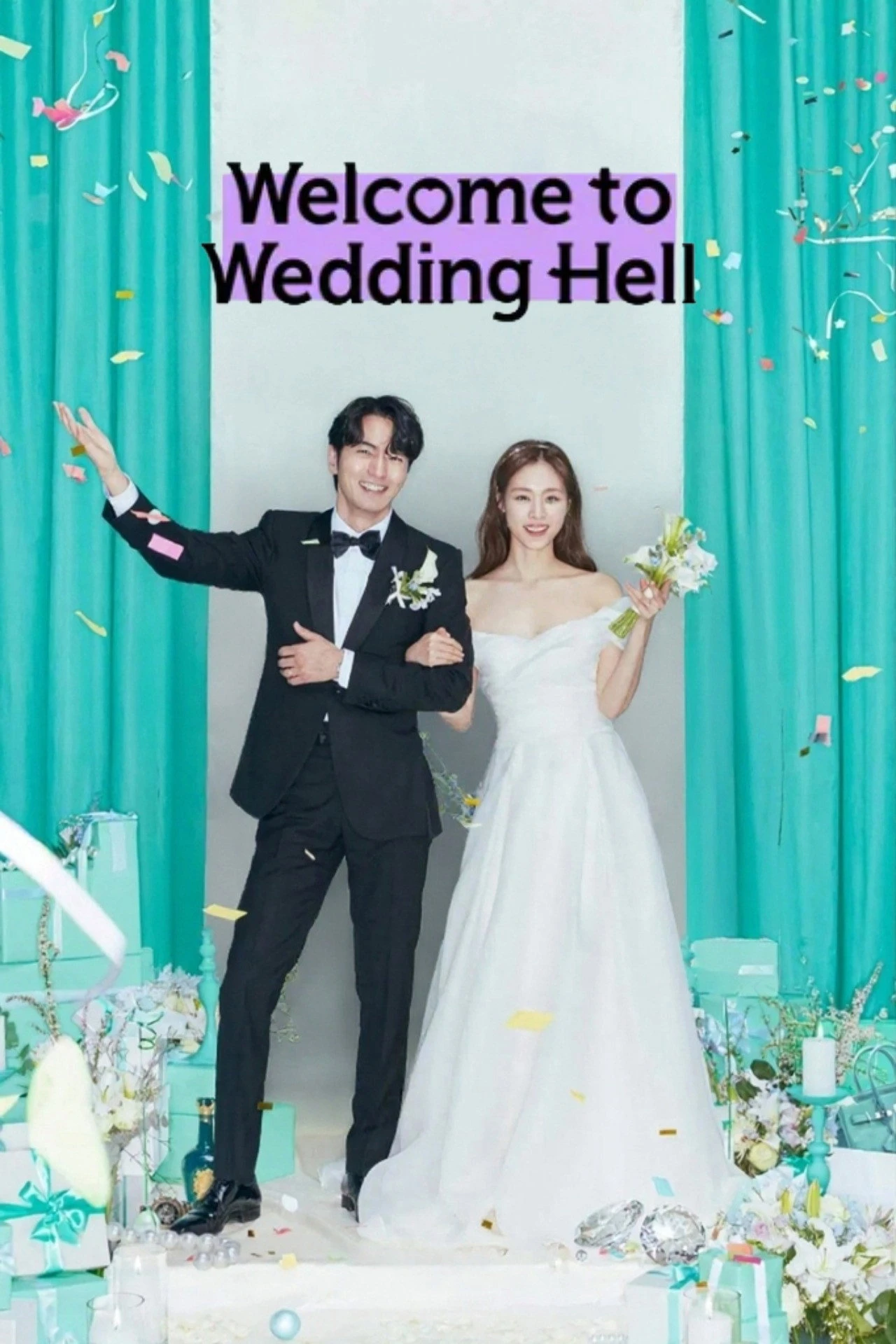
Welcome to Wedding Hell
📋 Drama Overview
What you’re getting into, at a glance.
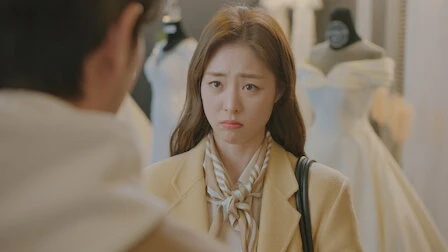
Seo Jun-hyeong and Kim Na-eun have been together two happy years when he finally proposes on a yacht, and for about five minutes, it looks like the fairytale Na-eun always pictured. Then the actual work starts — parent meetings, financial disclosures, venue fights, and a mother-in-law who gives gifts expensive enough to double as pressure. What should be the happiest year of their lives quickly turns into a referendum on how well they actually communicate.
Welcome to Wedding Hell earns its title honestly: this is less a romance than a comedy of manners about what two Korean families really do when money, status, and control get mixed into wedding planning. Lee Jin-uk and Lee Yeon-hee play a couple whose love was never really the problem — the problem is everything that happens to a relationship once both families get a vote in it. Twelve tight episodes later, the show’s actual love story is about learning to fight the right people instead of each other.
⚡ Quick Verdict
Here’s the verdict — no scrolling, no guesswork.
▶ Official Trailer
🎭 Cast & Characters
The couple, the meddling mothers, and the friends caught in the crossfire.
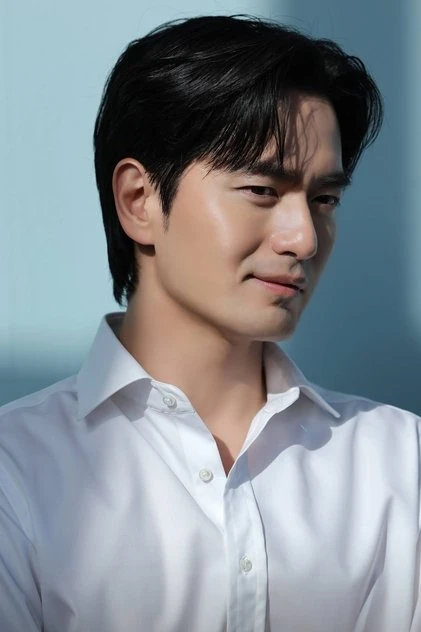
Lead

Lead

Supporting

Supporting

Supporting

Supporting
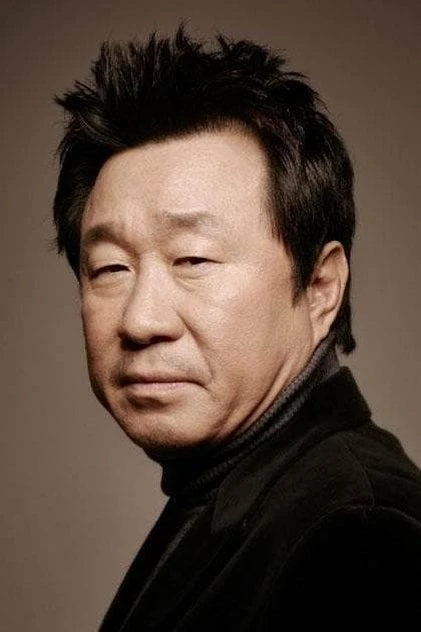
Supporting

Supporting

Supporting
📺 Episode Guide
Spoiler-light recaps — enough to remember where you left off, nothing that ruins the ride.
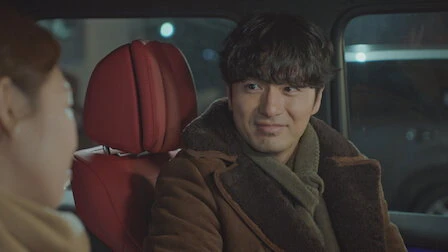

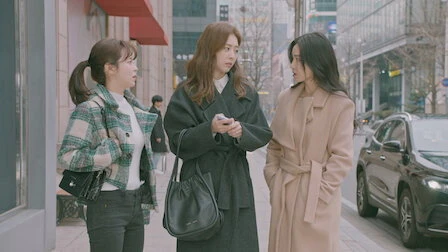
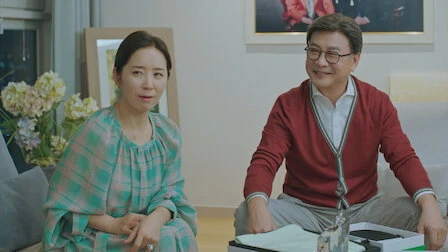
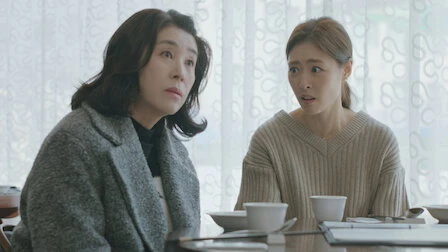
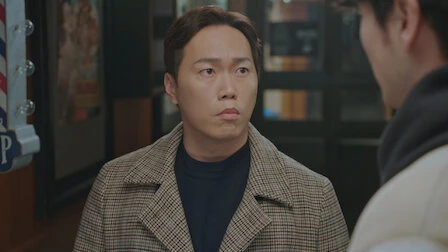
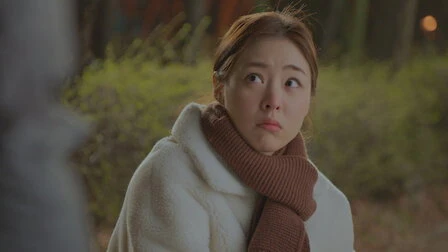
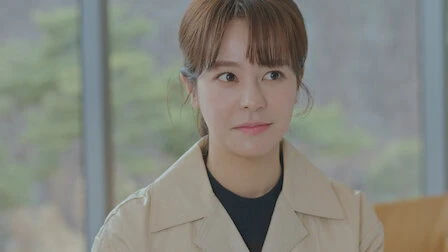
🏁 Ending Explained
Full spoilers ahead — everything that happens in the finale and what it all means.
What actually happened Welcome to Wedding Hell ends on the wedding day itself, and the show spends its finale resolving the anxieties it spent eleven episodes building. Jun-hyeong makes a point of giving Na-eun’s father’s side full representation in flower wreaths and guest seating, directly addressing the class insecurity that’s driven half the series’ family conflict. The ceremony goes smoothly — no last-minute crisis, no runaway bride, just a wedding that finally happens the way weddings are supposed to. Around the edges, Hee-seon and Min-woo become an official couple, and Soo-yeon gets promised introductions of her own.
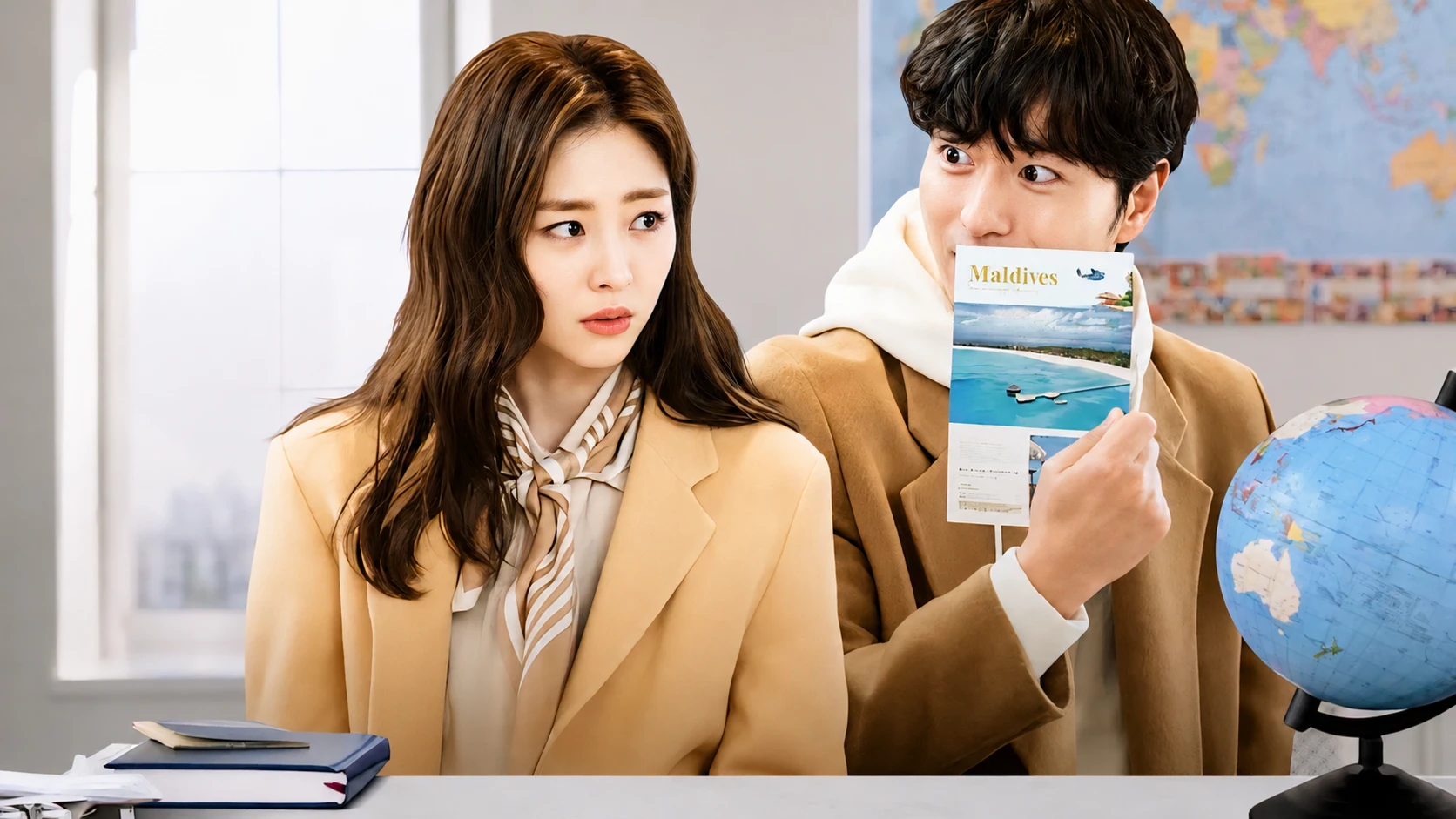
What it means for Na-eun and Jun-hyeong The finale’s real point isn’t the ceremony — it’s that Na-eun and Jun-hyeong spend episode 11 taking their wedding back from both families and actually talking to each other for the first time in the whole show. Every earlier fight was really about communication: Jun-hyeong apologizing instead of fixing things, Na-eun swallowing her real opinions instead of stating them. The finale doesn’t pretend those habits are permanently cured, but it does show two people who’ve finally figured out how to argue productively instead of just enduring each other. That’s a lower bar than most K-drama endings clear, and it’s exactly why this one feels earned instead of neat.
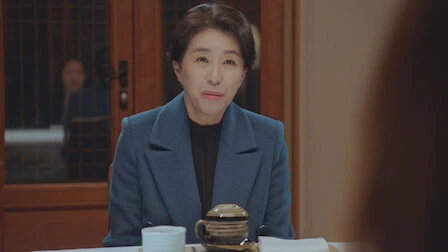
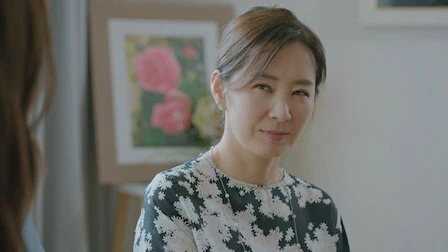
The mothers never really make peace, and that’s the point Park Mi-sook and Lee Dal-young spend the whole series locked in a quiet status war — gifts, furniture opinions, a housing fight that nearly derails the wedding entirely. The finale doesn’t force a reconciliation between them, and it shouldn’t; nothing in the eleven episodes before it suggested either woman was going to change her worldview. Instead, the show resolves the conflict by having Na-eun and Jun-hyeong stop letting their mothers make decisions for them, which is a more honest solution than a hug-it-out ending would have been. The class anxiety at the center of the in-law conflict doesn’t disappear — it just stops being the couple’s problem to manage.
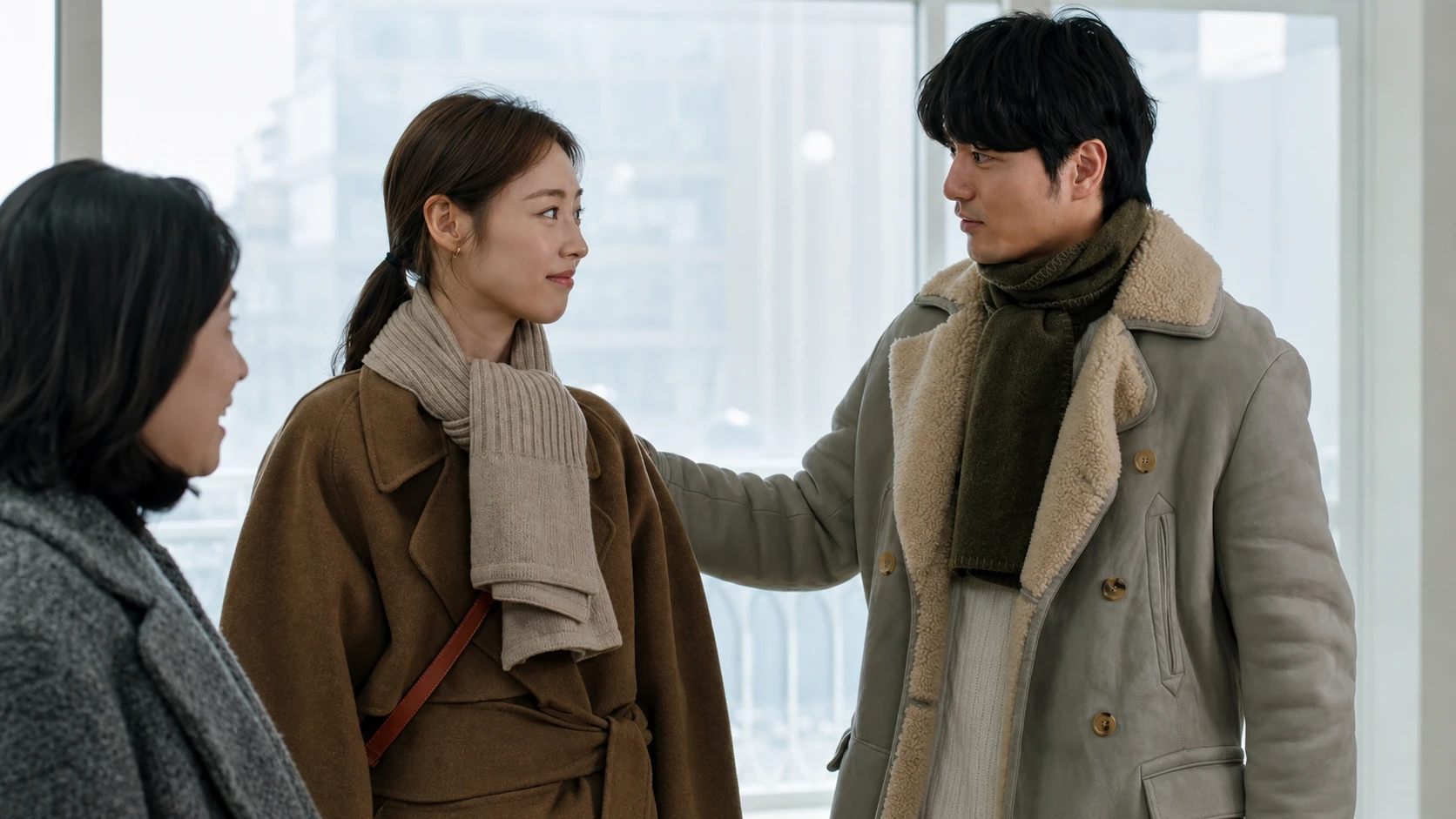
The friends get their own small endings Hee-seon spends the whole series giving Na-eun jaded advice about men while dodging Min-woo’s persistent, oddly extravagant attention — extravagant because, it turns out, he’s the son of a wealthy industrialist she never bothered to research. Her finally accepting him reads as a quiet rebuttal to her own cynicism, earned rather than convenient. Soo-yeon, the group’s last single friend, doesn’t get a romance of her own by the finale, just a promise of future introductions — a small, realistic touch in a show that’s mostly avoided fairytale wrap-ups. None of the side pairings get more screen time than they need.
The KDW verdict Welcome to Wedding Hell earns its title by refusing to treat the wedding itself as the finish line — the ceremony is maybe five minutes of a finale mostly concerned with whether two people learned to actually talk to each other under pressure. It helps that the show frames its conflicts as universal instead of melodramatic: money, in-laws, and communication breakdowns are recognizable problems dressed up in baseball-metaphor episode titles instead of amnesia or secret siblings. The ending’s real message — that marriage is a continuous negotiation, not a fairytale — lands because the twelve episodes before it never once cheated to make the couple’s problems easier than they’d actually be. It’s a small, grounded finale for a small, grounded show.
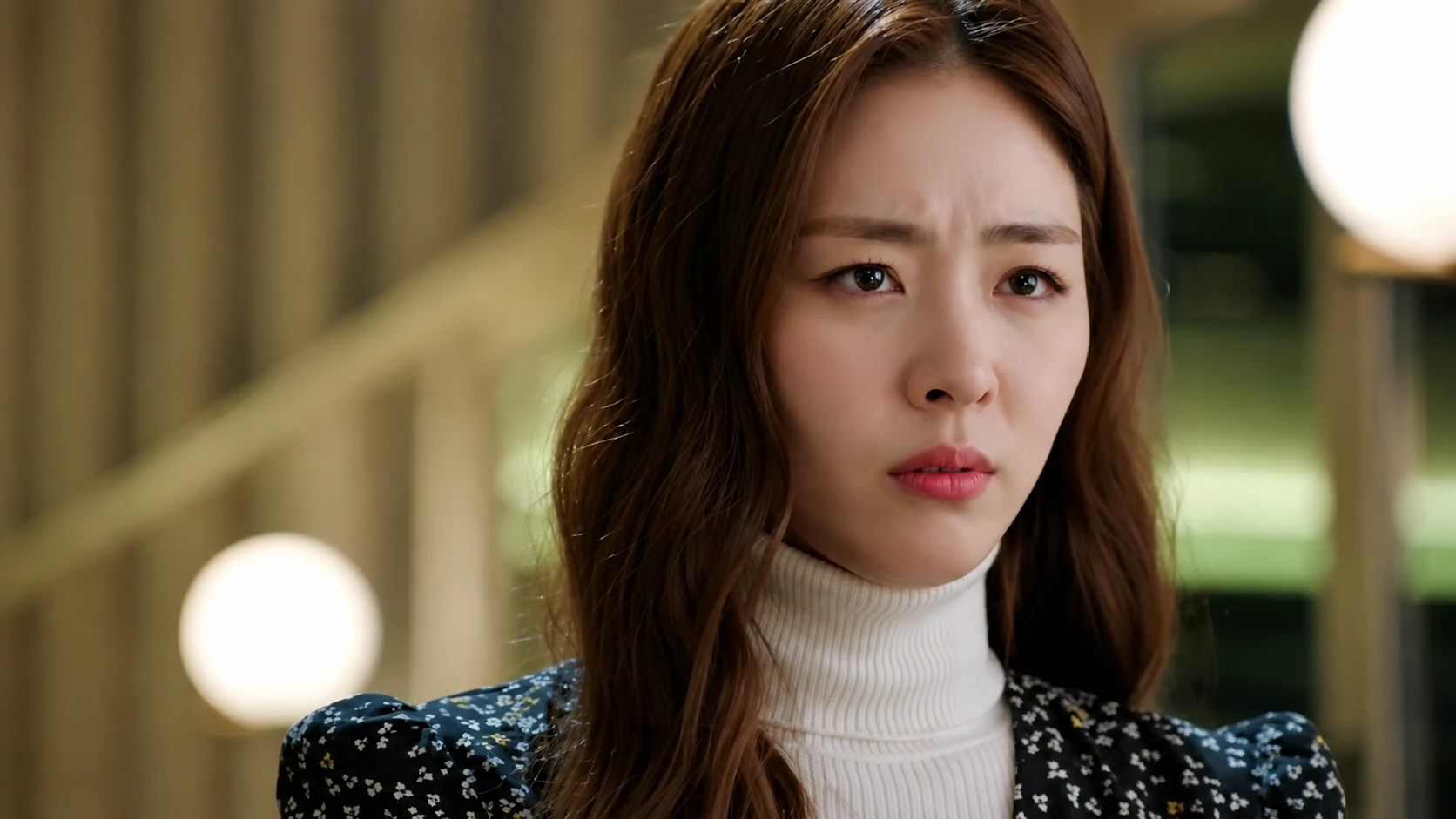
✍️ KDramaWorlds Editor’s Take
Straight talk — our real opinion, and the viewer it’s made for.
There’s a specific kind of dread Welcome to Wedding Hell nails better than almost any other K-drama about marriage — the moment a well-meaning gift turns into a math problem. Watching Na-eun’s family absorb an 80-million-won pile of wedding presents with visibly deteriorating smiles is funnier and more uncomfortable than any actual fight in the show, because it’s so recognizable. Most K-dramas treat weddings as a finish line worth fighting toward; this one, like Wedding Impossible in its own more comedic register, is more interested in what a wedding costs two people before they even get there.
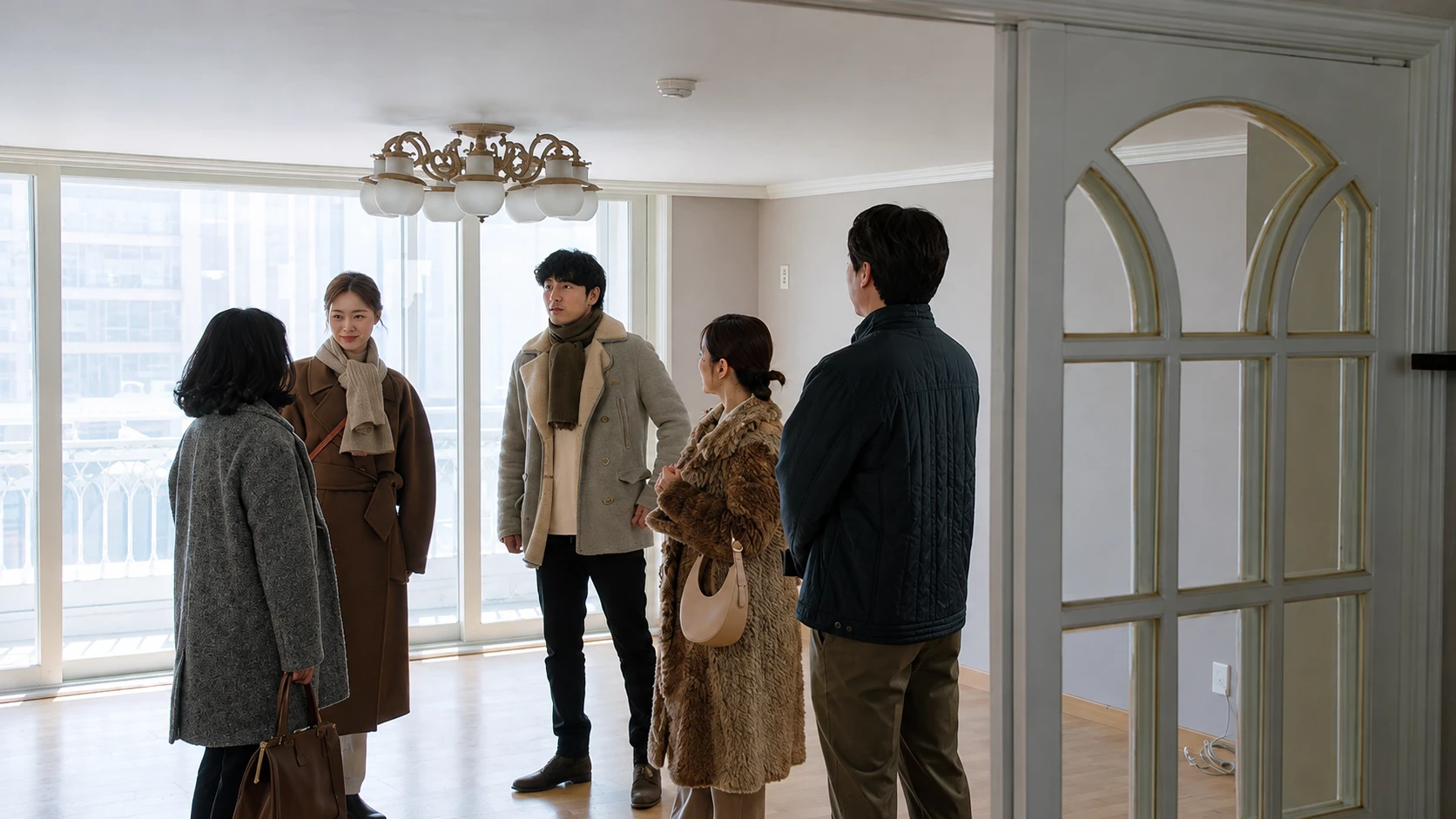
The baseball-metaphor episode titles (First Pitch, Beanball, Bench-Clearing Brawl) are a cute conceit, but the show’s real strength is refusing to give either mother a villain edit — Park Mi-sook and Lee Dal-young are both acting from real anxiety about status and money, not spite, which makes their standoffs land harder than a simple rich-mother-vs-poor-mother framing would. It’s the same grounded instinct that made Thirty-Nine work as a portrait of life in your thirties instead of a soap opera about it — nobody here is purely right, and the show trusts viewers to sit with that.
At twelve episodes and 38 minutes each, Welcome to Wedding Hell moves fast enough that its middle stretch of financial and family friction never drags the way a 16-episode version of the same plot easily could. Lee Jin-uk and Lee Yeon-hee play the exhaustion of wedding planning with real chemistry instead of manufactured cuteness, which is exactly what a show this grounded needs from its leads. It’s not a flashy watch, but it’s an honest one — and for anyone who’s actually planned a wedding, probably an uncomfortably accurate one.
🎬 You Might Also Like
If you liked Welcome to Wedding Hell, these are your next three watches.
 Love on the Menu
ChefClass Differences
Read Full Review →
|
 Melo Movie
Film Industryfriendship
Read Full Review →
|
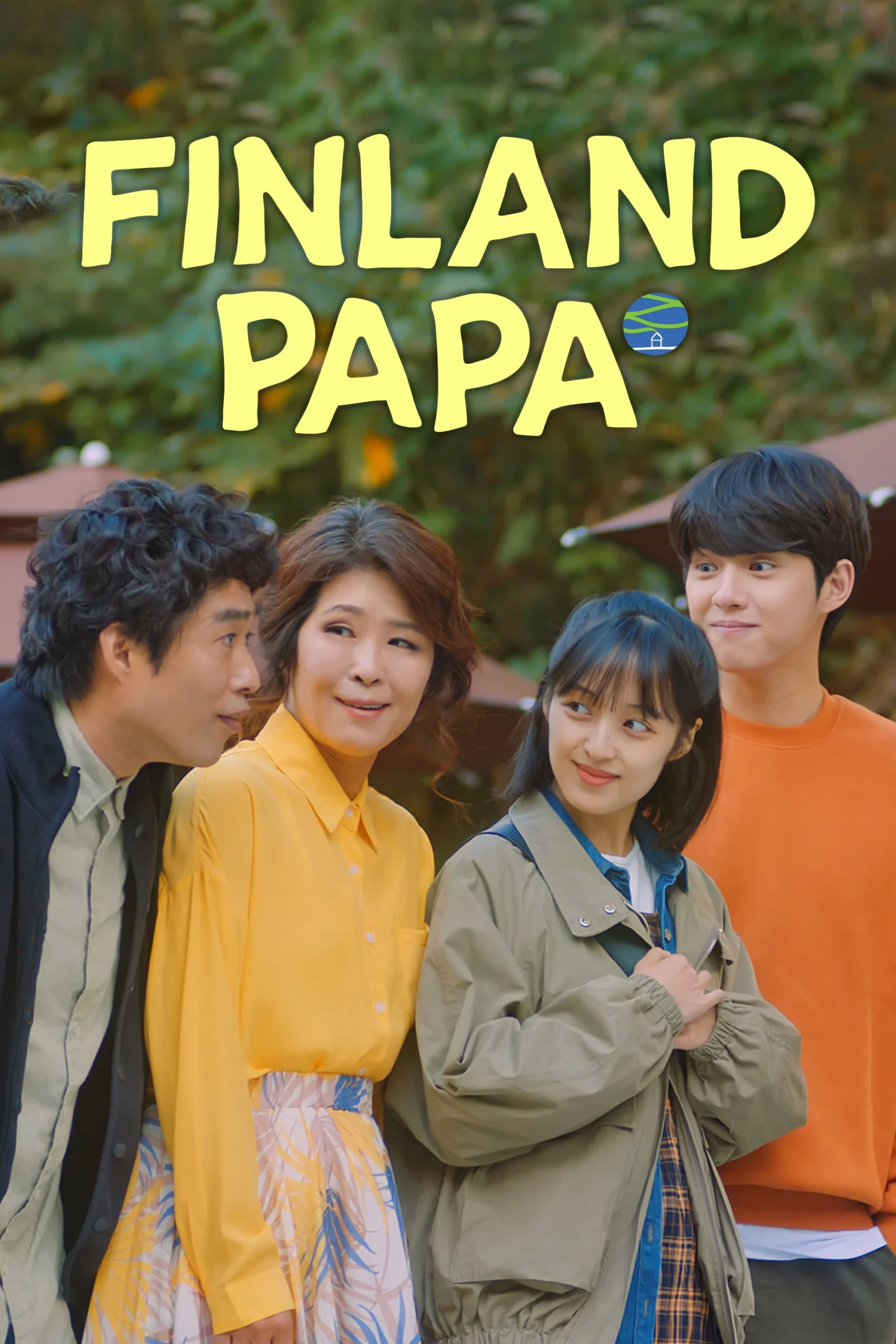 Finland Papa
CafeCinema Heaven
Read Full Review →
|







Keep it kind, skip the harsh language, and please — no spoilers. Everyone's taste is different, and that's perfectly fine.
This space is for real reactions and discussion from other viewers. Help keep it comfortable for everyone by not giving away major plot details.
What do you think of this drama?
Login to share your review or leave a comment.
No email needed — just pick a username & password.