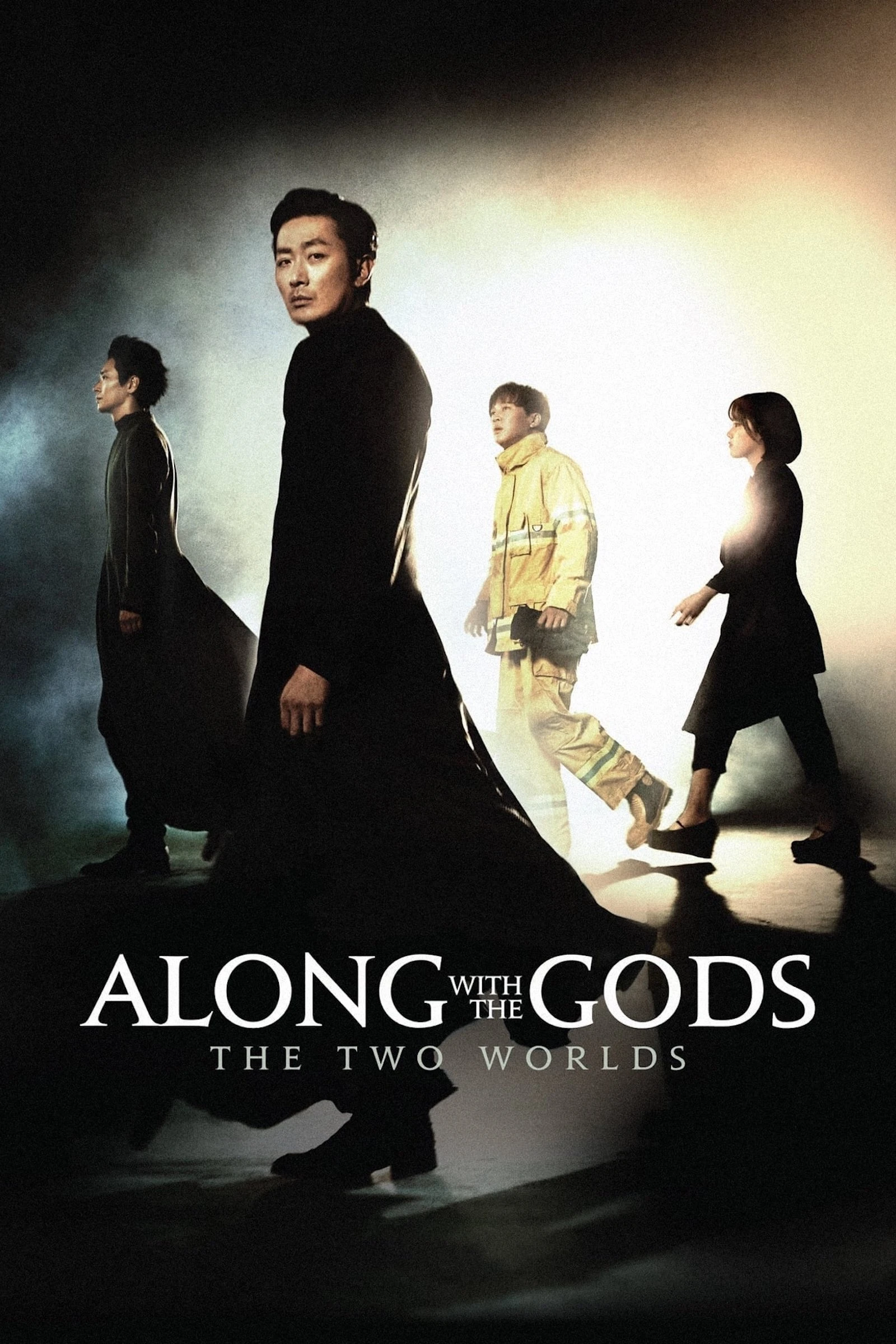
Along with the Gods: The Two Worlds
🎬 Film Overview
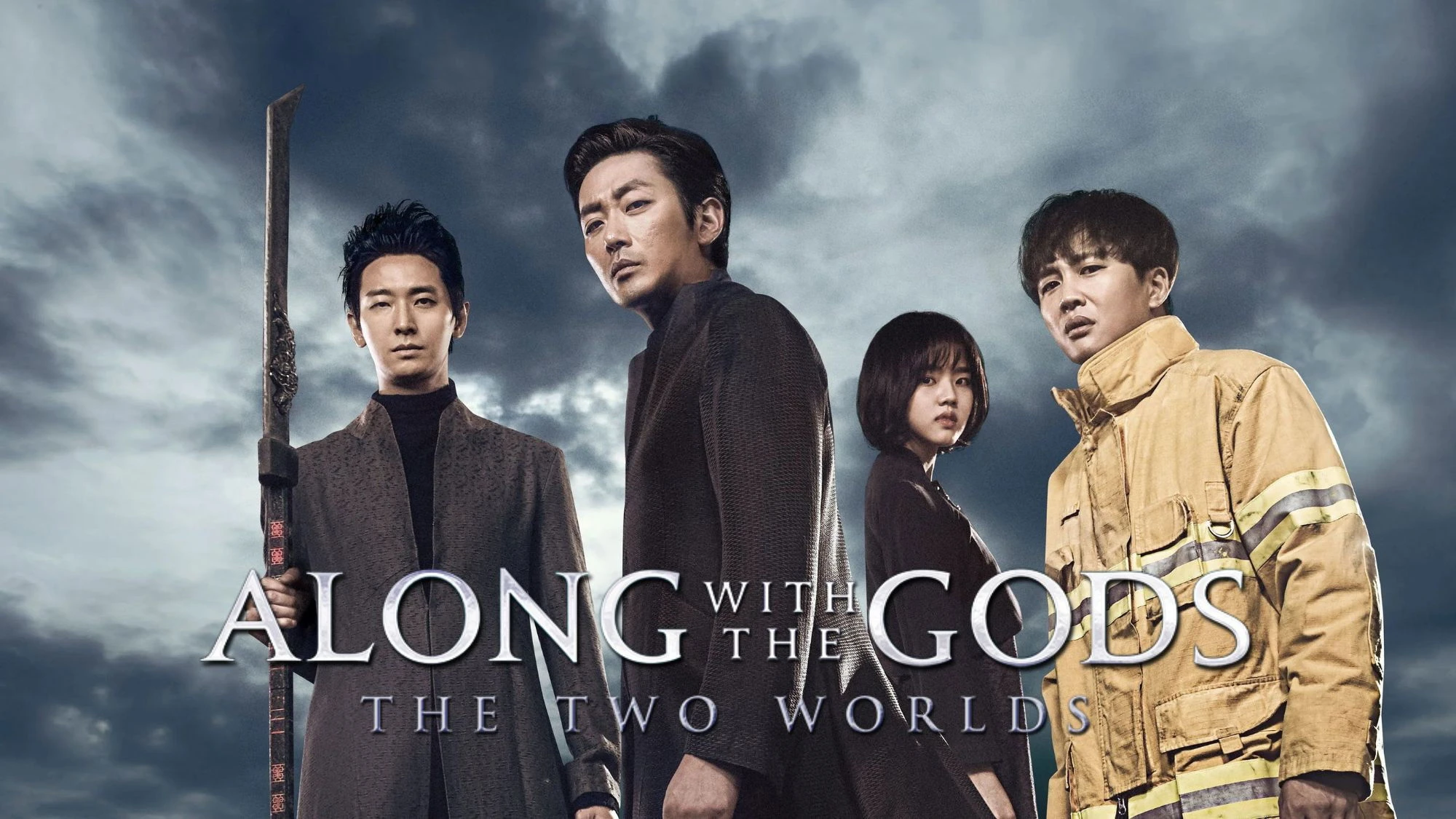
Firefighter Kim Ja-hong dies in a fire while trying to save the people inside it, and wakes up in a world that runs like a courthouse. Three Grim Reapers receive him there: the arrogant, rule-bending Hae Won-maek, the wide-eyed and plucky Lee Deok-choon, and their leader Gang-rim. Ja-hong has 49 days and seven trials, each held in a different hell, to prove he deserves to be reincarnated. If he passes, the reapers who defended him move a step closer to their own rebirth. Kim Yong-hwa’s 2017 adaptation of Joo Ho-min’s webtoon passed 10 million admissions in South Korea within 15 days and was shot back to back with its sequel, so the story deliberately stops partway. Part of the pull is the trial-by-trial puzzle of what a decent man could be guilty of. The rest is a second thread about his younger brother, a dead soldier whose anger grows louder as the days run out.
⚡ Quick Verdict
No scrolling required — the verdict’s right here.
Watch Along with the Gods: The Two Worlds Free (US Only)
Free to watch - US only. Its owner makes this movie available only in the United States. If it doesn't play in your country, you may need a VPN with a server in an allowed country to watch it.
Region limits are set by the video owner, not by KDramaWorlds. Please make sure VPN use is allowed where you live and by YouTube's terms.
This film is free with ads, but the stream is currently available only in certain regions, mainly the United States. If the player shows “not available in your country,” the film can’t be played from your location.
Official Videos


🎭 Cast & Characters
The firefighter, his three Grim Reaper guardians and the king who judges them.

Lead

Lead

Lead

Lead
Supporting

Supporting

Supporting
Supporting
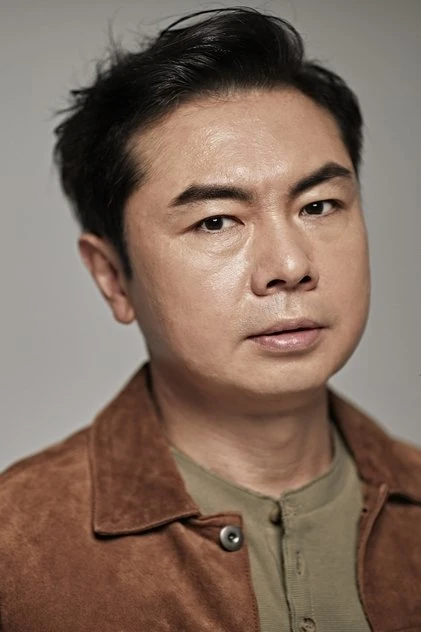
Supporting

Supporting

Supporting

Supporting
🍿 Where to Watch
Watch Along with the Gods: The Two Worlds on these platforms.
📖 The Story
No spoilers ahead — just enough to see if it fits your taste.
Kim Ja-hong is a firefighter, and the film meets him at the worst moment of his life: a blaze, a building that will not hold, people still inside. He dies there. The next thing he knows, three Grim Reapers are walking him into the afterlife and treating the whole process as paperwork with consequences. Hae Won-maek is arrogant and relaxed about the rules, Lee Deok-choon is young, wide-eyed and openly kind, and their leader Gang-rim is the one who actually makes the decisions. Their job is to defend Ja-hong through seven trials over 49 days. If he is cleared of every charge he is reincarnated, and the three reapers earn credit toward their own reincarnation.
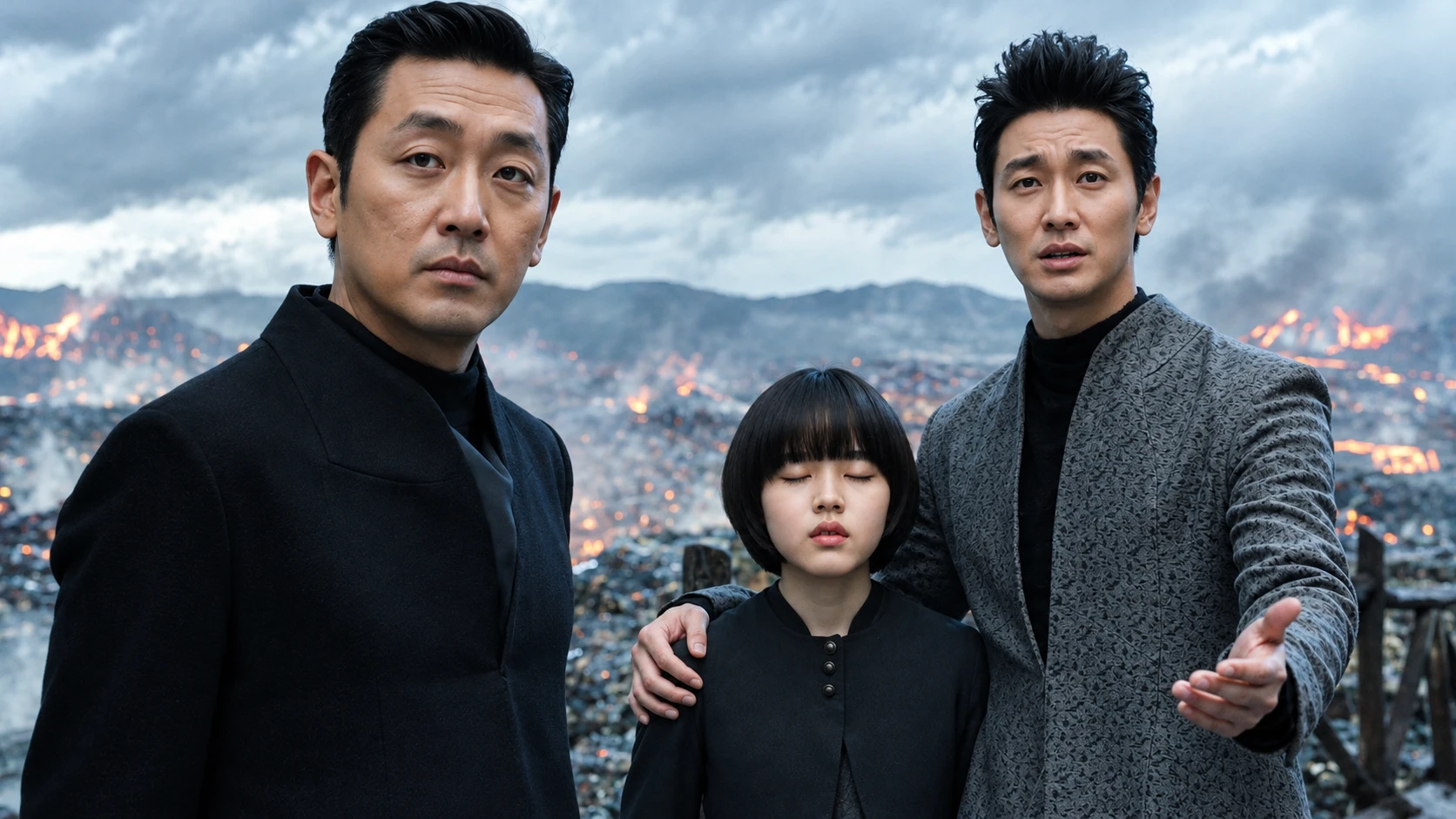
The first court is the Hell of Murder, and the charge is a heavy one. A fellow firefighter died under rubble in the same fire, and the court wants to know whether Ja-hong let him die. The reapers act as his defense team, and the early reports from the afterlife are that he is a strong candidate, the kind of dead man who ought to sail through. That makes the opening accusation more uncomfortable than it would be for a villain. The film also shows its method here: every hell begins with a charge that sounds damning.
The reapers’ evidence changes the picture. The trapped colleague told Ja-hong to save the civilians first. Ja-hong carried out eight people, then tried to go back and was held back as the building collapsed. He is acquitted. The Hell of Indolence follows the same arc from the other side. Pressed about his work ethic, Ja-hong blurts out that he only did the job for the money, and a sentence looks certain until Gang-rim points out where the money went: to his younger brother and his ailing mother. One reviewer called the rhythm rinse and repeat, and the early trials do lean on it.
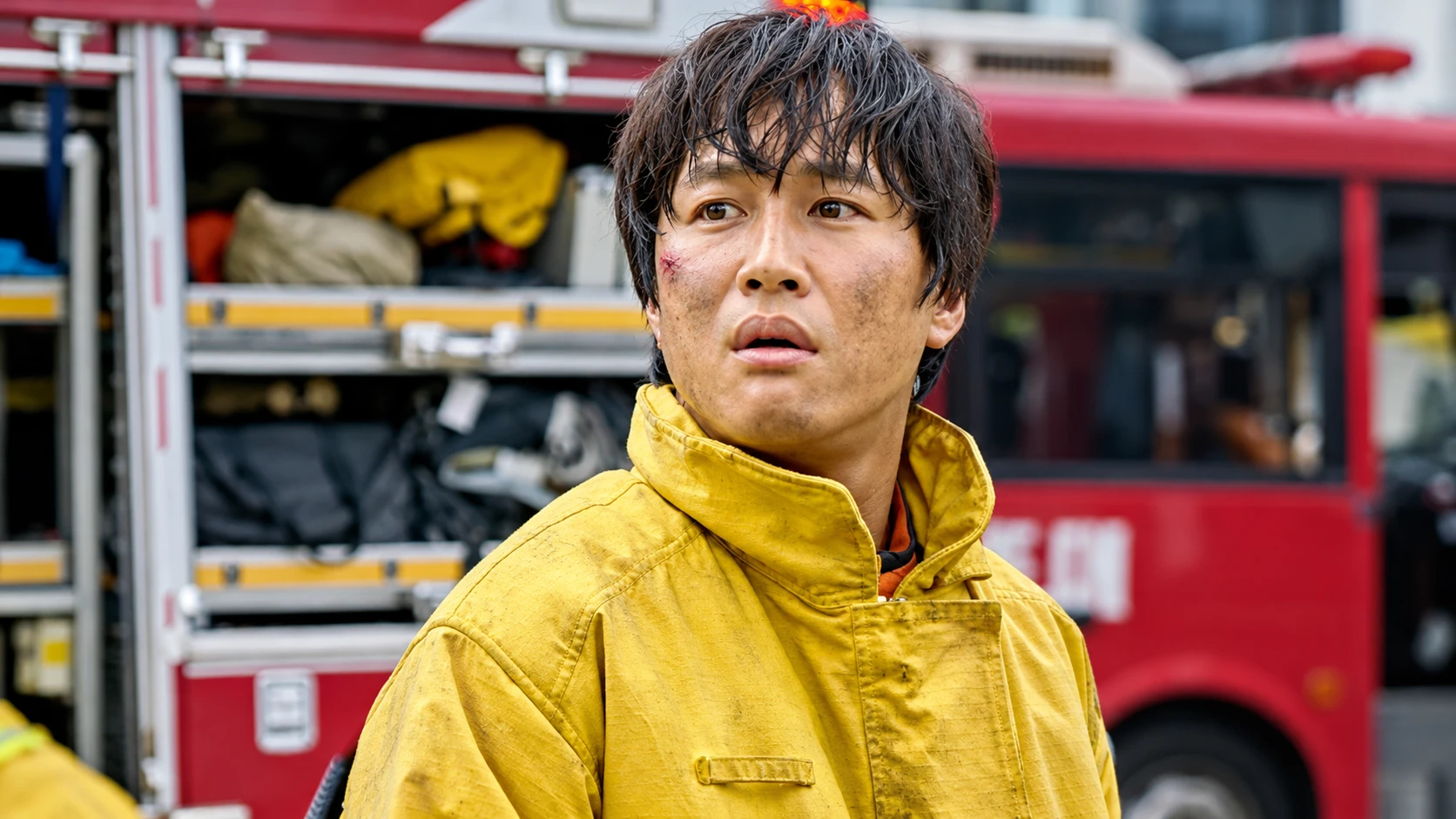
On the road to the next court the afterlife starts to misbehave. Ghouls attack, the physics of the landscape shift, and Gang-rim reads it as a sign that someone in Ja-hong’s family has died and turned into a vengeful spirit. He leaves to investigate while the others take Ja-hong on. In the Hell of Deceit, Ja-hong is accused of writing fake letters to the families of the dead, including the daughter of the colleague he lost. Gang-rim links up with Deok-choon in the living world to check the facts, and the letters turn out to have comforted the people who received them, his mother among them. The charge is dismissed.
The spirit Gang-rim finds is Ja-hong’s younger brother, Su-hong, a soldier who died on guard duty. According to Wikipedia, he was killed by accident by his partner, Won Dong-yeon, and the death was covered up by their superior, Lieutenant Park Moo-sin. The family was never told the truth. A Korean press piece describes him as an army sergeant killed unjustly just two weeks before discharge. Su-hong’s grudge is not aimed at Ja-hong at all. It is aimed at the two men who buried what happened, and the same anger is what has been warping the afterlife around the trials.
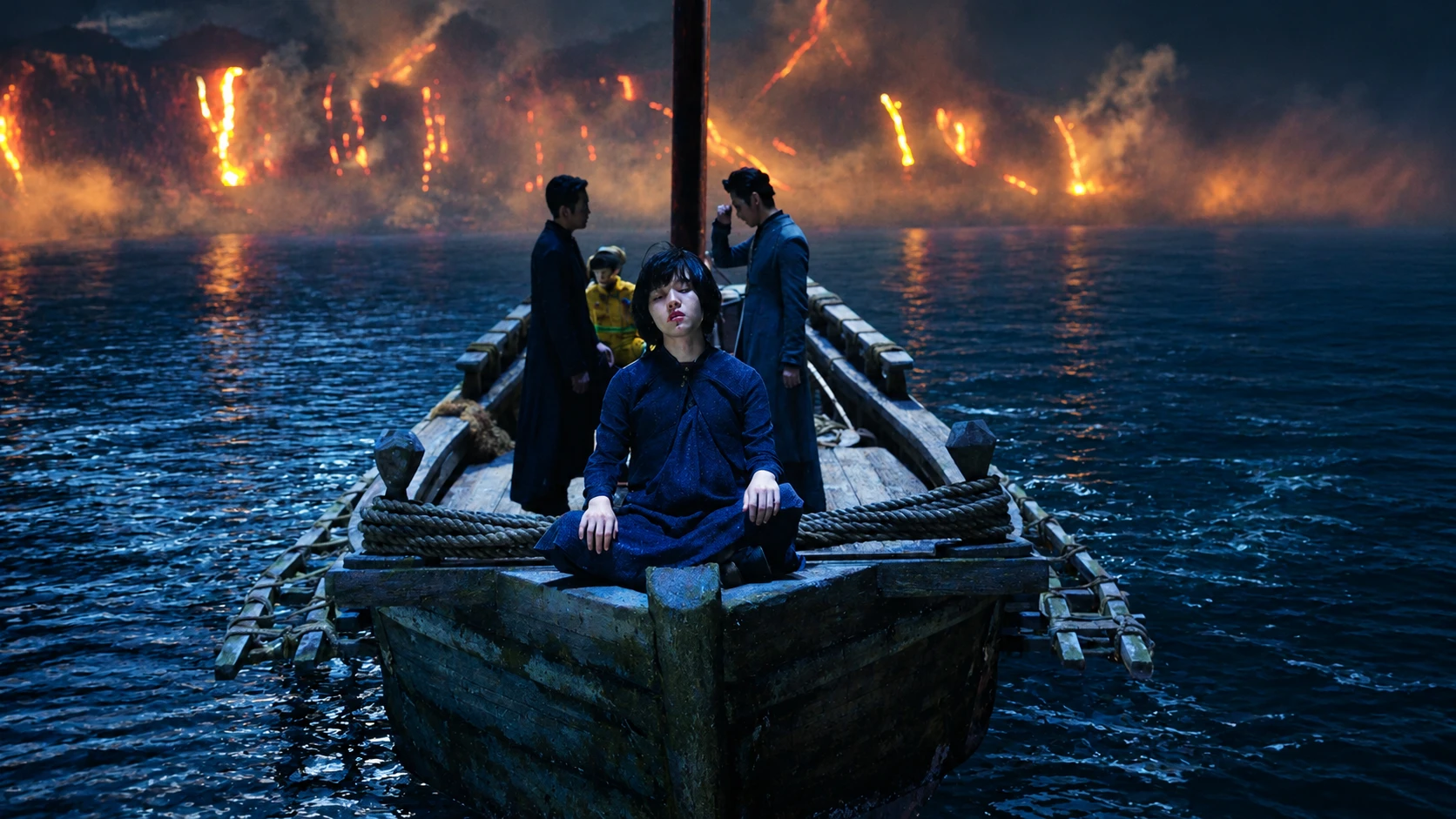
Gang-rim steps in before the rage turns into murder. He stops Su-hong from killing Dong-yeon, and Dong-yeon, shaken, reveals where Su-hong’s body is buried and then tries to take his own life. Gang-rim saves him at Su-hong’s own request. It is a small scene with real cost: the vengeful spirit asks for mercy for the man who caused his death, and the film lets the request stand without comment. Gang-rim, played with steely calm by Ha Jung-woo, is the engine of the second half. Ja-hong stays largely passive while the reaper does the detective work.
Back on the main track, the Hells of Injustice and Betrayal pass without a trial. The Hell of Violence does not. Ja-hong is charged with beating Su-hong when they were children and Su-hong was malnourished, and because Su-hong has not forgiven him he is convicted. The sentence is about to be carried out when Gang-rim asks for a combined trial at the next court, the Hell of Filial Impiety. The request is granted. The stakes are now two hells at once, and everything the film has set up points toward the family.
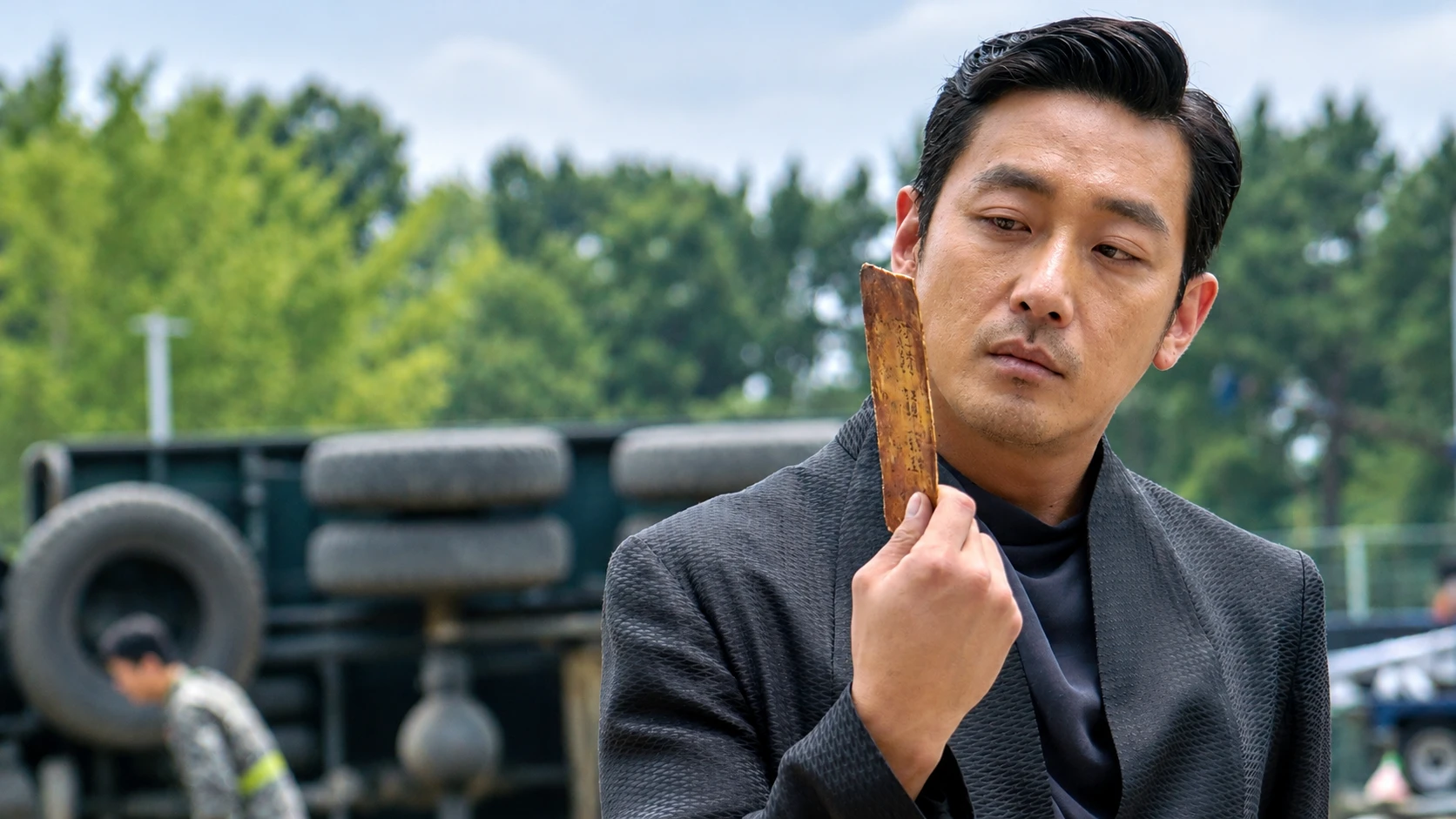
Everything so far has been about what Ja-hong did. The last court asks what he was carrying. One Korean critic points to a sighing line from King Yeomra as the film’s central question: why do people try to do after death what they never did in life? It is a sentimental question, and the film asks it with a very large budget. Whether you find that moving or manipulative is much of what separates viewers who love this first part from those who file it under harmless romp.
🏁 Ending Explained
Full spoilers from this point — what happened, and why.
The combined trial Ja-hong passes, but not cleanly, and not for the reason the earlier courts led you to expect. In the combined trial he finally says out loud what he has avoided for years. In a stretch of poverty he once planned to kill his mother. Su-hong caught him in the act, and Ja-hong, panicking, beat his brother and ran. He spent the rest of his life supporting the family so that nobody would have to see him as a burden, or as what he had nearly done. That secret explains the earlier hells in hindsight: the money, the letters and the habit of putting himself last all come from the same guilt.
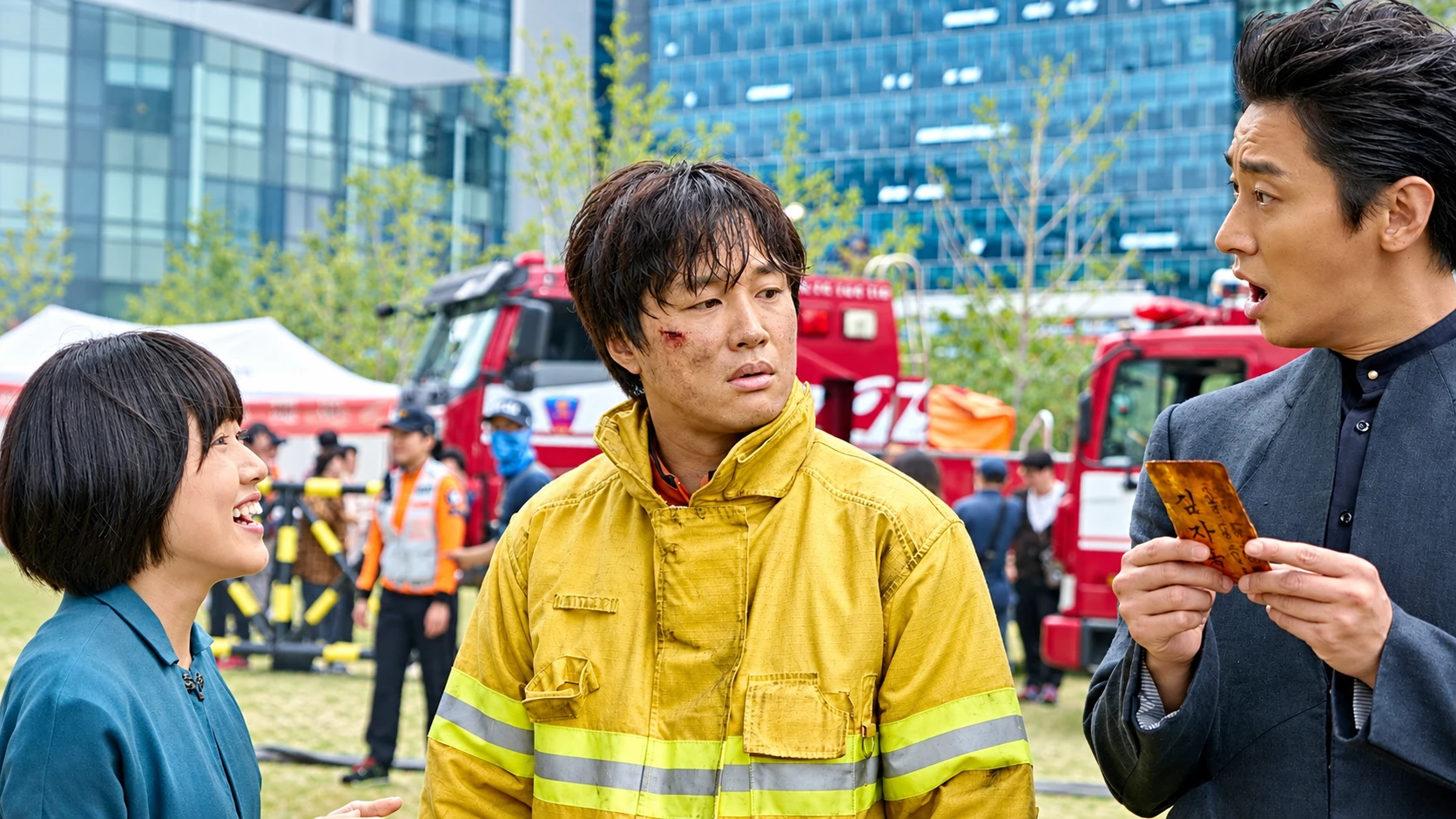
Su-hong at the army base While Ja-hong confesses, Gang-rim and Su-hong are at the army base where the cover-up began. They find Lieutenant Park mistreating their mother, and Su-hong’s rage returns in full: a massive tornado tears through the base. He stops only when he sees what his anger is doing to Ja-hong in the afterlife. This is the point where the two brothers’ stories lock together. Su-hong has been the threat to Ja-hong’s reincarnation all along, and he is also the person who can end the threat, because the thing that pulls him back from the storm is love for the brother he blamed.
The verdict At the Hell of Filial Impiety, King Yeomra finds Ja-hong guilty almost at once. Ja-hong then learns what he never knew: on the night of his attempt his mother was awake, and she had chosen to let it happen because she believed she was a burden. Su-hong, Gang-rim and Hae Won-maek enter her dream. A Korean review describes Su-hong appearing in a judge’s robe, and the mother, who cannot speak or hear in life, speaks for the first time and says the family’s misfortune began with her. What the reapers find in that dream is that she had already forgiven Ja-hong for that night.
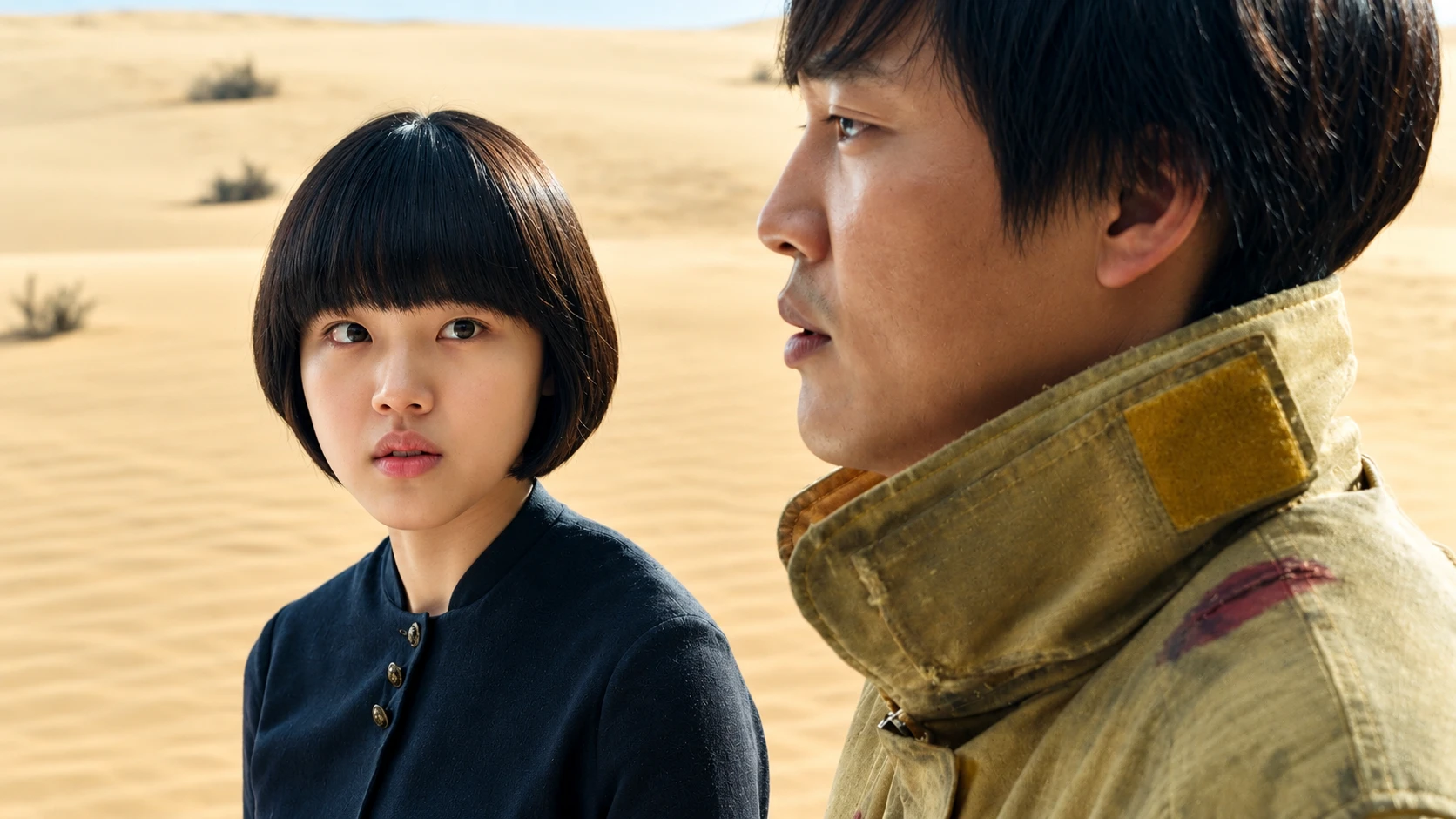
Why forgiveness settles it The rule that decides the case is spelled out in the afterlife’s own terms: a sin that has been forgiven in the living world cannot be judged in the afterlife. Because the mother forgave Ja-hong, Yeomra’s guilty verdict falls away and Ja-hong is allowed to reincarnate. His three guardians have brought him through all seven trials. The result is satisfying and also slightly strange, since the courtroom exists to judge conduct and ends by deferring to a mother’s private mercy. The film is saying that the people who were hurt get the last word, and that guilt can be heavier than the thing it is about.
What the ending means The film does not stop at Ja-hong’s release. Gang-rim realizes that Yeomra has been interfering with his investigation into Su-hong, and he decides to confront the king directly. He then chooses Su-hong as the group’s final soul before their own reincarnation. That sets up the second part, Along with the Gods: The Last 49 Days, which opened on Aug 1, 2018 and was shot together with this one. A credits teaser introduces new characters, among them a role for Ma Dong-seok. Plot summaries agree on these beats but few describe the final scenes in detail, so we have kept to what is documented rather than guessing at the rest.
✍️ KDramaWorlds Editor’s Take
Worth watching or not — our honest read, and who it’s for.
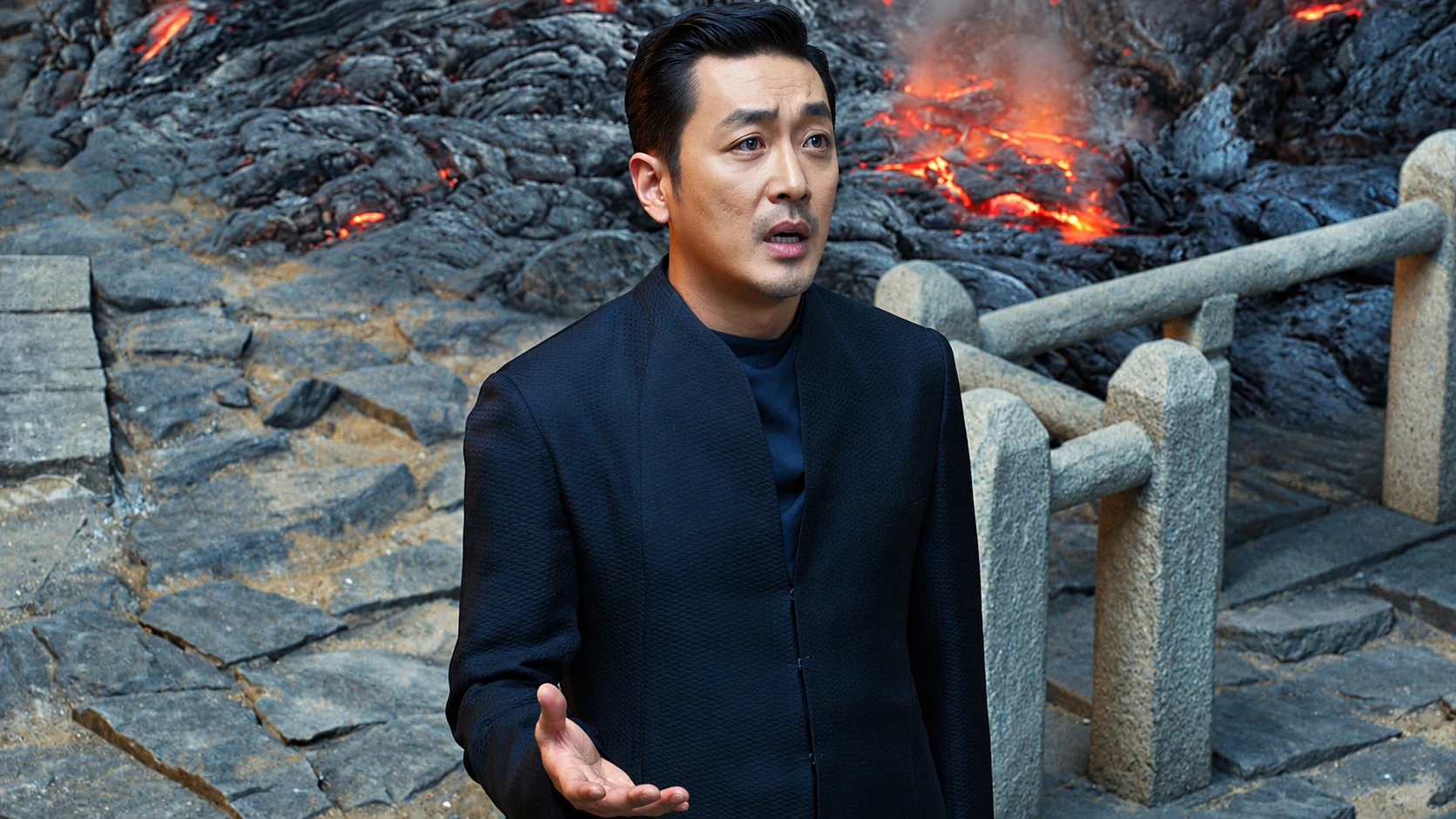
Along with the Gods: The Two Worlds works because the structure is easy to follow. A man dies, three guardians defend him through seven trials, and every court asks a different question about how he lived. Ha Jung-woo gives the reaper leader Gang-rim a calm, almost weary authority, Ju Ji-hoon plays Hae Won-maek with a deadpan arrogance, and Kim Hyang-gi supplies the warmth. Cha Tae-hyun’s Ja-hong is the quietest part of the film. One critic called him dull as sawdust, though the role asks him to stay passive while other people argue his case. If you liked the afterlife bureaucracy in Hotel Del Luna, this is a much bigger and more solemn cousin.
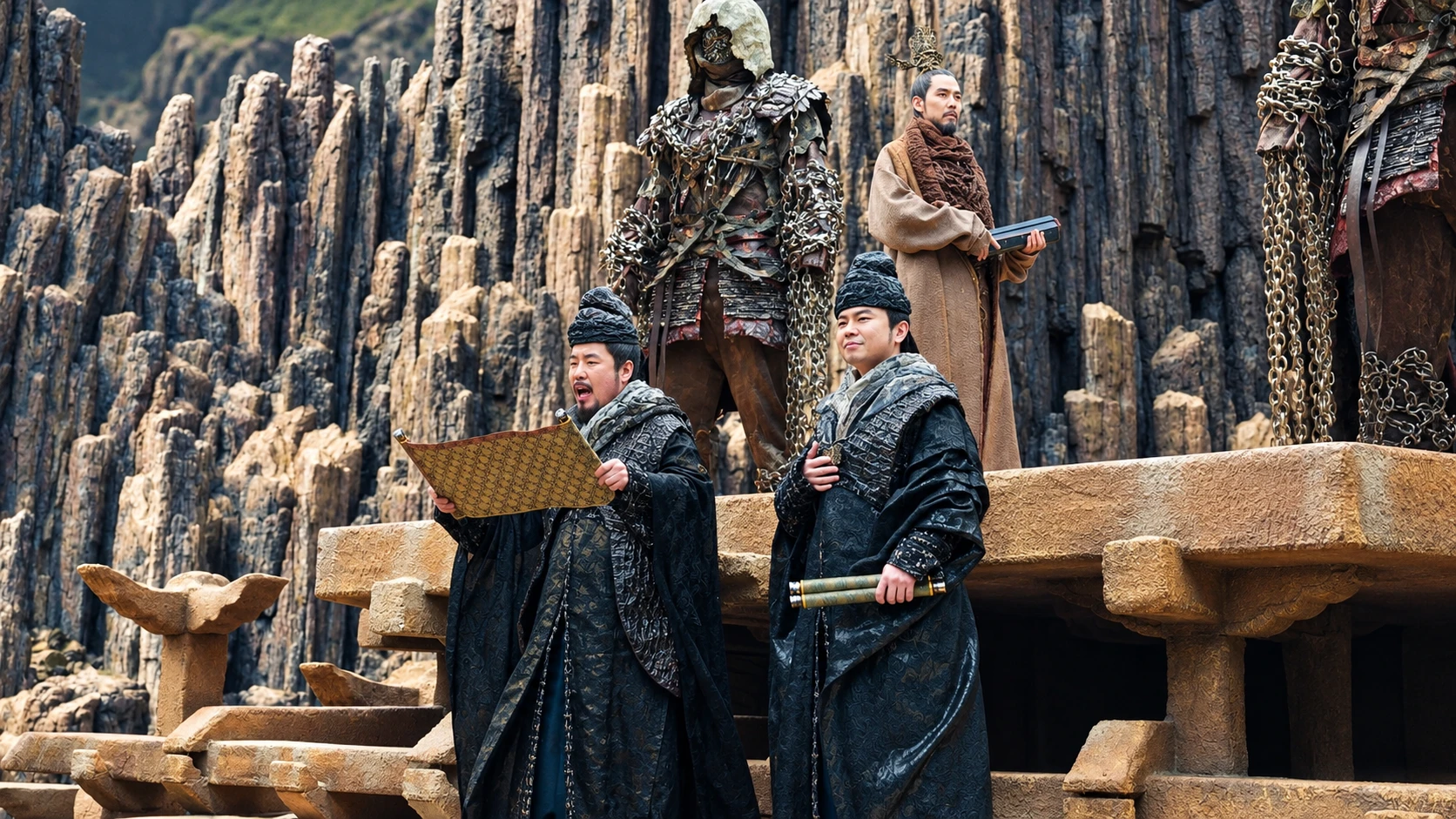
The reception was big and divided. It reached 10 million admissions in South Korea within 15 days and went on to be the third-highest-grossing film in the country’s history by May 2019. In Taiwan it overtook Train to Busan as the highest-grossing Korean film. On IMDb it sits at 7.2 from about 21,000 votes, and Rotten Tomatoes lists 67 percent from nine reviews. The criticism is consistent: the New York Times called it a harmless romp whose clarity and emotional depth fade, and the Los Angeles Times said the human moments get buried under convoluted twists.
Go in with the right expectations. This is the first half of one story, and it ends on Gang-rim preparing to face Yeomra rather than on an answer. The trials early on follow a pattern, and the film is at its best when it breaks that pattern with Su-hong’s story and the mother’s dream. If you want a large Korean fantasy with a tearful family secret in the last court, it delivers. If you need subtlety, the syrupy score and the open ending will test you. We have not found an account of the final scenes that goes beyond the main beats, so treat the ending section as accurate but not exhaustive.
🎬 You Might Also Like
If you liked Along with the Gods: The Two Worlds, these are your next three watches.
 The Remarried Empress
alphatartComing Soon
Read Full Review →
|
 The Art of Sarah
Con ArtistHidden Identity
Read Full Review →
|
 My Man Is Cupid
curseFantasy Romance
Read Full Review →
|












Keep it kind, skip the harsh language, and please — no spoilers. Everyone's taste is different, and that's perfectly fine.
This space is for real reactions and discussion from other viewers. Help keep it comfortable for everyone by not giving away major plot details.
What do you think of this drama?
Login to share your review or leave a comment.
No email needed — just pick a username & password.