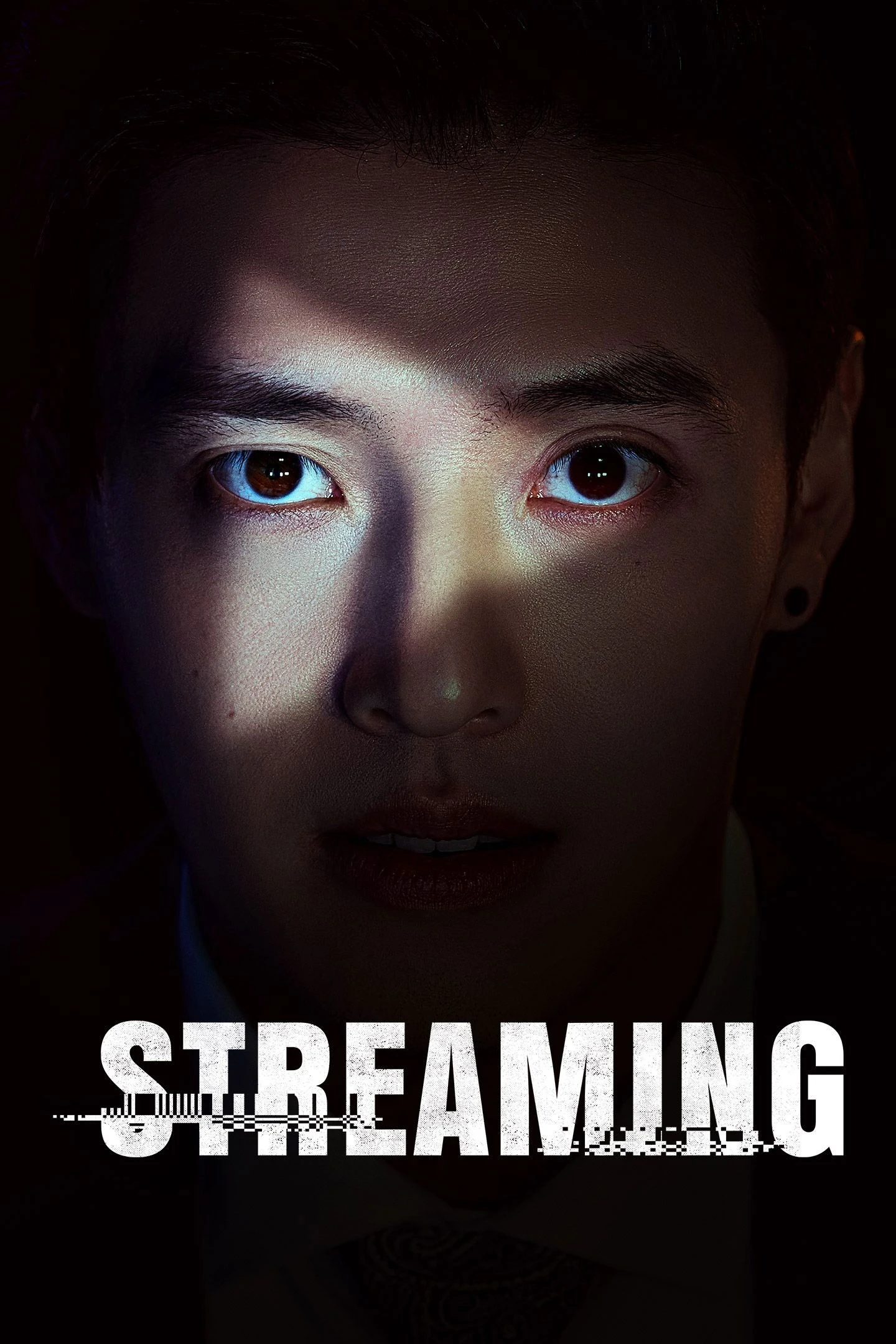
Streaming
🎬 Viu
⭐ Not Yet Rated
🔞 19+
🎬 Film Overview
Woo Sang built his career on other people’s disasters. He runs a crime-focused streaming channel that thrives on urgency — the kind of content that refreshes every thirty seconds because attention is the only currency that matters. His brand is proximity to darkness without ever actually touching it. What he has perfected is the performance of being close to danger, not the reality of it.
The film begins when he picks up a live lead in an unresolved serial murder case and decides the only move is to make the investigation public — to stream it. The logic makes a certain kind of sense inside his world: more visibility, more credibility, more relevance. What changes almost immediately after that decision is who controls the investigation. The killer is watching the broadcast. Woo Sang is no longer hunting someone. He is performing for them.
⚡ Quick Verdict
The whole verdict, boiled down to one box.
· KDW Editorial · Limited audience ratings available
▶ Official Trailer
🎭 Cast & Characters
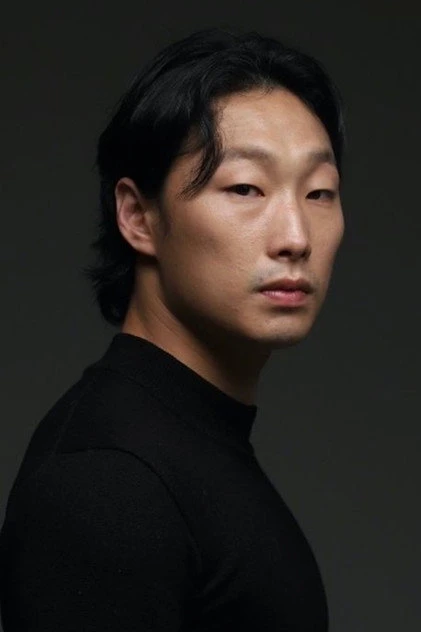
Kang Ha-neul carrying a premise — and five supporting players who give the digital paranoia a human address.

Lead
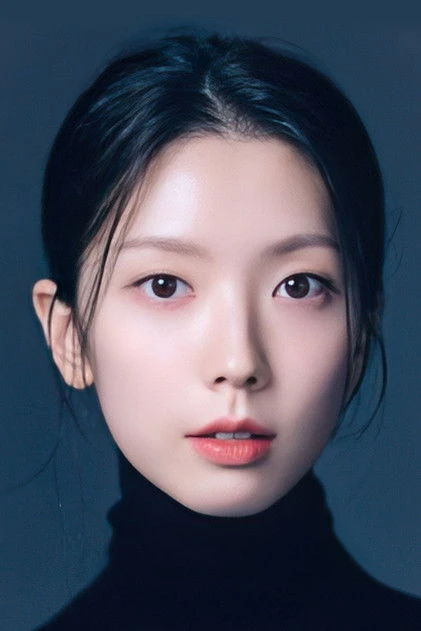
Lead
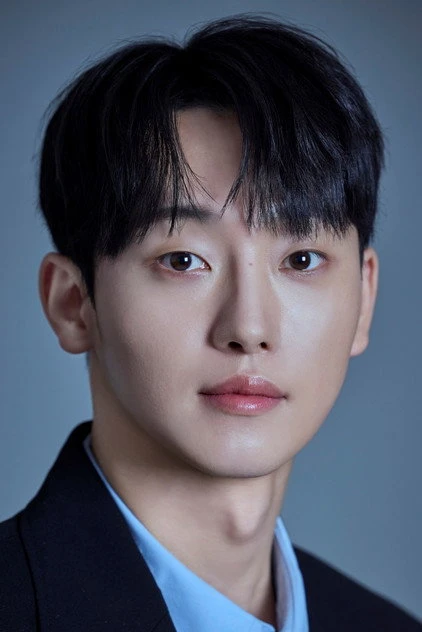
Supporting
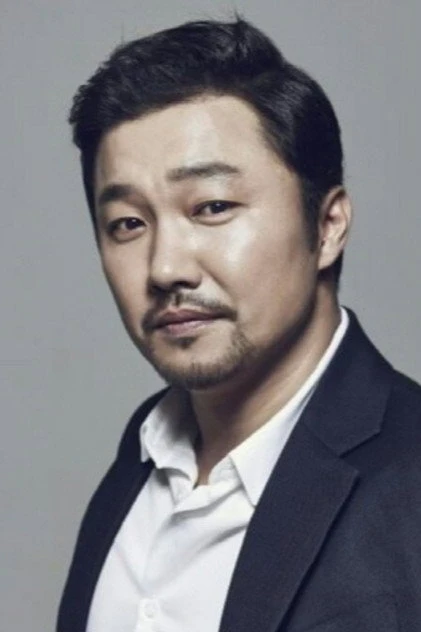
Supporting

Supporting
Supporting
📖 The Story
Spoiler-free — enough to know if this one’s your speed.
Woo Sang runs a crime-focused streaming channel and has built his entire sense of self around being faster, darker, and more reckless than anyone in the space. He is not a journalist — he is a performer of journalism, which is a different thing entirely. His value is measured in real-time view counts, in the particular thrill of being first on something terrible, in the feedback loop that tells him he matters because people are watching. The film opens inside that world without judgment, and spends its first act establishing how completely a person can mistake visibility for significance.
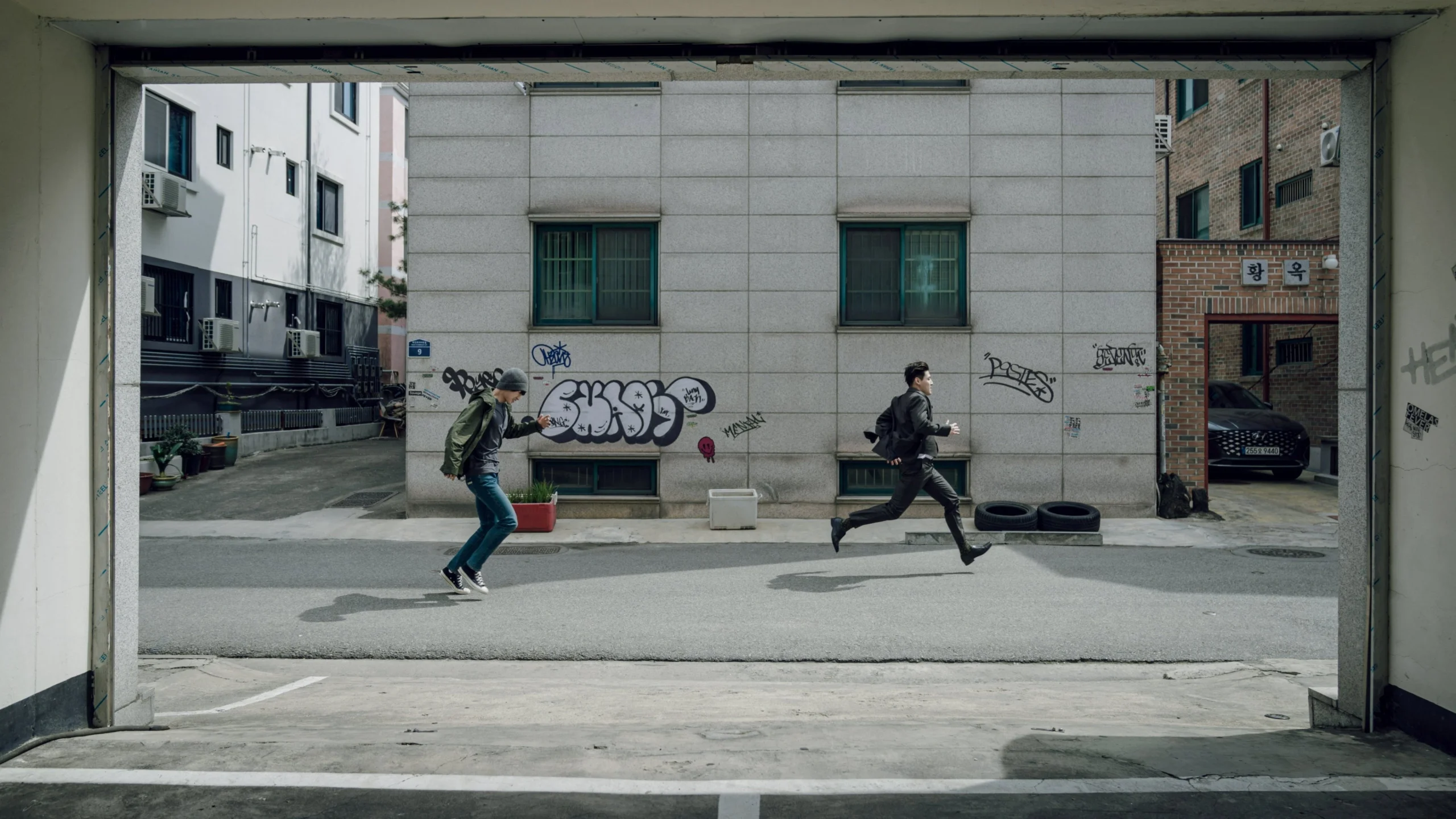
His numbers are slipping. That fact — more than any of the film’s thriller mechanics — is what makes Woo Sang interesting as a character in the opening third. He has built an identity on relevance, and irrelevance is arriving quietly. The crime-content space is crowded now; everyone with a ring light and a willingness to speculate has staked a claim. When a fresh lead surfaces in an unresolved serial murder case, he recognizes it not just as a story but as a lifeline.
The decision to livestream the investigation is presented as instinct, not strategy — and that’s the first sign the film is smarter than its premise suggests. Woo Sang doesn’t pause to consider the implications of turning a live murder investigation into content. He doesn’t need to: the logic of the attention economy has already made that decision for him. The audience shows up immediately. The numbers stabilize. For a brief, dangerous moment, everything seems to be working exactly as it should.
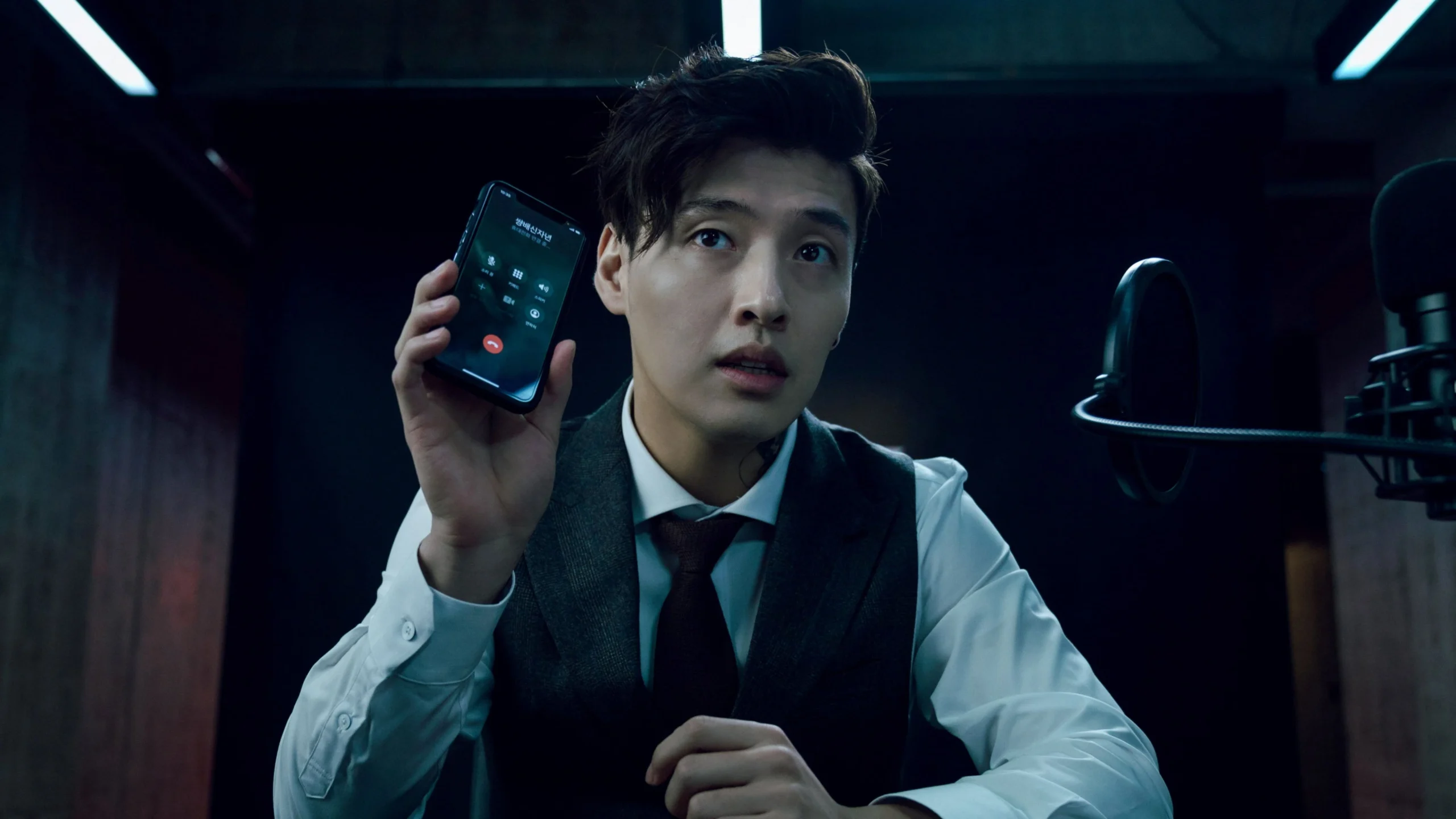
As he traces the case, the details grow heavier. The murders are methodical, patient — they suggest a mind comfortable with waiting. The film is careful about what it reveals here, keeping the investigation spoiler-light even as the evidence mounts. What changes is not the information available but the quality of Woo Sang’s attention. He starts watching the case differently — not as content, but as a pattern that is beginning to feel uncomfortably familiar with his movements. The broadcast that was meant to give him authority starts to feel like an open window.
The shift the film builds toward involves a double-exposure: Woo Sang is hunting the case in public, which means anyone watching the stream knows exactly where he is, what he has found, and what he is about to do next. Director Cho Jang-ho gives the film its most effective atmosphere in these sequences. The frames that were once wide and confident begin to tighten. Visibility — which Woo Sang built his career around — has become the most dangerous thing about him.
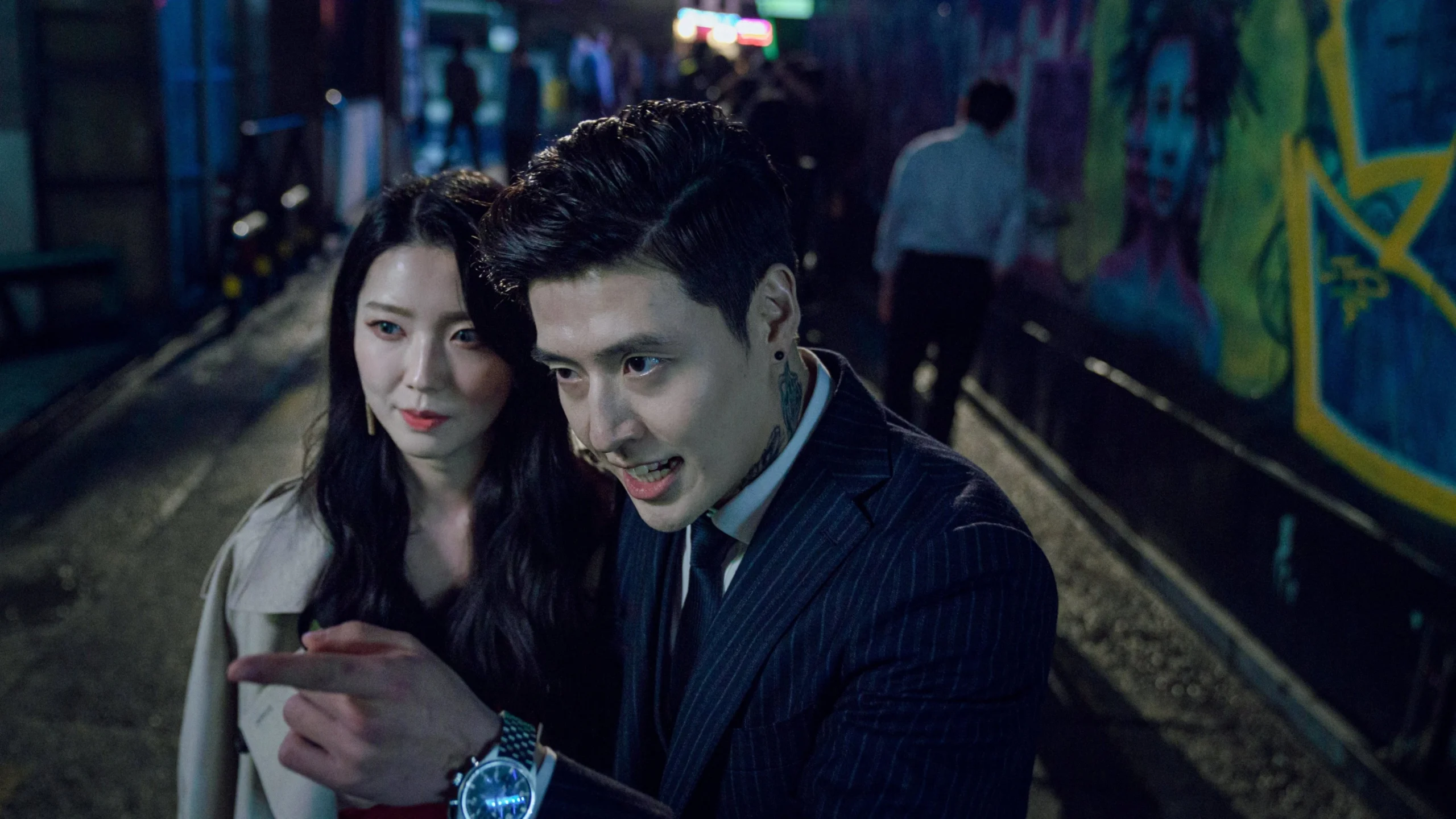
The people around Woo Sang — Matilda, Lee Jin-sung, the figures orbiting his investigation — function less as fully developed characters and more as pressure systems, each one pushing him toward or away from the next decision. The film keeps its world deliberately small and fast. It is either a budget constraint rationalized into style, or an actual stylistic choice. The result is much the same either way: intimate, claustrophobic, and moving forward without pause.
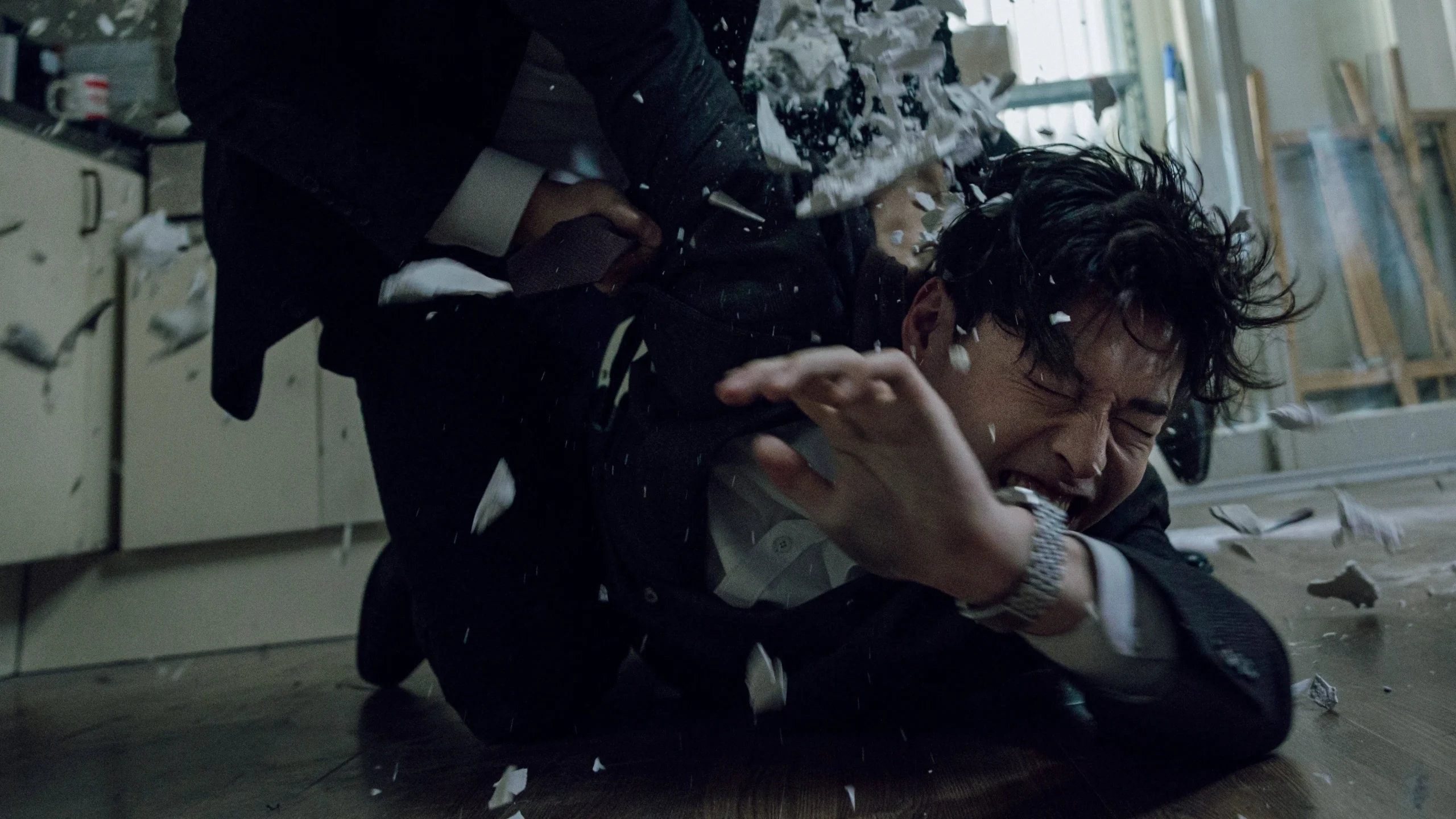
What the film is ultimately about is a very Korean anxiety: the way digital attention culture has erased the firewall between observation and participation, between watching danger and inviting it. South Korea’s content creation economy is aggressive, fast-moving, and rewards escalation. When Woo Sang streams his investigation, he is not simply creating content — he is changing the conditions of the investigation itself. That feedback loop is the film’s most interesting idea. At 92 minutes, Streaming barely has time to fully develop what it is trying to say. But it says it sharply.
🏁 Ending Explained
Full spoilers ahead — what happens in the finale and what it all means.
Full Spoilers Ahead — This section covers the complete ending of Streaming (2025). Stop here if you haven’t watched.
What Actually Happens. In the finale, Woo Sang’s broadcast becomes the site of the confrontation. The killer has used the stream to track every move of the investigation, and the final act compresses what has been building into a direct collision. The killer’s identity is confirmed on screen. Woo Sang finds himself in physical danger rather than at a safe remove — the camera he controlled now documenting his own loss of control. The broadcast keeps running. He does not get to choose how the story ends. The stream chooses for him.
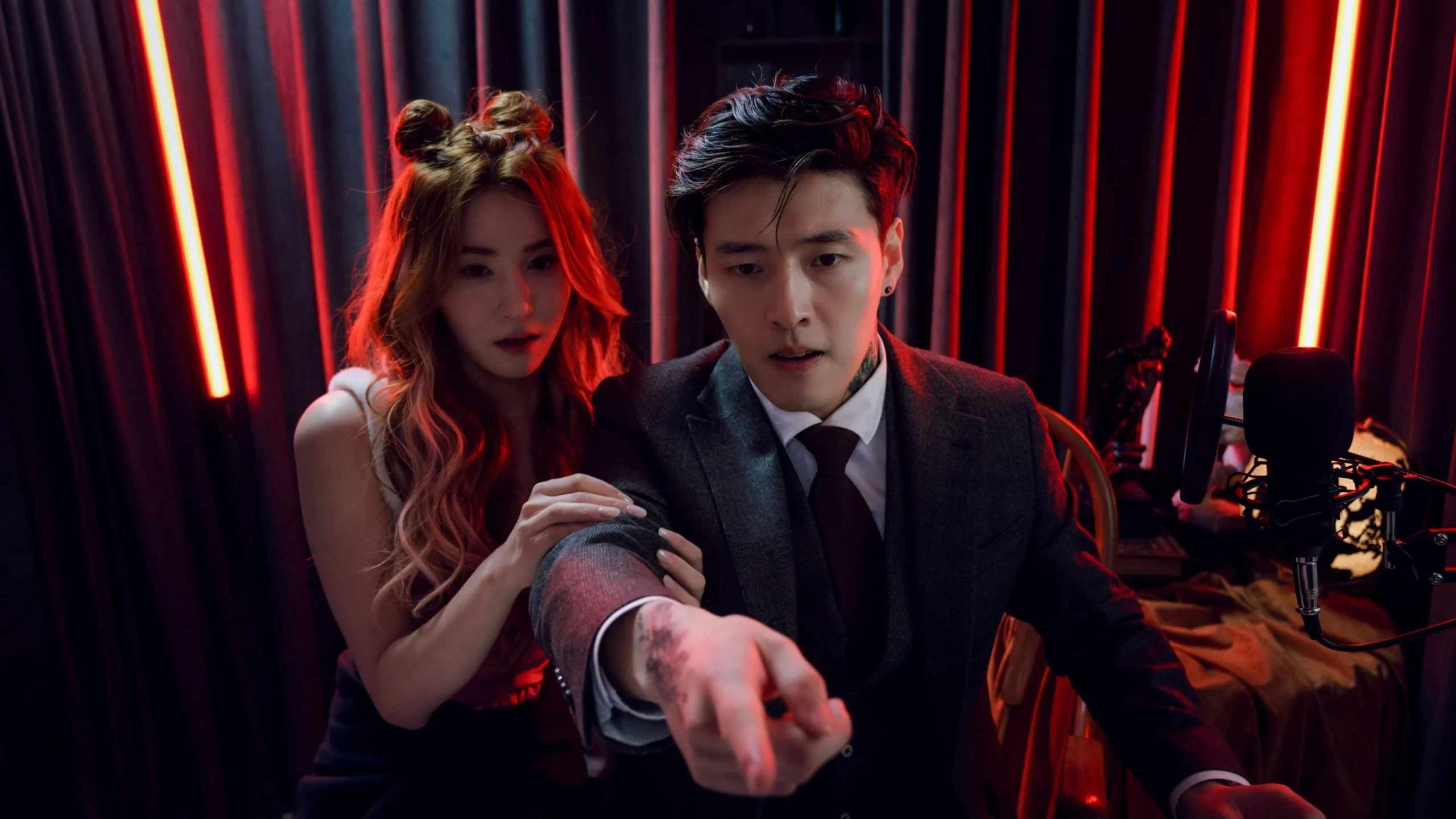
What Woo Sang’s Downfall Actually Means. The film’s central thesis arrives without subtlety: when you livestream a murder investigation, you are not a journalist covering an event. You are a participant. Woo Sang’s mistake was not choosing a dangerous story — it was believing that broadcasting placed him outside it. The audience watching from the other side of the screen and the killer who watched with them made the same demand: more. The ending is what happens when more finally arrives.
The Multiple Readings. The conclusion holds at least three interpretations simultaneously. The first: a cautionary tale about a creator who conflated visibility with safety and paid for it. The second: the audience is as implicated as Woo Sang — every click that kept him streaming kept the killer informed, and there is no clean separation between viewer and participant. The third, which the film seems least interested in articulating but most interested in feeling: the killer functions not as a person so much as a mirror — the logical endpoint of a media environment that rewards escalation until something real finally breaks through the screen.
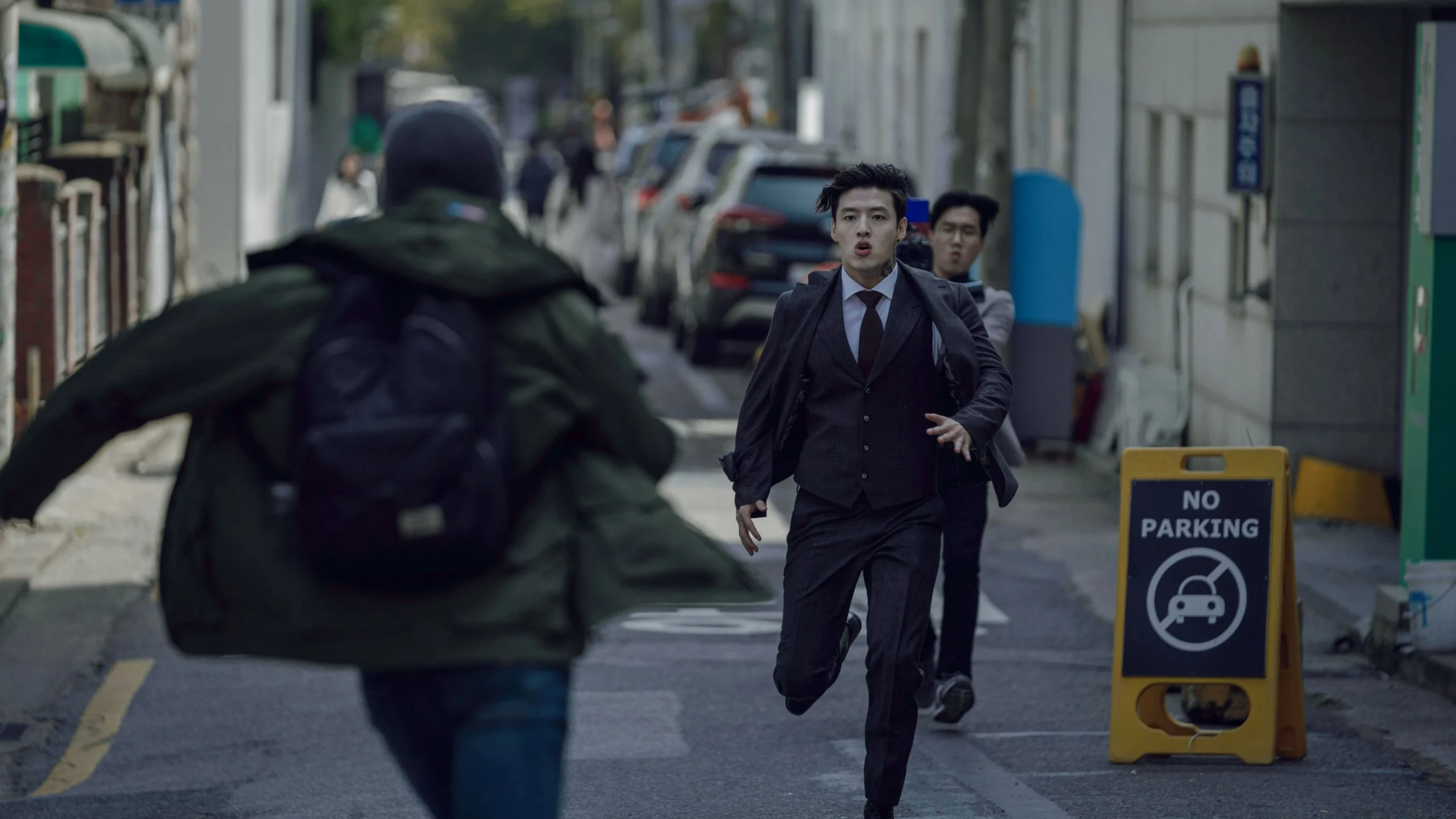
What “Streaming” Actually Refers To. The title is not a genre label. It names the condition the film is diagnosing. To stream is to make yourself continuously available for consumption — to turn your life, your investigation, your fear into a feed that others can watch. Woo Sang understands this as a career. The film understands it as a vulnerability. The occupation itself is the trap: a platform that demands real-time access to your most dangerous moments cannot protect you during those moments. The killer doesn’t need to find Woo Sang. Woo Sang is broadcasting his location. Once everything becomes content, nothing remains safe or fully private.
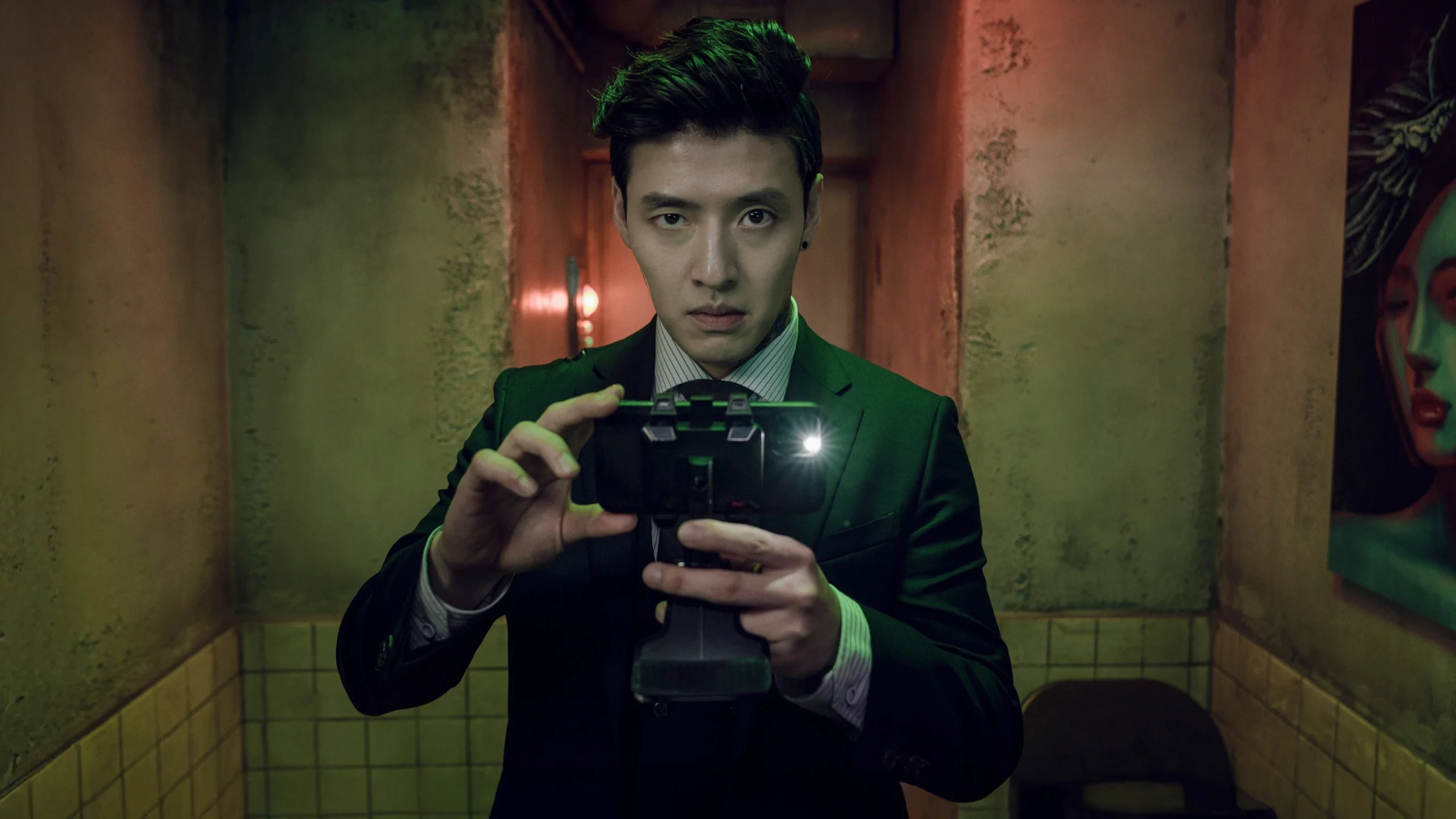
✍️ KDramaWorlds Editor’s Take
Our honest opinion — and the kind of viewer who’ll love it most.
Cho Jang-ho
Known for: Crime & Thriller genre · Streaming (2025)
🔪 Digital-Age Crime
📱 Content as Weapon
⚡ 92 Minutes, No Excess
Kang Ha-neul has spent the better part of a decade building a reputation for emotional transparency — the kind of actor whose internal state is visible in his body before he says a word. Scarlet Heart Ryeo, 18 Again, When the Camellia Blooms: performances built on vulnerability. Streaming asks for something different and more interesting. Woo Sang’s transparency is performed — his openness is a professional tool rather than a genuine quality. The specific challenge of the role is that he has spent years learning to seem accessible while remaining completely closed off. Kang Ha-neul finds the seam between those two modes. In the film’s best moments, you can see exactly where the broadcast persona ends and the actual person begins to panic.
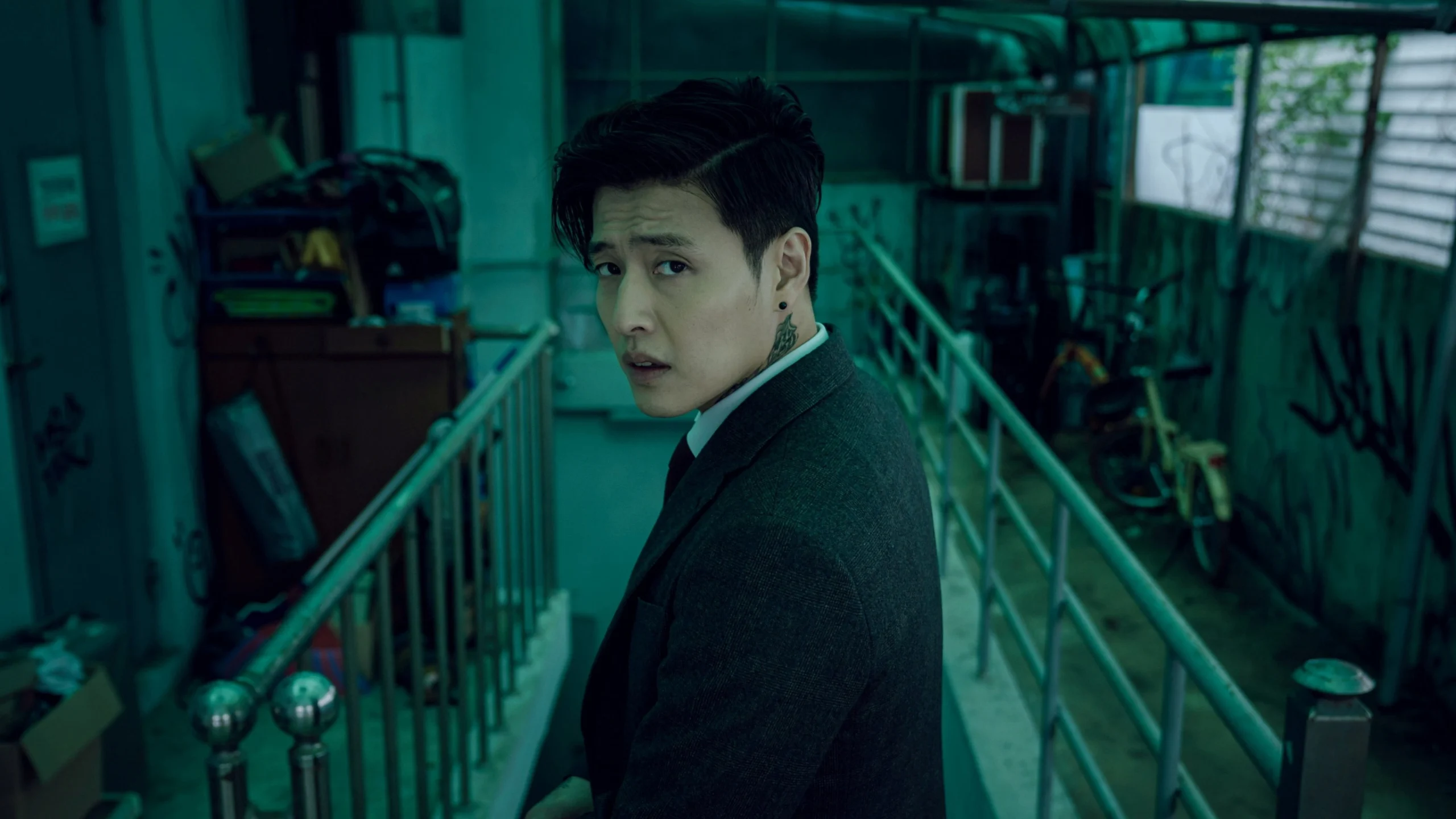
The film’s smartest structural choice is to never let Woo Sang entirely escape the screen — even in moments of genuine danger, the broadcast is still running, which means the audience inside the film is watching the same thing we are but with a different relationship to it. That meta-layer doesn’t get developed as far as it could. The supporting cast is thin, and the cultural critique the film gestures toward gets absorbed by the third-act genre mechanics. It’s worth noting the contrast with Celebrity (2023), which used South Korea’s influencer culture as both backdrop and scalpel — Streaming aims for similar territory with about half the depth and twice the speed.
The 0% Rotten Tomatoes score from initial reviews is harsher than the film deserves, but it points at something real: the concept is sharper than the execution. The third act rushes through what the first two carefully build, and the killer’s presence — when made fully explicit — is less unsettling than the mystery of their existence. Following (2024) achieved comparable paranoia-thriller atmosphere with more interior character work. For 92 minutes of modern Korean crime cinema with a genuinely interesting premise, Streaming is worth the watch. The concept alone earns the runtime.
Kang Ha-neul fans — he’s the reason this works
Anyone curious about the dark side of content creation culture
The premise carries more weight than the execution — but at 92 minutes, Streaming earns its concept.
🎬 You Might Also Like
If you liked Streaming, these are your next three watches.
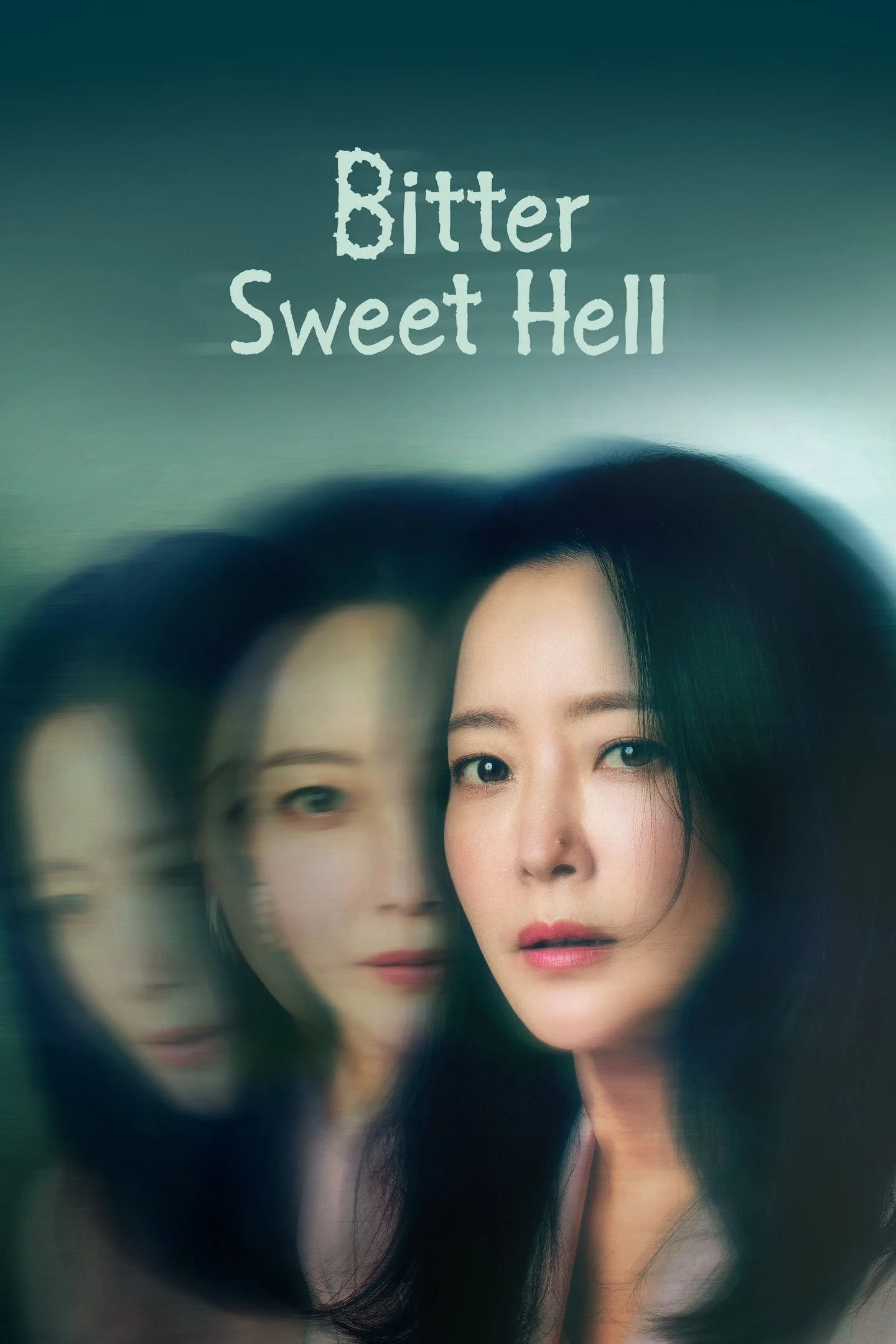 Bitter Sweet Hell
Black Comedyblackmail
Read Full Review →
|
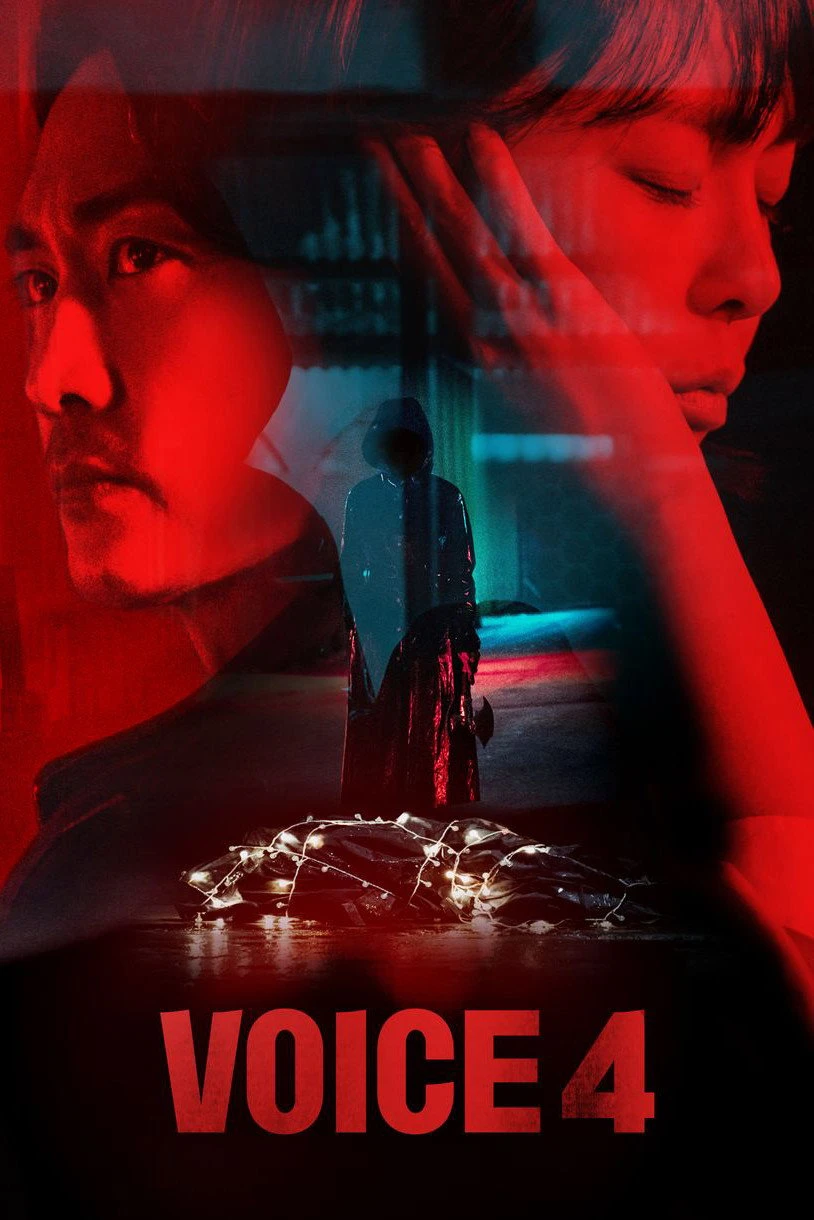 Voice (Season 4)
Crime Thrillercult
Read Full Review →
|
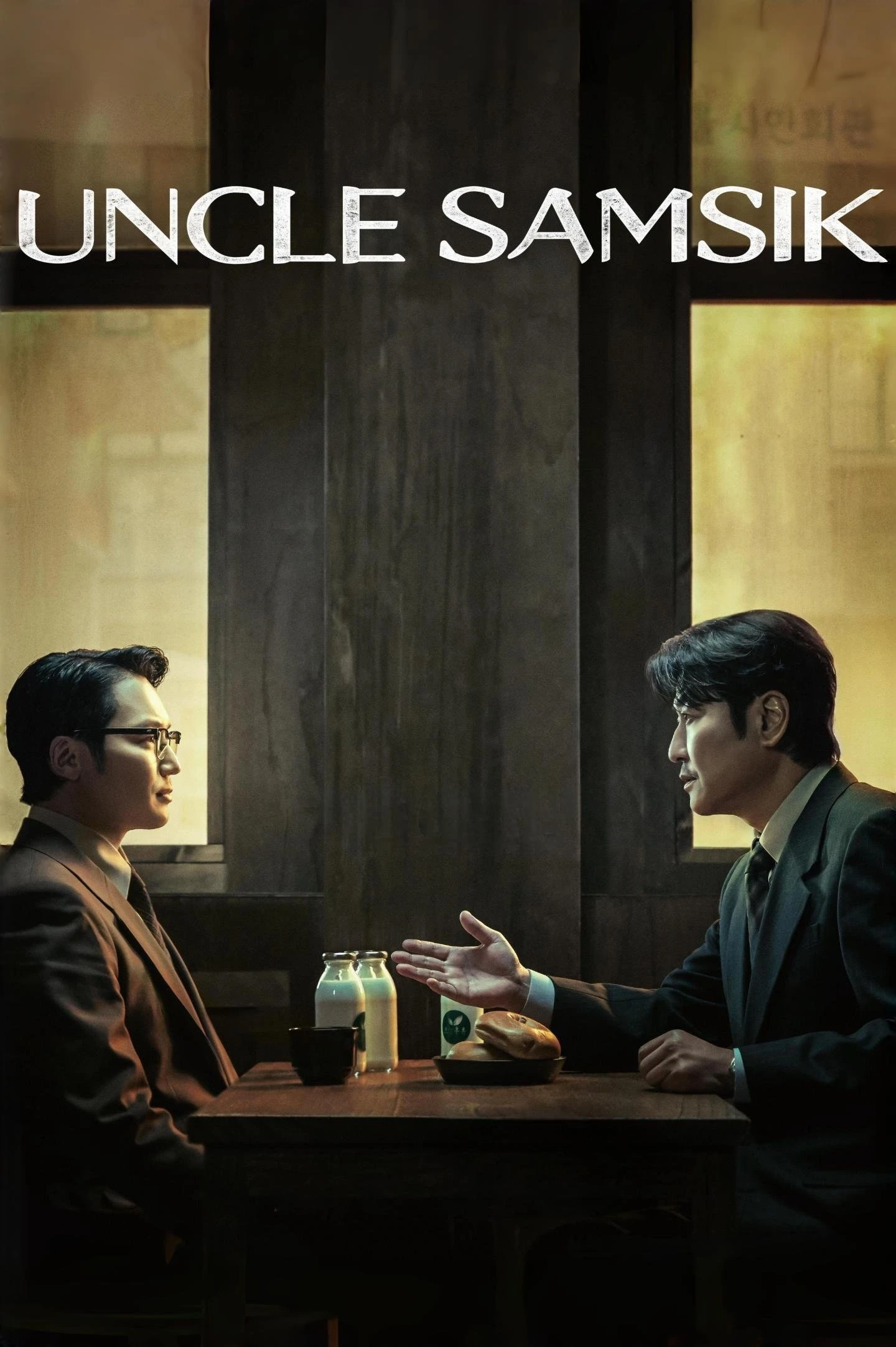 Uncle Samsik
BetrayalByun Yo-han
Read Full Review →
|



Keep it kind, skip the harsh language, and please — no spoilers. Everyone's taste is different, and that's perfectly fine.
This space is for real reactions and discussion from other viewers. Help keep it comfortable for everyone by not giving away major plot details.
What do you think of this drama?
Login to share your review or leave a comment.
No email needed — just pick a username & password.