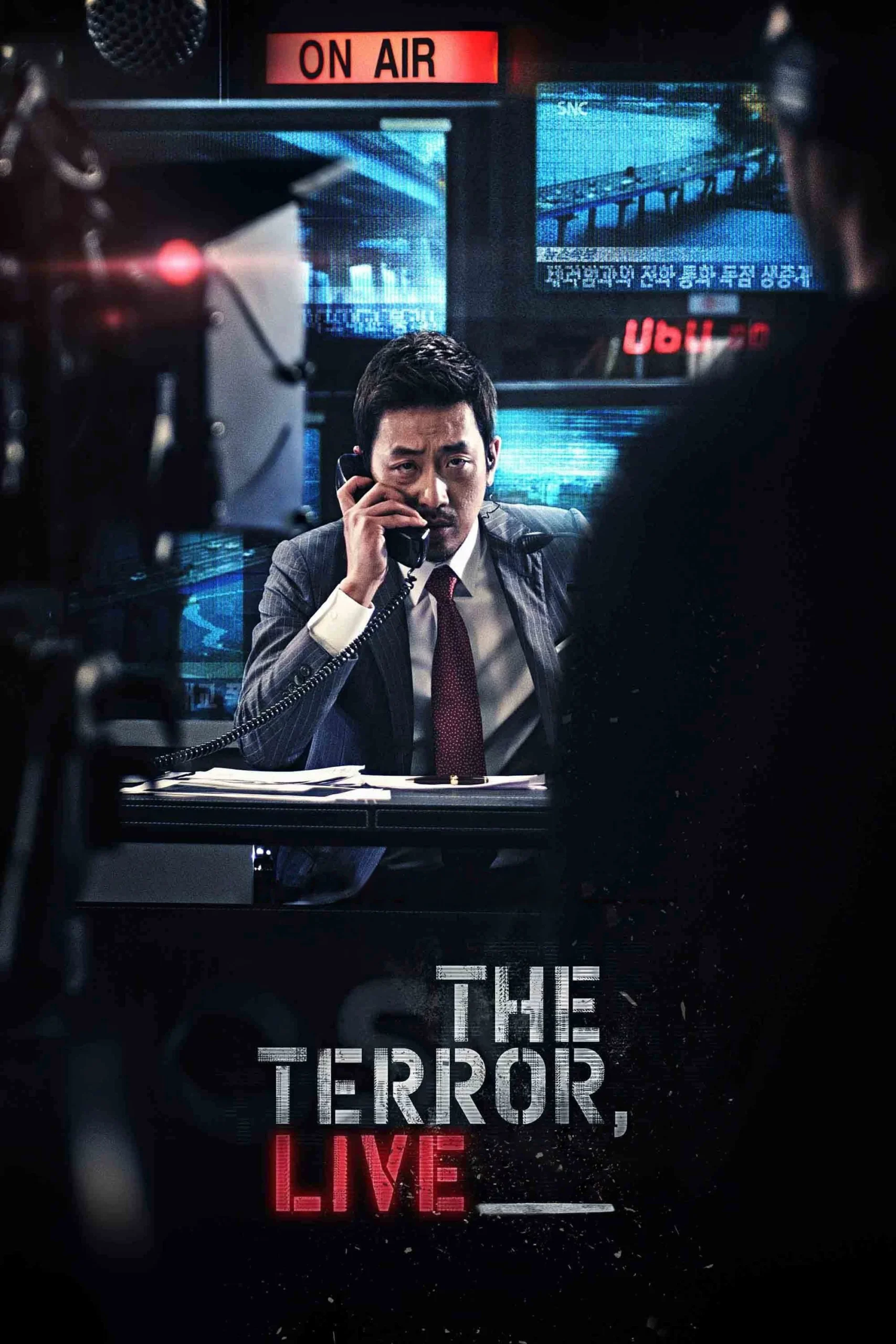
The Terror Live
🎬 Film Overview
A radio host who was demoted from the nightly news gets a prank call about a bridge, tells the caller to go ahead and watches Mapo Bridge fall into the Han River. He does not call the police. Yoon Young-hwa (Ha Jung-woo) sees one chance to get his anchor chair back, turns his radio booth into a television set and goes on air with the man who just committed the attack. Then the caller tells him there is a bomb in his earpiece. Kim Byung-woo wrote and directed this debut feature, which plays out in close to real time and spends almost all of its 98 minutes inside the SNC building. It opened on July 31, 2013, against Snowpiercer, and still sold about 5.58 million tickets in Korea according to Namu Wiki. It later inspired a Hindi remake on Netflix and a Japanese remake. Where the sources disagree on small plot details, the text says so.
⚡ Quick Verdict
Skip the scroll — here’s the verdict in one glance.
Watch The Terror Live Free (US Only)
Free to watch - US only. Its owner makes this movie available only in the United States. If it doesn't play in your country, you may need a VPN with a server in an allowed country to watch it.
Region limits are set by the video owner, not by KDramaWorlds. Please make sure VPN use is allowed where you live and by YouTube's terms.
This film is free with ads, but the stream is currently available only in certain regions, mainly the United States. If the player shows “not available in your country,” the film can’t be played from your location.
Official Videos
 TRAILER
🎭 Cast & Characters
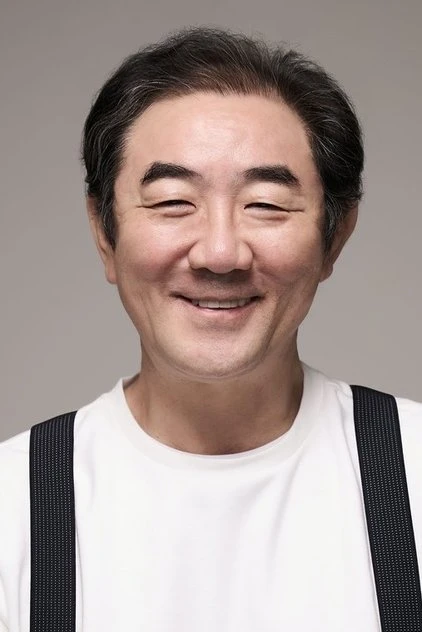
Ha Jung-woo, the voice on the phone and the newsroom around him.

Lead

Lead

Supporting

Supporting

Supporting

Supporting
Supporting

Supporting

Supporting

Supporting

Supporting

Supporting
📖 The Story
No spoilers — just enough to know if this is your film.
It is a Monday morning in October 2013, and Yoon Young-hwa is doing a job he considers beneath him. Once the face of SNC’s closing news, he has been shifted to a radio slot called Daily Topic after an unsavory incident. He is divorced, bitter, and reading listener opinions about a tax increase in the National Assembly. A caller who gives his name as Park No-gyu, a day laborer, starts venting about his life and has to be cut off by the crew. The line never actually drops. At about 9:31, Park tells Yoon he has a bomb and means to blow up Mapo Bridge, just outside the studio window.
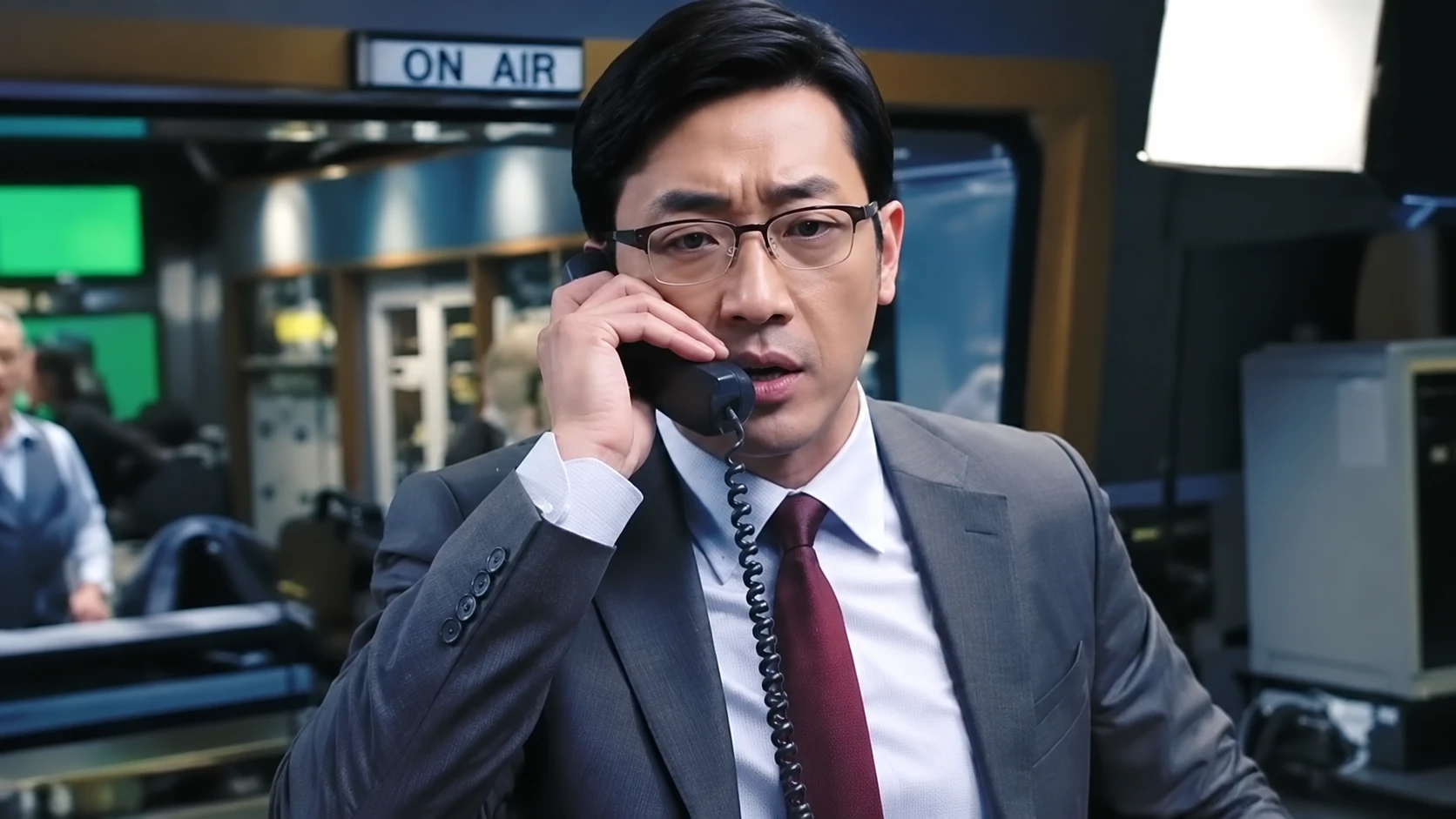
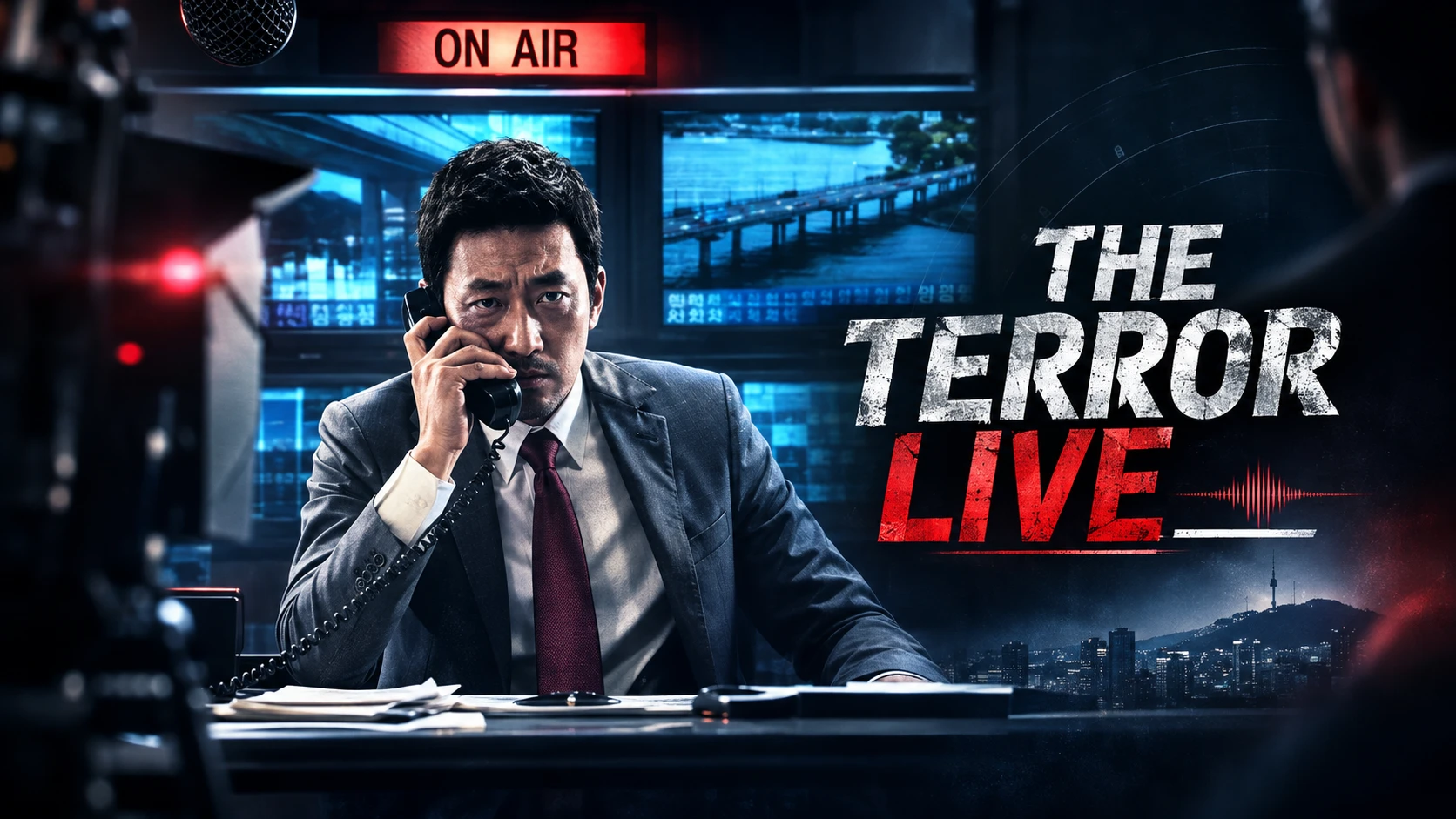
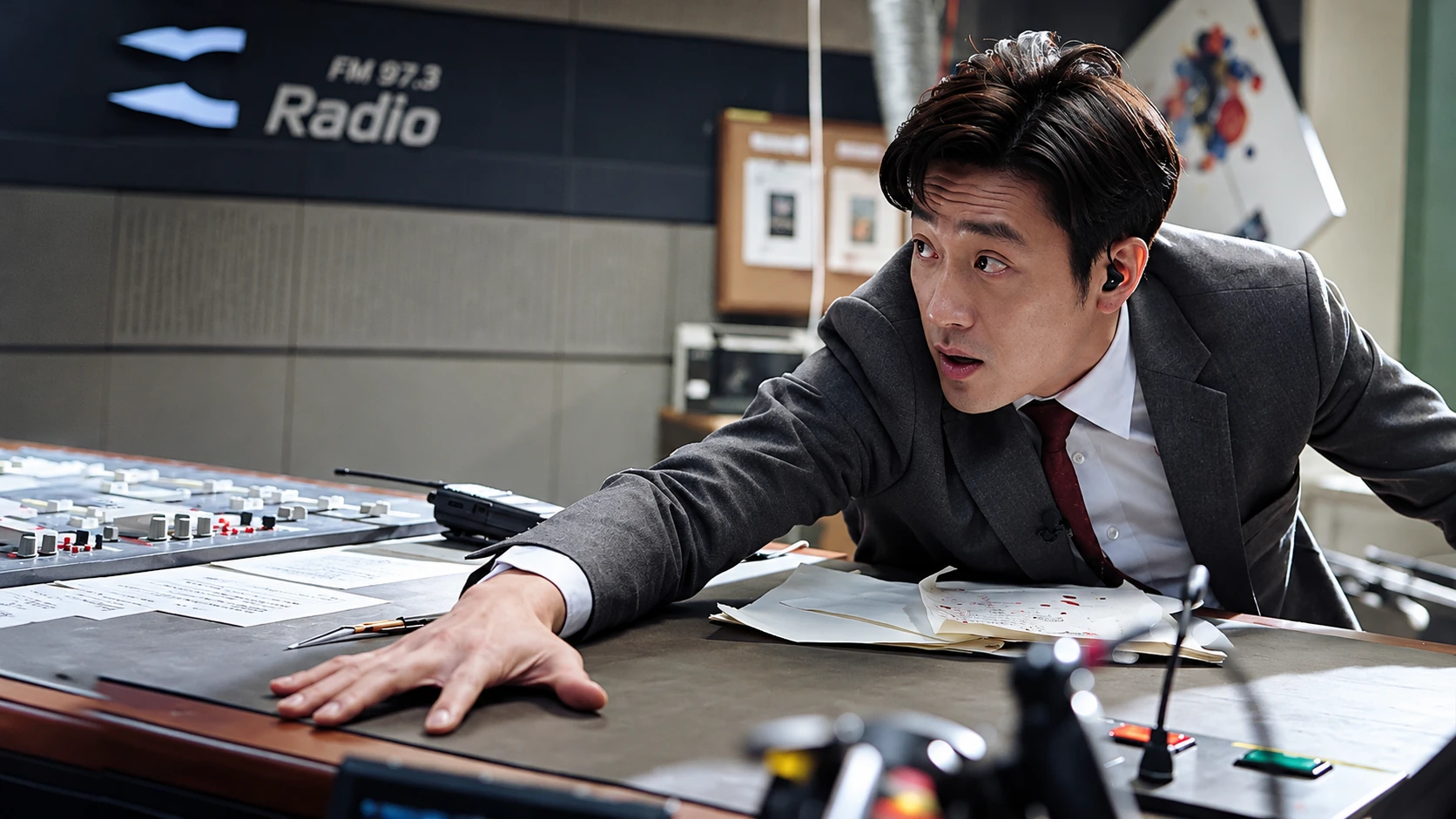
Yoon is not in a mood to be patient. He swears at the caller and tells him to go ahead. The explosion comes seconds later and the bridge splits in front of the whole city. Every person in the building has seen it, which means nobody has called the police, and Yoon is the one who stops to think about why. He picks up the phone to dial 112, puts it down again and says he must have the wrong number. A terrorist who has chosen his show, on a day the network has no star to put on air, looks like exactly the break he has been waiting for since his demotion. He leaves a voicemail for his ex-wife, a reporter named Lee Ji-soo, saying that if this goes well he will want to talk about getting back together.
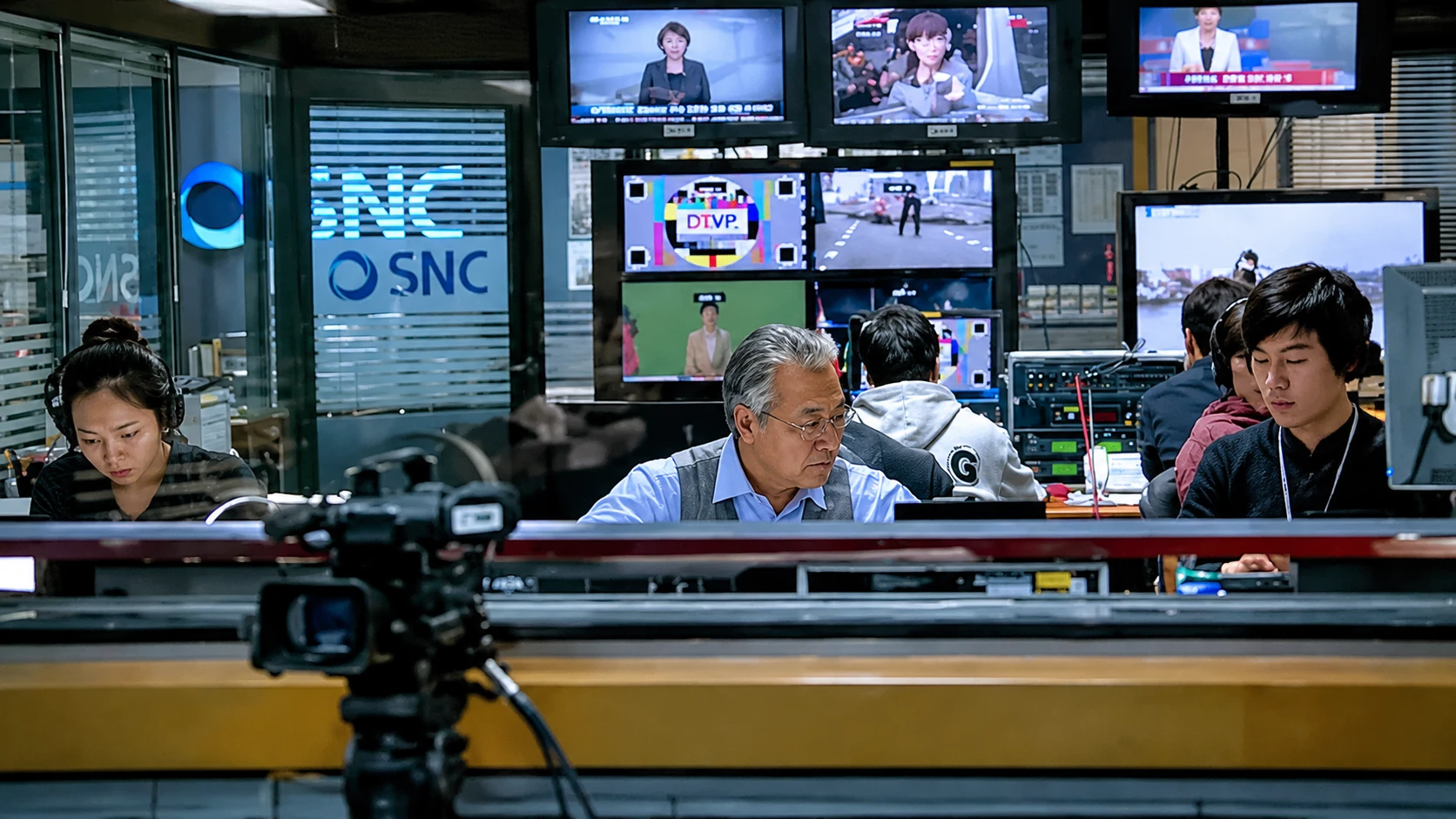
What he does next is a negotiation with his own boss. Cha Dae-eun, head of the news division, is a man who has taken credit for Yoon’s work before, and Yoon knows it, but he makes the deal anyway. Yoon will anchor the bulletin from the radio booth, which gets converted into a television set in minutes, and the terrorist will be put on air live. The radio producer is told his program has been cancelled and is shown out. Before they start, Park asks for an appearance fee of 2,179,245,000 won, a figure Namu Wiki says adds up the compensation and funeral costs for three dead workers, and Cha pays it on the spot because the ratings are worth more.
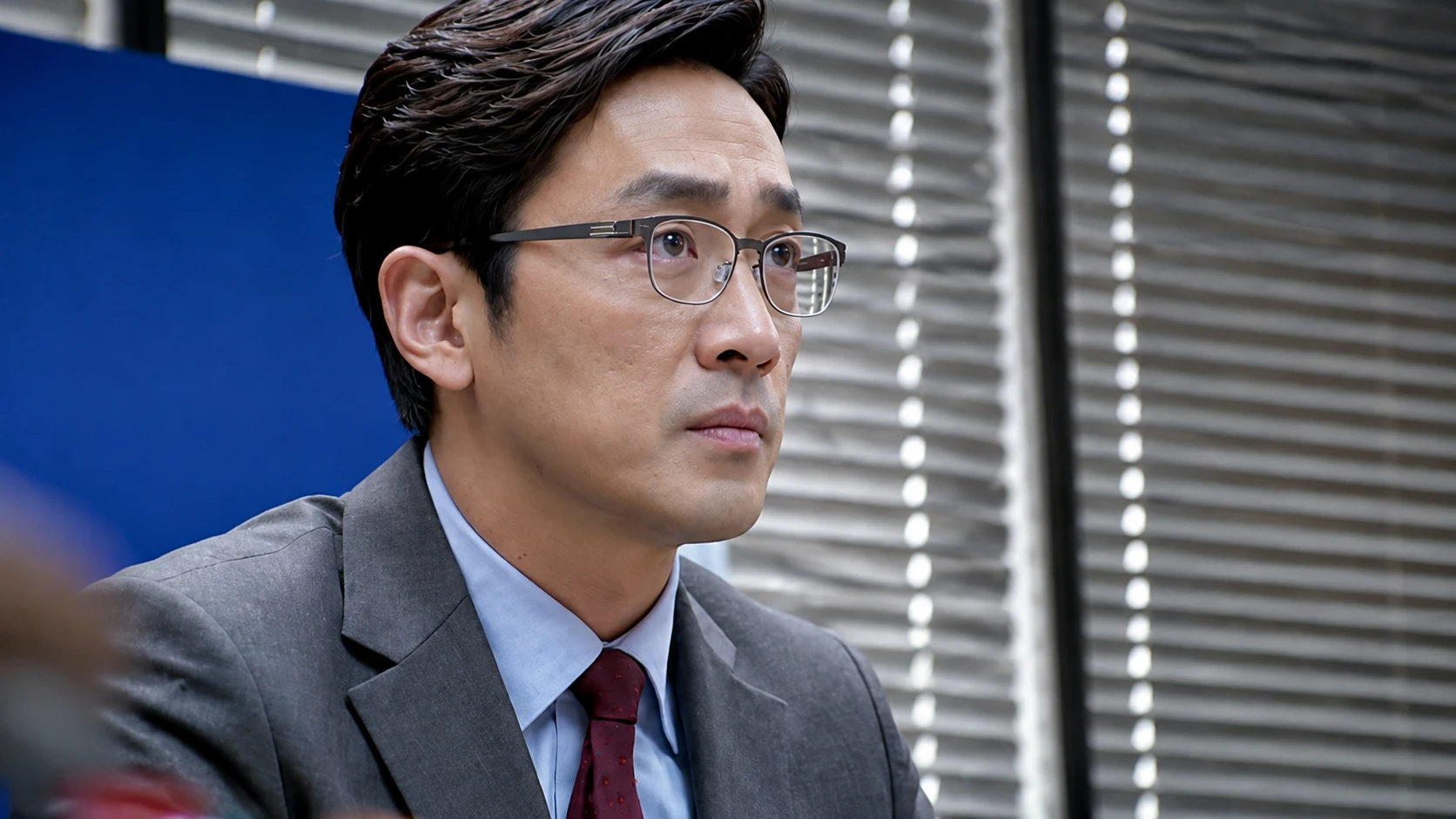
On air, Park explains himself. Two years earlier, while Mapo Bridge was being given a cosmetic upgrade ahead of the G20 summit, three workers fell into the Han River and drowned, and officials too busy with the event did not bother with them. He wants the president to apologise to the families in public, and he will give himself up once that happens. Yoon scoffs, and Park answers by playing back a recording of Yoon’s earlier outburst on live television. The broadcast is pulled and a younger anchor, Noh Hyeon-jin, takes over, but Park will talk only to Yoon and blows up the microphone in front of her when she tells him the president cannot appear. Yoon puts on the in-ear monitor that connects him to Park’s calls. It turns out to be a bomb.
With a bomb in his ear and a threat to blow his head open if he leaves the studio, Yoon is now a hostage with a studio audience of millions. A second explosion strands survivors on the broken span, including Ji-soo, who has insisted on reporting from the scene herself. The police commissioner, Joo Jin-cheol, arrives in place of the president, reads out Park’s personal details on air and threatens to publicise the photo of Park’s son. Park warns him to shut up. Yoon scribbles a short warning on a sheet of paper, hoping to alert the commissioner without Park hearing. The commissioner tears the earpiece out of his own ear and is killed in the explosion on live television.
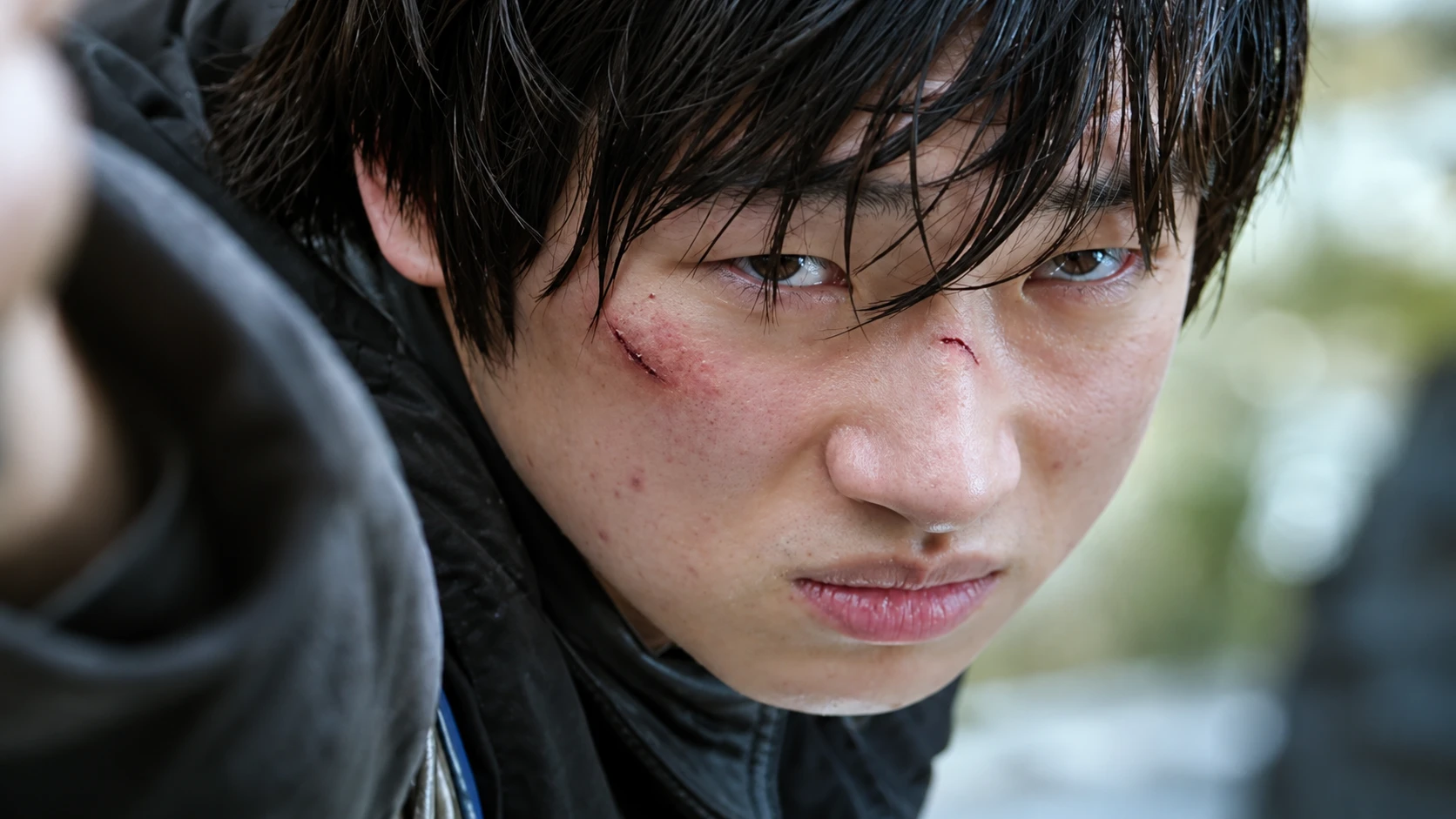
Everyone in the building has an agenda by now. Cha pushes a prompter line suggesting that the hostages on the bridge may have to die for the crisis to end, because a harsh government response makes better television and gives the state an excuse to move in. Park Jeong-min, the police counter-terror team leader, keeps calm, steadies Yoon and keeps urging him to stall while the police trace the calls. Another network gets the terrorist’s blessing to interview Yoon and brings up the plagiarism and bribery allegations. Cha leaves the studio once the audience share climbs past 70 percent, taking a promised promotion with him. Yoon reasons that Park picked a moment when nobody was on the bridge, and sends the police to the caller nearest to it.
Ji-soo is still on the bridge with the cameras, begging Park to release the women and children and to win public sympathy rather than lose it. Park agrees. The rescue has barely started when the sagging deck gives way, and the reporters are lost with the survivors. Yoon asks the water rescue teams to keep searching and then breaks into a stream of curses. The police storm the container where the terrorist is supposed to be hiding, only to see the neighbouring building blow up and lean over, taking the news studio with it. Yoon is knocked out by falling debris. When he wakes, a presidential aide calls to tell him everything is over and that he will have to answer a summons from prosecutors, and then Park rings to say that the bomb in his ear was a fake.
🏁 Ending Explained
The ending, unpacked in full. Consider yourself warned.
The short answer Yoon Young-hwa and the terrorist both die, and the building comes down. The Terror Live ends with a man pressing a switch in a ruined studio, and everything the film has built toward happens in the seconds after. Yoon sets up one last trap by recording a bogus news broadcast and playing it as if it were live, which lures the man who has been calling him into the studio, where Yoon grabs him. They fight, the terrorist goes through the window, and he is left dangling from a cable. Yoon reads a document lying on the floor and realises that the voice on the phone has not been Park No-gyu all along. The bomber is Park Shin-woo, a young man whose father was one of the three drowned workers.
Park Shin-woo and the line Yoon cannot get past Shin-woo’s reason for choosing Yoon is the film’s quietest blow. His father, according to the dialogue as Namu Wiki records it, watched only Yoon’s bulletins and believed what Yoon said, and he went on working like a dog until he died. Shin-woo wanted that man’s name to receive an apology, and the call to a radio studio was the only way to get to a broadcaster whose word his father trusted. Yoon, leaning out of a shattered window to reach him, finally apologises, and he does it as himself, not as an anchor reading from a prompter. Shin-woo takes his hand. Police snipers shoot him twice and he falls, but not before he hooks the detonator onto Yoon’s arm.
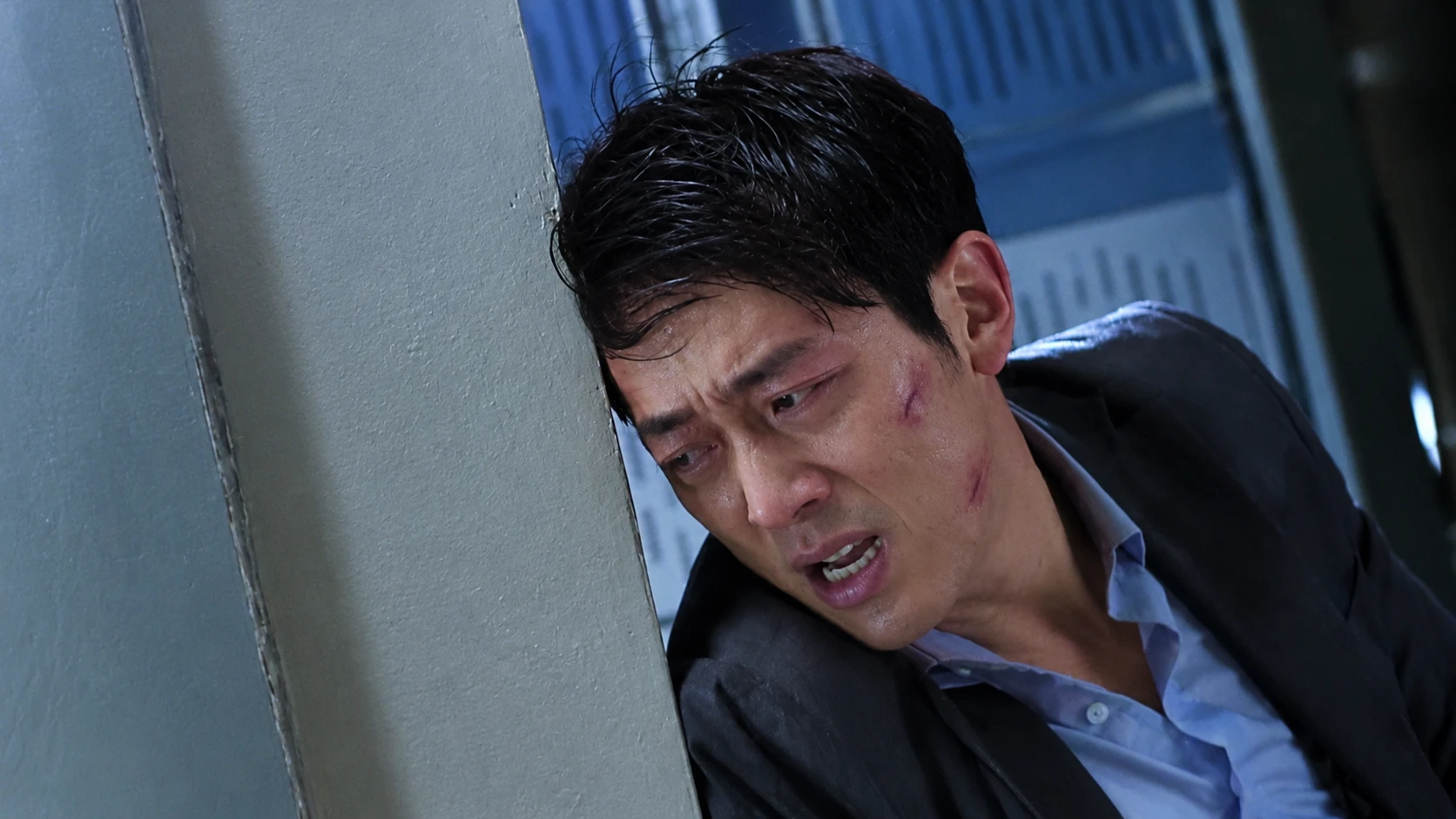
Why Yoon presses the switch Yoon is left on a floor surrounded by screens, and each of them tells him something about what the people around him think he is worth. One reports the fall of the terrorist and another says he will be investigated for taking bribes. A third shows the president announcing victory in the war on terror, and Ji-soo’s body is carried out on a stretcher. On a radio near him, the counter-terror team leader gives the order to kill him on sight. Namu Wiki reads that order as an attempt to bury what Yoon knows about the bribes, since he had threatened the presidential aide with a recording of their call. His boss has gone home, the government wants him silenced, and the one person he had wronged has just been carried out on a stretcher. He presses the switch.
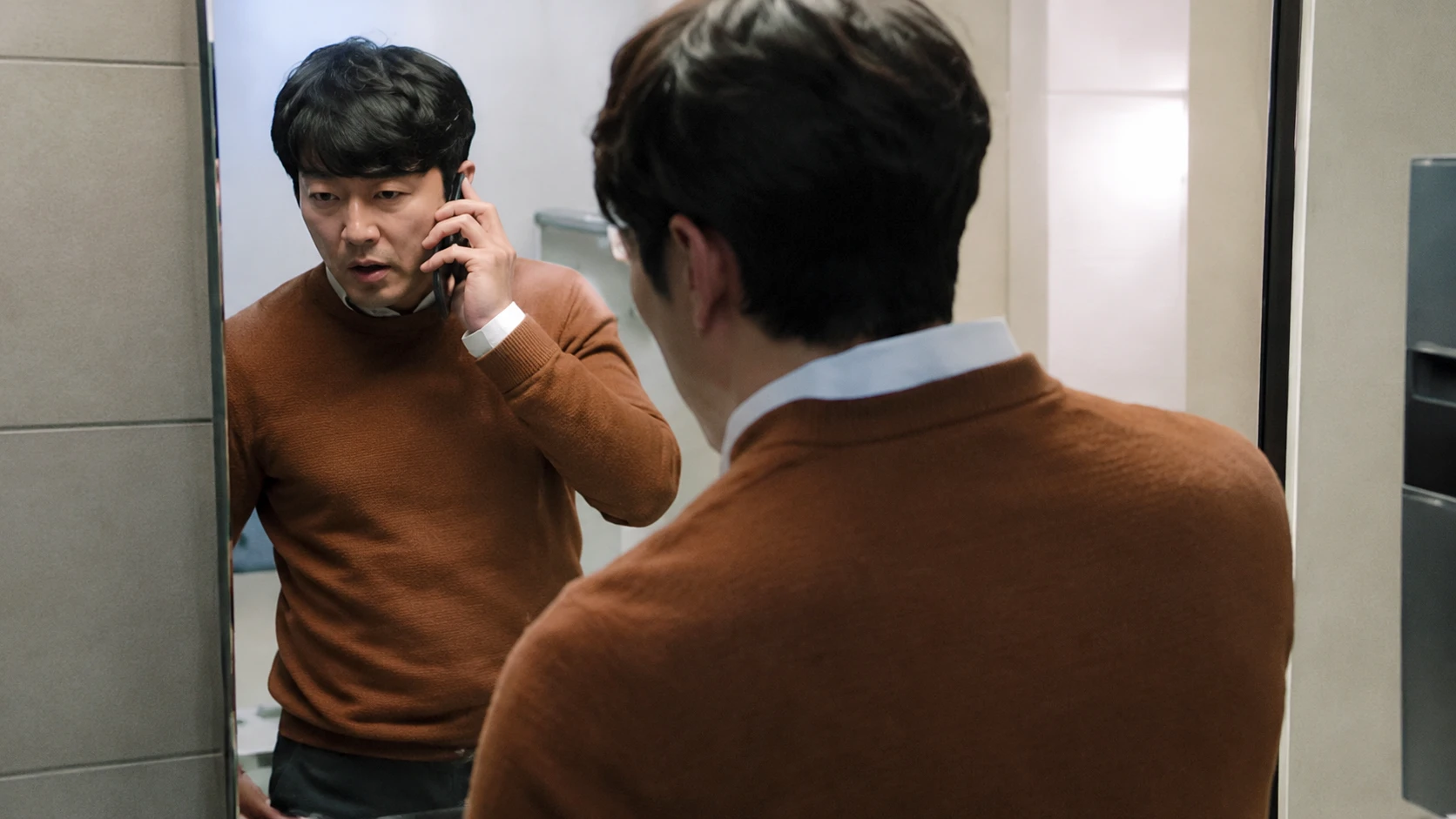
The collapse and the last shot The film’s final image shows the dome of the National Assembly, where the president is making his speech, just before the screen goes dark. In the plot as Wikipedia summarises it, the SNC building falls directly onto the parliament where the president was speaking, so the man who refused to apologise dies with everyone around him. Namu Wiki raises a practical objection: the building is about 1.3 kilometers from the Assembly, which is farther than even a toppled skyscraper could reach, and some viewers therefore treat the final shot as something Yoon imagines in his last moment. The film does not settle it. Whether the collapse is literal or a wish, the bomb that Yoon sets off is his own choice, and nobody is shown surviving.
What the ending means, and what the director said about Yoon The ending punishes almost everyone for the same reason. Cha leaves the booth for his promotion, the counter-terror chief treats Yoon as a tool to stall for time, and the commissioner threatens a bomber’s child. Of the main characters, only Ji-soo, who did her job, is shown to be decent, and she dies for it. Namu Wiki quotes director Kim Byung-woo’s commentary that if Yoon had survived he would have become someone like Cha Dae-eun, which suggests the final press of the switch is the only honest thing he does. An earlier script, the same source notes, gave the terrorist an accomplice and a cleaning-contractor entrance to the building, and both details were dropped, so the film leaves it to you to wonder how one young man did all this alone.
✍️ KDramaWorlds Editor’s Take
Our honest take — is it worth your time, and who’s it really for.
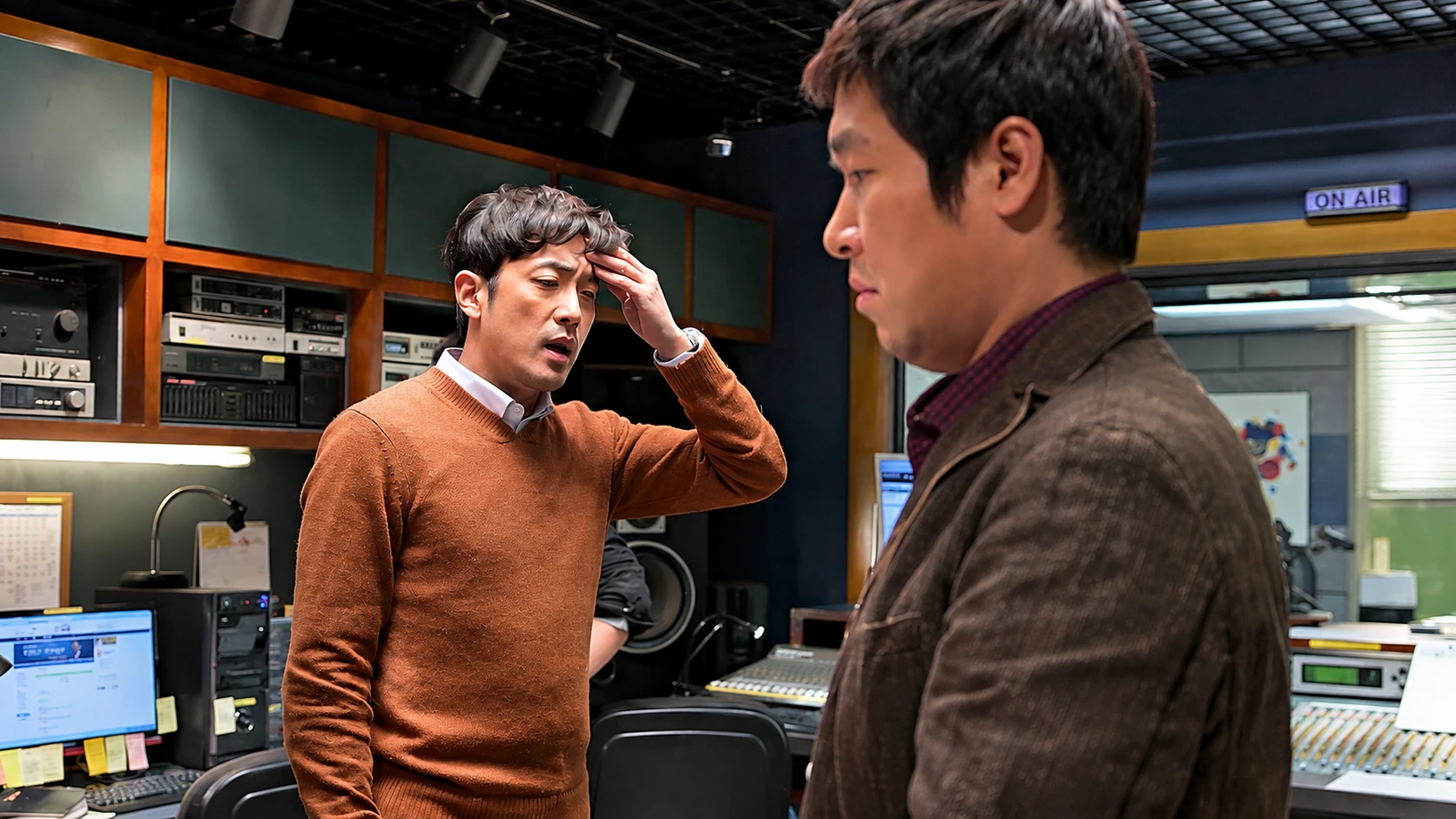
The Terror Live gets away with a premise that sounds silly because the film never lets Yoon off the hook for it. A man hears a bridge being blown up and, instead of calling for help, does the arithmetic on what a scoop could do for his career. Anyone who liked the crisis-management tension of Emergency Declaration will recognise the mood, only here the crisis is turned into a live broadcast and the camera is the weapon. The conceit holds because Ha Jung-woo plays him as a man who is partly decent and mostly vain, the sort who can say the right thing under pressure and still check what it does to the numbers. He is in nearly every shot, and the film depends on him.
It is not a polite thriller. Namu Wiki compares the critics: Lee Hwa-jung praised the setup that converges on Ha Jung-woo, Lee Dong-jin called its drive terrifying, and Park Pyeong-sik found a nonsense that outpaced the suspense. All three are partly right. Like The Call, it hangs a whole thriller on a telephone line, though this one handles the line with dry wit as well as dread. The cast of supporting heavies, especially Lee Kyung-young as the news chief who walks out for a promotion and Jeon Hye-jin as the police team leader whose steadiness turns out to be self-interest, is written so that rank and decency move in opposite directions. Namu Wiki also lists the complaints: CG that looks thin, unexplained logistics for the bombs, and a camera that never sits still.
Audiences were not troubled by any of that. It opened the same day as Snowpiercer and still sold about 5.58 million tickets in Korea, per Namu Wiki, on a budget of roughly 3.5 billion won, and Wikipedia notes it passed its break-even point in its first week. Sean Baker, quoted by Namu Wiki, called it silly as silly can be but easy to understand as a crowd pleaser, and wondered aloud why nobody had cast Liam Neeson in a remake. The Hindi version Dhamaka and the Japanese version Showtime 7 followed. Seen now, the film plays best as a tense, mean-spirited piece about television and about the people who profit from watching other people suffer. If that sounds like your kind of evening, the clock starts at once.
🎬 You Might Also Like
If you liked The Terror Live, these are your next three watches.
 Voice (Season 4)
Crime Thrillercult
Read Full Review →
|
 Mad Concrete Dreams
Black Comedycompleted
Read Full Review →
|
 The Escape of the Seven (Season 2)
Corruptioncrime
Read Full Review →
|













Keep it kind, skip the harsh language, and please — no spoilers. Everyone's taste is different, and that's perfectly fine.
This space is for real reactions and discussion from other viewers. Help keep it comfortable for everyone by not giving away major plot details.
What do you think of this drama?
Login to share your review or leave a comment.
No email needed — just pick a username & password.