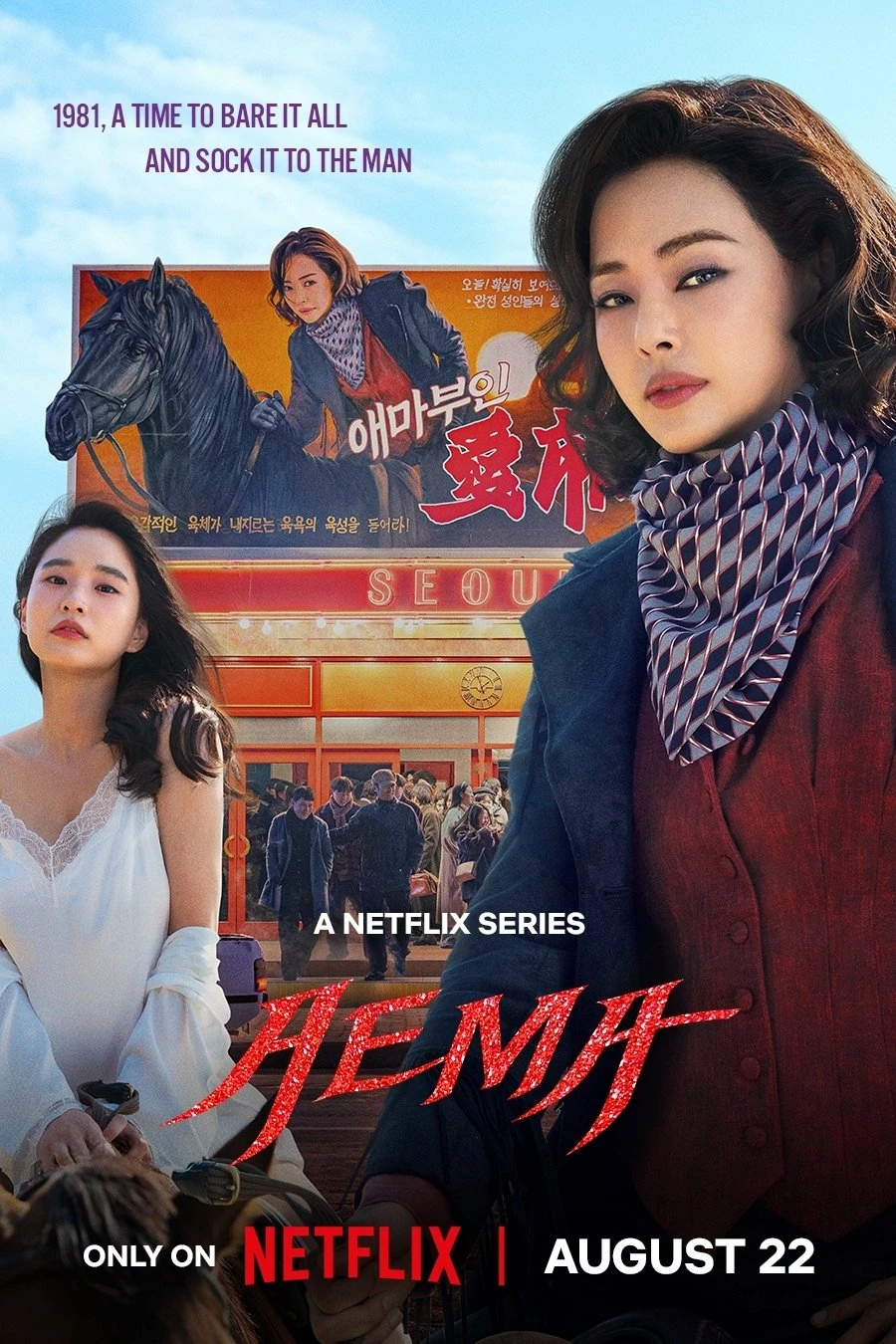
Aema
🎬 Netflix
⭐ 7.4 / 10 MDL
🔞 TV-MA · 18+
📋 Drama Overview
Start here — the basics before the first scene.
🔥 Netflix Original
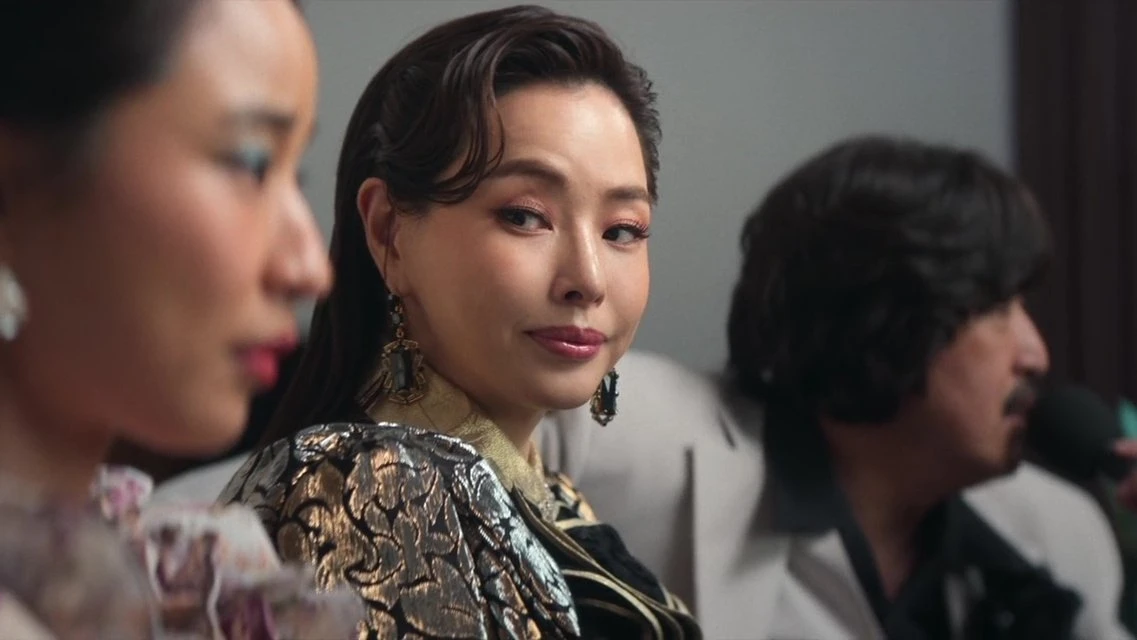
Set in the vibrant yet male-dominated world of 1980s Korean cinema along Seoul’s Chungmu-ro — the heart of the Korean film industry — Aema follows two actresses with clashing personalities who are thrust together by fate. Jung Hee-ran, the country’s top actress, refuses to bare her body on screen any longer but is contractually bound by the exploitative CEO Gu Jung-ho to take part in the provocative erotic film “Madame Aema.” When Hee-ran is sidelined to a supporting role, rookie actress Shin Joo-ae — a former nightclub dancer brimming with ambition — steps in to claim the lead.
Despite their initial rivalry, the two women discover a shared enemy in the industry’s corrupt power structure and must decide whether to fight back or surrender to a system designed to use and discard them. Set against the backdrop of the government’s newly enacted “3S Policy” that relaxed censorship and opened the door to erotic films, Aema is a darkly comic and deeply personal portrait of two women navigating an industry that was never built for them.
6 / 6 ✅ Completed
⚡ Quick Verdict
The short version — everything that matters, boxed up.
· MDL Score · 1,500+ ratings
▶ Official Trailer
🎭 Cast & Characters
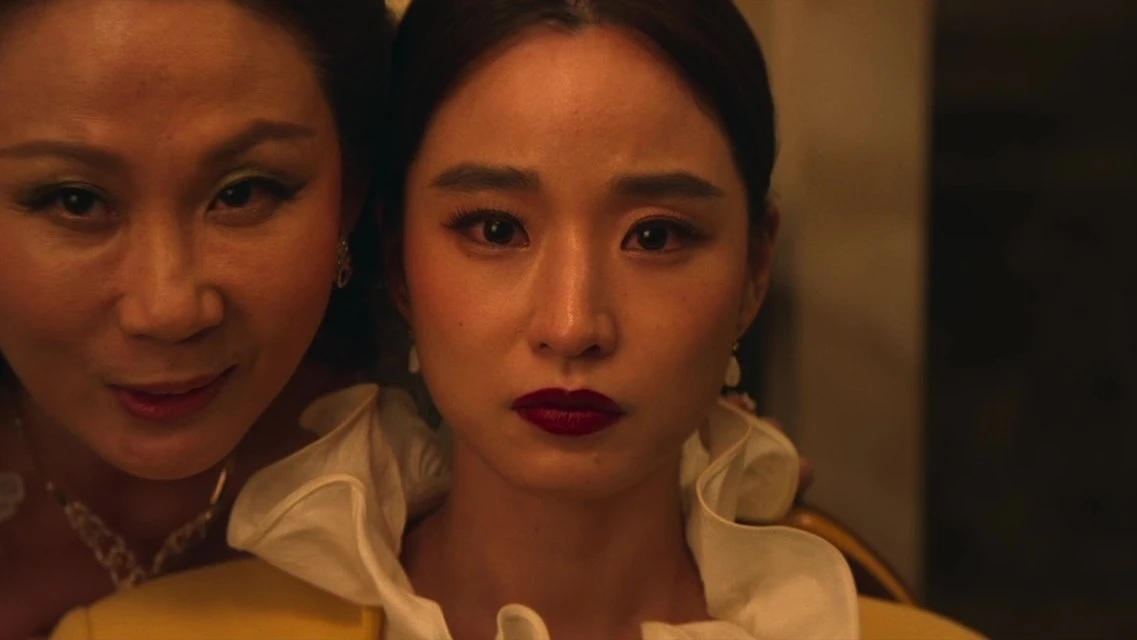
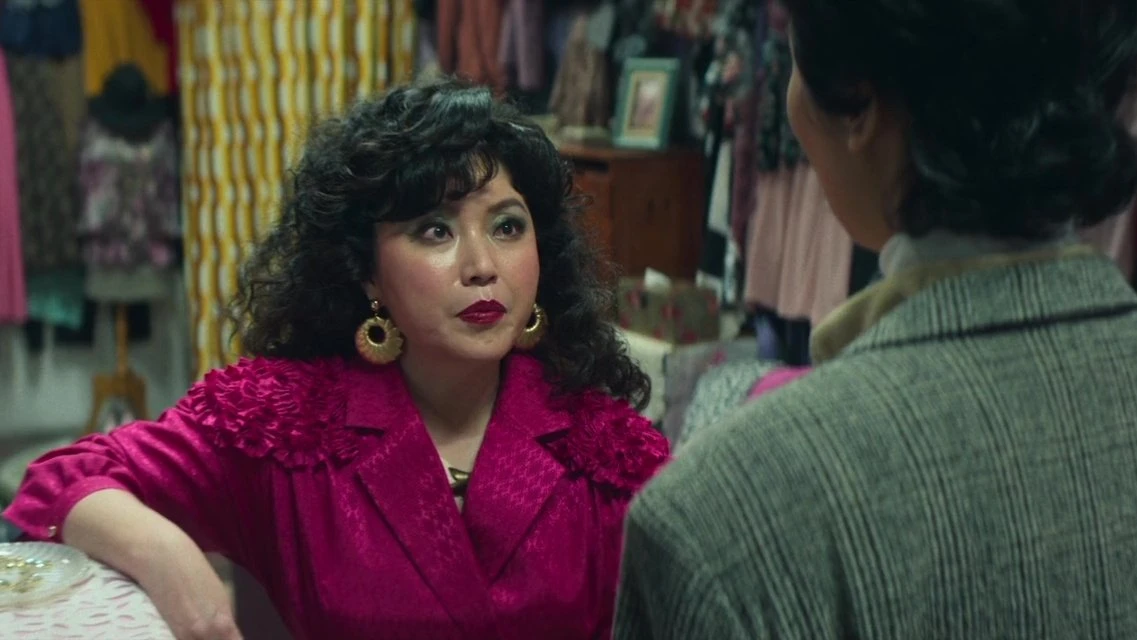
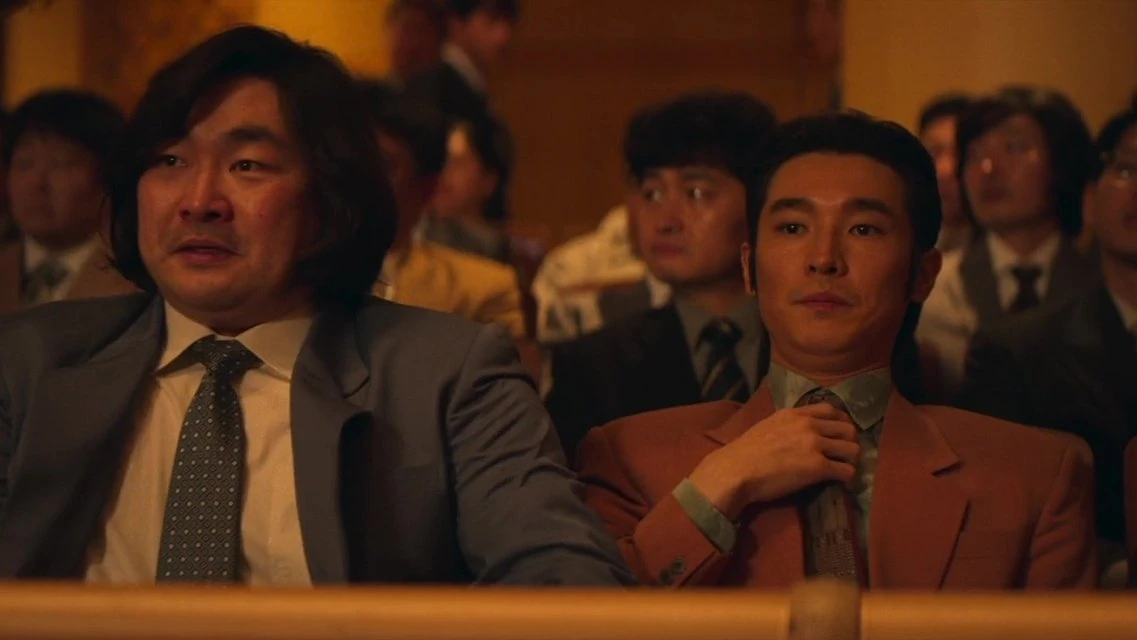
Twelve performances that bring 1980s Chungmu-ro to life — from the battle-weary star to the man who profits from both of them.

Lead

Lead

Villain

Supporting
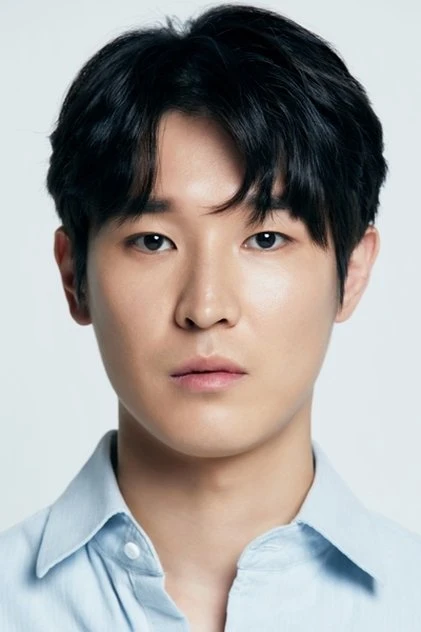
Supporting
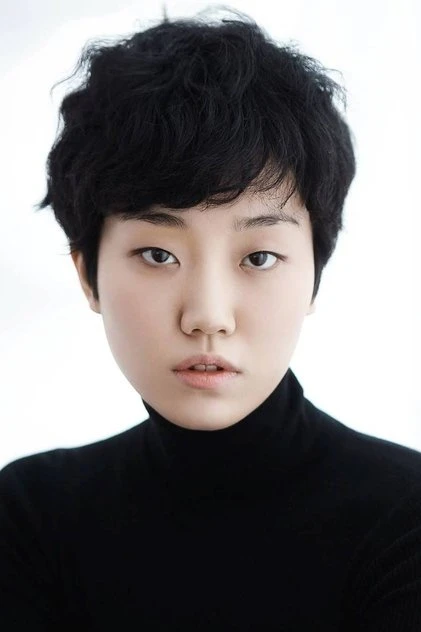
Supporting
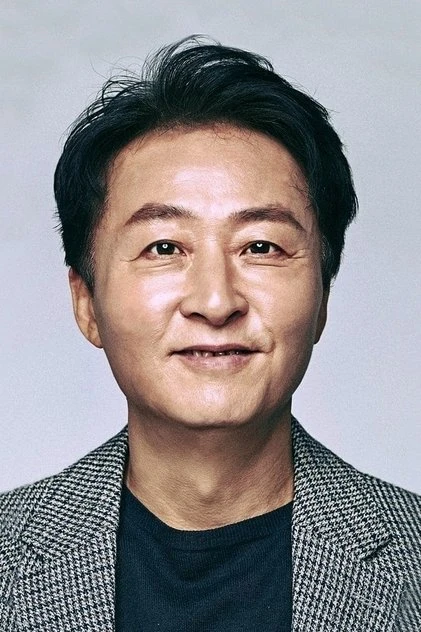
Supporting
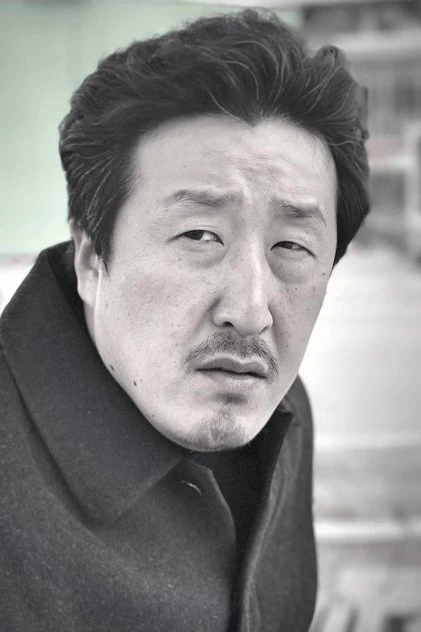
Supporting

Supporting
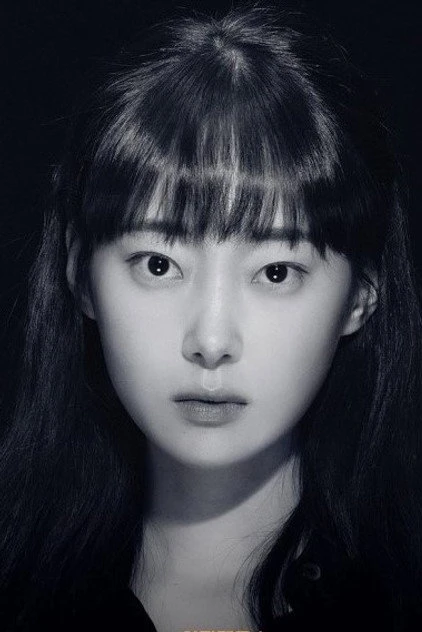
Supporting

Supporting
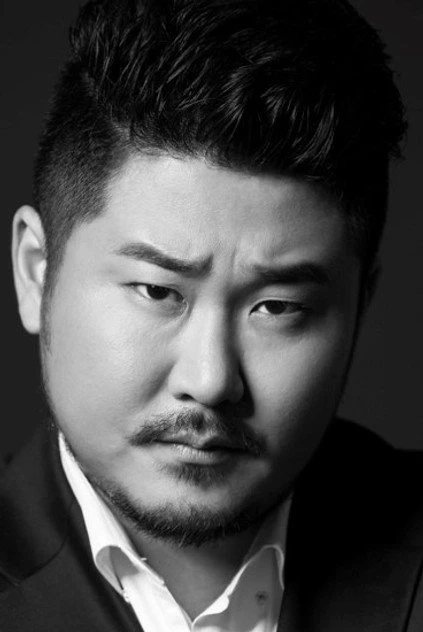
Supporting
📺 Episode Guide
Enough per episode to jog your memory, nothing more.
🏁 Ending Explained
The finale, unpacked in full. Consider yourself warned.
Spoiler Warning — This section covers the full finale of Aema. Stop here if you haven’t finished the series.
Madame Aema Goes to Release. The finale opens not with a confrontation but with a premiere. Madame Aema is completed and released — and the reaction is immediate and seismic. The film becomes a cultural flashpoint, discussed everywhere from late-night radio to the pages of national newspapers. Gu Jung-ho had intended it as a vehicle of exploitation, a commercial product built on the bodies of women he controlled. What he gets instead is something that outlasts his intentions: a film that resonates with audiences in ways he never planned, in part because both Hee-ran and Joo-ae fought to put something real into it.
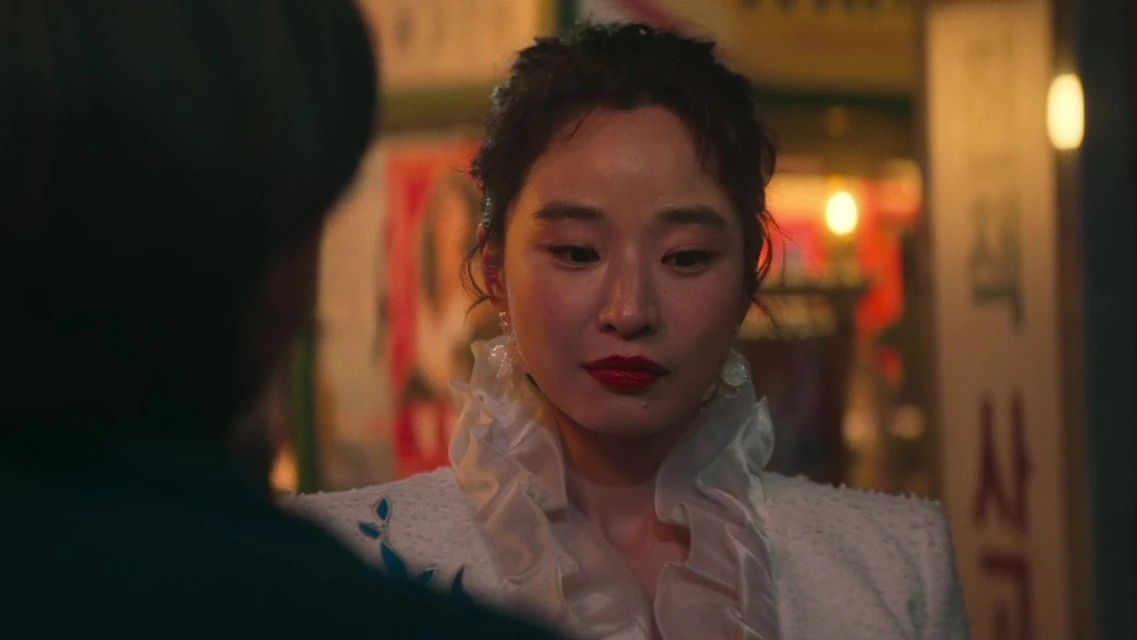
Hee-ran’s Exit. With the film completed and her contractual obligation fulfilled, Jung Hee-ran does what she has been waiting years to do: she walks out of Shinsung Films and never looks back. The scene is quiet and deliberate — no dramatic speech, no theatrical farewell. She picks up her things, signs the final paperwork, and leaves. It’s a moment the drama earns precisely because it has shown us, episode by episode, how much that exit cost. Hee-ran doesn’t get back everything she lost during her years under Gu Jung-ho’s control — but she recovers the one thing she wanted most: the right to decide what she does next.
Gu Jung-ho’s Exposure — and Its Limits. The finale makes a pointed choice about Gu Jung-ho’s fate: his dealings with powerful elites are revealed, his reputation takes real damage, and his grip on Chungmu-ro loosens considerably. But the drama doesn’t pretend the system collapses. The men who attended his private parties are not named. The structures that enabled him remain largely intact. It’s the most honest thing the series does — acknowledging that two women protecting themselves and each other is a victory, but not the kind that transforms the industry overnight. The world of 1980s Chungmu-ro was not changed by the making of Madame Aema. Two women survived it more intact than they should have been able to. That is what the show offers, and it is enough.
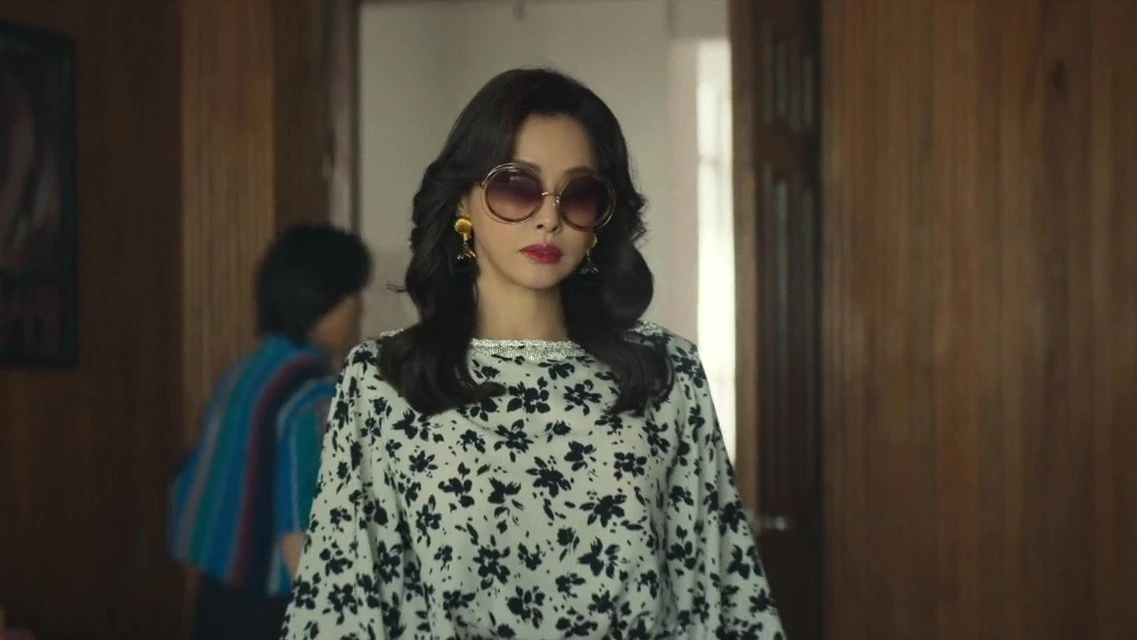
What Joo-ae and Hee-ran Actually Won. The drama’s final sequence cuts between the two women separately — Joo-ae on a new set, this time with the power to say no to what she doesn’t want; Hee-ran in a space that is finally her own. They don’t share the final scene. The choice feels deliberate: these are two women who formed a bond that mattered enormously and changed the course of both their lives, but who were always, ultimately, separate people with separate futures. What they share is not a destination but a refusal — the refusal to be consumed entirely by an industry that viewed them as raw material. In a world designed to use them up, they chose to remain.
✍️ KDramaWorlds Editor’s Take
Straight talk — our real opinion, and the viewer it’s made for.
Lee Hanee hasn’t had a role this good in years, and she knows exactly what to do with it. Jung Hee-ran is a woman who has made so many careful calculations for so long that defiance has become a kind of exhaustion — and Lee Hanee plays that exhaustion with precision. The way she watches Joo-ae in the early episodes, cold and assessing, quietly recognising a younger version of herself being set up for the same trap — it’s some of the most controlled acting in recent K-drama memory. Bang Hyo-rin as Joo-ae matches her: louder, rawer, less defended, and just as watchable. The two leads are the entire argument for this show.
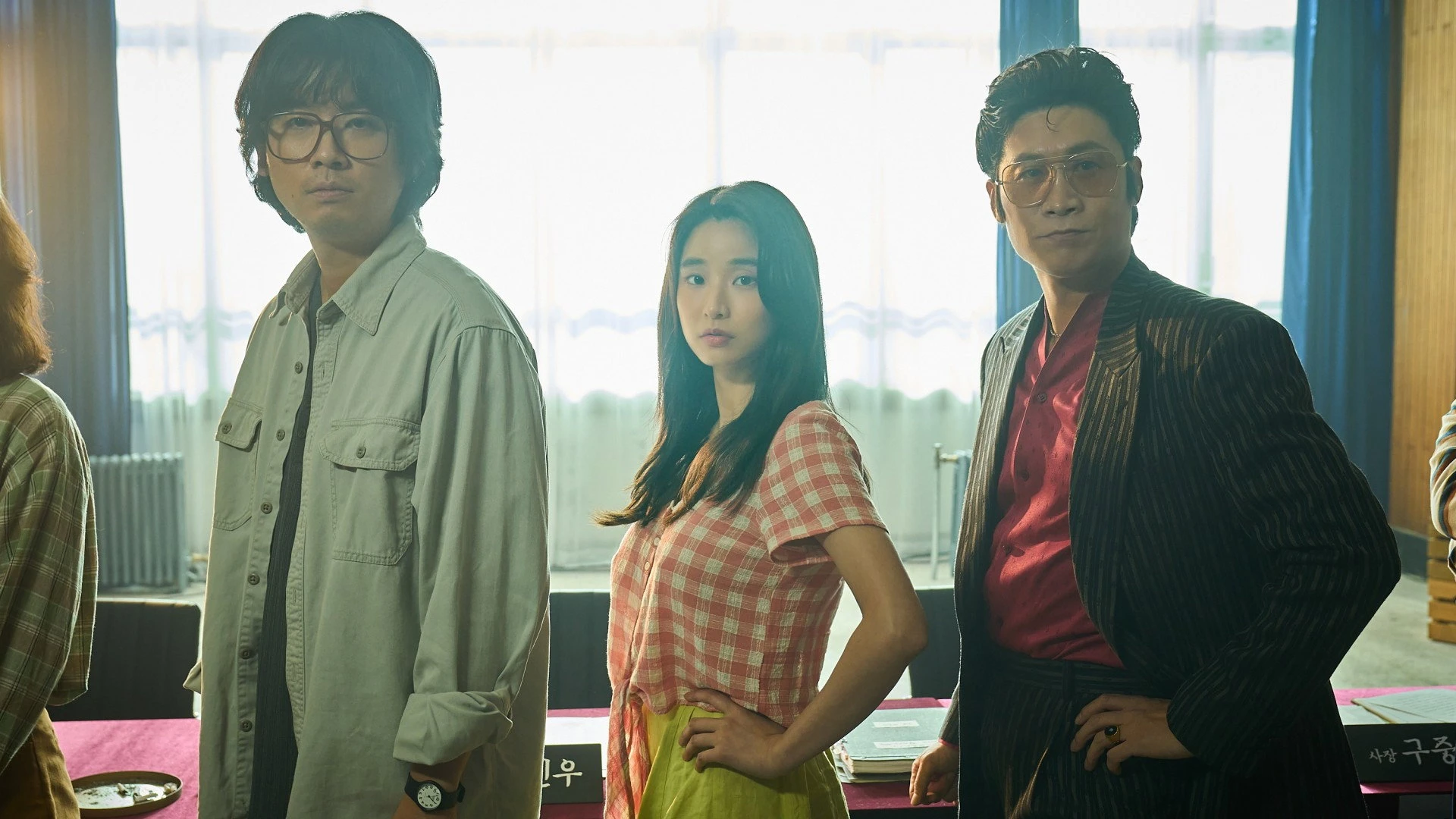
Jin Sun-kyu as Gu Jung-ho is the drama’s most divisive element. He plays the CEO not as a monster but as a pragmatist — a man who has so thoroughly internalised the logic of exploitation that he barely registers it as cruelty. Whether that reads as a sharp critique of systemic misogyny or as an unsatisfying villain depends on what you want. There are moments where the show’s dark-comedy framing allows him to be almost funny, which is a genuine tonal risk — it mostly works, but viewers expecting a cleaner antagonist may find it frustrating. Cho Hyun-chul’s idealistic director, meanwhile, is the series’ thinnest thread: a character whose moral crisis never quite achieves the weight the show assigns it.
Six episodes is almost enough and not quite enough at the same time — which is both Aema’s appeal and its limitation. The series moves fast, establishes its world with confidence, and lands an ending that’s honest rather than satisfying. What it doesn’t have is room to breathe: secondary characters are sketched rather than drawn, and the 1980s Chungmu-ro setting — so richly atmospheric — sometimes feels like a backdrop rather than a living world. But the central relationship between Hee-ran and Joo-ae is precisely as good as Netflix promised it would be, and for a story about two women who refuse to be reduced to a single function, that feels like the right priority. A period drama that earns its ending by never pretending the fight was easier than it was.
Anyone who loves behind-the-scenes period stories like Once We Were Us
Viewers who want complex female leads without a clean, satisfying arc
🎬 You Might Also Like
If you liked Aema, these are your next three watches.
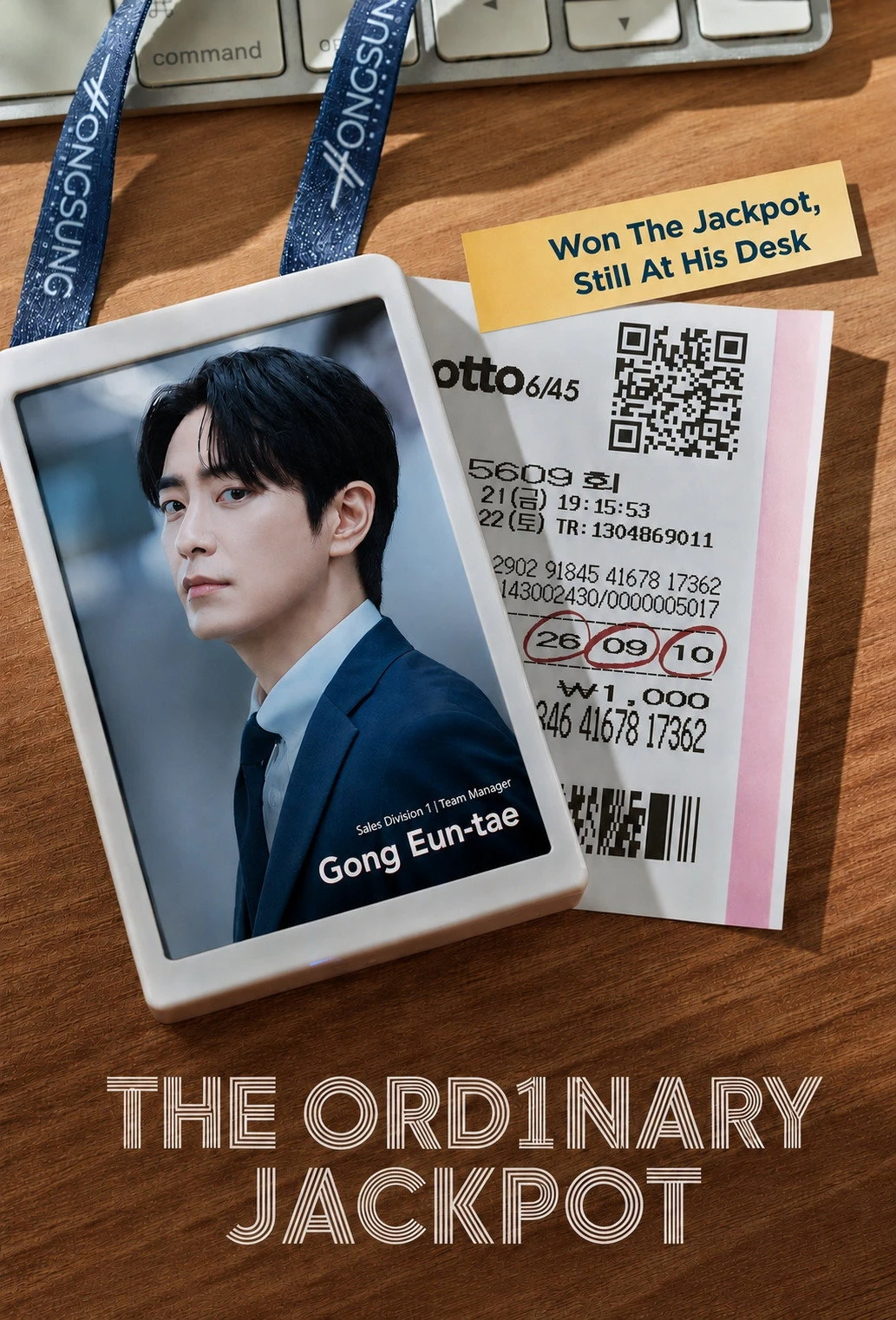
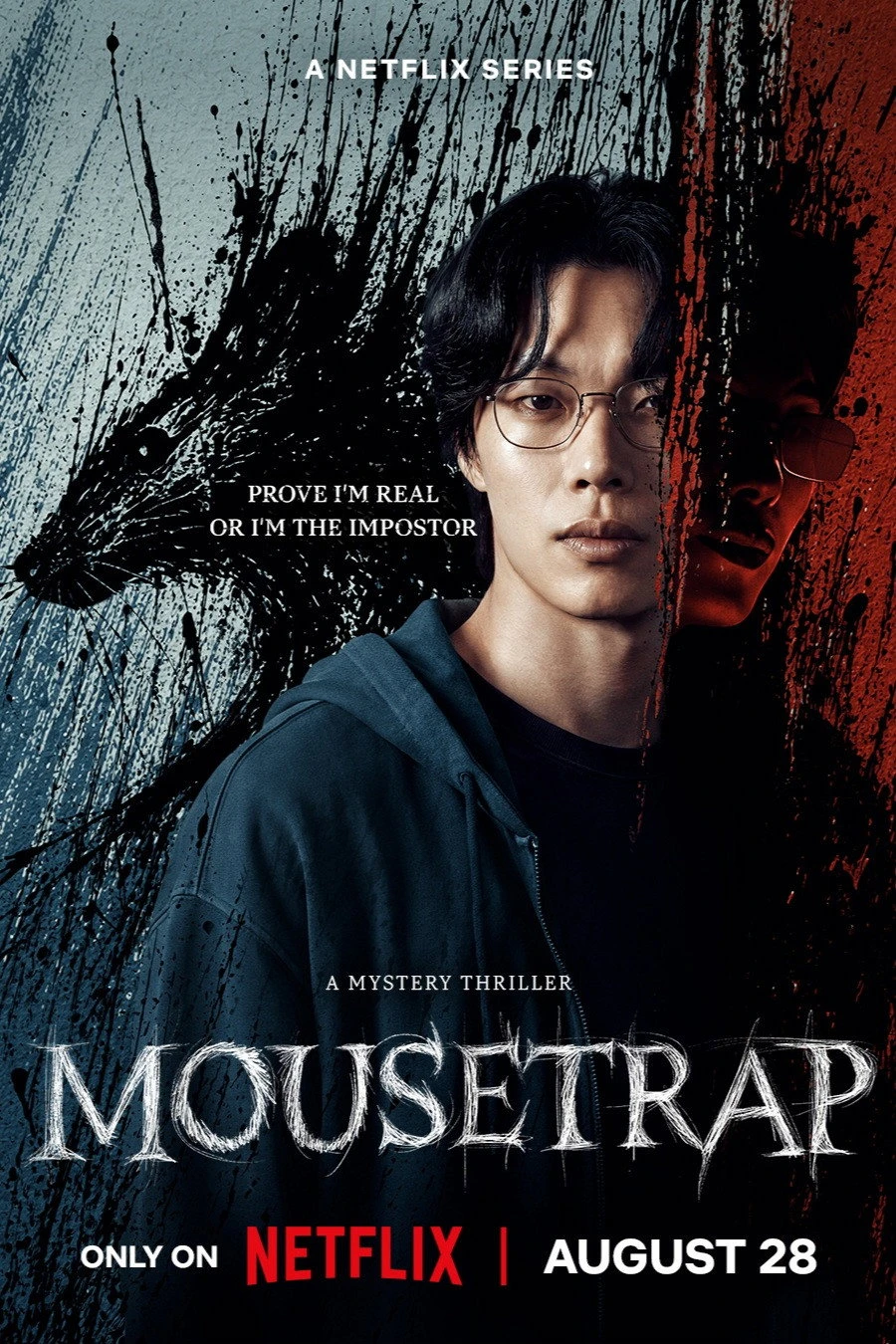 Mousetrap
crimeIdentity Theft
Read Full Review →
|
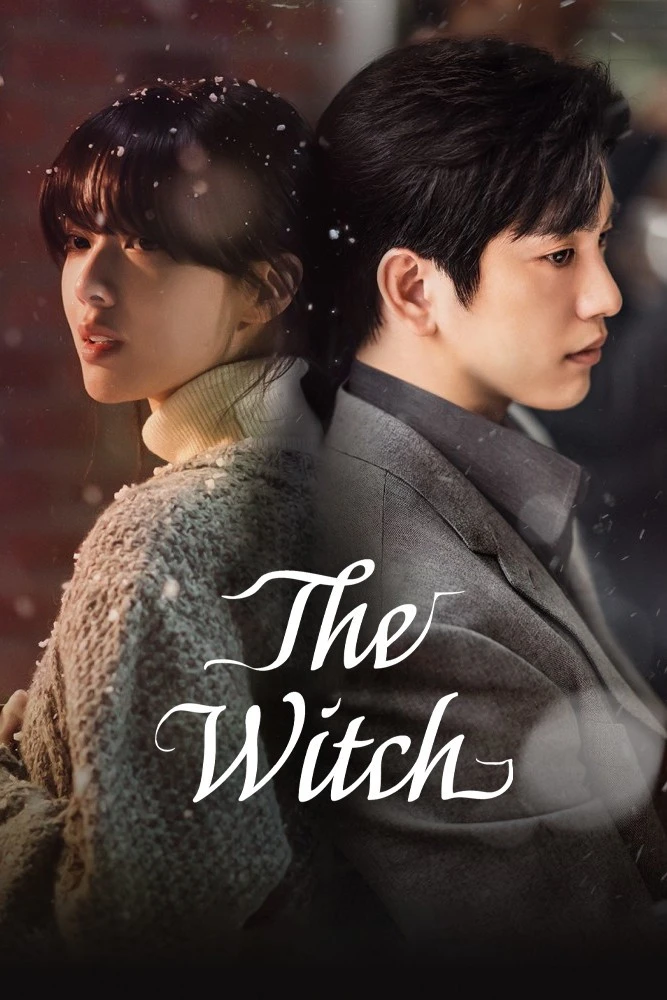
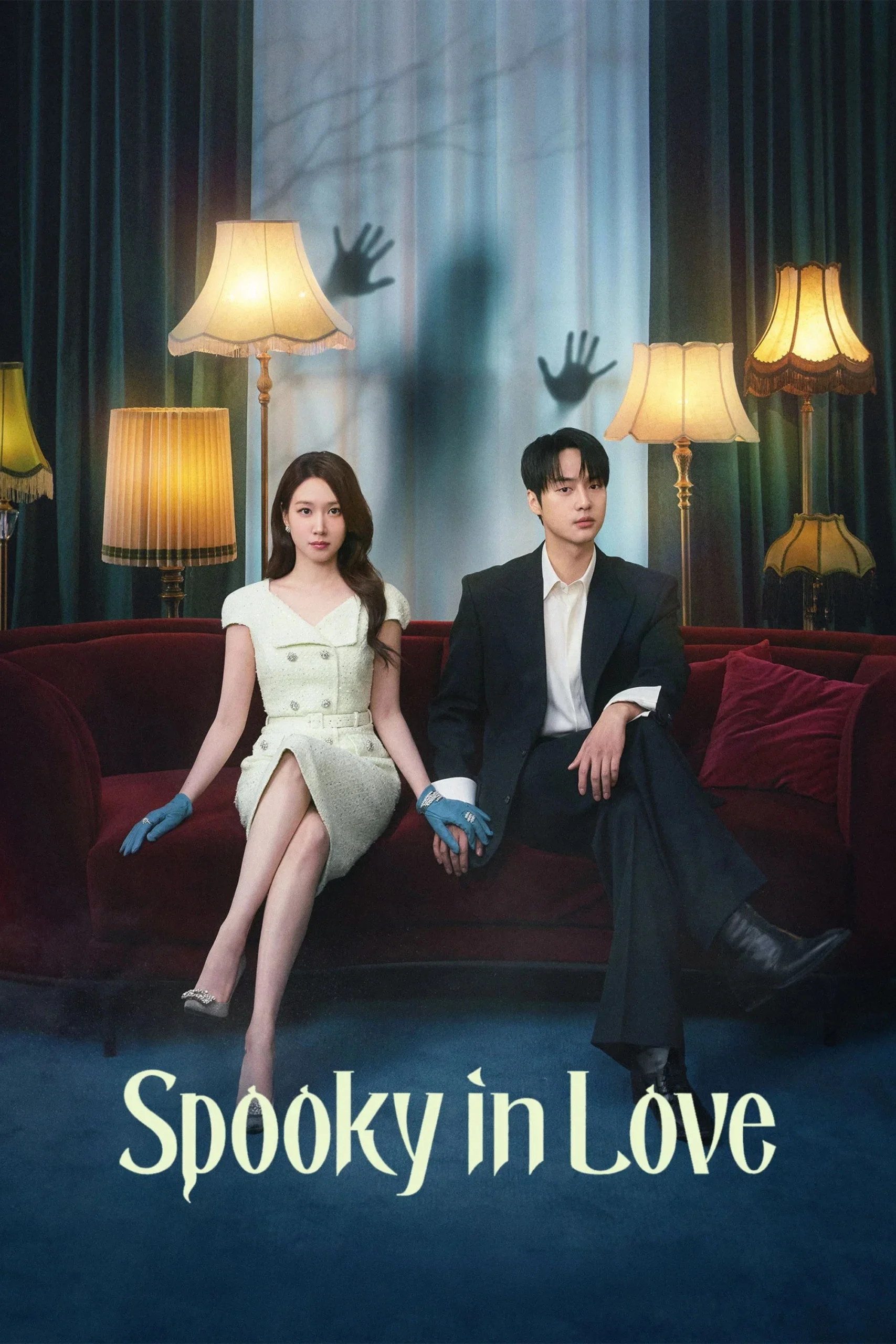 Spooky in Love
comedyghosts
Read Full Review →
|
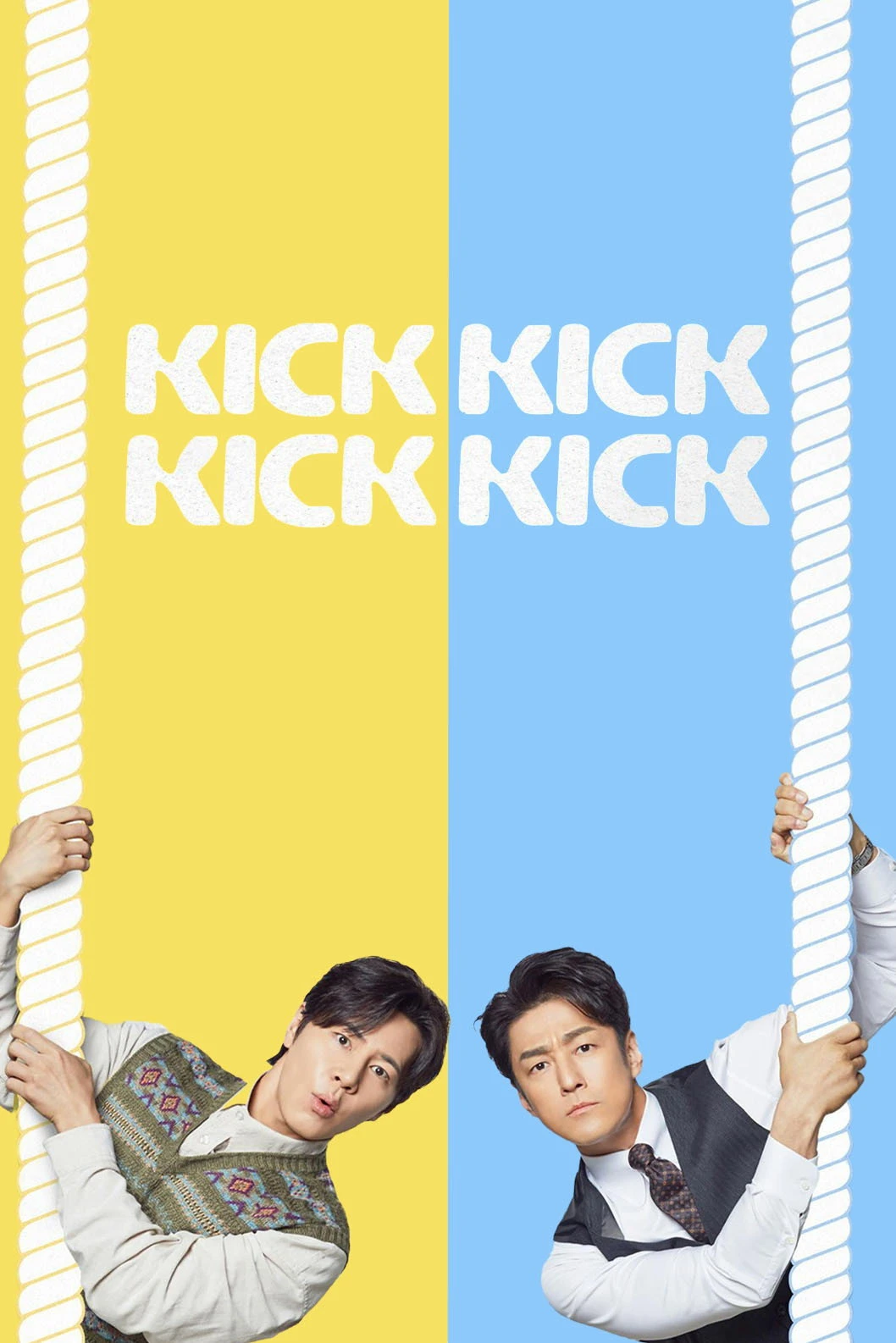
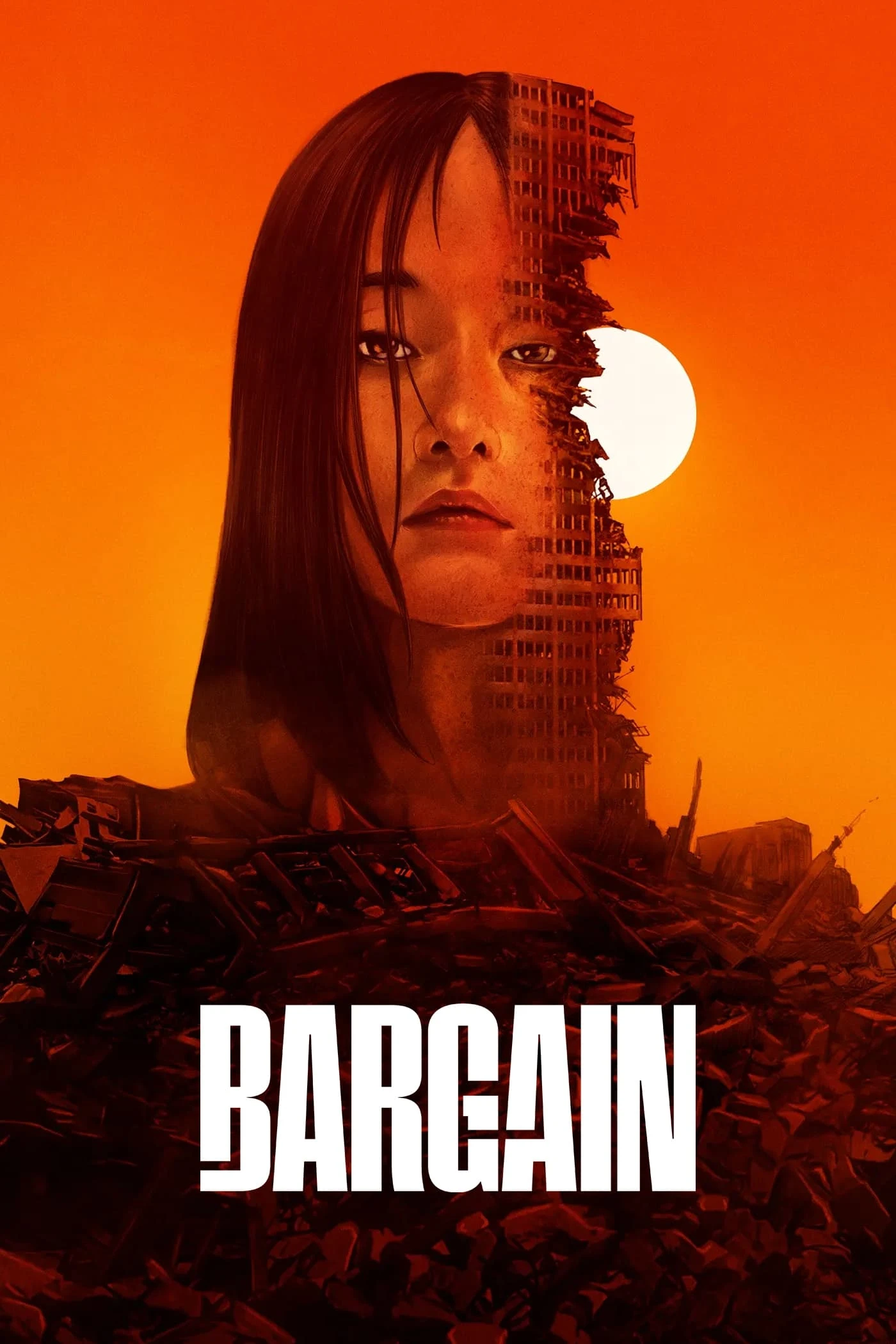 Bargain
Betrayalcrime
Read Full Review →
|







Keep it kind, skip the harsh language, and please — no spoilers. Everyone's taste is different, and that's perfectly fine.
This space is for real reactions and discussion from other viewers. Help keep it comfortable for everyone by not giving away major plot details.
What do you think of this drama?
Login to share your review or leave a comment.
No email needed — just pick a username & password.