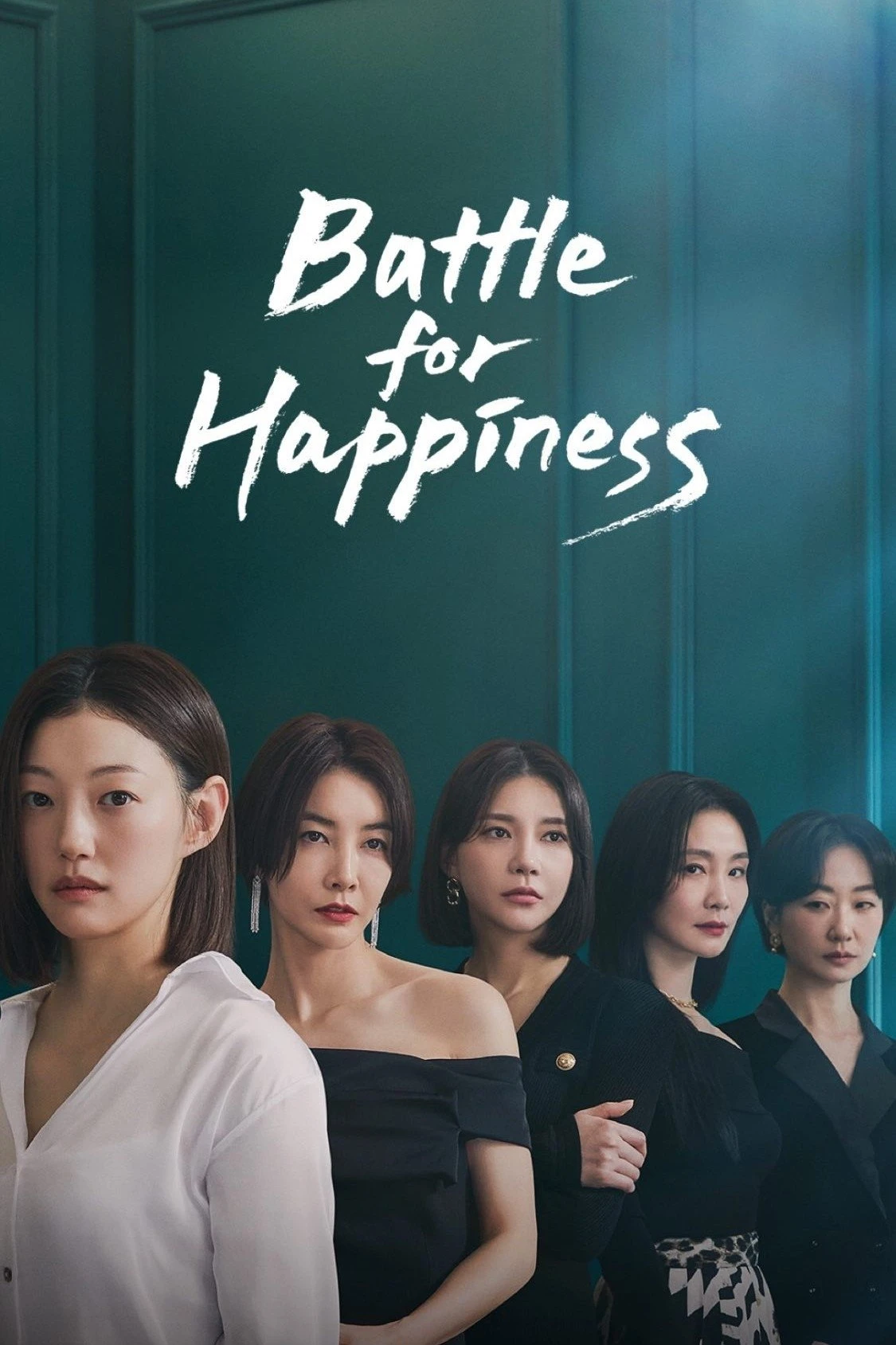
Battle for Happiness
🎬 ENA · Prime Video · Viki · Apple TV
⭐ 7.8 / 10 MDL
🔞 TV-14
📋 Drama Overview
The essentials — before you press play.
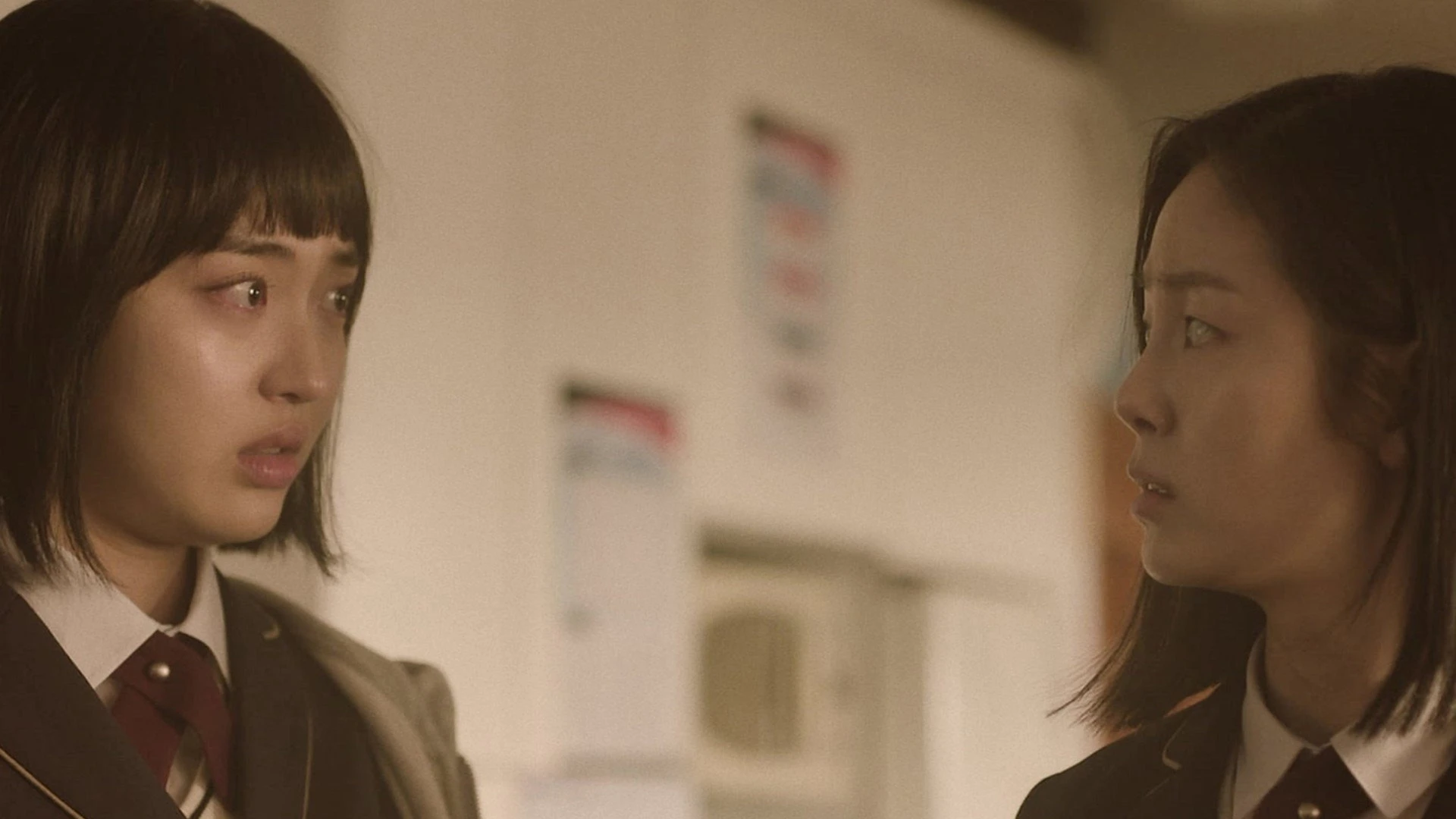
Jang Mi-ho had put eighteen years of distance between herself and Oh Yoo-jin — and then Yoo-jin’s social media appeared: the curated apartment, the daughters, the smile that looked less like happiness and more like a challenge. The reunion goes exactly as badly as Mi-ho feared, and then far worse: Yoo-jin ends up dead. What Battle for Happiness understands — in a way that dramas like Celebrity approached from a different angle — is that social media doesn’t just distort reality; it gives desperate people a precision instrument to wield against each other.
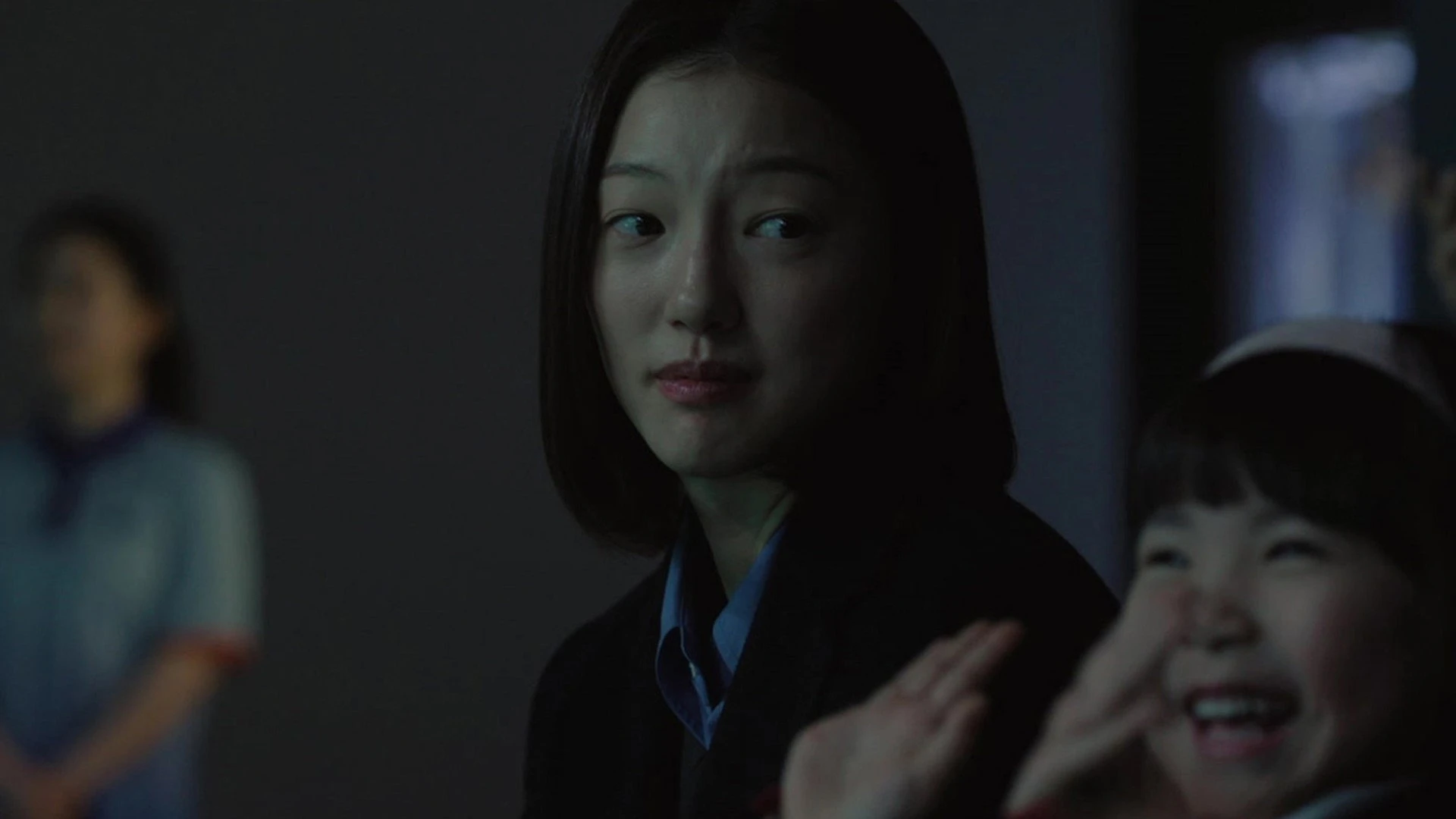
Mi-ho moves into the High Prestige apartment complex to care for Yoo-jin’s daughters and unravel what actually happened that night. What she finds is a community of mothers locked in a vicious competition to perform happiness — and every one of them is hiding something catastrophic. This is the kind of slow-burn K-drama thriller that rewards patience: the Pandora’s Box USB doesn’t just expose one secret, it unpacks an entire ecosystem of mutual blackmail and buried shame. In that sense it shares DNA with The Glory — the same unsettling recognition that behind every polished surface is a person who has been calculating their survival for years.
16 / 16 ✅ Completed
⚡ Quick Verdict
The whole verdict, boiled down to one box.
· MDL Score · 1,380 ratings
▶ Official Trailer
🎭 Cast & Characters
An ensemble of women who know exactly how to smile for the camera — and how to lie for it.
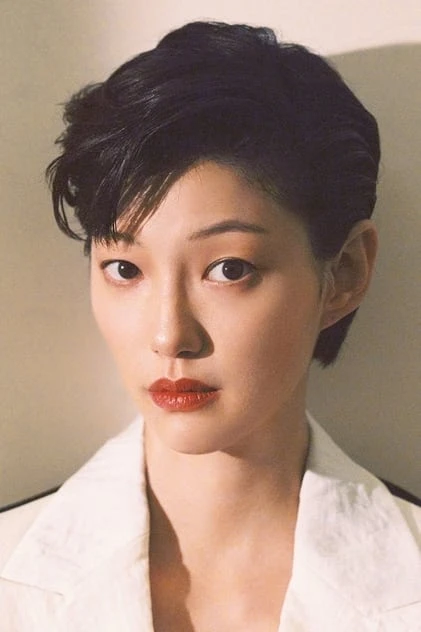
Lead

Lead

Supporting

Supporting

Supporting

Supporting
📺 Episode Guide
Catch up fast — spoiler-light, episode by episode.
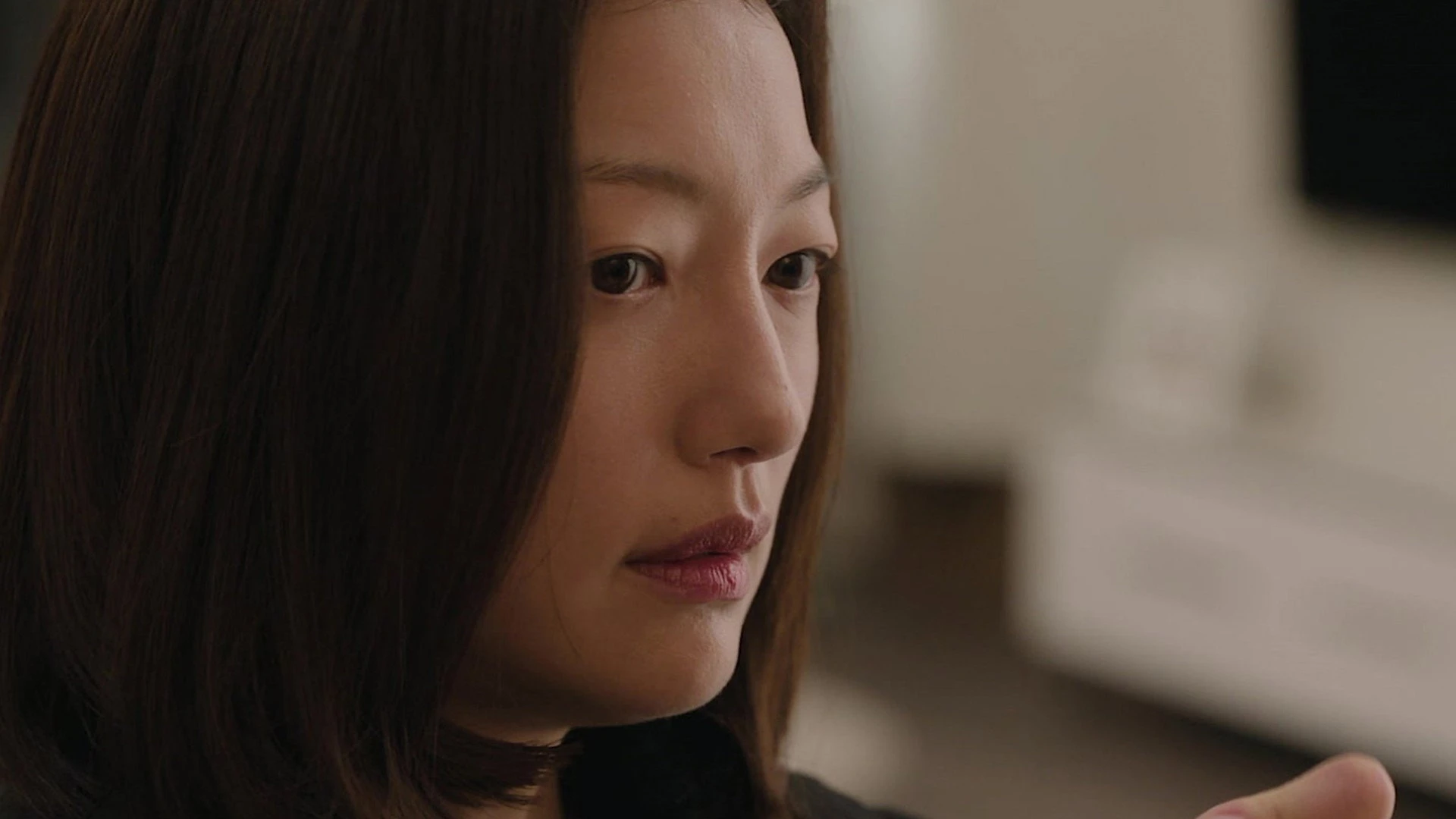
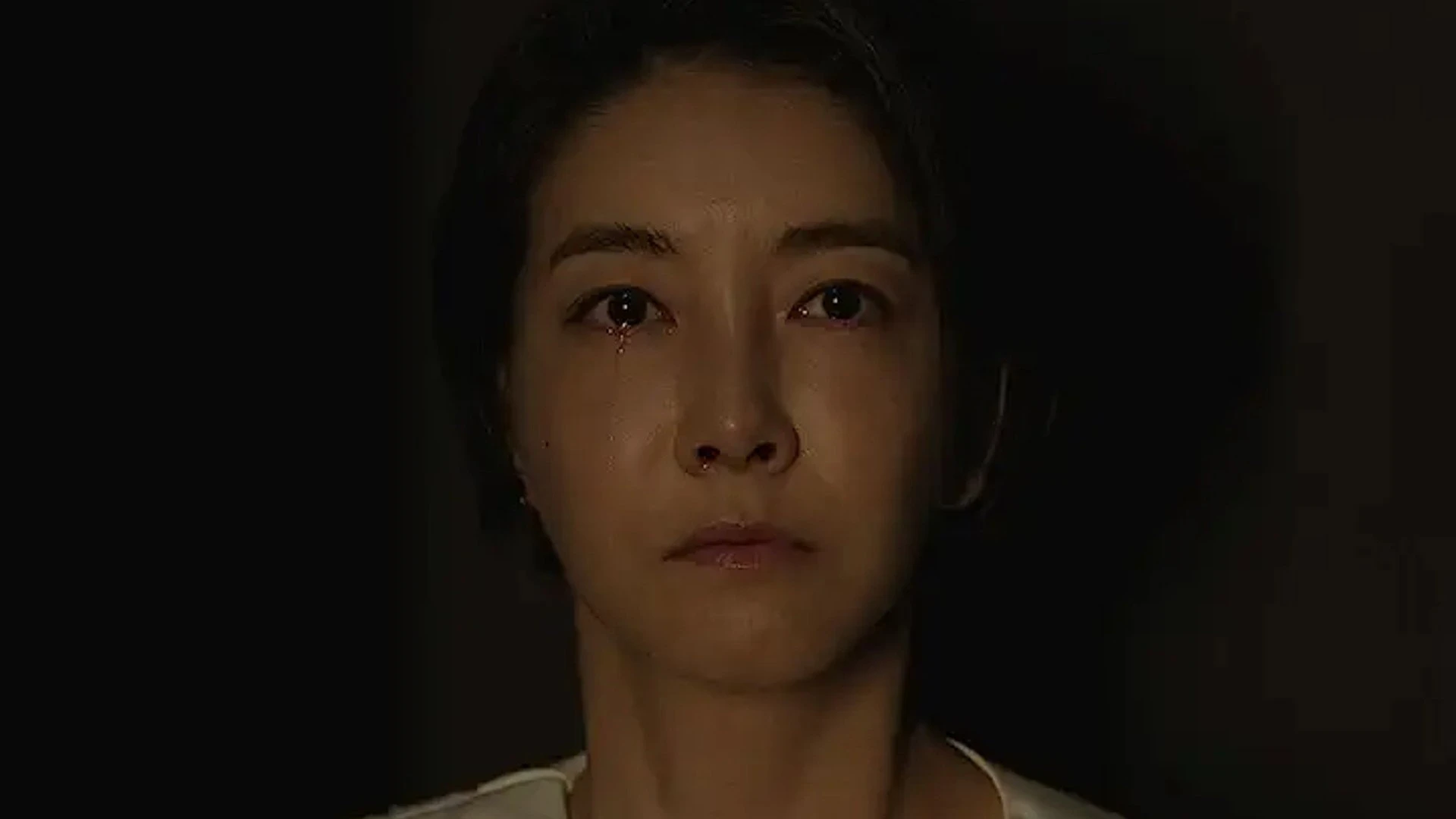

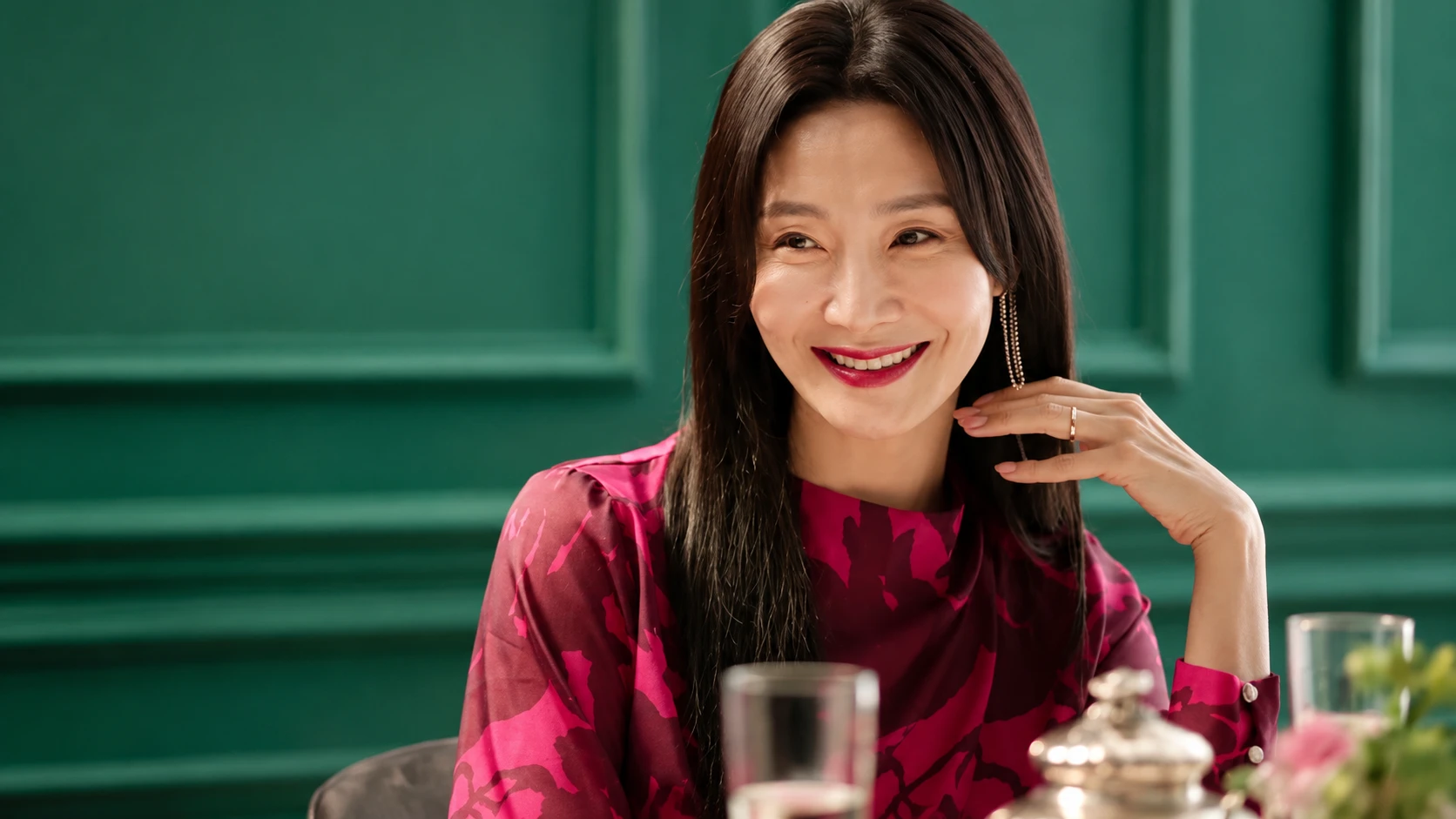
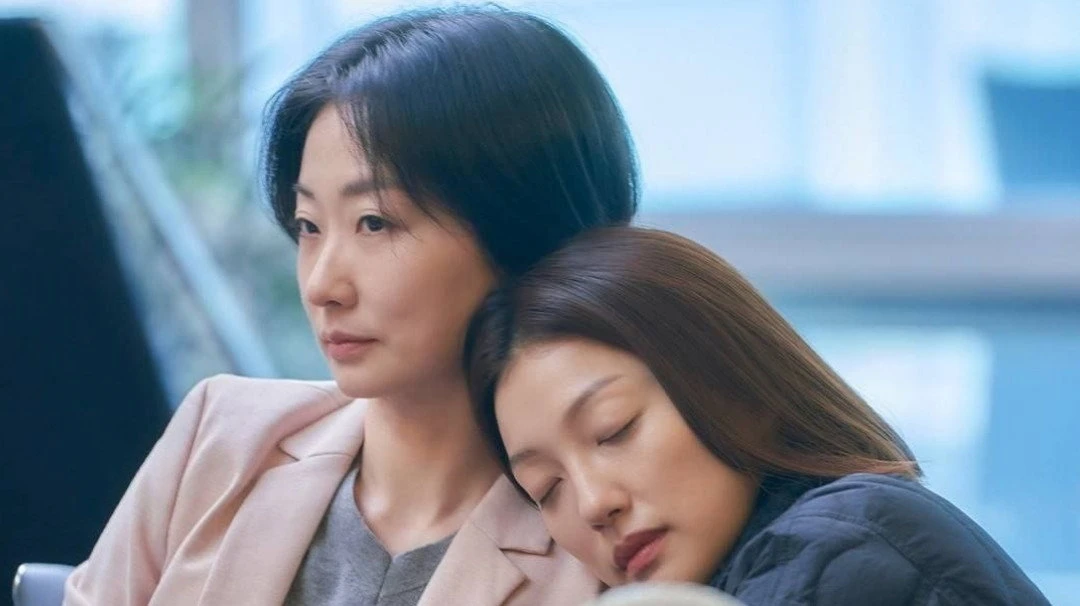
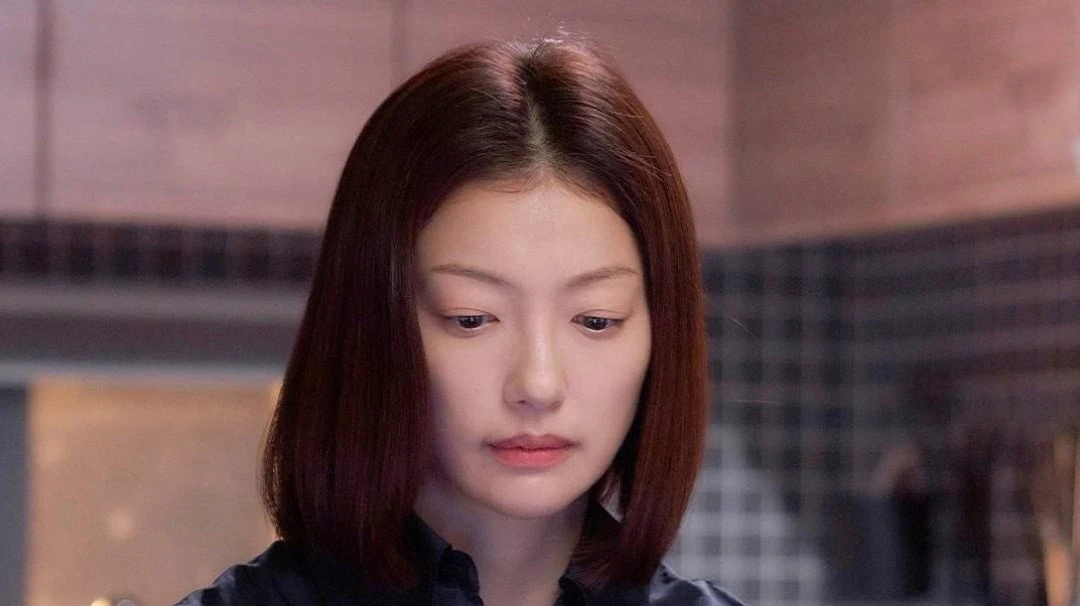
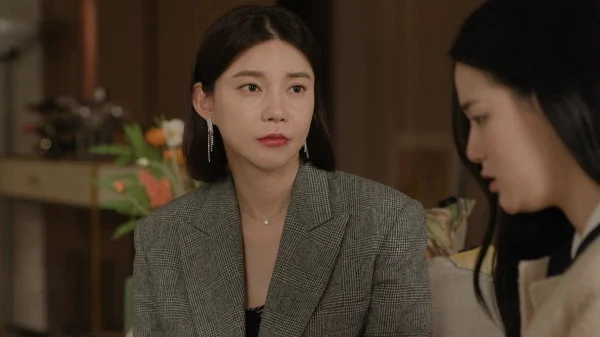
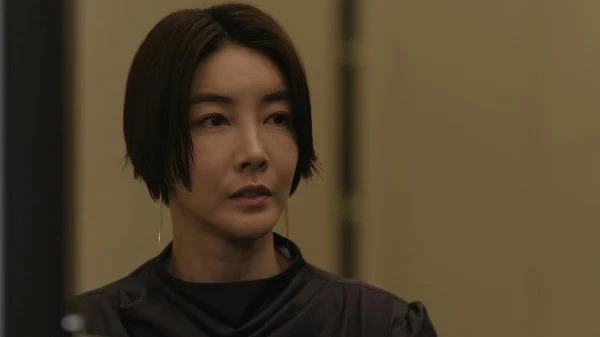

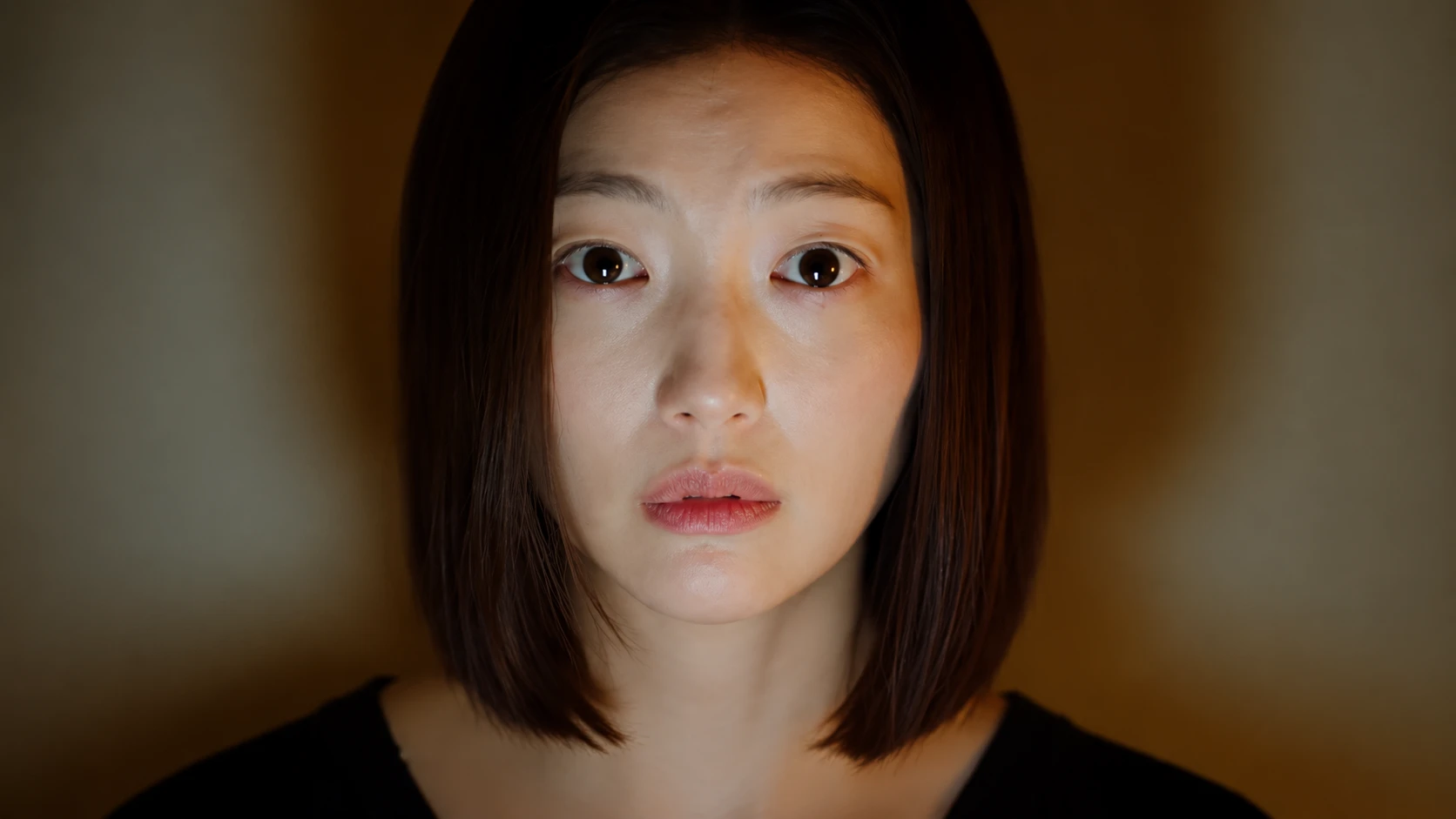
🏁 Ending Explained
Full spoilers from this point — what happened, and why.
Spoiler Warning — This section covers the full finale of Battle for Happiness. Stop here if you haven’t finished the series.
Who killed Oh Yoo-jin — and how the answer finally arrives Kang Do-joon is confirmed as the killer. The black USB that Mi-ho has been chasing across sixteen episodes contains audio files showing that both Yoo-jin and Do-joon had separately hired hitmen against each other — but Do-joon’s plan was the one that succeeded. In the finale he makes one last attempt to eliminate Mi-ho as the final loose end, cornering her on a rooftop. Lee Jin-seop, Song Jeong-a, and Kim Na-young arrive and intervene. Do-joon is arrested. The case that opened in Episode 1 closes here, on a rooftop at night, with three women who decided not to look away.
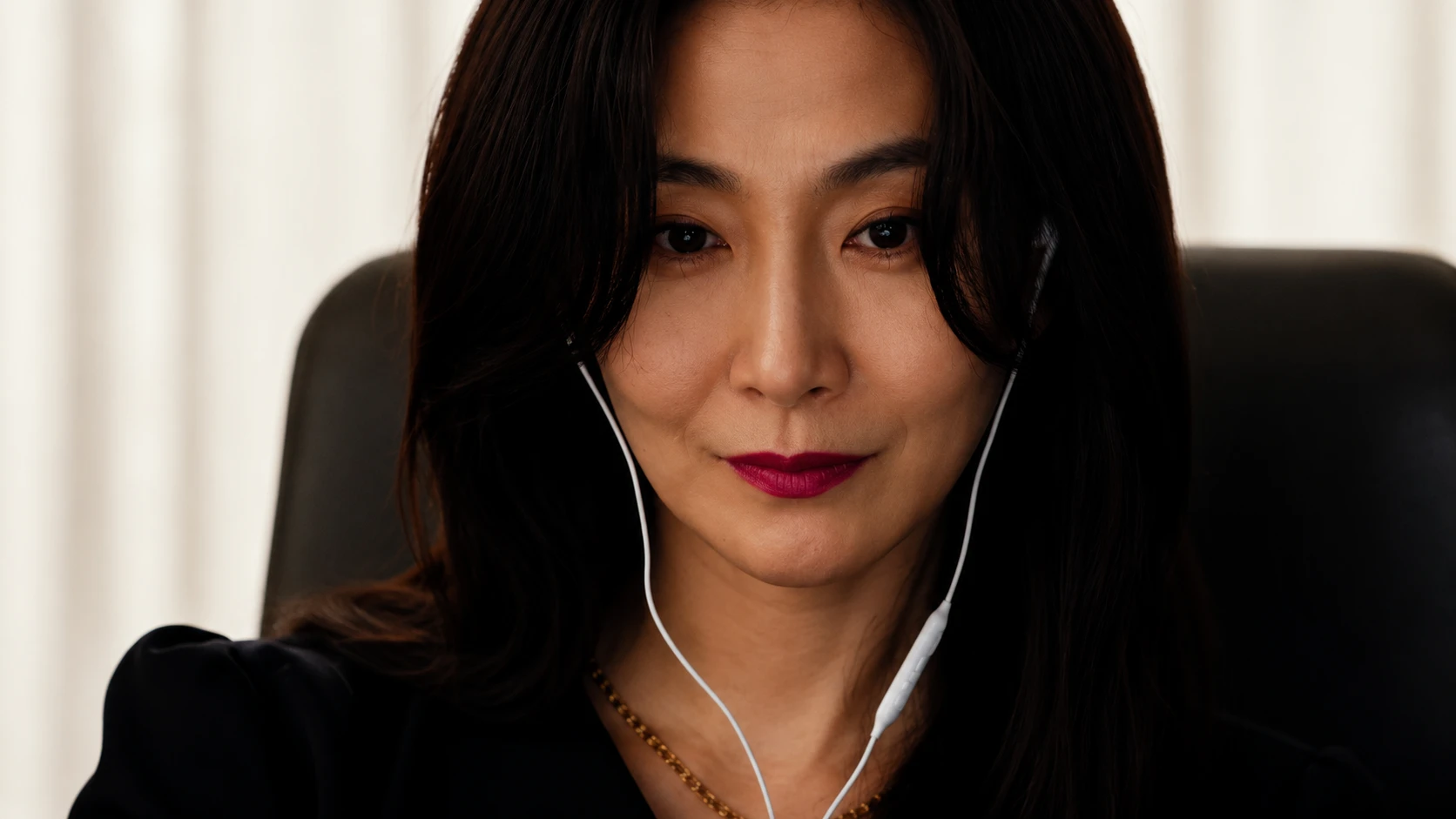
What Mi-ho finally gets to put down For Mi-ho, the resolution isn’t primarily about justice — it’s about release. She reads the final portion of Yoo-jin’s complaint letter, the one she has been circling since Episode 1, and what’s inside isn’t accusation. It’s explanation. Yoo-jin understood more than Mi-ho gave her credit for, including the weight of what she had put Mi-ho through. The overseas posting isn’t escape. It’s the first decision Mi-ho makes that isn’t a reaction to something Yoo-jin set in motion eighteen years ago.
Each mother’s ending — what the competition cost them The surviving women resolve differently. Kim Na-young, who nearly lost herself entirely to the performance, is the one who calls for help on the rooftop — her choice to act for someone else is the clearest character arc in the show. Song Jeong-a remains pragmatic to the end, but the decision to intervene counts. Hwang Ji-ye, caught fleeing a fraud scheme and facing real consequences, is out of the game. The High Prestige apartment complex remains standing. The building was never the problem.
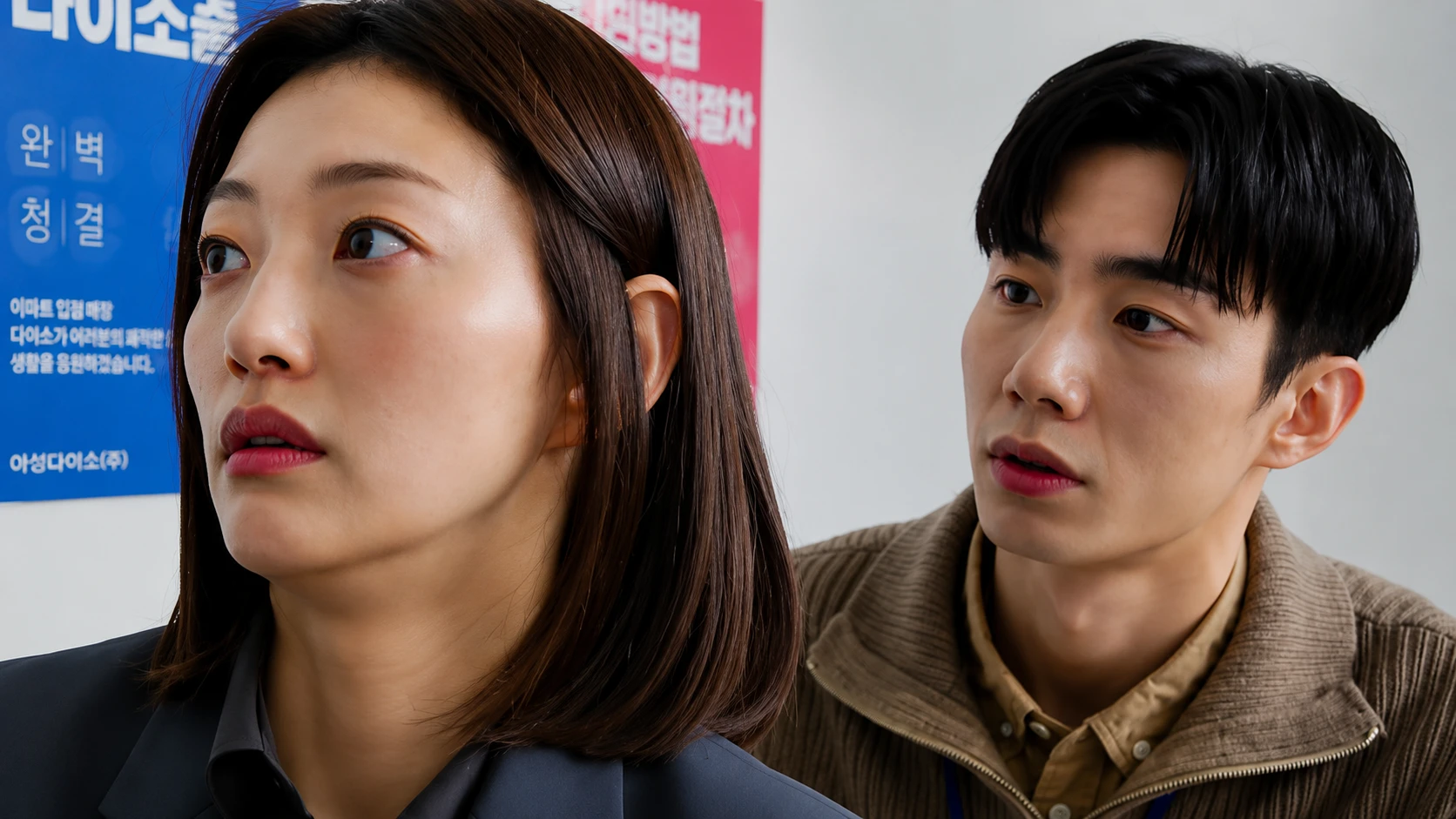
Ji-yul and Ha-yul — what they inherit Yoo-jin’s daughters are the ending’s quietest emotional beat. Their father is going to prison. Their mother is gone. What they have is Mi-ho, who arrived in their lives out of guilt and stayed for reasons harder to name. The show doesn’t oversell this — it simply shows Mi-ho making the decision to take them with her. That the children are what Mi-ho chooses to bring forward from all of this is the answer the story was actually building toward.
What the title’s question actually meant Battle for Happiness ends by answering the question embedded in its title. Was any of it happiness? The competition was real, the stakes were real, and people died over them — but the happiness being fought over was always an image, not a state. What the finale proposes, tentatively, is that the thing actually worth fighting for looks nothing like what was being posted. It’s smaller. It involves two daughters, a new city, and the willingness to finally finish reading a letter that has been too heavy to hold for eighteen years.

✍️ KDramaWorlds Editor’s Take
Our real opinion — worth the watch, and for who exactly.
🔍 Every Mother Has a Secret
⚖️ Survival vs. Performance
🏠 Luxury as Battlefield
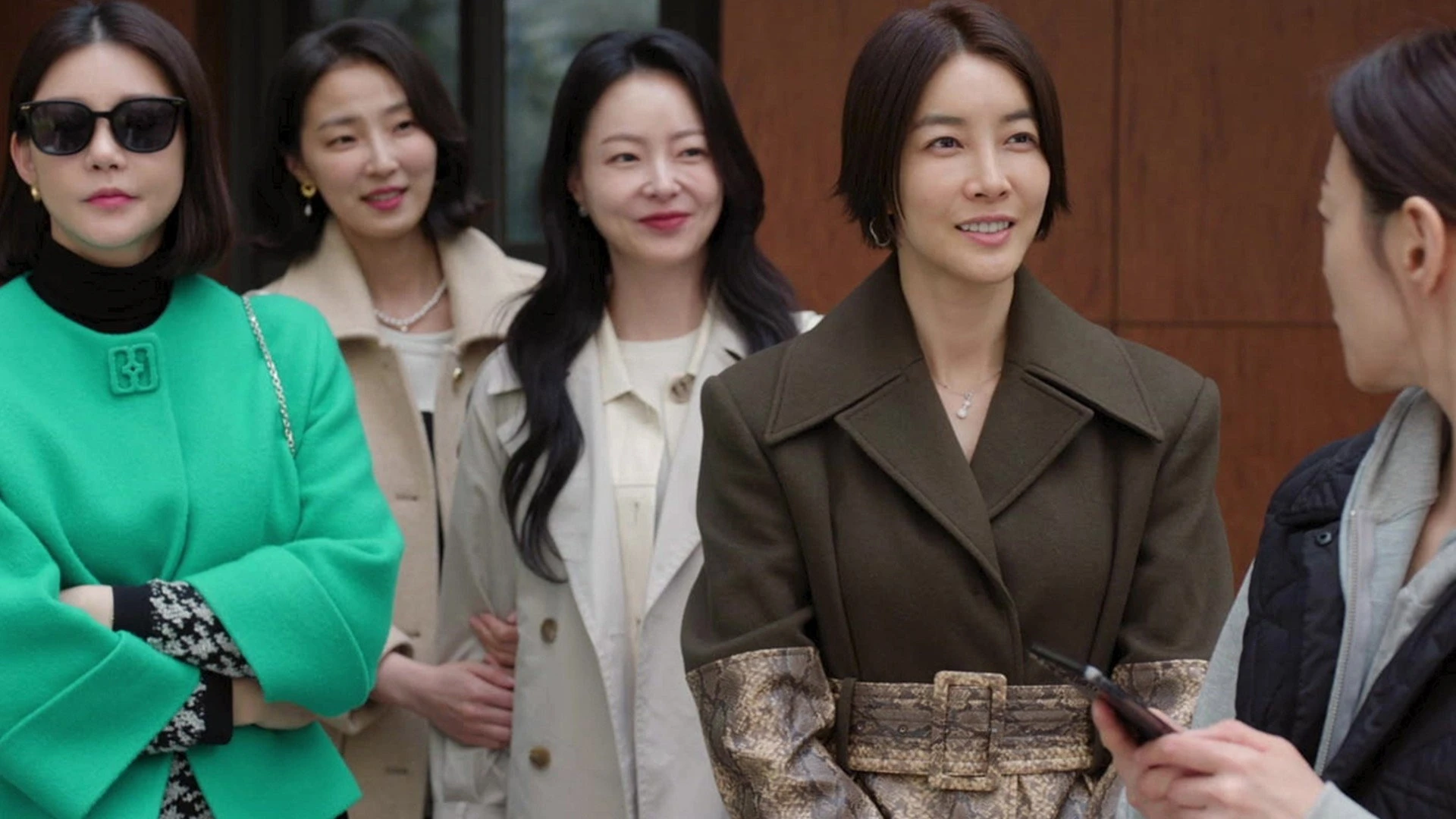
There’s a dinner scene in Episode 4 where Mi-ho sits with the High Prestige mothers and watches them perform for each other in real time — the precise smiles, the calibrated warmth, the way every compliment contains a small measurement. Lee El plays it with a quality of exhausted incredulity, like someone who has been asked to respect a game she was never invited to join. The show’s sharpest observation is that these women aren’t performing for social media first — they’re performing for each other, and the phones are just how the score gets kept. Dramas like Lies Hidden in My Garden worked similar territory but kept its horror intimate and contained; Battle for Happiness scales it into an entire community and makes the competition itself the structural monster.
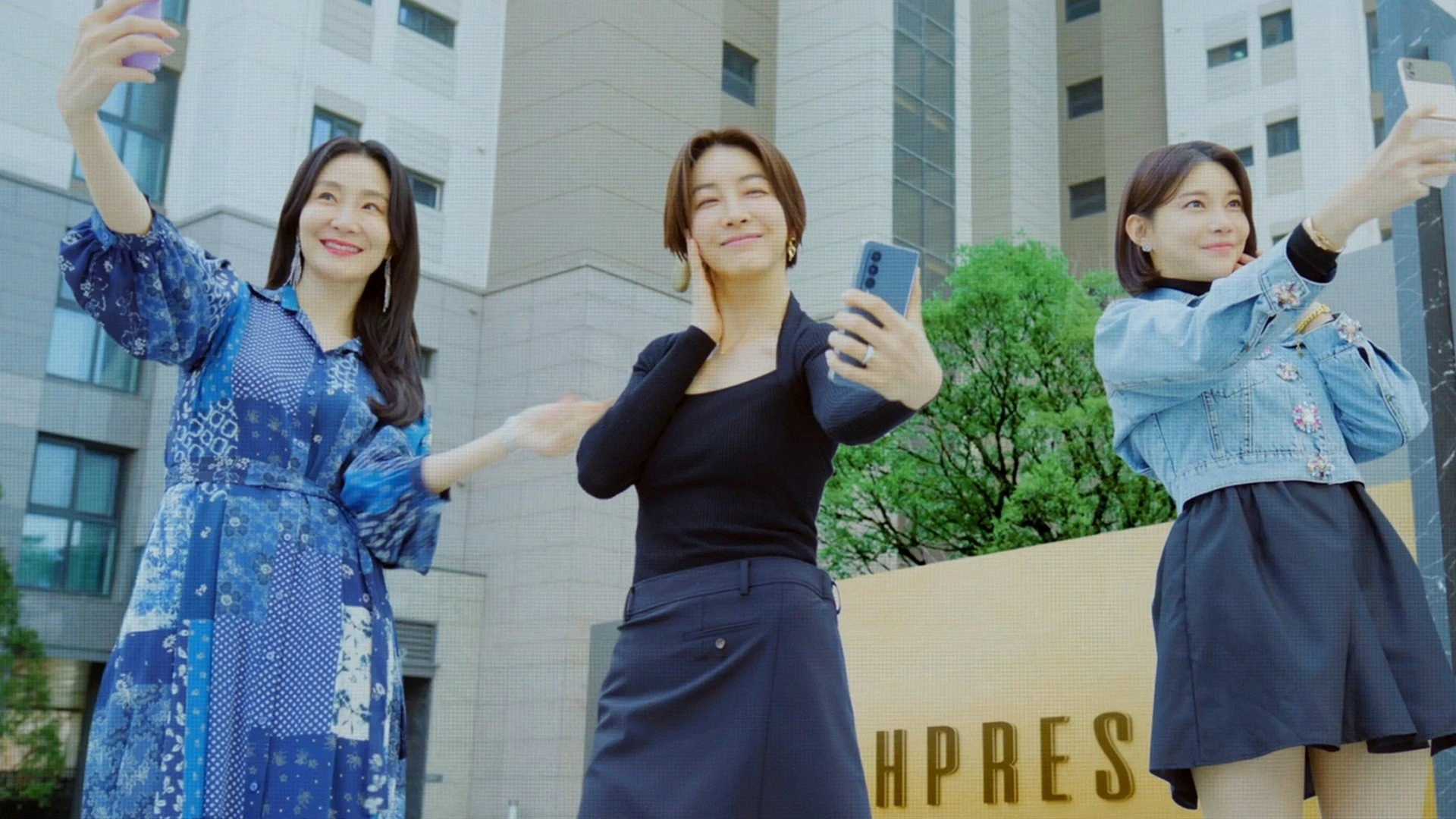
The reason the mystery sustains across 16 episodes — longer than it probably should — is that the show knows what it’s actually about beneath the whodunit. Every reveal from the Pandora folder isn’t just plot; it’s evidence that nobody in High Prestige is who they presented themselves as, which means the happiness battle was always being fought by people already in crisis. Park Hyo-ju as Song Jeong-a is doing something genuinely interesting — Jeong-a never softens, never becomes sympathetic in the conventional sense, but by the finale you understand exactly what she has been protecting and why the calculation never stops. In the same way that The World of the Married used a domestic thriller framework to expose what women sacrifice to maintain a particular kind of life, Battle for Happiness finds its real subject not in who killed Yoo-jin but in why everyone in that building was already so close to breaking.
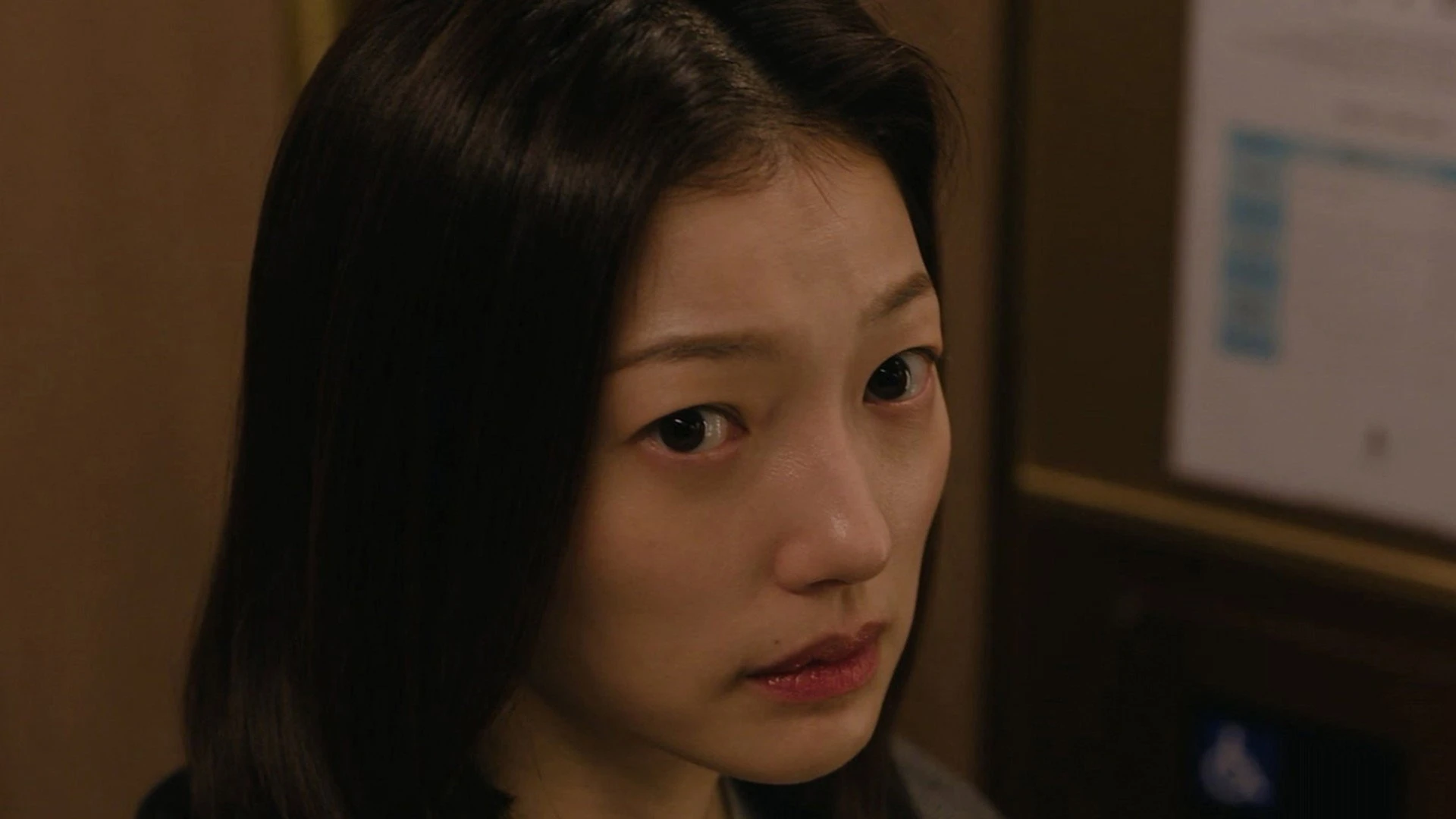
The pacing in the middle stretch will test some viewers. Episodes 7 through 12 widen the conspiracy rather than tighten it, and the rhythm asks you to hold a lot of suspended threads at once without the satisfaction of resolution. But the finale earns the patience — and Lee El’s performance throughout is worth the investment regardless of plot mechanics. She never lets Mi-ho become a standard K-drama detective. The character stays weighed down by her own history, solving the case as much for herself as for the woman she couldn’t reconcile with before it was too late.
Anyone who has wondered what’s actually behind a perfect social media feed
Viewers who like slow-burn mysteries where every revelation reshapes what they thought they knew
🎬 You Might Also Like
If you liked Battle for Happiness, these are your next three watches.
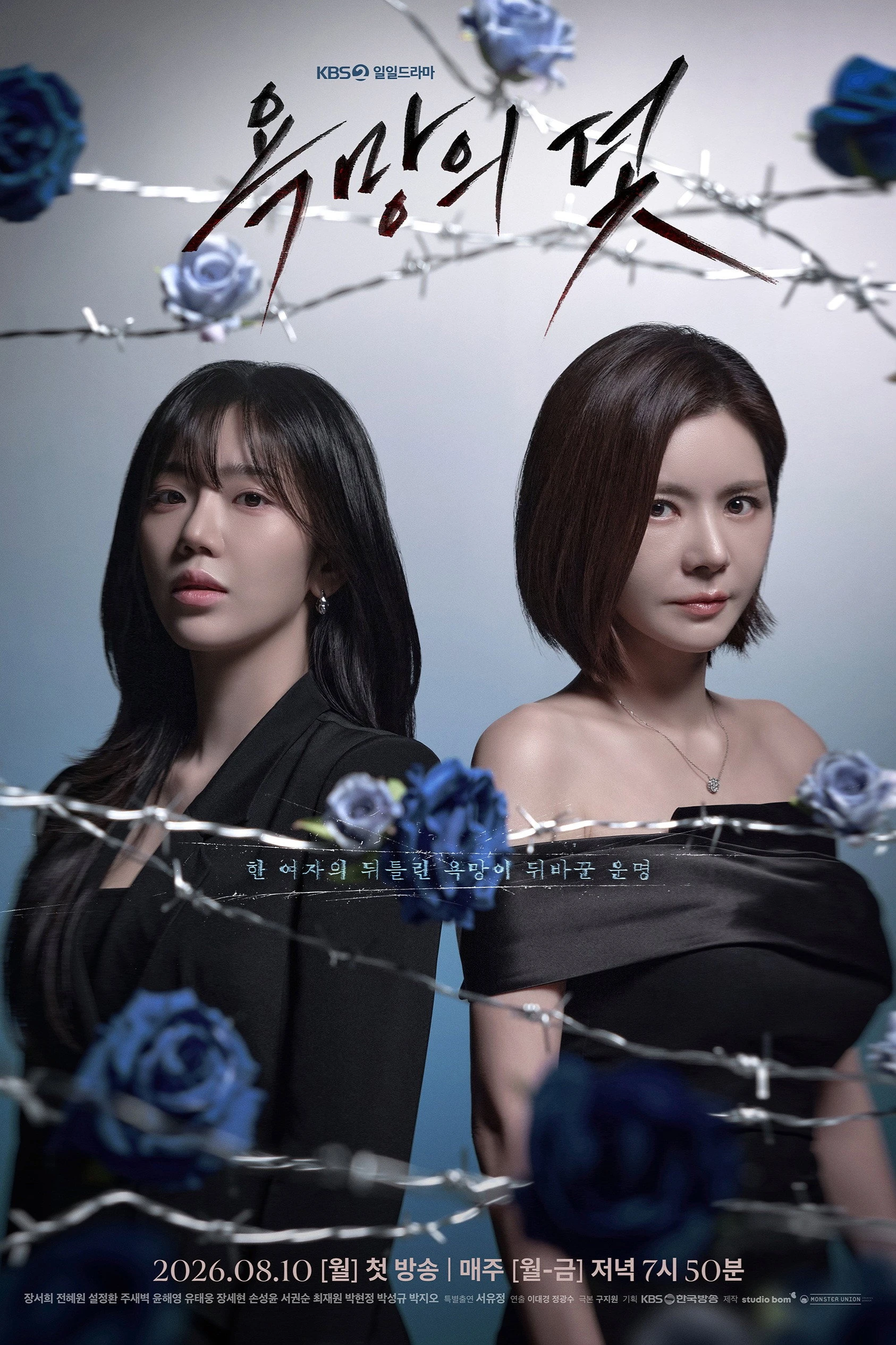 A Trap Called Desire
Ambitioncorporate intrigue
Read Full Review →
|
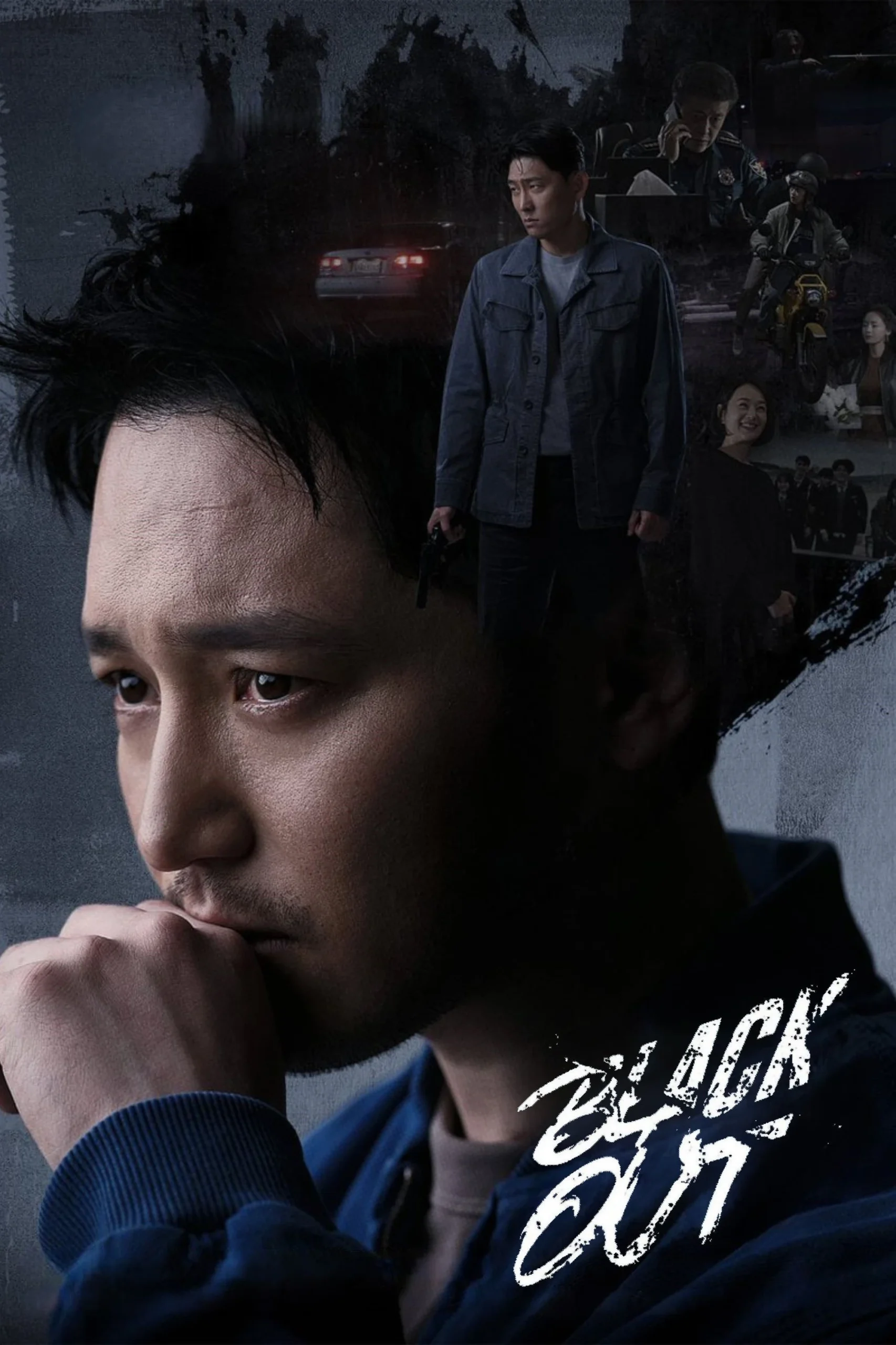 Black Out
Byun Yo-hancrime
Read Full Review →
|
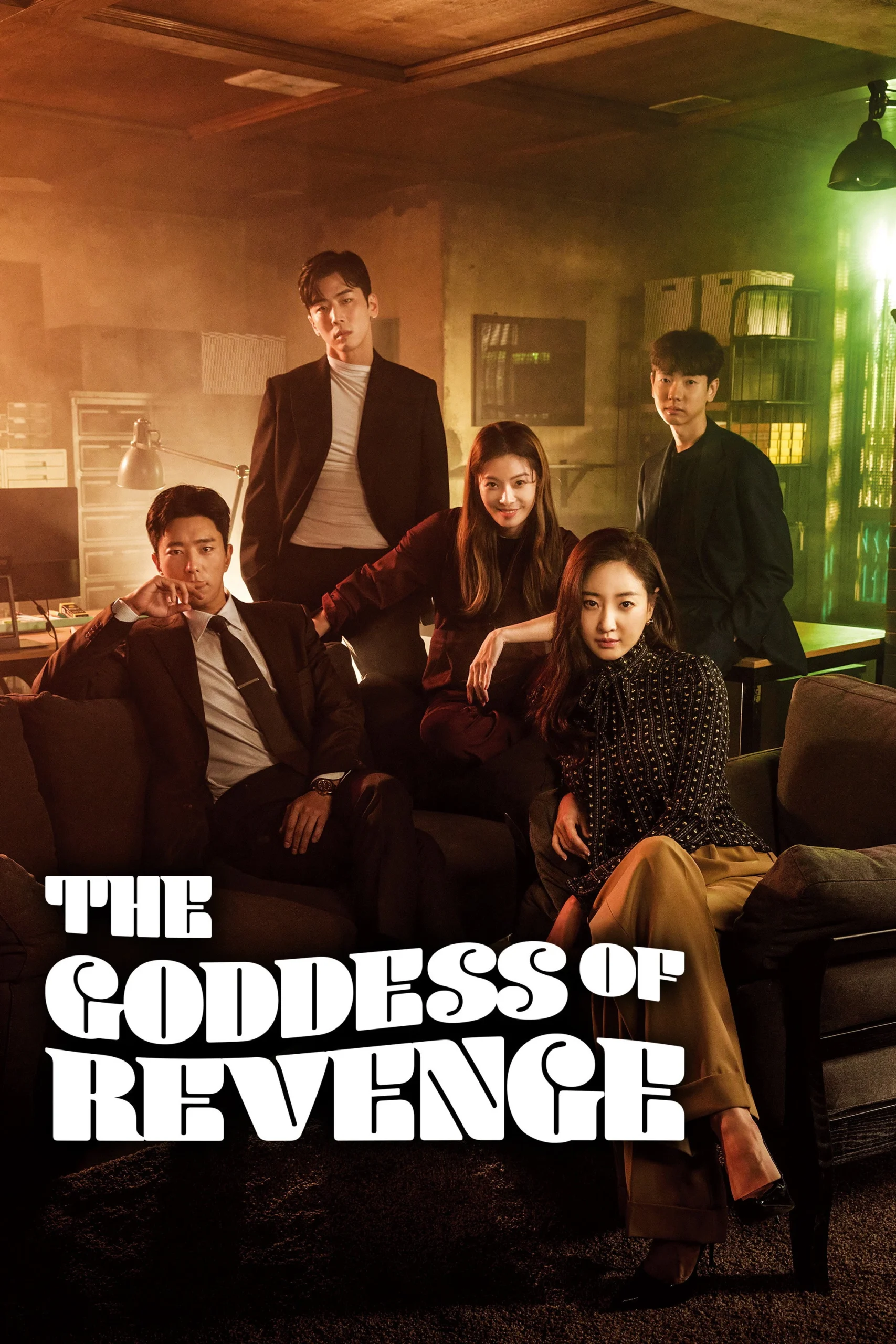 The Goddess of Revenge
ChaebolFemale Lead
Read Full Review →
|










Keep it kind, skip the harsh language, and please — no spoilers. Everyone's taste is different, and that's perfectly fine.
This space is for real reactions and discussion from other viewers. Help keep it comfortable for everyone by not giving away major plot details.
What do you think of this drama?
Login to share your review or leave a comment.
No email needed — just pick a username & password.