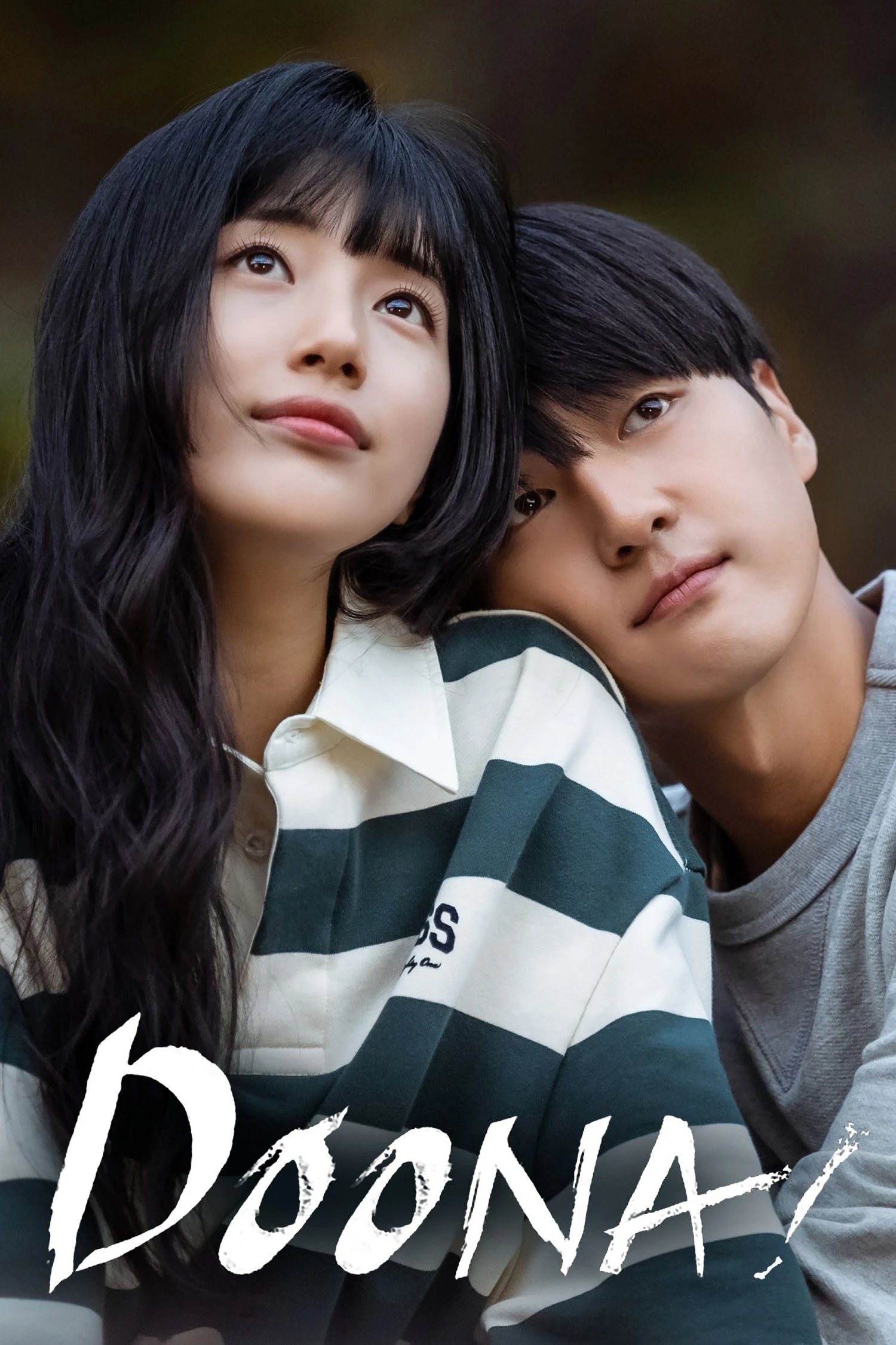
Doona!
🎬 Netflix
⭐ 7.7 / 10 MDL
🔞 TV-MA
📋 Drama Overview
Lee Won-jun is an ordinary college student who moves into a sharehouse near his new university — the kind of unremarkable fresh start that most people quietly hope for. What he finds instead is Lee Doona, his new housemate: a woman whose face fills the posters still plastered on half the walls in Korea. She was the lead vocalist of Dream Sweet, one of the country’s biggest girl groups. Now she’s retired, officially — though no one quite understands why — and living in a quiet room down the hall, barefoot and unbothered and completely unlike anything Won-jun has ever encountered.
What begins as an awkward coexistence slowly becomes something neither of them can name. Doona carries the weight of a career that consumed her entire adolescence, and Won-jun is the first person in years who looks at her without the fame calculation running in the background. The drama traces the space between them with real patience — the hesitant gestures, the late-night conversations, the slow erosion of the distance Doona has spent years carefully maintaining. It is a romance that understands the difference between wanting a person and being ready for one.
9 / 9 ✅ Completed
⚡ Quick Verdict
Everything you need to decide, in one place.
· MDL Score · 20,000+ ratings
▶ Official Trailer
🎭 Cast & Characters
Full cast breakdown — leads, supporting players, and everyone worth knowing.

Lead

Lead

Supporting

Supporting

Supporting

Supporting

Supporting

Supporting

Supporting
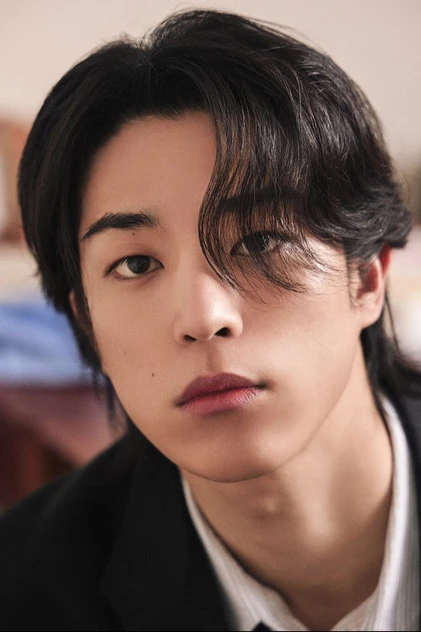
Supporting

Supporting

Supporting
📺 Episode Guide
All 9 episodes — spoiler-light recaps with context, not just plot summaries.
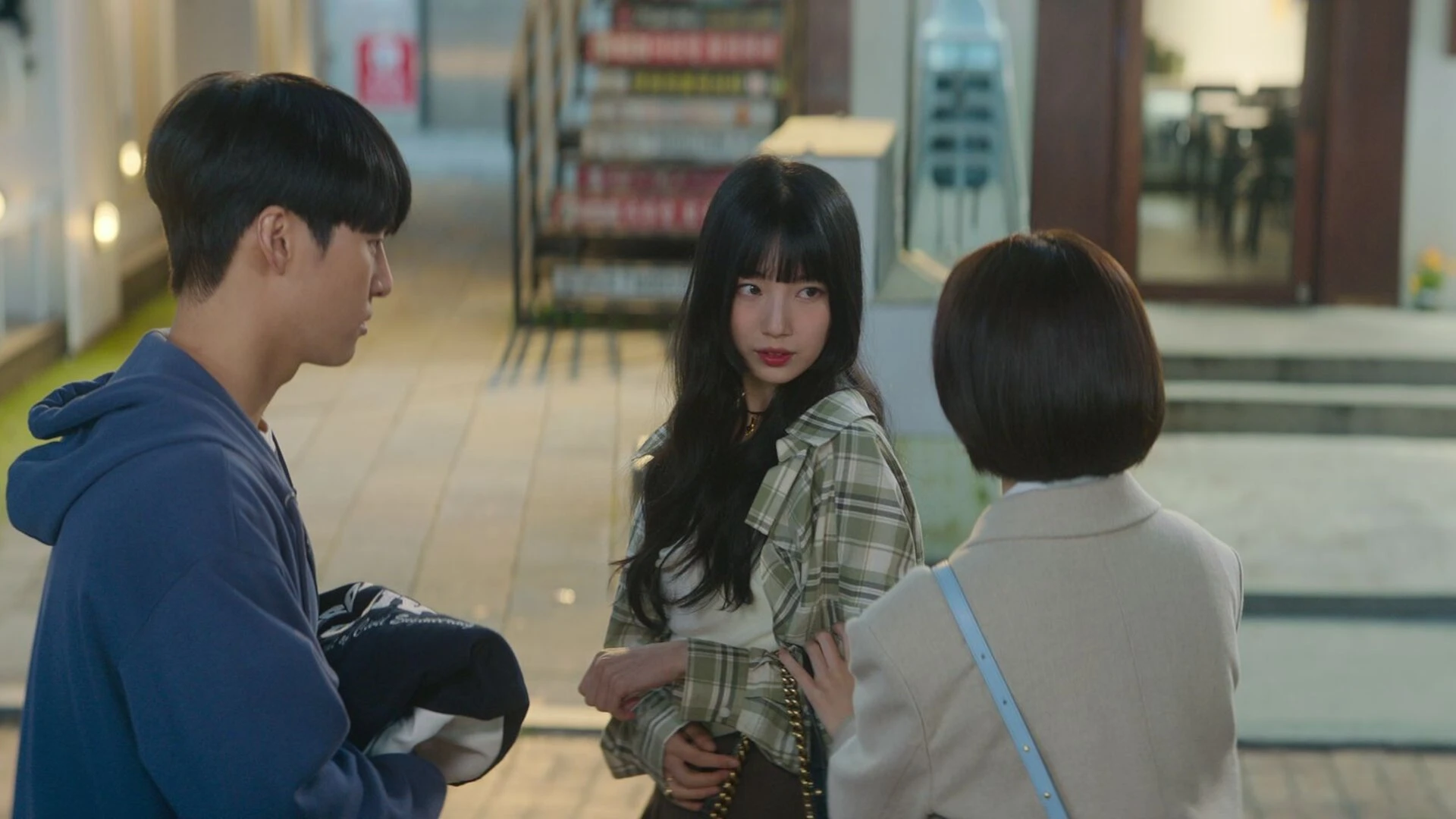

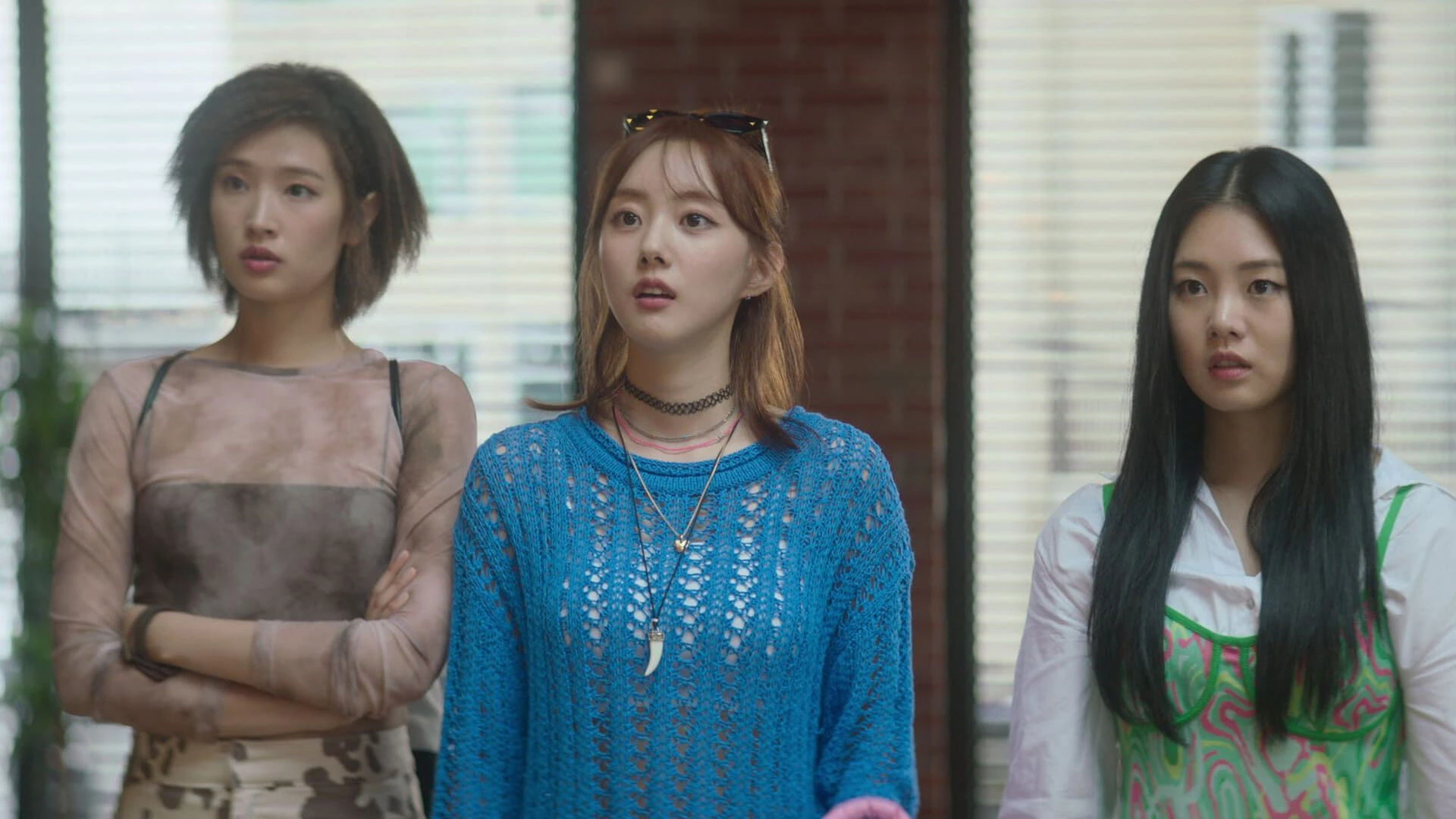

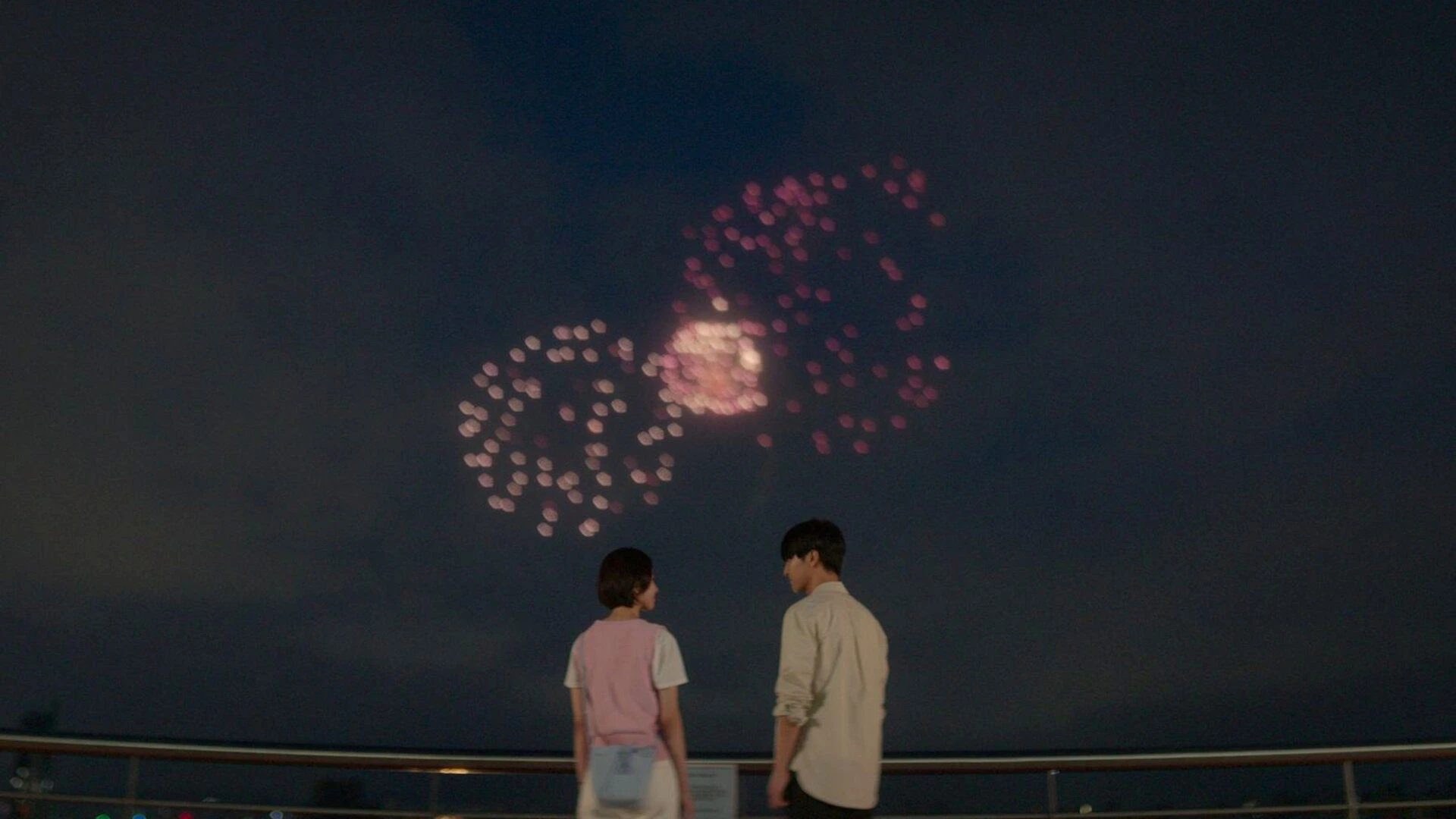
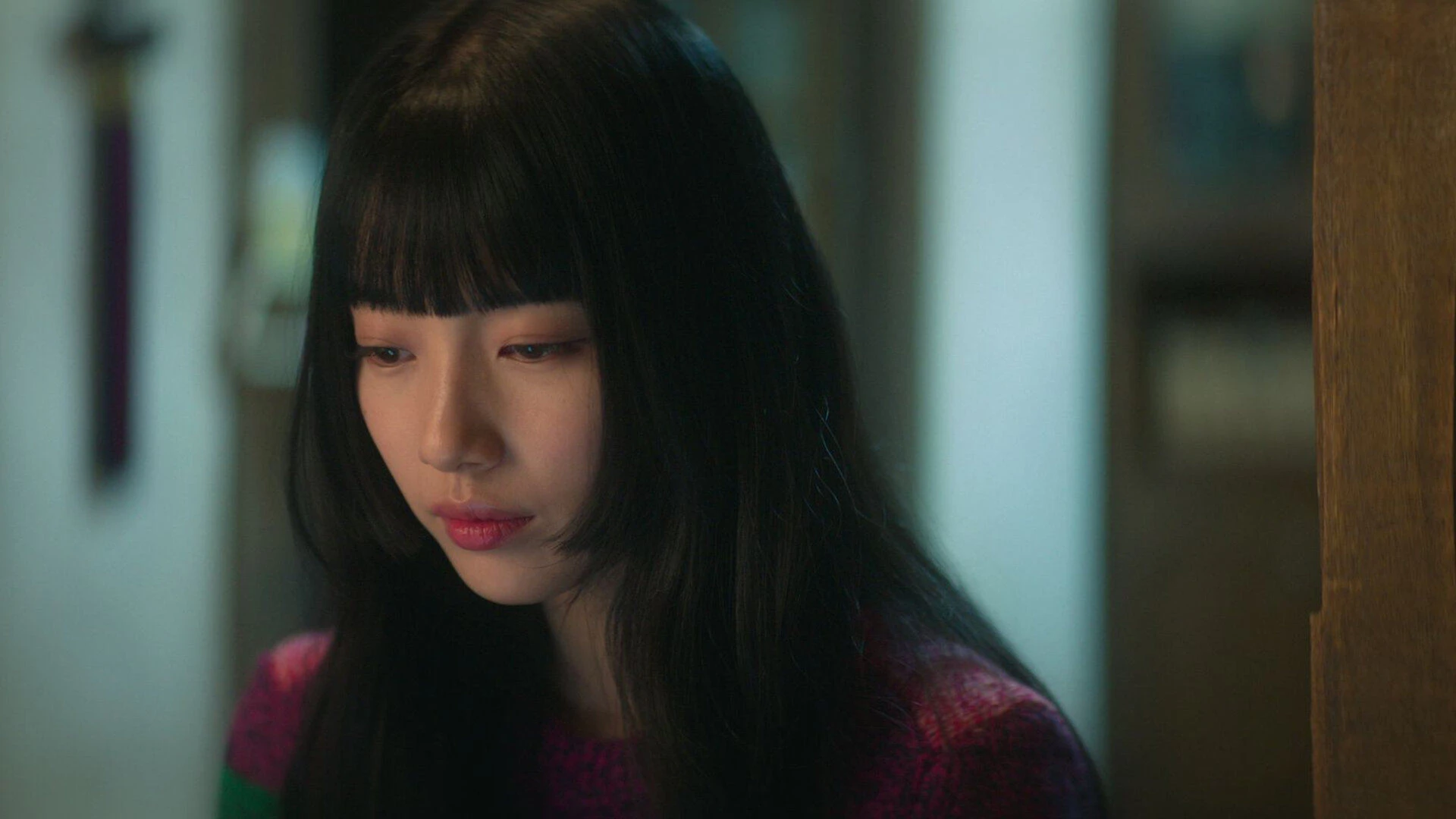

🏁 Ending Explained
Everything that happens in the finale, explained in full — spoilers ahead.
Spoiler Warning — This section covers the full finale of Doona!. Stop here if you haven’t finished the series.
The Comeback Offer Changes Everything. Doona’s former agency approaches her with a serious proposition: Dream Sweet will continue with her as the lead. The offer isn’t framed as a trap or a villain’s scheme — it’s a genuinely legitimate opportunity, which makes it much harder for her to dismiss. Won-jun learns about it not through a confrontation but through the gradual shift in Doona’s behaviour: she becomes cagey, distracted, increasingly difficult to read. The thing she left behind has come back with credentials.
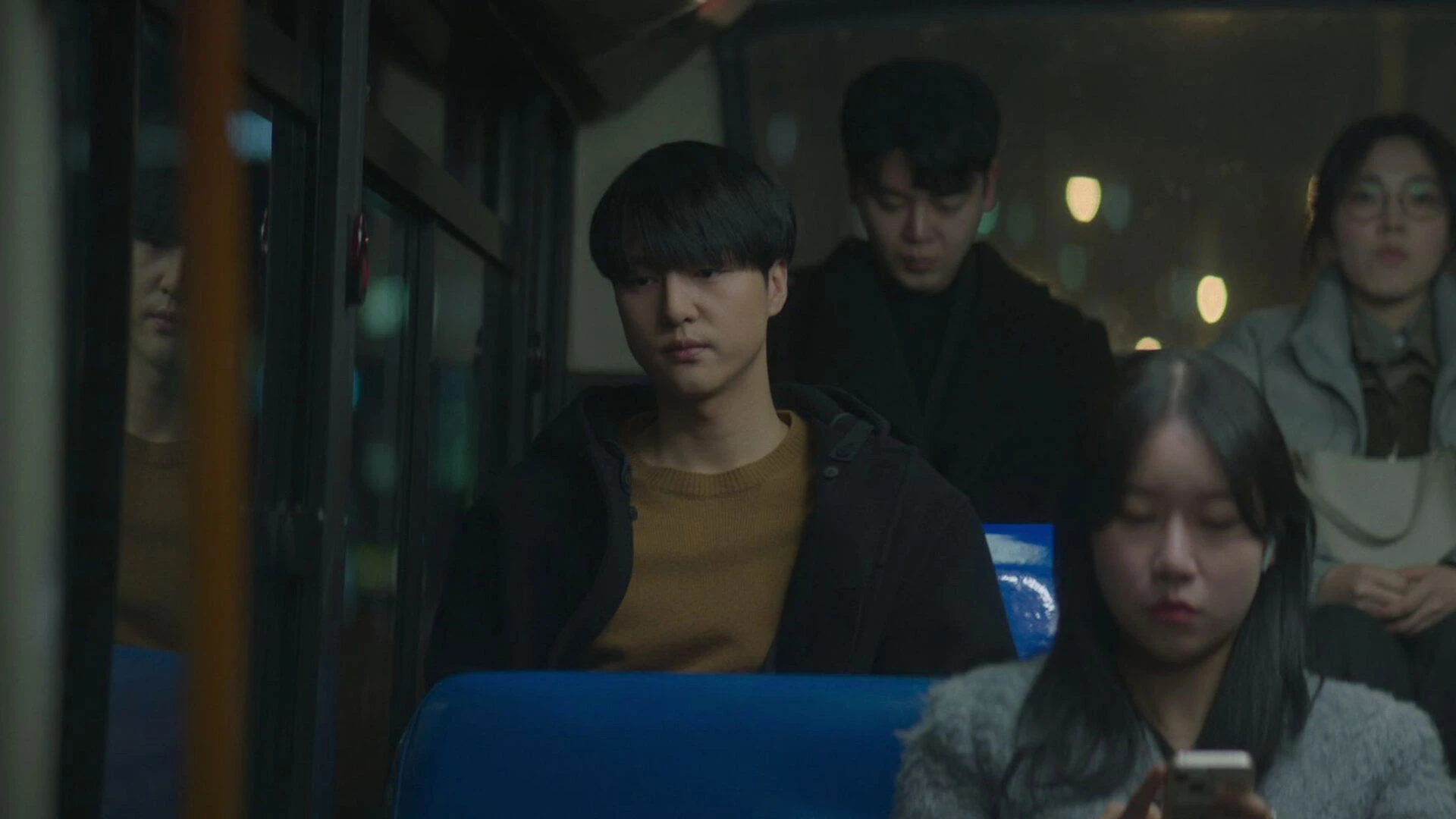
Won-jun Lets Her Go. The finale’s most significant scene is not a tearful airport confession or a last-minute chase — it’s Won-jun choosing not to fight for Doona in the way K-dramas usually demand. He tells her directly: go. Not because he doesn’t care, but because he understands that what she needs to resolve cannot be resolved by staying with him in a sharehouse while her career question hangs open. It is one of the more mature decisions a K-drama lead has made in this genre, and Yang Se-jong plays the quiet devastation of it without any of the performance markers the scene could easily have leaned on.
Doona’s Choice — and Its Real Meaning. Doona does not simply return to Dream Sweet as if nothing changed. She re-enters the industry on her own terms — not as the version of herself the company wanted to preserve, but as a person who now knows the difference between performing happiness and experiencing it. The drama makes the point carefully: the idol career isn’t the villain of the story. The problem was always the identity that got buried underneath it. Won-jun helped her locate that person again. He doesn’t get to keep her — but she carries what he gave her, which is the capacity to choose consciously rather than by default.
The Final Scene and What It Means. Won-jun is back on campus, moving forward with the ordinary trajectory he’d planned before the sharehouse. He sees Doona’s face on a screen — she’s back, performing, looking like herself in a way she never quite did in those early sharehouse weeks. The show ends before any reunion. The implication is not that they end up together later; it’s that both of them are now living the life they actually chose rather than the life they fell into. The drama’s argument, finally, is that love doesn’t have to last to have been real.

✍️ KDramaWorlds Editor’s Take
Worth watching or not — our honest read, and who it’s for.
Suzy has never quite looked like this on screen before. Not the warmth she brings to rom-coms, not the intensity of her earlier dramatic work — Doona! finds a third register, something quieter and more interior, and she holds it for nine episodes without breaking. Lee Doona is a character who has spent years performing for other people and has largely forgotten what she actually feels. Watching Suzy locate that person in small increments — through gestures, hesitations, moments of unexpected vulnerability — is the reason to watch this drama, full stop. There are scenes between her and Yang Se-jong that land more precisely than most K-drama romances manage across sixteen episodes.

The drama’s treatment of idol industry burnout is more considered than the genre usually attempts. It doesn’t frame Doona’s exit from Dream Sweet as heroic self-liberation — the picture is more complicated than that. She left because she was overwhelmed, not because she had a plan. The comeback offer in the final stretch works dramatically precisely because it isn’t villainous: it’s an opportunity, genuinely offered, that forces her to make a real decision rather than simply refusing the thing she ran away from. For viewers used to K-dramas where the entertainment industry functions as either dream factory or predatory machine, the nuance here is refreshing. It also helps that Daily Dose of Sunshine came out the same year with a similarly careful treatment of a female lead’s identity crisis — both dramas are interested in what people are like when the performance stops.
The ending divides audiences, and it’s worth being direct about why: this is not a drama that delivers the conventional romantic resolution it appears to be building toward. Won-jun and Doona do not end up together. Their story is real, and it matters, and then it ends — because the drama is ultimately more interested in what the relationship did for each of them individually than in the relationship itself as a destination. For viewers who came for the romance and find that frustrating, that’s a legitimate reaction. For everyone else, it’s one of the more honest finales the coming-of-age K-drama genre has produced in recent years. Watch it for Suzy. Stay for the ending, even if it stings.
Anyone curious about the cost of K-pop fame told from the inside
Viewers who can sit with a bittersweet ending and still call it beautiful
🎬 You Might Also Like
If you liked Doona!, these are your next three watches.
 See You at Work Tomorrow!
boss-employee relationship
Read Full Review →
|
 My Lovely Journey
Entertainment Industry
Read Full Review →
|
 Between Him and Her
Breakup DramaDonghae
Read Full Review →
|













Keep it kind, skip the harsh language, and please — no spoilers. Everyone's taste is different, and that's perfectly fine.
This space is for real reactions and discussion from other viewers. Help keep it comfortable for everyone by not giving away major plot details.
What do you think of this drama?
Login to share your review or leave a comment.
No email needed — just pick a username & password.