📺 K-Drama Guide · Romance · Comedy
Reply 1994
응답하라 1994 · 2013
✅ Completed · 21 eps
🎬 Disney+ · Netflix · Tubi
⭐ 8.1 MDL
📺 TV-14
⚡ Updated · Jun 25, 2026
📋 Drama Overview
The short briefing before you dive in.
Completed
💛 Nostalgia Romance Pick
Reply 1994
응답하라 1994 (Eungdabhara 1994) · 2013 · South Korea
Disney+
Netflix
Tubi
Found Family
Love Triangle
90s Nostalgia
Husband Mystery
Boarding House
The boarding house in Sincheon is never quiet. Six university students from different provinces end up under one roof in Seoul, learning each other’s worst habits and best impulses through the noise of shared meals, shared resentments, and a television permanently tuned to the wrong thing. Na Jeong has lived here her whole life — her parents run the house — which gives her a strange authority over everyone except the one person she can’t quite figure out what to do with: the man everyone calls Trash.
He’s older, careless, and perpetually exasperating, which is exactly the wrong profile for the kind of feeling that arrives without asking permission. And then Chil Bong shows up — careful, sincere, the kind of person who would actually be good for her — and the show turns a coming-of-age story into a genuine question: does Na Jeong choose the love that makes sense, or the one she doesn’t know how to stop feeling? The drama’s structural gambit keeps the answer hidden behind a blurred face in 2013 flash-forwards, turning the entire 21-episode run into an ongoing mystery about which of these men she actually married.
Episode Progress
21 / 21 ✅ Completed
⚡ Quick Verdict
The short version — everything that matters, boxed up.
⭐ Worth it?If you’ve wondered why Reply 1994 is still referenced a decade later — yes, this is why.
⏱️ CommitmentHigh — ~30 hours total
💛 VibeNostalgic · Warm · Bittersweet
📺 Skip if…You need plot momentum to stay invested — this one runs on atmosphere and feeling.
8.1 / 10
MDL Score · Check MyDramaList for updated community rating
🎭 Cast & Characters
Twelve confirmed cast members from TMDB Season 1 credits — the ensemble that made boarding-house drama a genre of its own.
Yoo Yeon-seok
Chil Bong-yi
Supporting
Kim Sung-kyun
Sam Chun-po
Supporting
Son Ho-jun
Haitai
Supporting
Cha Sun-woo
Bing Geu-re
Supporting
Min Do-hee
Jo Yoon-jin
Supporting
Sung Dong-il
Sung Dong-il
Supporting
Lee Il-hwa
Lee Il-hwa
Supporting
Yook Sung-jae
Sung-joon
Supporting
Yeon Jun-seok
Kim Dong-woo
Supporting
Yoon Jong-hoon
Kim Ki-tae
Supporting
🍿 Where to Watch
Stream Reply 1994 on these platforms.
📺 Episode Guide
Quick recaps per episode — just enough to stay caught up.
 EP 01
EP 01
Reply 1994
October 18, 2013
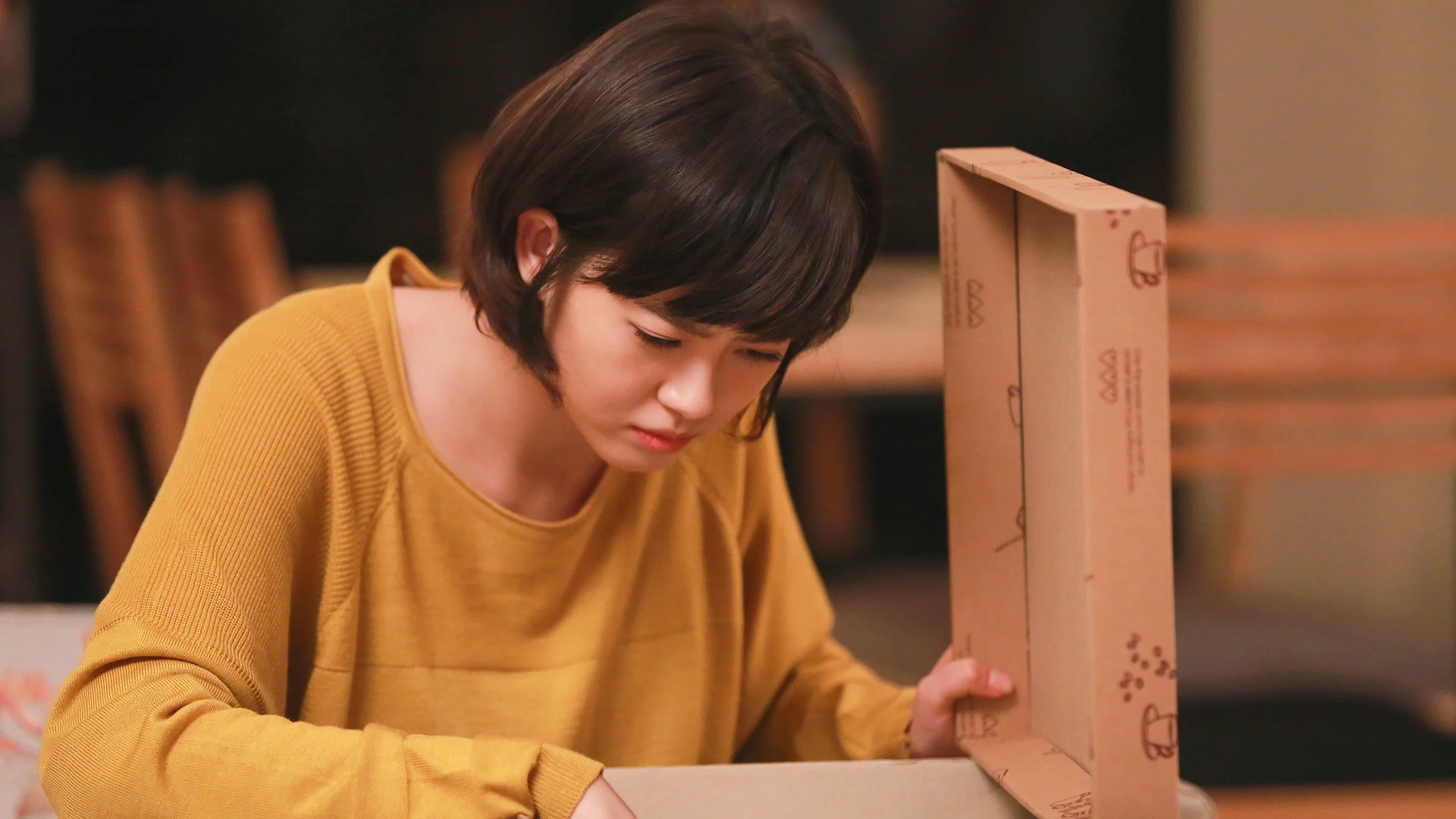
Na Jeong’s family home officially becomes a boarding house for the academic year, and the first five minutes make clear that six strangers from different provinces sharing one roof is not the same as choosing each other. The ensemble clicks immediately — Trash already treating the space like it belongs to him, Samcheonpo and Yoonjin circling each other with the particular irritation that looks like the kind that lasts — and the show establishes its ground rules quietly: this is less about what happens than about who these people become to each other while it’s happening. The present-day frame arrives early, a blurred face and an offhand reference to “husband,” and that single detail reframes everything that follows. The episode’s most important job is not plot — it’s making you care about the boarding house before anything dramatic has occurred. It succeeds.
 EP 02
EP 02
New Habits
October 19, 2013
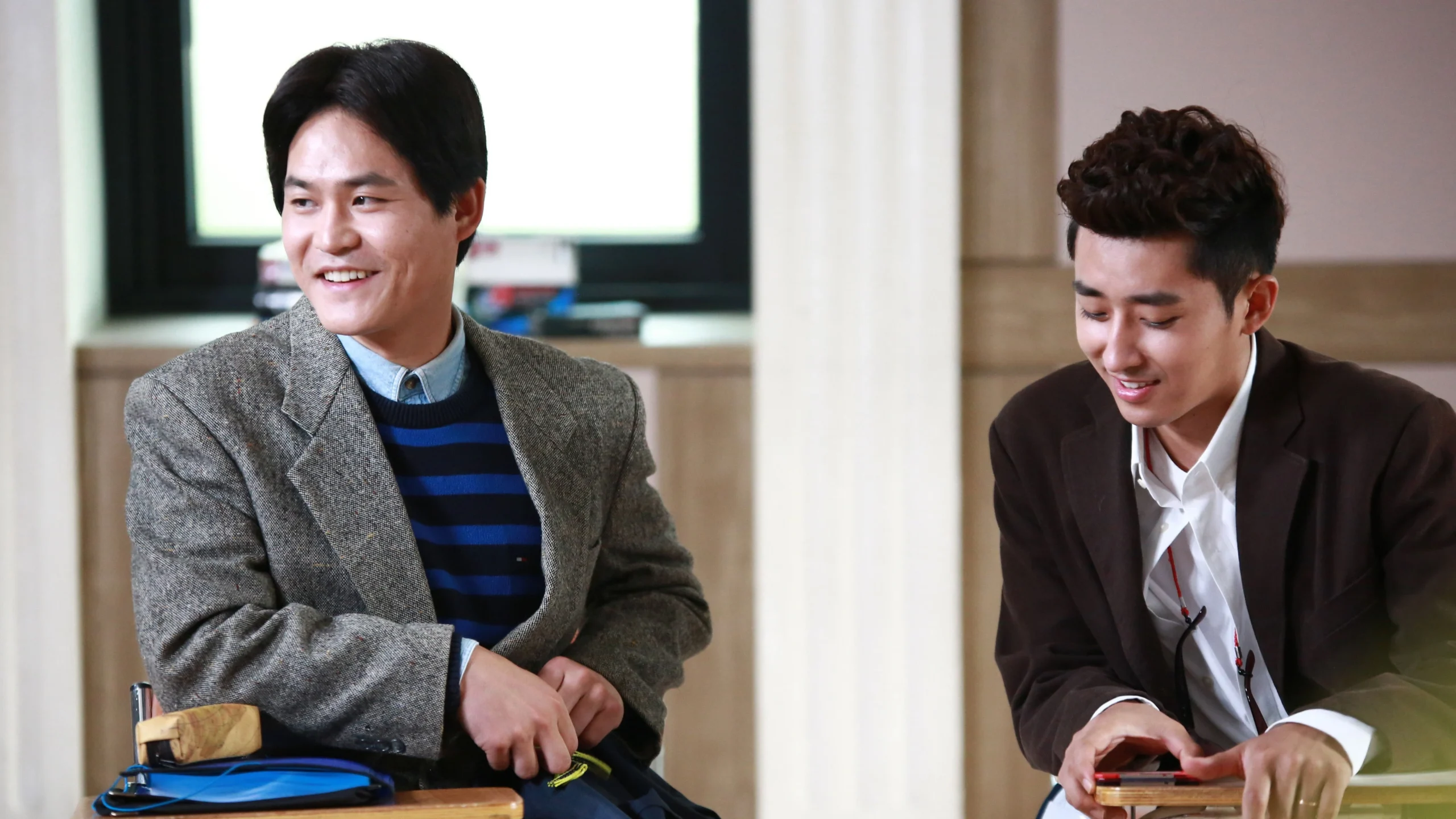
The boarding house starts running on its own logic — who eats last, who controls the remote, whose absence is felt before anyone names it. Na Jeong and Trash occupy the same domestic space with the easy friction of people who have known each other too long to be polite about it, which is precisely how the show plants its first ambiguity. Sung Dong-il and Lee Il-hwa are doing something interesting with the parental roles: less acting than inhabiting, which makes the warmth feel unperformable.
 EP 03
EP 03
The Triangle
October 25, 2013
Chil Bong’s baseball schedule starts shaping how the house moves around him — and Na Jeong notices. Trash doesn’t. That gap between being noticed and being oblivious is where the drama’s central tension will live for the next eighteen episodes, and the show earns it here by not announcing it. What makes the triangle work is that neither man is wrong for Na Jeong in obvious ways; the question is which kind of right she recognizes.
 EP 04
EP 04
The Family Table
October 26, 2013
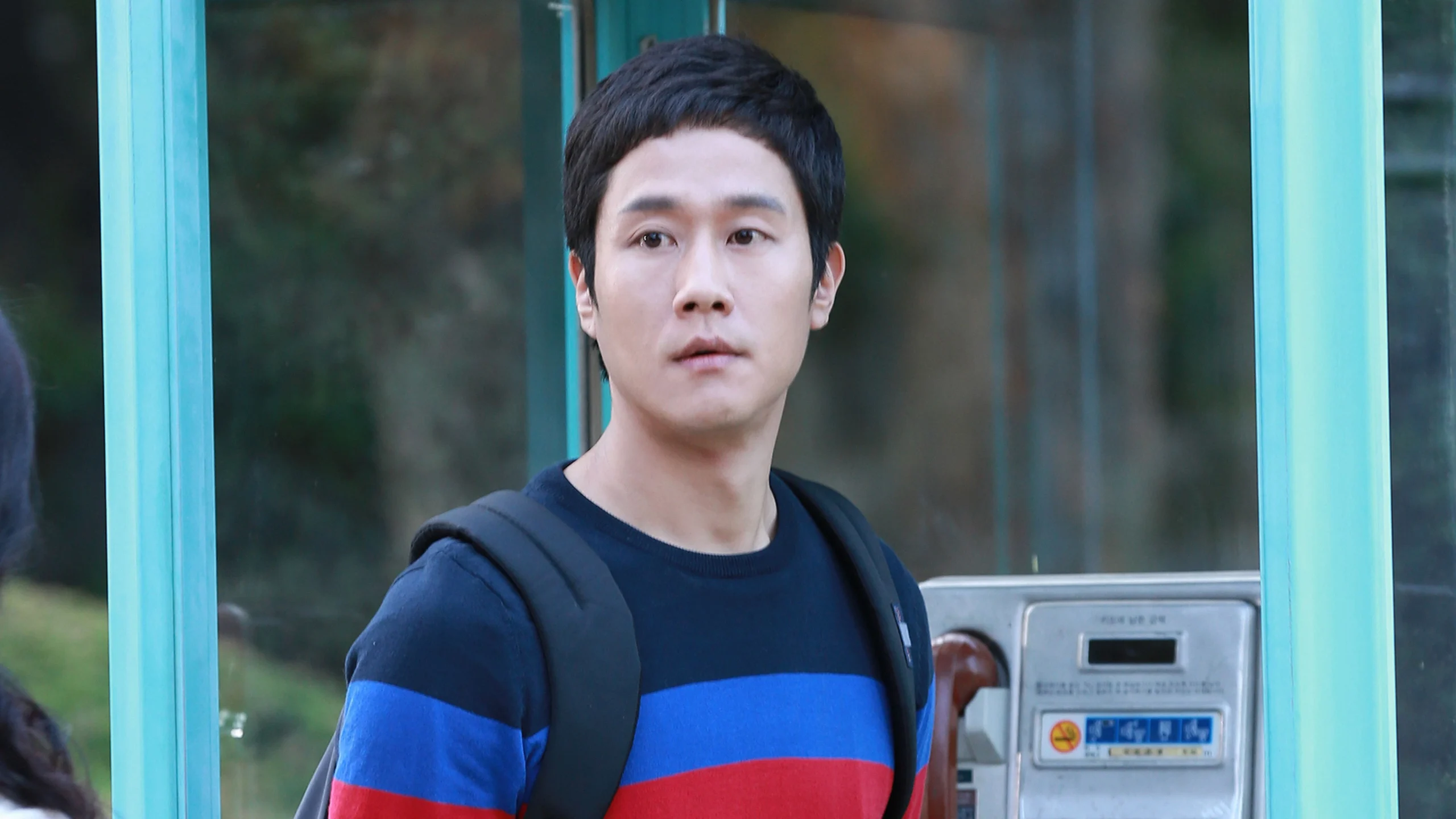
Food does more narrative work in this episode than dialogue does. Na Jeong’s mother keeps cooking for people who didn’t ask to be fed, which is the show’s thesis statement delivered through banchan: care as something ordinary and stubborn, not dramatic. The father’s warmth is real enough to make every borrowed intimacy in the house feel slightly temporary by comparison — and the episode knows this, using family meals to establish what the boarders are reaching toward without being able to name it.
 EP 05
EP 05
The Hardest Things to Say
November 1, 2013
Na Jeong tries to say something she’s been carrying, and the show lets the failure of that attempt breathe without rushing to fix it. Confession scenes in K-drama are usually about what is said. This episode is about what stays unsaid and what that costs over the following twenty minutes. Go Ara plays Na Jeong’s awareness-without-admission as something physical rather than verbal — the way attention moves toward a person in a room without the face committing to it. The title earns itself. The house feels lovable precisely because honesty is hard there, and silence carries its own weight.
 EP 06
EP 06
First Rejection
November 2, 2013
Samcheonpo confesses to Yoonjin and gets turned down, which the show treats less as a plot development than as a character revelation: the way someone handles rejection tells you everything about who they are. Kim Sung-kyun plays the scene without self-pity, which makes it funnier and more affecting than a dramatic version would allow. Adult life begins, the episode suggests, when affection must survive its own awkwardness — and Samcheonpo turns out to be more durable than he looks.
 EP 07
EP 07
Two Kinds of Watching
November 8, 2013
Na Jeong watches Chil Bong’s baseball game with the kind of attention you give someone you don’t want to want. Go Ara plays that particular quality — awareness-without-admission — without underlining it, which is the right call. Chil Bong watches Na Jeong in return, and the episode cuts between these two moments of watching in a way that tells you exactly where both characters are without any of them saying a word about it. The husband mystery uses this episode to become structurally interesting rather than just decorative.
 EP 08
EP 08
The Mystery Sharpens
November 9, 2013
The present-day frame stops being a joke and becomes a structural commitment. The blurred face, the offhand references to “husband” — the show starts using these not for comedy but for actual suspense, and episode 8 is the first point where the audience begins reading everyday scenes as evidence. Every glance now carries weight it didn’t have in episode 1. This is where the series’ formal gamble either wins you or loses you, and for most viewers it wins.
 EP 09
EP 09
Seo Taiji and Boys
November 15, 2013
The Seo Taiji tape arrives and the episode drops plot mechanics entirely in favor of recreating exactly what it felt like to hear that music for the first time when you were twenty. The nostalgia here is built through specific objects and specific embarrassments rather than a general golden haze — which is why it works when generic nostalgia dramas don’t. Memory itself is one of Reply 1994’s main characters, and this is the episode where the show makes that explicit.
 EP 10
EP 10
Flu Season
November 16, 2013
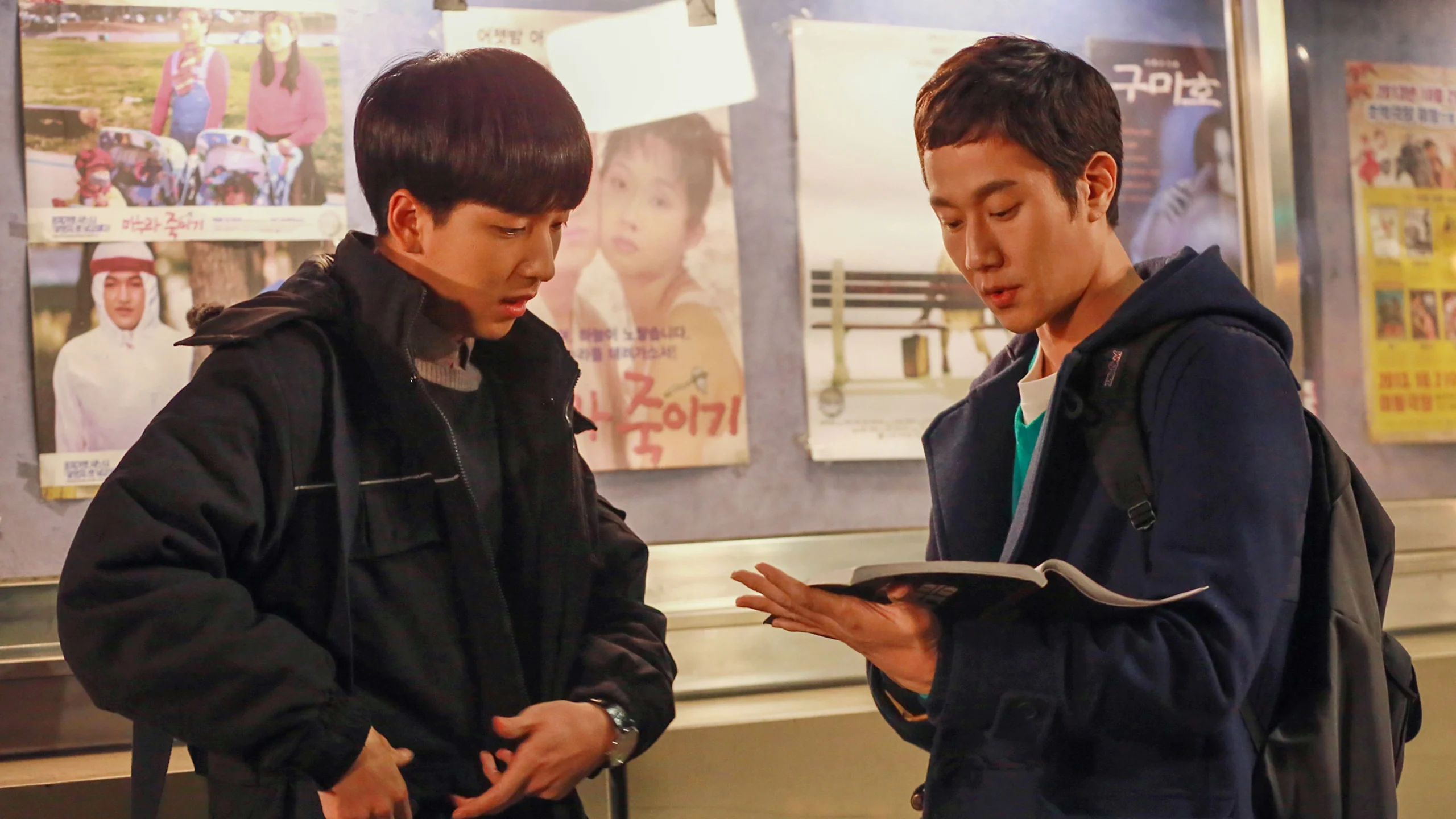
Trash handles Na Jeong’s illness badly. Chil Bong handles it well. The comparison is not accidental — the show keeps staging scenes where one man is thoughtful and the other is constitutionally oblivious, and trusting the audience to hold both possibilities simultaneously. What makes this work is that Trash’s obliviousness is not cruelty; Jung Woo plays someone who genuinely hasn’t yet recalibrated the terms of a relationship he’s taken for granted. The episode is smarter about familiarity than it first appears.
 EP 11
EP 11
What the Jokes Protect
November 22, 2013
Haitai hits a quiet emotional wall and the episode lets it surface without building a plot around it. Son Ho-jun plays the scene with the particular restraint of someone who doesn’t want to be seen struggling — which is exactly the restraint the character would choose. The show’s comedy works best when it protects vulnerability rather than replacing it, and this episode is where that mechanism becomes visible. The boarding house is funny because being young away from home is frightening, and humor is how you make it survivable.
 EP 12
EP 12
Reading the Room
November 23, 2013
The structure — 1994 present, 2013 flash-forward, back again — becomes self-aware enough to invite the audience into the detective work. Na Jeong’s body language in the present-day scenes is doing different work than in the 1994 scenes, and the show knows we’re watching for the difference. Samcheonpo and Yoonjin’s dynamic settles into something that looks like its permanent form: two people who are wrong for each other in obvious ways and absolutely unable to choose anyone else.
 EP 13
EP 13
Christmas Eve
November 29, 2013
Na Jeong and Chil Bong are alone in the house on Christmas Eve, and the show refuses to play the scene obviously. What happens is quiet and real. Yoo Yeon-seok makes Chil Bong’s restraint — his choice not to push when the moment technically allows — the most precise performance in the episode: a man who knows exactly what he wants and decides that wanting it the right way matters more than getting it. The episode matters because it’s the first time the triangle stops feeling like a narrative device and starts feeling like something someone will genuinely regret.
 EP 14
EP 14
Stubbornness as Language
November 30, 2013
Samcheonpo and Yoonjin fight again, and the fight is starting to sound like attachment. Kim Sung-kyun and Min Do-hee play characters whose mutual stubbornness functions as a dialect — a way of saying things they can’t say directly, which the other one somehow keeps understanding anyway. The secondary romance stops servicing the main plot and becomes its own argument: that love between people who are wrong for each other in surface ways is not a bug but the feature. Intimacy is built through repetition, not declaration.
 EP 15
EP 15
The Shelf Life of Youth
December 6, 2013
The show starts accelerating — 1994 is beginning to feel less vivid than the 2013 we keep glimpsing — and that acceleration is doing emotional work the plot hasn’t earned on its own. Youth has a shelf life. The boarding house always knew this. Now the audience starts knowing it too, and the knowledge makes scenes that would otherwise feel routine carry a weight they didn’t before. Na Jeong’s attachments become harder to read precisely because the window for reading them is visibly narrowing.
 EP 16
EP 16
Bing Geu-re’s Episode
December 7, 2013
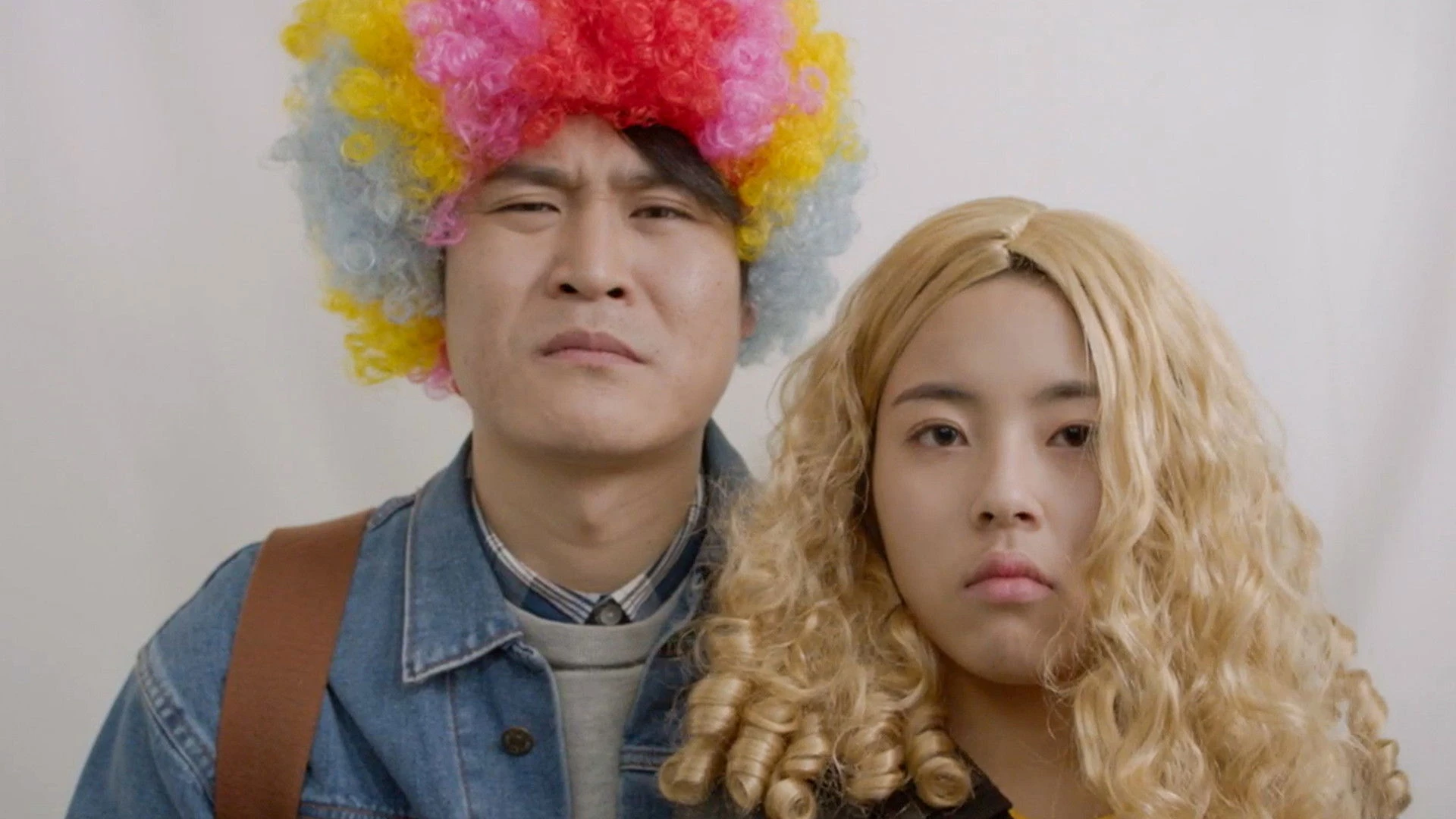
Bing Geu-re has been the quietest member of the house, which is precisely why his episode lands when it arrives. Cha Sun-woo plays someone who survives by making himself small, and the show finally asks what happens to people who make themselves small for too long — the answer is harder than the comedy around him suggested. The boarding house is full of people performing okayness, and Bing Geu-re is the episode that drops the performance long enough to show what’s underneath. The ensemble looks different after this one.
 EP 17
EP 17
Late Notice
December 13, 2013
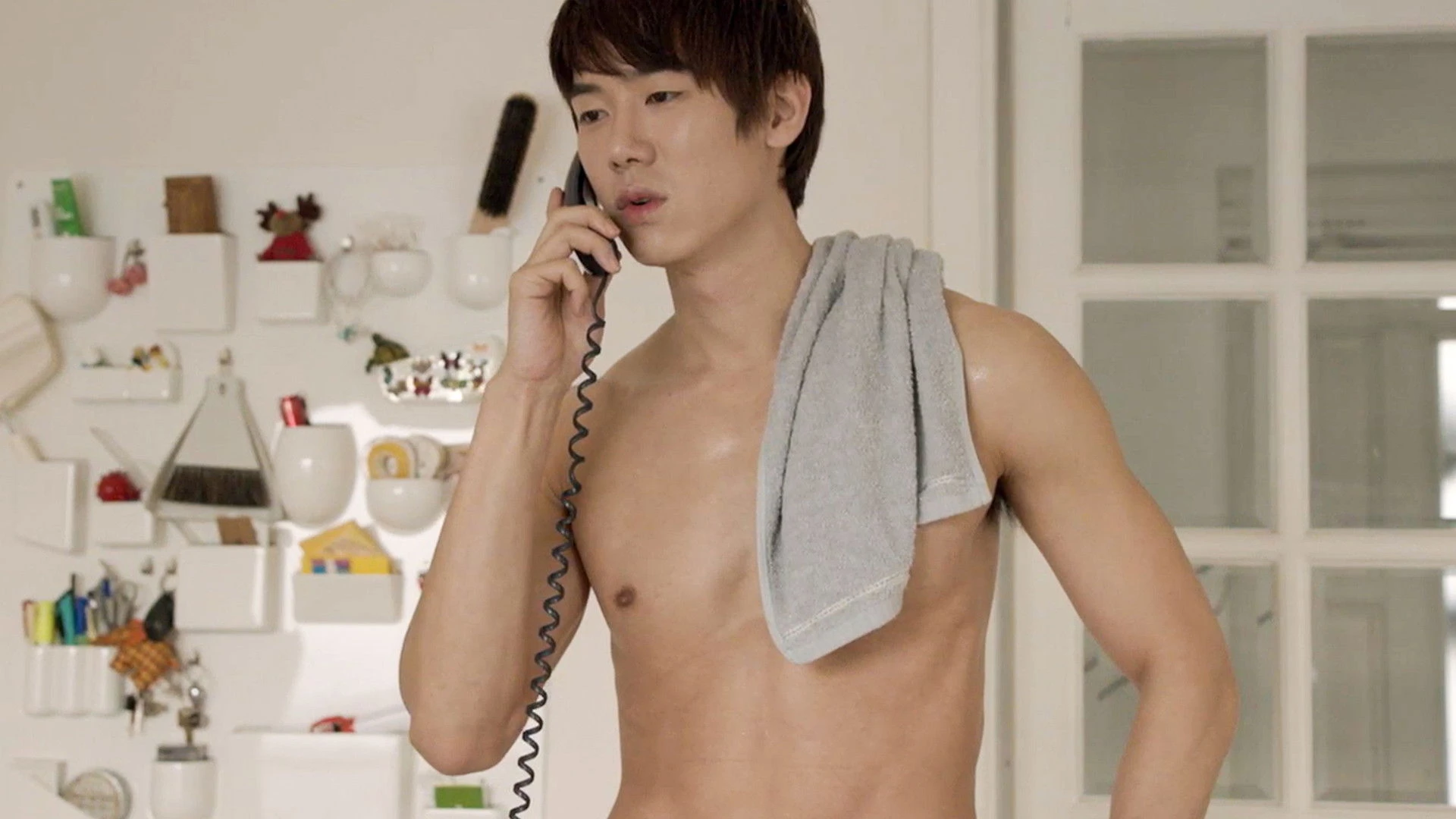
Trash notices something he should have noticed earlier. Jung Woo plays the shift as something barely visible — a man recalibrating without admitting he was ever off — and the restraint is what makes it credible. If the show had announced this moment with music or close-ups it would have felt like a plot beat. Instead it arrives as something quiet and private, the way actual realizations arrive, and the scene earns more than a conventional confession would. What Trash sees when he finally sees Na Jeong is not new. It’s just no longer avoidable.
 EP 18
EP 18
Actual Costs
December 14, 2013
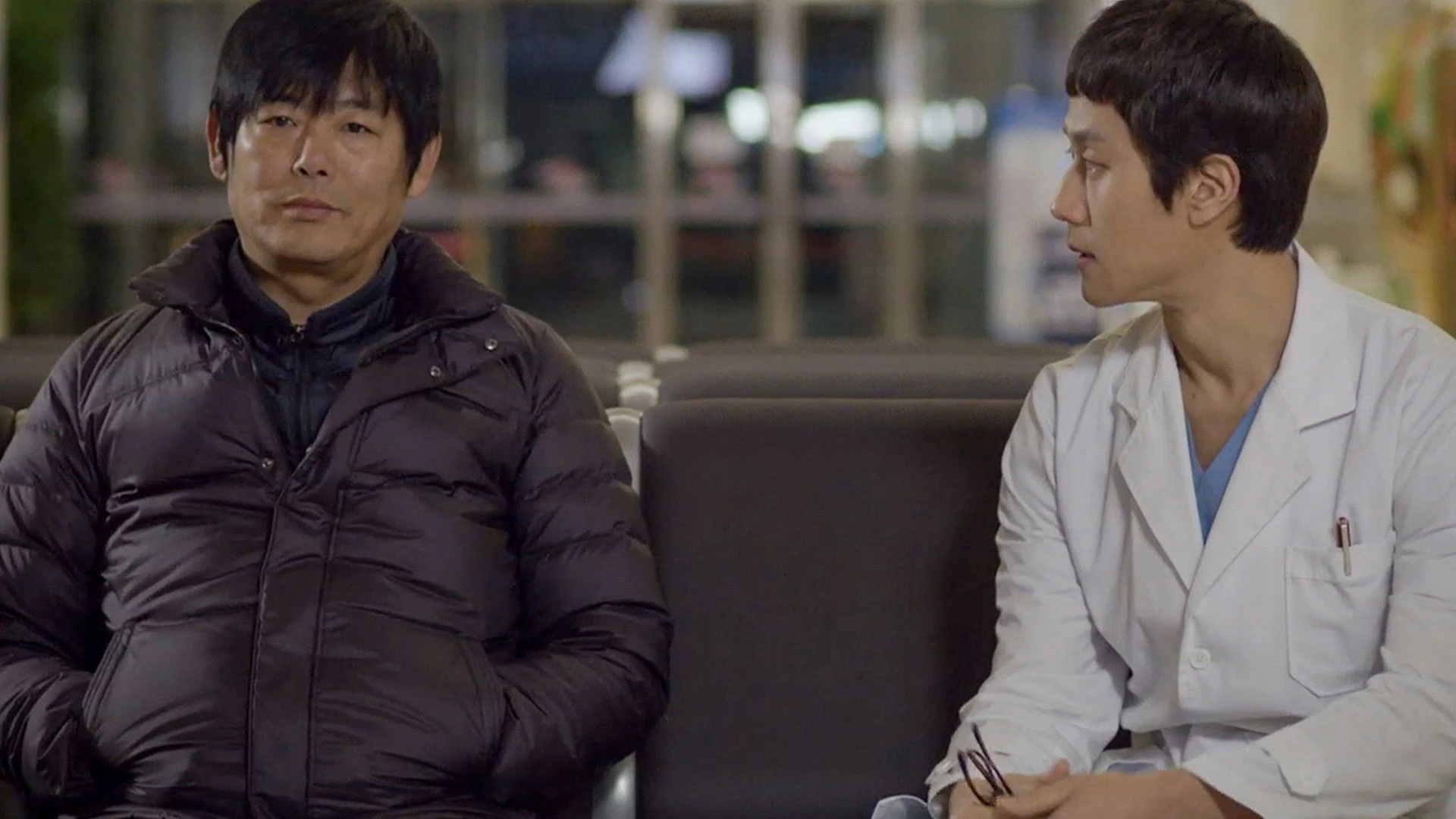
The triangle stops feeling abstract and starts producing actual costs. Chil Bong makes a decision. Trash makes a decision. The gap between what those decisions look like from the outside and what they feel like to the person making them is the episode’s real subject — and both performances are precise enough to make both men sympathetic at the same moment, which is harder than it sounds. The show is honest about what the wrong timing does to people who deserve better timing.
 EP 19
EP 19
No More Ambiguity
December 20, 2013
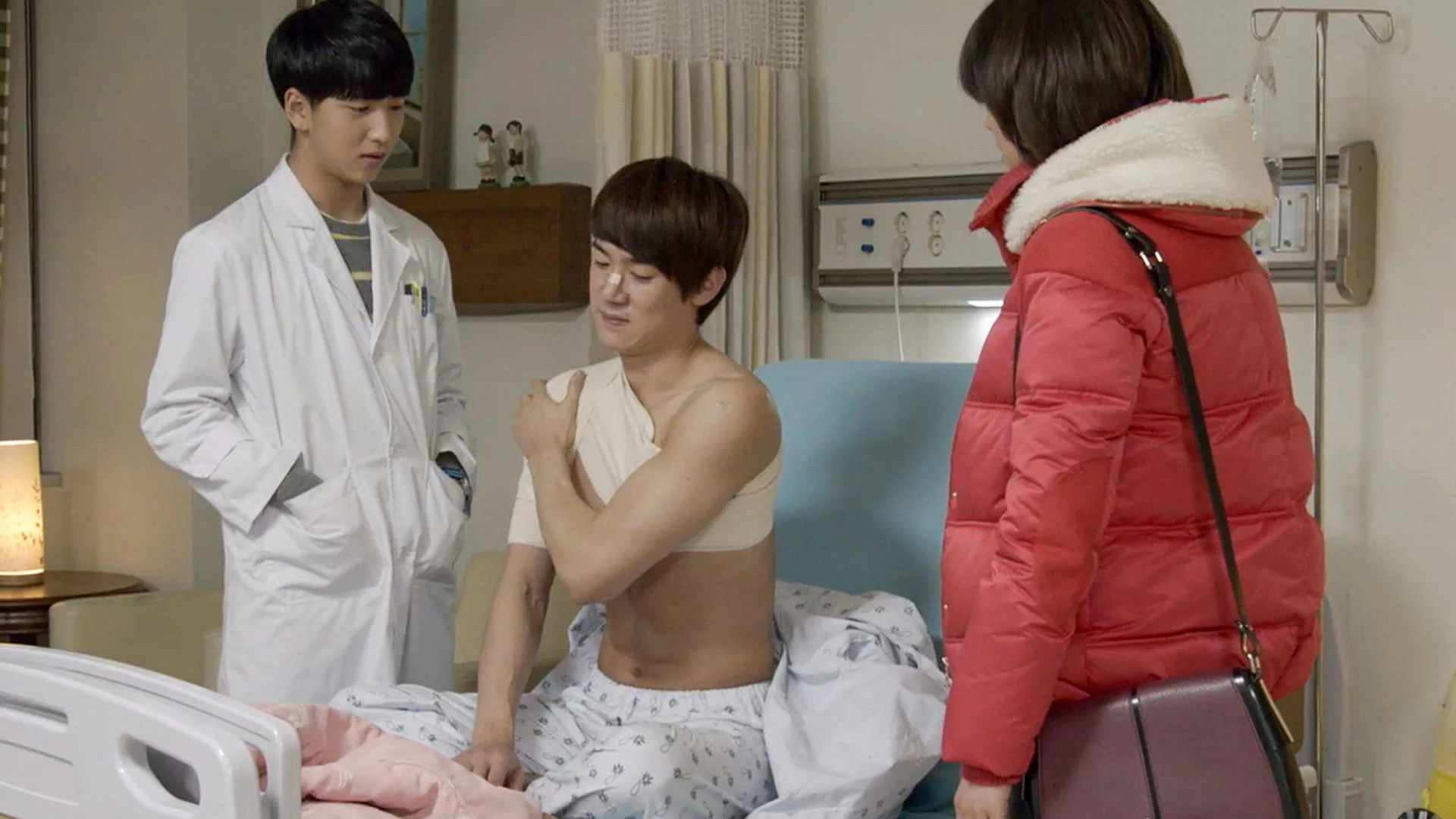
Na Jeong’s feelings are no longer ambiguous to anyone, including Na Jeong. What remains unresolved is whether the show will honor her clarity or complicate it one last time. The episode ends without fully answering that question, which is the correct choice — partly because ambiguity has been the drama’s central material, and partly because the answer would diminish the asking. The distance between who the characters were in episode 1 and who they are now has narrowed the gap between nostalgia and decision to almost nothing.
 EP 20
EP 20
Last Days in the House
December 21, 2013
The boarding house feels different this episode because everyone knows it won’t stay this way. The group dynamics that once felt permanent — who sits where, who teases whom, whose absence is felt before anyone names it — are now visibly temporary. The show lets that weight land without being sentimental about it, which is its most difficult trick: making you feel the passage of time without telling you to. Memory turns out to be the only thing that doesn’t have a shelf life.
 EP 21
EP 21
Final Answer · Finale
December 28, 2013
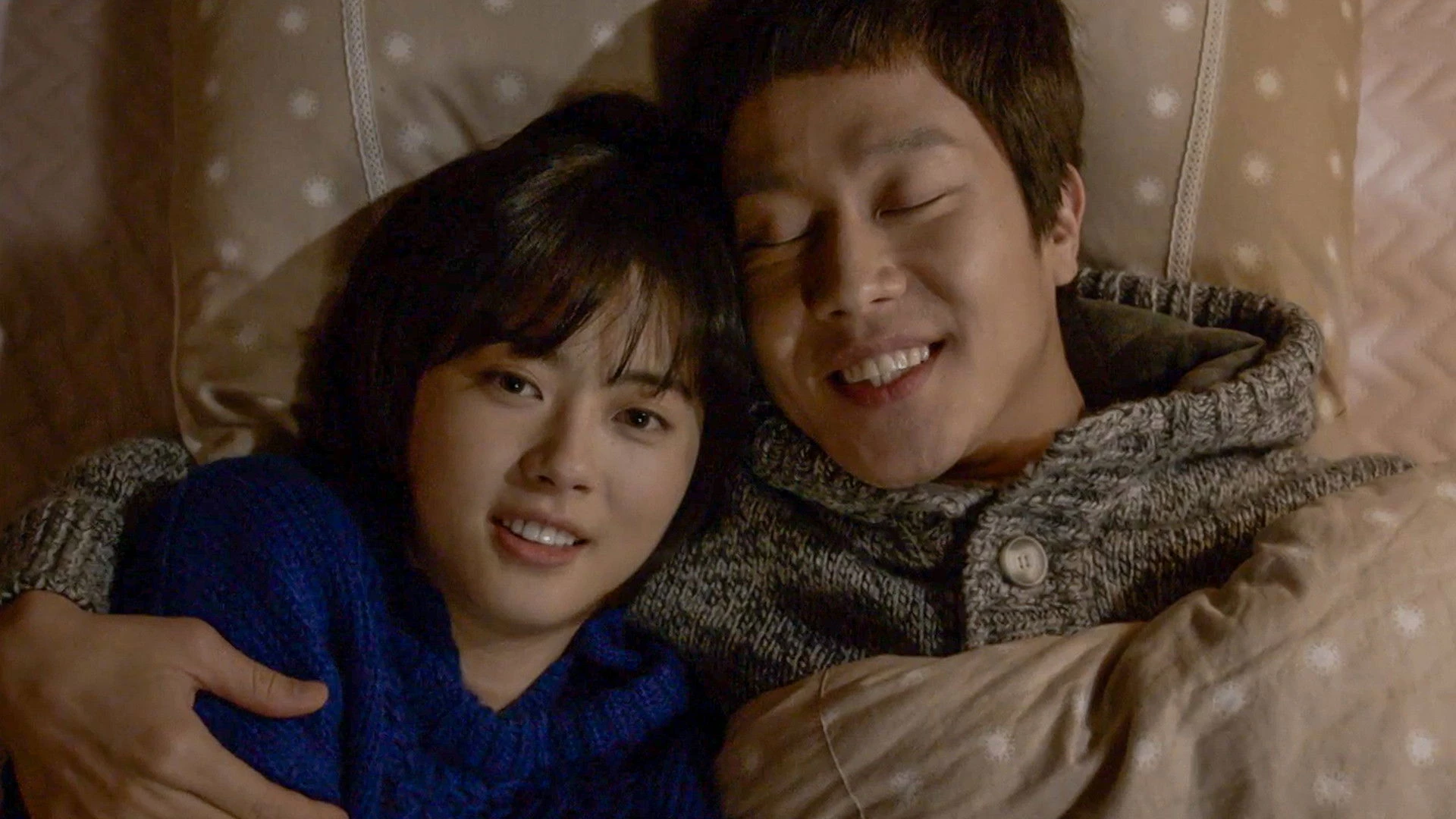
Trash’s face appears in the present-day frame, and the show’s two-year slow reveal collapses into a fact: he was always going to be Na Jeong’s answer, even when Chil Bong made the better argument. Yoo Yeon-seok delivers his final scene without a line of dialogue, and it says everything about who Chil Bong was and what Na Jeong will probably spend some part of her life not fully letting go of. Samcheonpo and Yoonjin get their moment. The boarding house gets its closing image. The show’s ending is not romance alone but the confirmation of something harder to name: that the people you chose when you were twenty, even badly, become the fixed point from which you measure everything else.
🏁 Ending Explained
Everything that happens in the finale, explained in full — spoilers ahead.
⚠️
Spoiler Warning — This section covers the full finale of Reply 1994. Stop here if you haven’t finished the series.
The Husband Is Revealed. Na Jeong marries Trash — Sseu Re-ki, the older boarder she spent the series calling her brother figure and resenting and orbiting without resolution. The 2013 framing device closes: his face appears in the frame, and the drama finally answers the question it built 21 episodes around. What the reveal confirms is not that Trash was the right choice on paper — he wasn’t — but that the show was always about emotional logic rather than merit. Na Jeong didn’t choose the better option. She confirmed the one she couldn’t stop returning to. Chil Bong is not in the wedding scene. His story ends without an explanation from Na Jeong and without asking for one, which tells you everything about who he is.

What Na Jeong Chose. The drama frames Na Jeong’s choice as emotional logic rather than merit. Trash was never the better option by the standard measures — he was careless with the people who cared most about him, constitutionally oblivious in ways that only stopped being oblivious very late, and Chil Bong was more consistently present, more deliberately kind, more obviously right for her. None of that mattered, because proximity and familiarity paired with genuine feeling can outlast sincerity and effort. Na Jeong chose the love that arrived without permission over the one that waited patiently for her to notice it.
Chil Bong’s Farewell. Chil Bong does not get the girl. His arc ends as the series’ most quietly devastating figure — a man who arrived at exactly the wrong time and spent three years being the right answer to the wrong question. He continues his baseball career. He moves forward. Yoo Yeon-seok plays the departure with a dignity that refuses to be read as defeat, which is the only honest way to end a character this precise. The show doesn’t give him a consolation romance or a grand closure scene. He just leaves, and the space he occupied in the boarding house stays empty in the way that only the best departures do.

The Secondary Couples Close. Samcheonpo and Yoonjin get married, their union finally making complete sense to both of them at the same time. Kim Sung-kyun and Min Do-hee play the wedding scene as the arrival of something that was always inevitable, not as the culmination of a romantic arc — which is more honest. Haitai, Bing Geu-re, and the rest of the boarding-house circle scatter into their adult lives but remain connected to the Sincheon house the way anyone remains connected to a place where they first learned how to be someone. The show’s true ending is not a wedding but the persistence of a chosen family that nobody planned.
What 1994 Was For. The dual timeline resolves into a single claim: the people you chose when you were twenty — even if you chose them badly, even if the choosing cost someone else something real — become the fixed point from which you measure everything that follows. Na Jeong’s life in 2013 is not better because Trash was the objectively right choice. It’s better because the boarding house taught her what love looks like when it isn’t performing itself. Reply 1994 ends not with certainty but with continuity: the same warmth, a different decade, and the quiet knowledge that the years spent there were not wasted. That’s enough.
✍️ KDramaWorlds Editor’s Take
Our honest opinion — and the kind of viewer who’ll love it most.
💛 Nostalgic
🏠 Found Family
💕 Love Triangle
🎵 Era Soundtrack
😂 Comedy with Weight
Go Ara had spent years in lead roles that asked her to be decorative rather than central — pretty, present, and largely subordinate to the drama’s mechanics. Reply 1994 is the performance that corrected the record. Na Jeong is perpetually caught between knowing what she feels and refusing to say it, and Go Ara plays that particular quality of self-aware restraint as something physical: the way Na Jeong’s attention moves toward Trash in a room without her face ever committing to it, the way she processes Chil Bong’s sincerity with the mild alarm of someone receiving a gift they can’t quite accept. For a performance largely built around not confessing, it confesses constantly. If you want to understand why this drama produced the reaction it did, start with what Go Ara does in episodes 5 through 13 — it’s quieter and more specific than most K-drama leads ever get to be. For a comparable performance in terms of emotional containment, the lead work in Reply 1997 (2012) is the immediate predecessor — same director, same writer, slightly rawer, slightly less architecturally ambitious.

Jung Woo’s Trash is not conventionally romantic, which is the point and the whole performance. He builds a man who is genuinely careless with the people who care most about him — not cruel, just constitutionally oblivious in a way that reads as comfortable rather than inconsiderate — and then asks the audience to believe that Na Jeong’s choice makes sense anyway. It does, because Jung Woo makes Trash’s eventual awareness feel like revelation rather than convenience. The scene where Trash finally sees Na Jeong as something other than family is played in one expression held for six seconds. No music cue is needed. That’s craft. Yoo Yeon-seok does the harder job: building a character so precisely drawn that you spend 21 episodes rooting for him while knowing, somewhere, that he’s going to lose. The Christmas Eve scene in episode 13 is Yoo Yeon-seok’s best work — restraint as active choice rather than passive waiting. The same quality of ensemble drama — adult friendships doing emotional work that romantic plotlines can’t — runs through Reply 1988 (2015), the series’ follow-up, which is longer, warmer, and harder to leave behind.
Twenty-one episodes at 84 minutes each is a commitment that will test everyone but the most devoted ensemble-drama viewers. The mid-section — roughly episodes 8 through 14 — moves at a pace designed for people who want to live inside the boarding house rather than watch events happen inside it. That’s a feature, not a flaw, but it’s worth knowing before you start. Reply 1994 is not a mystery to be solved or a romance to root for; it’s a place to return to. If that distinction appeals to you, this remains one of the best K-dramas ever made — not because of what happens, but because of who is inside when it does.
👍👍👍 BEST FOR 👍👍👍
🏠 Viewers who want to live inside a drama, not just watch it
💛 Anyone who grew up in the 90s — or wants to understand why it still matters
💕 People who can hold ambiguity — who root for both sides of a love triangle and mean it
⚖️ Final Verdict
What works
•Go Ara’s career-best lead performance — specific, controlled, and doing more than the dialogue requires
•An ensemble that feels like it has history before the cameras even roll
•A husband mystery that is structurally clever and earns its resolution honestly
What to know first
•21 episodes at ~84 minutes — this is a ~30-hour commitment, genuinely
•Pacing is slow and deliberate; the show runs on atmosphere rather than incident
•Chil Bong’s ending will make you grieve regardless of which side you were on
8.5 / 10
The boarding house that became the standard everything else in ensemble K-drama gets measured against.
💬 Helpful? Share this guide →
🎬 You Might Also Like
If you liked Reply 1994, these are your next three watches.
































Keep it kind, skip the harsh language, and please — no spoilers. Everyone's taste is different, and that's perfectly fine.
This space is for real reactions and discussion from other viewers. Help keep it comfortable for everyone by not giving away major plot details.
What do you think of this drama?
Login to share your review or leave a comment.
No email needed — just pick a username & password.