
Family Matters
🎬 Coupang Play · Viki · Amazon Video
⭐ 8.6 / 10 MDL
🔞 15+
📋 Drama Overview
A quick primer before the opening scene.
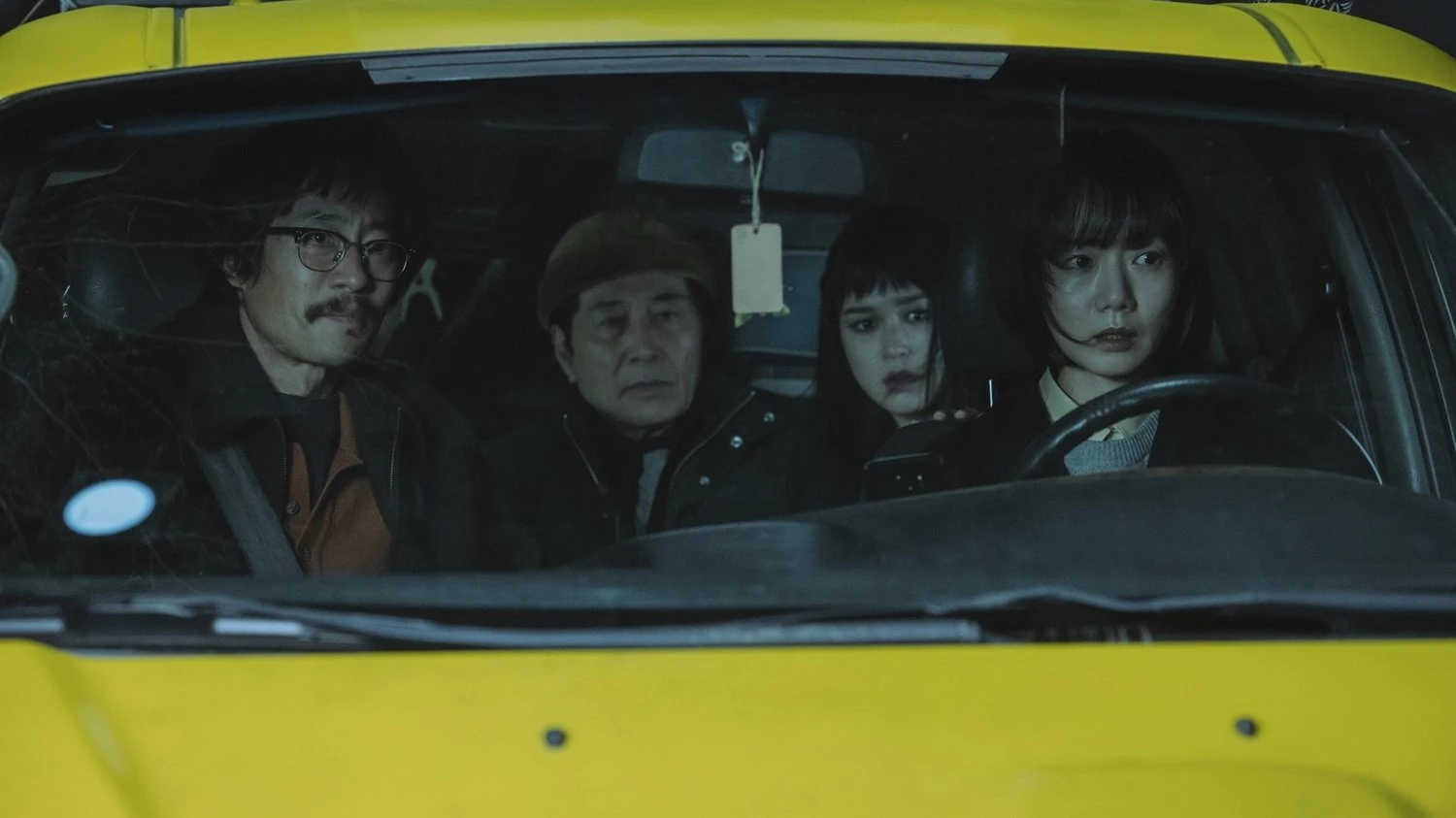
Han Young-soo has a gift for cooking, a memory for every student in her daughter’s class, and the ability to erase your mind if she decides you’re a threat. The Baek family has just moved to a new neighborhood — new school, new neighbors, new vet clinic — and they are trying very hard to look ordinary. They are not ordinary. Each member carries something extraordinary, something trained into them by an organization they escaped, and something they now use to deal with the specific category of person the police tend to overlook. Family Matters opens on this premise with the confidence of a show that knows exactly what it is and has no interest in explaining itself more than necessary.
What keeps the show from becoming a simple revenge procedural is the emotional engine underneath the violence. These people chose each other — not by blood but by need and survival — and the six episodes spend considerable time arguing that choice can create a family as real as any other. Bae Doona anchors this with a performance that moves between maternal warmth and cold-eyed lethality without blinking, which is exactly the tone the whole show needs. The dark comedy isn’t separate from the heart; it is the heart, deployed to process an impossible situation with the only tools the family has.
6 / 6 ✅ Completed
⚡ Quick Verdict
The whole picture, condensed into one box.
· MDL Score
▶ Official Trailer
🎭 Cast & Characters
Five extraordinary people pretending to be ordinary — and slowly forgetting to pretend.

Lead

Lead

Supporting

Supporting

Supporting

Supporting
📺 Episode Guide
Catch up fast — spoiler-light, episode by episode.



🏁 Ending Explained
Full spoilers from this point — what happened, and why.
Spoiler Warning — This section covers the full finale of Family Matters. Stop here if you haven’t finished the series.
What literally happens The final confrontation names the mastermind behind the ‘family planning’ project — the organization that created and trained the Baek family — and puts Han Young-soo in direct opposition to the person responsible for everything that was done to them. Her memory manipulation ability, deployed strategically rather than reactively, becomes the decisive factor: she can rewrite what someone knows, which against an intelligence-trained opponent is more effective than physical force. The villain is stopped, the immediate threat resolved, and the family survives — together and permanently changed.
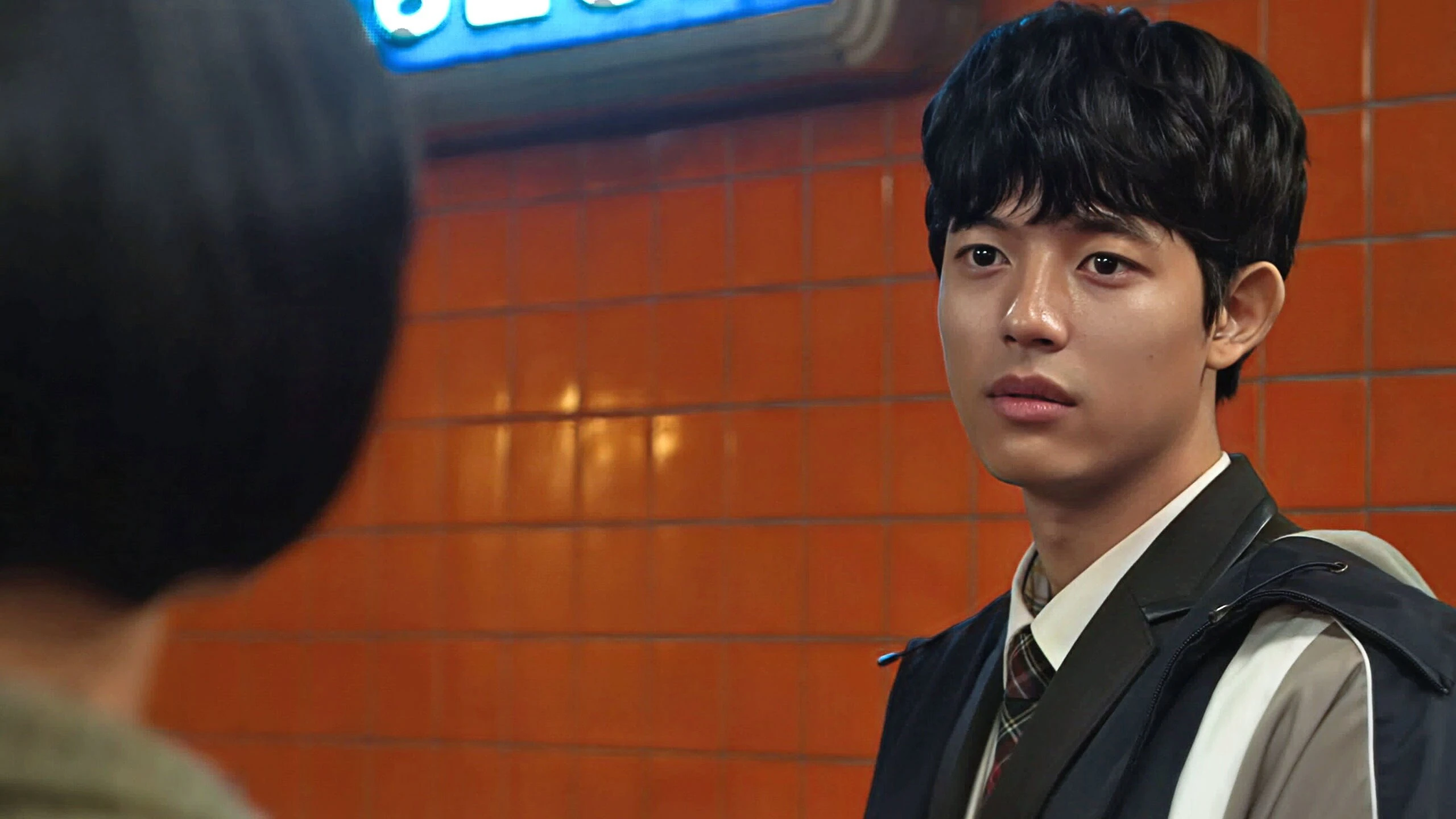
What the ending means The ending’s weight comes from what the show has been quietly arguing for six episodes: that this family wasn’t formed by the organization that designed it. It was formed by the decision to stay together afterward. Han Young-soo chose Cheol-hee, the grandfather, the twins — not because she was assigned to them but because the arrangement became real through shared danger and mutual choice. The ‘family planning’ of the title is ironic. The plan failed the moment they chose each other.
Three ways to read the finale Three readings compete. The first treats it as a genre piece doing its job: superpowered family defeats the organization that made them, delivers catharsis, earns the endpoint. The second reading is more specific — the show is arguing that damage done by systems that treat people as assets can be answered by the decision to become a person to someone else. The third, darker reading: the family’s methods in the final battle are not clearly distinguishable from what was done to them, which is a question the show raises and deliberately does not answer.

The thesis the show lands on The strongest reading is that Family Matters is a show about the difference between designed families and chosen ones — and what happens when people designed to be tools decide to protect each other instead. The organization called it planning. The Baek family called it something else entirely. The ending argues that the naming matters, and that what you choose to call something shapes what it becomes.
Why early scenes feel different on rewatch On a second watch, the early domestic scenes — dinner, school run, the vet clinic reception desk — carry a different register. What reads as comedic incongruity in episode one (a superpowered family performing normalcy) reads later as genuine longing. They aren’t performing family because it makes a useful cover. They’re performing it because they want it to be real, and the ending’s achievement is making it real enough that the performance stops being performance at all.

✍️ KDramaWorlds Editor’s Take
Straight talk on whether this one’s worth watching, and for who.
🏠 Suburban Dark Comedy
⚡ Superpowers, No Explanation Needed
👨👩👧👦 Chosen Family, Actually
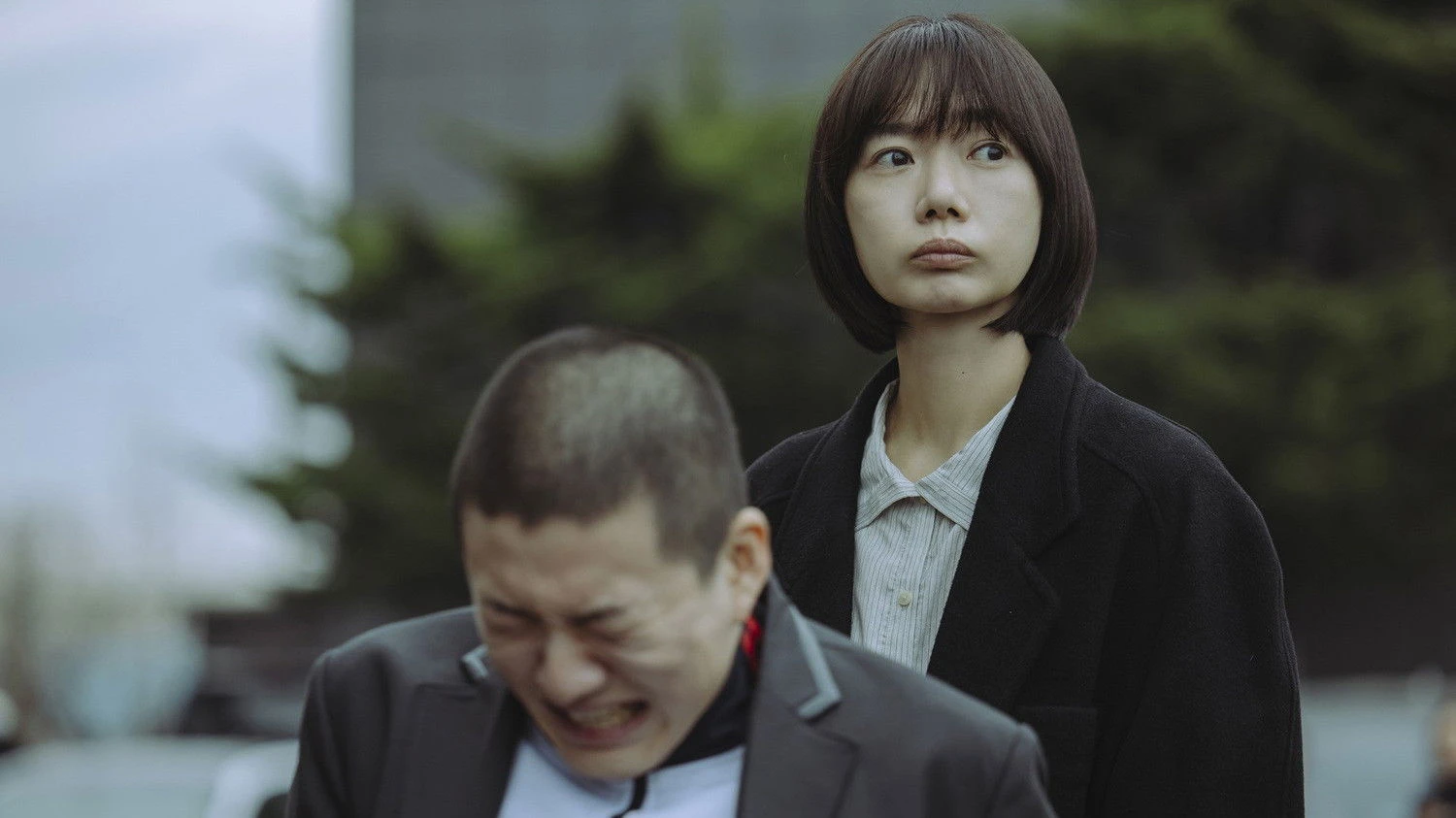
There is a scene early in episode one where Han Young-soo stands in a school hallway after dealing with the boy who deep-faked her daughter’s classmates, adjusts her coat, and walks back into the parent-teacher meeting as if nothing happened. Bae Doona plays it absolutely straight — no micro-expression of satisfaction, no shake-off of adrenaline, just a woman returning to an interrupted conversation. It is the performance key to everything that follows. Han Young-soo doesn’t experience this as violence. She experiences it as maintenance. The show achieves something that Vigilante reaches for but doesn’t quite land: making the protagonist’s moral flatness feel genuinely frightening and genuinely sympathetic at exactly the same time.
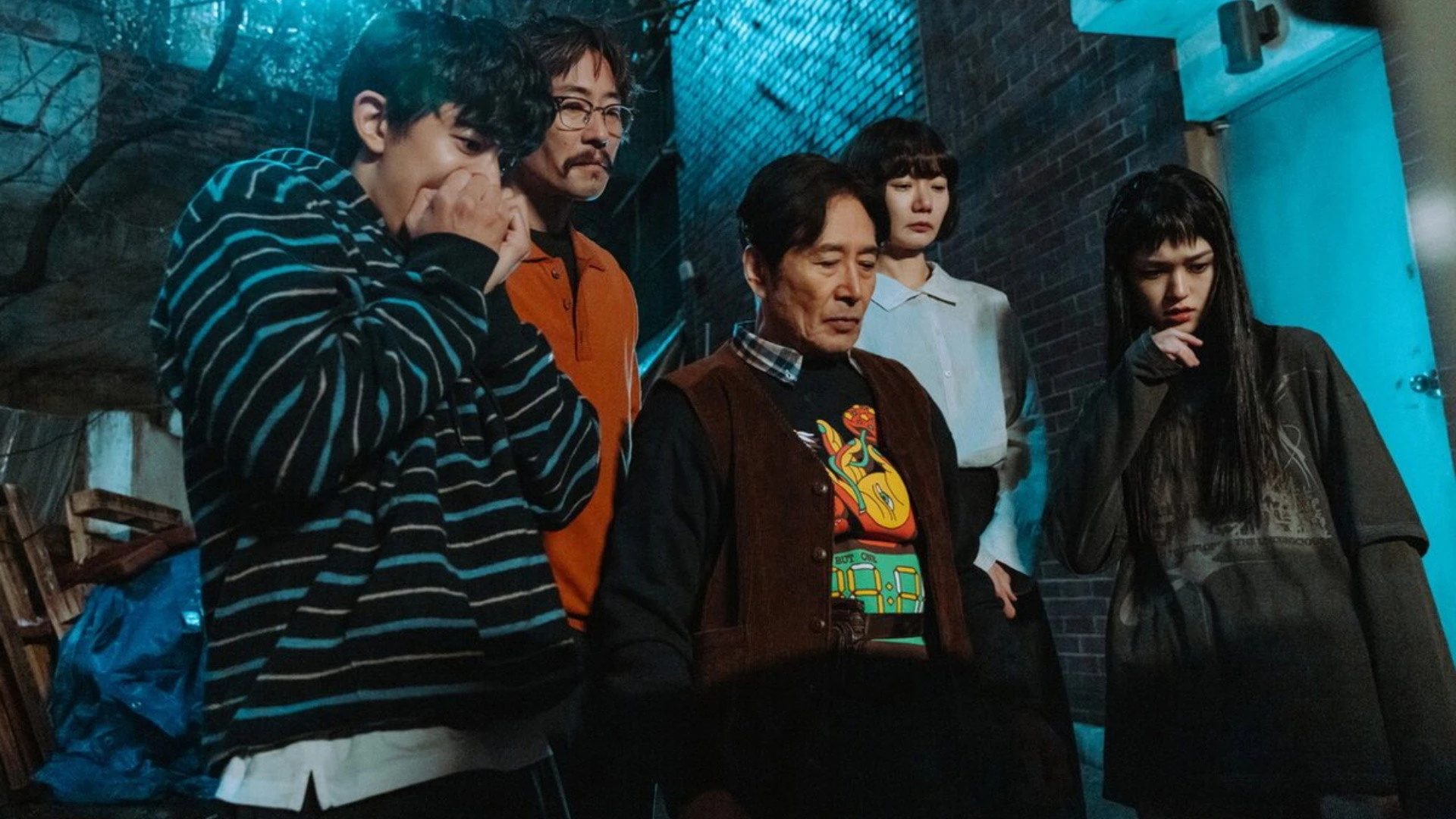
Kim Gok and Kim Sun — the brother directors known for the Horror Stories anthology films — bring a horror sensibility to the show’s escalation without letting it tip into horror territory. The violence is present and consequential, but the show never loses the dark comedy register that makes it distinctive. The closest tonal parallel in recent Korean genre television is probably A Killer Paradox, which occupies the same space of dark absurdist justice — except Family Matters operates at ensemble scale, which gives it something A Killer Paradox doesn’t have: a family dynamic as both moral anchor and source of comedy.
Six episodes is exactly the right length. There is no padding, no detour episode where the show loses its thread, and the finale lands where it needs to because the setup was lean enough to support the payoff. The show’s real weakness is occasional sacrifice of character interiority for plot momentum — we know what this family does far better than why they feel it. But in a genre that routinely overexplains both, that restraint reads more often as virtue than flaw. Family Matters knows what it is, commits to it completely, and leaves you wanting the Season 2 that’s already coming.
Fans of dark comedy that earns its laughs through situation and character, not punchlines
Anyone who believes a chosen family can be as real as any other kind
🎬 You Might Also Like
If you liked Family Matters, these are your next three watches.
 A Bona Fide Killer
ActionAssassin
Read Full Review →
|
 Shark: The Storm
Actioncrime
Read Full Review →
|
 Signal (Season 1)
Cold CasesCorruption
Read Full Review →
|
















Keep it kind, skip the harsh language, and please — no spoilers. Everyone's taste is different, and that's perfectly fine.
This space is for real reactions and discussion from other viewers. Help keep it comfortable for everyone by not giving away major plot details.
What do you think of this drama?
Login to share your review or leave a comment.
No email needed — just pick a username & password.