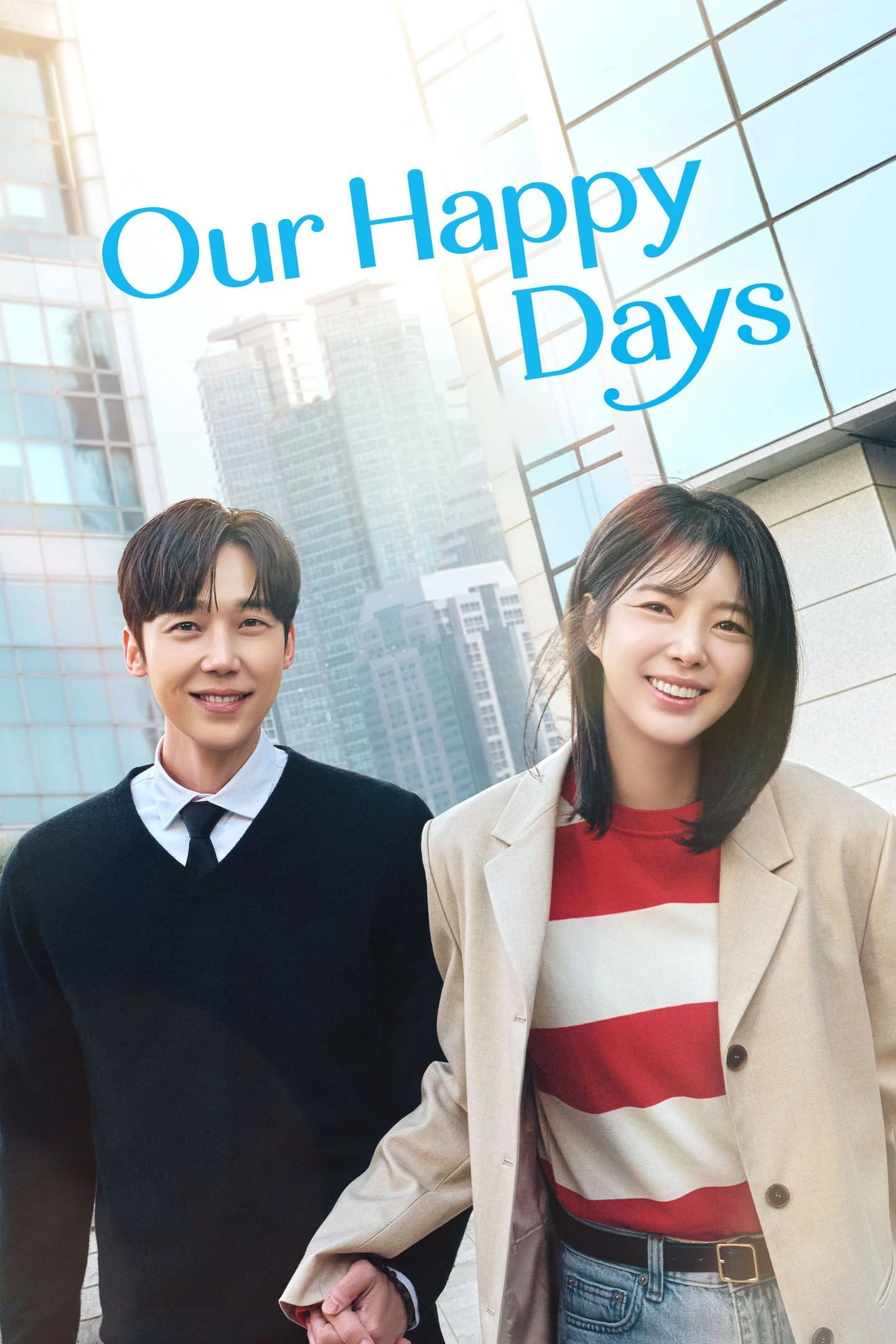
Our Happy Days
📋 Drama Overview
The essentials — before you press play.
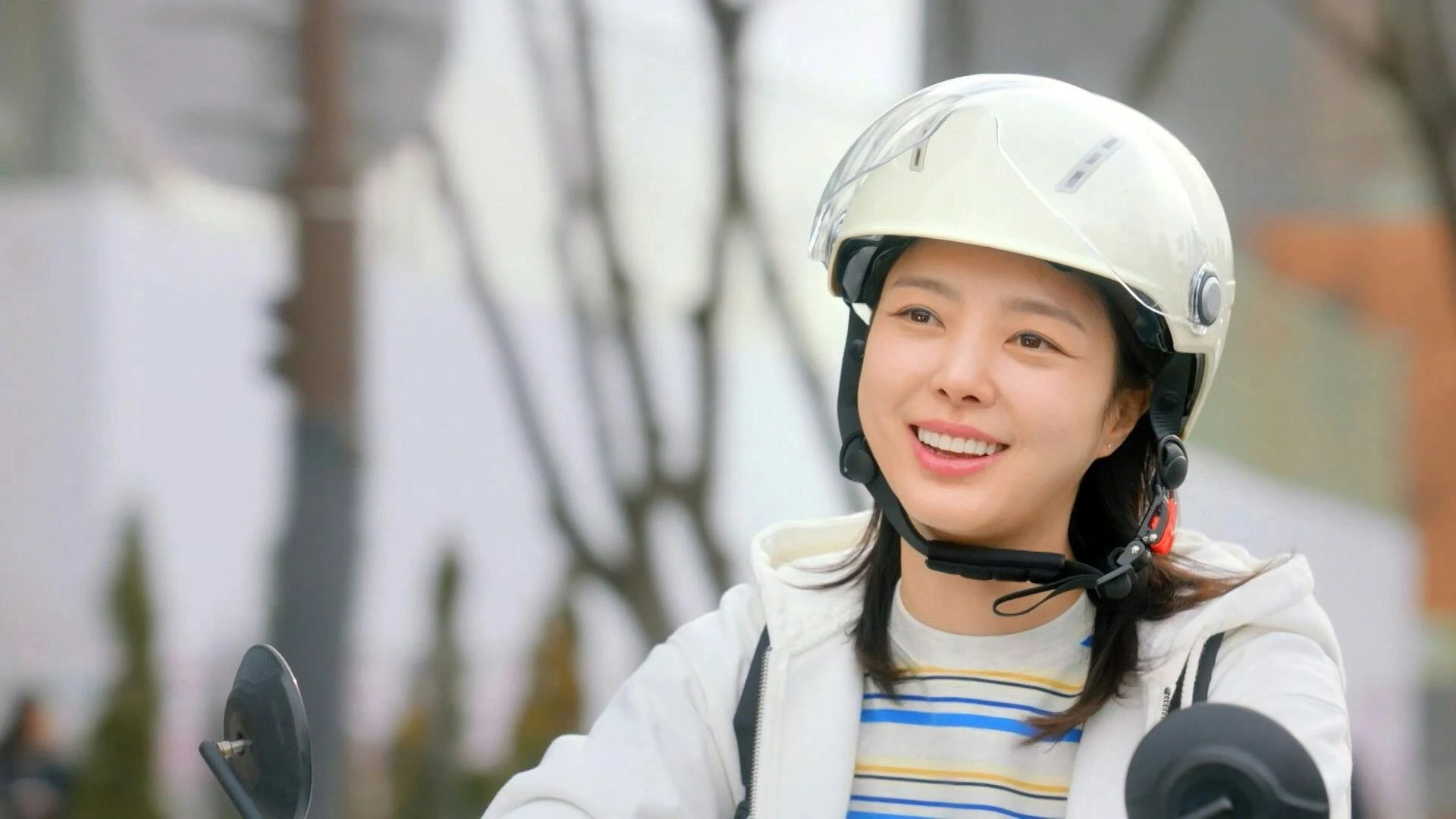
Jo Eun-ae built “Joy” from scratch — an AI assistant she designed to be genuinely useful to ordinary people rather than a corporate product. Then Gangsu Construction walked in, seized the servers, and told her the company she built was no longer hers. She protests outside their building. She gets formally evicted. She keeps fighting. The drama opens with someone who has already lost the first round and refuses to accept that as the result.
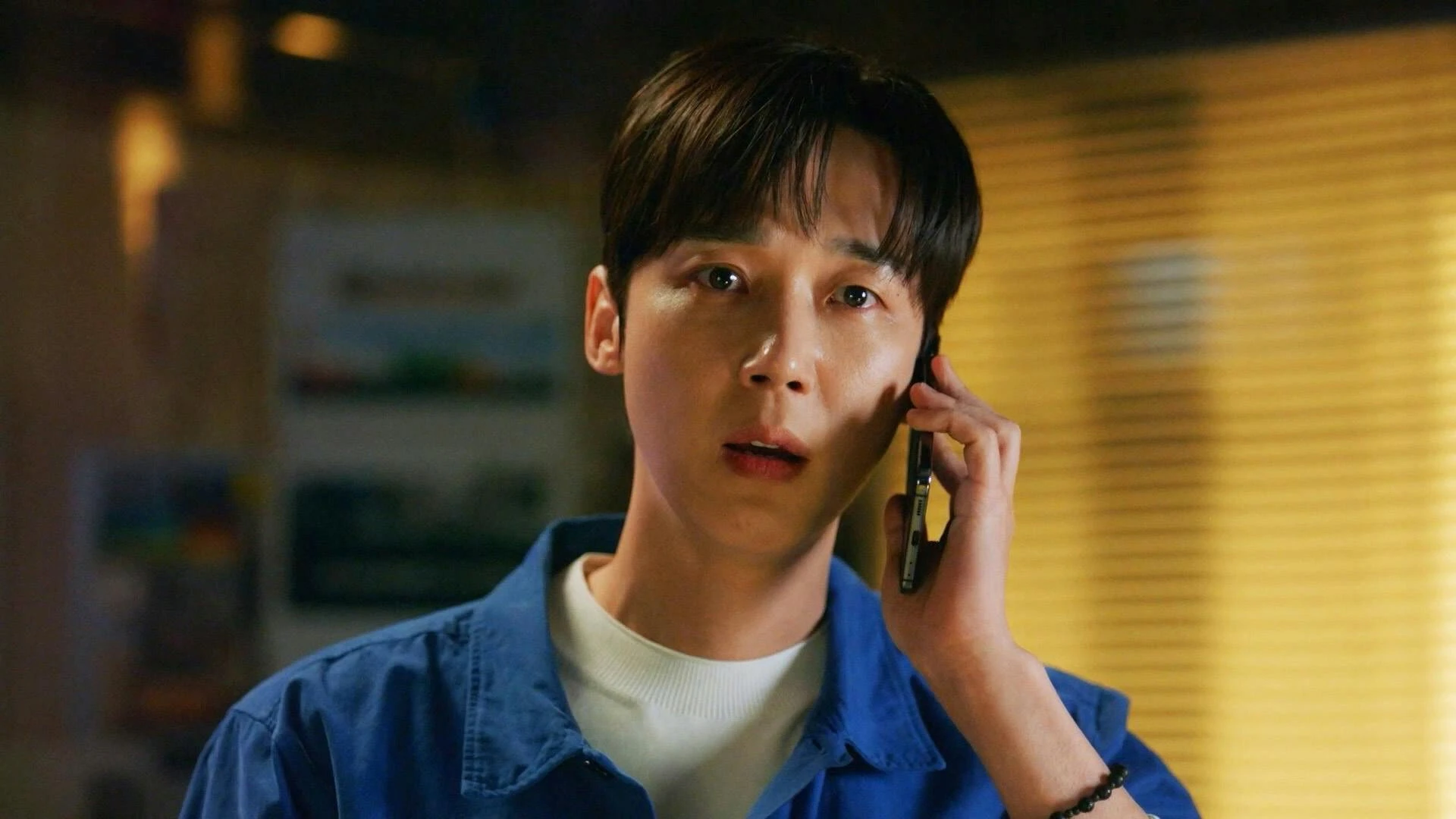
Go Gyeol is the grandson his grandfather summoned home to compete in a succession race he never asked to be part of. He spent a decade abroad specifically to remain untouched by the family’s politics — and discovers, the moment he steps back in, that staying untouched is no longer an option. When he’s assigned to manage the very situation Eun-ae refuses to accept, the drama’s central tension becomes clear: it’s not whether these two fall in love. It’s whether either of them can build something honest inside a system designed to reward the opposite.
⚡ Quick Verdict
The TL;DR, boxed and ready.
▶ Official Trailer
🎭 Cast & Characters
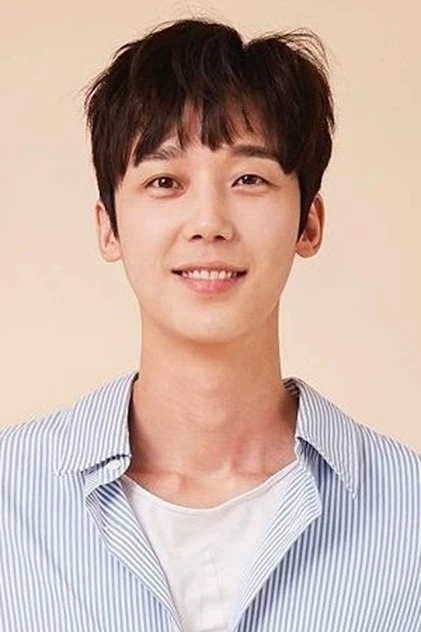
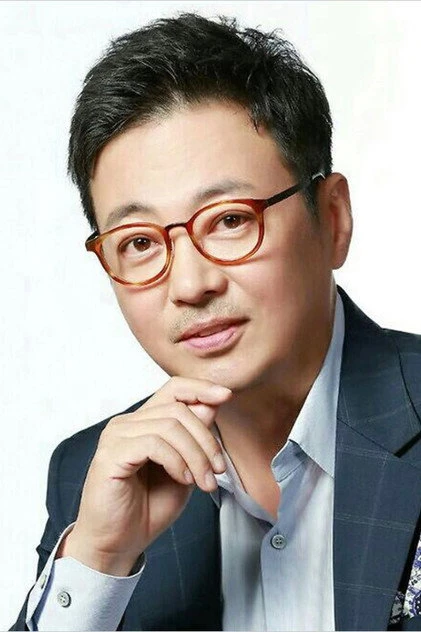
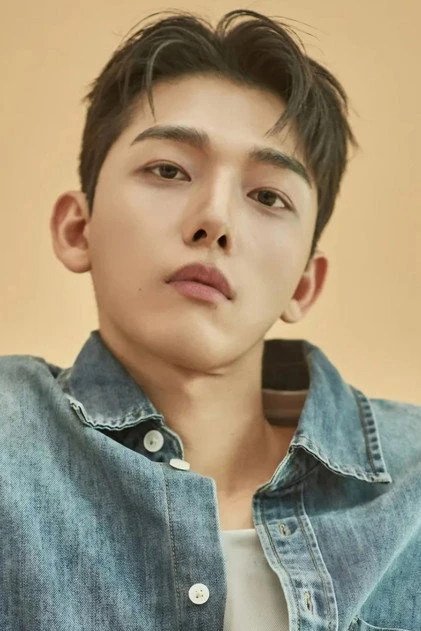
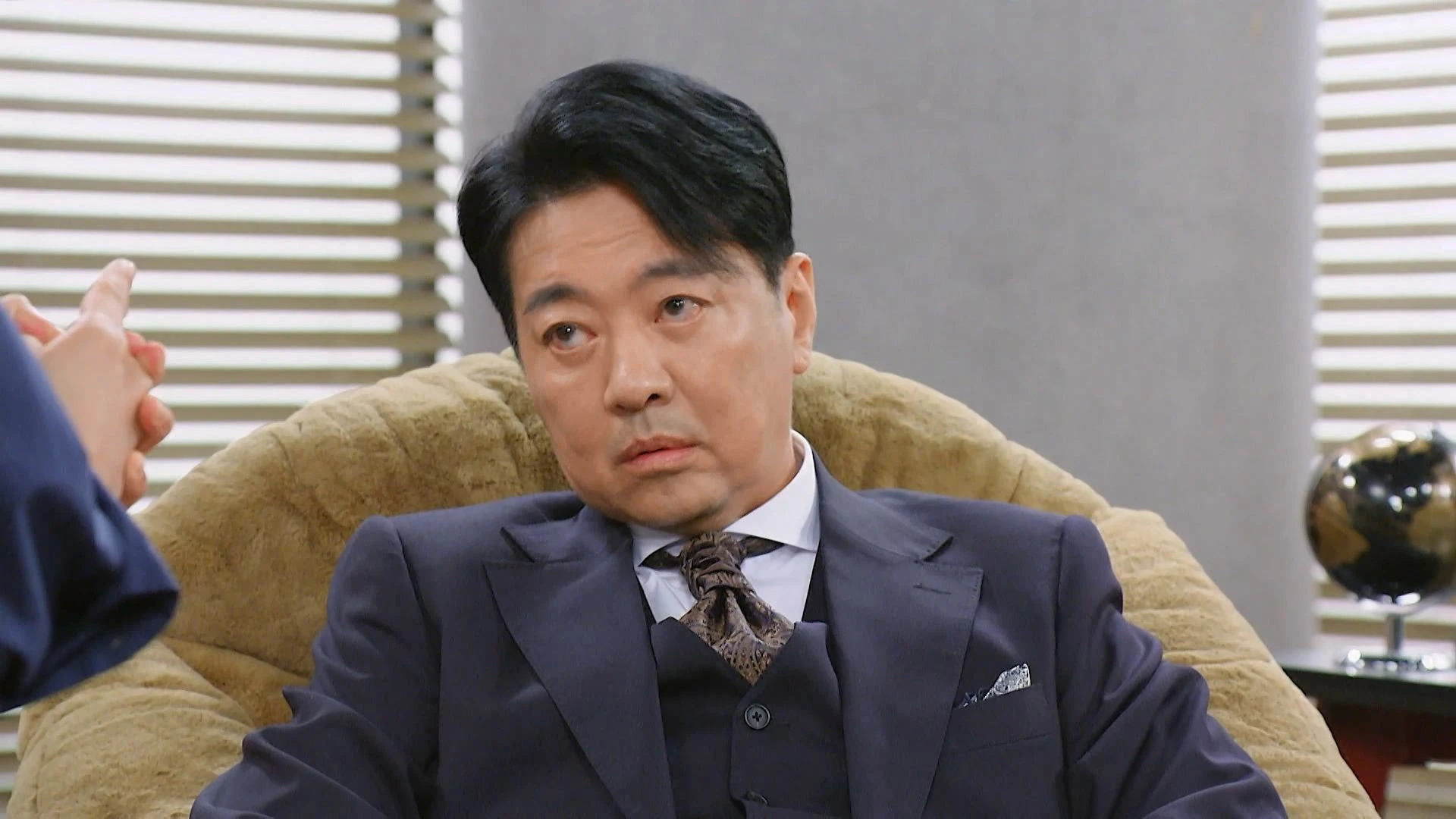
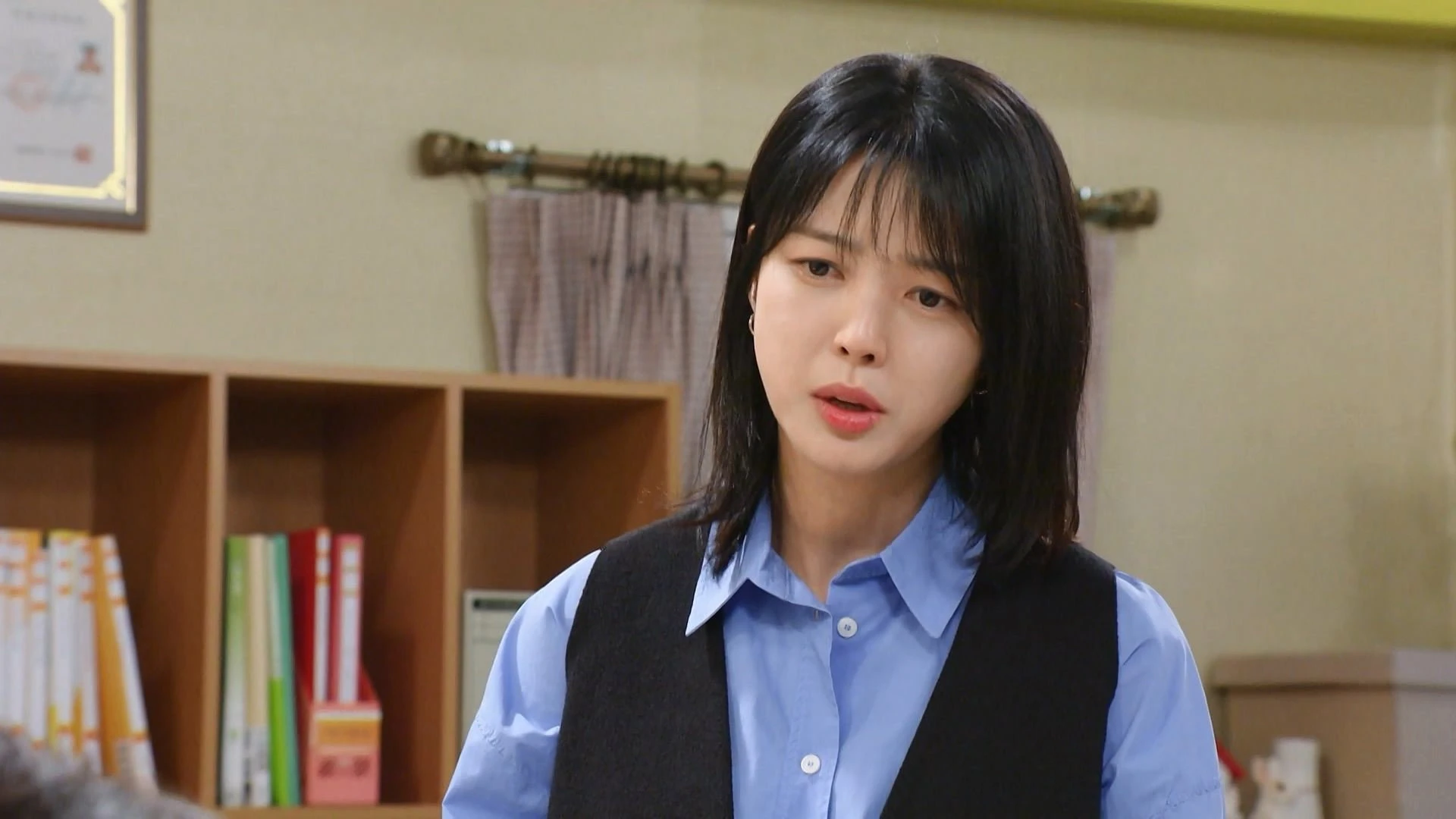
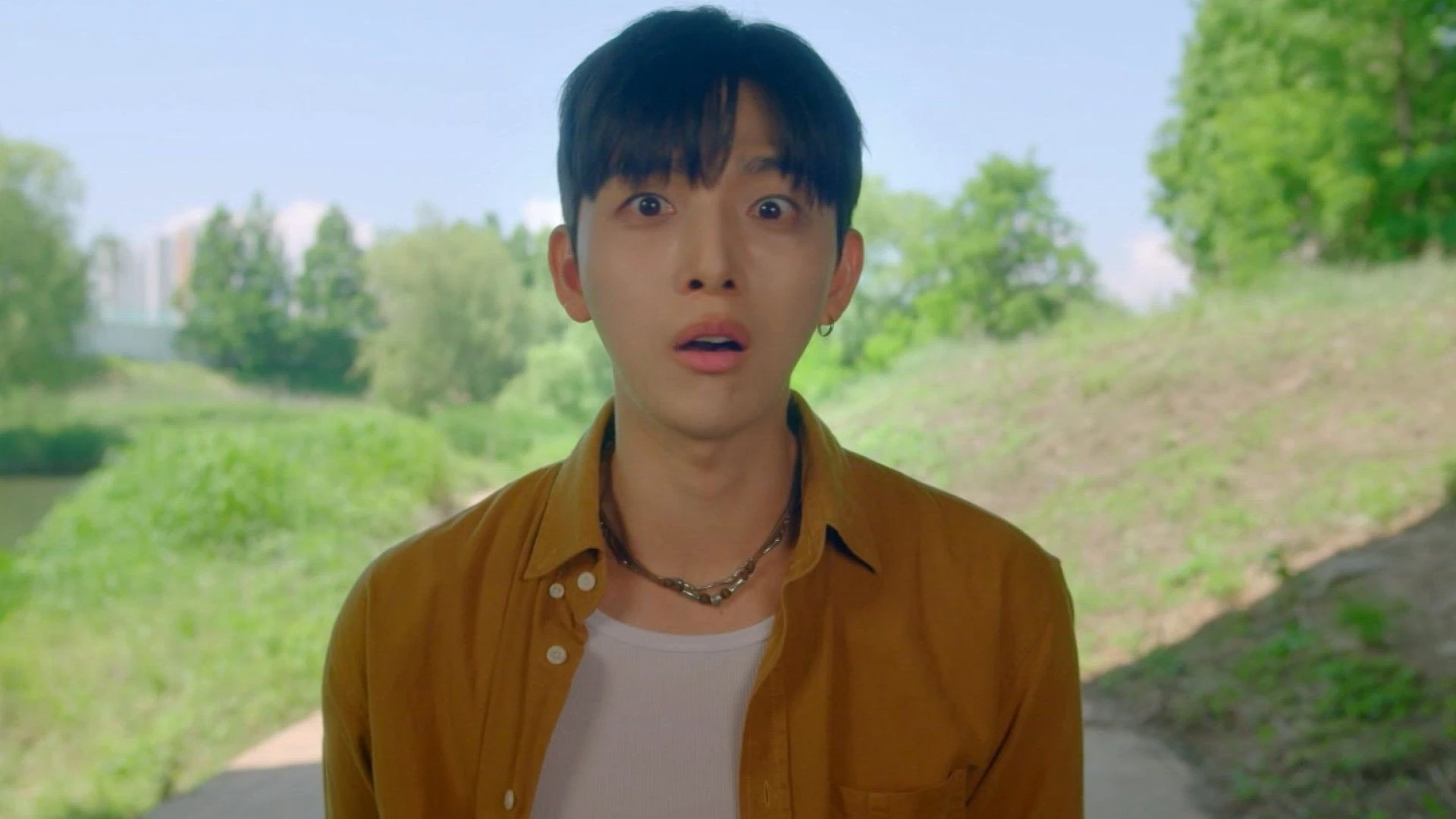
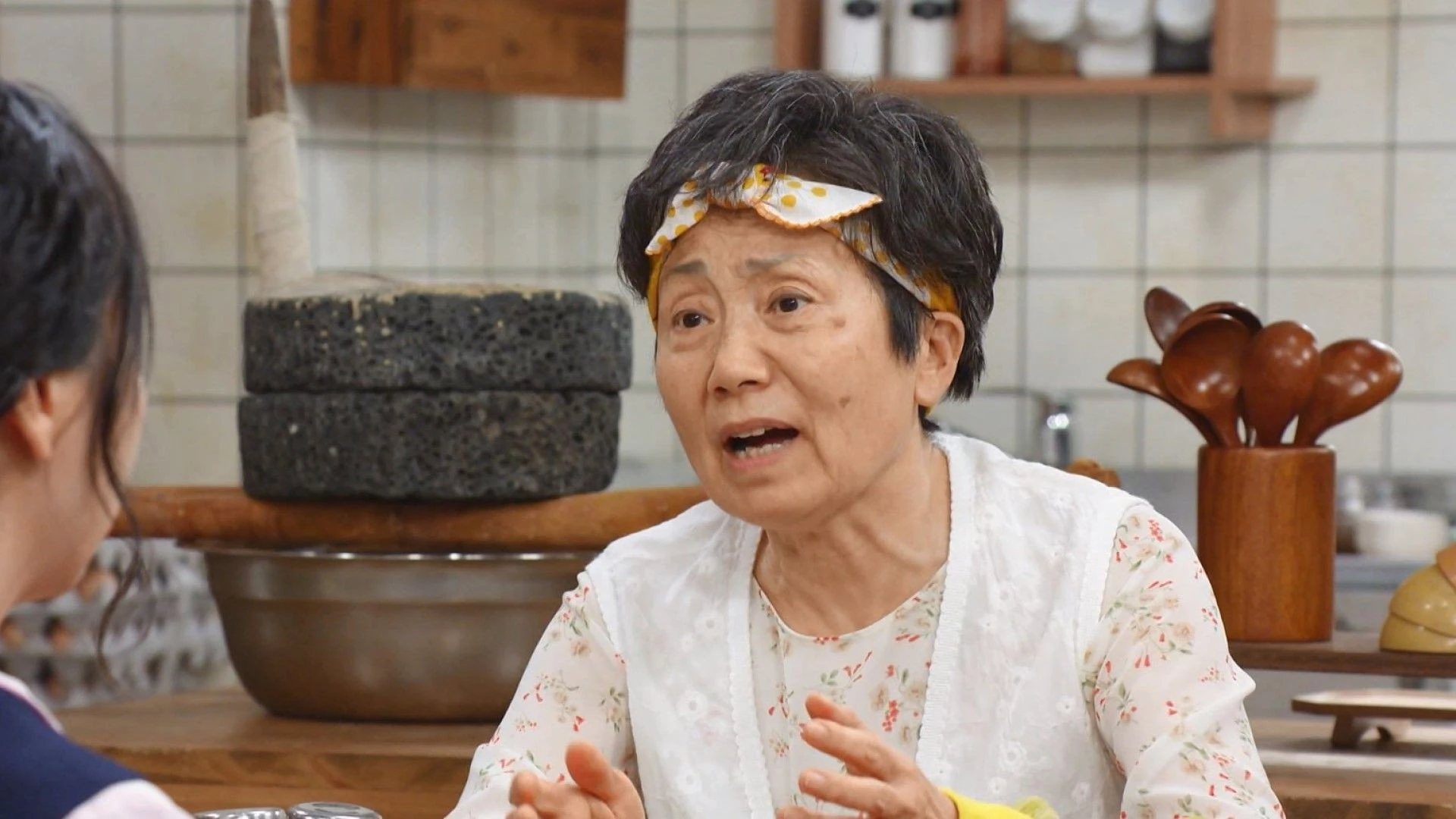
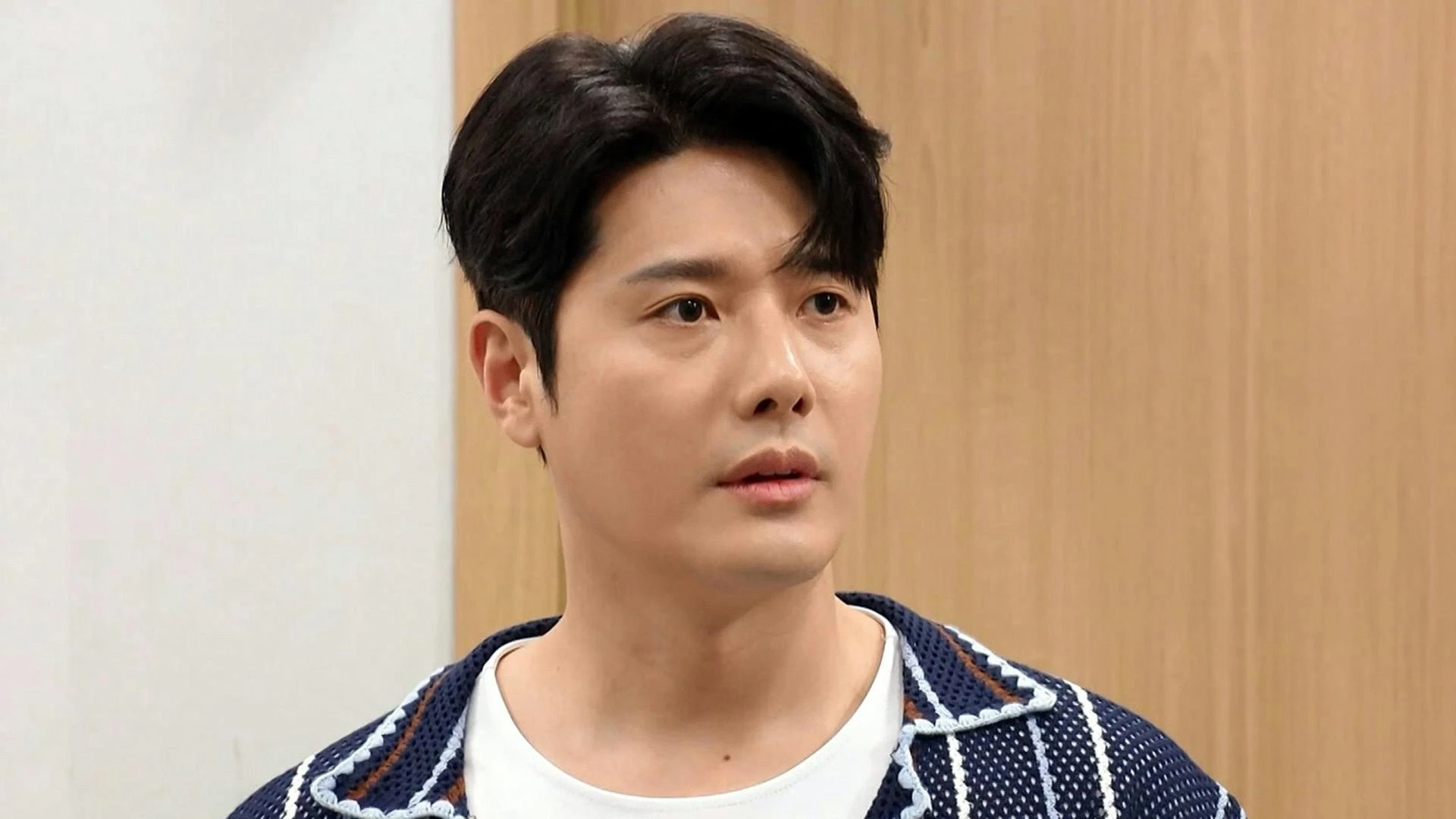
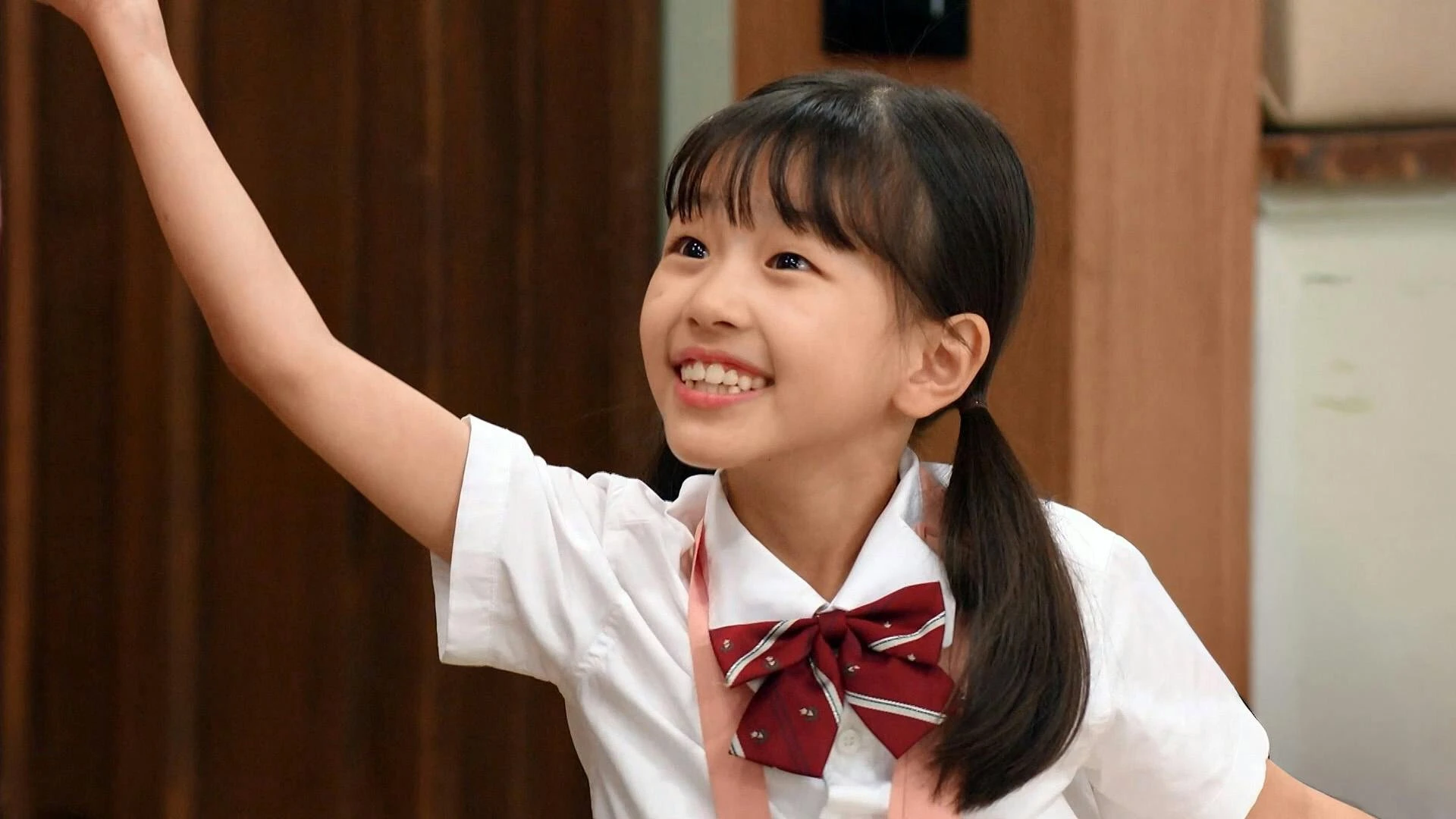
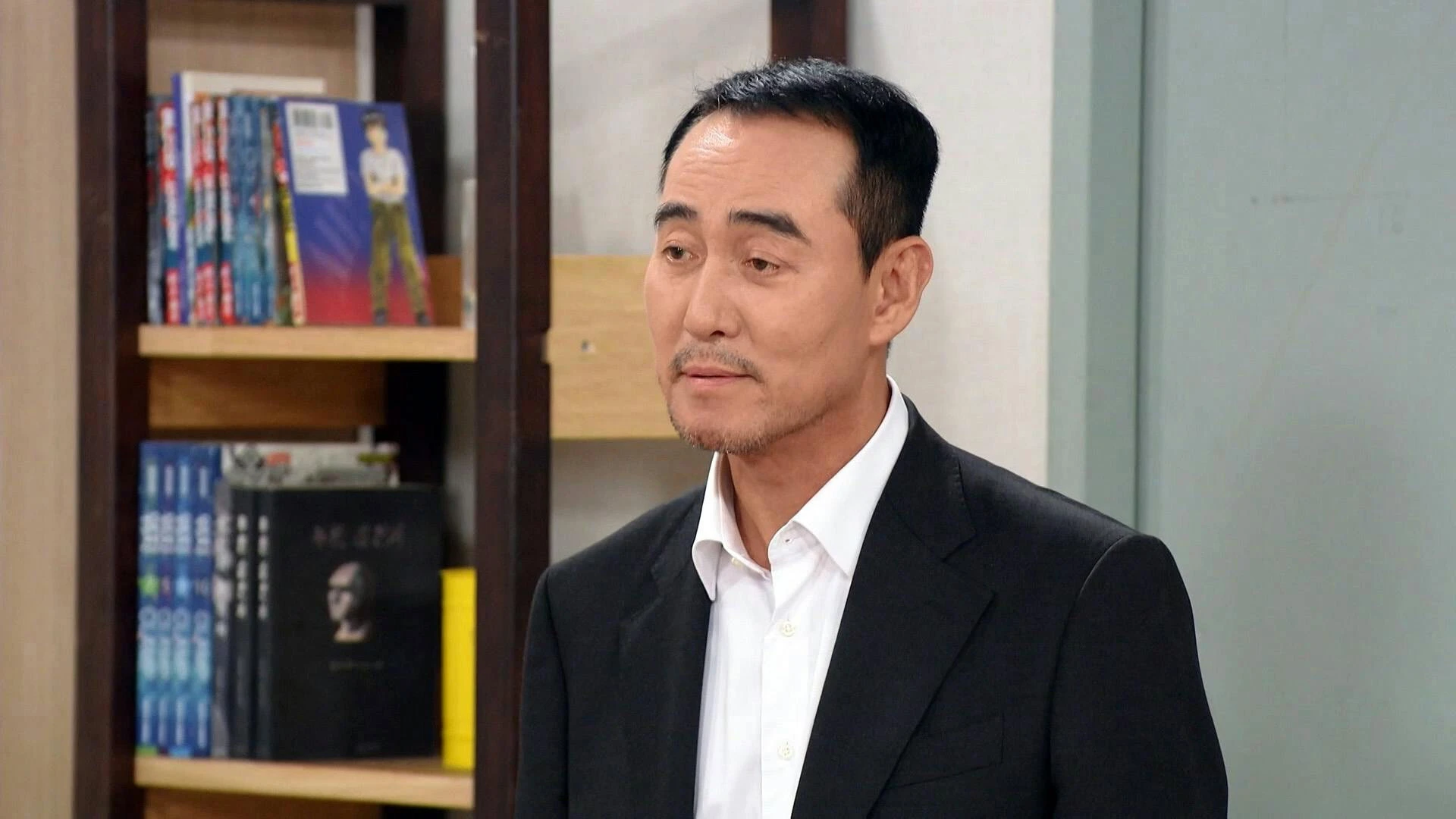
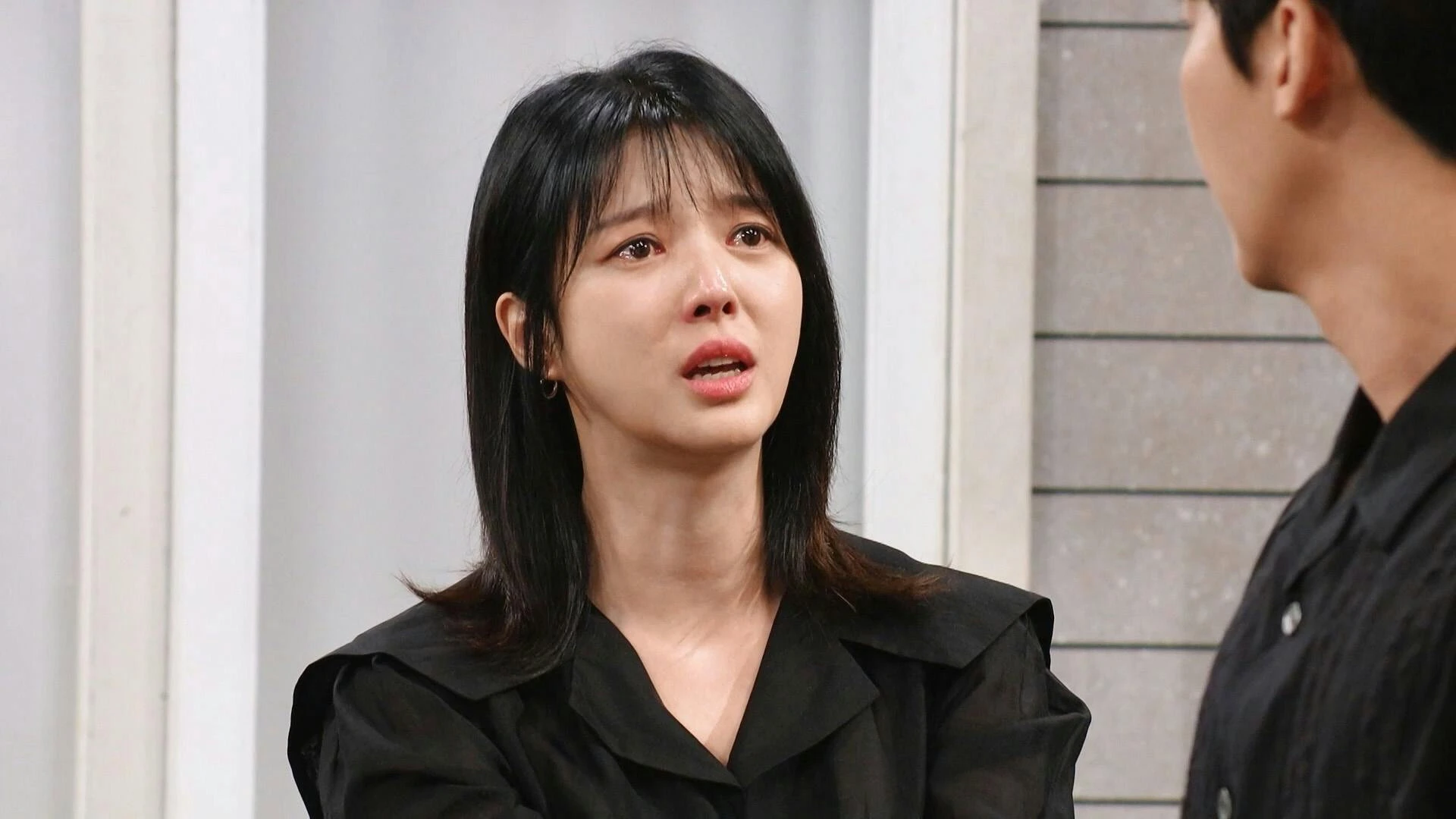
Two actors playing the same question from opposite sides — what do you keep when the institution you trusted takes everything else?
Lead

Lead
Villain
Supporting
Supporting
Supporting
📺 Episode Guide
Enough per episode to jog your memory, nothing more.
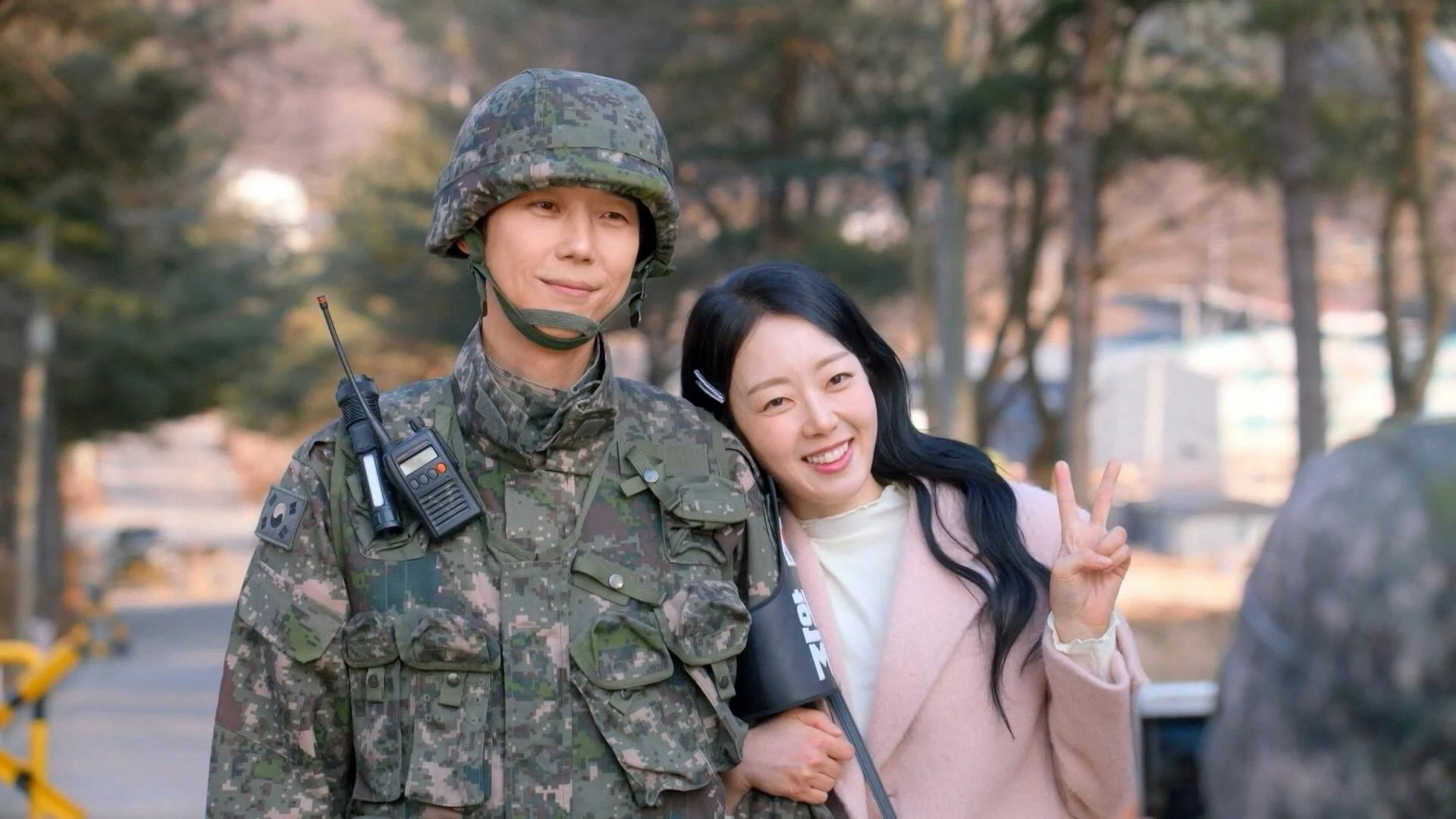
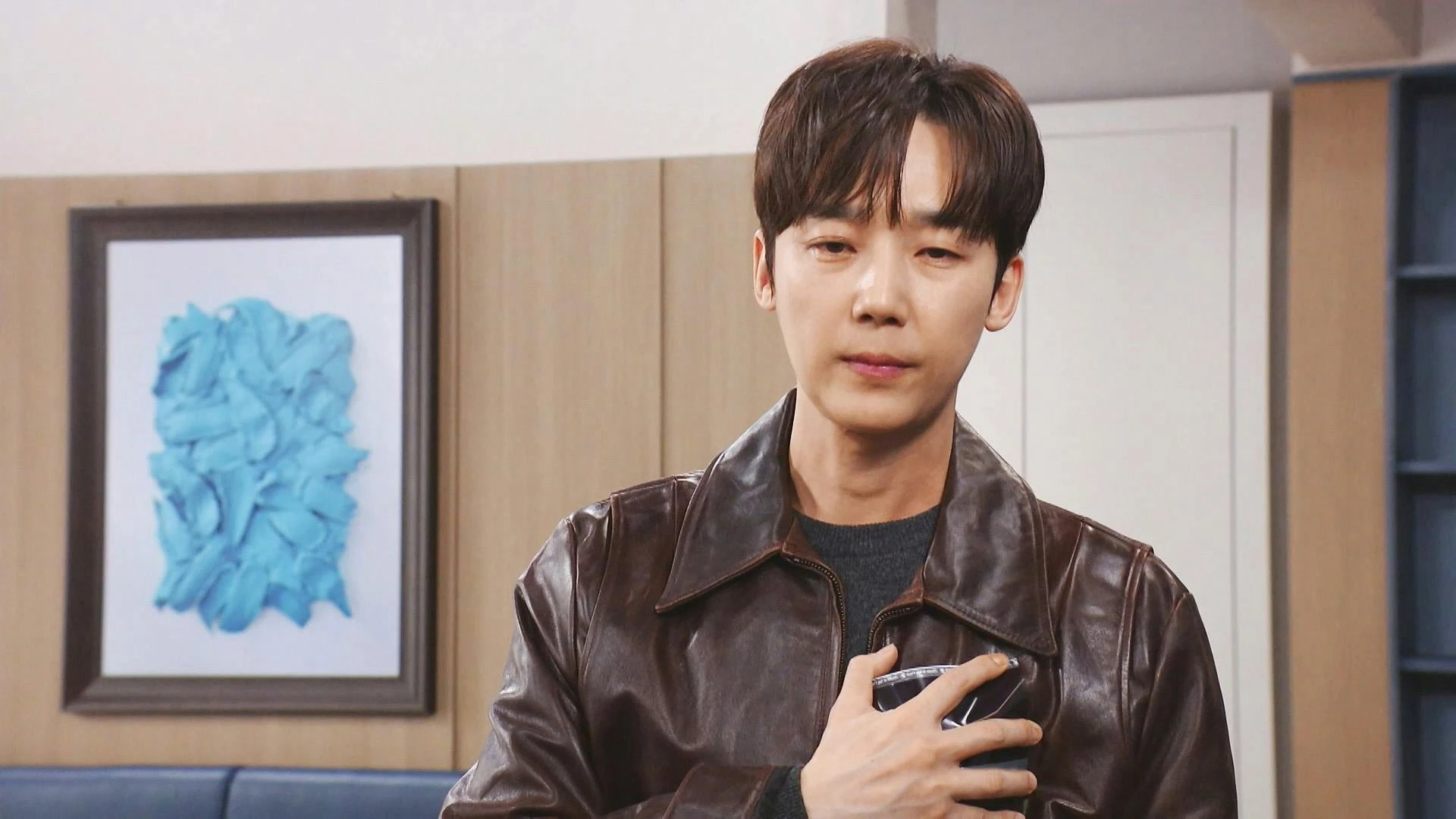
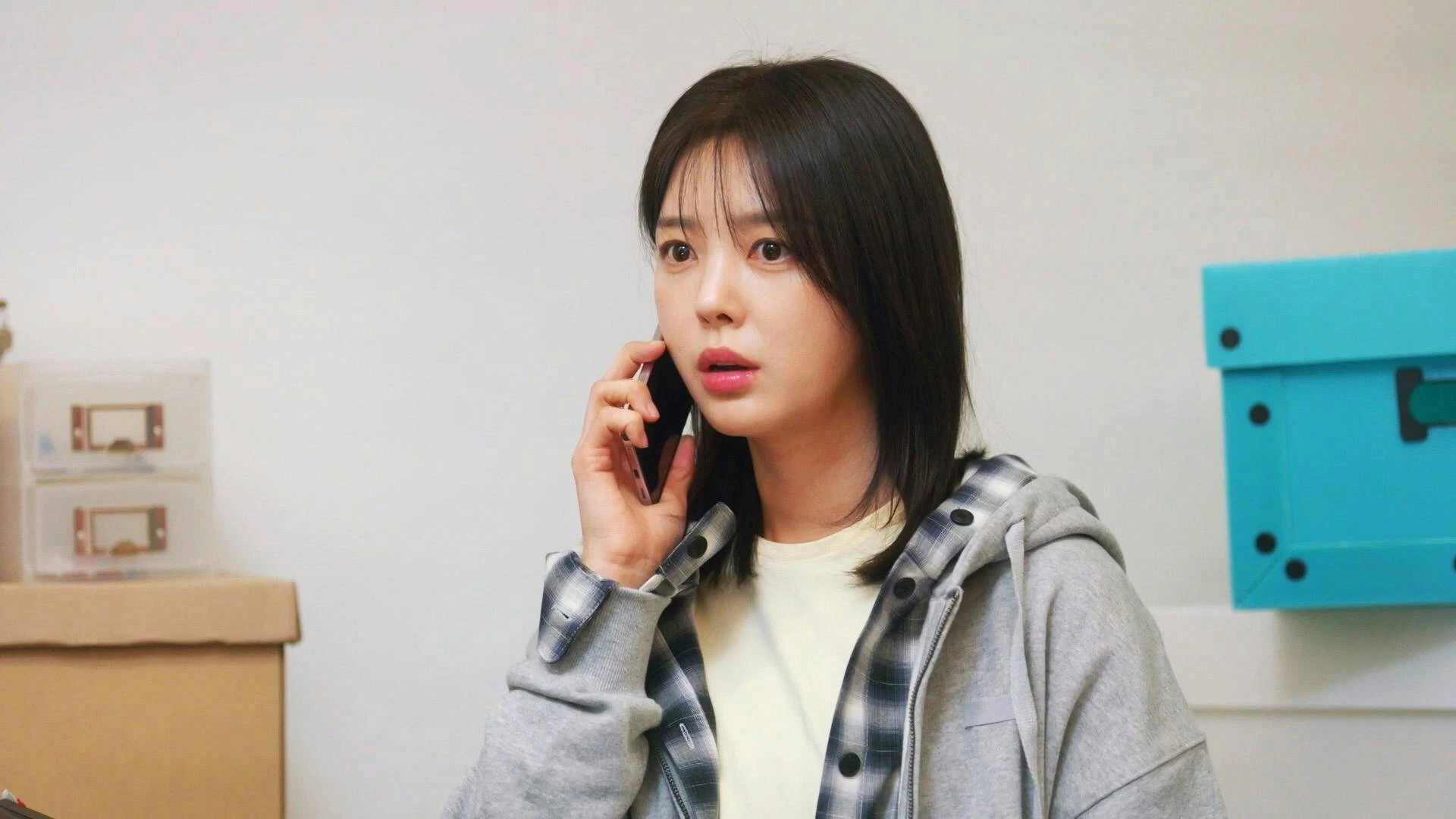
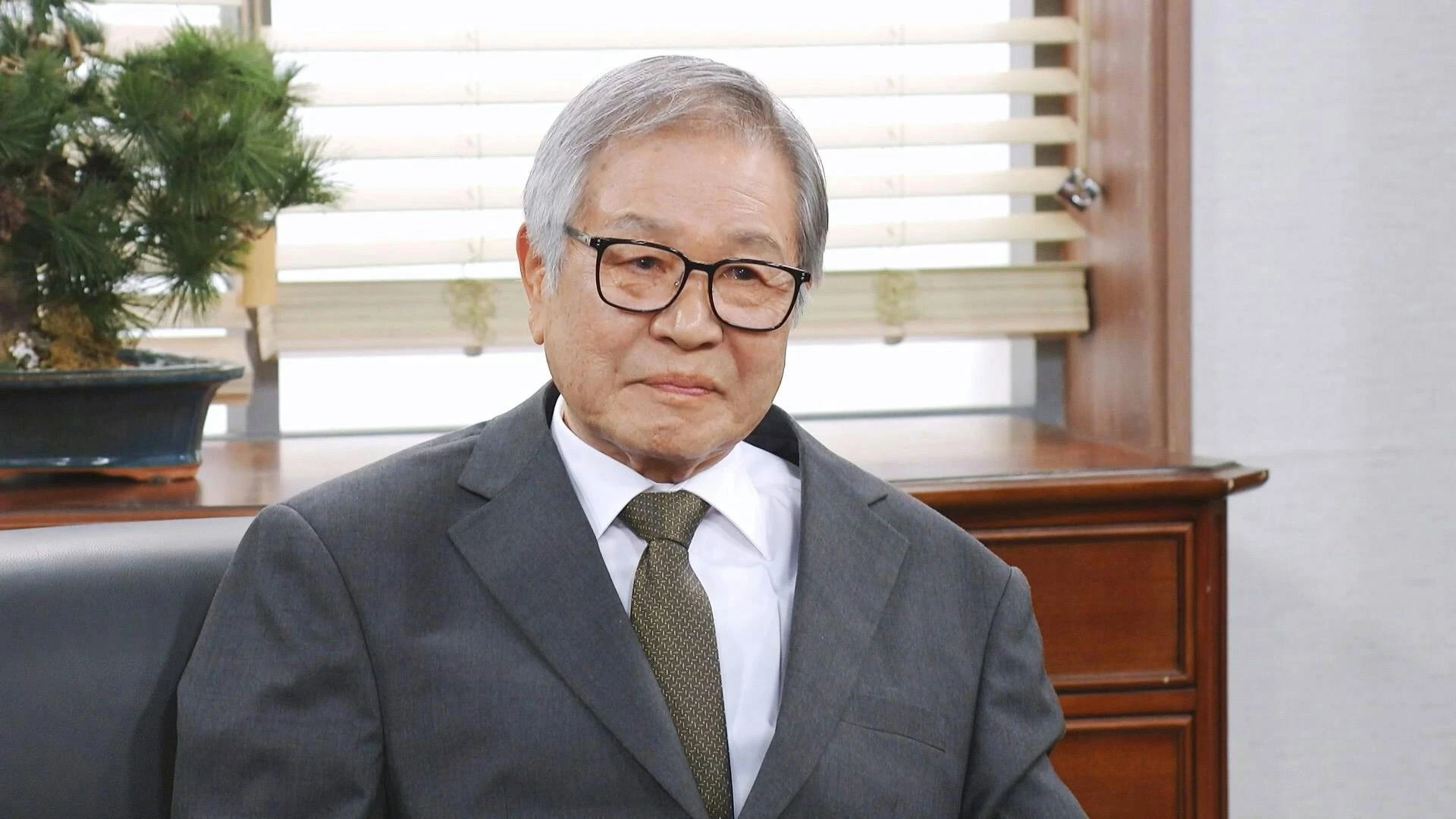
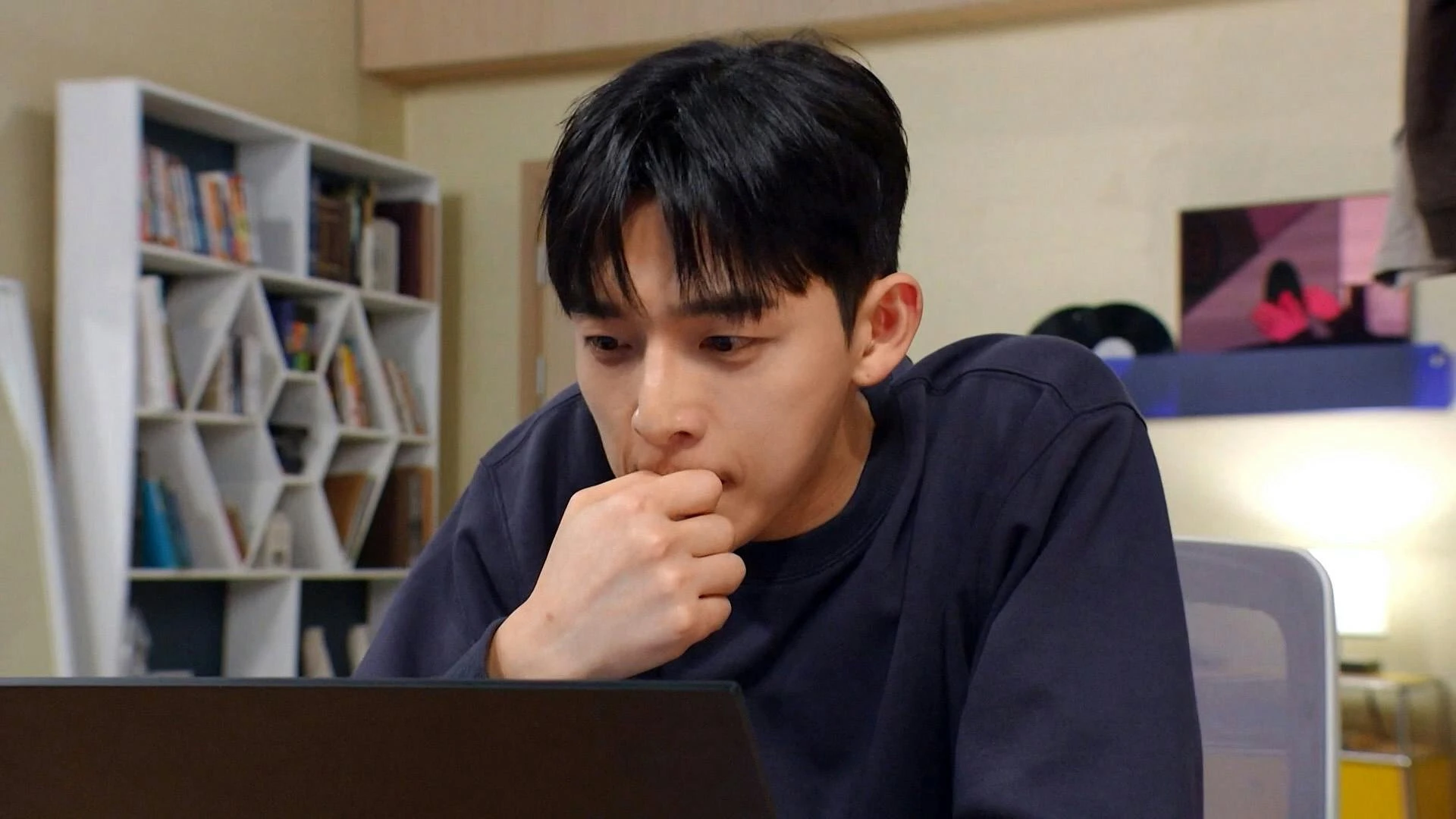
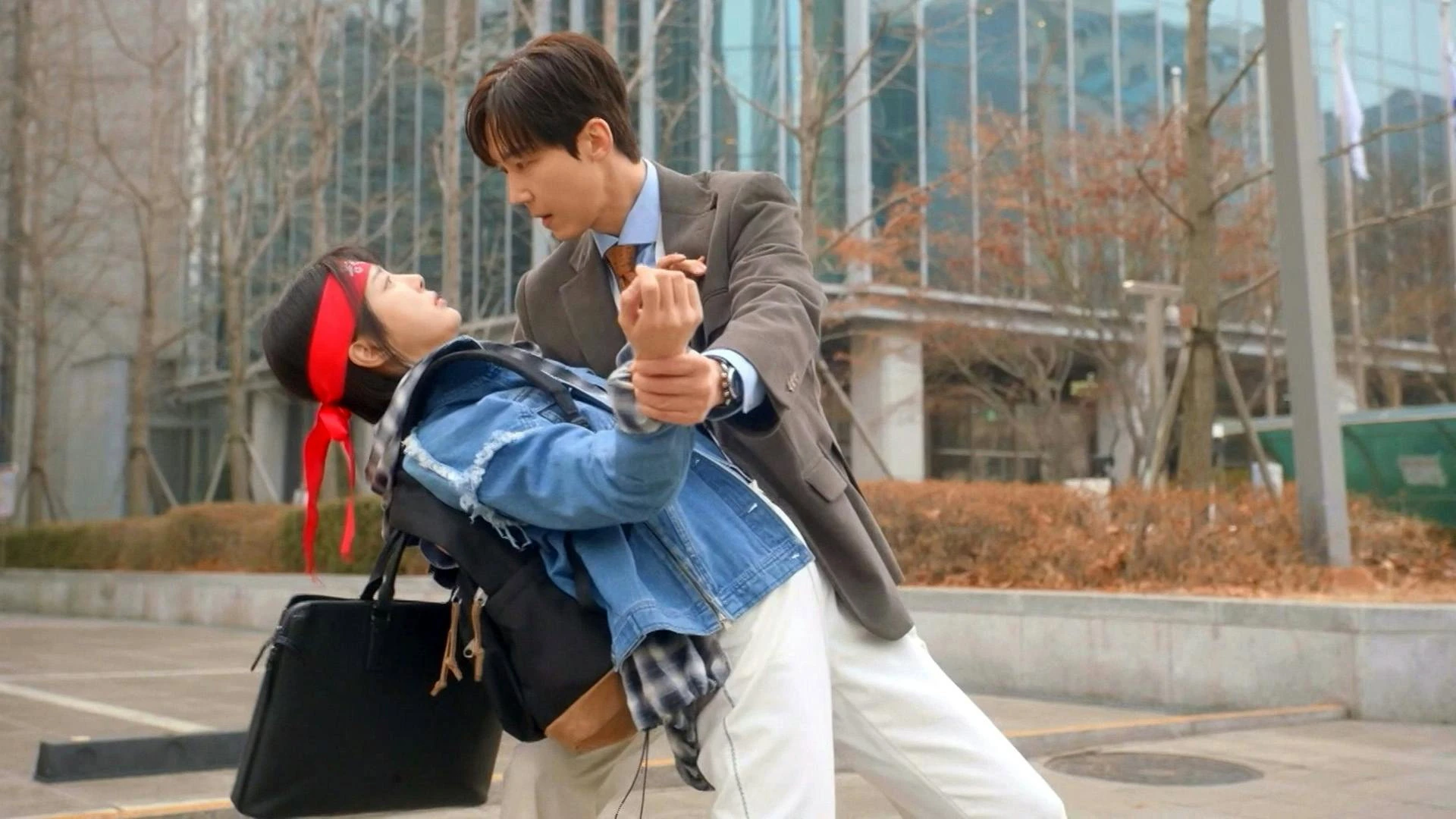
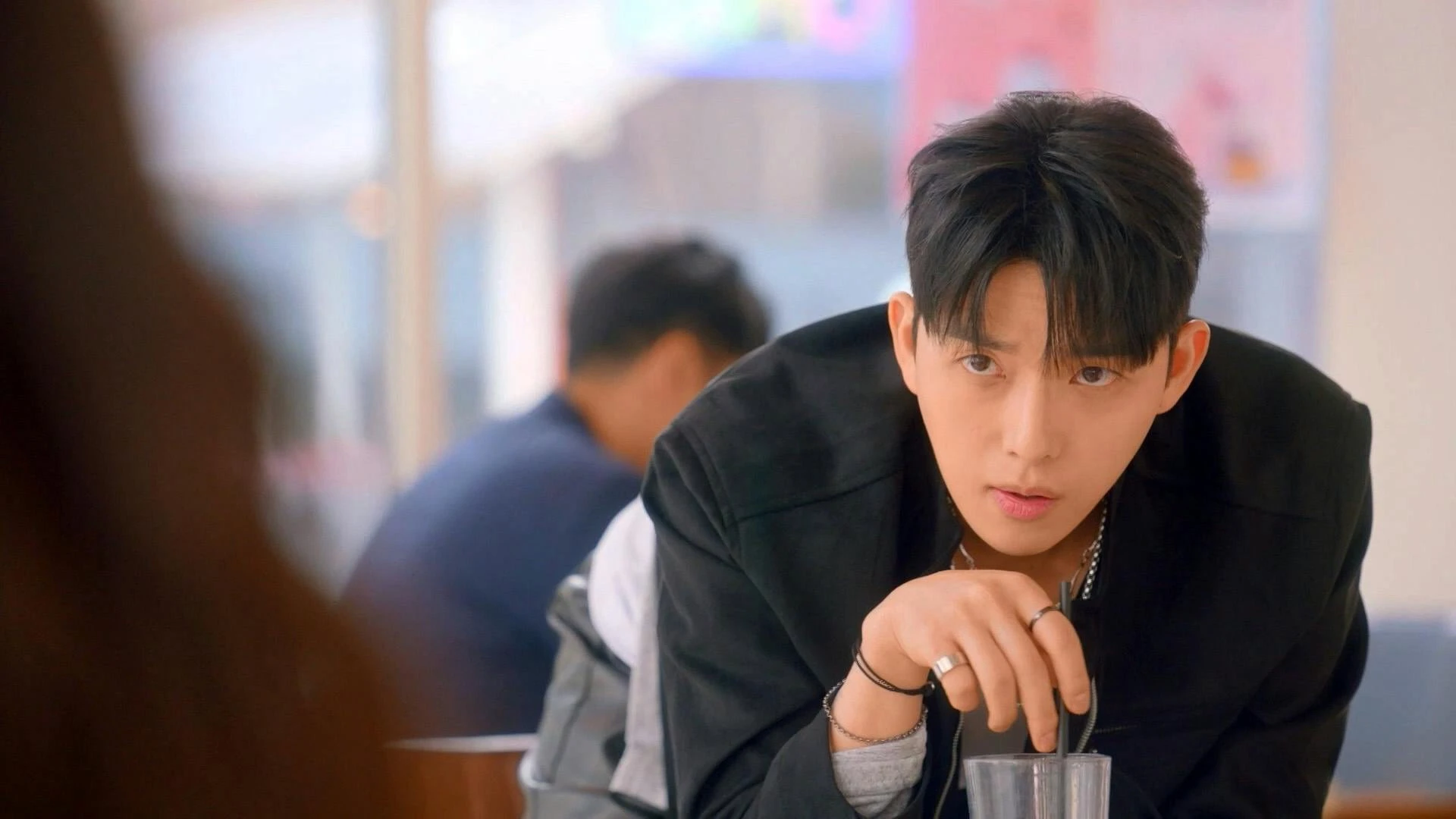
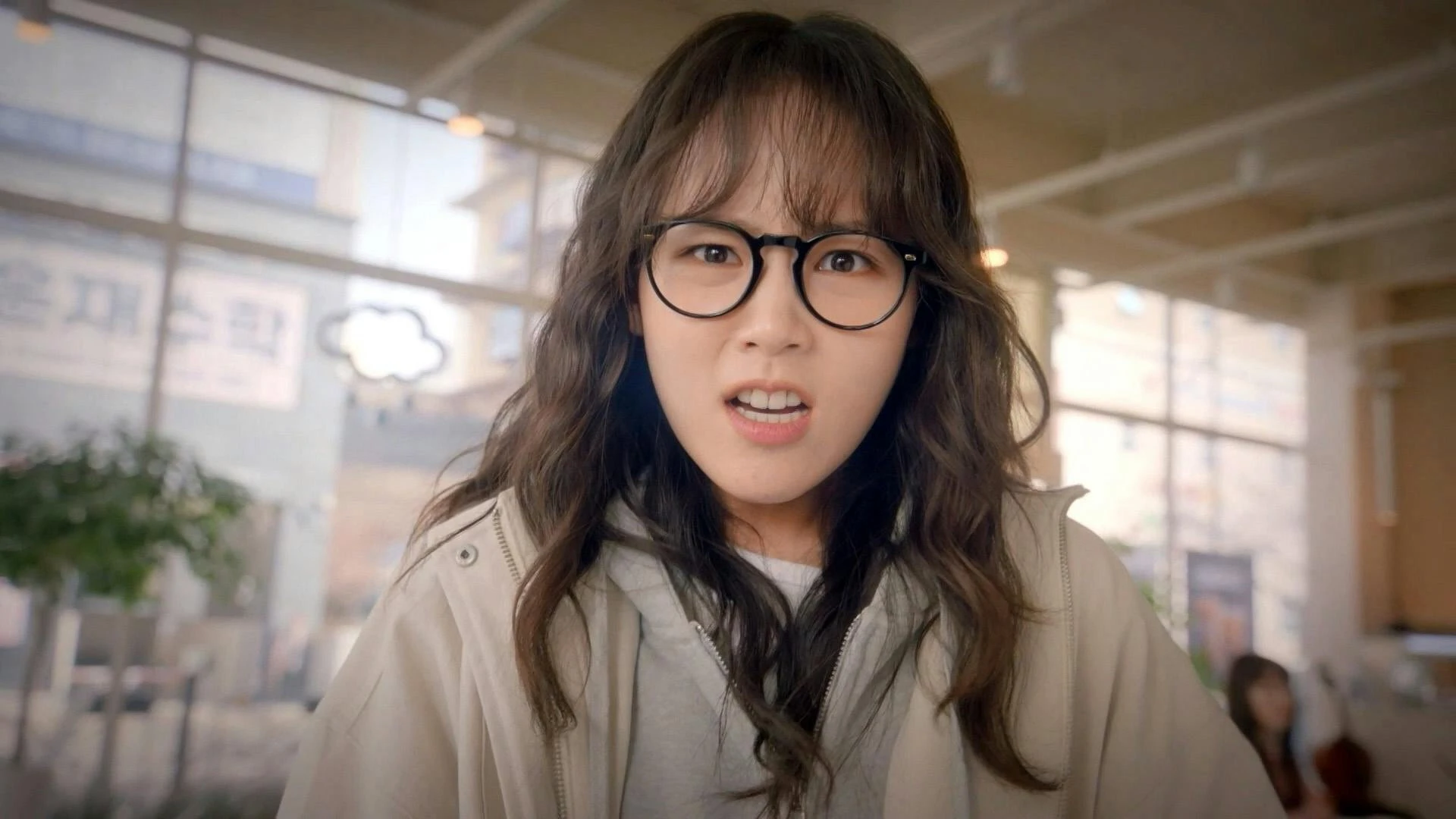
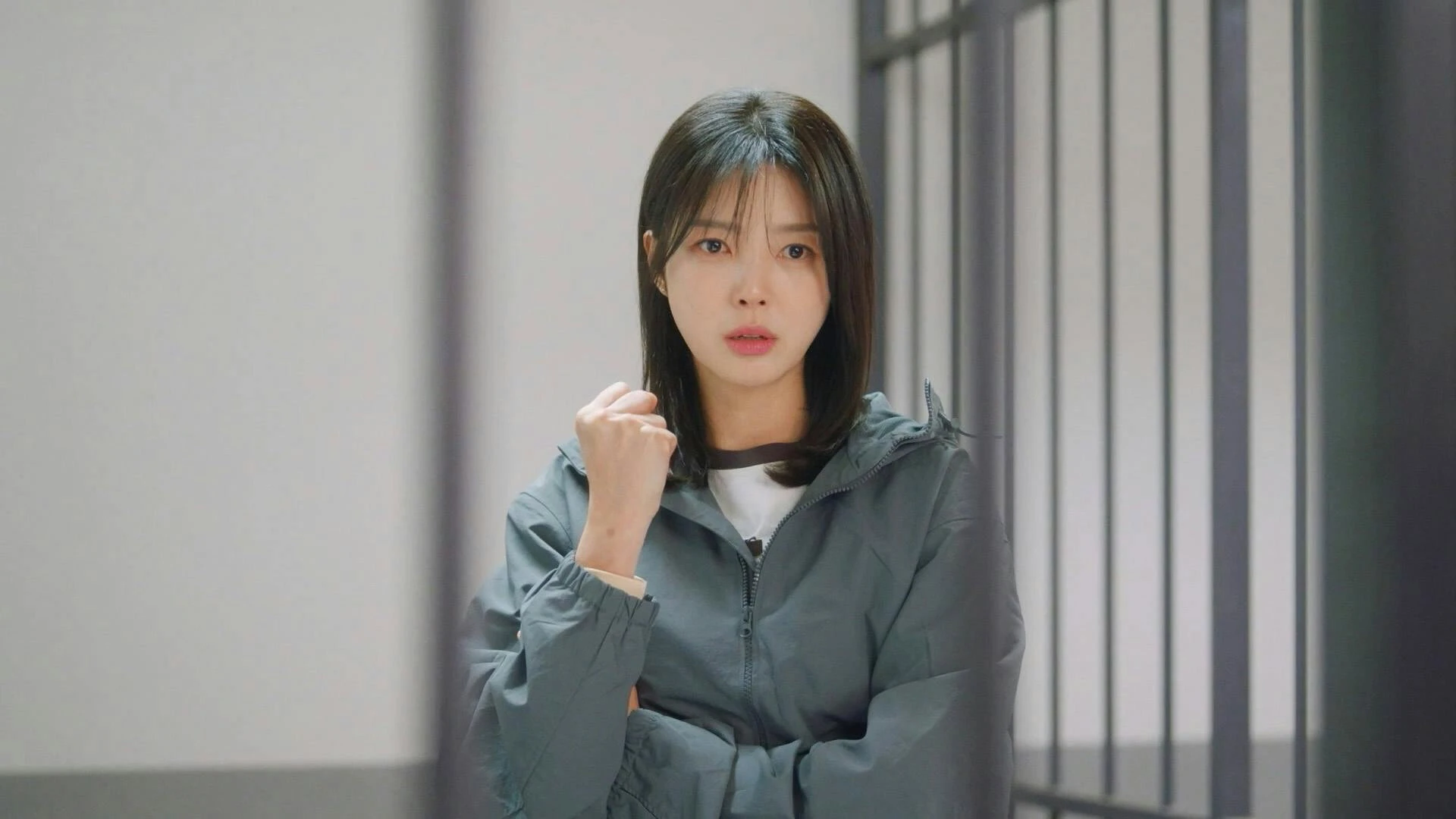
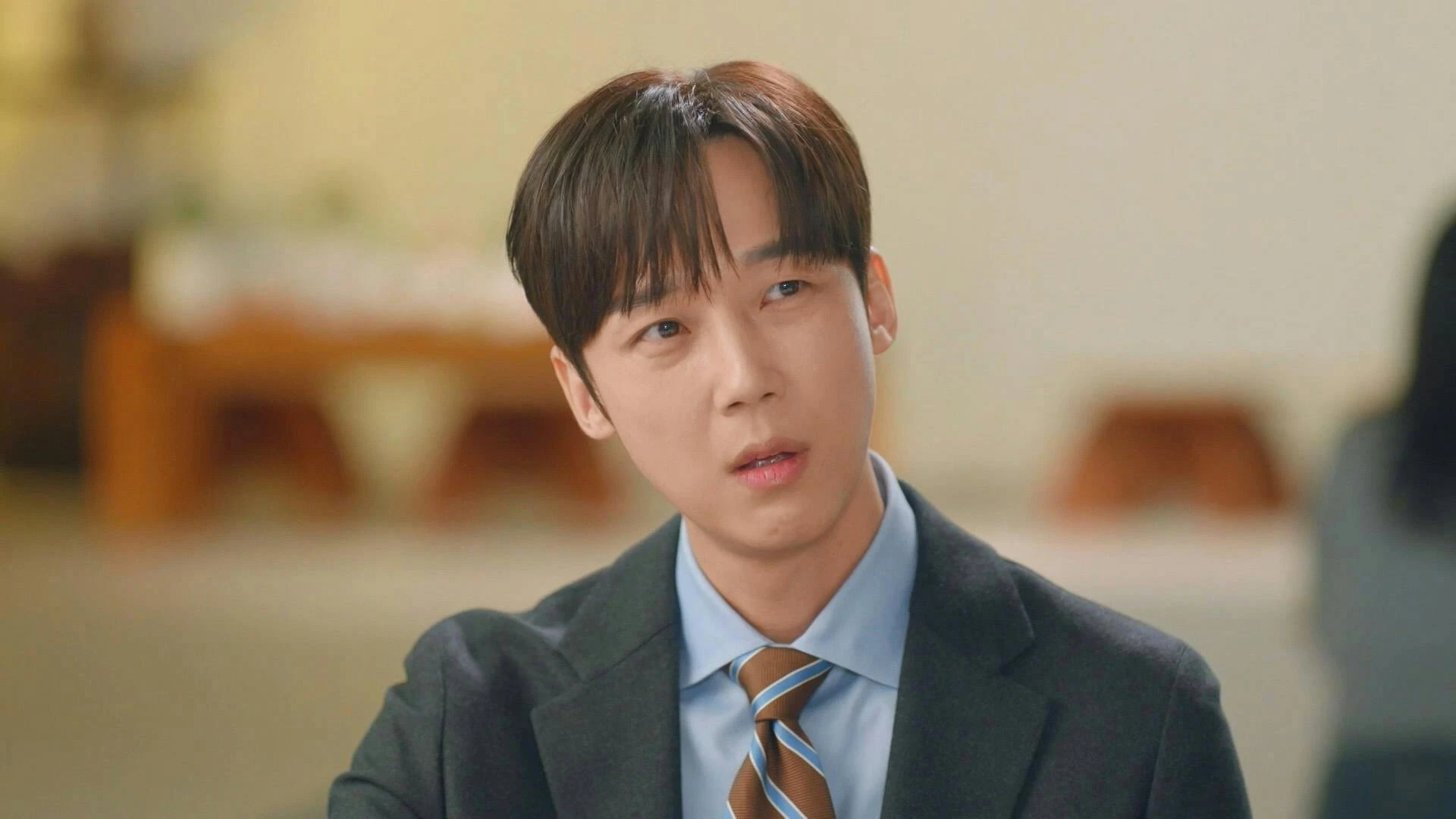
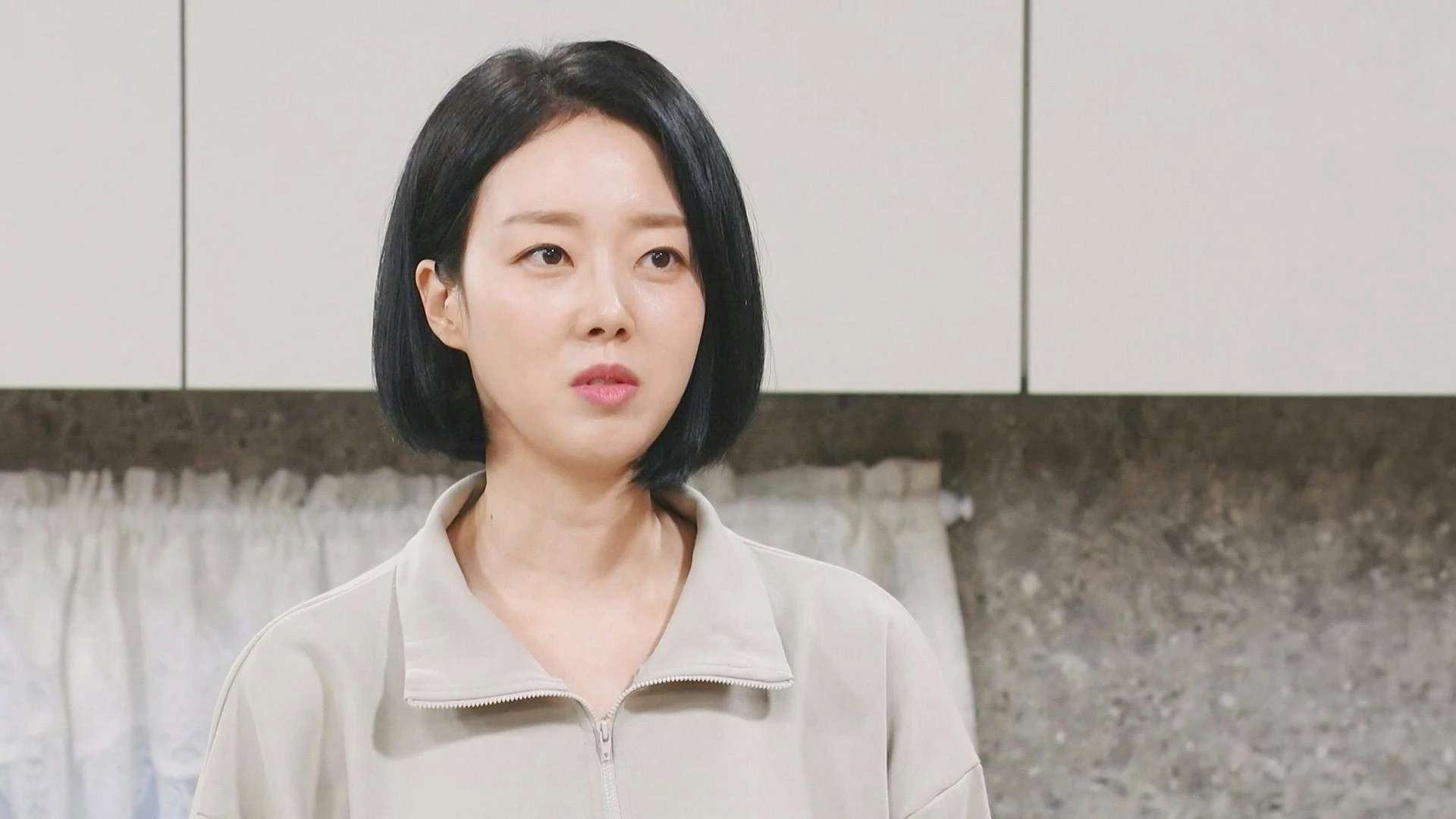
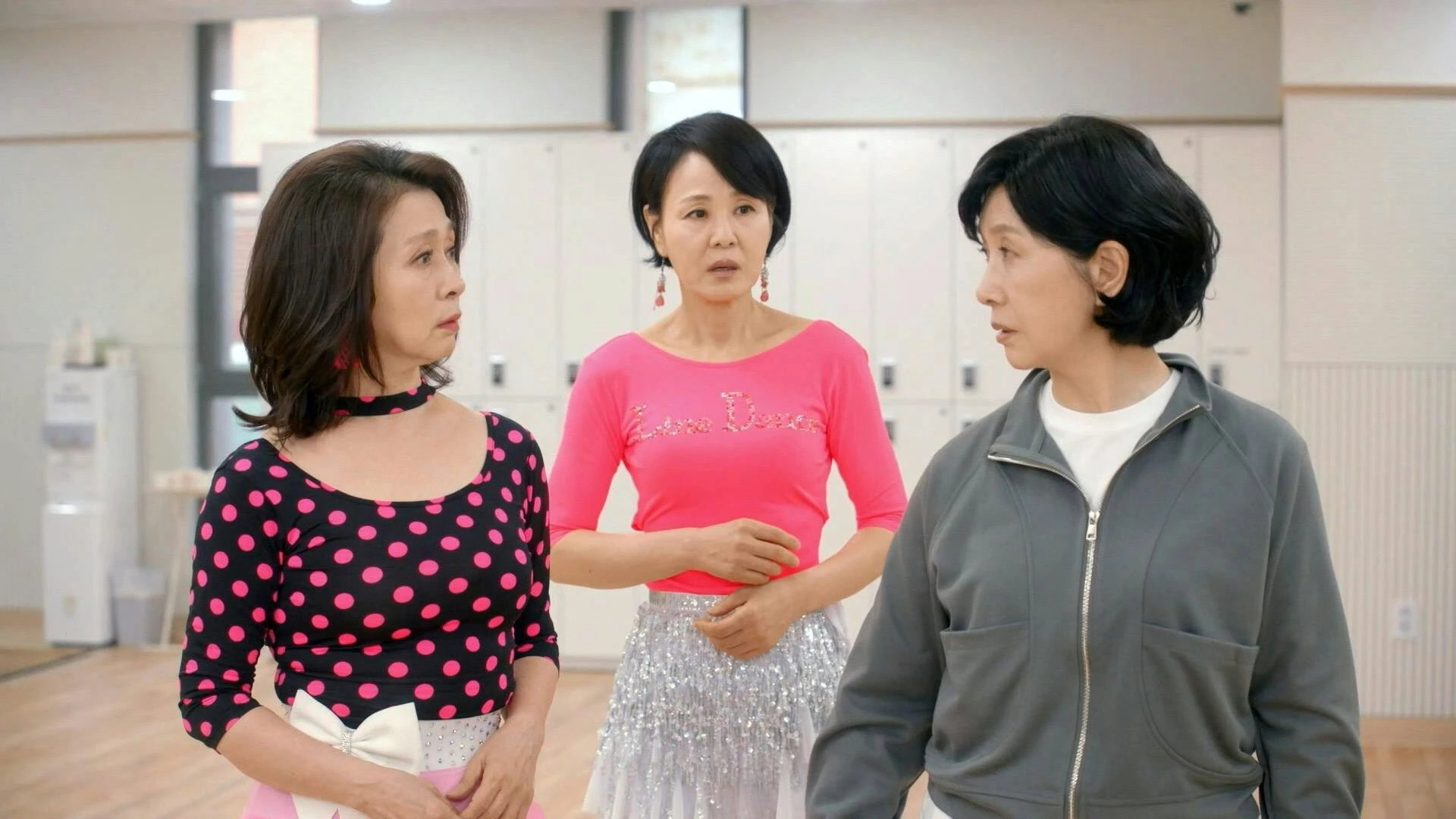
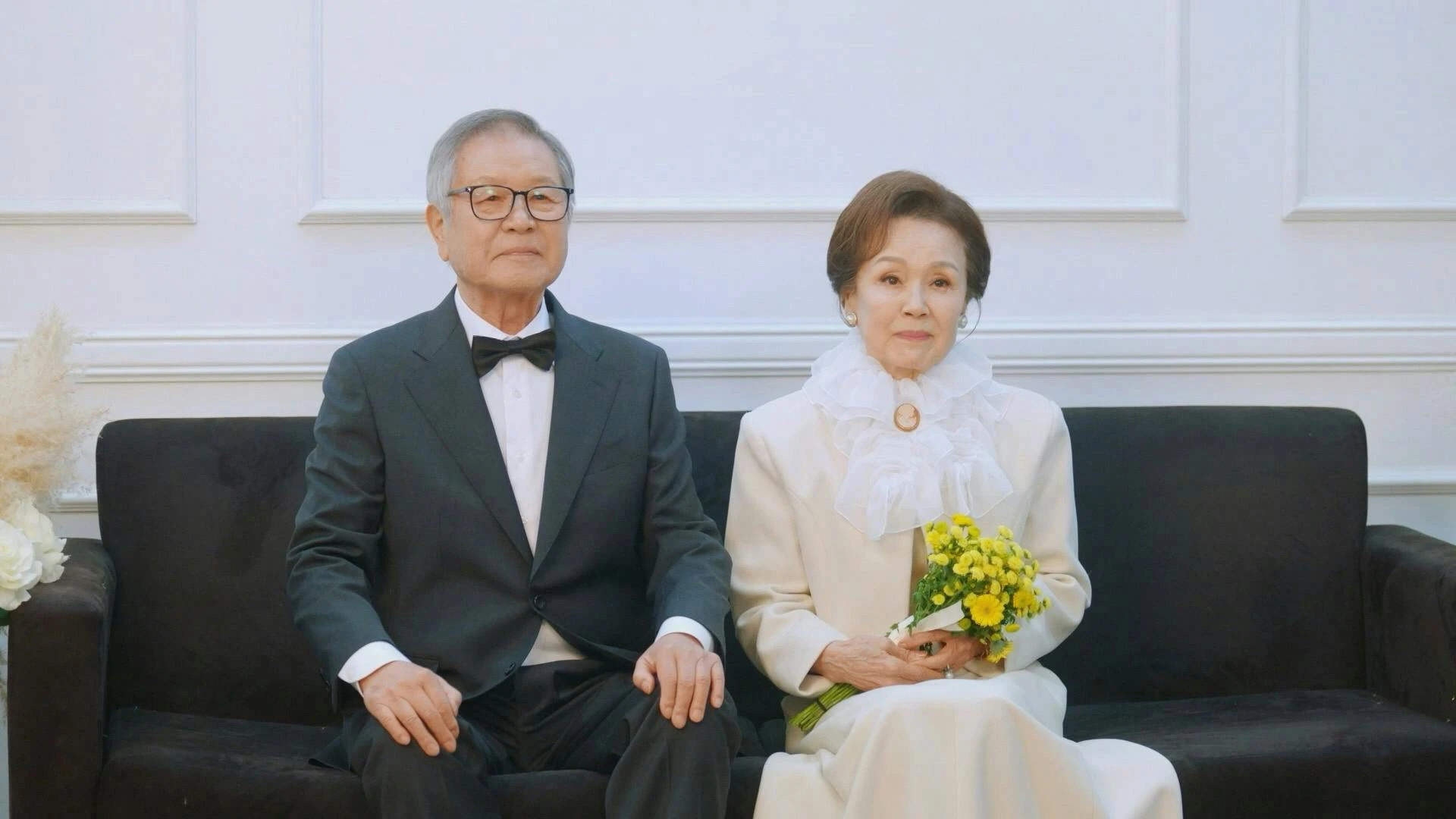
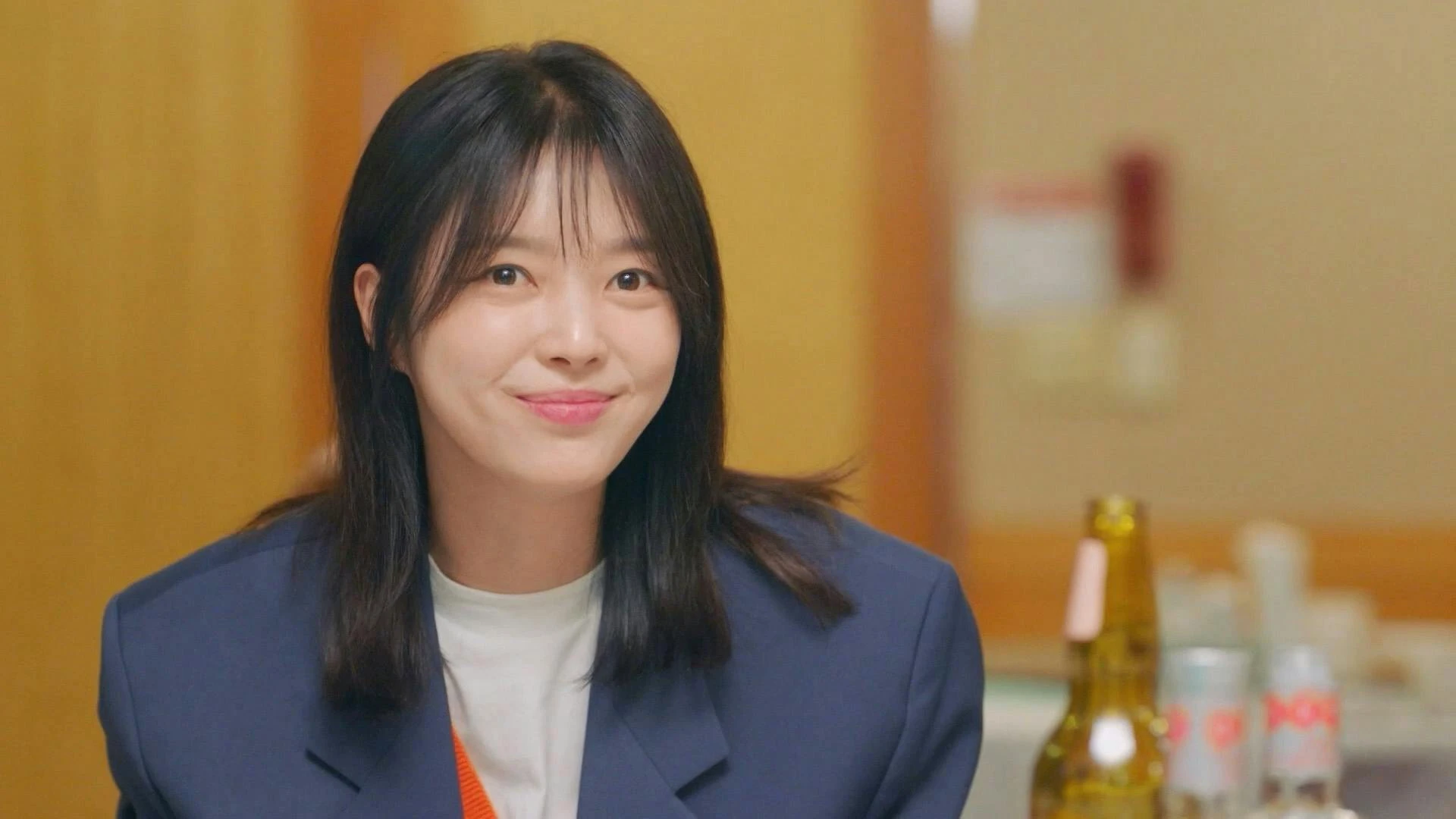
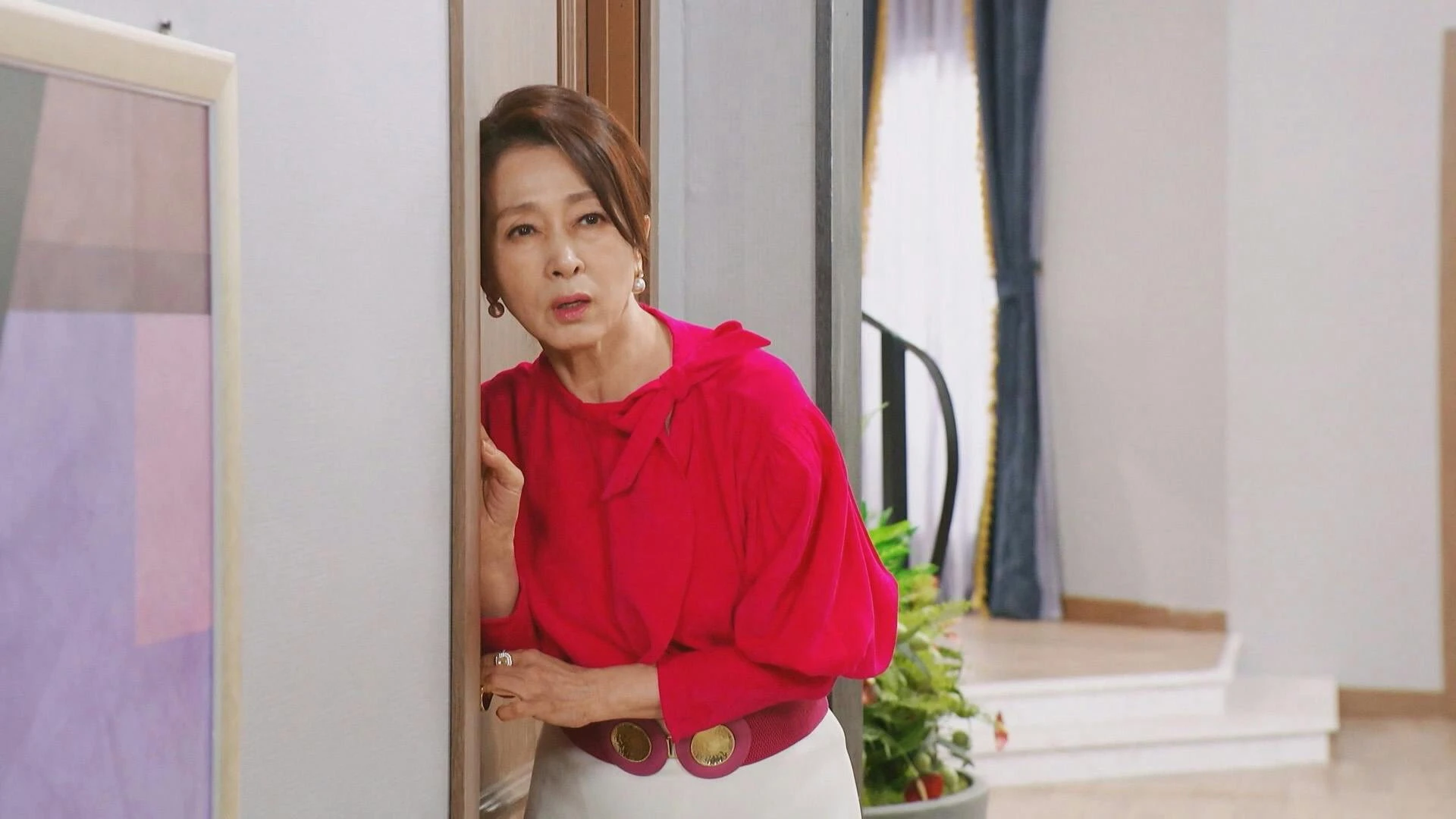
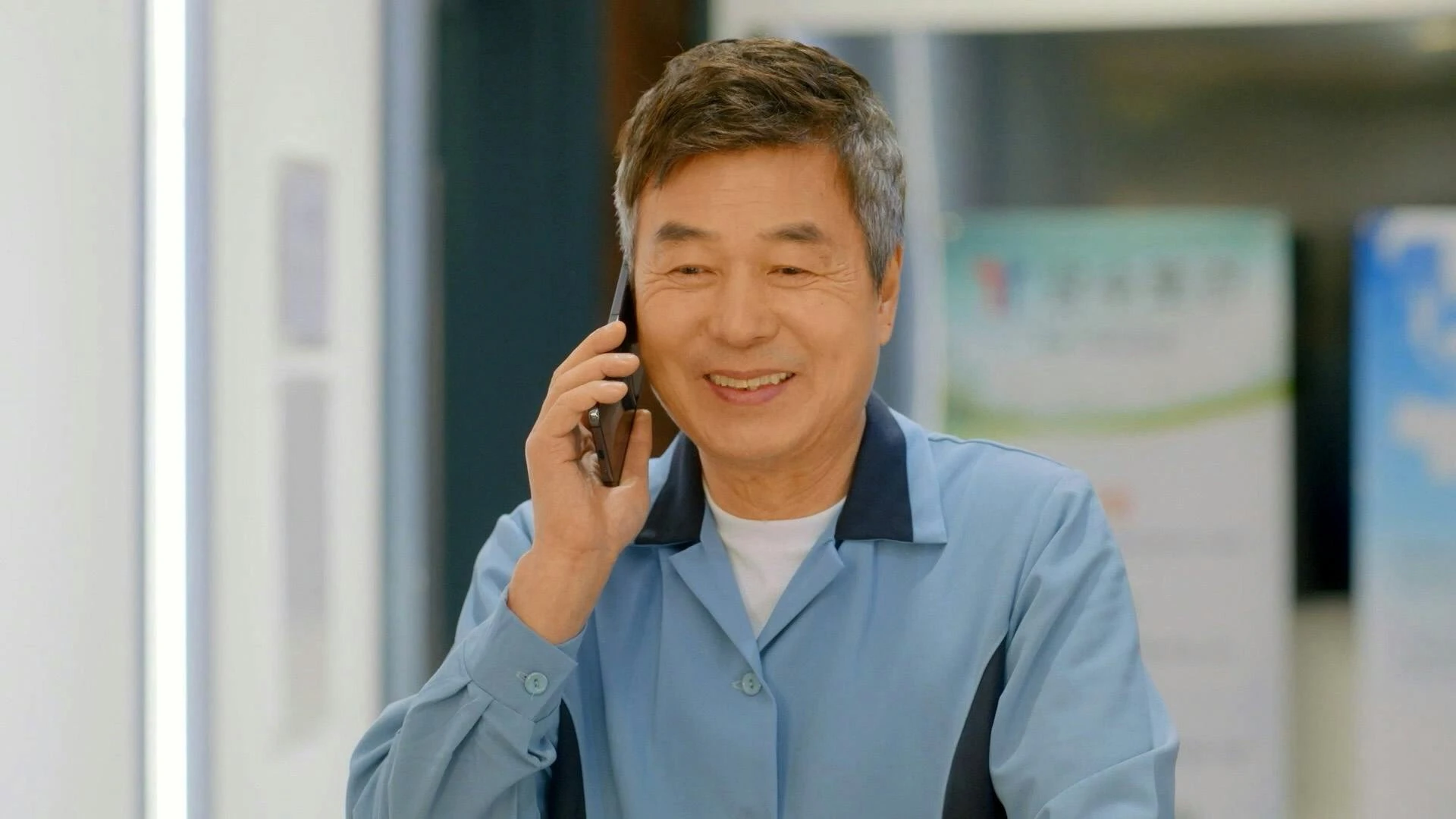
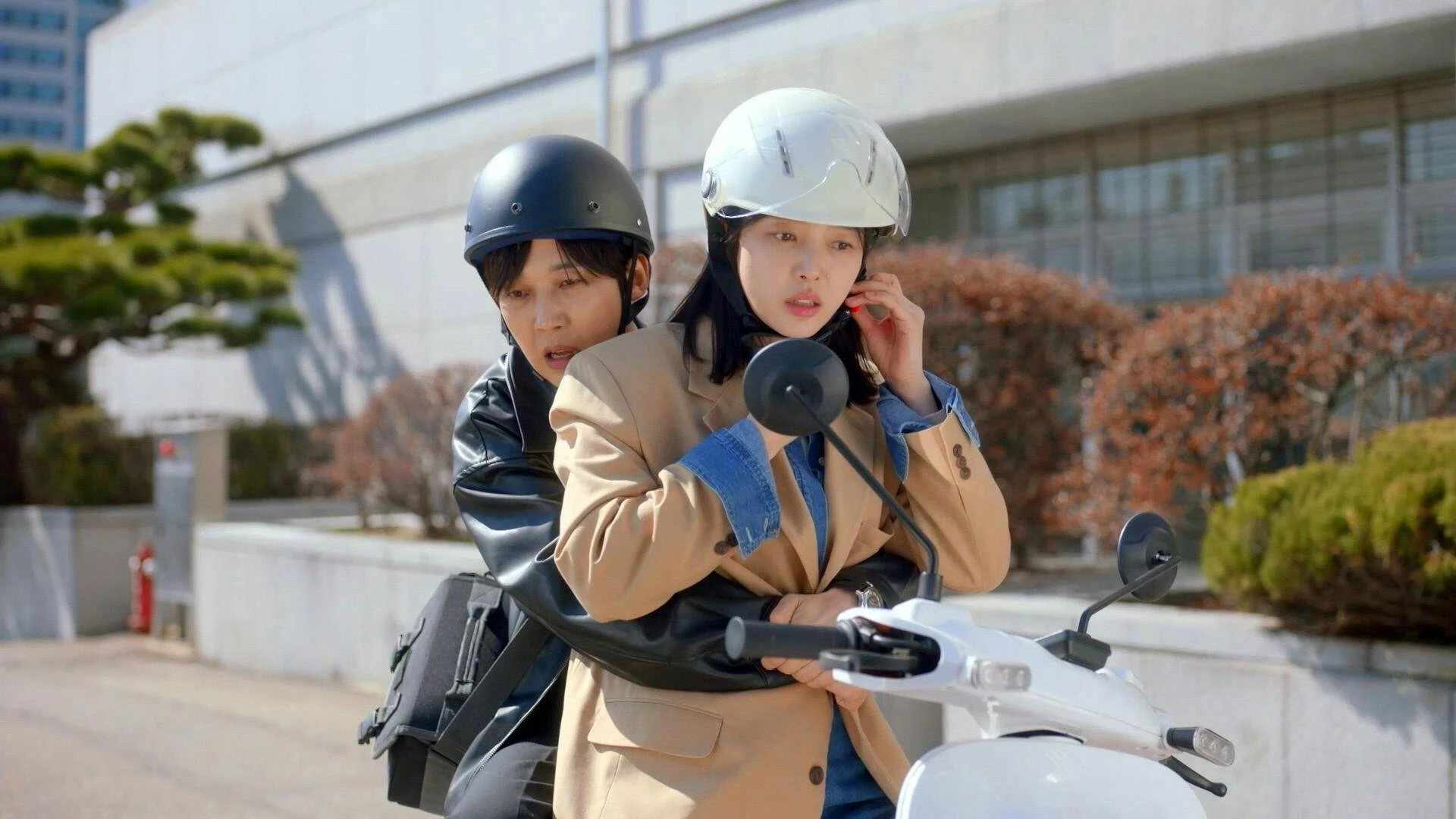
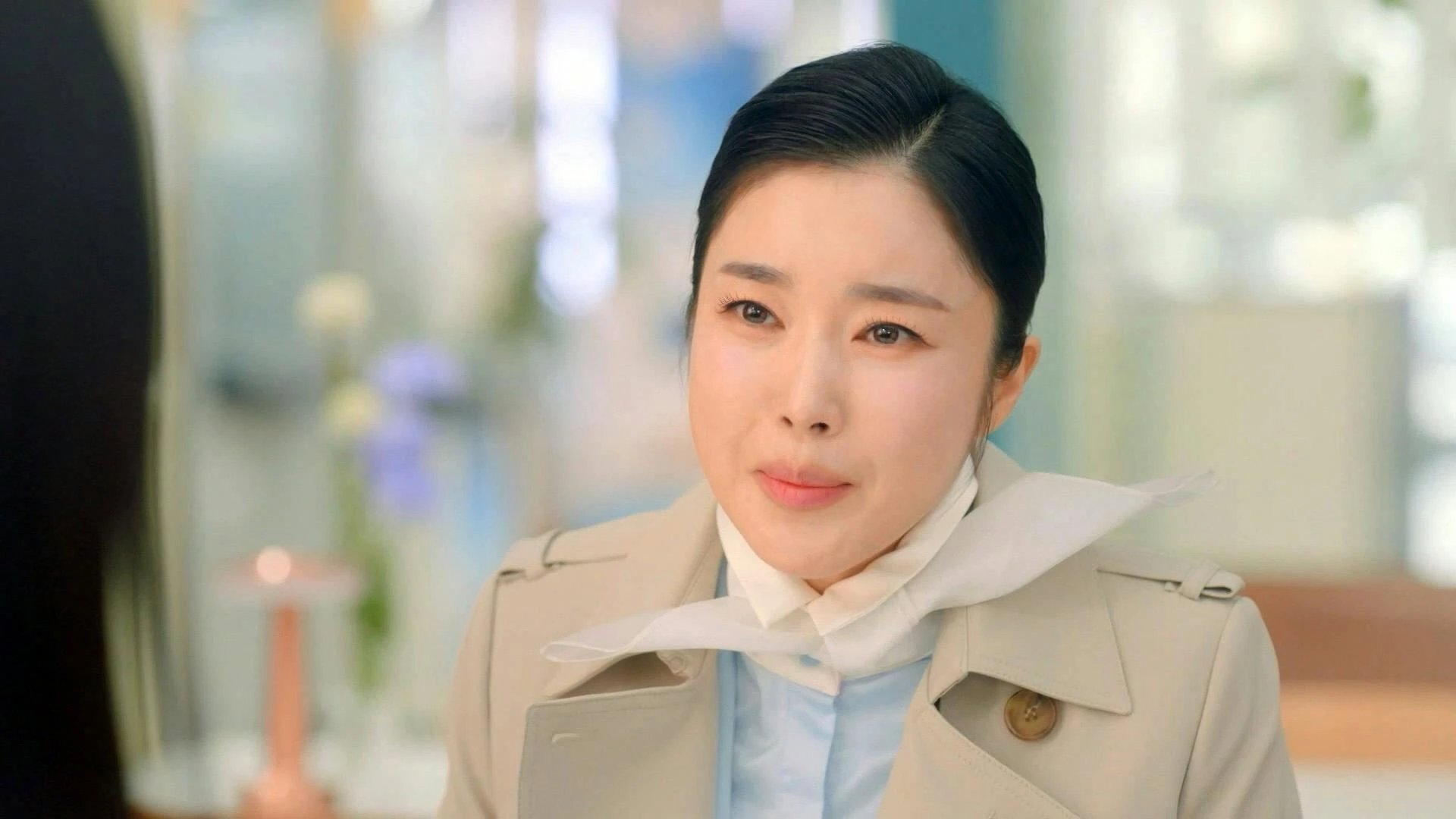
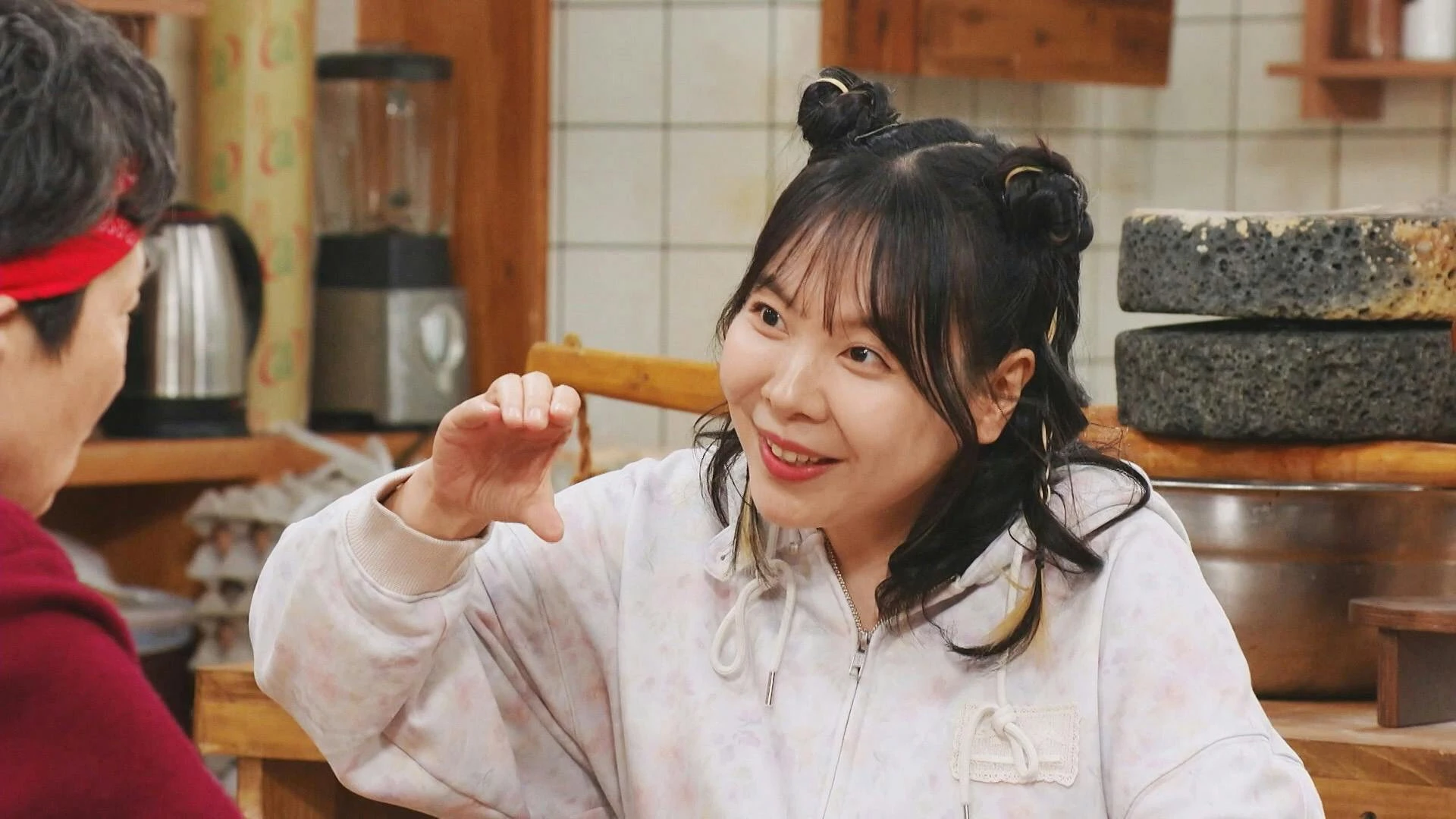
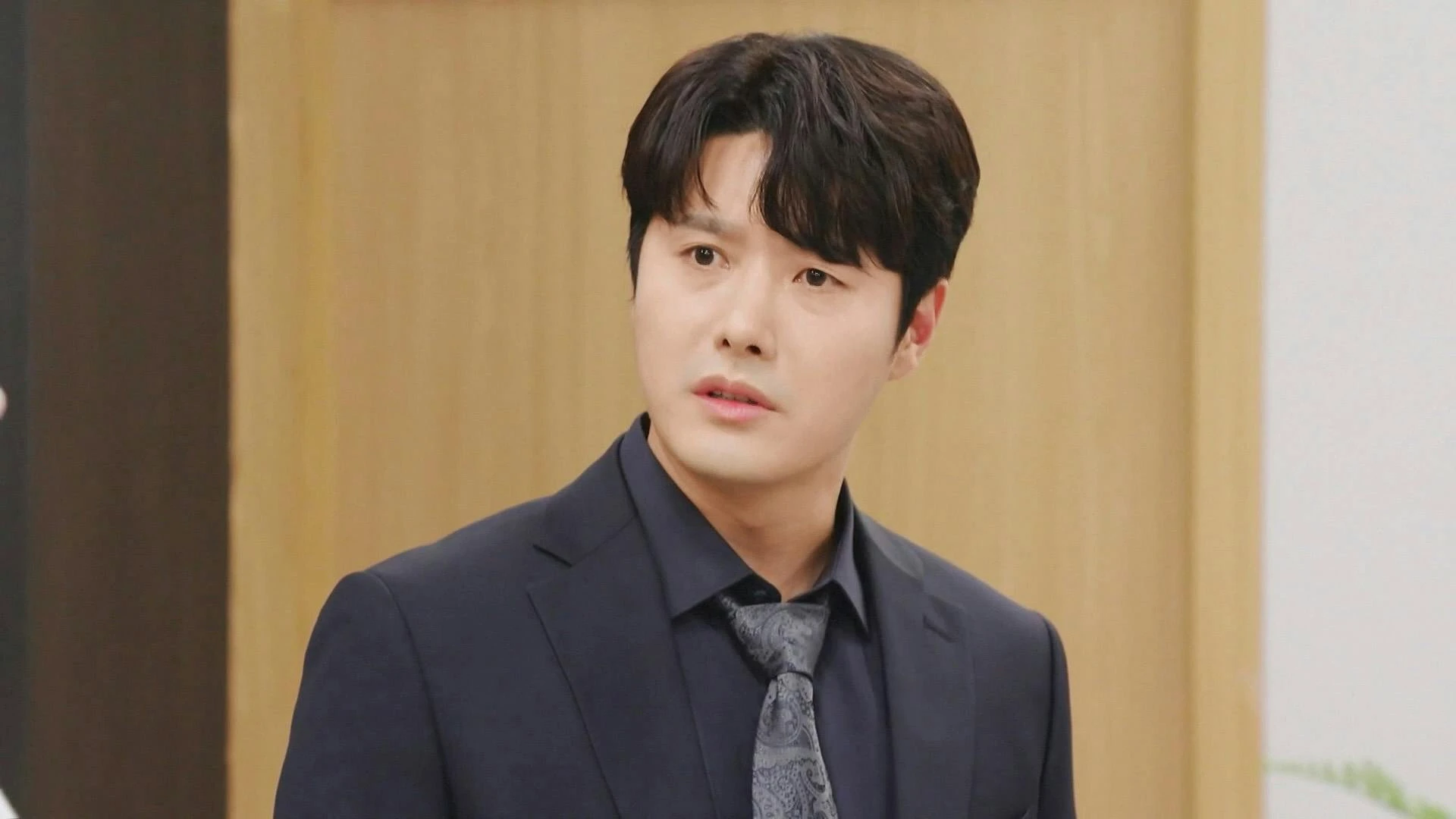
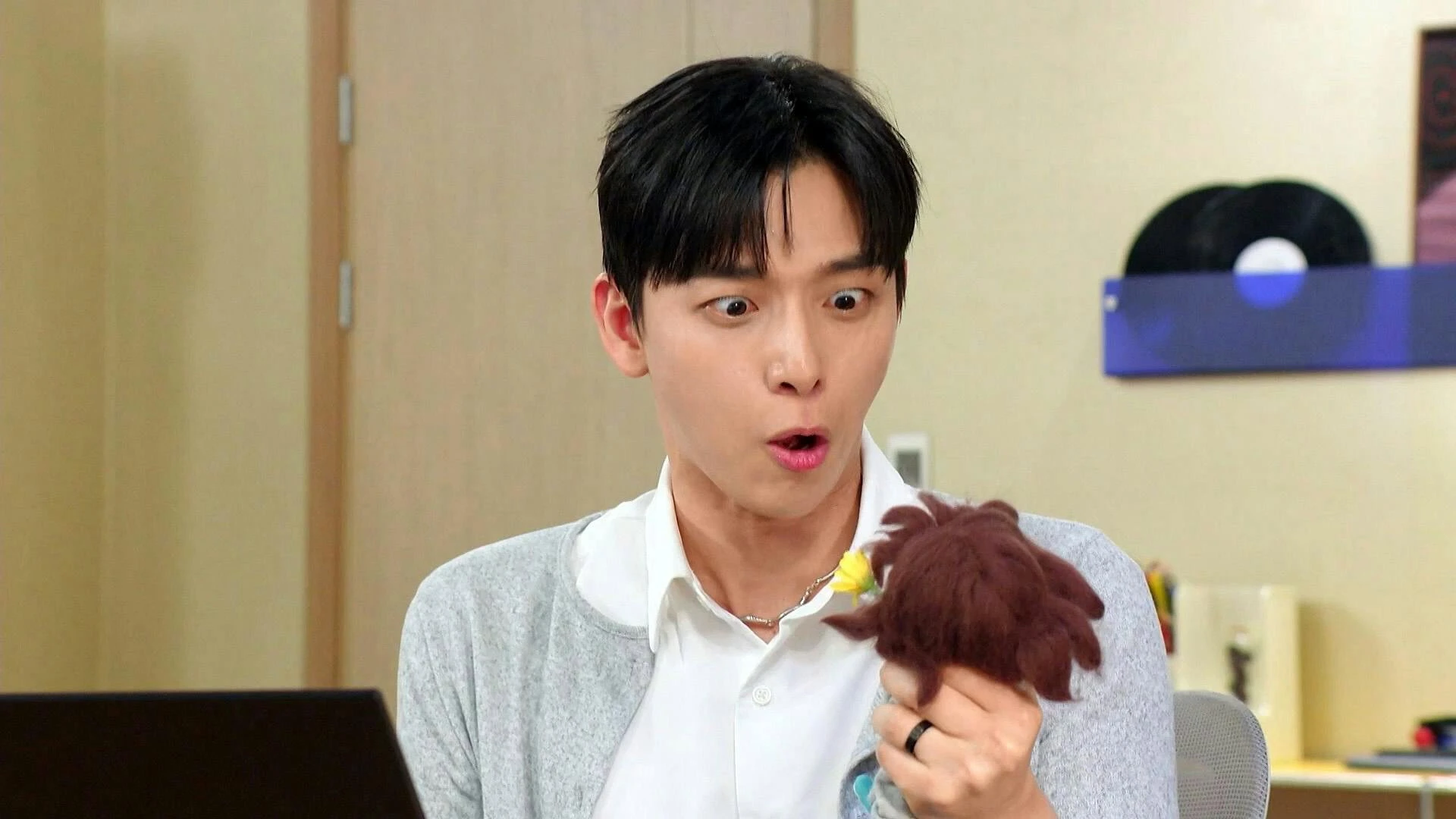
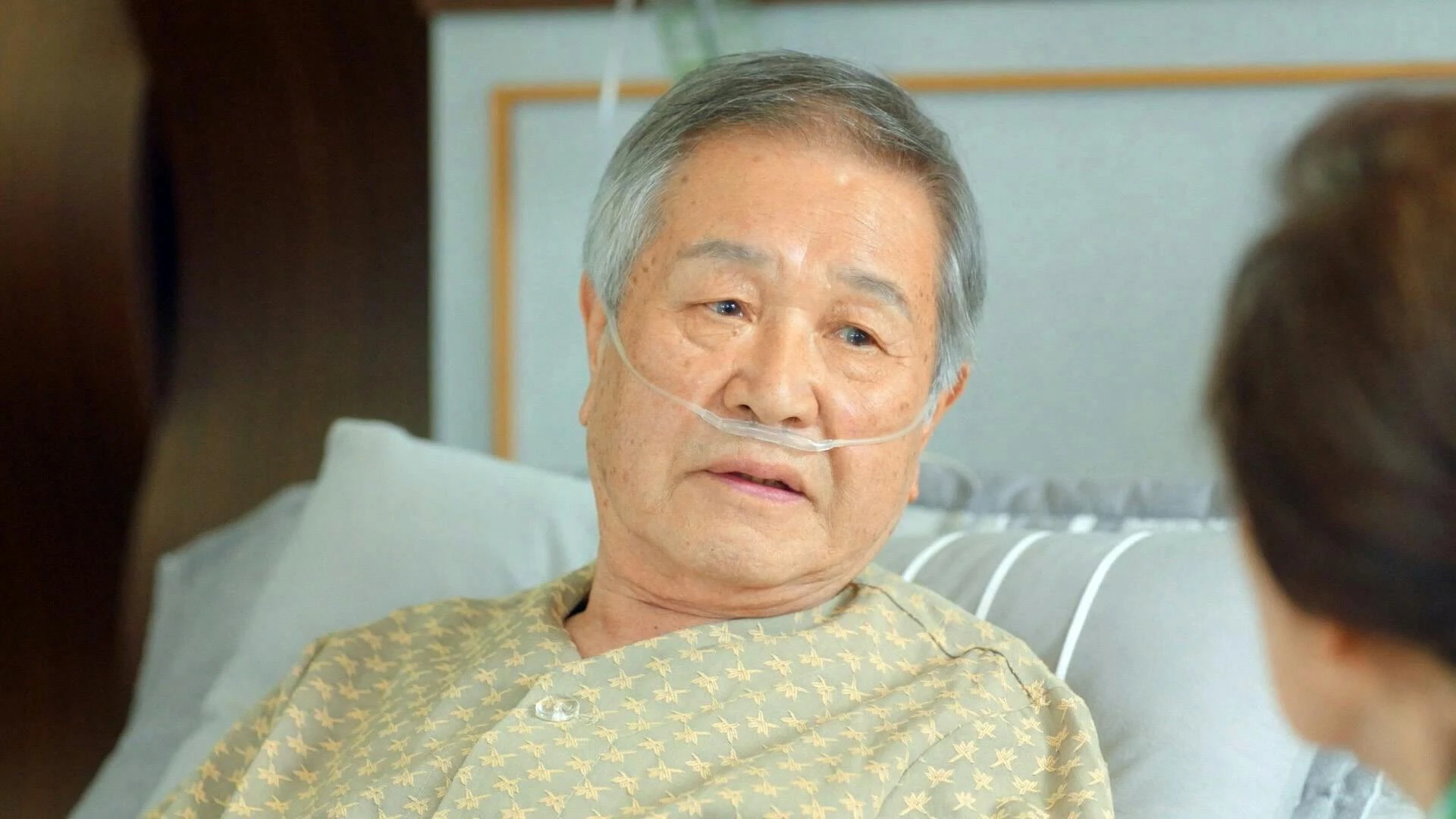
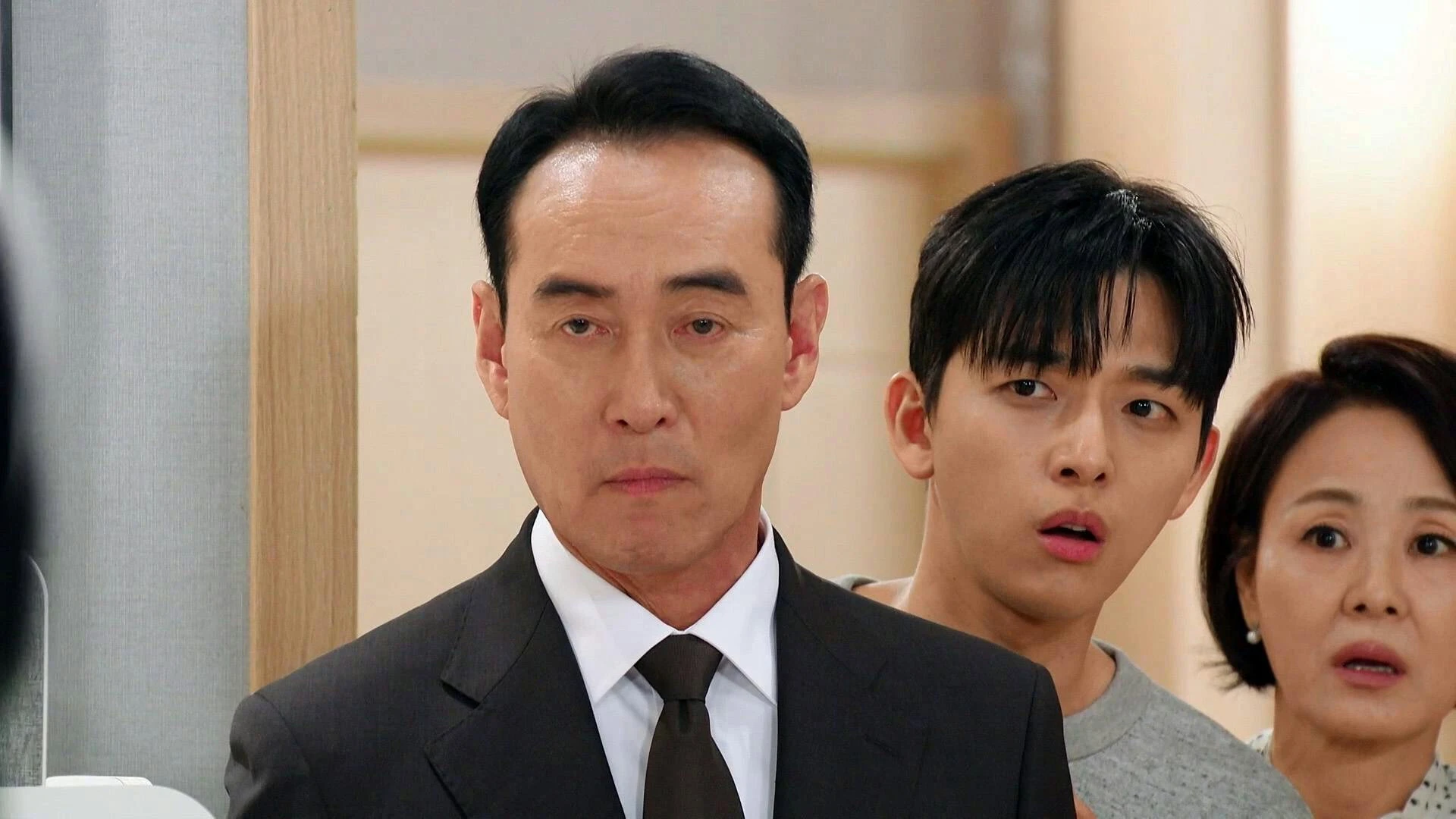
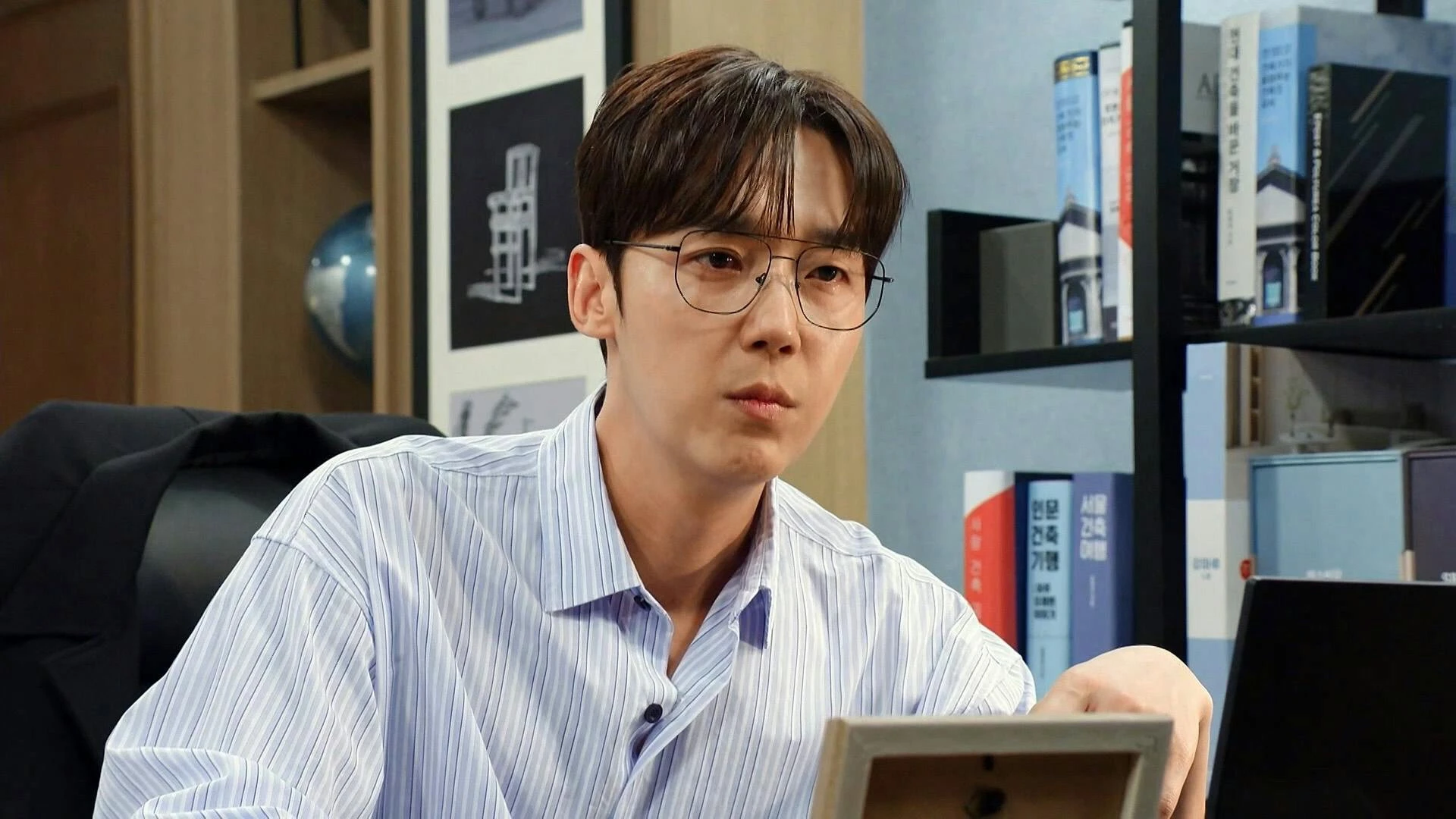
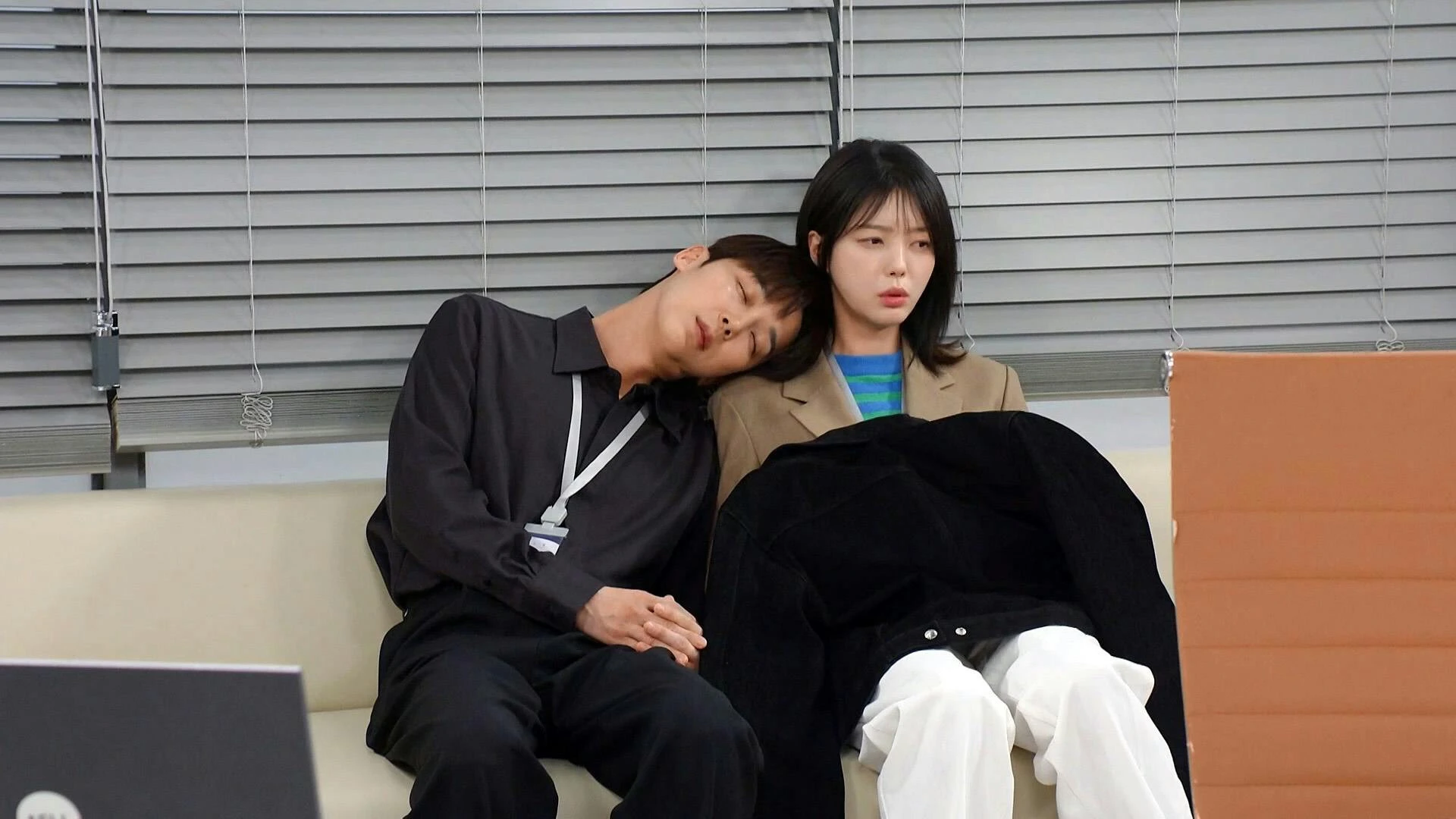
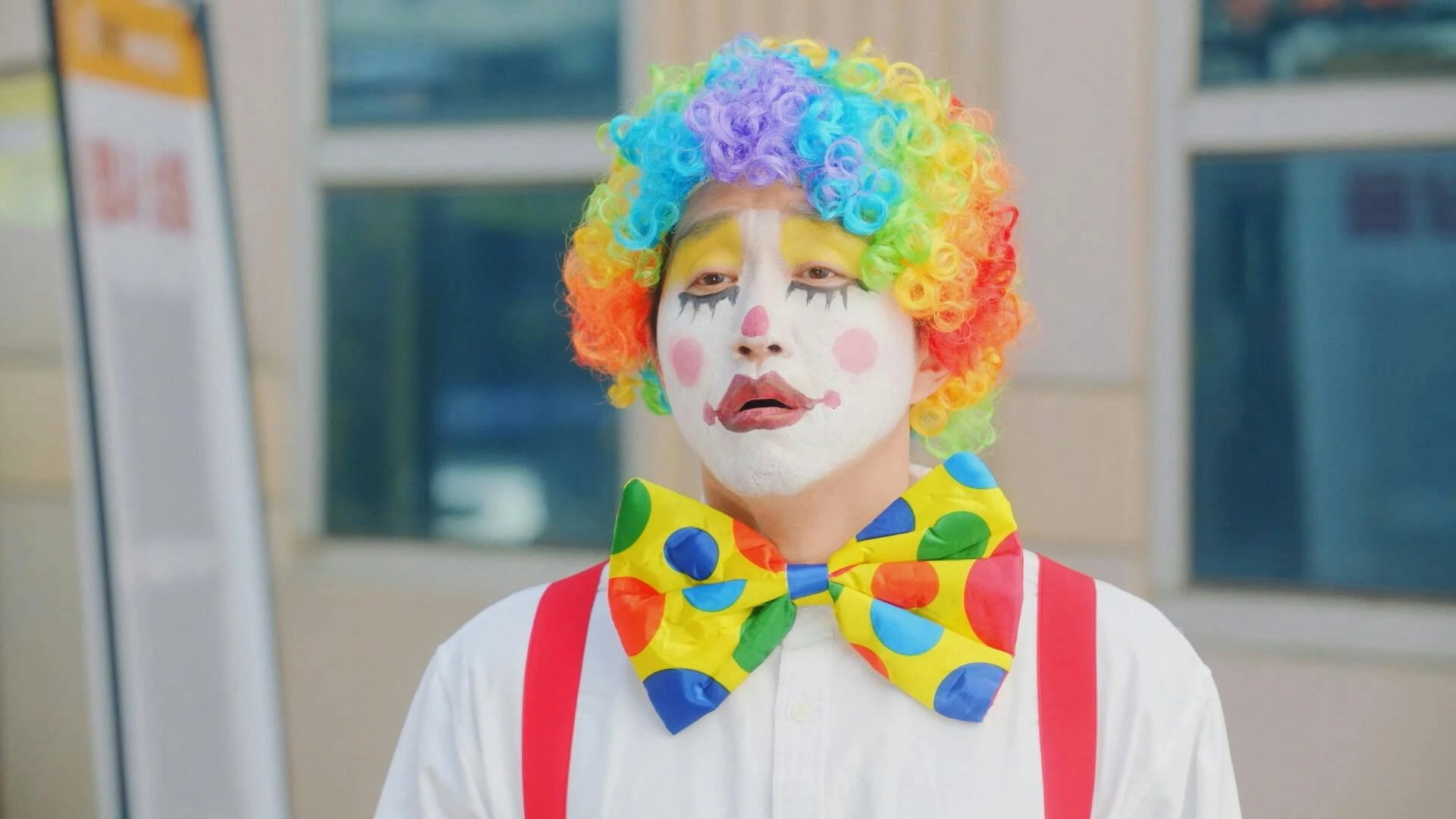
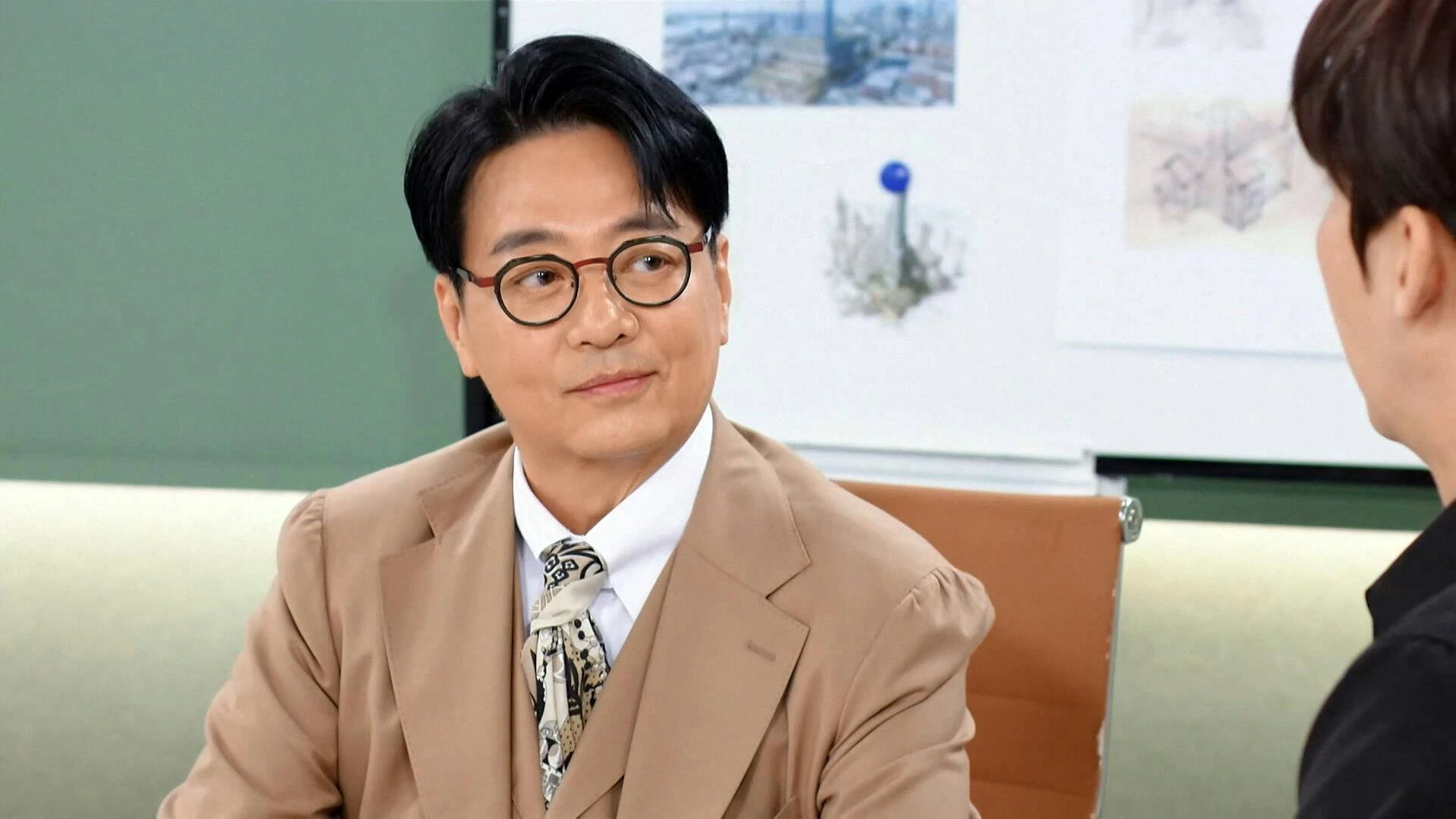
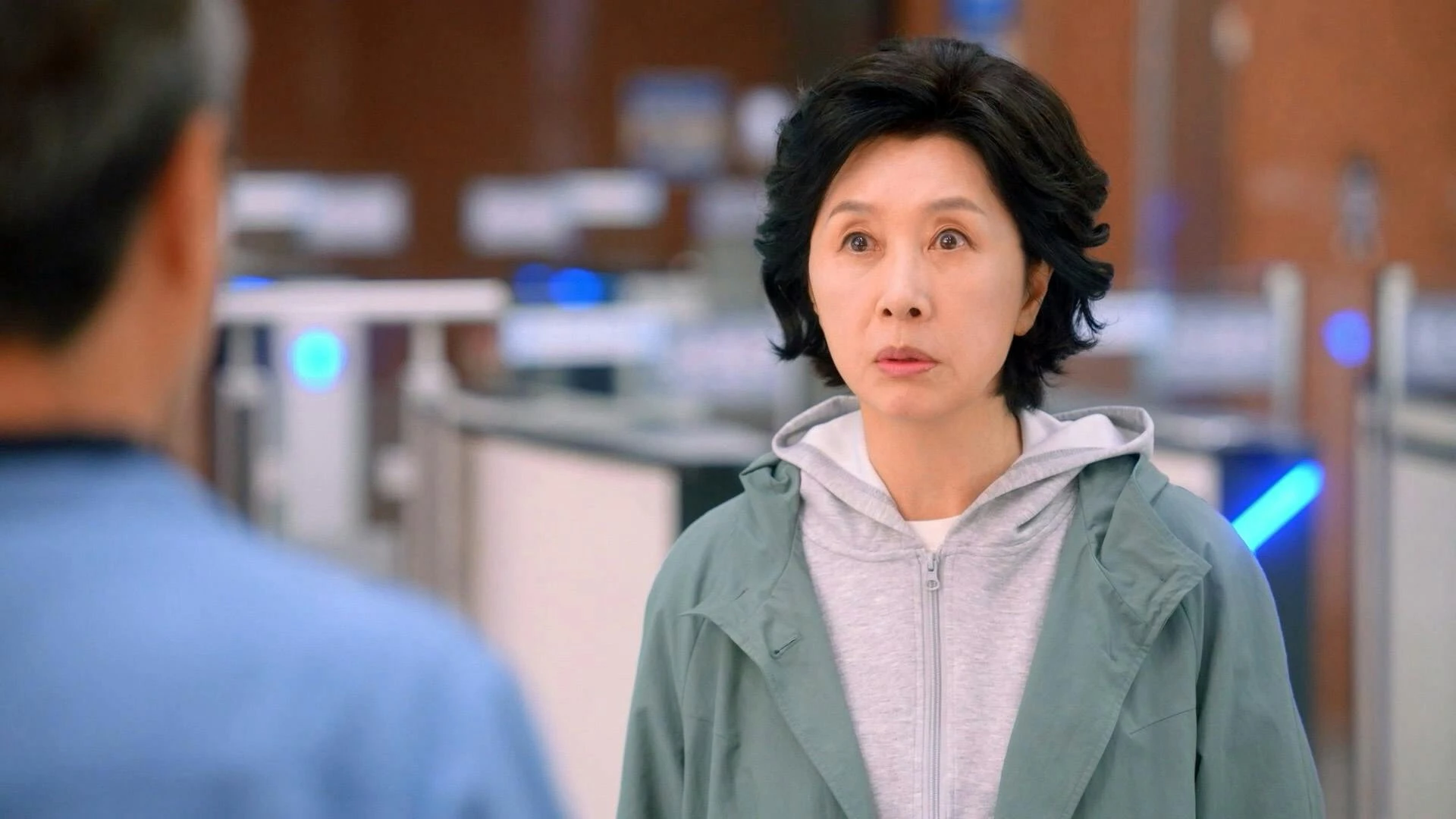
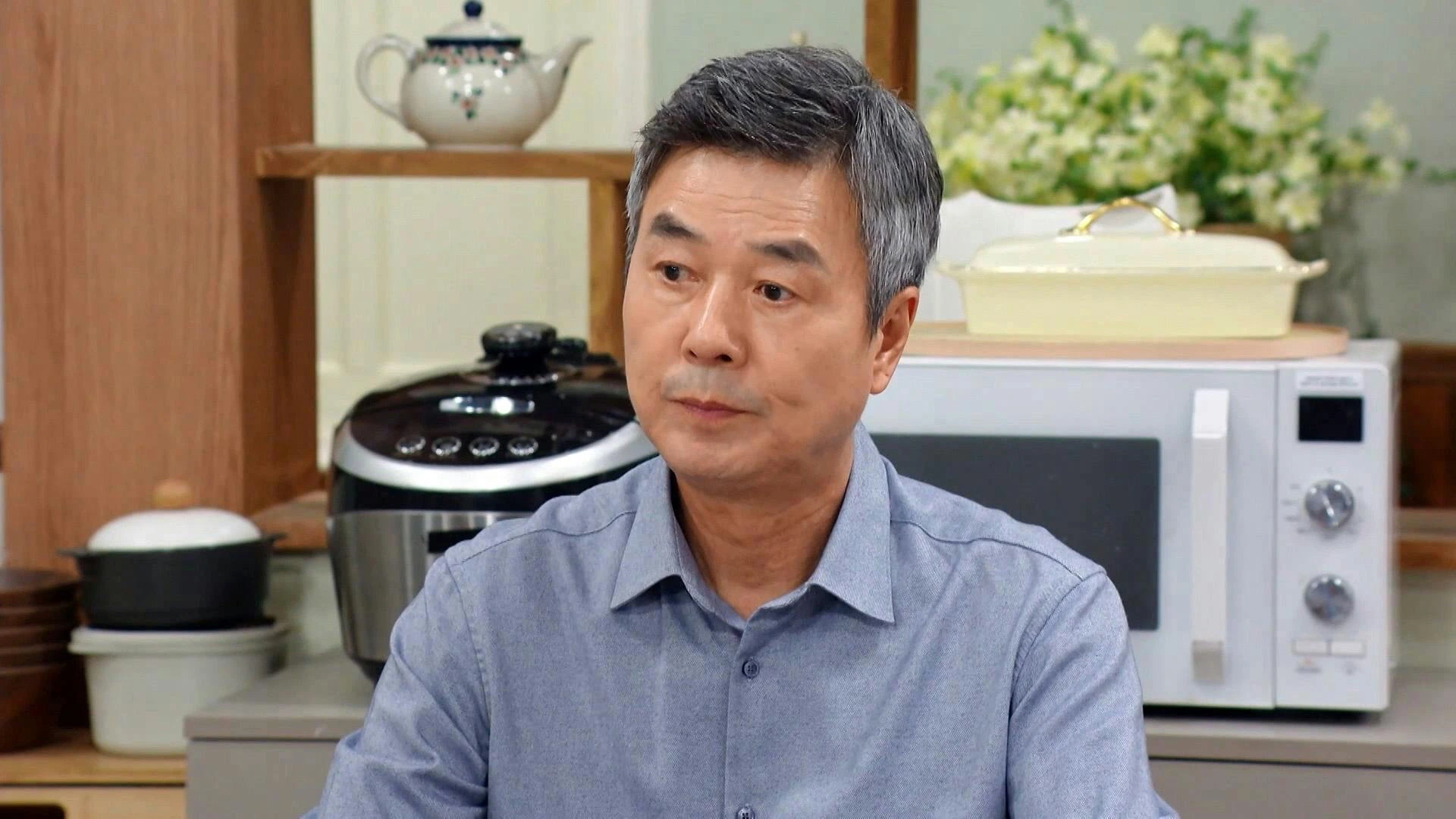
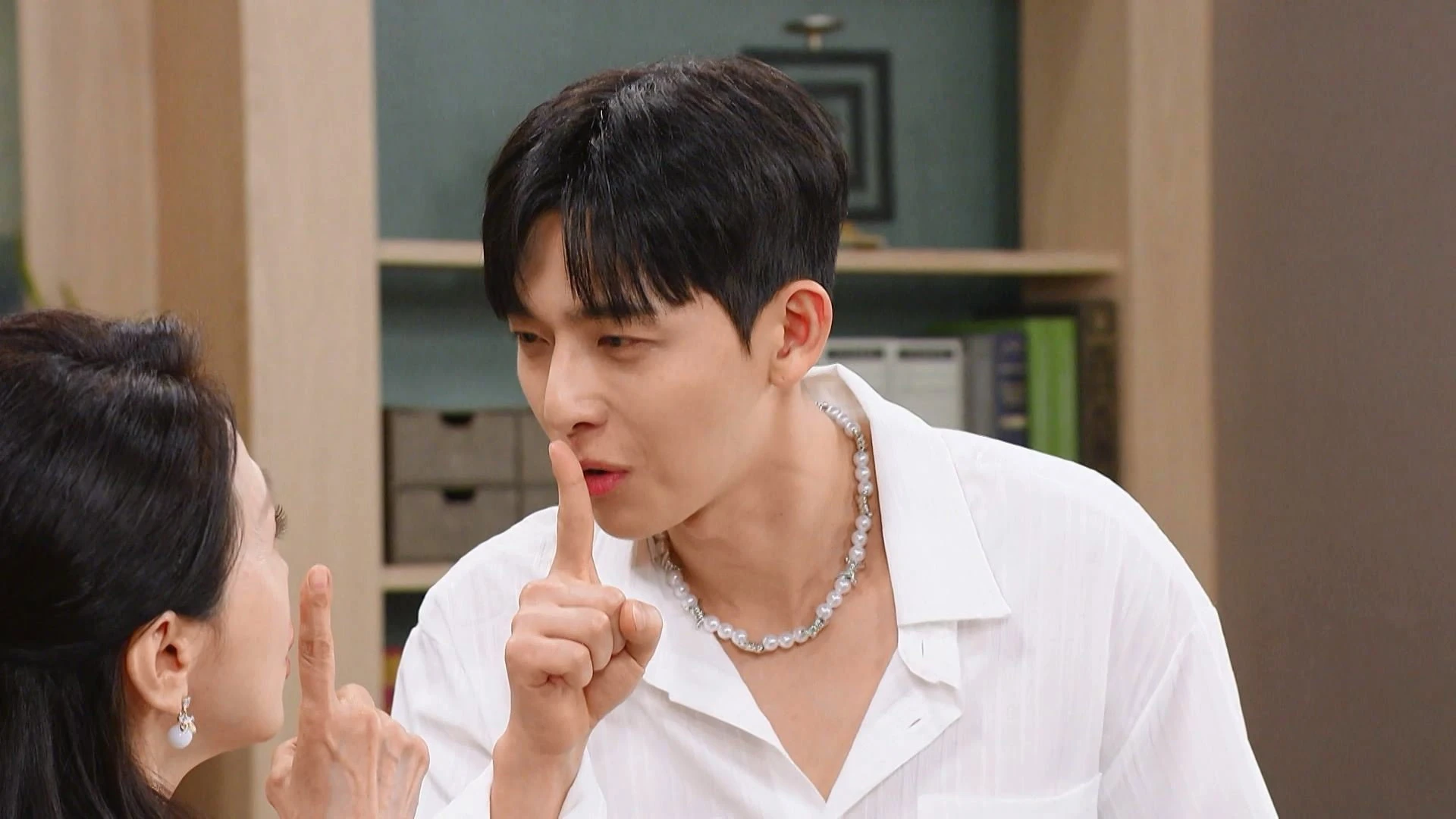
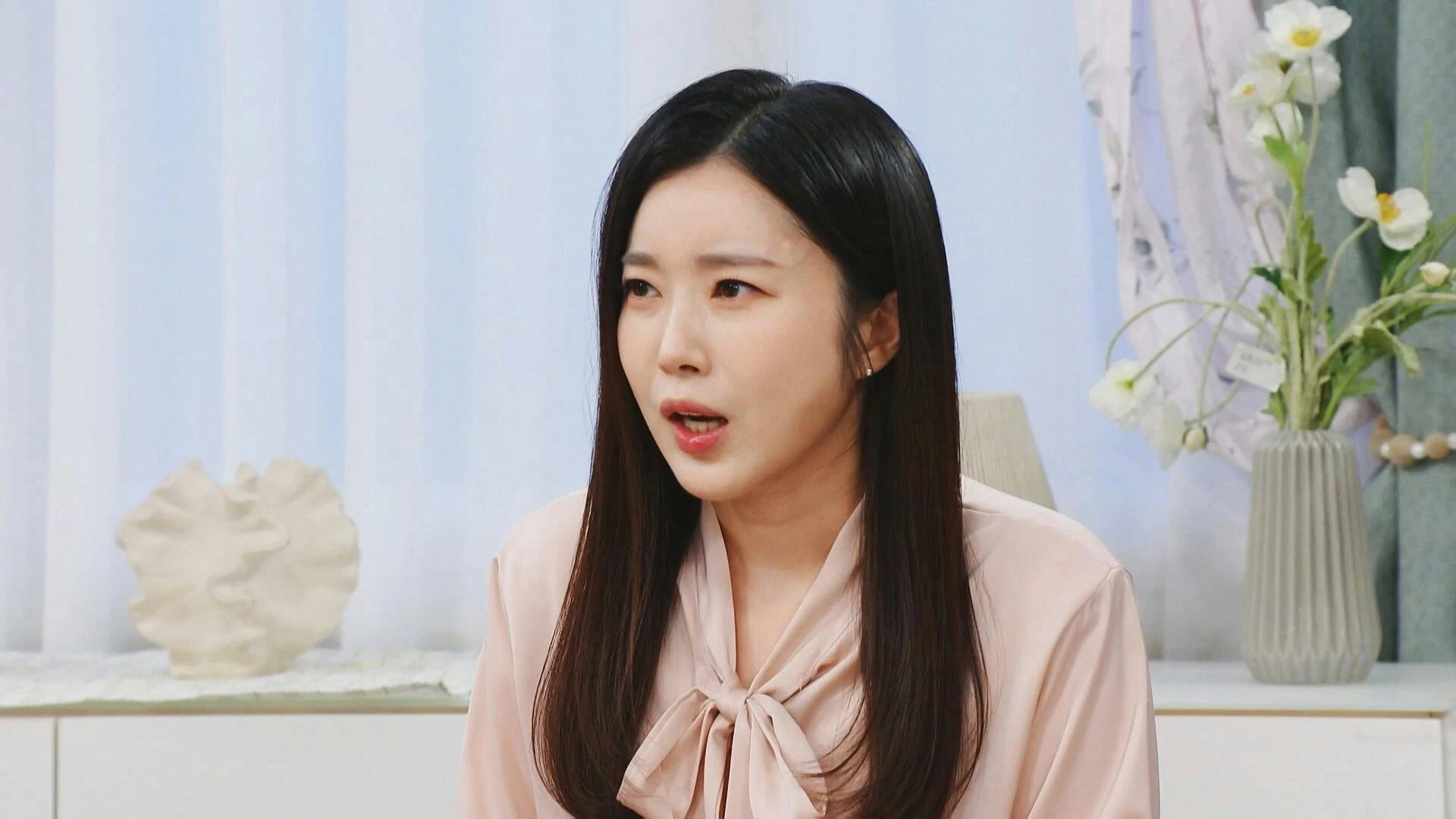
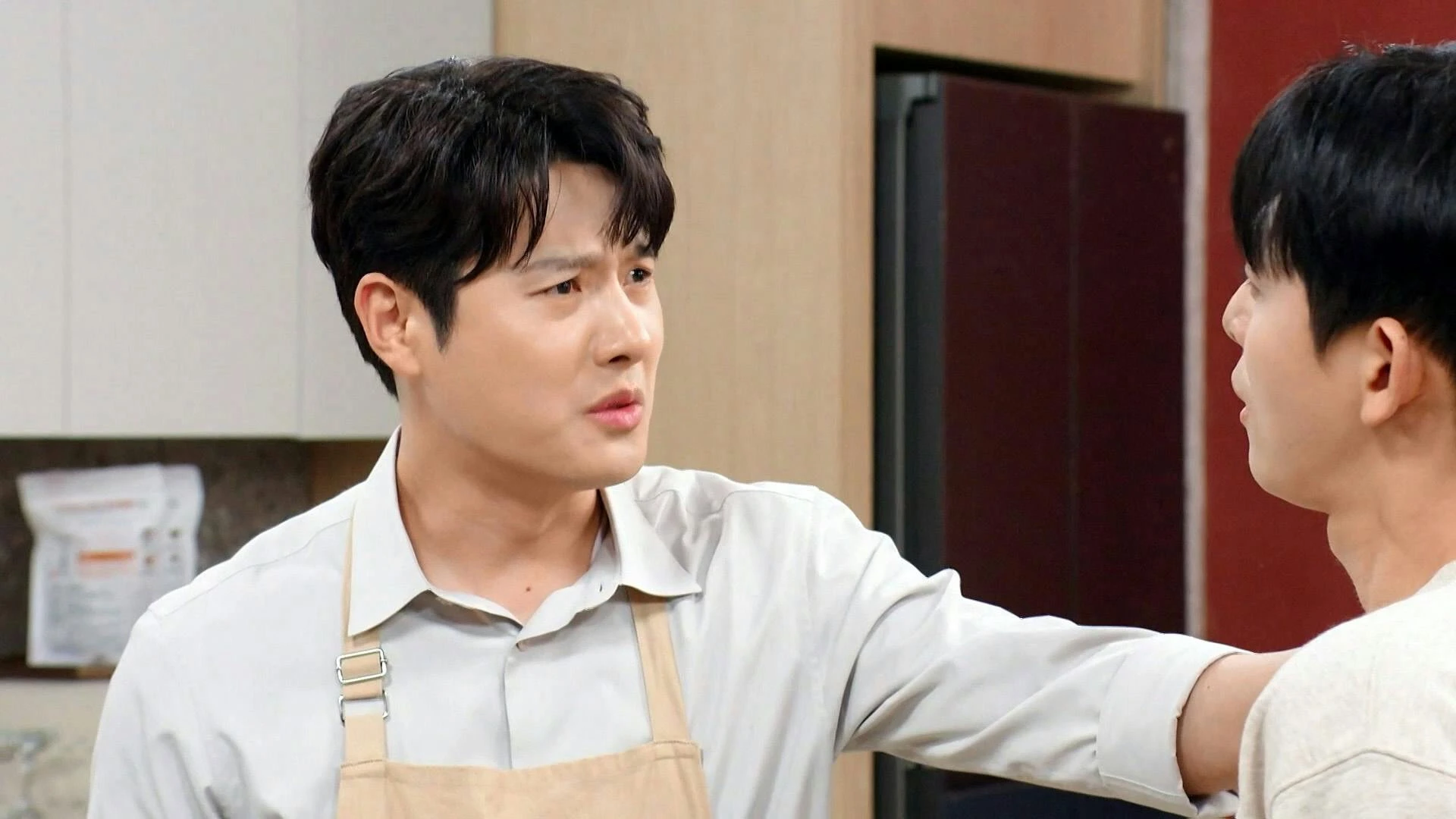
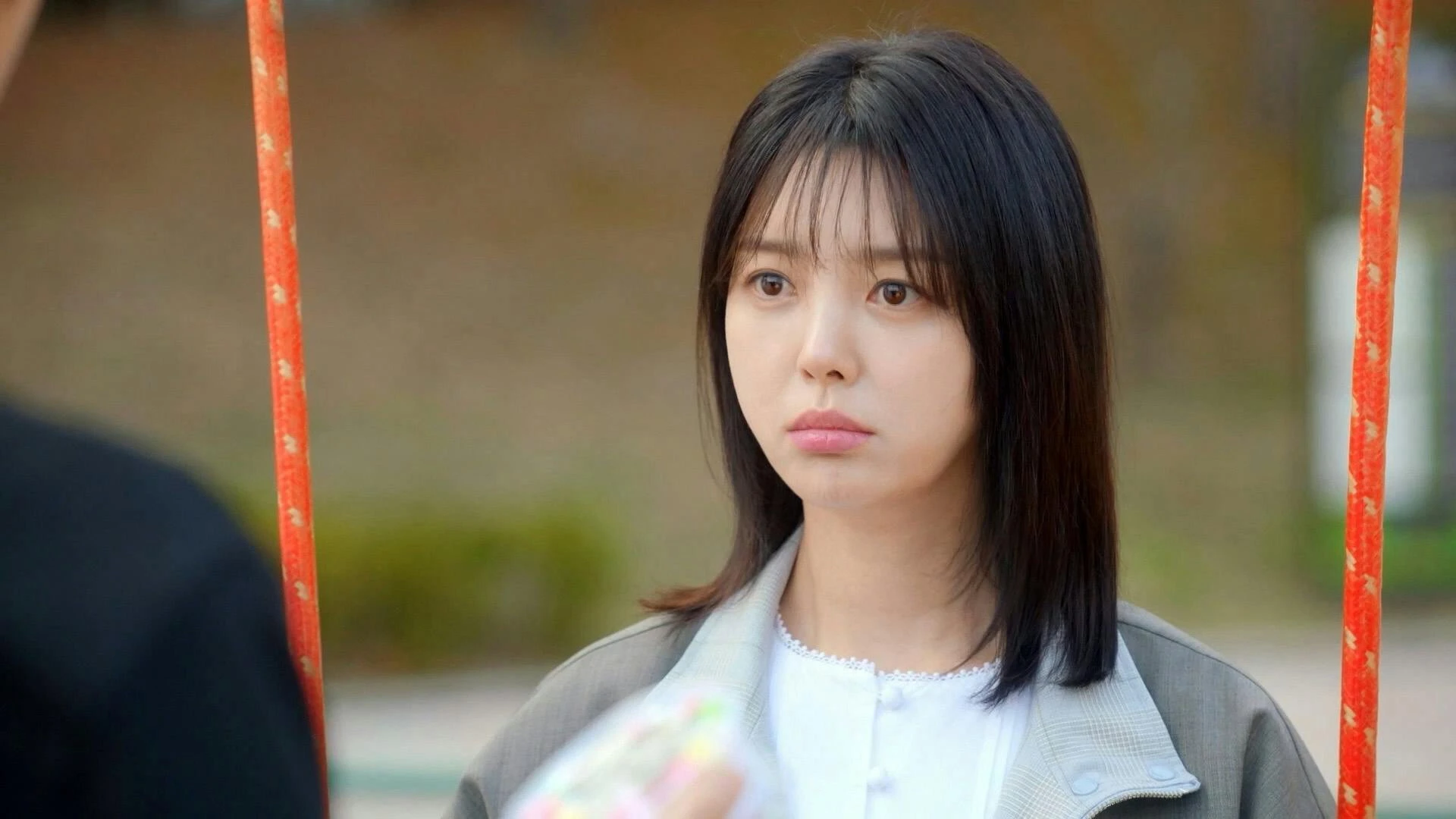
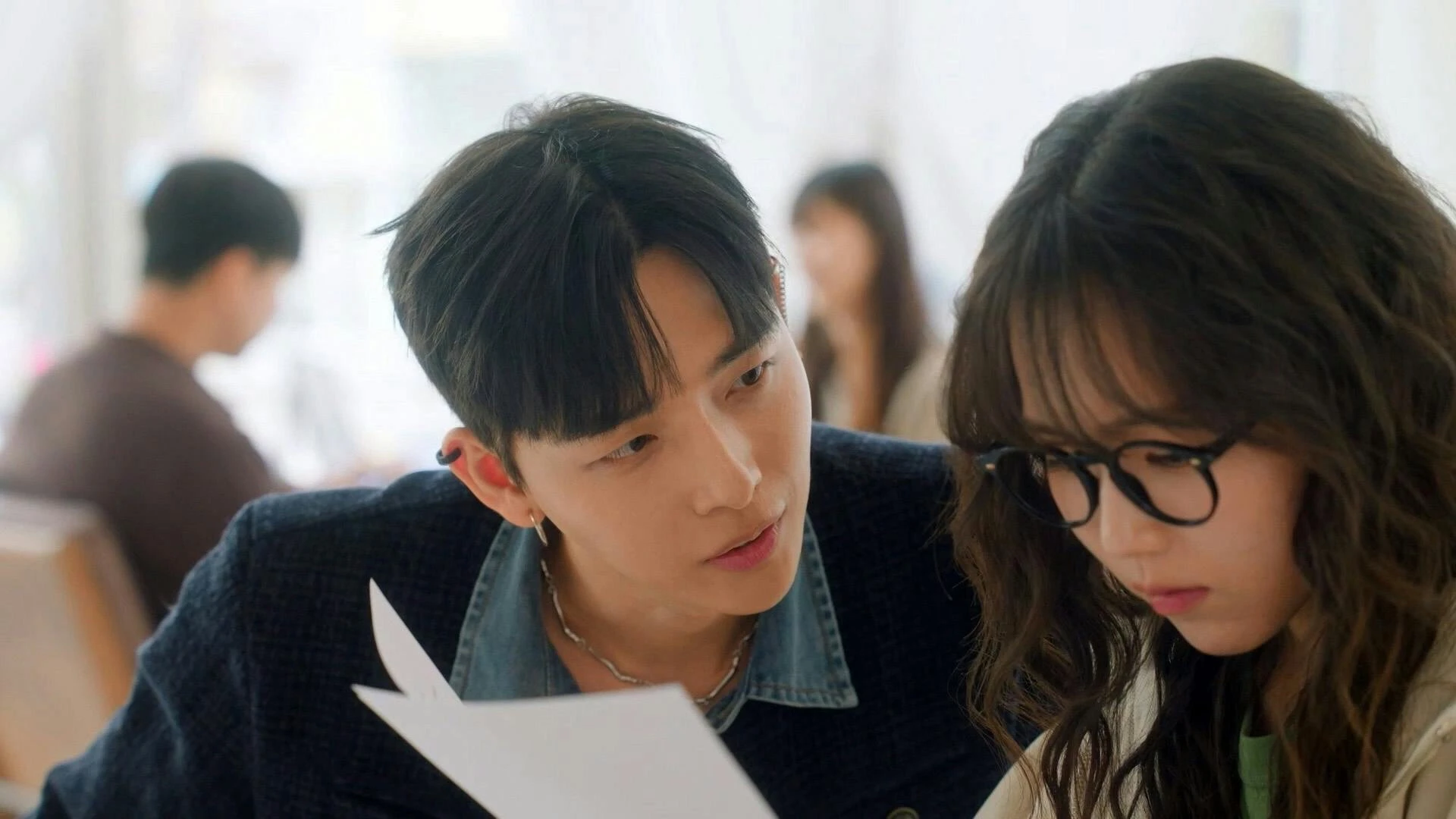
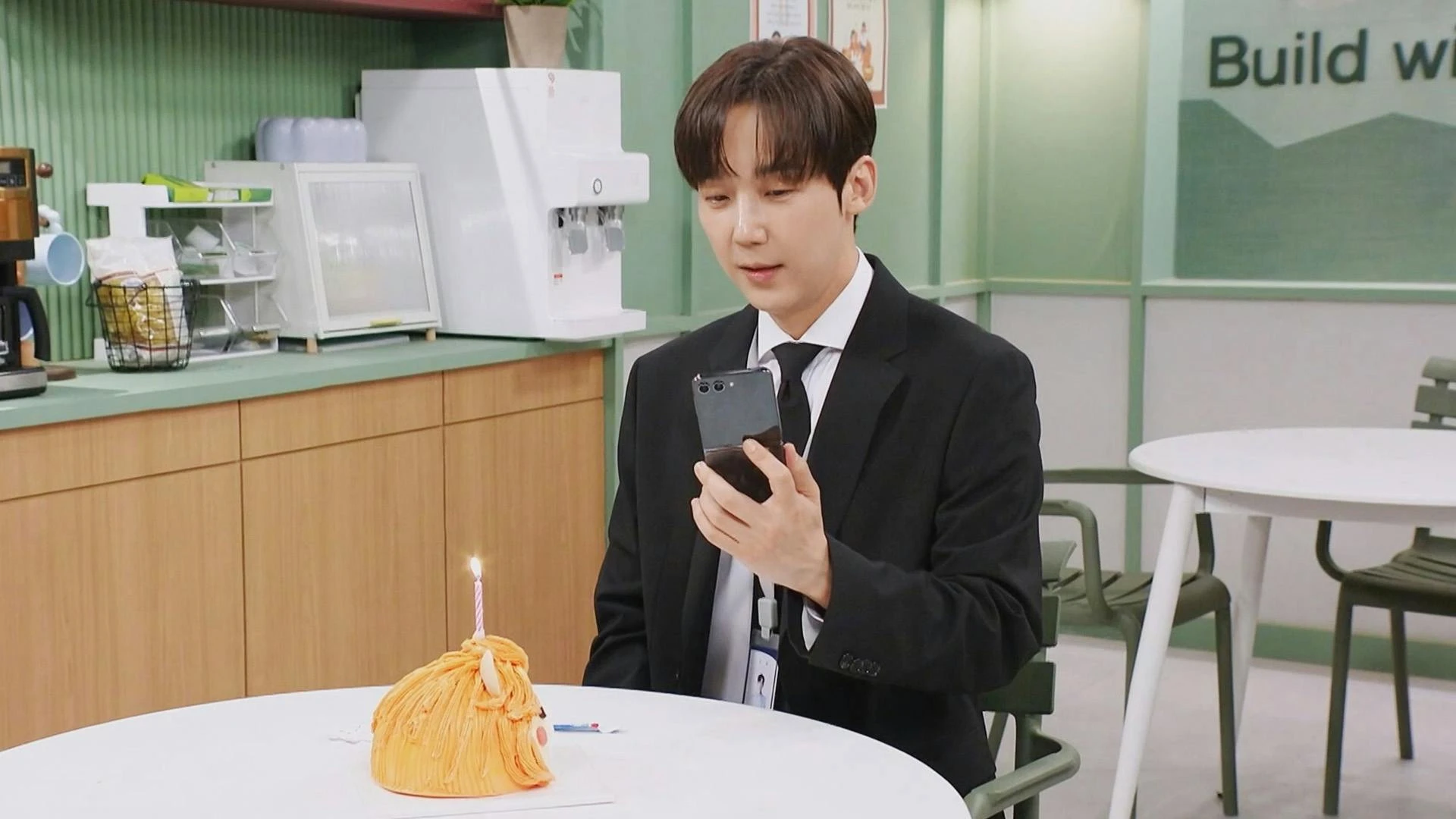
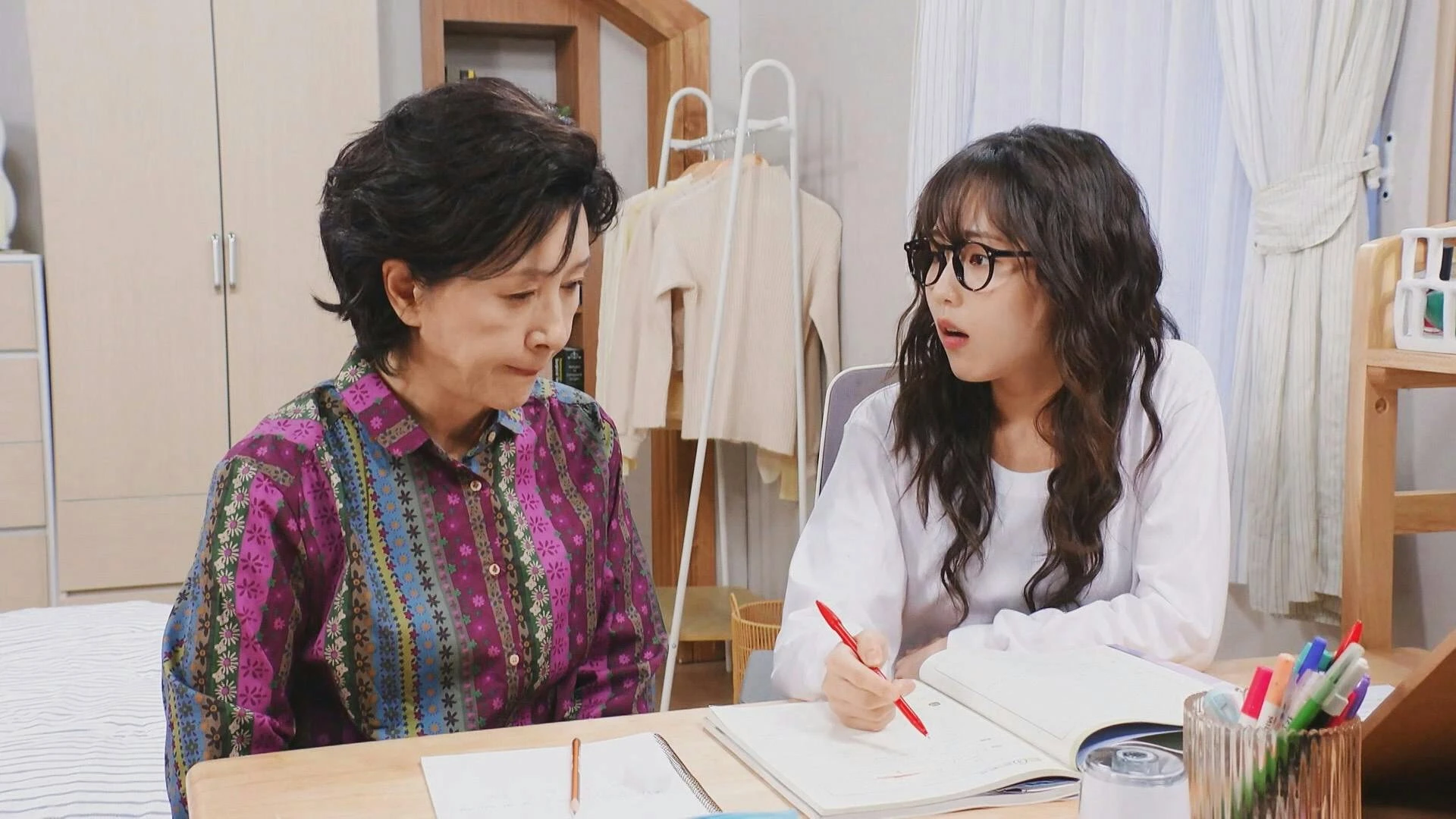
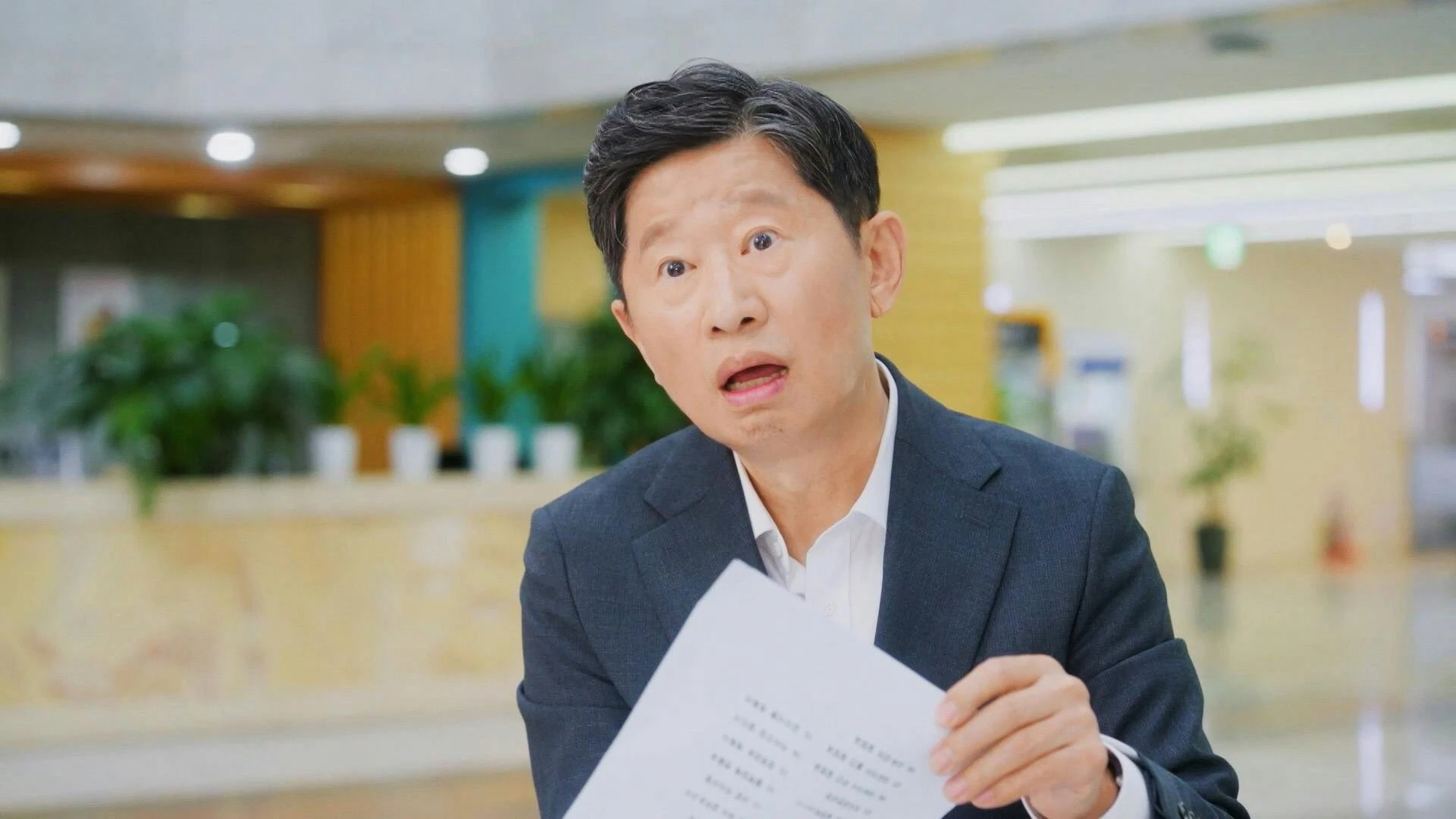
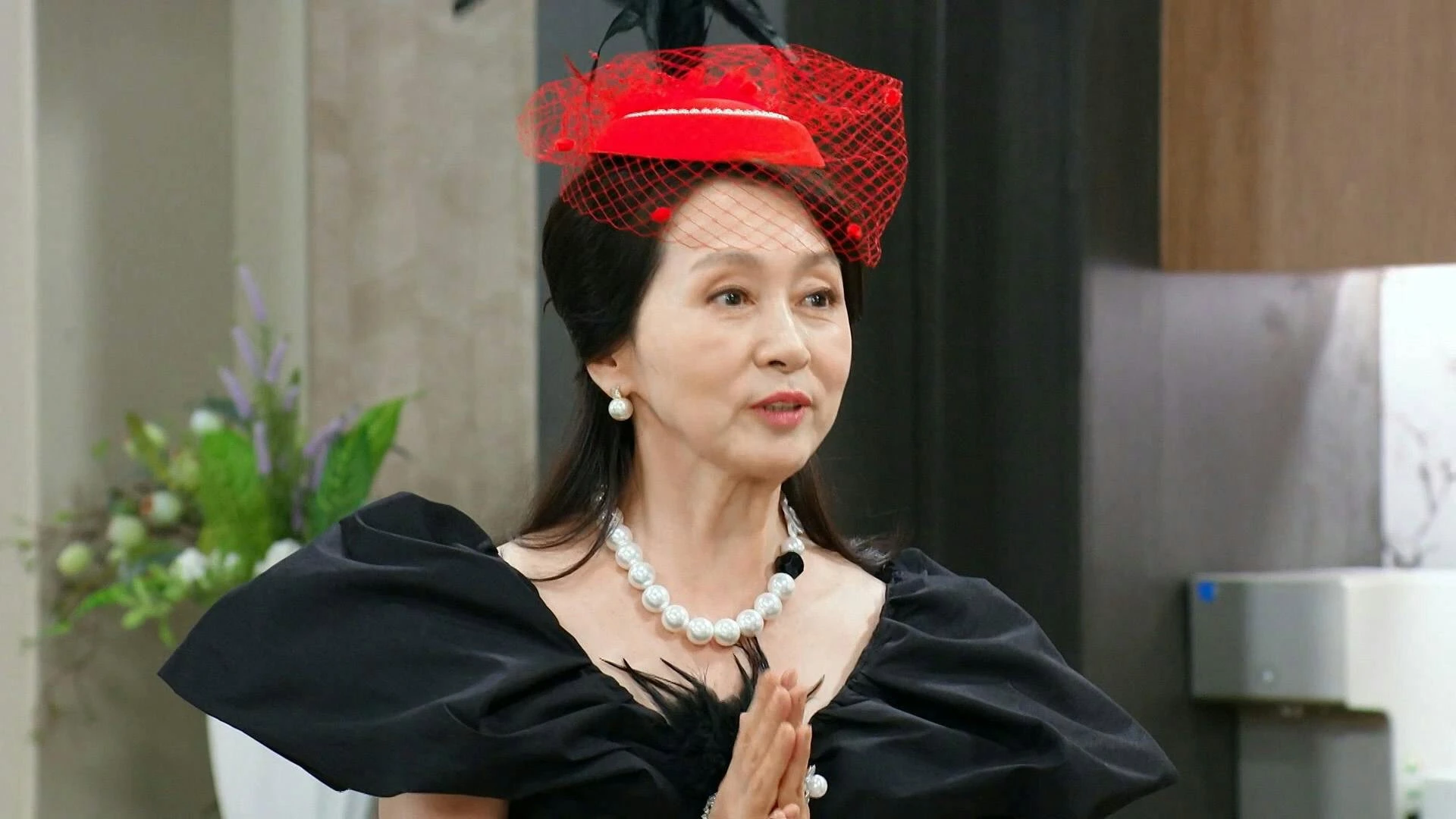
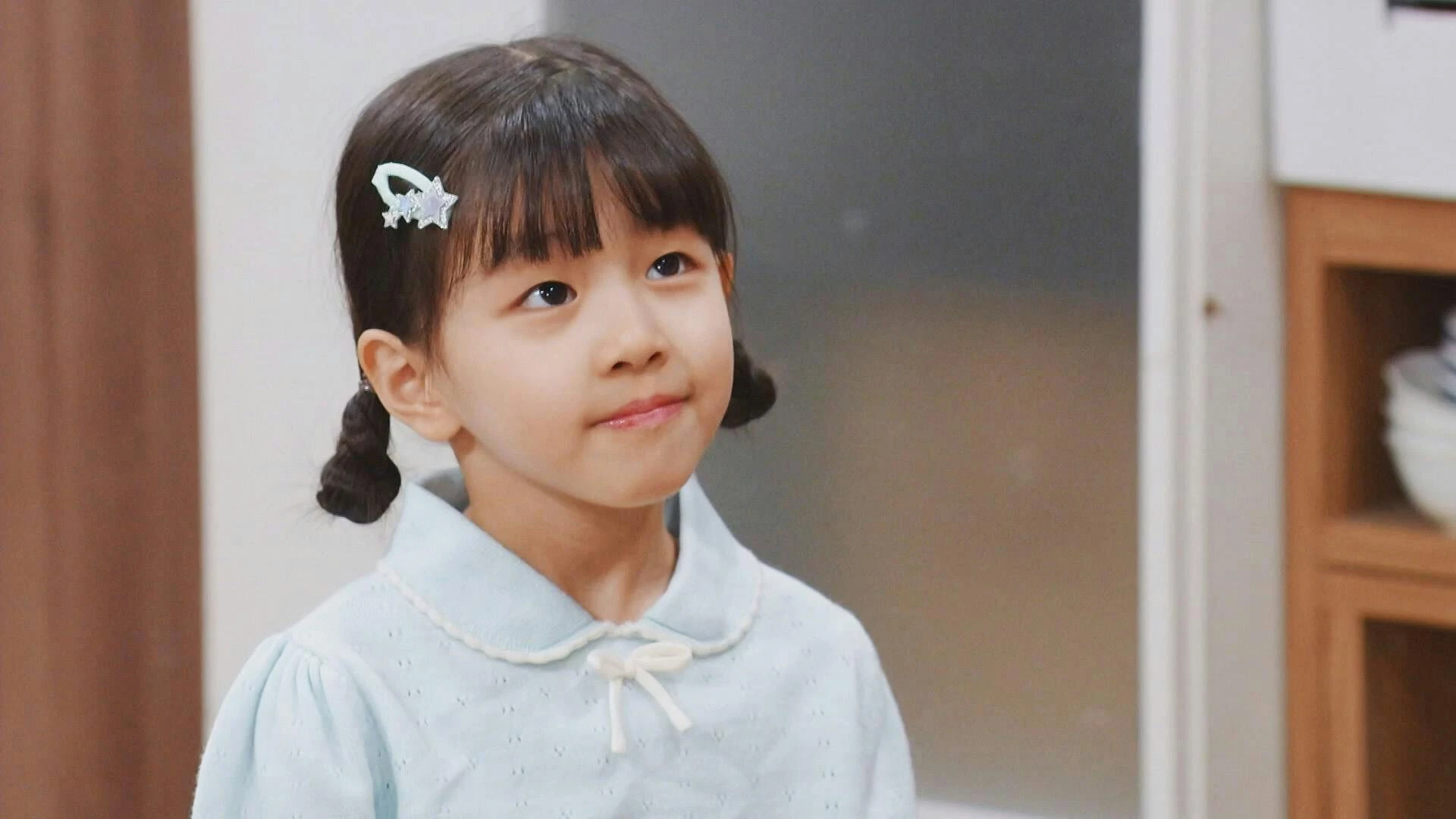
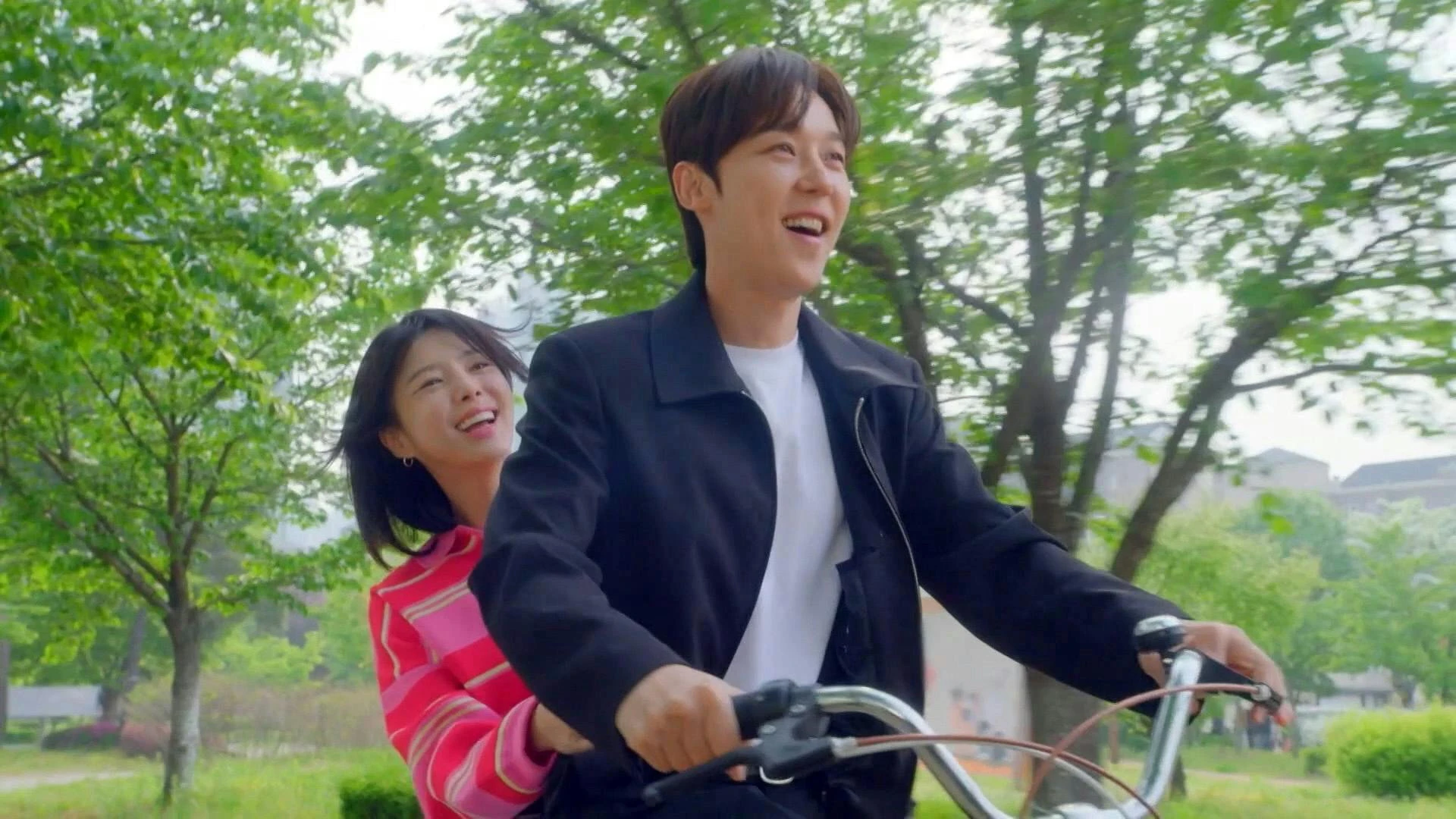
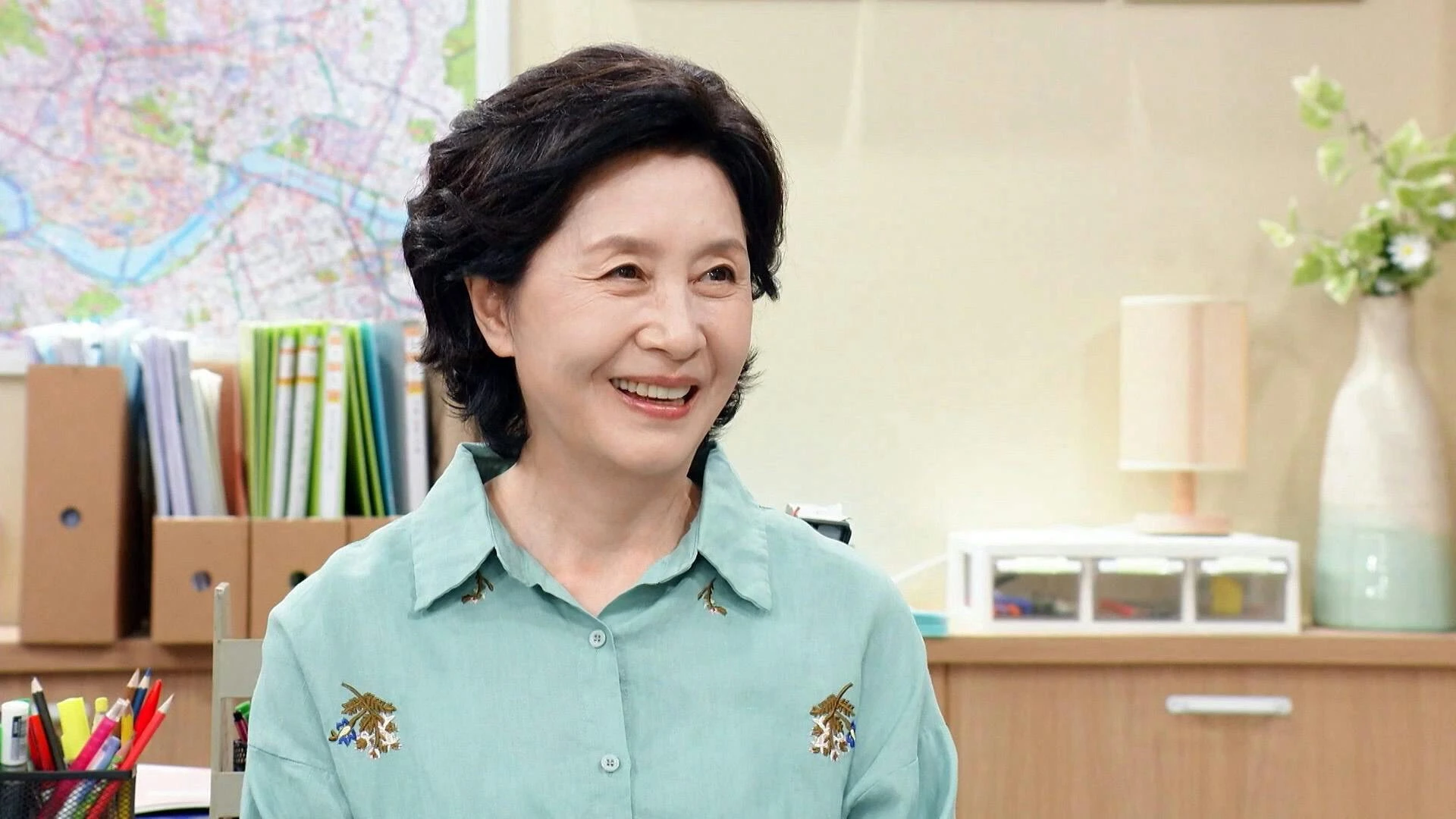
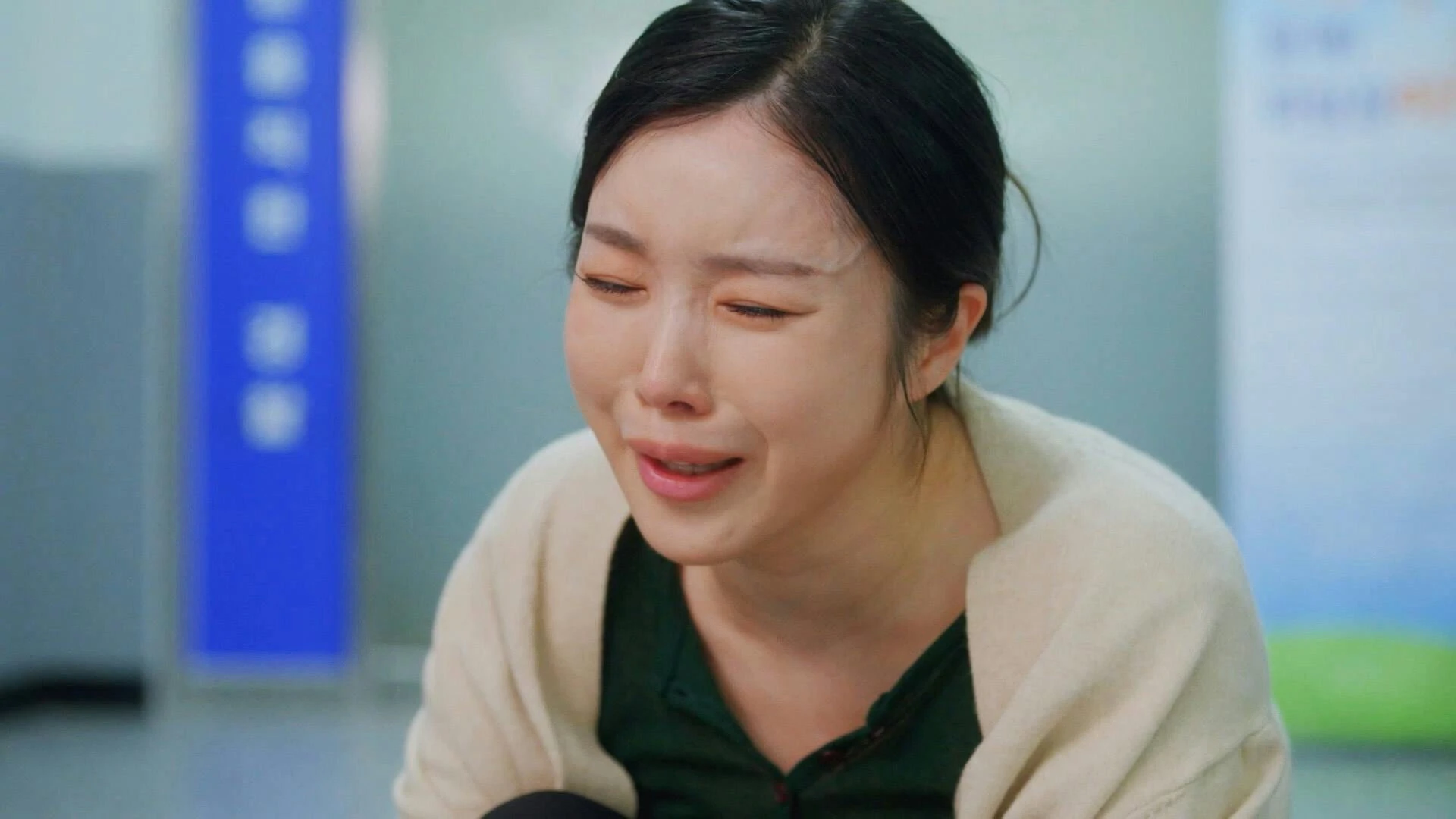
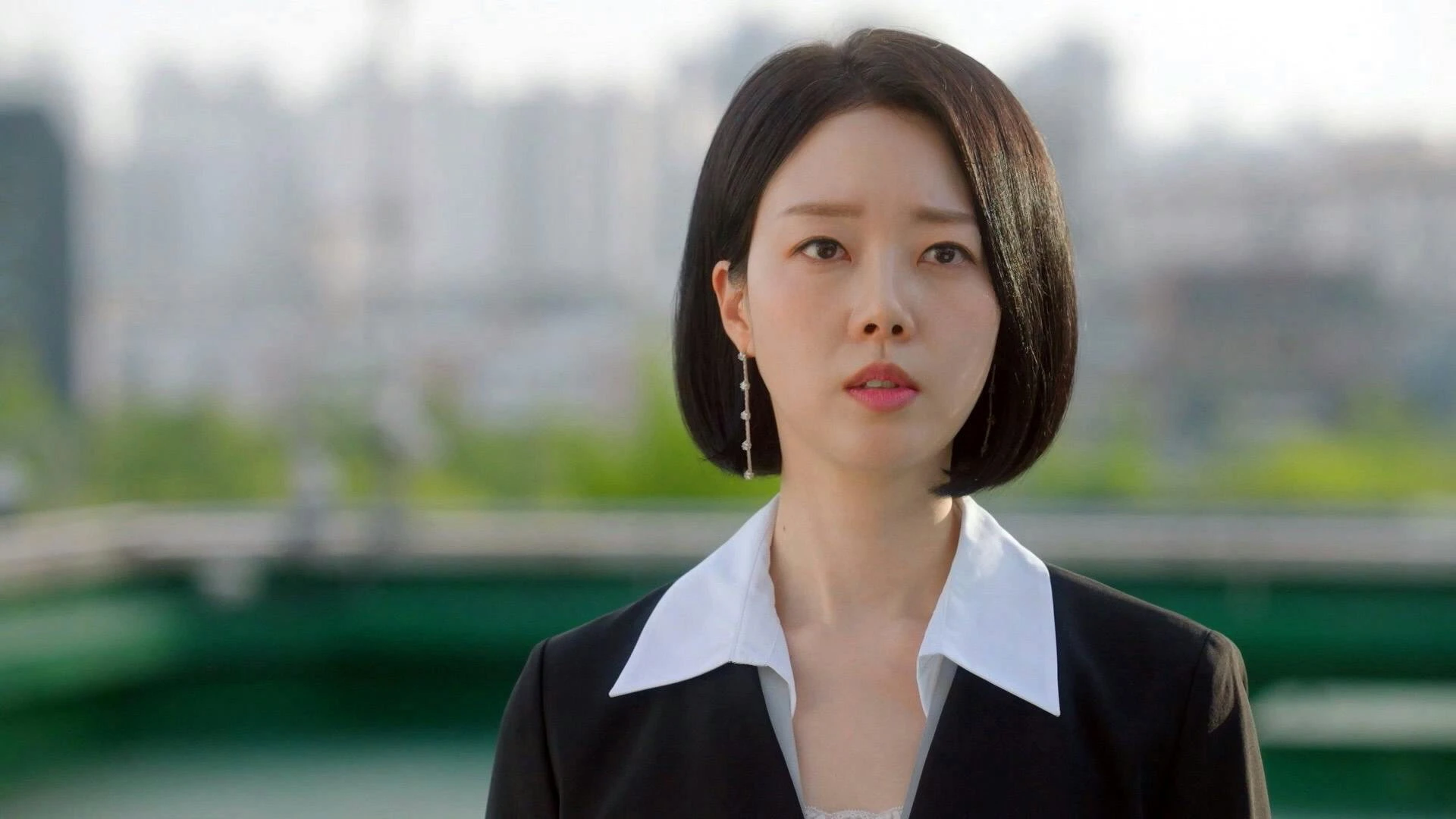
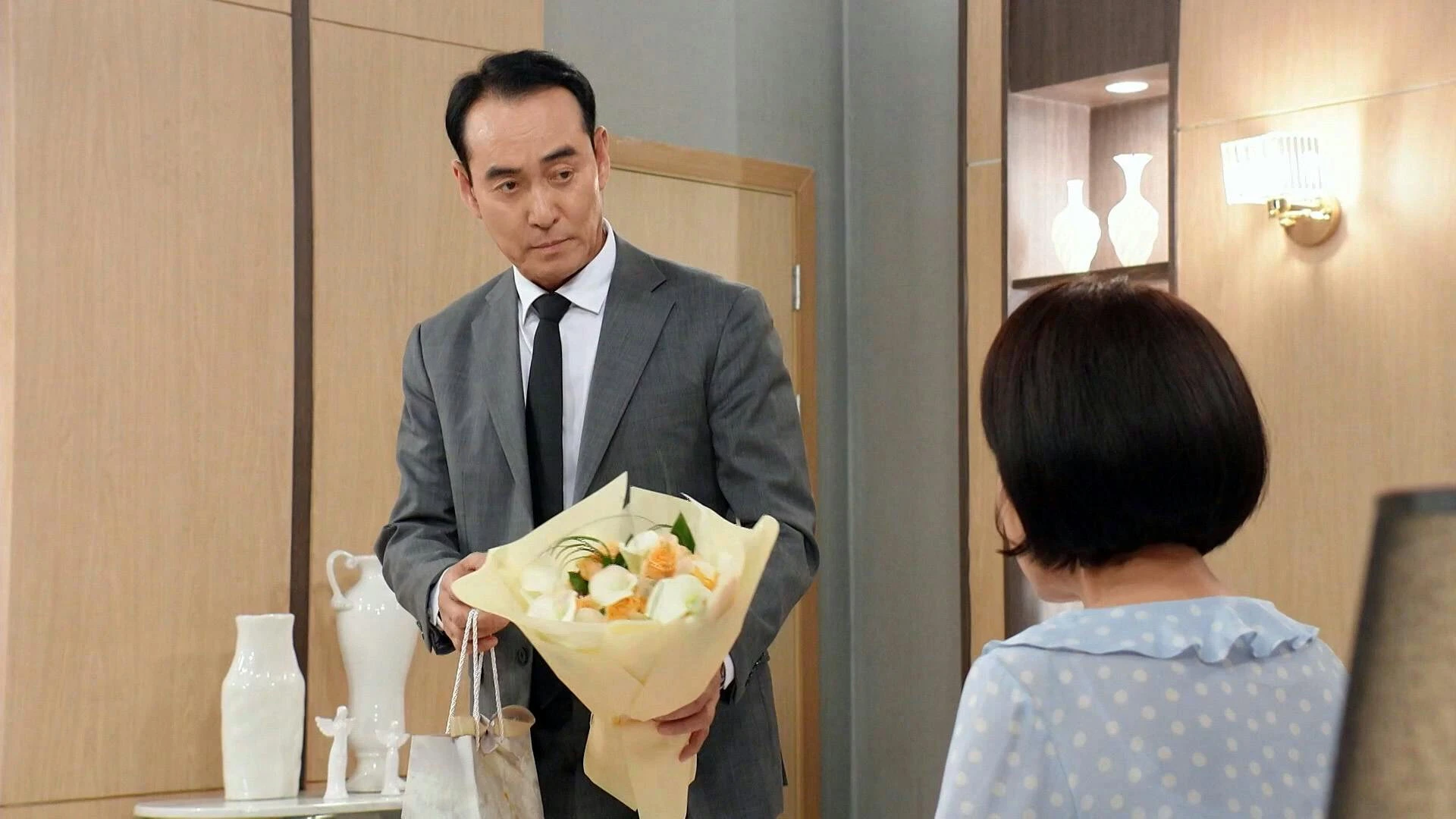
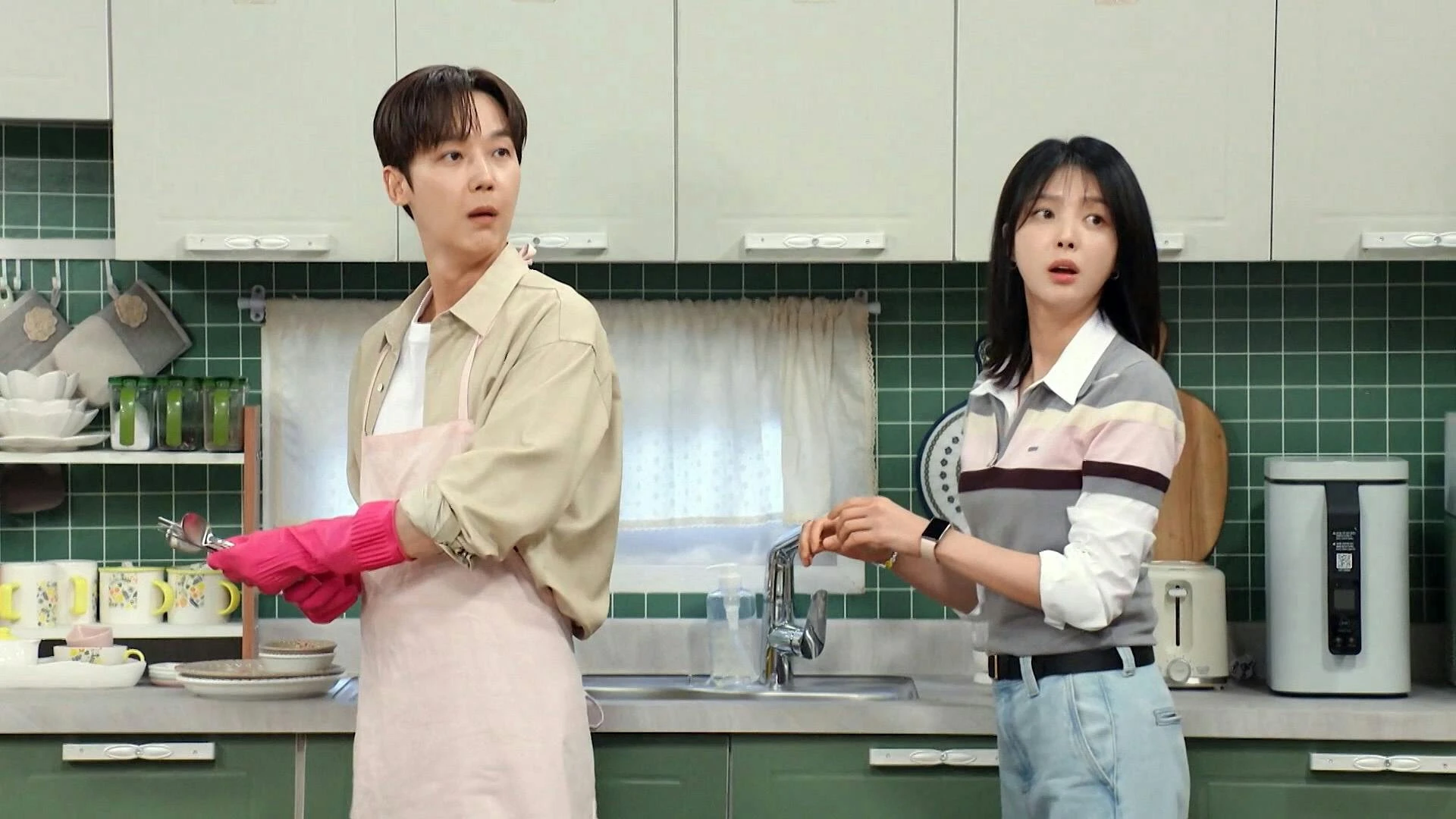
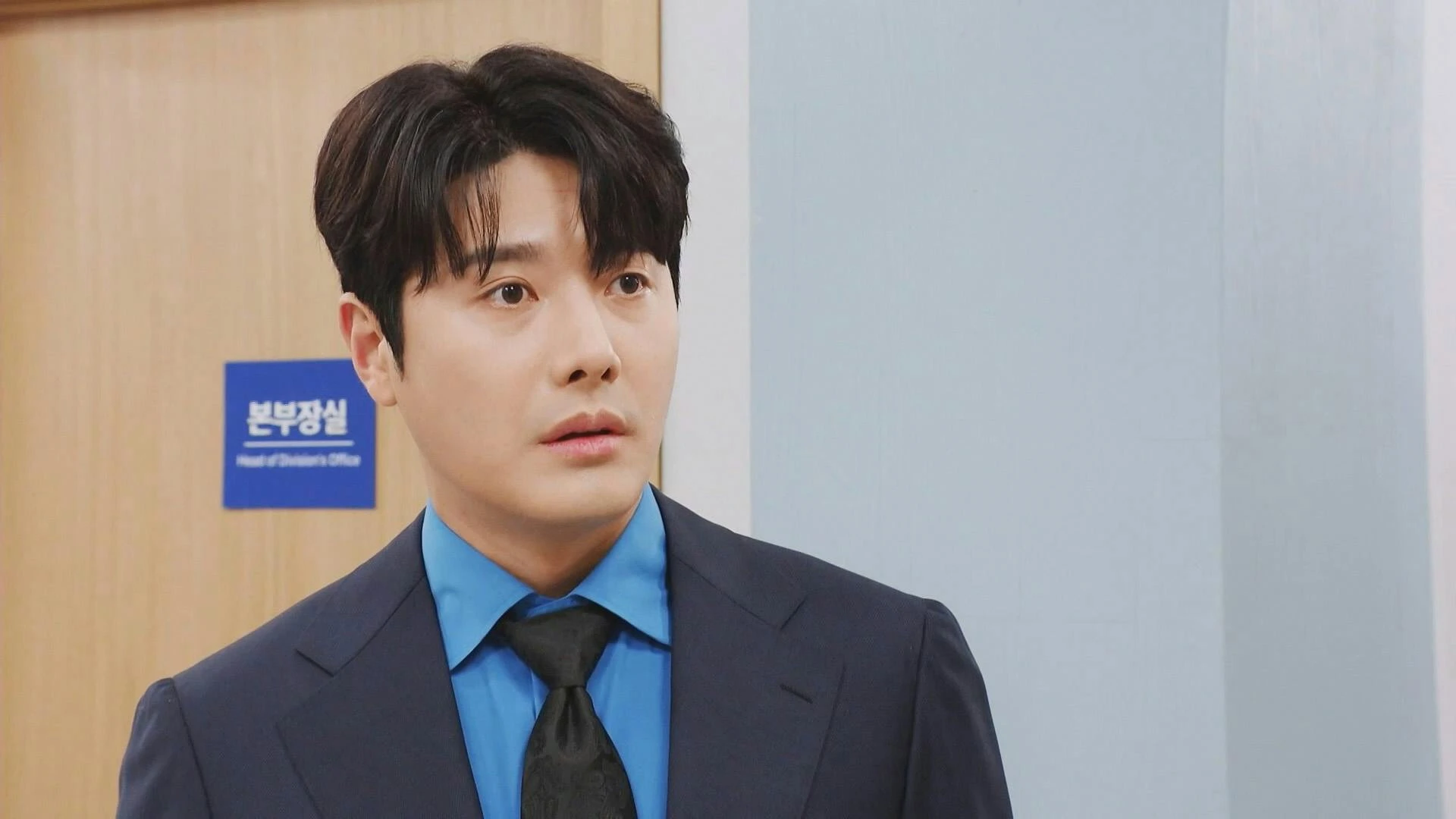
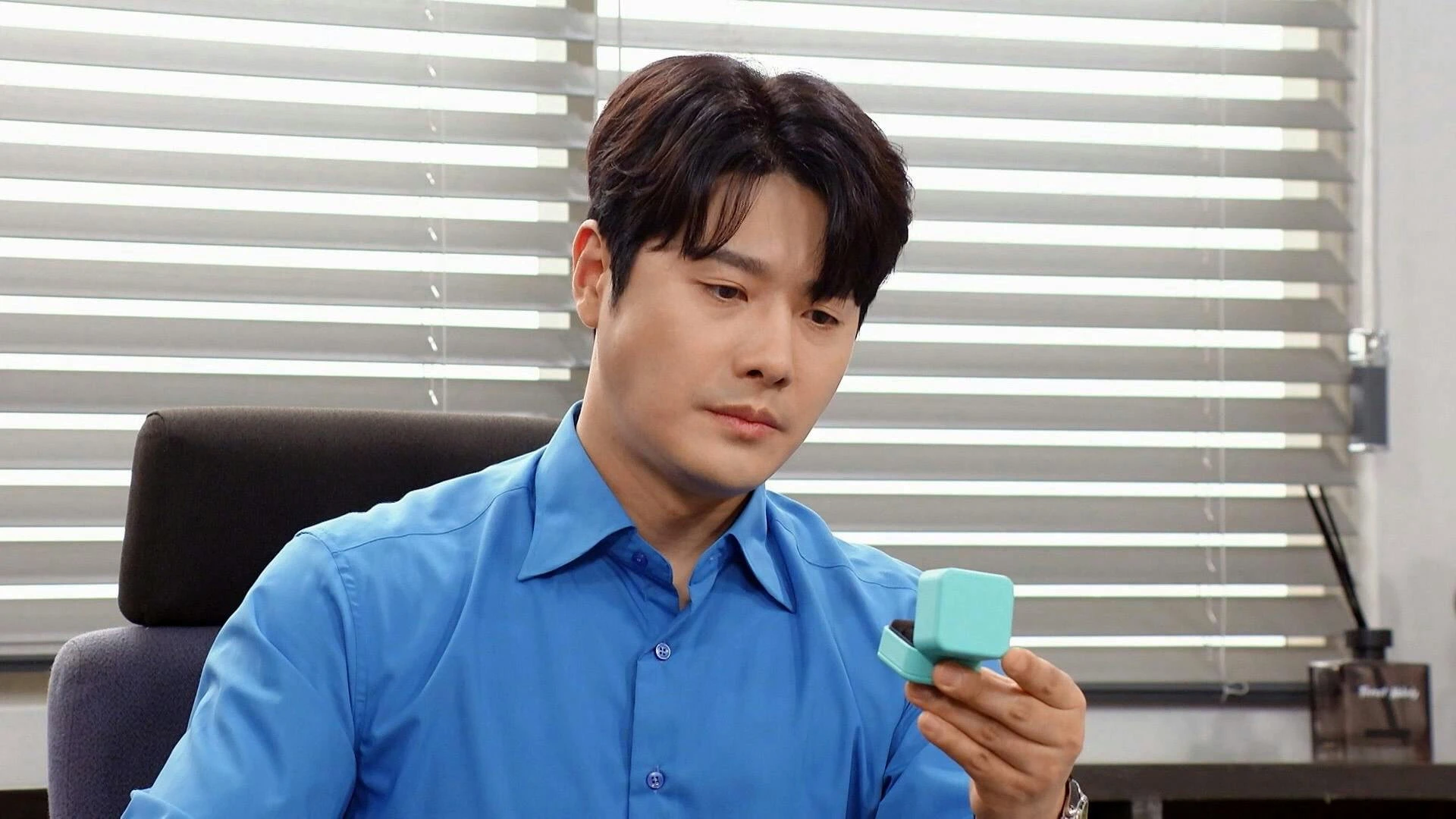
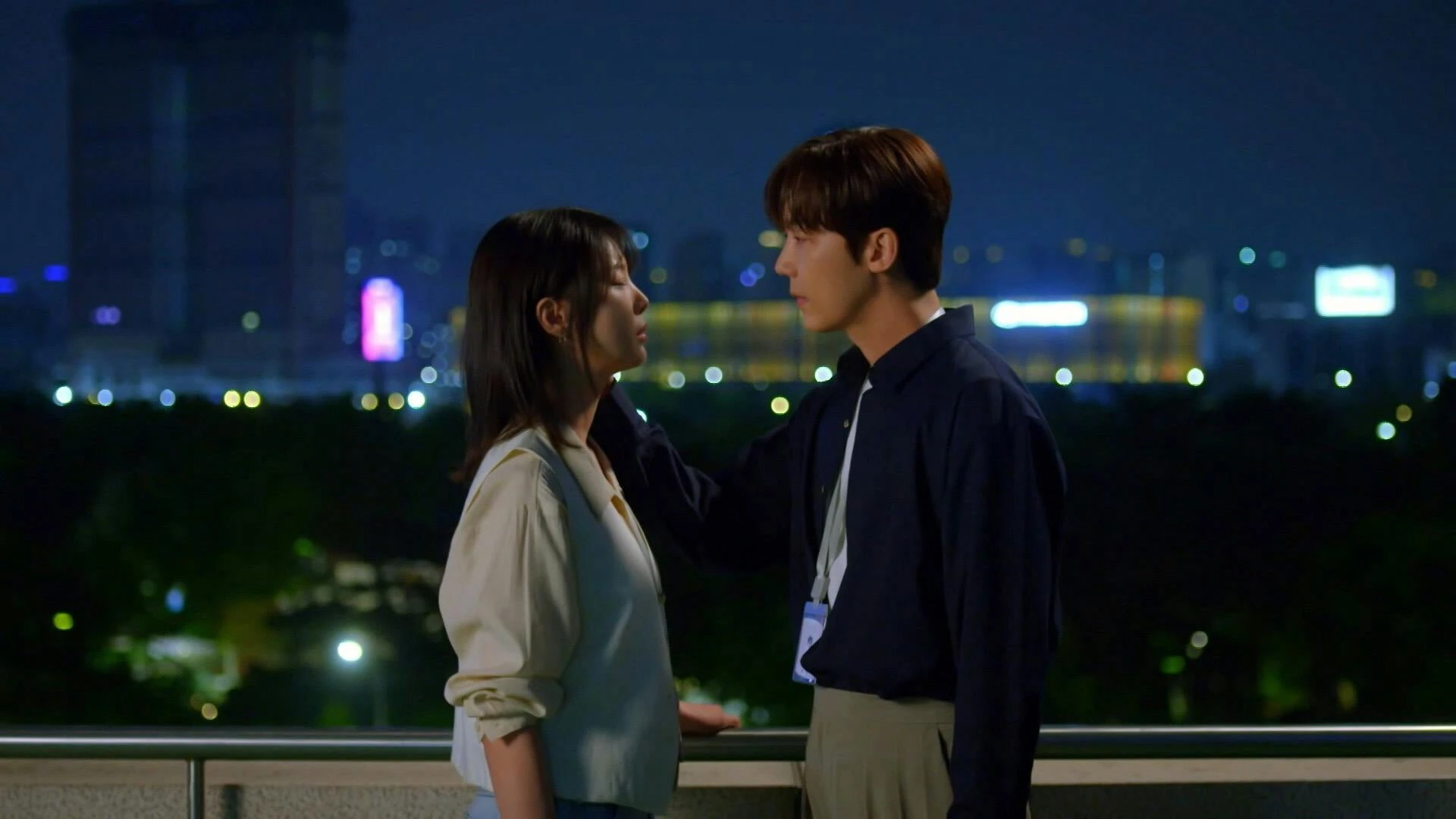
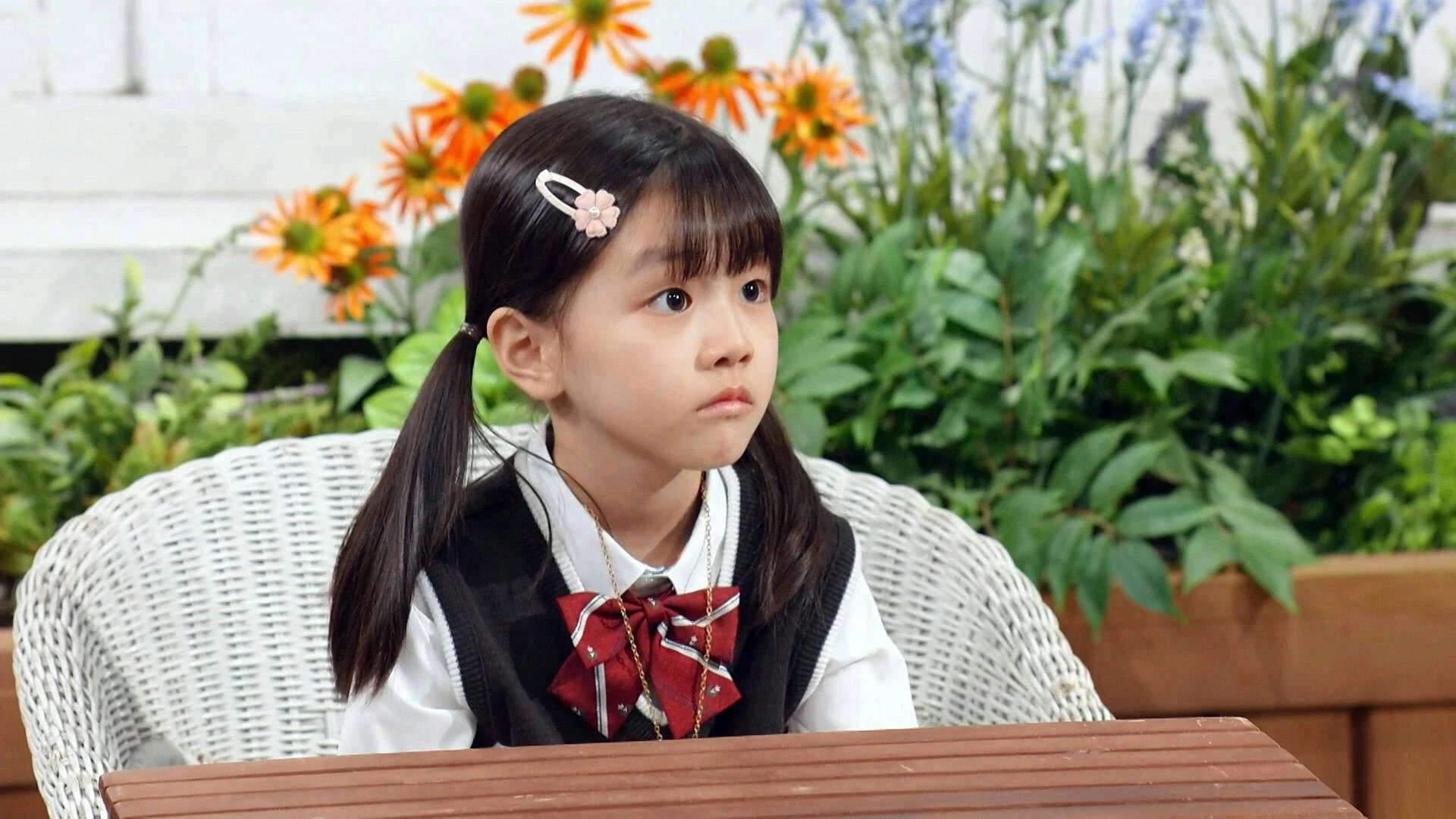
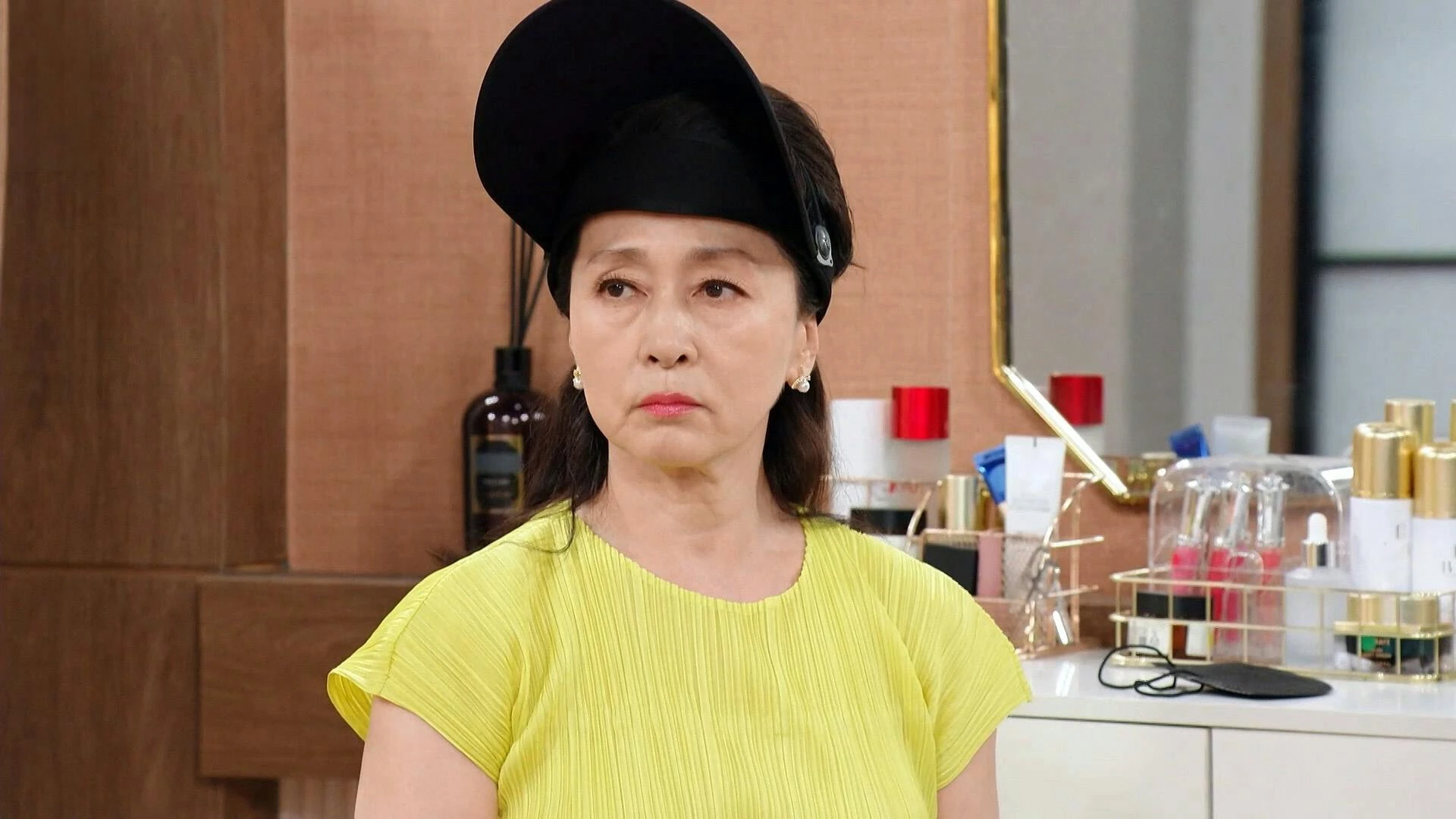
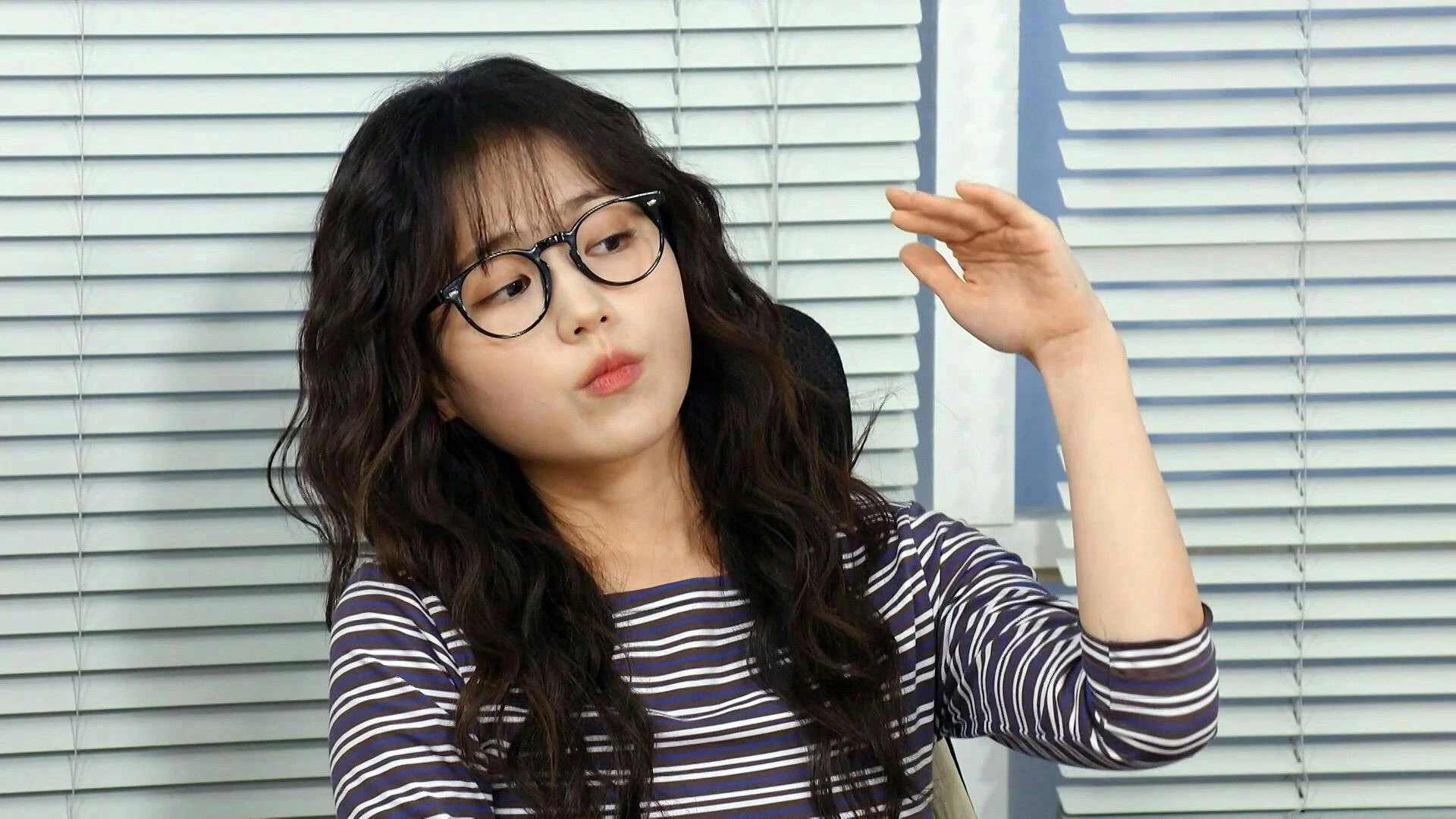
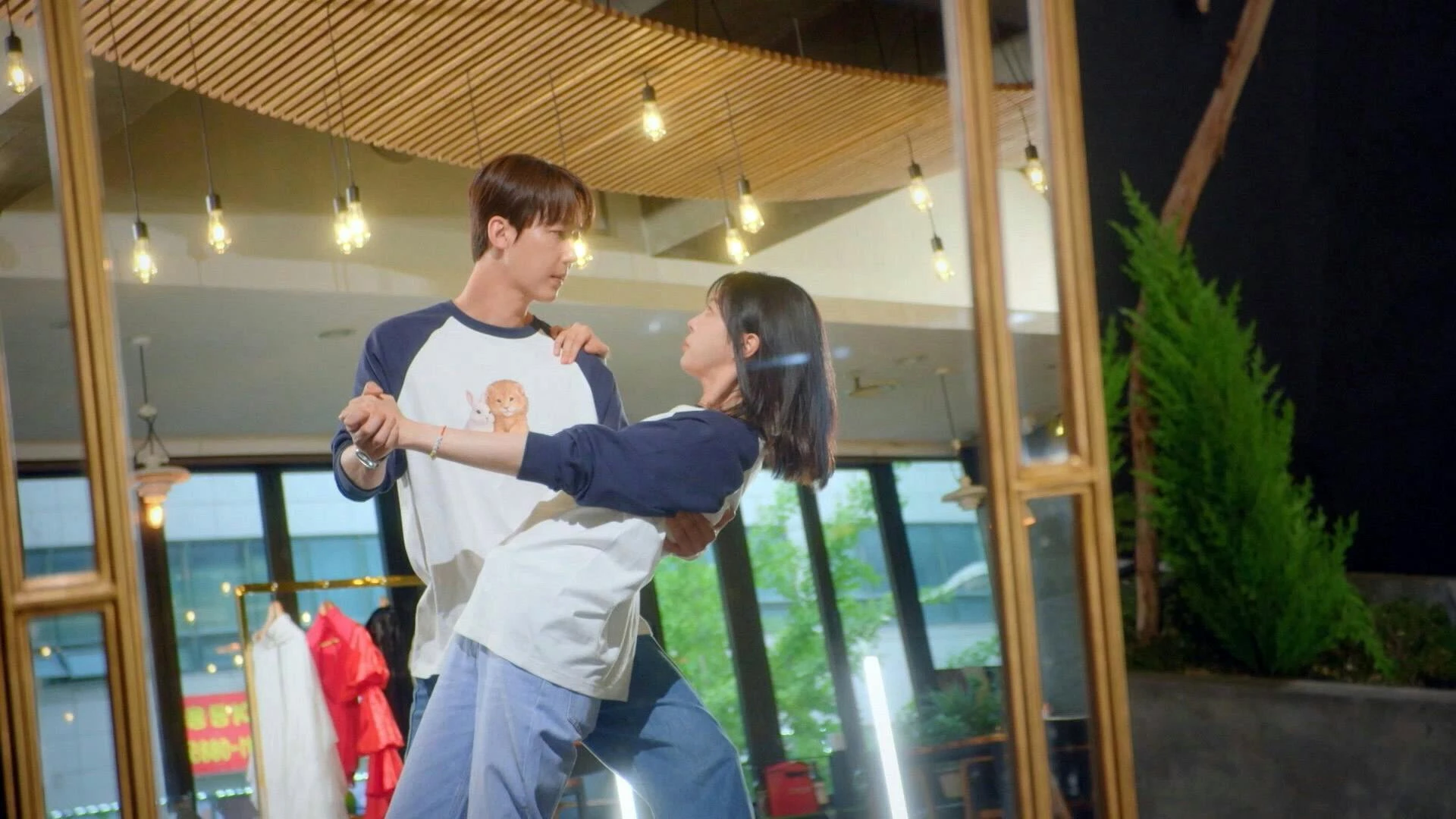
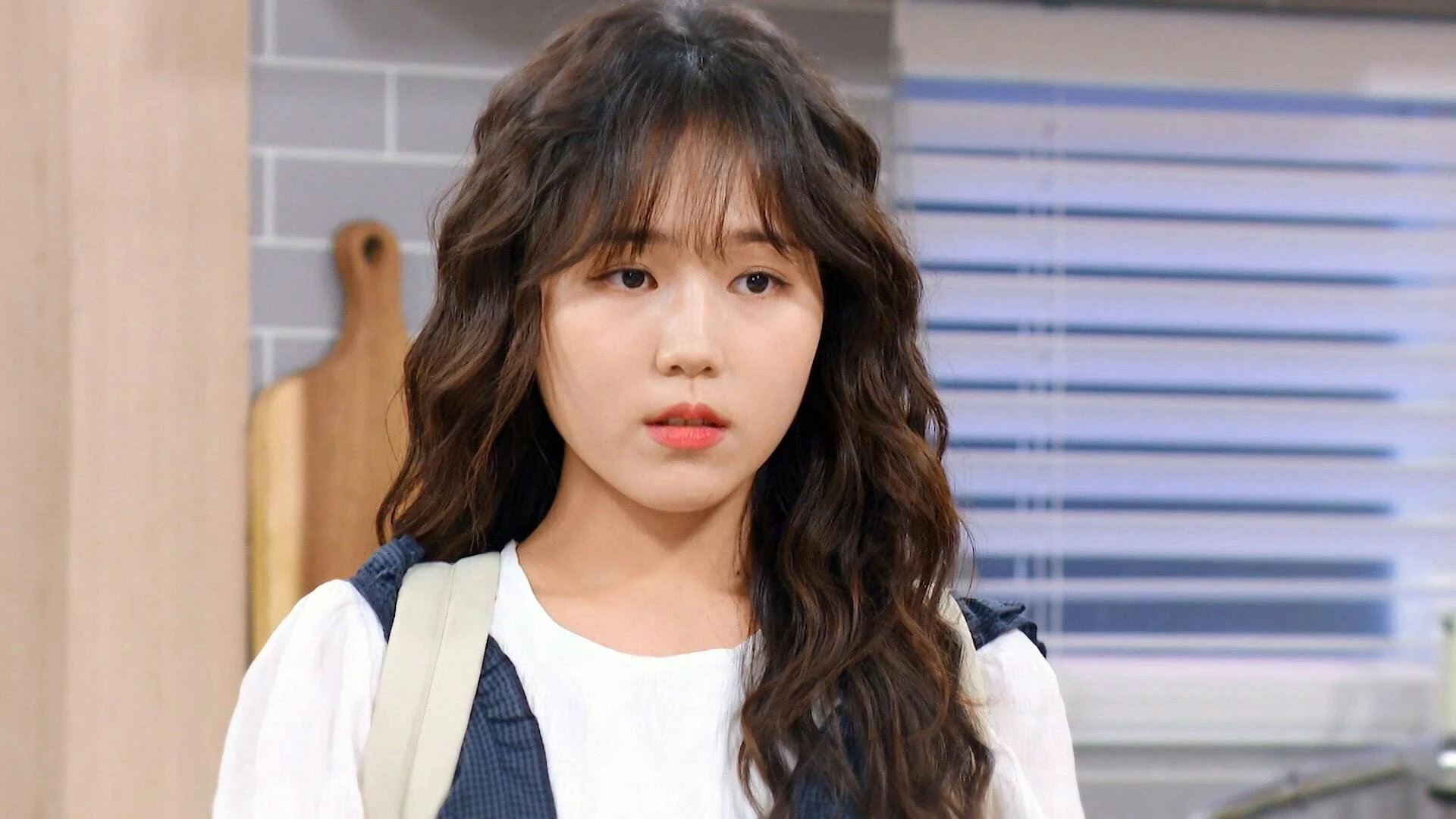
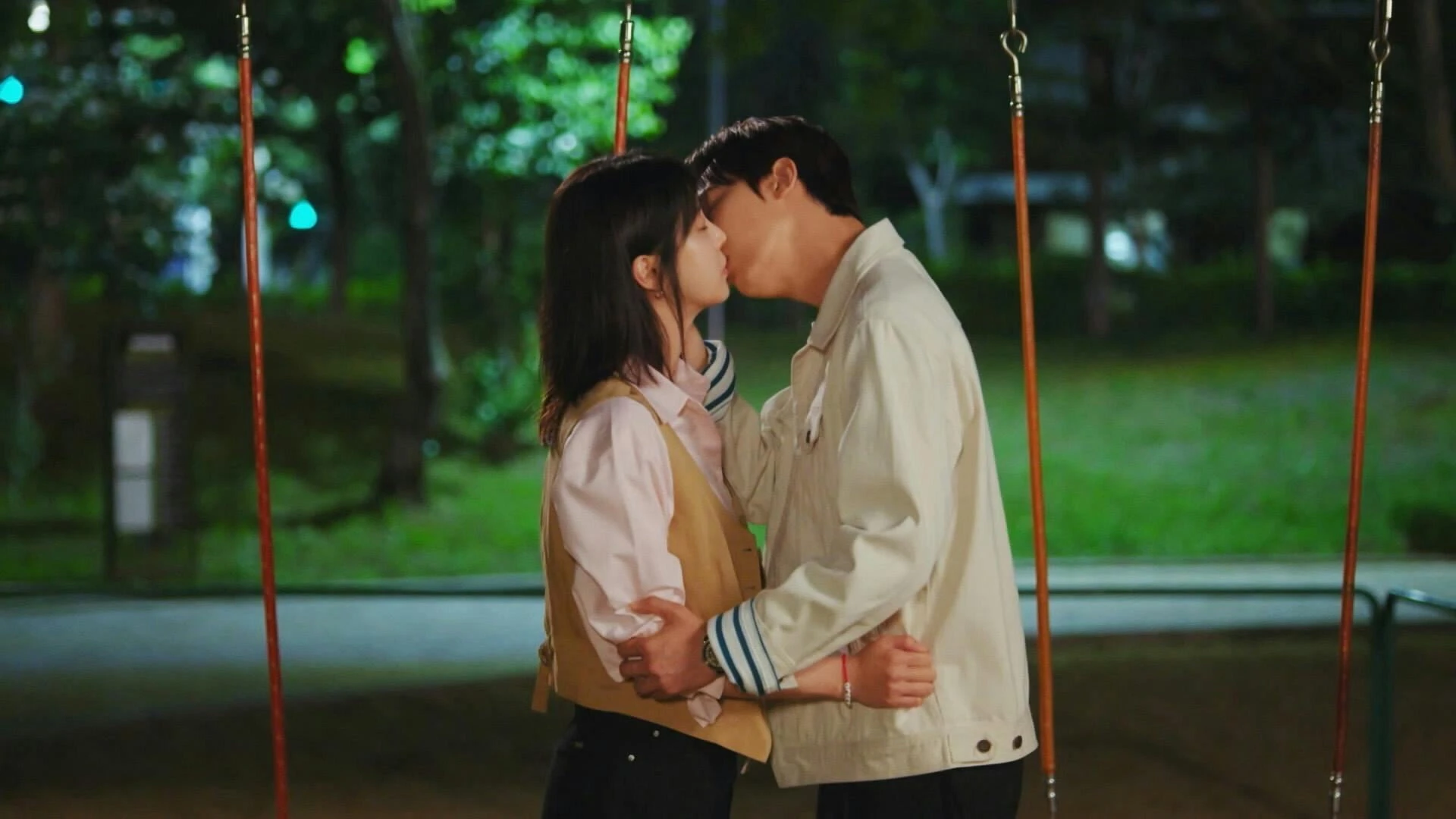
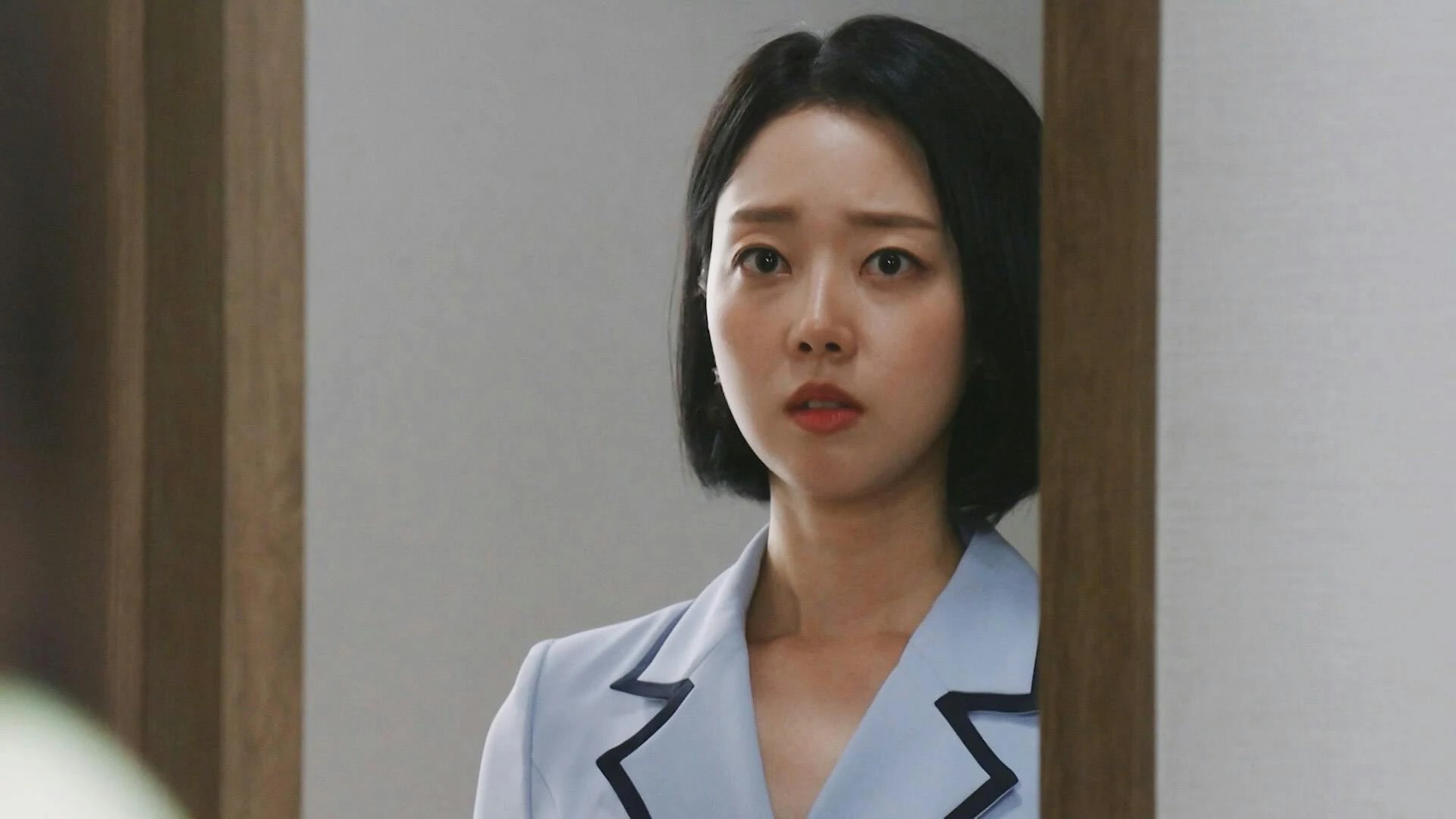
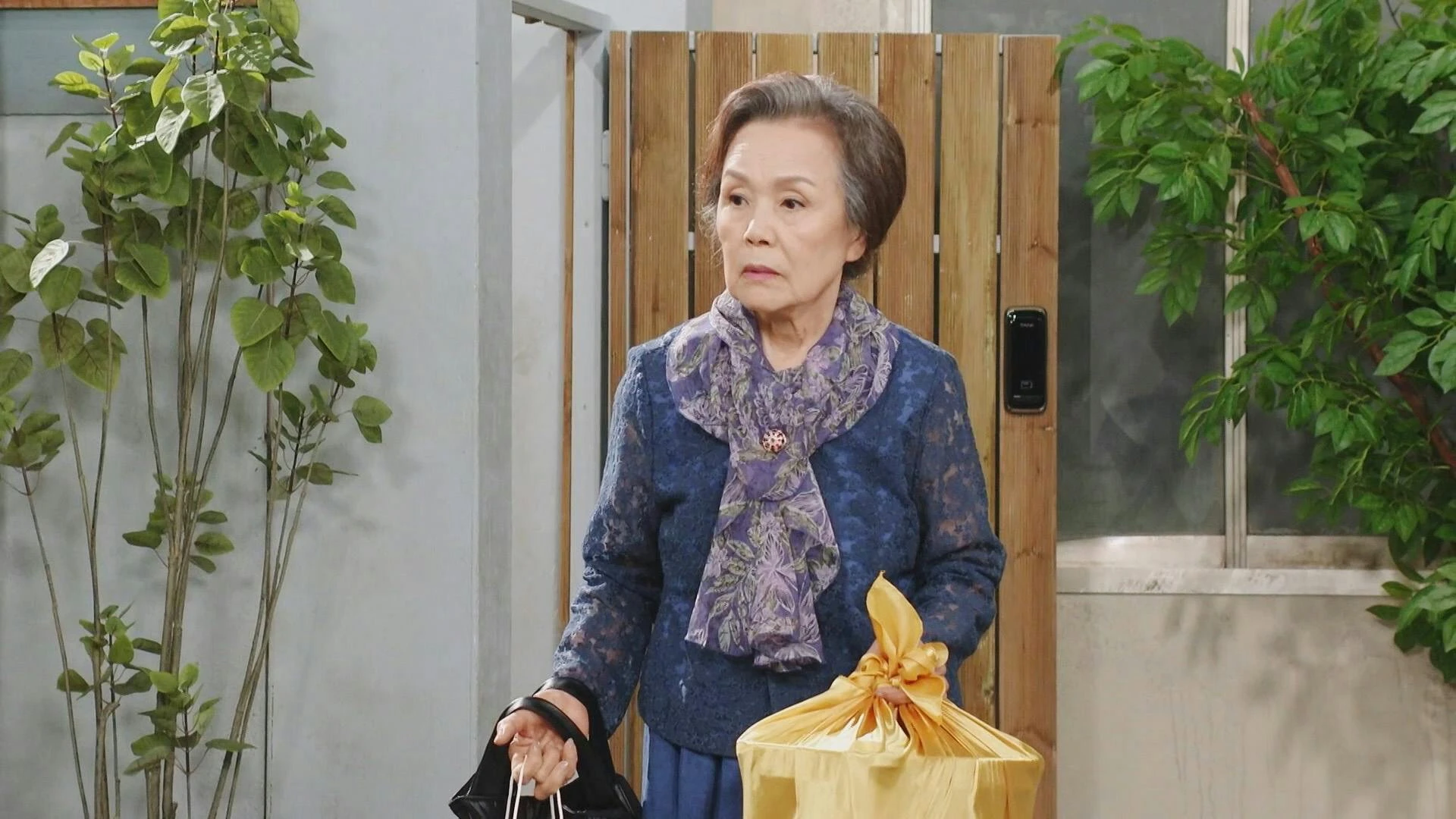
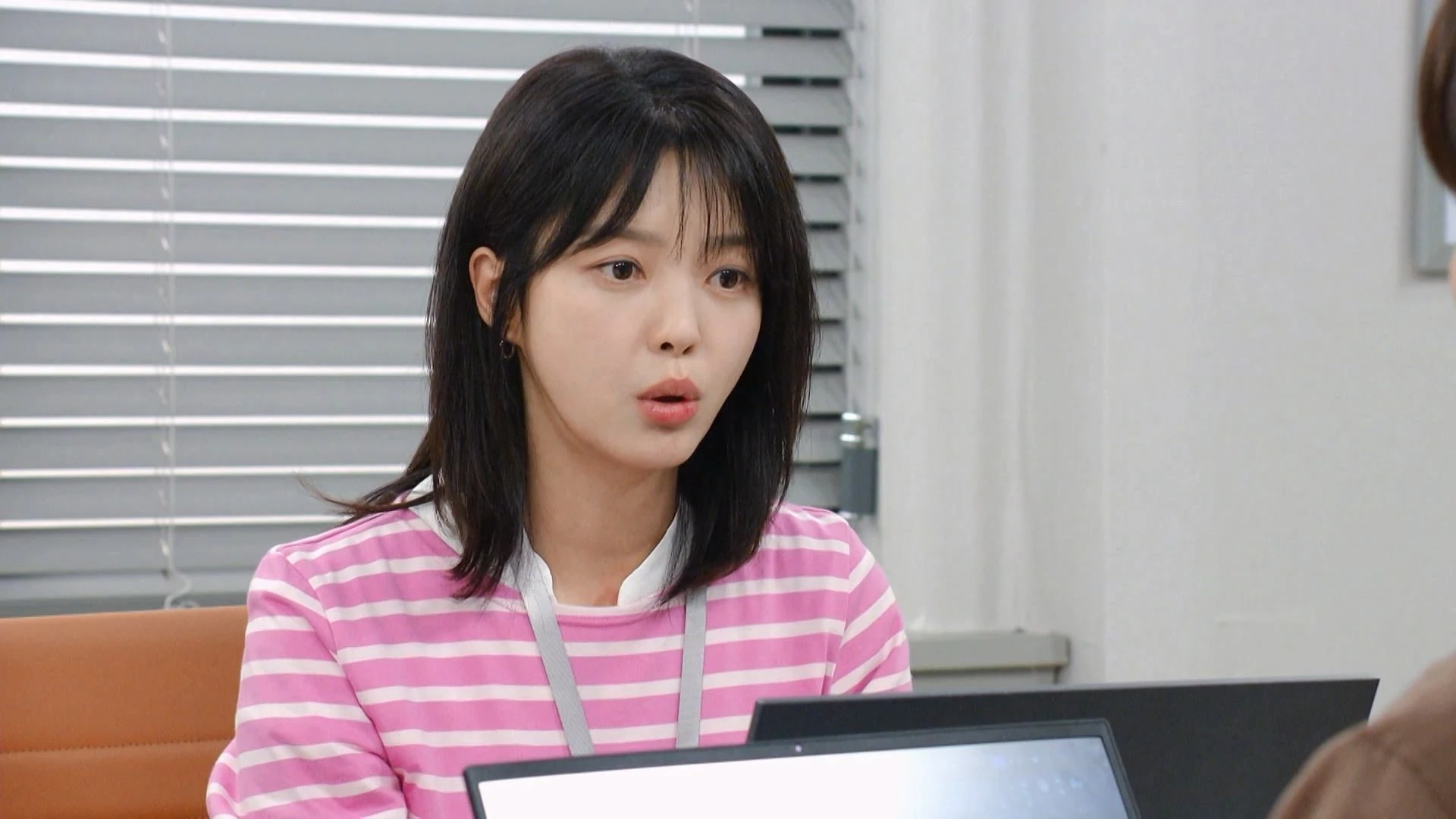
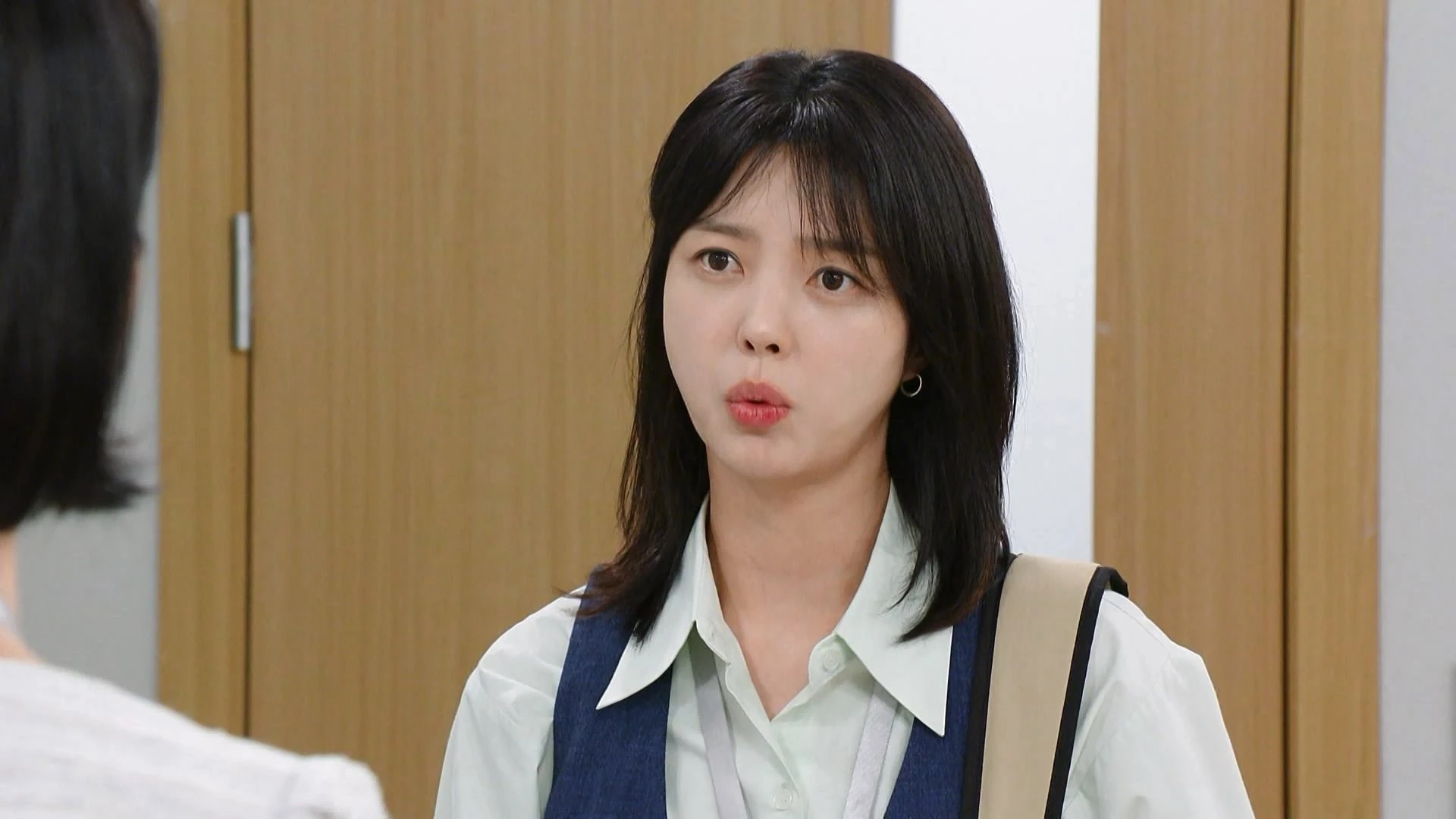
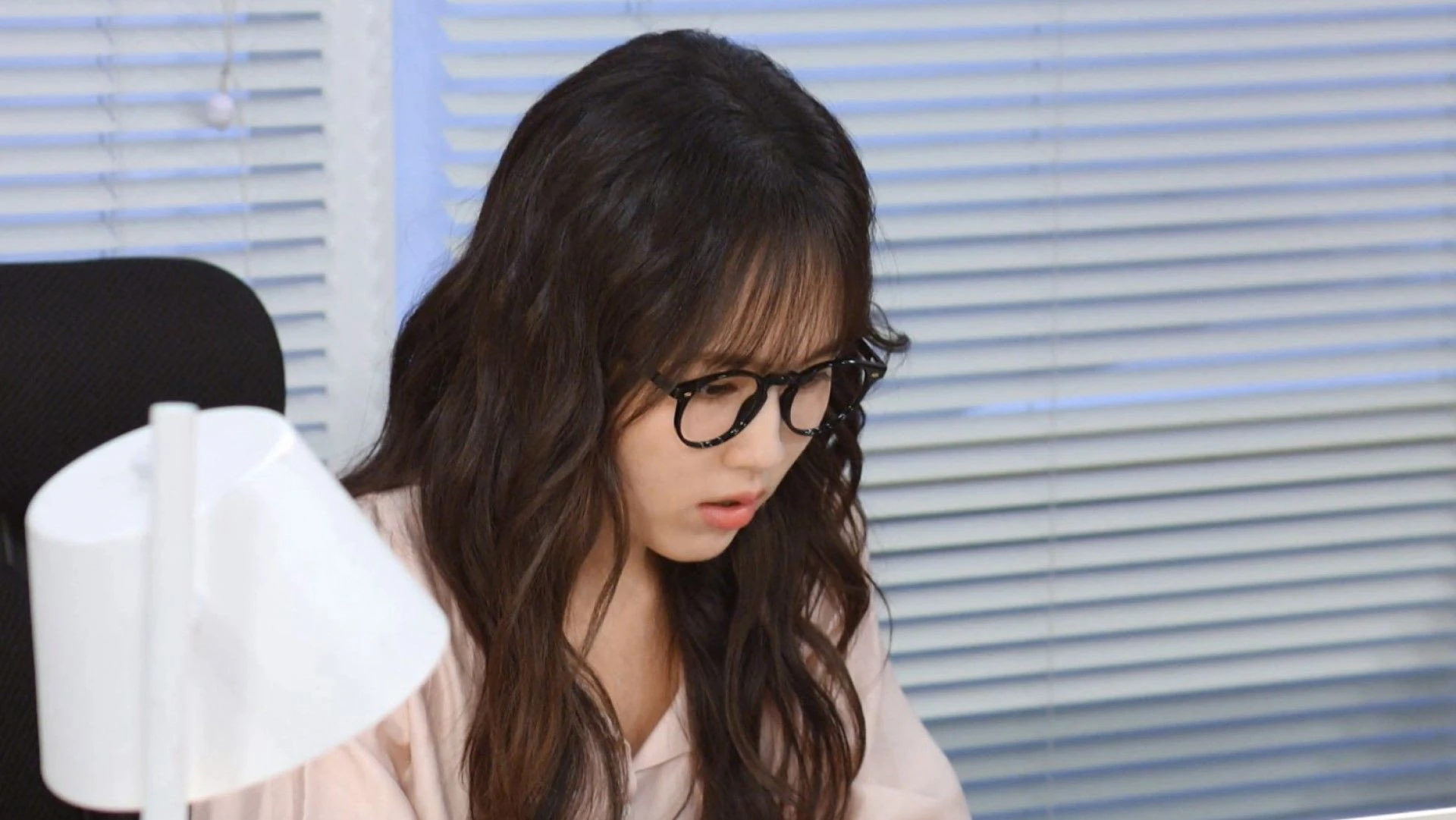
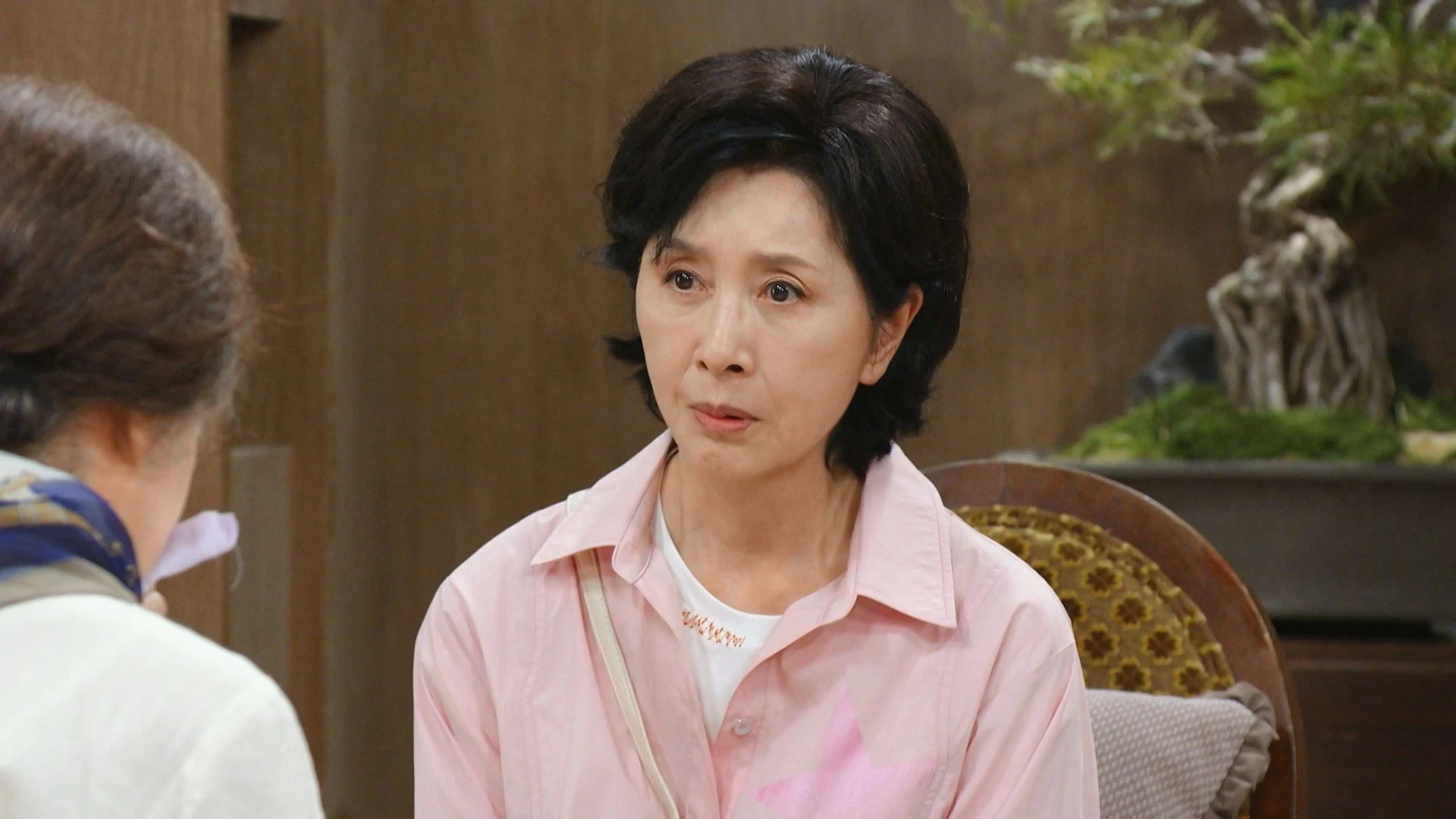
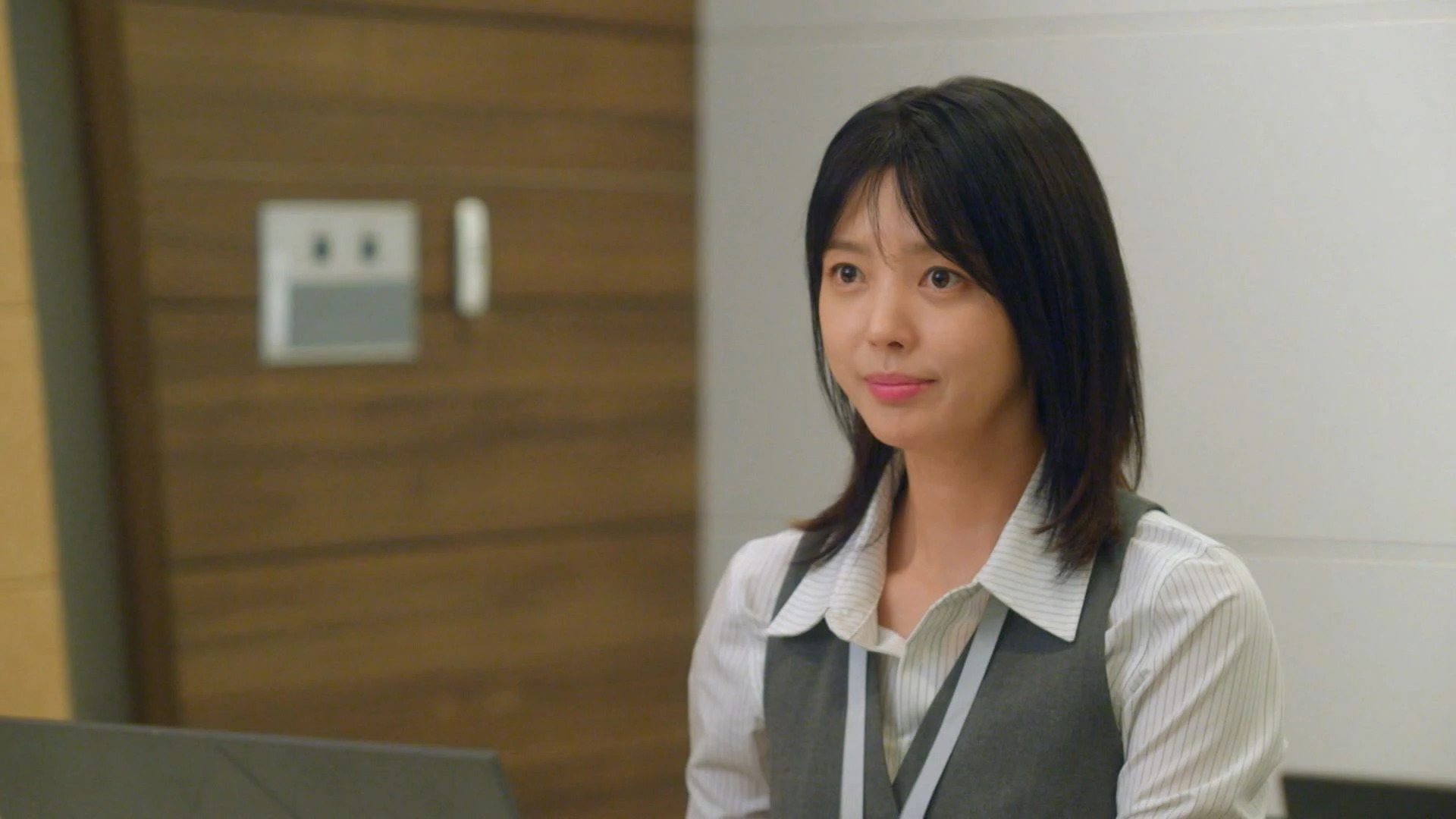
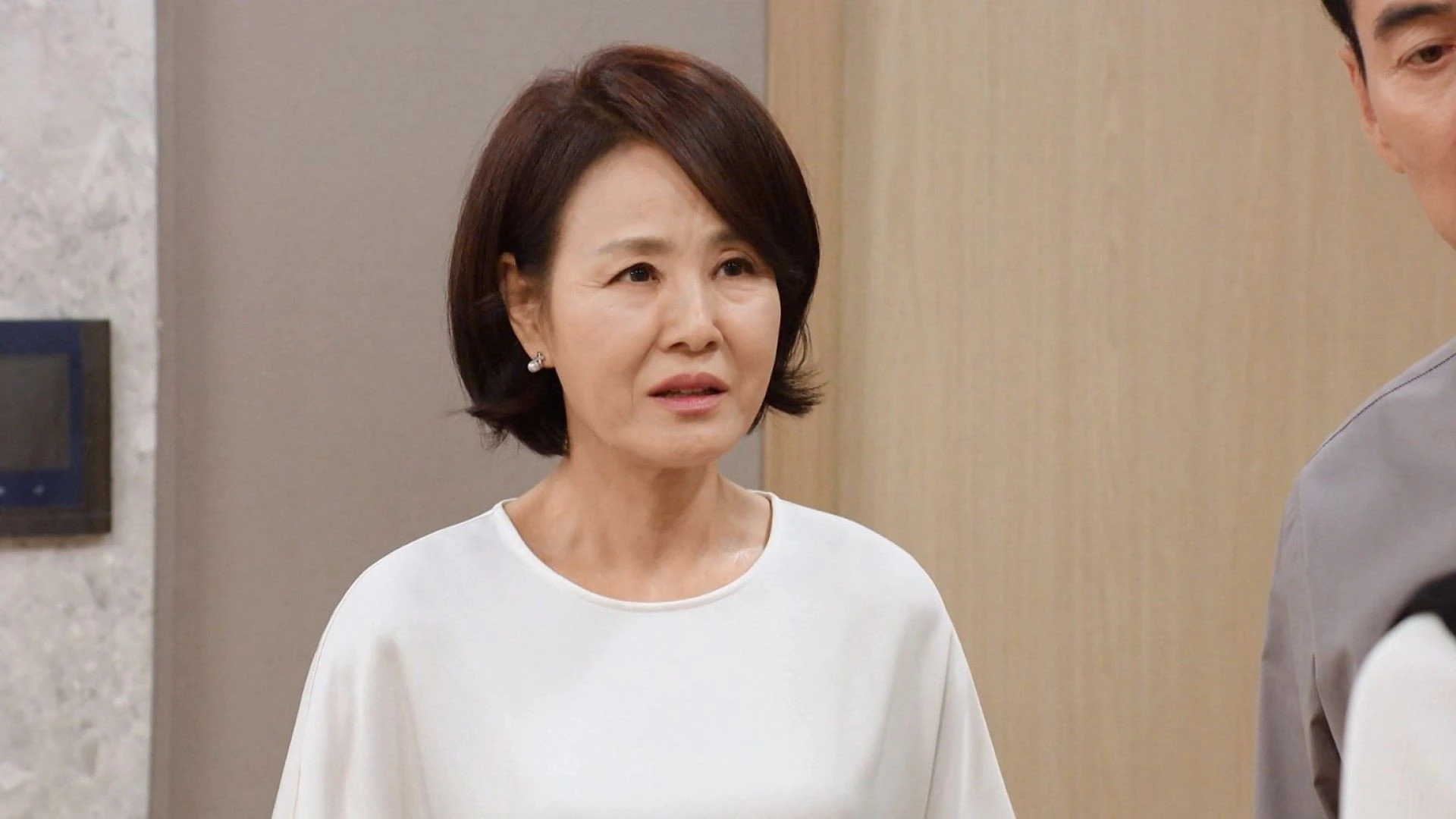
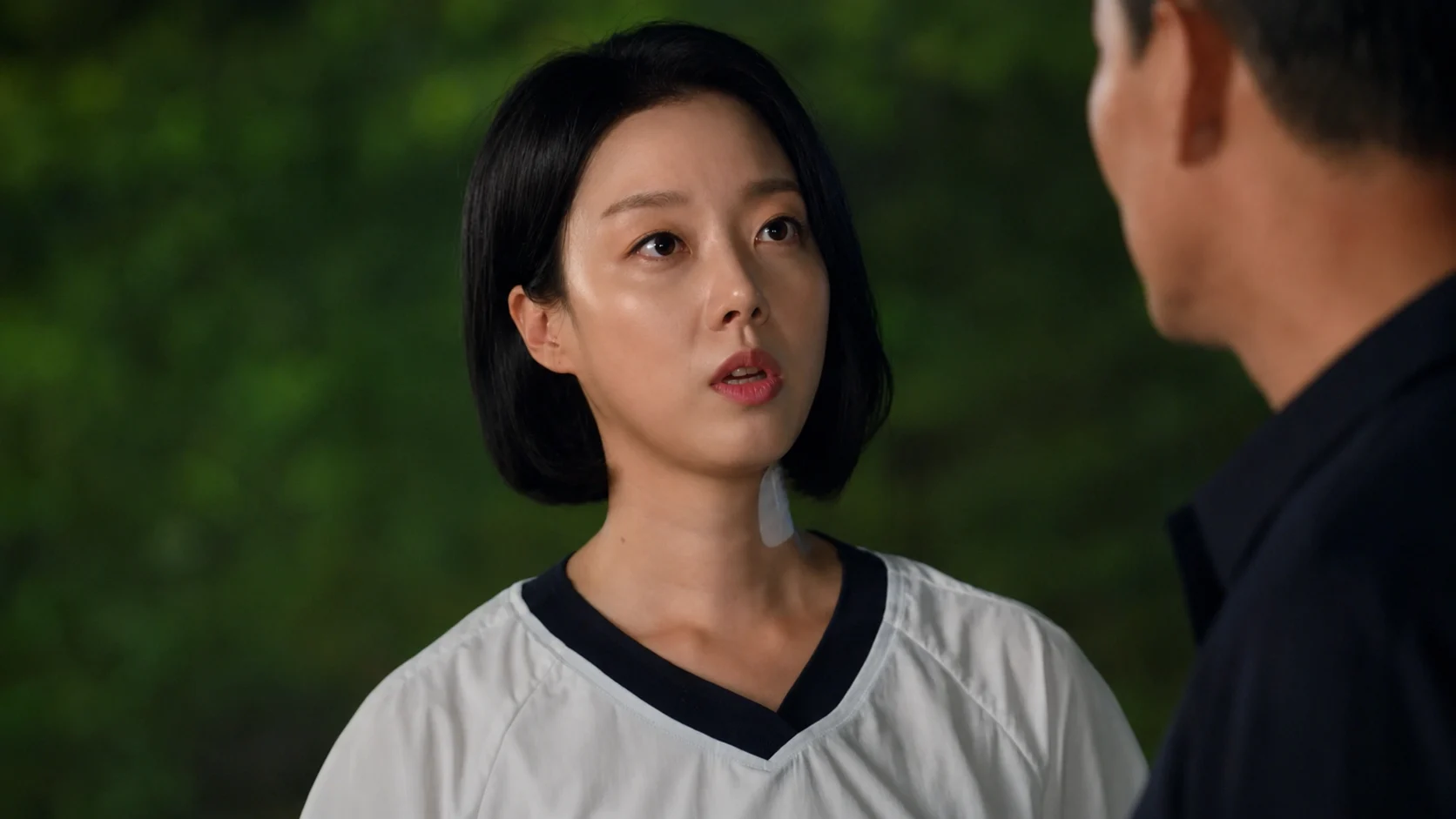
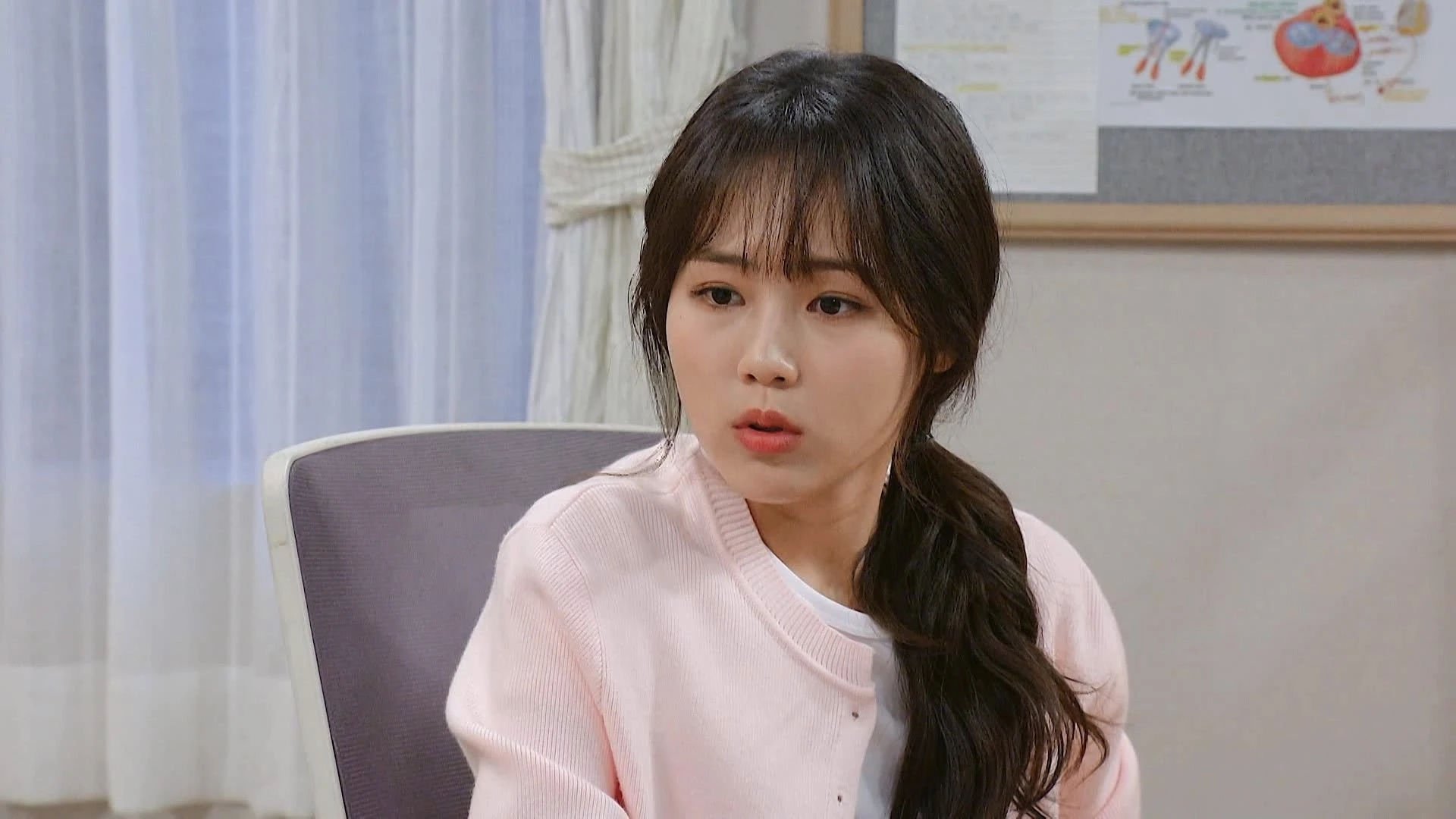
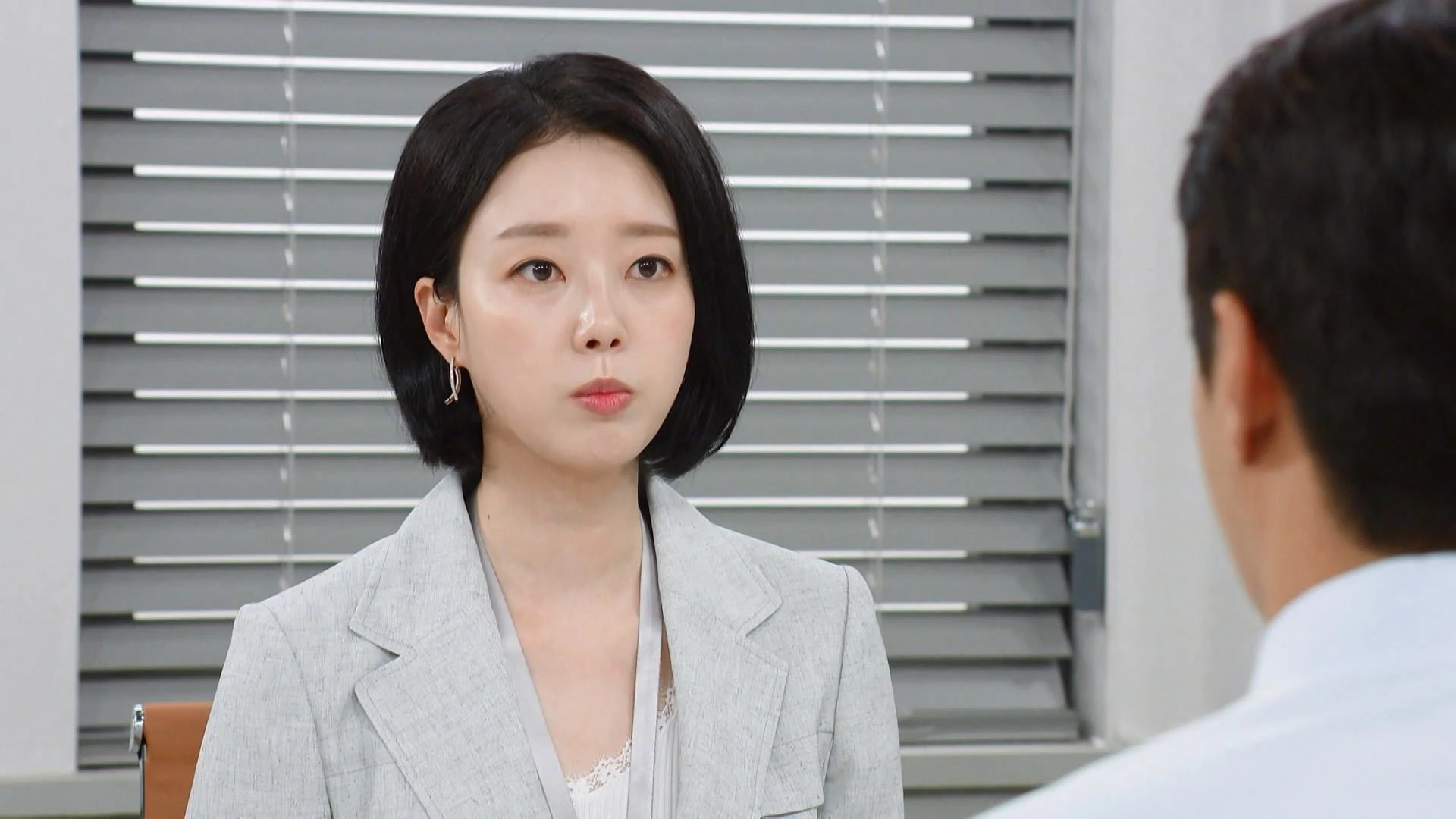
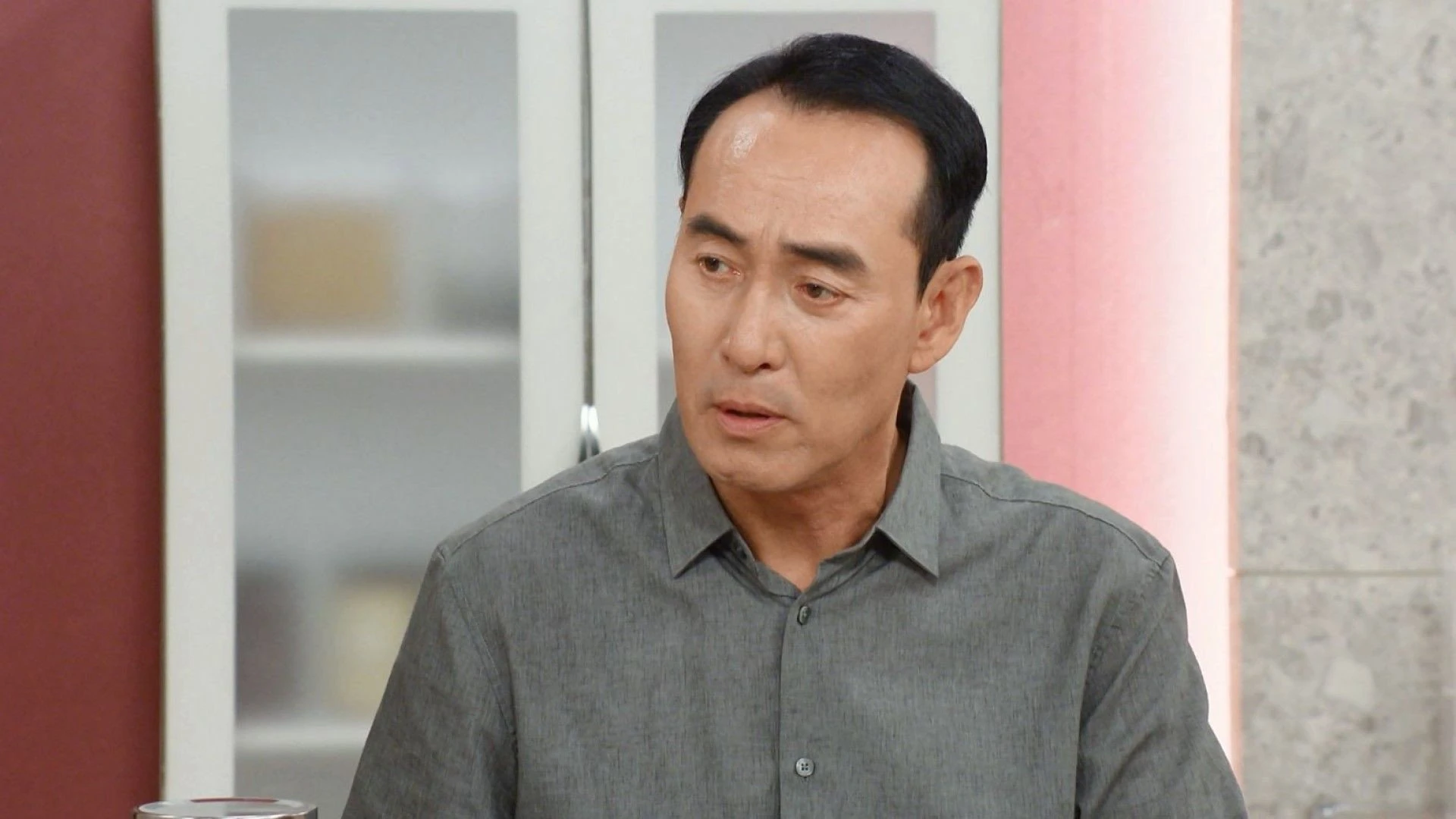
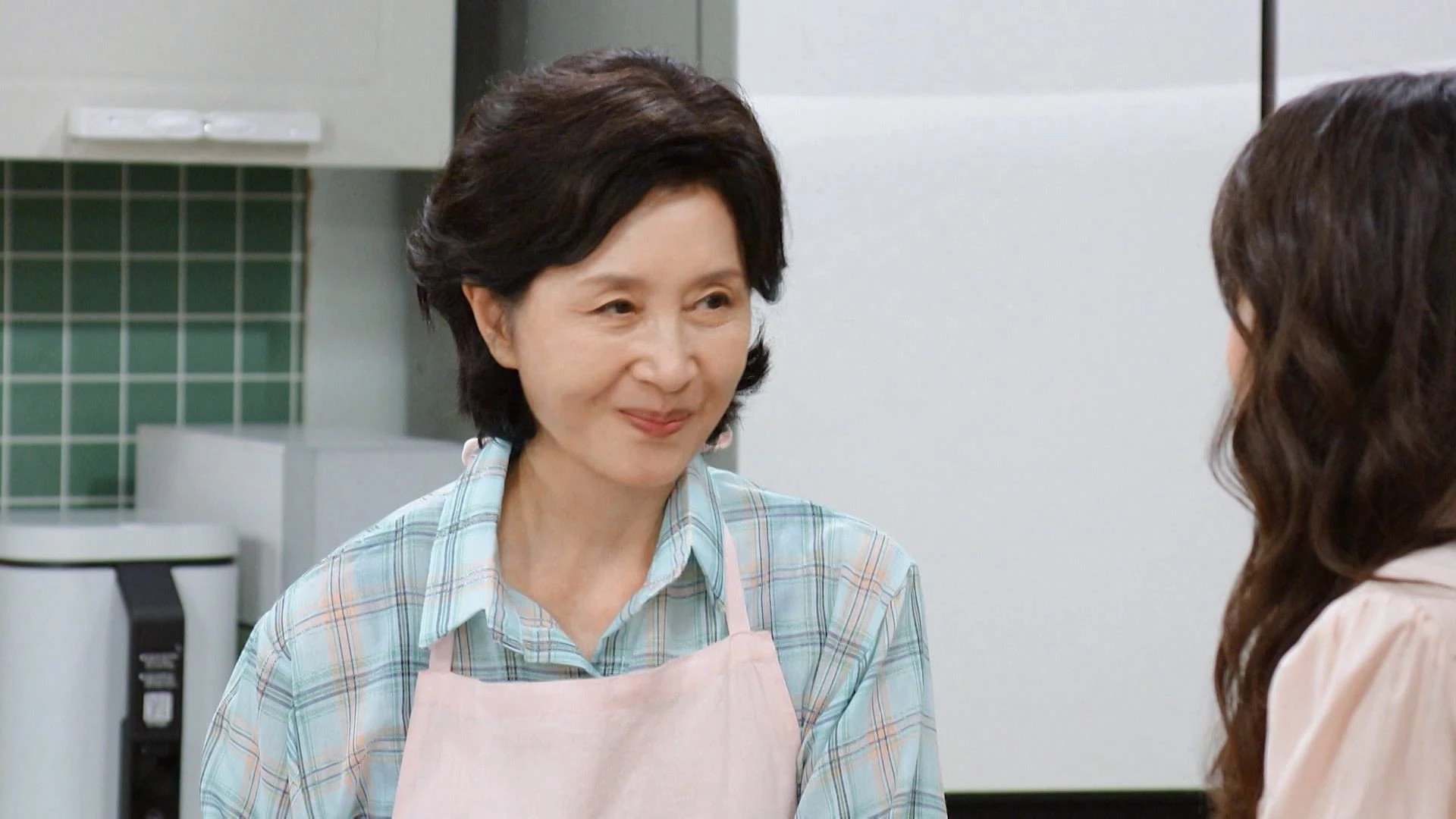
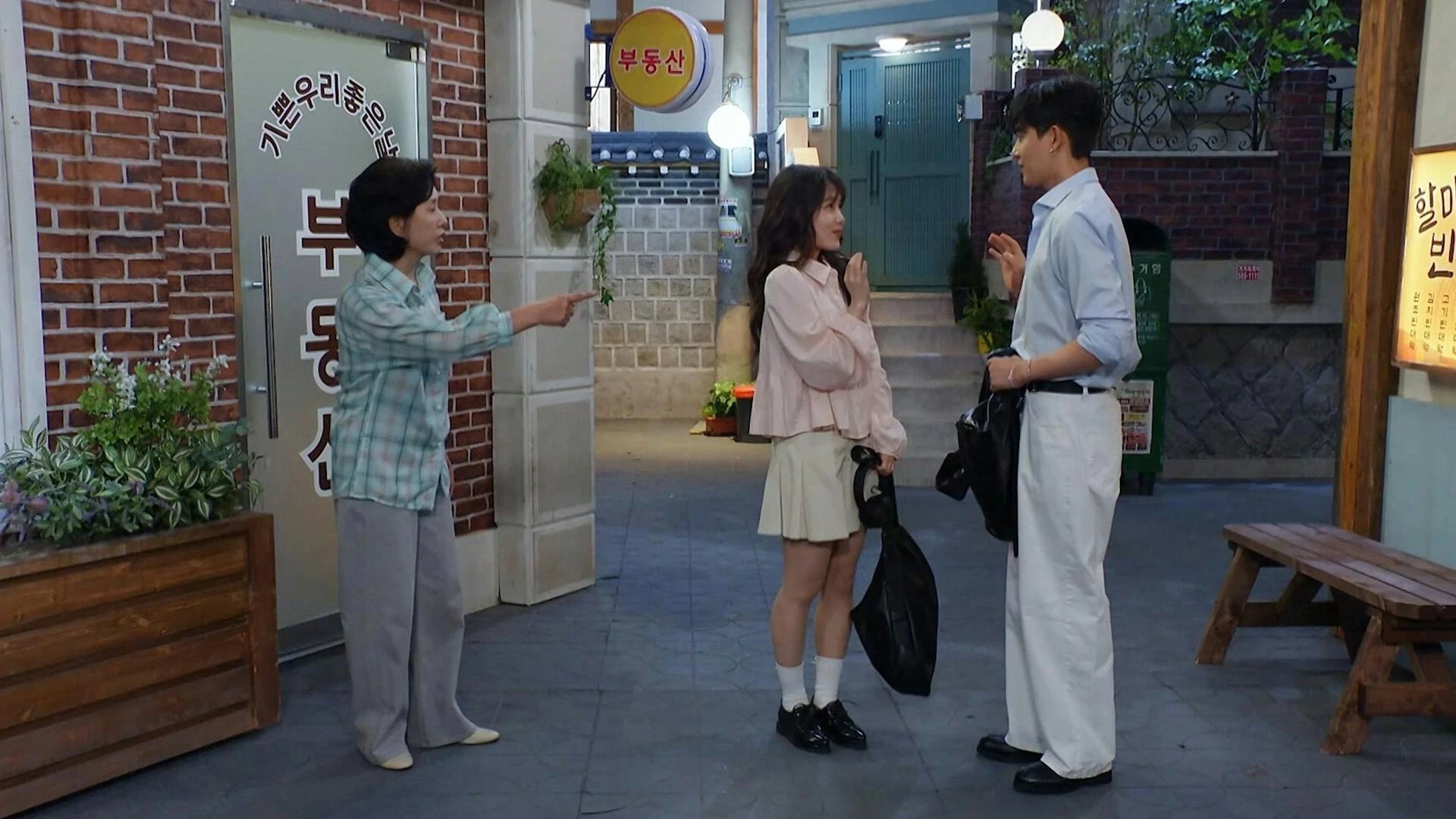
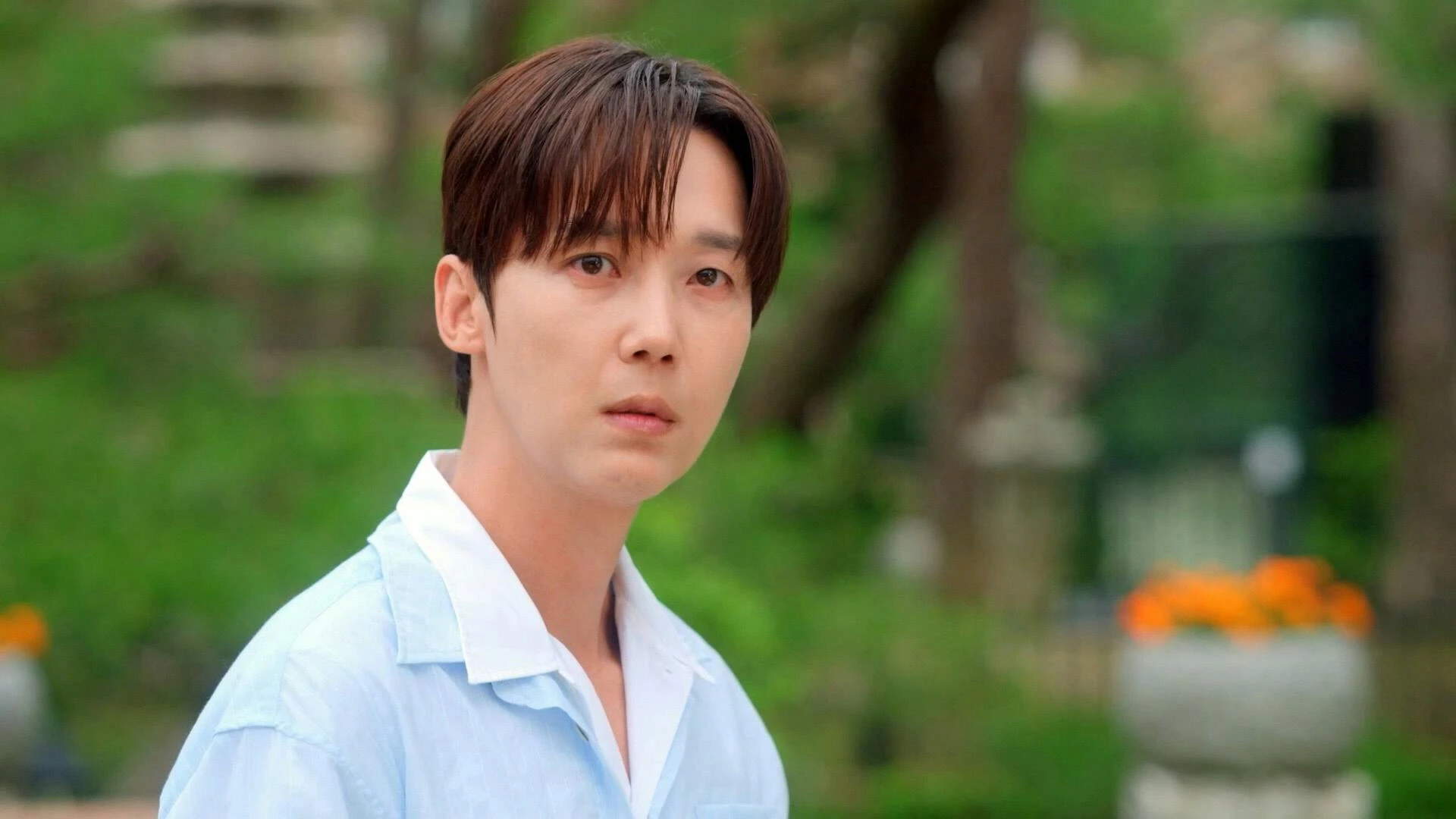
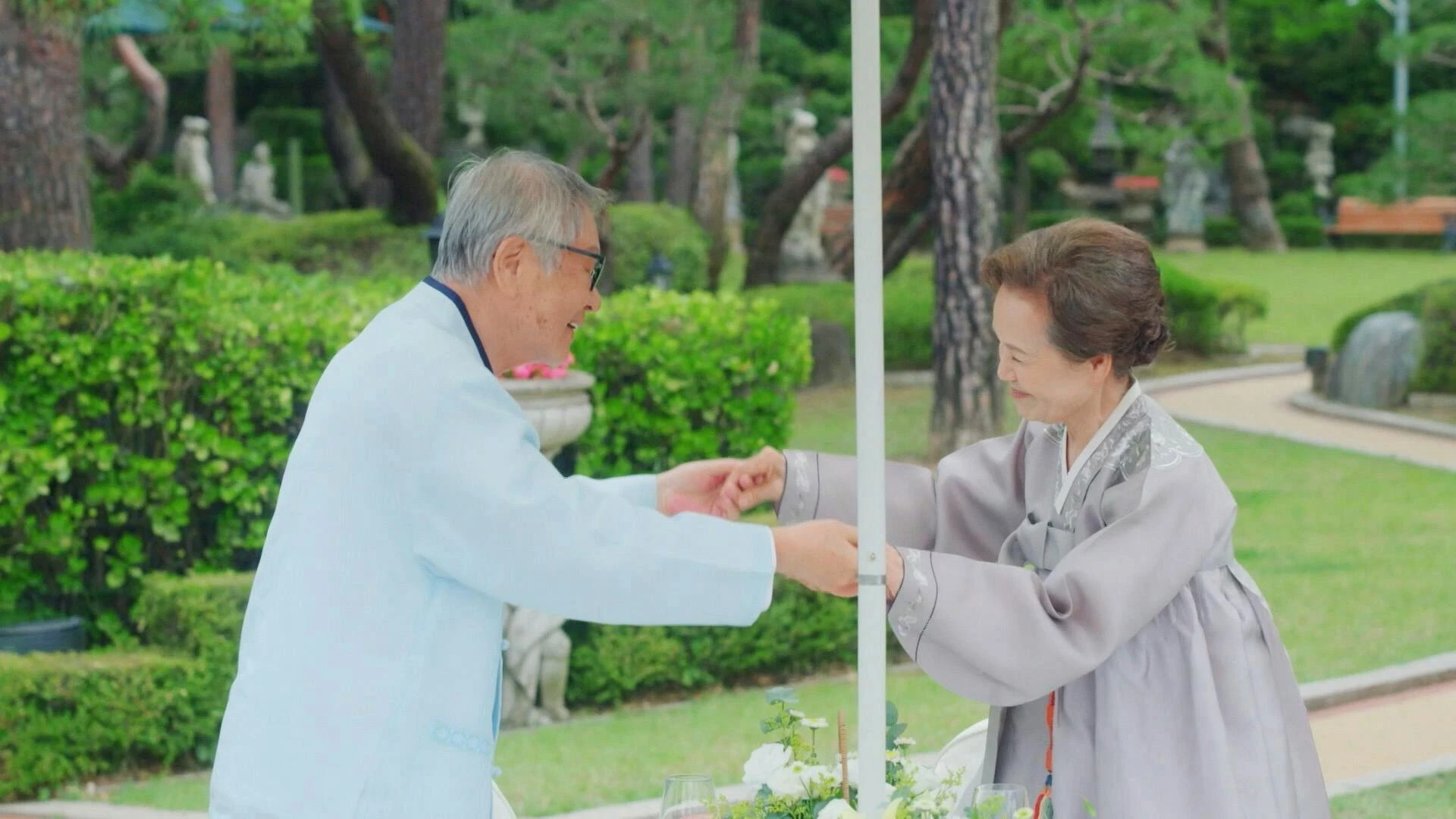
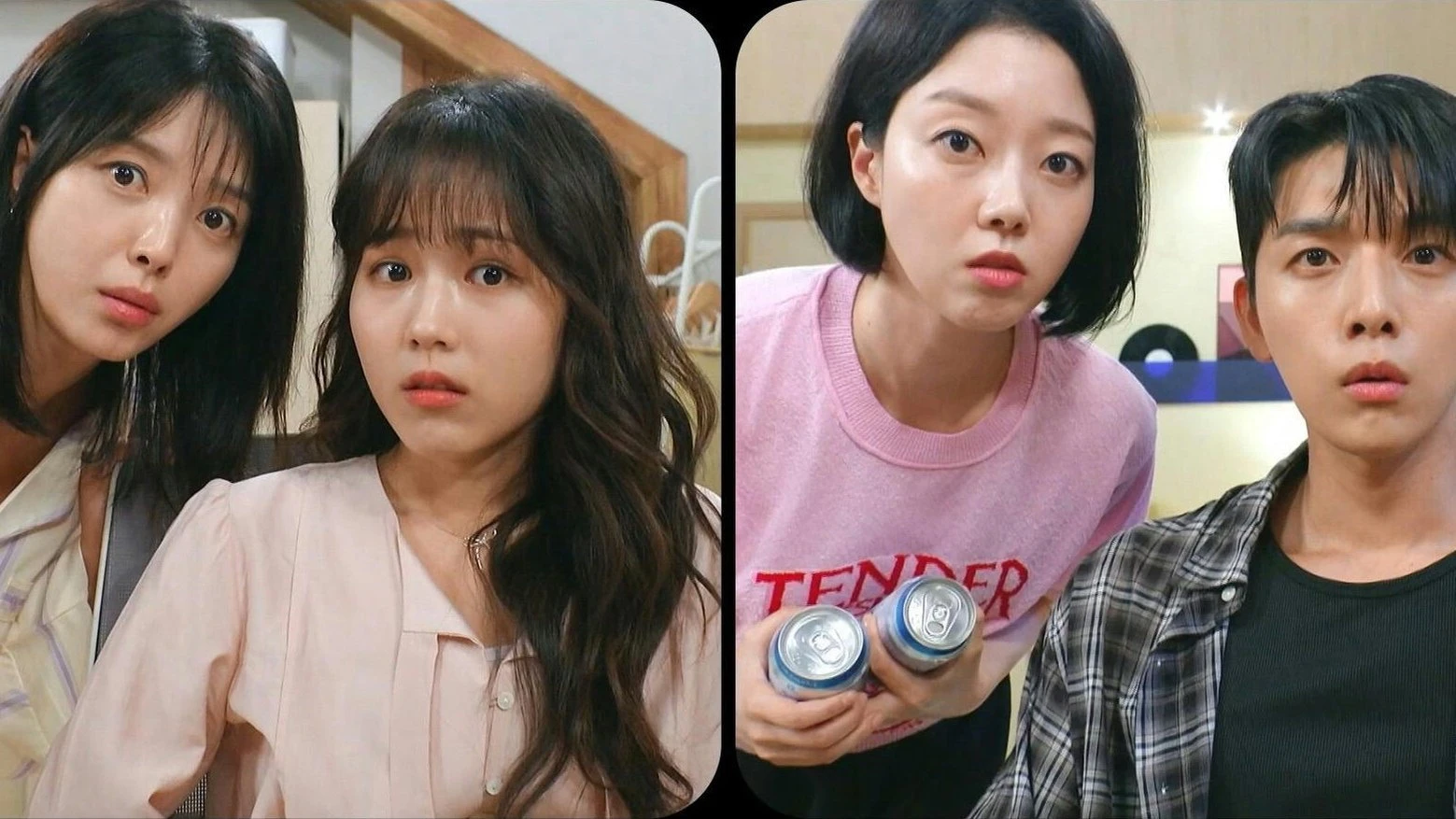
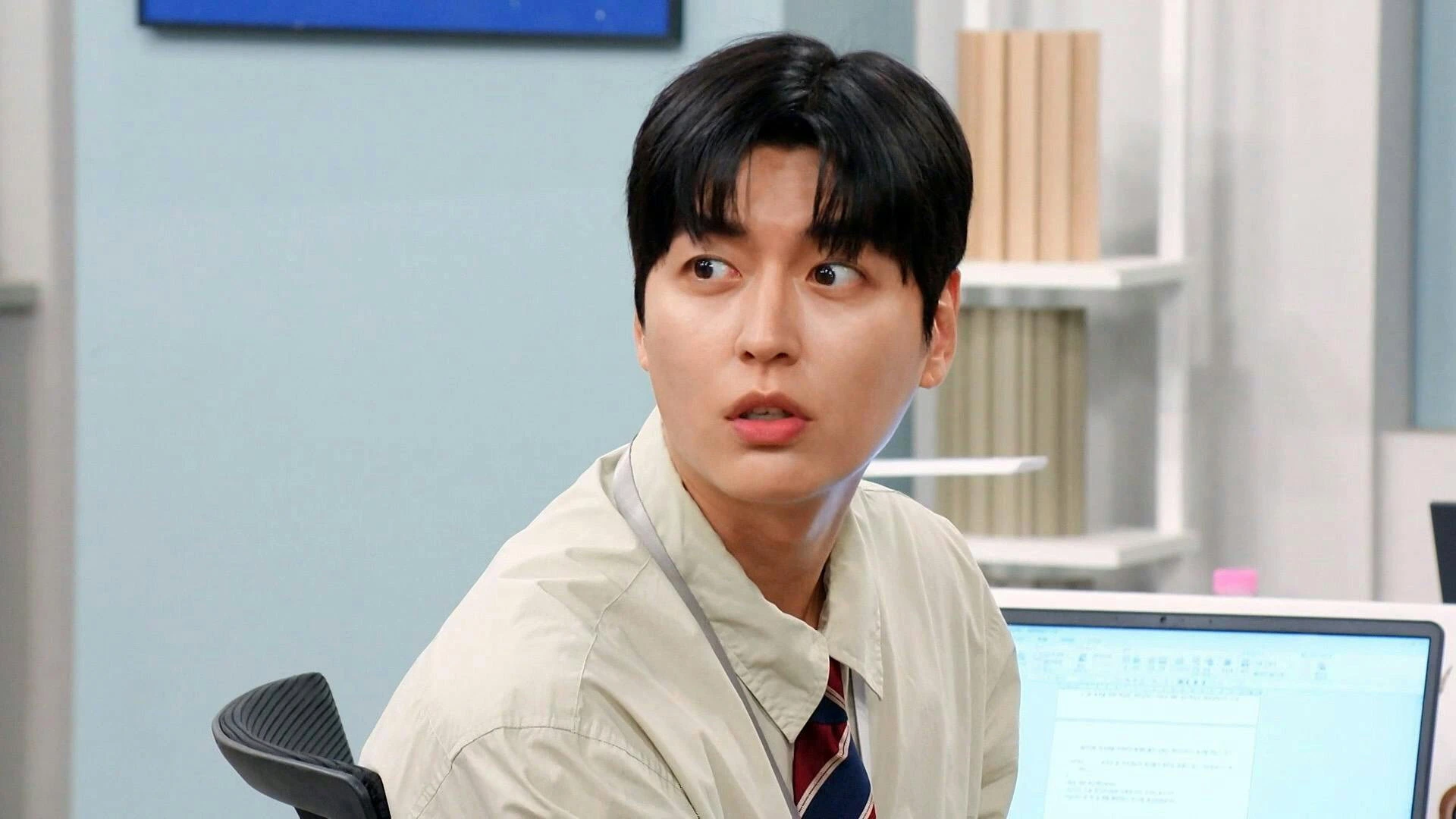
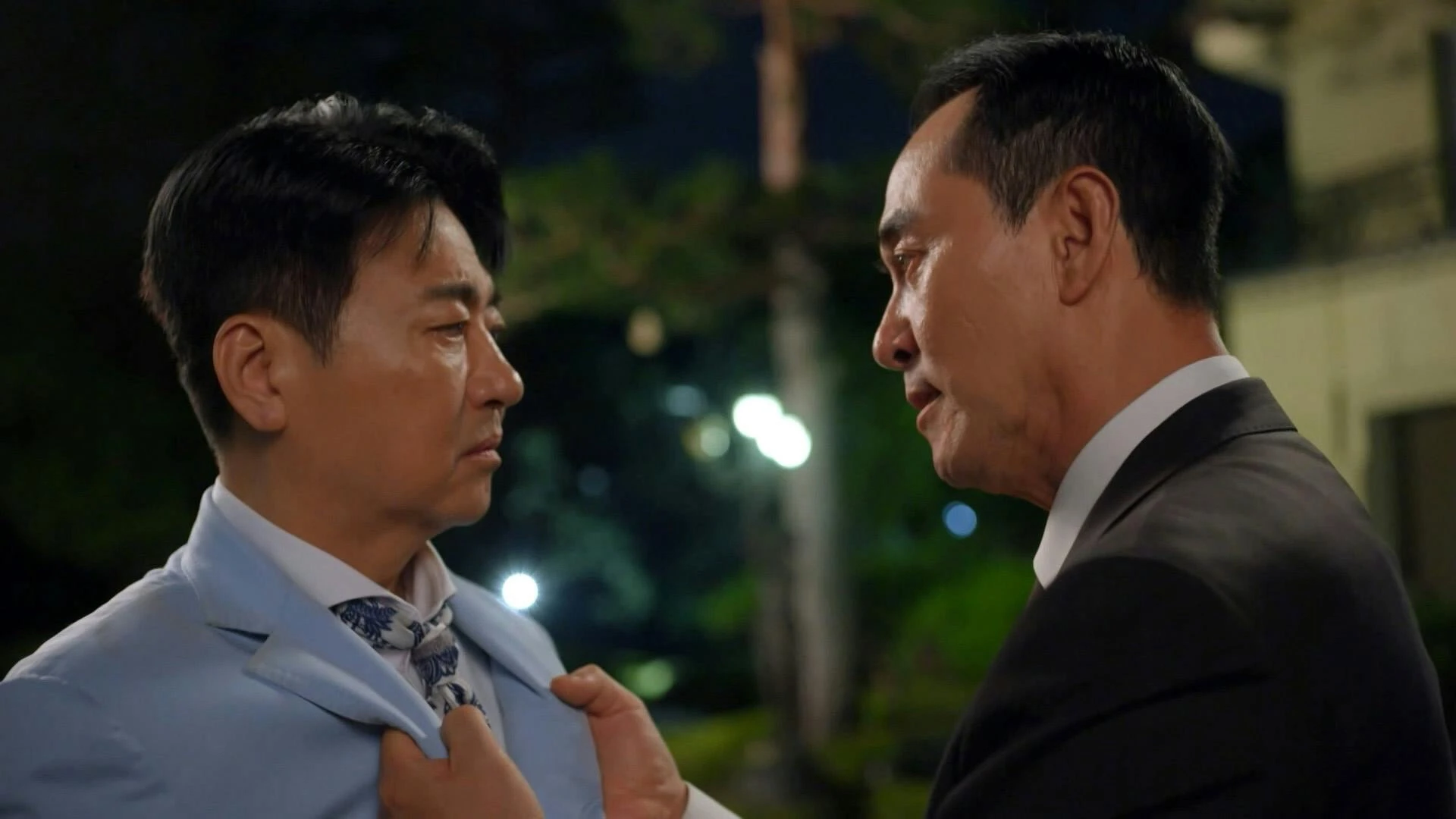
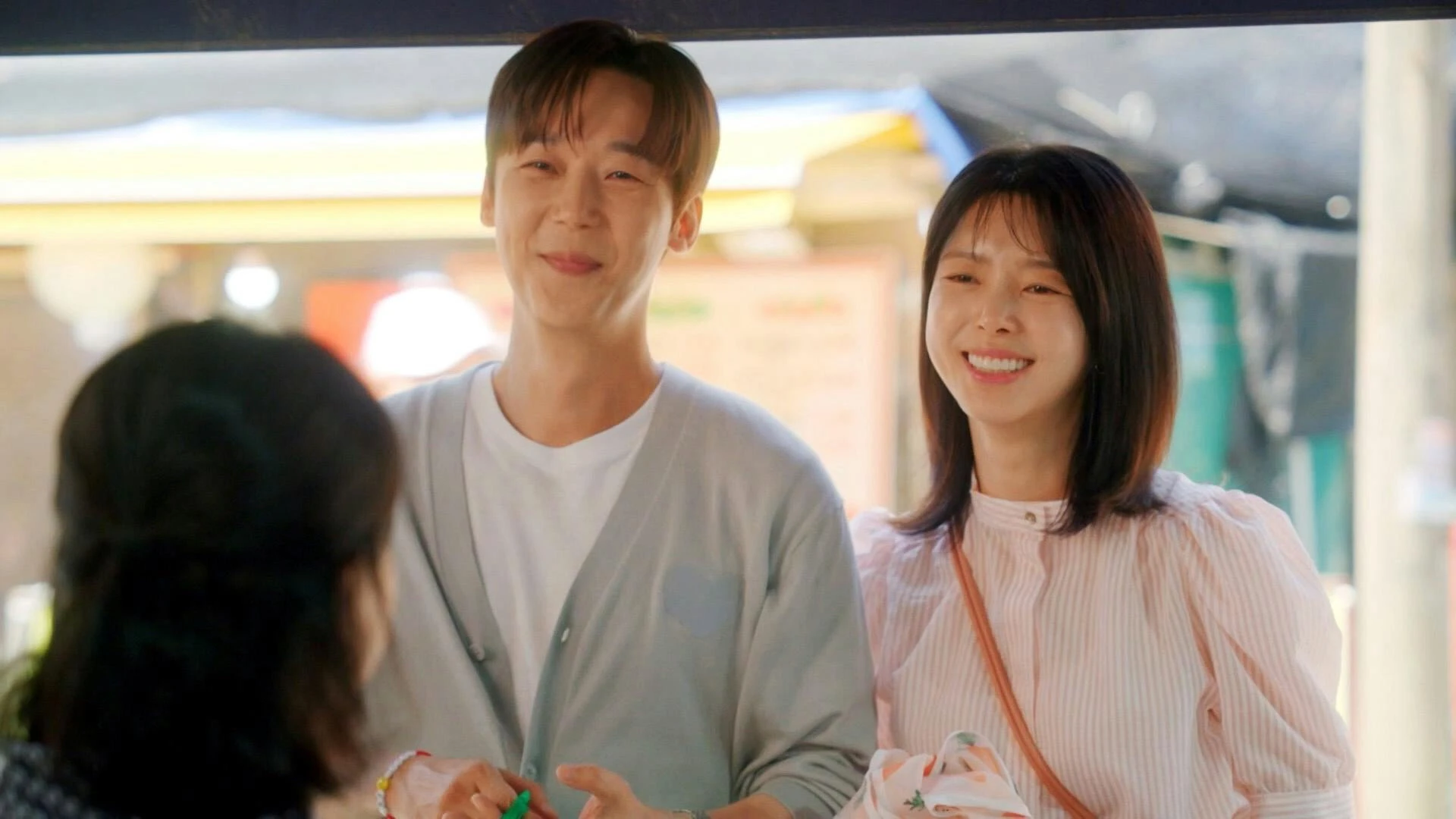
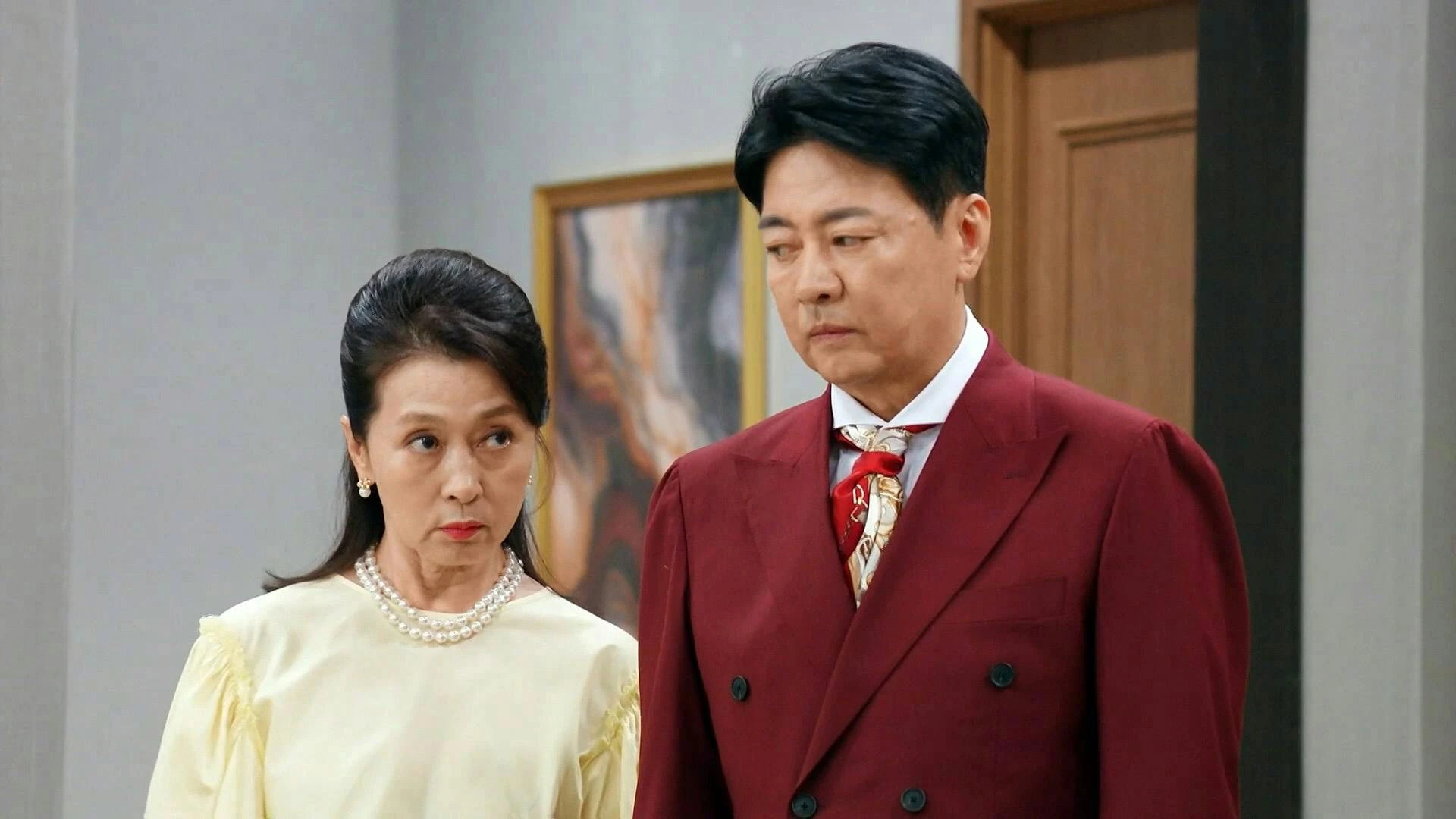
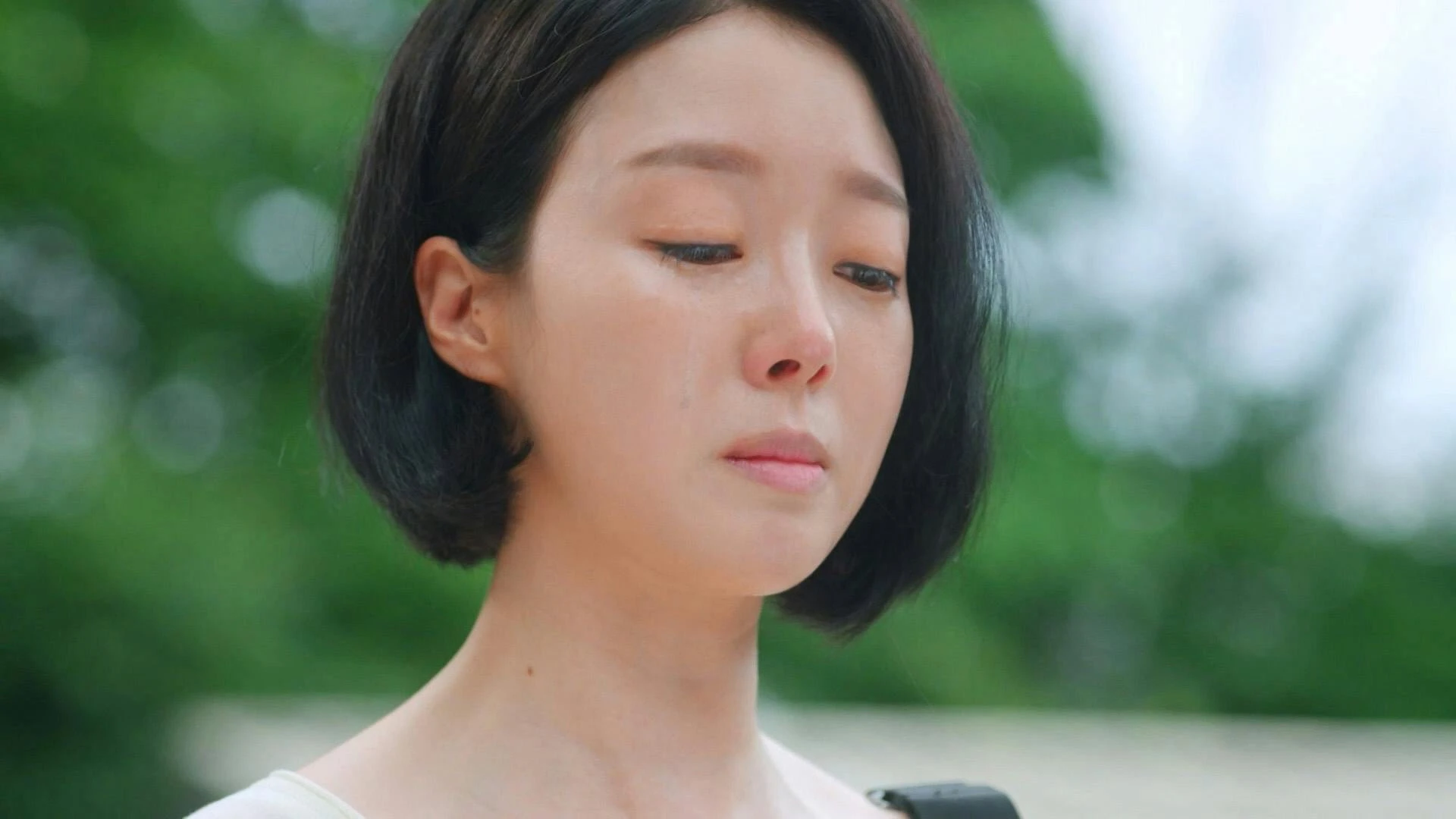
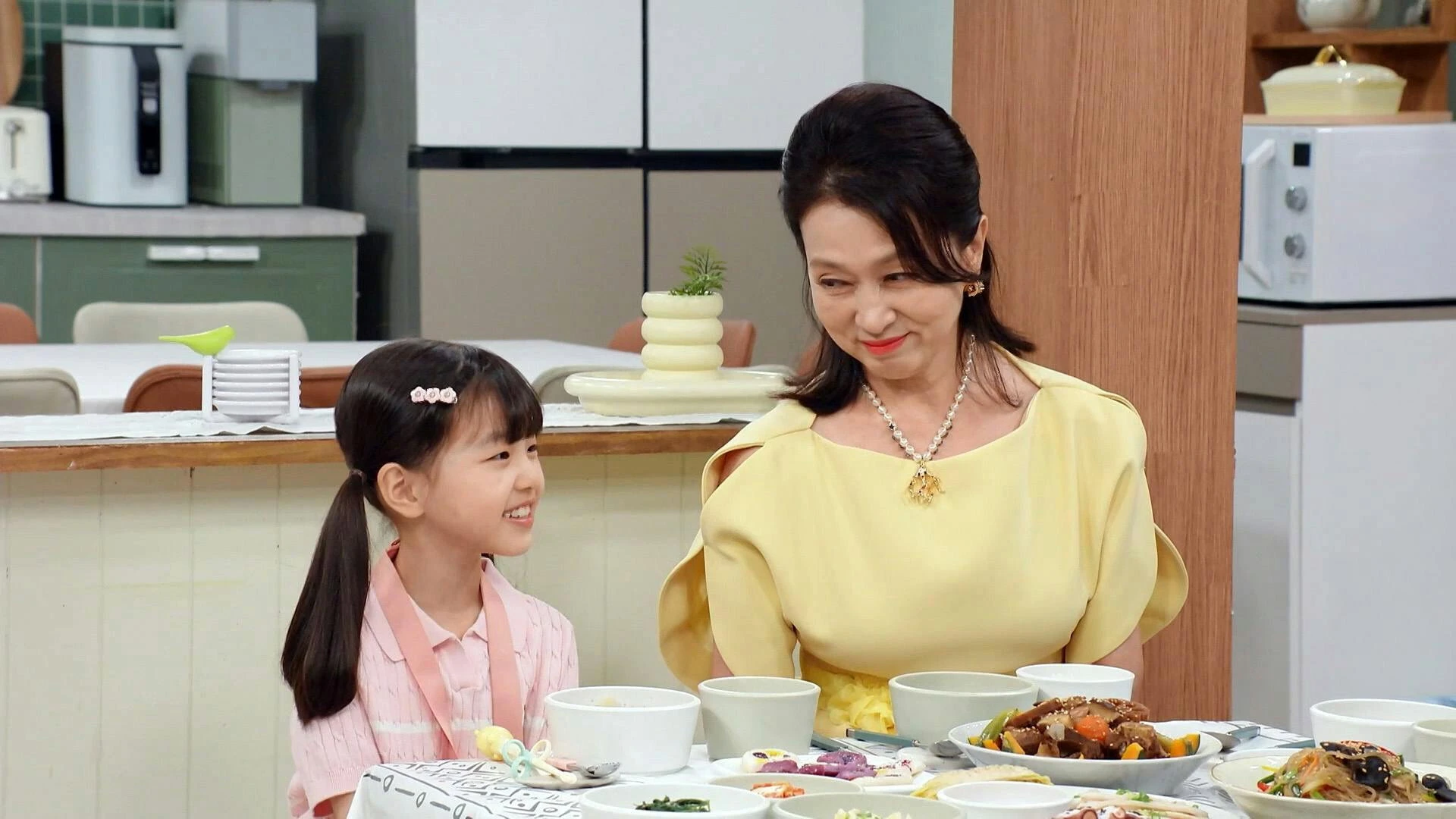
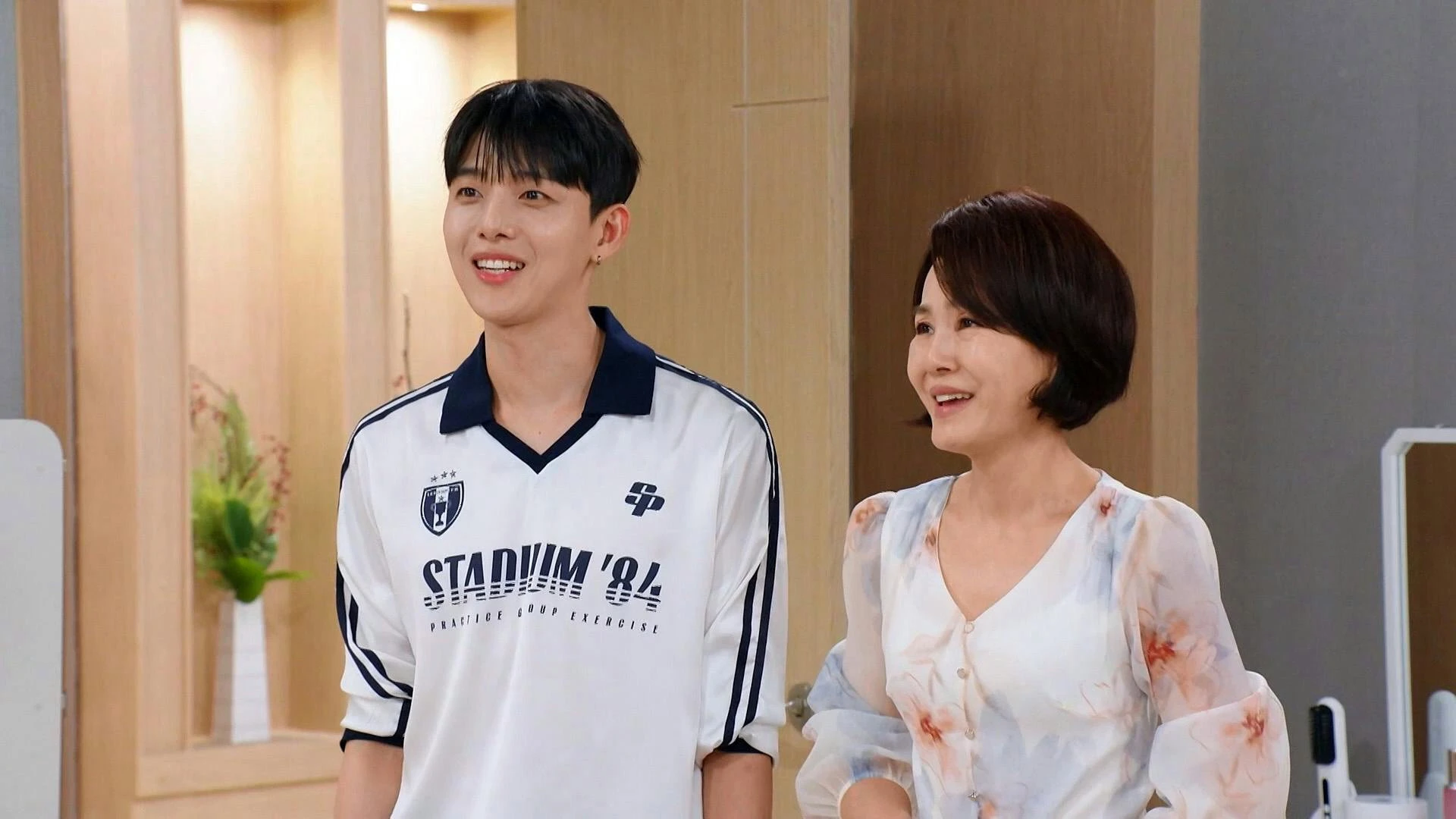
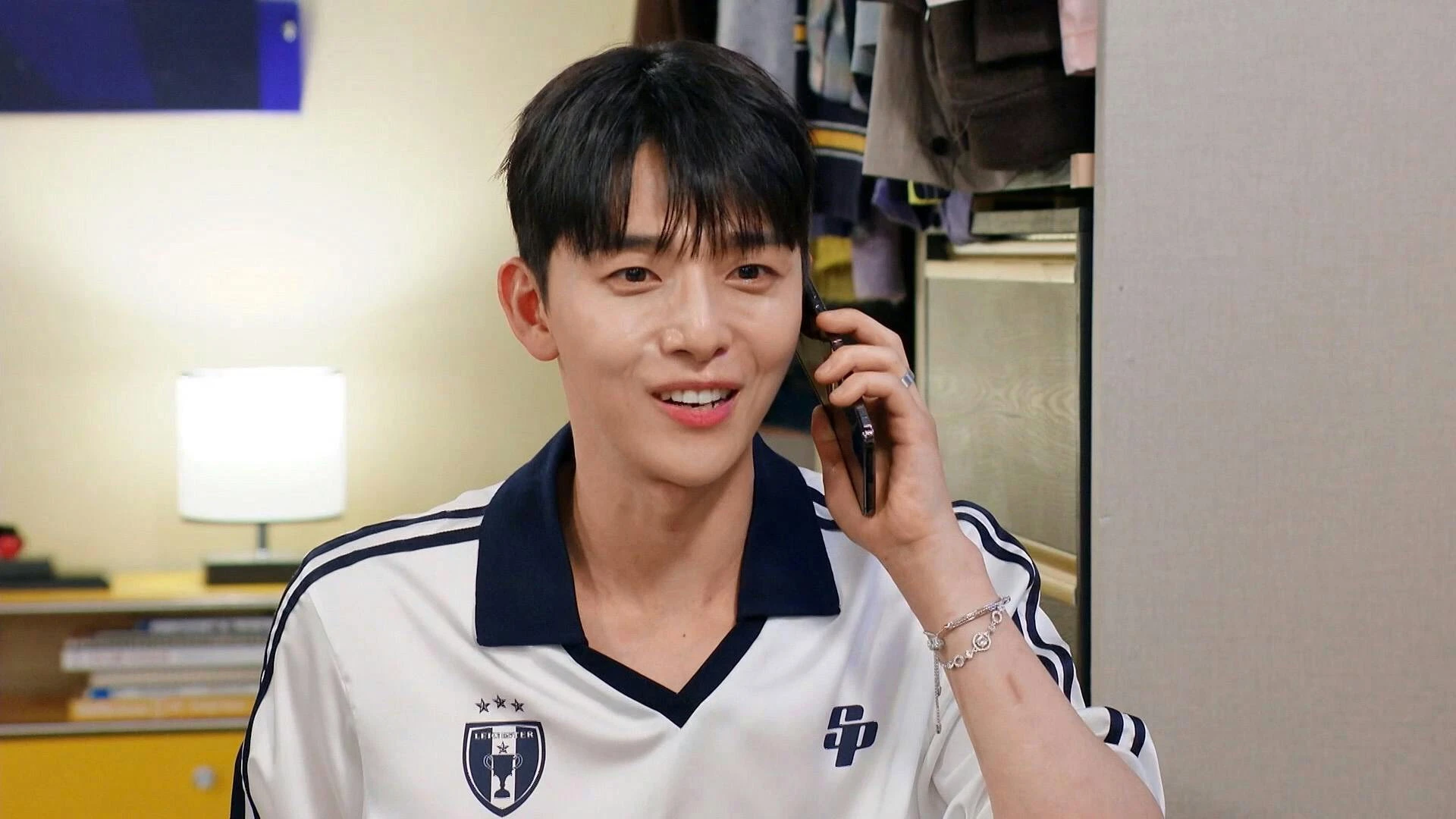
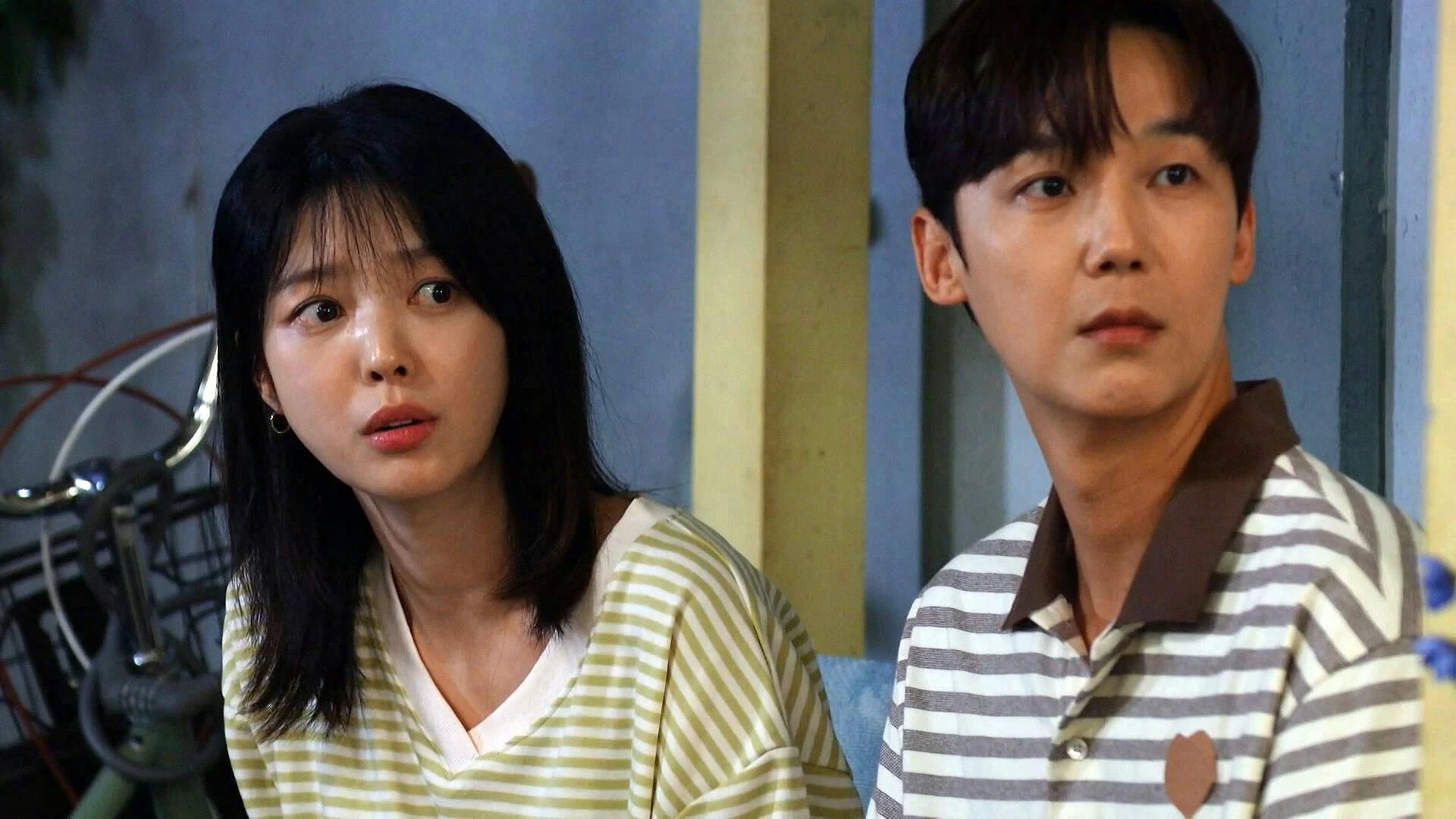
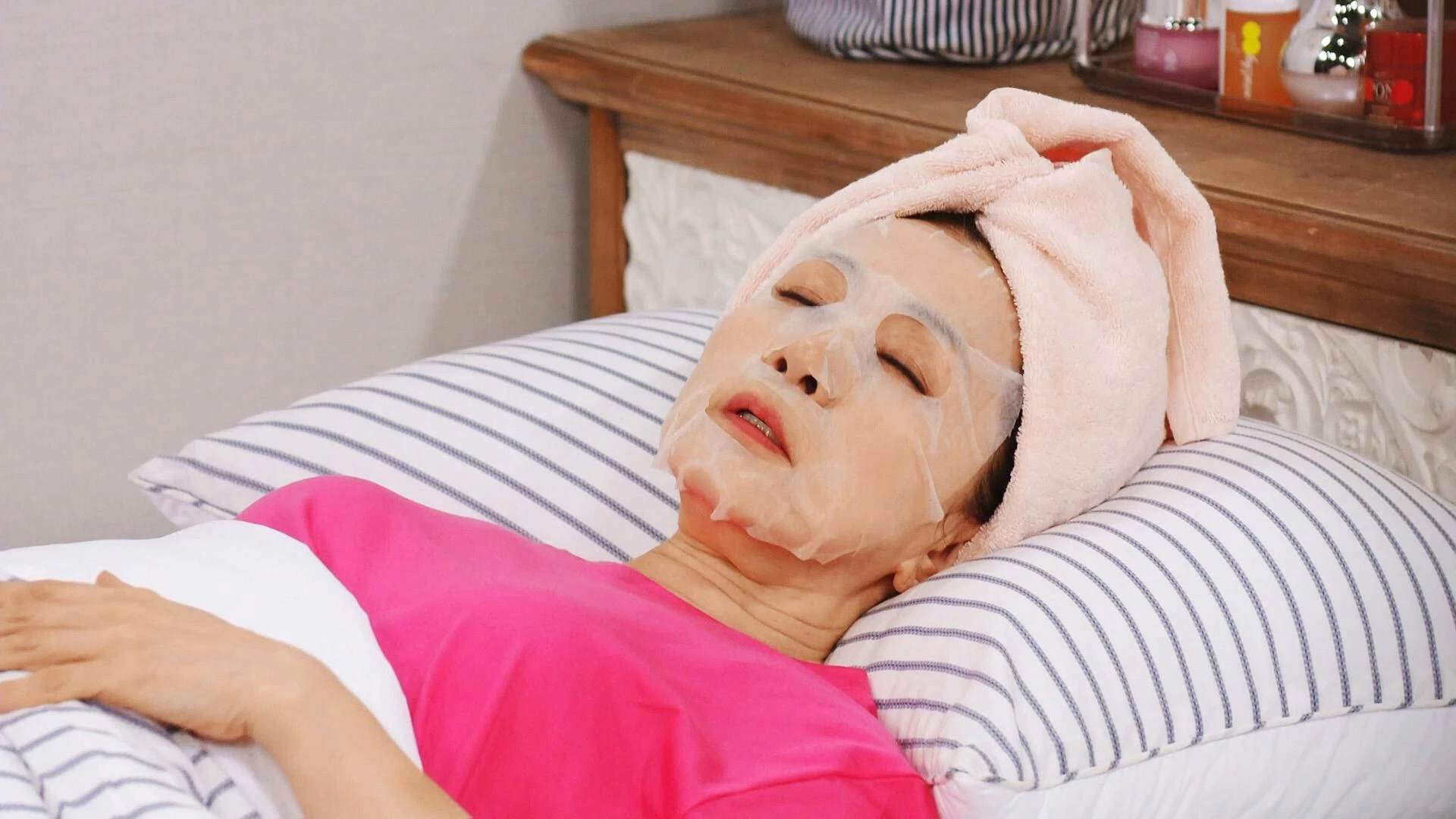
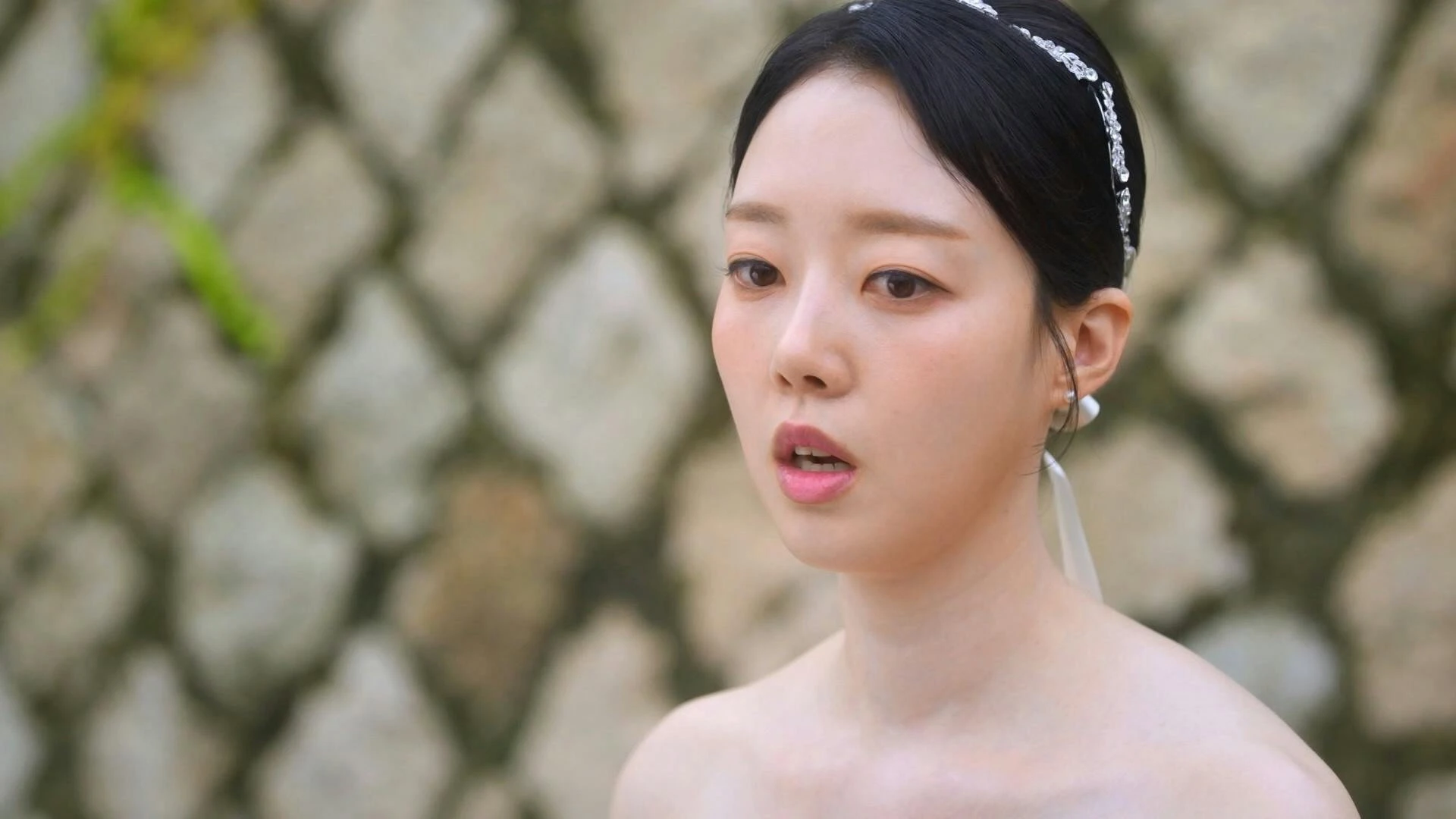
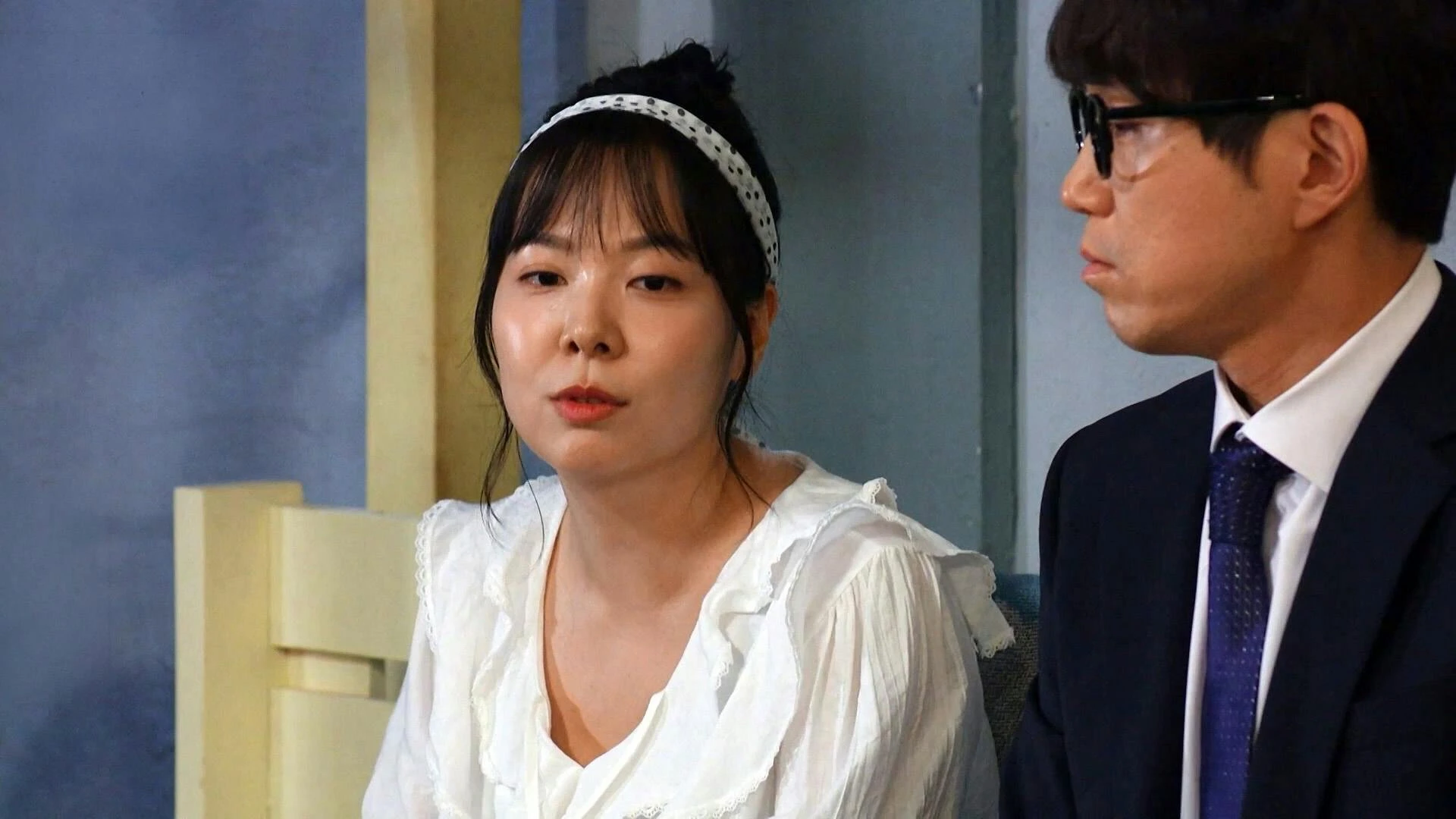
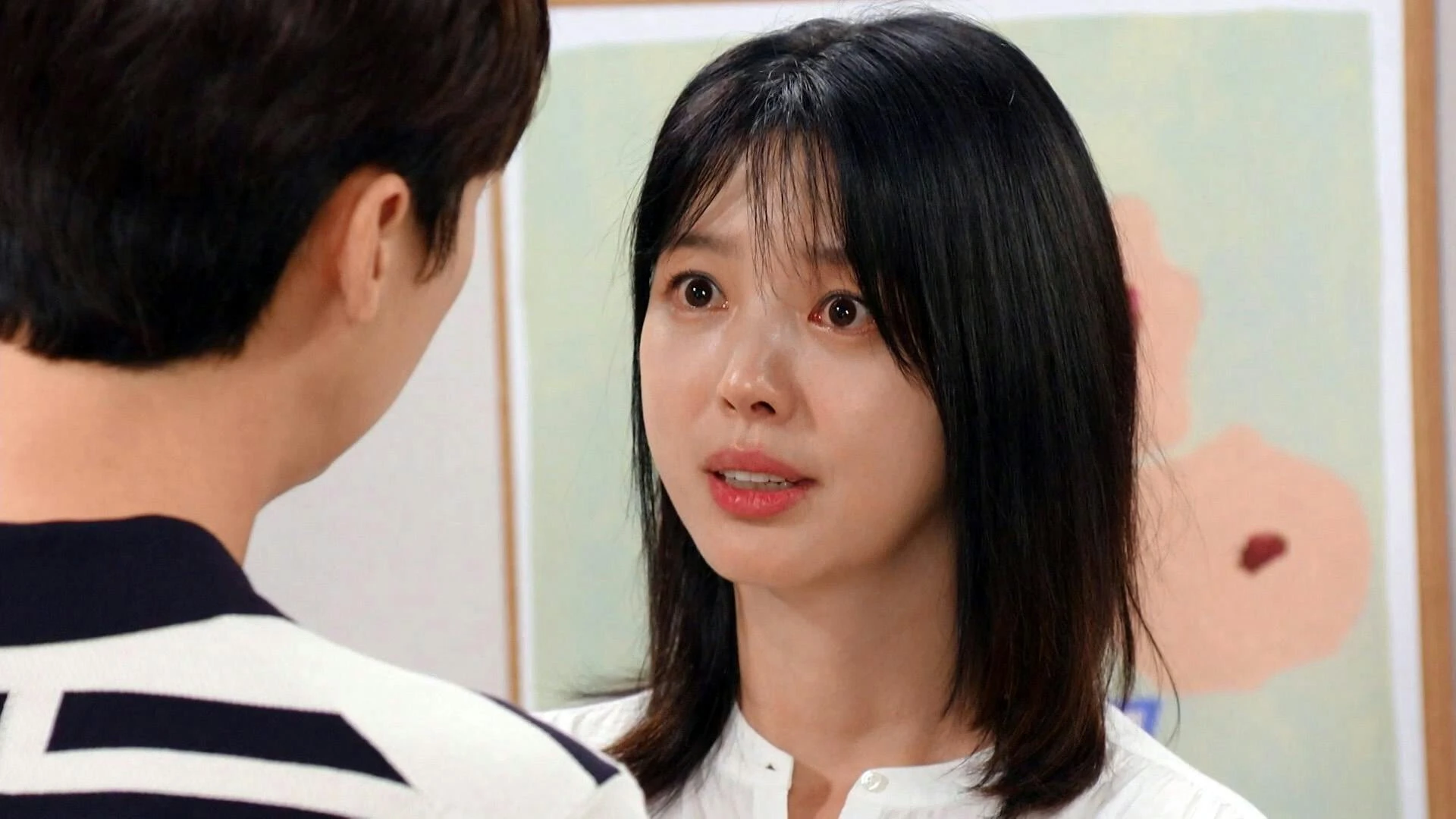
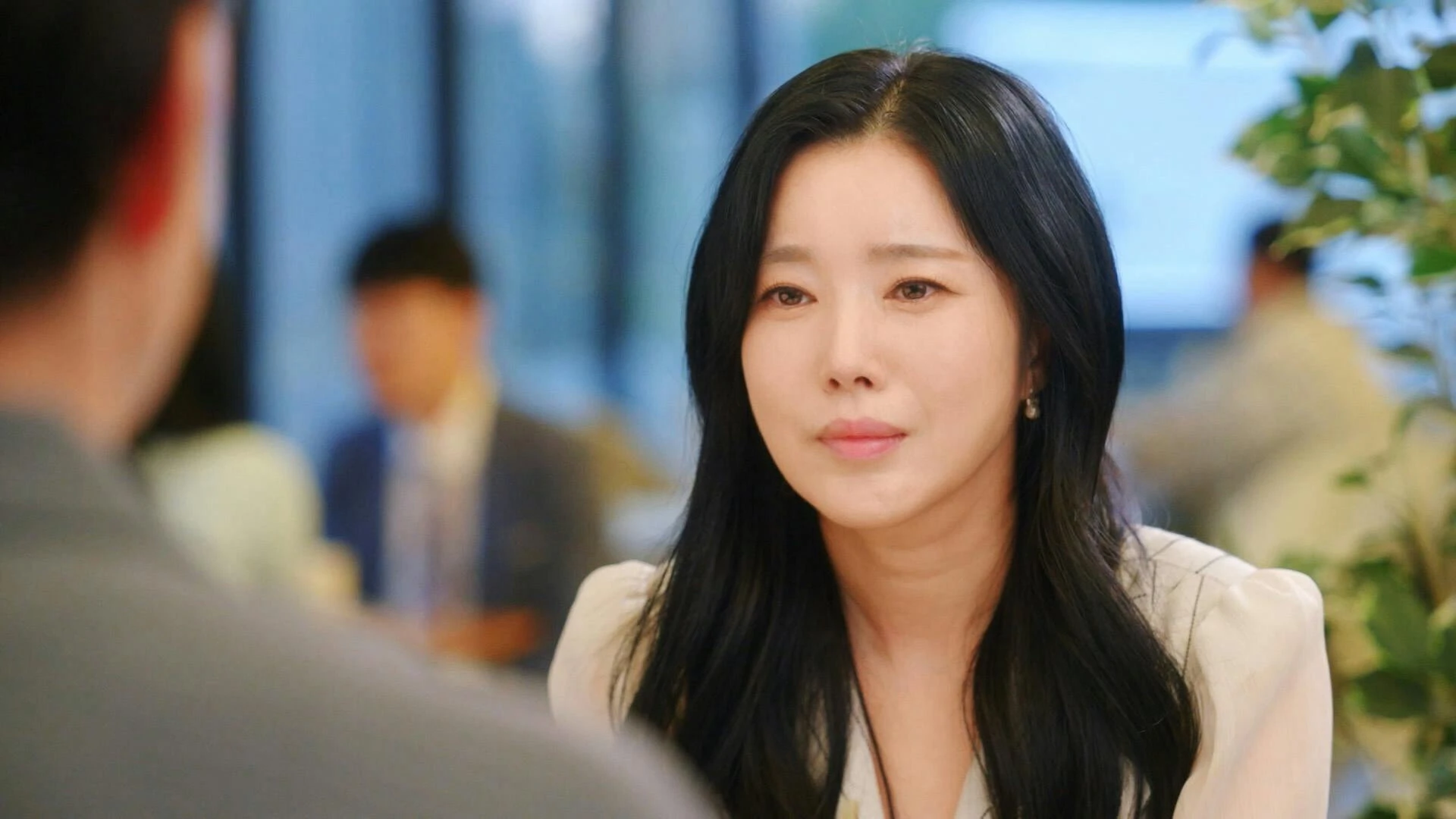
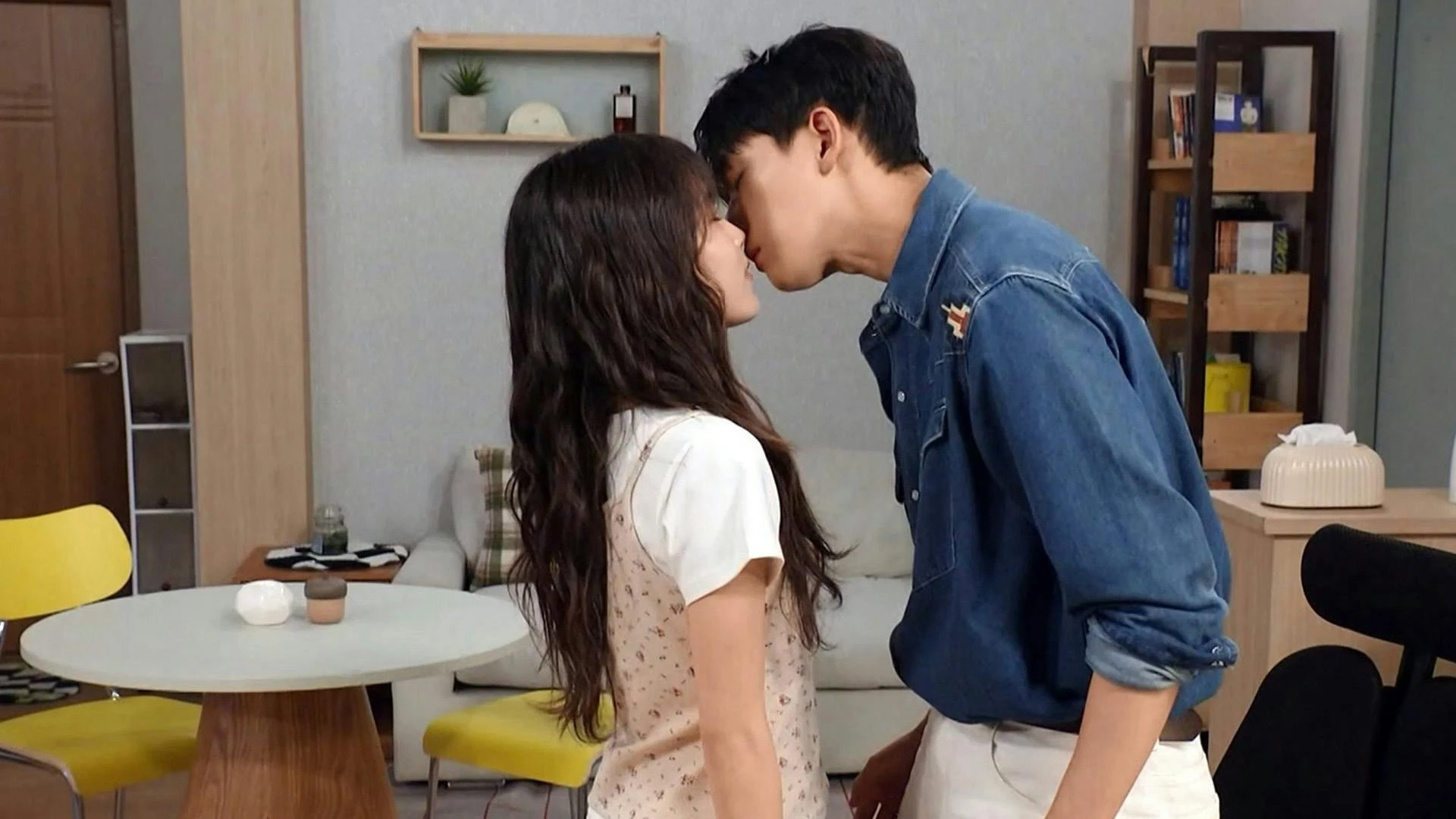
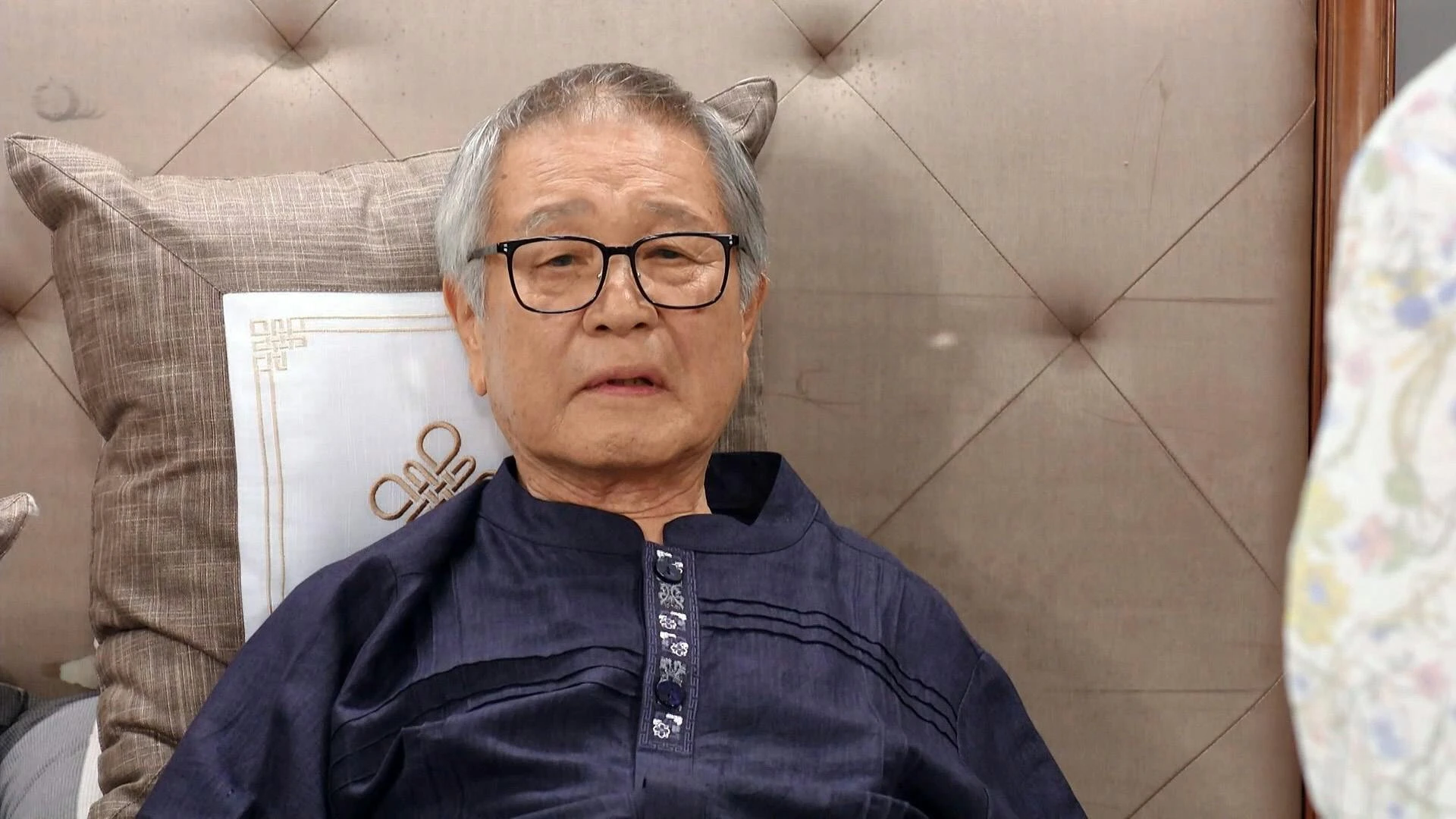
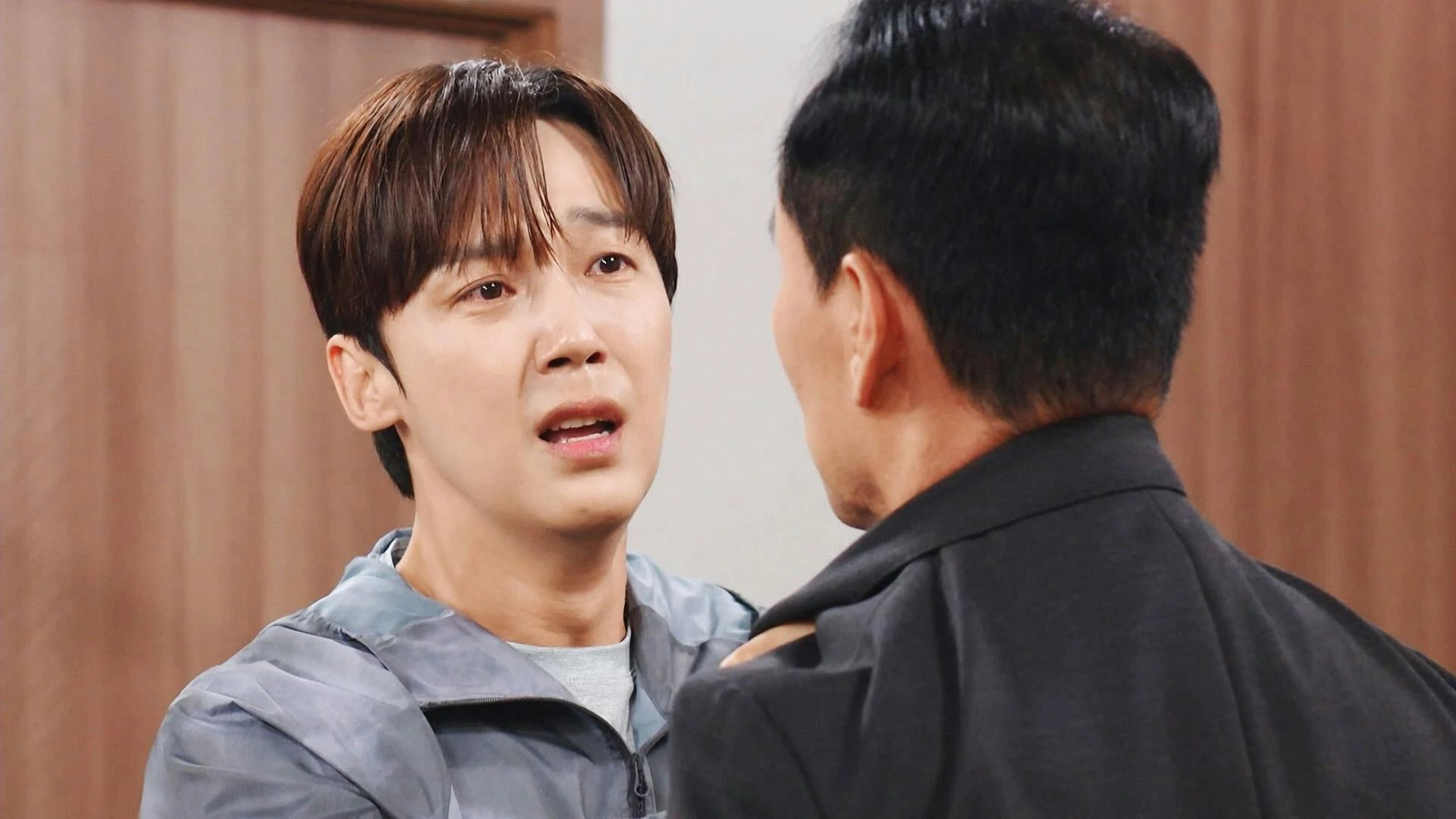
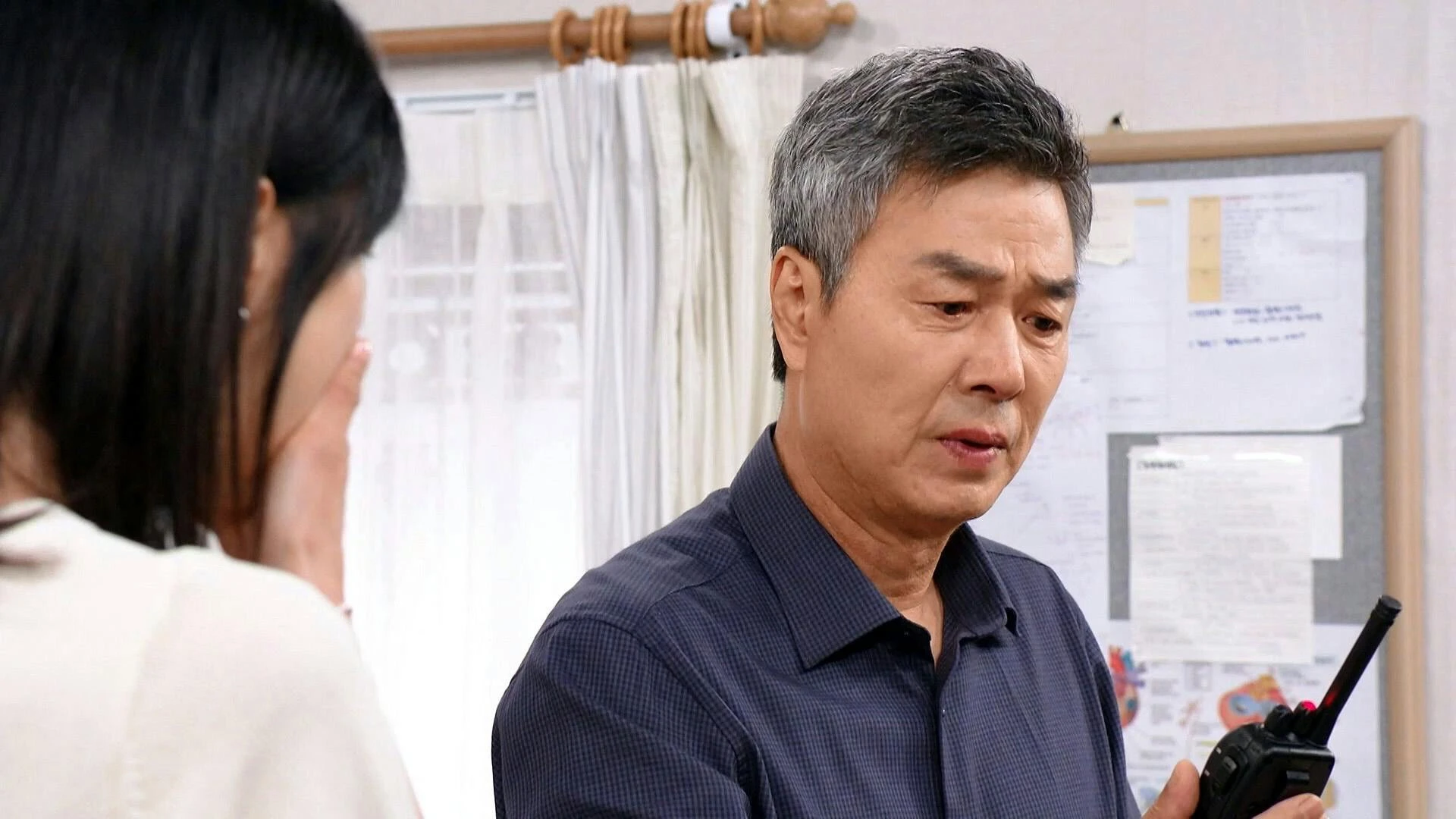
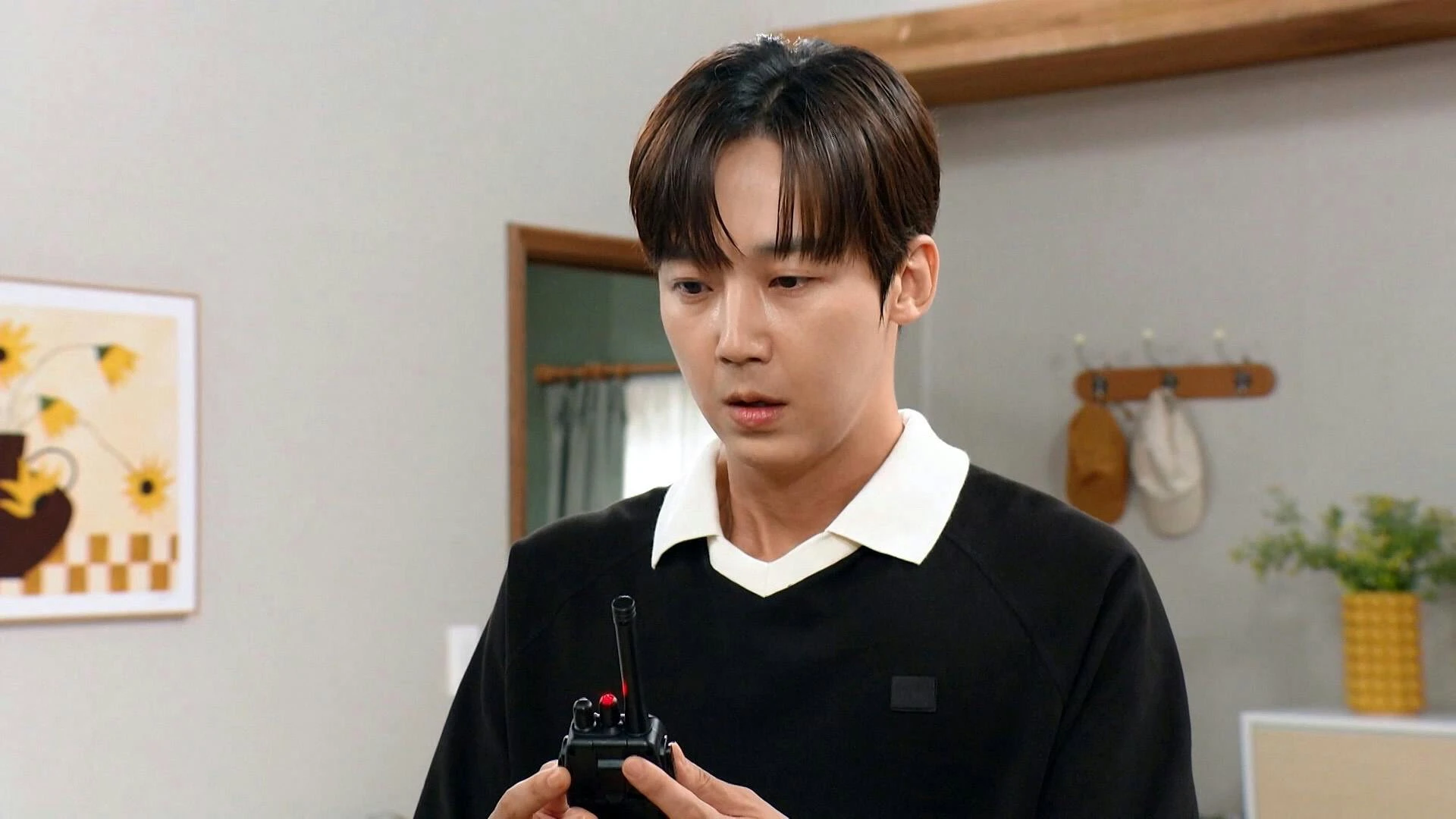
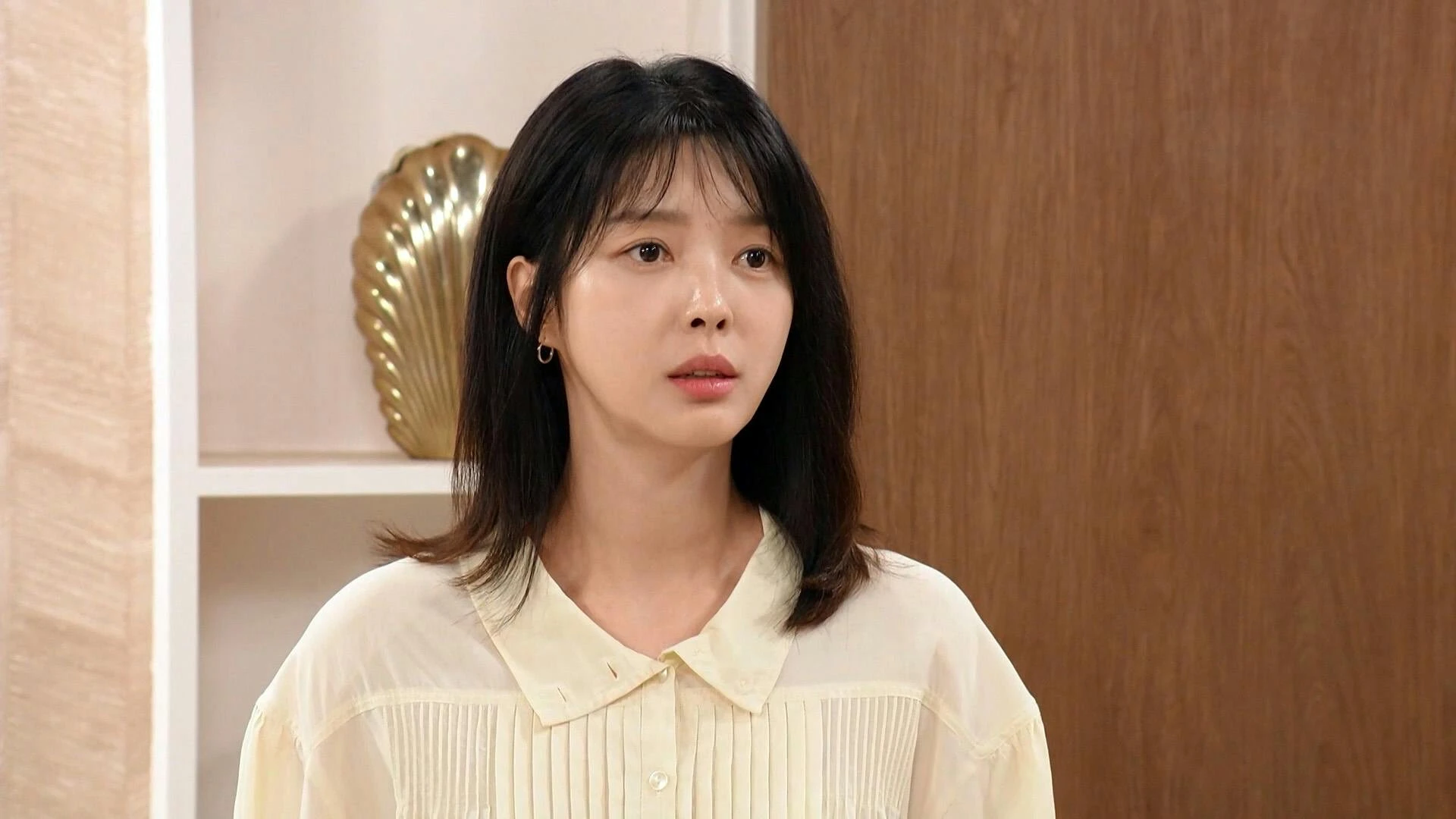
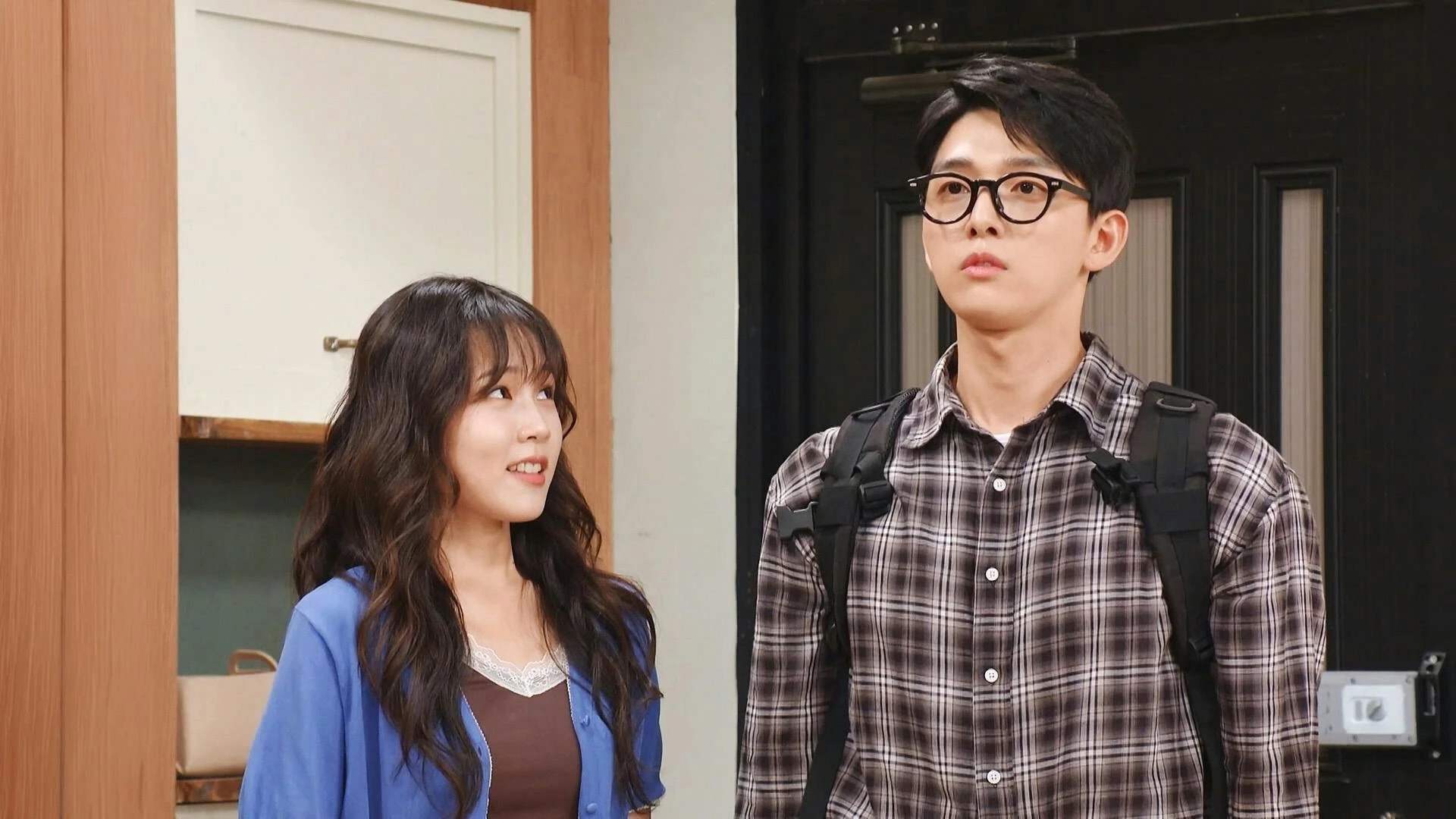
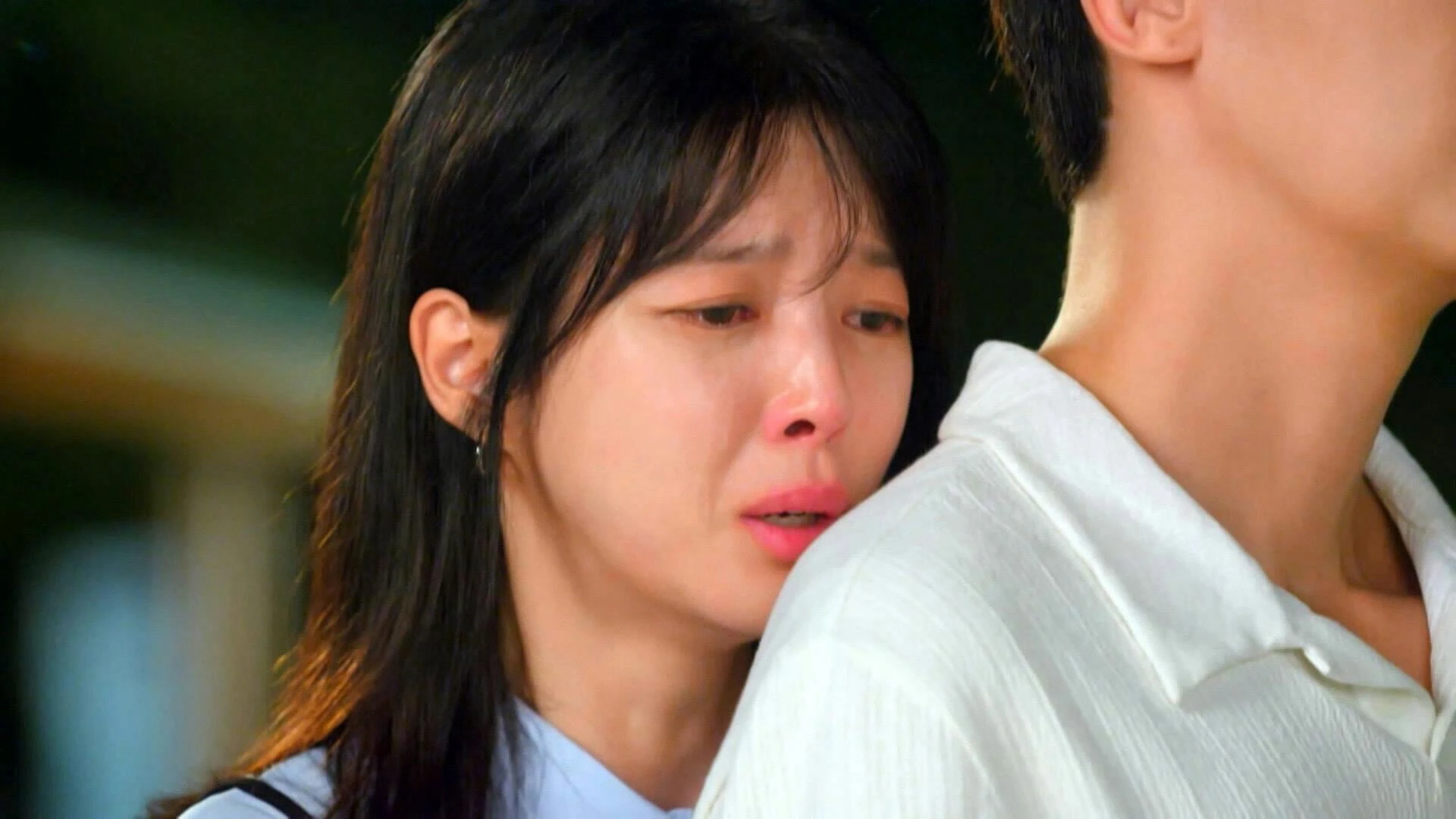
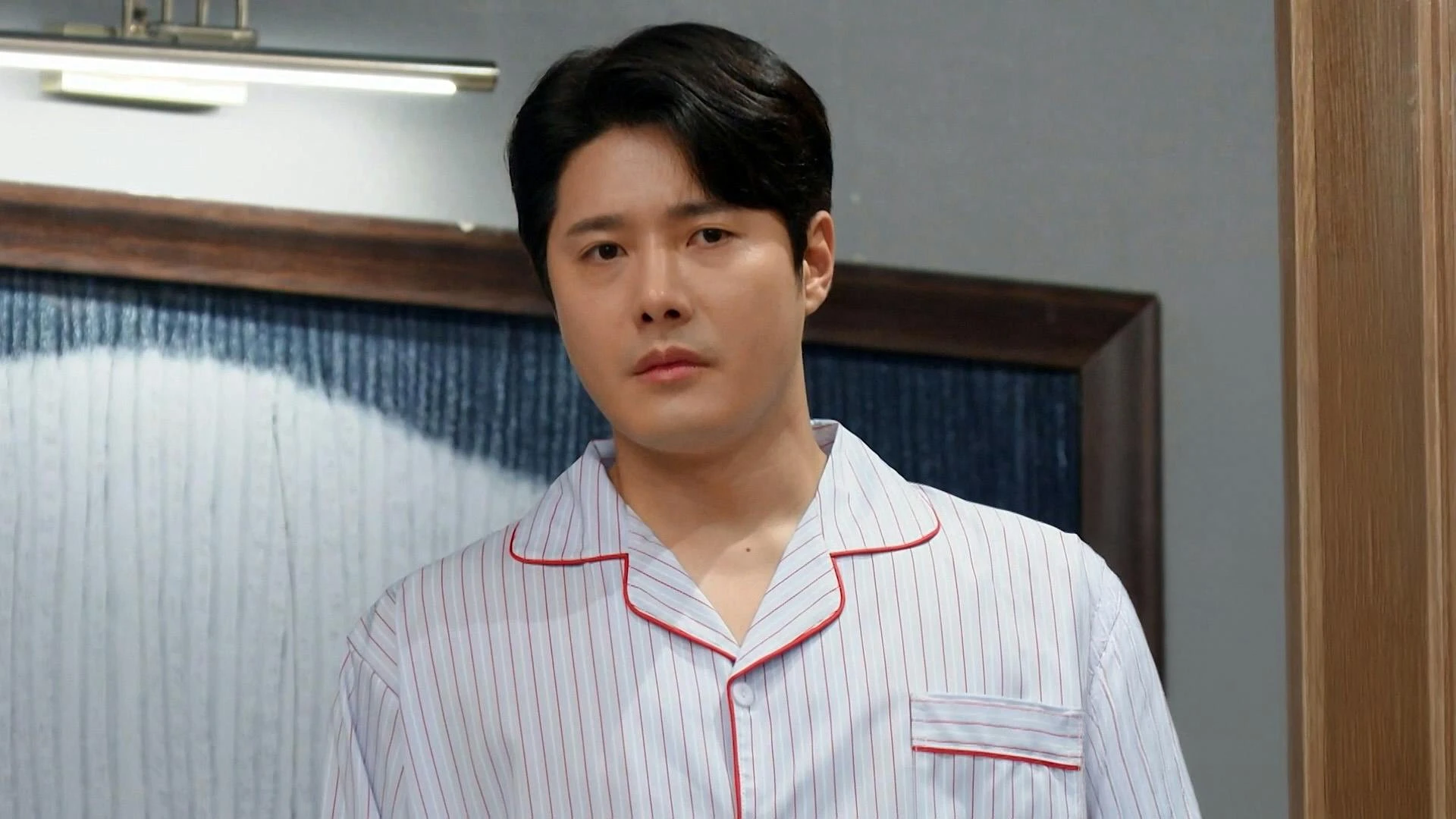
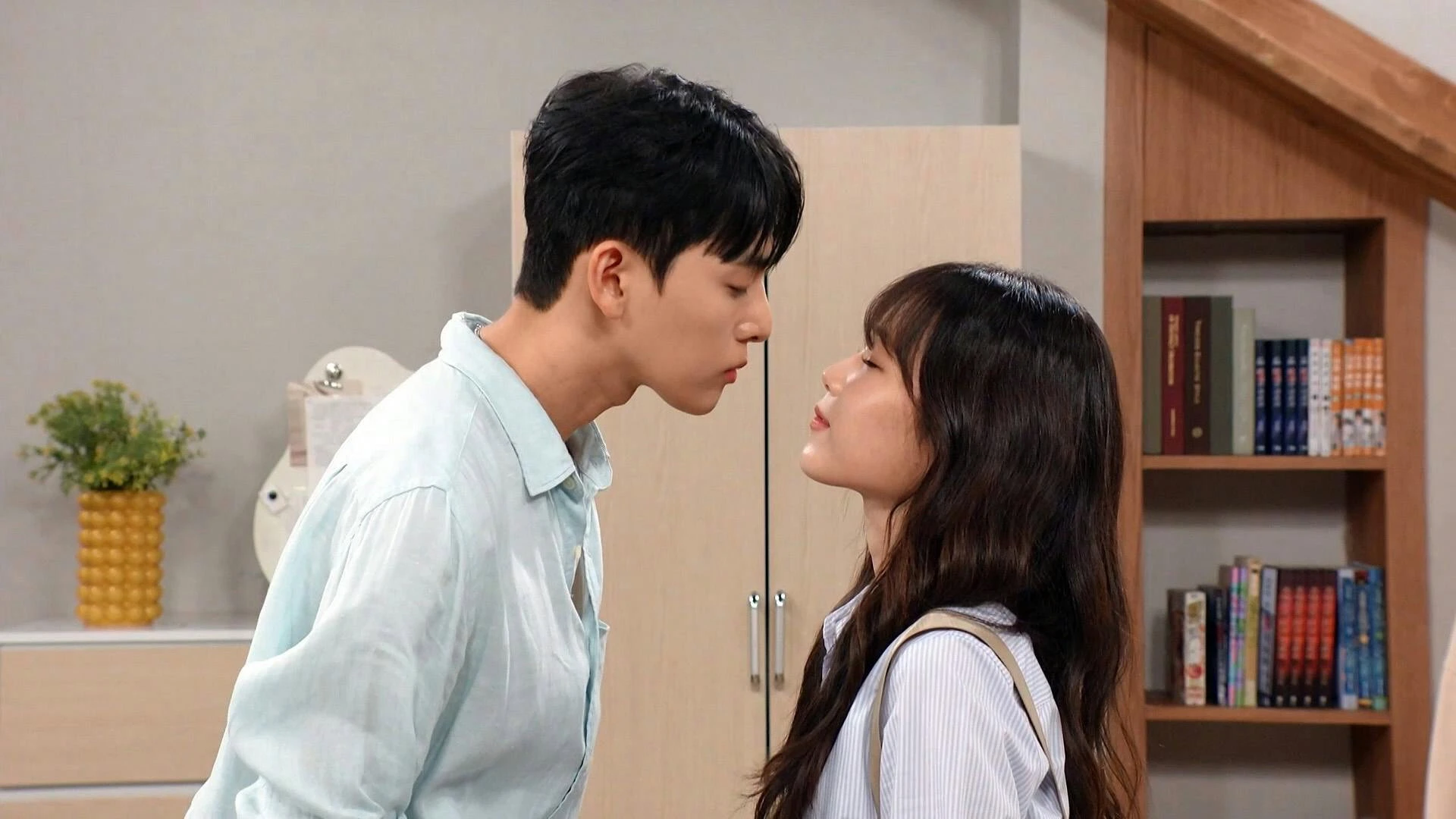
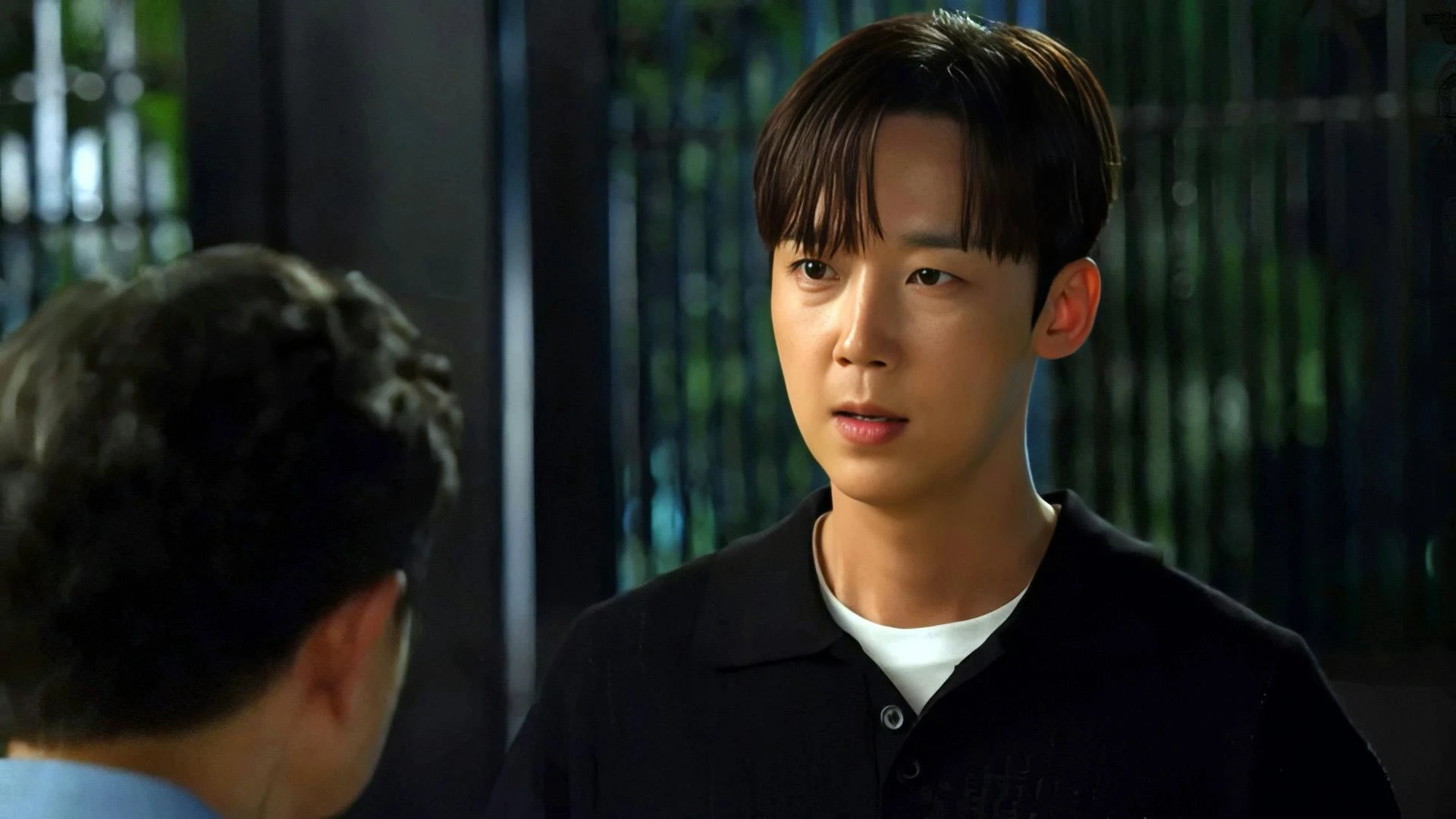
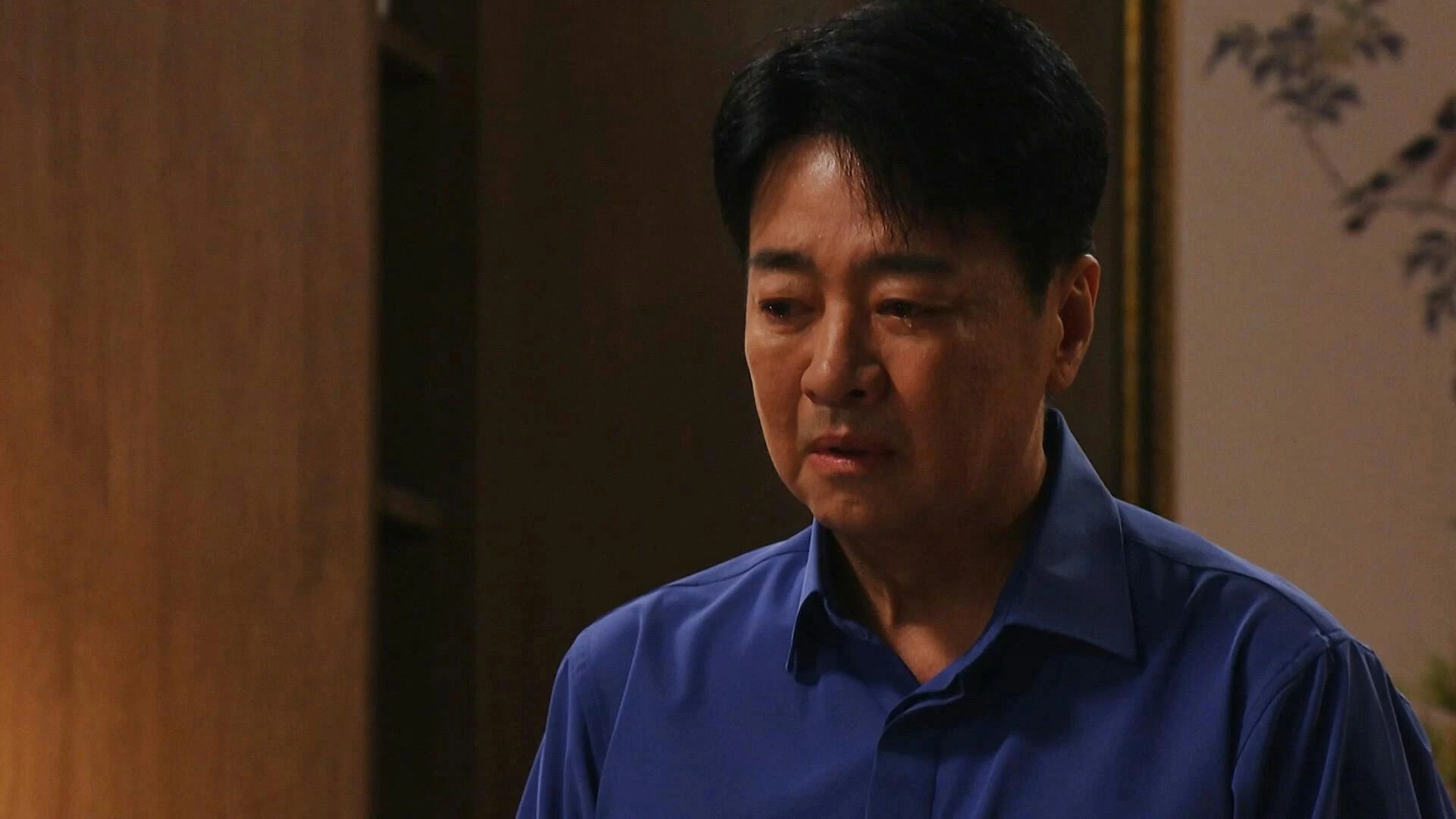
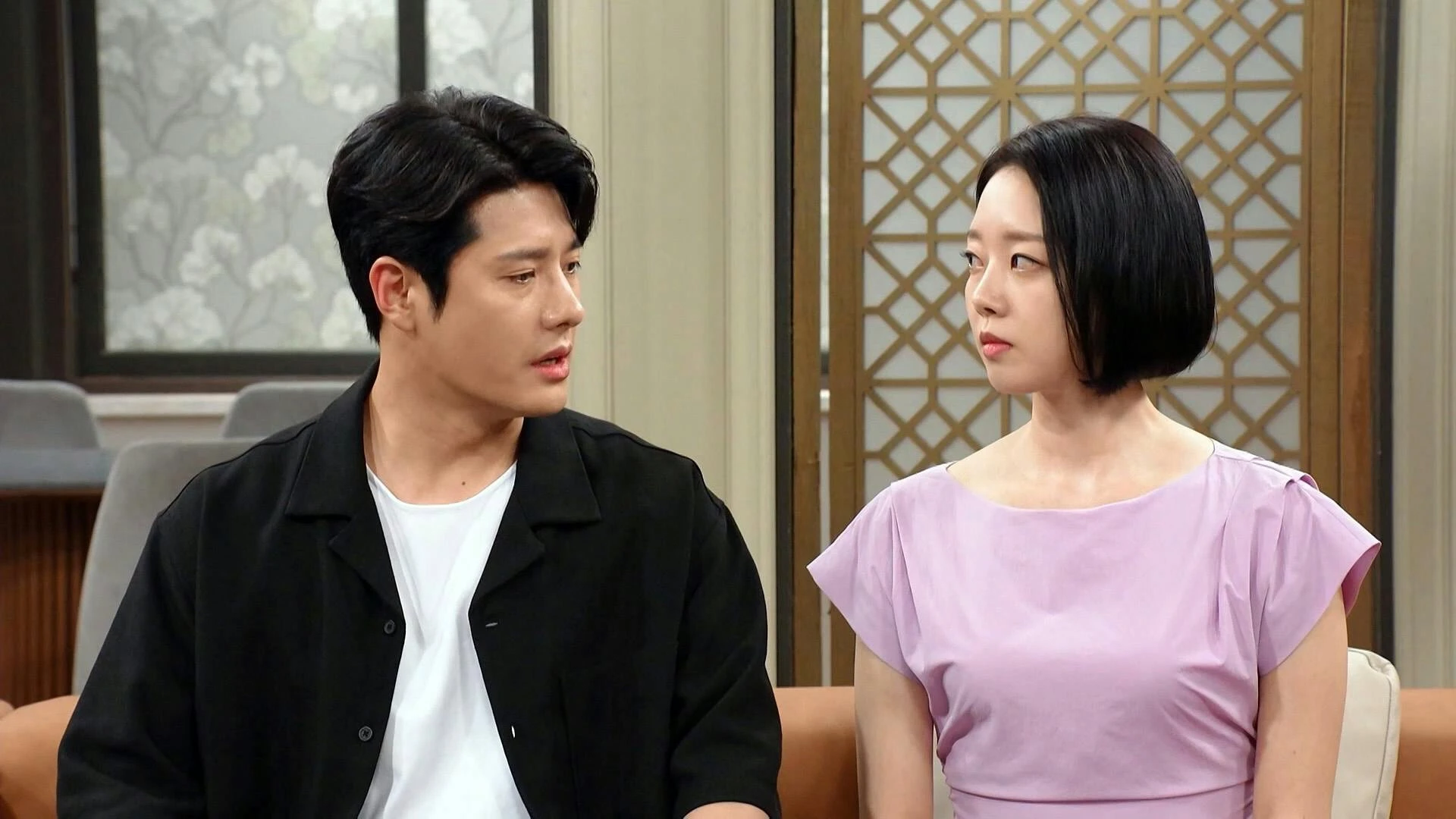
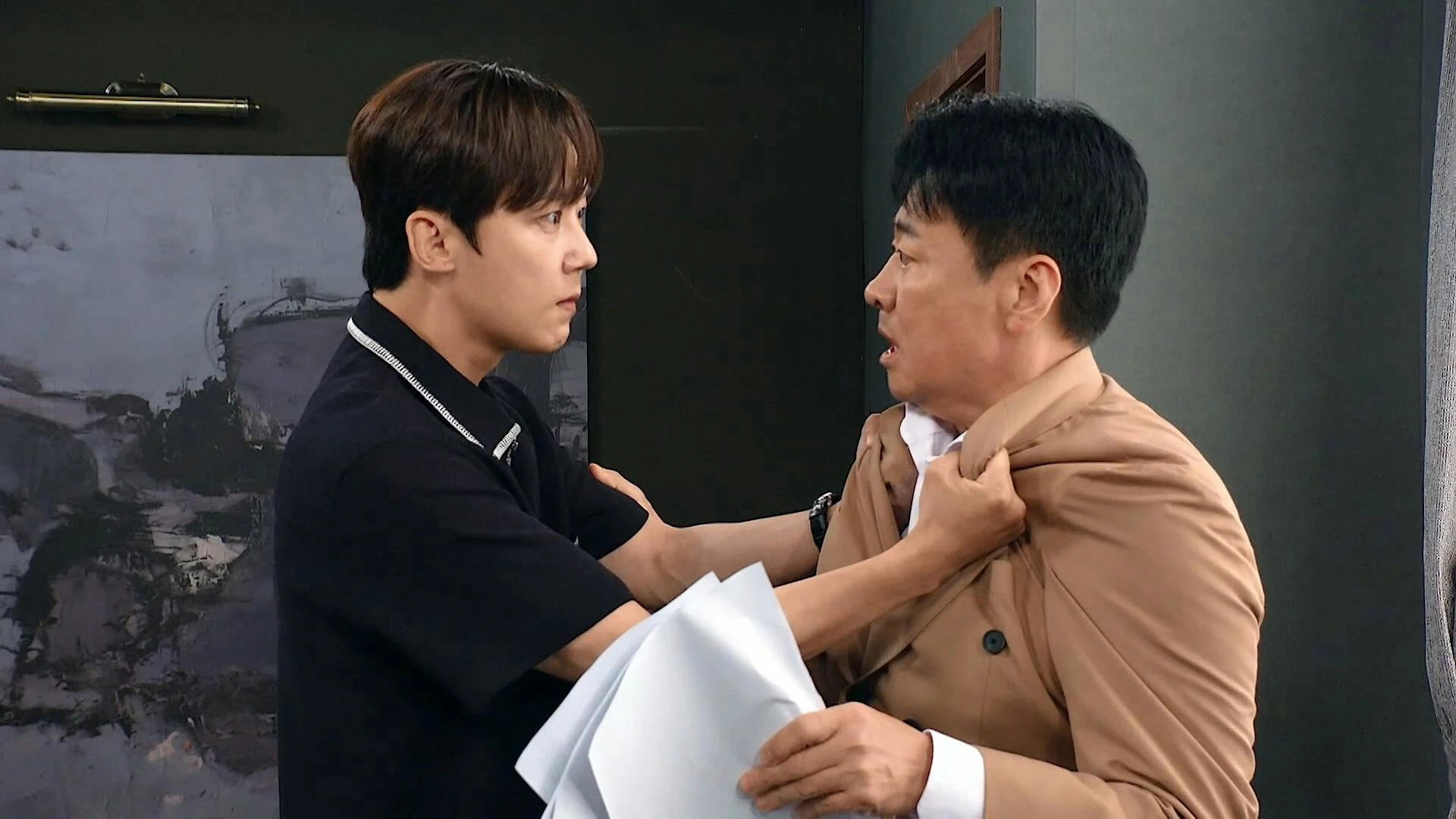
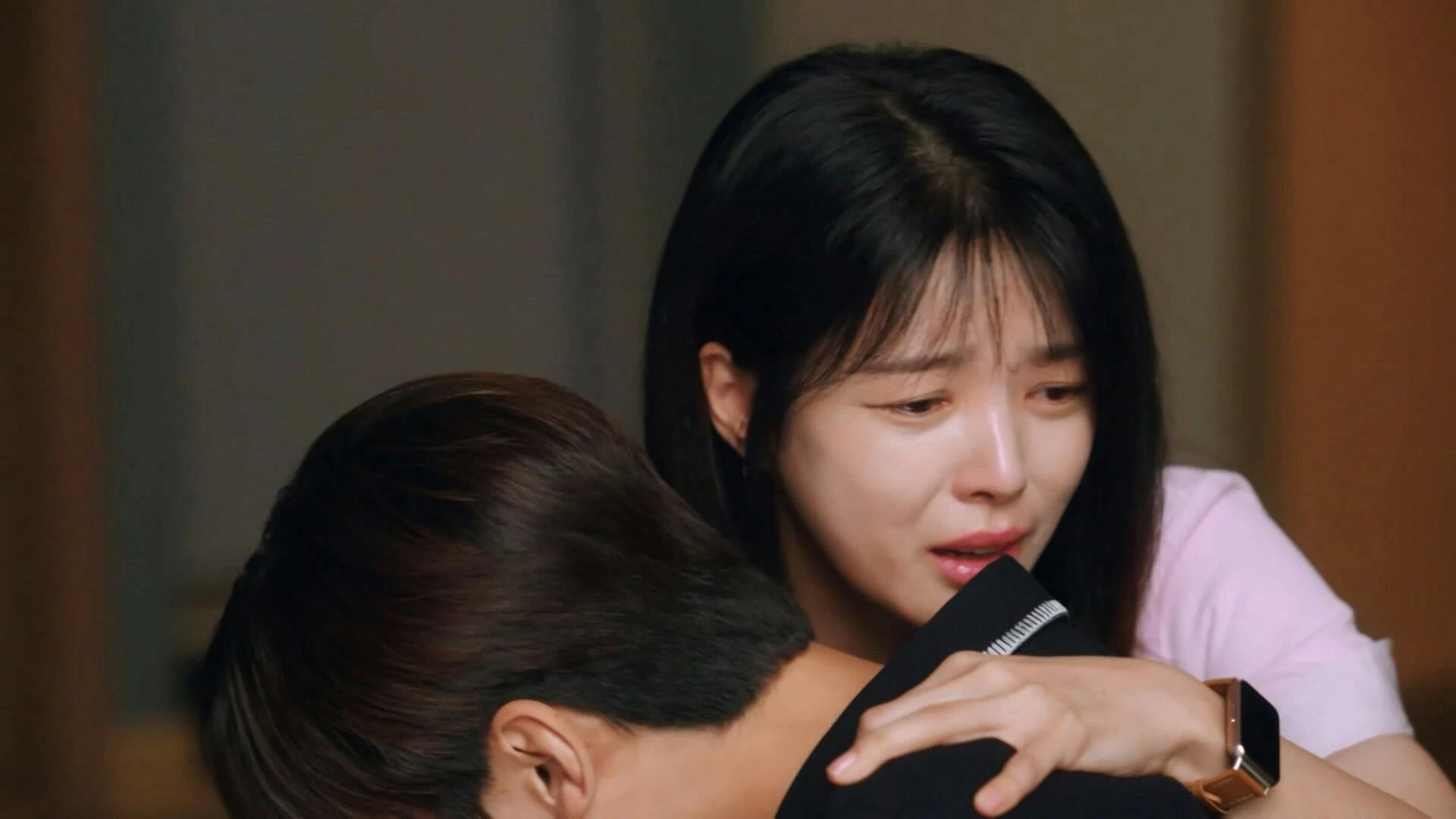
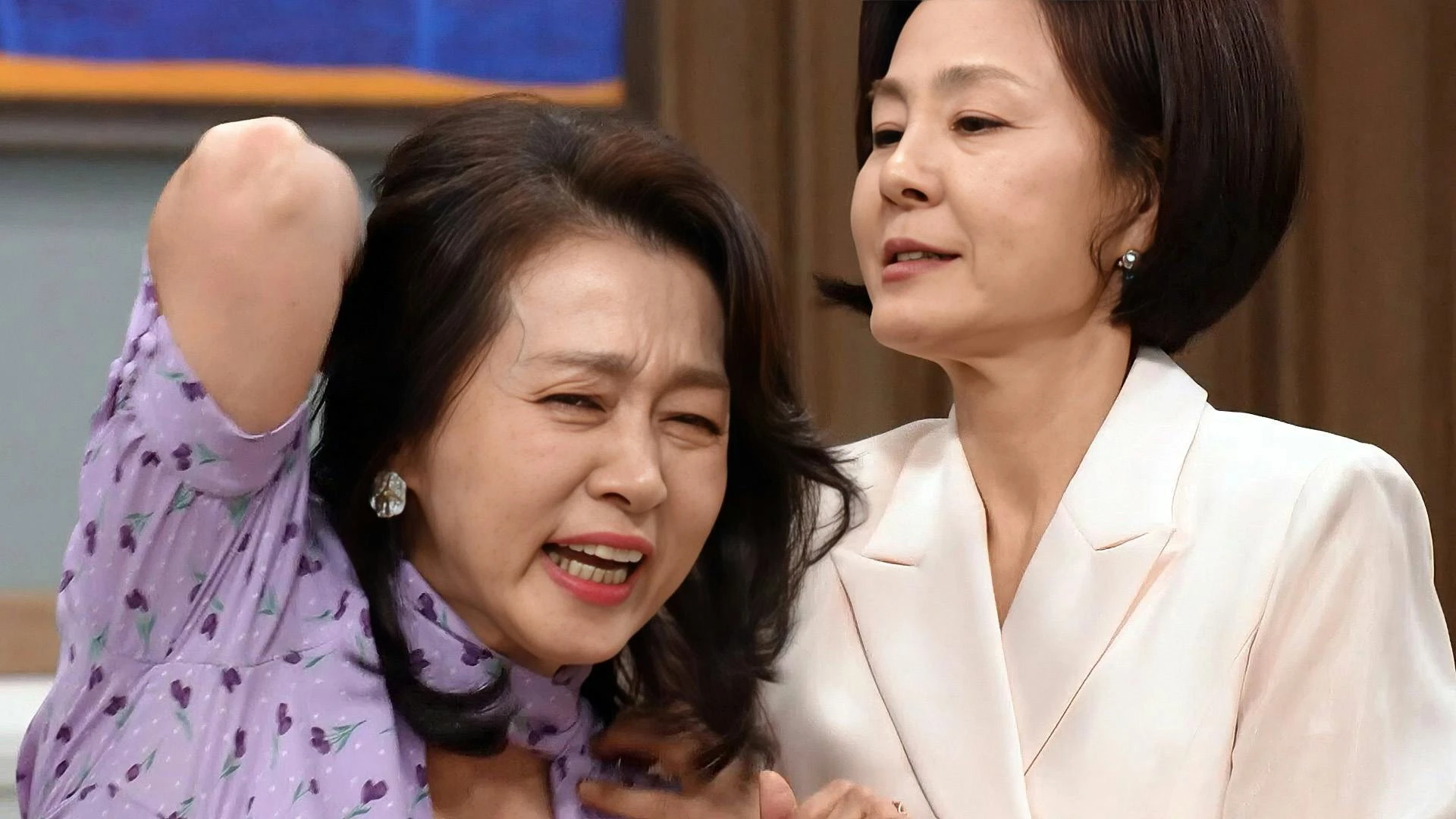
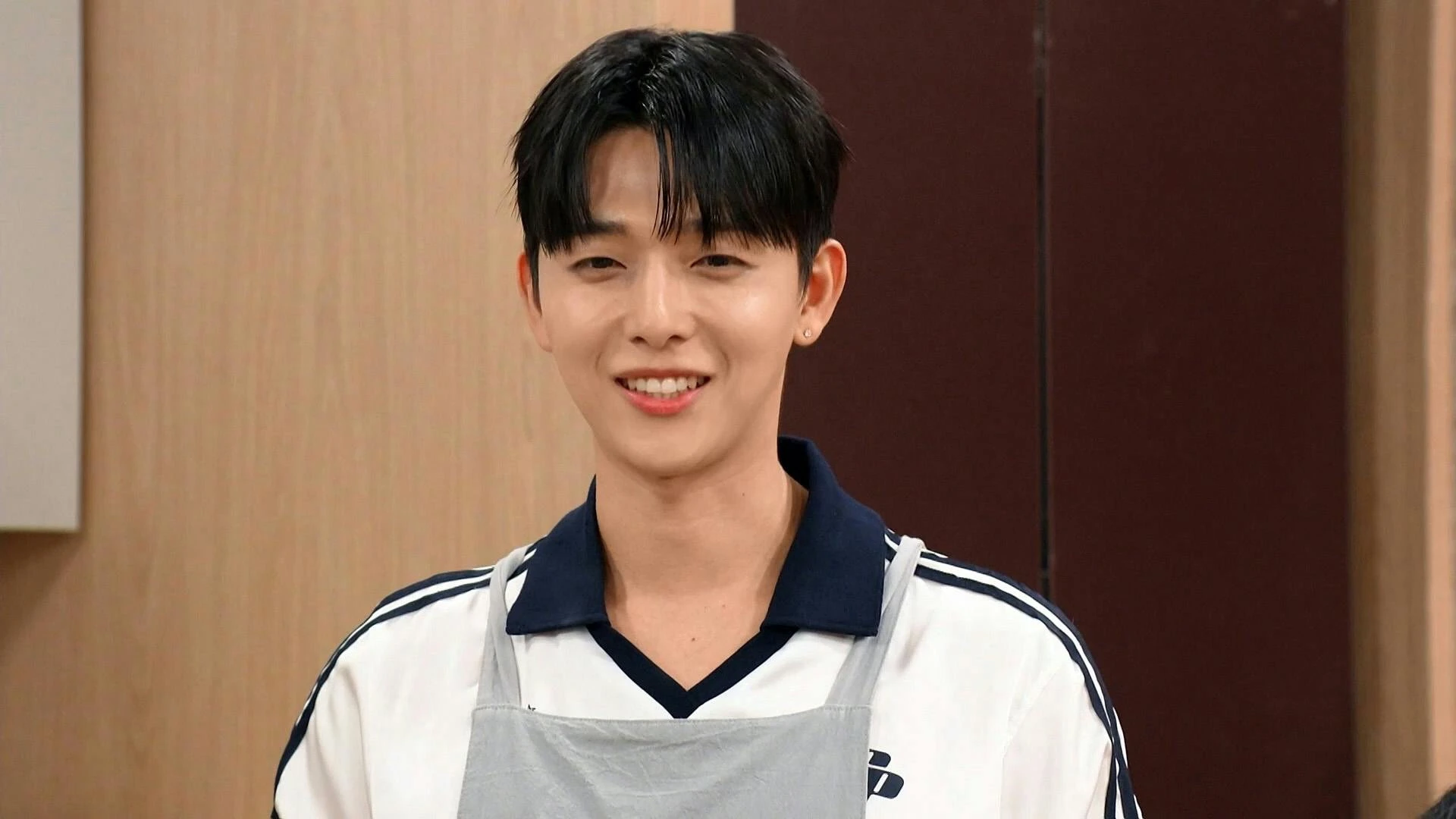
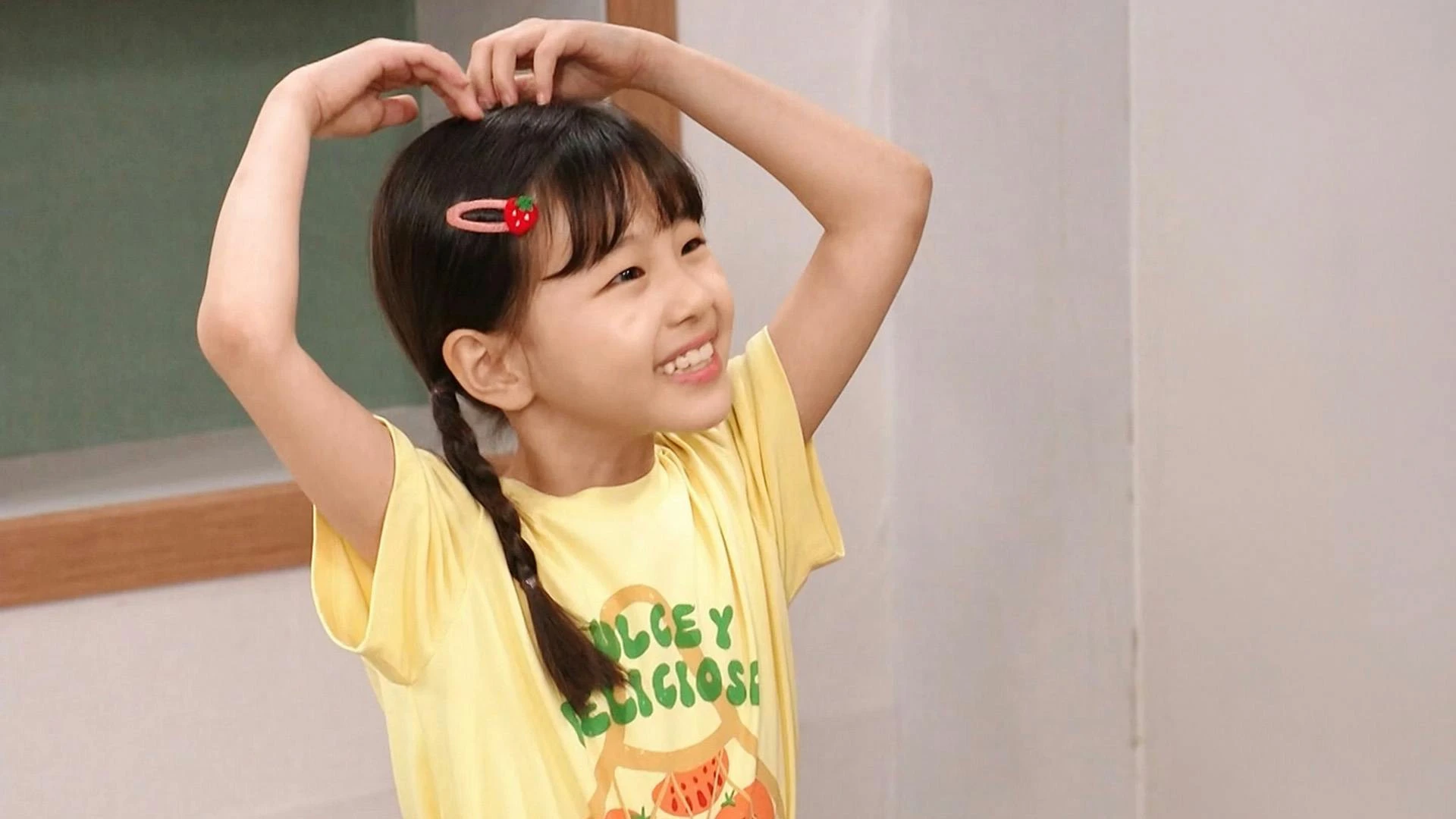
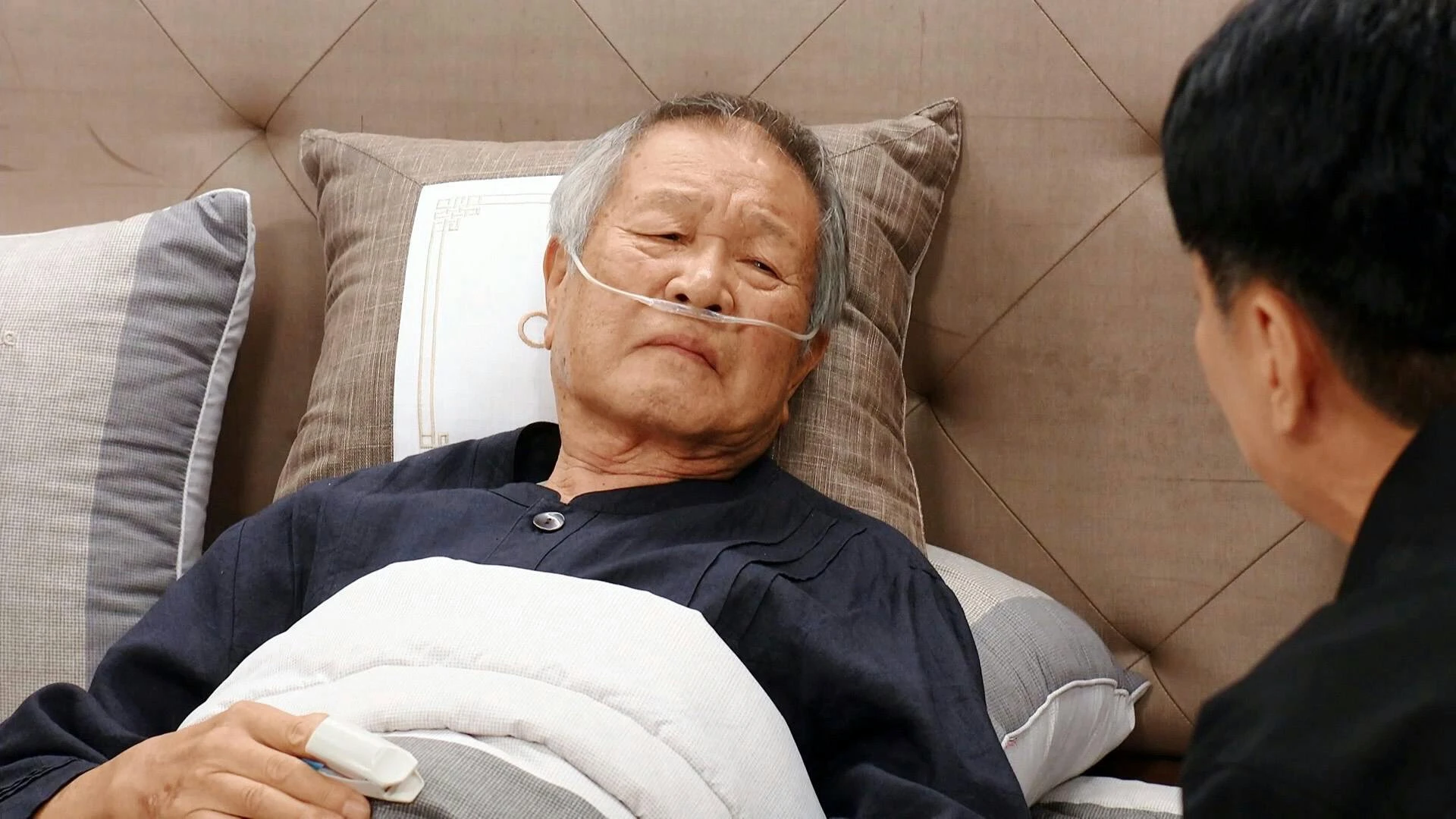
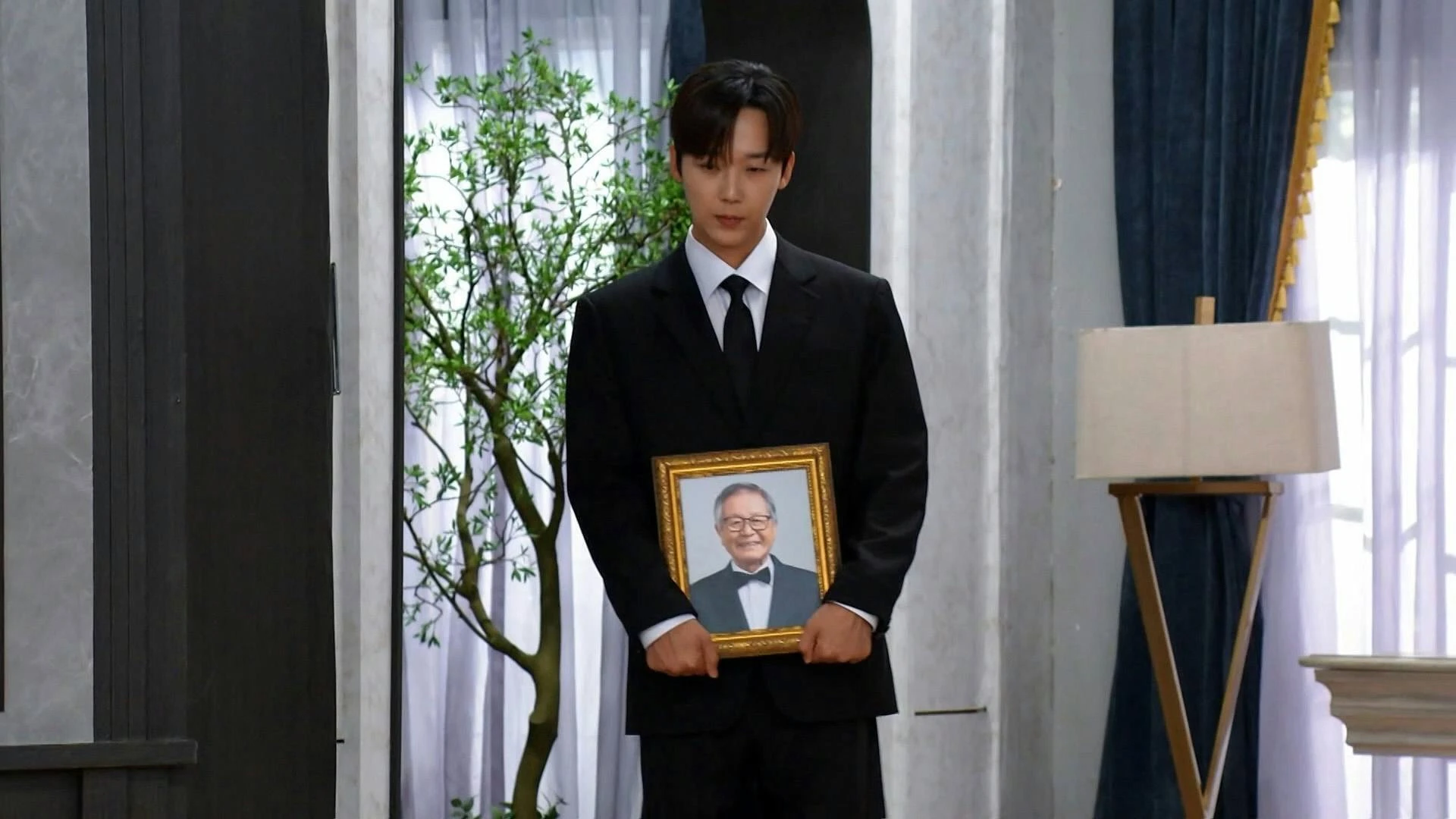
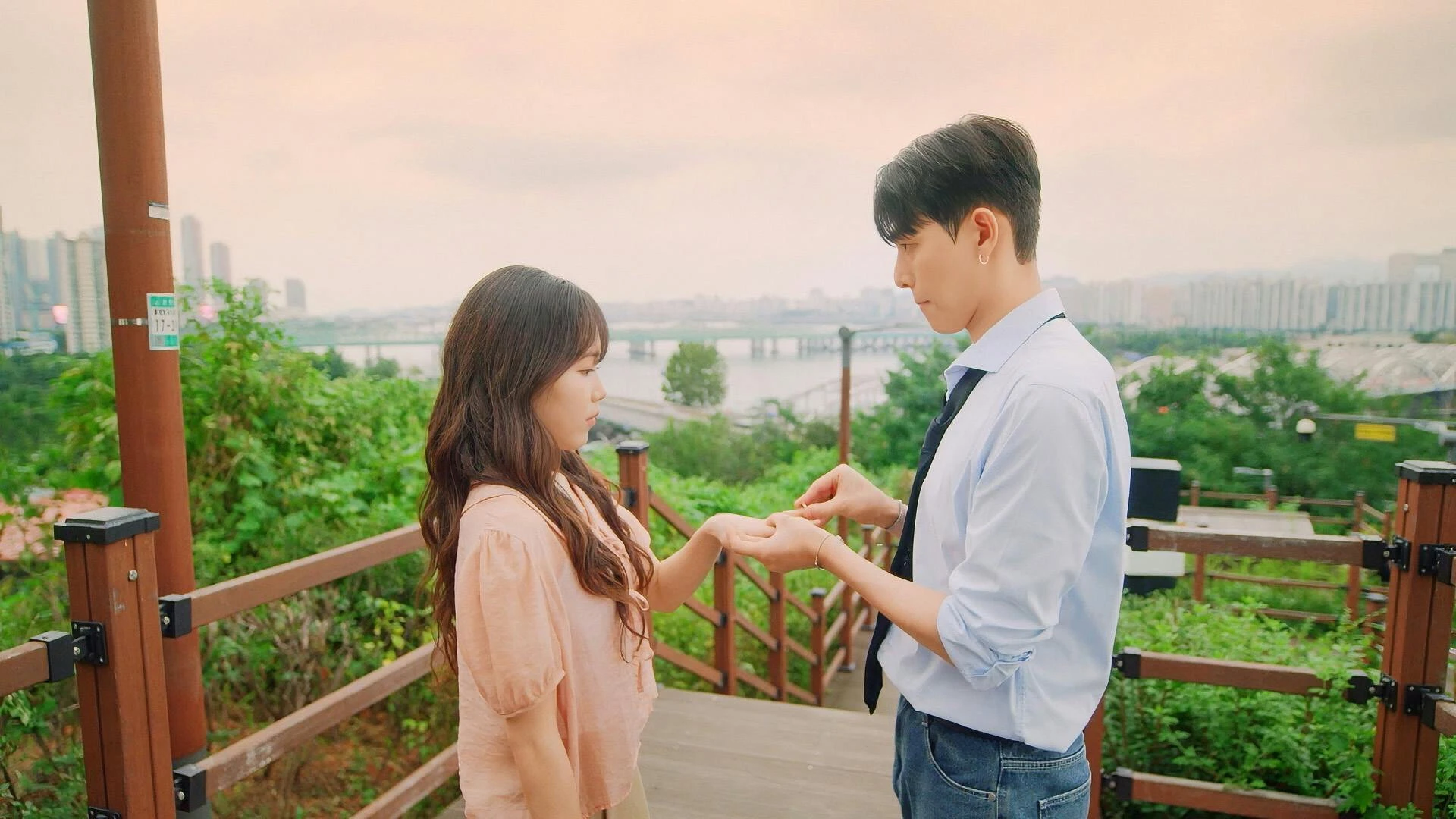
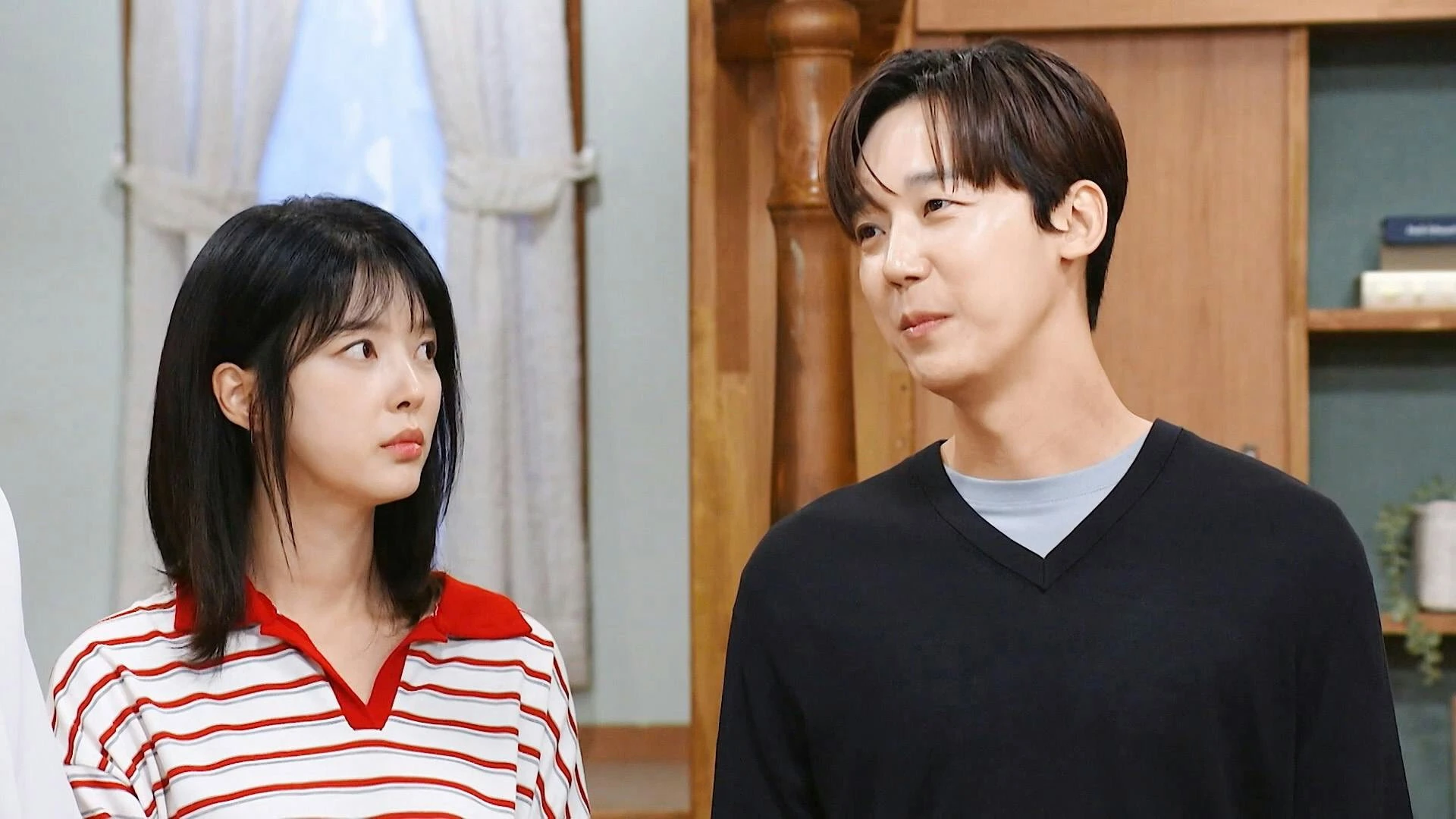
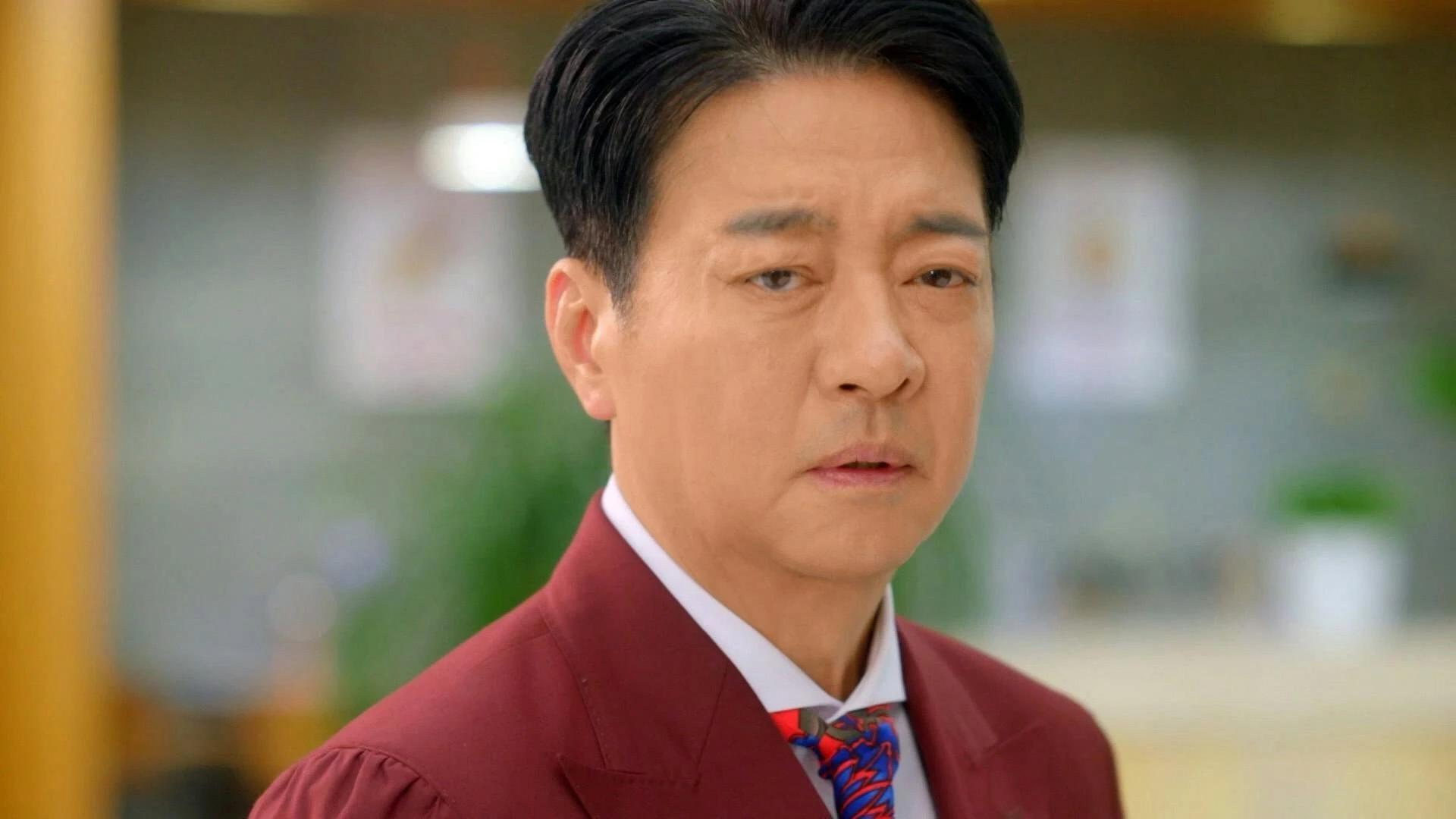
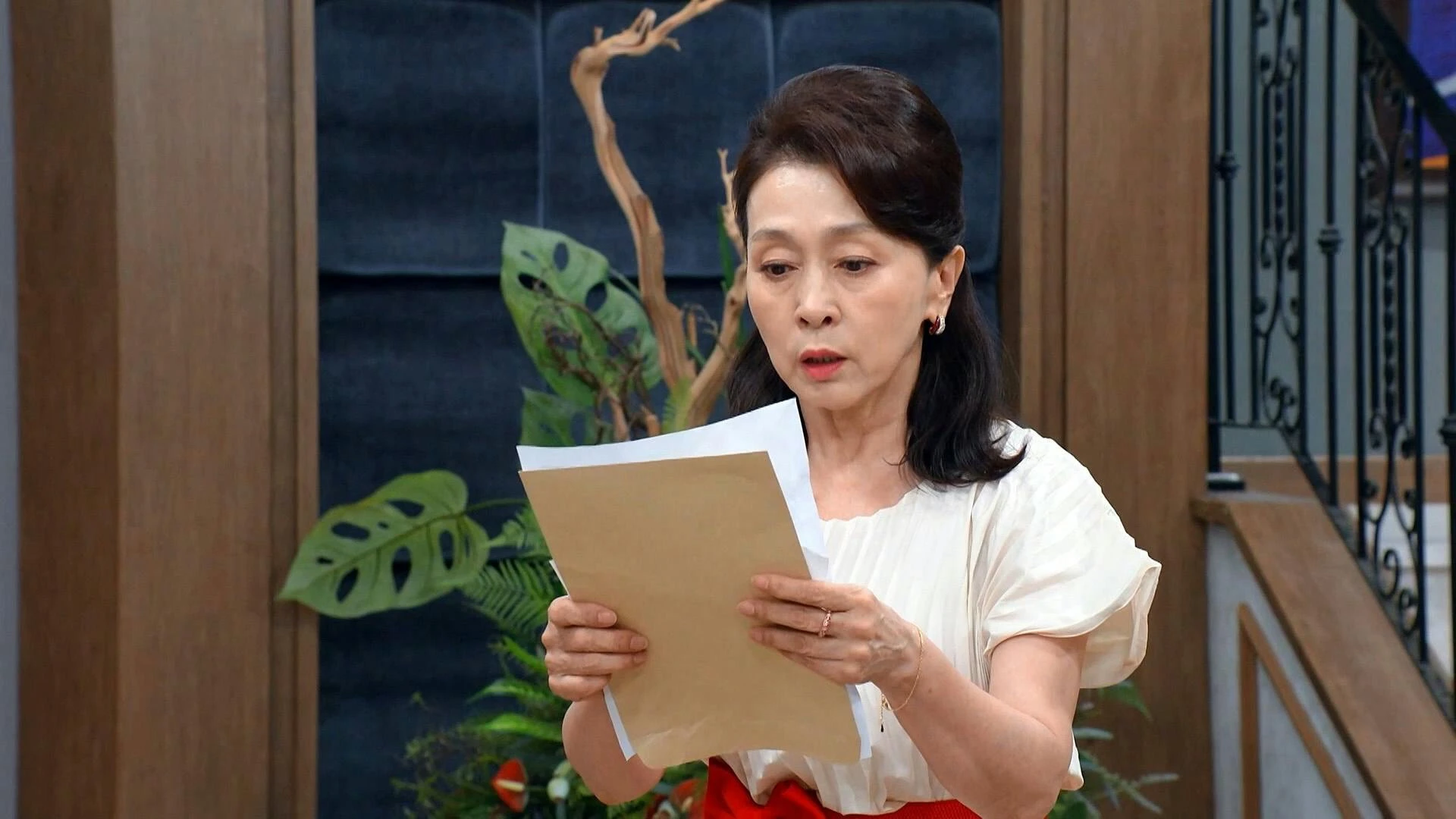
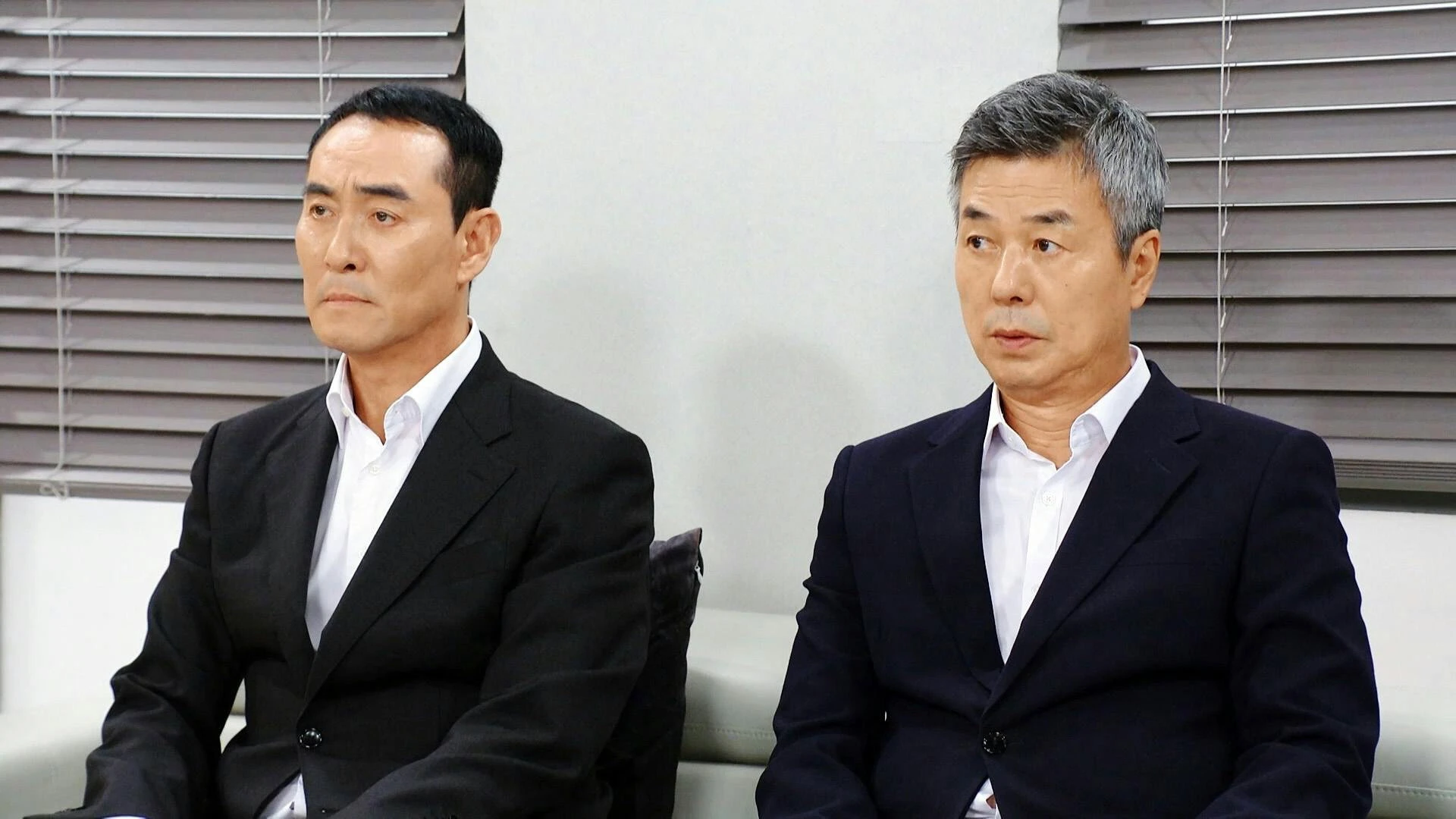
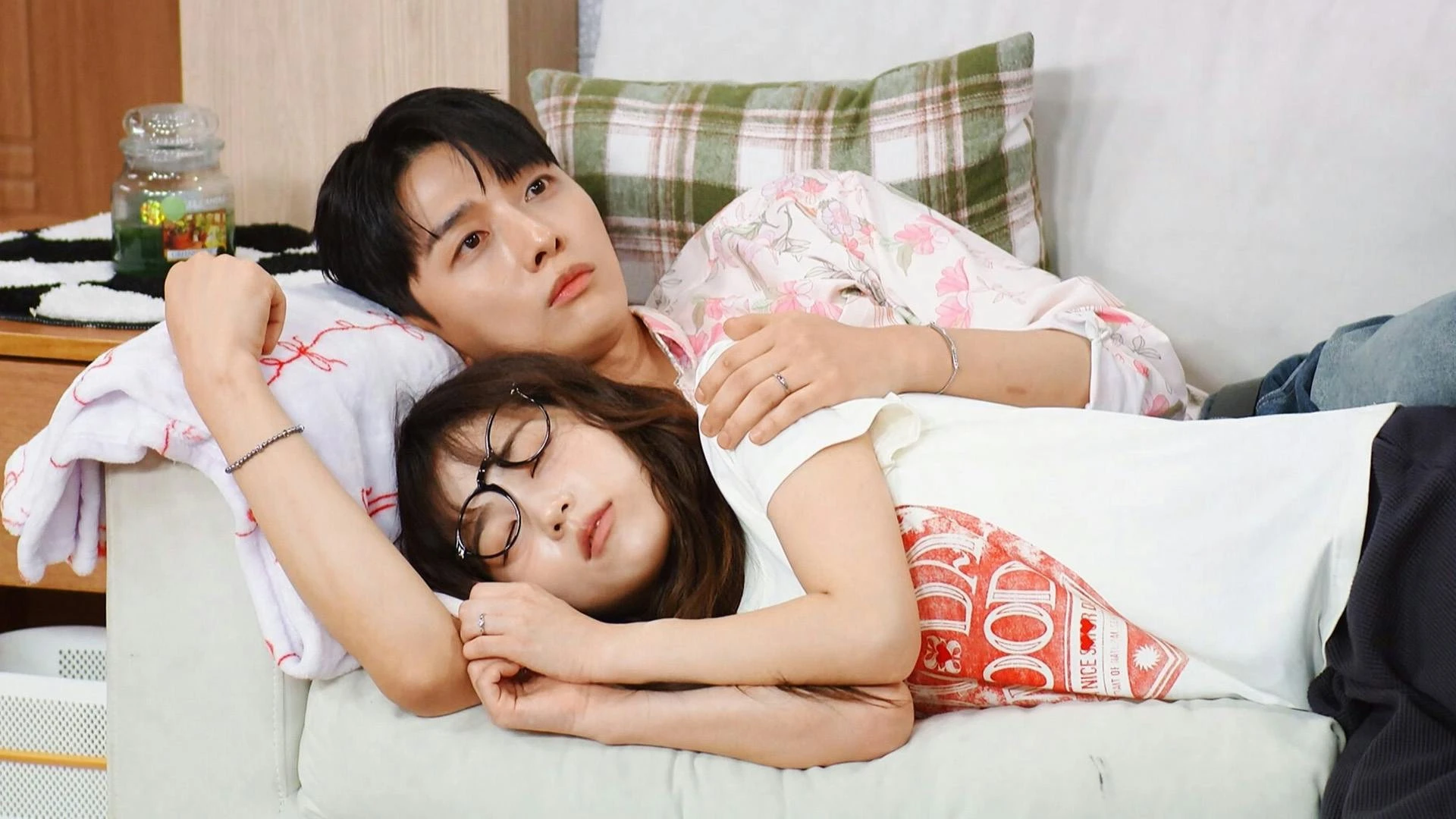
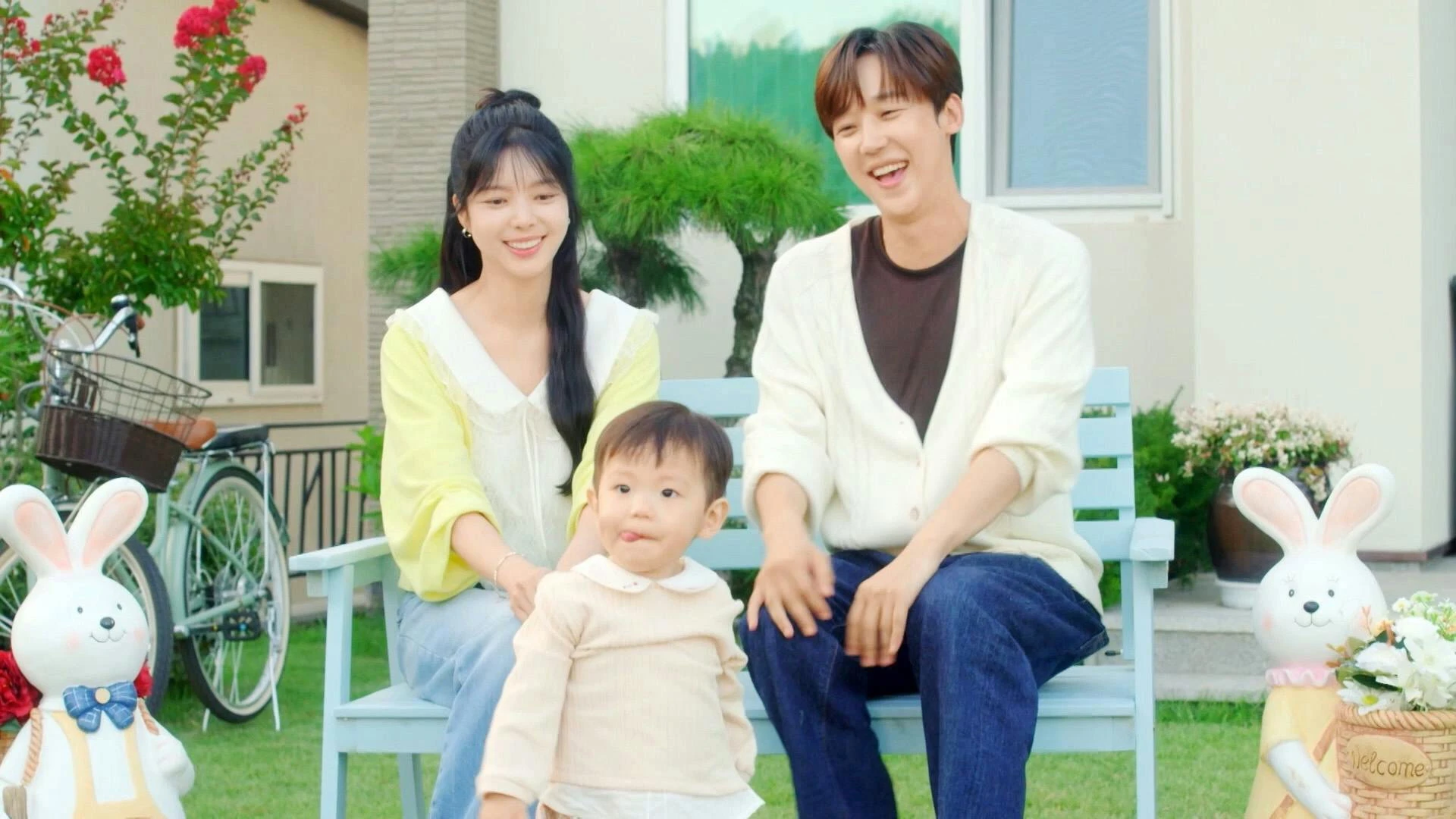
🏁 Ending Explained
Everything that happens in the finale, explained in full — spoilers ahead.
What actually happens Ko Gyeol takes the scouting offer and actually leaves for the US — this is not a fake-out where he turns it down in episode 122 out of loyalty. He goes, and it’s only from there that he realizes the life he actually wants is the one he and Cho Eun-ae have been building at home, not the one waiting for him abroad. He comes back. The two of them finish Eun-Gyeol House, the home they started planning back in episode 112, and the finale closes on them raising a child there — a real, settled ending, not an ambiguous one.
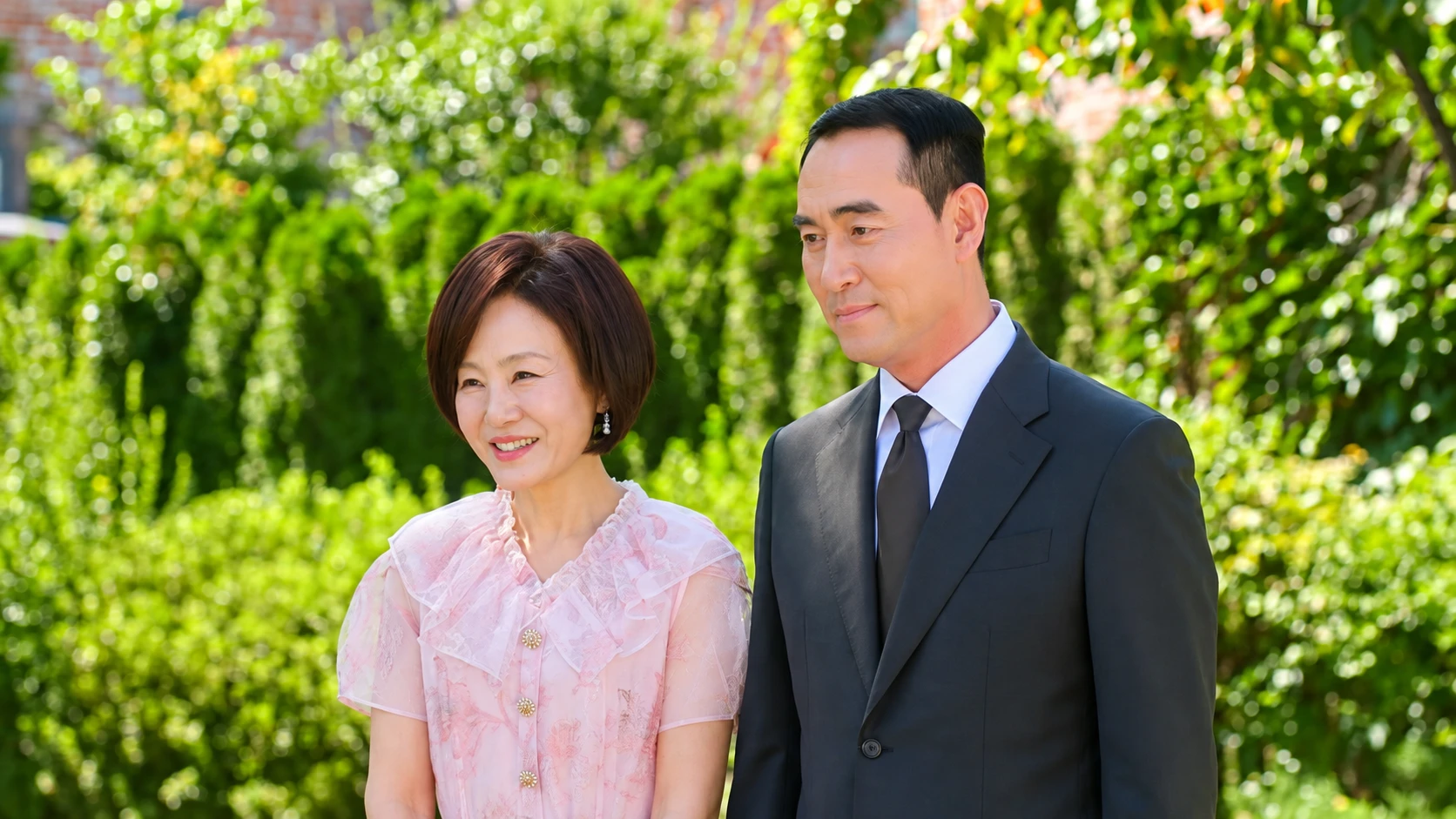
Seung-ri and Min-ho don’t get the same ending, and the show doesn’t pretend otherwise. She files the divorce papers, hands back the wedding ring and the gifts his family gave her, and tells him it’s really over — apologizing for how hard the road here was, not for leaving. It’s a clean parting, not a punishment. After a long stretch where an outside secret and family pressure kept pulling at the marriage, the finale lets her be the one who actually decides, instead of having the decision made for her.
Why the second couple doesn’t get the same bow Min-ho spends the back stretch of the series finding out what Seung-ri had been hiding, and the fallout never really resolves into forgiveness — it just keeps compounding, episode after episode, until asking for a divorce is the only honest move left for him to make. Seung-ri, for her part, spends those same episodes torn between real feelings for him and everything the secret and the pressure around it cost them both. By the time she makes her final decision in the finale, it reads less like giving up and more like finally choosing herself.
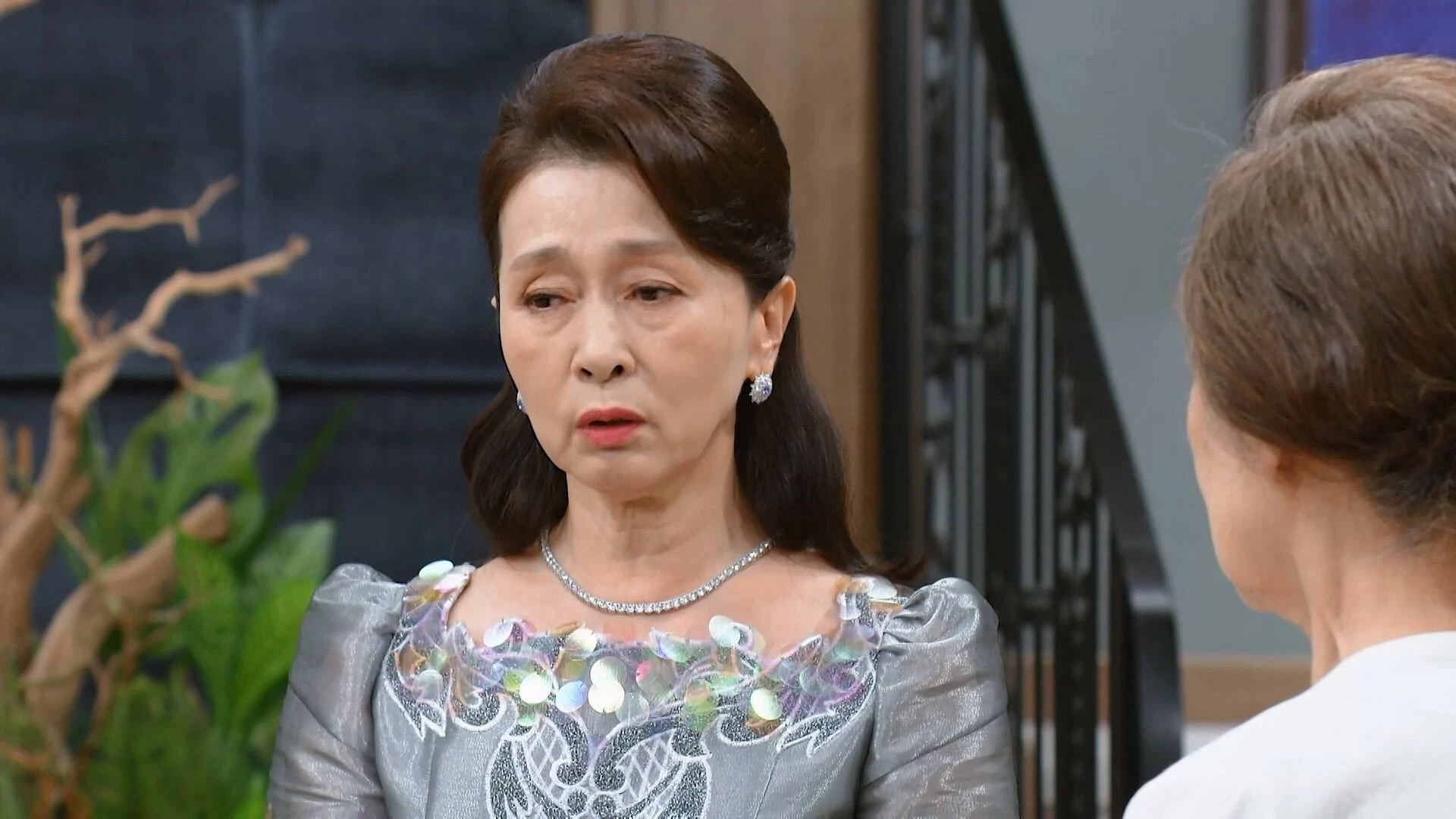
The Kang-su succession fight never gets the same tidy close — the family patriarch’s return and death mid-season leaves Dae-chi holding a will whose contents the show keeps close to the chest even at the finish line, and the power struggle around Kang-su Group is still very much live texture rather than a settled outcome. That’s consistent with how this drama has worked all along: it commits fully to closing its two central love stories and lets the corporate-family plot stay messier and open-ended, the way inheritance fights actually tend to.
The KDW verdict For a 122-episode daily drama, Our Happy Days sticks the landing exactly where it matters most — it gives its central couple a real, earned reunion instead of a last-minute reversal, and it has the nerve to let its second couple walk away clean instead of forcing a symmetrical happy ending onto both pairs. Not every thread gets tied off — the succession fight stays open — but the show was never really about who inherits Kang-su Group. It was about which relationships were actually worth building a house for, and it answers that question directly.
✍️ KDramaWorlds Editor’s Take
Worth watching or not — our honest read, and who it’s for.
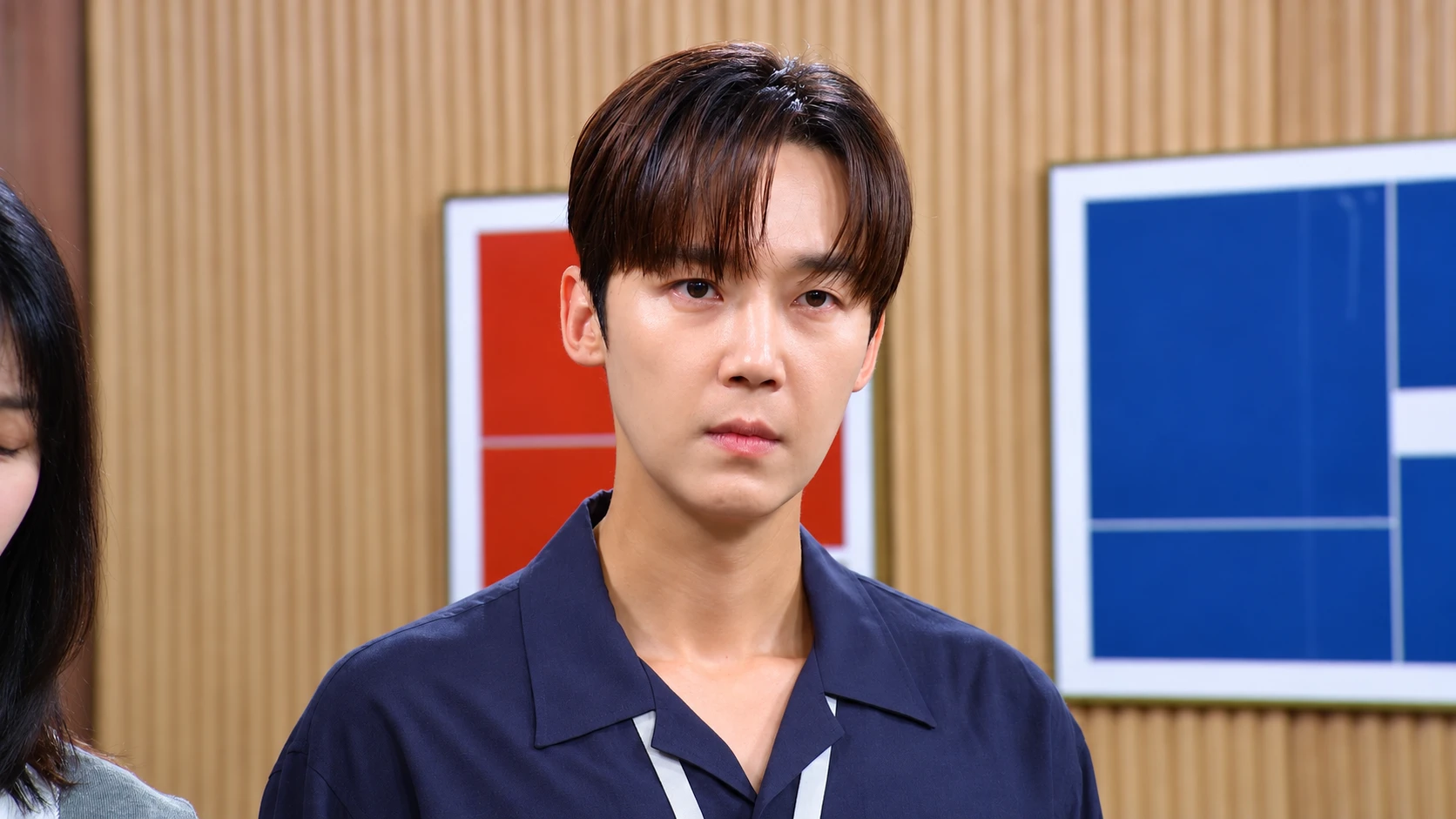
Yoon Jong-hoon has spent most of his career in roles that reward steadiness over range — a quality that serves Go Gyeol well. The character is designed around controlled absence: a man who spent a decade abroad precisely to avoid being reshaped by the family that summoned him back. Yoon plays this with physical precision. In board meetings, in confrontations with his grandfather, even in quieter scenes with Eun-ae, there’s a consistent quality of holding back — never quite letting the room read him fully. It’s a performance built for a long run, more legible at episode thirty than at episode three. If that sounds like a backhanded compliment, it isn’t. Restraint is the right instrument here, and he plays it consistently throughout.
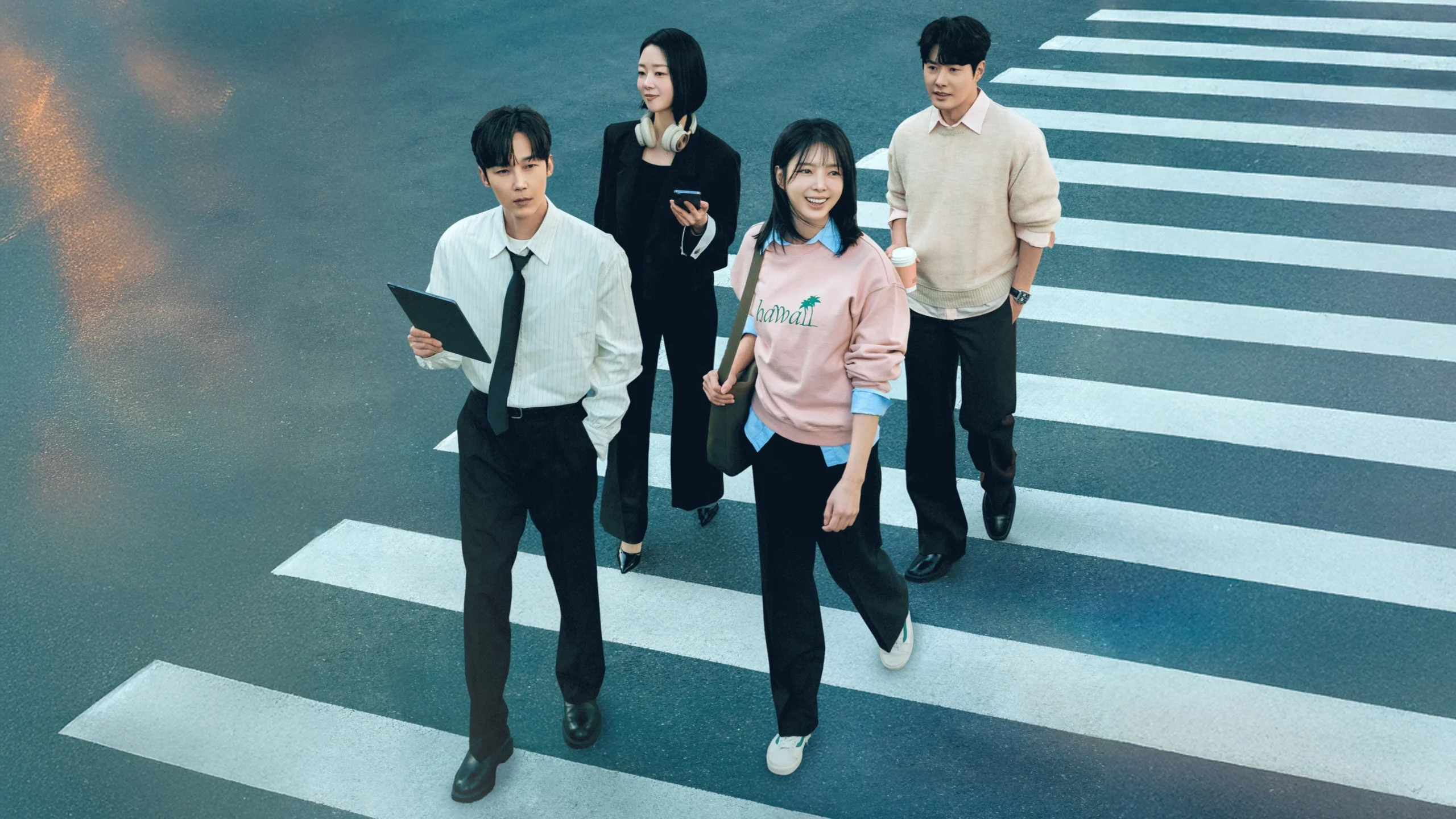
Uhm Hyun-kyung’s Jo Eun-ae is the drama’s moral engine in a way that could easily tip into one-note optimism, and mostly doesn’t. Where the show is at its best — the early protest sequences, the internship confrontations, the patient assembly of the legal case — it’s because Uhm finds the stubbornness in Eun-ae that isn’t immediately sympathetic. This isn’t someone who wins through warmth. She wins through refusal. Dramas built around corporate corruption often struggle to keep their protagonists compelling once the villain is contained; Start-Up (2020) has the same structural challenge. Our Happy Days resolves it by making the victory as much about what Jo Eun-ae refuses to become as what she builds — which turns out to be a stronger anchor than the corporate conflict itself.
Sixty-one episodes is a real commitment for a drama that runs on thirty-minute daily installments, and the mid-section — roughly episodes twenty-five through forty — slows considerably as the corporate investigation expands into secondary arcs. Viewers accustomed to tighter mini-series pacing will feel the drift. The KBS1 daily drama format means emotional resolution sometimes arrives in ways that feel planned rather than genuinely earned. But the drama stays invested in its people all the way to the end — which is rarer than it sounds in this genre. For contrast, The Impossible Heir (2024) shows what happens when a succession race drama loses faith in its characters in the final stretch. Our Happy Days doesn’t make that mistake.
🎬 You Might Also Like
If you liked Our Happy Days, these are your next three watches.
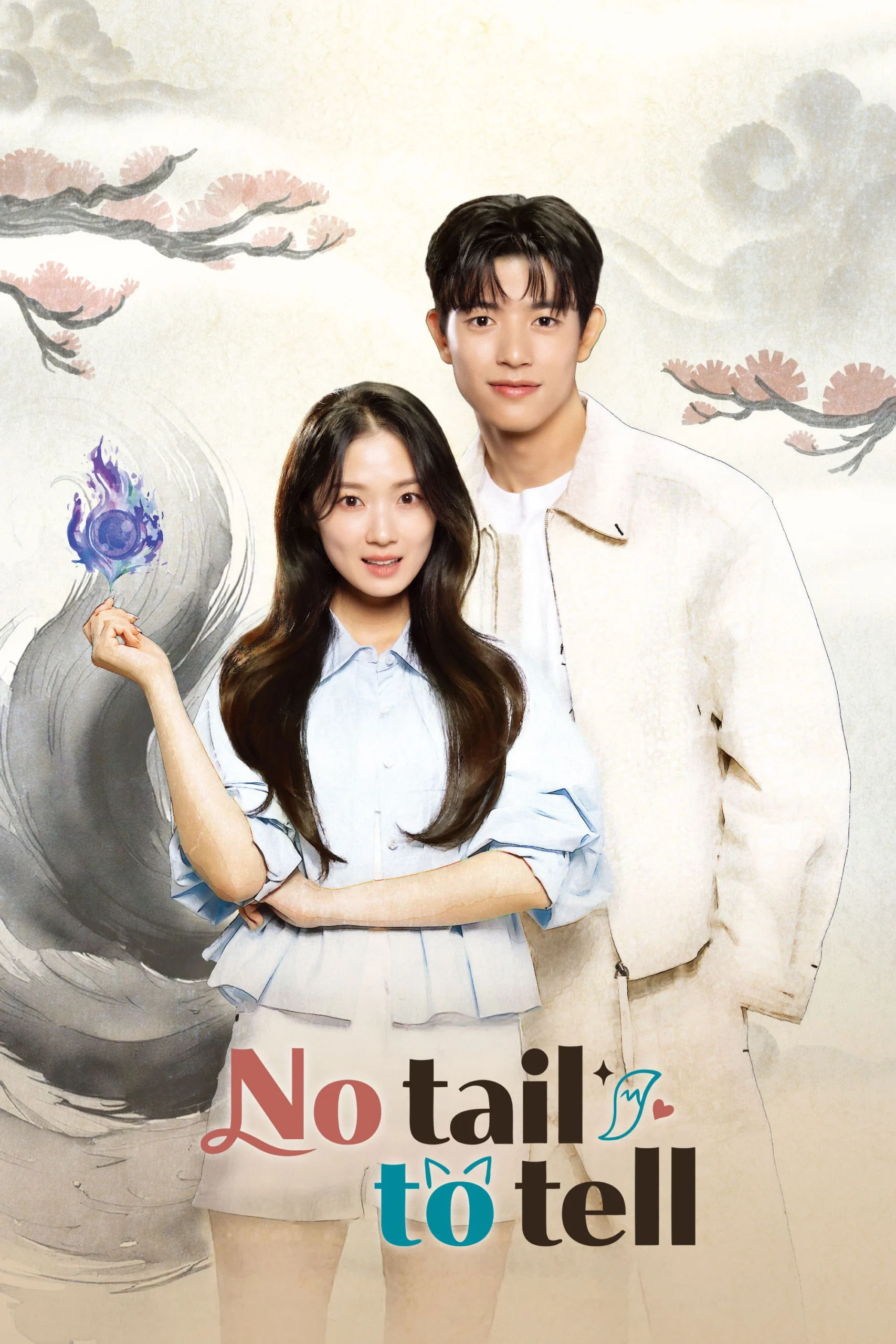
 Mission: Mompossible
Boss Employee RomanceDong Ha
Read Full Review →
|
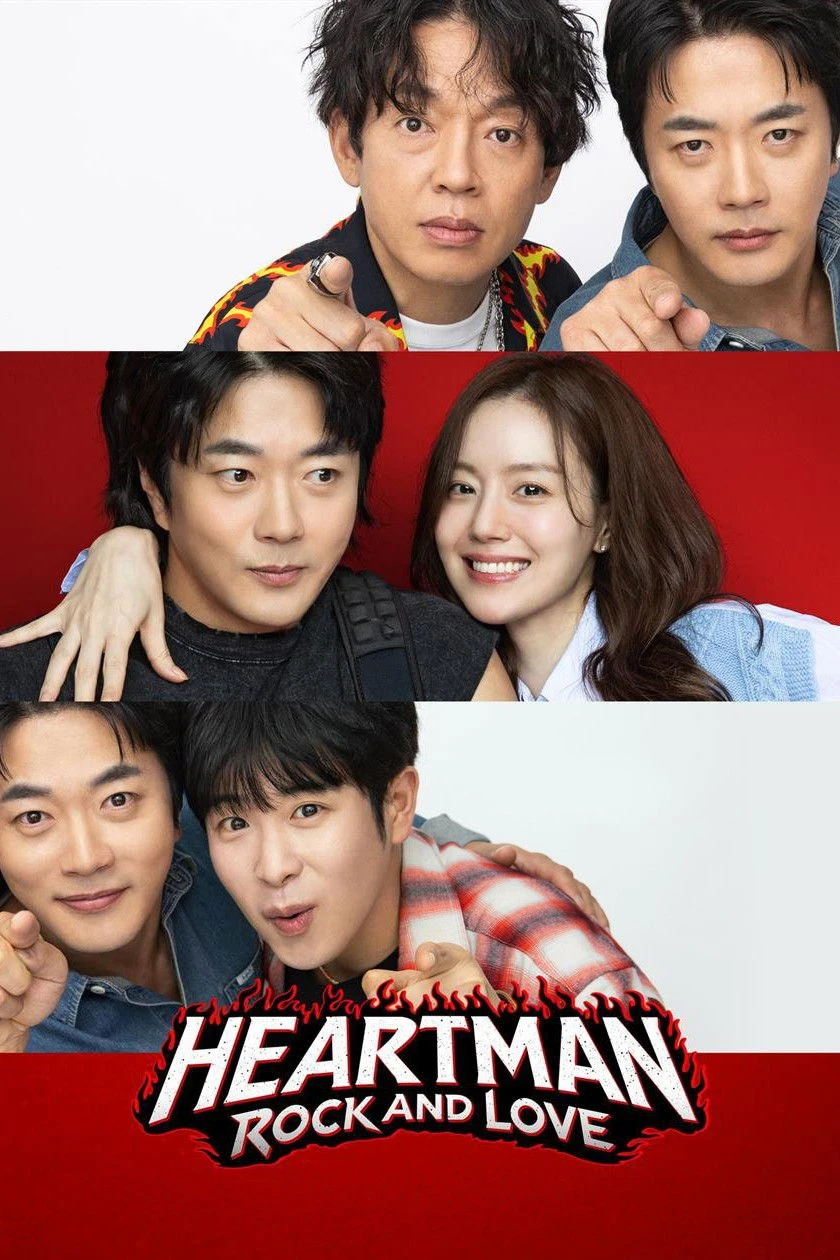
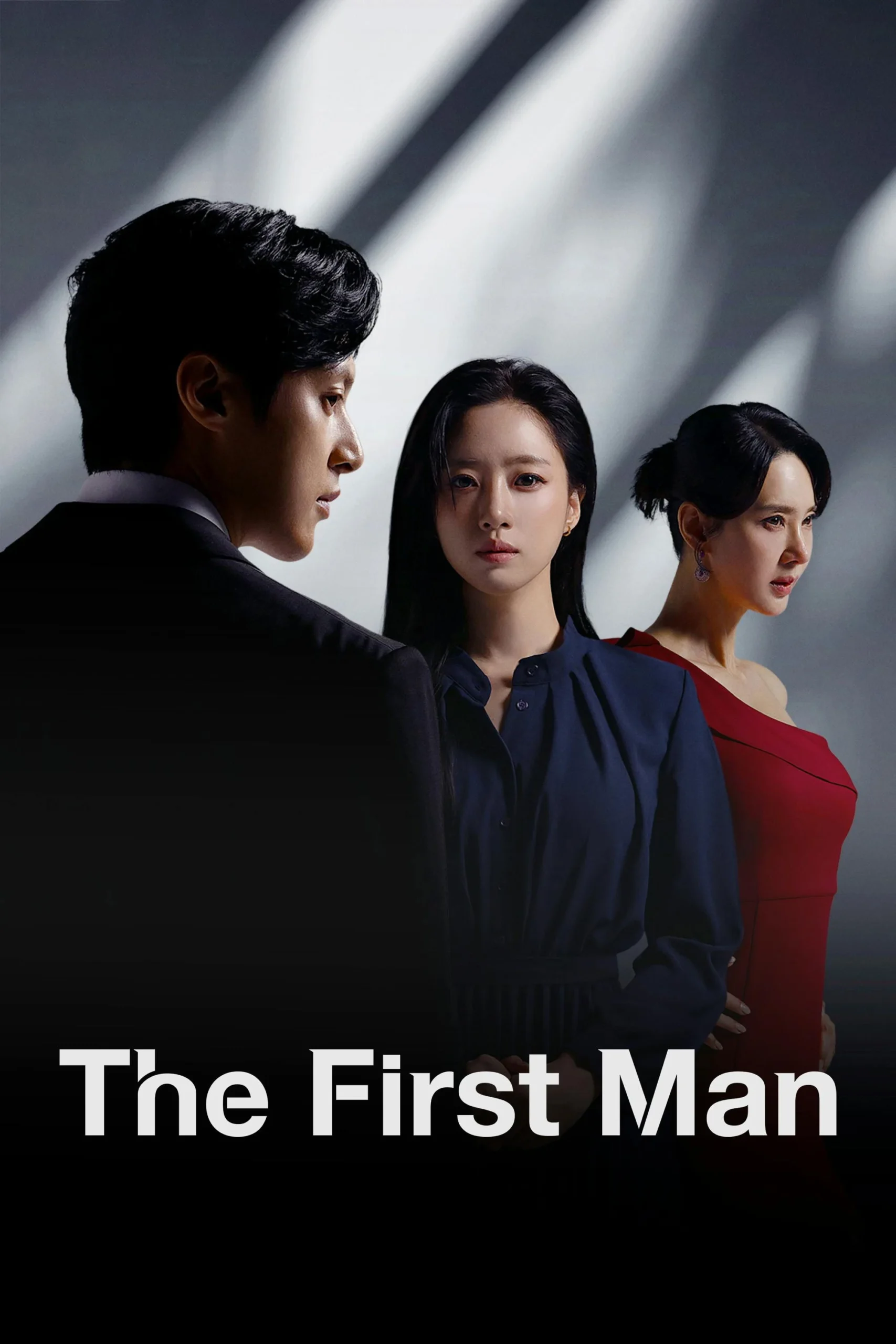 The First Man
ChaebolDaily Drama
Read Full Review →
|
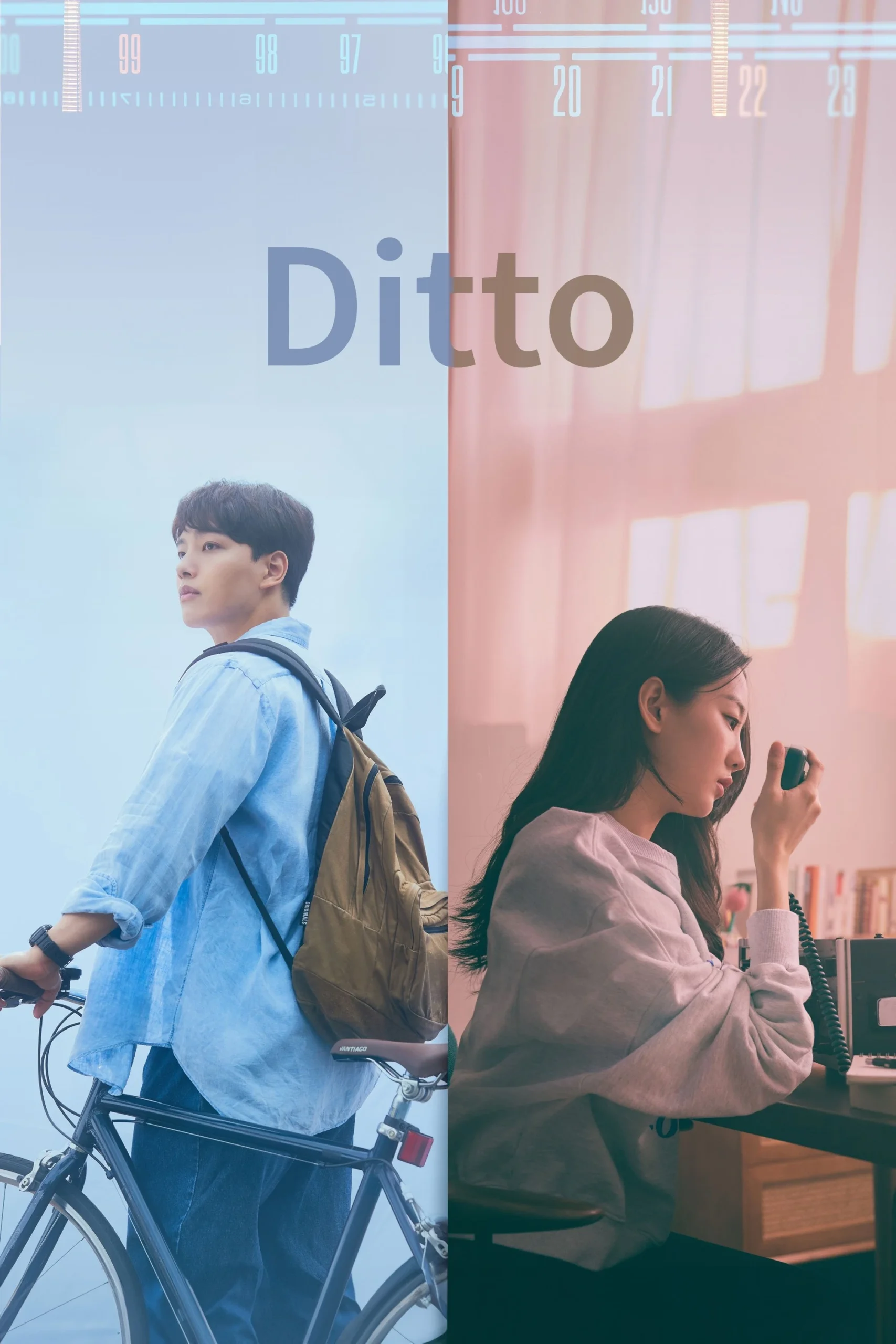
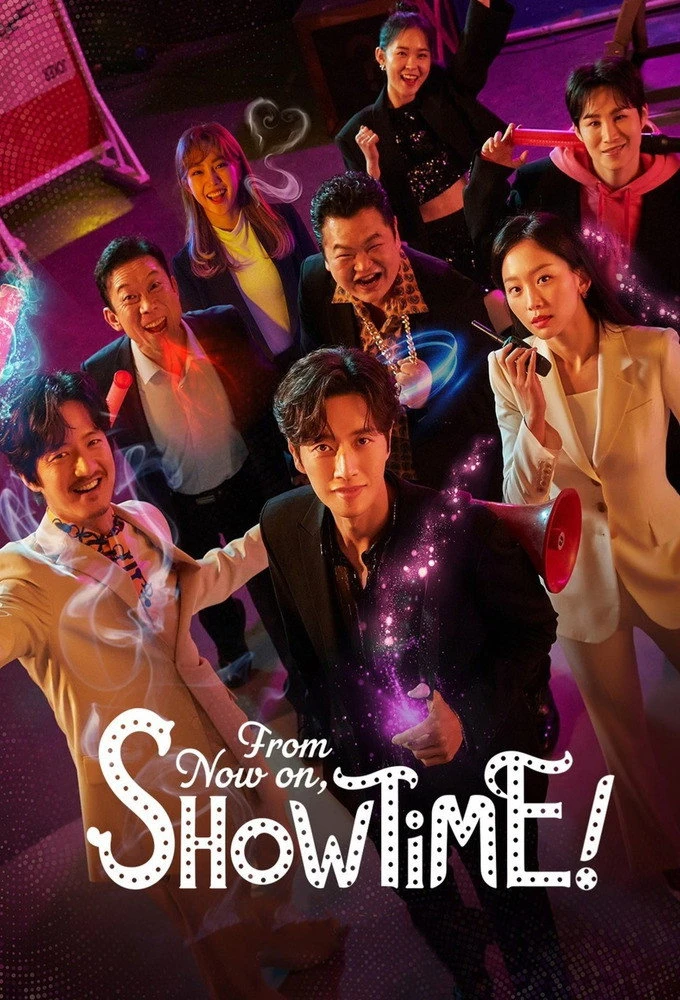 From Now On, Showtime!
comedyEnemies to Lovers
Read Full Review →
|


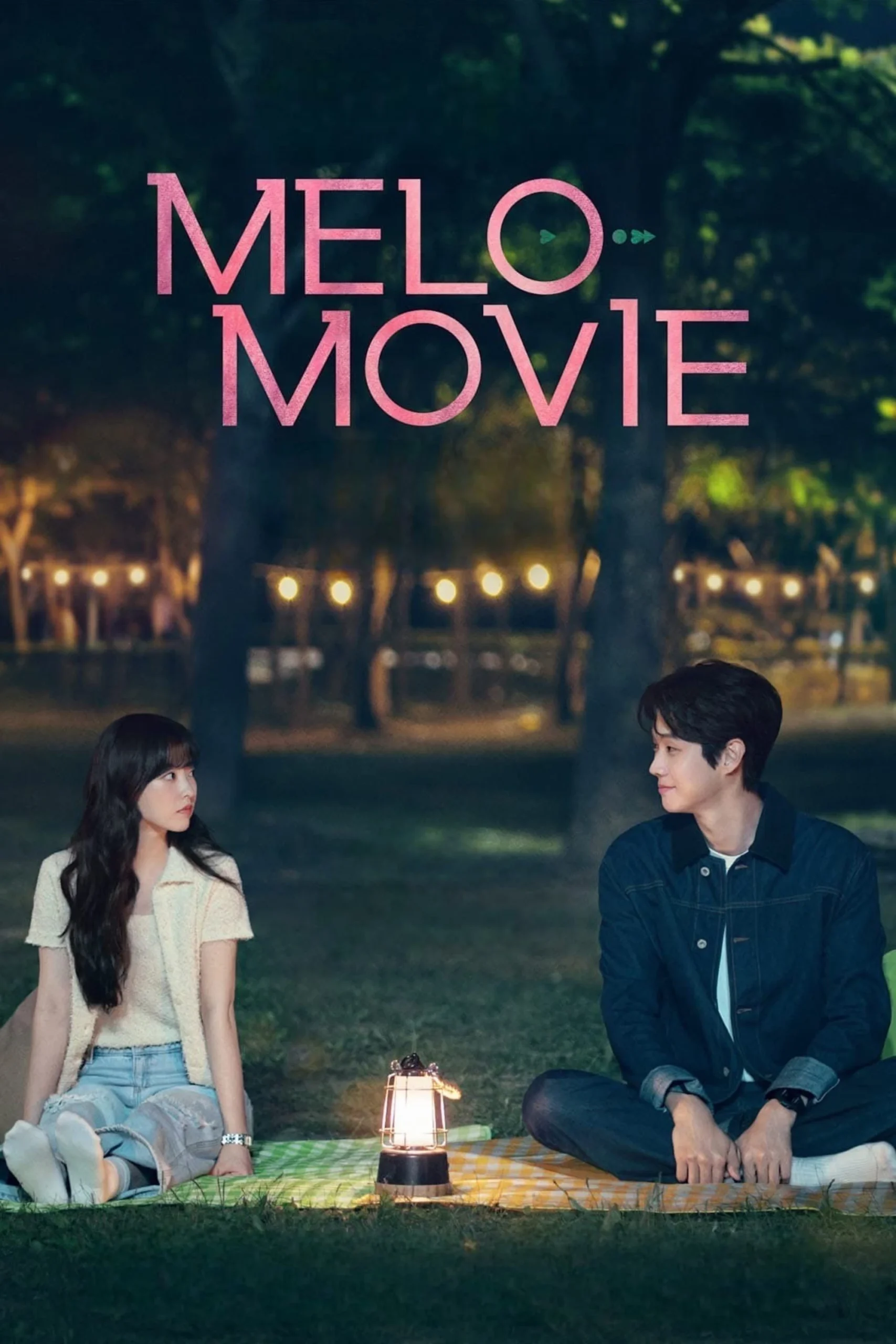
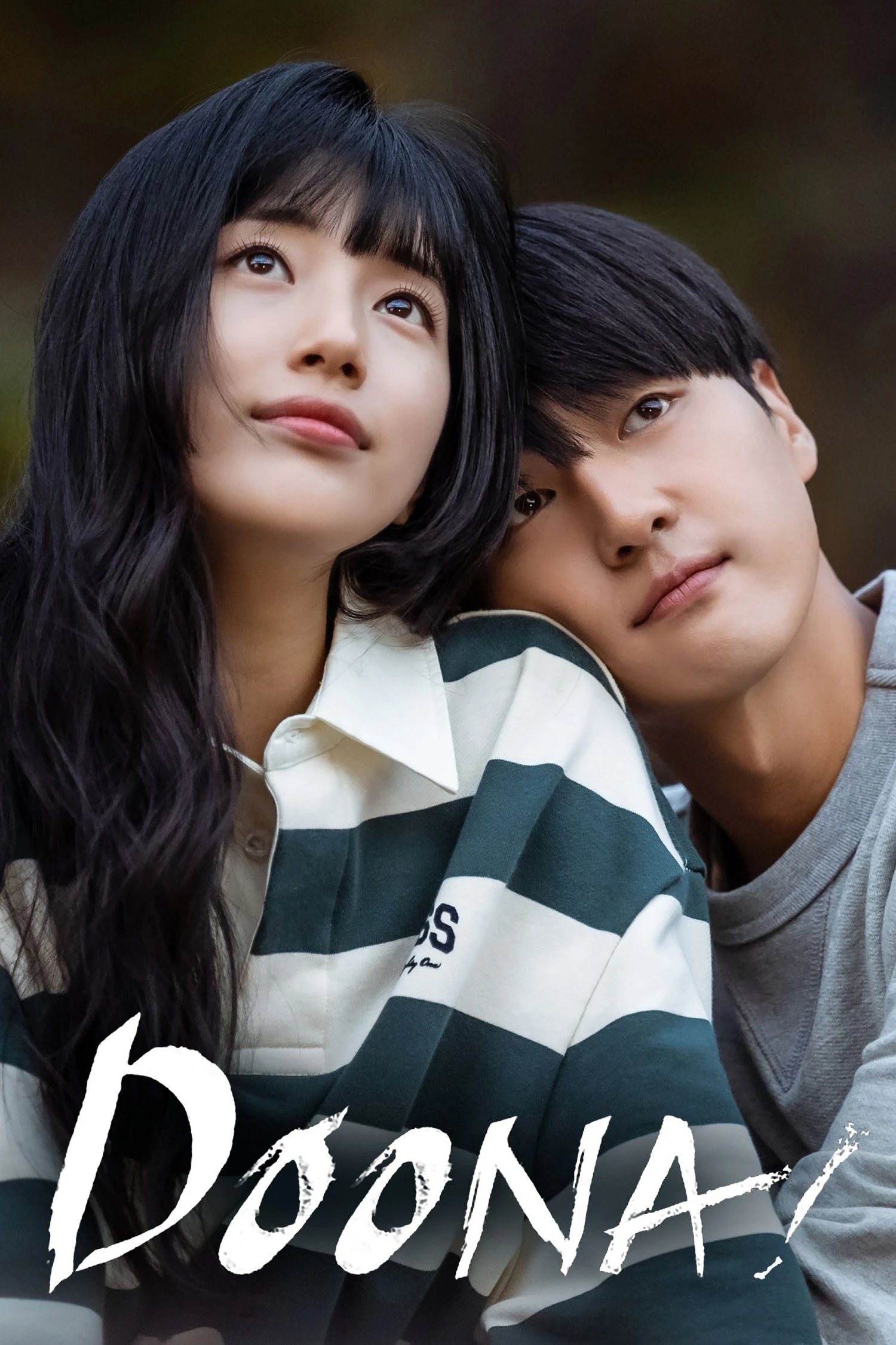



Keep it kind, skip the harsh language, and please — no spoilers. Everyone's taste is different, and that's perfectly fine.
This space is for real reactions and discussion from other viewers. Help keep it comfortable for everyone by not giving away major plot details.
What do you think of this drama?
Login to share your review or leave a comment.
No email needed — just pick a username & password.