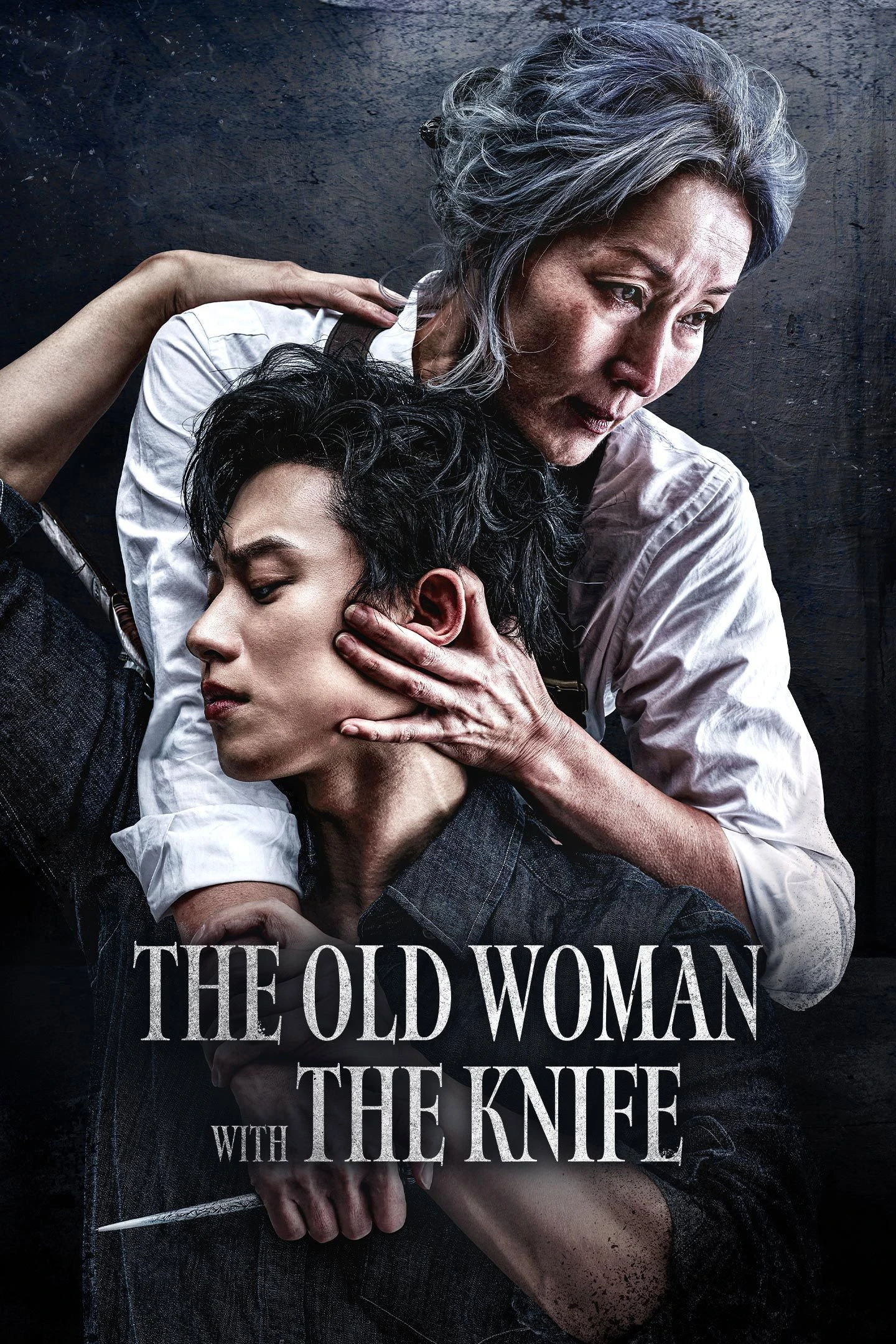
The Old Woman with the Knife
🎬 Film Overview
Hornclaw is a legendary female assassin in her sixties who has spent four decades eliminating society’s most irredeemable criminals for a clandestine organization called Shinsung. As she ages, her body begins to answer back — and an unexpected tenderness stirs within her toward a veterinarian named Dr. Kang who treats her injuries without judgment. Then a ferocious young killer called Bullfight begins to shadow her, and the comfortable machinery of her ordered, solitary existence — assignments, payments, silence — suddenly has two unfamiliar variables in it.
⚡ Quick Verdict
The whole picture, condensed into one box.
· MDL
· 93% RT Critics
· 6.0 / 10 IMDb
▶ Official Trailer
🎭 Cast & Characters
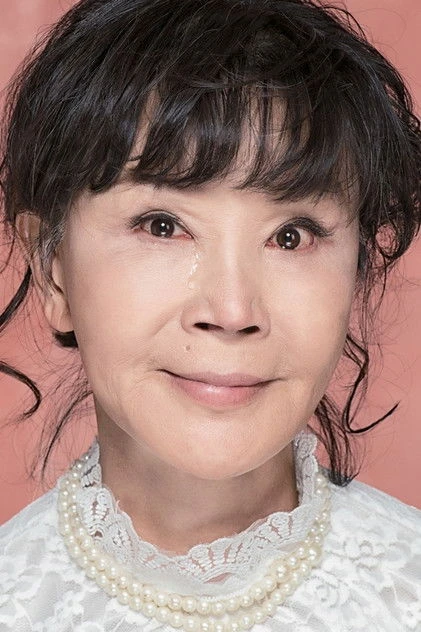
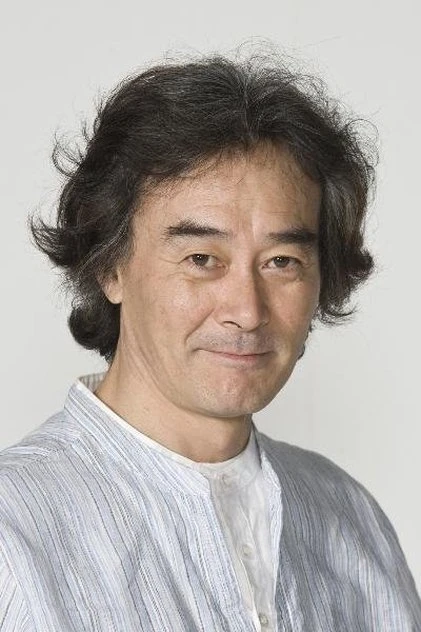
Twelve performances anchored by Lee Hye-young’s career-defining turn.
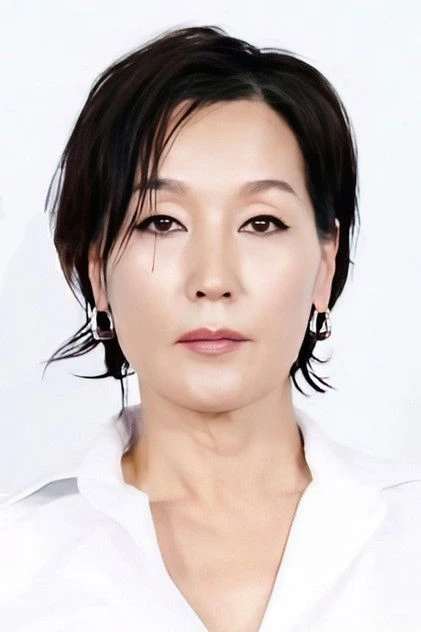
Lead
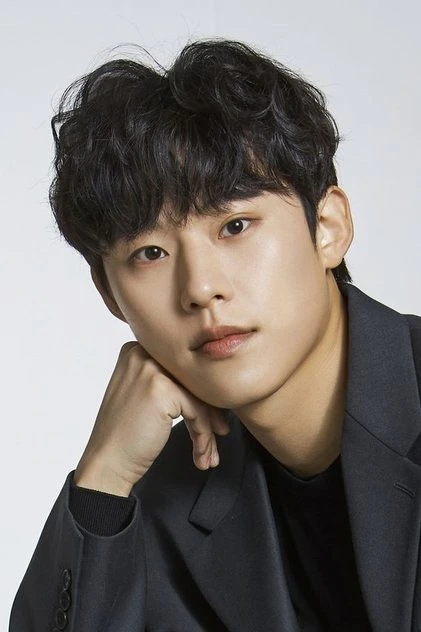
Antagonist

Lead
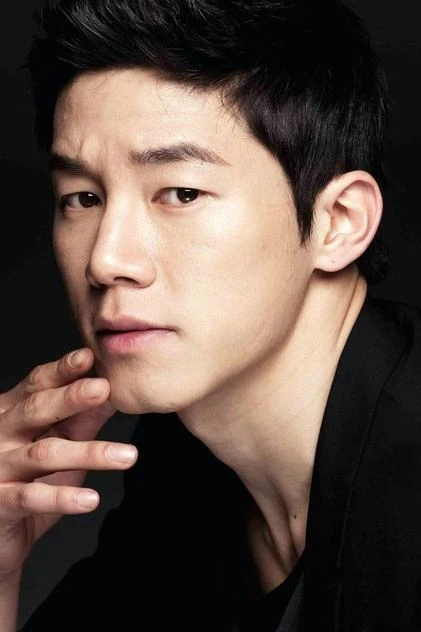
Lead

Supporting
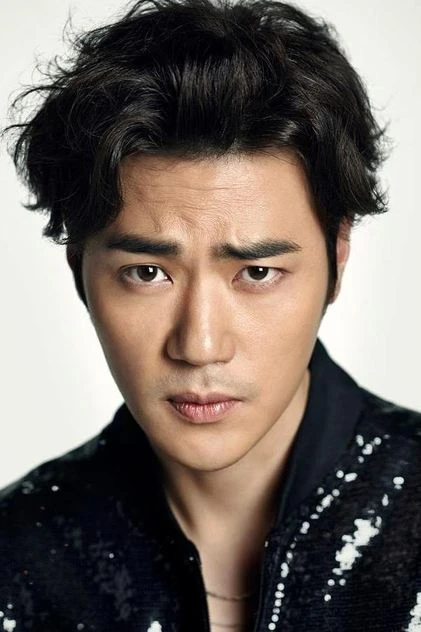
Villain
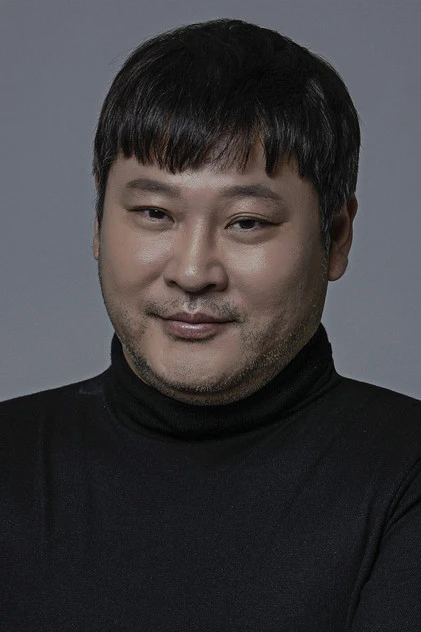
Supporting
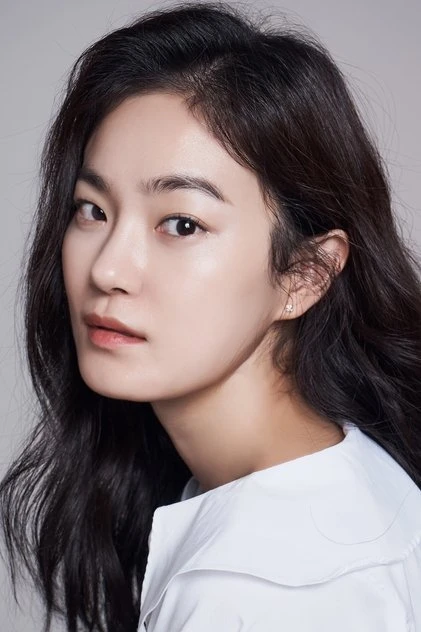
Supporting
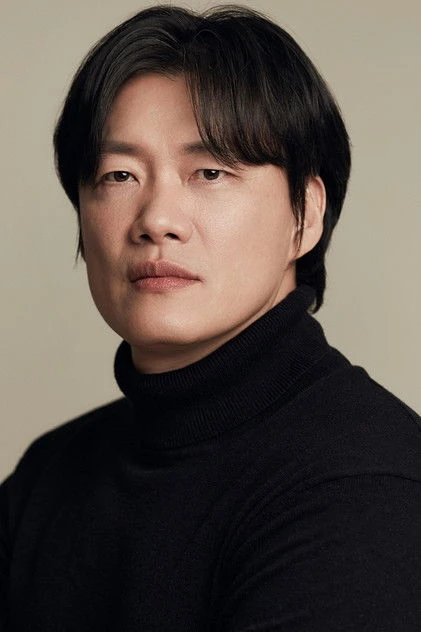
Supporting
Supporting
Supporting
Supporting
📖 The Story
Spoiler-free — enough to know if this one’s your speed.
Hornclaw — real name Cho Gak — is not your typical movie assassin. She is a woman in her sixties, weathered and deliberate, who has spent four decades as the most reliable operative inside Shinsung, an underground organization euphemistically dedicated to “disease control.” Her targets are not politicians or business rivals; they are the human rot that falls through the cracks of the law — traffickers, abusers, predators who buy their way out of accountability. Every assignment is a transaction, clinical and clean. Hornclaw lives alone, eats alone, and carries a lifetime of violence in her joints and her silence. The world she inhabits barely registers her existence, and that is precisely how she prefers it.
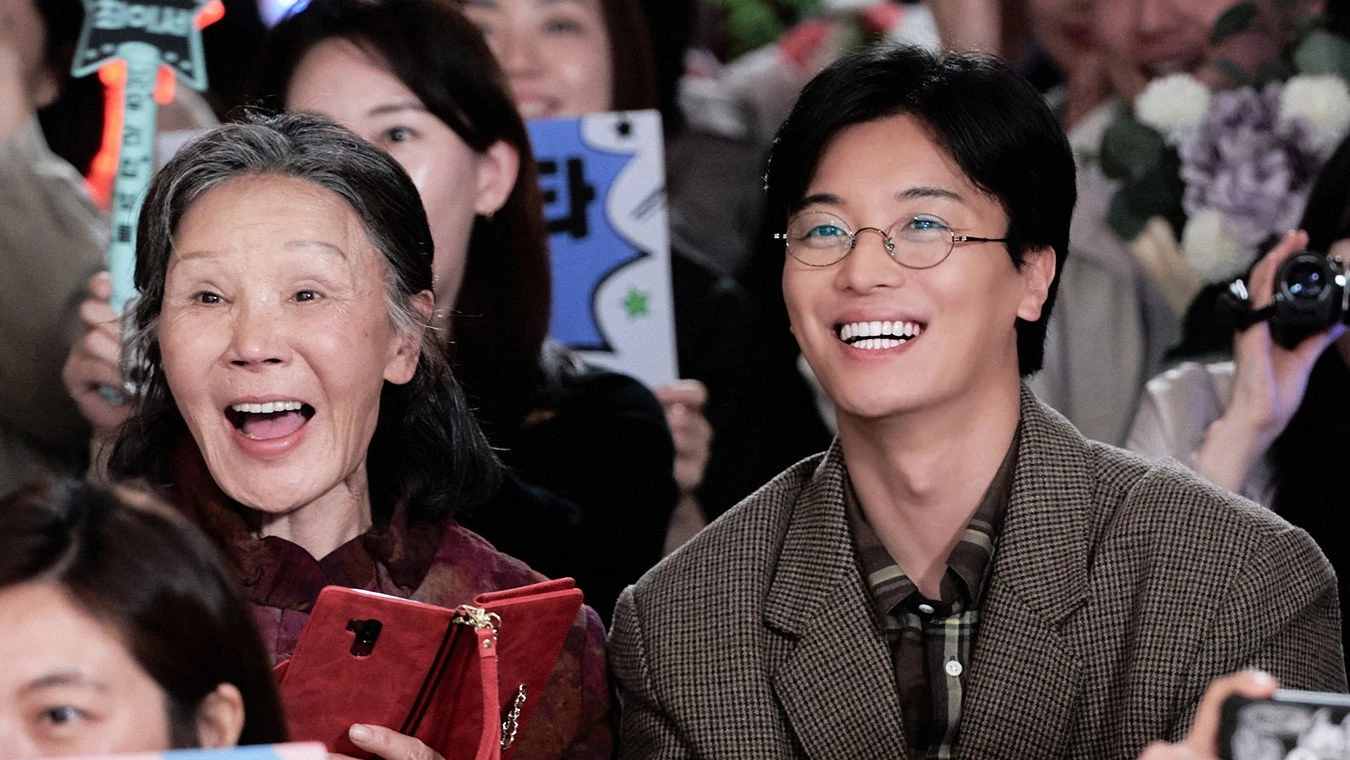
The first rupture in Hornclaw’s ordered existence is almost tender. During a routine injury she cannot bring to a conventional hospital, she visits a veterinarian named Dr. Kang Bong-hui. Something in his quiet, unhurried manner — his total absence of judgment — loosens something inside her that has been sealed for decades. She begins returning, not just for wounds, but for a kind of human contact she had quietly stopped believing she deserved. Then, almost simultaneously, a second intrusion arrives: a young man called Bullfight begins appearing at the edges of her world, watching her with an intensity that suggests far more than professional rivalry. The comfortable machinery of her life — assignments, payments, solitude — suddenly has two unfamiliar variables in it.
What is emotionally at risk in this film is not Hornclaw’s life — she has spent forty years making peace with the possibility of a violent death. What is actually at stake is something far more fragile: the first genuine human connection she has allowed herself in as long as she can remember. Dr. Kang represents a version of herself that might have existed had violence never become her grammar. And if this connection is discovered — or if the organization that employs her decides the good doctor is a liability — Hornclaw will lose the one thing that has made her feel like a person rather than a weapon. The film understands that for someone who has walled off every feeling, the smallest attachment carries an unbearable weight.
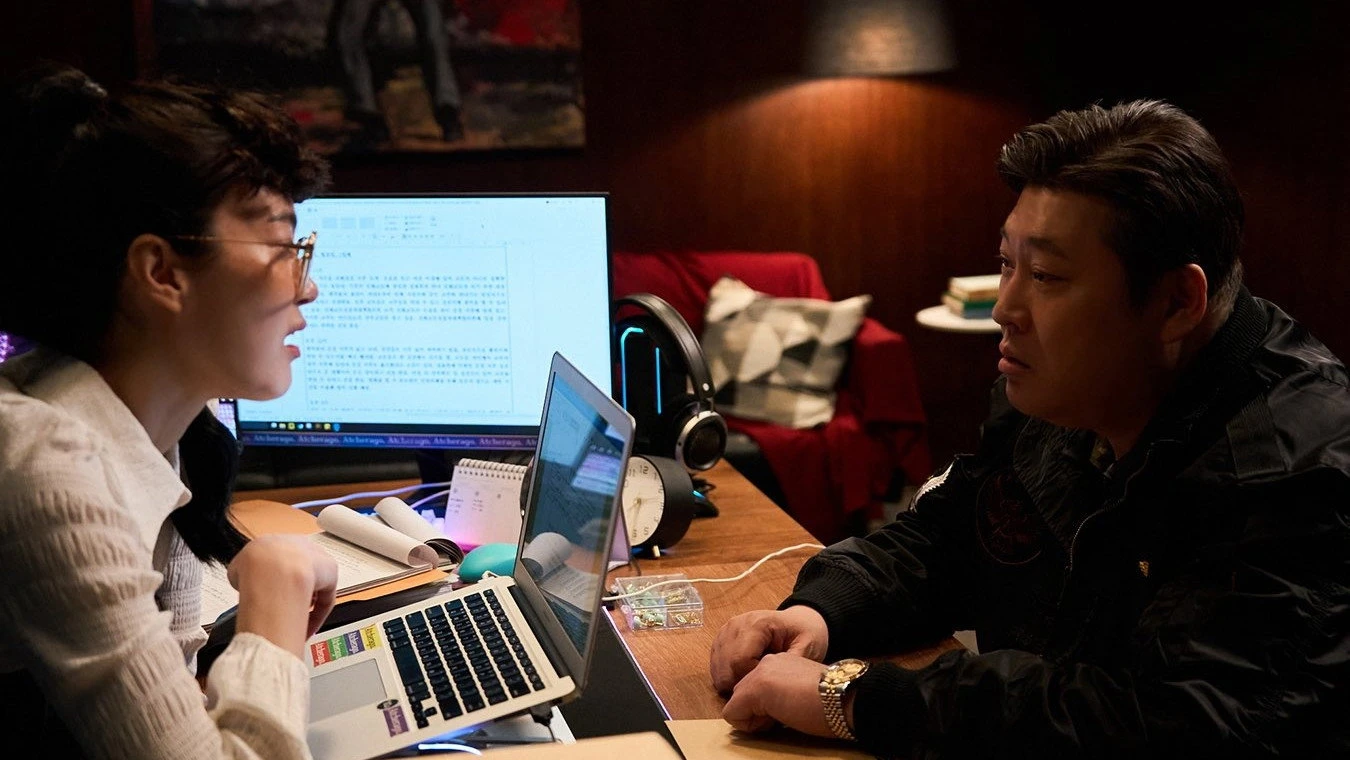
Bullfight is not simply an antagonist — he is a mirror Hornclaw doesn’t know she’s looking into. His fixation on her is rooted in a personal history that spans twenty-five years and a moment she committed but never catalogued as significant. Kim Sung-cheol plays him with a coiled, unpredictable energy: simultaneously menacing, wounded, and oddly sympathetic — a young man shaped entirely by trauma that Hornclaw herself set in motion. Ryu, Hornclaw’s supervisor within Shinsung, represents the institutional machinery that created her — a man who views her aging body as a fading asset rather than a human being in decline. And Shin Sia appears in flashback as the young Hornclaw, letting the film build a devastating portrait of how a sixteen-year-old girl found in the snow became the most feared blade in the Korean underworld.
What separates The Old Woman with the Knife from the dozens of assassin films it superficially resembles is the specificity of its central question: what does it cost a woman to have survived a life like this, and what does survival even mean at sixty when the body begins to answer back? The film refuses to make Hornclaw invincible in the way that genre typically rewards its killers. Her age is not a gimmick — she bleeds, she tires, she miscalculates, and there are fights she wins only barely. This vulnerability is not treated as weakness but as biological truth, and it gives the action sequences a weight that glossier, younger-skewing genre films rarely achieve.
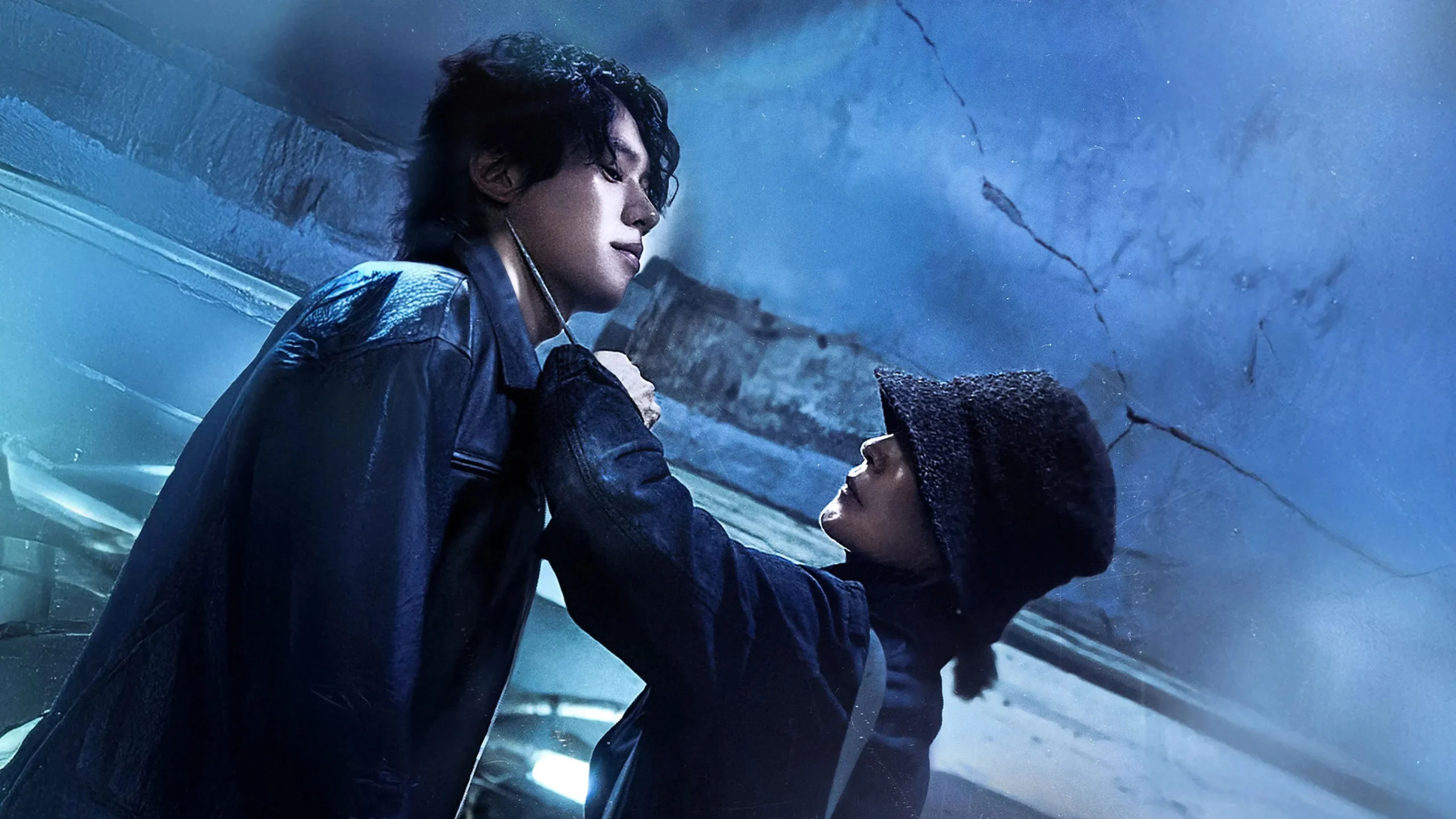
Watching The Old Woman with the Knife feels like holding two things at once: the visceral, blood-soaked pleasure of a confidently made action film and a quieter, more melancholy current running beneath it that keeps threatening to surface. Director Min Kyu-dong allows the film to breathe between its set pieces — there are scenes of near silence, of Hornclaw sitting in an apartment that holds nothing personal, of small gestures that carry enormous emotional freight. The fight choreography is impressively brutal without the balletic sheen of Hollywood studio action; blades connect with consequence and exhaustion. Lee Hye-young’s performance is the tonal anchor: she moves through every register — cold professionalism, buried grief, the awkward thaw of unexpected warmth — without ever losing the steely credibility that the role demands.
The film’s Korean title, 파과 (Pagwa), carries a meaning that the English title cannot fully translate: it refers to “the breaking of a melon,” a classical metaphor for a young girl’s loss of innocence, but in broader usage it also connotes a point of rupture — a moment when something changes irreversibly. In the context of Korean action cinema, which has historically centered male protagonists in its most commercially ambitious genre films, placing a sixty-year-old woman at the apex of the action hierarchy is itself a kind of 파과. Director Min Kyu-dong, known for his interest in female interiority in earlier works, roots the film in the particular loneliness of older women in Korean society — figures who are often rendered invisible precisely at the age when Hornclaw is at her most lethal and, paradoxically, her most emotionally alive.
🏁 Ending Explained
Full spoilers ahead — what happens, what it means, and what the film refuses to resolve.
Full Spoilers Ahead — This section covers the complete ending of The Old Woman with the Knife. Stop here if you haven’t watched.
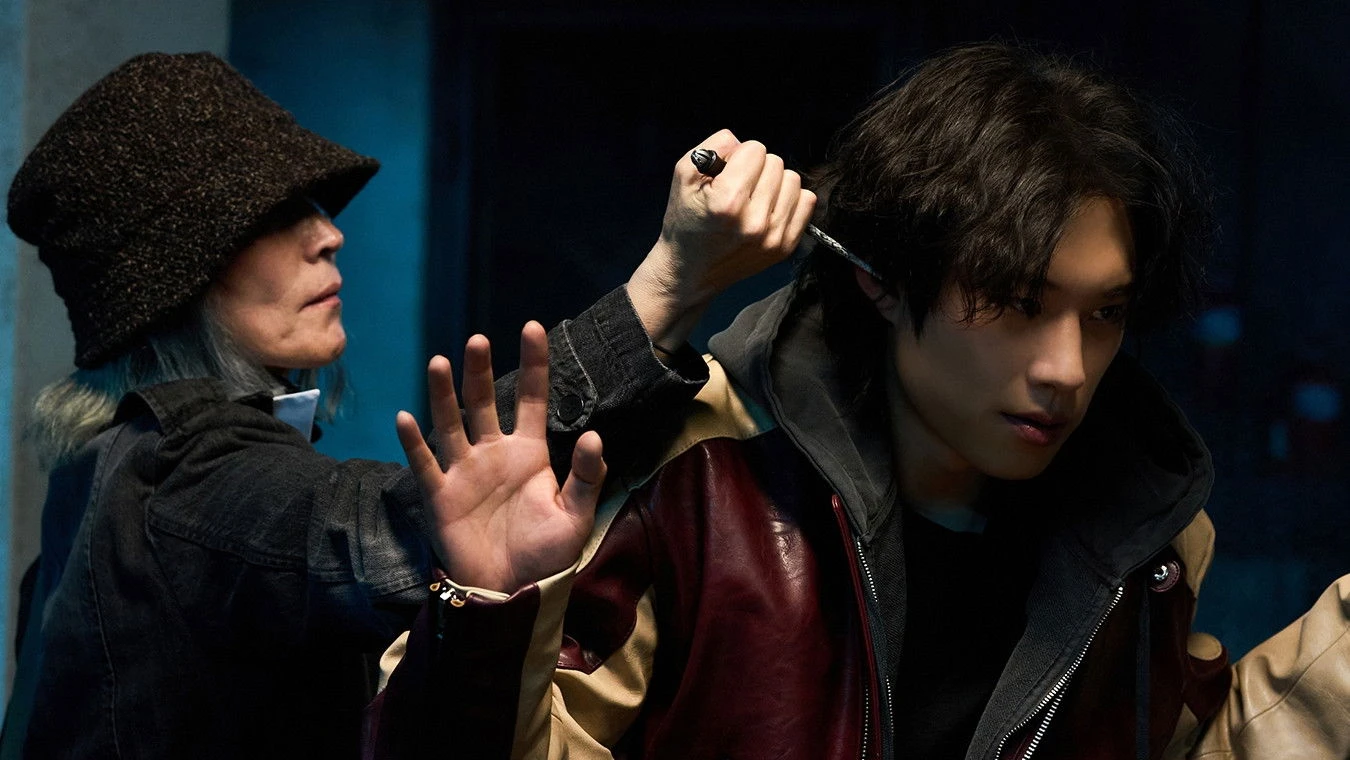
The conspiracy closes in, and Shinsung marks Hornclaw for termination. In the film’s final act, Hornclaw uncovers the full scope of what has been building against her: Director Son and senior figures within Shinsung have decided she is an aging liability — an operative who knows too much and has developed the kind of emotional attachments that make assassins dangerous and unpredictable. Bullfight’s true motivation is also revealed: Hornclaw killed his father twenty-five years ago, a target she dispatched without particular memory of him, just another name in a career full of names. Rather than executing her in straightforward revenge, Bullfight has been maneuvering her toward a confrontation with the organization that weaponized both of them. The climactic violence brings Hornclaw into direct conflict with the Shinsung hierarchy, and what results is a reckoning that destroys the institutional structure she has served her entire life.
Dr. Kang survives. But liberation arrives with the texture of loss. The ending is not a triumph in any conventional sense. Hornclaw does not walk away into a hopeful future — she walks away into an open question. The film is arguing that the systems which create people like Hornclaw are not aberrations but structures: they recruit the broken, refine the violence, and discard the human when the human becomes inconvenient. By having Hornclaw dismantle the organization rather than die at its hands, the film rejects the genre’s most common female-assassin ending (martyrdom), insisting instead that survival is itself a form of resistance. The scene with Dr. Kang in the final minutes is coded deliberately ambiguously — it is not a romance resolved but a human connection left alive, which in Hornclaw’s universe is almost miraculous.
Three readings compete for the final image, and the film refuses to arbitrate. The first is optimistic: the connection with Dr. Kang is a seed, and the film ends at the moment a new life becomes possible for the first time. A darker reading suggests that Hornclaw, defined entirely by her craft, will simply find another organization or another assignment, because a person shaped entirely by violence cannot simply choose softness at sixty. A third interpretation focuses on Bullfight: some viewers read his arc not as villainous but as collaborative — that he was, in some perverse way, engineering her liberation as much as her death, giving her the push she never would have taken alone. The film does not privilege any of these readings over the others.
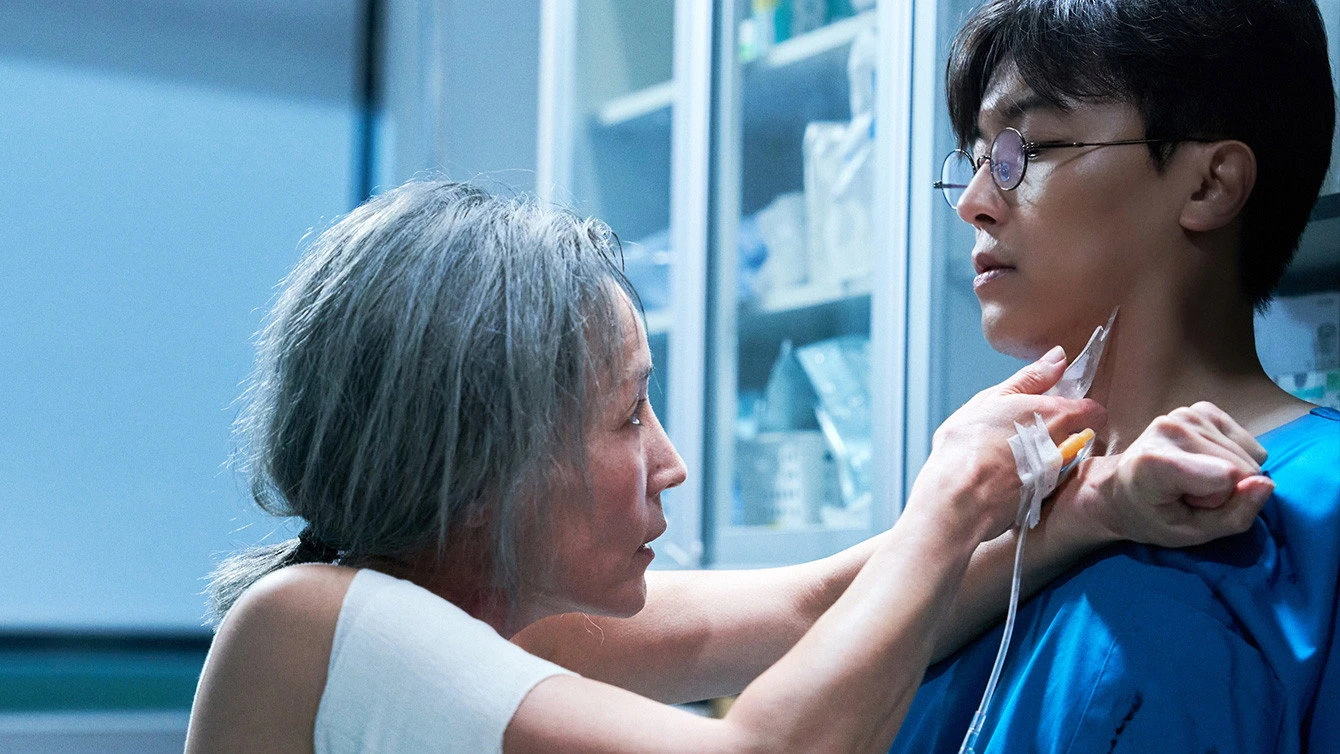
The KDW verdict: the darkest reading is the most honest. Min Kyu-dong earns his ambiguity by refusing to give Hornclaw a tearful speech or a decisive domestic image at the close. The final shot keeps her in motion — still moving, still dangerous, still alone in the way she has always been alone, but now without the organizational scaffolding that gave that loneliness a purpose. The connection with Dr. Kang is real, but it is a beginning with no guaranteed future, and the film is honest enough not to sentimentalize what a beginning actually requires of a woman who has never practiced being gentle. The Old Woman with the Knife argues that surviving a life built on violence does not free you from it — it only changes who holds the blade.
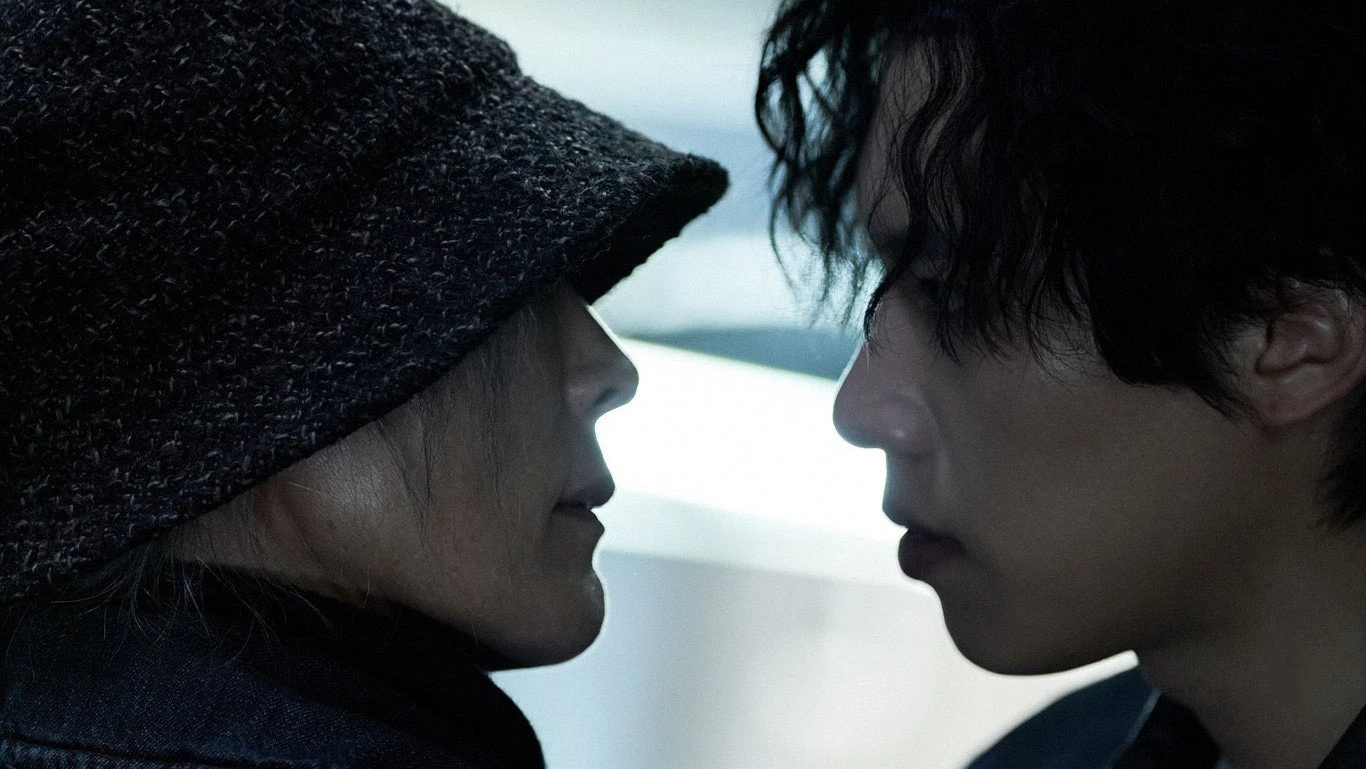
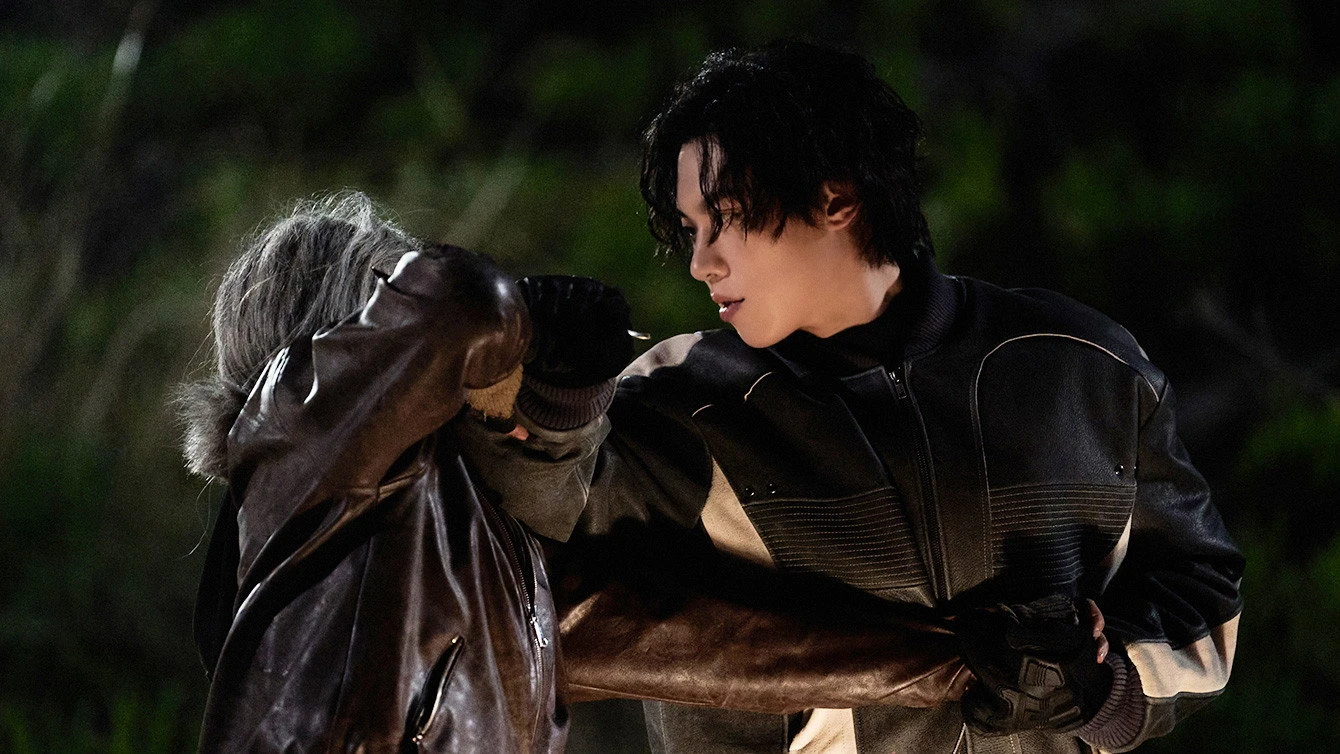
What you notice on rewatch: Bullfight was never just an enemy. On a second viewing, the scenes between Hornclaw and Bullfight in the film’s first half take on an entirely different quality. His intensity, which initially reads as the focused menace of a professional rival, begins to look like something much more complex — grief, fascination, and a kind of warped filial fixation. He watches her the way a child watches a parent who never knew he existed, looking for some flicker of recognition that never comes. The scene in which they share a brief, silent proximity early in the film — each aware of the other but neither acting — is far more charged on rewatch, knowing that he has been waiting twenty-five years for that moment. Hornclaw’s failure to remember his father is also recontextualized: not callousness, but the necessary amnesia of someone who had to forget every face to keep functioning — a survival mechanism that became its own kind of violence.
✍️ KDramaWorlds Editor’s Take
Straight talk — our real opinion, and the viewer it’s made for.
Lee Hye-young has been one of Korean cinema and television’s most respected actors for decades, a performer whose career has spanned prestige drama, comedy, and theater with equal authority. The Old Woman with the Knife is the film that asks what she can do with a genre that has almost never been written for someone like her. The answer is staggering. Her Hornclaw is not a retired killer in the Taken mold — not a high-functioning machine running on pure competence. She is a woman whose body is quietly staging a mutiny, whose hands still know every violent thing she has ever learned, but who now has to calculate the cost of each action in a way she never did at thirty. The performance works because Lee Hye-young never plays the vulnerability as weakness; she plays it as information. Hornclaw knows exactly what she is losing, and she absorbs that knowledge with the same cold precision she brings to everything else.
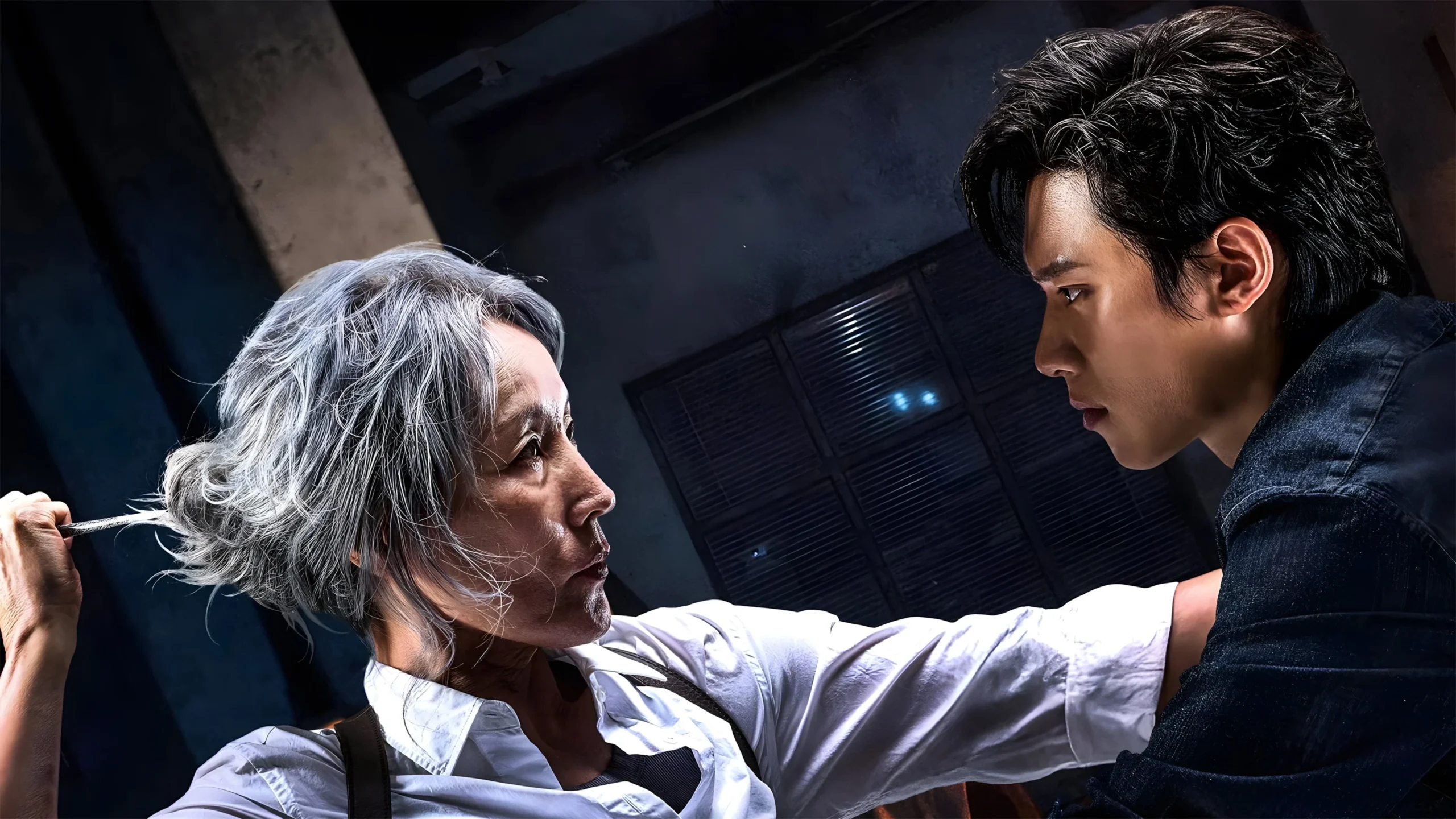
Director Min Kyu-dong is an interesting choice for this material — his earlier work (particularly Antique, 2008) showed a fascination with surfaces that conceal something much more unsettled underneath. That interest is put to excellent use here. The film looks almost too clean in its early passages: precise framing, muted palette, a controlled stillness that makes the sudden violence feel genuinely shocking rather than choreographed. The fights are not balletic. They are exhausting, consequence-laden, and occasionally dispiriting in the way that actual violence probably is — not triumphant, but just the thing that happened next. That choice is the film’s single most important formal decision, and it pays off every time a scene resolves not with satisfaction but with something closer to relief that it’s over. If you’ve been watching Korean dramas, the closest tonal parallels in the KDW library are The Worst of Evil and Beyond Evil — both share the film’s insistence on treating violence as something that costs the people who practice it.
Action fans who want weight and consequence, not spectacle
Readers of the novel by Gu Byeong-mo — the adaptation is faithful and smart
Anyone exhausted by the genre’s obsession with young male assassins
🎬 You Might Also Like
If you liked The Old Woman with the Knife, these are your next three watches.
 Teach You a Lesson
ChamgyoyukERPA
Read Full Review →
|
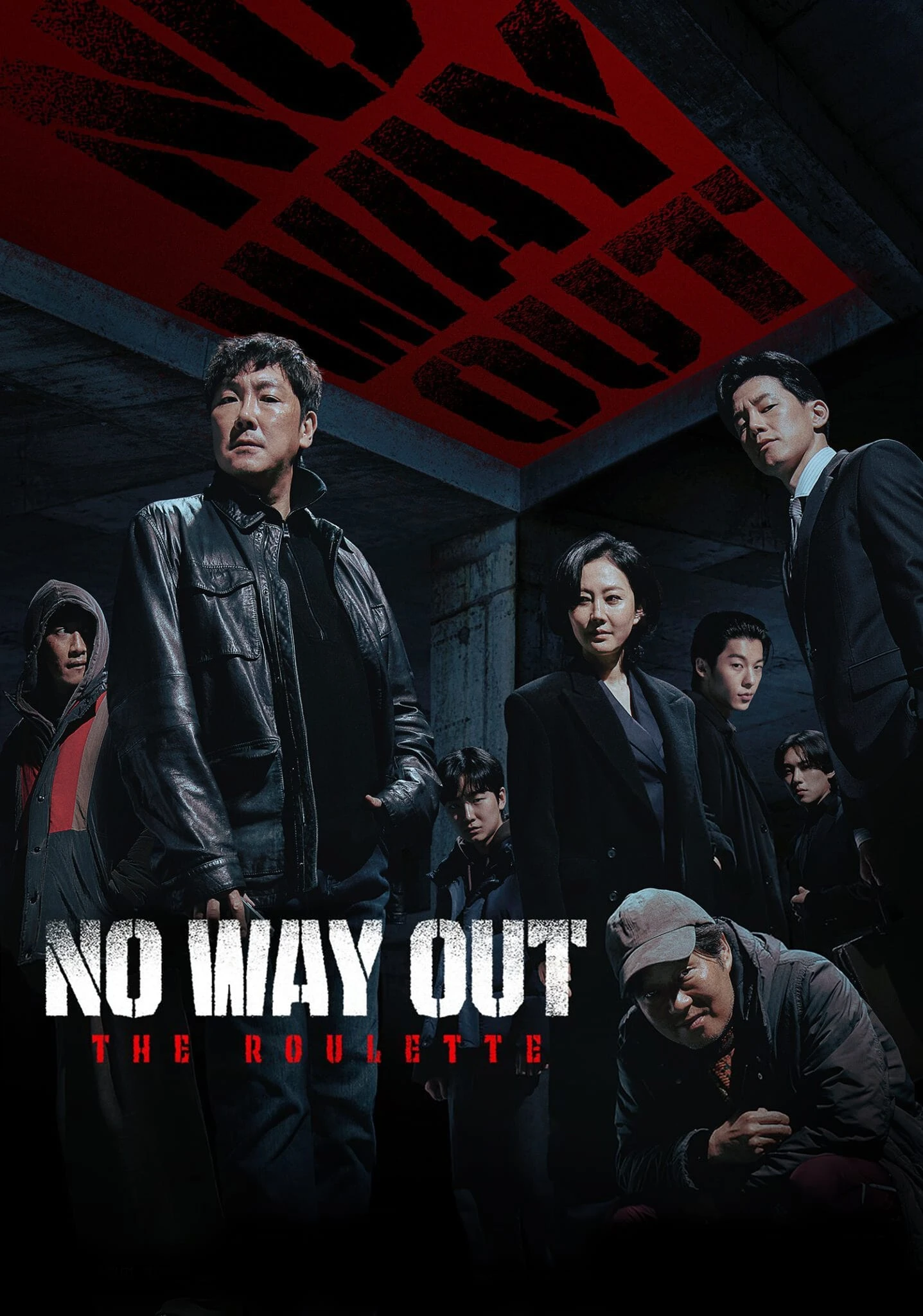 No Way Out: The Roulette
Assassinbounty hunter
Read Full Review →
|
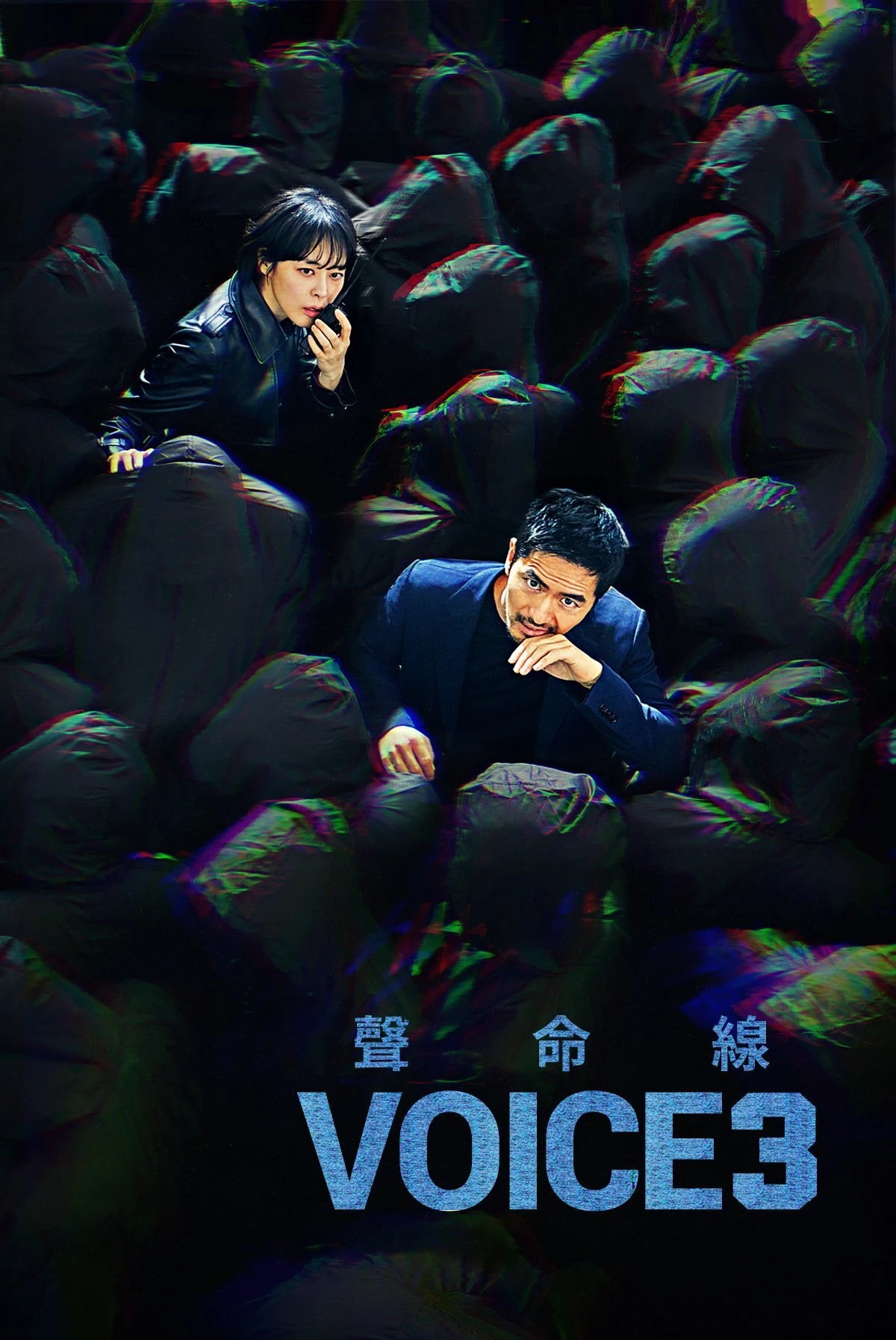 Voice (Season 3)
CorruptionCrime Thriller
Read Full Review →
|





Keep it kind, skip the harsh language, and please — no spoilers. Everyone's taste is different, and that's perfectly fine.
This space is for real reactions and discussion from other viewers. Help keep it comfortable for everyone by not giving away major plot details.
What do you think of this drama?
Login to share your review or leave a comment.
No email needed — just pick a username & password.