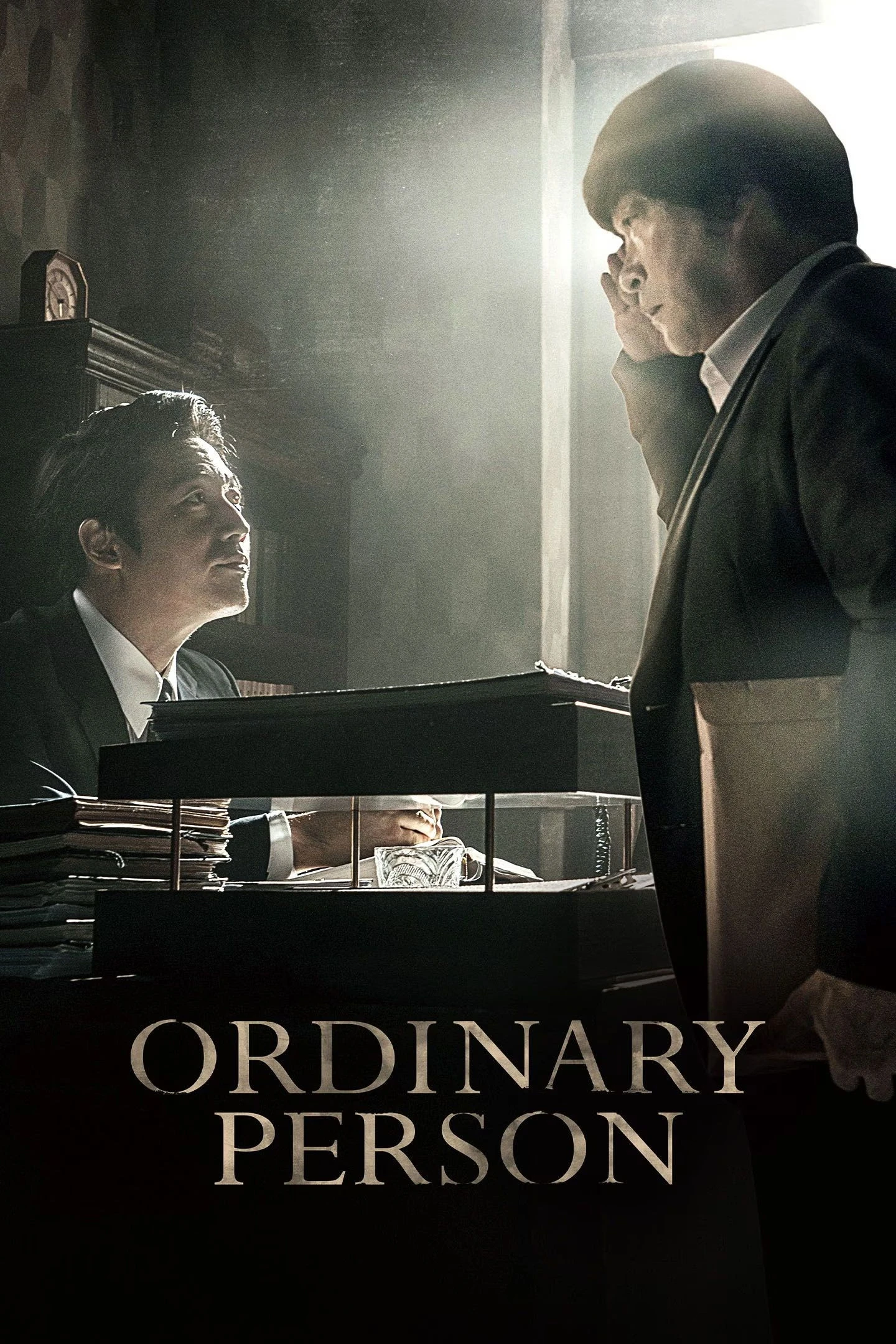
Ordinary Person
🎬 Prime Video · Tubi · Apple TV · Viu
⭐ 7.4 MDL
🔞 15+
🎬 Film Overview
1987 CORRUPTION THRILLER PICK
Kang Sung-jin just wants the ordinary things — a house with two floors, a surgery his son needs, a life where his family isn’t always one bad month away from disaster. He’s also a Seoul police detective in the spring of 1987, working inside a system where confessions get beaten out of suspects and the truth is whatever the government needs it to be that week.
When a lucky arrest turns his suspect into the country’s most notorious serial killer, National Security Planning chief Choi Gyu-nam offers Sung-jin everything he’s ever wanted — in exchange for evidence that isn’t quite true. Ordinary Person spends its runtime watching a decent man talk himself into a series of small compromises, each one reasonable on its own, until he’s in too deep to recognize who he’s protecting them for.
⚡ Quick Verdict
One box. Everything you need to decide.
· MDL · 366 ratings
▶ Official Trailer
🎭 Cast & Characters
The detective, the chief who owns him, and the friend who won’t let him look away.
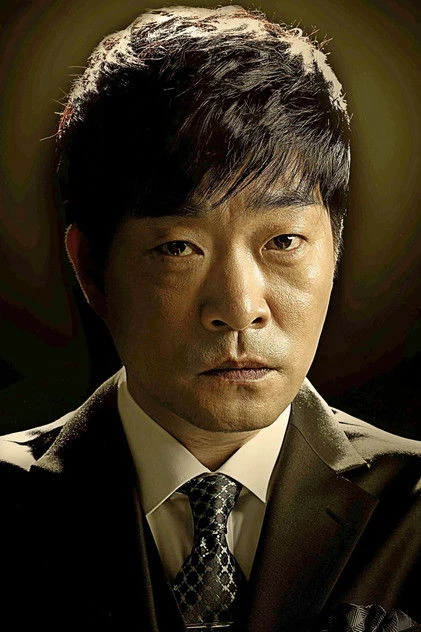
Lead

Lead

Supporting

Supporting

Supporting

Supporting
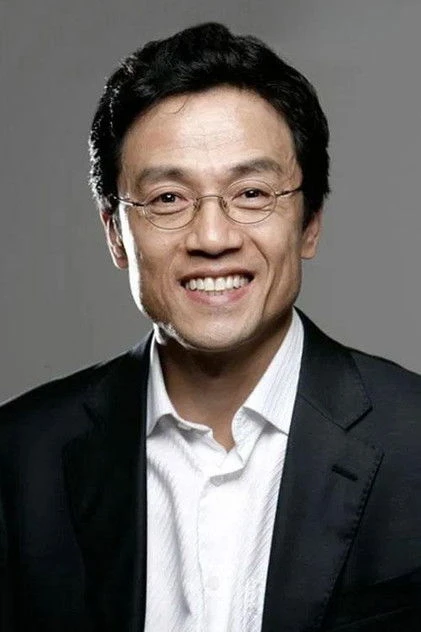
Supporting

Supporting

Supporting
Supporting
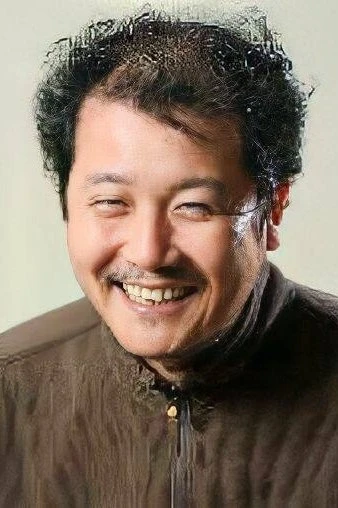
Supporting
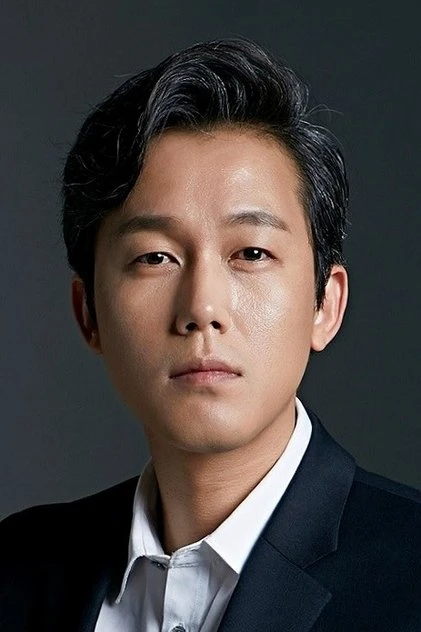
Supporting
📖 The Story
No spoilers — just enough to know if this is your film.
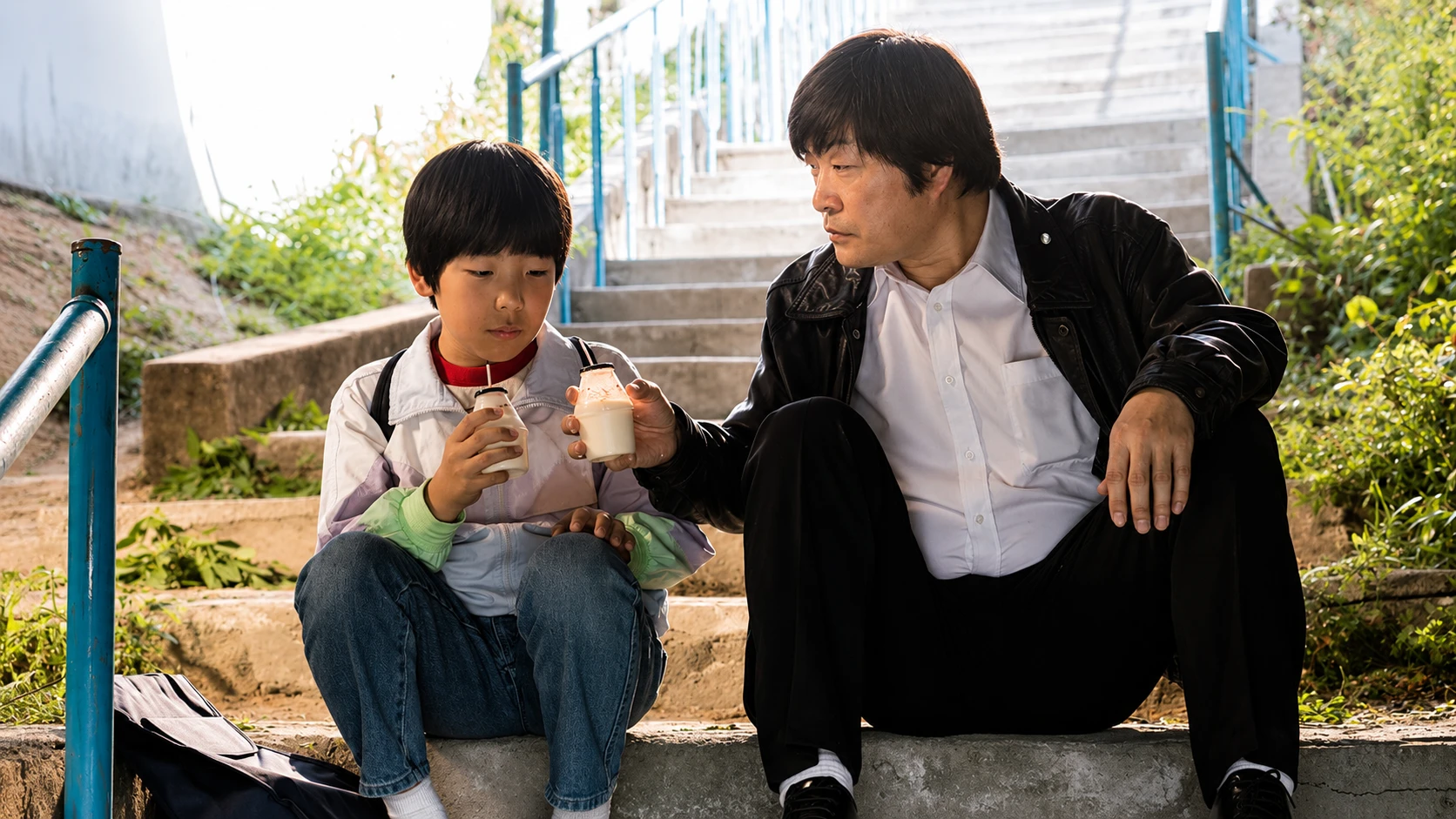
Kang Sung-jin doesn’t want much — a two-story house, a surgery his son badly needs, a life just slightly more secure than the one he has. He’s a detective in Seoul in the spring of 1987, working a job where beating a confession out of a suspect is standard procedure and the line between law enforcement and political enforcement barely exists. The film sets up his decency early, precisely so it can spend the rest of its runtime testing it.
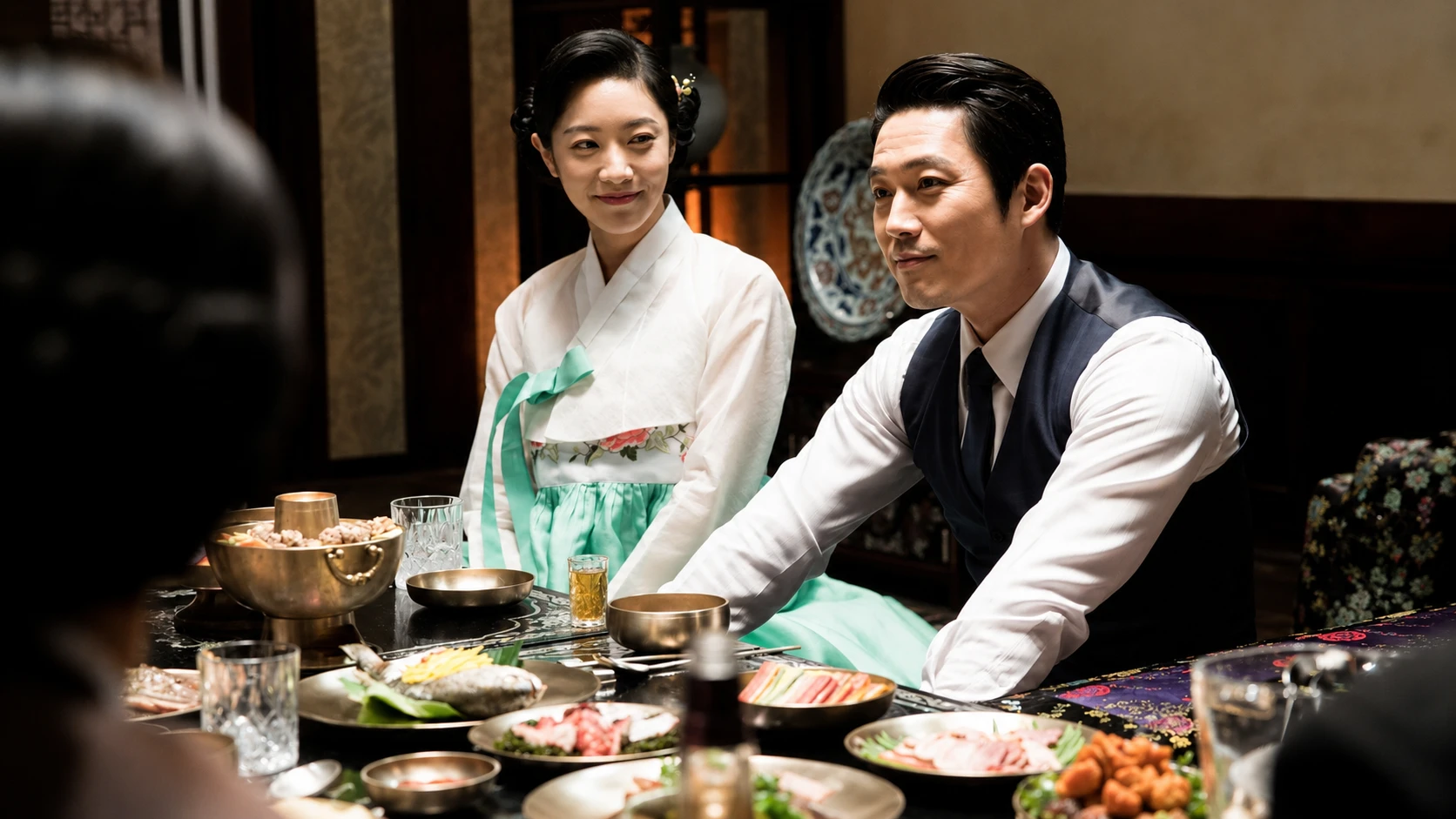
A stroke of luck turns a routine arrest into the case of Sung-jin’s career: his suspect, Kim Tae-sung, gets pegged as the country’s first widely publicized serial killer. That should be good news. Instead it draws the attention of Choi Gyu-nam, the National Security Planning chief, who sees an opportunity to weaponize the case politically — and offers Sung-jin money and his son’s surgery in exchange for evidence that isn’t entirely true.
The bargain lands on Sung-jin at the exact moment he’s most vulnerable to it. Refuse, and his son stays sick and untreated. Accept, and he becomes complicit in framing a man for something worse than what he actually did, propping up a regime that treats the truth as a resource to be managed. The film doesn’t soften either side of that trade — it just keeps making Sung-jin choose.
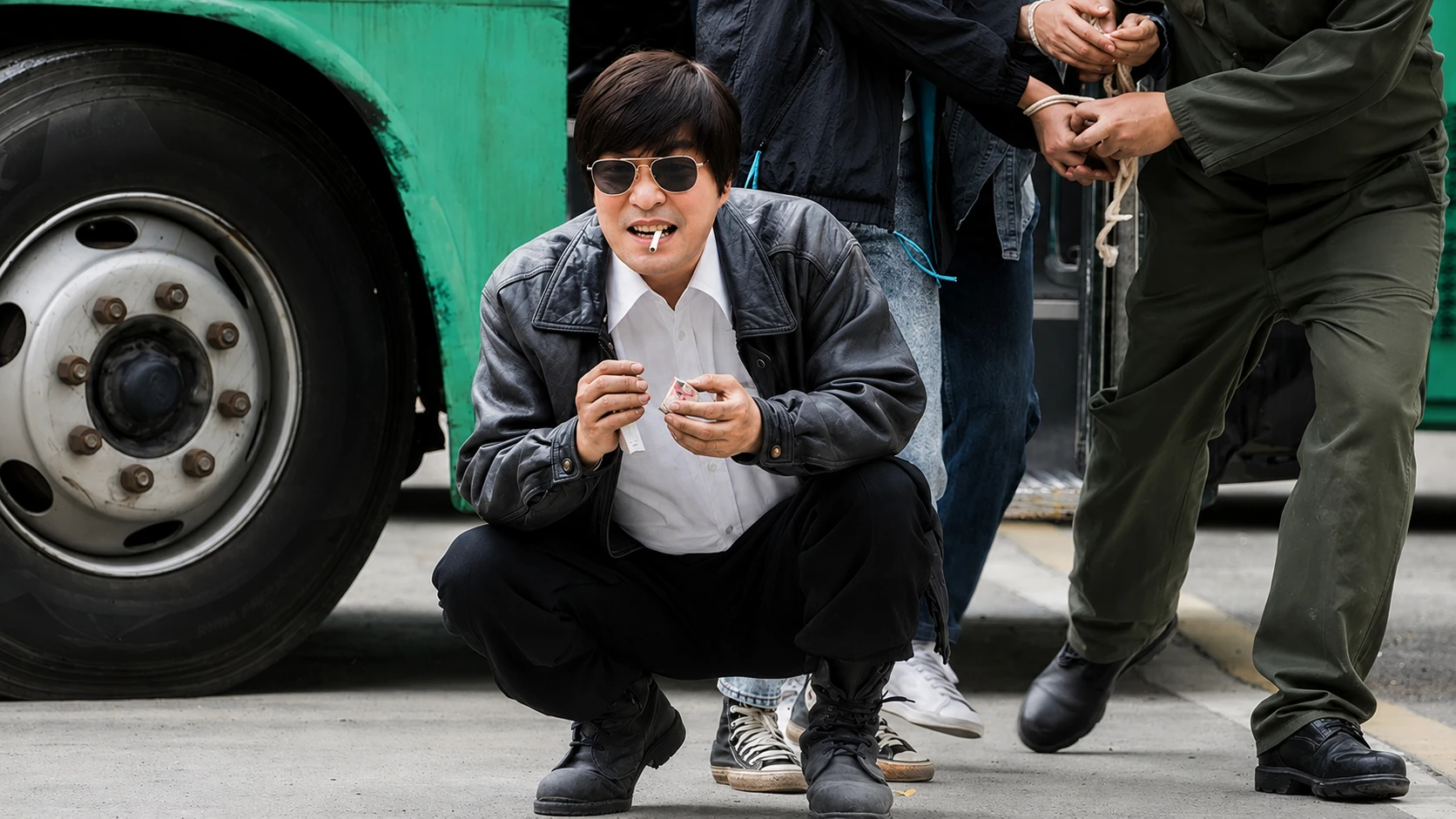
Two people keep pulling at Sung-jin’s conscience from opposite directions without ever raising their voices much. Chu Jae-jin, a reporter and old friend, starts noticing holes in the official story and won’t let Sung-jin pretend he hasn’t noticed them too. His wife, Song Jeong-sook, is mute — a choice that makes her presence in the film almost entirely wordless, and somehow louder for it, a constant reminder of exactly what Sung-jin thinks he’s protecting.
What makes Ordinary Person more than a straightforward good-cop-bad-government story is how deliberately it tracks the psychological cost of going along with things one step at a time. Sung-jin never makes one big villainous decision — he makes a series of small, defensible ones, and the film is far more interested in that slow erosion than in a single dramatic turn.
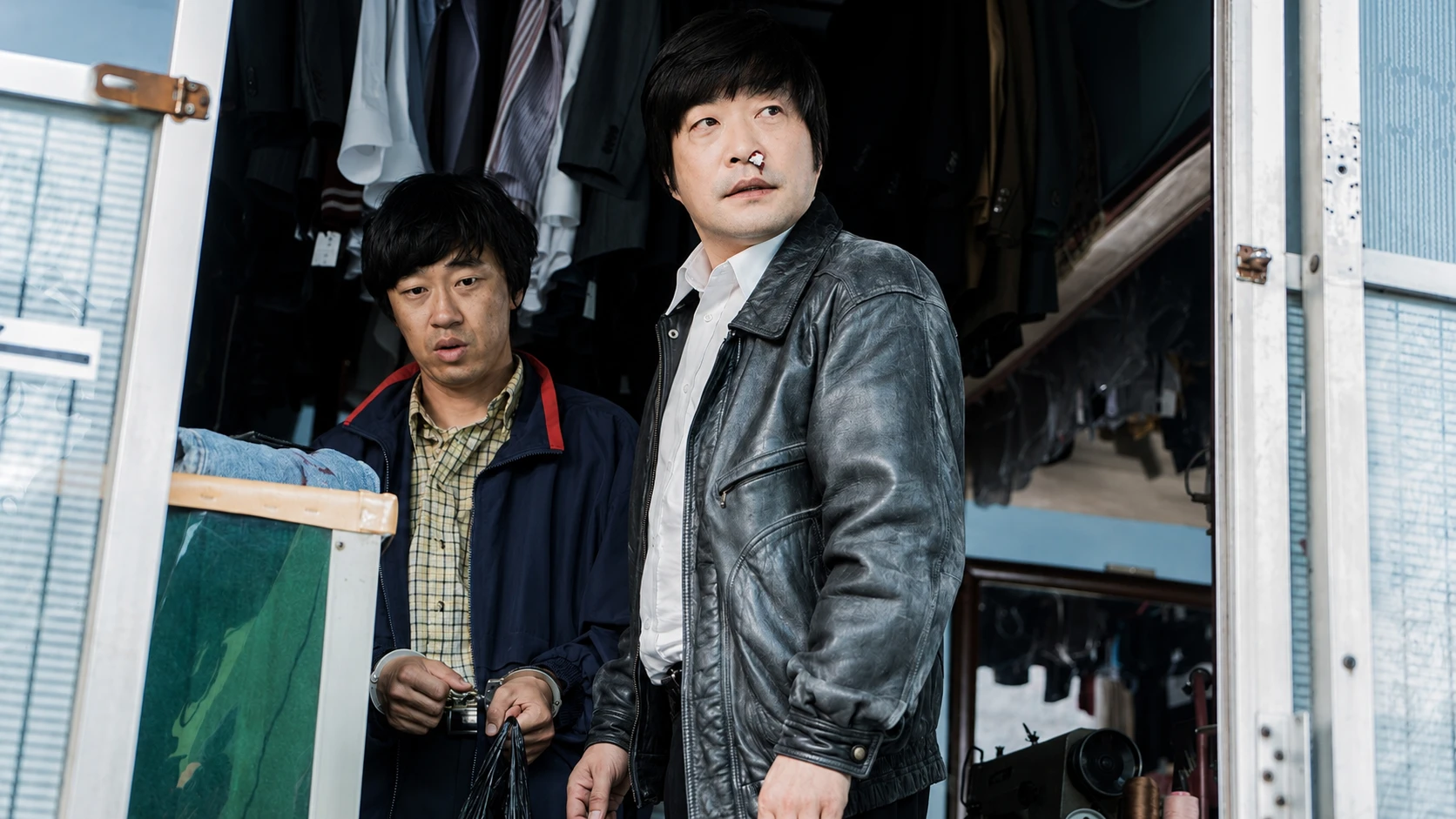
The tone sits somewhere between police procedural and slow-burn drama, favoring a steady, oppressive tension over big set pieces. The film’s 1987 Seoul is grim and overcast by design, its rare moments of family warmth landing harder for how briefly they show up before the plot swallows them again.
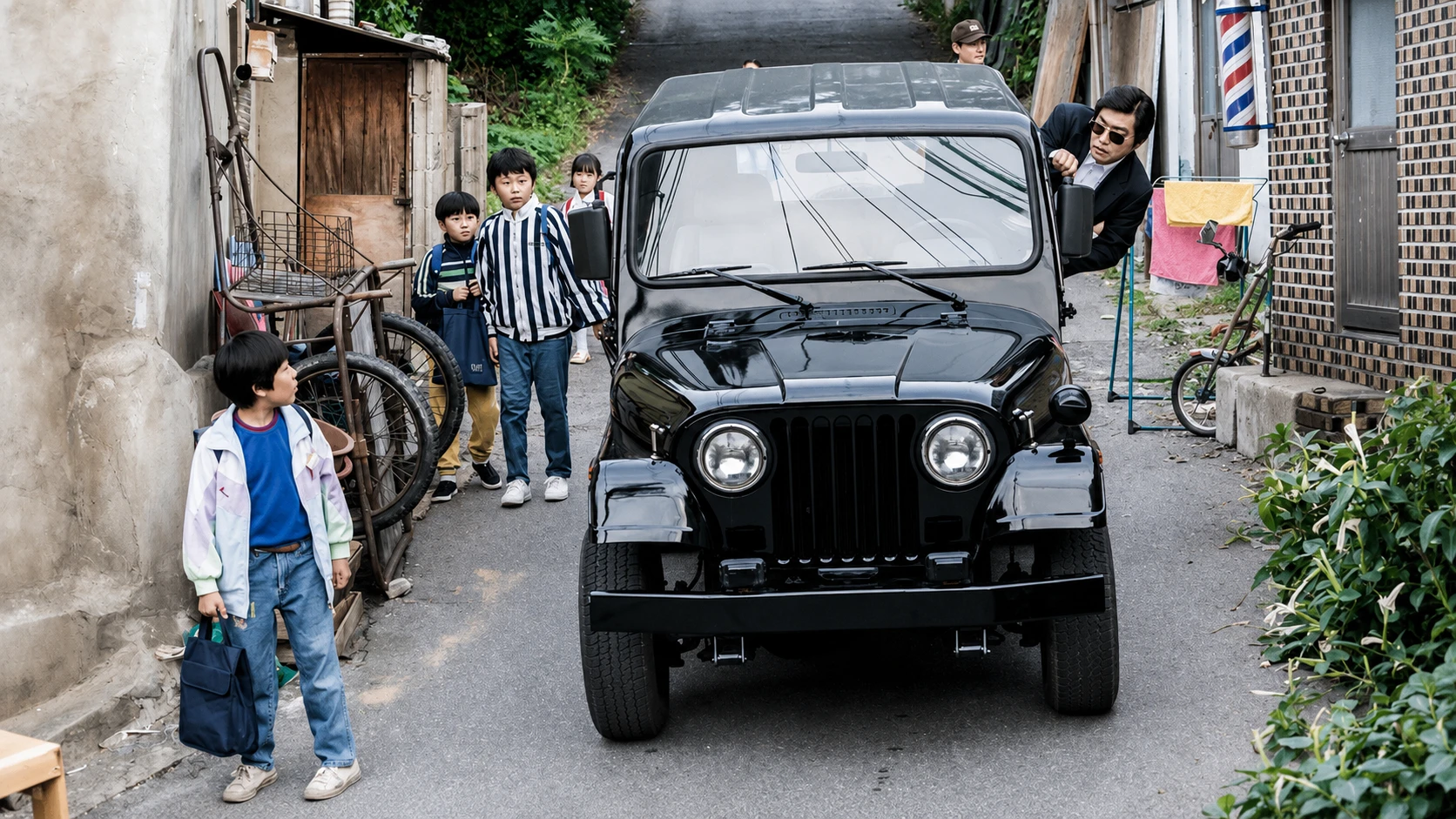
Ordinary Person is explicitly rooted in the real political climate of 1987 Korea, the year that led into the June Democracy Movement, and it borrows details from real cases — including the killings that later inspired Memories of Murder — to make its point about a government willing to manufacture guilt when the truth is inconvenient. Framing all of it around one unremarkable detective is the film’s clearest argument: this is what an authoritarian system does to ordinary people, not just extraordinary ones.
🏁 Ending Explained
Full spoilers ahead — what happens, what it means, and what it all adds up to.
Full Spoilers Ahead — This section covers the complete ending of Ordinary Person. Stop here if you haven’t watched.
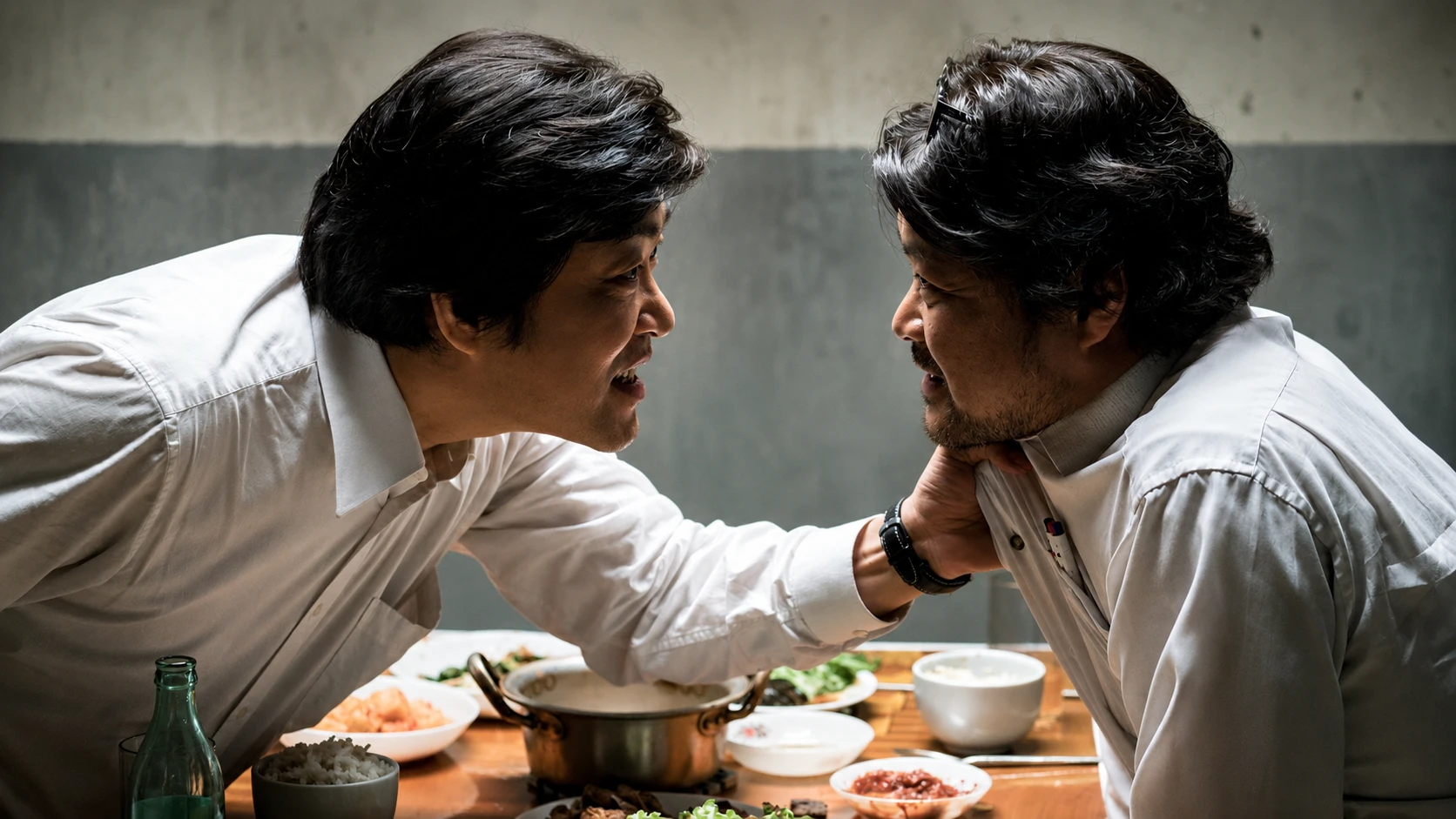
Sung-jin chooses to expose the conspiracy After Chu Jae-jin dies as a direct consequence of digging into the case, Sung-jin stops weighing the trade-off between his family and his conscience and gathers everything he has — the fabricated evidence, the real details of the case Choi Gyu-nam buried — to bring the conspiracy into the open. He confronts Gyu-nam directly, and after a desperate physical struggle, walks away with the documents that prove what actually happened.
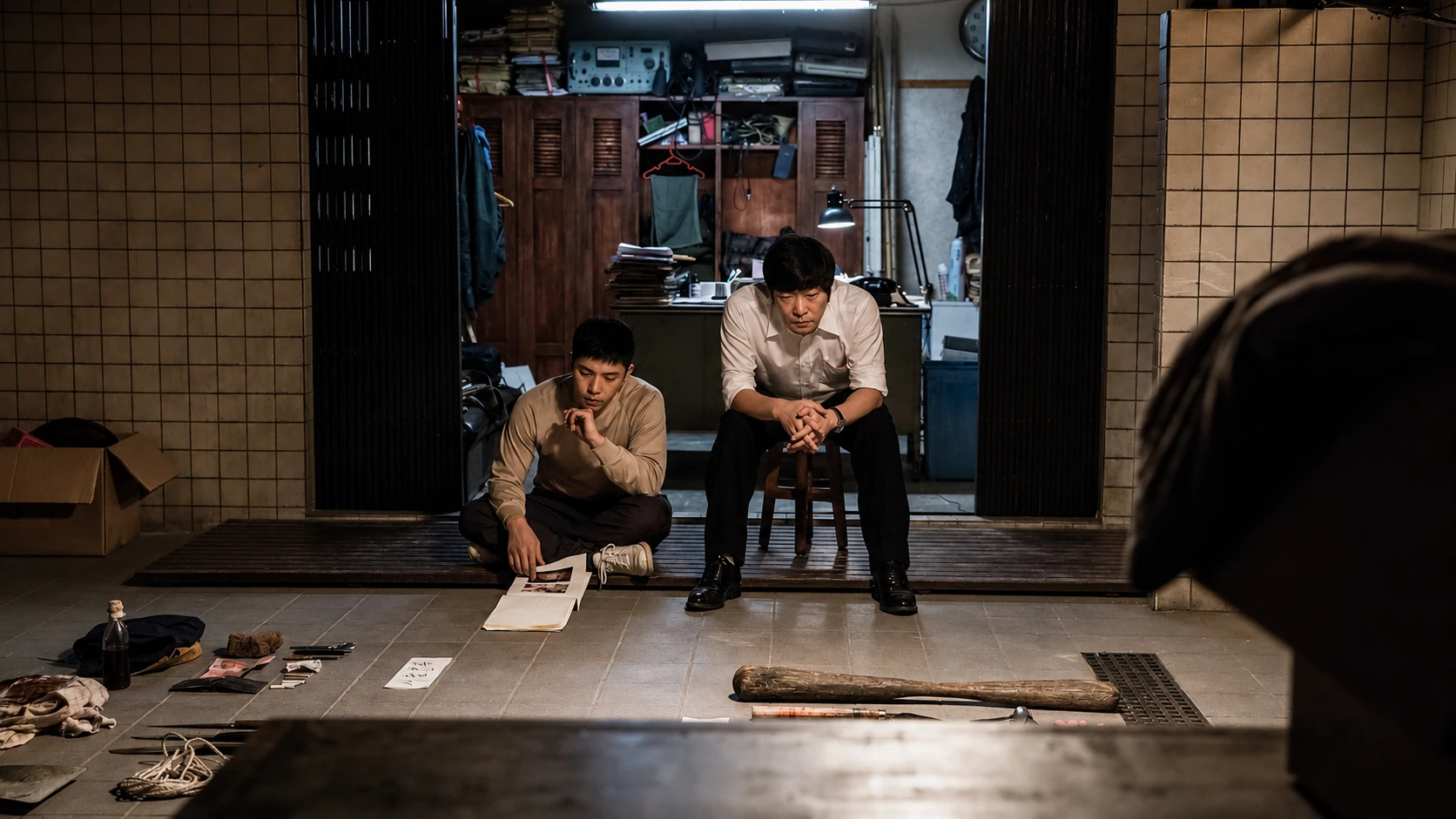
Leaking the truth is the whole climax Sung-jin doesn’t hand the evidence to a court or a superior — he leaks it to the public, and the film treats that as the actual resolution. There’s no courtroom vindication, no formal reckoning; the ending is built around the act of the truth becoming unignorable, sparking public outrage and protest rather than a tidy legal outcome.
The film picks the quiet kind of courage over the dramatic kind Sung-jin isn’t rewarded for what he does — the film is upfront that the personal cost to him stays severe and largely unresolved. What the ending is actually arguing is that courage here doesn’t look like a triumphant reversal; it looks like one exhausted man deciding he won’t participate in the lie anymore, regardless of what it costs him specifically.
Kim Tae-sung’s fate is left conspicuously open The film never fully closes the loop on Kim Tae-sung, the man fabricated evidence was used against — whether he receives any real justice once the conspiracy is public is left unresolved. That’s less an oversight than the point: exposing corruption and actually fixing what it broke are two different, much harder things, and Ordinary Person is only interested in dramatizing the first one.
The ending reframes everything Sung-jin did earlier in the film Once the full scope of Gyu-nam’s manipulation is visible, Sung-jin’s early compromises stop looking like a good man’s understandable mistakes and start looking like the exact on-ramp an authoritarian system needs to function — small, reasonable-seeming concessions that add up to something much worse. His opening dream of a two-story house was never really about greed; the ending makes clear it was always about how easily an ordinary, decent want can be turned into leverage.
✍️ KDramaWorlds Editor’s Take
Our honest read on why this film is worth your time — and who it’s for.
Kim Bong-han
Known for: Kim Bong-han writes as well as directs Ordinary Person, and his approach favors slow accumulation over shock — the film’s central corruption doesn’t arrive as one twist but as a string of small, understandable compromises that only add up to something monstrous in hindsight. It’s a restrained, dialogue-heavy style built for a story about complicity rather than a single villain.
Ordinary Person shares its decade and its distrust of state power with Hunt, though it trades that film’s globe-trotting espionage for something much smaller and more claustrophobic — one detective, one bad bargain, one house he’ll never actually get to build the honest way. Son Hyun-joo plays Sung-jin’s unraveling almost entirely through restraint, which makes Jang Hyuk’s icy, controlled Choi Gyu-nam land as a genuine menace rather than a cartoon villain.
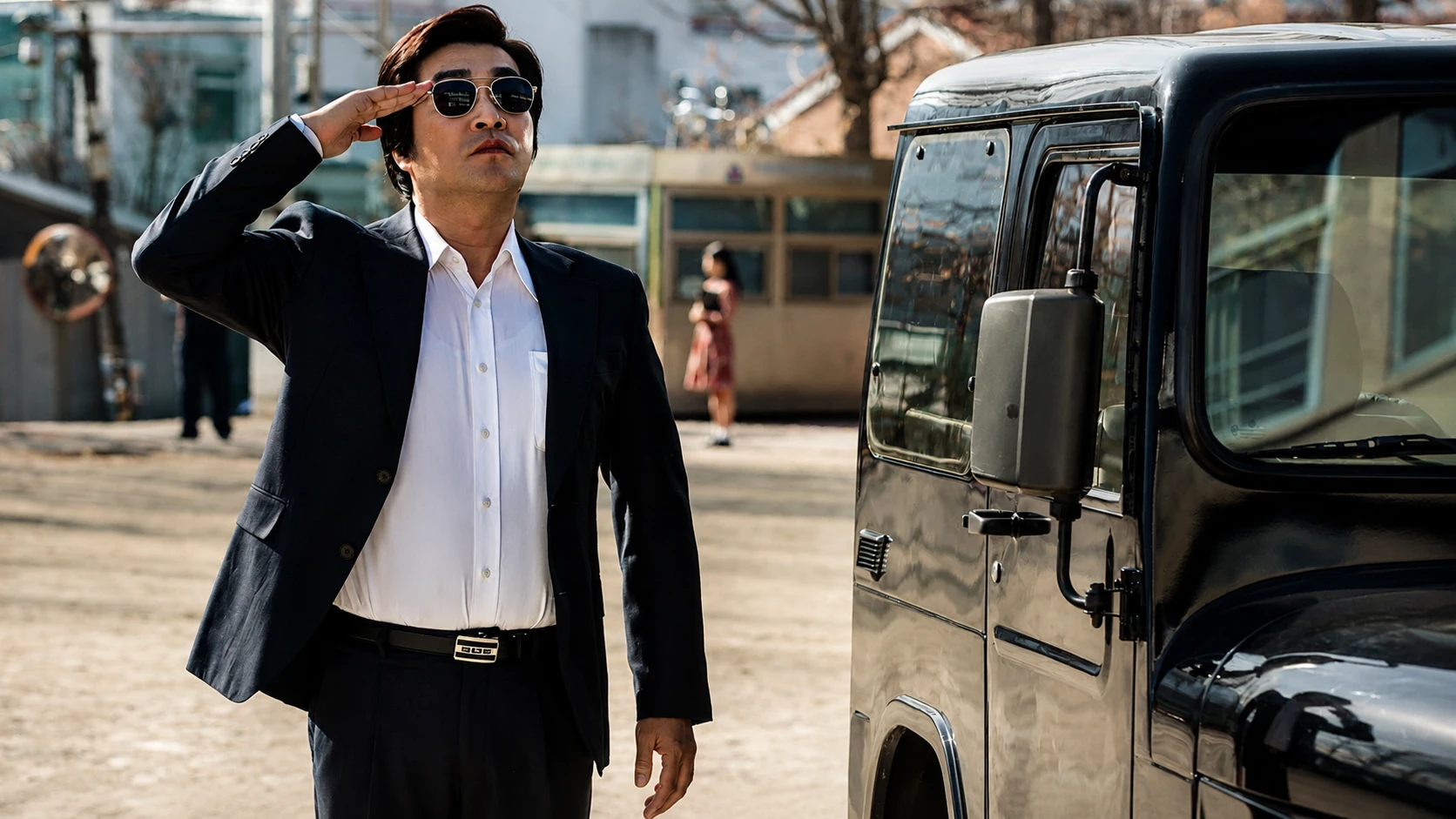
Where Fabricated City plays its frame-up premise as a pulpy action-thriller, Ordinary Person keeps its feet on the ground — this is a film about paperwork, quiet conversations, and the specific moment a decent man realizes he’s already said yes to something he can’t undo. Kim Sang-ho’s reporter Chu Jae-jin does a lot of the film’s heavy lifting as the one character who won’t let Sung-jin’s rationalizations go unquestioned.
The film’s period detail is more functional than showy — 1987 Seoul here is gray, procedural, and oppressive by design rather than nostalgic, which suits a story that’s ultimately less about a specific historical moment than about how easily an ordinary want gets turned into someone else’s leverage.
🎬 You Might Also Like
If you liked Ordinary Person, these are your next three watches.
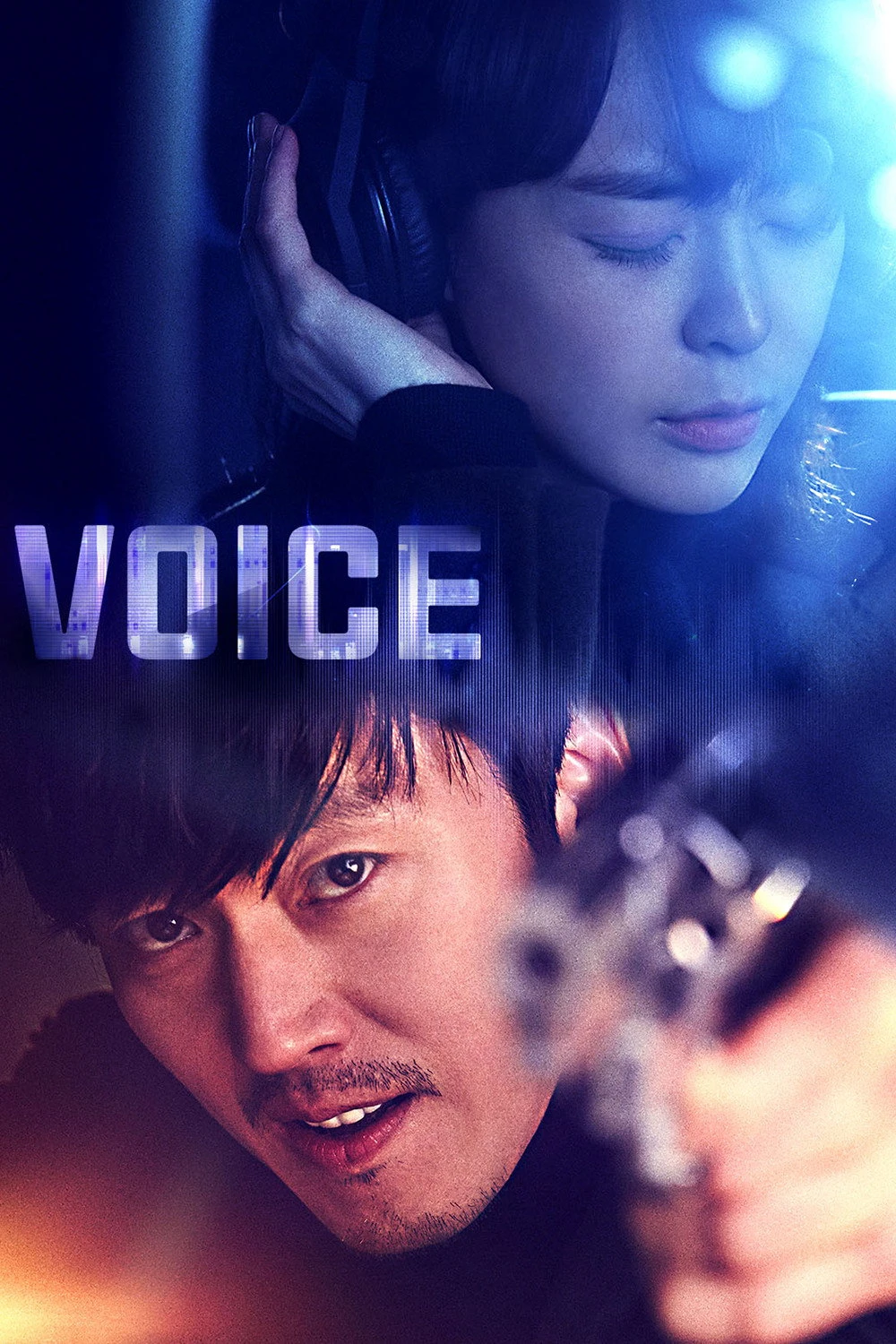 Voice (Season 1)
CorruptionCrime Thriller
Read Full Review →
|
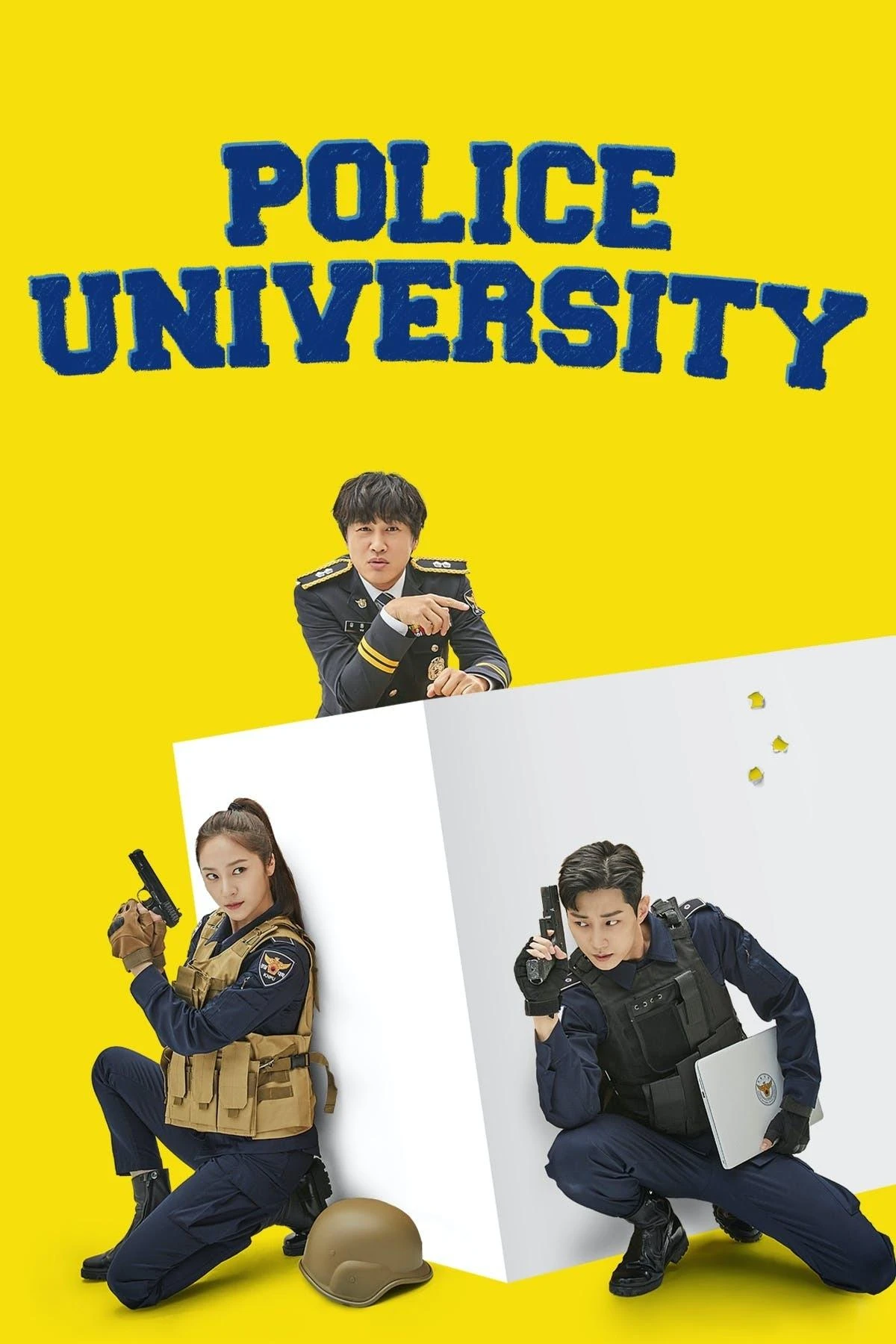 Police University
campus romanceCha Tae-hyun
Read Full Review →
|
 Inspector Koo
cat-and-mouseDark Comedy
Read Full Review →
|











Keep it kind, skip the harsh language, and please — no spoilers. Everyone's taste is different, and that's perfectly fine.
This space is for real reactions and discussion from other viewers. Help keep it comfortable for everyone by not giving away major plot details.
What do you think of this drama?
Login to share your review or leave a comment.
No email needed — just pick a username & password.