
Motel California
🎬 MBC · Vidio
⭐ 8.3 / 10 MDL
🔞 PG-13
📋 Drama Overview
A quick primer before the opening scene.
Ji Gang-hee (Lee Se-young) left her rural hometown twelve years ago with a plan she never shared with anyone, least of all Cheon Yeon-su (Na In-woo) — the quiet veterinarian who stayed at Motel California like she’d never said goodbye. Now she’s back. Not by choice, not triumphantly. Her career in Seoul needs this provincial interior design project, and she told herself the history wouldn’t matter. It matters immediately.
What Motel California gets right that similar homecoming dramas fumble is its insistence on class shame as the real antagonist. Gang-hee didn’t leave because she didn’t love Yeon-su — she left because the motel, the gossip, and the town’s accounting of her worth felt like a ceiling she couldn’t live under. Lee Se-young plays that specific brand of internalized shame with precision: a woman whose professional armor is impeccable and whose emotional posture cracks the moment someone from her past sees through it. Na In-woo’s Yeon-su is the kind of quiet-devoted male lead that MBC melodrama does best — and this is Na In-woo’s most interior performance yet.
12 / 12 ✅ Completed
⚡ Quick Verdict
Skip the scroll — here’s the verdict in one glance.
· MDL Score
▶ Official Trailer
🎭 Cast & Characters
Two leads, one unfinished conversation, and twelve years of silence between them.

Lead

Lead

Supporting
Supporting

Supporting

Supporting

Supporting

Supporting

Supporting

Supporting

Supporting

Supporting
📺 Episode Guide
A spoiler-light refresher, episode by episode.










🏁 Ending Explained
Everything that happens in the finale, explained in full — spoilers ahead.
Spoiler Warning — This section covers the full finale of Motel California. Stop here if you haven’t finished the series.
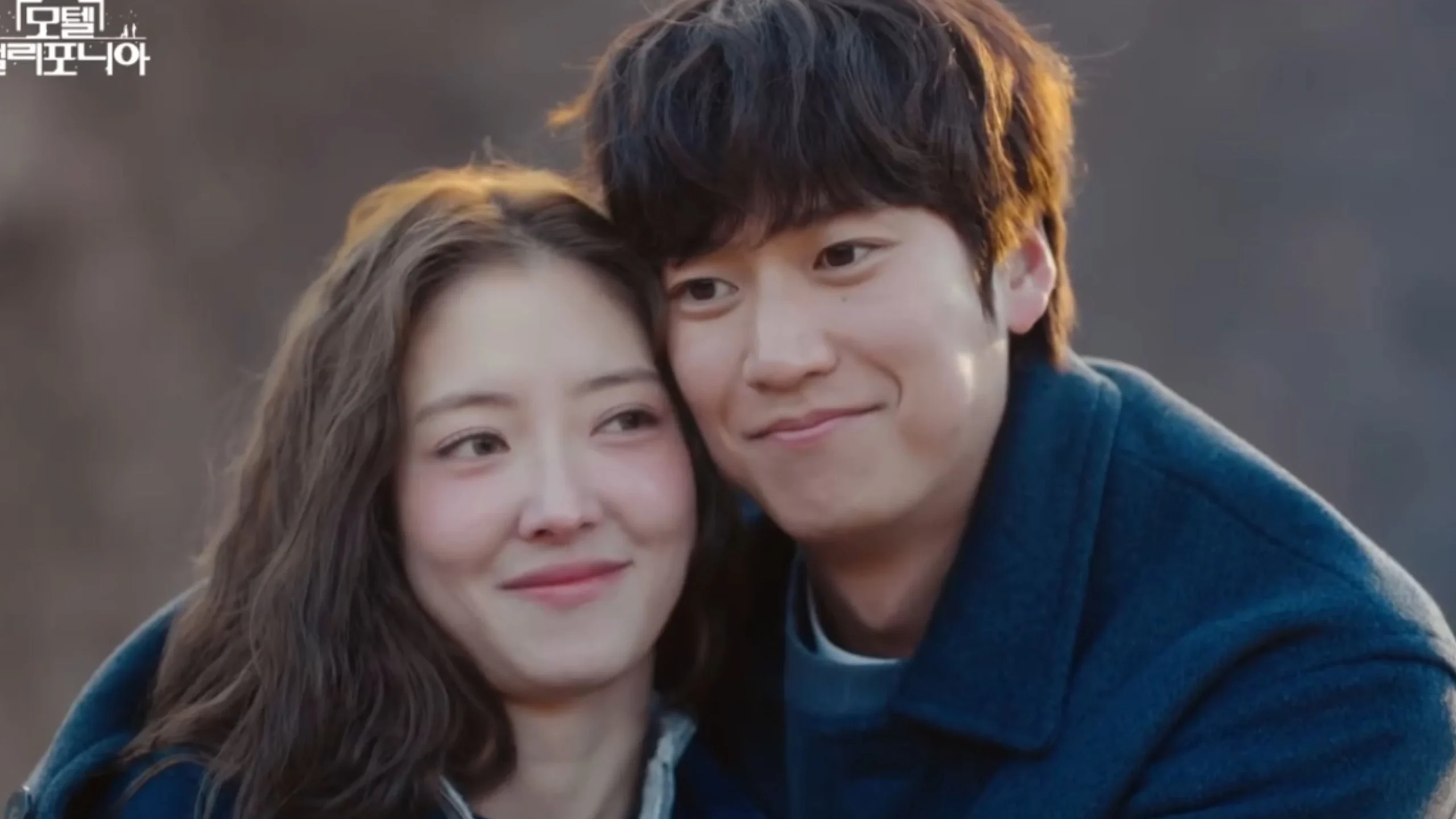
What the finale gives you The final episode resolves its central question without hedging: Gang-hee and Yeon-su end up together. She doesn’t leave for Seoul again. He doesn’t keep waiting in silence. The motel remodeling project that brought her back becomes, in a neat structural irony, the reason she stays — the work she came to complete is now the work she chose. Yeon-su asks nothing dramatic. He simply stops managing his feelings at a distance, and Gang-hee — for the first time since she left — stops running from the answer.

Gang-hee’s arc Gang-hee’s resolution is about shame, not love — and the drama is careful about that distinction. She didn’t leave Yeon-su because she didn’t love him. She left because the motel, the gossip, and the town’s accounting of her worth felt like a verdict she couldn’t appeal. Twelve years in Seoul gave her credentials, a career, and a professional identity — none of which turned off the internal voice that told her she’d started from the wrong place. The ending doesn’t erase that history. It asks her to stop letting it be the last word.
Yeon-su’s resolution Yeon-su’s ending is the more surprising one. He’d been positioned throughout as the devoted waiter — patient, constant, emotionally available in the way that MBC melodrama tends to code as ‘correct.’ What the finale clarifies is that his patience was also its own form of avoidance. He waited because waiting was safer than making a claim that might be refused. The shift in episode nine, when he kissed Gang-hee without apology, was when Yeon-su stopped protecting himself through stillness. The ending confirms that choice: he doesn’t wait for her to return to him. He commits out loud, in front of the town that’s been watching them both.

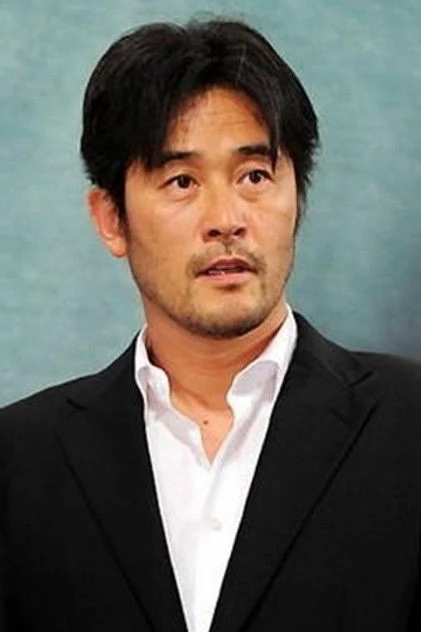
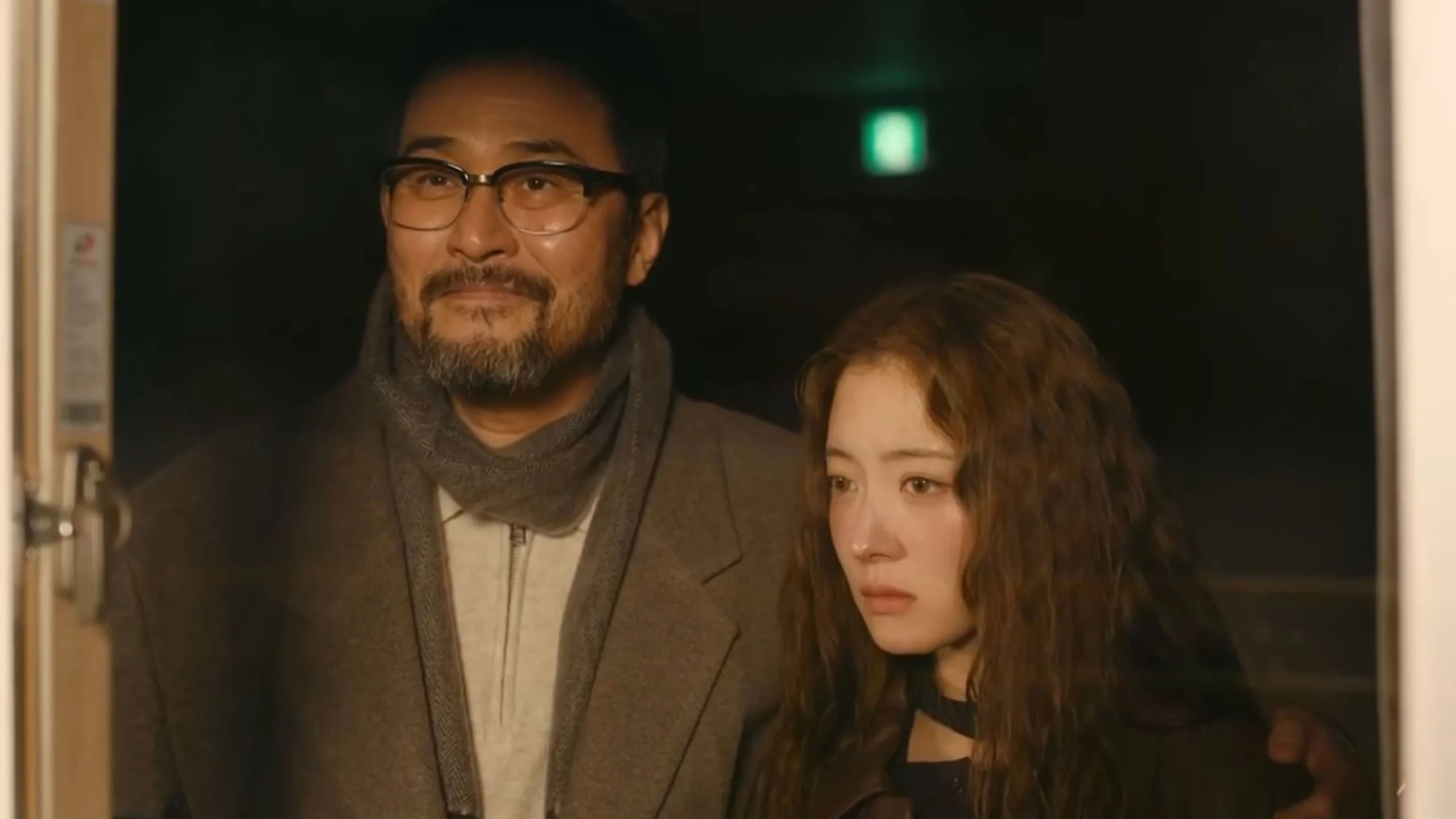
Secondary characters The supporting arcs land with varying weight. Nan-woo’s closure is handled efficiently — the drama never treated her as a genuine threat, and the finale confirms that reading. Her function was always diagnostic: she made Gang-hee confront what she actually felt, and Yeon-su articulate what he’d been suppressing. Geum Seok-gyeong’s storyline ends in the professional register it always lived in; his connection to Gang-hee was the remodeling project, and that project closes. Ji Chun-pil — the father, played by Choi Min-soo with the particular weariness of a man who built a life in a place no one respects — gets the quietest resolution: a daughter who finally stays.
The KDW verdict The title earns its keep in the final episode. A motel isn’t home — it’s a place people pass through, temporarily, on the way to somewhere more permanent. Ji Gang-hee spent twelve years treating Hana Village as that kind of transient space: somewhere she had to leave to become herself. The ending’s argument is that this was always a false choice. The motel gets remodeled, not demolished. Identity gets rebuilt, not erased. Love doesn’t require pretending the damage wasn’t real — it requires deciding to stay anyway.

✍️ KDramaWorlds Editor’s Take
Worth watching or not — our honest read, and who it’s for.
🏚️ Motel as Memory
😤 Pride Was the Villain
🌾 Small Town, Big Wounds
The moment in episode eight that defines Lee Se-young’s performance isn’t a speech. It’s four seconds of her face after Yeon-su steps back from a kiss she initiated. The calculation, the humiliation, and the resigned recognition — I’ve done this before, I’ve been refused before, I left this place because of exactly this — all move through her expression before she rearranges it back into composure. That’s the kind of microperformance that makes you recalibrate what you’ve been watching in lesser dramas. If you admire the restraint she brought to Welcome to Samdal-ri, this is a different emotional register — less warmth, more controlled devastation.

What Motel California understands that its premise siblings miss is that hometown return stories are fundamentally about class shame, not just lost love. The drama locates Gang-hee’s problem not in a man she misses but in the story she tells about where she came from. That specificity separates it from a prettier but less honest Our Beloved Summer-adjacent romance. Na In-woo, for his part, finally has a male lead role with enough interiority to sustain interest — Yeon-su’s patience reads as character rather than placeholder because the script gives him enough scenes where we understand what the waiting actually costs him.
Choi Min-soo as the father deserves a separate mention. He doesn’t play Ji Chun-pil as a simple obstacle or a convenient emotional pressure valve. There’s a man in there who built something real in a place the drama keeps showing us the town looks down on. His scenes with Lee Se-young — two people who are bad at saying what they mean, occupying the same space, trying to figure out if it’s too late — are some of the best in the series. The drama doesn’t give them a clean resolution. It just shows them still there, at the end, trying.
Anyone who ever left their hometown and still wonders about the person they didn’t take with them
Viewers who want slower, quieter MBC romance with real emotional stakes and no manufactured drama
🎬 You Might Also Like
If you liked Motel California, these are your next three watches.
 A Love Other Than Yours
Ahn Eun-jinEmotional Drama
Read Full Review →
|
 Cinderella Game
ChaebolChoi Shang
Read Full Review →
|
 The Light in Your Eyes
Alzheimer'sfamily
Read Full Review →
|

















Keep it kind, skip the harsh language, and please — no spoilers. Everyone's taste is different, and that's perfectly fine.
This space is for real reactions and discussion from other viewers. Help keep it comfortable for everyone by not giving away major plot details.
What do you think of this drama?
Login to share your review or leave a comment.
No email needed — just pick a username & password.