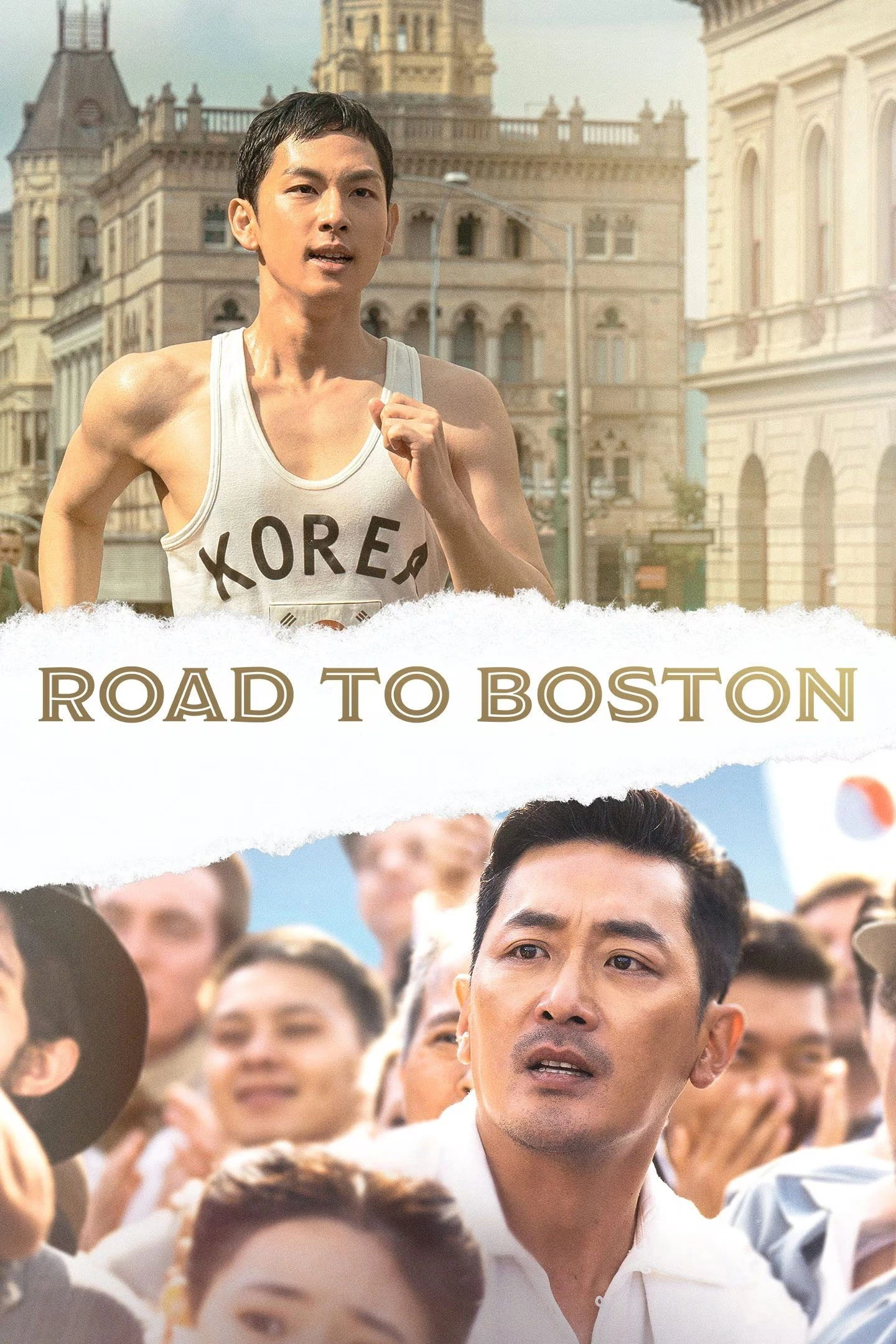
Road to Boston
🎬 Viki · Viu · OnDemandKorea · Prime Video · Tubi · Amasian TV
⭐ 7.1 IMDb
🔞 12+
🎬 Film Overview
TRUE STORY PICK
Sohn Kee-chung won Olympic marathon gold in Berlin in 1936, and it should have been the proudest moment of his life. Instead he stood on the podium under a Japanese flag, his name recorded as a colonial subject’s, his own country nowhere on the record. Eleven years later, with Korea newly liberated but still unrecognized by most of the world, he sees a chance to finish what that podium never let him finish — and he needs a runner good enough to do it.
That runner is Seo Yoon-bok, fast but undisciplined, carrying his own weight in the form of a sick mother and a family that needs him working, not training. Getting the two of them to the 1947 Boston Marathon means scraping together funding nobody wants to give, fighting for a recognition nobody wants to grant, and convincing a very young man that a single race can mean more than just crossing a finish line first.
⚡ Quick Verdict
Everything you need to decide, in one place.
· IMDb
▶ Official Trailer
🎭 Cast & Characters
The runners and coaches who turned a marathon into a declaration.

Lead

Lead

Lead
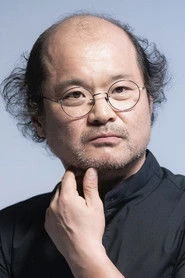
Supporting

Supporting

Supporting

Supporting
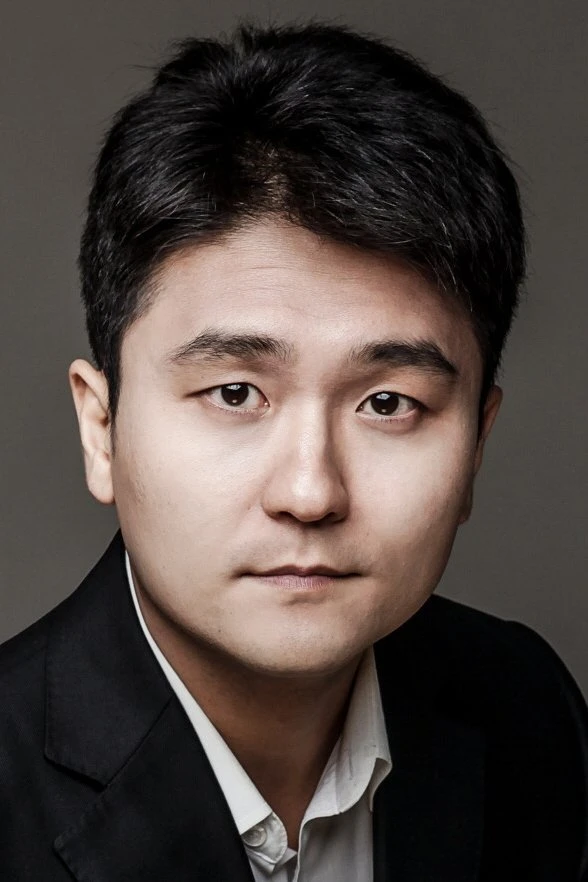
Supporting

Supporting
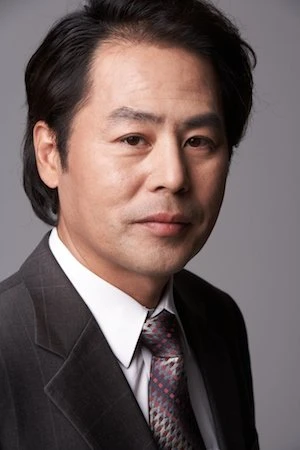
Supporting

Supporting

Supporting
🍿 Where to Watch
Watch Road to Boston on these platforms.
📖 The Story
No spoilers ahead — just enough to see if it fits your taste.
In 1936, Sohn Kee-chung won Olympic marathon gold in Berlin — and had to watch a Japanese flag get raised for it. He bowed his head at the medal ceremony, a small, quiet act of protest that history remembers, but it didn’t change the record books. His name went down as a colonial subject’s victory, not a Korean one, and that unfinished business follows him into middle age.
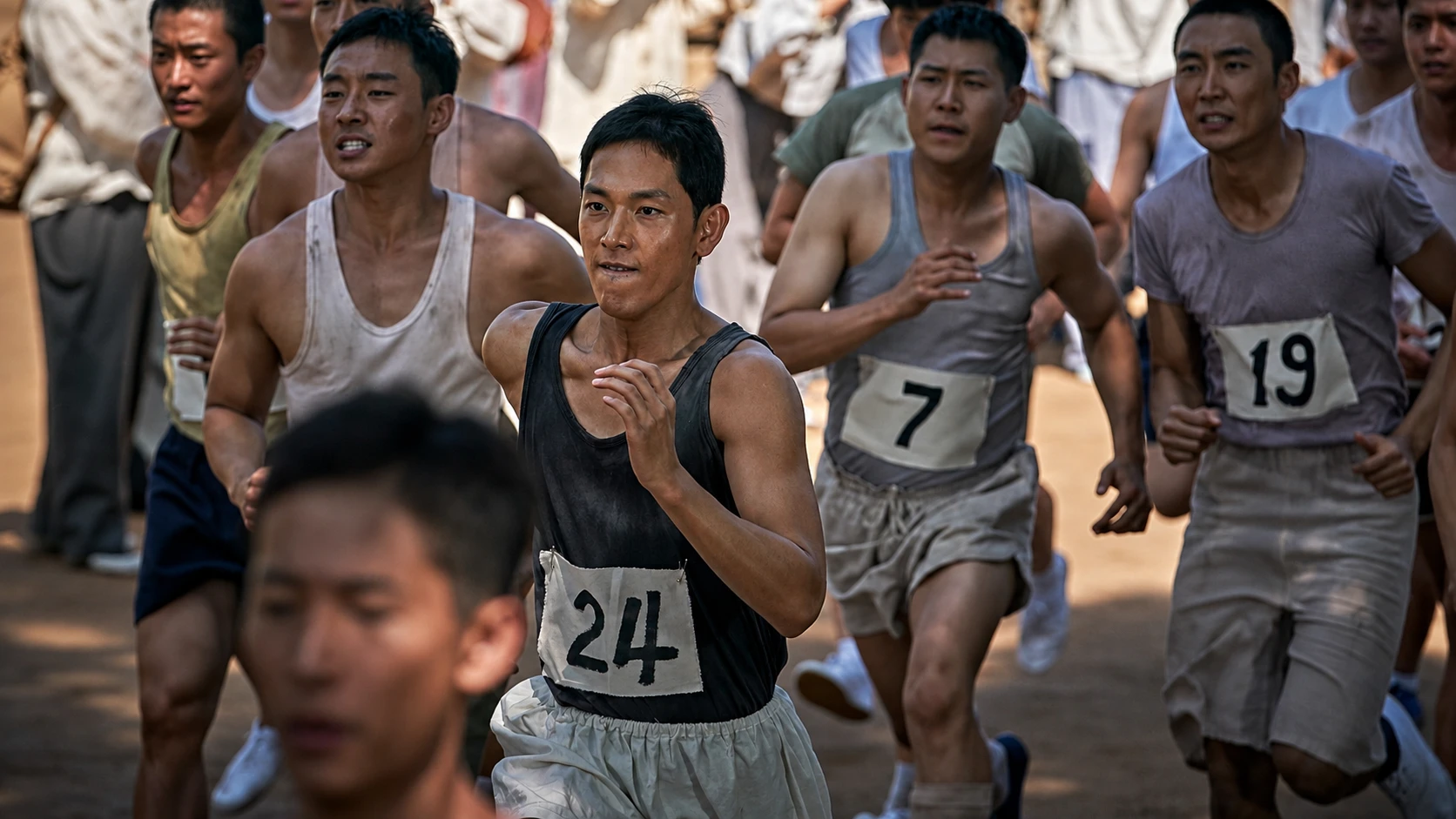
Korea is liberated by 1947, but liberation and recognition aren’t the same thing. The country still doesn’t have a seat at most international tables, sport included, and Sohn is coaching now instead of running, restless in a way that suggests he hasn’t actually let go of Berlin.
He finds his answer in Seo Yoon-bok — fast, raw, and completely unpolished, a young runner more concerned with feeding his family and caring for his sick mother than with anything resembling national destiny. Sohn sees the talent immediately. Getting Yoon-bok to see anything beyond his next meal takes considerably longer.
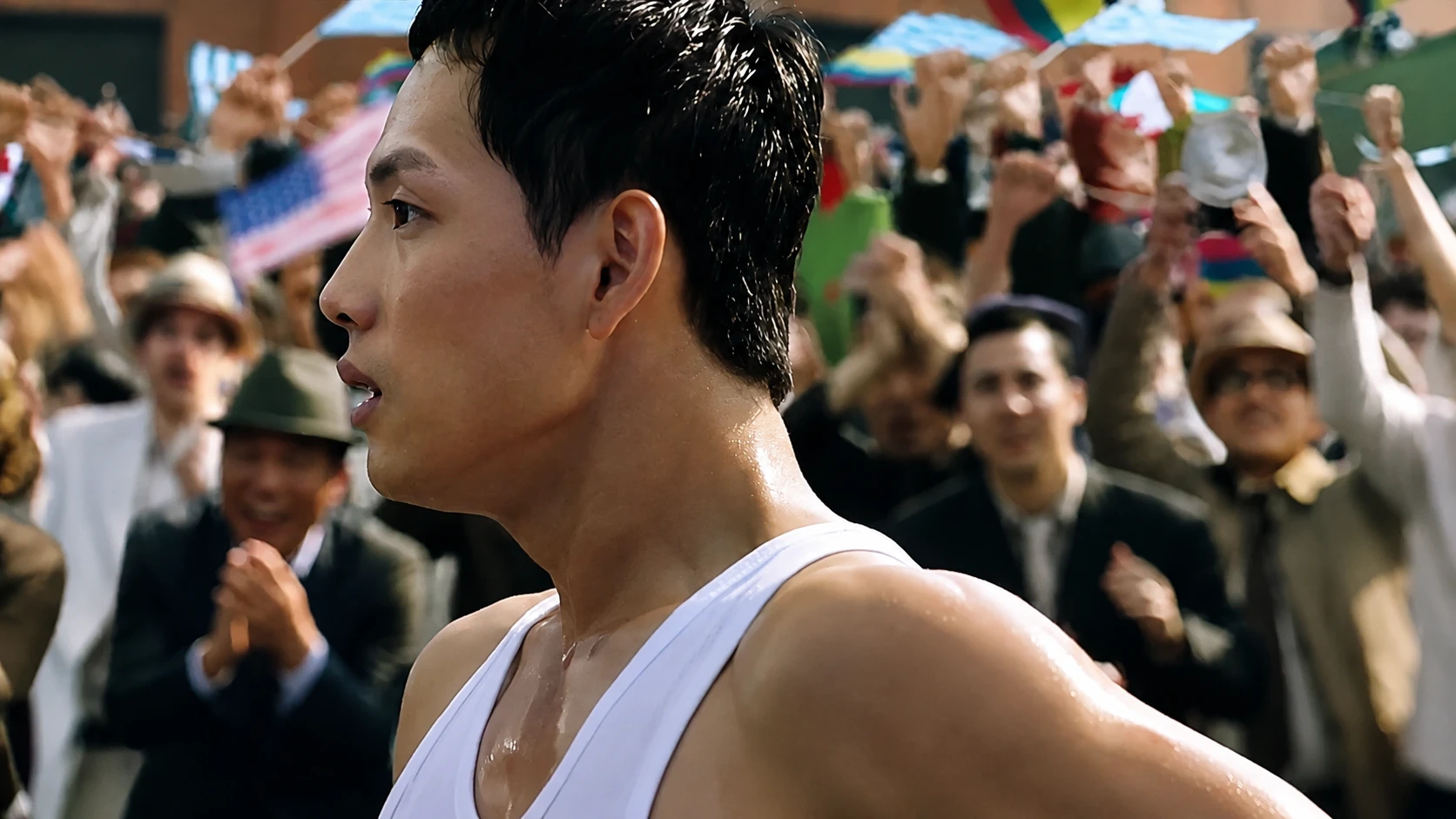
The obstacles start immediately and don’t really stop. There’s no funding, no official athletic body backing the trip, and a newly independent nation that most of the world still isn’t sure how to categorize. Every step toward Boston has to be fought for individually — money, paperwork, plane tickets, credibility.
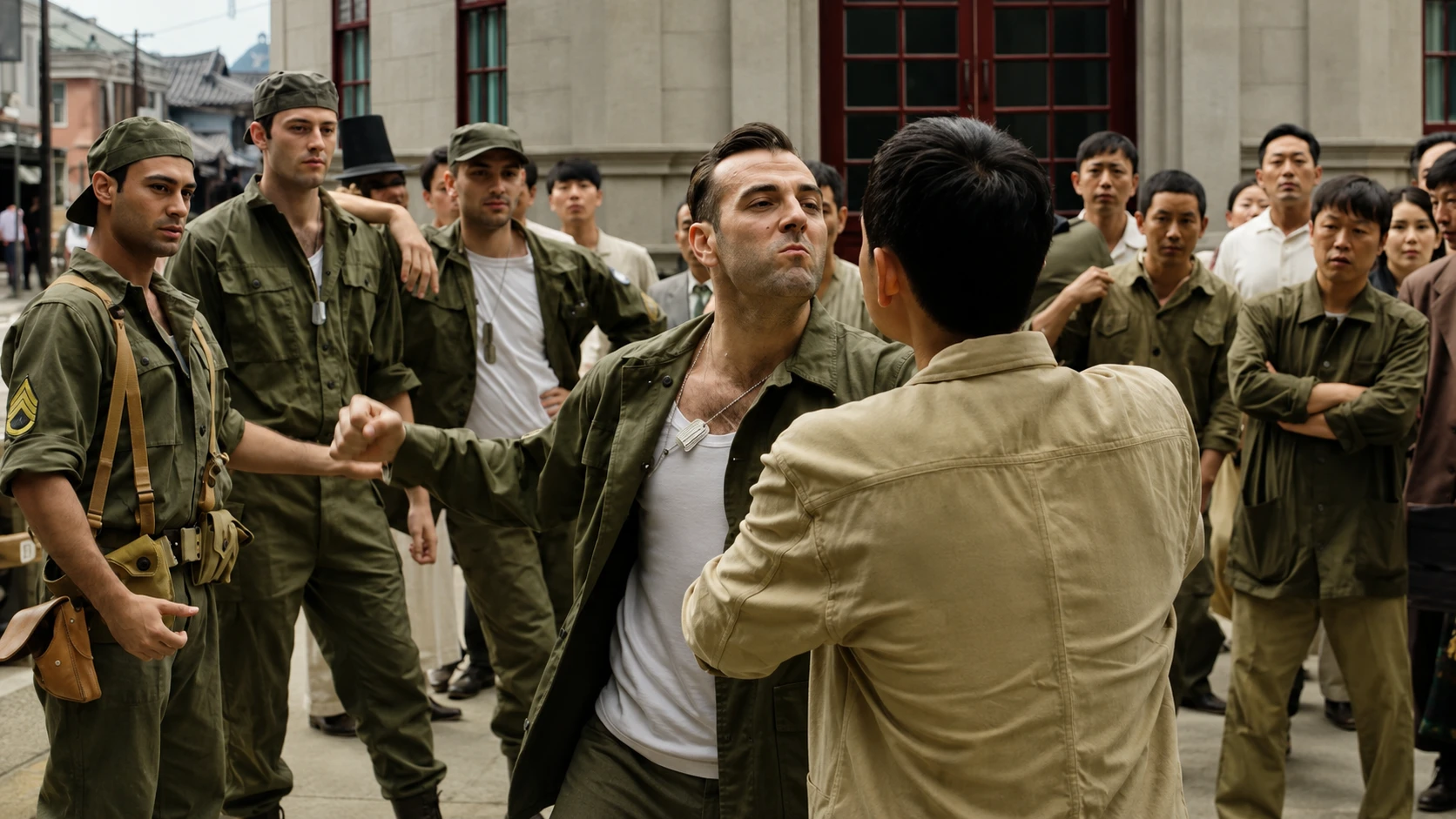
Nam Seung-ryong, another runner who competed under the Japanese flag in 1936, joins as a second coach, and the team eventually makes it stateside. America is unfamiliar and occasionally hostile territory, and the film spends real time on how disorienting it is to represent a country that barely has diplomatic standing yet.
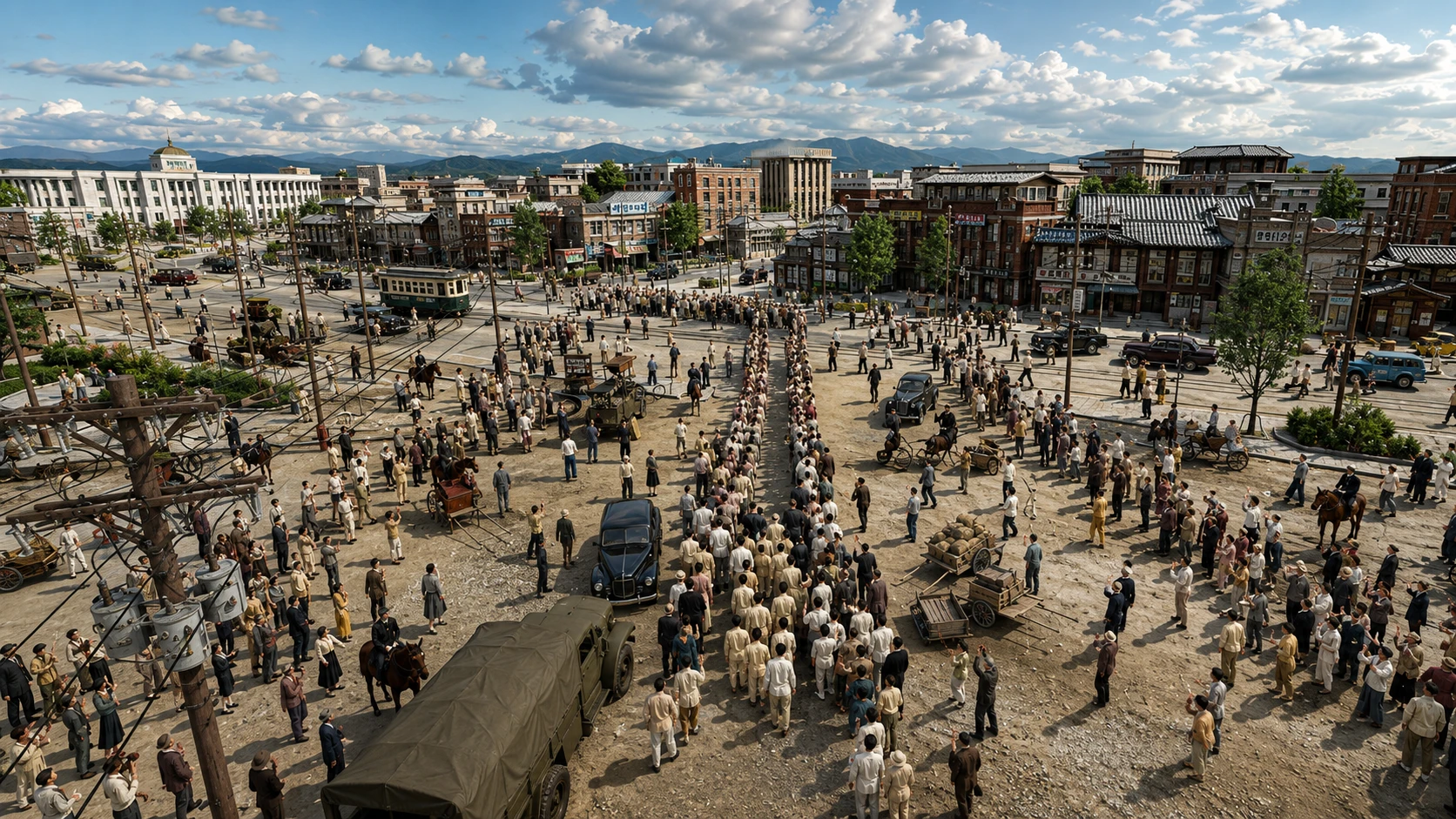
Doubt creeps in as race day approaches, on both sides of the coach-runner relationship. Sohn wonders whether he’s put too much of his own unresolved history onto a twenty-something who just wants to run. Yoon-bok wonders whether he can carry what’s being asked of him at all.
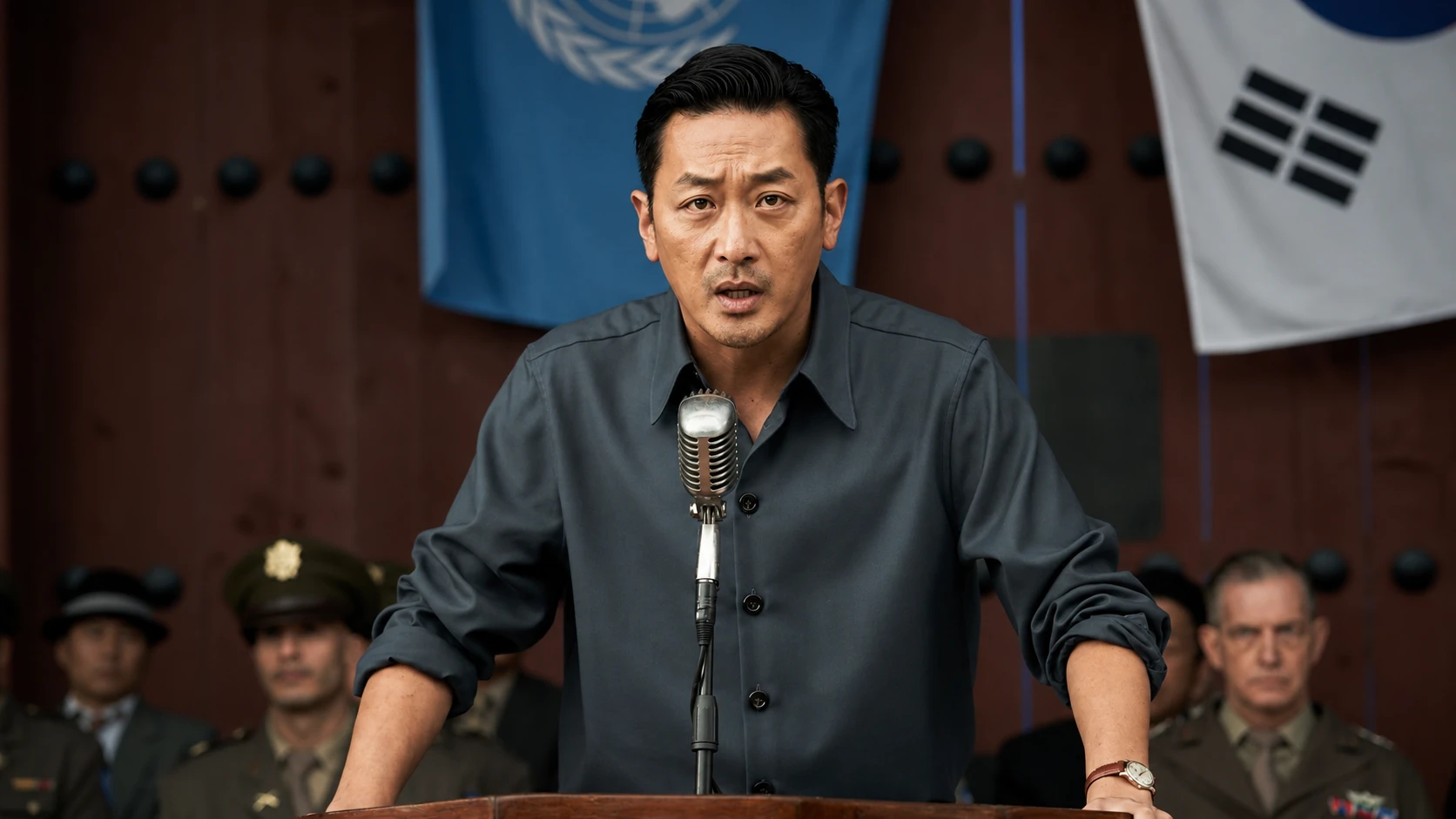
Then it’s race morning, and for the first time, a Korean runner steps to a marathon starting line under Korea’s own flag. Whatever happens over the next 26.2 miles, that alone is already the thing Sohn has been chasing since 1936.
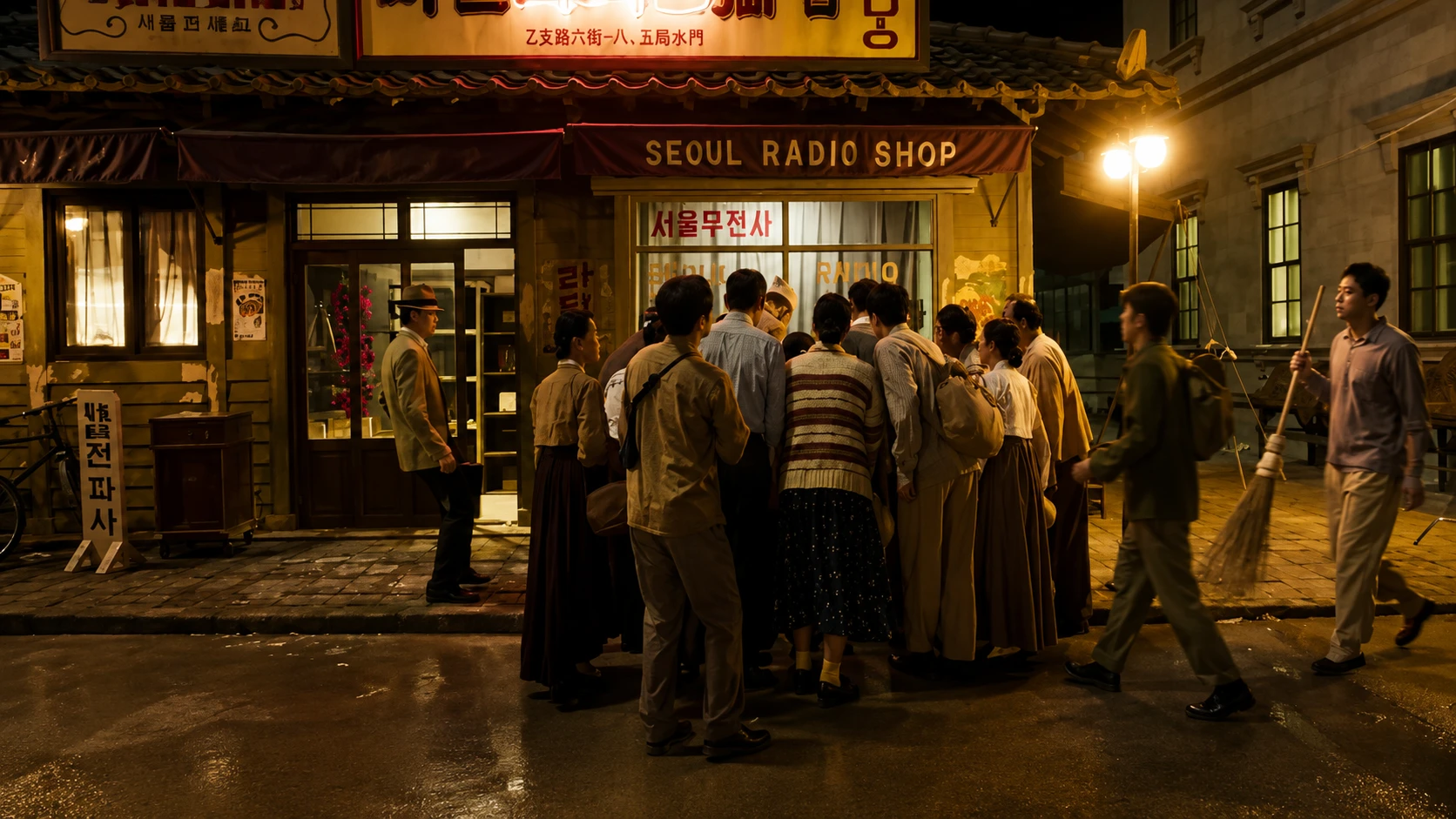
🏁 Ending Explained
Spoiler territory from here — the ending, fully unpacked.
Full Spoilers Ahead — This section covers the complete ending of Road to Boston. Stop here if you haven’t watched.
What actually happens Seo Yoon-bok runs the race of his life. A stray dog nearly costs him everything when he trips and falls mid-race, but he pulls himself up, finds a late surge, and overtakes the field in the final stretch to cross the finish line first. He stands on the podium in a uniform with the Korean flag on it, and the Korean anthem plays for the first time at an event like this.
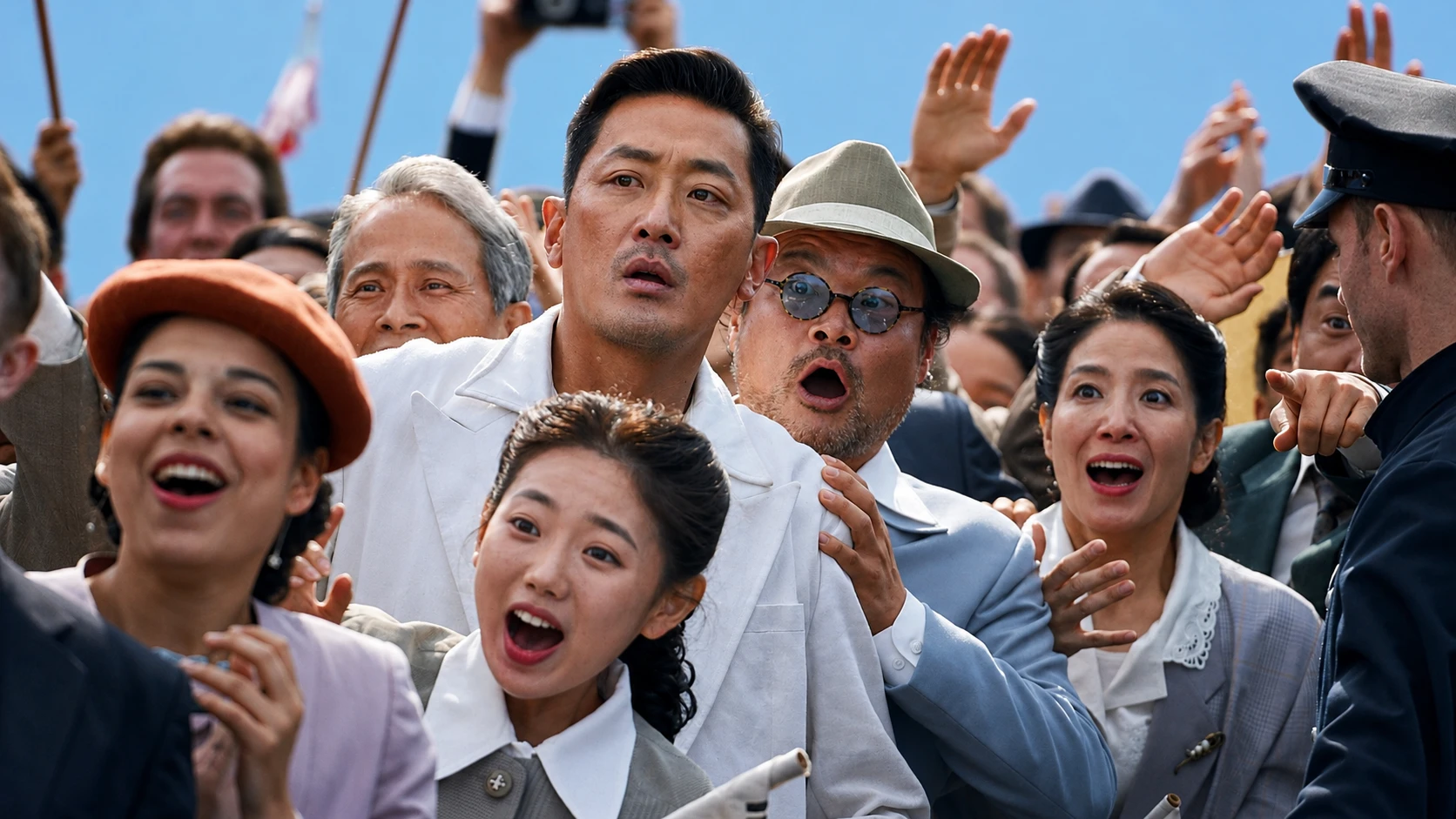
For Sohn, this is the moment Berlin never gave him. He doesn’t run this race, but he’s finished it all the same — through a runner wearing the flag he was denied in 1936. The film treats his reaction as the emotional center of the finish line, not Yoon-bok’s.
What the win actually settles — and what it doesn’t Road to Boston is upfront that this victory is symbolic first and political second. Korea’s international standing in 1947 doesn’t change because one marathon went well, and the film doesn’t pretend otherwise. What changes is smaller and, the film argues, no less real: a flag was worn, an anthem was played, and a country got to watch itself win something on its own terms.
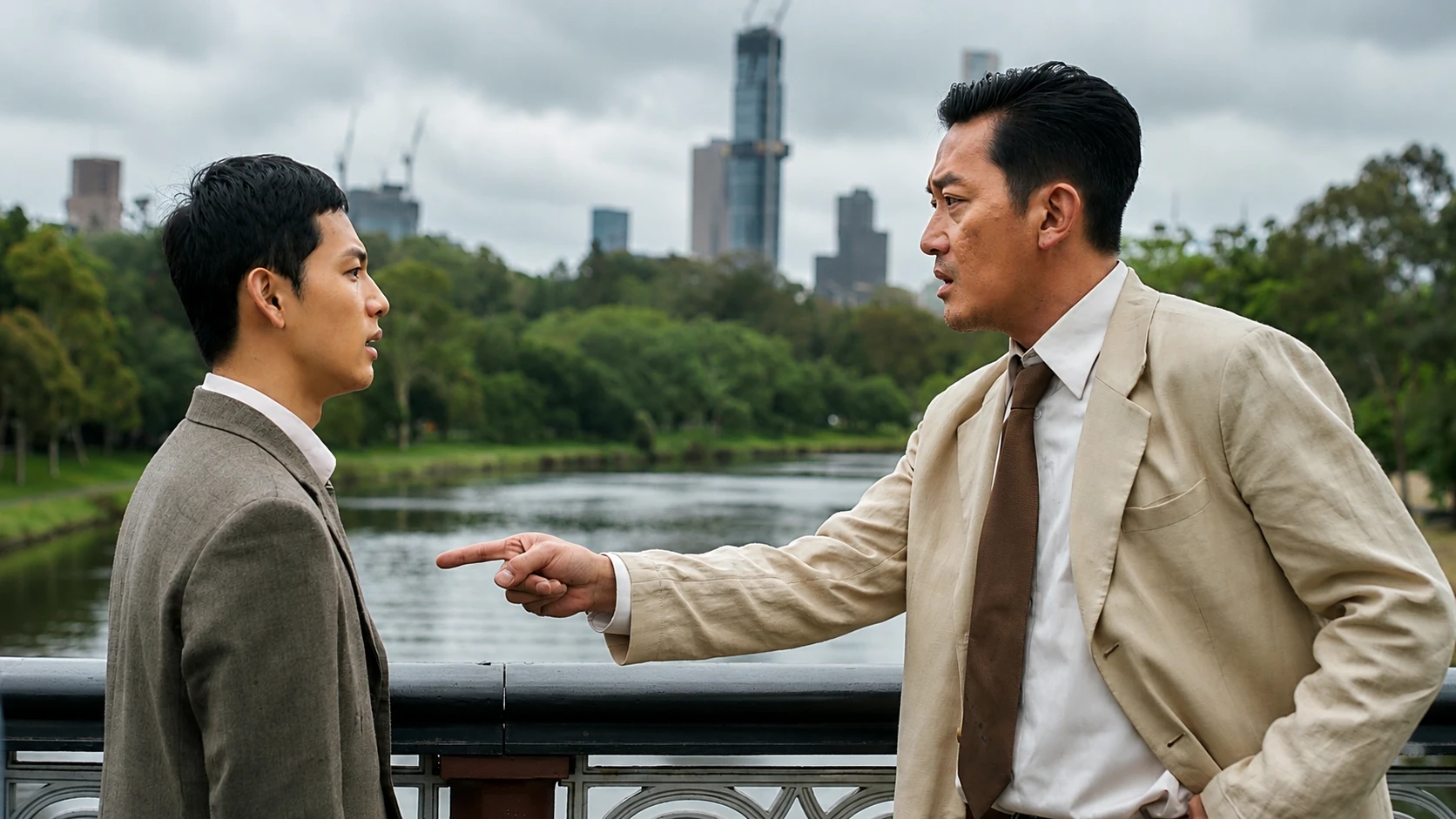
That framing reshapes the opening scene once you know where it’s headed. Sohn’s bowed head at the 1936 medal ceremony wasn’t just a private moment of protest — it was the seed of everything that follows, eleven years of waiting for a chance to answer it properly.
The KDW verdict The film knows exactly what kind of victory it’s selling, and it doesn’t oversell the politics to get there. Road to Boston earns its ending by spending two hours on how much work — financial, physical, and emotional — it took just to get two men to a starting line most countries would have taken for granted.
✍️ KDramaWorlds Editor’s Take
Our genuine take on whether it’s worth your time, and who it’s for.
Kang Je-gyu
Known for: Kang Je-gyu is the director behind Shiri and Taegukgi, two of the films that helped define the modern Korean blockbuster in the late ’90s and early 2000s. Road to Boston is a quieter, more restrained project than either of those, but it carries the same instinct for building a big, emotional national story around a handful of specific, personal relationships.
Ha Jung-woo plays Sohn Kee-chung with a stillness that does a lot of quiet work — he’s not chasing a big emotional monologue about 1936, he just carries it, visibly, in how he watches Yoon-bok run. Yim Si-wan gets the flashier arc, from undisciplined talent to a runner who understands what he’s actually representing, and he sells the shift without overplaying it. For another Korean history film that turns one man’s defiance into a national story, Harbin works a similar seam from a much darker angle.
Kang Je-gyu shoots the marathon itself with real scale — wide, physical, unglamorous in the right ways — and it’s the strongest stretch of the film precisely because it trusts the running to carry the emotion instead of the score doing all the lifting. It’s a different register than the ensemble tension of a based-on-real-events thriller like Hijack 1971, but both films share that same commitment to a specific, under-told slice of Korean history.
This is a film that knows its own genre and doesn’t apologize for it. If you’ve made peace with the prestige sports-biopic formula, Road to Boston executes it about as well as it can be executed — and the history underneath it is specific enough to make the familiar shape feel earned rather than borrowed.
🎬 You Might Also Like
If you liked Road to Boston, these are your next three watches.
 Under the Gun
coming of ageFamily Crisis
Read Full Review →
|
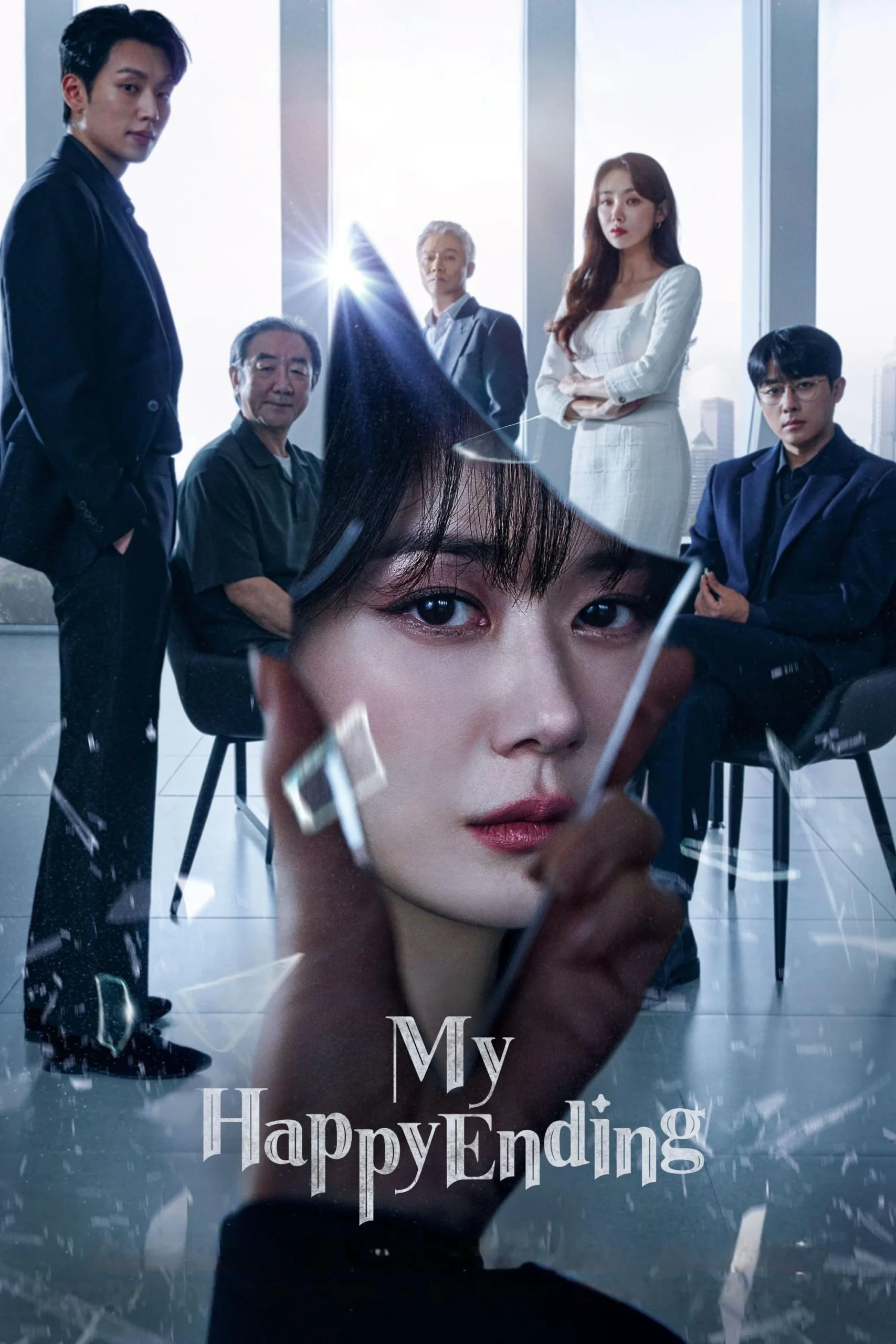 My Happy Ending
ChaebolJang Na-ra
Read Full Review →
|
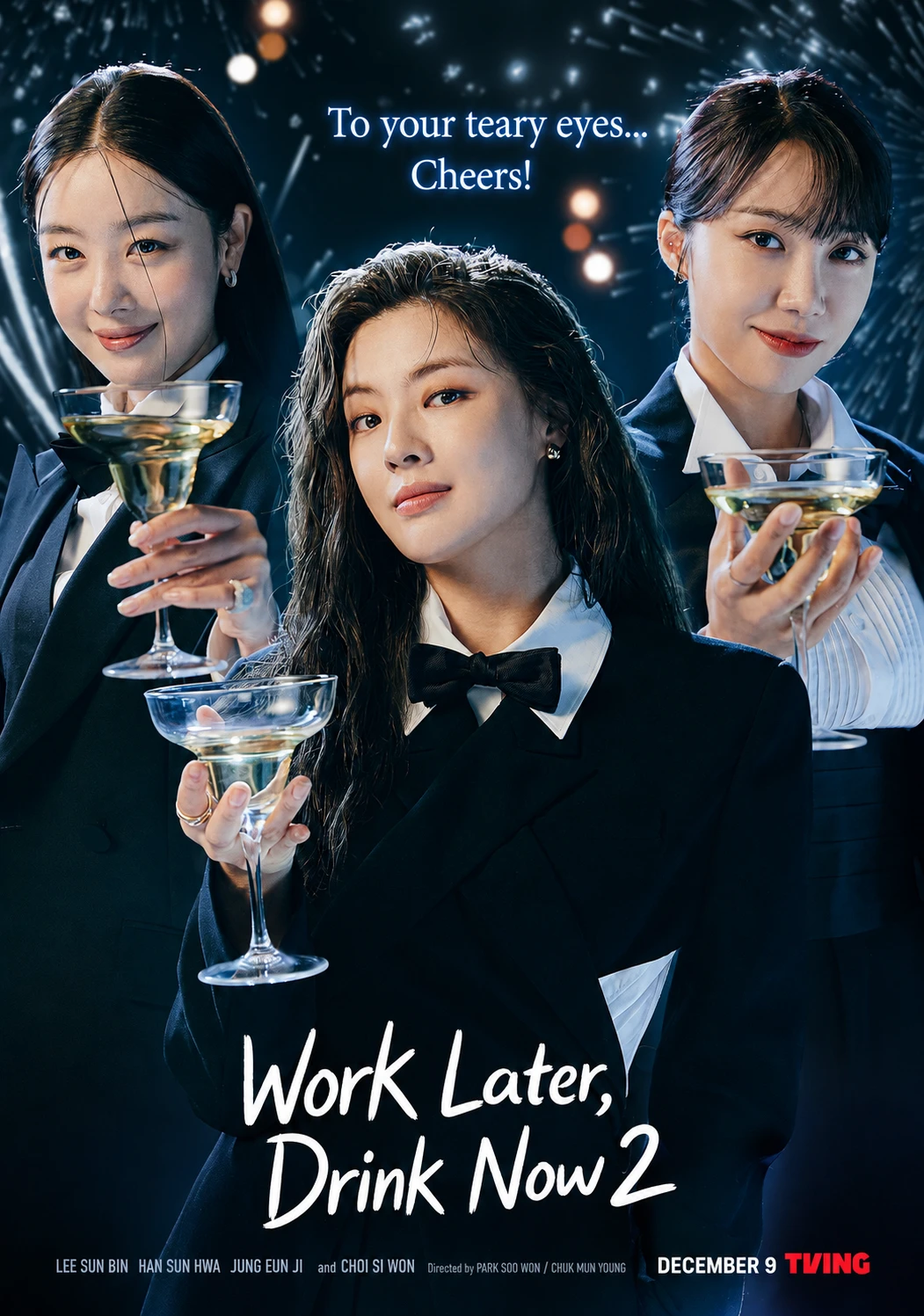 Work Later, Drink Now (Season 2)
comedyDrama
Read Full Review →
|














Keep it kind, skip the harsh language, and please — no spoilers. Everyone's taste is different, and that's perfectly fine.
This space is for real reactions and discussion from other viewers. Help keep it comfortable for everyone by not giving away major plot details.
What do you think of this drama?
Login to share your review or leave a comment.
No email needed — just pick a username & password.