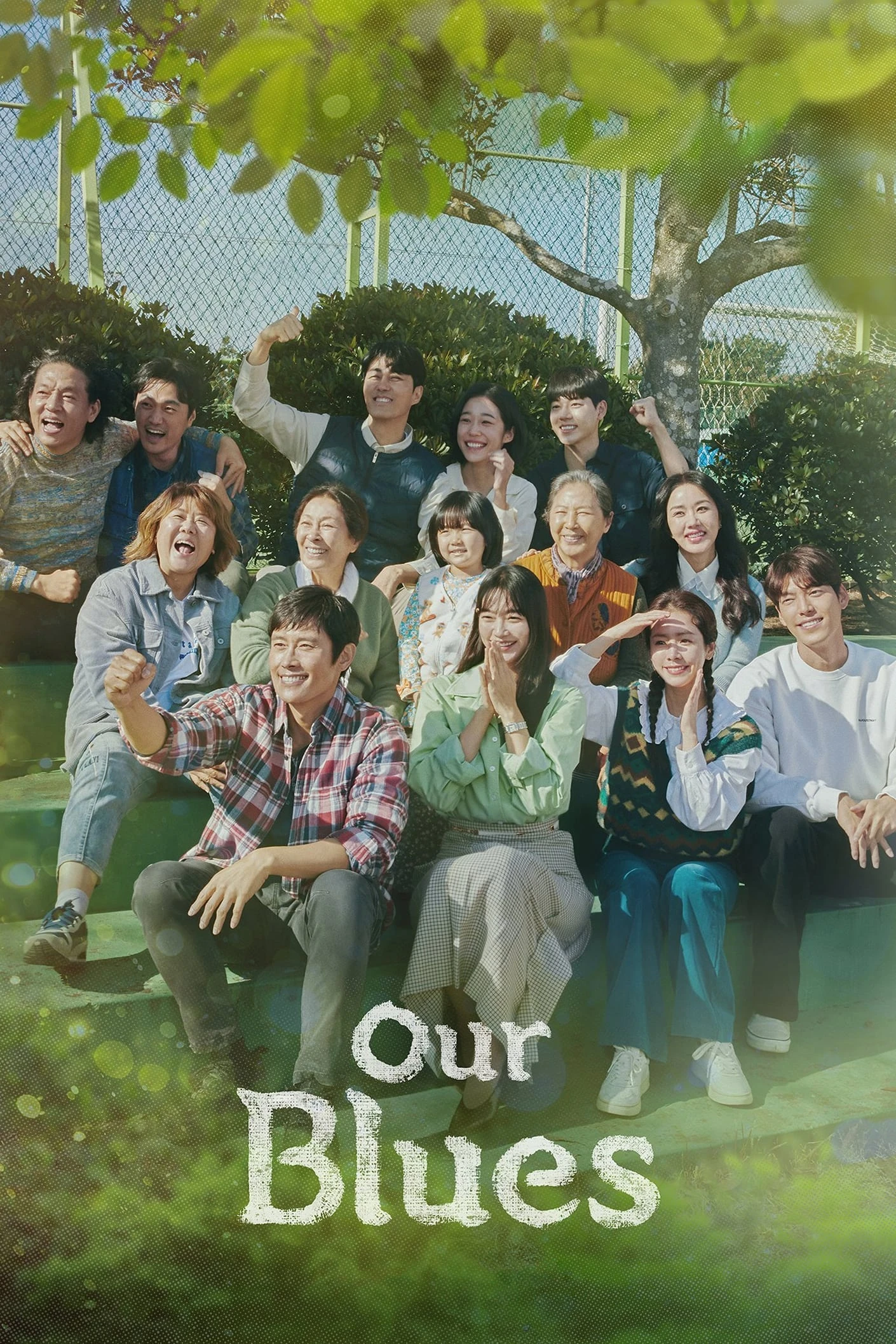
Our Blues
🎬 Netflix · Viki
⭐ 8.6 / 10 MDL
🔞 15+
📋 Drama Overview
The short briefing before you dive in.
💙 Slice of Life Gem
Viki
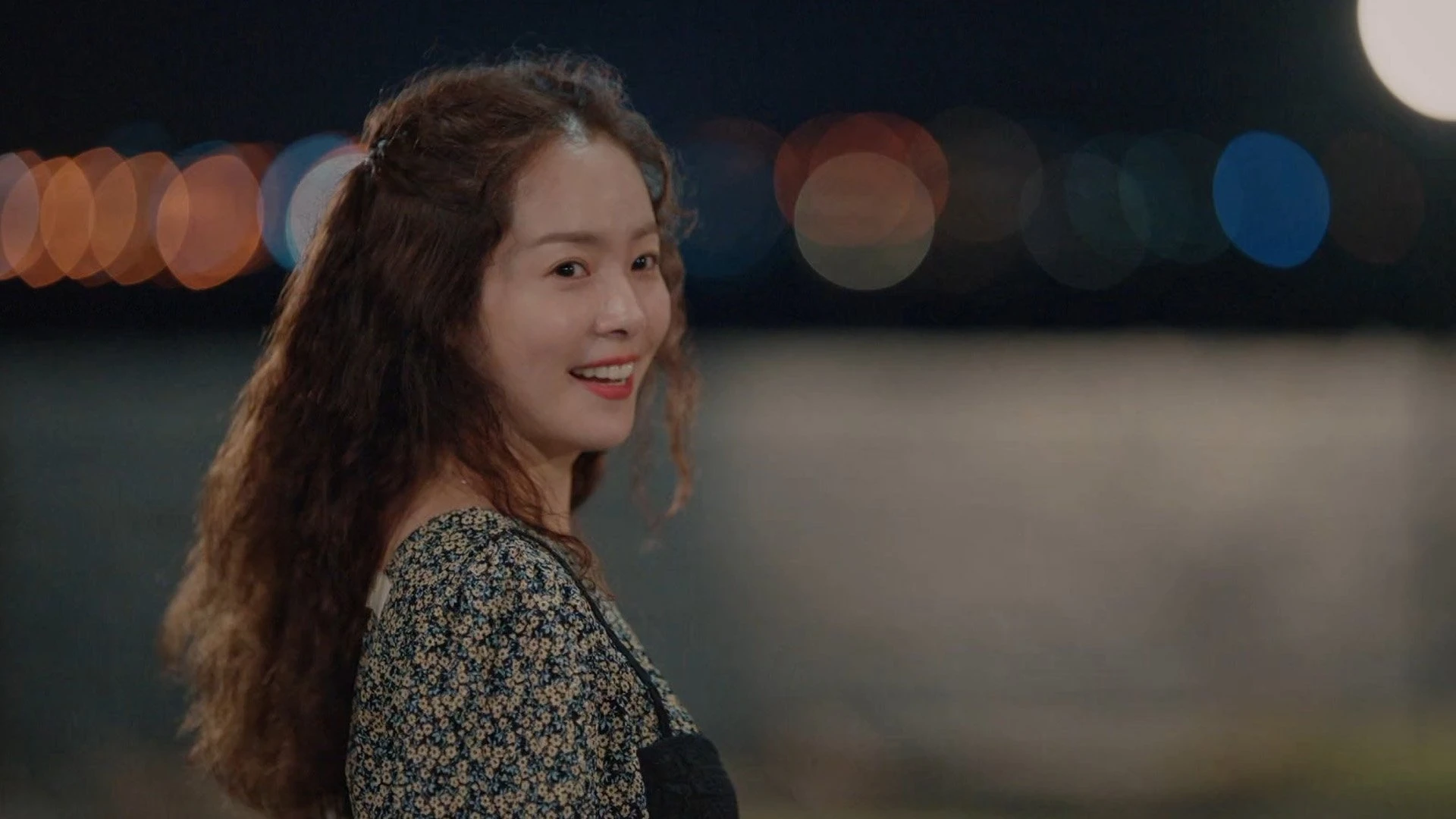
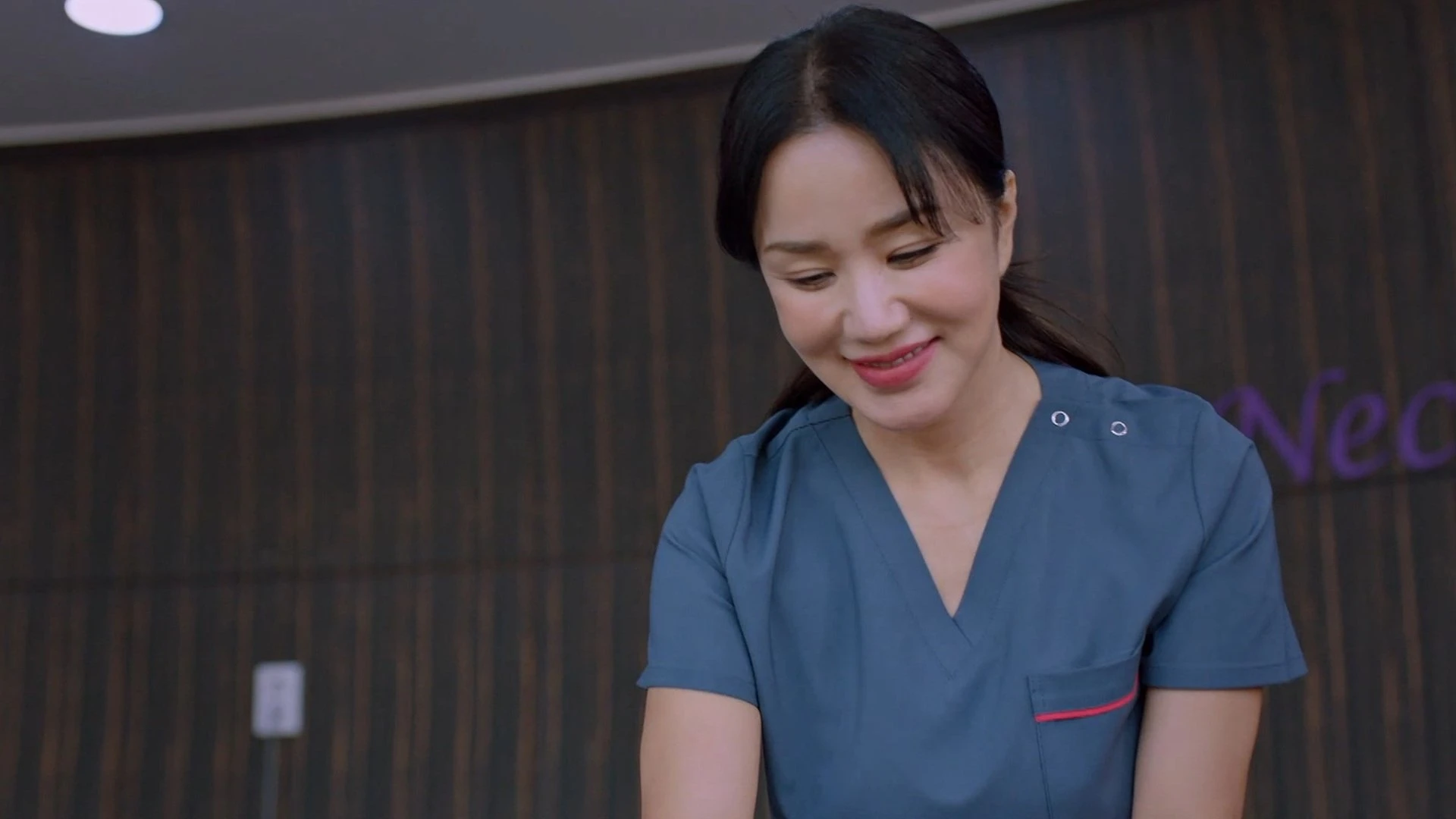
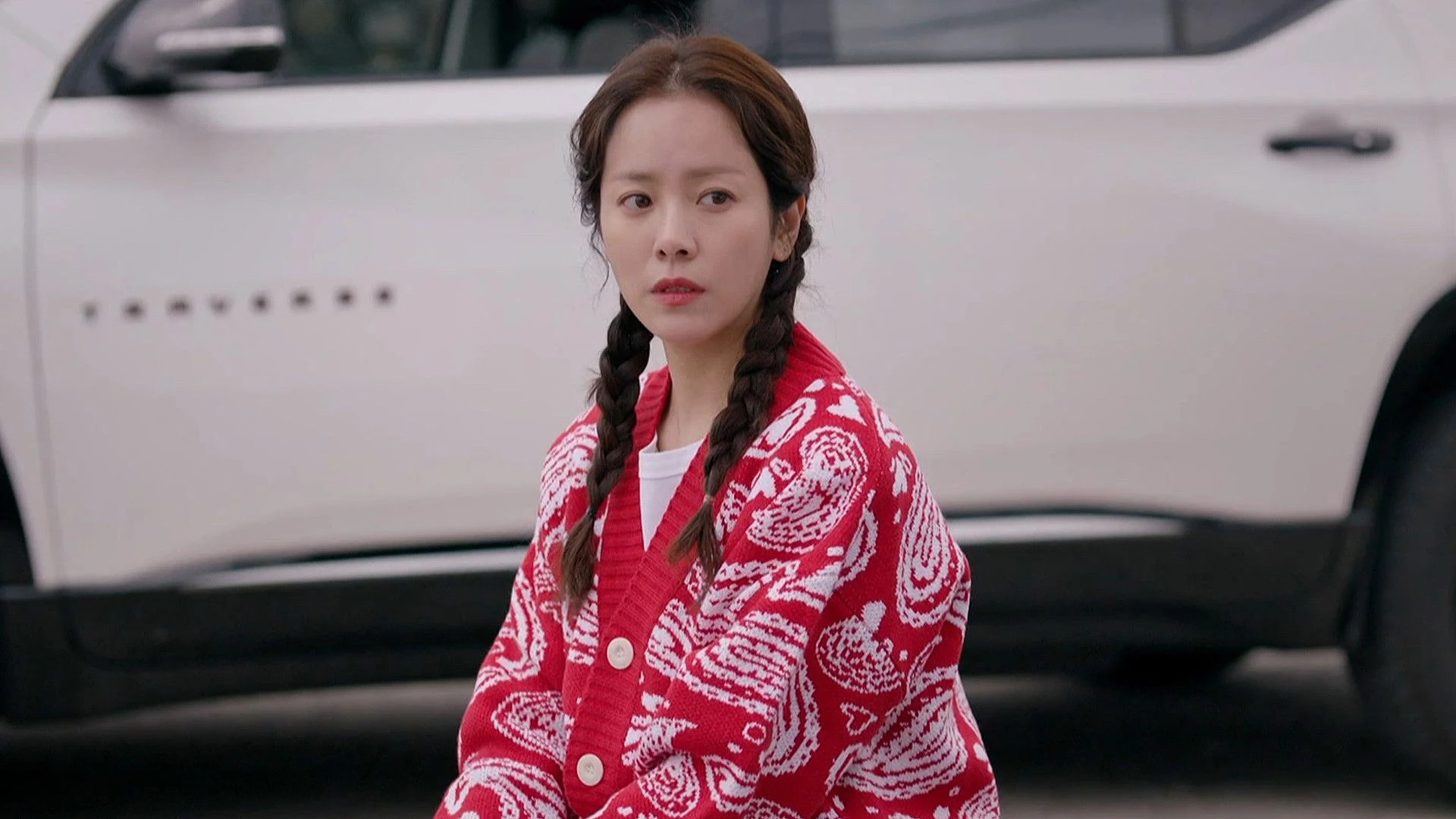
Our Blues is an omnibus-format drama set against the stunning backdrop of Jeju Island — a place where the sea holds secrets, and everyone on its shores is carrying something. Rather than following a single pair of leads, the drama cycles through five interlocking story arcs: a fish market owner who reconnects with her first love after decades apart, a gruff boat captain who falls for the most headstrong haenyeo diver in the diving group, two high school students who discover an unplanned pregnancy and must figure out what comes next, a woman quietly battling depression who returns to face a man from her painful past, and an itinerant vendor with a cold fury toward his dying mother — a grudge he has nursed for thirty years and may never fully set down.
What makes Our Blues extraordinary isn’t its plot — it’s its insistence that every single character, regardless of age, background, or screen time, is the protagonist of their own story. From the teenagers scrambling to buy a pregnancy test to the elderly haenyeo women who have watched each other age for decades, writer Noh Hee-kyung gives every arc its own emotional logic and its own kind of heartbreak. The drama doesn’t ask you to root for one couple. It asks you to recognize yourself somewhere in the crowd.
20 / 20 ✅ Completed
⚡ Quick Verdict
The whole verdict, boiled down to one box.
· MDL Score · 18,341 ratings
▶ Official Trailer
🎭 Cast & Characters
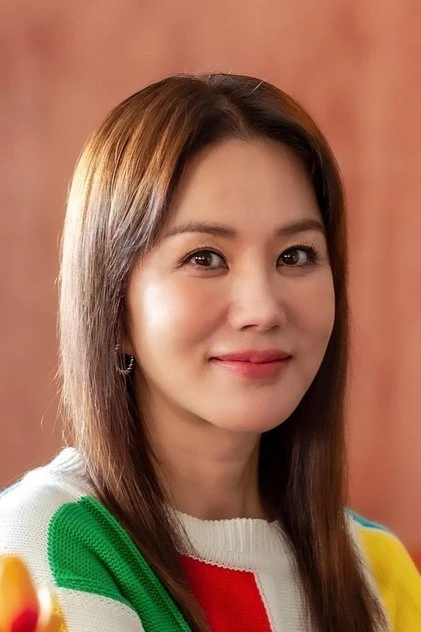
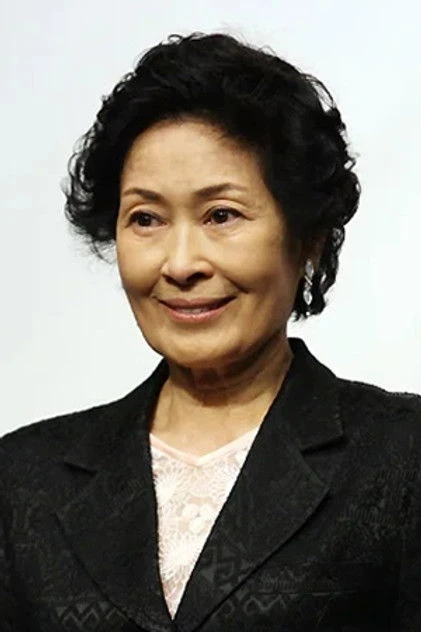
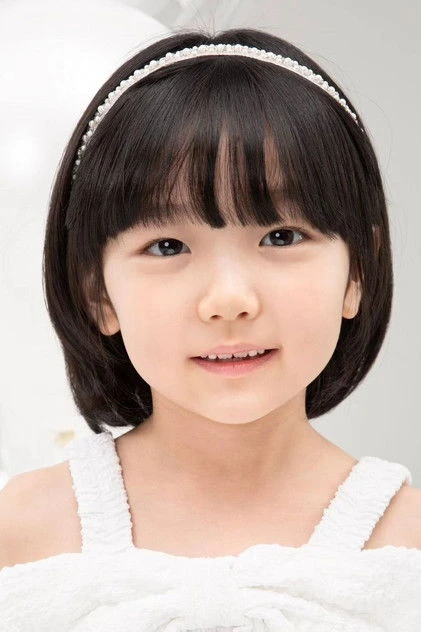
Twelve performances, five storylines — every single one worth your full attention.
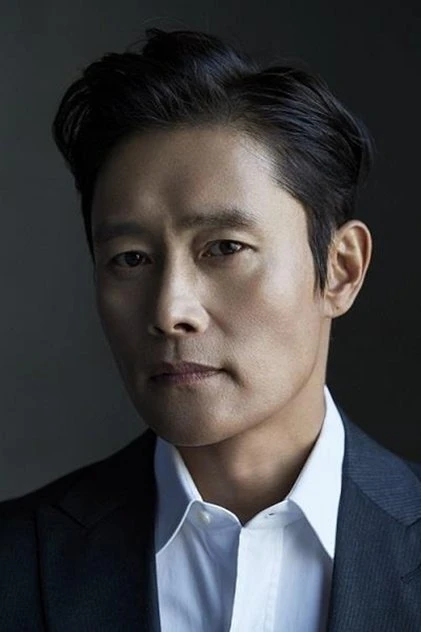
Lead

Lead
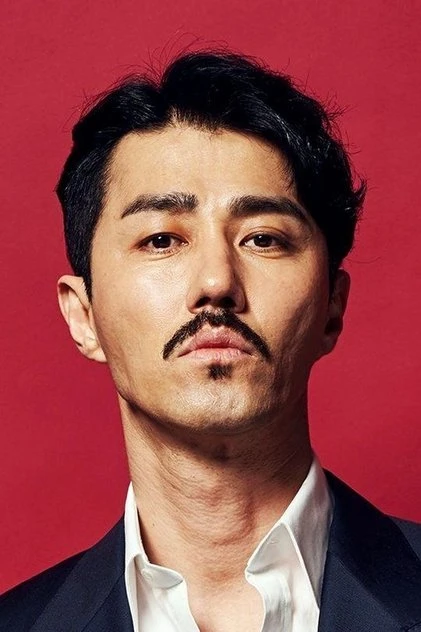
Lead
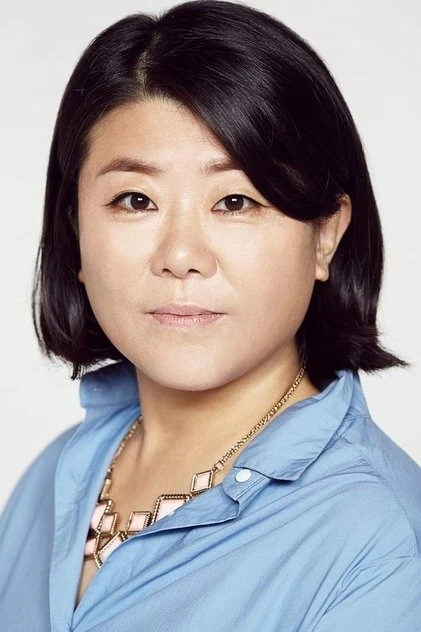
Lead
Lead

Lead

Lead
Supporting
Supporting
Supporting

Supporting
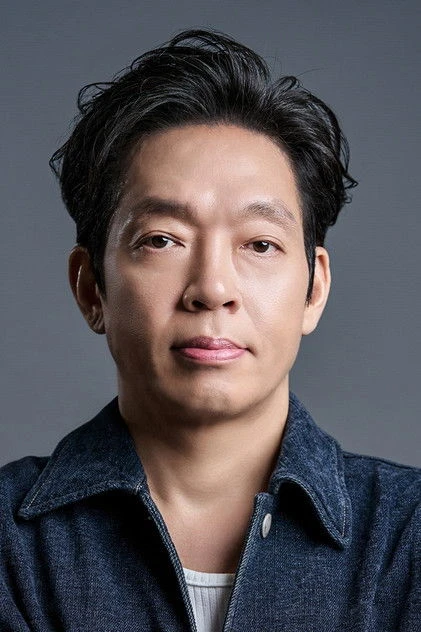
Supporting
📺 Episode Guide
Spoiler-light recaps — five storylines, twenty episodes, one island that holds them all.
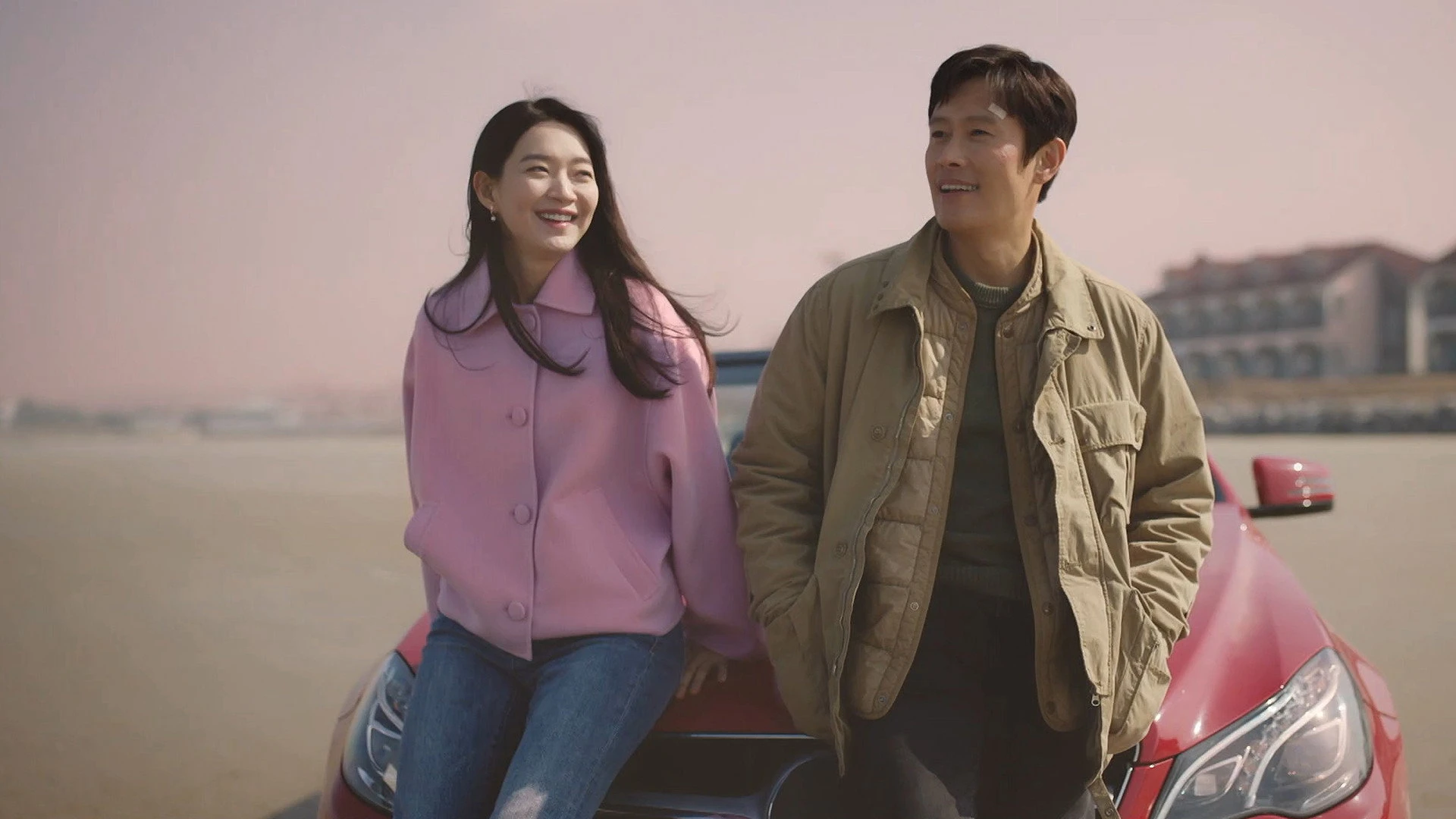
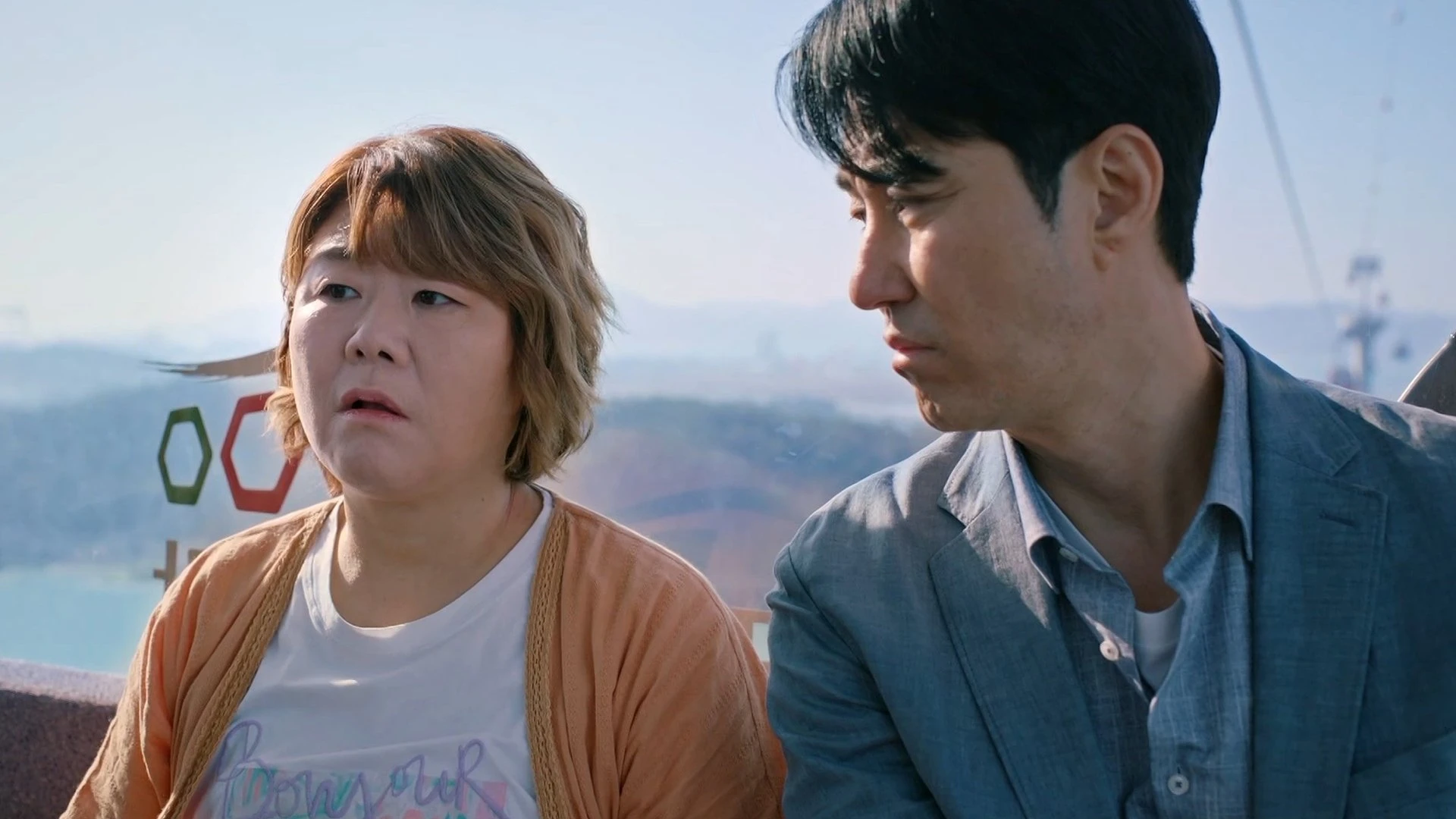
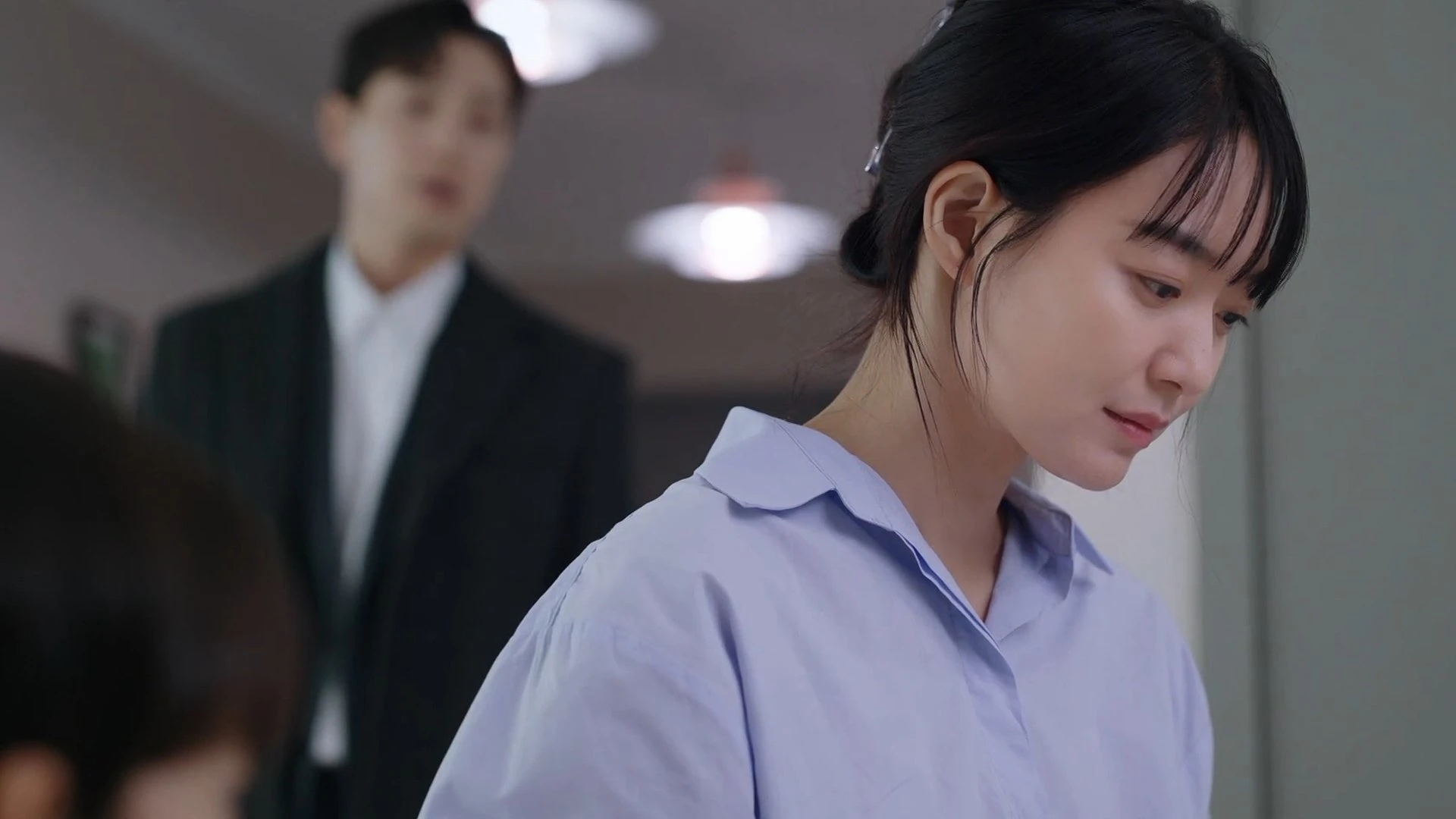
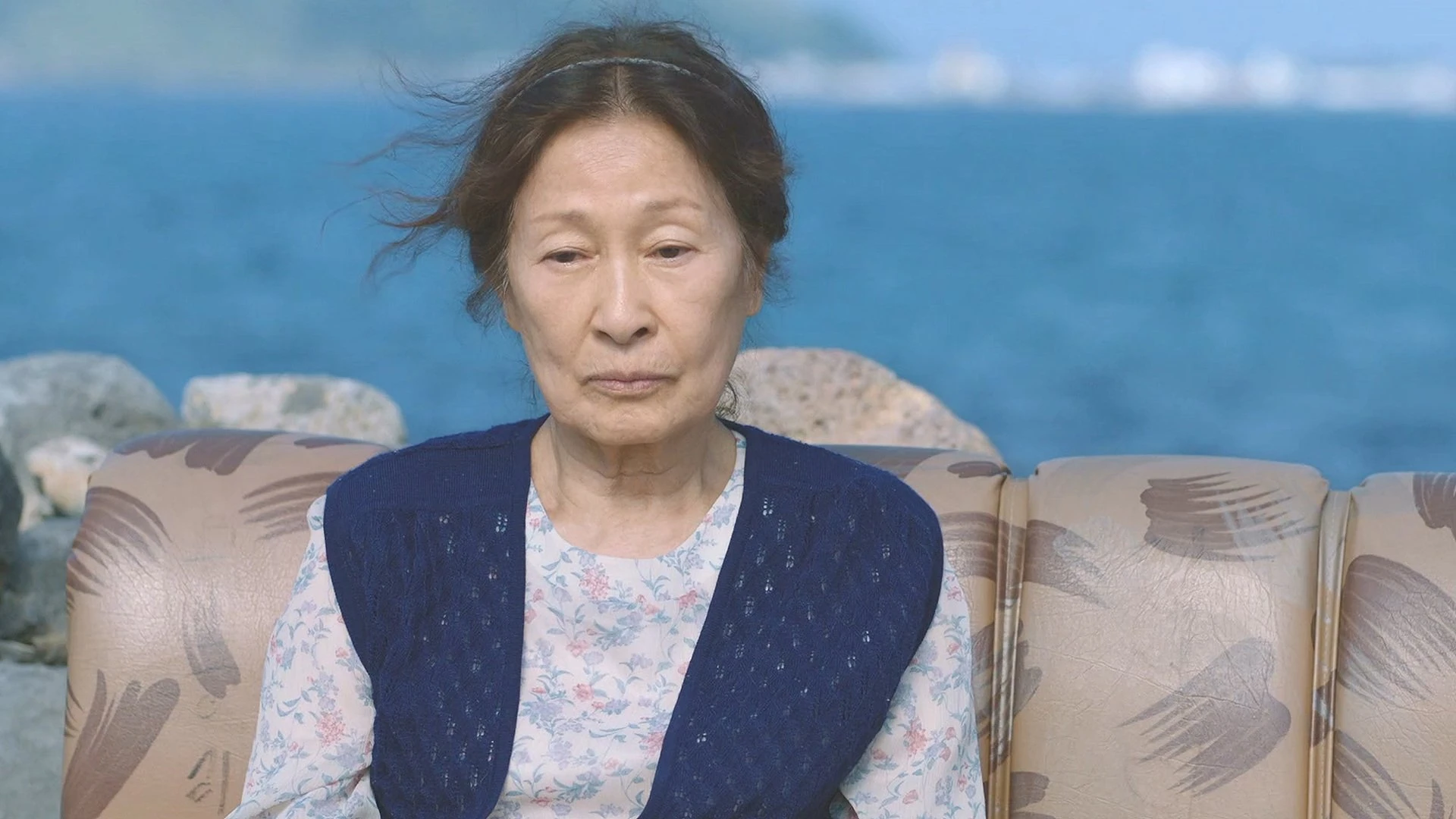
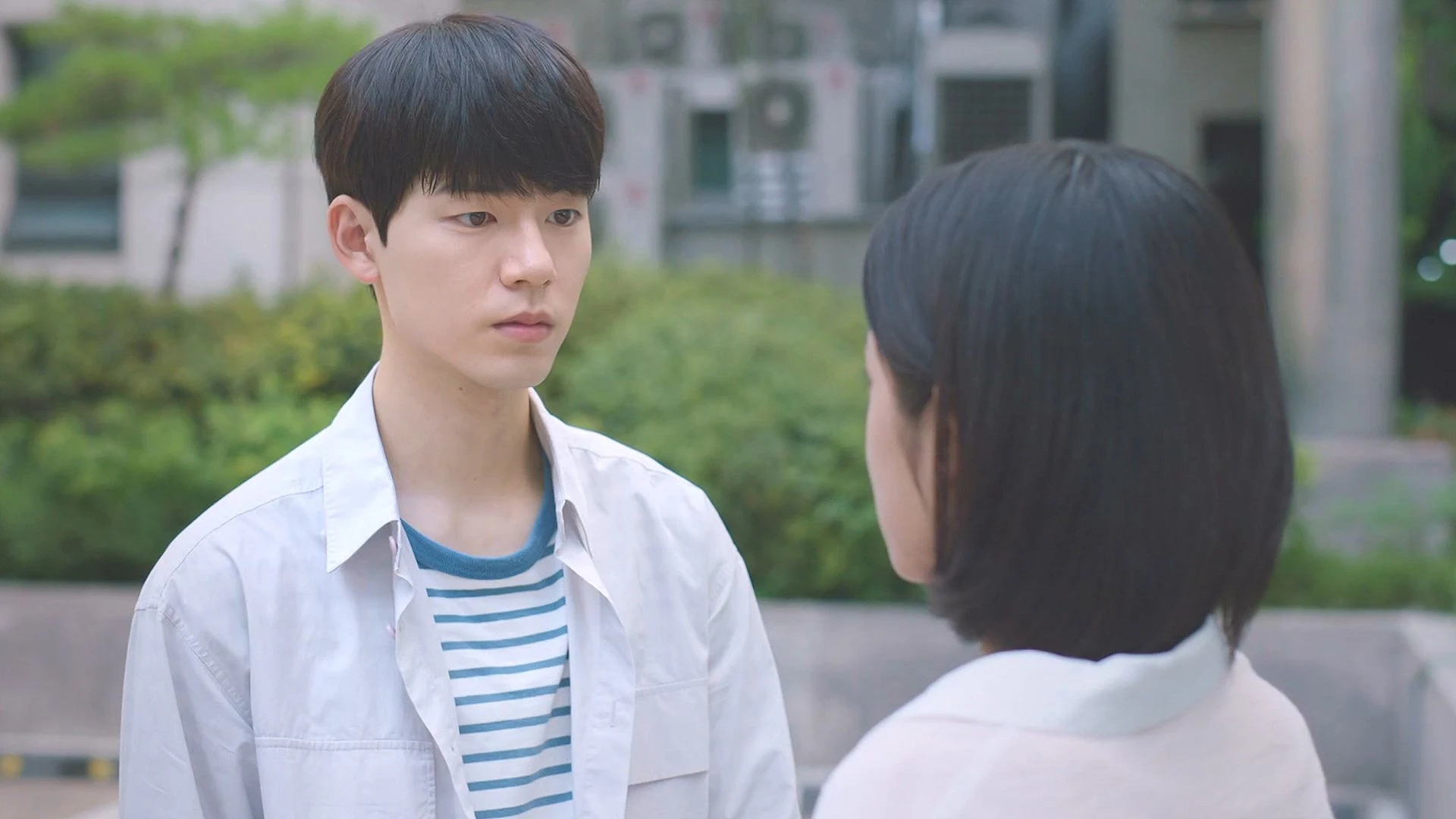
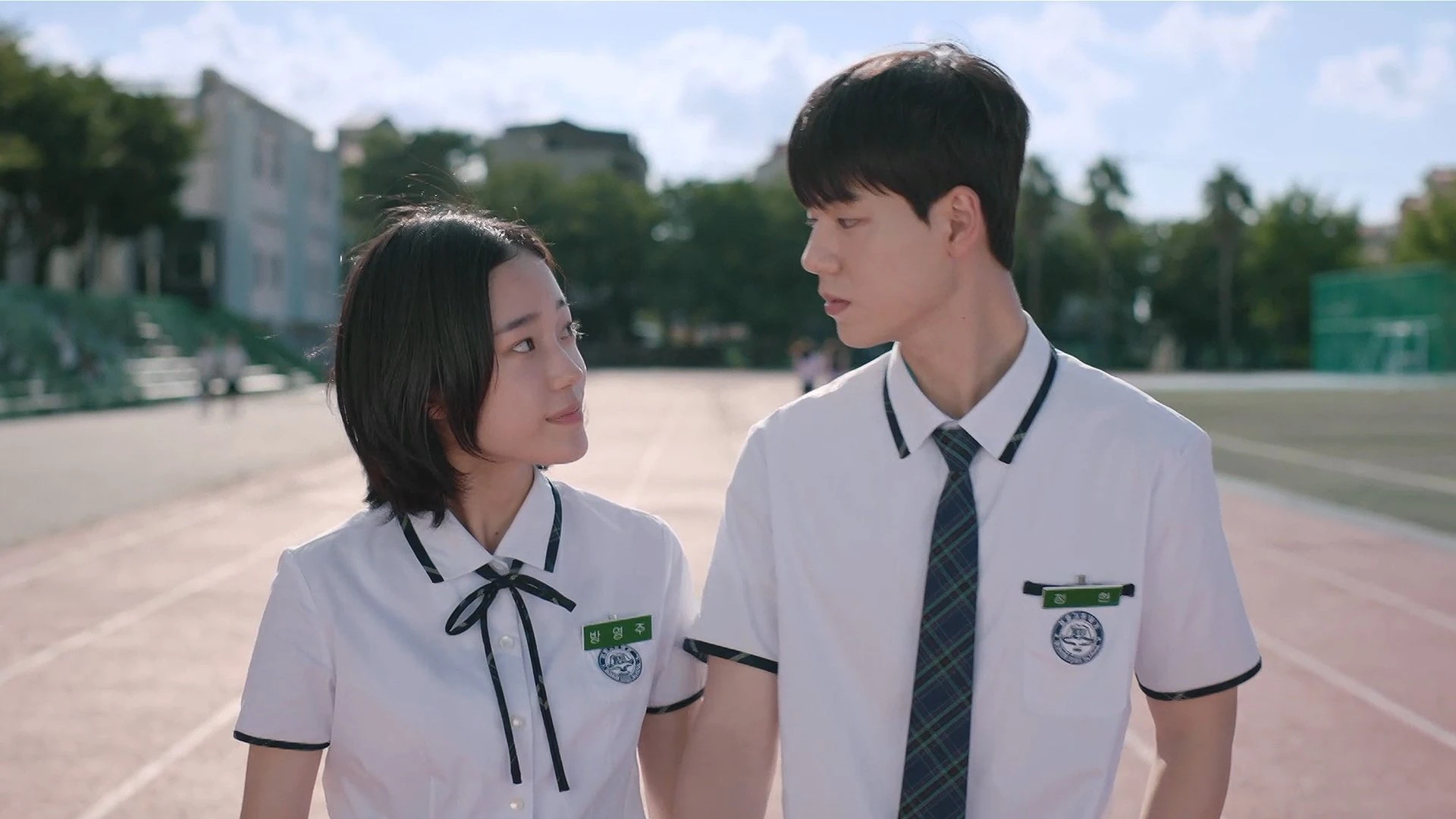
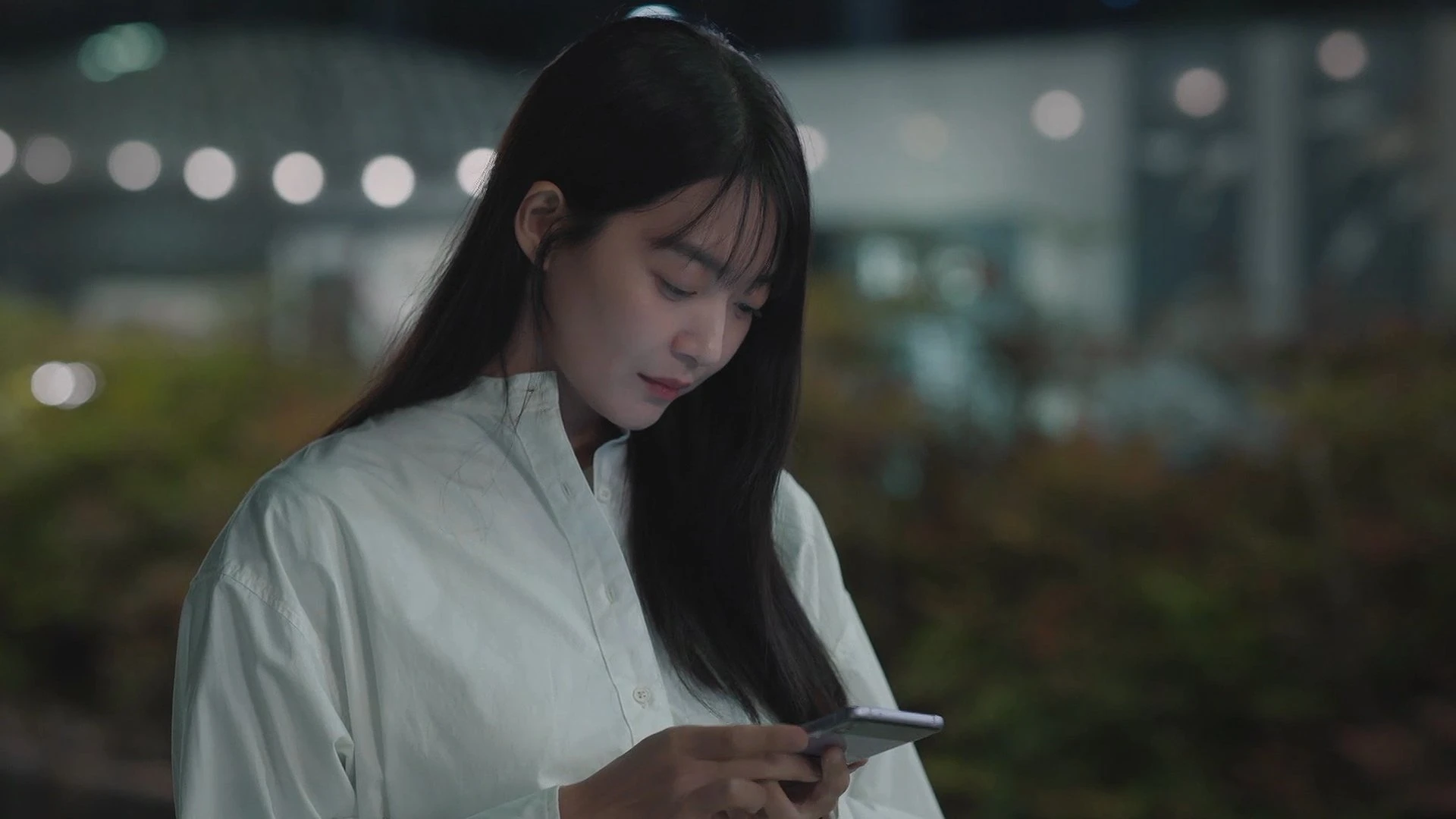

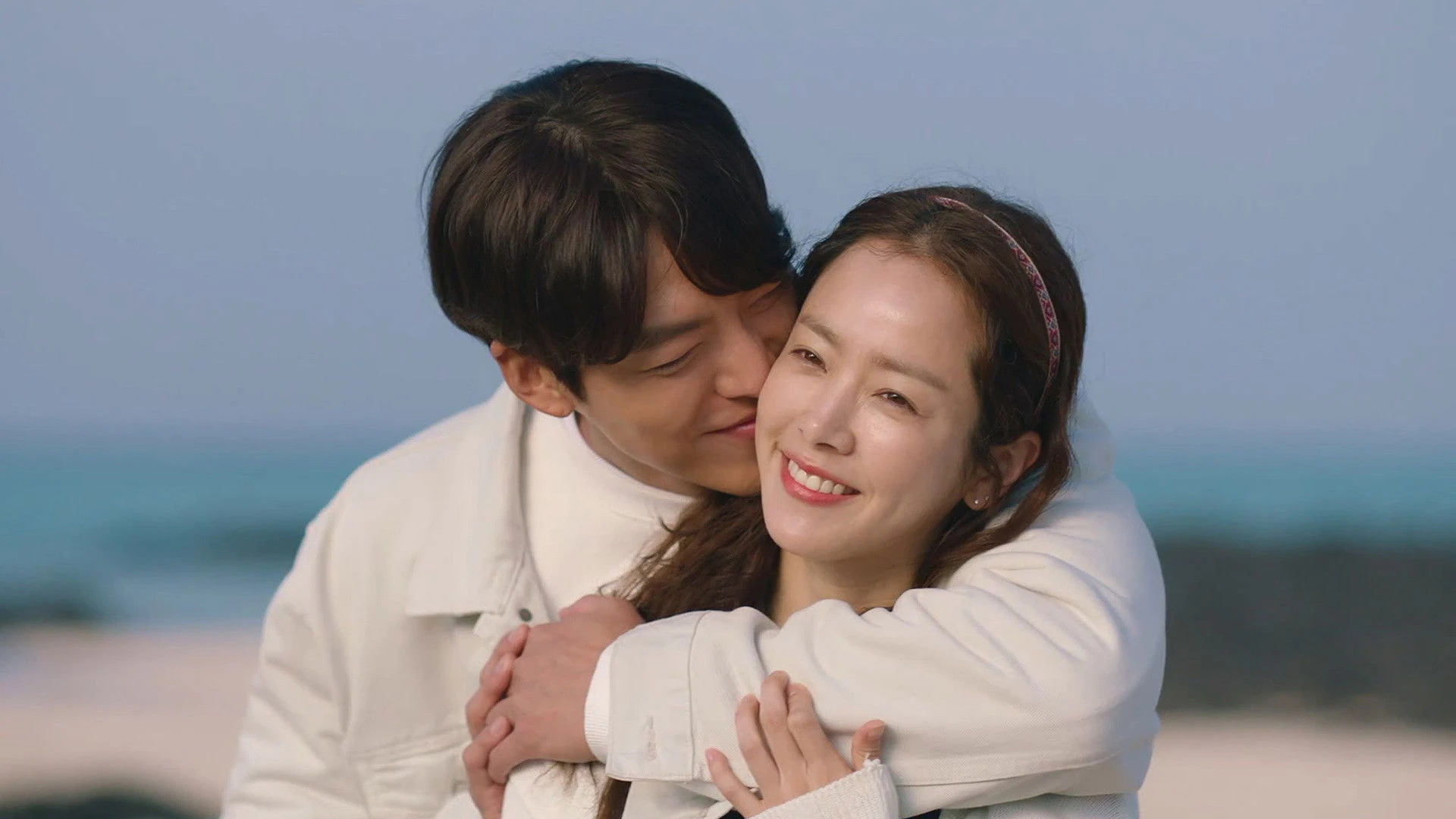
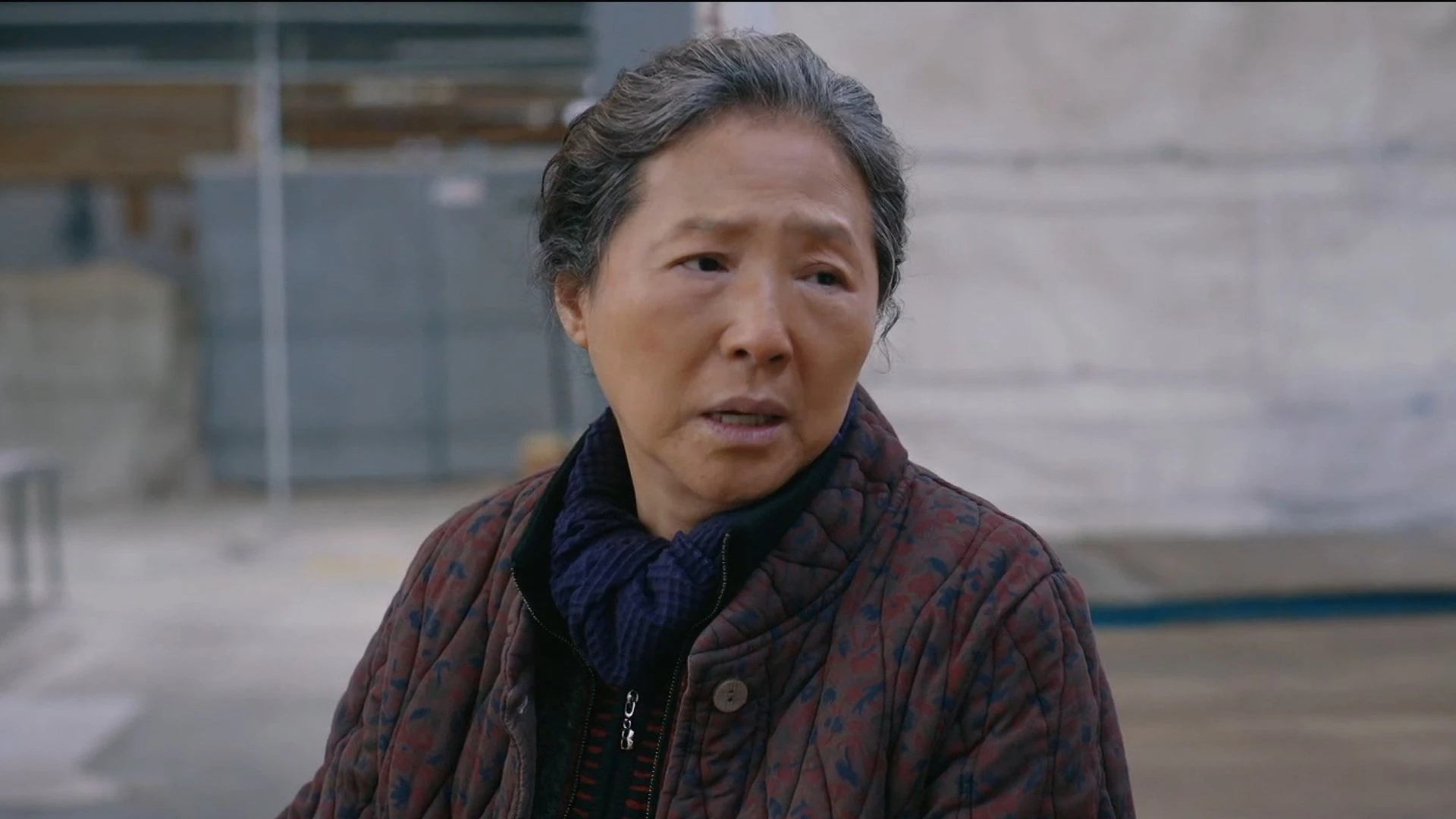
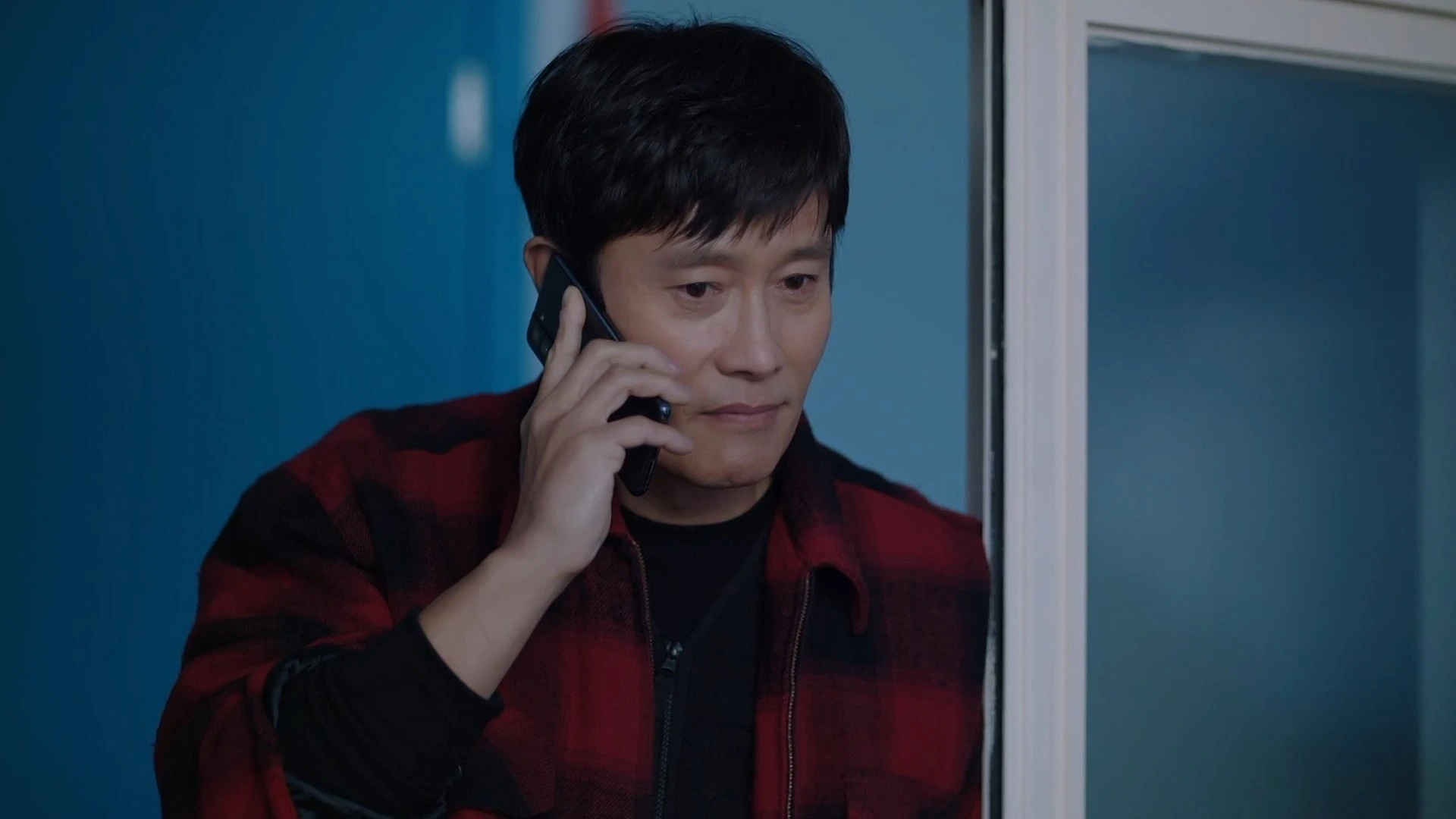

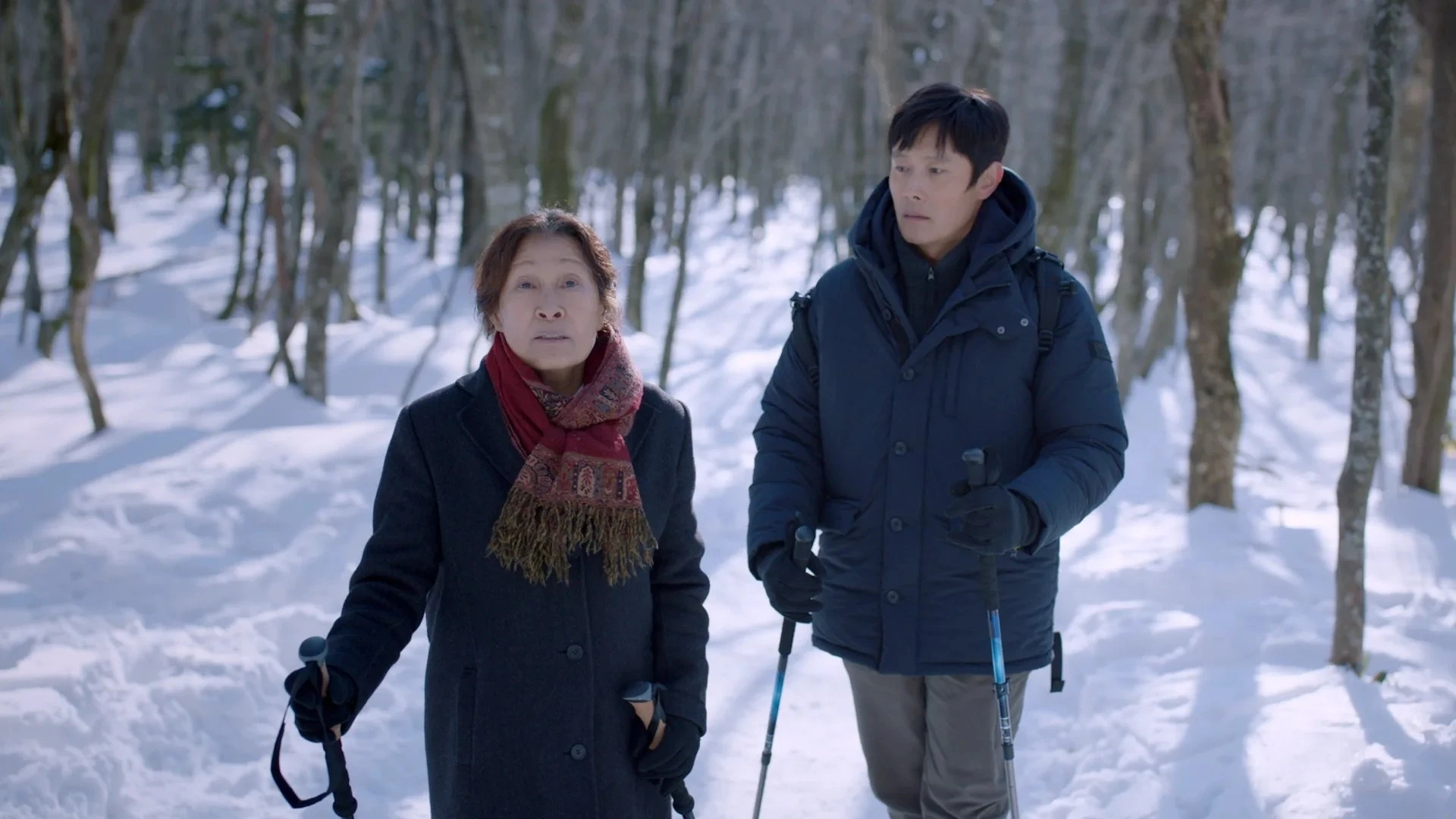
🏁 Ending Explained
Everything that happens in the finale, explained in full — spoilers ahead.
Spoiler Warning — This section covers the full finale of Our Blues. Stop here if you haven’t finished the series.
The Trip to Mokpo. The entire final episode is built around a single journey: Dong-seok driving his mother Ok-dong to Mokpo for the memorial of the stepfather she married thirty years ago — the man whose arrival destroyed Dong-seok’s childhood. At the memorial, the stepbrother who once beat Dong-seok accuses him of causing the old man’s death. Ok-dong responds with an explosion of fury nobody in the room expected. For the first time in Dong-seok’s life, his mother screams in his defense — tells the room that the boy never deserved what was done to him. Lee Byung-hun watches this happen from across the table. Kim Hye-ja plays it without a single false note. The scene is the reason the drama exists.
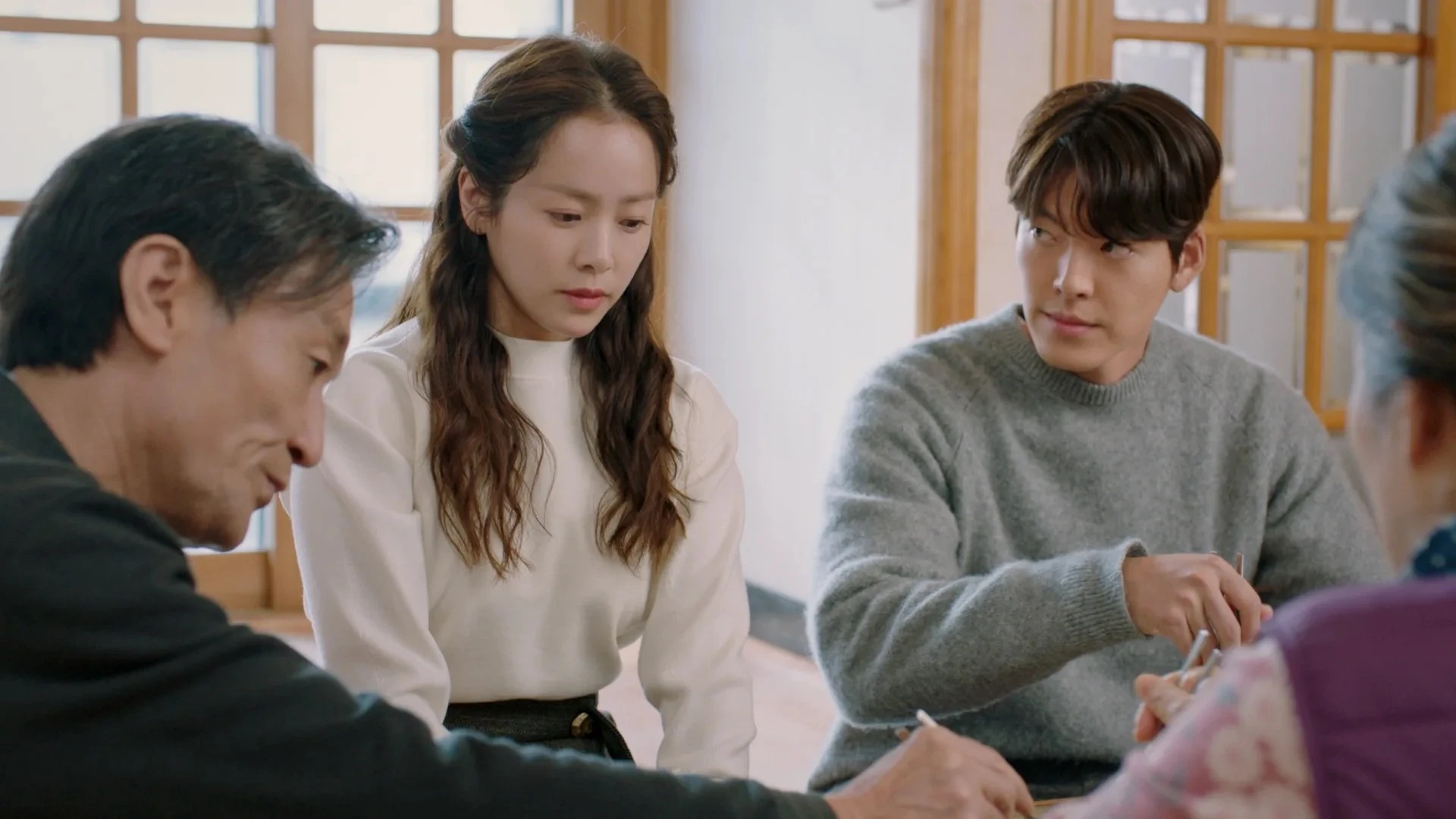
Why She Never Said Sorry. That night, when Dong-seok asks his mother why she has never apologized, Ok-dong stares back and says: “Why should I?” He sleeps in his truck. But the next morning, she finds the words — she tells him that she blamed herself for the death of his younger sister, that the guilt paralyzed her, that she stayed silent while he was beaten because she believed food and shelter were the only love she knew how to give. It is not an apology in any clean sense. It is something harder and truer: the honest account of a woman shaped by poverty and loss, doing everything wrong while doing everything she could.
The Foggy Window. On the ferry home, Dong-seok writes words on the condensation of the window beside his sleeping mother — her name, his father’s name, his sister’s name, Mount Halla, the sea. She wakes up and watches him. It is the scene of the year in any Korean drama from 2022, and it requires no translation. Back in Jeju, he takes her to the house he has been secretly renovating — Seon-a and her son have come for the weekend. Ok-dong looks at the house, looks at Seon-a, and understands: her difficult son has found someone who sees his kindness. That night she wakes early to cook doenjang-jjigae. When Dong-seok arrives, she is asleep at the table beside the bowls she set. He holds her and realizes she is gone.
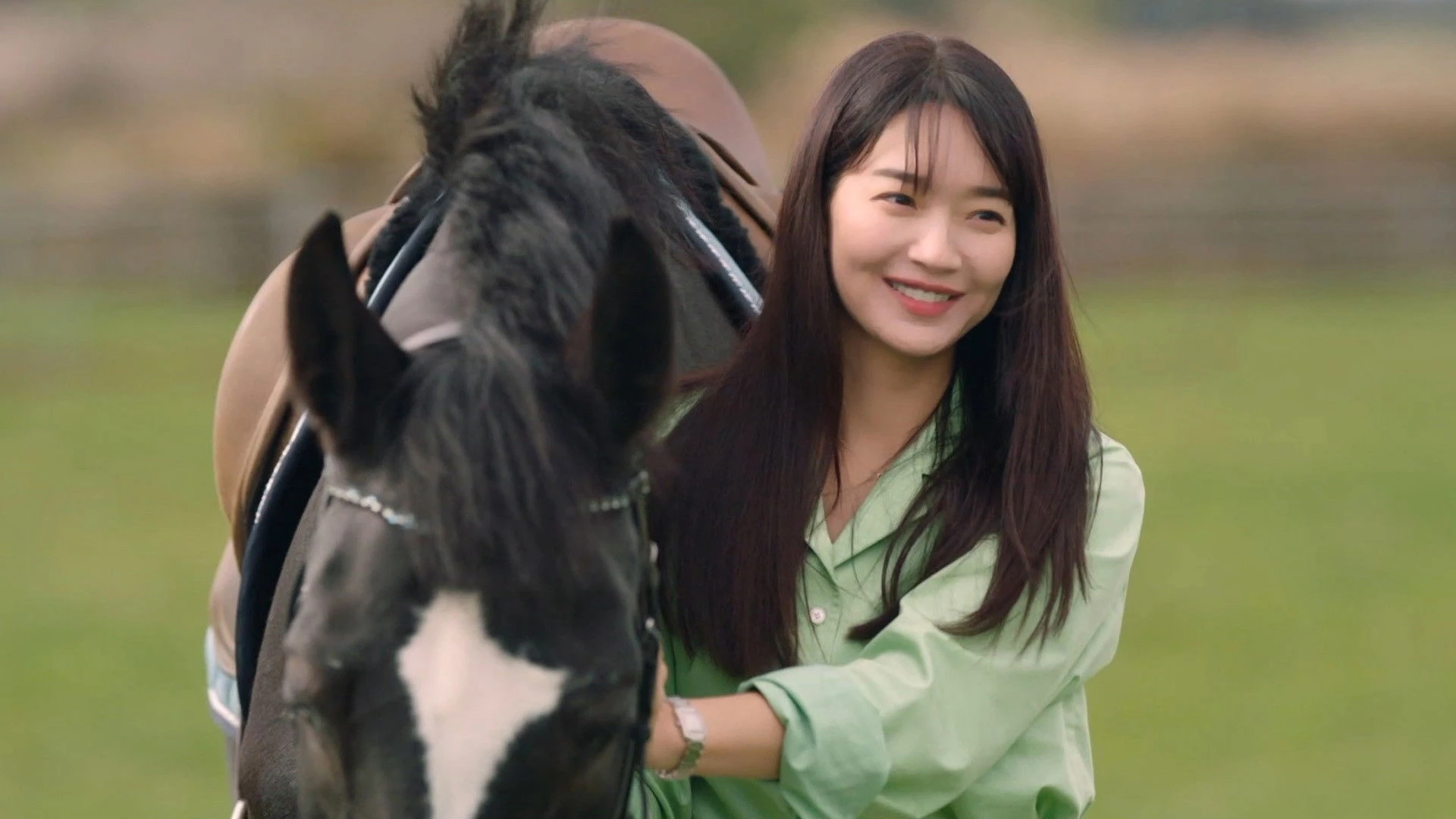
Every Arc Lands. The final twenty minutes bring all five storylines home without forcing any of them. Yeong-ju delivers her baby early — a healthy girl, with Jung-hyeon beside her and both their fathers somewhere in the waiting room, no longer at war. Chun-hui returns from Mokpo changed but intact. Mi-ran and Eun-hui have repaired their friendship through honest confrontation rather than convenient forgiveness. Yeong-ok and Jeong-jun, having met his accepting parents, are stronger together than before. Yeong-hui visits Jeju more often now. And at the village athletic meet, Seon-a walks in from the Seoul train and the whole community — people who barely knew her — cheers. She belongs here now.
What It All Meant. Our Blues is not, in the end, about romance — it is about all the ways that people who love each other can fail each other, and the fact that those failures do not have to be the final word. Every arc in the drama involves a wound that predates the drama itself: Dong-seok’s grudge is thirty years old, Eun-hui’s resentment is twenty, Yeong-ok’s shame is a lifetime. The show’s argument is that these old wounds can be named, if not fully healed. The final title card — “We were not born into this world to suffer. We were born to be happy” — reads like a platitude the first time. After twenty episodes, it feels like something the drama earned with every honest, unhurried scene. Our Blues is a drama that asks you to be patient with it, and repays that patience with something close to grace.
✍️ KDramaWorlds Editor’s Take
Straight talk — our real opinion, and the viewer it’s made for.
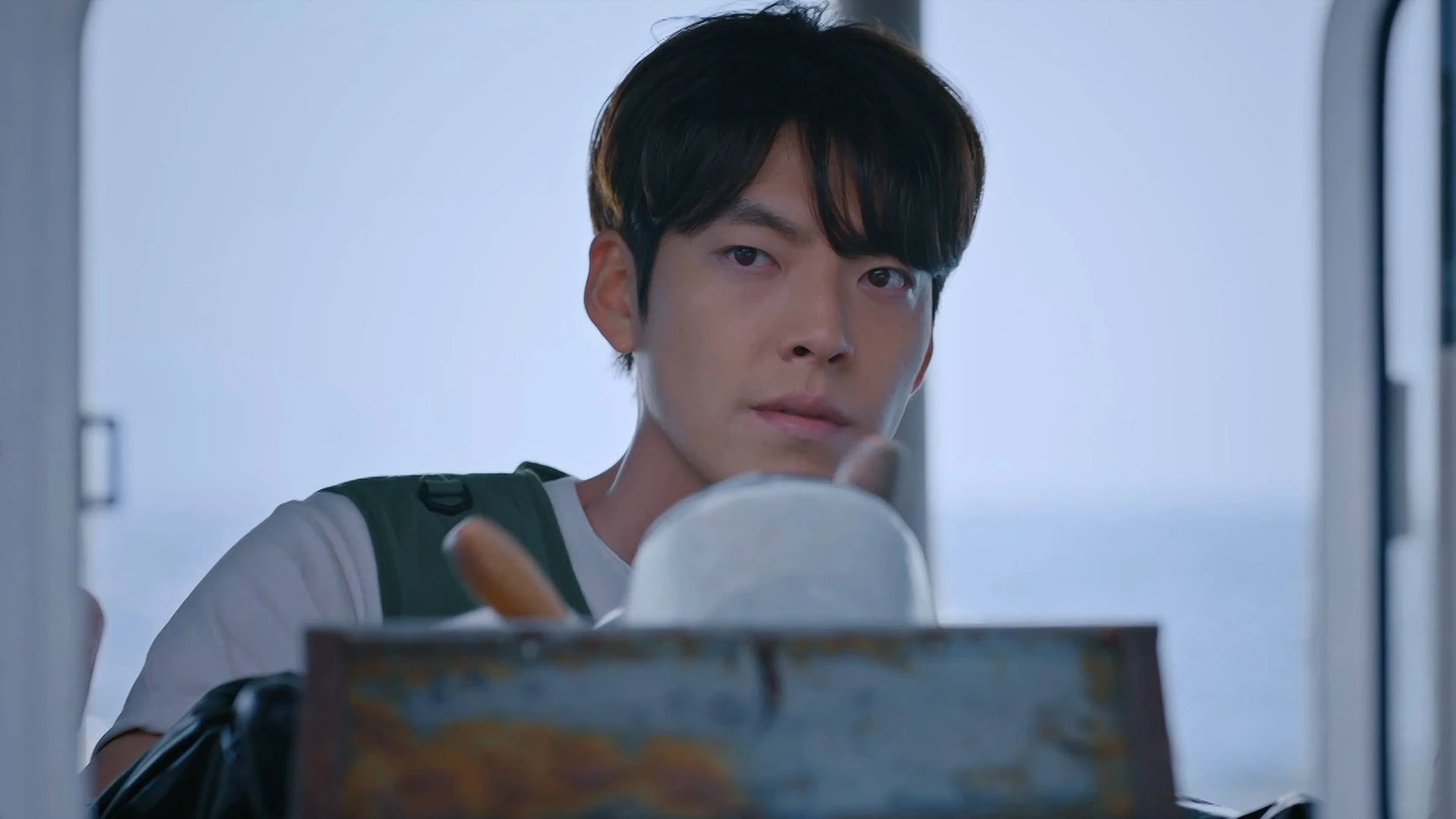
There is a version of Our Blues that fails — a drama where the omnibus format becomes a gimmick, where the ensemble swells too large to hold any single emotion for long, and where Jeju Island is set dressing rather than soul. The version that actually aired is something else entirely. Writer Noh Hee-kyung — who has spent thirty years writing Korean dramas that take ordinary people with devastating seriousness — gives every arc in this show its own gravitational field. The Han-su and Eun-hui storyline resolves in episode 3, before you are ready to let it go. The Yeong-ju and Jung-hyeon arc handles teenage pregnancy with more intelligence and less judgment than most adult dramas bring to the subject. And the Ok-dong and Dong-seok arc — which is, in the end, the drama’s spine — takes thirty years of accumulated resentment and asks whether acknowledgment is worth more than apology. For anyone who grew up with a complicated parent, this drama will know things about you that you did not say out loud. It shares DNA with My Liberation Notes — another 2022 drama that treats quietness as a form of intelligence — but where that show is about longing for escape, Our Blues is about the people who stayed.
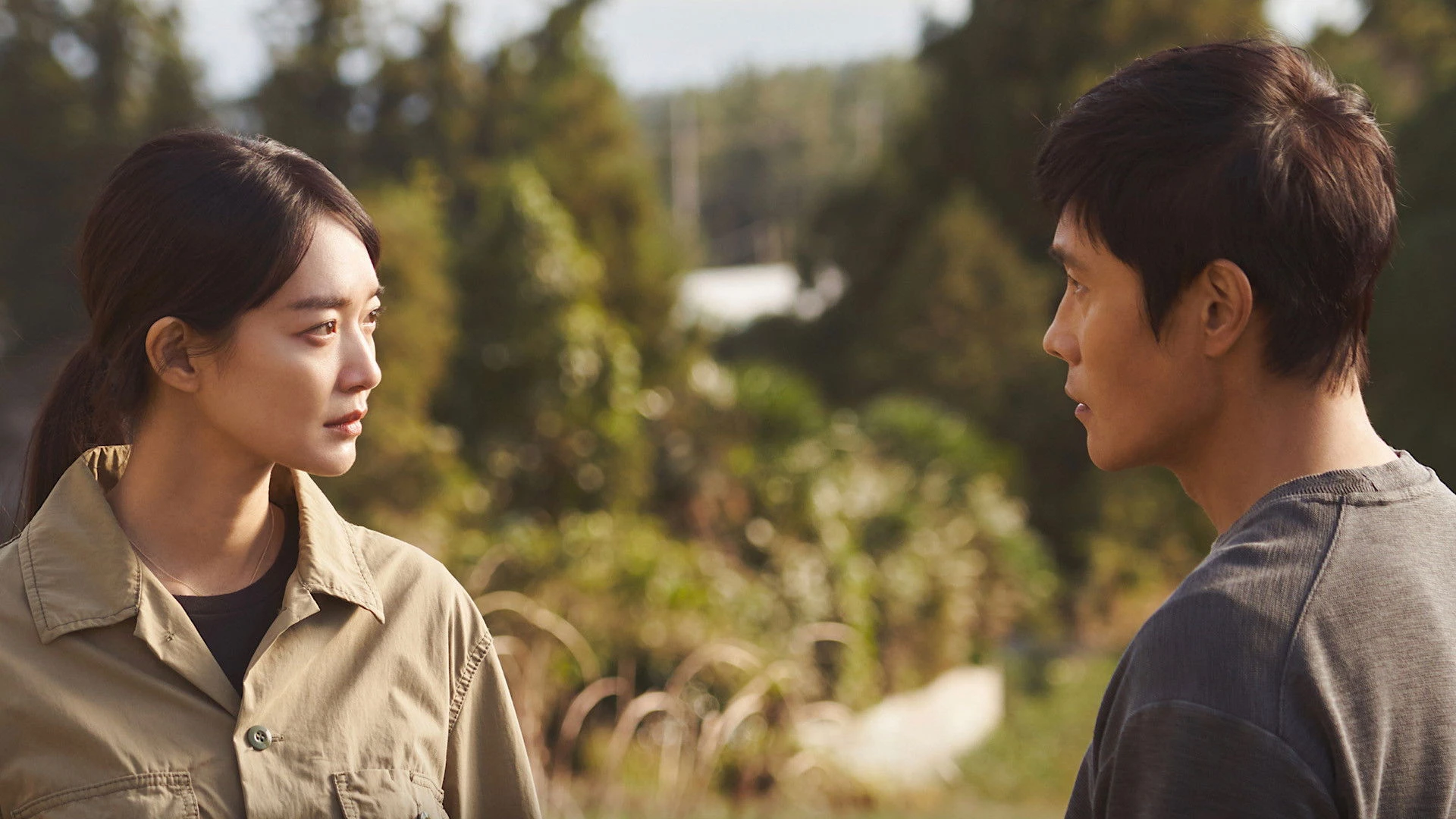
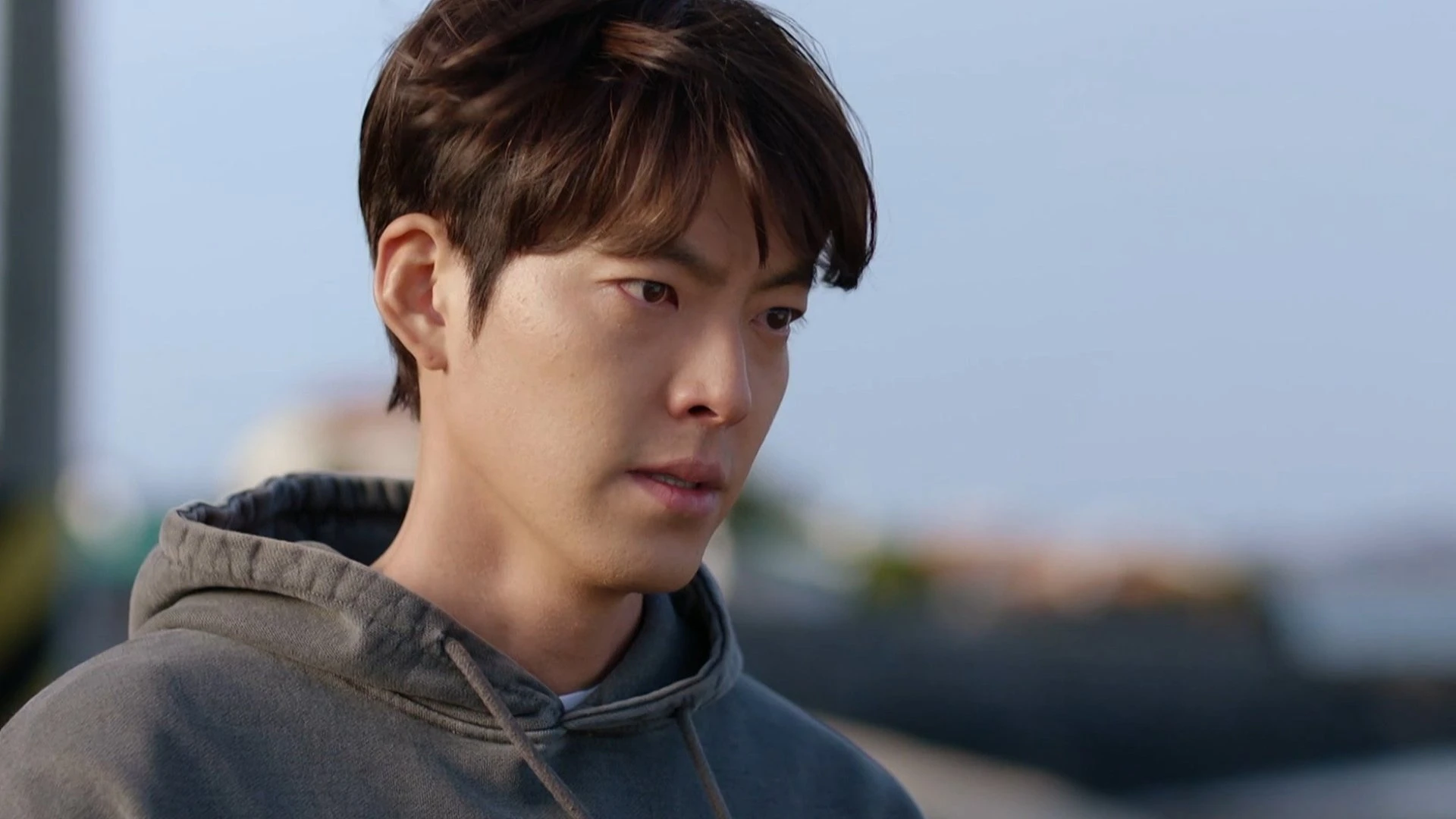
The elephant in the room for international viewers is Kim Woo-bin. He was diagnosed with nasopharyngeal cancer in 2017 and spent five years away from screens — and his return here, as the quiet, gruff boat captain who falls without fanfare for the most guarded woman on Jeju, feels less like a comeback performance than like a man who knows what matters and is no longer in any hurry to prove it. His scenes with Han Ji-min are among the warmest in the drama. If you are watching this because you missed him, the drama will not disappoint. It may also make you cry in a parking lot. That is, in some ways, the show’s highest compliment. The pacing is genuinely slow by K-drama standards — the first arc concludes inside three episodes, which feels abrupt, and the drama takes its time establishing each new storyline from scratch. Some viewers find this breathable; others find it disjointed. It helps to know going in that the Jeong-jun and Yeong-ok storyline runs longest and pays off most completely. It also helps to know that this drama is not about twists — it is about accumulation, and the weight you feel by episode 18 is the weight of everything you have watched build since episode 1.
Our Blues is not the most plotted drama on this list or the most efficient. What it is — and what very few dramas manage to be — is genuinely, uncomplicatedly human. It does not explain its characters or excuse them. It does not give everyone a catharsis they did not earn. It watches people who love each other and harm each other and keep showing up anyway, and it decides that is enough. In the final episode, Dong-seok finds his mother at the kitchen table, the food still warm, the bowls still set, and he knows before he touches her. Lee Byung-hun has one of the most controlled, powerful careers in Korean cinema, and in this scene he undoes thirty years of that control in about forty-five seconds. If you have the patience for twenty hours of television that treats its characters like they matter, Hometown Cha-Cha-Cha is the easier watch. Our Blues is the one that stays. Watch it when you have time to feel something, and then feel it.
Fans of ensemble dramas where the supporting cast is as fully written as the leads
Anyone watching for Kim Woo-bin’s comeback — his performance here is completely worth the 20 episodes
🎬 You Might Also Like
If you liked Our Blues, these are your next three watches.
 Salon De Nabi
Choi DanielComeback Drama
Read Full Review →
|
 To the Moon
coin investmentEnsemble Cast
Read Full Review →
|
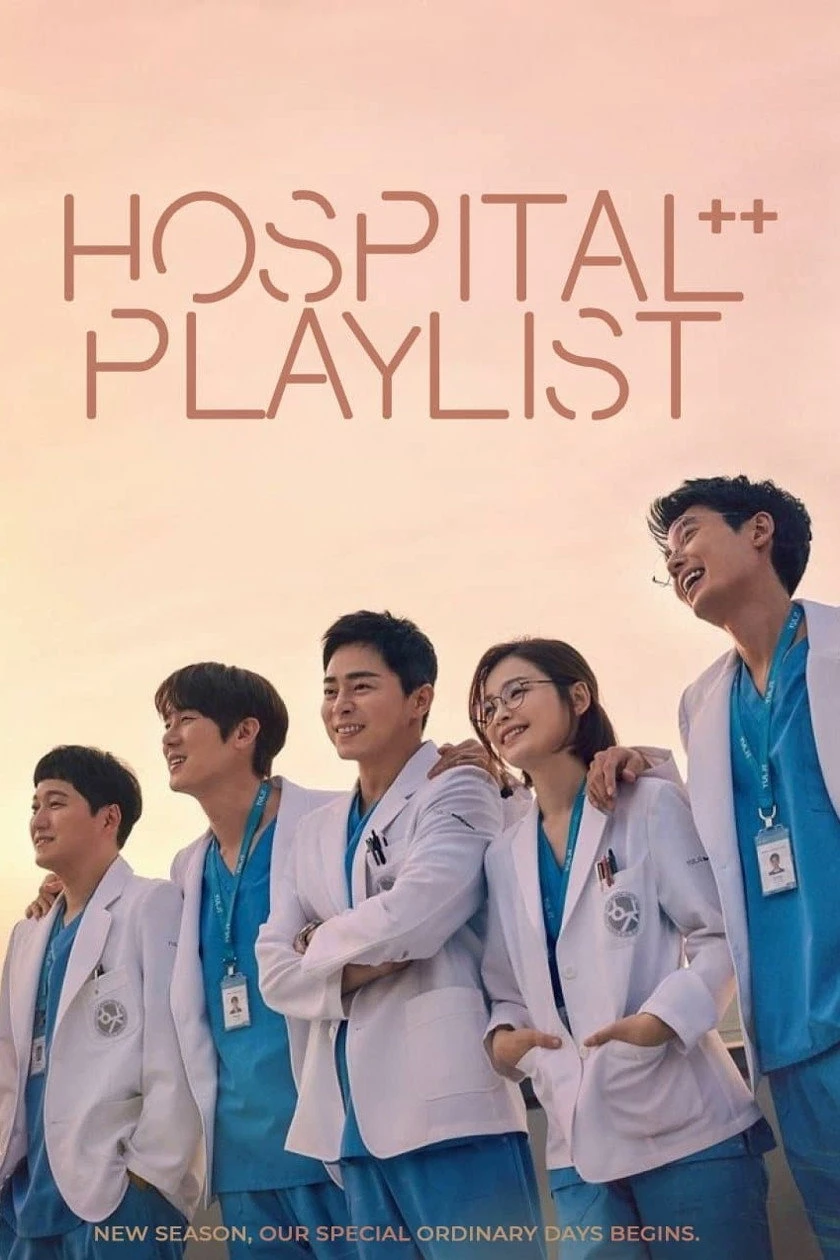 Hospital Playlist (Season 2)
Cho Jung-seokcomedy
Read Full Review →
|








Keep it kind, skip the harsh language, and please — no spoilers. Everyone's taste is different, and that's perfectly fine.
This space is for real reactions and discussion from other viewers. Help keep it comfortable for everyone by not giving away major plot details.
What do you think of this drama?
Login to share your review or leave a comment.
No email needed — just pick a username & password.