
Perfect Crown
🎬 Disney+ · Hulu
⭐ 8.5 / 10 MDL
🔞 15+
📋 Drama Overview
What you’re getting into, at a glance.
🔥 2026 Romance Hit
Hulu
MBC
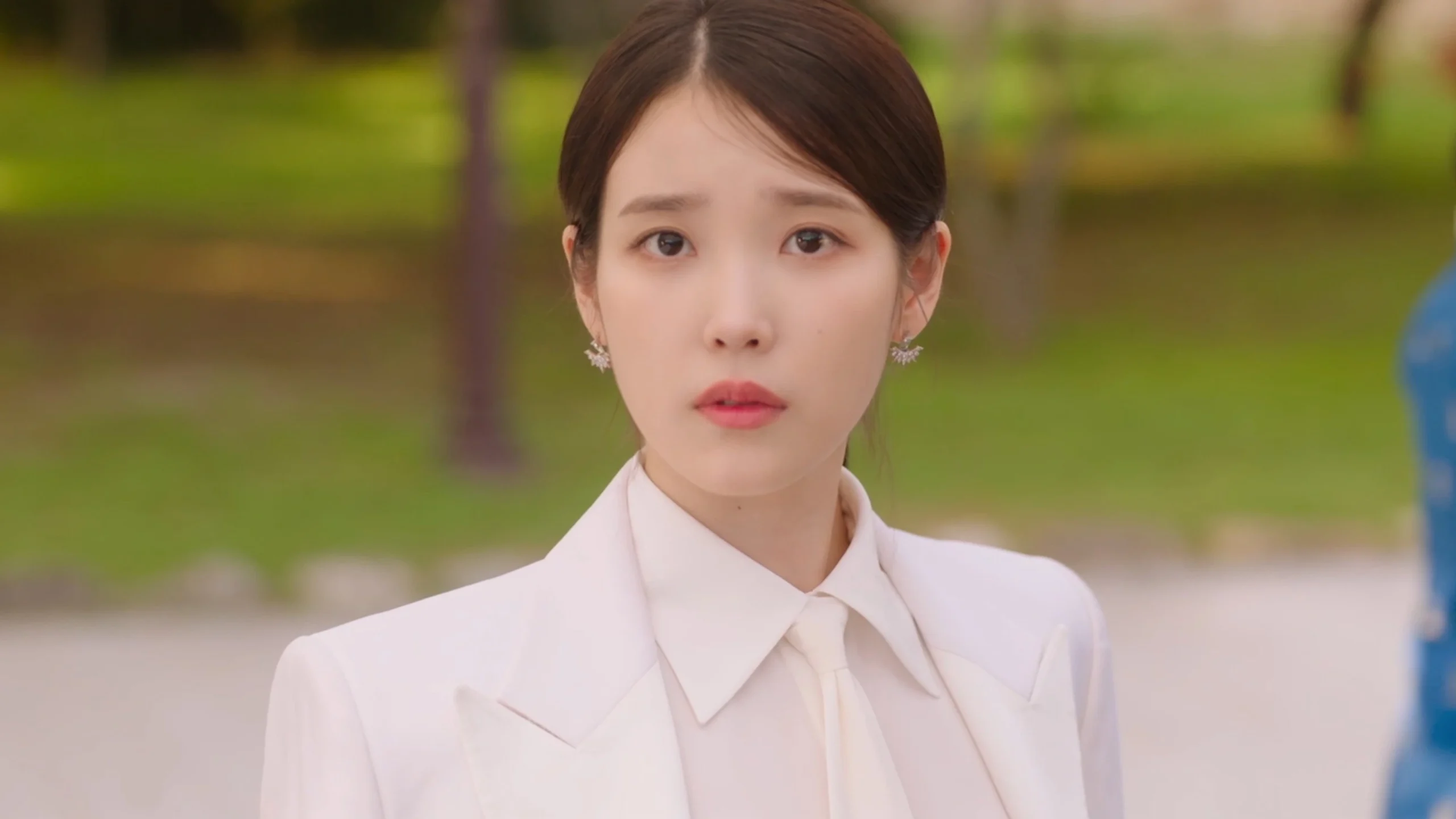
In an alternate 21st-century South Korea still governed by a constitutional monarchy, Seong Hui-ju (IU) is the illegitimate second daughter of Castle Group — the nation’s most powerful chaebol dynasty. She runs Castle Beauty as its CEO with intelligence and precision, yet elite society dismisses her as a “commoner” regardless of her achievements. Determined to erase the stigma once and for all, she devises an audacious solution: propose a contract marriage to Grand Prince I-an (Byeon Woo-seok), the king’s second son, who possesses royal blood but wields no political power and holds no real wealth.
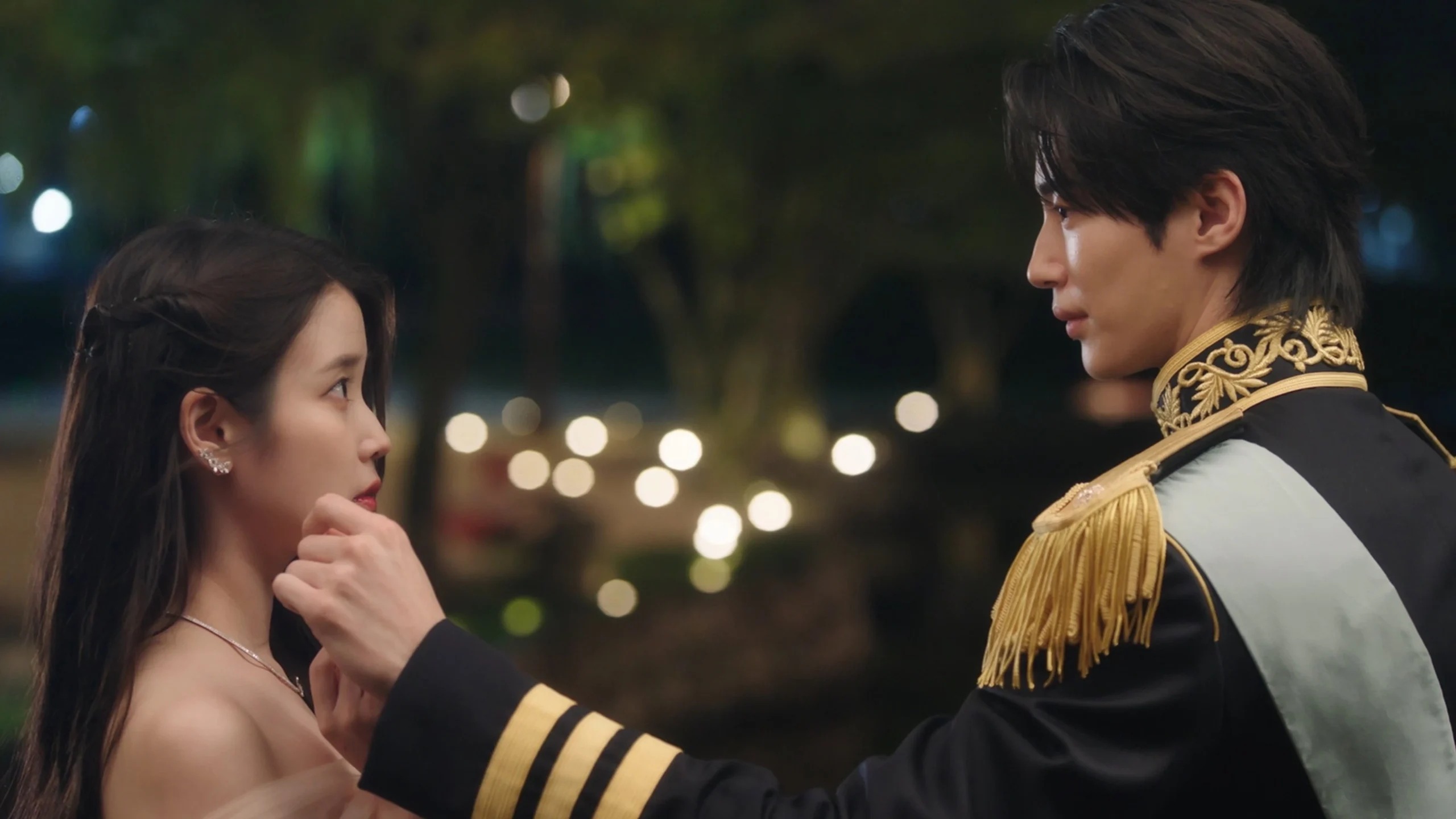
Their arrangement is built on mutual benefit — her money and influence for his royal name. But as they navigate fierce opposition from Queen Dowager Yoon Yi-rang, the machinations of Prime Minister Min Jeong-woo, and the full weight of palace politics, something shifts. What began as a transaction becomes something neither anticipated: a genuine, class-defying love between two people who discovered each other in the least romantic of circumstances.
12 / 12 ✅ Completed
⚡ Quick Verdict
No scrolling required — the verdict’s right here.
· MDL Score · 6,856 ratings
▶ Official Trailer
🎭 Cast & Characters
Twelve performances building a royal world — from the crown’s new consort to the court’s oldest enemies.

Lead

Lead
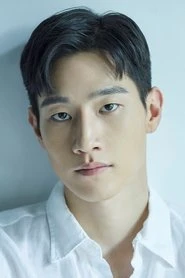
Antagonist

Supporting
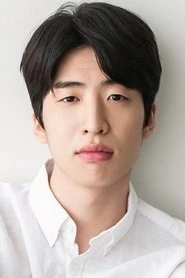
Supporting
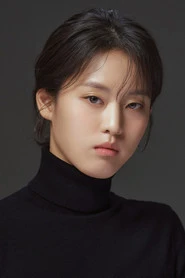
Villain
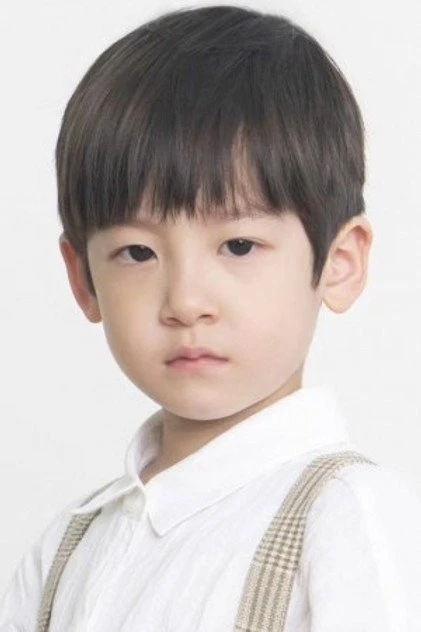
Supporting

Supporting

Supporting
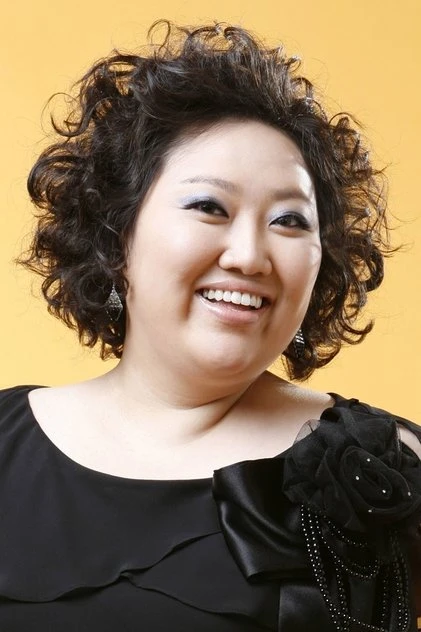
Antagonist
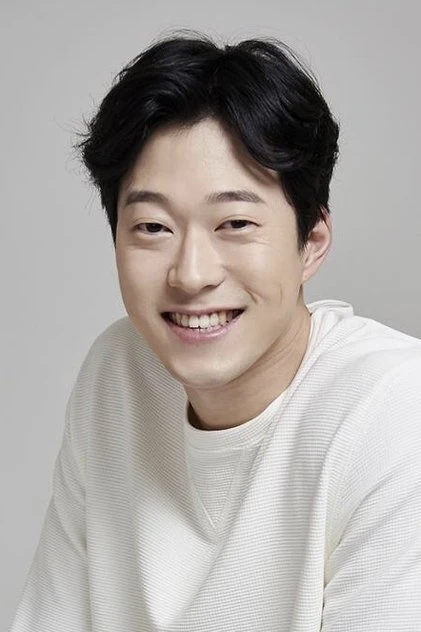
Supporting

Supporting
📺 Episode Guide
A light recap per episode — nothing more than a nudge.


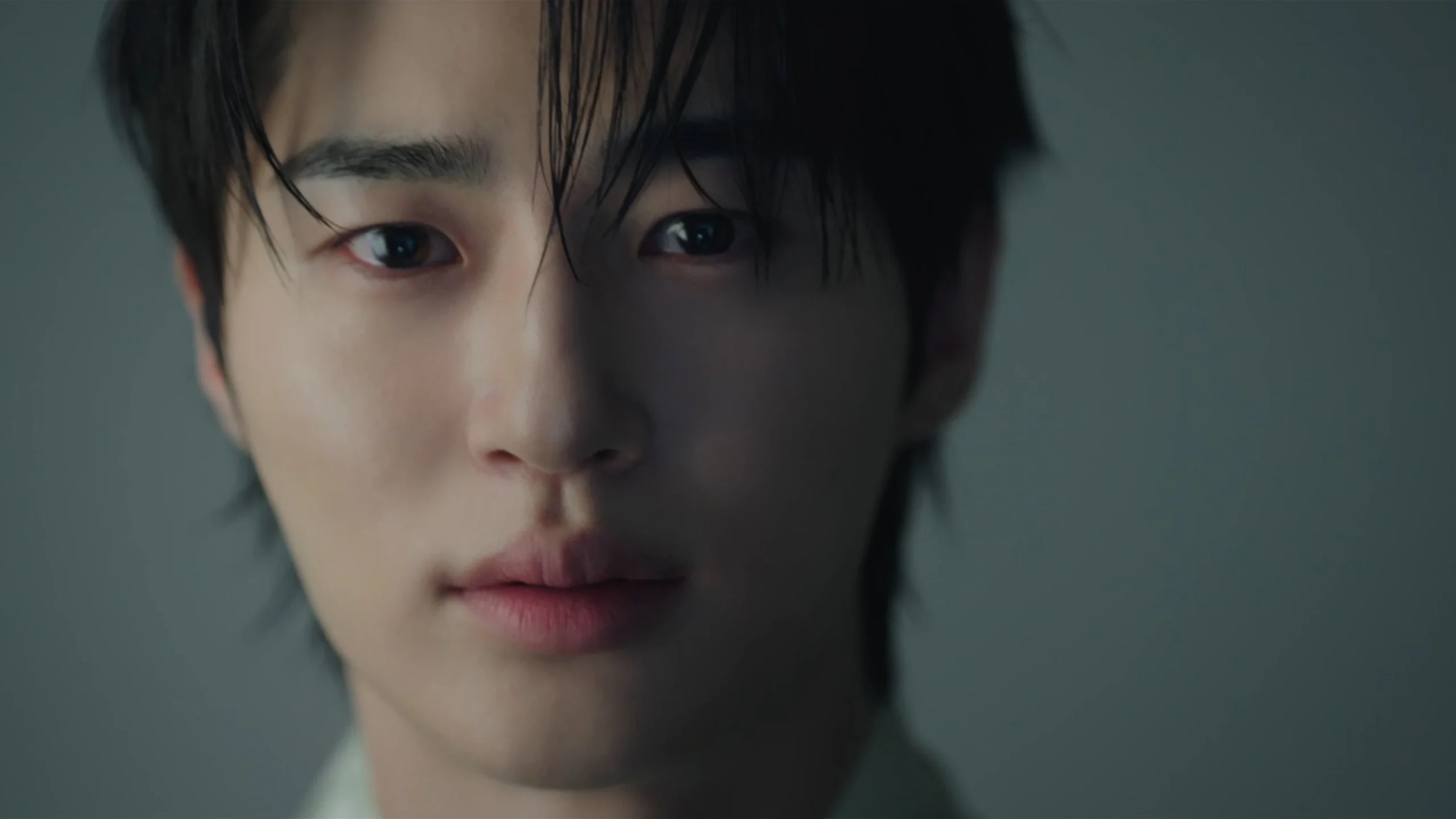
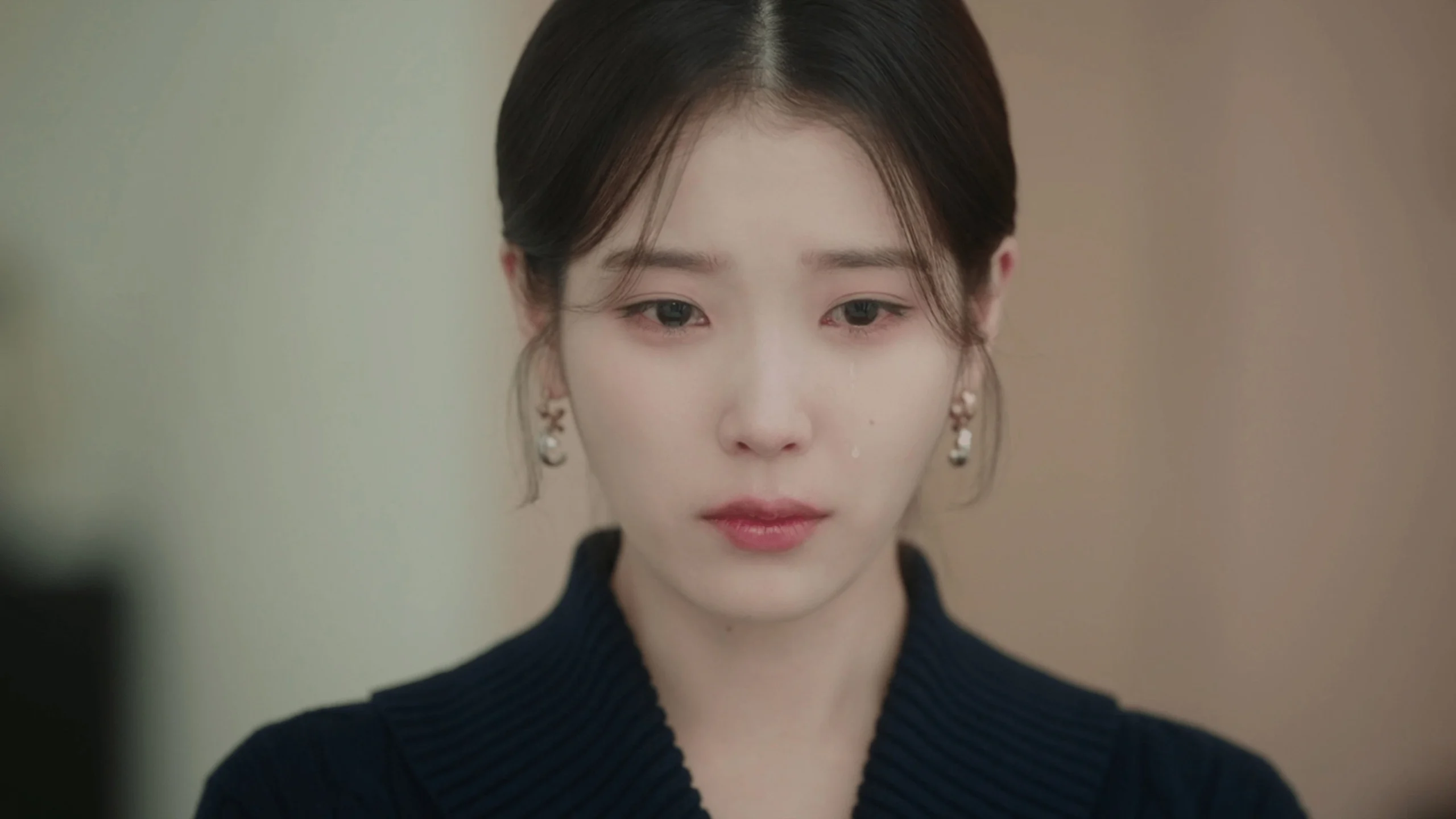
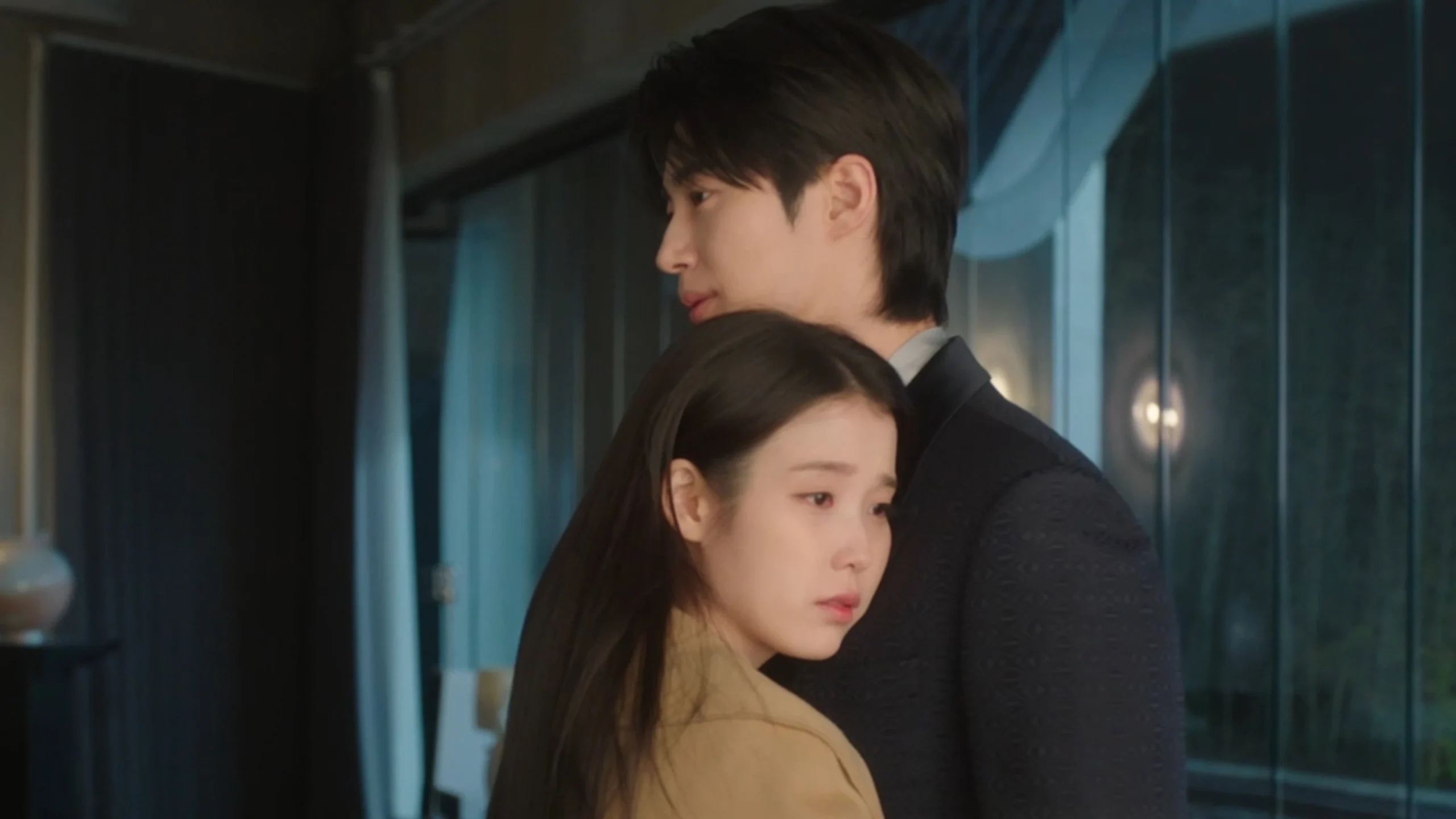
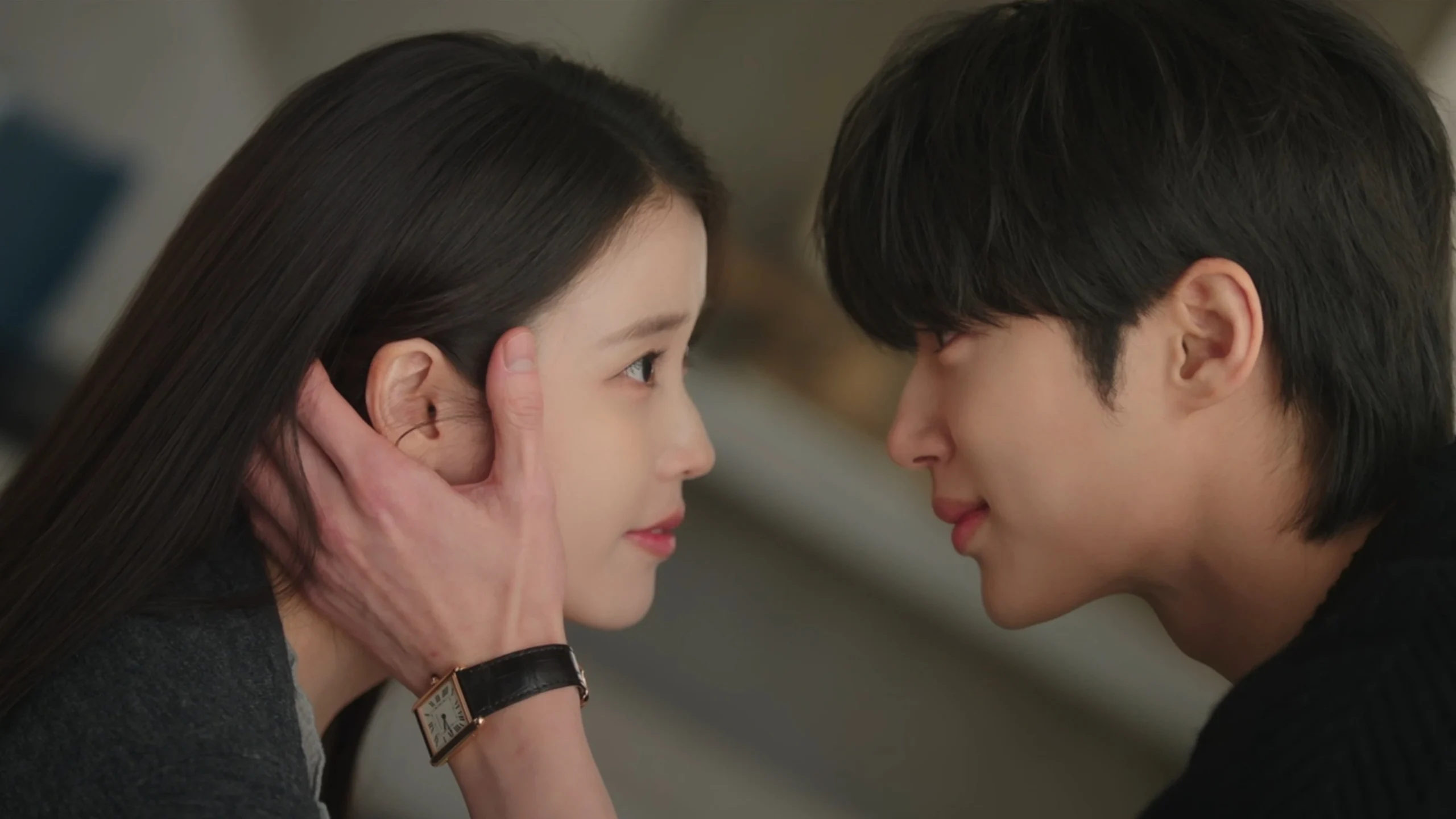
🏁 Ending Explained
Full spoilers — what happened, and why it hits the way it does.
Spoiler Warning — This section covers the full finale of Perfect Crown. Stop here if you haven’t finished the series.
The Truth About I-an’s Mother. The finale opens with I-an walking into the throne room without an appointment and without an apology. The confrontation with the King — restrained, formal, devastating — finally puts into words what the palace has spent twelve episodes burying: his mother was exiled not for scandal but because she threatened the Queen Dowager’s consolidation of power. Byeon Woo-seok plays the entire scene with his hands at his sides, perfectly still, and it is some of his finest work in the drama. The King’s silence is its own answer. The court, watching, understands that the balance has shifted.
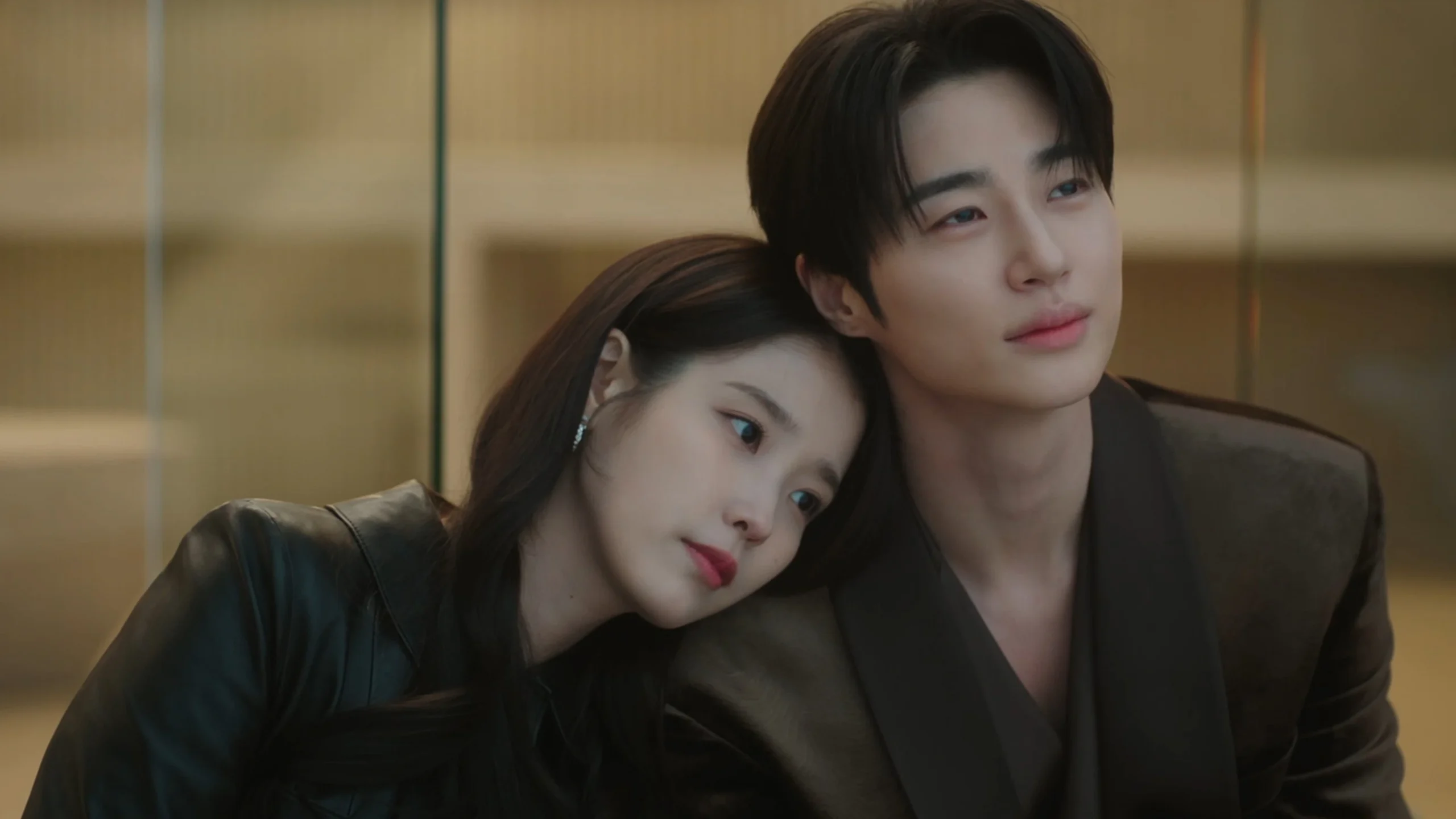
Hui-ju Delivers the Evidence. While I-an holds the court’s attention, Hui-ju executes the move she has been building toward since episode nine. The evidence she has gathered — meticulously, at real personal risk — arrives at the right hands at the right moment. The Queen Dowager’s network collapses not through a dramatic confrontation but through paperwork and recorded conversations: IU plays the sequence with the calm satisfaction of someone who has been playing chess while her opponents were playing checkers. Prime Minister Min Jeong-woo, watching from the sidelines, realizes the game is already over.
Jeong-woo’s Choice. The scene the drama has been earning since episode two. I-an and Jeong-woo face each other one last time — and the drama does not give the audience an easy reading. Jeong-woo’s friendship with I-an was real. His ambition was real. Steve Sanghyun Noh plays the moment of choice without explanation or self-justification, which is the right call: the most interesting villains-adjacent characters make decisions that make sense to them. What he ultimately chooses, and whether it is loyalty or a final political calculation, is the drama’s most genuinely ambiguous moment.
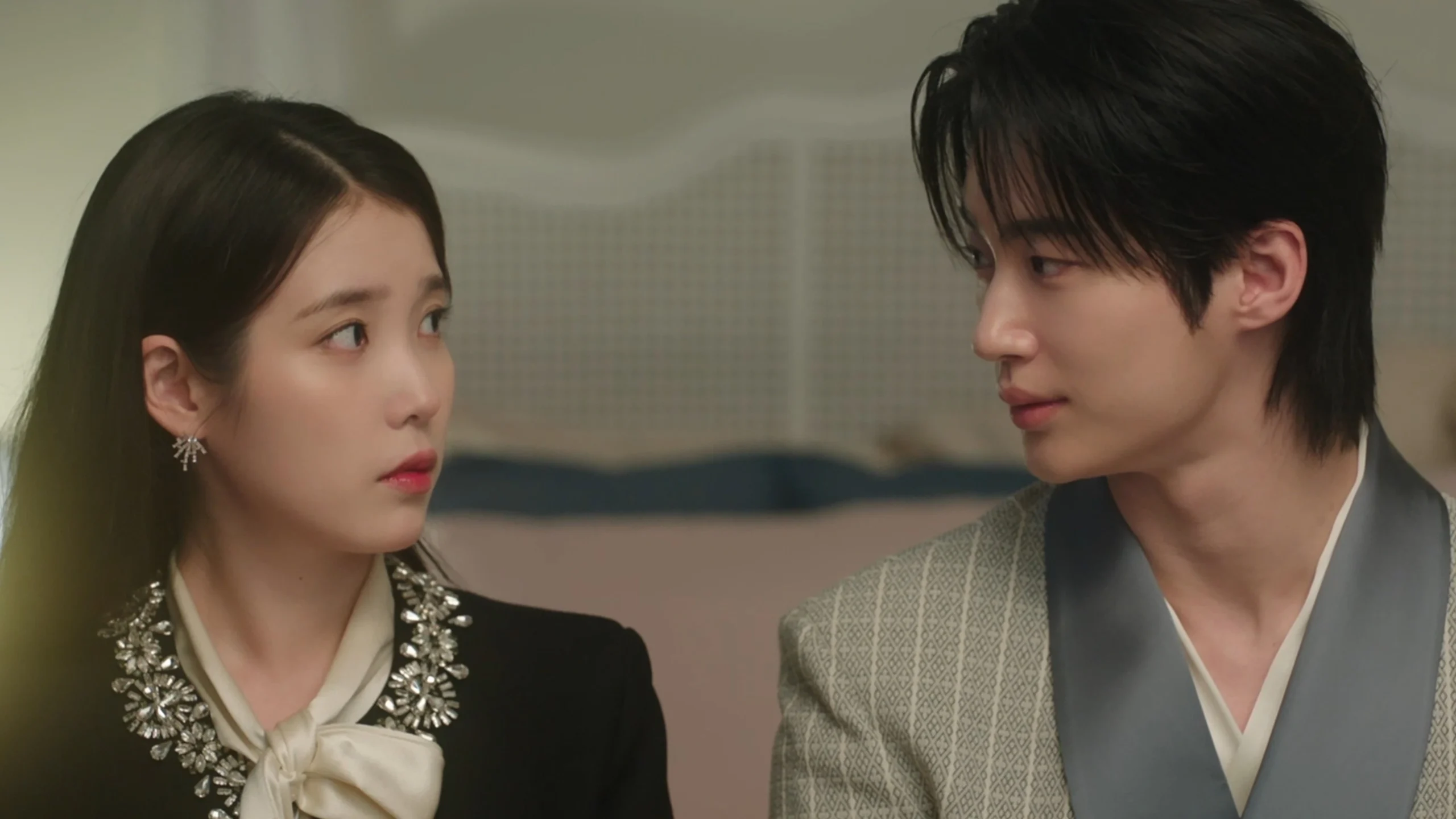
The Union Becomes Real. With the conspiracy dismantled, Hui-ju and I-an’s contract dissolves — and with it, the last formal reason for them to remain together. They remain anyway. The finale’s final declaration between them is not a speech. It is two people who have survived the worst of each other’s circumstances choosing each other in full knowledge of what that means. The public recognition of their marriage as a legitimate and equal partnership — not a political arrangement, not a chaebol acquisition — is the drama’s central argument finally stated plainly: class and institution do not define the legitimacy of love.
What the Crown Represents. The drama’s title pays off in the finale’s final images. The “perfect crown” is not the royal consort’s ceremonial headpiece — it is the life Hui-ju has built from scratch, without a father’s name, without inherited status, and now without needing either. I-an’s crown, such as it is, has always been in what he chose not to use: the restraint, the refusal to play by his father’s court’s rules, the patience. Together they represent something the palace has no framework for — a genuine partnership between equals who happen to exist within its walls. The contract was never the story. The love that grew despite it was.
✍️ KDramaWorlds Editor’s Take
Worth the watch? Our honest answer, and who it’s aimed at.
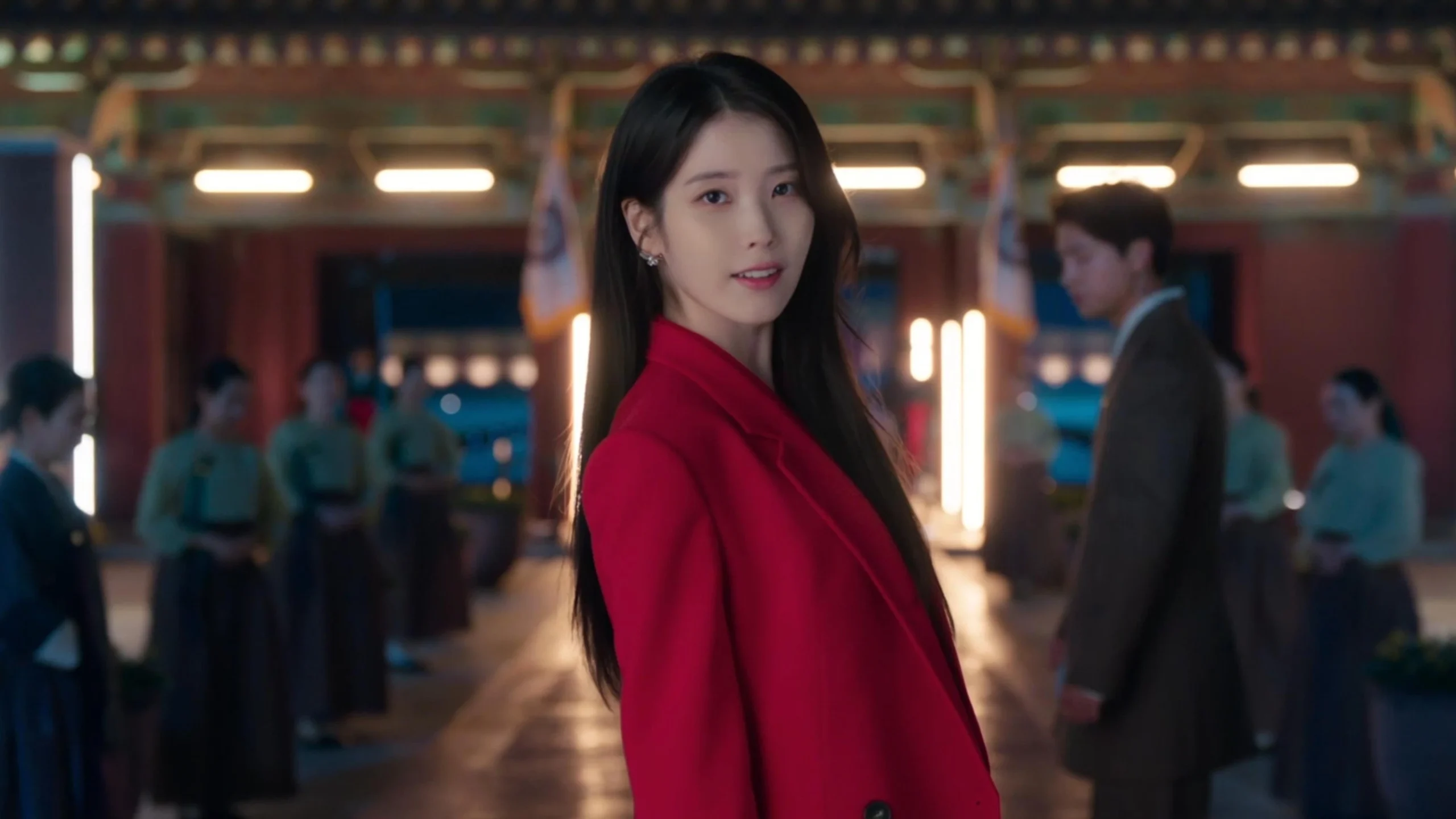
IU has made contract-marriage look effortless before — but what she does with Seong Hui-ju is different. This is not the charming ingenue of her earlier work nor the mournful saint of more recent dramas. Hui-ju is competent, calculating, and — crucially — aware of exactly what she is doing at all times. Watching IU play a woman who uses intelligence as a shield and then slowly allows herself to be genuinely seen is what makes the romance land. Byeon Woo-seok’s I-an is the necessary counterpart: a man of enormous restraint who communicates everything with a held gaze and the slight shift of his weight. Their chemistry is the drama’s foundation, and it is more than enough to build on.
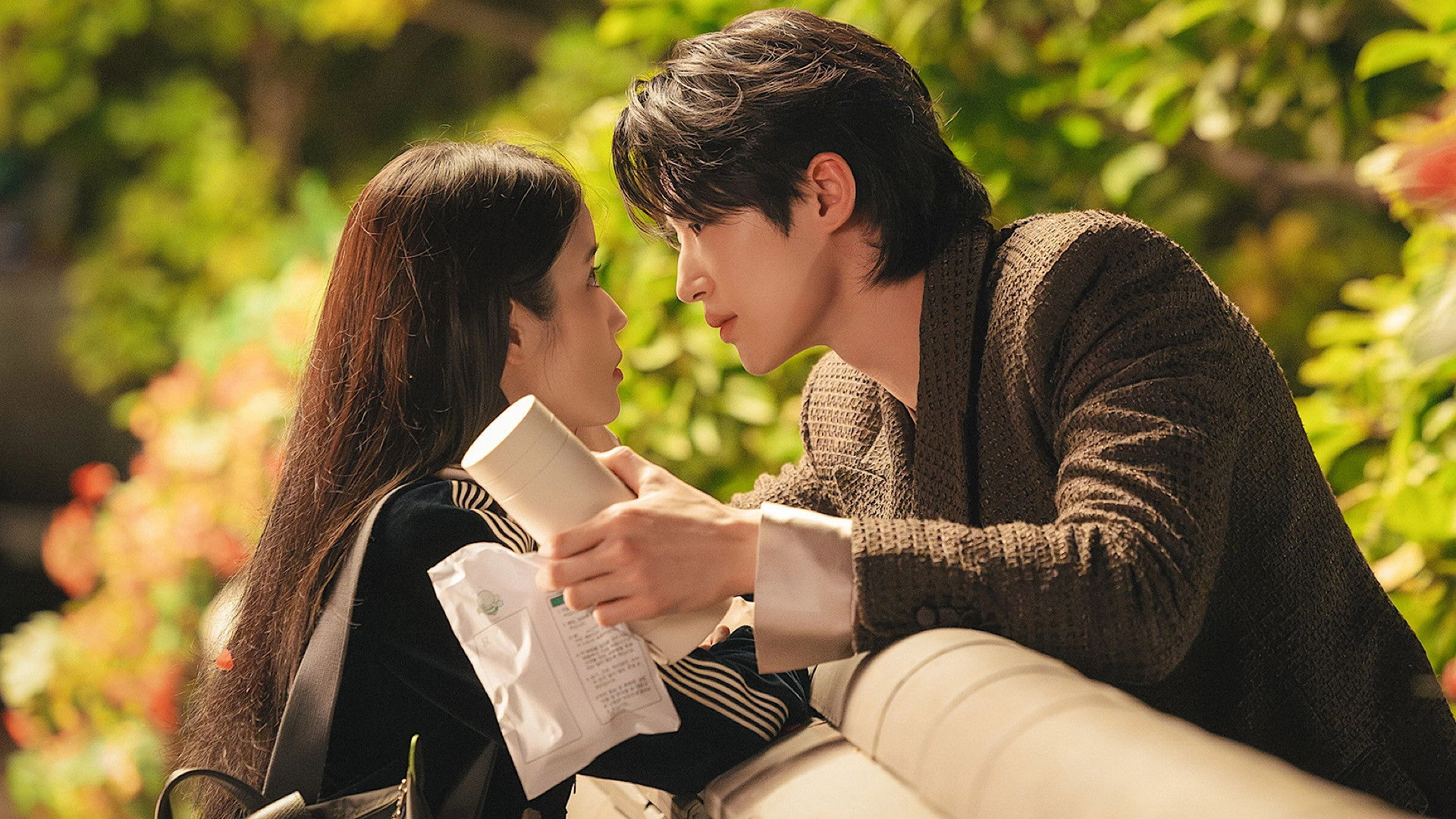
The alternate-monarchy world-building is the drama’s most interesting structural choice — and the most divisive. For some viewers the constitutional monarchy setup is the freshest angle a K-drama romance has used in years, giving the class-divide premise genuine institutional weight: Hui-ju is not just looked down on by snobs, she is structurally excluded by law. For others, the political conspiracy threads — the Queen Dowager’s machinations, Jeong-woo’s ambitions — occasionally crowd out the domestic warmth that is the show’s best quality. Both readings are fair. The drama is at its finest when the politics and the romance are happening in the same scene simultaneously, which the best royal dramas always manage.
The 90-minute runtime per episode is a genuine ask. Episodes four through seven are the drama at its most comfortable and most rewarding, and they move at the pace of a show that knows it has the audience’s trust. The finale tucks every thread in cleanly — perhaps a little too cleanly in Jeong-woo’s case — but the final scene between Hui-ju and I-an earns its quiet, unhurried warmth. This is a drama that believes the people in it deserve to be happy, and in the end, it gives them that. Patient viewers will find it one of the year’s most satisfying romance dramas.
Anyone who loved IU in My Mister and wants to see her carry a lighter show with the same precision
Viewers who want romance with real political stakes — not just family disapproval
🎬 You Might Also Like
If you liked Perfect Crown, these are your next three watches.
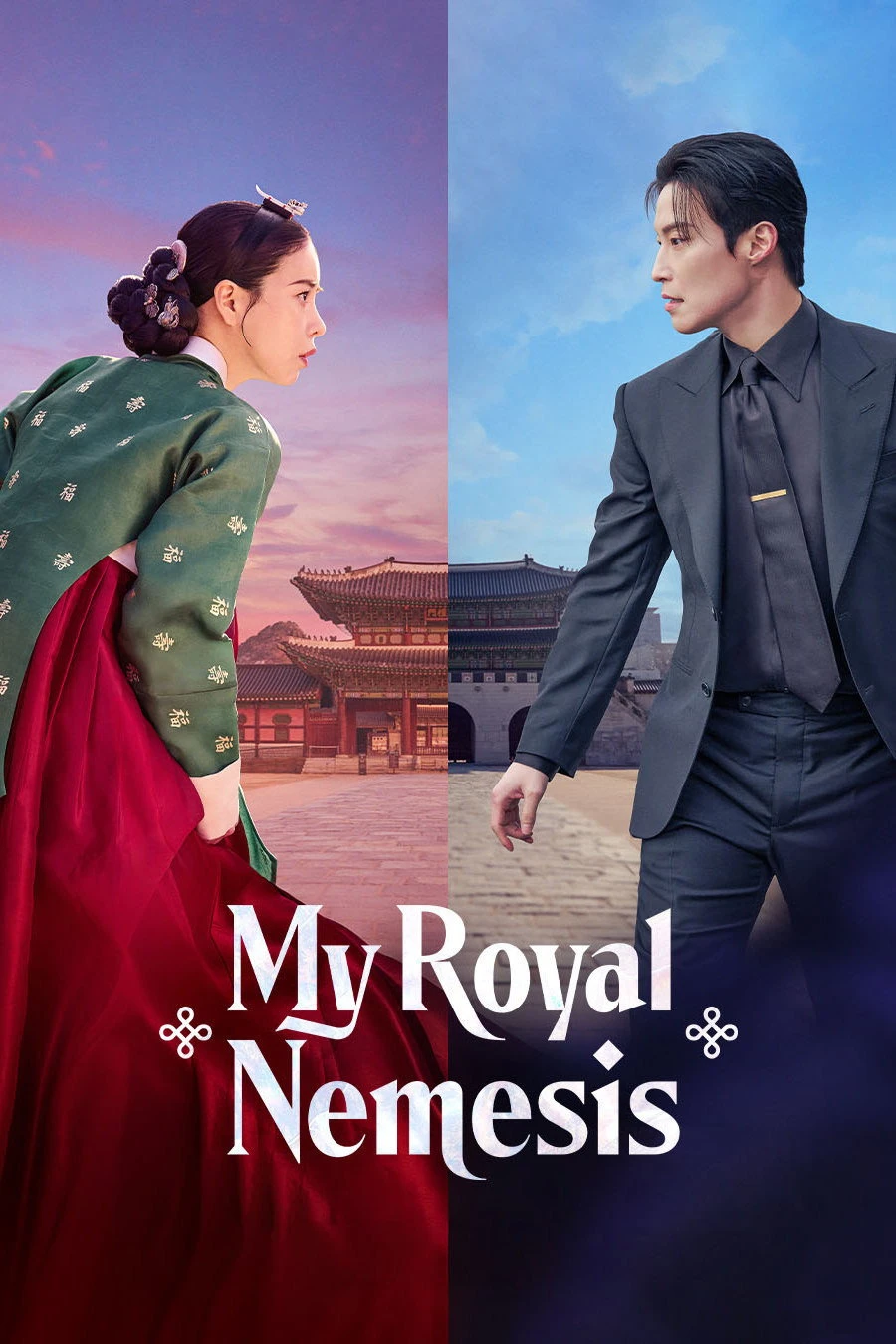 My Royal Nemesis
ChaebolEnemies to Lovers
Read Full Review →
|
 Cinderella at 2AM
ChaebolDetermined male lead
Read Full Review →
|
 Marriage Contract
ChaebolFound Family
Read Full Review →
|










Keep it kind, skip the harsh language, and please — no spoilers. Everyone's taste is different, and that's perfectly fine.
This space is for real reactions and discussion from other viewers. Help keep it comfortable for everyone by not giving away major plot details.
1 Comment
An alternate Korea that’s still a constitutional monarchy is such a bold setting choice for a rom-com 🏰 — using a fictional royal structure to explore class/legitimacy tension hits differently than the usual chaebol-vs-outsider formula. Curious how everyone felt about Hui-ju’s arc as an ‘illegitimate’ daughter navigating that world.
What do you think of this drama?
Login to share your review or leave a comment.
No email needed — just pick a username & password.