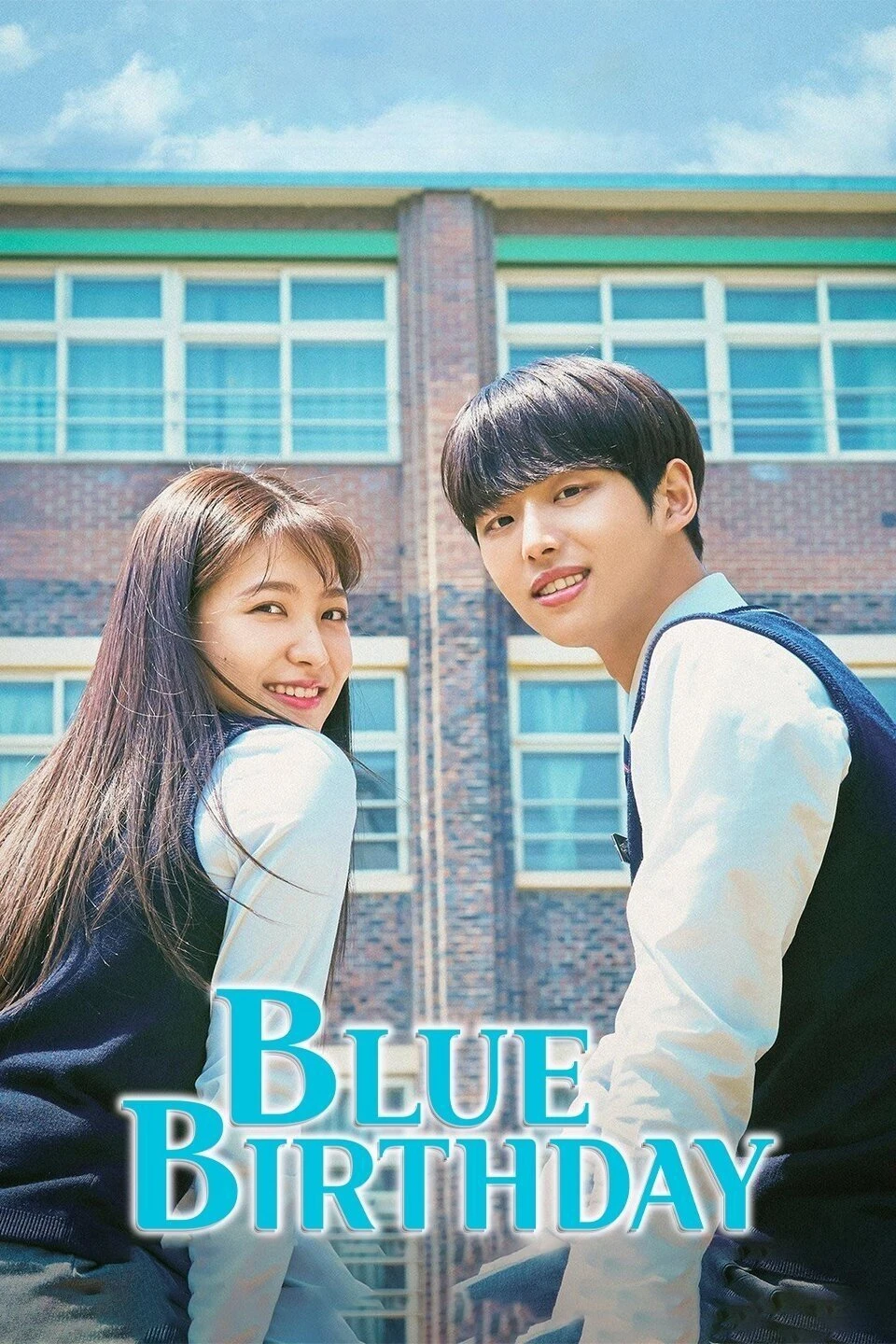
Blue Birthday
🎬 Viki · Apple TV
⭐ 8.2 / 10 MDL
🔞 PG-13
📋 Drama Overview
What to expect, before you press play.
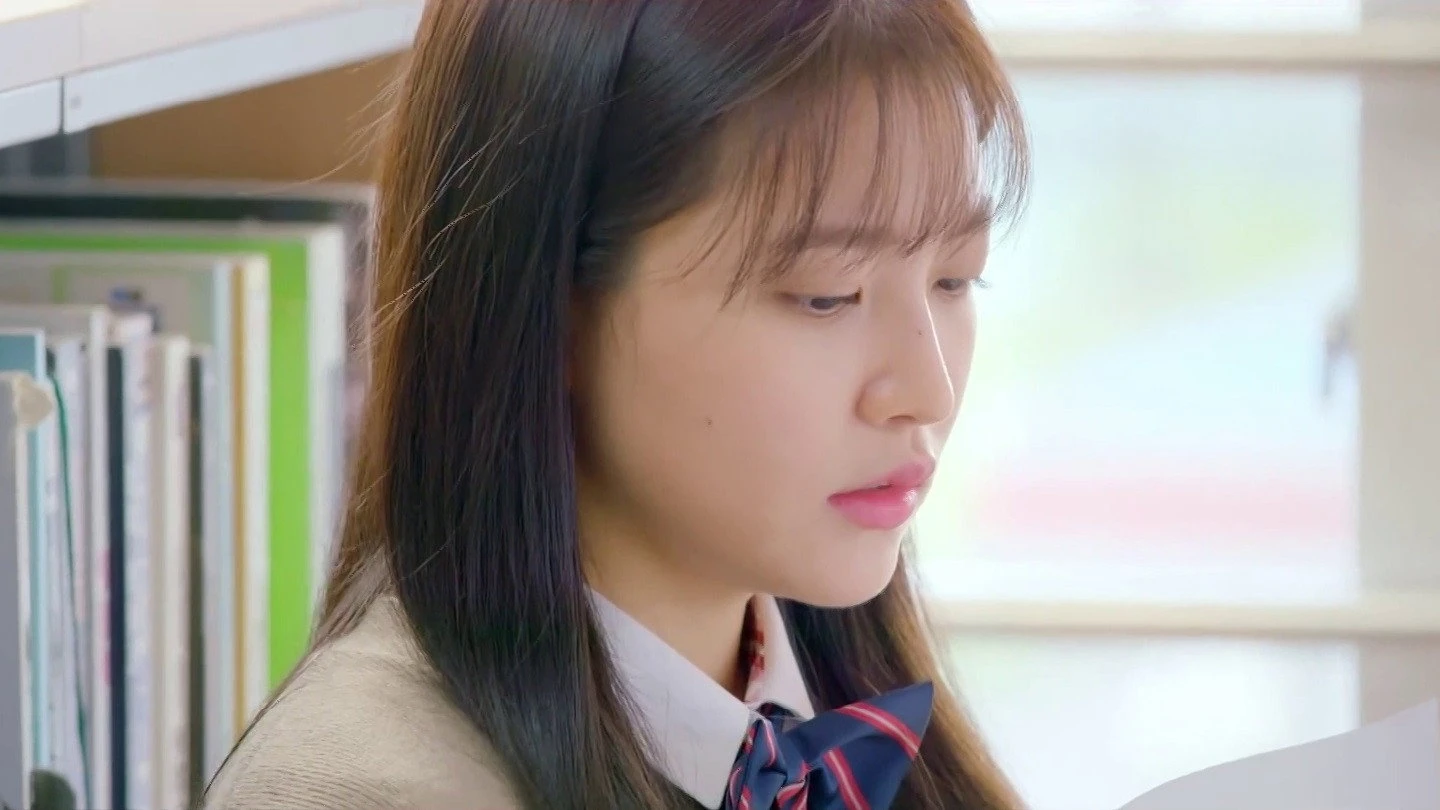
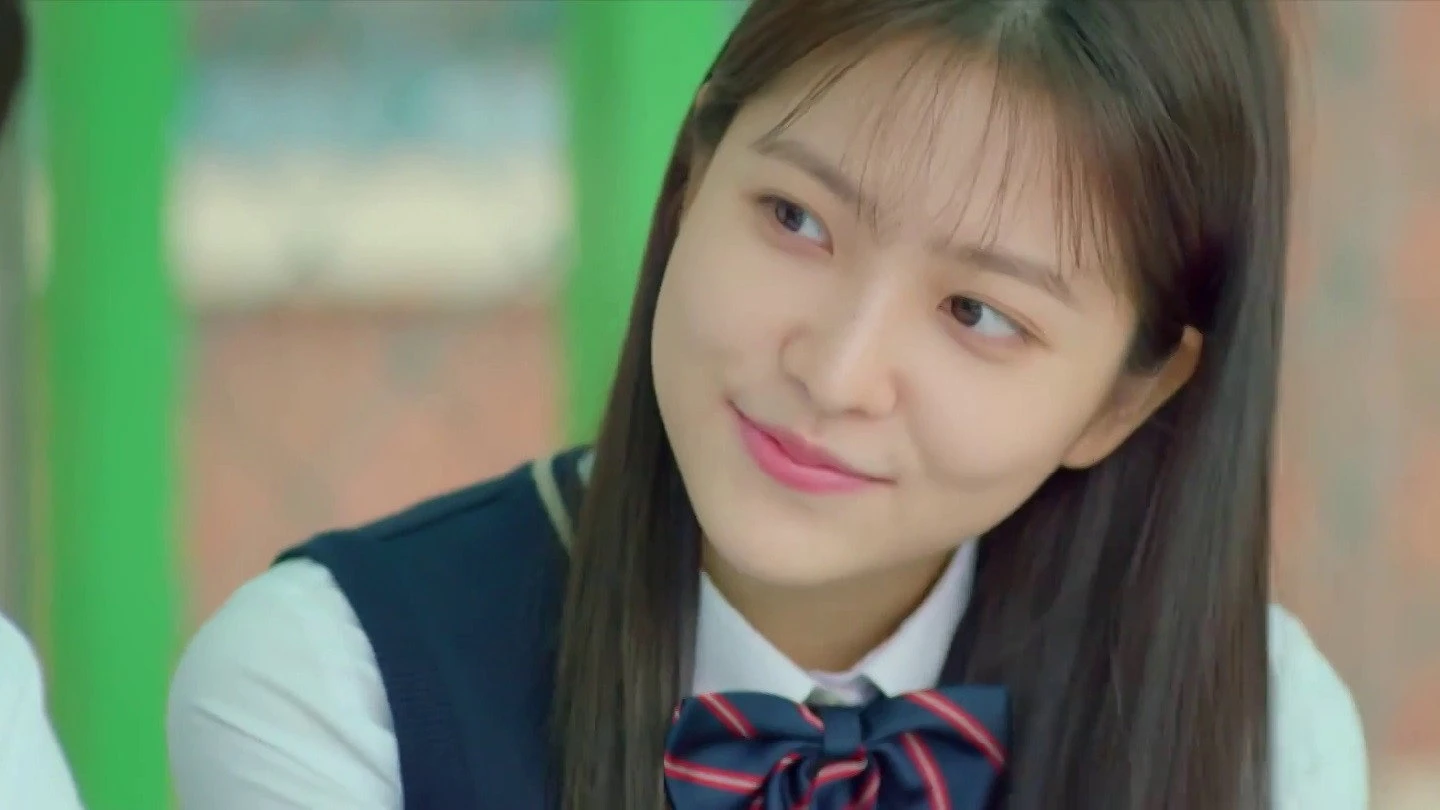
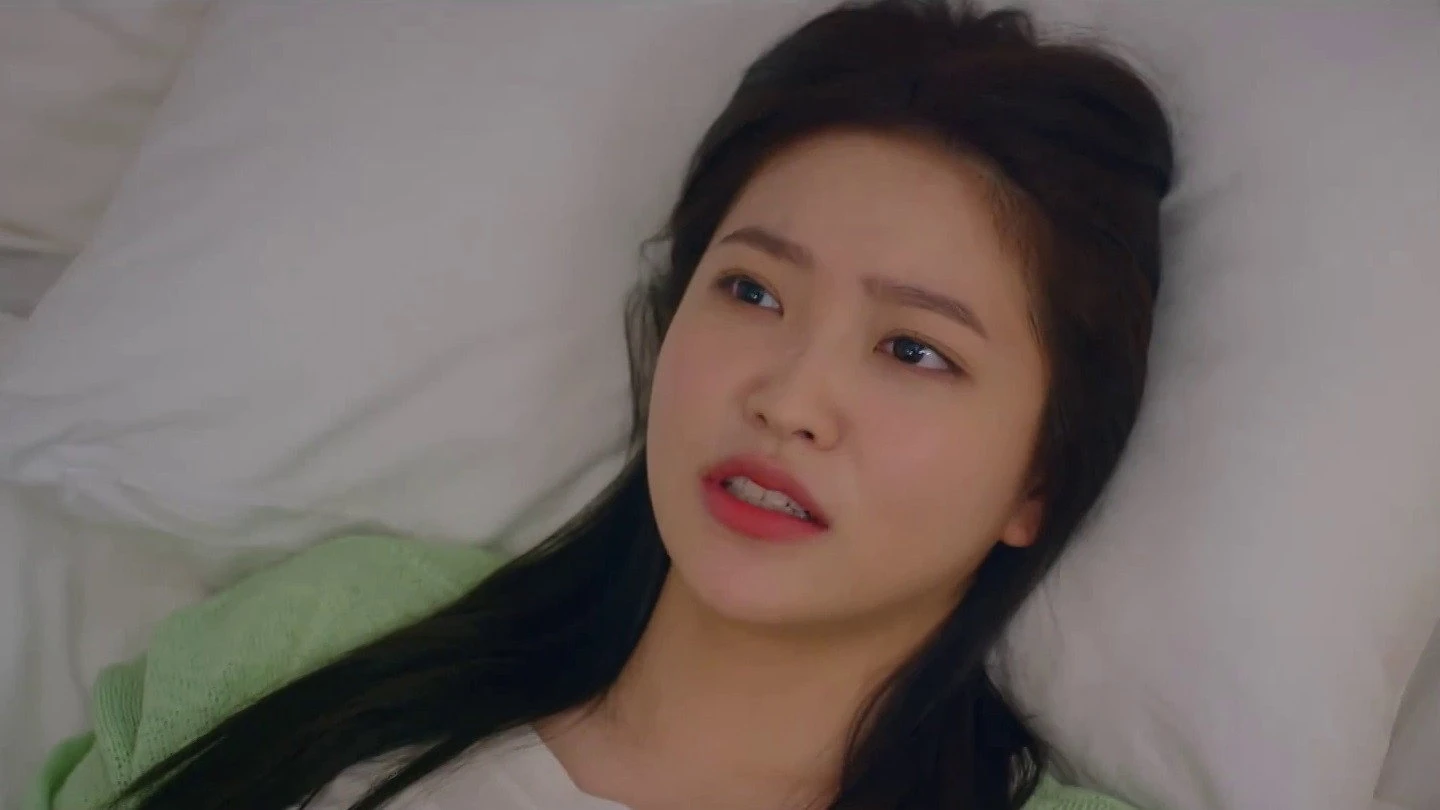
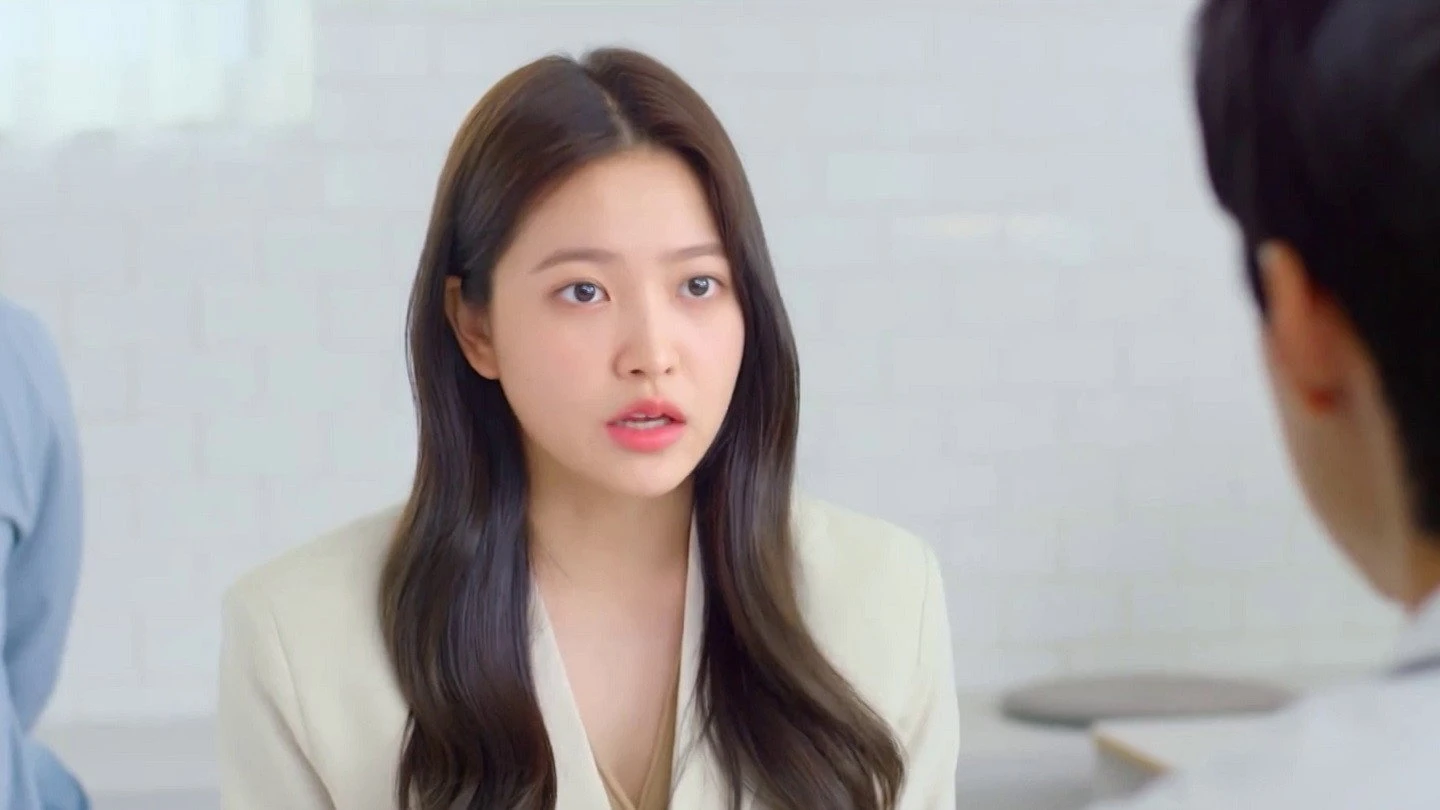
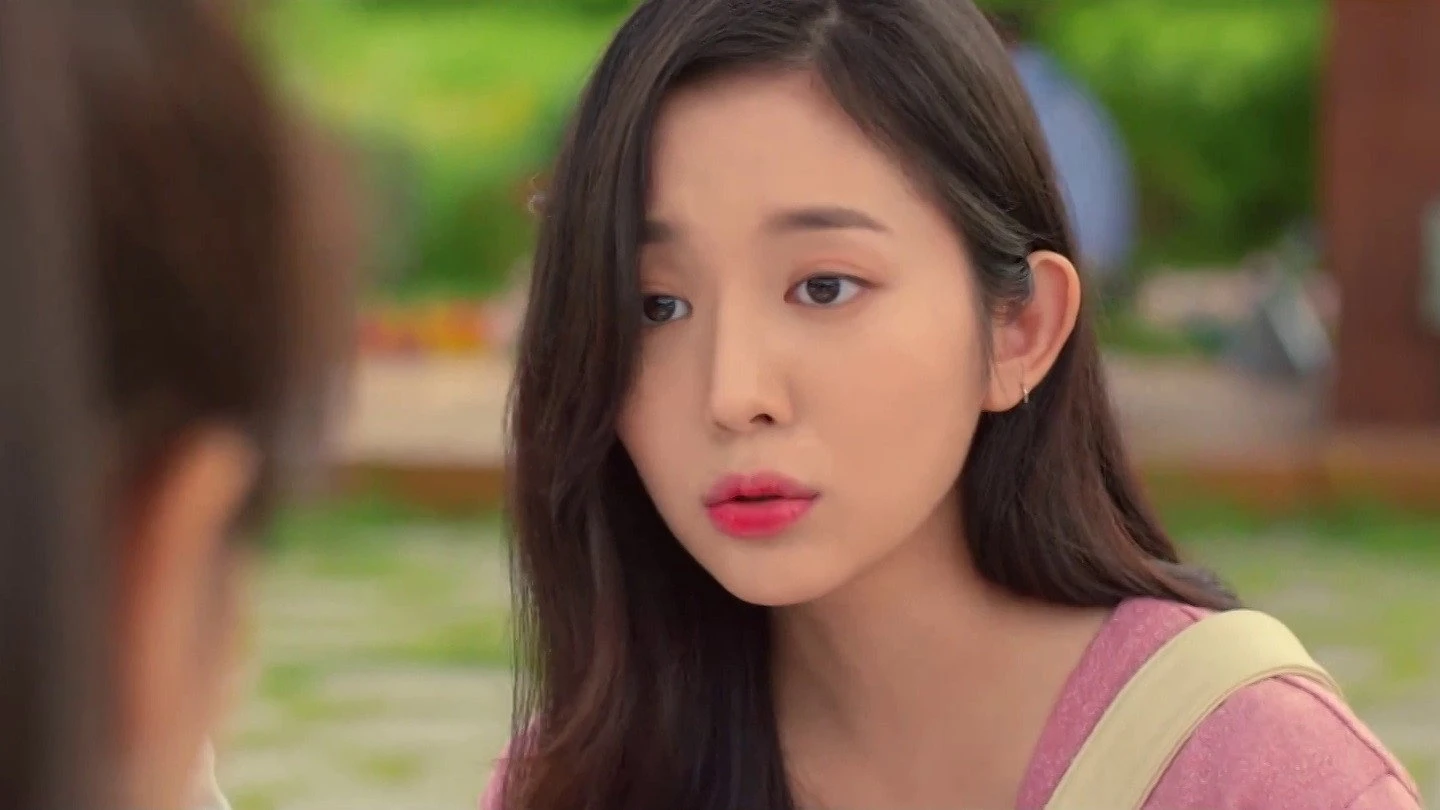
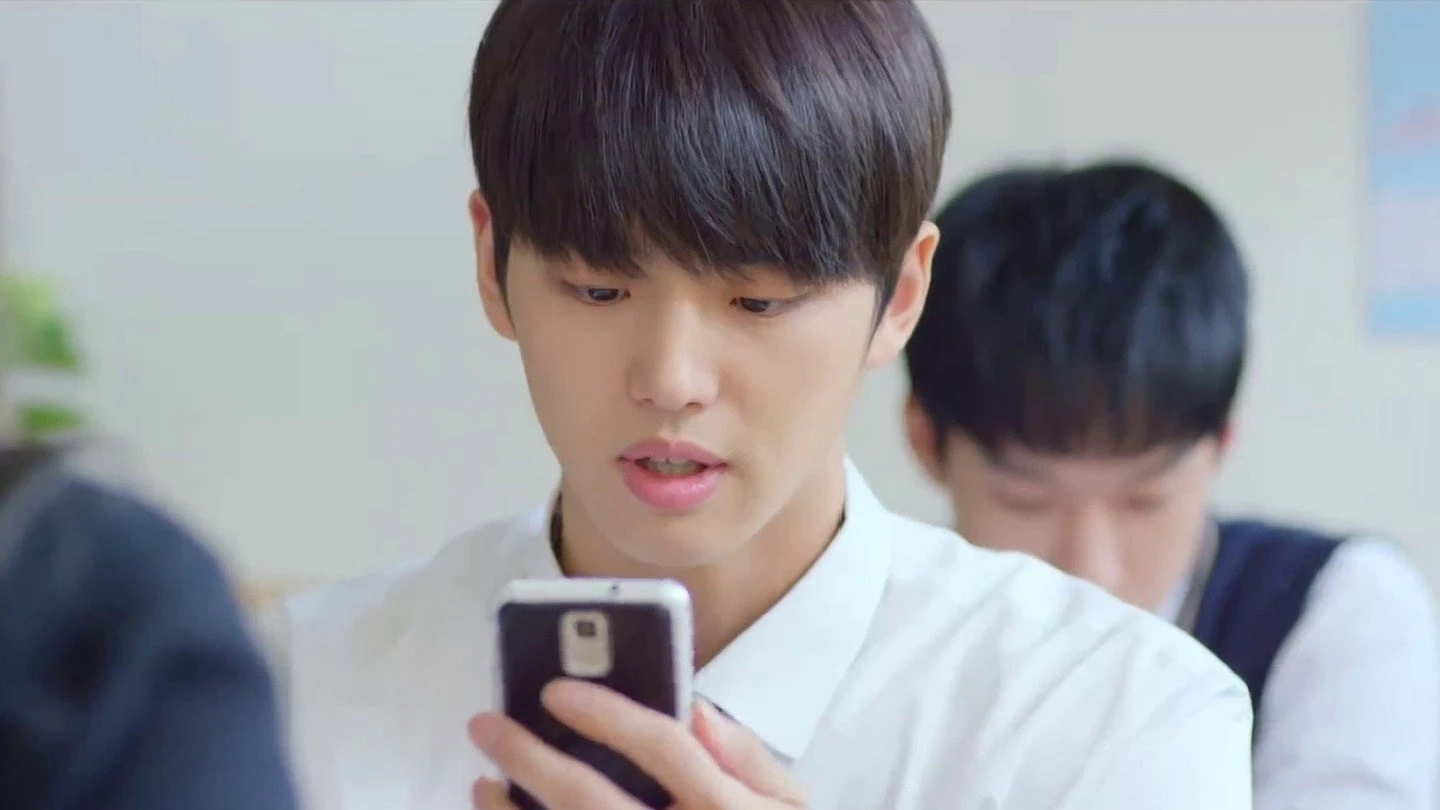
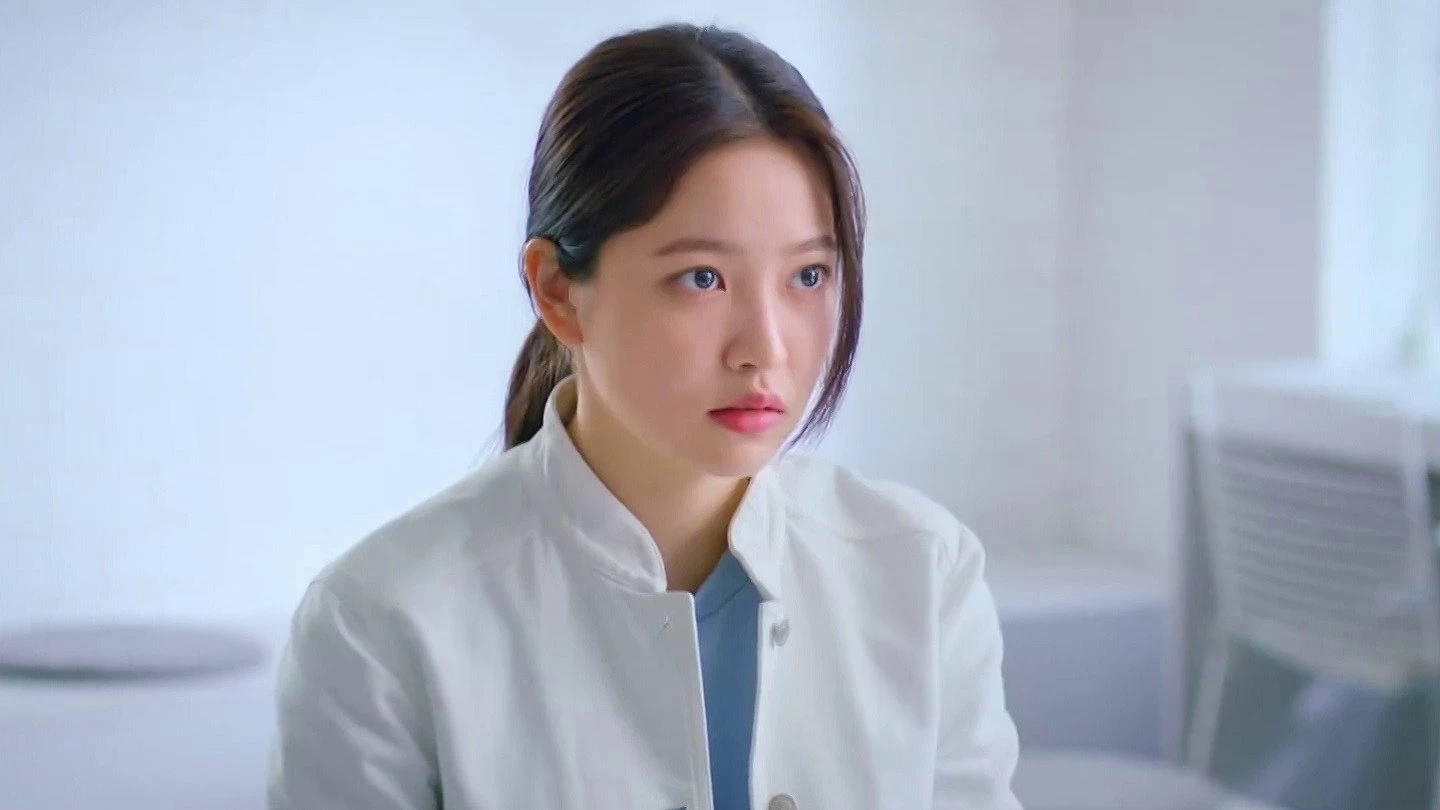
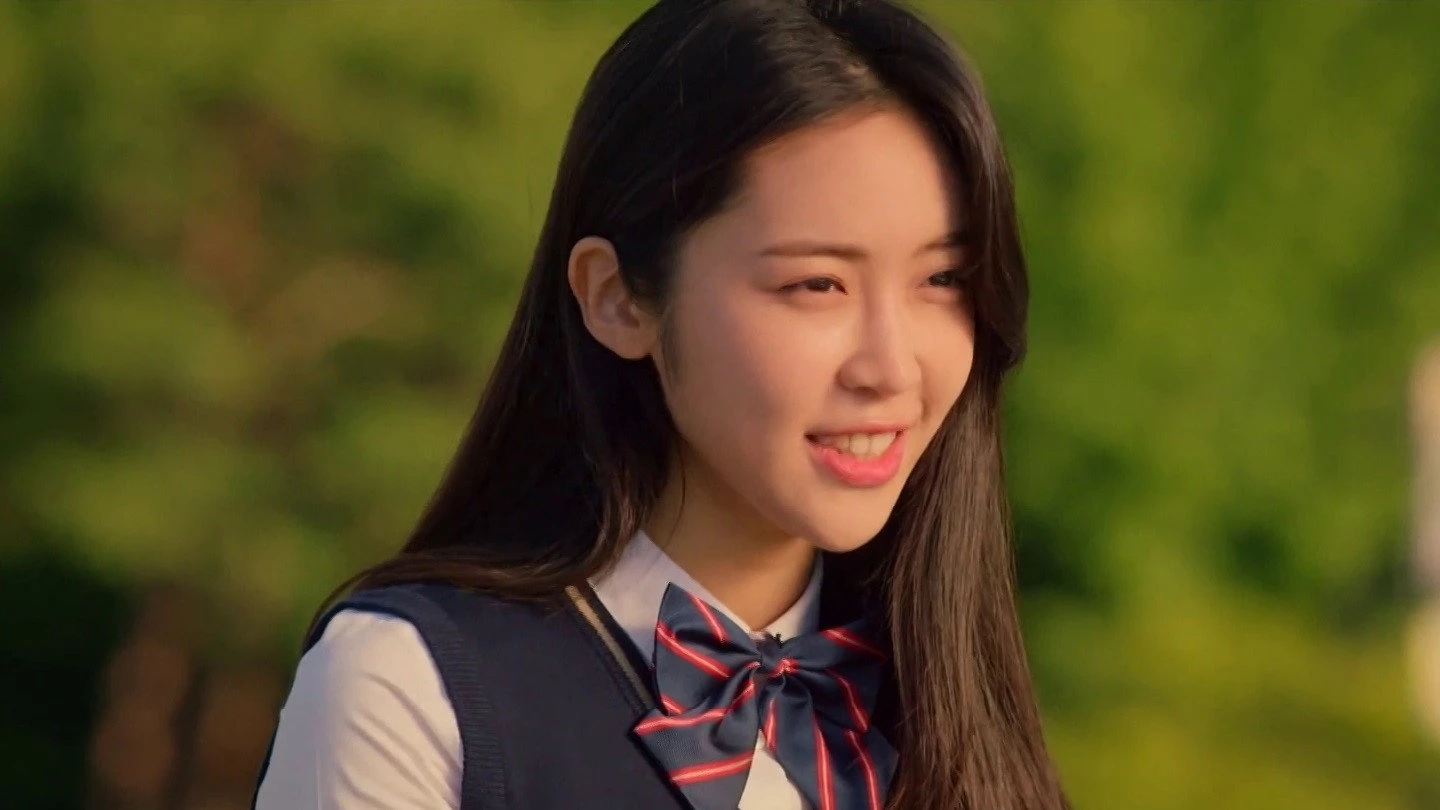
Oh Ha-rin has spent ten years carrying the weight of a birthday that should have been happy. Ji Seo-jun, her first love, died on the day she turned eighteen — and the official story was suicide, clean and terrible and final. Then a set of photographs appears, photographs Seo-jun left behind in secret, and when Ha-rin burns the first one out of grief, she finds herself standing in the moment the photo was taken: the past, with Seo-jun still alive and the whole tragedy still ahead of her.
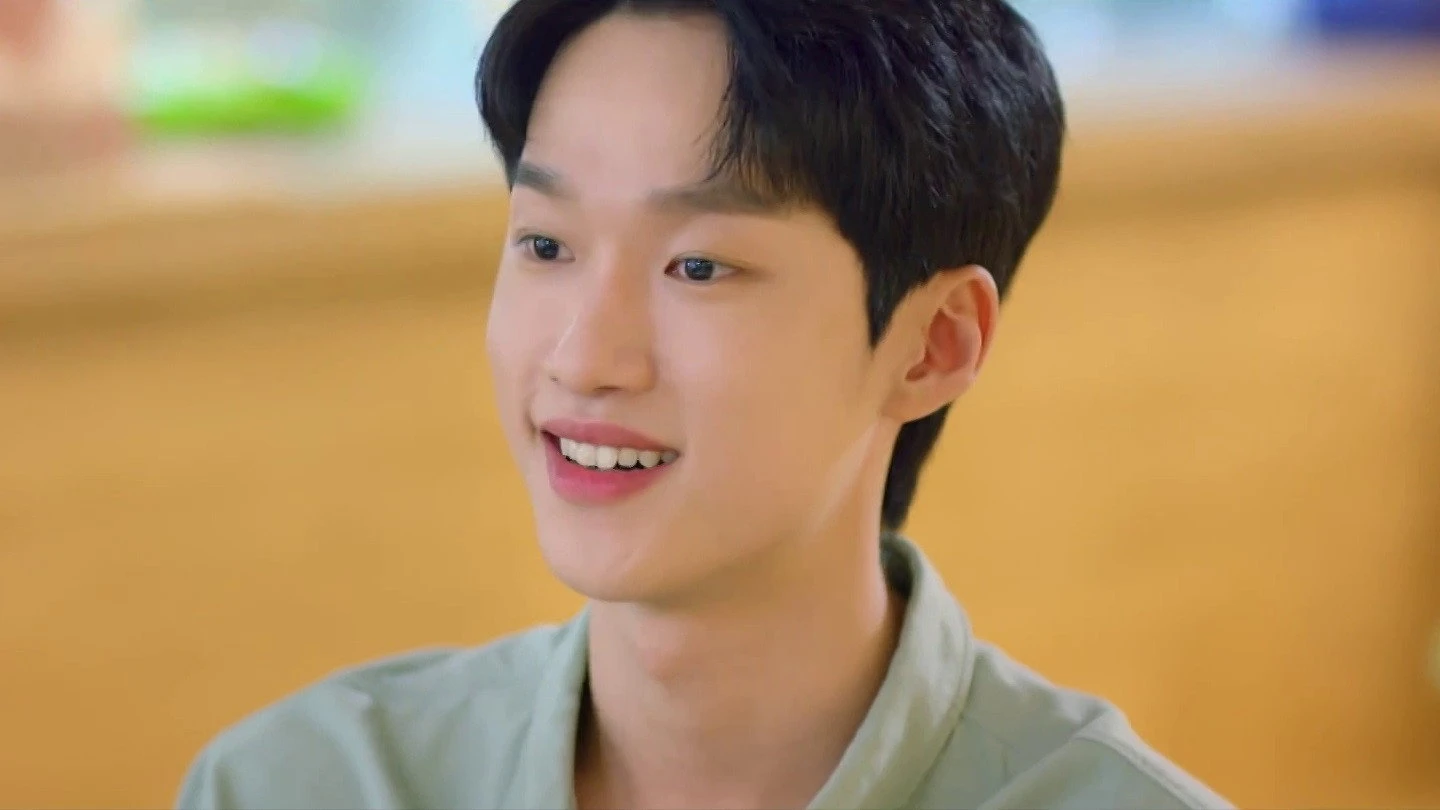
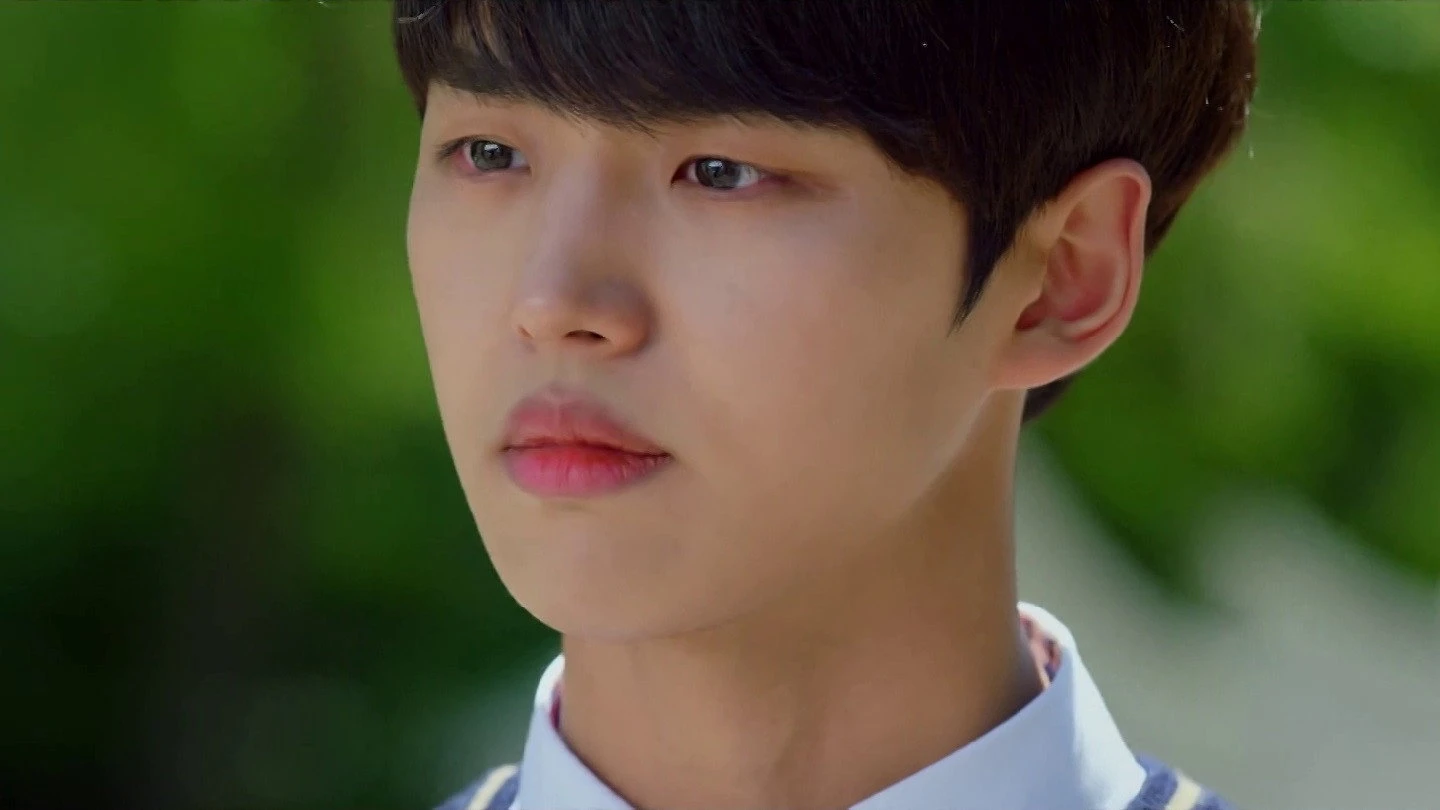
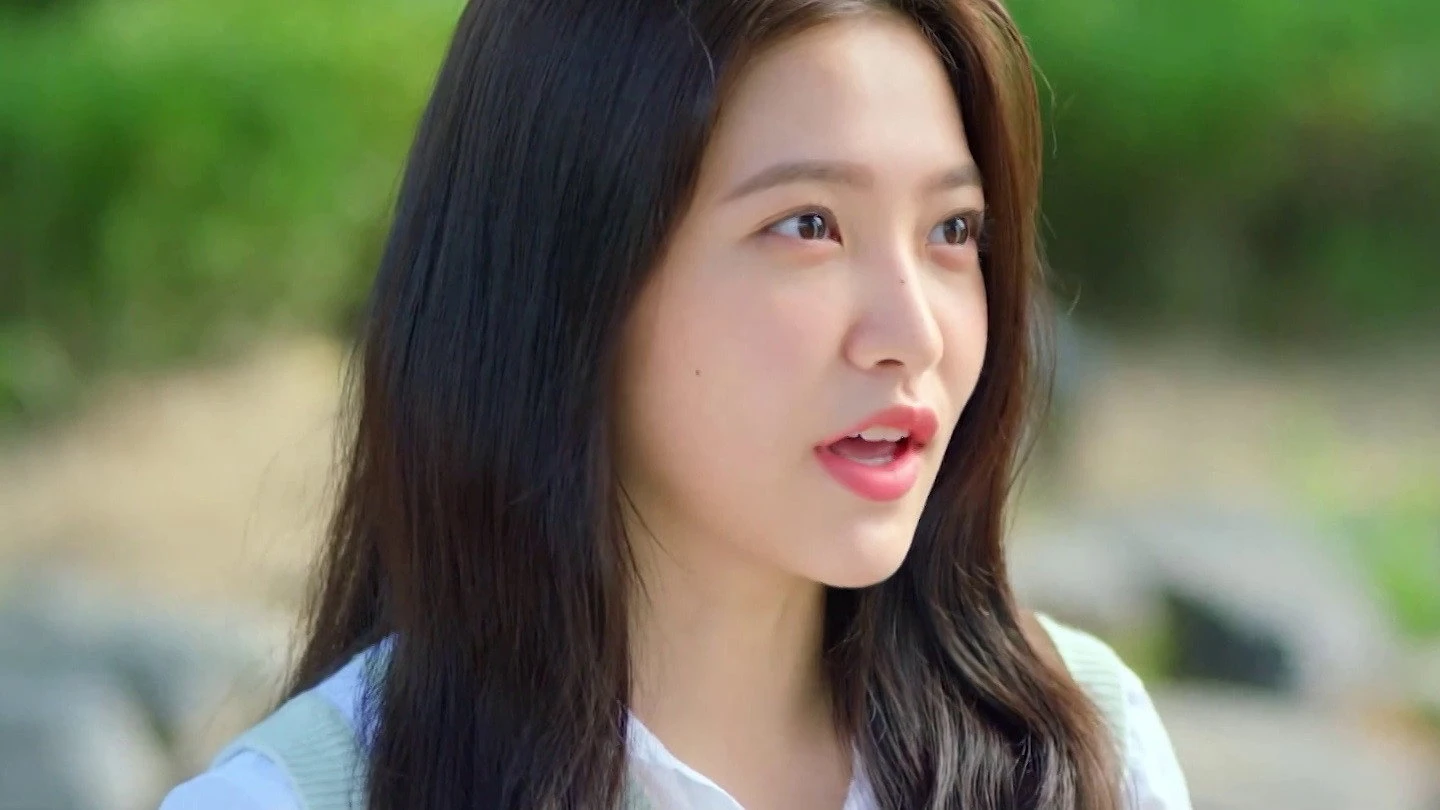
Blue Birthday is a 2021 Naver web drama that punches well above its 24-minute episode count. YERI (of Red Velvet) carries the lead role with a quiet, bone-deep sadness that never tips into performance — her grief reads as something she has been living with, not something she has been asked to display. Yang Hong-seok as the doomed Seo-jun brings a specific kind of warmth that makes his fate feel genuinely unfair. What the show does unusually well is use the time-travel mechanic not as a plot convenience but as a form of investigation: every photo Ha-rin burns gives her a new window into the life she didn’t understand, and the mystery that accumulates around Seo-jun’s death gradually reveals itself to be about far more than one bad day.
16 / 16 ✅ Completed
⚡ Quick Verdict
Everything that matters, at a glance.
· MDL Score · 13,849 ratings
▶ Official Trailer
🎭 Cast & Characters
Two idols who prove that grief is as performable as anything else.

Lead

Lead
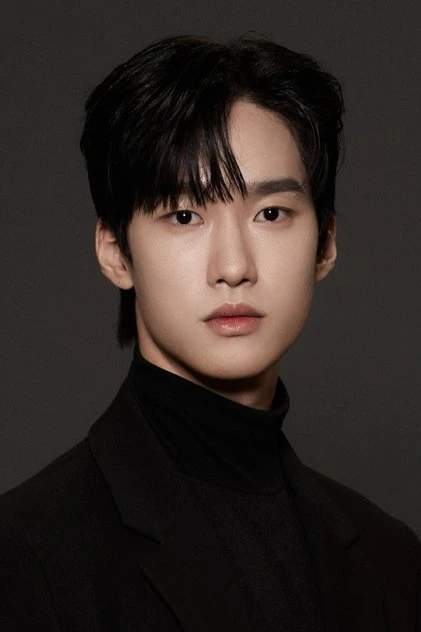
Supporting

Supporting
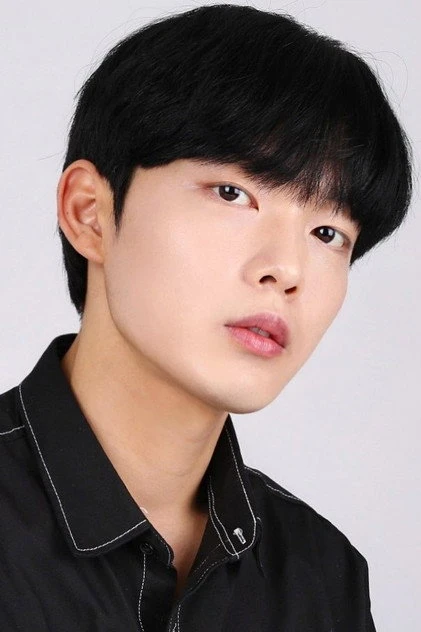
Supporting

Supporting
📺 Episode Guide
Episode-by-episode, kept spoiler-light on purpose.
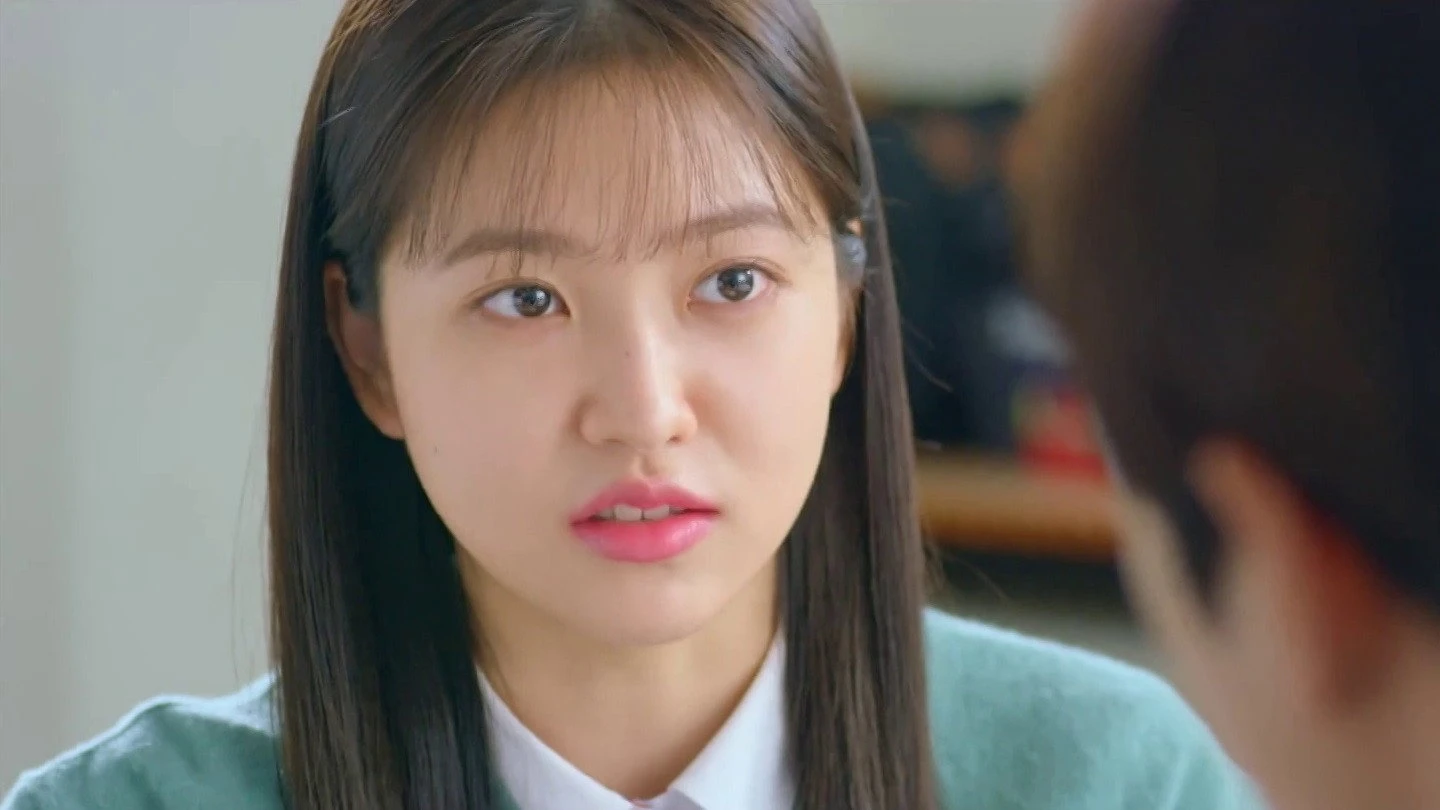
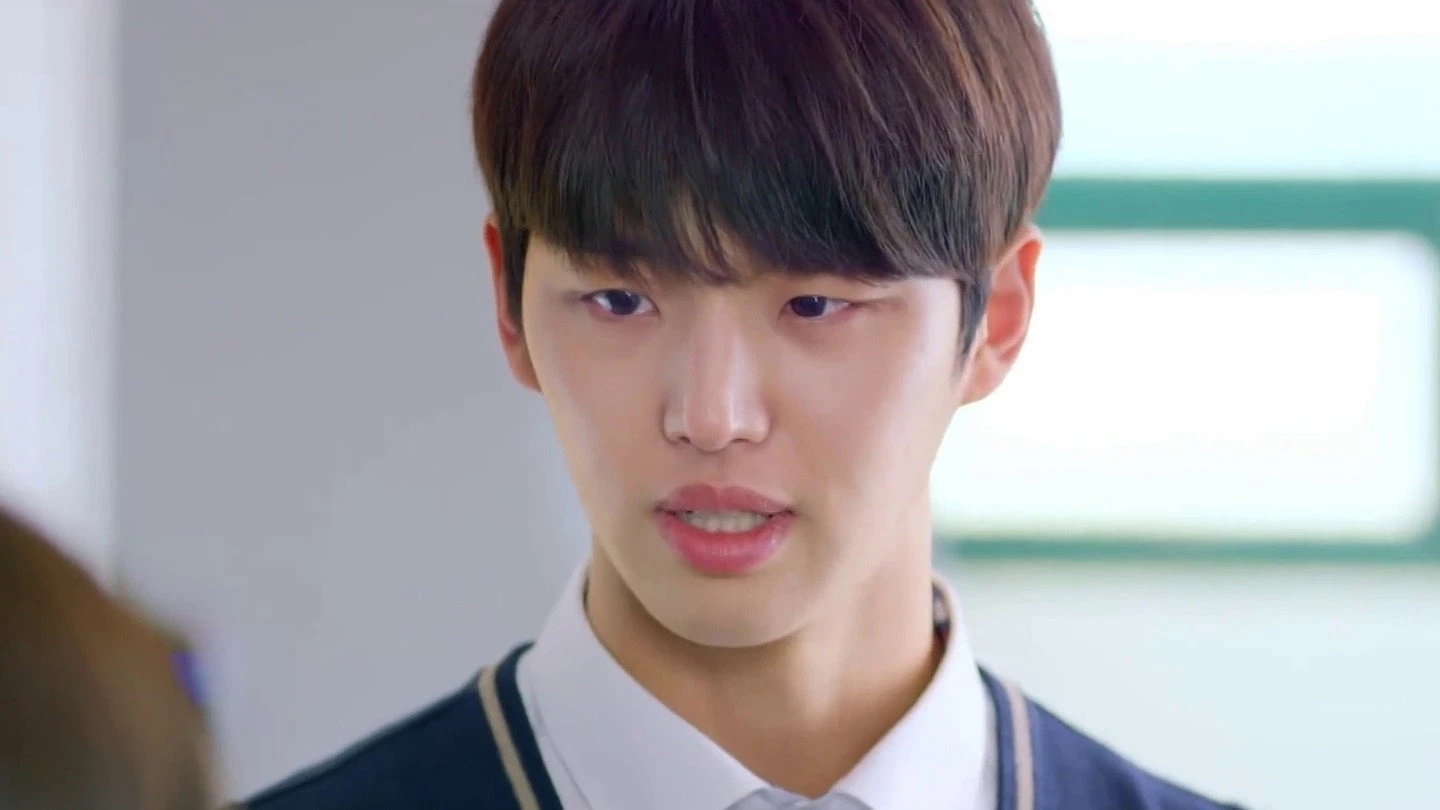
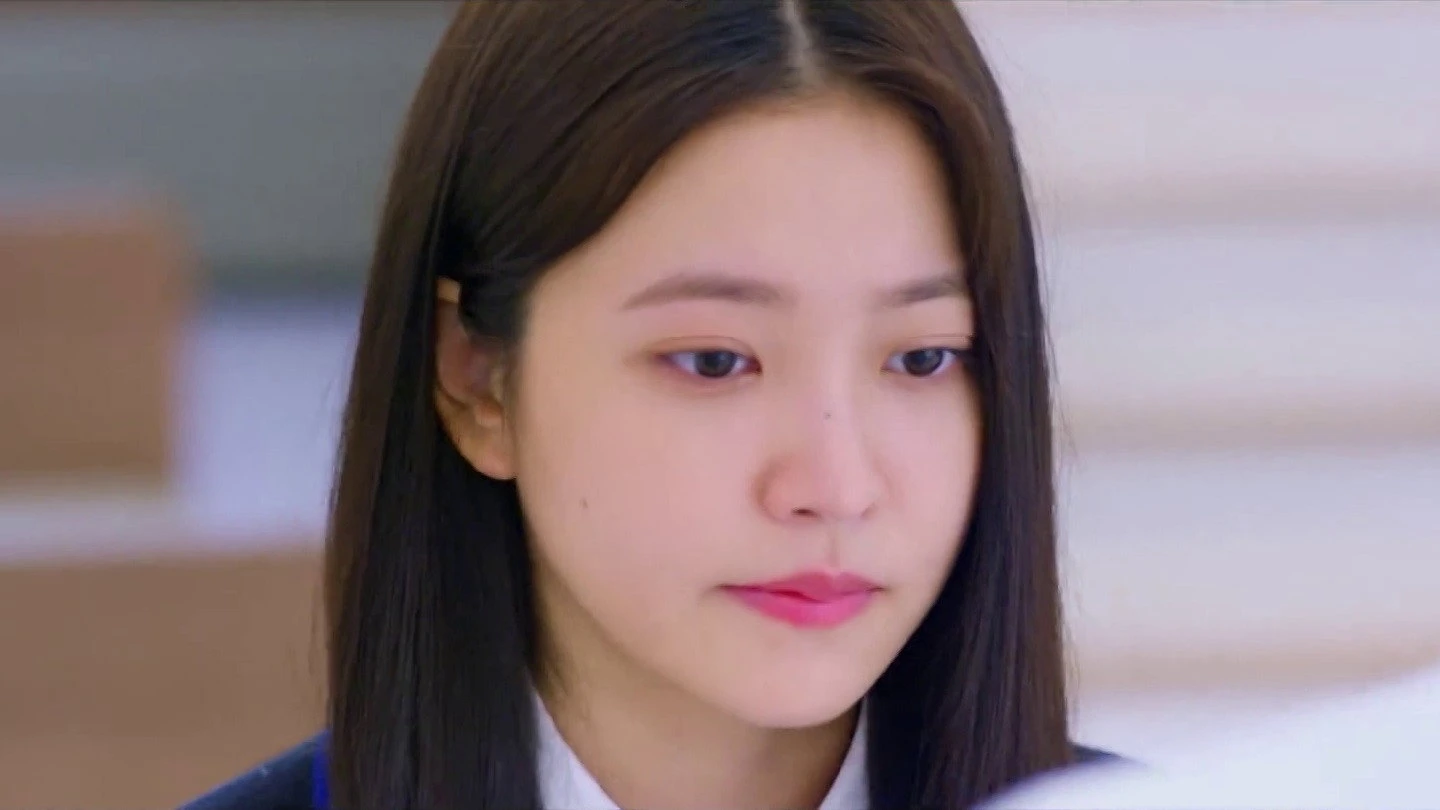
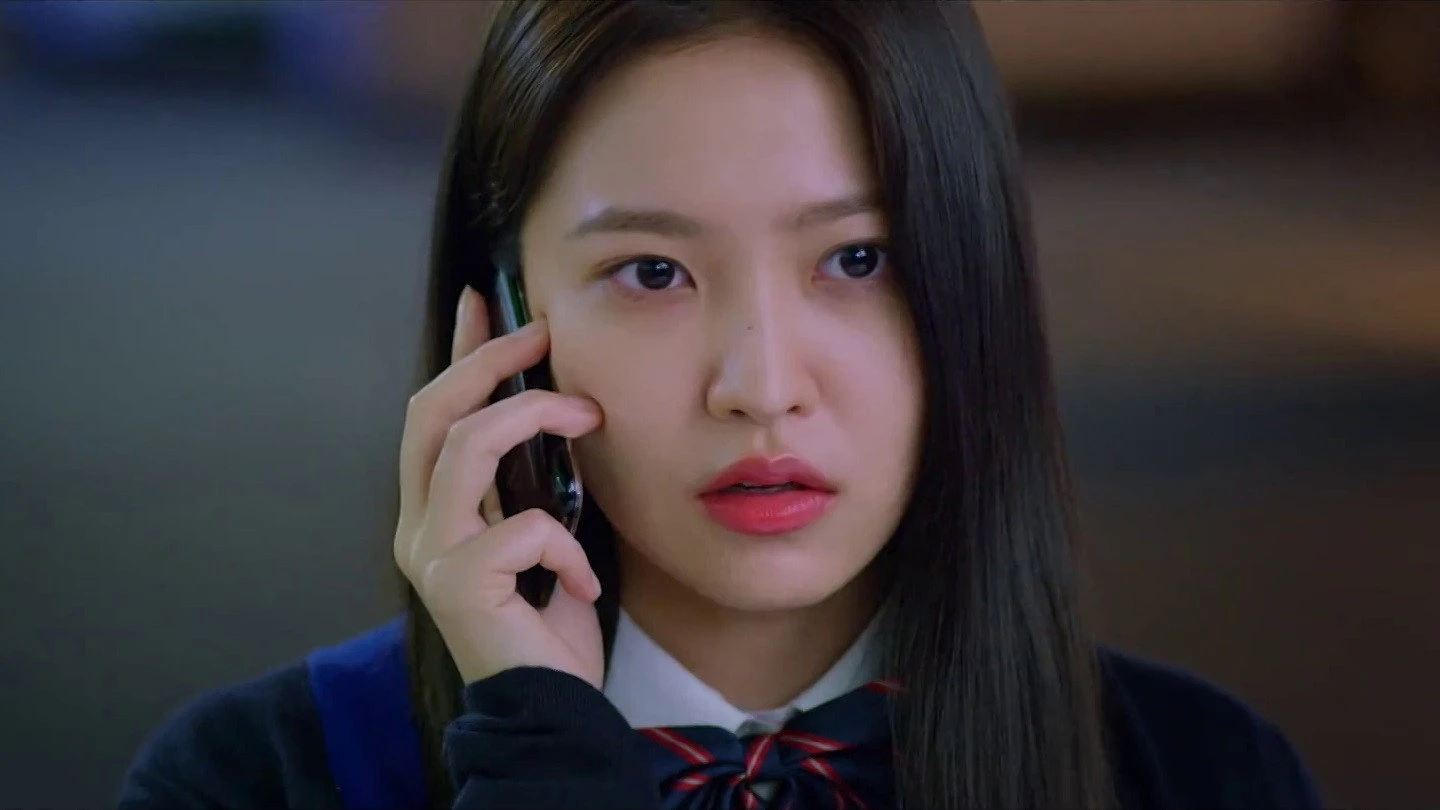
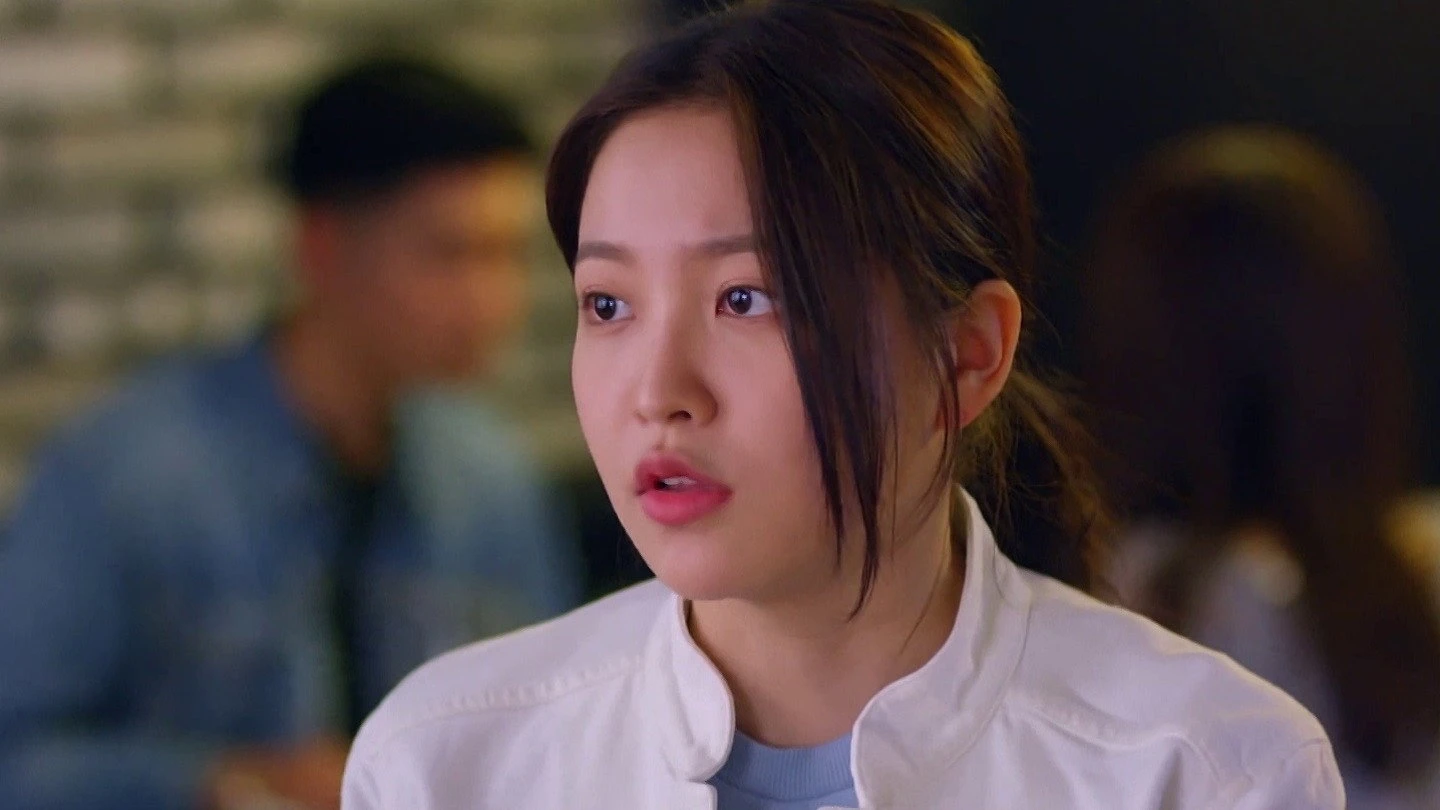
🏁 Ending Explained
Spoiler territory from here — the finale, fully unpacked.
Spoiler Warning — This section covers the full finale of Blue Birthday. Stop here if you haven’t finished the series.
What happened to Ji Seo-jun The ending confirms what Ha-rin has been piecing together across sixteen episodes: Ji Seo-jun’s death was the endpoint of sustained, structured cruelty that multiple people in positions of authority could see and chose to ignore. The specific chain finally comes clear — the isolation, the pressure, the adults who had enough information to intervene and didn’t, and the moment where Seo-jun reached a decision born from feeling completely unseen. Ha-rin’s final intervention doesn’t rewrite the tragedy wholesale. What it does is break into the moment before it and give Seo-jun something his actual last days lacked: proof that someone saw him clearly and chose to stay.
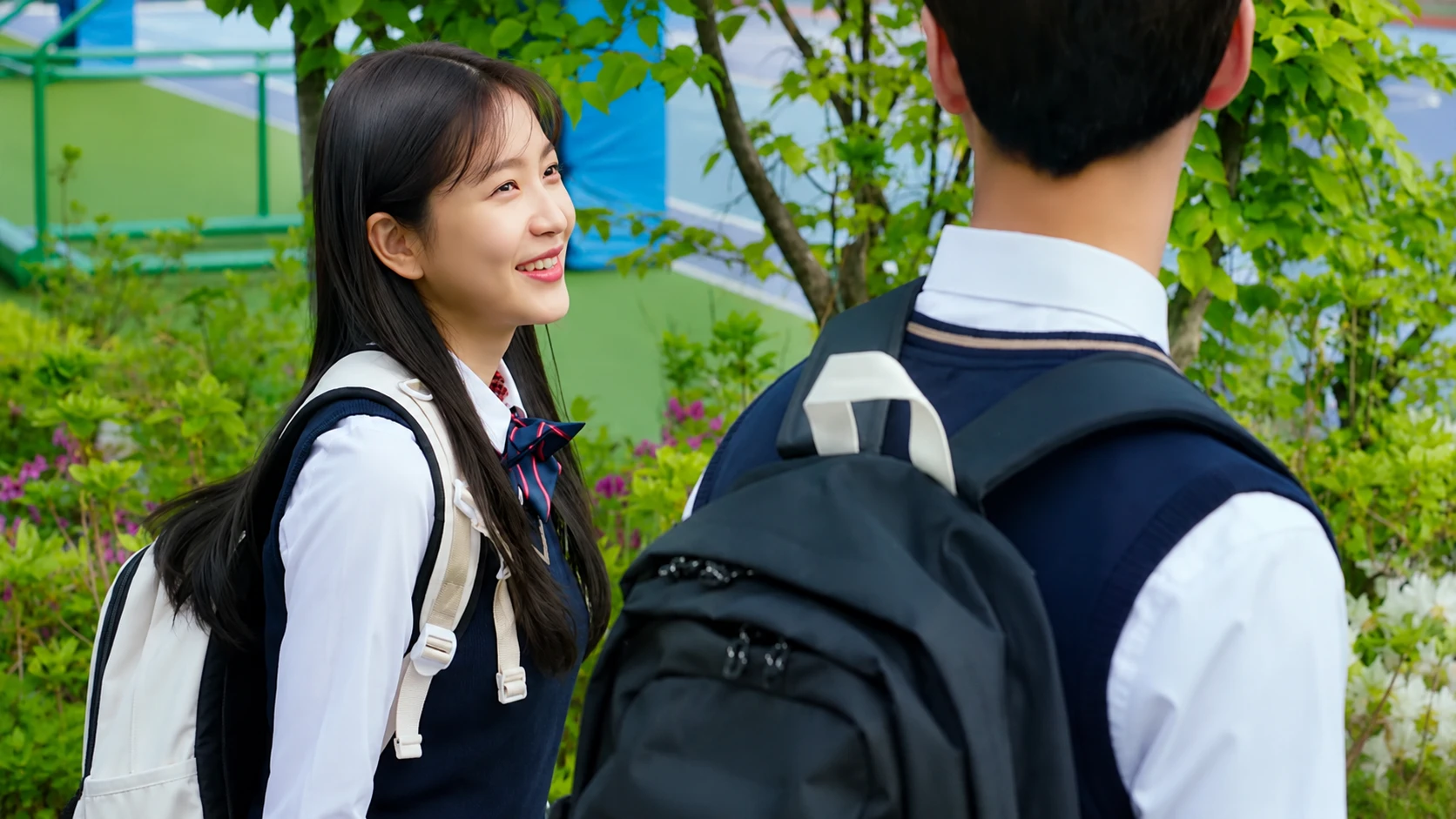
Who failed him The finale is deliberately uncomfortable with accountability. The supporting characters who held information — whose silence was a structural component of the tragedy — face what their decisions cost, and Blue Birthday doesn’t rush toward forgiveness. The bystander problem the show raised in the middle episodes is answered here with moral clarity that isn’t punitive but is honest: silence isn’t neutral, and the ending shows exactly what it produces.
What the photographs meant The photographs were never just a time-travel device. The finale reveals that Seo-jun left them deliberately — not as a mystery to be solved but as an attempt to reach someone after the fact, to have a conversation he couldn’t have while alive. Ha-rin understanding this is the series’ most quietly devastating moment: he had, in the only way available to him, been trying to tell her something. She arrived in time to finally hear it.
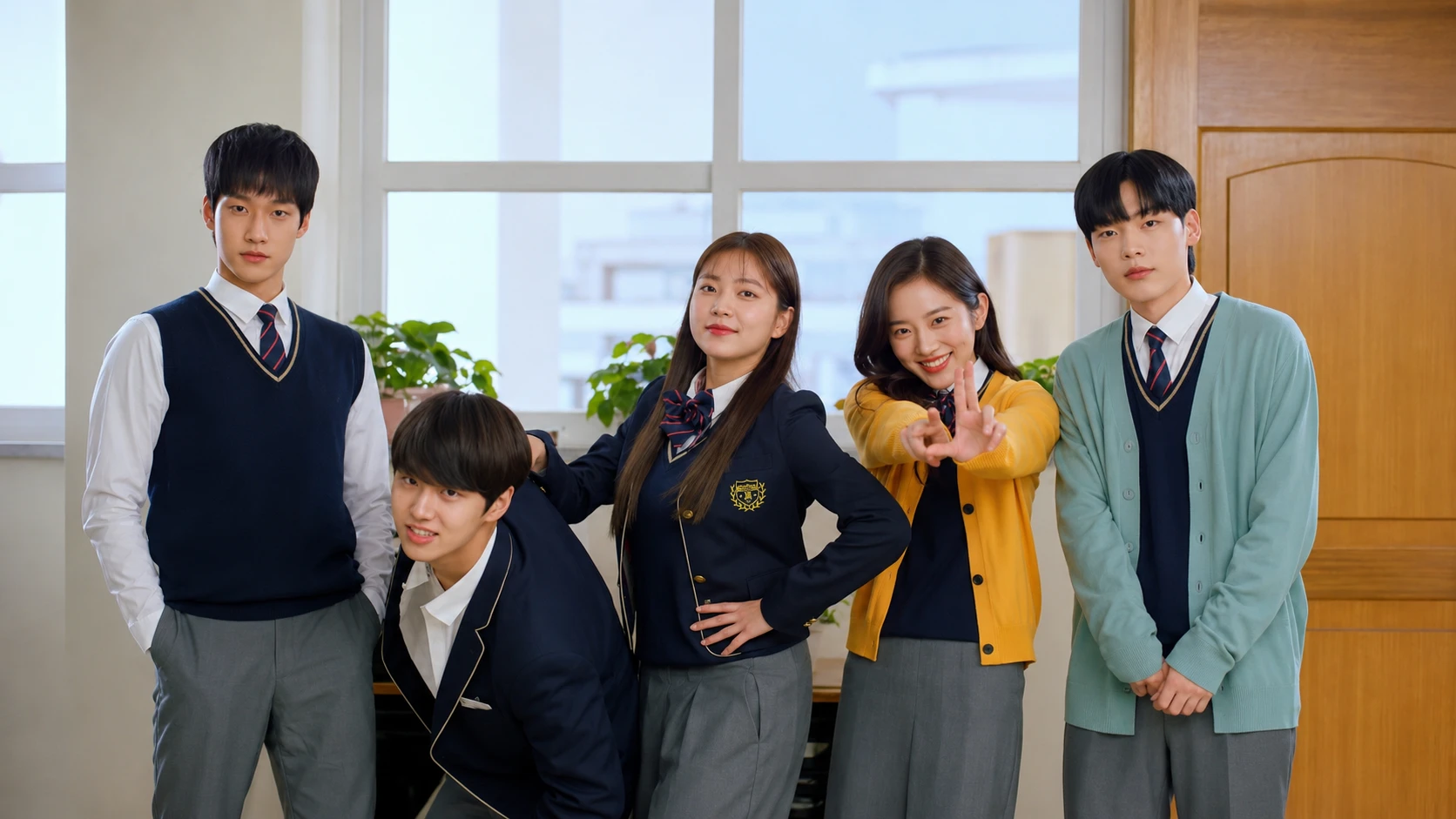
Ha-rin’s ending Ha-rin’s arc doesn’t end with the impossible resolution of Seo-jun surviving. It ends with something rarer in Korean melodrama: a woman choosing to live inside the truth rather than the question. She stops asking why and starts knowing why, and the show treats that knowledge as its own kind of gift — painful, complete, and hers.
The KDW verdict Blue Birthday’s ending works because it earns its emotional beat the honest way. The time-travel mechanic is never used as an escape hatch; the finale gives Ha-rin answers without flinching at what those answers contain. YERI’s performance in the final episode — grief finally understood rather than just felt — is the reason this web drama exceeds what its format usually promises.
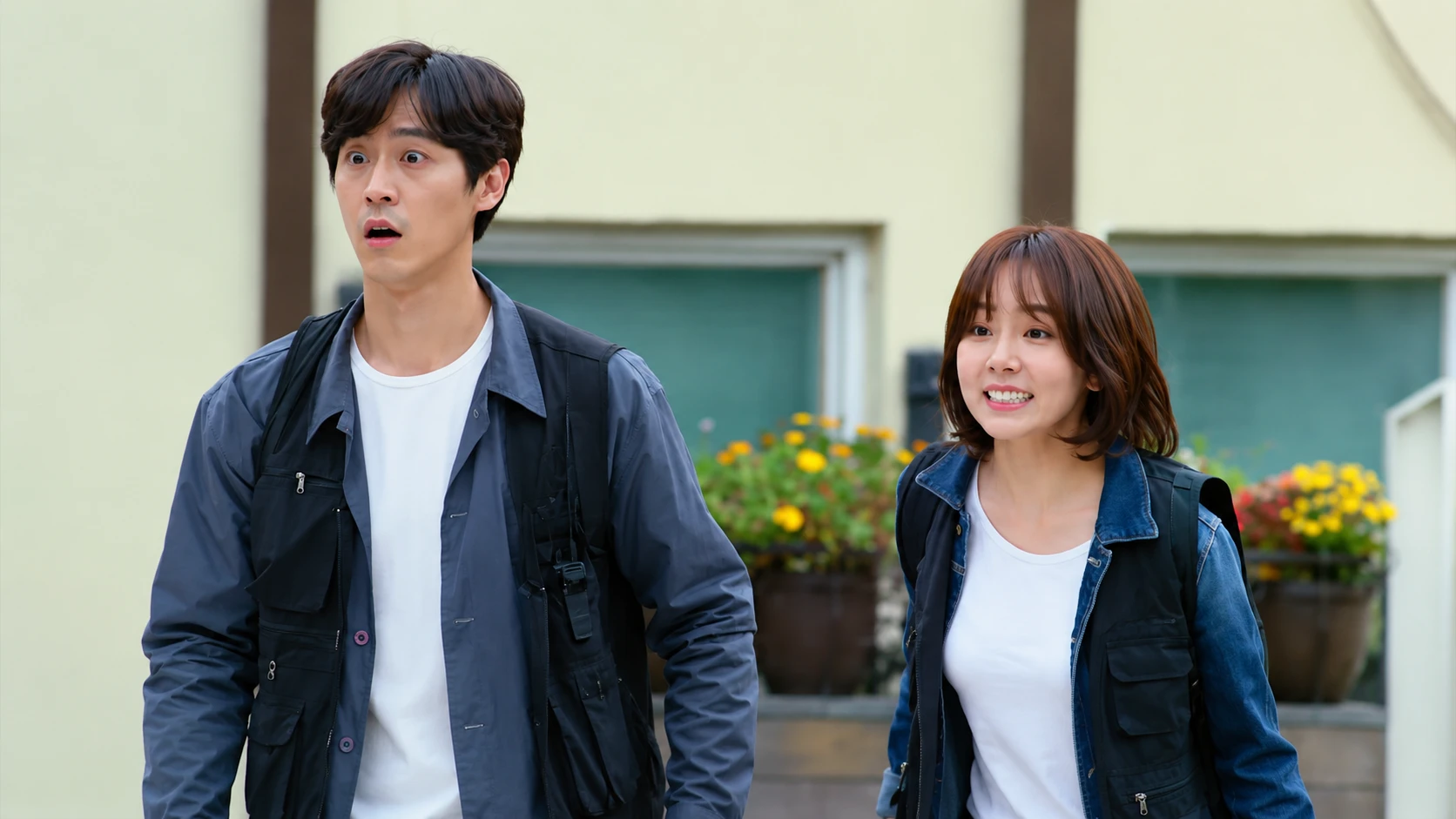
✍️ KDramaWorlds Editor’s Take
Our honest take — is it worth your time, and who’s it really for.
📷 Every Photo Costs Something
🕰️ Time Travel as Heartbreak
🌧️ First Love, Last Goodbye
There is a scene early in Blue Birthday where Ha-rin holds the first photograph and hesitates before burning it — not because she doesn’t know what will happen, but because she does. YERI plays that moment without announcement: the way grief calcifies around a decision, the way you can know something is right and still need a second to let yourself do it. This is the performance register the whole drama operates in, and it is why the show works better than it has any right to for a 24-minute web format. Idol dramas live or die by whether the lead can carry emotional weight across a compressed runtime, and YERI carries it — similarly to how Lovely Runner built its entire first-love-through-time-travel conceit on a lead who could make the audience feel every rule the mechanic imposed.
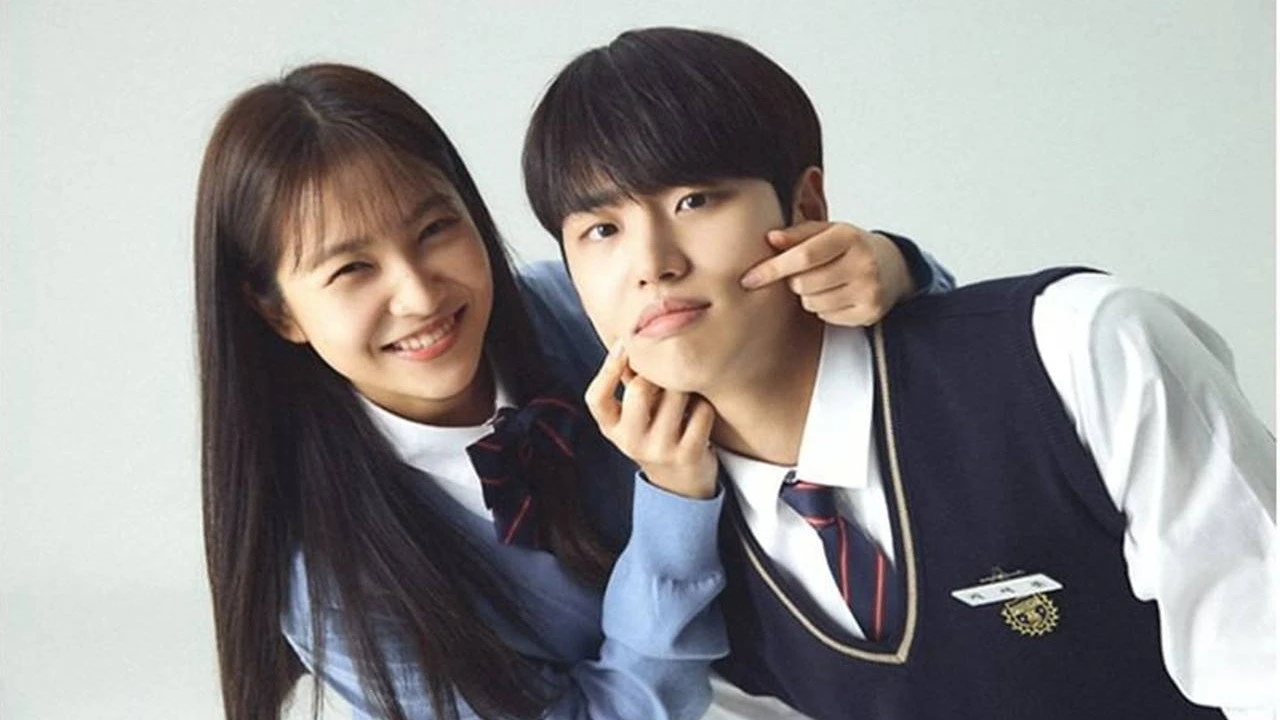
What separates Blue Birthday from the standard idol fantasy is how seriously it takes the mystery structure underneath the romance. The time travel is not here to give Ha-rin second chances at moments she fumbled — it is an investigation tool, and the show treats Seo-jun’s death the way a good thriller treats a crime: as something with layers that need excavating, not just a fact to be undone. The show is closer in spirit to Twinkling Watermelon than to most web dramas — the emotional intelligence is in the architecture, not just in the performances.
Yang Hong-seok as Seo-jun does something quietly difficult: he plays a character who exists primarily as a mystery and a loss, and makes him feel like a complete person anyway. The show could have kept Seo-jun abstract — the tragic first love, beautiful and unknowable — but it invests in showing who he was in the specific moments Ha-rin revisits, which makes the finale land with weight instead of just sentiment.
Viewers who want romance and mystery woven together, not competing for screen time
24-minute episodes make this the between-series palate cleanser that quietly becomes its own obsession
🎬 You Might Also Like
If you liked Blue Birthday, these are your next three watches.
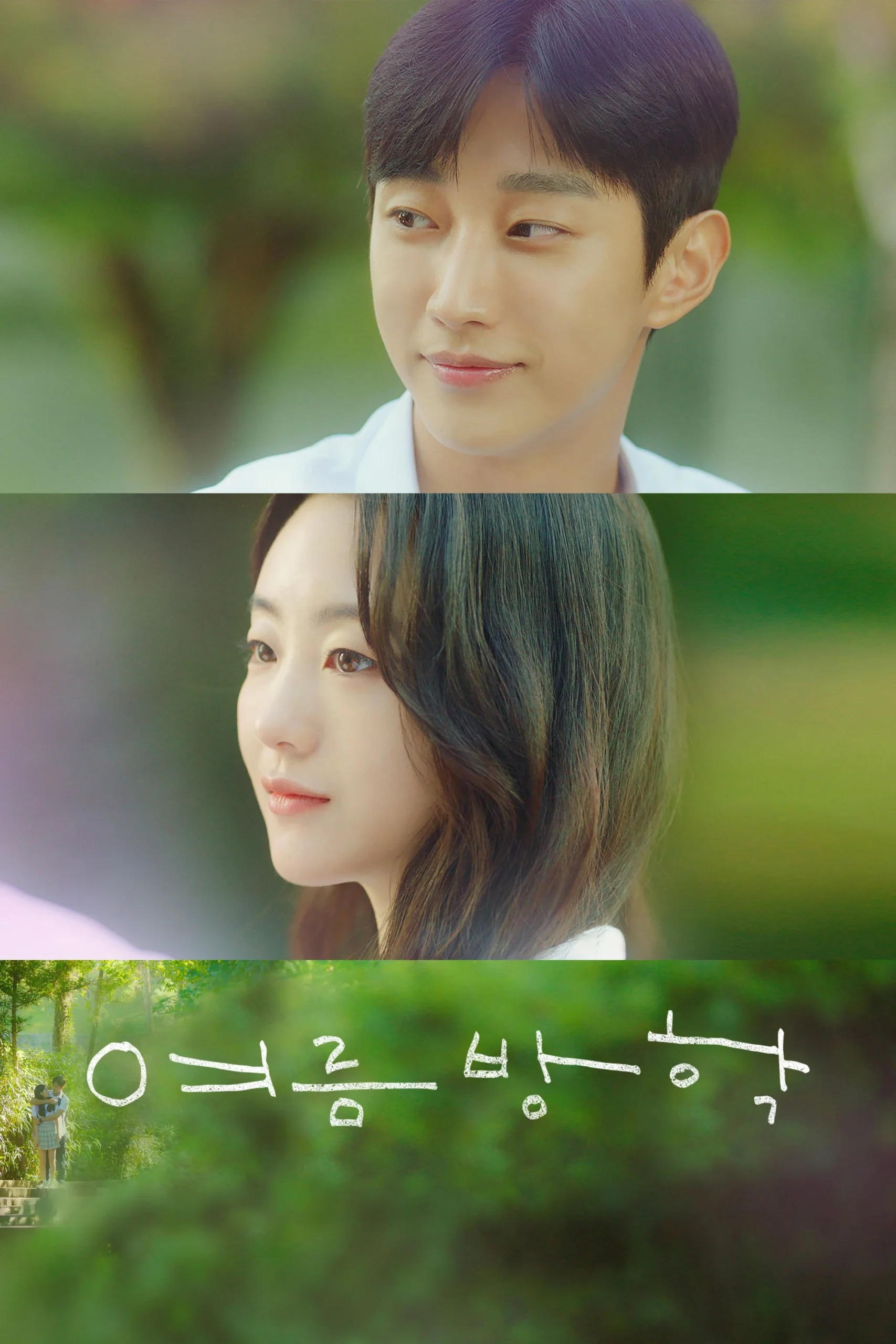 Summer Vacation
Cho Yi-hyunfantasy
Read Full Review →
|
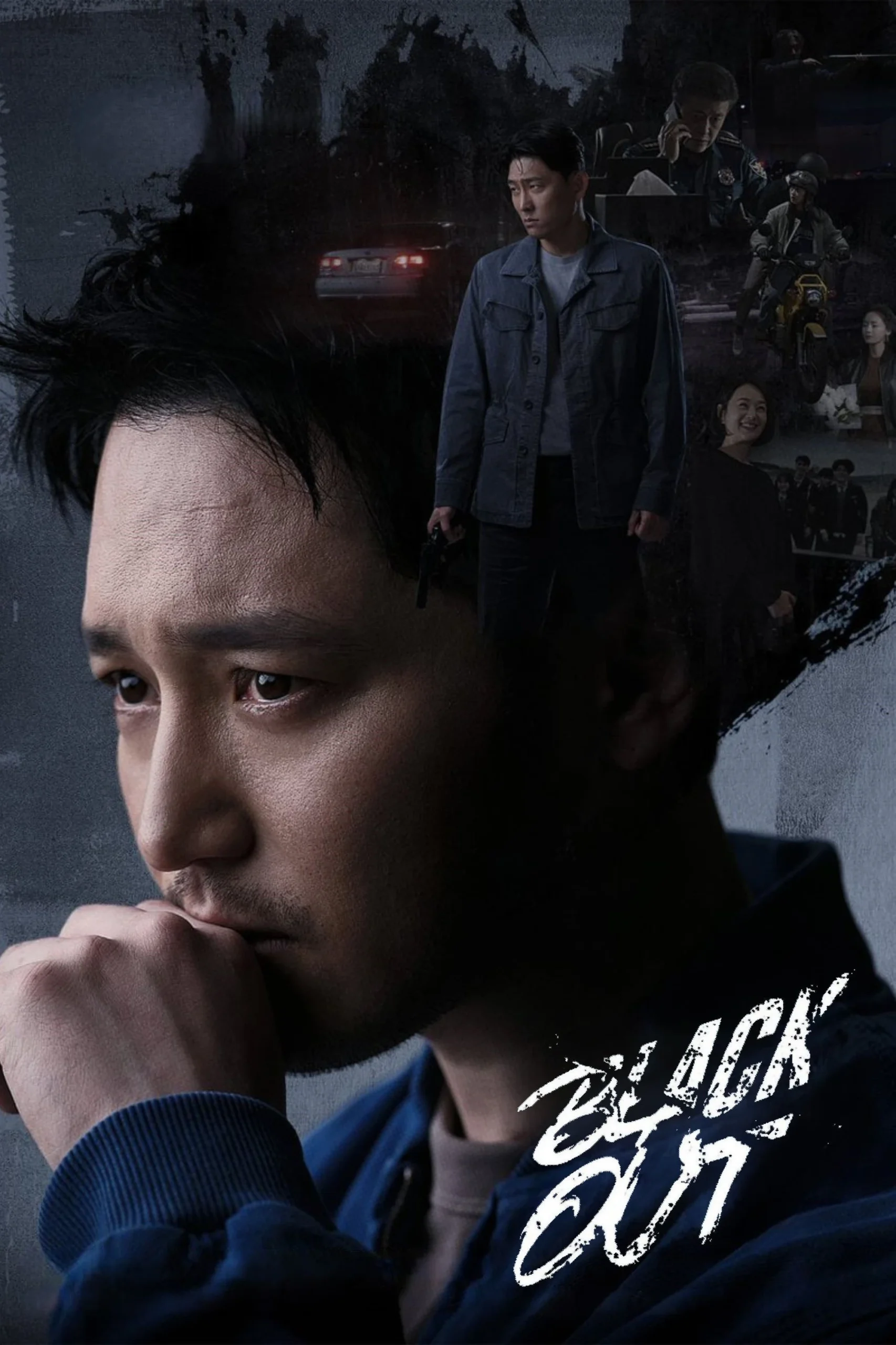 Black Out
Byun Yo-hancrime
Read Full Review →
|
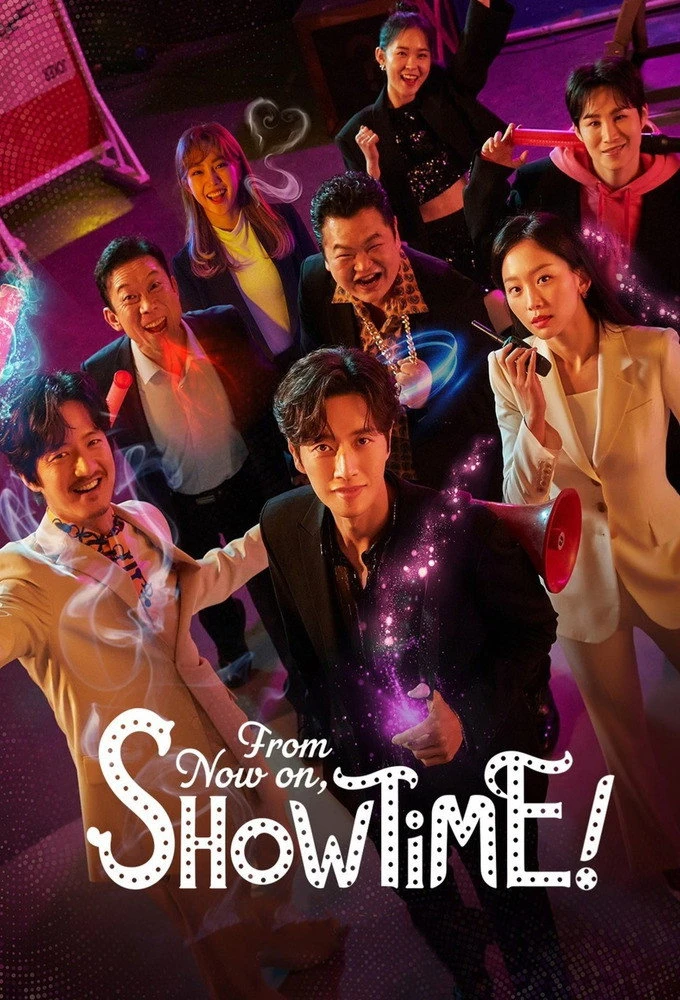 From Now On, Showtime!
comedyEnemies to Lovers
Read Full Review →
|




Keep it kind, skip the harsh language, and please — no spoilers. Everyone's taste is different, and that's perfectly fine.
This space is for real reactions and discussion from other viewers. Help keep it comfortable for everyone by not giving away major plot details.
What do you think of this drama?
Login to share your review or leave a comment.
No email needed — just pick a username & password.