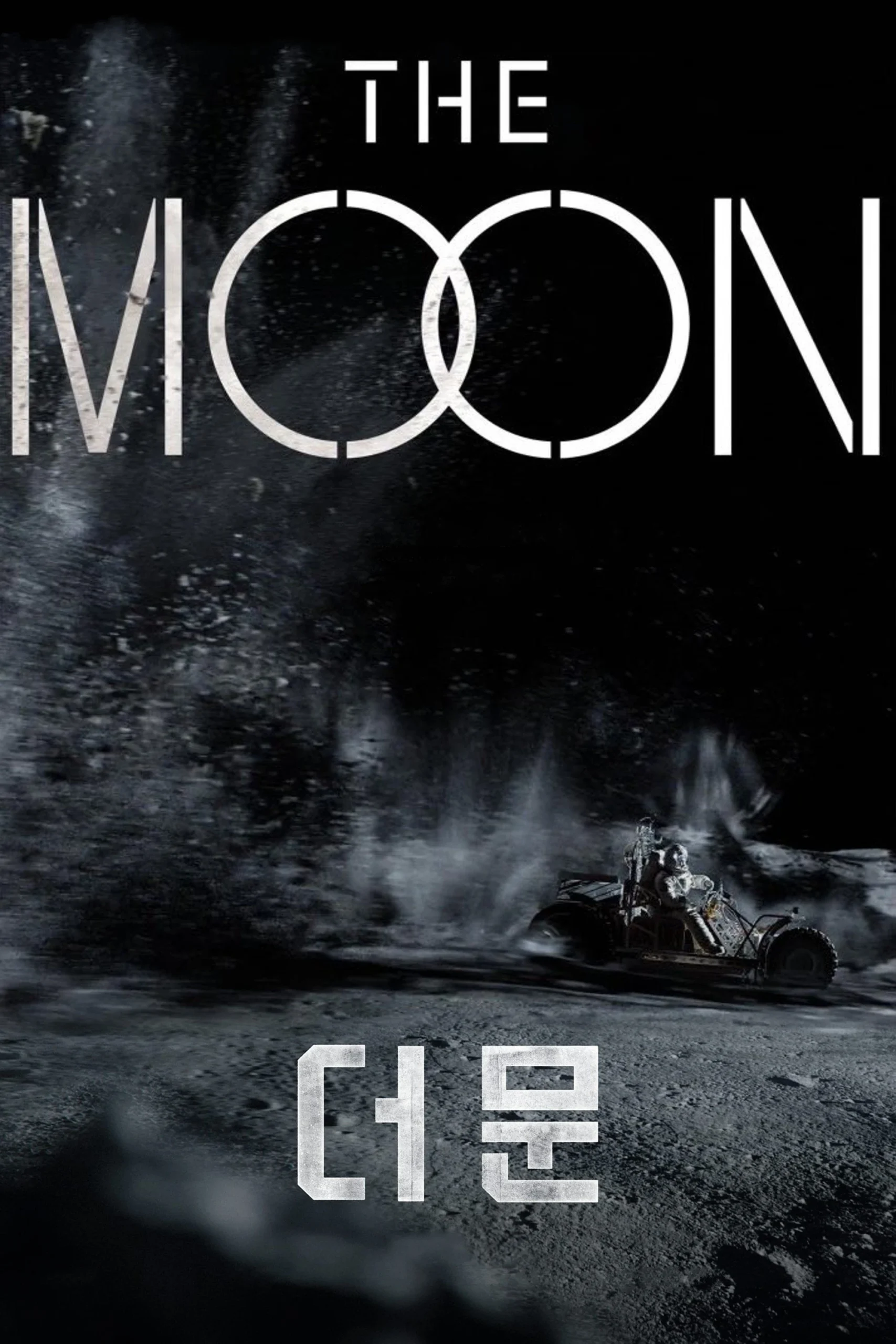
The Moon
🎬 Prime Video · Viki · VIU · Tubi
⭐ 5.8 IMDb
🔞 TV-14
🎬 Film Overview
SPACE SURVIVAL PICK
The second Korean lunar mission launches in 2029 carrying the particular weight of a country that already watched its astronauts die once. The Naraeho disaster five years prior — a catastrophic explosion that killed everyone on board — didn’t end Korea’s space program. It just made the second attempt feel like a debt that needed paying. Hwang Sun-woo is the youngest member of this crew, and he volunteered, which tells you most of what you need to know about who he is.
When a solar storm destroys the Woori and kills his crewmates, he finds himself alone on the lunar surface — the last person in space, with dwindling oxygen and a broken radio. The Naro Space Center’s answer is to call Kim Jae-guk: the man who ran the first mission, who failed, who resigned and disappeared into a mountain cabin to live out his guilt in private. The Moon leans hard into Korean melodramatic tradition, pairing the technical problem of an impossible rescue with the deeply personal weight of a man trying to atone across 384,000 kilometers. Sul Kyung-gu carries every scene on the ground; Doh Kyung-soo carries every scene in space. The result is a blockbuster that hits considerably harder than its Western reviews suggest.
⚡ Quick Verdict
One box. Everything you need to decide.
· IMDb · 10K ratings
▶ Official Trailer
🎭 Cast & Characters
The cast that makes 384,000 kilometers feel personal.
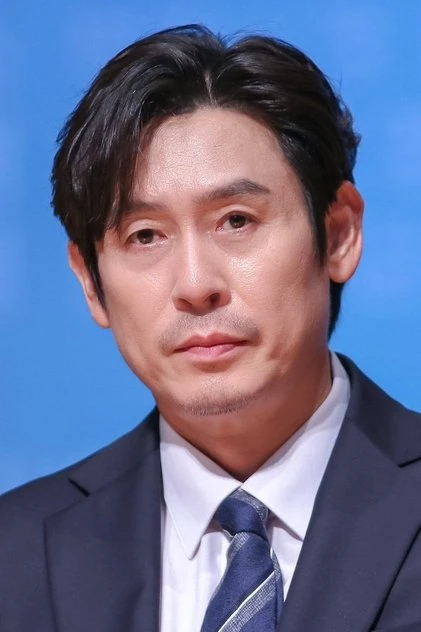
Lead

Lead

Supporting

Supporting

Supporting

Supporting

Supporting

Supporting

Supporting

Supporting

Supporting

Supporting
📖 The Story
No spoilers — just enough to know if this is your film.
South Korea’s second crewed lunar mission launches in 2029 carrying the particular weight of a country that already watched its astronauts die once. The Naraeho disaster five years prior — a catastrophic explosion that killed everyone on board — didn’t end Korea’s space program. It just made the second attempt feel like a debt that needed paying. Hwang Sun-woo is the youngest member of this crew, and he volunteered, which tells you most of what you need to know about who he is. His father was connected to the first program. The Moon is not subtle about what that means.
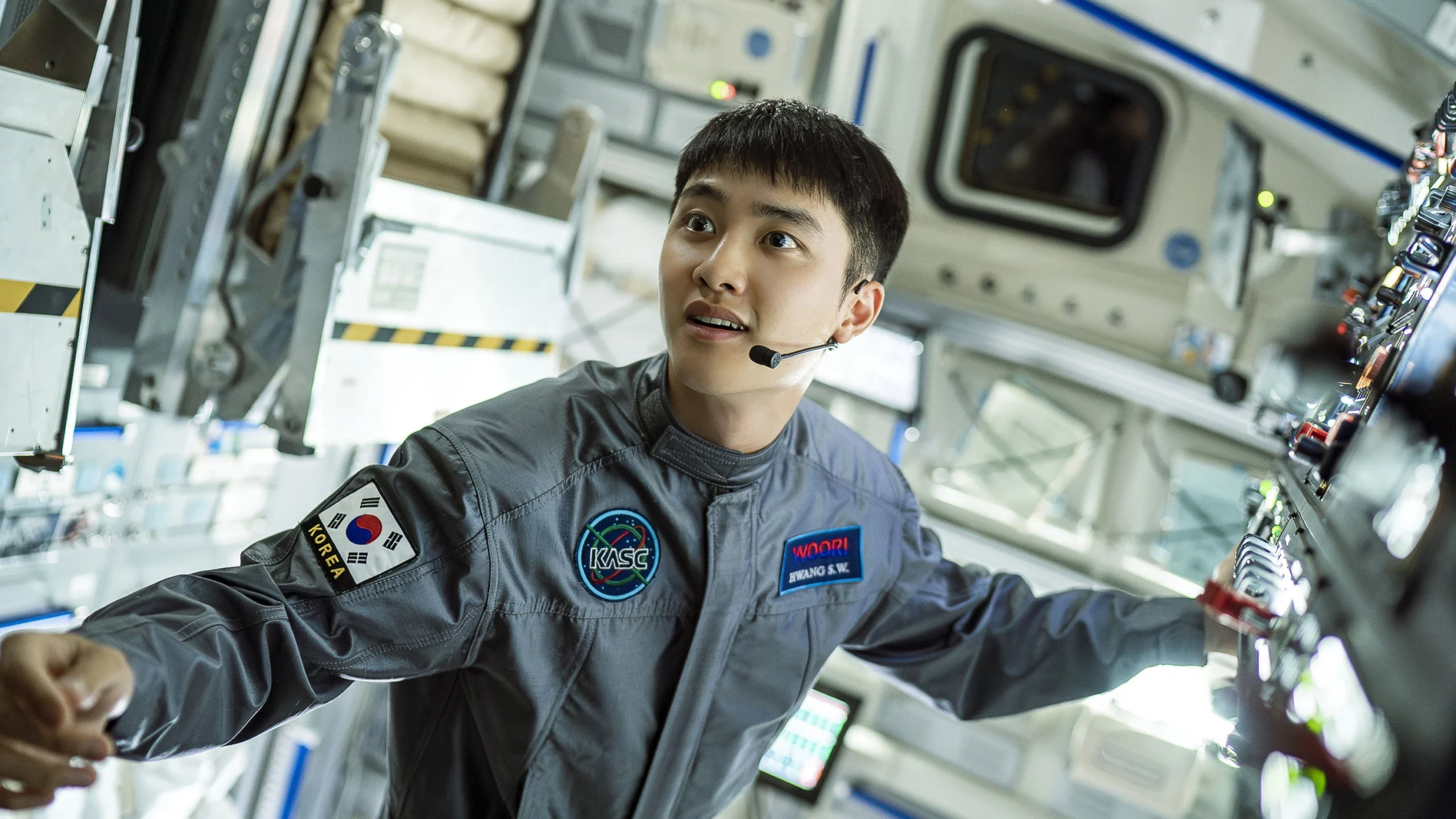
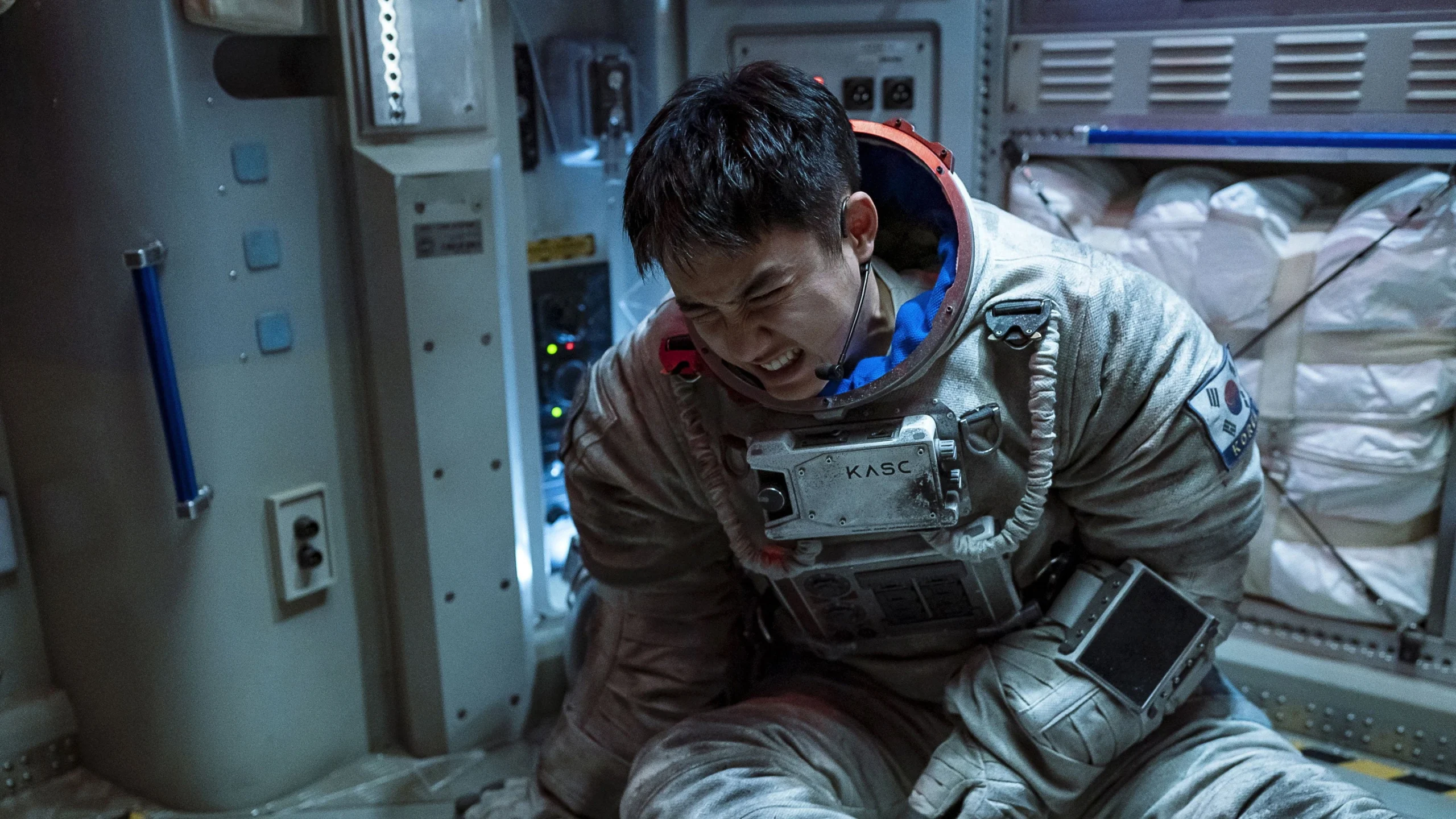
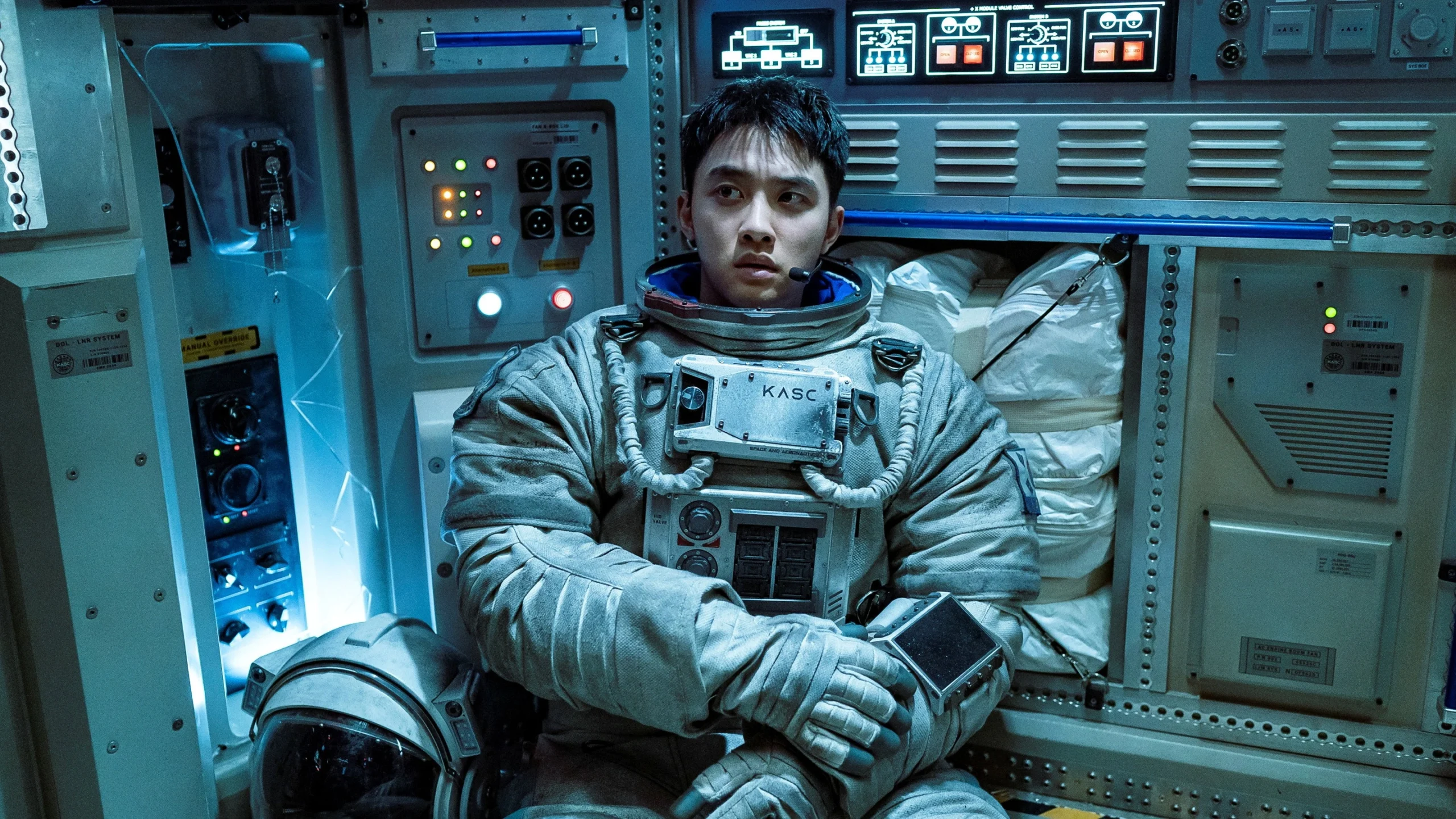
The solar storm arrives without warning and without mercy. In the space of minutes, the Woori loses power, loses crew, and loses contact with Earth. Sun-woo survives by luck and the specific geometry of where he happened to be standing. His two crewmates do not. What he’s left with is a damaged suit, a broken radio, a surface no human was designed to walk across for long, and the knowledge that nobody on Earth may even know he’s alive yet.
The lunar survival sequences are where The Moon earns its budget. Sun-woo has to keep moving — stay still and the failing suit systems will kill him before the oxygen runs out. His route is mapped in geological features, emergency supply caches left by unmanned probes, and sheer distance covered on foot in a spacesuit not designed for this kind of traverse. Doh Kyung-soo commits physically in a way that sells the exhaustion completely. The silence of the moon is used well here — the film understands that space is terrifying not because it’s loud but because it isn’t.
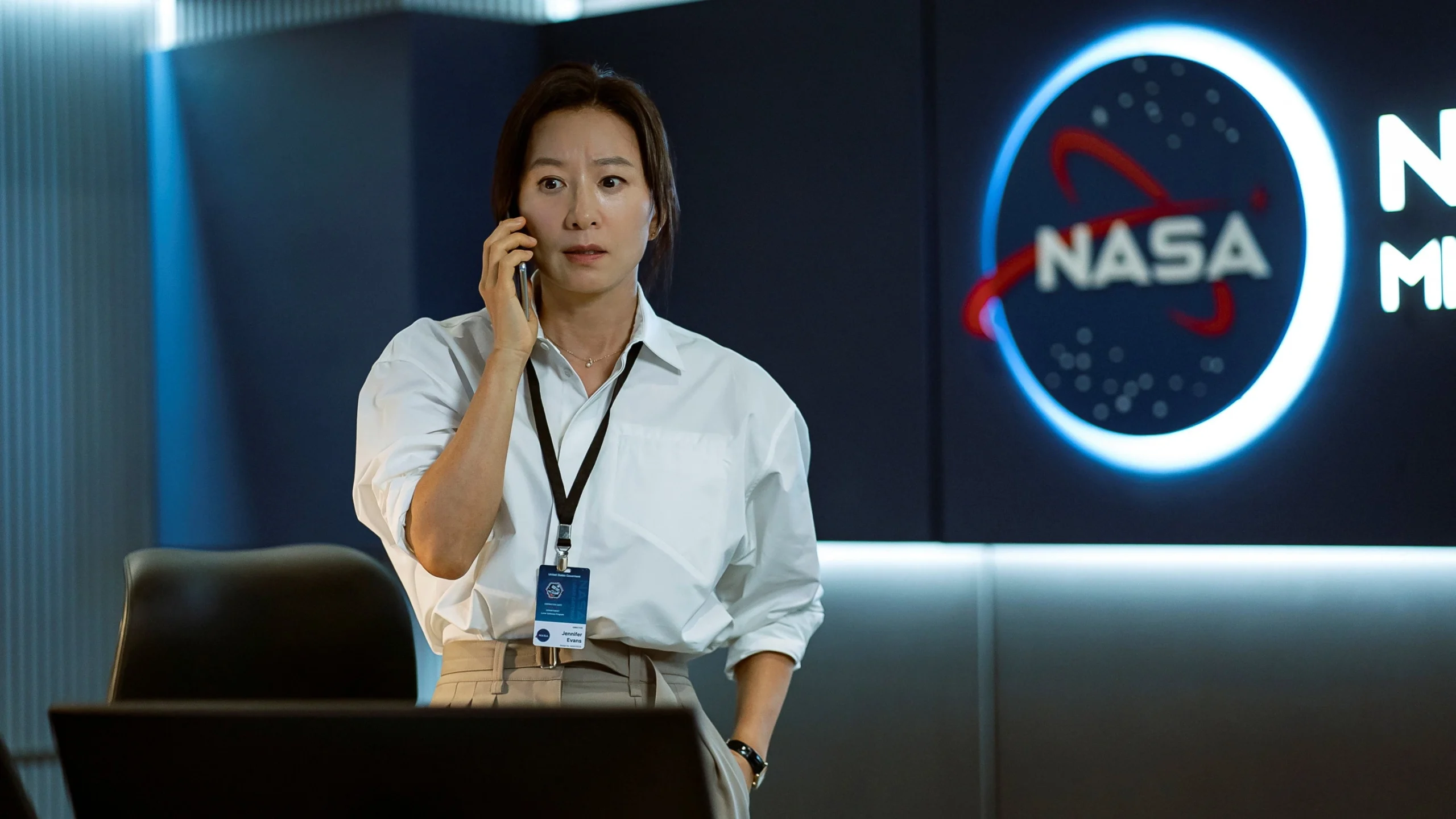
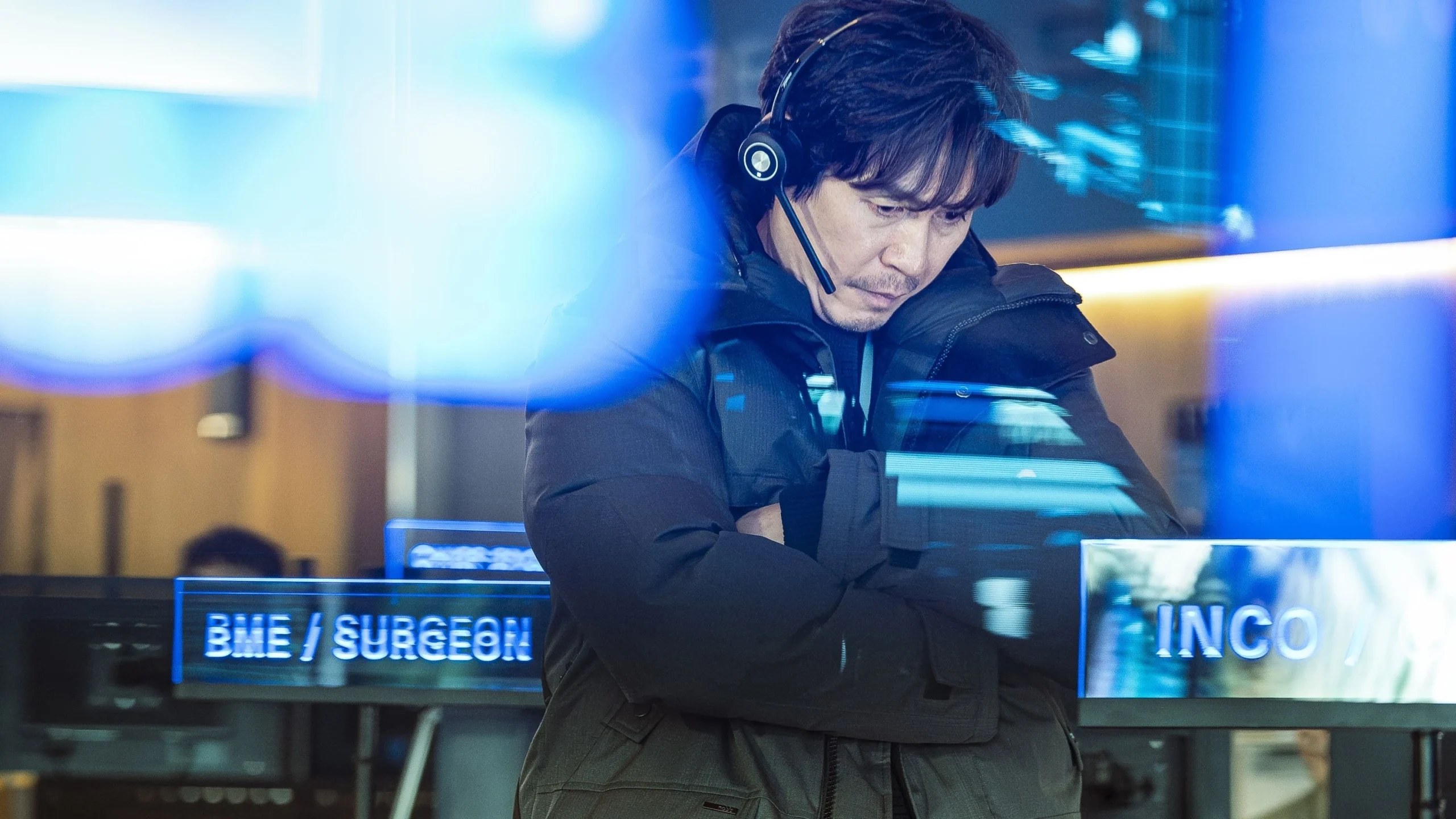
On Earth, the Naro Space Center is a building full of very smart people realizing simultaneously that they have no good options. The political pressure is immense — a second failure would end the program, possibly for a generation. Someone suggests Kim Jae-guk. The room goes quiet. Jae-guk ran the Naraeho project. He made the calls that couldn’t be undone. He resigned not because he was forced to but because staying felt obscene. He’s been living alone in the mountains for five years, by design.
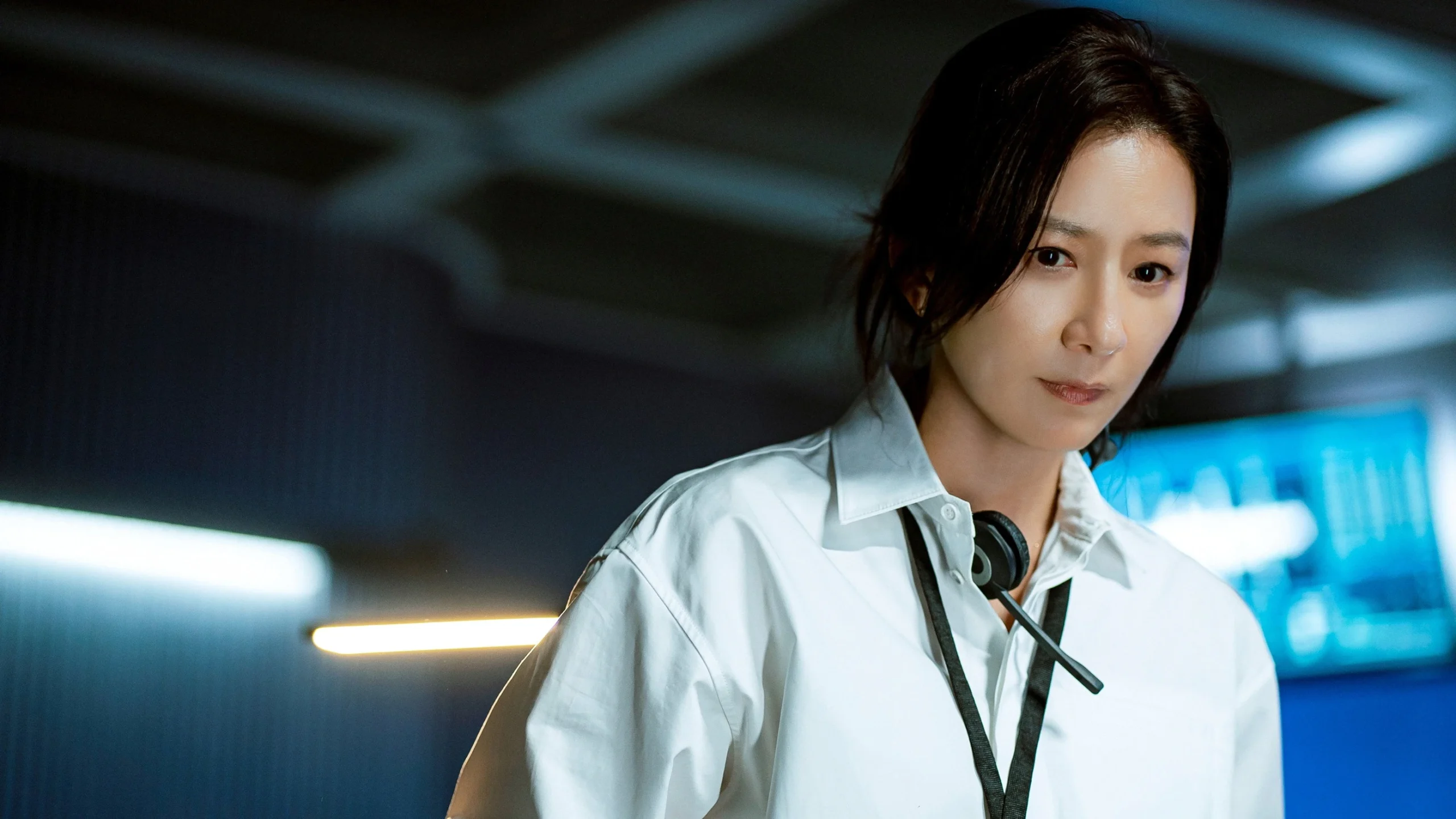
Sul Kyung-gu plays Jae-guk’s return to the control room as a man who has had five years to rehearse his guilt and zero years to resolve it. His dynamic with Yoon Moon-young (Kim Hee-ae), NASA’s mission director overseeing the Korean rescue operation, starts as professional friction and slowly becomes something more honest — two people who understand the specific weight of watching spacecraft and hoping. The rescue plan they build together is, by any reasonable assessment, borderline impossible. They proceed anyway.
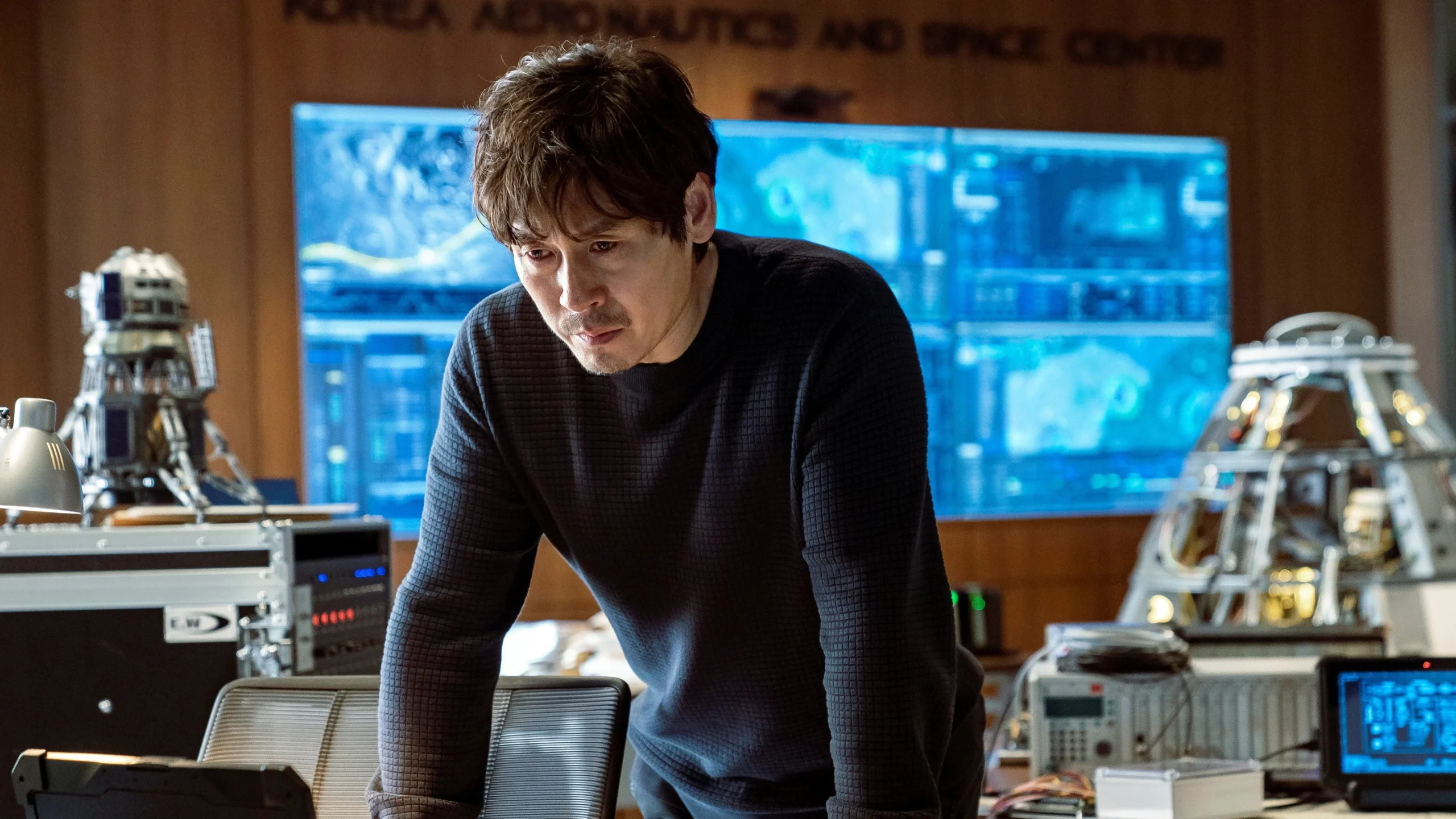
The personal stakes deepen when the film reveals that Hwang Kyu-tae — Sun-woo’s father, played by Lee Sung-min in a small but affecting role — was part of the Naraeho project. He was there. He died there. Which means Jae-guk is now trying to bring home the son of a man who died under his watch, in a mission he built, with decisions he made. The film does not overplay this revelation. It simply lets Sul Kyung-gu carry it.
A meteor shower arrives mid-rescue to complicate what was already barely possible. Sun-woo’s final approach to the rescue vessel involves a sequence of failures, emergency patches, and improvisations that the film stages with enough clarity to follow and enough speed to feel genuinely urgent. The Moon doesn’t reinvent the disaster-movie wheel in its third act. It doesn’t need to. By the time the rescue attempt begins, the film has done the harder work of making you care about two men who have never shared a scene together.
🏁 Ending Explained
Full spoilers ahead — what happens, what it means, and what it all adds up to.
Full Spoilers Ahead — This section covers the complete ending of The Moon. Stop here if you haven’t watched.
Sun-woo makes it The meteor shower nearly ends everything. Sun-woo’s suit is compromised, his oxygen is at minimum, and the rendezvous window with the rescue vessel is closing. He makes the connection — barely, physically, in a sequence that does not let the audience relax until the airlock closes. He’s retrieved with severe injuries but alive. The return journey to Earth takes days. He arrives to a national welcome the film earns rather than assumes, because by this point the audience has sat with 129 minutes of people trying very hard to bring one young man home.
What the rescue costs Jae-guk Jae-guk doesn’t get a clean redemption. He gets something more useful: resolution. The film is careful not to suggest that saving Sun-woo erases what happened to Naraeho, or that grief works that way. Sul Kyung-gu plays the final scenes with the kind of quiet that comes after a long fight rather than a triumph. The mission succeeded. The man it was supposed to heal is still complicated. That distinction is what separates The Moon from a simpler story.
The father beneath the surface Hwang Kyu-tae’s presence in the film — brief, mostly through flashback and a photograph — is the structural spine of Jae-guk’s arc. Sun-woo is the son of a man who died under Jae-guk’s watch, in a mission Jae-guk built, with decisions Jae-guk made. Lee Sung-min does significant emotional work in very little screen time. The toy that Sun-woo delivers to his father’s widow in the film’s final scene — salvaged from the lunar surface, carried all the way back — is the kind of detail that reveals a director who trusts objects over explanations.
What the film leaves open The political and financial cost of the rescue is mentioned but not examined — the film isn’t interested in that accounting. Sun-woo’s psychological recovery beyond immediate survival is entirely left to the audience’s imagination. These are not failures so much as genre conventions the film accepts: disaster movies earn their endings by resolving the central survival question, and The Moon resolves that cleanly. The secondary questions are your homework.
The KDW verdict The Moon’s ending works because it doesn’t ask Jae-guk to be reborn — just to do one specific thing correctly and then live with whatever comes after. Sul Kyung-gu and Doh Kyung-soo never share a physical scene together, yet the film builds a real emotional connection between them across 384,000 kilometers of vacuum. That is the film’s actual achievement: not the CGI, not the lunar photography, but two actors holding up either end of an impossible distance and making you feel both sides of it. The final image earns its weight.
✍️ KDramaWorlds Editor’s Take
Our honest read on why this film is worth your time — and who it’s for.
Kim Yong-hwa
Known for: Kim Yong-hwa built his reputation on the Along with the Gods duology (2017–2018), two of the highest-grossing Korean films of their release years. His filmmaking identity is built around large-scale spectacle in service of emotional stakes — he consistently chooses blockbuster premises to tell stories about guilt, sacrifice, and the people left behind by history. The Moon continues that lineage, trading the afterlife mythology of Along with the Gods for the physical reality of space, but keeping the same structural engine: a haunted older man, a young man who needs saving, and a debt that can never be fully repaid.
The thing The Moon gets right that most space disaster films don’t: the actual loneliness. Not the cinematic kind with a dramatic score swelling underneath — the practical kind, where Doh Kyung-soo has to physically walk across the moon because no one is coming yet and the alternative is staying still and dying. There’s a stretch in the middle where his only goal is to reach a supply cache left by an unmanned probe seventeen years ago, and the film commits to how far away that is. No shortcuts. No convenient solutions. Just a man in a damaged suit, one foot in front of the other, on a surface that kills instantly if he makes a wrong call. It reminded me of the same crawling dread that made Concrete Utopia so effective — survival as a sequence of small decisions, none of which feel small to the person making them.
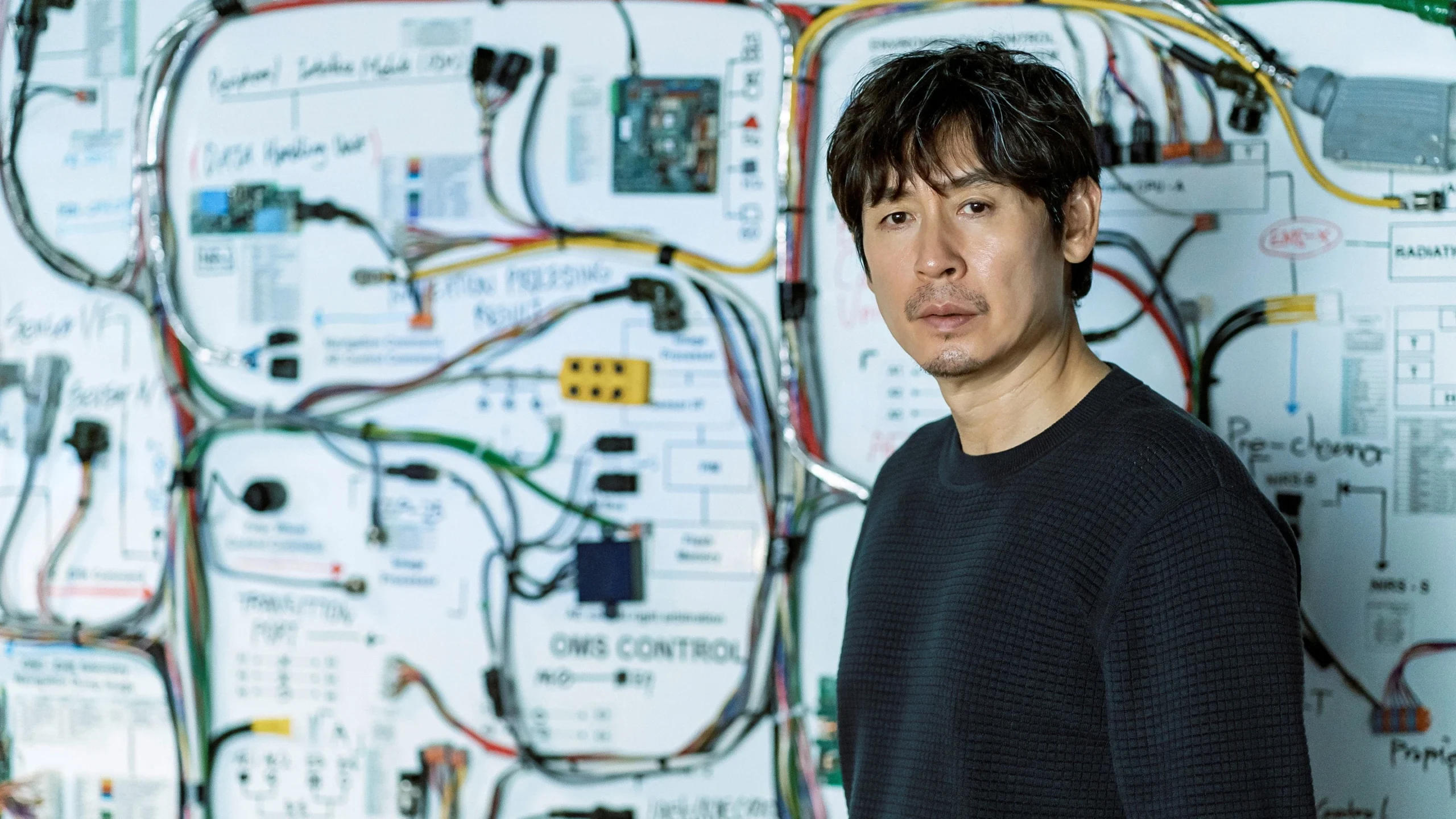
Sul Kyung-gu is the reason the Earth-side story doesn’t collapse under its own weight. Kim Jae-guk could easily become a redemption cliché — the disgraced professional who gets one more shot. Sul Kyung-gu plays him instead as a man who has already accepted that no shot will be enough, and who goes back anyway because the alternative is worse. That’s a more interesting character, and it makes the film’s emotional resolution feel earned rather than convenient. Harbin runs a similar engine — a man defined by a mission larger than himself, carrying the weight of those who came before — and both films understand that national pride and personal guilt are the same thing wearing different faces.
The Moon underperformed at the Korean box office and got middling reviews from Western critics who compared it unfavorably to Gravity and Interstellar. That comparison is a category error. This is a Korean melodrama that happens to take place in space — the genre framework is entirely different. The emotional register is bigger, the personal stakes are more explicitly stated, and the film is openly sentimental in ways that Hollywood space films aren’t. On its own terms, it works considerably better than the IMDb score suggests.
🎬 You Might Also Like
If you liked The Moon, these are your next three watches.
 Finland Papa
CafeCinema Heaven
Read Full Review →
|
 Work Later, Drink Now (Season 2)
comedyDrama
Read Full Review →
|
 Work Later, Drink Now (Season 1)
comedyDrama
Read Full Review →
|














Keep it kind, skip the harsh language, and please — no spoilers. Everyone's taste is different, and that's perfectly fine.
This space is for real reactions and discussion from other viewers. Help keep it comfortable for everyone by not giving away major plot details.
What do you think of this drama?
Login to share your review or leave a comment.
No email needed — just pick a username & password.