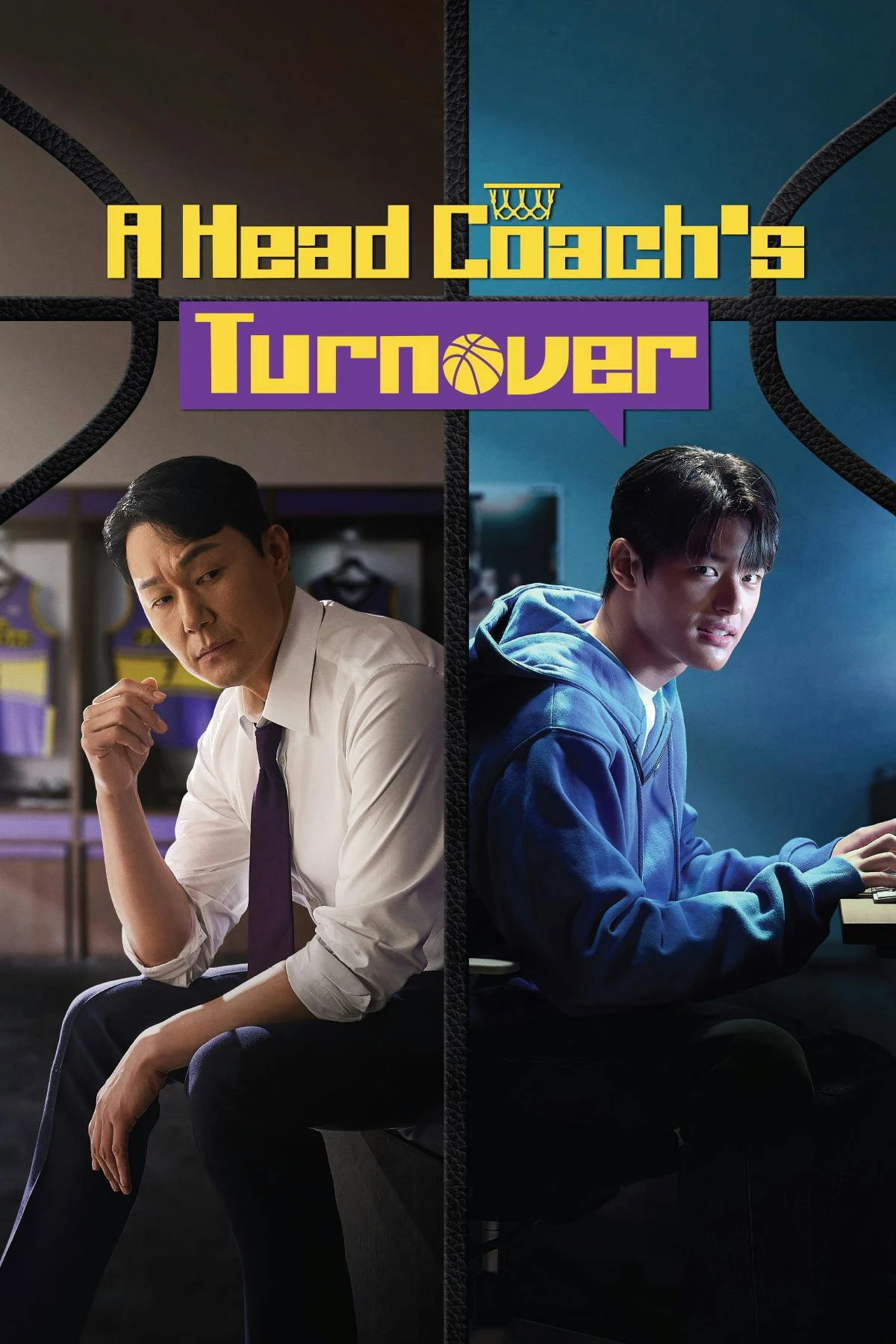
A Head Coach’s Turnover
🎬 Viki · Kocowa · Prime · ODK
⭐ Not Yet Rated
📺 PG-13
📋 Drama Overview
Start here — the basics before the first scene.
😂 Sports Comedy Pick
Kocowa
Prime Video
OnDemandKorea
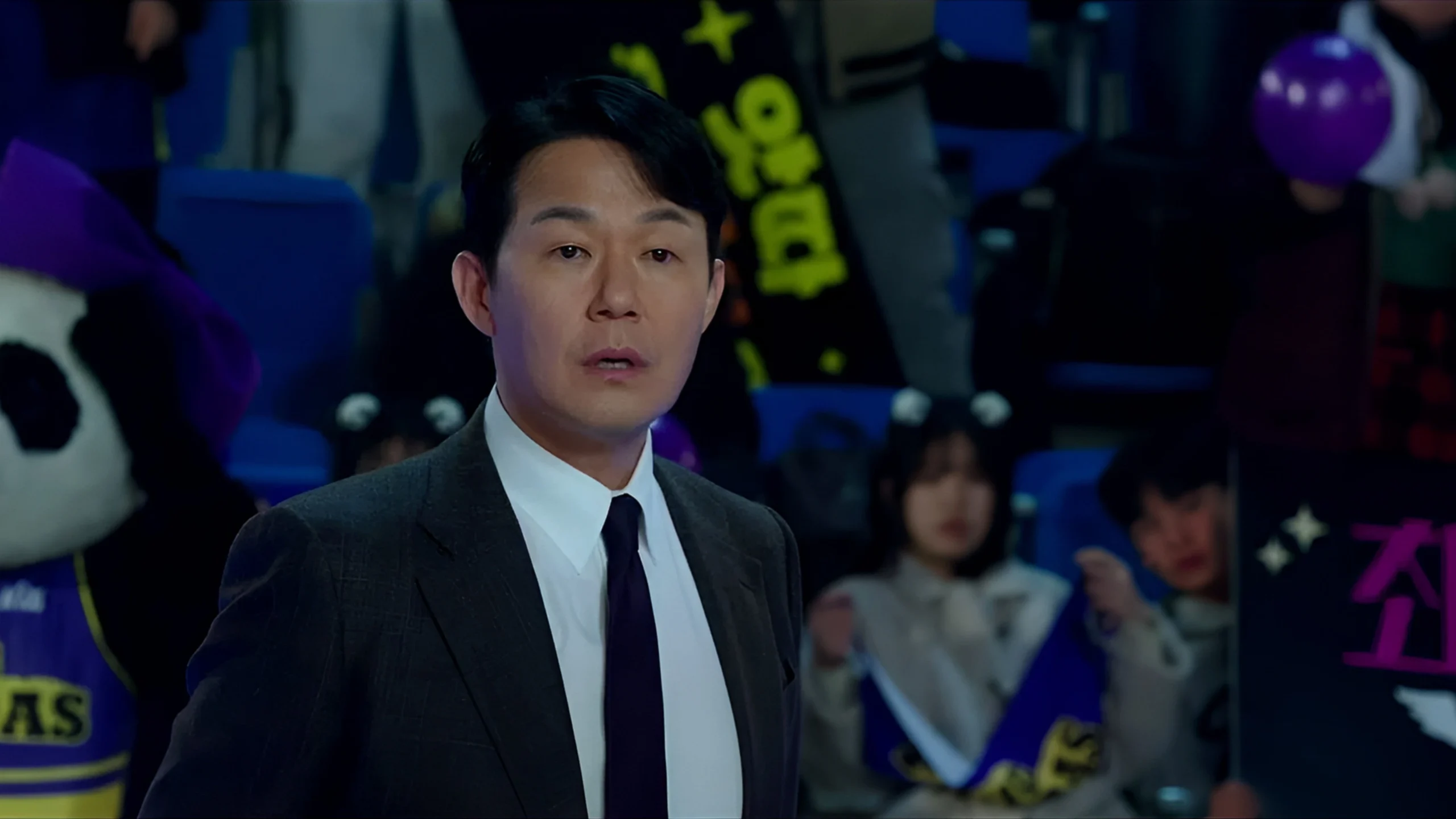
Meng Gong’s problem isn’t just a losing record — it’s that his most accurate critic is a high school kid who hasn’t been wrong yet. Ko Hwa Jin built a following online by pointing out every tactical flaw in Meng Gong’s coaching with the precision of someone who has watched every game twice and taken notes. Three straight seasons without a playoff berth have confirmed his analysis. The unspoken humiliation of that is what makes their forced alliance so uncomfortable — and so specific.
Two hours is all this drama asks of you. It uses them to ask what happens when the person who most clearly sees your failure is also the person you need to stop failing. Part sports pressure, part pride negotiation, with a comedy register that never undercuts the genuine stakes of both characters’ situations.
2 / 2 ✅ Completed
⚡ Quick Verdict
Skip the scroll — here’s the verdict in one glance.
MDL Score · Check MyDramaList for updated community rating
▶ Official Trailer
🎭 Cast & Characters
One man’s public failure on the court — and the teenager who has been more publicly right about it than anyone in the building.
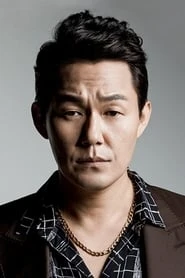
Lead

Lead

Supporting
Supporting

Supporting
Supporting
🍿 Where to Watch
Stream A Head Coach’s Turnover on these platforms.
📺 Episode Guide
Two episodes, two arcs. Spoiler-light recaps below.
🏁 Ending Explained
Full spoilers — what happened, and why it hits the way it does.
Spoiler Warning — This section covers the full ending of A Head Coach’s Turnover. Stop here if you haven’t finished both episodes.
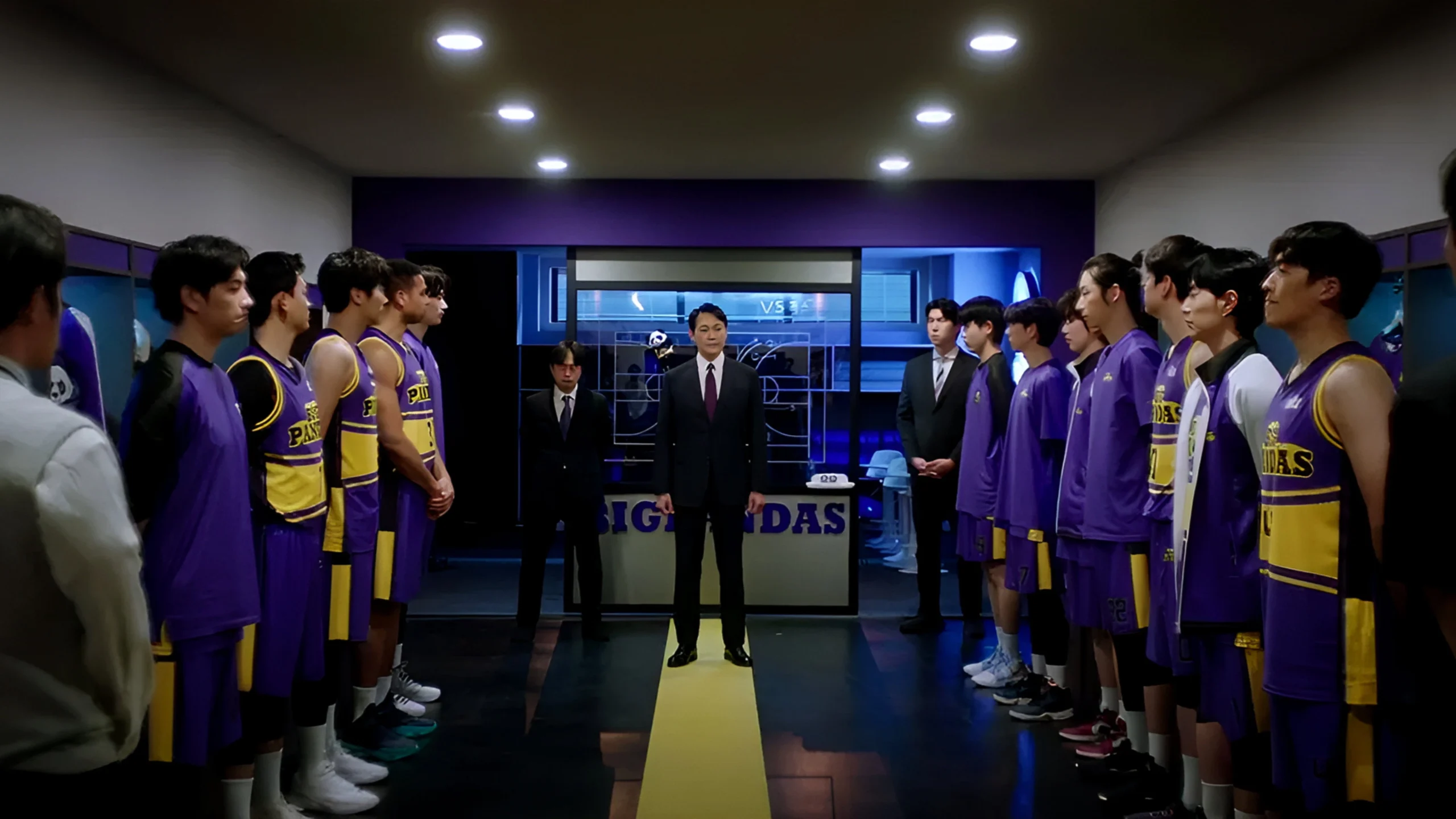
Does the Team Actually Survive? The Big Pandas don’t win a championship in the finale — the show is more honest than that. What they do is stop the organizational collapse that the three-year losing streak had been building toward. Meng Gong and Go Hwa-jin’s cooperation generates enough momentum to give the franchise a genuine next season rather than a press-release dissolution. The drama earns this by never pretending the crisis was bigger or smaller than it actually was.
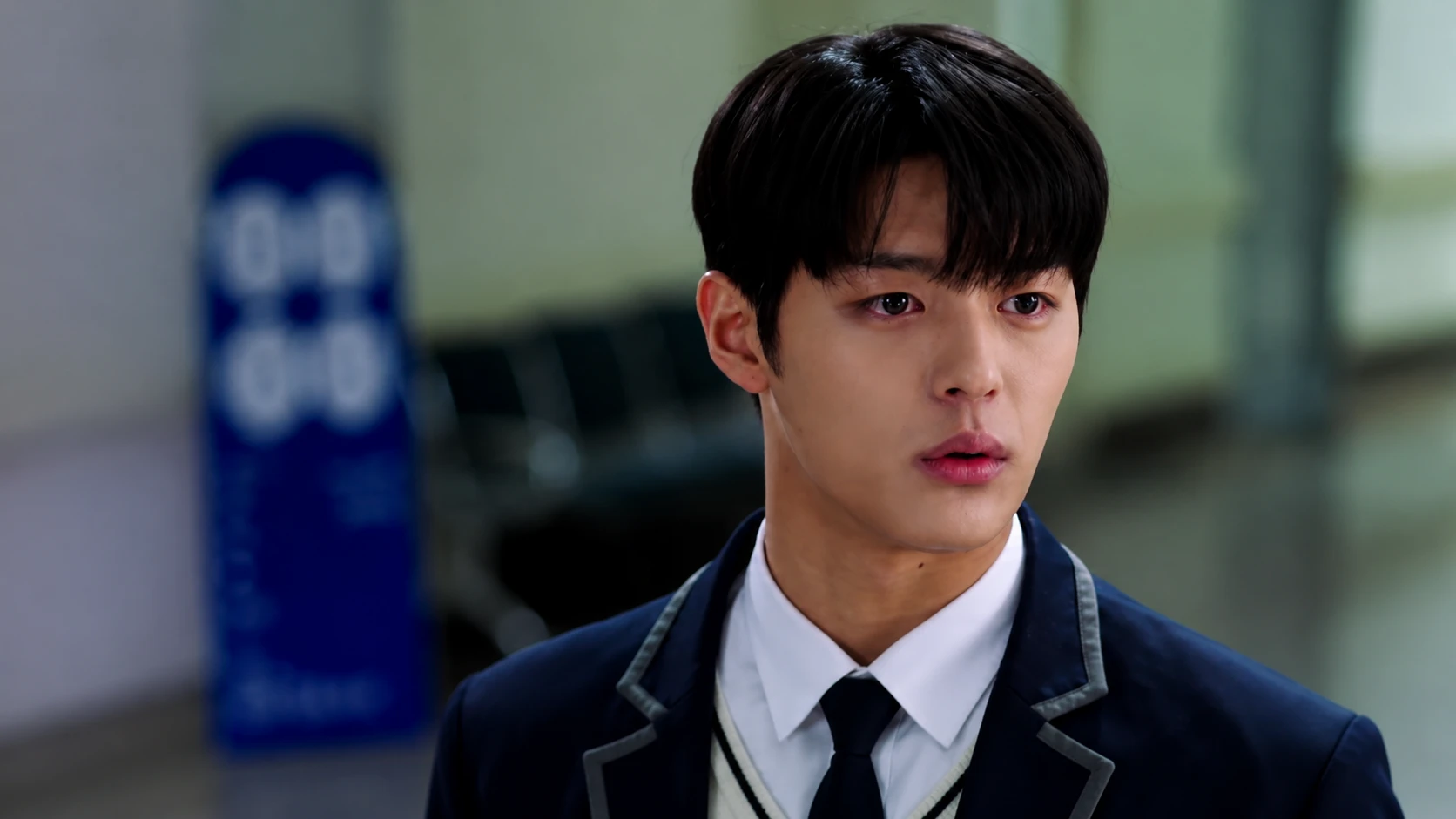
How the Coach-Critic Dynamic Resolves. Meng Gong and Go Hwa-jin don’t end up friends — the finale is too clear-eyed for that. What they arrive at is something more durable: mutual acknowledgment that the other person’s perspective was useful. Go Hwa-jin’s critiques were accurate. Meng Gong’s inside knowledge of the team was something Go Hwa-jin’s analysis couldn’t replace. The final episode resolves their dynamic around competence, not warmth, which is exactly the right choice for this particular pairing.
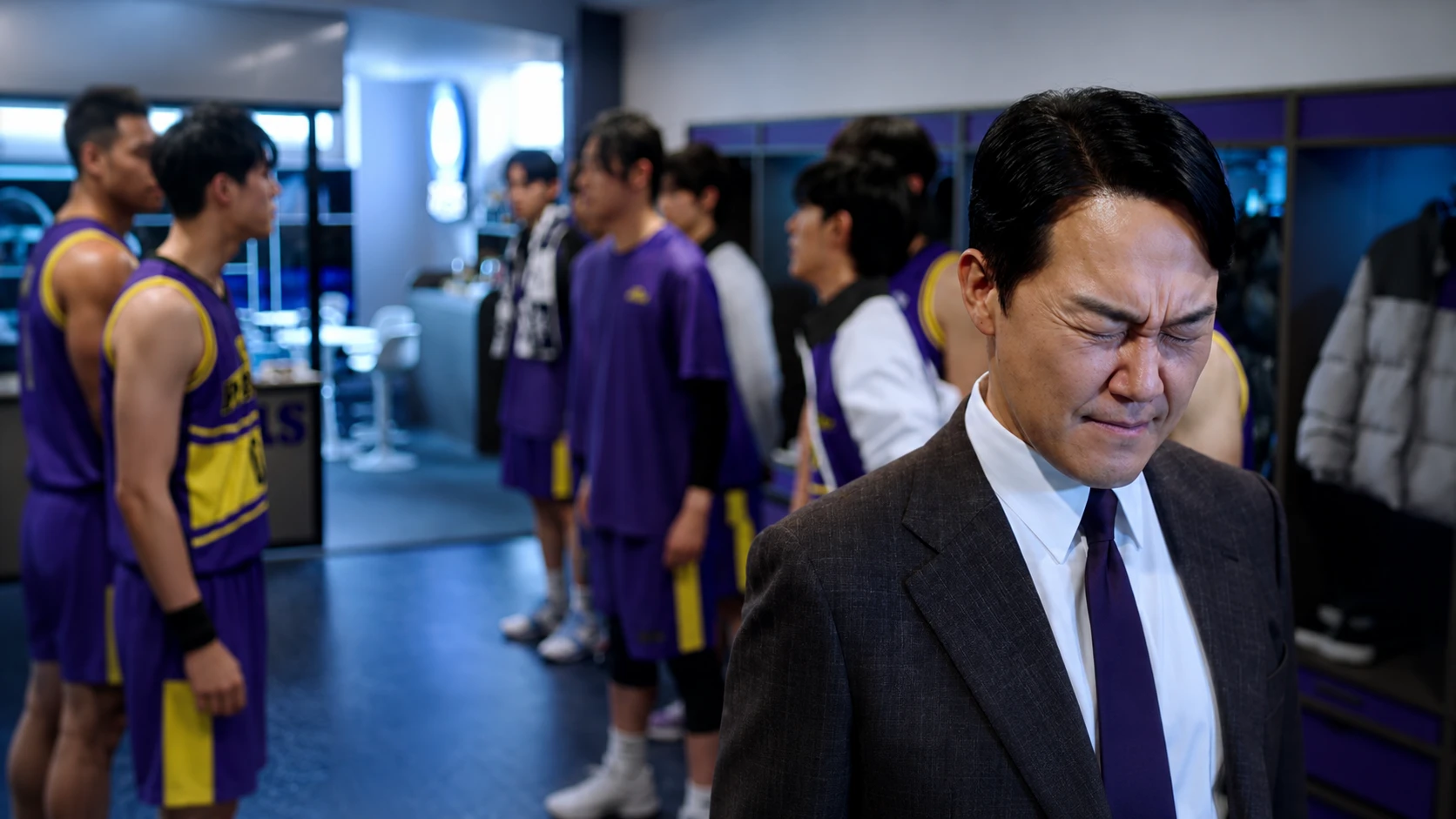
What Meng Gong Actually Gets. The ending doesn’t restore Meng Gong’s public reputation — the damage from the losing years remains on record. What it gives him instead is something internal: a clearer understanding of where his coaching actually works and where he had been defending territory that didn’t need defending. He finishes the series with stubborn self-respect that didn’t require a title to be legible. He didn’t reclaim what he lost. He found out what was worth keeping.
What Go Hwa-jin’s Arc Actually Means. Go Hwa-jin ends the drama as more than a reformed critic — the show is careful not to suggest his capacity for analysis was the problem. What changes is where it points. His precision was always real; what was missing was any understanding of what that precision is actually for. By the final scene he’s directing it toward something constructive rather than something punitive. He doesn’t stop being sharp. He stops treating sharpness as the goal.
What “Turnover” Actually Refers To. In basketball, a turnover is when possession changes hands against your will — a mistake that costs you control. The title is using this against itself. A Head Coach’s Turnover isn’t about Meng Gong losing possession. It’s about what happens when a coach who has been turned over — discarded by public opinion, handed off to the critic pile — uses that position to start something different. The drama’s case, made in two quiet hours, is that being turned over isn’t the end of the play. Sometimes it’s the reason the next possession matters more.
✍️ KDramaWorlds Editor’s Take
Here’s our honest verdict, and who’s going to love it.
😂 Sharp Wit
💼 Pride Negotiation
🔄 Unlikely Alliance
🎯 Short & Precise
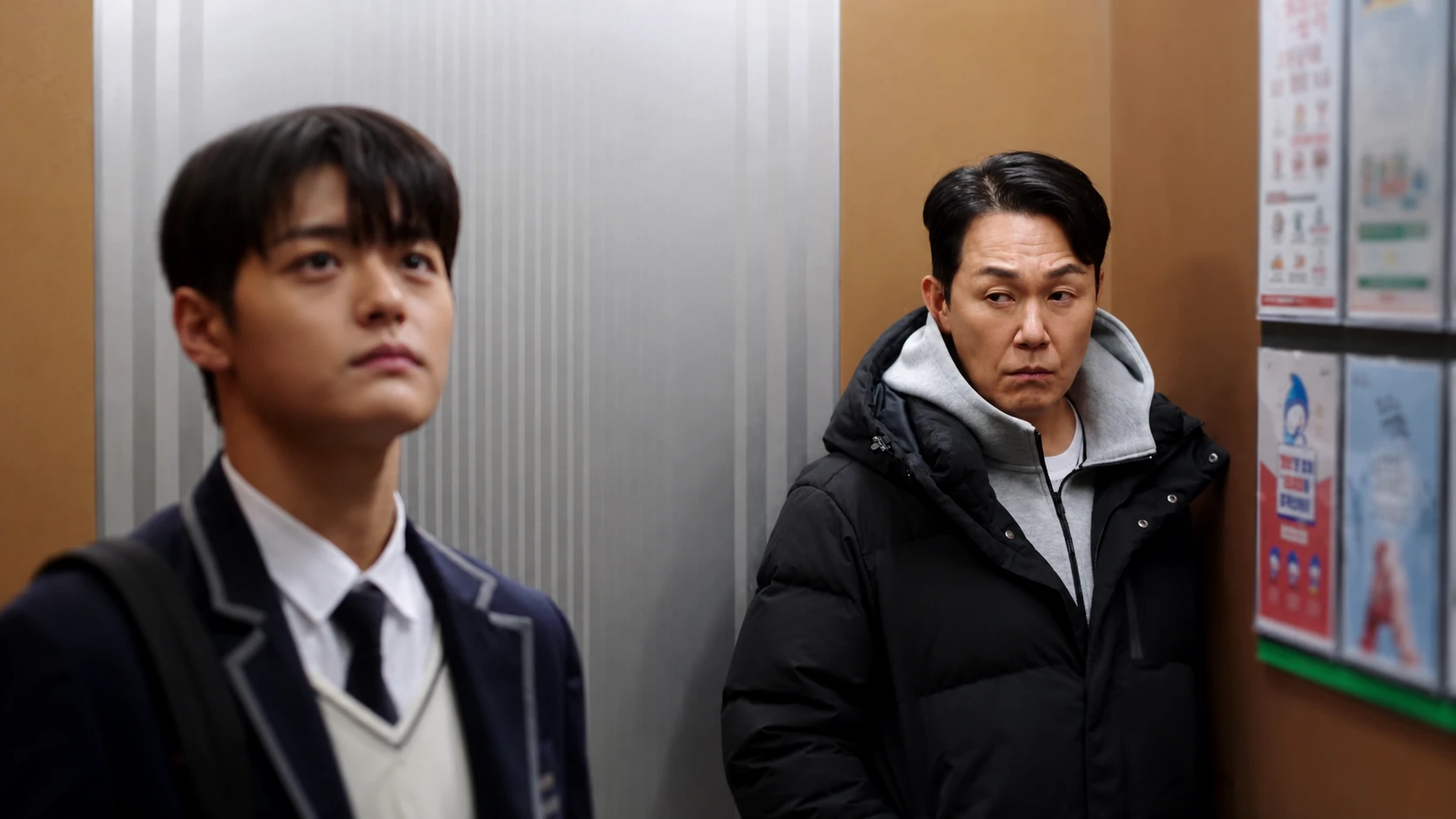
Park Sung-woong’s specialty is authority — men who know where the power is and how to use it. Meng Gong is the version of that character after the authority has been publicly disproven three seasons running. What Park does with that is specific: he plays a coach whose competence is never actually in question, only his ability to survive his own ruined reputation. The stubbornness reads as funny and genuinely sad at the same time, which is harder to calibrate than it looks. If the short-form sports drama format is new to you, The Winning Try (2025) is the longer version of this kind of coaching arc — same interest in what the job costs a person, more room to develop it.
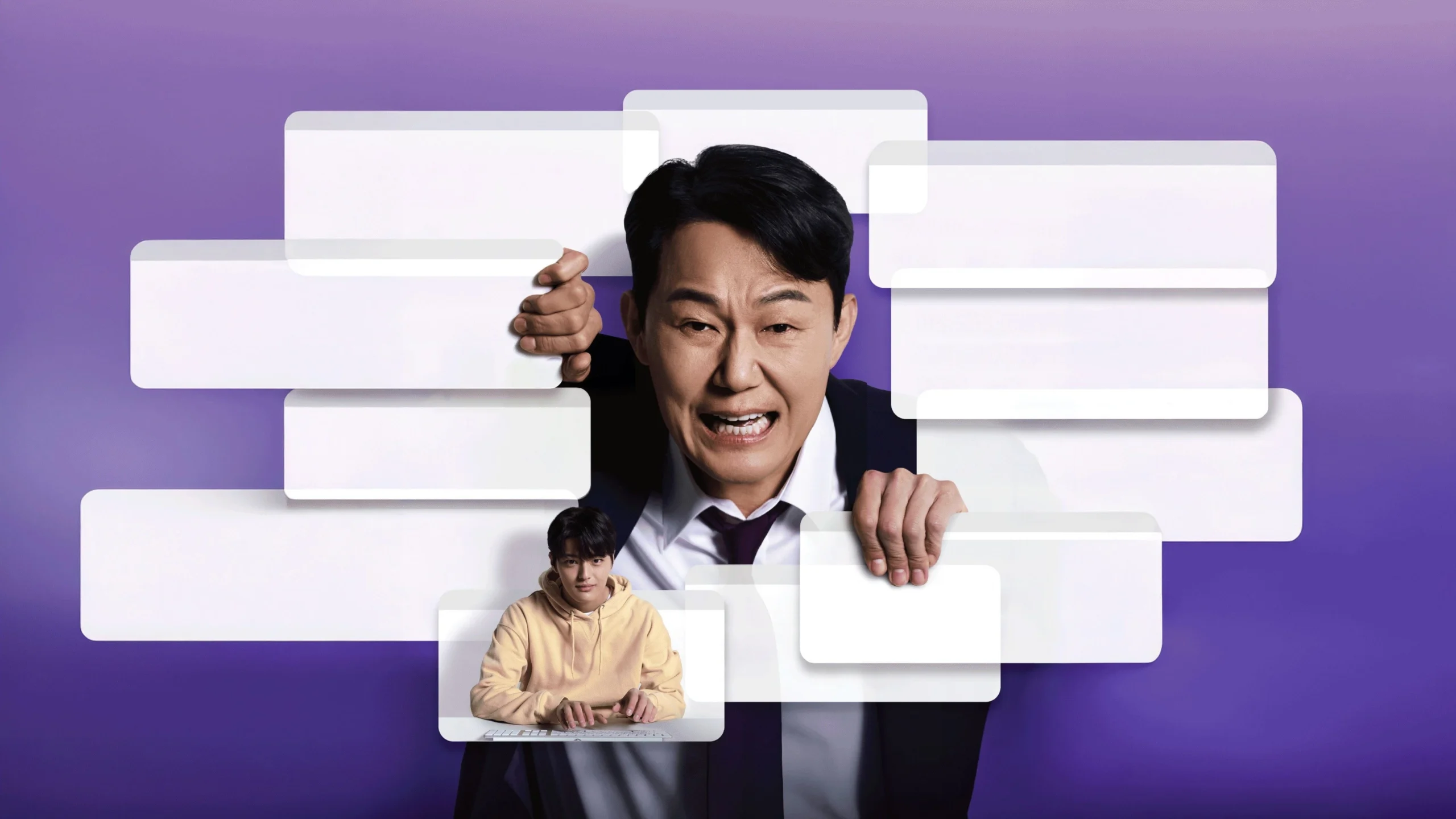
Park Soo-oh as Go Hwa-jin is doing something the premise could easily have simplified: playing a teenager whose online hostility is correct rather than misguided. The performance has to make Go Hwa-jin’s precision feel real rather than scripted, and the challenge is that being right about a failing coach doesn’t automatically make you interesting. Park finds the gap between analytical accuracy and human understanding and makes that the character’s actual arc. Two episodes is not much room. He uses it. Racket Boys (2021) built a fuller version of this kind of sports-team-as-found-family dynamic across a longer run — worth pairing with this if you want the extended cut of what these character types can do.
The obvious limitation is format. Two episodes means the supporting cast — the players, the front office, anyone who isn’t Meng Gong or Go Hwa-jin — exists as context rather than character. The team’s internal dynamics are sketched rather than developed, which is a structural choice rather than a creative failure, but it means the drama’s emotional range is narrower than the premise might have supported over six episodes. What it trades for that narrowness is discipline: nothing outstays its welcome, every scene advances both arcs, and the ending lands because the show didn’t pad its way to it.
Viewers who want a complete story without a full-season commitment
Anyone who appreciates short-form drama that knows what it’s doing
Sharp and self-contained. Two episodes, two arcs, no wasted time.
🎬 You Might Also Like
If you liked A Head Coach's Turnover, these are your next three watches.
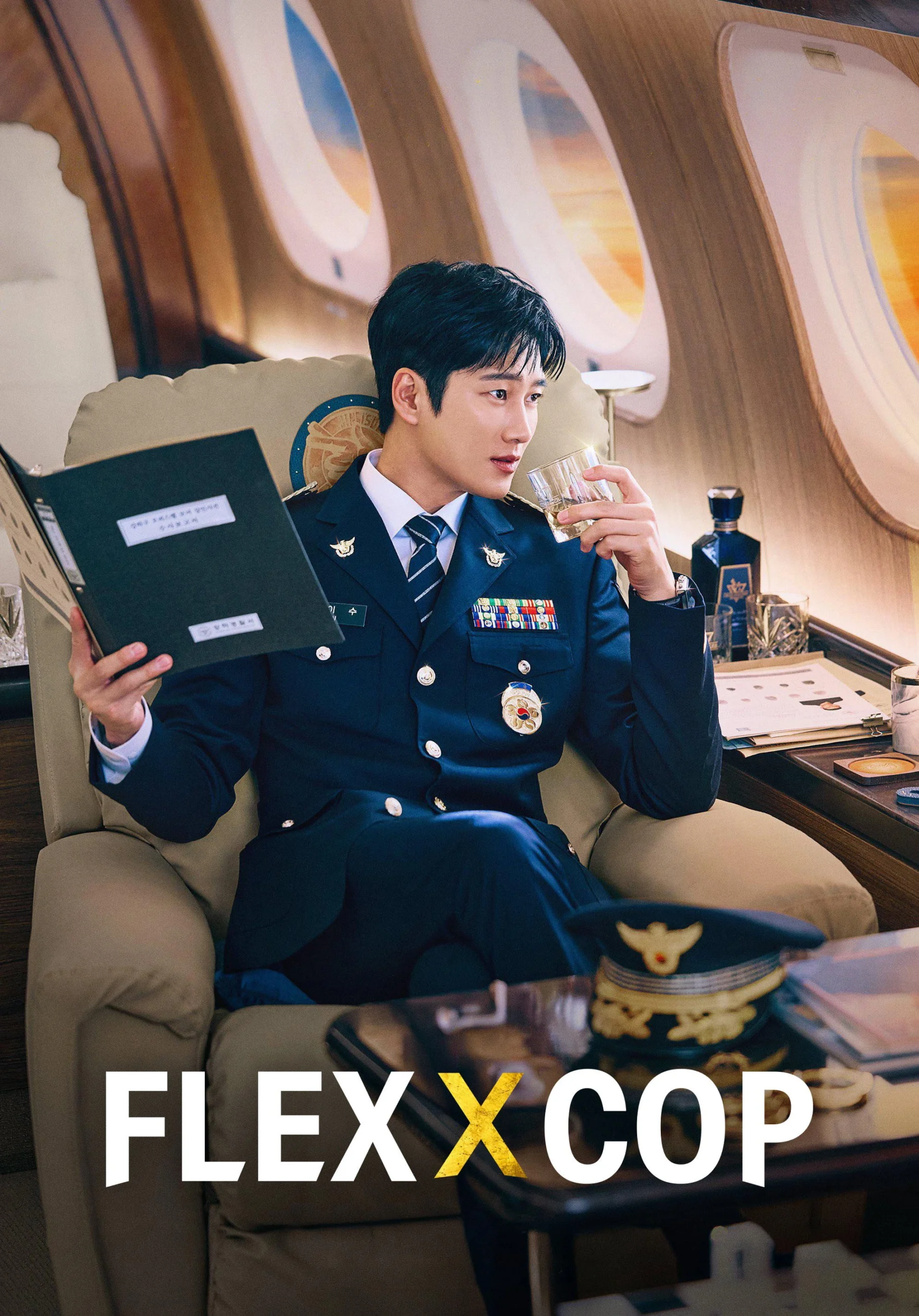 Flex x Cop (Season 2)
ActionAhn Bo-hyun
Read Full Review →
|
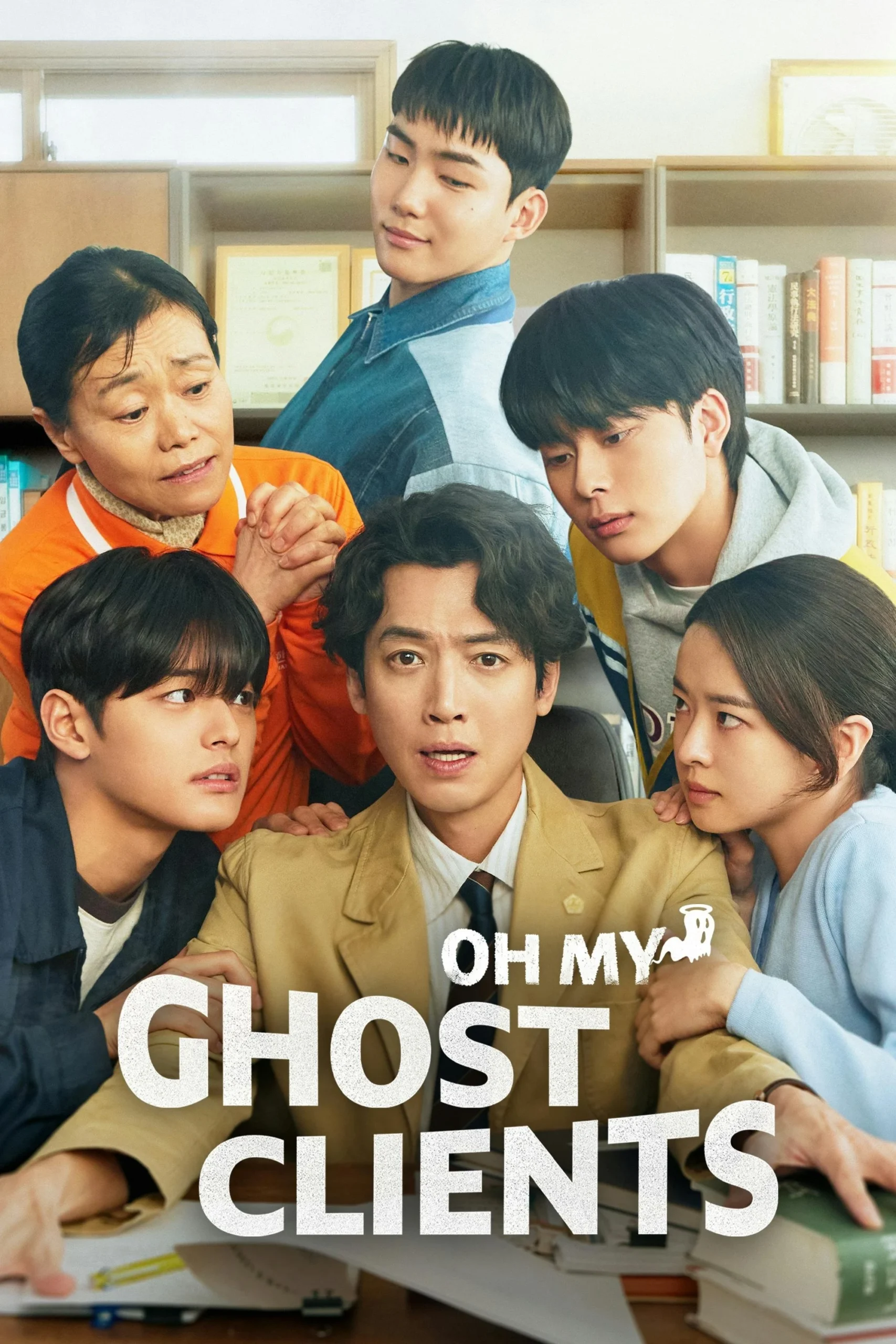 Oh My Ghost Clients
Cha Hak-yeoncomedy
Read Full Review →
|
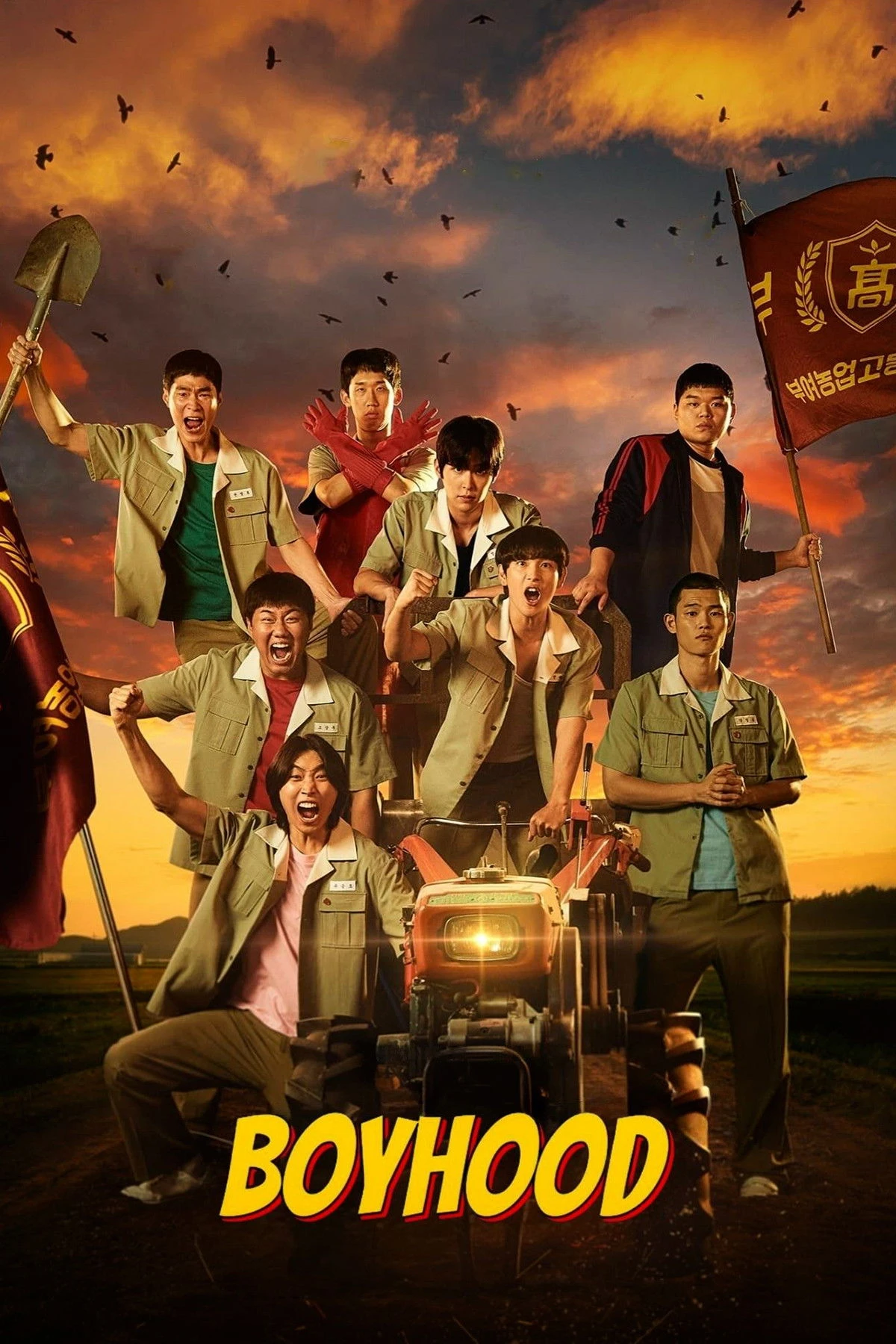 Boyhood
ActionBromance
Read Full Review →
|










Keep it kind, skip the harsh language, and please — no spoilers. Everyone's taste is different, and that's perfectly fine.
This space is for real reactions and discussion from other viewers. Help keep it comfortable for everyone by not giving away major plot details.
What do you think of this drama?
Login to share your review or leave a comment.
No email needed — just pick a username & password.