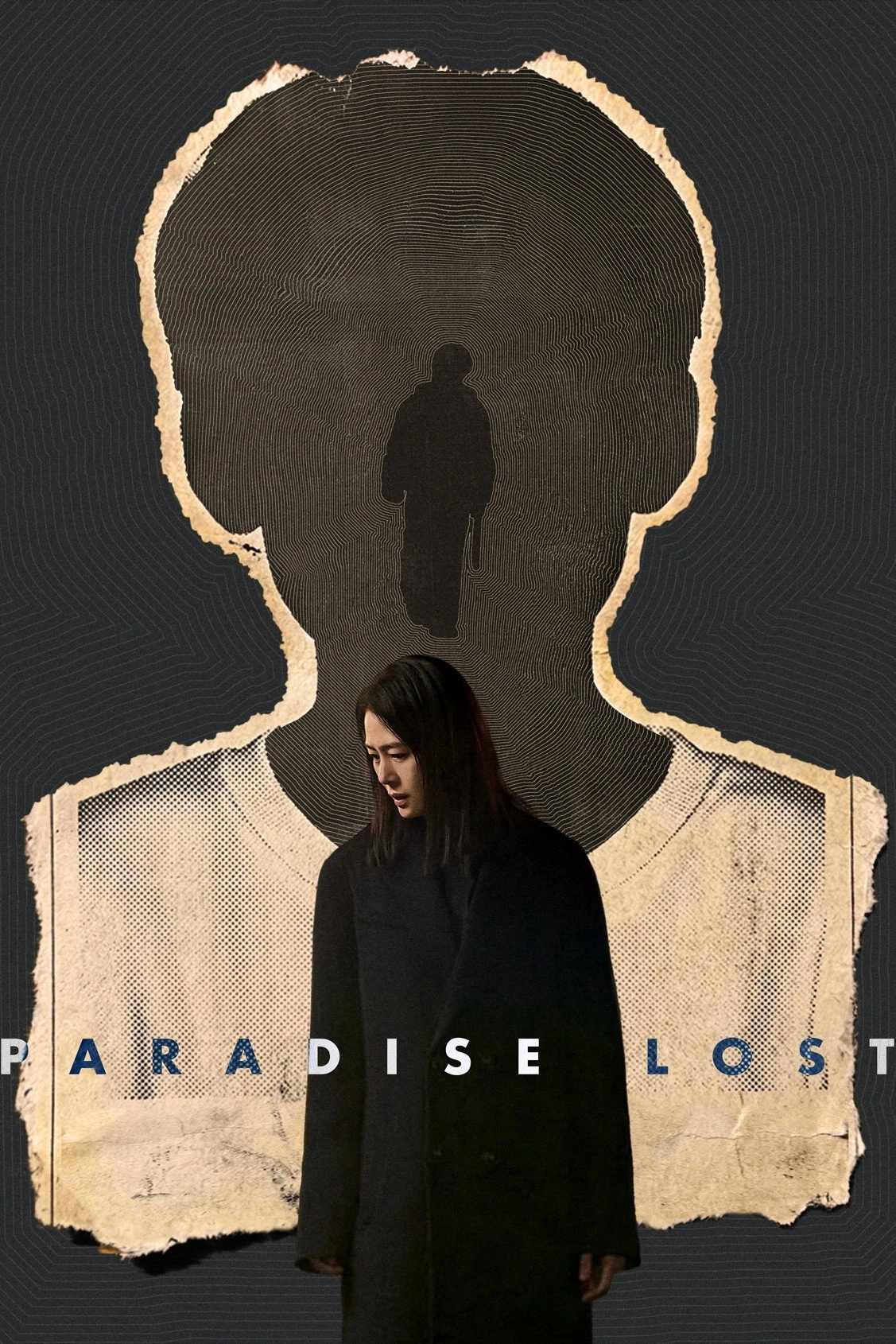
Paradise Lost
🎬 Film Overview
Nine years ago a yellow camp bus with thirteen schoolchildren on board turned up abandoned near the town of Musan, and So-young (Kim Hyun-joo) has been living inside that day ever since. Her son Sun-woo was one of the children who never came home. Instead of learning to live without him, she spends every morning and evening with a virtual copy of the boy, a ten-year-old who greets her through a pair of smart glasses and will never grow older. Then, on the anniversary of the disappearance, the real Sun-woo walks back into her life as a scarred, silent young man who looks nothing like the child she kept. Paradise Lost is Yeon Sang-ho’s lowest-budget thriller yet, shot in about two weeks and adapted from Oh Seong-eun’s novel Black Inferno, and it turns one question into a trap: which son do you choose when one is perfect and cannot be touched, and the other is real and frightening? It opened in Korean cinemas on October 21, 2026, and reached North America on November 6.
⚡ Quick Verdict
No scrolling required — the verdict’s right here.
Official Videos


🎭 Cast & Characters
A mother, her two sons, and the people around the disappearance.
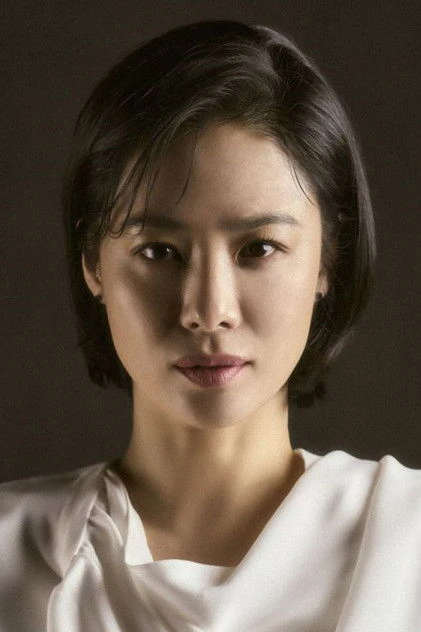
Lead

Lead

Supporting

Supporting
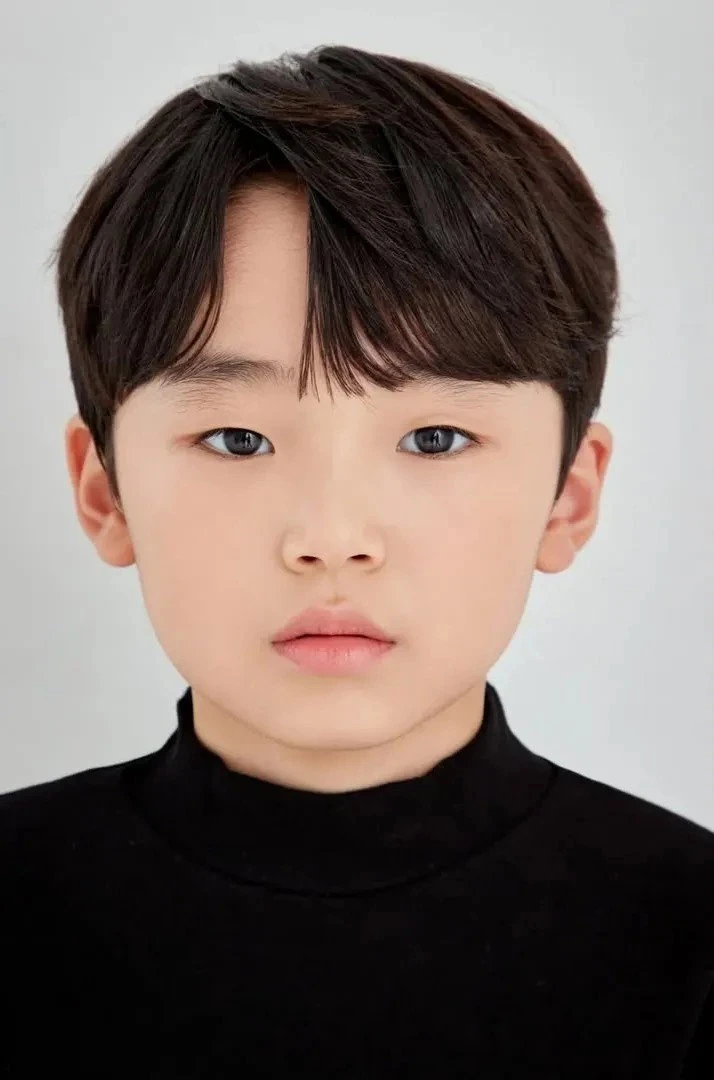
Supporting
📖 The Story
Spoiler-free rundown — just enough to gauge if it’s your thing.
Sun-woo’s mother is a single parent who is stretched thin, and the opening minutes of Paradise Lost are built from small, ordinary details that seem harmless at the time. She worries about telling the camp teacher that her son cannot eat seafood. She sends him off on a camping-school trip with twelve classmates on a bright yellow bus, and the bus never reaches its destination. It is found abandoned near Musan. Over the next stretch a quick montage lays out what the police recovered: the body of a teacher, the bodies of five children, and the remains of the suspected culprit, the bus driver, who is believed to have taken his own life. Fragments of that opening dialogue come back later with a much heavier meaning, so it is worth paying attention to them.
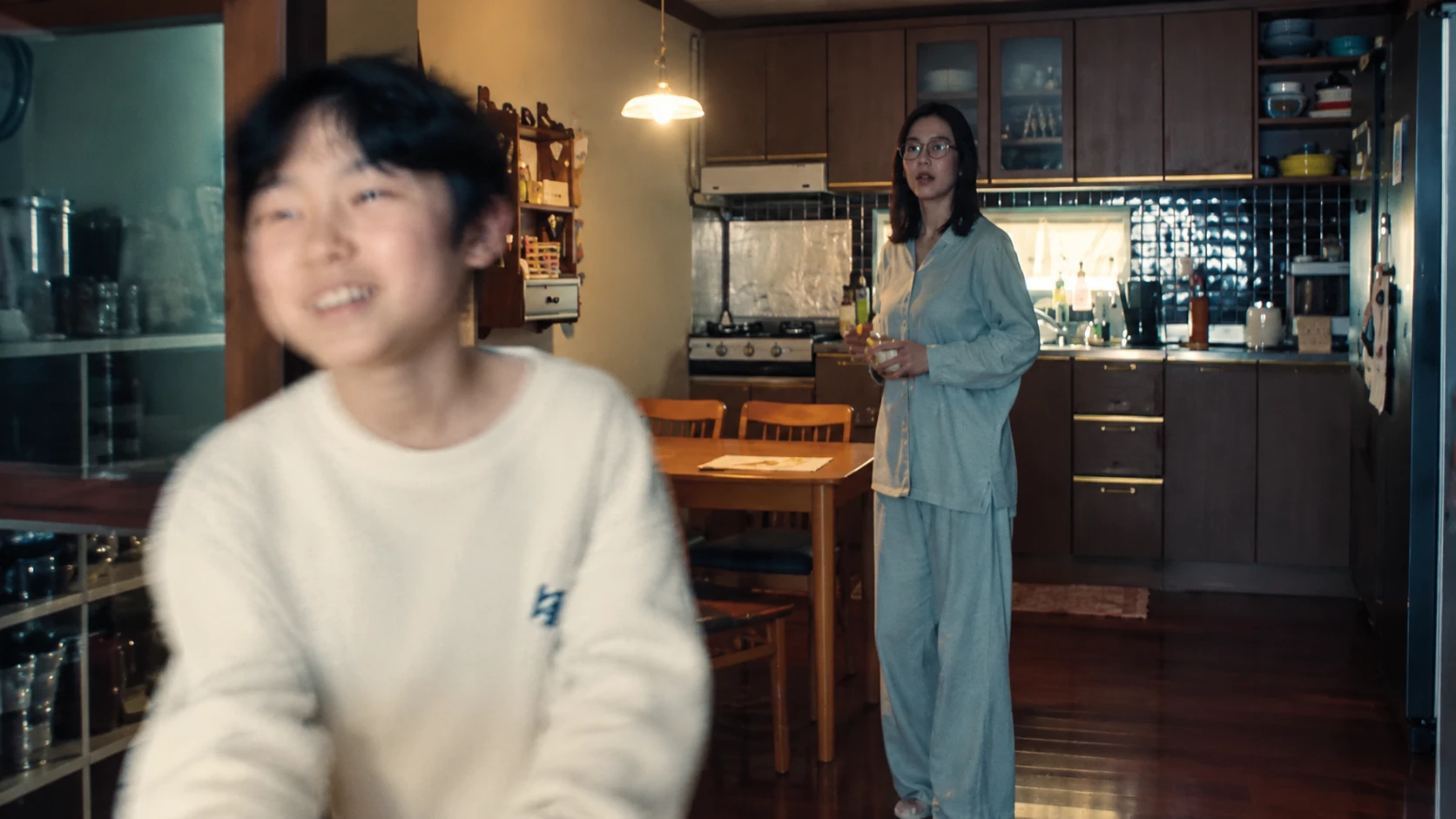
The remaining children, Sun-woo among them, are presumed to be inside an old coal mine, but the tunnels are unstable and the search is called off. So-young tries to walk into the mine alone and firefighters pull her back. Into this raw grief steps a technology company called TransHuman, which interviews the bereaved parents about their children and builds a virtual version of each child that can be visited through smart glasses. The programme is called Children of Paradise. These virtual kids can hold a conversation and show emotion, and they stay frozen at the age they vanished. It is pitched as a way to say goodbye.
So-young does not say goodbye. Nine years on she still puts the glasses on every morning and every night, and her virtual Sun-woo has become the centre of her routine. People around her notice. Her boss suggests she go back to the mine and say a proper farewell, and a colleague gives her a key to one of its entrances so she can try. She gets as far as the tunnels and turns back without confirming what lies at the end of them. When she visits another mother whose child is about to be deleted because nobody visits any more, the woman screams that her child is dead, and So-young listens with a face that hardly moves.
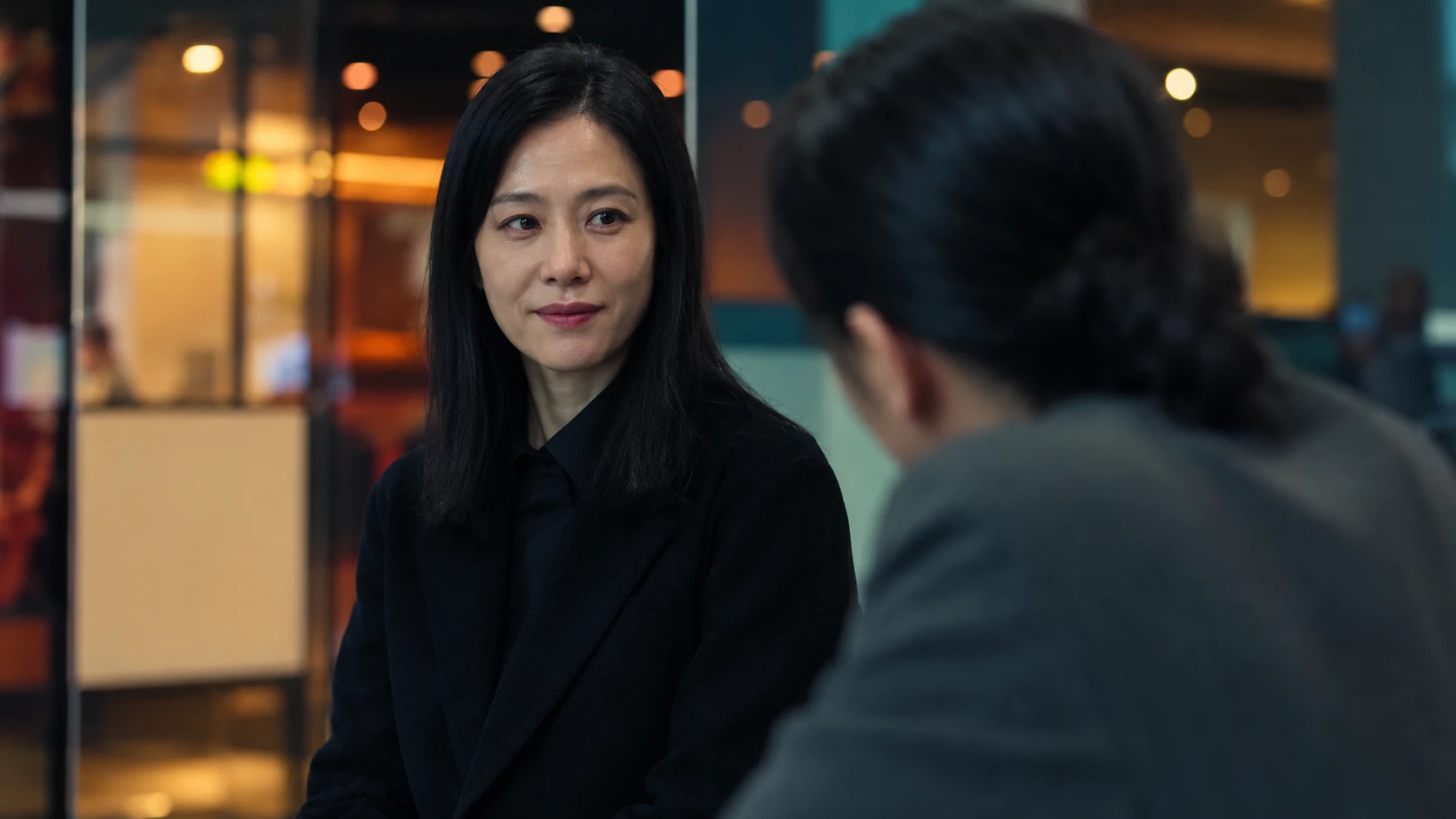
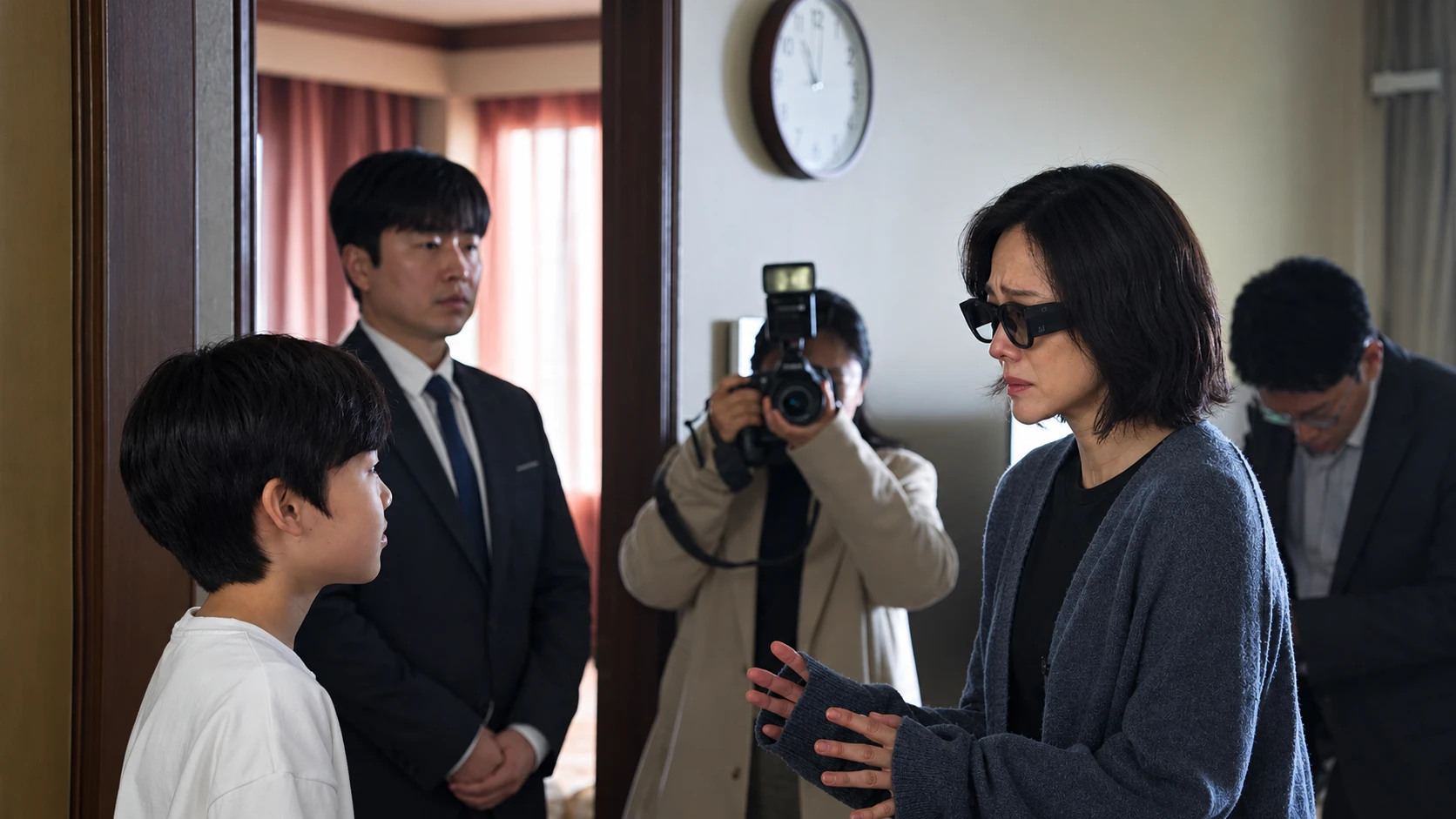
The anniversary of the disappearance brings the miracle. Sun-woo (Bae Hyeon-seong) turns up alive, now a grown man, and a police DNA test confirms he is her biological son. There is no trick about his identity, and the film refuses to give viewers that easy exit. What it gives instead is a stranger. He is scarred, withdrawn and watchful, he cannot explain nine missing years, and he treats the mother who waited for him almost like a person he has never met. His return draws press attention, and a reporter named Oh (Lee Hyun-kyun) begins to dig into the story.
The reunion also coincides with new trouble. A little boy from the neighbourhood named Hao disappears, and So-young starts to suspect the son she has just recovered. She follows Sun-woo and watches him commit a killing. Sun-woo does not deny what he is. He lays out her situation as a set of choices, telling her she can hand him over and risk losing the AI Sun-woo, or stay inside her dream. He also resents the glowing child who has occupied his place at her side. The film frames the two sons with sharp contrast in light and colour, one bathed in warm, bright tones and the other half swallowed by shadow.
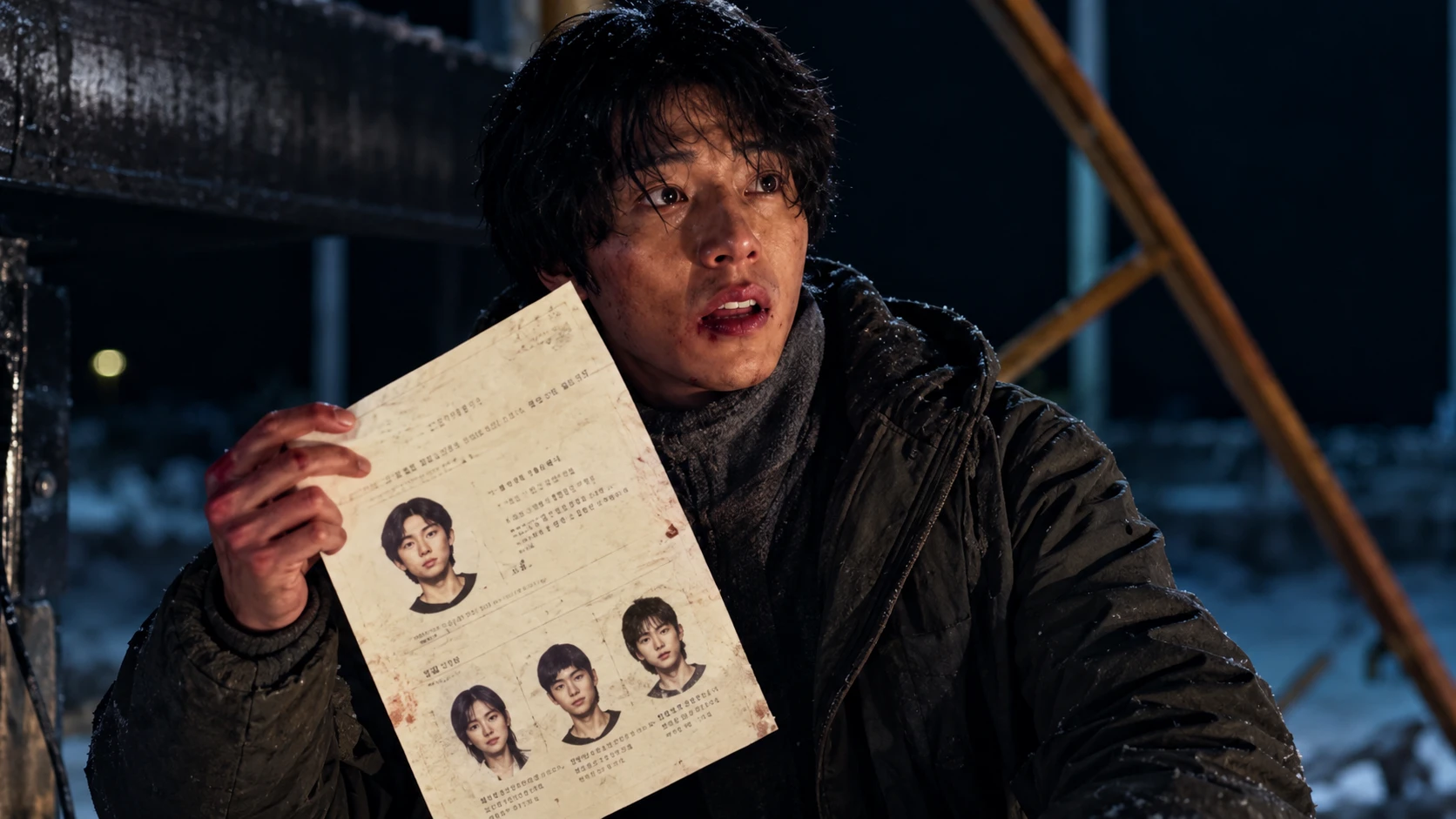
Around the central triangle, Yeon Sang-ho layers in subplots about the way the press treats a missing-children case, about immigrants living in the same small town, and about what really happened on that bus nine years earlier. Another mother, Jang Soo-ryeon, who has come from China and is tied to a visa that is about to expire, becomes a quiet counterpoint to So-young. As the present-day crimes link back to the old case, the film speeds up. Critics who liked the opening hour said the story starts to rush, closing its open threads one after another in a short space of time.
By the last stretch So-young is no longer deciding between two sons so much as deciding what she will do about the one in front of her. The mystery of the bus is answered through a flood of revelations, and the question hanging over every scene, whether a mother can love the child her memory made or the person trauma left behind, finally needs an answer from her. We keep what happens next for the ending section below, where the spoilers are marked.
🏁 Ending Explained
Everything the ending means, spoilers and all.
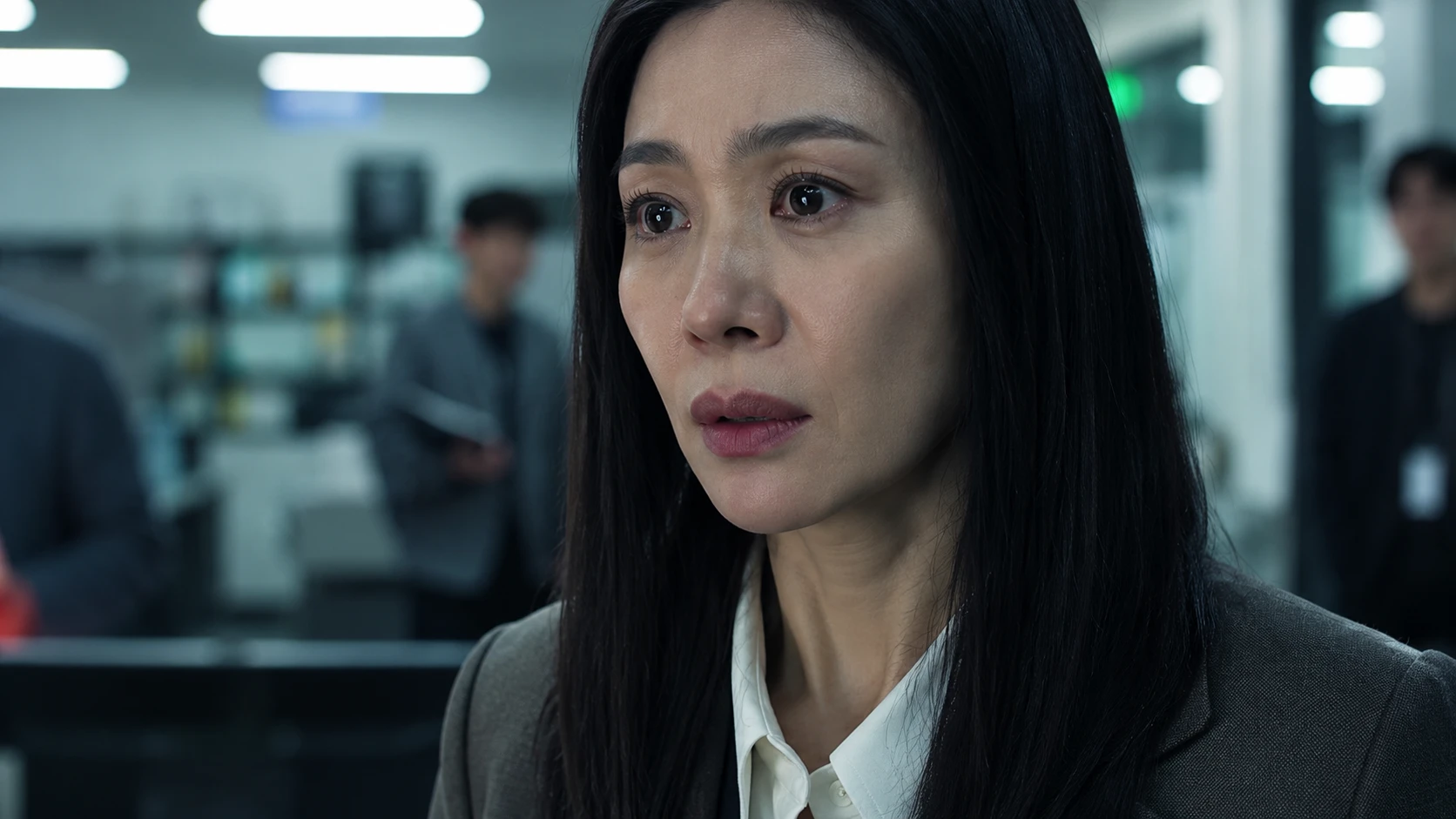
What happens to So-young Korean viewer recaps agree on the basic shape of the finale. So-young decides that she has to stop her son before he hurts anyone else, especially the missing neighbour boy Hao. She takes Sun-woo back to the abandoned mine where the whole nightmare began, tells him she will stay with him, and holds him as the two of them die together. It is a bleak ending, not a rescue. Yeon Sang-ho has said the first spark of the whole project was his mother’s three-page story about a mother who holds her wicked son in her arms and chooses to disappear with him, and the ending carries that image straight onto the screen.
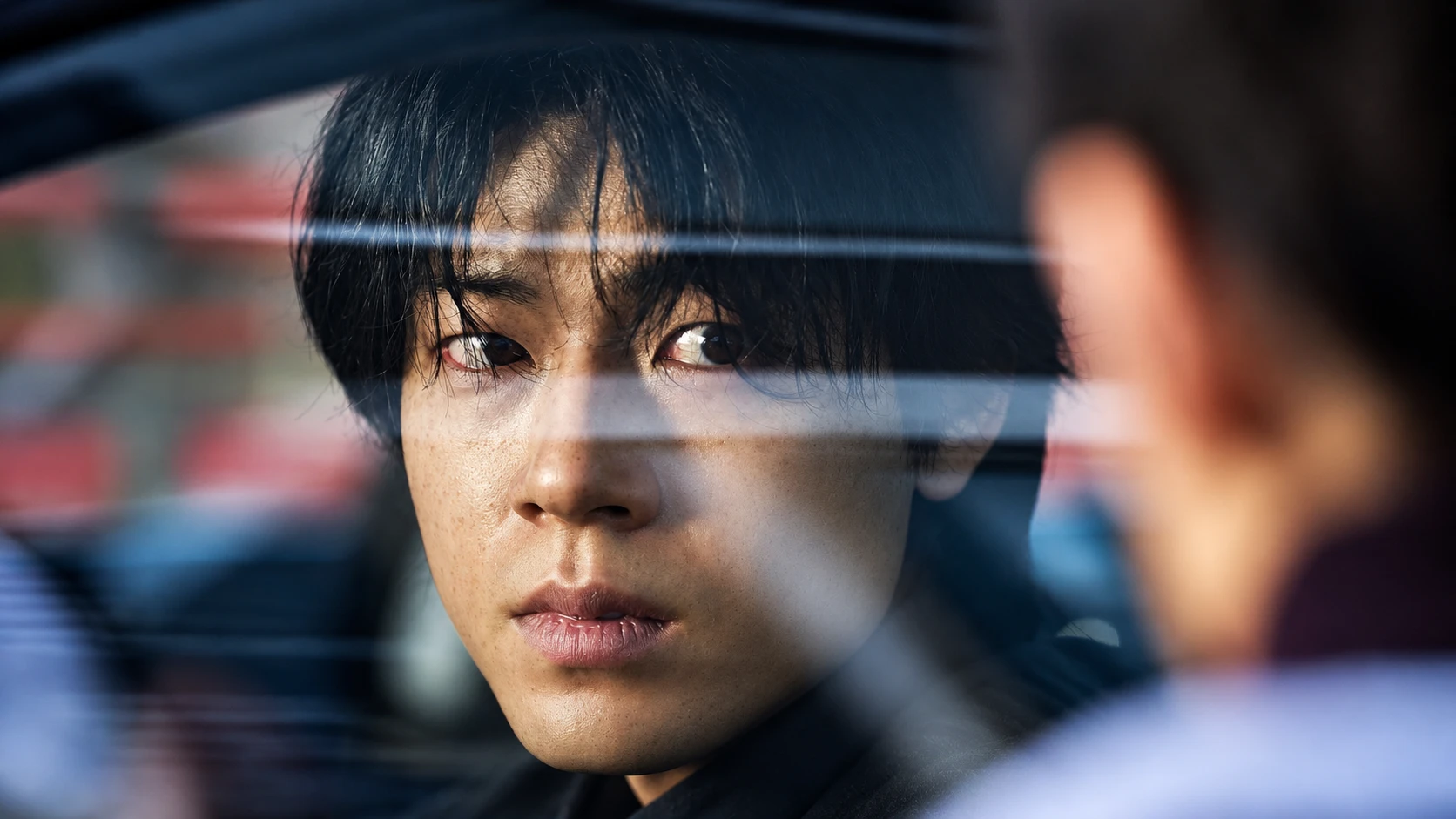
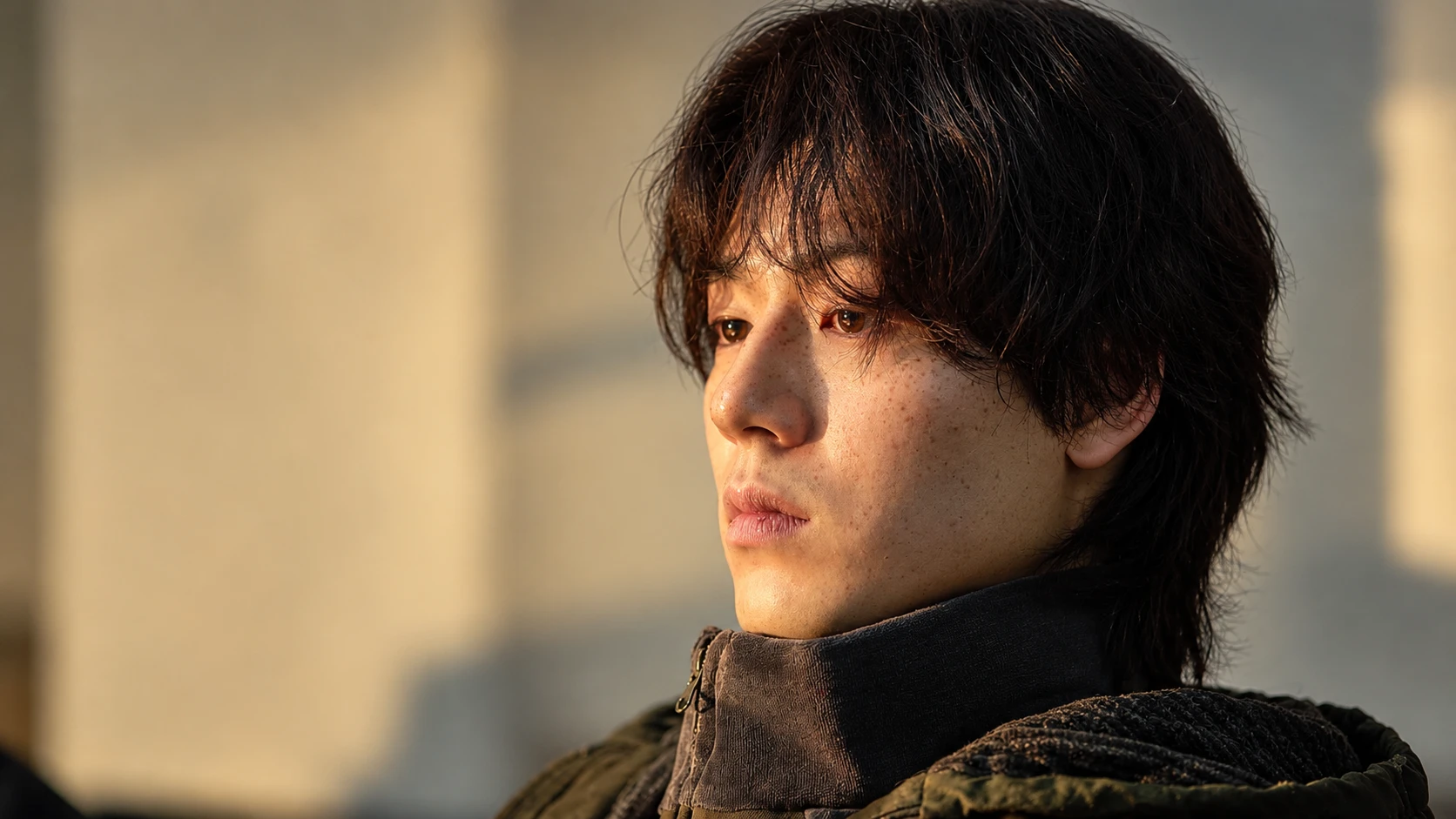
Who Sun-woo really is The returned Sun-woo is the genuine article, confirmed by DNA, so the film never plays a fake-son card. What changed him is nine years spent as the kidnapper’s boy. At the moment of the abduction the kidnapper told him to become his son, and Yeon says Sun-woo spent the years afterwards defining himself that way, partly to escape the guilt of having killed a friend with his own hands. The director considered showing the young Sun-woo obeying the kidnapper’s order to kill a child, then cut the scene and left only a sound recording. When So-young finally tells him “you are my son,” that borrowed identity cracks, which is why his jealousy of the glowing AI child makes sense.
The mine is the real finish line Everything keeps circling the mine, which holds the children’s fate and So-young’s one real test. Reviewers have read it as a place where she is trying to die from the first act: she walks into it after the disappearance and is pulled out, and later she screams into it, and later still a colleague hands her a key to one of its entrances so she can say goodbye to the boy she lost. She never reaches the end of those tunnels in the early scenes. The finale sends her back through the same dark opening with the son she did get back, which turns the mine into a shared grave rather than a place to mourn at a distance, and it explains why the film’s title points at Milton: a paradise that is lost the moment someone chooses to look at the world as it is.
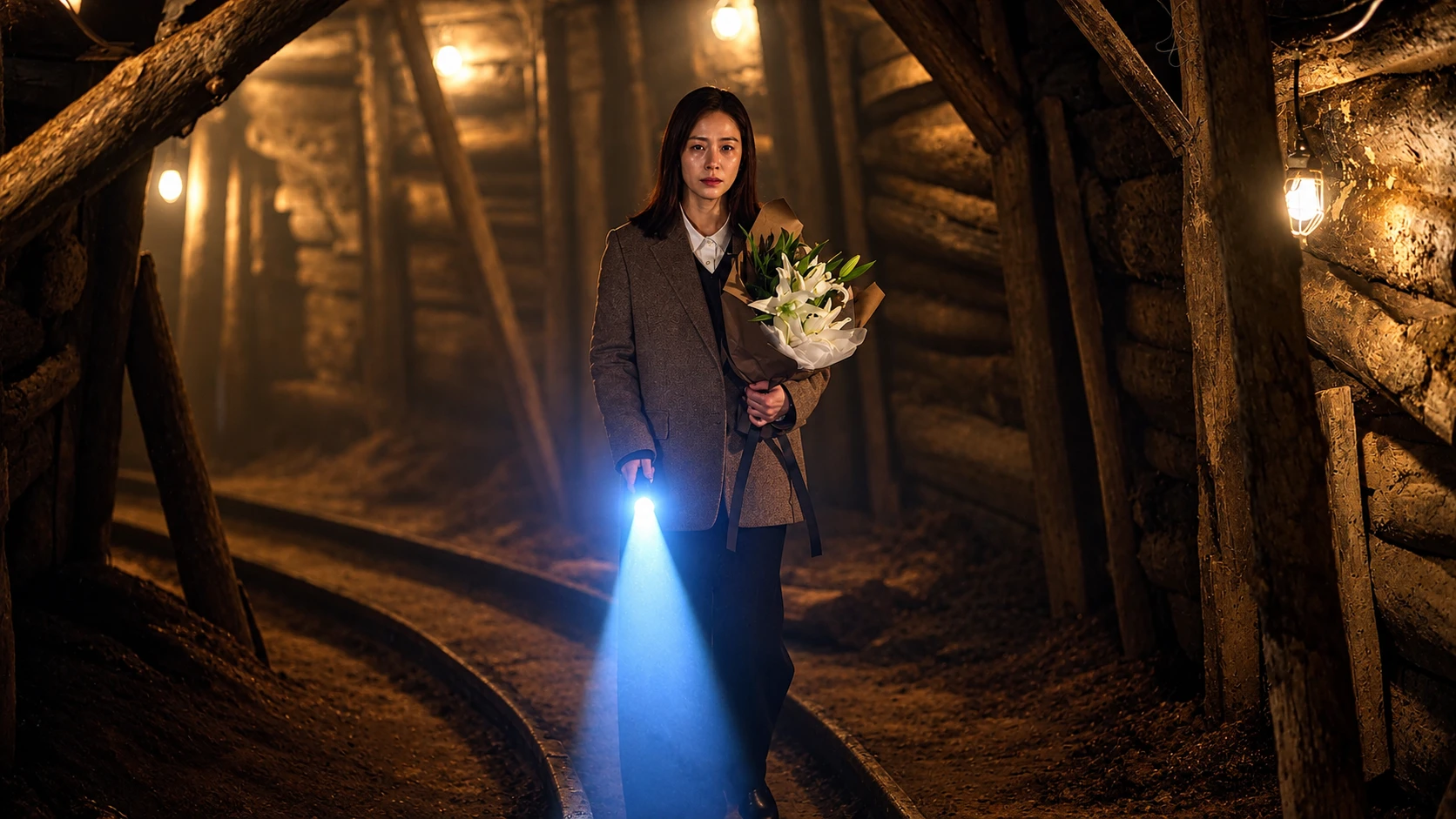
Paradise, and the people watching it The film does not end in the mine. Its last scene returns to the world of Children of Paradise, where So-young smiles broadly beside her virtual son. New TransHuman employees look on while the company’s chief tells them to move along, because they have seen enough. Screen Daily called this closing visit to the AI firm jarring, and one Korean blogger heard the CEO’s line as a sneer at people who retreat into a virtual world. Others see it as the film’s most ambiguous beat: she looks happier than at any point earlier, and the story asks whether a happiness is false just because it is virtual. The reports we read do not settle what happens to Hao or to the reporter, so we leave those threads unsaid.
What the ending means Yeon Sang-ho says he sees the paradise So-young ends up in as a world without contemplation, since humans suffer and are happy precisely because they think. He also admits he cannot fully explain her last choice and wanted viewers to feel it before they understand it. That is the film’s most honest line, and it is also why opinion splits so hard. Maxmovie found the finish emptier than the question it raises, and Asian Movie Pulse thought the revelations arrive one after another with too little room. Fans who rated it highly after opening week point to Kim Hyun-joo and to how long the questions stay with you. There is no post-credits scene, so the credits are the cue to leave.
✍️ KDramaWorlds Editor’s Take
Our genuine take on whether it’s worth your time, and who it’s for.
Yeon Sang-ho has been circling the same unsettling idea for years: the monster in the room turns out to be someone we are supposed to love. After the corporate zombies of Colony earlier this year, Paradise Lost shrinks the canvas to one house, one mine and one mother, and the cut in budget shows in the best way. There is no spectacle to hide behind, so the film leans on faces. Kim Hyun-joo keeps So-young’s grief clamped down, letting a flicker around the mouth do the work of a scream, and the one real scream we hear is thrown into a mine where the rock throws it back. Bae Hyeon-seong plays Sun-woo with a stillness that makes every entrance feel like a threat. Strip away the plot and the pairing of these two is the film.
The weaker half is the machinery around them. Critics at Screen Daily and In Review found the AI thread underdeveloped, with a glasses gimmick that looks cheap and a position on the technology that never quite settles. We think the premise survives that, because Yeon is less interested in the tech than in what a mother does with a perfect, obedient version of her child. That is the same family of anxieties he explored in Hellbound, only turned inward, and it explains why the finest scenes are conversations rather than set pieces. The cost is pace. Several reviewers say the story needed a series to breathe, and they are probably right: subplots about reporters, immigrants and the original abduction get closed in a rush.
Whether you leave satisfied depends on how you take the ending. If you want to be told what to think, Paradise Lost will frustrate you, because its own director says he cannot fully explain So-young’s final choice. If you like a film that stays with you for a day, there is a lot to chew on, from the mother who cannot stop visiting a child to the one who lets her child be deleted. Early audience scores in Korea were healthy, with reports of 7.4 on Naver, 8.5 at Lotte Cinema and 87 percent on CGV, even as critics were colder. We would call it a flawed but memorable film: bleak, short and worth seeing for its leads.
🎬 You Might Also Like
If you liked Paradise Lost, these are your next three watches.
 Black Out
Byun Yo-hancrime
Read Full Review →
|
 Anna
Ambitionantihero
Read Full Review →
|
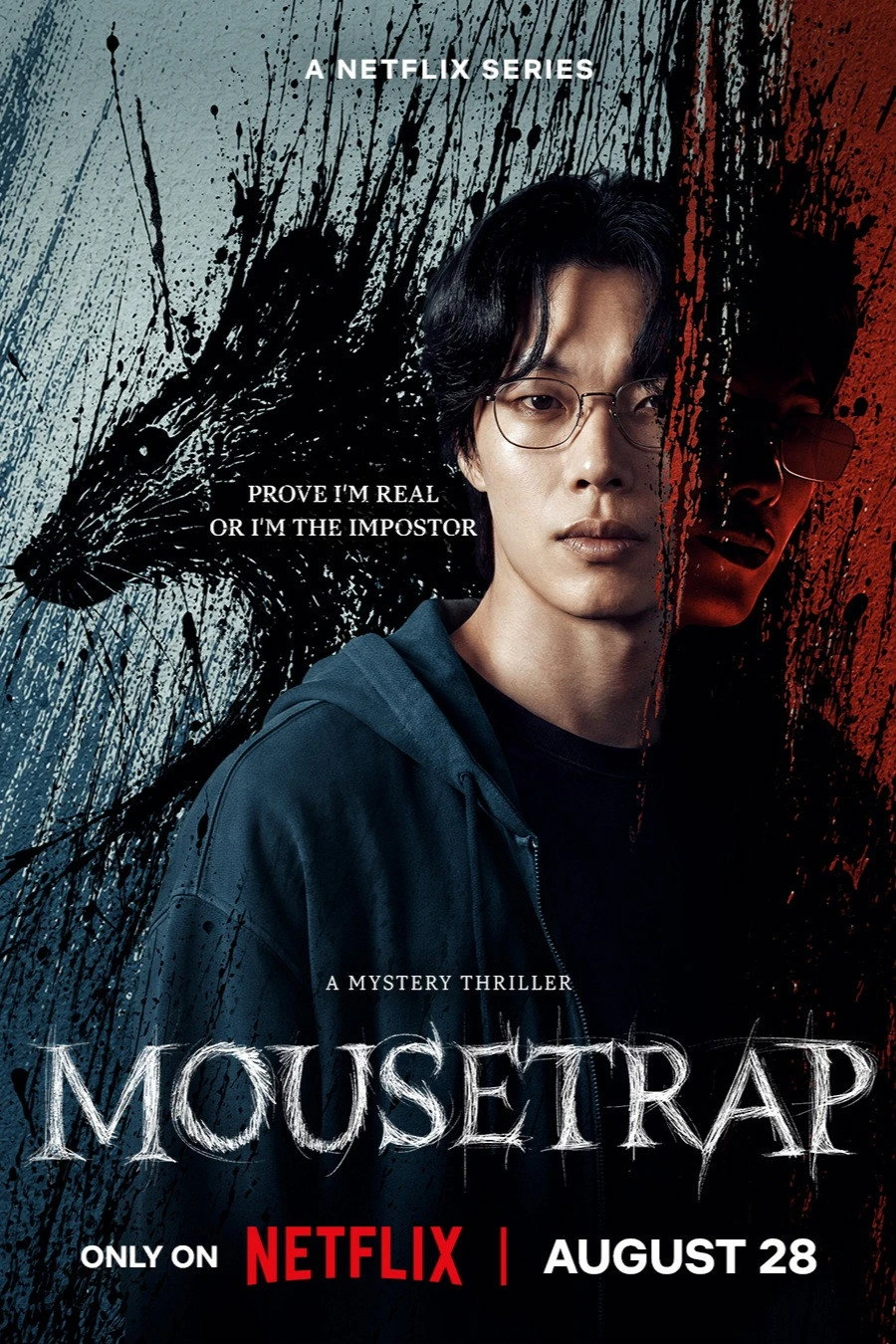 Mousetrap
crimeIdentity Theft
Read Full Review →
|





Keep it kind, skip the harsh language, and please — no spoilers. Everyone's taste is different, and that's perfectly fine.
This space is for real reactions and discussion from other viewers. Help keep it comfortable for everyone by not giving away major plot details.
What do you think of this drama?
Login to share your review or leave a comment.
No email needed — just pick a username & password.