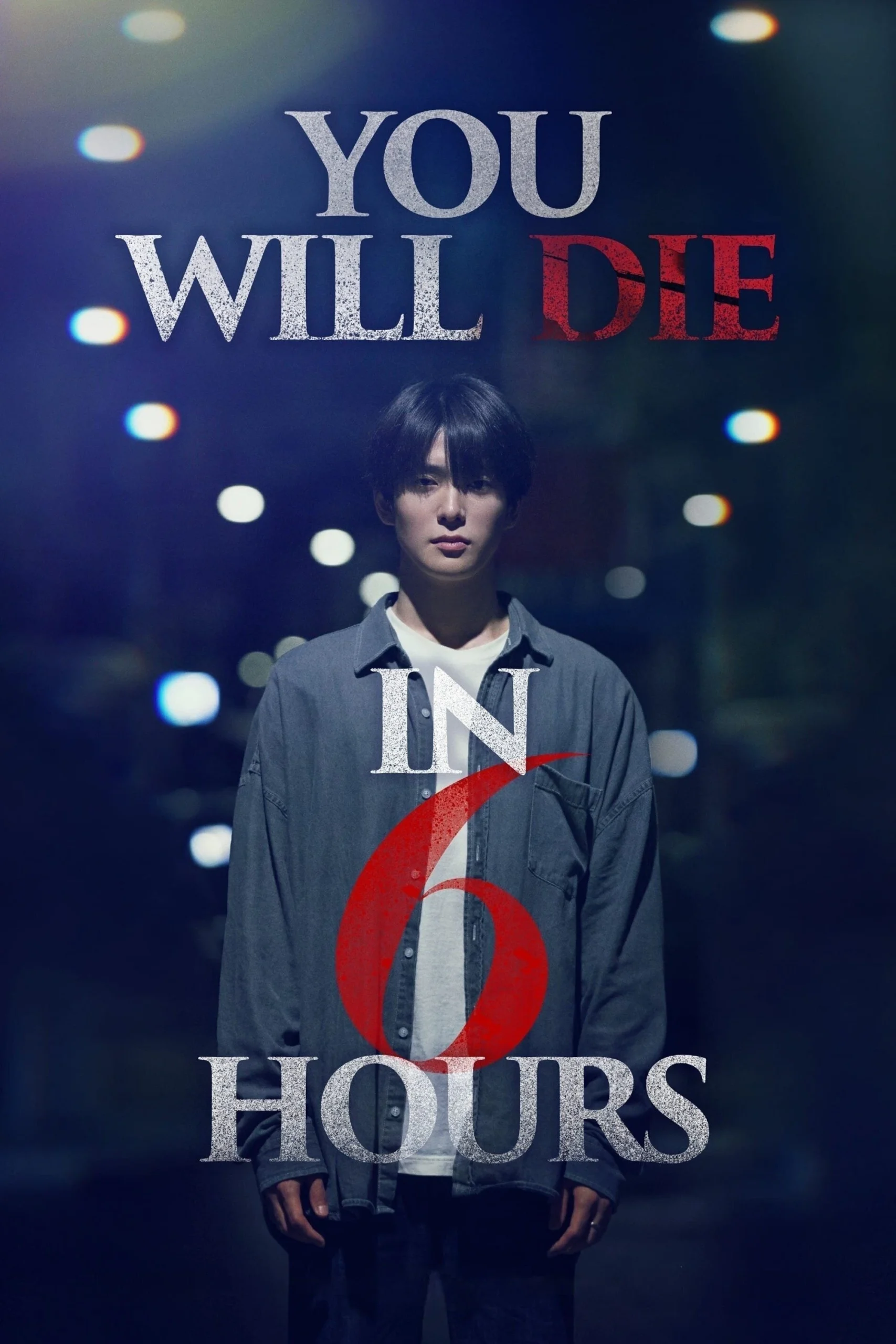
You Will Die in 6 Hours
🎬 Plex · OnDemandKorea · Amasian TV · VIU
⭐ 6.9 MDL
🔞 15+
🎬 Film Overview
PREMONITION MYSTERY PICK
Lee Jeong-yun’s 30th birthday was supposed to be ordinary. Not bad, just unremarkable — the kind of day navigated alone without dramatic incident. Then a stranger stops her on the street and tells her, with the flat certainty of someone reading a weather forecast, that she will be stabbed to death in six hours. Kim Jun-u has seen it. He can see unusual deaths before they happen. He doesn’t know who will do it. He only knows it will happen to her today, if nothing changes.
You Will Die in 6 Hours is a Korean adaptation of a Japanese novel by Takano Kazuaki, and it carries the compact pressure-cooker architecture that the source material suggests: a countdown, a woman learning she cannot trust her own instincts about people, and a premonition mechanic used not as fantasy flourish but as structural device for sustained dread. Jaehyun (of NCT) plays Jun-u with an unsettling stillness that keeps his motives unreadable throughout, while Park Ju-hyun as Jeong-yun carries the film’s central question — what do you do with six hours you weren’t supposed to have — as a woman oscillating between disbelief, calculation, and the particular terror of realizing the danger might be wearing a familiar face.
⚡ Quick Verdict
One glance, one verdict — everything you need is right here.
· MDL · 1,213 ratings
▶ Official Trailer
🎭 Cast & Characters
Two leads holding a film’s ambiguity steady for 91 minutes — a harder job than it looks.

Lead

Lead

Supporting
Supporting

Supporting

Supporting
Supporting
Supporting
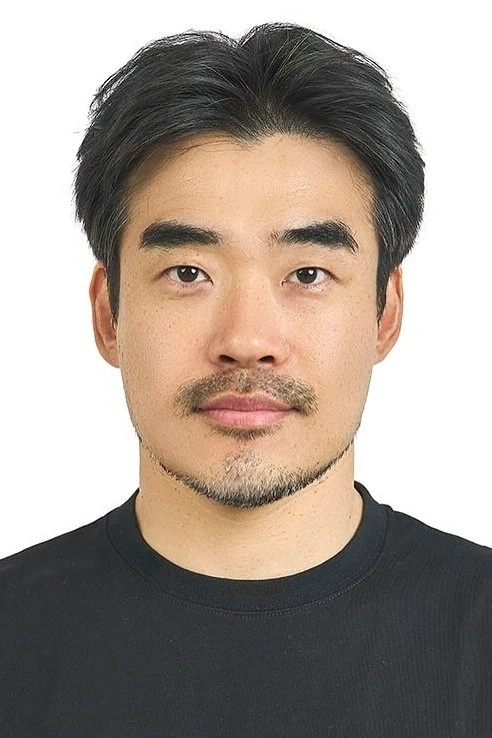
Supporting
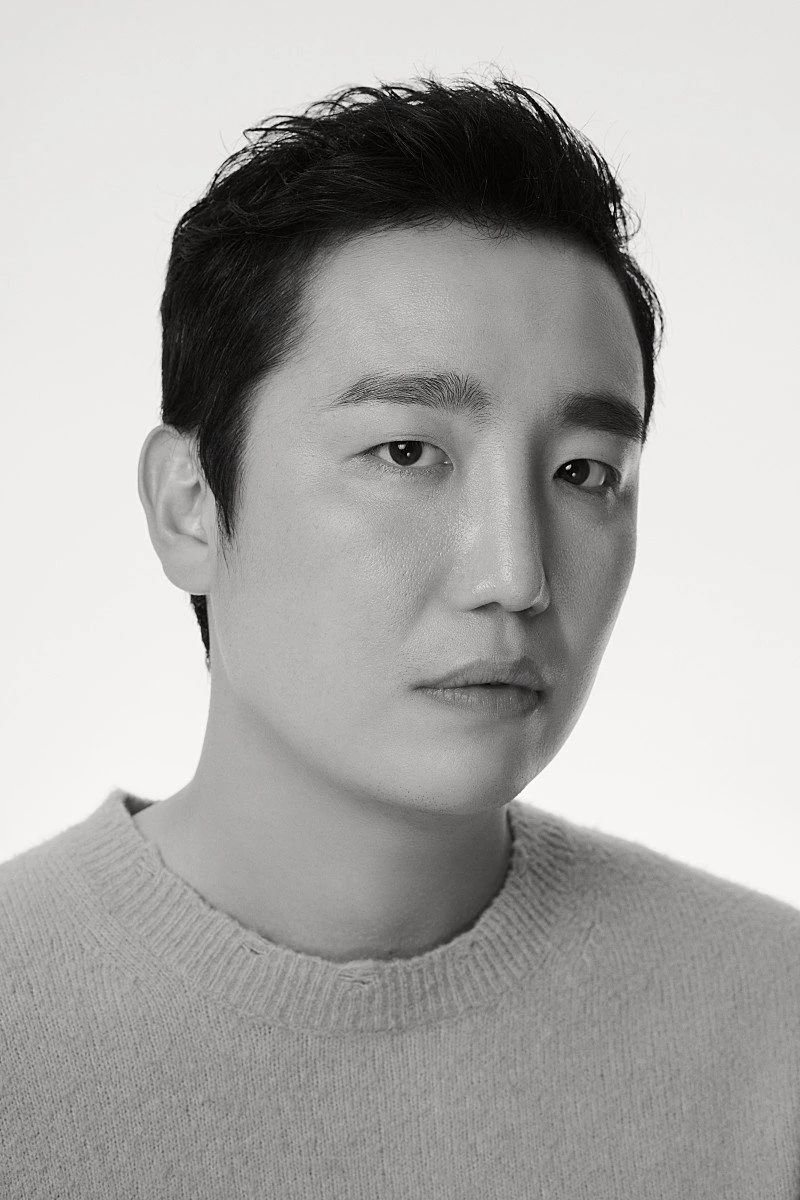
Supporting
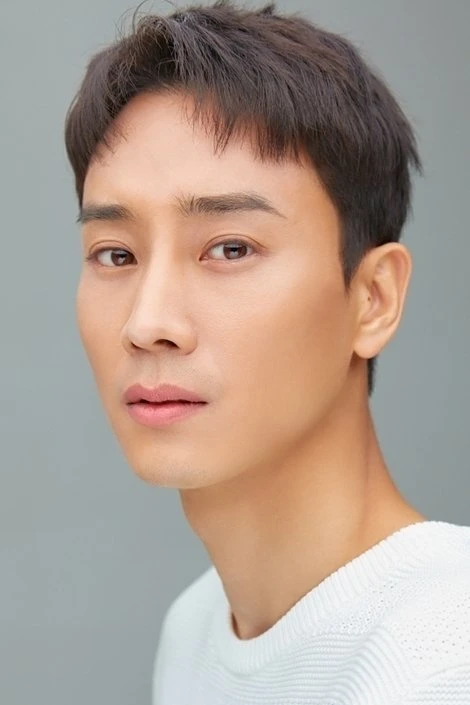
Supporting
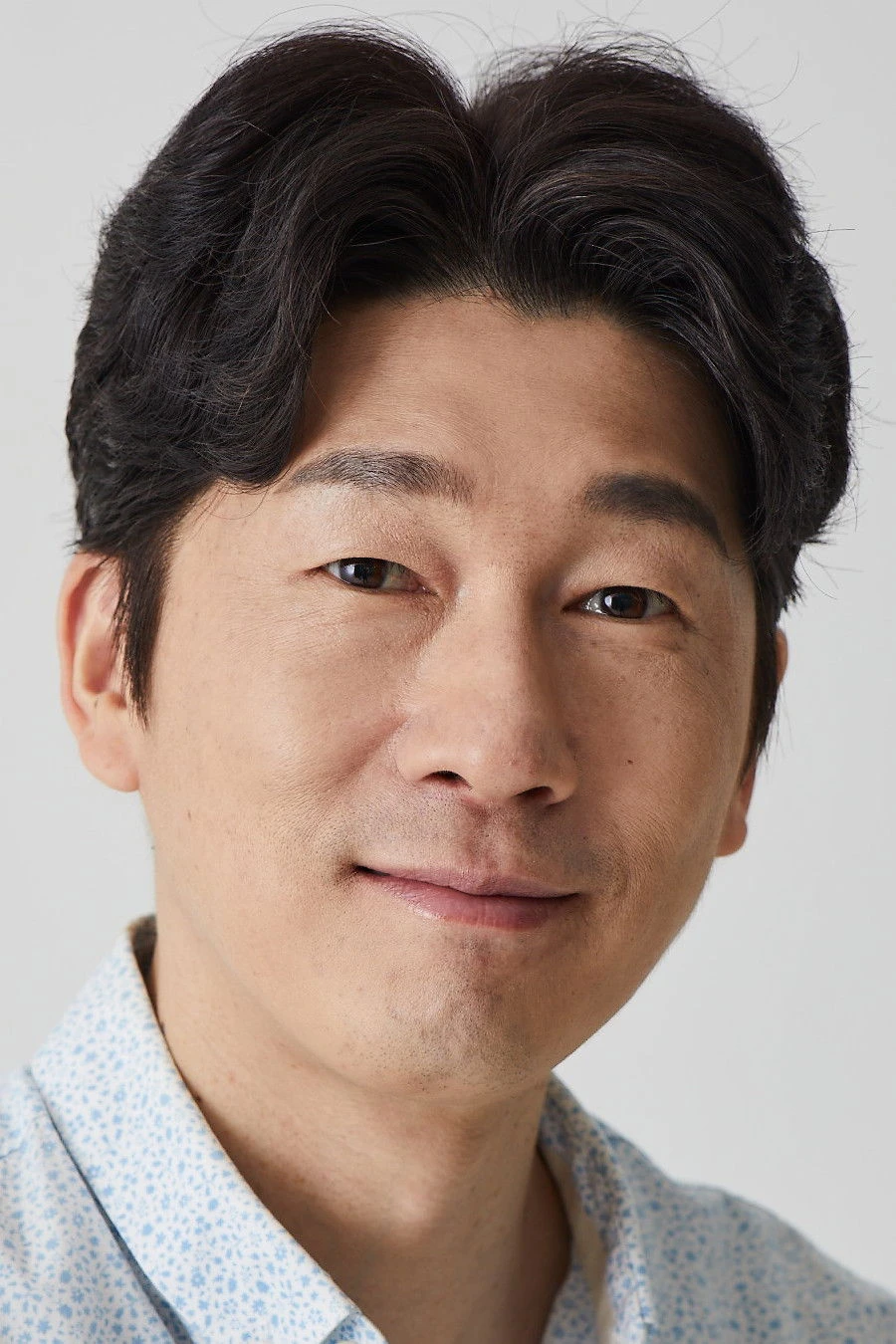
Supporting
📖 The Story
No spoilers here, just enough to gauge if it’s for you.
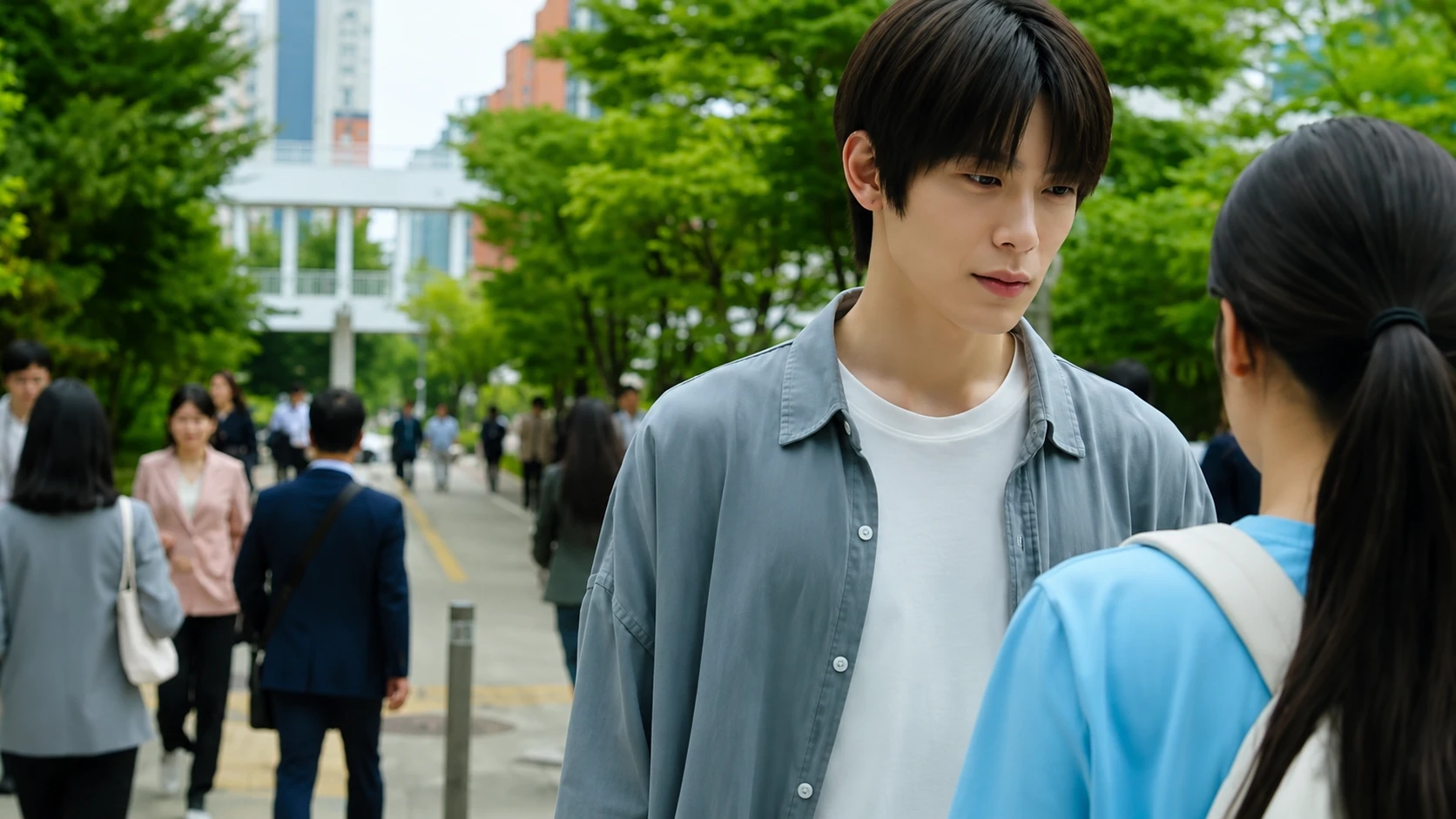
Lee Jeong-yun’s 30th birthday begins like most days she navigates alone — with quiet determination and no particular reason to expect anything unusual. She maintains a small circle: a detective friend she trusts, a life that doesn’t ask much from anyone else. Then Kim Jun-u stops her in the street with information she has no framework to process: she will be stabbed to death today. In six hours. He can see it. He doesn’t know by whom. He only knows it is coming, and that she is the only person who can change it.
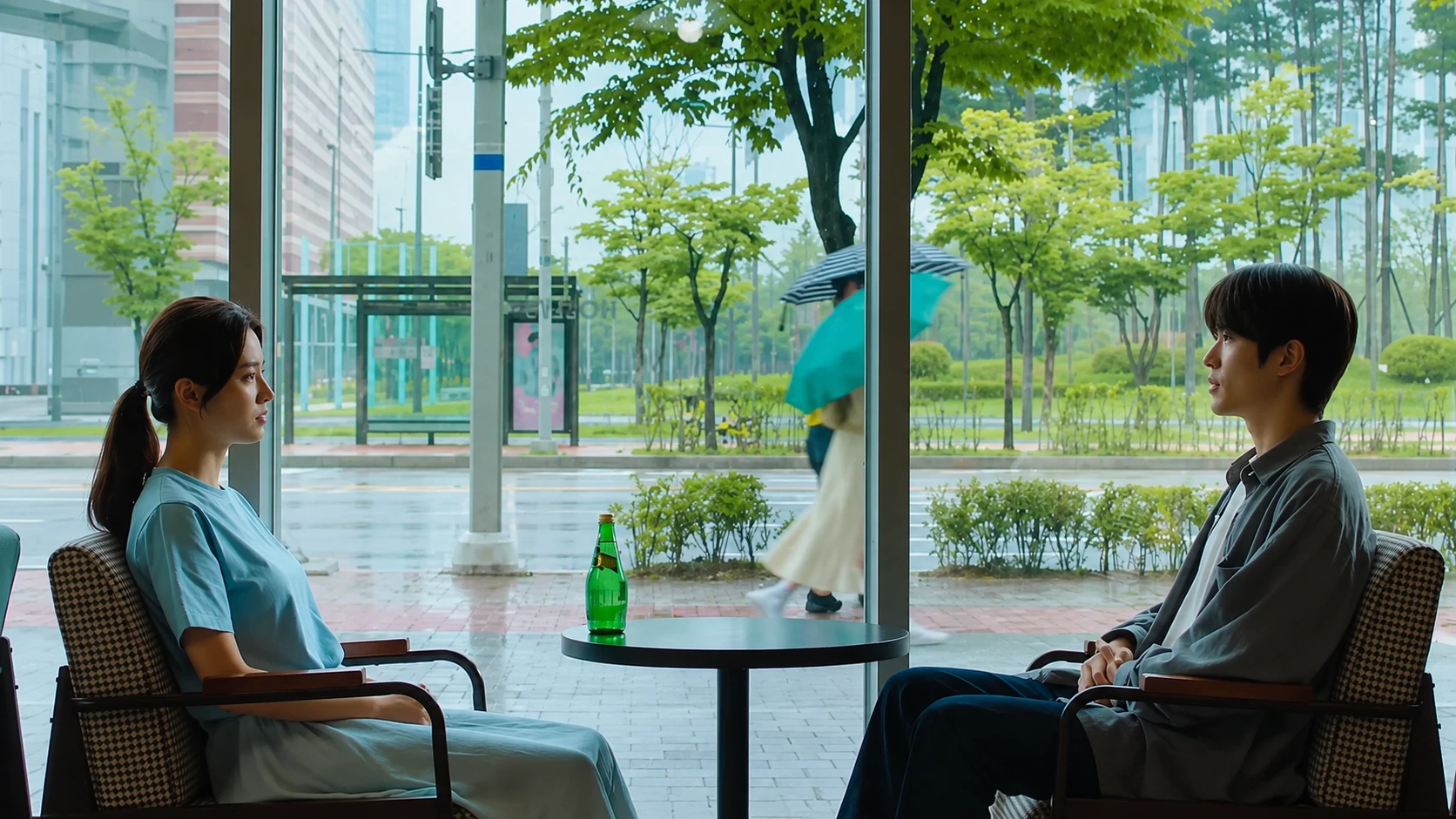
Jun-u’s ability to foresee unusual deaths is presented as fact without explanation — no origin story, no mythology, just a man who sees what is going to happen and has decided to intervene this time. Jeong-yun’s initial skepticism is rational. Her eventual decision to follow him — to spend her threatened six hours beside a stranger making increasingly alarming claims — is the film’s central wager. The script earns it through accumulated detail rather than a single convincing moment: small pieces of information that are too specific to dismiss, delivered by someone who clearly isn’t performing confidence.
Detective Park Ki-hoon is investigating a series of baffling serial killings that have consumed the violent crimes unit. He is also Jeong-yun’s trusted friend. These two facts coexist in the film’s early chapters as parallel threads — the official investigation proceeding in established channels while Jeong-yun runs her own private inquiry alongside Jun-u. Ki-hoon’s presence is a comfort, a professional anchor, a reminder that actual law enforcement is available and paying attention. The film is patient and deliberate about what it eventually does with that comfort.
As Jeong-yun and Jun-u work back through the hours, suspects accumulate: a stalker with prior contact, a landlord with murky motives, others orbiting her life in ways she had never questioned. The premonition provides no name — only certainty — and the film uses that gap to build functional thriller architecture. Possibilities are eliminated, misdirections deployed, and the audience is invited to reason alongside Jeong-yun about who in her immediate world could do this and why.
The film’s most structurally interesting choice is that it holds the mystery at a deliberate pace the script knows might frustrate viewers expecting conventional escalation. The tone is contemplative rather than kinetic — closer to psychological pressure than chase sequence — and the camera spends more time on faces registering information than on physical confrontation. Jun-u’s stillness grows more unsettling as the hours reduce: his certainty about the outcome in constant tension with his inability to name the perpetrator.
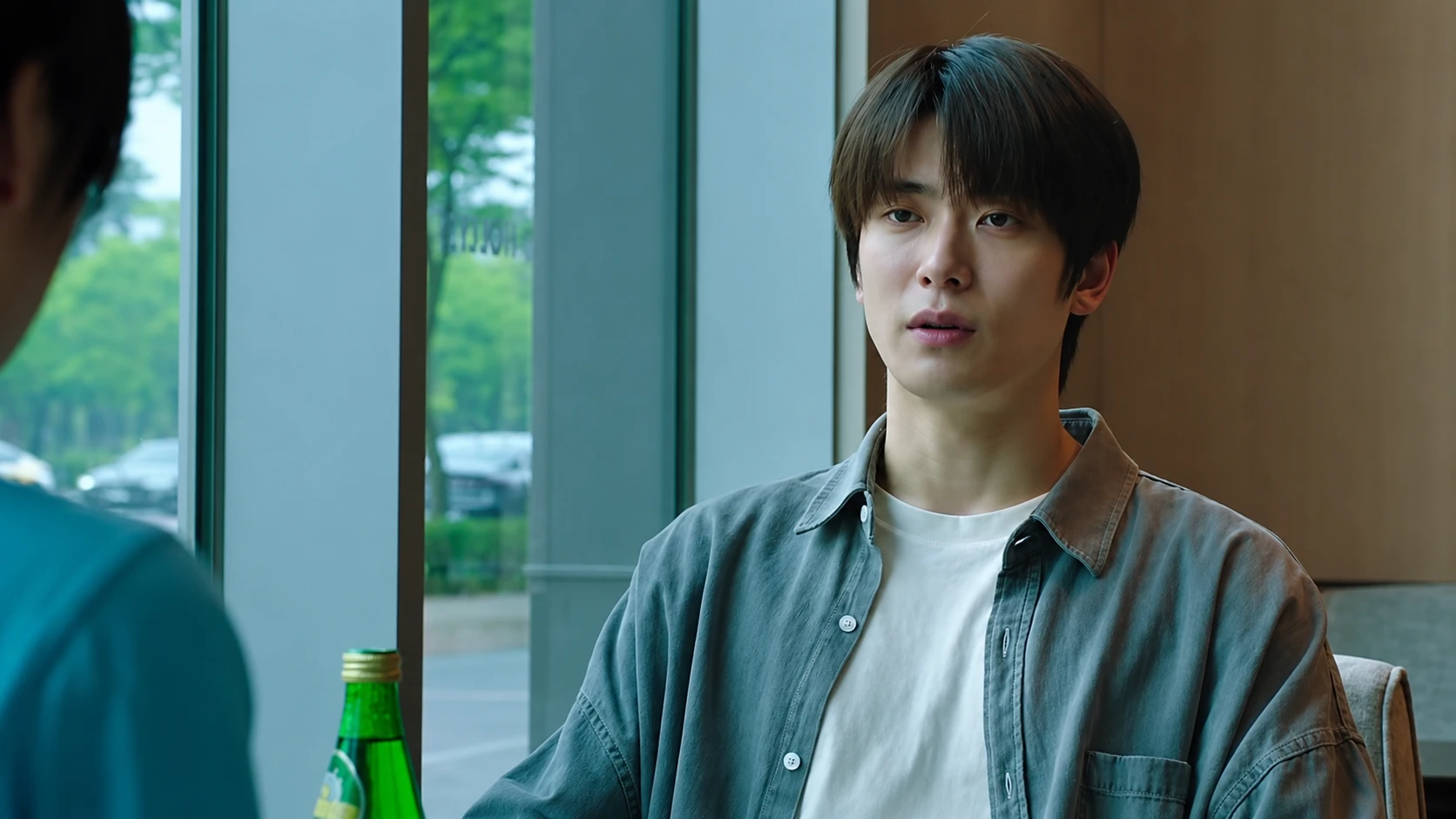
The question of whether to trust Jun-u is the engine that keeps the second half running. Every piece of information he reveals about the deaths he has foreseen could be the knowledge of a witness or the knowledge of a participant. The film gives Jeong-yun — and the audience — enough evidence on both sides to keep the answer genuinely open. Park Ju-hyun plays Jeong-yun’s uncertainty as something physical: a woman walking next to someone whose intentions she cannot safely confirm, with a countdown ticking toward the moment she discovers which reading was correct.
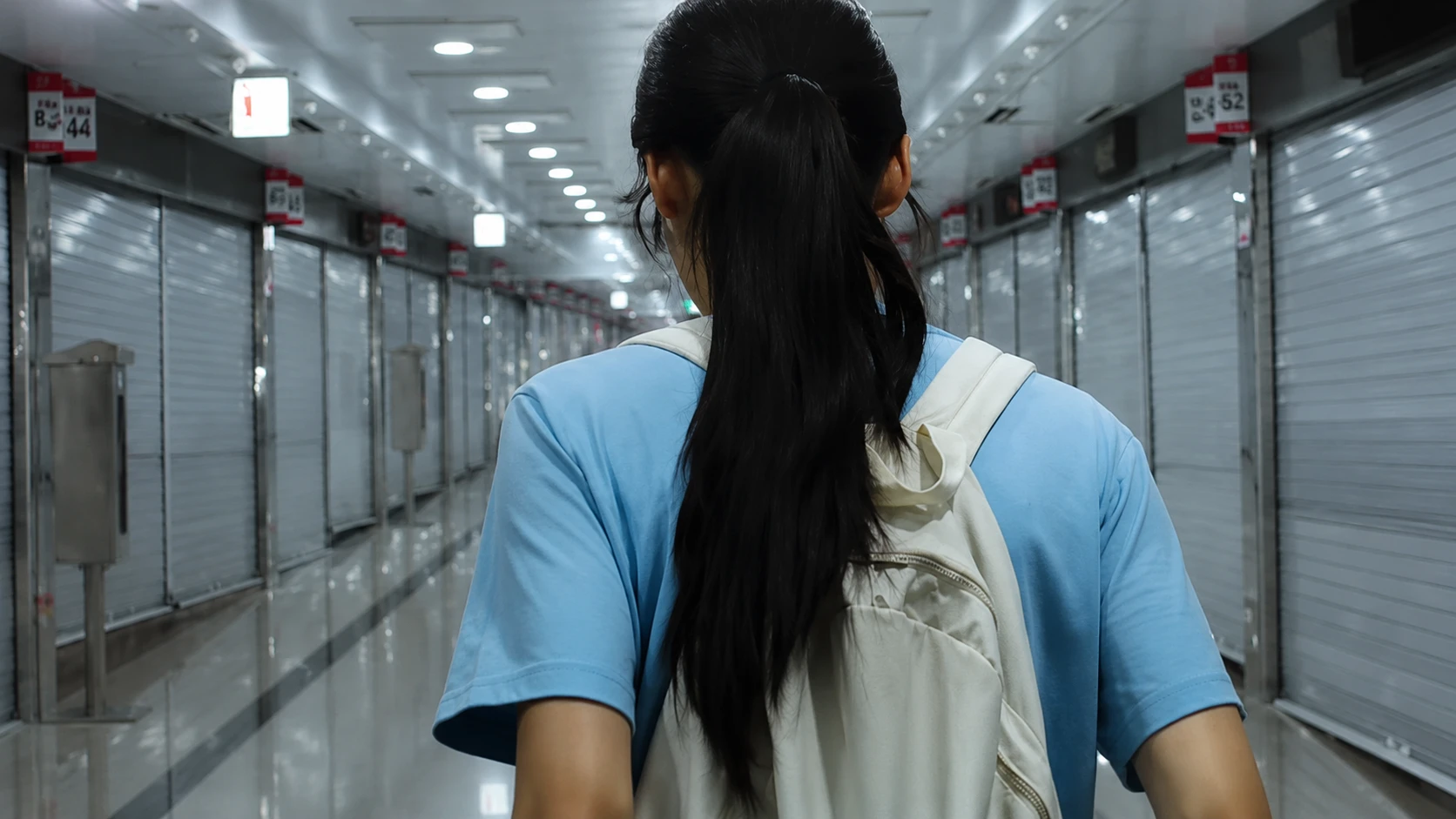
The reveal, when it comes, lands not as shock but as dread — the kind that recontextualizes everything that came before. The final confrontation is quiet by thriller standards, the film preferring psychological weight to physical spectacle. Jeong-yun survives the six hours by confronting the most disturbing kind of threat: one that had been wearing the exact face of someone she had never thought to be afraid of.
🏁 Ending Explained
Full spoilers from this point — what happened, and why.
Full Spoilers Ahead — This section covers the complete ending of You Will Die in 6 Hours. Stop here if you haven’t watched.
What happens: the killer revealed Jun-u is confirmed as a genuine clairvoyant — he sees unusual deaths in advance and came to Jeong-yun because he foresaw hers and chose to intervene. The killer is Detective Park Ki-hoon, Jeong-yun’s trusted friend, who has been orchestrating the serial killings. His final confrontation with Jeong-yun is the film’s emotional climax — not a physical chase but the specific horror of looking at someone you trusted without reservation and realizing they had been using that trust as access, not warmth. Jeong-yun survives. Ki-hoon is apprehended. The six hours end.
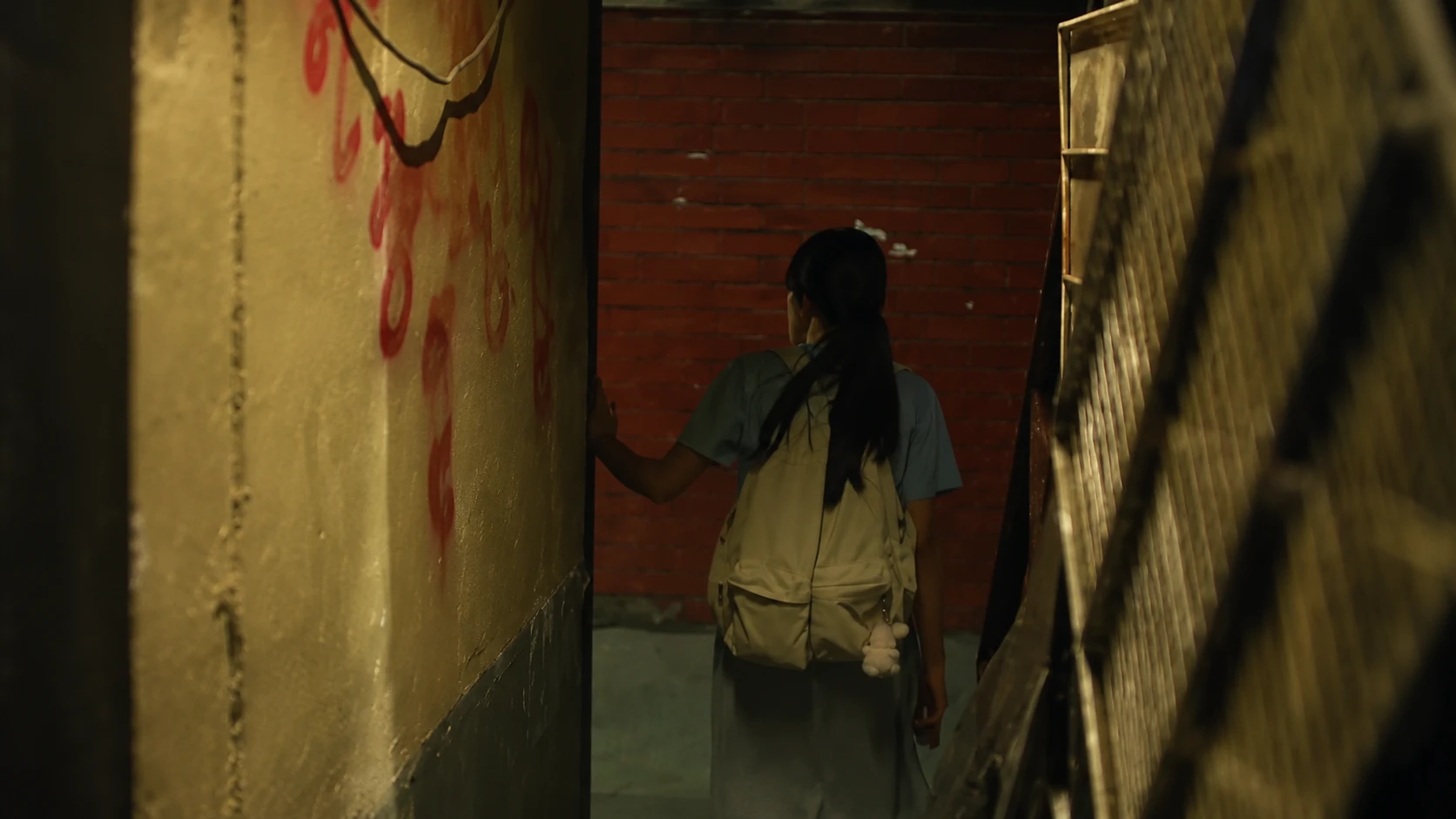
What it means for Jun-u The film resolves Jun-u’s ambiguity by confirming he is exactly what he claimed: a man burdened by foresight he cannot always act on. The limitation of his ability is made explicit — he can see the death but not the killer, which is why he needed Jeong-yun’s active participation rather than simply going to police. That his motive was genuine intervention, not manipulation, reframes his unsettling behavior throughout as the desperation of someone who knows what’s coming and has only one lever to pull. He doesn’t get a tidy resolution. He carries the next premonition somewhere off-screen.
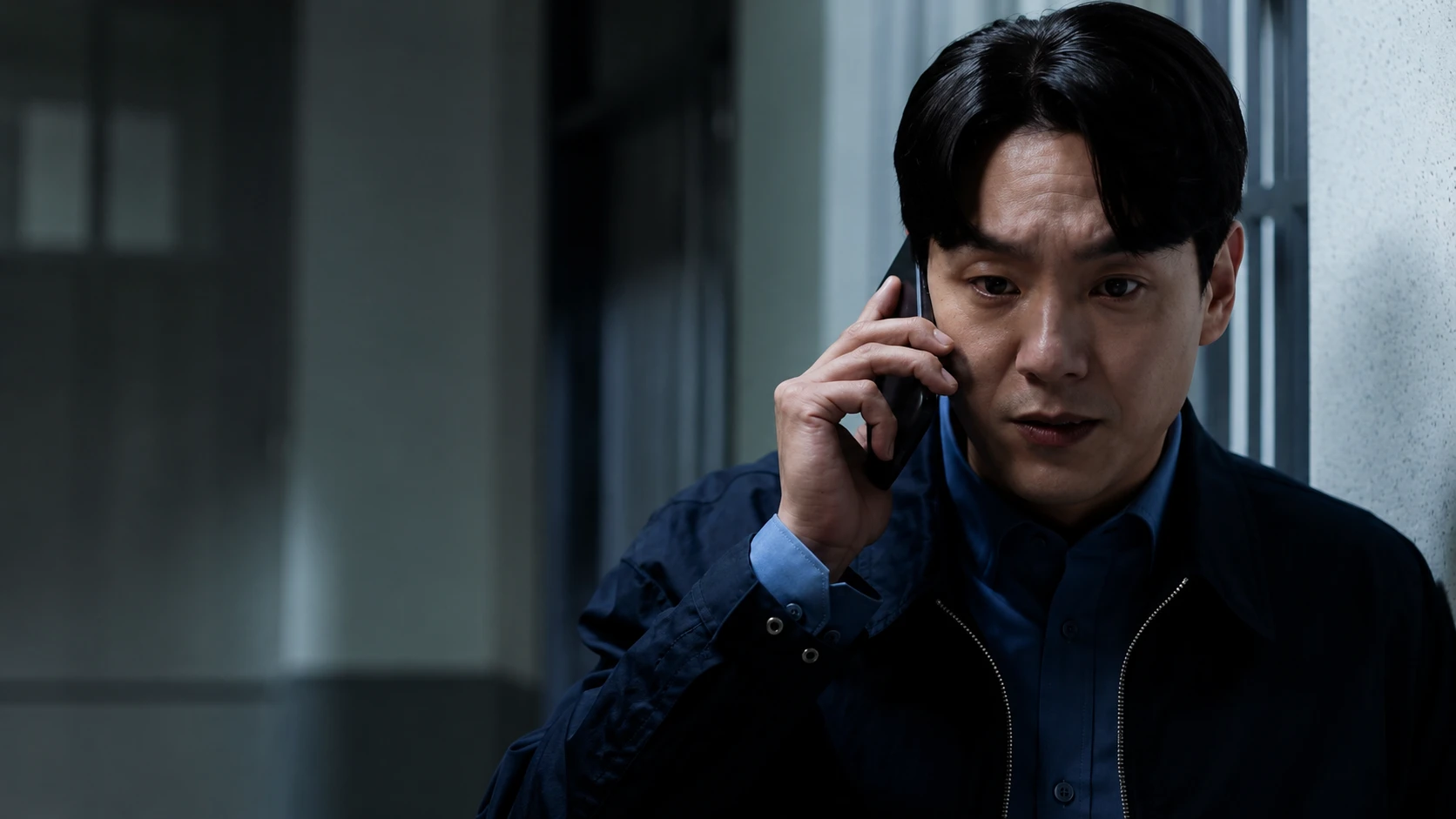
Why the Ki-hoon reveal works The revelation that Park Ki-hoon is the killer is designed to recontextualize every interaction he had with Jeong-yun. Moments of apparent comfort or professional concern, viewed in retrospect, become something colder — a predator maintaining cover while gathering information, using her trust as proximity. Kwak Si-yang plays Ki-hoon’s warmth as entirely convincing right up to the moment it stops being warmth, and that sustained performance is the reason the reveal lands. The film deliberately doesn’t excavate his full psychology. What matters is not the why but the closeness: danger had been wearing the face of safety for the entire runtime.
The deliberate ambiguities left standing The mechanics of Jun-u’s premonition ability — its origin, scope, and cost — are never explained. This is intentional. Explaining the supernatural element would shift focus from human stakes to mythology, which is not where Lee Yoon Seok’s interest lies. Ki-hoon’s full psychological portrait is similarly withheld. The film’s argument is not about understanding why evil operates this way but about what it means that it can operate this close, invisibly, for this long. That’s the harder and more honest case to make, and the film makes it.
The KDW verdict on the ending You Will Die in 6 Hours earns its ending through consistency rather than revelation. Not by building to explosive catharsis but by following its premise to its logical emotional conclusion. The premonition mechanic was never about the supernatural; it was about forced reckoning. Jeong-yun spends six hours learning to extend trust toward a stranger because the people she already trusted were not safe. That realization — purchased through six hours she wasn’t supposed to have — is what the film was always building toward. She made it through them. That’s the point.
✍️ KDramaWorlds Editor’s Take
Worth the watch? Our honest answer, and who it’s aimed at.
Lee Yoon Seok
Known for: Lee Yoon Seok co-wrote and directed You Will Die in 6 Hours with a deliberate preference for psychological pressure over genre mechanics. His approach withholds conventional thriller escalation in favor of sustained close-up tension — the camera spending unusual amounts of time on faces registering information rather than bodies in motion. The result is a film that asks its actors to carry the dramatic weight through performance rather than set-piece, a choice that benefits from the strong central casting but occasionally leaves the plot’s structural seams visible. His adaptation of the Takano Kazuaki source material is faithful to the compact, countdown-driven architecture of the original while rooting it firmly in the specific social texture of contemporary Seoul.
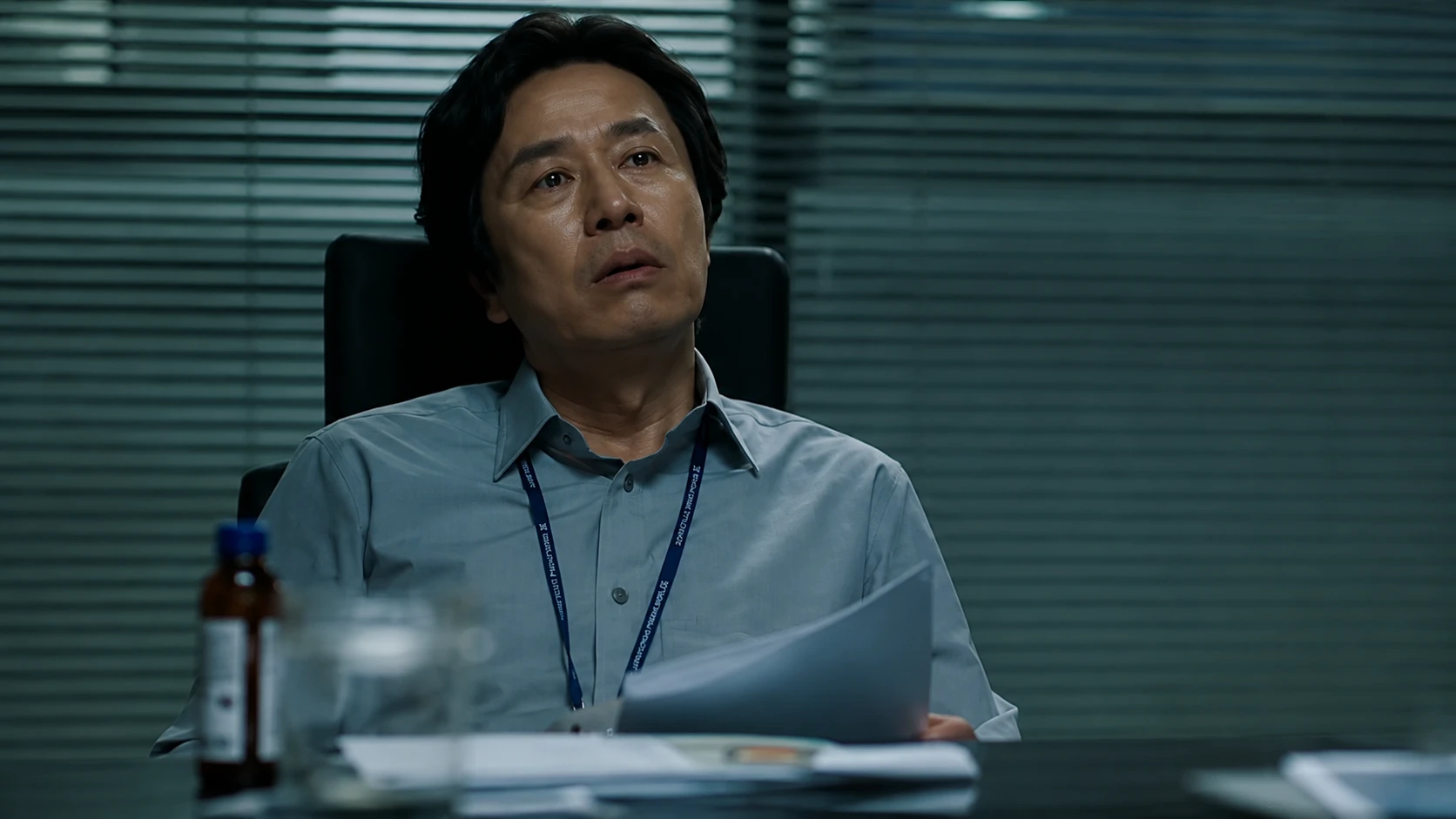
The film You Will Die in 6 Hours most resembles isn’t a standard thriller — it’s an exercise in recalibrated trust conducted under a countdown. Jeong-yun has six hours in which everything she understood about the people around her gets systematically dismantled, and Park Ju-hyun plays this not as growing panic but as increasing stillness: a woman running calculations, who understands that visible fear is a disadvantage when you don’t know who’s watching. The premonition framework invites comparison with The Call, another Korean thriller where a woman navigates supernatural information about her own fate — though this film is tighter in scope and more interested in psychological close-up than genre spectacle.
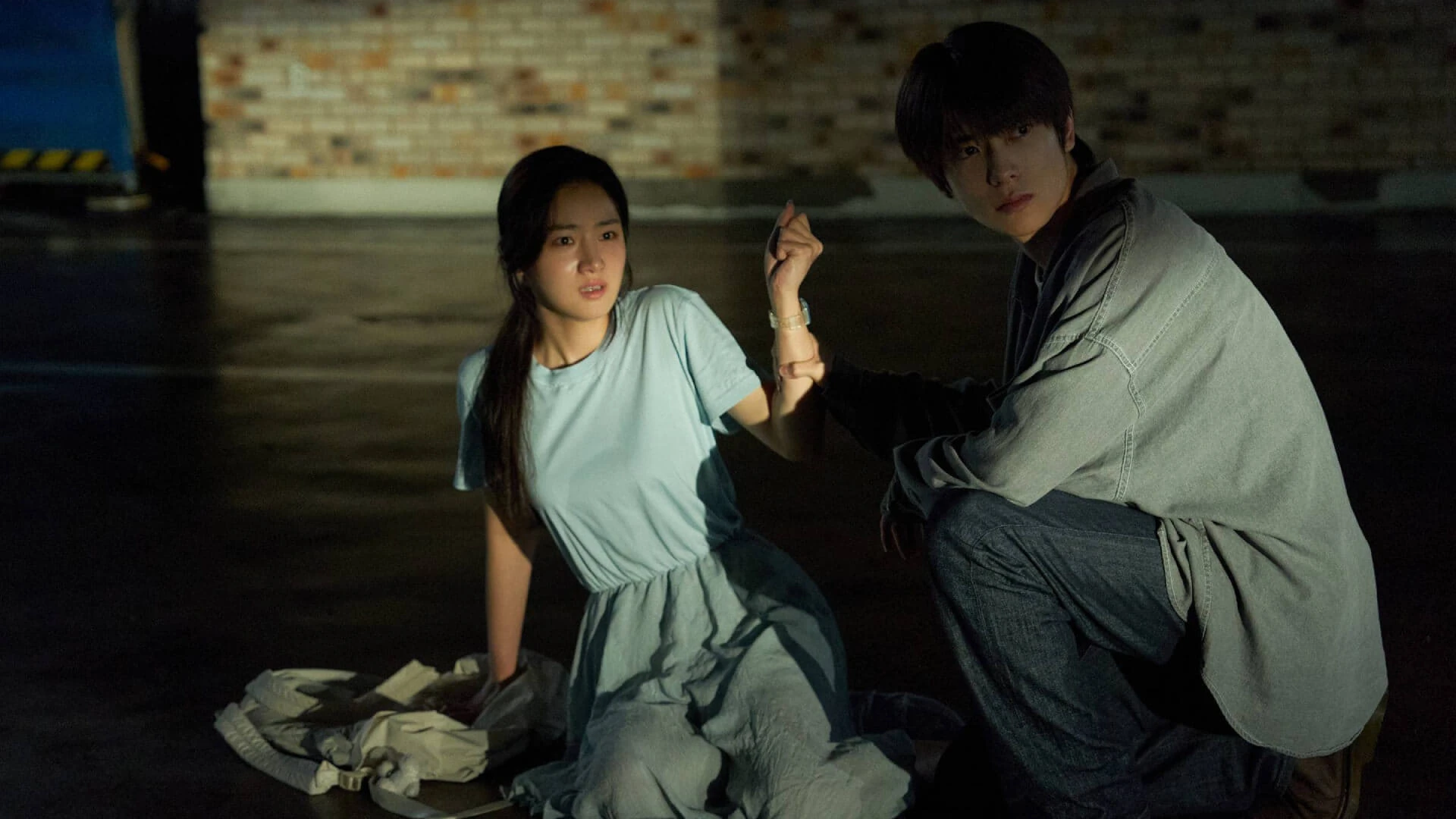
Jaehyun’s casting is the film’s quiet gamble. His profile from NCT brings an expectation of warmth that the role deliberately refuses to confirm or deny — Jun-u is neither safe nor threatening for most of the runtime, which is exactly the register the part requires. The camera holds him slightly opaque, his motives readable only in retrospect. The detective-is-the-killer structure is one Korean crime fiction returns to regularly — Unlocked deploys a version of it — but the particular horror here is that Kwak Si-yang plays Ki-hoon’s concern for Jeong-yun as entirely convincing right up until the moment it stops being concern. That sustained performance, held across the entire film, is what makes the reveal feel like dread rather than twist.
Lee Yoon Seok made a deliberate choice to keep the film contemplative rather than kinetic, and it mostly holds. The 91-minute runtime is tight enough that the measured pacing reads as restraint rather than slowness, and the compact single-day structure gives the film a unity that larger thrillers sometimes sacrifice for set-pieces. Where it falls short is in Ki-hoon’s psychology: the film withholds it so completely that the revelation lands as shock rather than tragedy. Shock and tragedy are not the same experience. This film delivers the former when the latter was within reach.
🎬 You Might Also Like
If you liked You Will Die in 6 Hours, these are your next three watches.
 Suspicious Partner
comedyJi Chang-wook
Read Full Review →
|
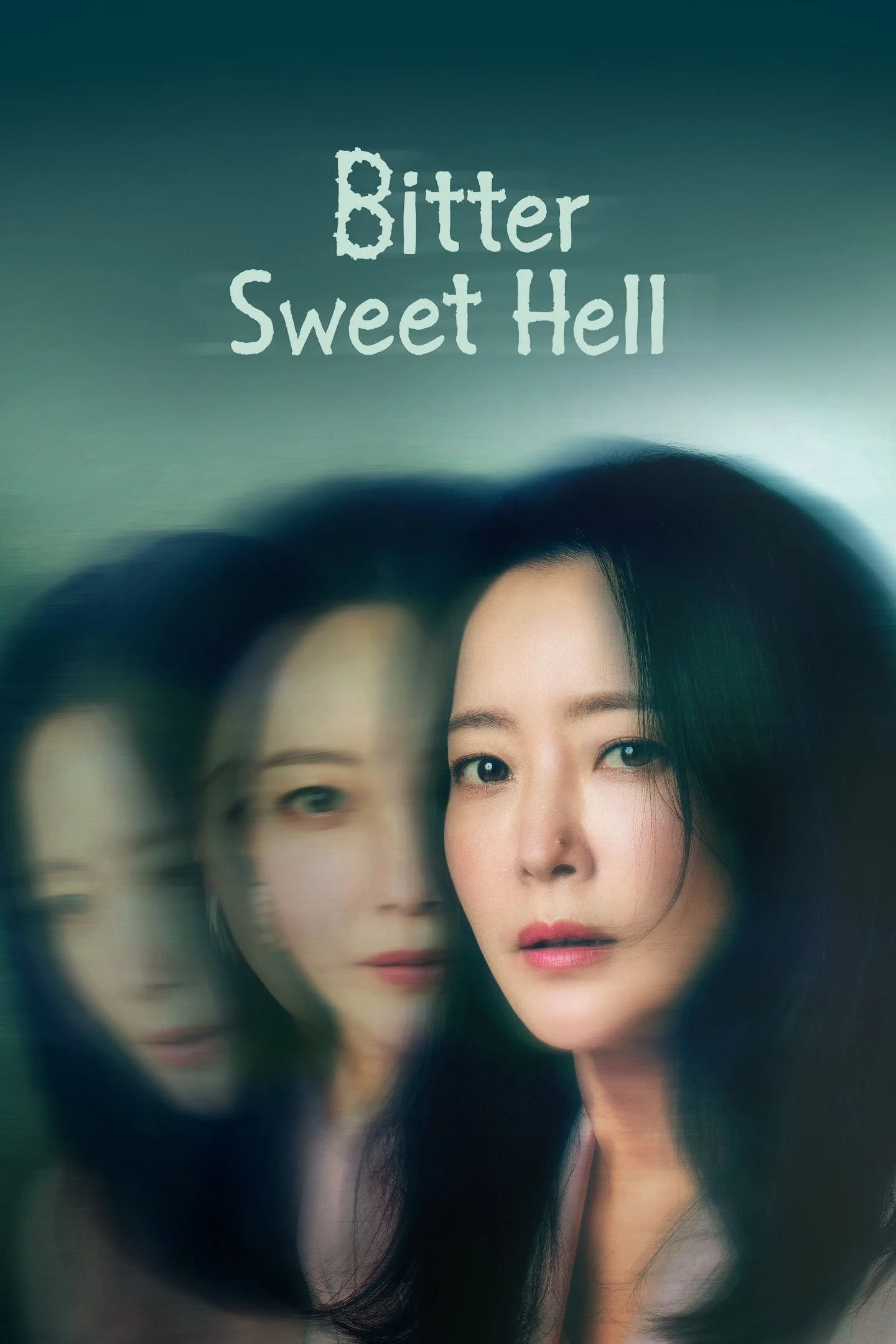 Bitter Sweet Hell
Black Comedyblackmail
Read Full Review →
|
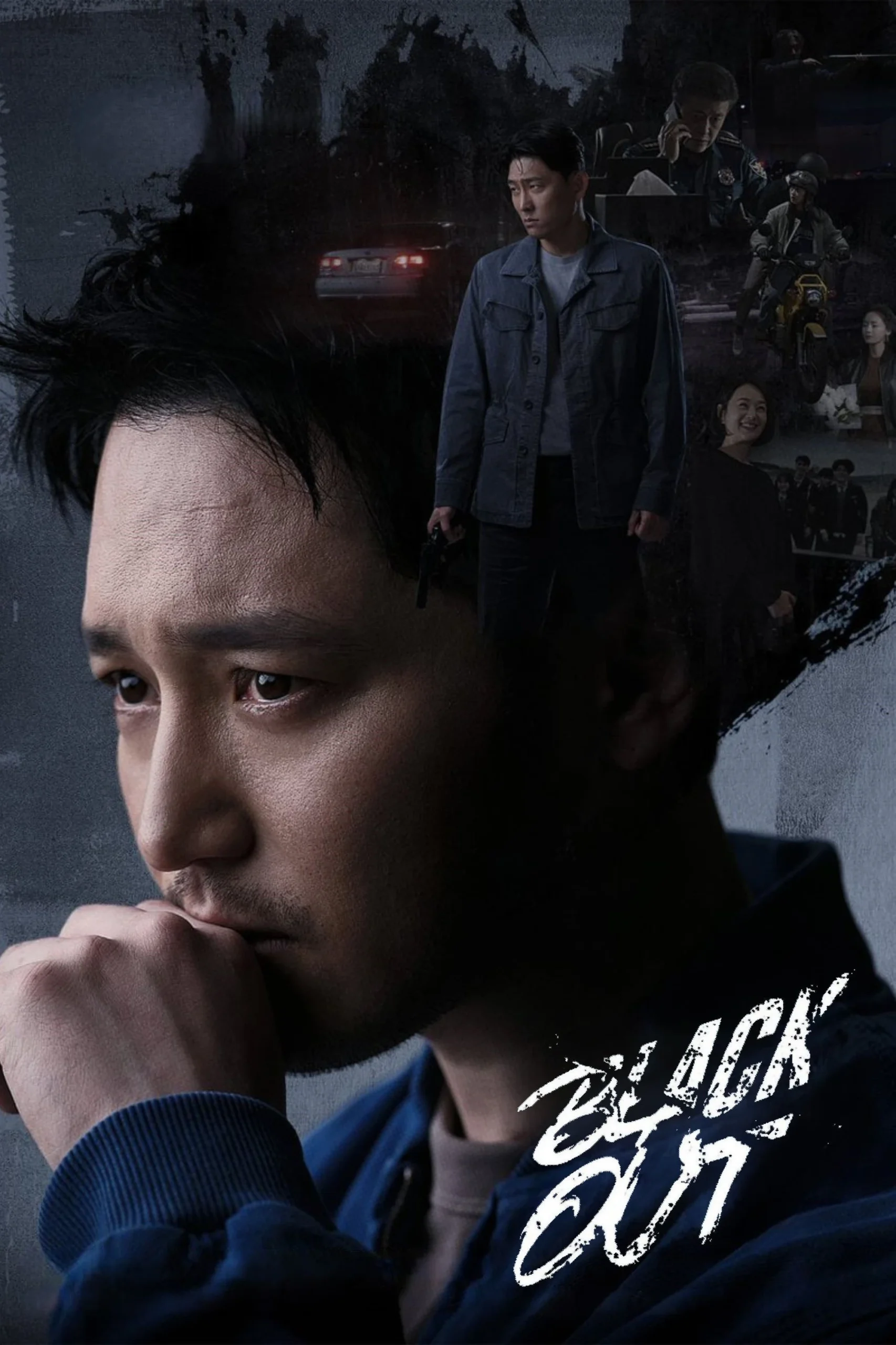 Black Out
Byun Yo-hancrime
Read Full Review →
|





Keep it kind, skip the harsh language, and please — no spoilers. Everyone's taste is different, and that's perfectly fine.
This space is for real reactions and discussion from other viewers. Help keep it comfortable for everyone by not giving away major plot details.
What do you think of this drama?
Login to share your review or leave a comment.
No email needed — just pick a username & password.