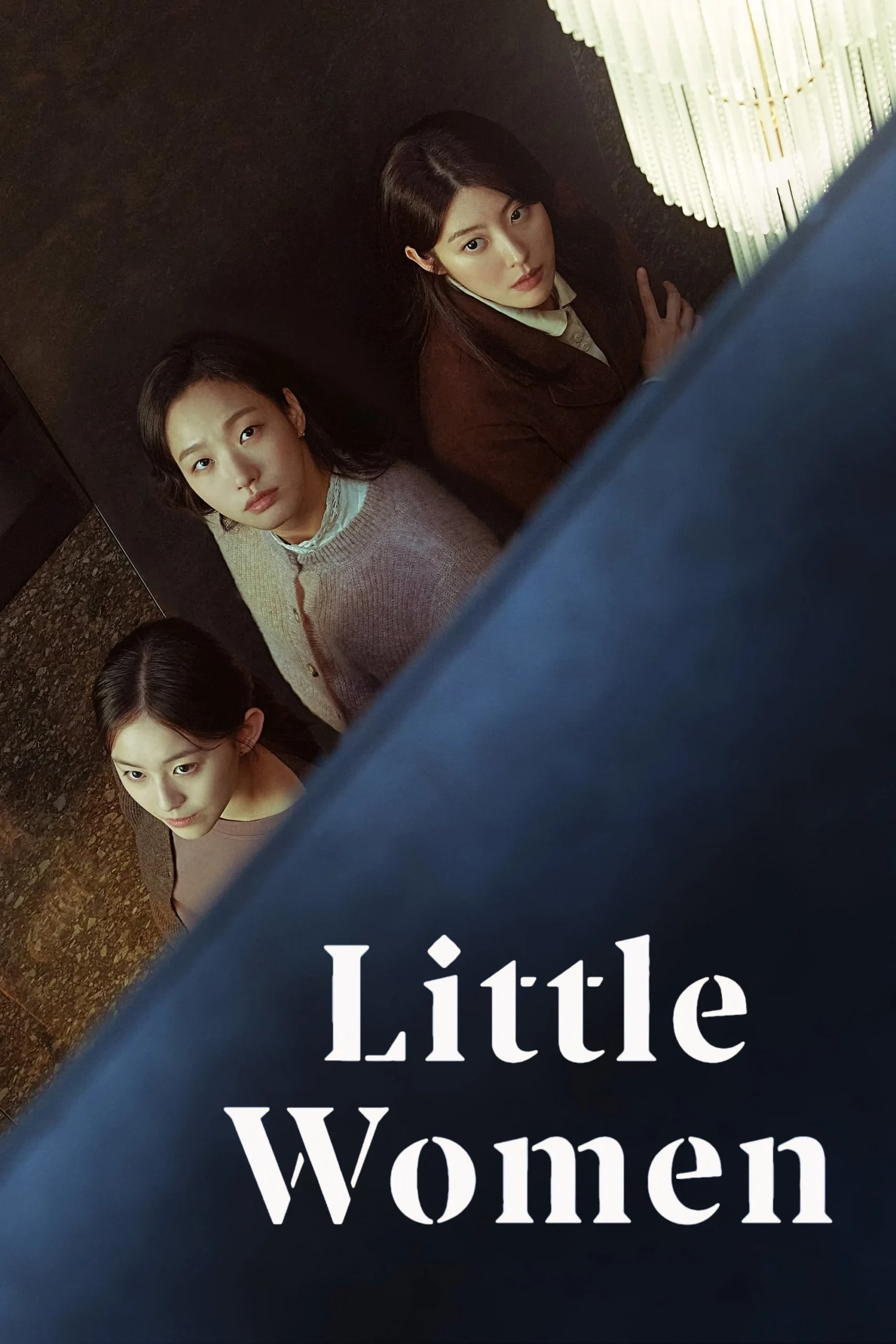
Little Women
🎬 Netflix · TVING
⭐ 8.4 / 10 MDL
🔞 15+ · Thriller
📋 Drama Overview
Everything you need to know before you hit play.
🔥 Thriller Must-Watch
TVING
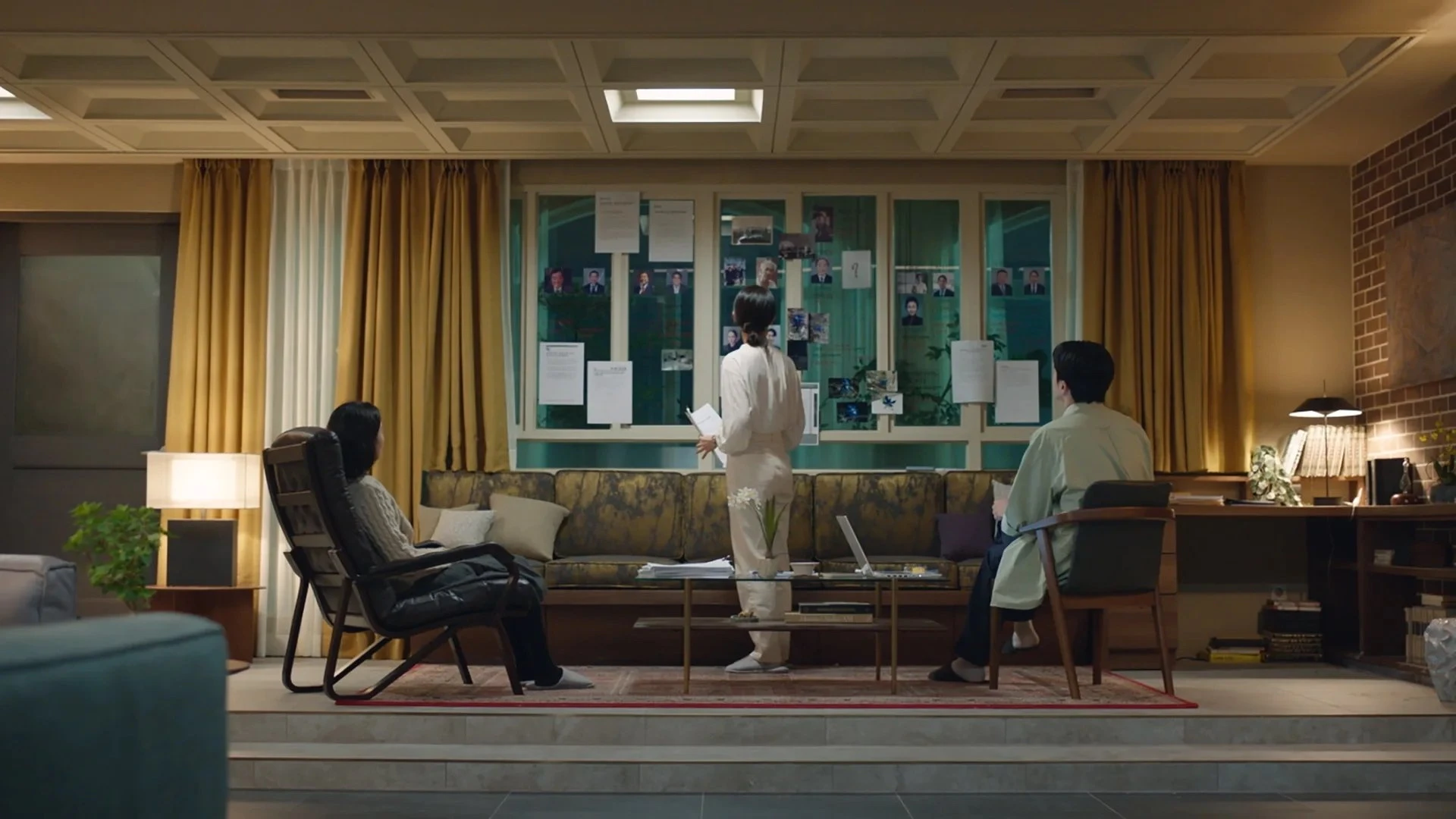
Oh In Joo (Kim Go-eun), Oh In Kyung (Nam Ji-hyun), and Oh In Hye (Park Ji-hu) grew up side by side in grinding poverty, bound by the kind of loyalty that only comes from having nothing but each other. When In Joo’s closest colleague dies suddenly and leaves behind 70 billion won in hidden cash, the three sisters are dragged into a conspiracy that reaches into the highest, darkest corners of Korean society — the Jeongran Society, an elite network that has operated above consequence for decades.
In Joo fights to protect the money and her family’s future. In Kyung chases the truth as a relentless reporter. In Hye gets tangled in the seductive orbit of the Won family, whose wealth hides something far more dangerous than privilege. The three Oh sisters, who once only dreamed of escaping poverty, now find themselves locked in a life-or-death confrontation with the most powerful and ruthless family in the country.
12 / 12 ✅ Completed
⚡ Quick Verdict
One box. Everything you need to decide.
· MDL Score · 40,114 ratings
▶ Official Trailer
🎭 Cast & Characters
Twelve performances that make this conspiracy feel personal — from three sisters with everything to lose to the people who built a world to crush them.

Lead

Lead

Lead

Supporting

Antagonist
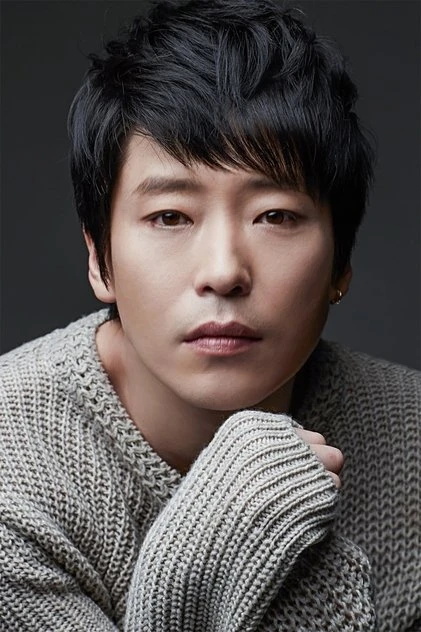
Villain

Supporting
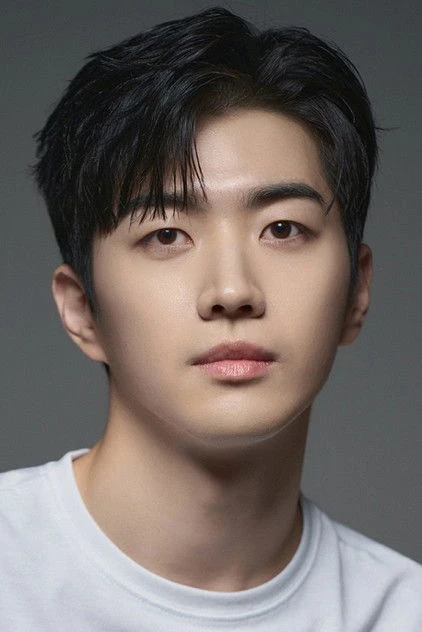
Supporting

Supporting

Supporting
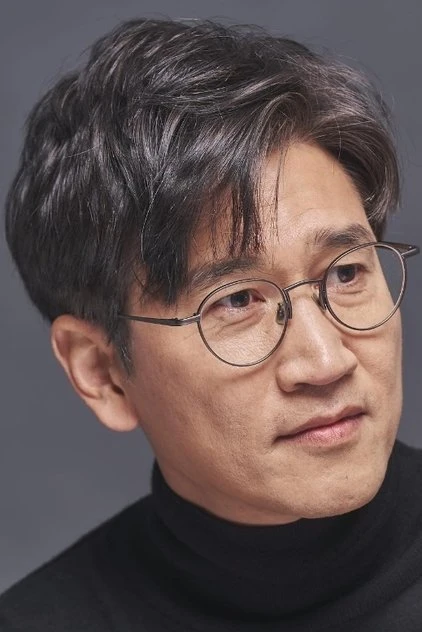
Supporting

Supporting
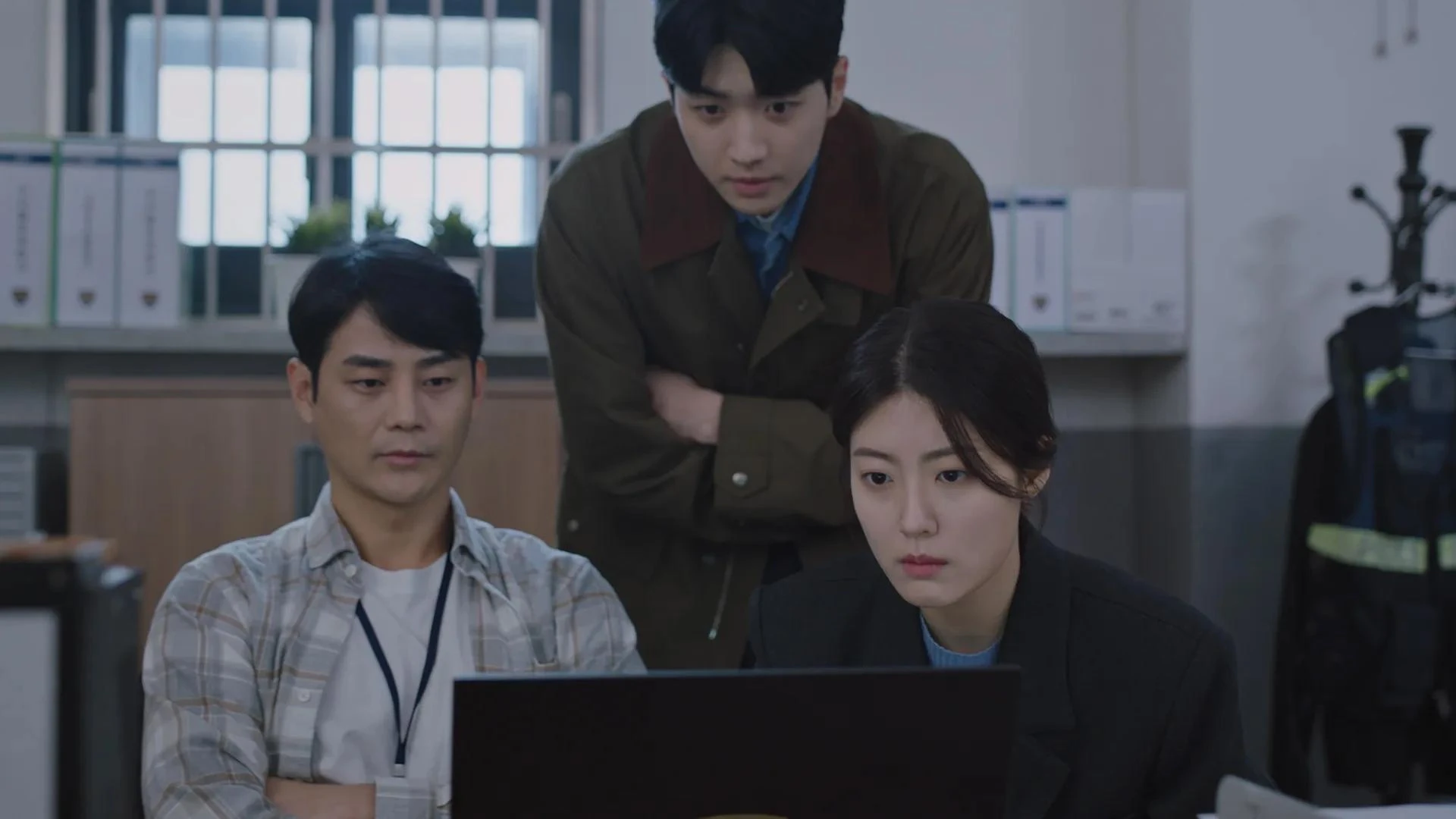
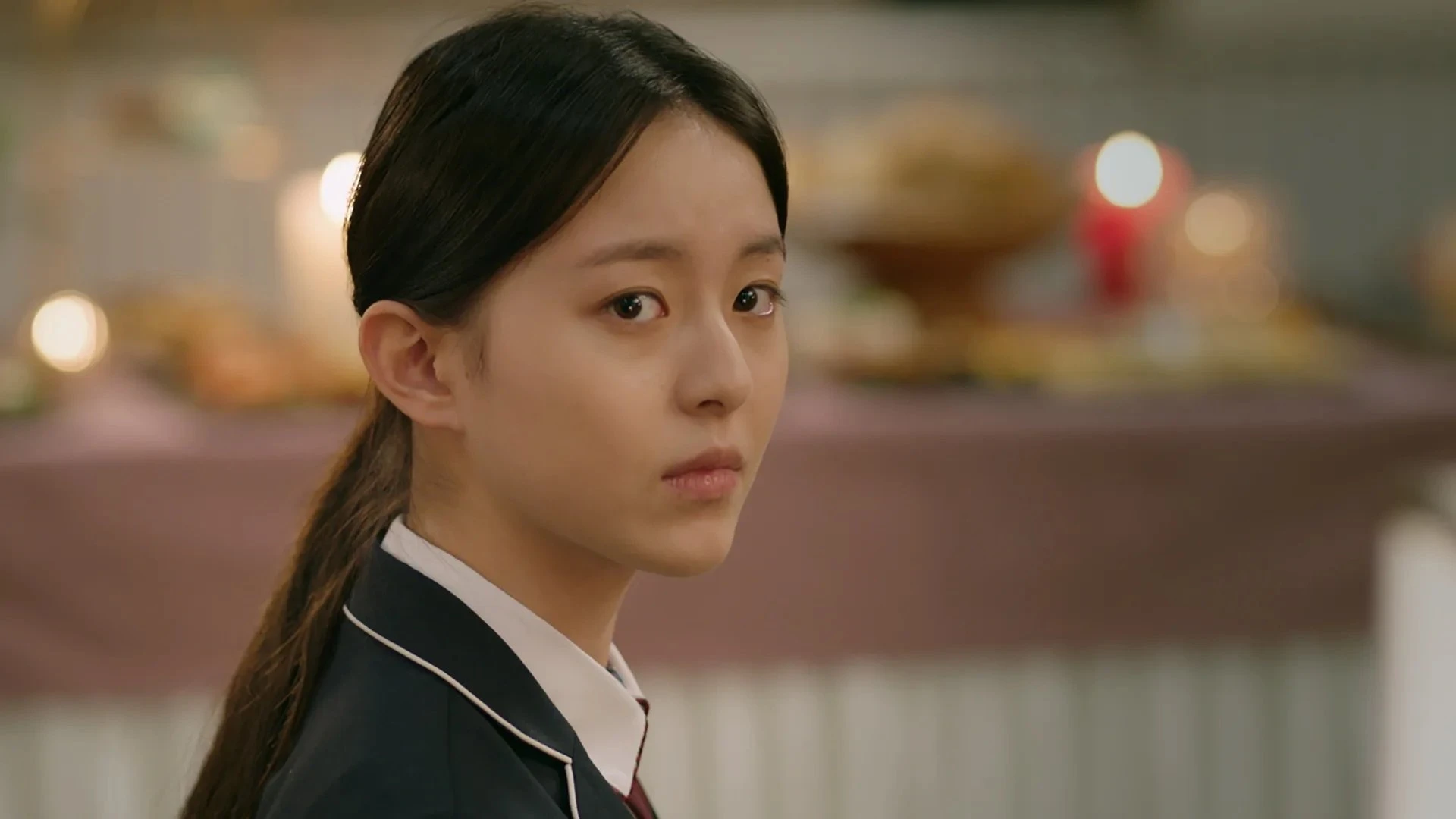
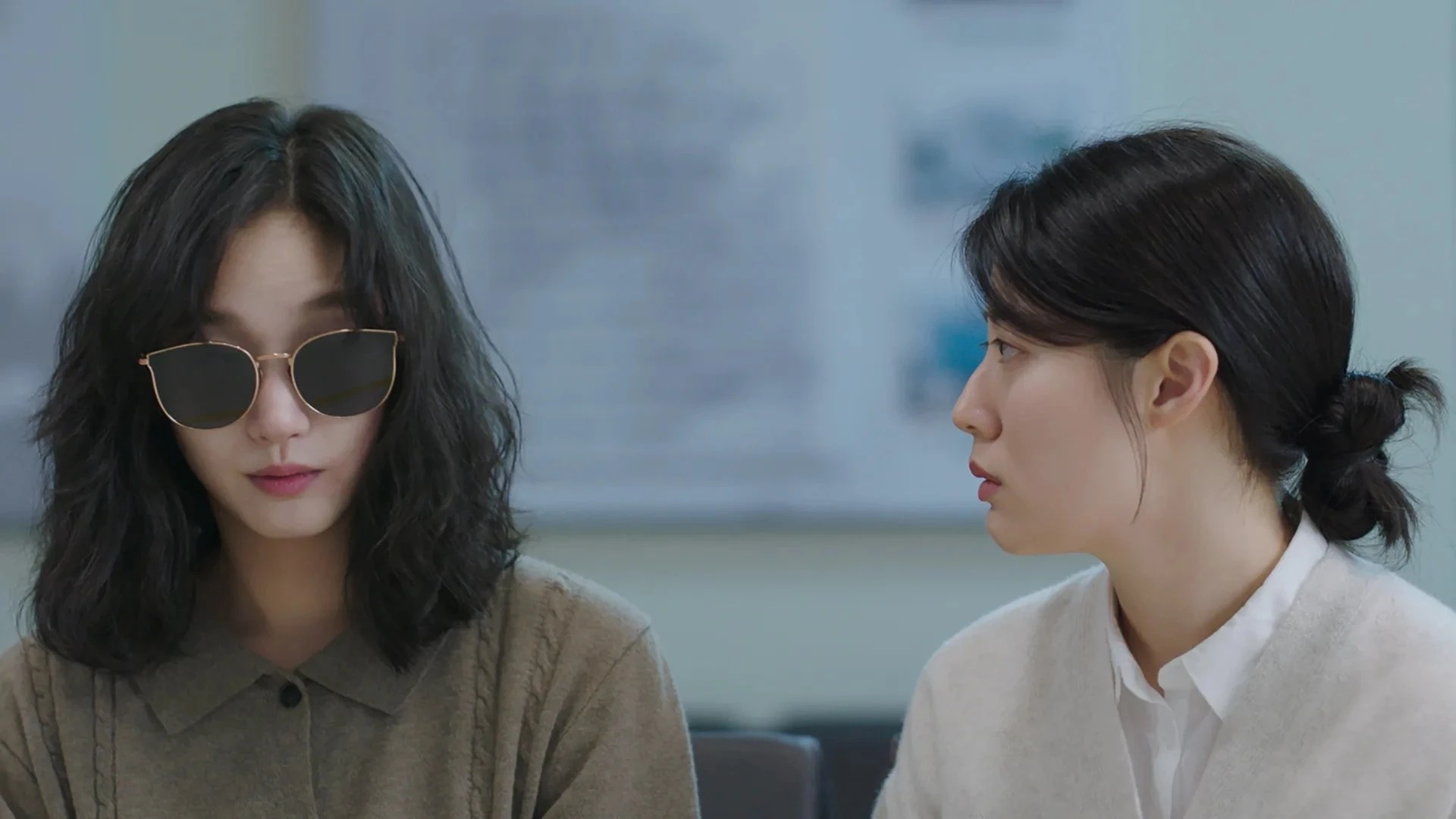
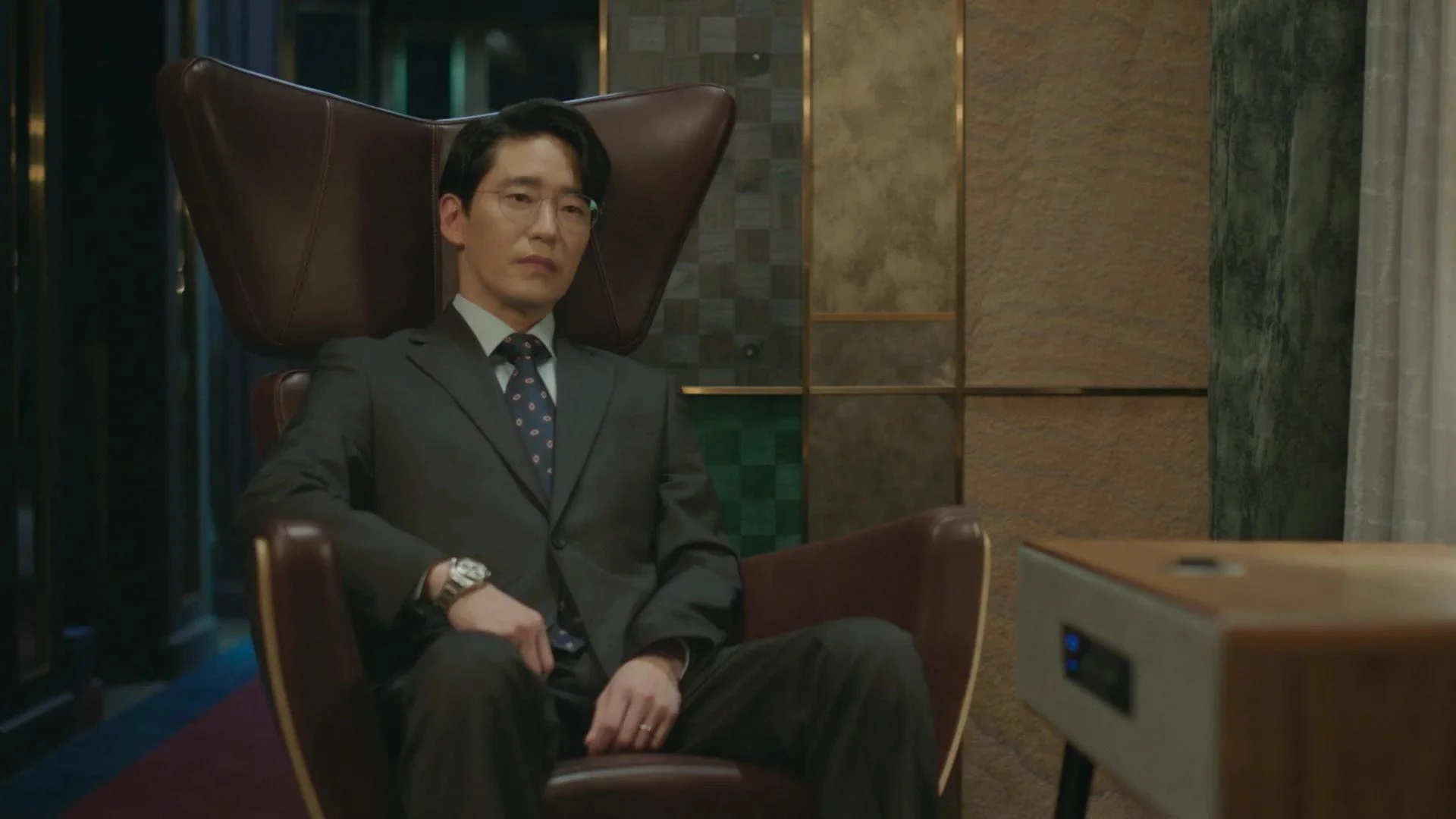
📺 Episode Guide
Spoiler-light recaps — enough to remember where you left off, nothing that ruins the ride.
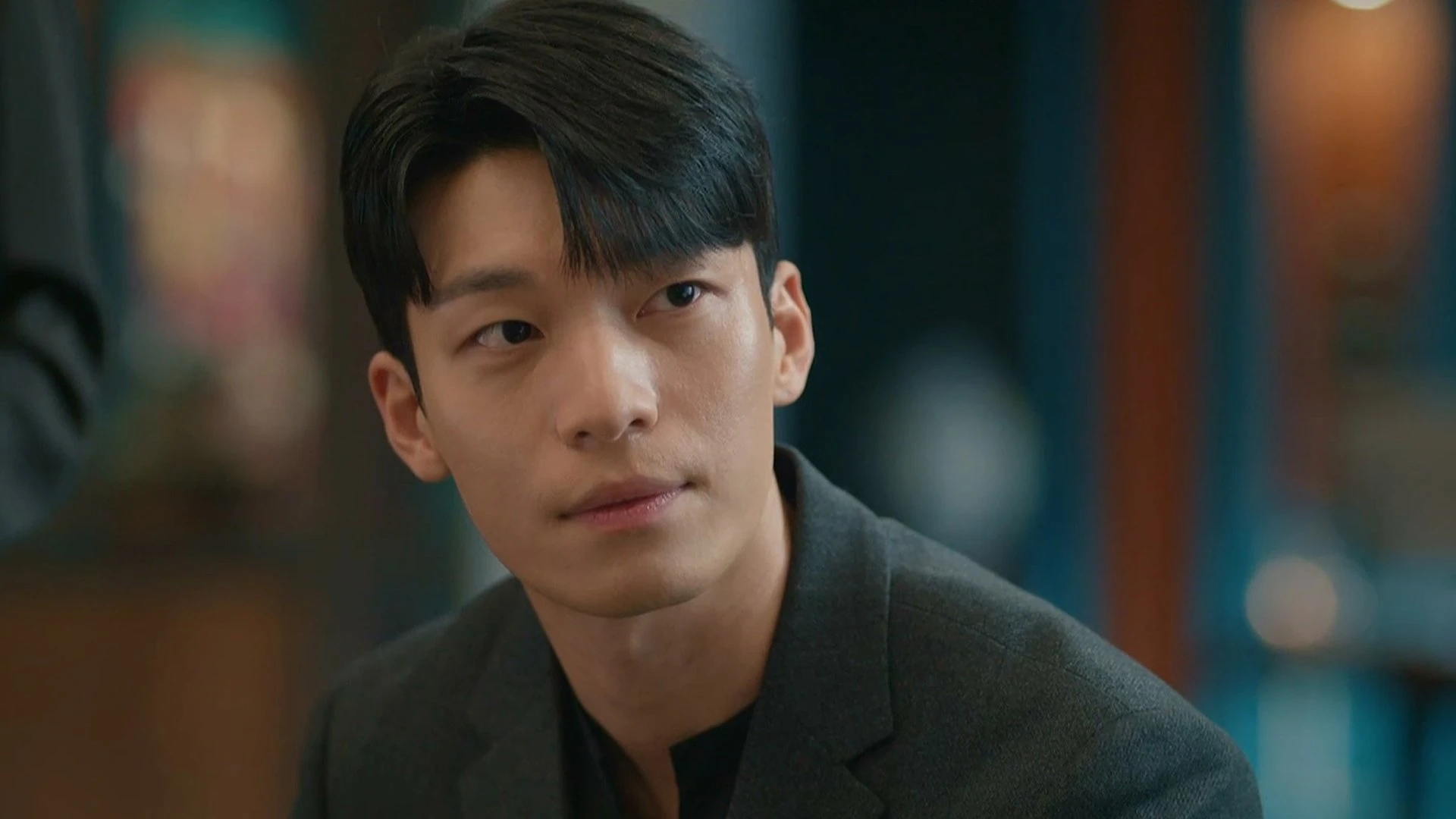
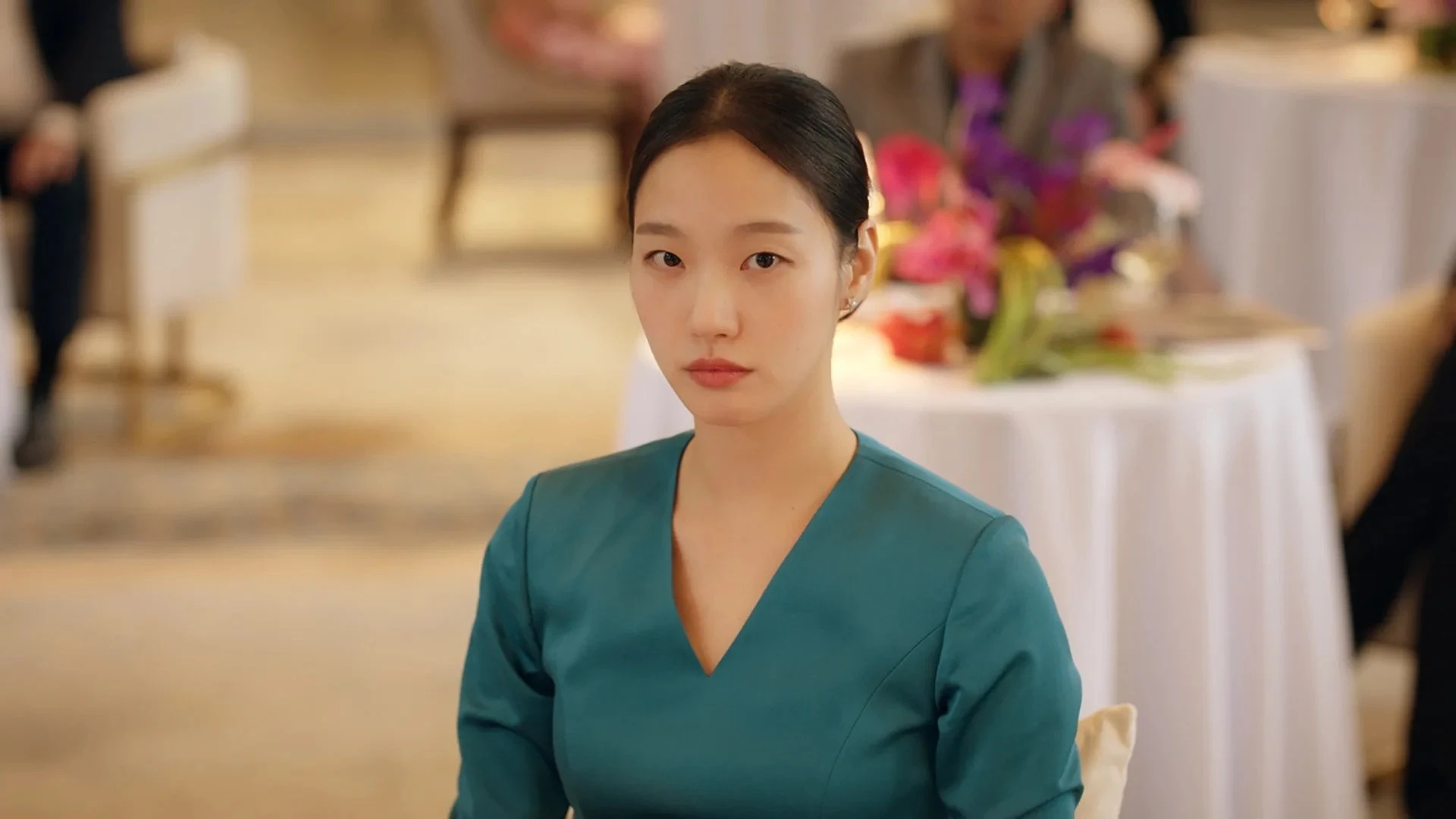
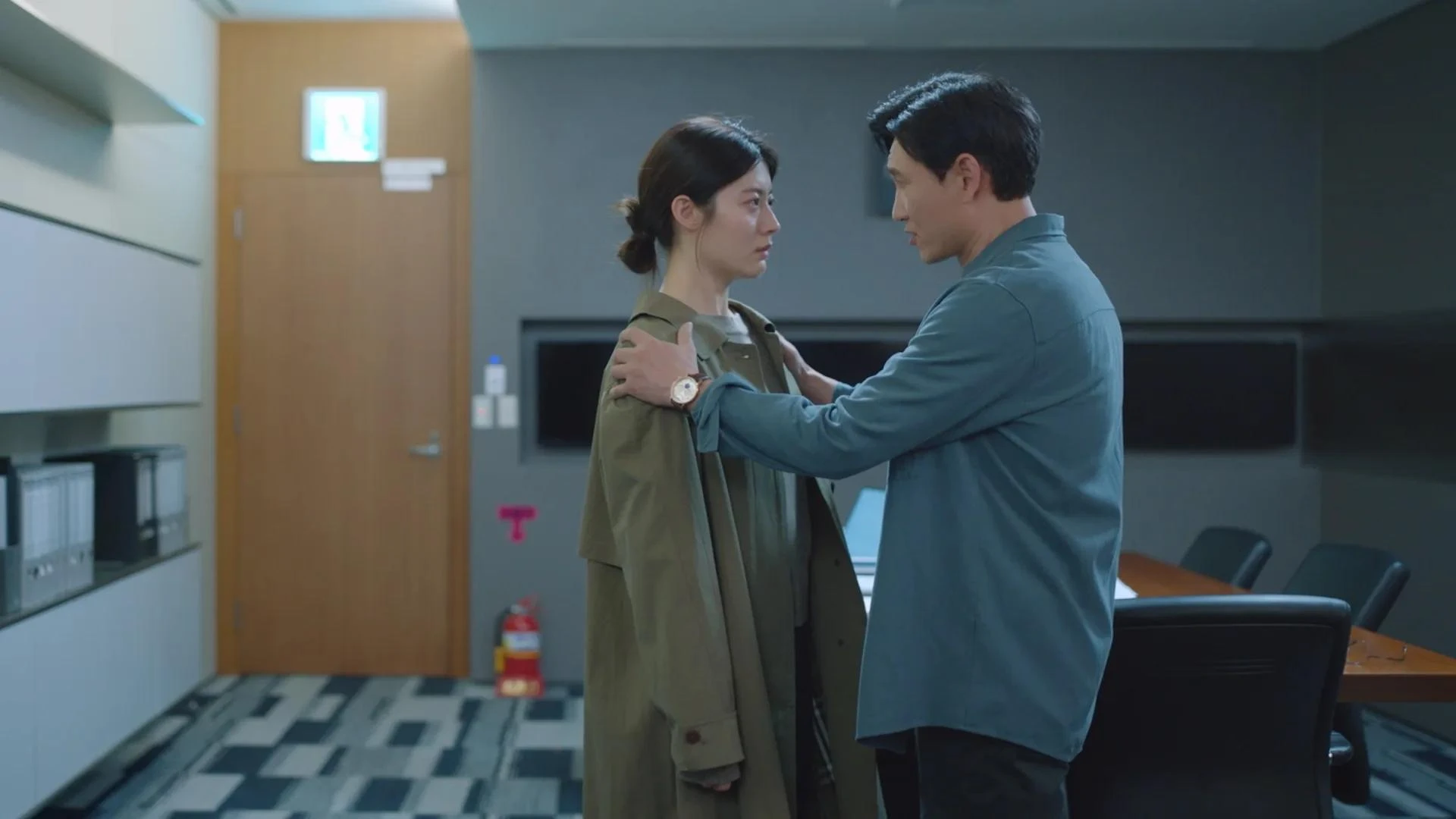
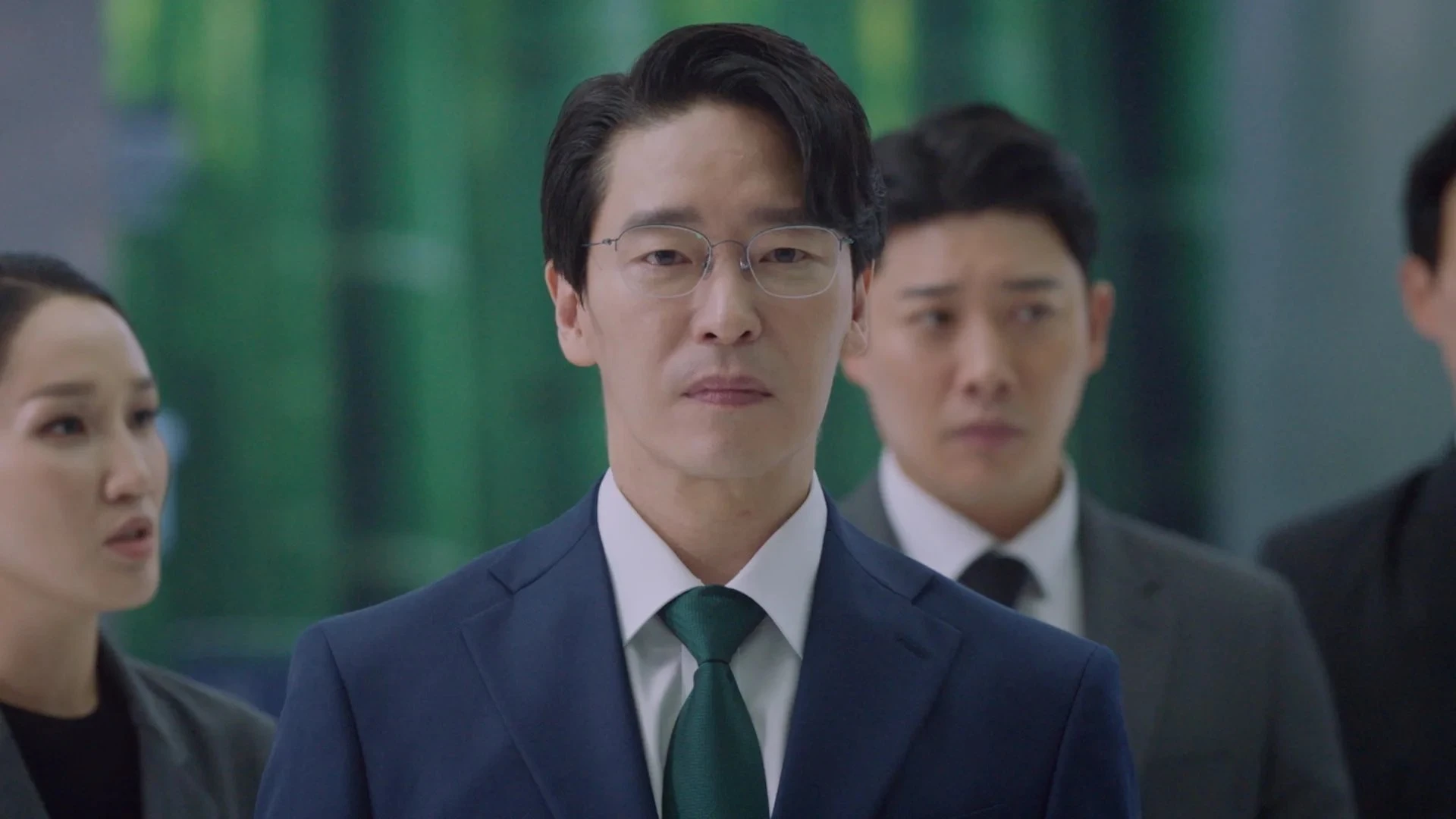
🏁 Ending Explained
Full spoilers ahead — everything that happens in the finale and what it all means.
Spoiler Warning — This section covers the full finale of Little Women. Stop here if you haven’t finished the series.
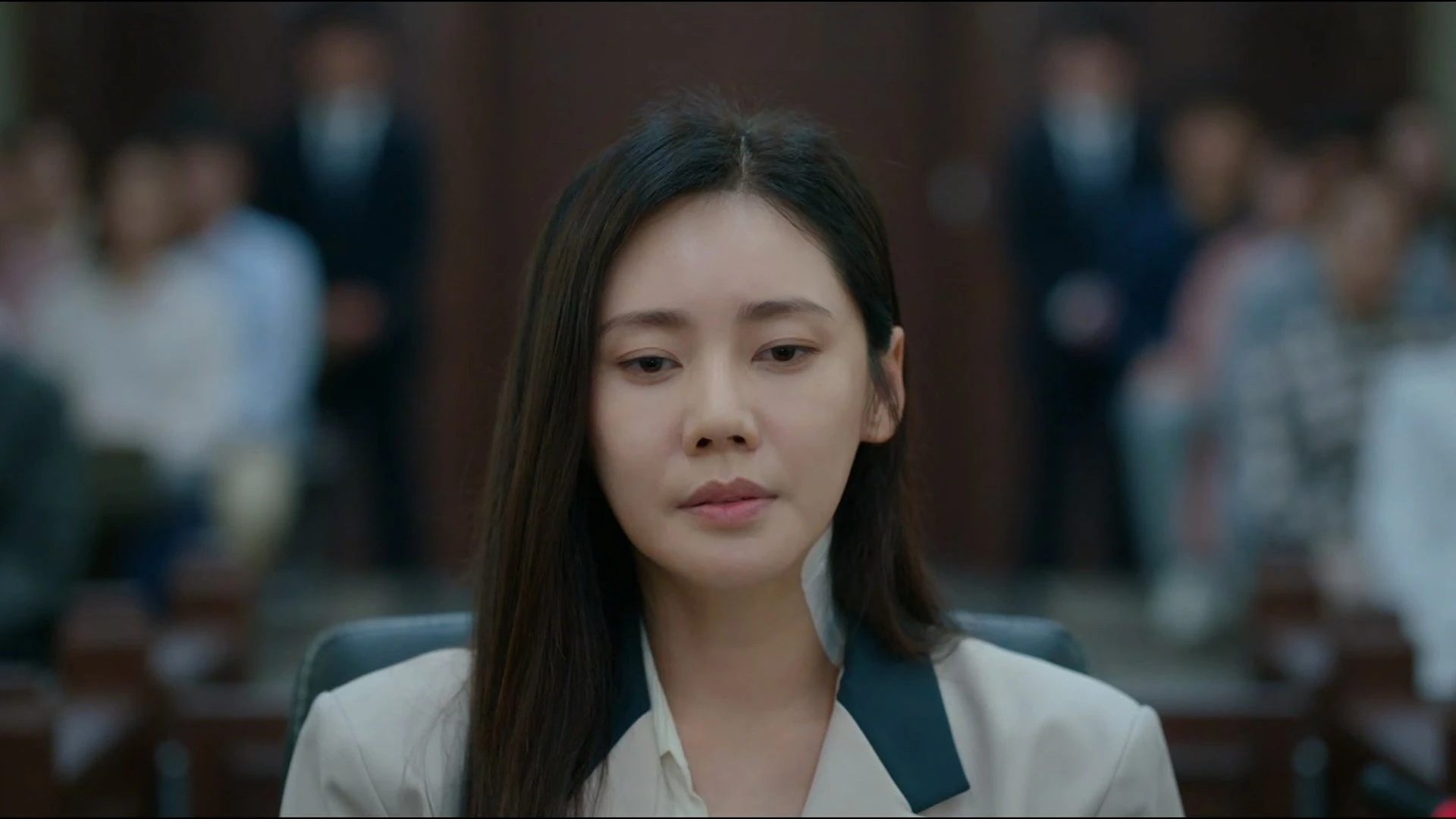
The courtroom changes everything. The finale opens not with a confrontation or an action sequence, but with a legal hearing — understated, formal, and devastating. A witness appears who was never supposed to appear. Their testimony collapses the Jeongran Society’s central alibi with a simplicity the drama has been earning for twelve episodes. It is a quiet scene that lands with enormous force precisely because director Kim Hee-won refuses to let the camera look away from the faces of the people being destroyed by the truth.
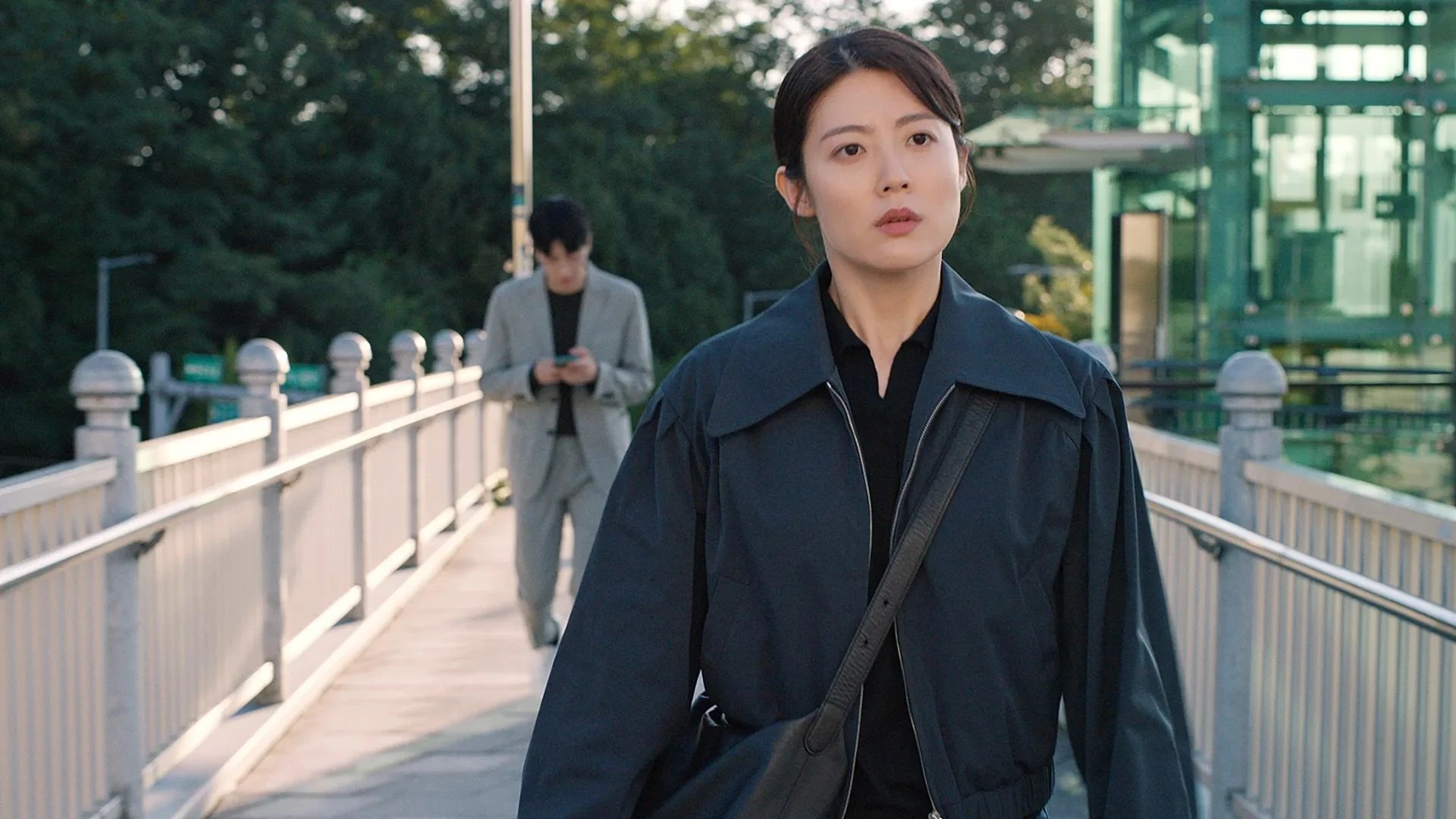
In Joo’s transformation completes itself. The woman who spent twelve episodes trying to hold on to the money — who rationalized it, hid it, bargained with it, and nearly lost herself to it — makes the decision that the drama always promised she would make, but never made inevitable. She chooses exposure over security, integrity over survival-mode logic. It is not a heroic speech or a dramatic gesture. It is simply the right choice, made by someone who finally has the courage to make it. Kim Go-eun plays the moment with the emotional restraint of someone who has been building toward this exact beat since episode one.
Park Jae Sang and the Jeongran Society fall in layers, not all at once. The conspiracy does not end with an arrest or a single revelation — it dismantles piece by piece, as In Kyung’s reporting, In Joo’s evidence, and the courtroom testimony combine into something no PR operation can contain. Uhm Ki-joon’s performance across the finale is one of the show’s understated achievements: Park Jae Sang is never cartoonishly evil in defeat, just a man who genuinely believed the rules didn’t apply to him, watching that belief collapse in real time.
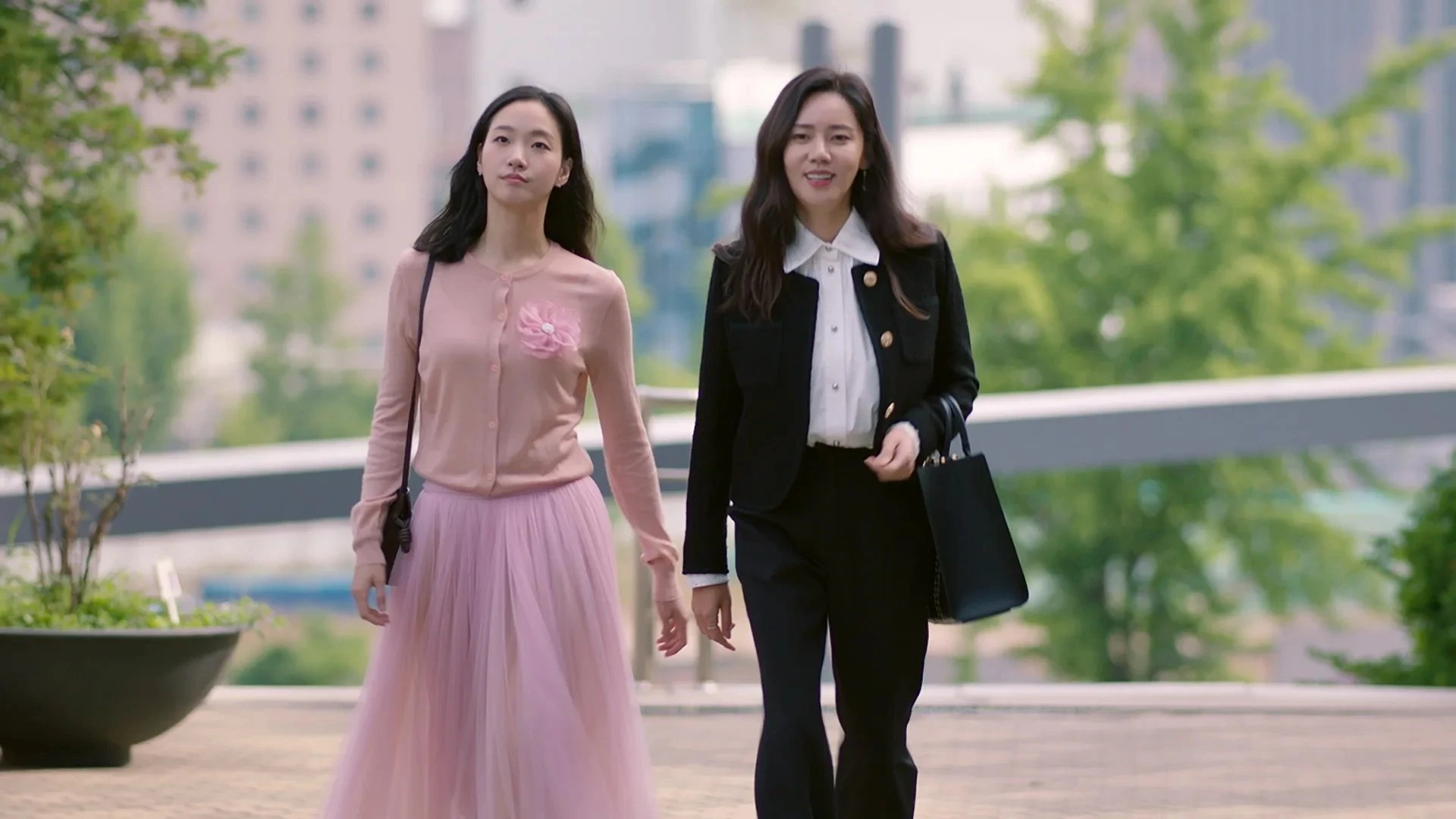
In Hye chooses herself. The youngest sister’s resolution is perhaps the most emotionally satisfying of the three, because it’s the one that required the least spectacle and the most courage. She walks away from the Won family’s world — its beauty, its comfort, the version of herself she almost became inside it — and she does it beside Hyo Rin, who made the same choice. The drama never oversells this moment. It lets two young women simply walk out of a door and trusts the audience to understand what that costs, and what it means.
The ending is about what the sisters built, not what they escaped. The final scene is the three Oh sisters together — not in triumph, not in relief, but in the quiet normalcy of people who have been through something and are still standing. It echoes the logic of Louisa May Alcott’s original novel without ever being precious about the reference: what endures is not money, not safety, not even justice — it is the bond between them. Little Women is a story about three women who went into a fight with the most powerful people in the country, armed only with each other, and somehow that was enough.
✍️ KDramaWorlds Editor’s Take
Our honest read on why this drama is worth your time — and who it’s for.
Little Women is the kind of K-drama that makes you understand why the medium can do things film can’t. Its premise — three impoverished sisters against the most powerful elite network in Korea — could have been a standard revenge thriller with a feminist paint job. What Kim Hee-won and screenwriter Jung Seo-kyung built instead is something slower, stranger, and more emotionally precise. The conspiracy is genuinely labyrinthine, the stakes keep escalating without ever feeling manufactured, and at the center of everything is a sisterhood that feels real in the way very few K-drama ensembles do. Kim Go-eun’s In Joo is one of the finest female leads in recent memory — flawed in ways that matter, driven by motivations that feel human rather than heroic, and capable of moral ambiguity that the drama never punishes her for prematurely. What makes The Glory feel like a different species of revenge drama is the same thing Little Women has: a protagonist who earns her ending rather than being handed it.
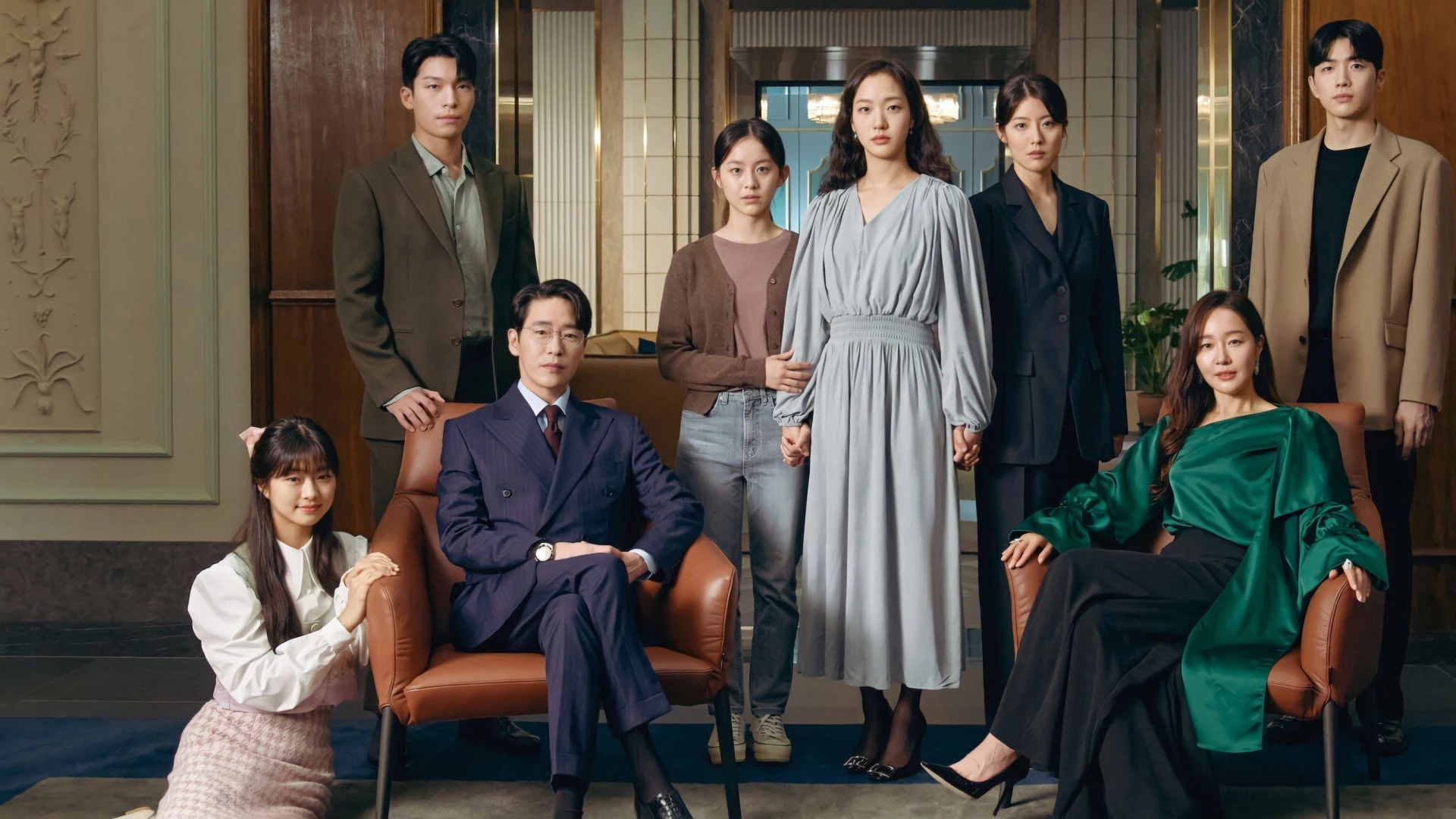
The drama’s most divisive element is, predictably, Won Sang Ah. Uhm Ji-won plays her as something the show refuses to fully resolve — not quite villain, not quite victim, never entirely on anyone’s side. Some viewers find this infuriating. We find it the most interesting creative decision the show makes. The conspiracy is the vehicle; Won Sang Ah is the soul. Her relationship with In Joo is the drama’s most complicated emotional thread, and the finale’s handling of it will land differently depending on what you were hoping for. The Singapore arc in episodes 8 and 9 occasionally loses the tight pacing of the first half — it’s the one section where the conspiracy’s ambition starts to feel like a weight rather than a propulsive force. But it recovers, and episode 10’s peak viewership of 9.7% is not an accident.
Little Women is ultimately a drama about what it costs to believe in something when the world is designed to make people like you believe in nothing. The three Oh sisters go into a fight they have no business winning, armed with journalism, art, and stubbornness — and the show treats all three of those things as genuinely powerful weapons. The ending divides opinion, and that’s partly because it refuses to give the audience the cathartic destruction shot of the Jeongran Society’s downfall. What it gives instead is something more complicated and, we’d argue, more honest: three women standing in the aftermath, still together. For a show about class warfare, Little Women is surprisingly gentle in its conclusion — and that gentleness is a choice, not a failure.
Fans of slow-burn conspiracy thrillers with genuine depth
Anyone who values cinematic direction over genre comfort
🎬 You Might Also Like
If you liked Little Women, these are your next three watches.
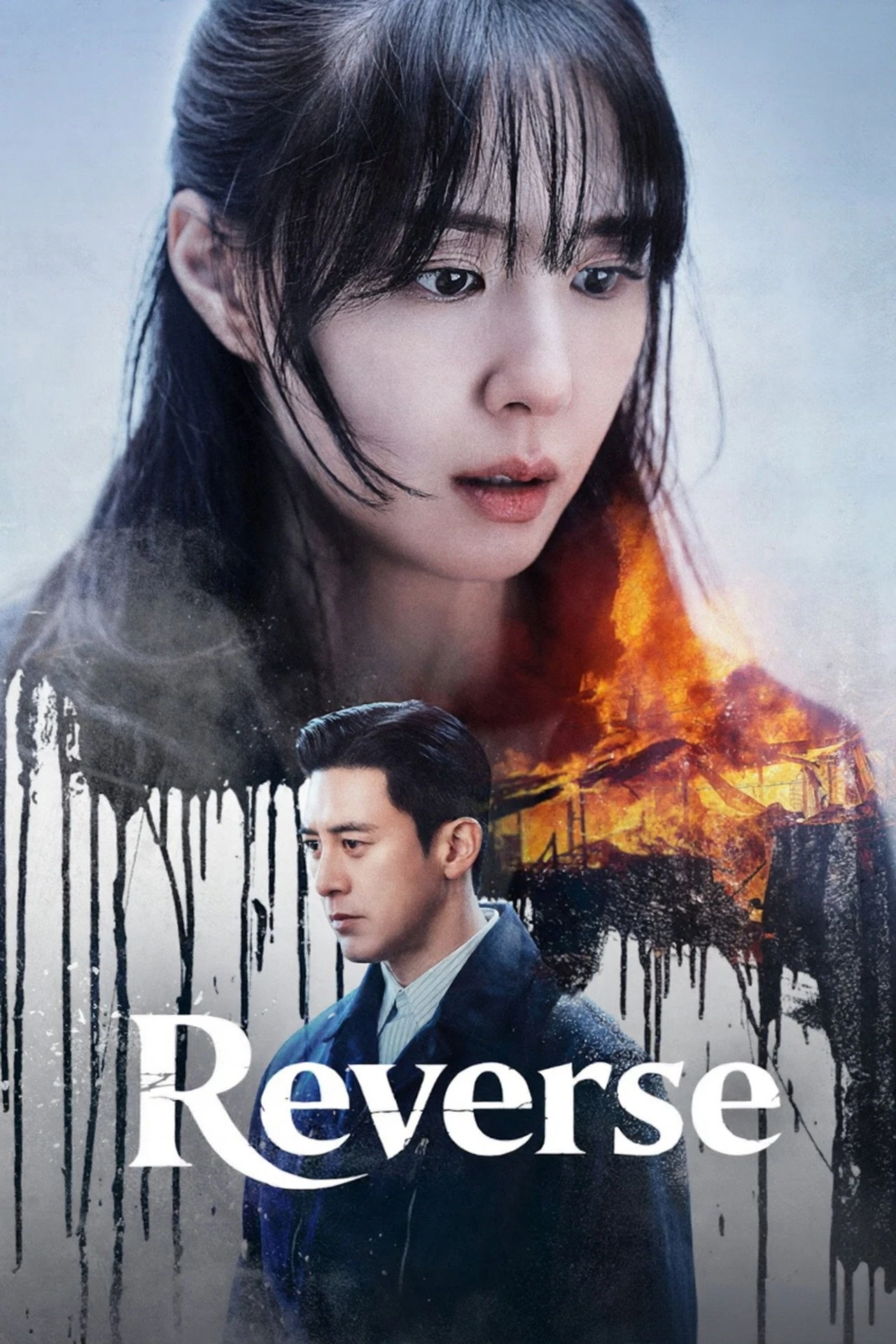 Reverse
AmnesiaChaebol
Read Full Review →
|
 Cinderella Game
ChaebolChoi Shang
Read Full Review →
|
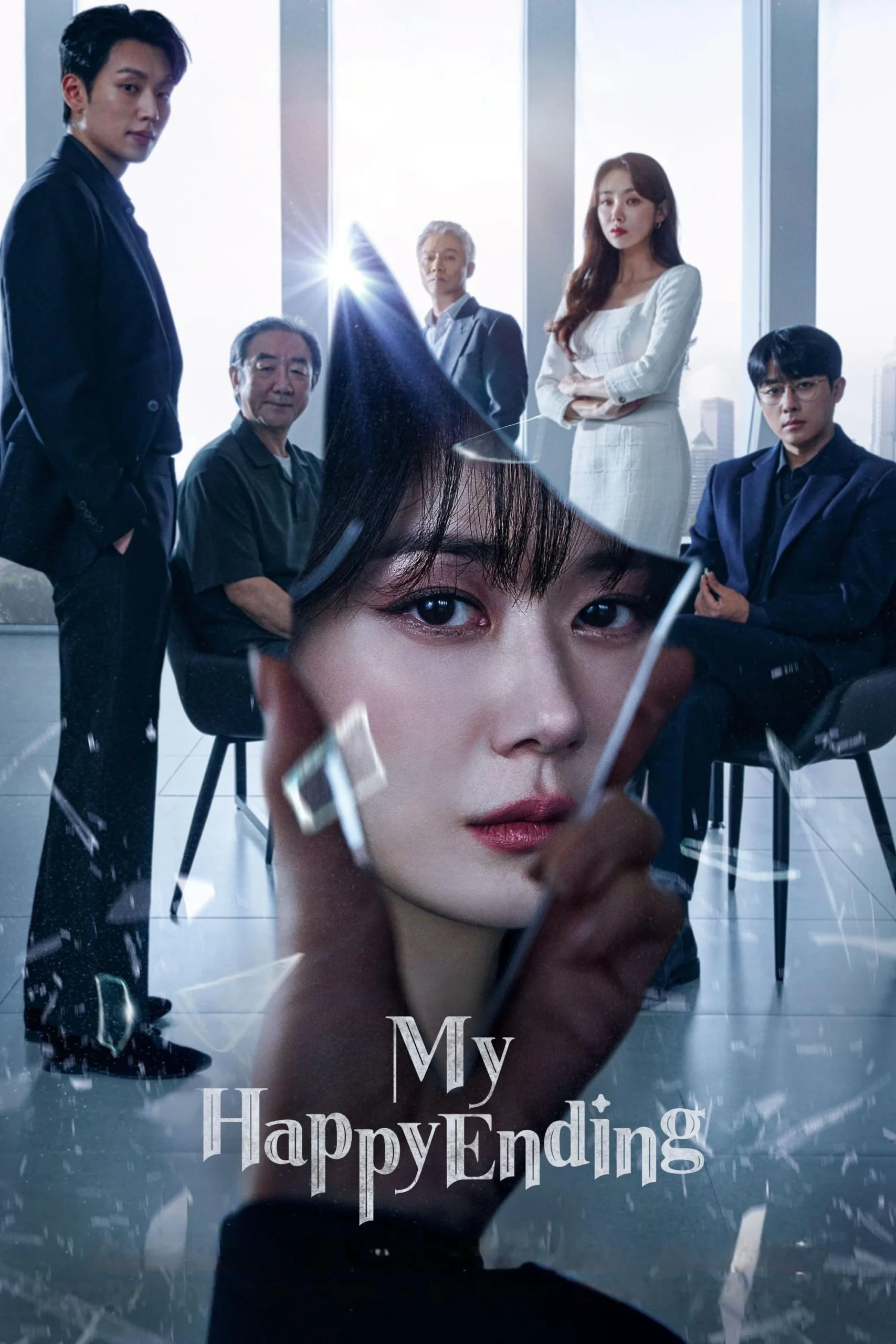 My Happy Ending
ChaebolJang Na-ra
Read Full Review →
|





Keep it kind, skip the harsh language, and please — no spoilers. Everyone's taste is different, and that's perfectly fine.
This space is for real reactions and discussion from other viewers. Help keep it comfortable for everyone by not giving away major plot details.
What do you think of this drama?
Login to share your review or leave a comment.
No email needed — just pick a username & password.