The Killing Vote
🎬 Prime Video · Viki
⭐ 8.0 / 10 MDL
🔞 15+ · Thriller
📋 Drama Overview
Quick facts first, before the deep dive.
🔥 Thriller Must-Watch
Viki
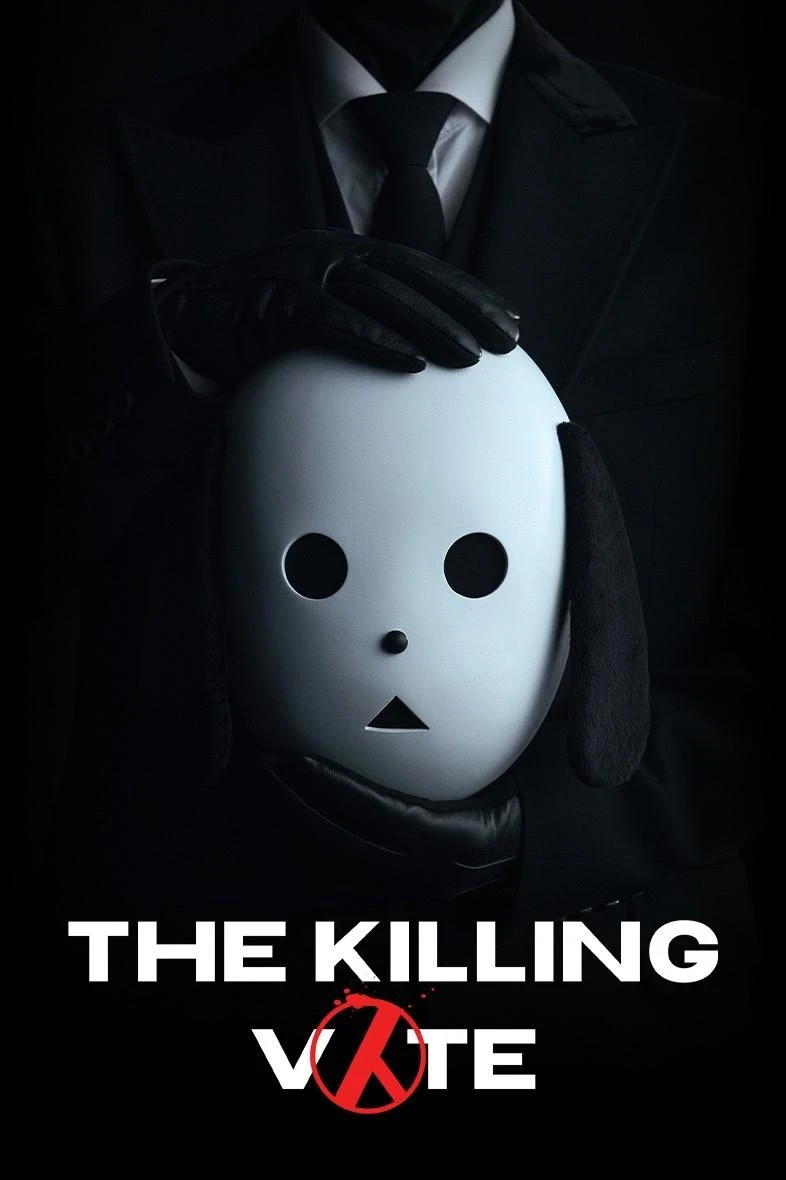
South Korea has a justice problem. Heinous criminals walk free on technicalities, victims get no closure, and the public’s fury has nowhere to go — until Gaetal appears. A figure in a dog mask begins broadcasting to every adult citizen at once: here is a criminal who escaped punishment. Vote yes or no. If the majority says yes, Gaetal carries out the execution personally. The first vote crosses 50%. The second. The third. And with each one, the question stops being “who is Gaetal?” and starts being something harder: why is half the country hoping they never find out?
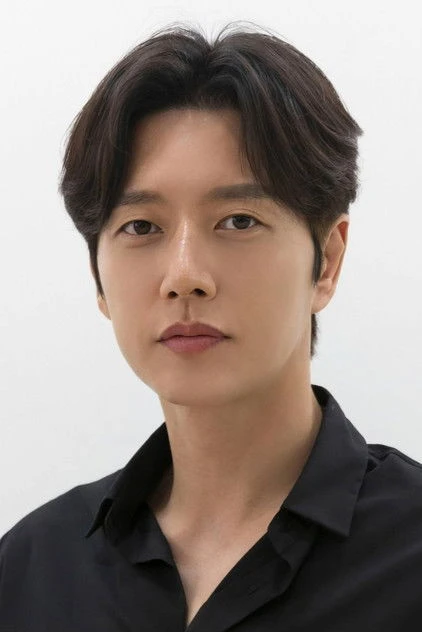
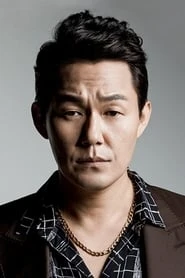
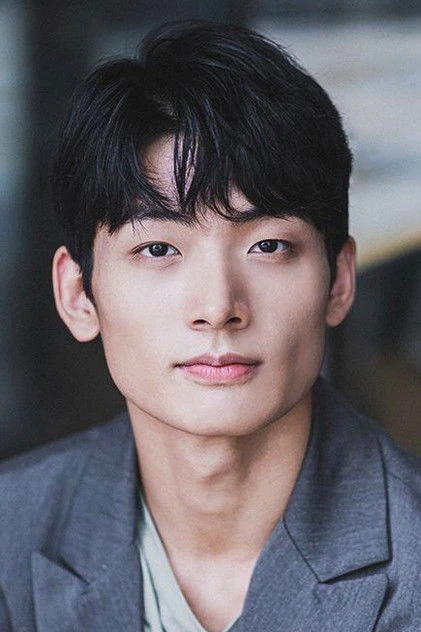
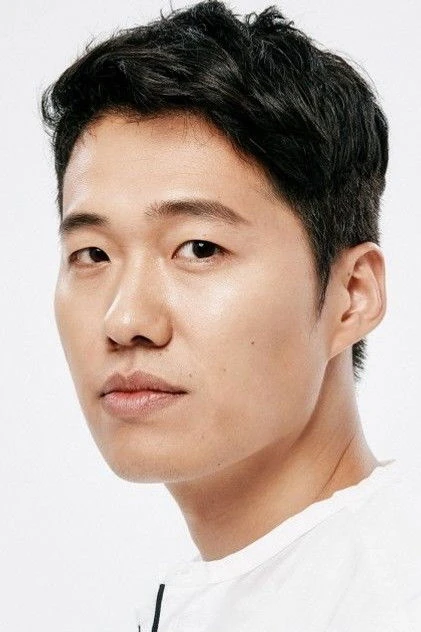
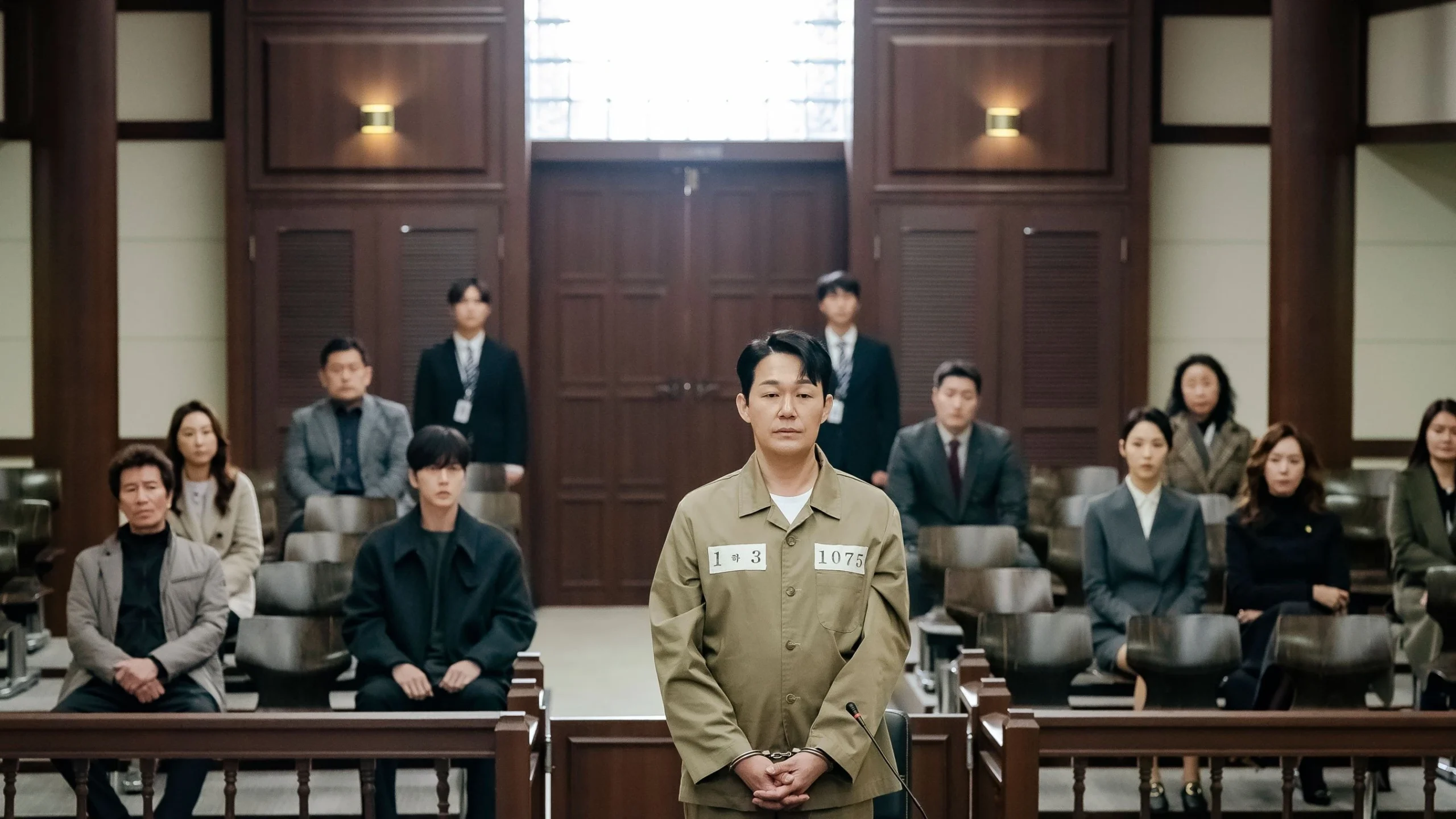
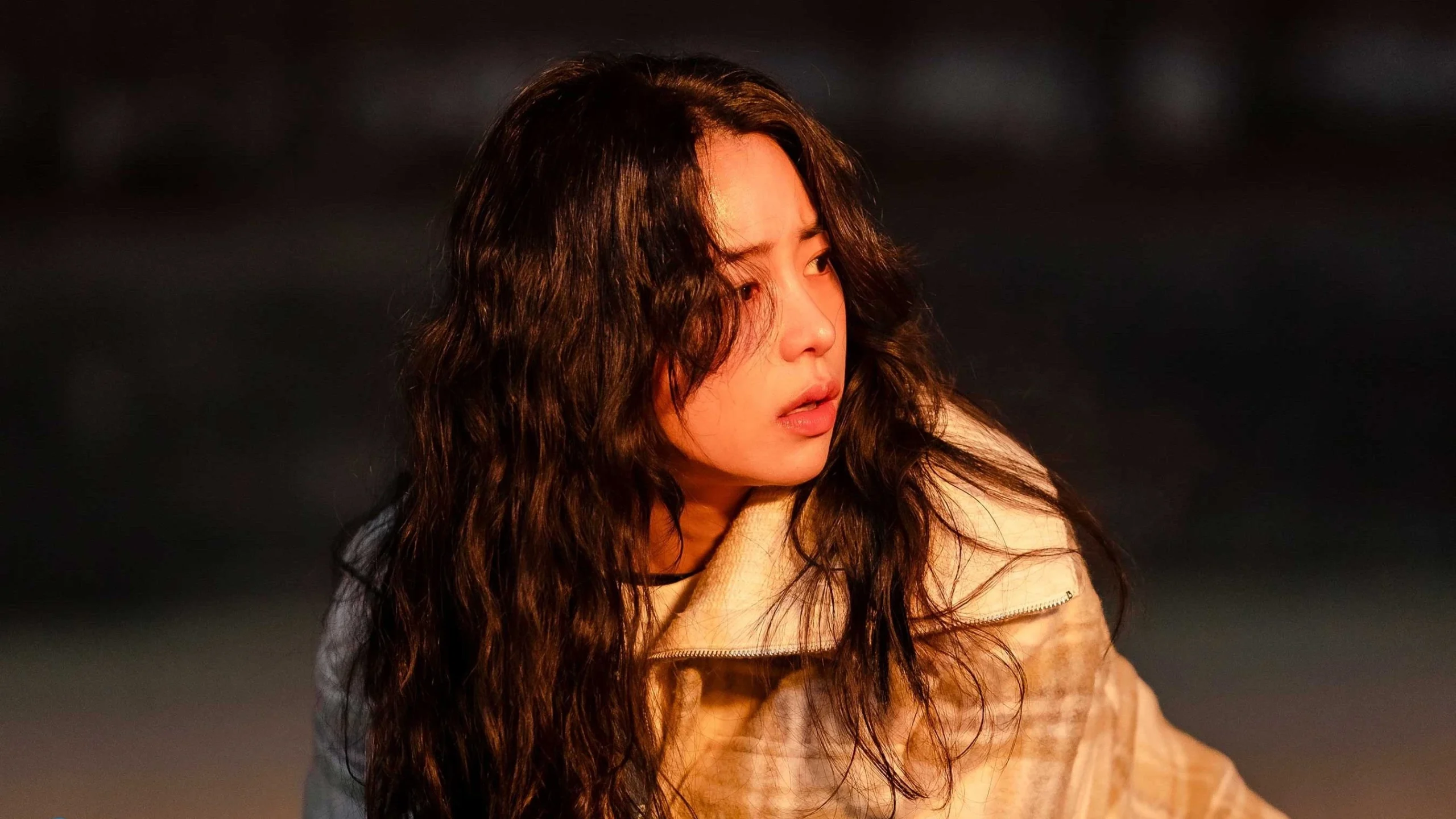
Three people circle the case from very different angles. Kim Mu Chan (Park Hae-jin) is the hot-tempered police team leader assigned to catch the vigilante before public opinion makes the job impossible. Kwon Seok Ju (Park Sung-woong) is a former legal scholar serving time in prison for killing his daughter’s rapist himself — a man who knows exactly what Gaetal is building and why. And Ju Hyeon (Im Ji-yeon) is the cyber-crime officer pulled into the task force, undercover, learning that the truth about Gaetal might be more destabilising than the executions themselves.
12 / 12 ✅ Completed
⚡ Quick Verdict
Here’s the verdict — no scrolling, no guesswork.
· MDL Score · 10,576 ratings
▶ Official Trailer
🎭 Cast & Characters
Twelve performances that build a world where the line between justice and murder runs straight through the audience.
Lead

Lead
Lead

Antagonist
Supporting

Supporting

Supporting
Supporting

Supporting
Supporting

Supporting

Supporting
📺 Episode Guide
Light-touch recaps to keep you oriented, episode by episode.
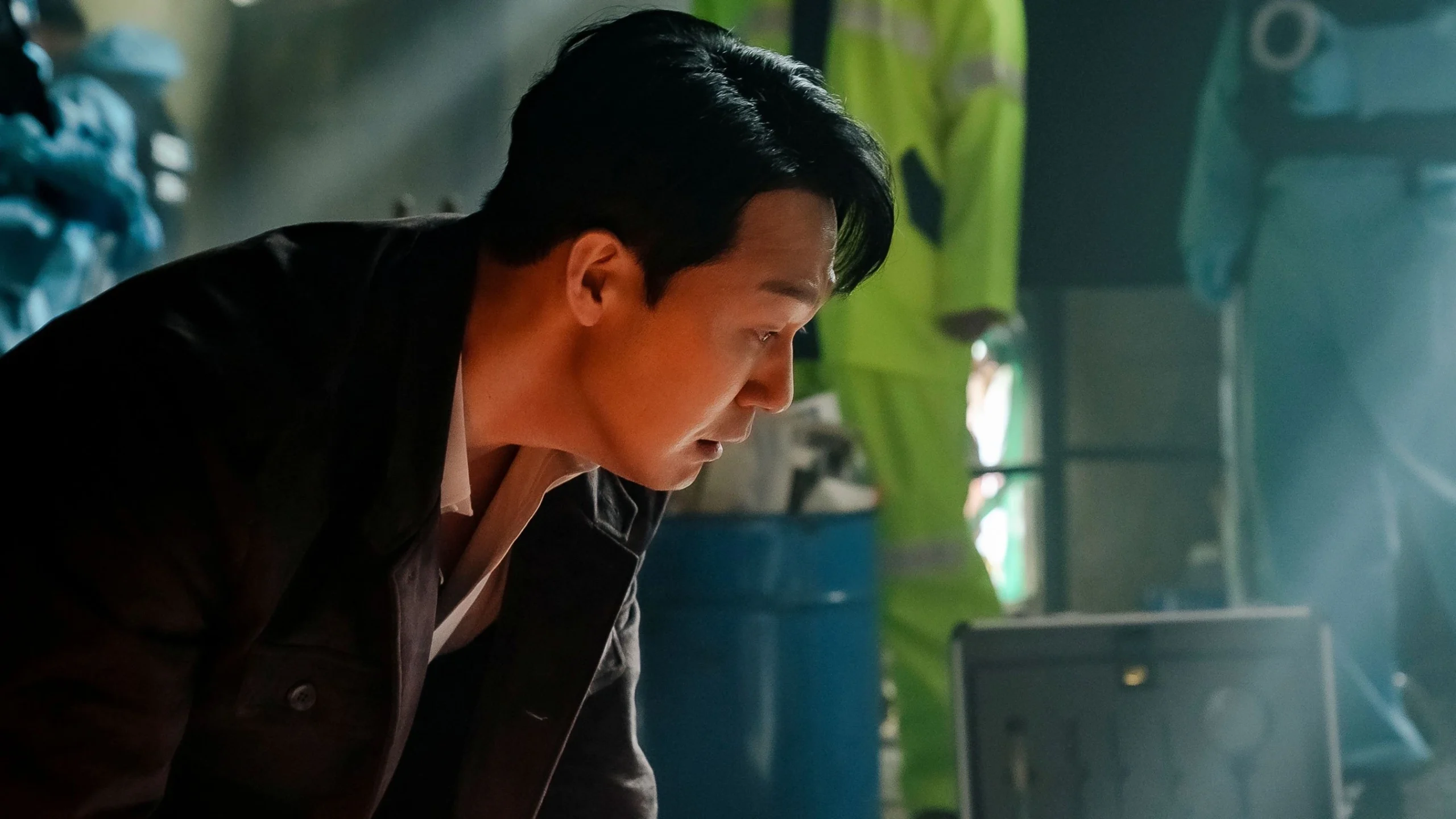
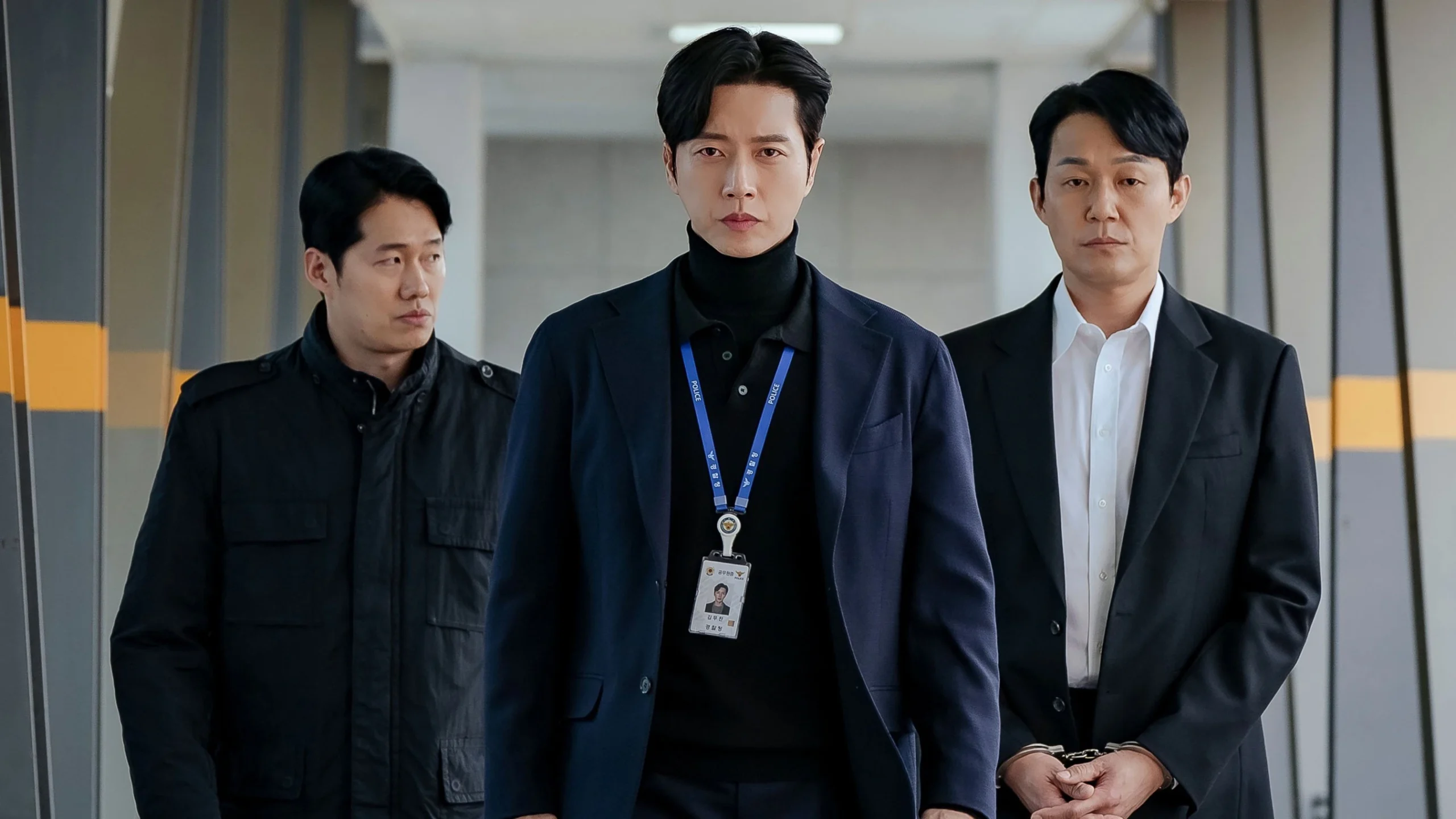
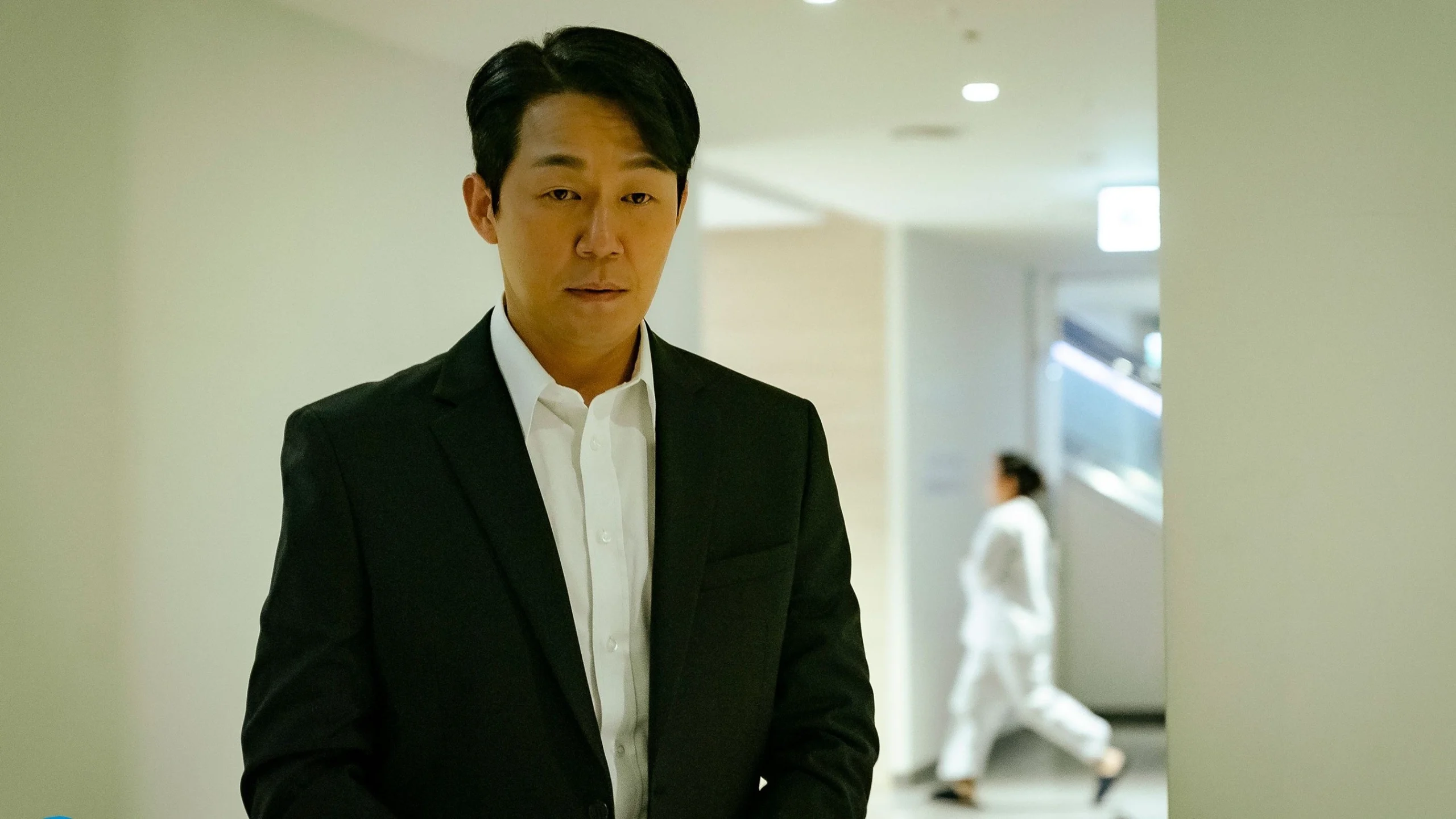
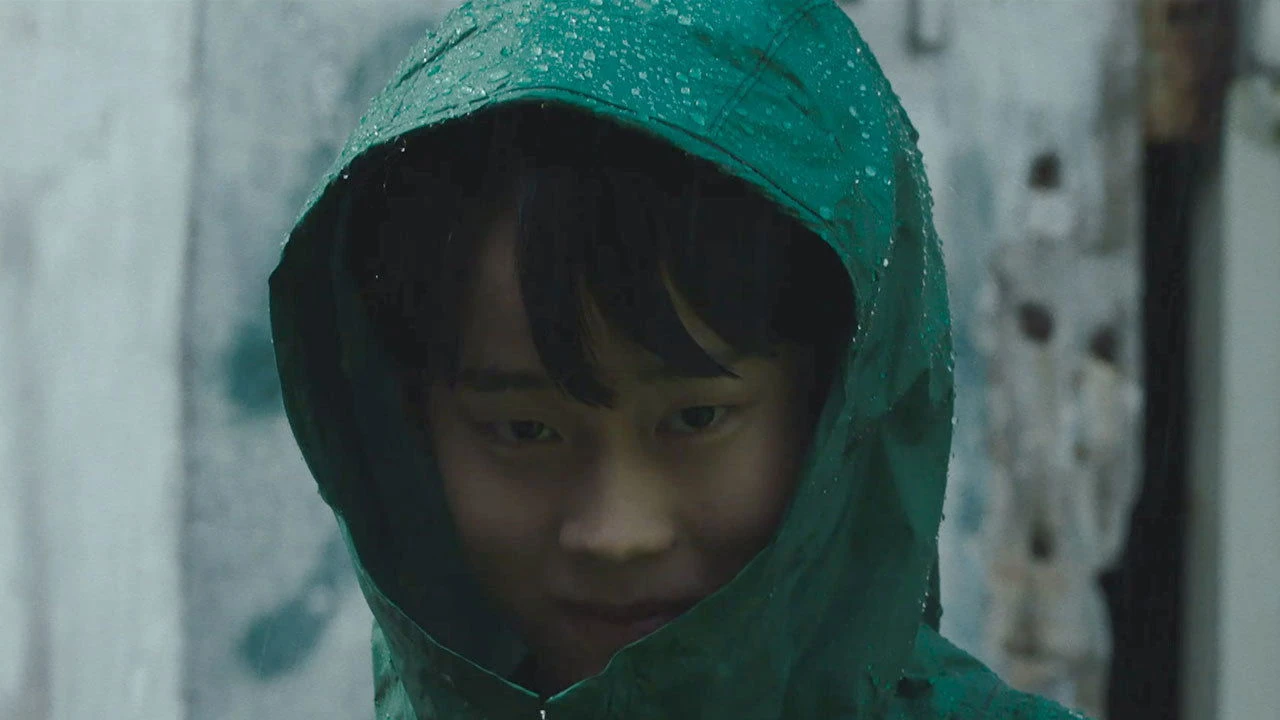
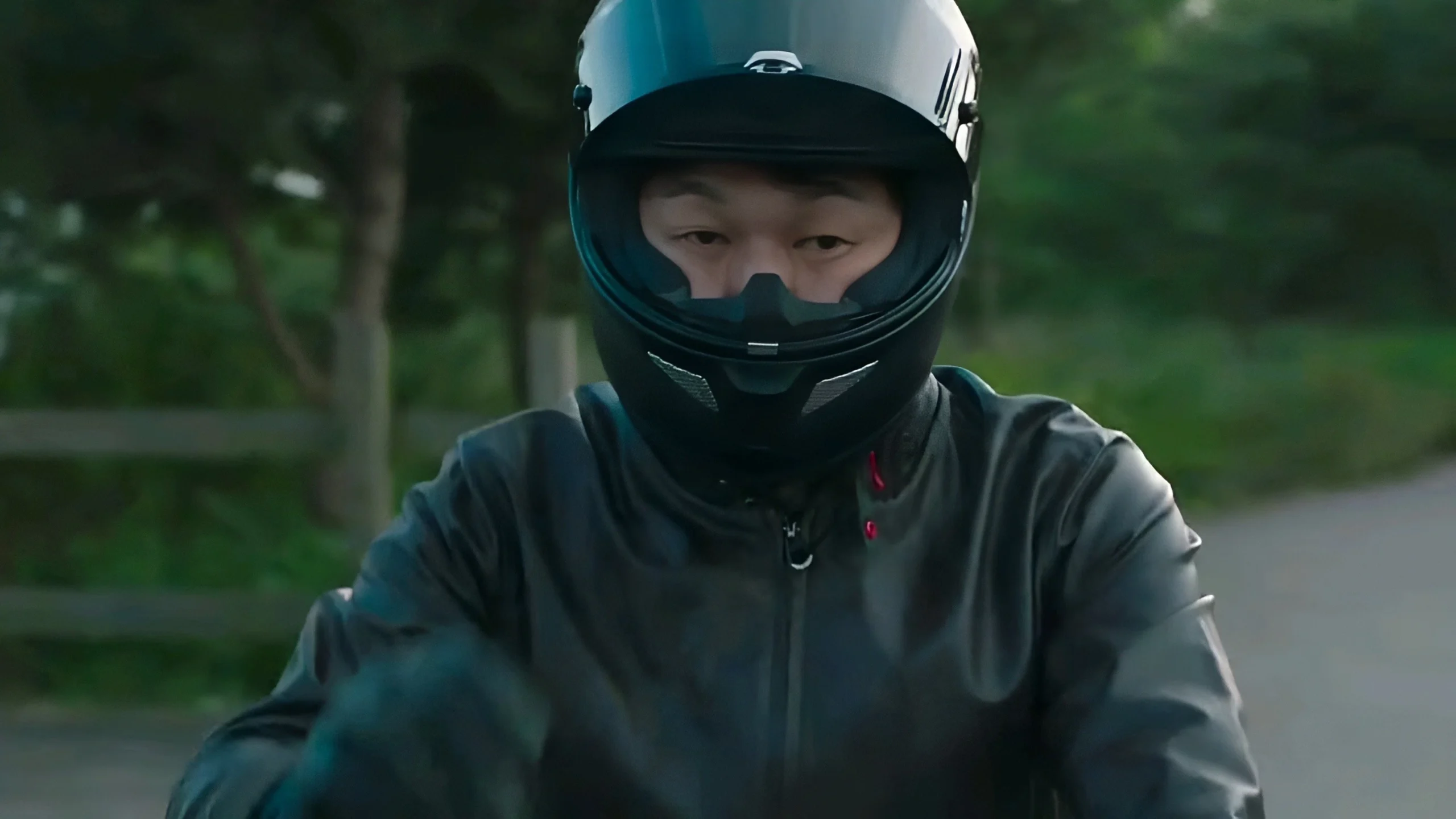
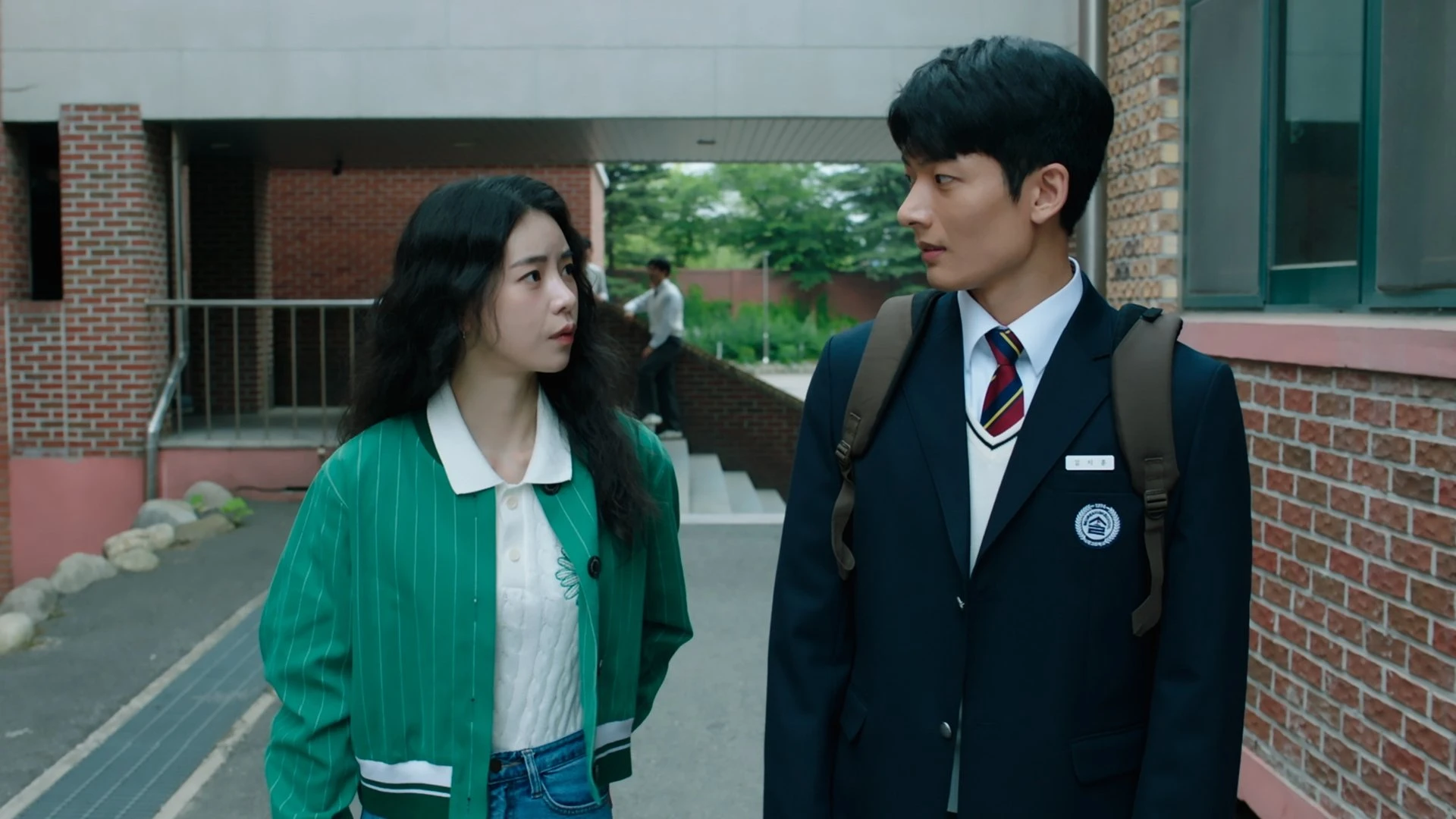

🏁 Ending Explained
From here on, full spoilers — the ending, unpacked.
Spoiler Warning — This section covers the full finale of The Killing Vote. Stop here if you haven’t finished the series.
The Vote Nobody Expected. The finale’s defining moment is the reversal at the heart of everything Gaetal built. When the Killing Vote goes out targeting Kwon Seok Ju — the imprisoned scholar who helped create the system — the public does something it has never done before. The majority votes no. Or more precisely: they abstain. After twelve episodes of overwhelming public approval for each execution, the one vote that might have justified the entire project is denied. The crowd that cheered for Gaetal refuses to kill the man who made Gaetal possible. It’s the show’s most interesting thesis statement: the public’s bloodlust has limits, and mercy — even for someone complicit in everything — still lives somewhere in it.
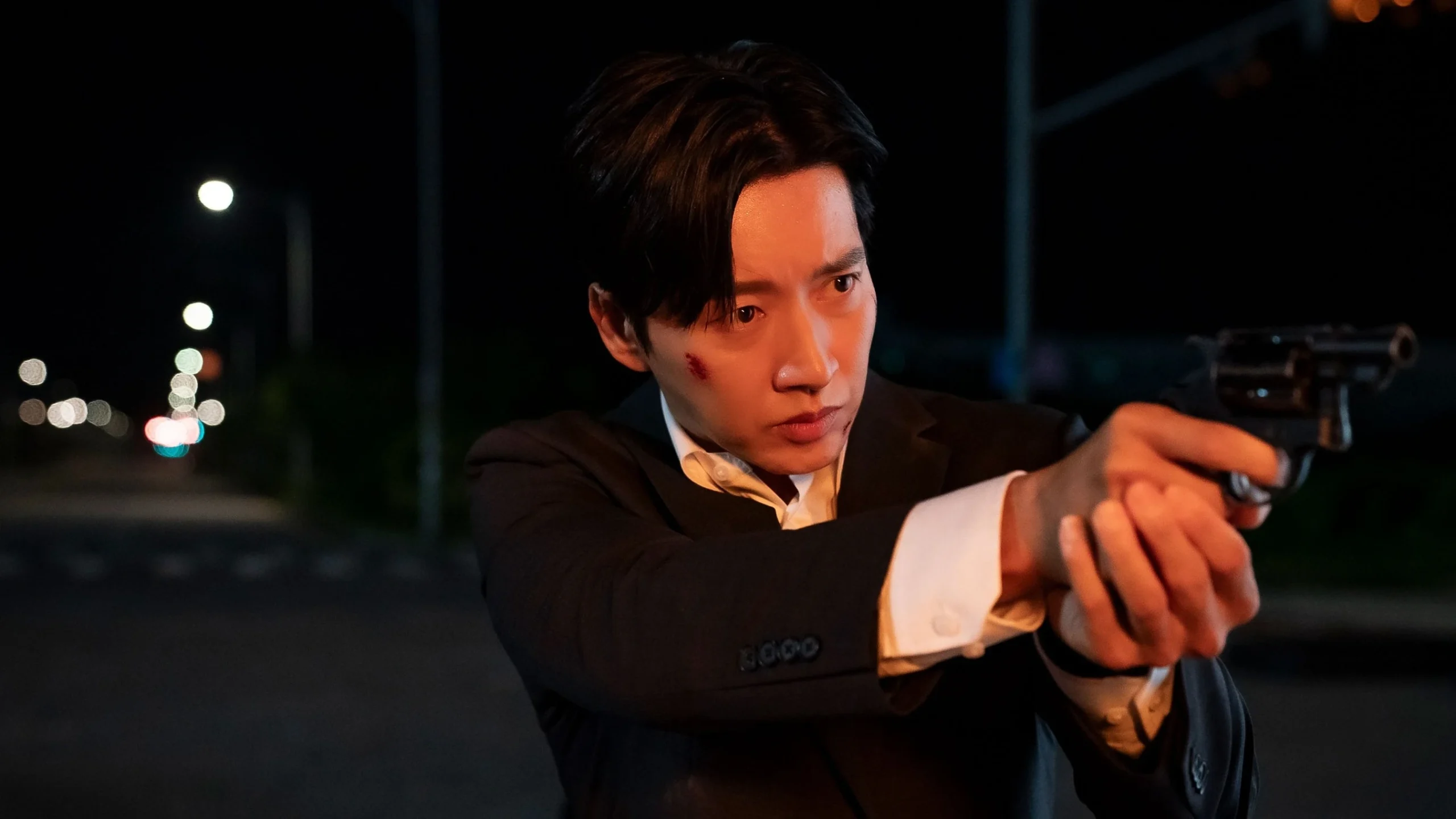
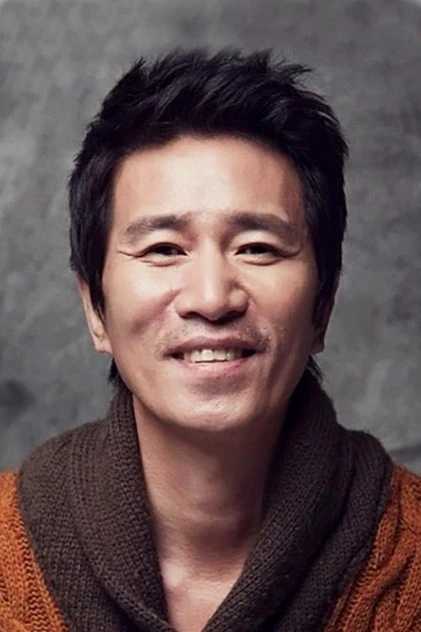
Seok Ju’s Fate — the Ambiguity Is the Point. In the chaos after the vote result, prison guard Park Cheol Min — who has been protecting Seok Ju throughout — tackles him at the waterfront. Both fall into the water. Neither is shown resurfacing. The drama cuts away and never resolves it. This is a deliberate choice, not a loose end: Seok Ju’s survival would require the show to take a position on whether he deserves to live, and The Killing Vote has spent twelve episodes refusing to take clean moral positions. His fate remains yours to decide — which is, in its own way, the last Killing Vote.
Min Ji-yeong’s Collapse. The politician who orchestrated the death of Min Soo to protect herself is exposed. Her scheme unravels in the finale with a speed that will frustrate viewers who wanted more runway, but the essential point lands: the Killing Vote system was never purely about vigilante justice. It was also a political instrument, and the people who tried to use it for power are destroyed by it. Assemblyman Kang Ji-seok’s brief cameo in the final episode gestures at how deep the political machinery runs — without fully exploring it.
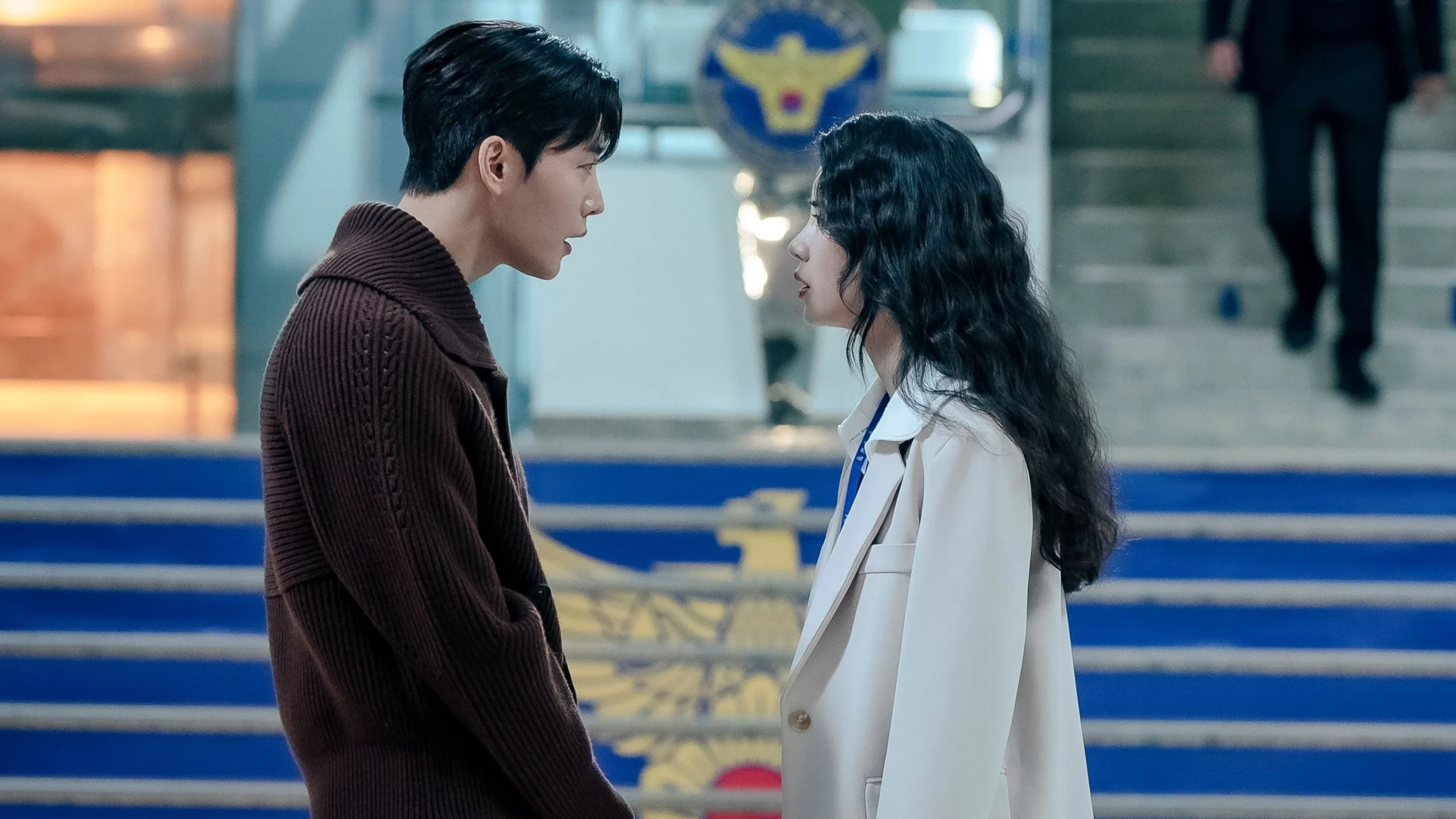
The New Gaetal. The drama’s final image is its most debated: an unidentified figure in shadow picks up the dog mask and puts it on. The Killing Vote system has not died with its architects. A new cycle is beginning. This is either a brilliantly open ending that trusts the audience to sit with the discomfort — or sequel-bait that substitutes implication for resolution, depending entirely on your tolerance for ambiguity. What it does clearly communicate is that Gaetal was never a person. It was an idea, and ideas don’t drown.
What the Show Was Actually About. Stripped of its thriller mechanics, The Killing Vote is a drama about legitimacy — who has the right to decide when someone dies, and whether popular consensus is the same as justice. The Killing Votes are popular. The criminals chosen are guilty. The executions are efficient. And none of that is enough for the show to endorse them. The discomfort is designed: every time you found yourself hoping the vote would pass, the drama was watching you back. The mask fits everyone who wanted it to.
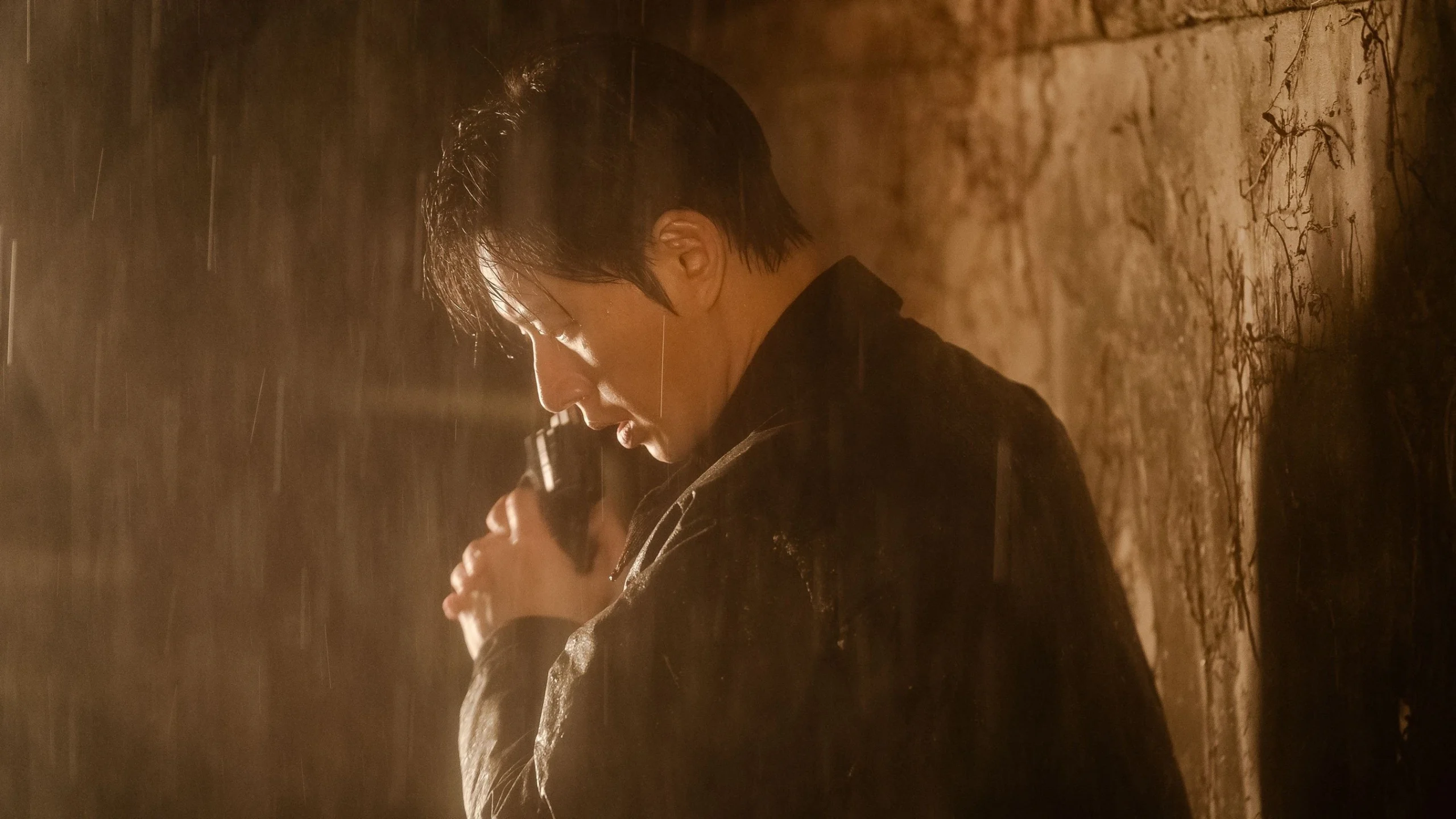
✍️ KDramaWorlds Editor’s Take
Our honest opinion — and the kind of viewer who’ll love it most.
The Killing Vote’s premise is its greatest asset and its toughest challenge. A masked vigilante who executes criminals by popular vote sounds like it could tip into exploitation or sensationalism within minutes — and the fact that it doesn’t, for most of its run, is largely down to Park Hae-jin. His Kim Mu Chan is not a clean hero. He’s aggressive, institutionally loyal, and genuinely bothered by the idea that the public might be right. Park plays that friction without softening it, and the result is one of those rare K-drama protagonists who doesn’t ask you to like him — just to follow him. Through the Darkness is the only 2022 crime thriller that matches this show’s commitment to keeping its investigators morally fallible.

Park Sung-woong as Kwon Seok Ju is the show’s philosophical anchor — a man who already crossed the line Gaetal is dancing on, and who has spent years in prison thinking about what that means. His scenes with Im Ji-yeon are the drama’s most charged, because Ju Hyeon is trying to use him while he’s quietly deciding whether she’s worth being used by. The middle stretch — episodes 7 through 9 — is where the show occasionally loses momentum repeating its investigative beats. But the political subplot involving Kim Yoo-mi’s Min Ji-yeong arrives in time to reframe the stakes entirely: this isn’t just about one masked killer, it’s about who benefits from the fear of one.
The finale will divide viewers cleanly. If you came for resolution — a Gaetal unmasked, a justice system reformed, a protagonist who’s earned his peace — this is not the ending you’ll get. The show closes with an open mask, an ambiguous drowning, and a new unknown inheritor of the dog face. Some read this as cowardice; others as the only honest ending a show this morally complex could have written. What’s undeniable is that The Killing Vote does something most K-drama thrillers don’t: it puts the audience in the booth. Whether you voted yes or no says more about you than it does about Gaetal.
Park Hae-jin fans — this is his most complex performance to date
Anyone who liked Juvenile Justice or Taxi Driver but wanted darker stakes
🎬 You Might Also Like
If you liked The Killing Vote, these are your next three watches.
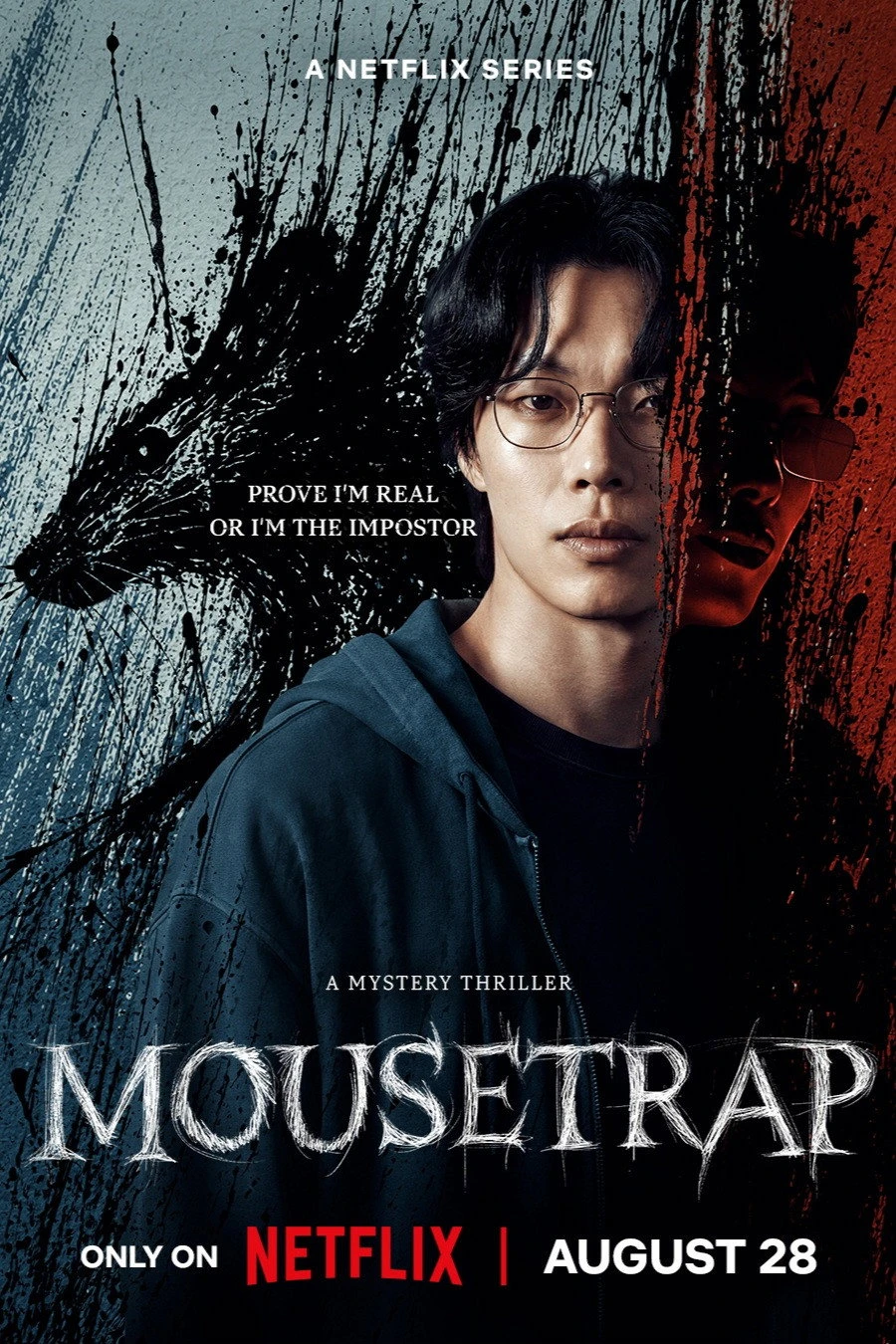 Mousetrap
crimeIdentity Theft
Read Full Review →
|
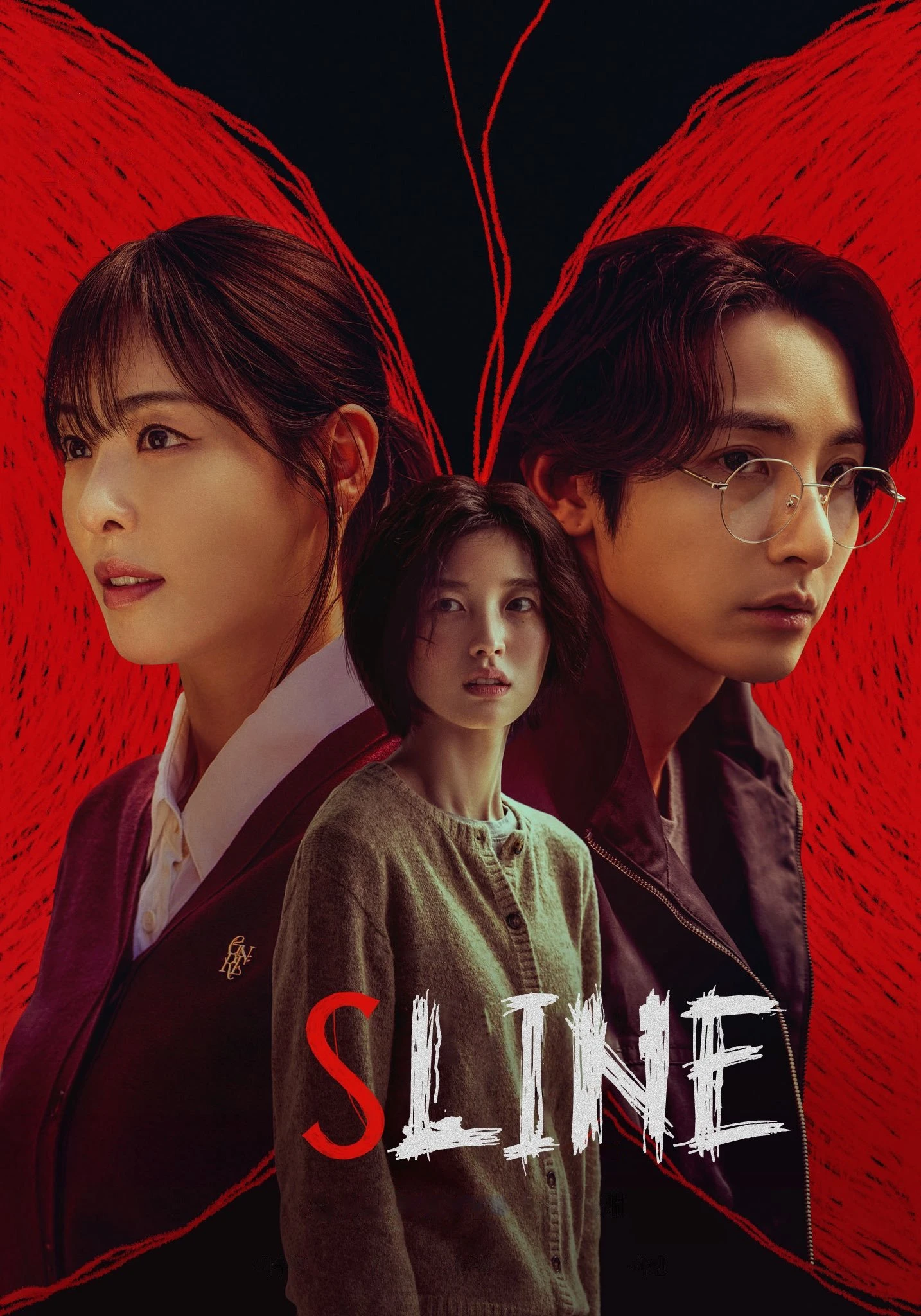 S Line
action revengeprivacy
Read Full Review →
|
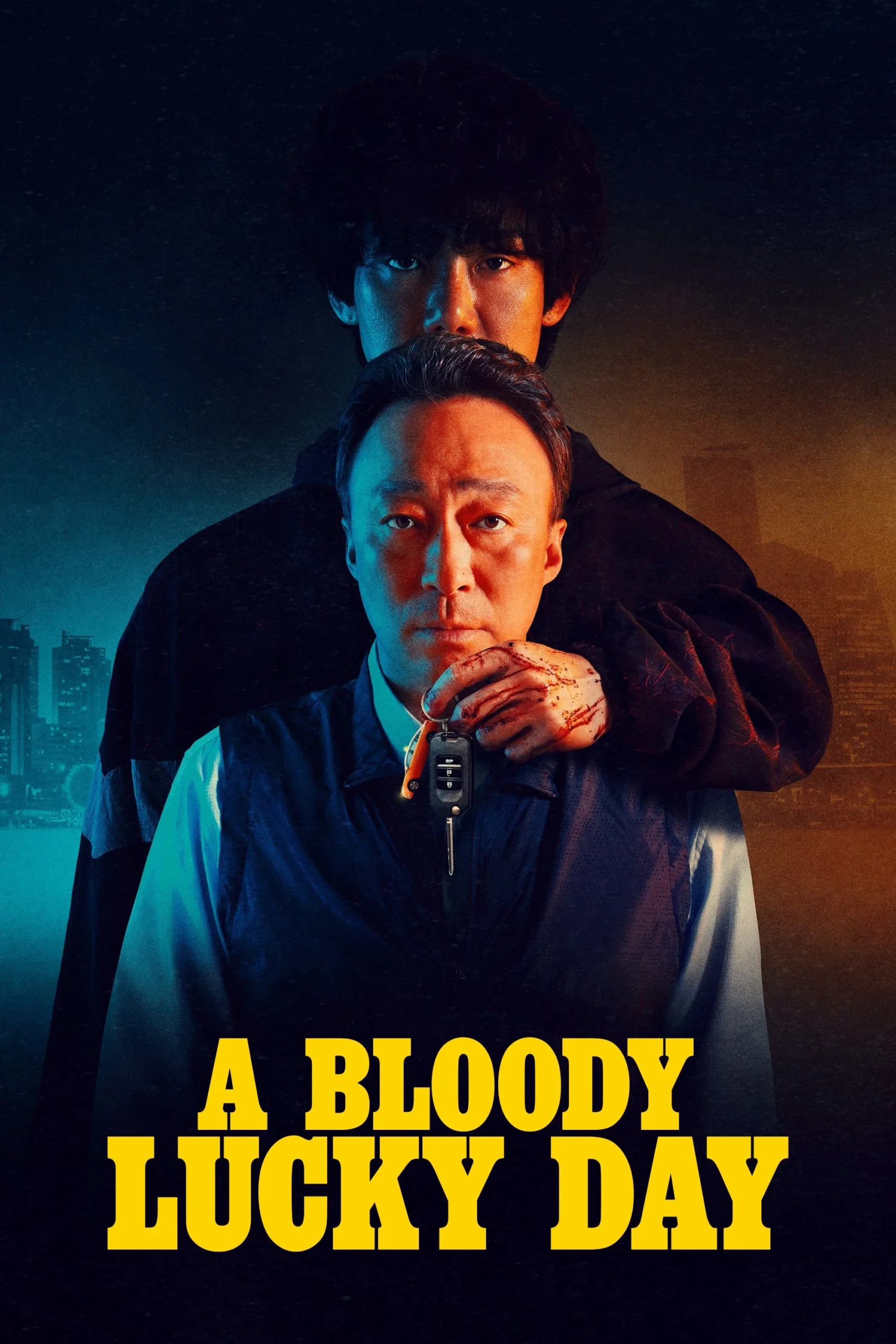 A Bloody Lucky Day
Cat and MouseCrime Thriller
Read Full Review →
|










Keep it kind, skip the harsh language, and please — no spoilers. Everyone's taste is different, and that's perfectly fine.
This space is for real reactions and discussion from other viewers. Help keep it comfortable for everyone by not giving away major plot details.
What do you think of this drama?
Login to share your review or leave a comment.
No email needed — just pick a username & password.