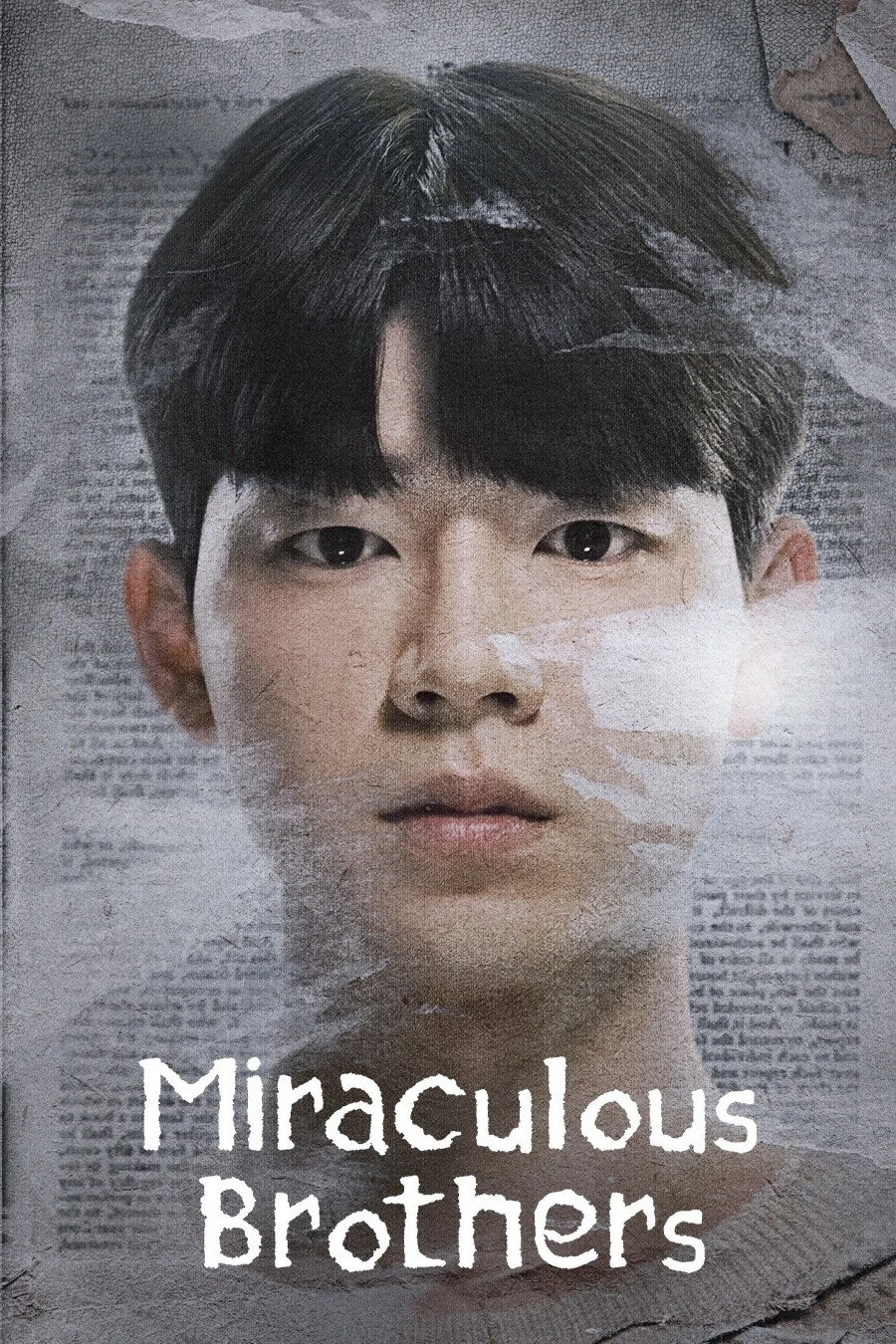
Miraculous Brothers
🎬 Netflix · Viki
⭐ 8.2 / 10 MDL
🔞 16+
📋 Drama Overview
Everything you need to know before you hit play.
Viki
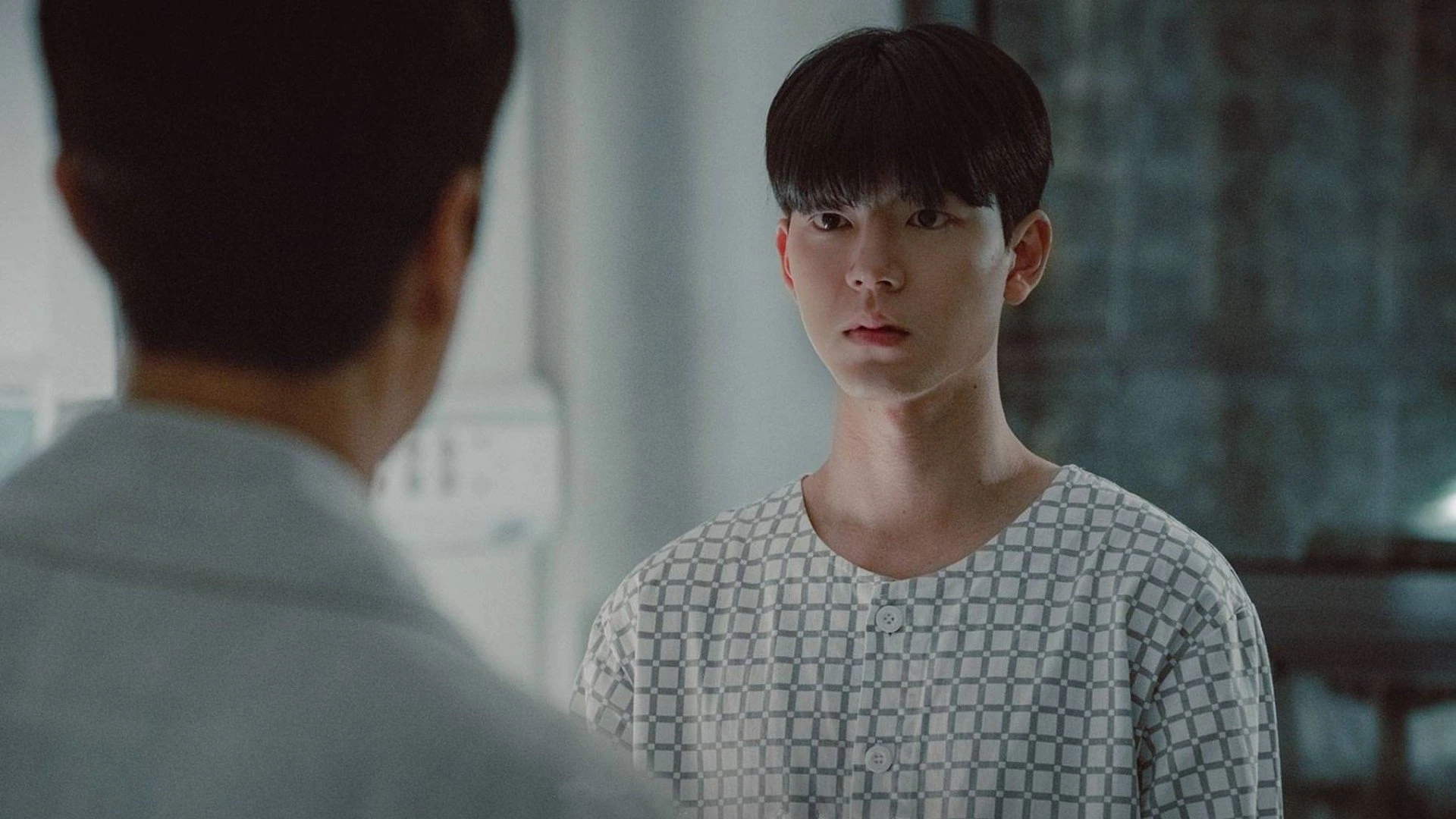
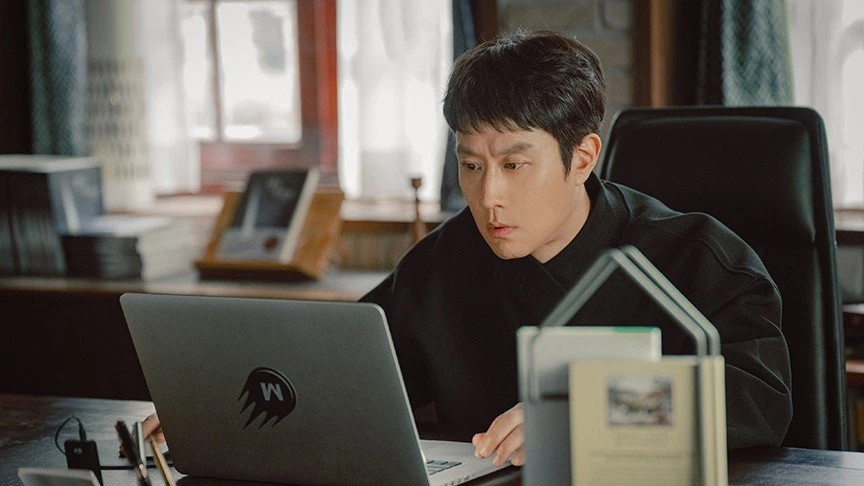
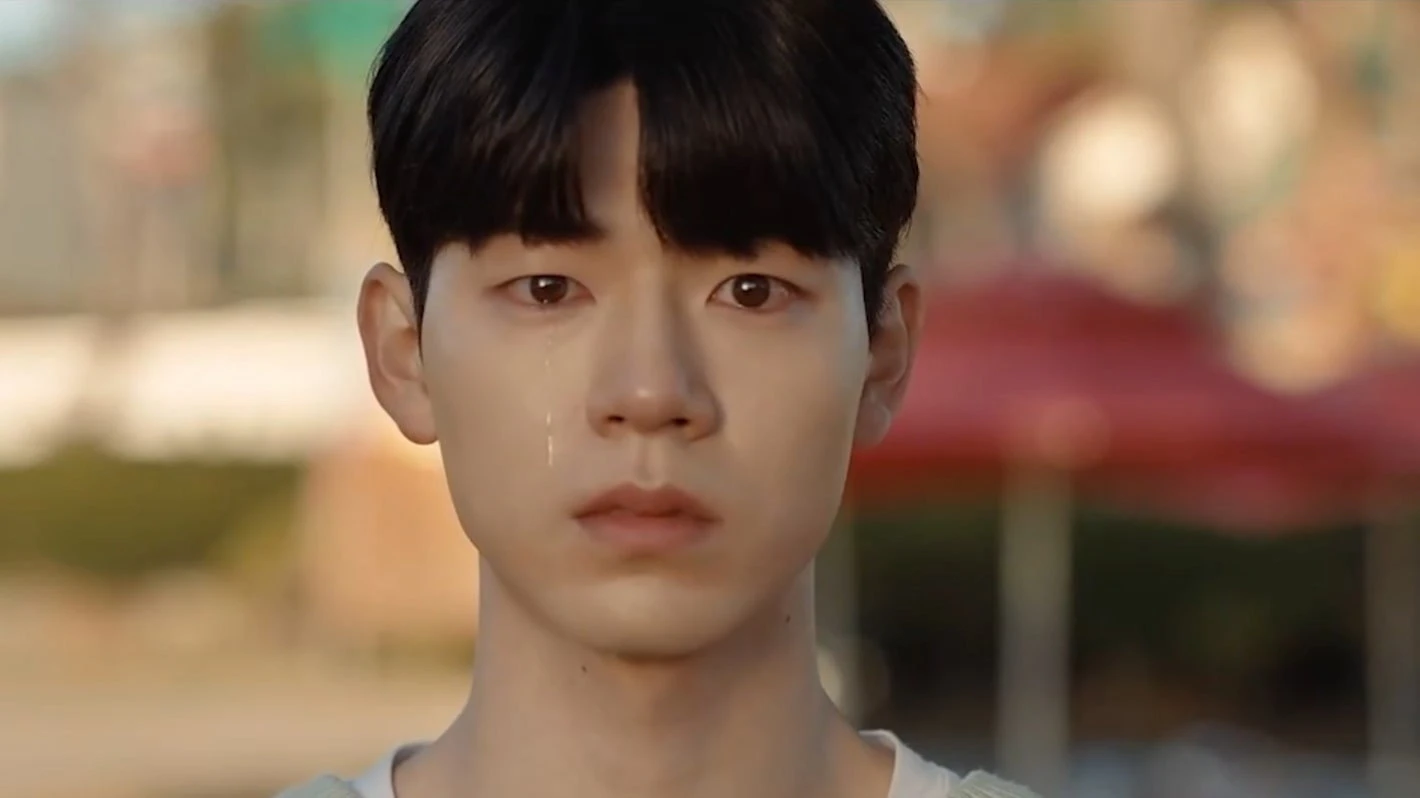
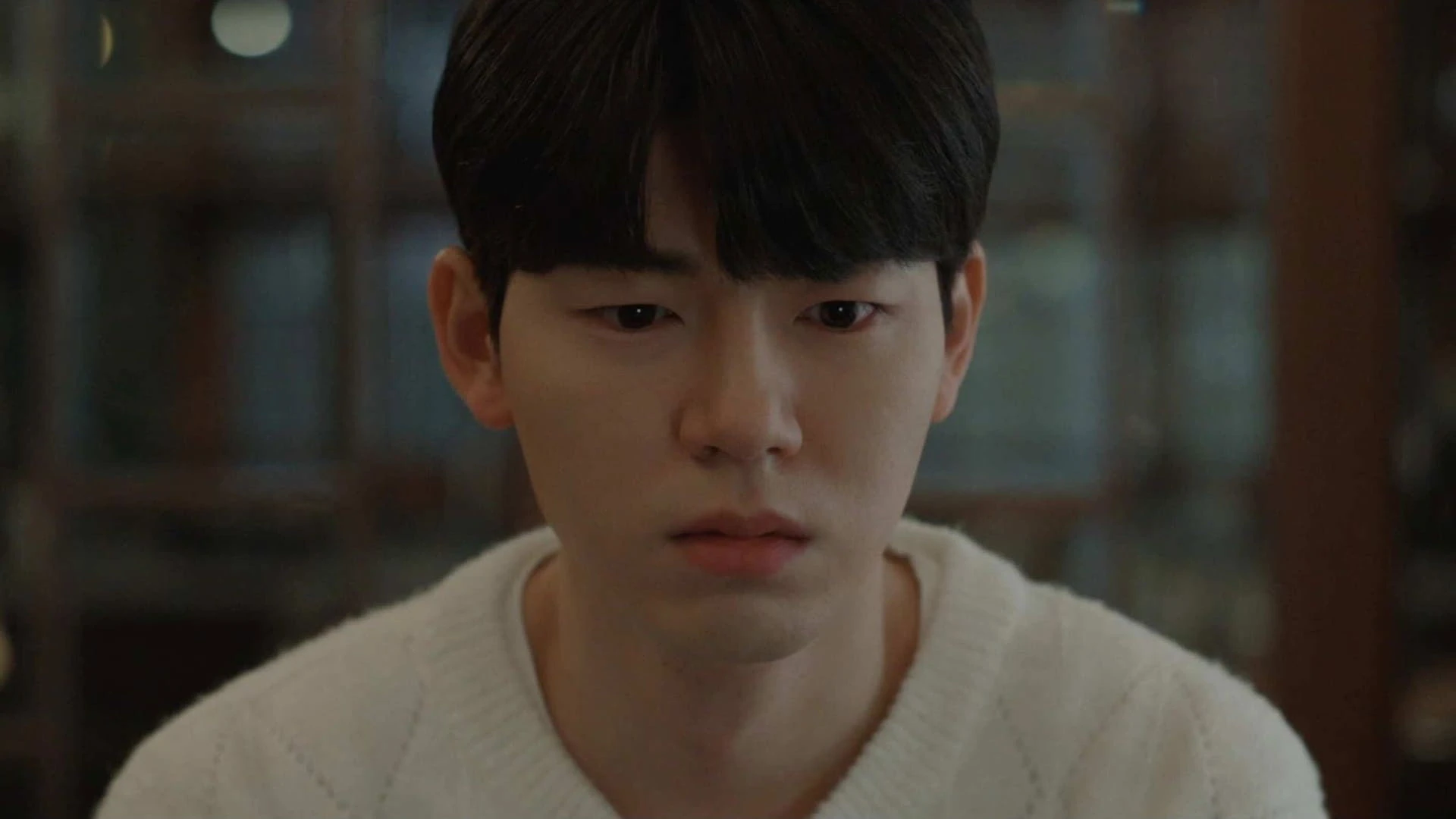
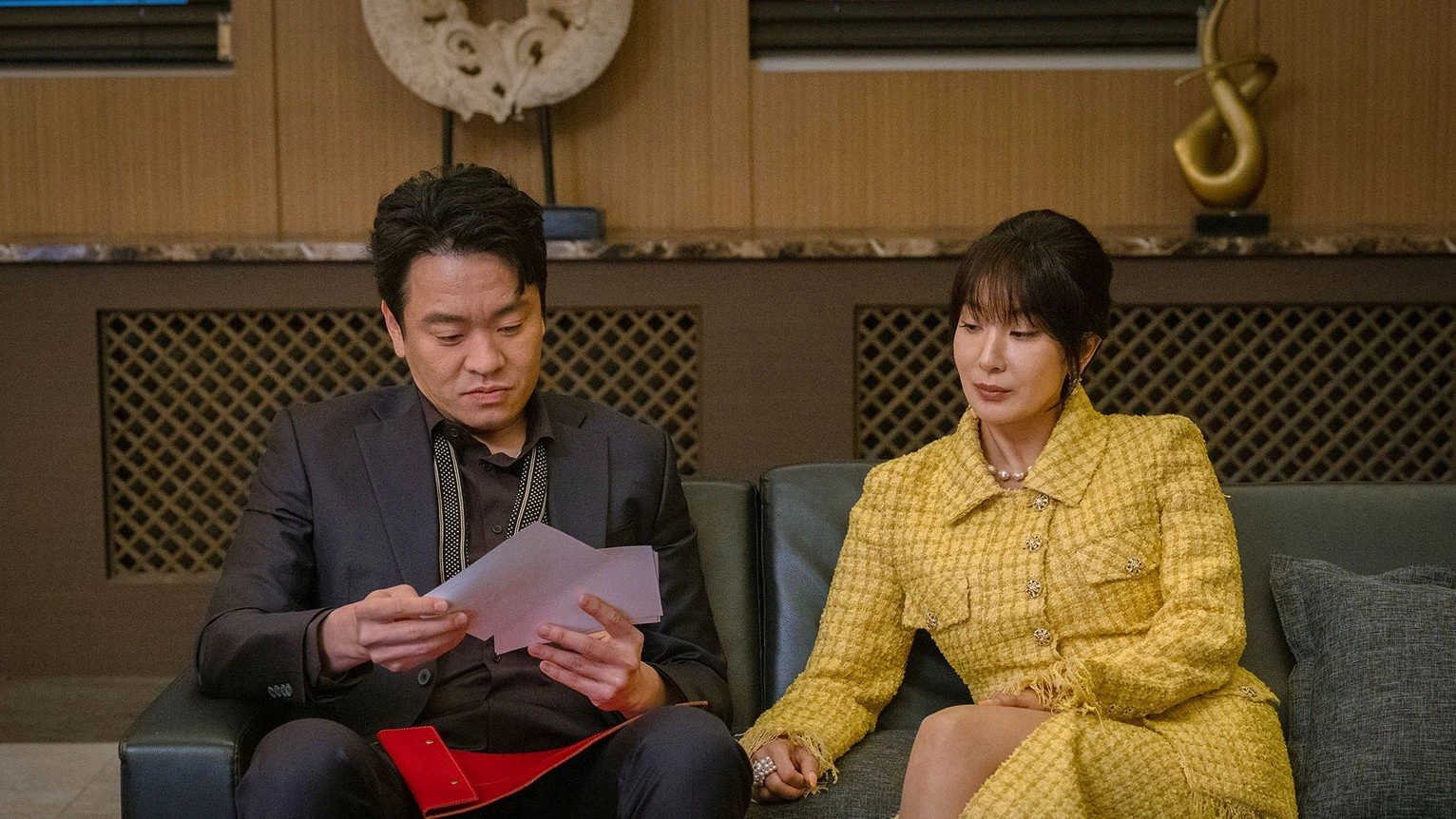
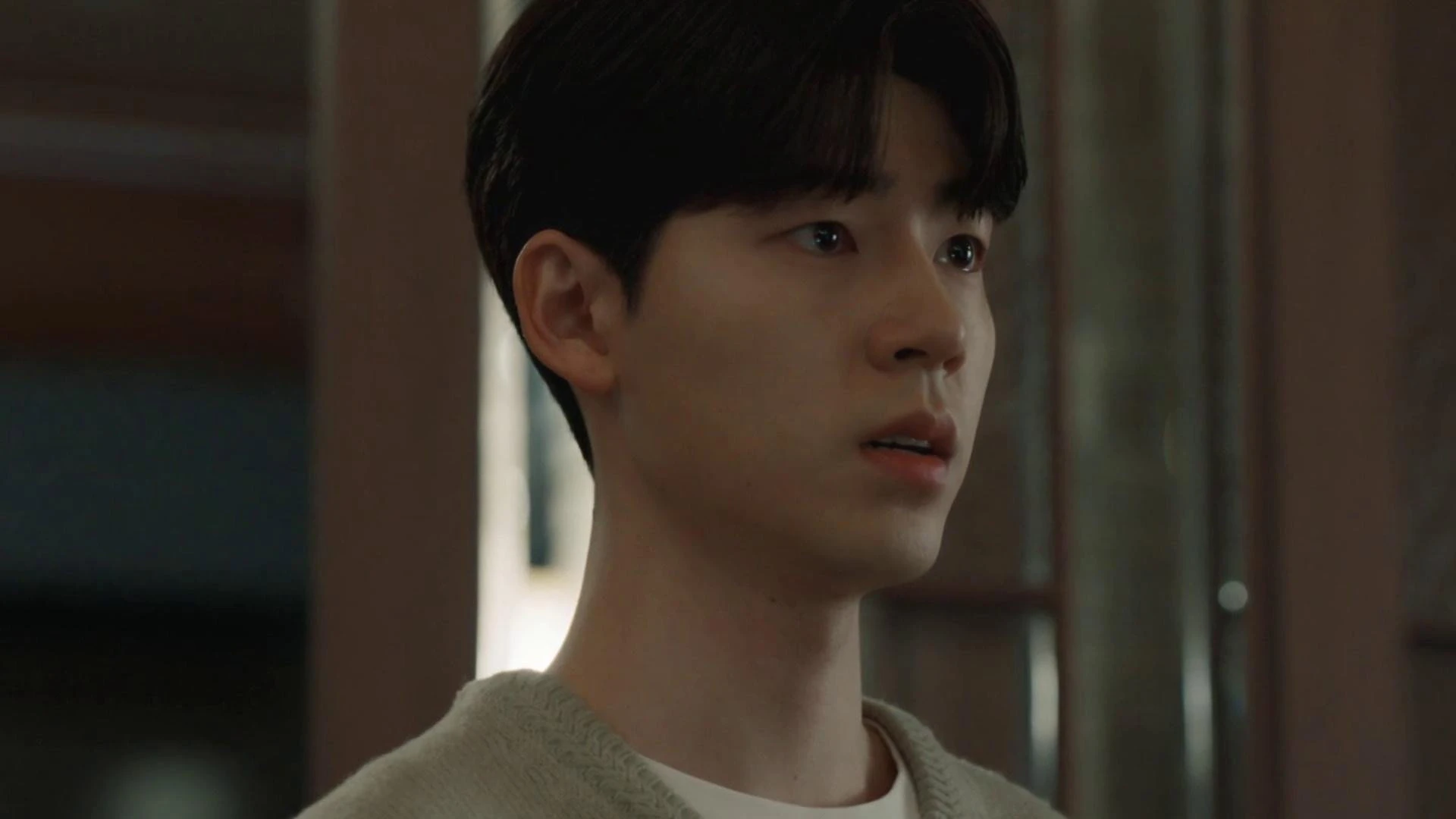
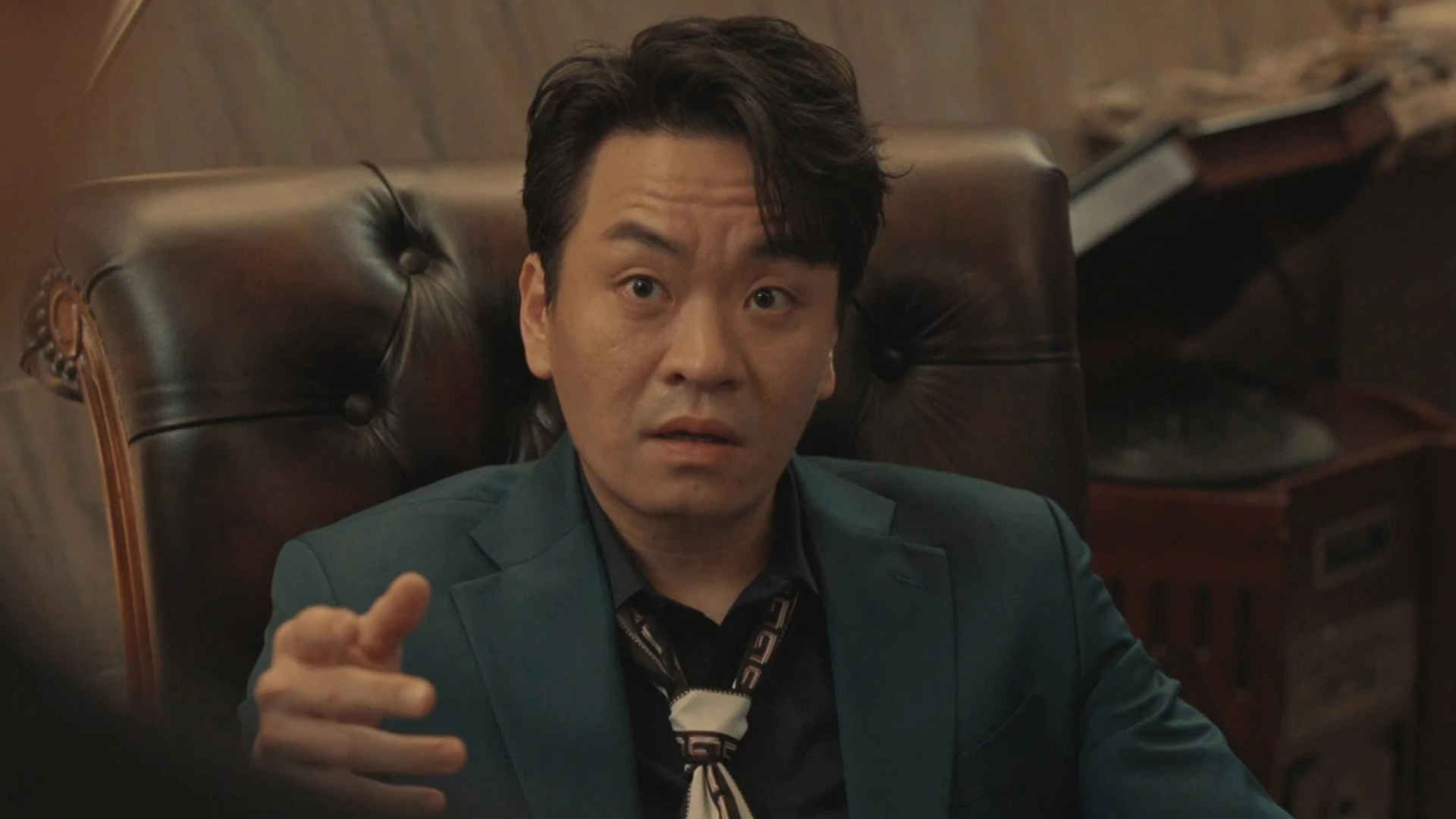
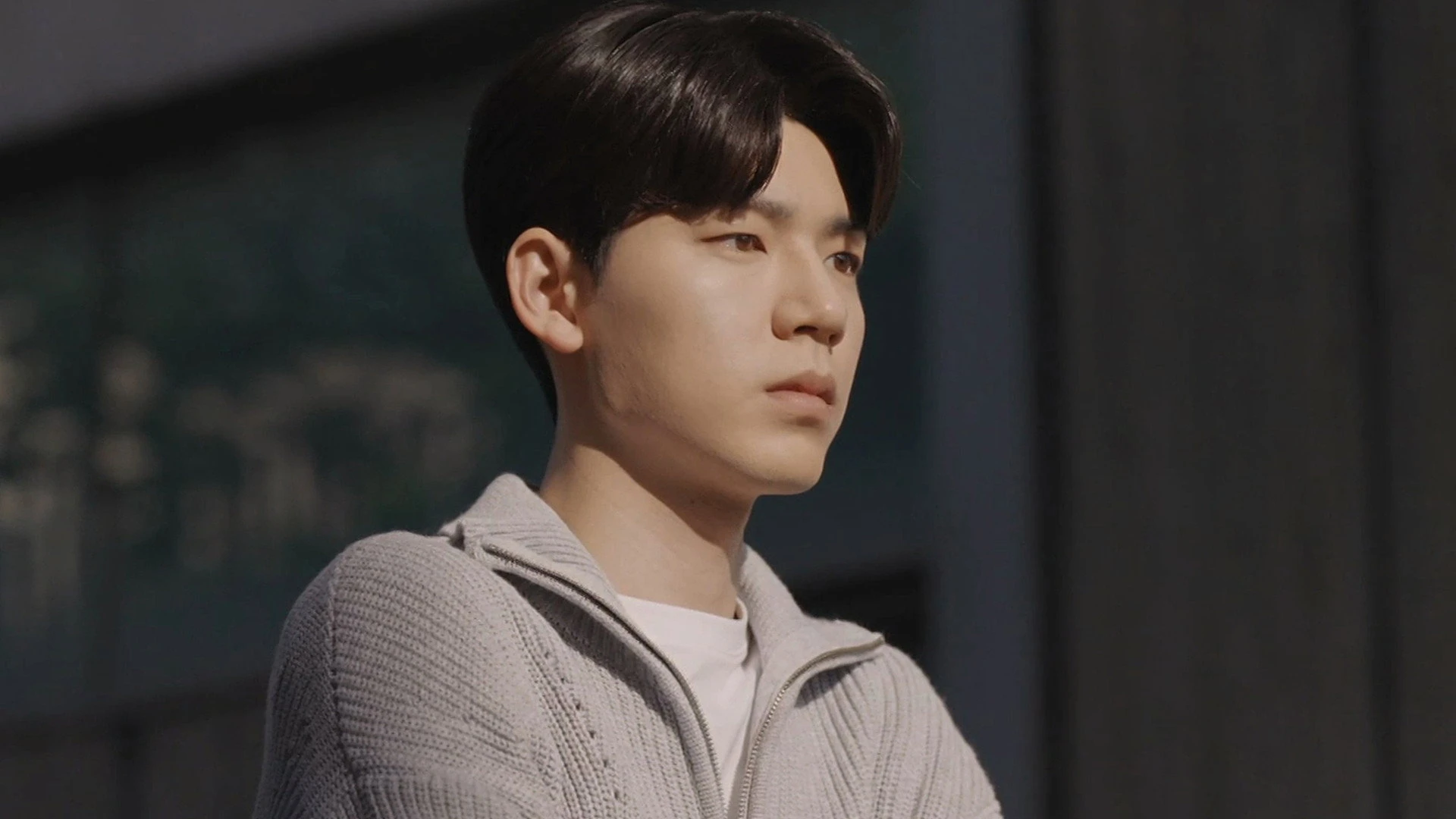
Yook Dong Joo (Jung Woo) is a struggling aspiring writer buried in debt and weighed down by a troubled family history. His life takes an unexpected turn when he crosses paths with Kang San (Bae Hyeon-seong), a mysterious young man with no memory of his past — but with a rare and unsettling gift: he can hear the hearts of those around him and physically feel their pain. Their first encounter is chaotic and uncomfortable, but neither can walk away from what it stirs up.
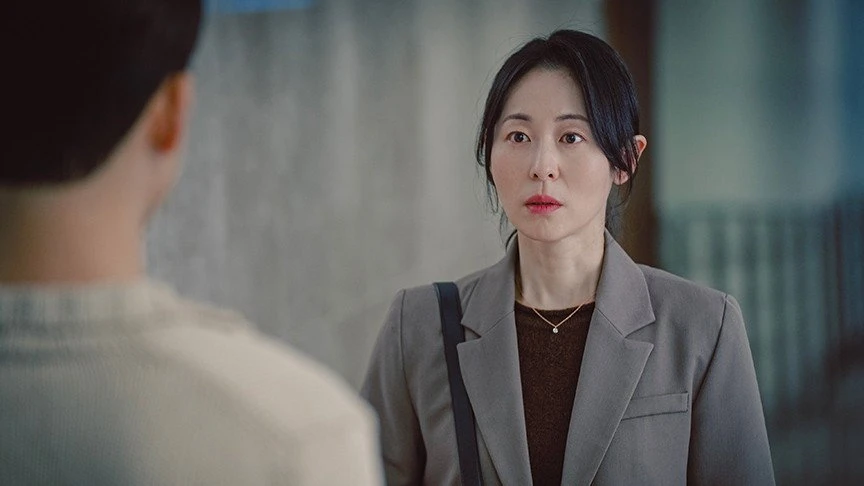
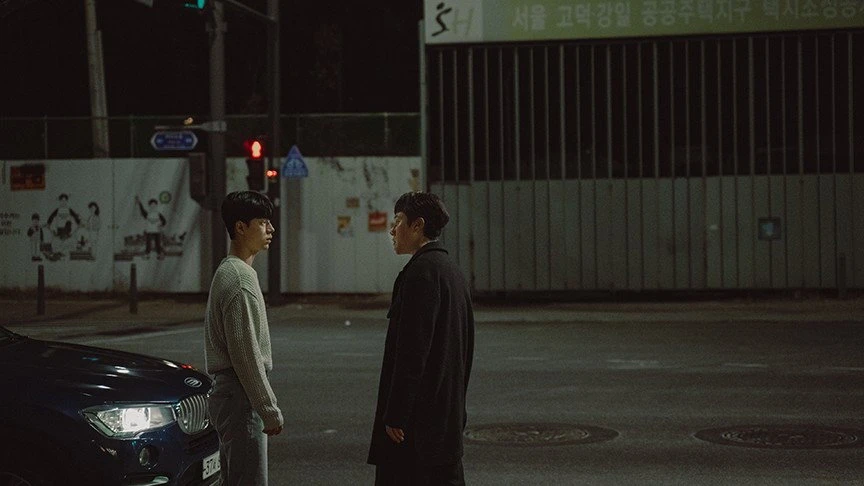
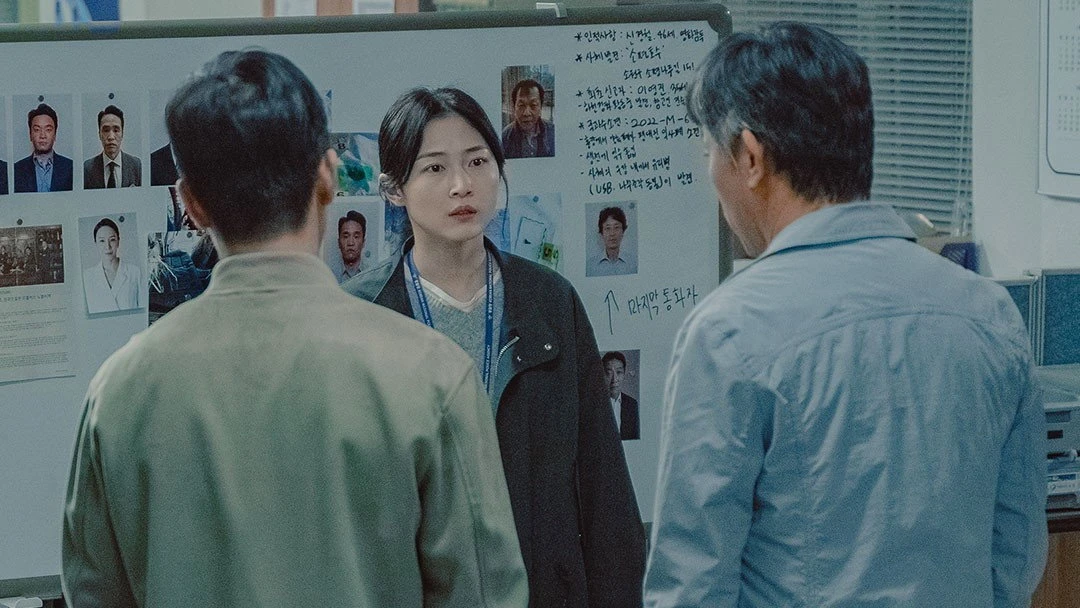
As the two form an unlikely bond, they find themselves drawn into a cold case that reaches back decades — a buried crime involving guilt, silence, and people who have spent years protecting a version of the past that never happened. Kang San’s supernatural sensitivity becomes both a compass and a burden as the investigation deepens. Together, they must confront what justice actually looks like when the truth has been hidden long enough to calcify into silence.
16 / 16 ✅ Completed
⚡ Quick Verdict
One box. Everything you need to decide.
· MDL Score
▶ Official Trailer
🎭 Cast & Characters
The performances at the heart of this mystery — from the debt-ridden dreamer to the boy who carries everyone else’s pain.

Lead

Lead

Supporting

Antagonist

Supporting

Supporting
📺 Episode Guide
Spoiler-light recaps — enough to track the mystery, nothing that steals the reveal.


🏁 Ending Explained
Full spoilers ahead — everything that happens in the finale and what it all means.
Spoiler Warning — This section covers the full finale of Miraculous Brothers. Stop here if you haven’t finished the series.
The truth finally has a name. In the penultimate and final episodes, the buried crime at the heart of the series is fully exposed — not as a single act of violence but as a sustained conspiracy involving multiple people who chose silence over accountability. The investigation that Dong Joo and Kang San have been piecing together across sixteen episodes arrives at a reckoning that is less about dramatic confrontation and more about the weight of undeniable evidence brought into the light. Those responsible are identified, their roles made clear, and the long-protected version of events is dismantled piece by piece.
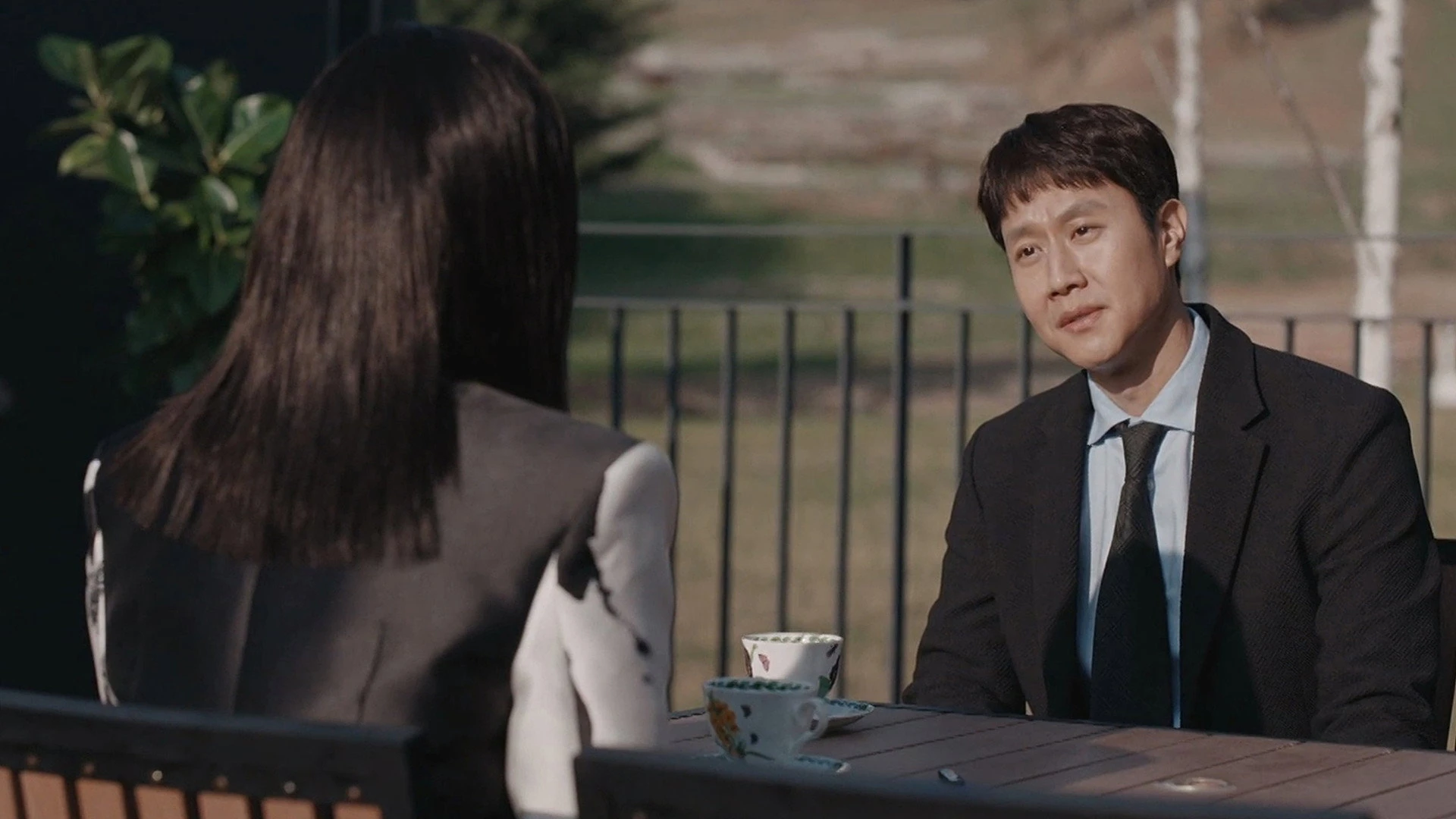
Kang San’s origin is revealed. The most significant disclosure of the finale is what Kang San actually is — and why he arrived in Dong Joo’s life with no memory but an acute sensitivity to others’ pain. His connection to the crime isn’t incidental. He is tethered to the injustice in a way that explains both his supernatural ability and his amnesia, and the revelation reframes everything the audience has watched him experience across the series. His gift was never random; it was born from an unresolved wound that needed witnesses before it could begin to heal.
The perpetrators face consequences. The drama doesn’t dramatize punishment in an operatic way — there are no cathartic showdowns or speeches. Instead, accountability arrives through the mechanisms that should have worked the first time: evidence, testimony, and the collapse of the protective network that sustained the lie. Characters who spent years managing their complicity are unable to maintain their positions once the full picture is visible. The drama makes a quiet but firm argument that truth, once fully assembled, is harder to deny than people expect.
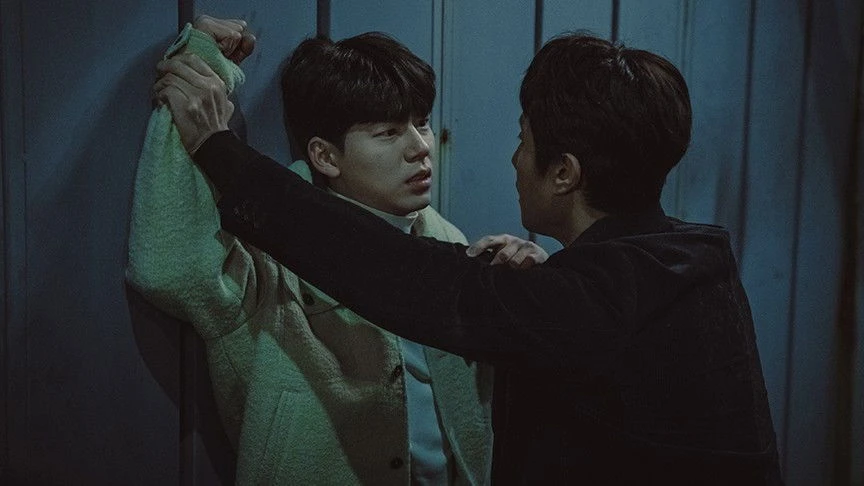
Dong Joo finds what he was missing. Underneath the investigation has always been Dong Joo’s own story — a man whose life had come unmoored before Kang San showed up in it. The finale addresses this directly. His relationship with Kang San, which began as inconvenient and became transformative, is given its proper resolution. Not as a tidy package but as a meaningful bond that changed both of them — a found-brother dynamic that gave Dong Joo something to fight for beyond his own survival, and gave Kang San something even more fundamental: a reason to stay.
The ending earns its quiet. Miraculous Brothers closes without fanfare, which is entirely right for what it is. The investigation resolves, the emotional debts are addressed, and Kang San’s supernatural burden — having carried everyone else’s pain for the duration of the series — is finally released. The show’s final moments land not as triumph but as something closer to relief: the specific exhaustion of a long injustice finally corrected. It is, in the end, a drama about what it costs to feel too much in a world that prefers not to feel at all — and what it means to be witnessed by someone who sees you anyway.
✍️ KDramaWorlds Editor’s Take
Our honest read on why this drama is worth your time — and who it’s for.
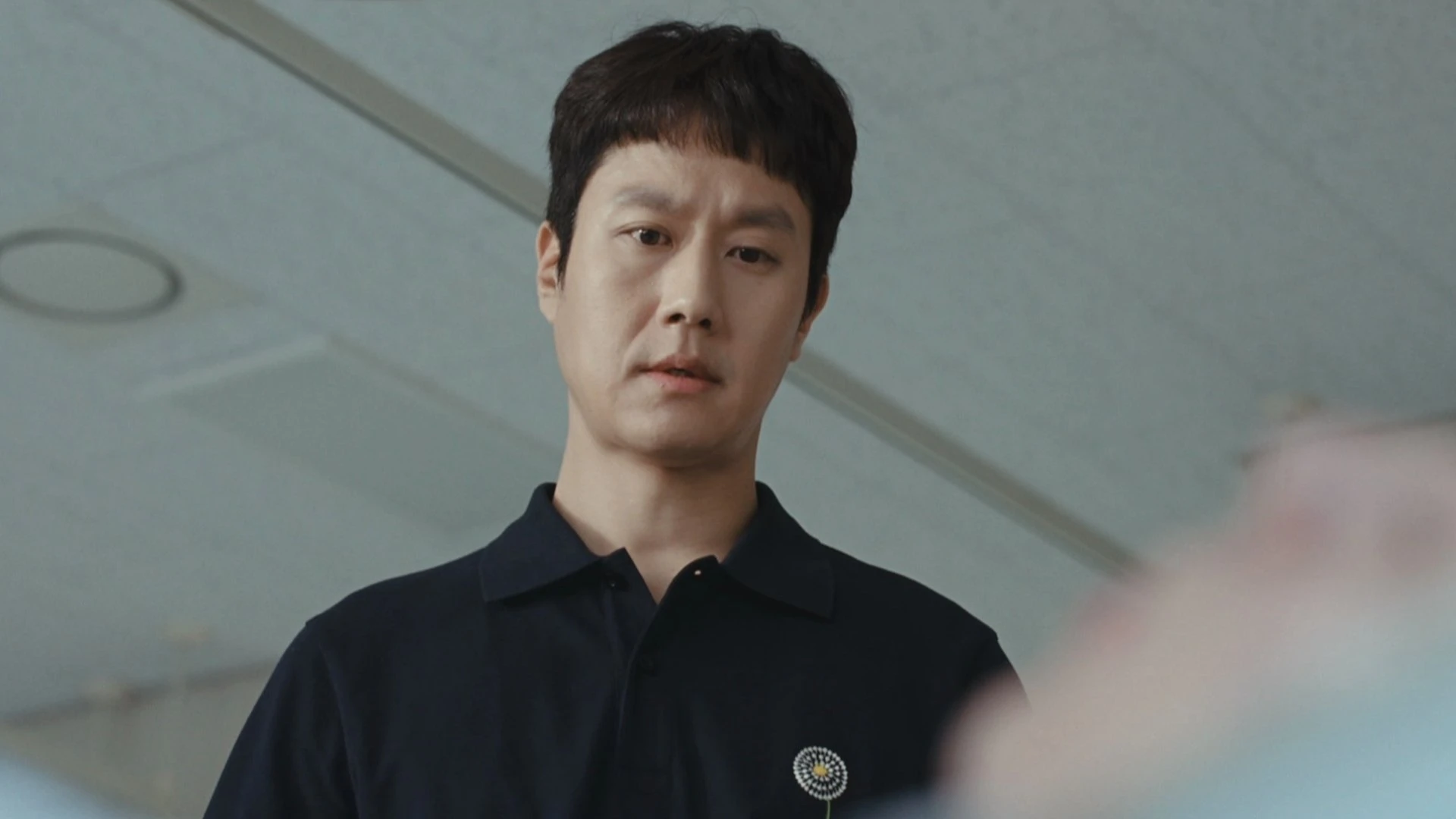
Miraculous Brothers works best when you stop expecting it to be a thriller and let it be what it actually is: a drama about the loneliness of carrying something no one else can see. Bae Hyeon-seong’s performance as Kang San is the engine of the whole series — physically restrained, emotionally present, and consistently unsettling in the best way. He plays a boy who absorbs other people’s grief like a sponge and has no defense against it, and he makes that condition feel genuinely exhausting rather than cinematic. Jung Woo, playing the skeptic-turned-believer arc, gives him something equally grounded to play off: a man who needed purpose as badly as Kang San needed stability, and who finds both through an investigation neither of them chose. The show’s comparisons to dramas like My Lovely Liar (2023) are understandable — both use a psychic ability as an emotional lever rather than a plot device — but Miraculous Brothers is darker in temperament and less interested in romance as payoff.
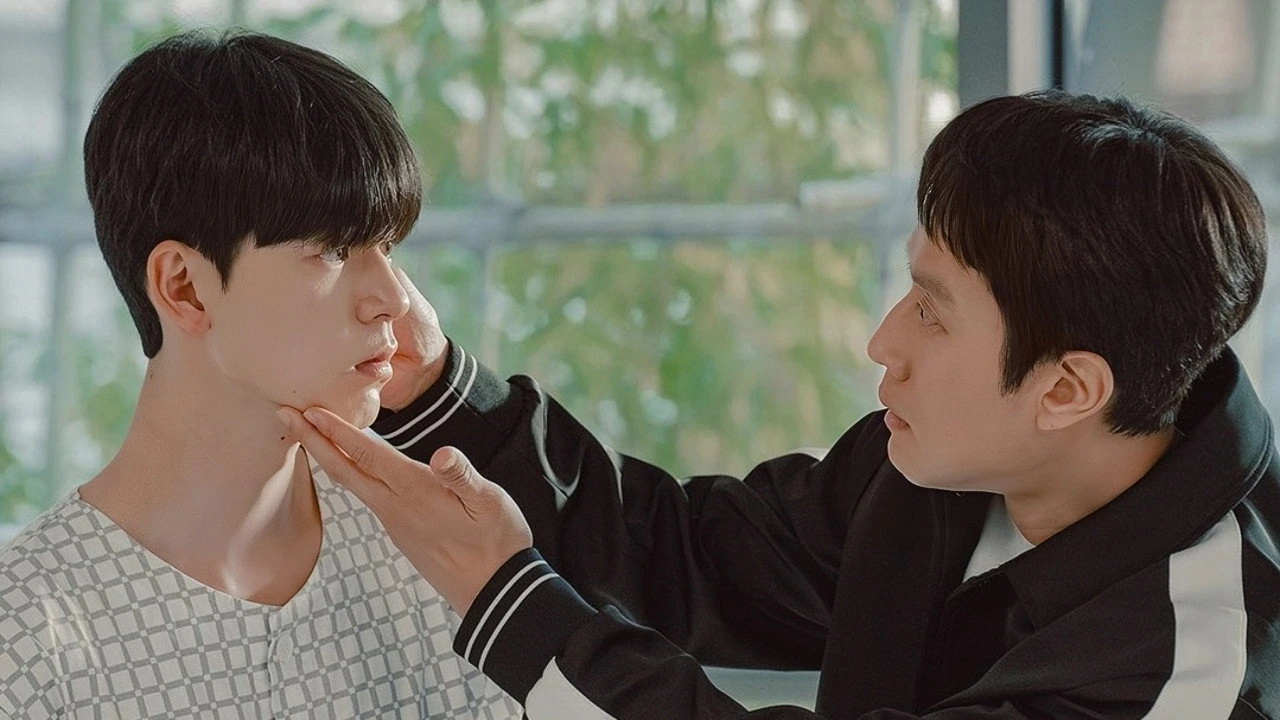
The pacing is the thing most likely to divide viewers. Writer Kim Ji Woo and director Park Chan Hong are in no hurry, and there are stretches — particularly in episodes five through nine — where the mystery seems to tread water rather than advance. The show is building emotional texture rather than plot velocity during these sections, and if you’re tracking clues on a spreadsheet you may find yourself frustrated. But if you’re watching for what the characters feel rather than what they find, those slower passages become the point. The investigation structure gives the show its framework; the relationship between Dong Joo and Kang San is its actual subject. That dynamic — an unlikely brotherhood between a broken adult and a supernatural child — has enough warmth and enough genuine tension to sustain the sixteen-episode run, even when the mystery mechanics aren’t pulling their full weight. It also positions Miraculous Brothers in a lineage of mystery dramas like Beyond Evil (2021) that use crime as a container for questions about identity and complicity rather than pure procedural satisfaction.
The finale sticks the landing precisely because it doesn’t reach for catharsis it hasn’t earned. The resolution of the central mystery is satisfying without being triumphant, the emotional payoffs are proportional, and Kang San’s arc — the most fragile element of the show throughout — is handled with the same care the drama has maintained from the beginning. If you gave it your patience, it gives you back something real. Not a perfect drama, but an honest one — and in a landscape full of shows that mistake spectacle for substance, that honesty counts for more than it might seem.
Fans of found-family and bromance dynamics
Supernatural mystery lovers with patience for slow burns
🎬 You Might Also Like
If you liked Miraculous Brothers, these are your next three watches.
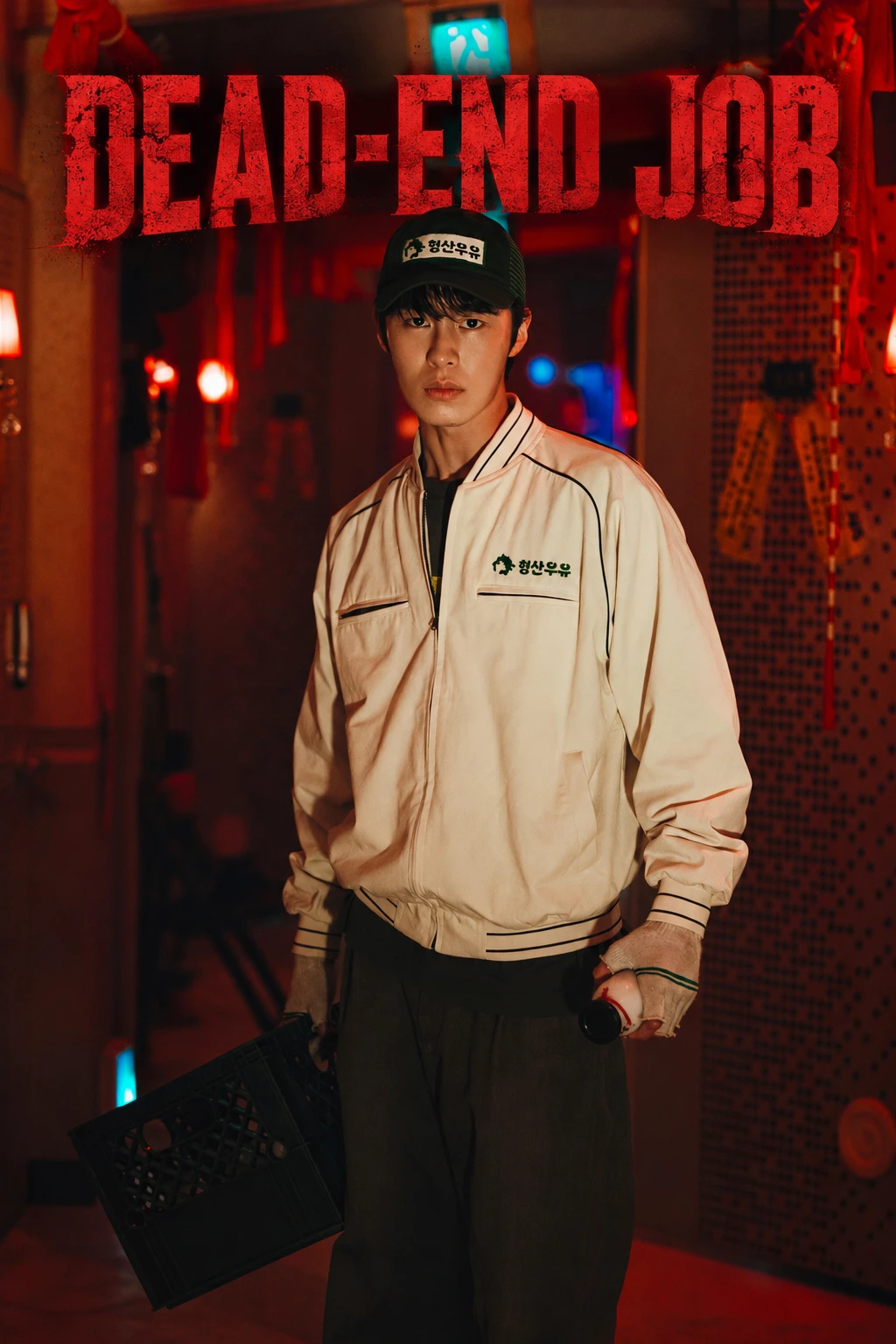 Dead-End Job
Black ComedyDebt
Read Full Review →
|
 Bitter Sweet Hell
Black Comedyblackmail
Read Full Review →
|
 The Ordinary Jackpot
Dramafantasy
Read Full Review →
|













Keep it kind, skip the harsh language, and please — no spoilers. Everyone's taste is different, and that's perfectly fine.
This space is for real reactions and discussion from other viewers. Help keep it comfortable for everyone by not giving away major plot details.
What do you think of this drama?
Login to share your review or leave a comment.
No email needed — just pick a username & password.