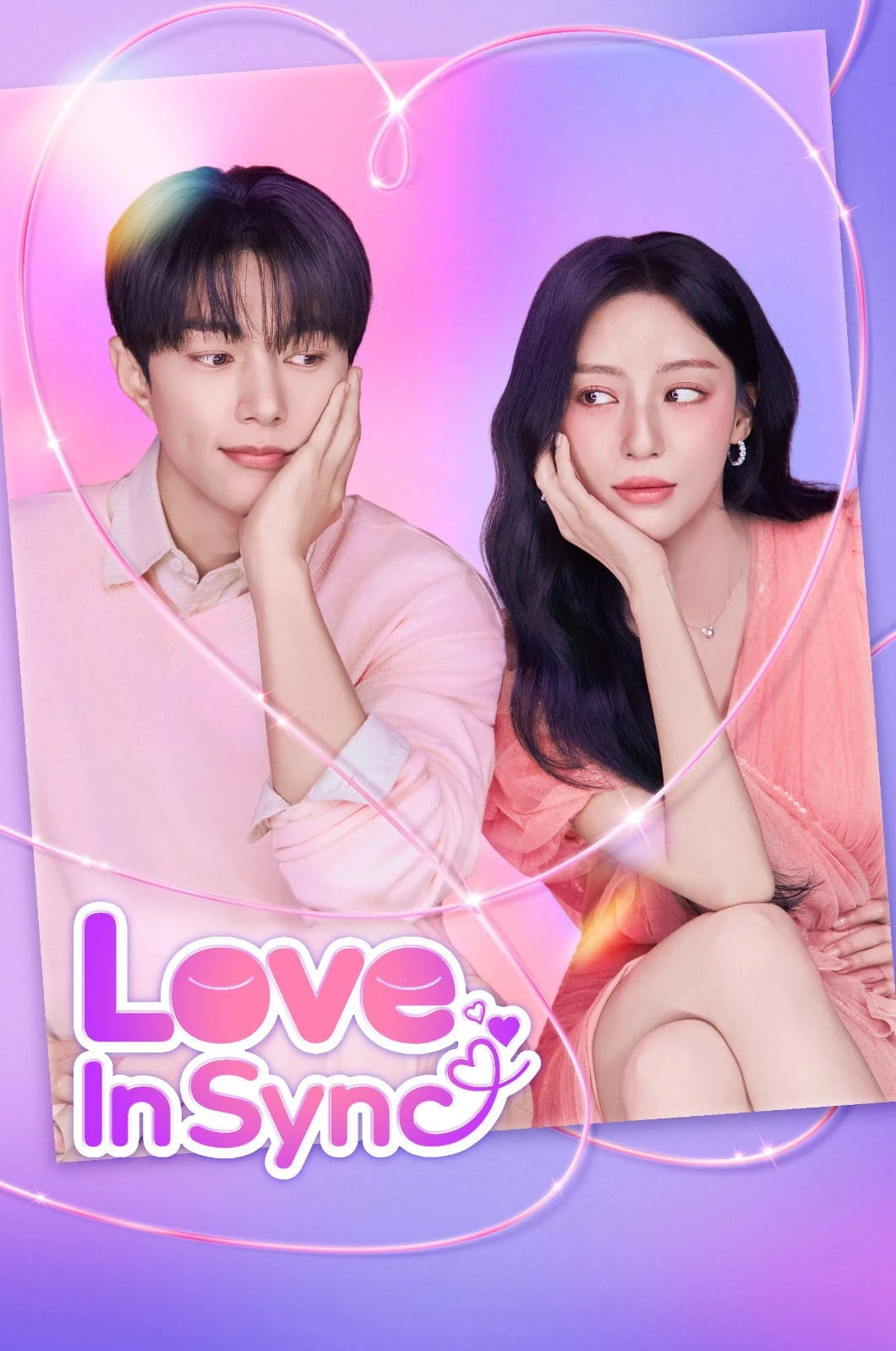
Love In Sync
📋 Drama Overview
The essentials — before you press play.
Yu Ji-an built a career on being looked at rather than believed, and it’s starting to catch up with her — a sharper rival is stealing her spotlight, and her agency’s fix is a mandated therapy session with Cha Eun-hwan, a counselor so attuned to other people’s pain that it’s begun to wear him down. Neither expects the session to end with them accidentally sharing each other’s feelings, but a badly timed power outage changes that.
What follows treats the fantasy premise as a diagnostic tool rather than a party trick — Ji-an gets access to the emotional range her acting has always lacked, Eun-hwan gets to feel someone else’s problems as often as he already absorbs everyone else’s, and the show spends its short season figuring out what happens when two people who’ve spent their lives avoiding feelings are suddenly forced to trade them.
⚡ Quick Verdict
Skip the scroll — here’s the verdict in one glance.
▶ Official Trailer
🎭 Cast & Characters
The cast bringing an emotionally chaotic body-swap premise down to earth.
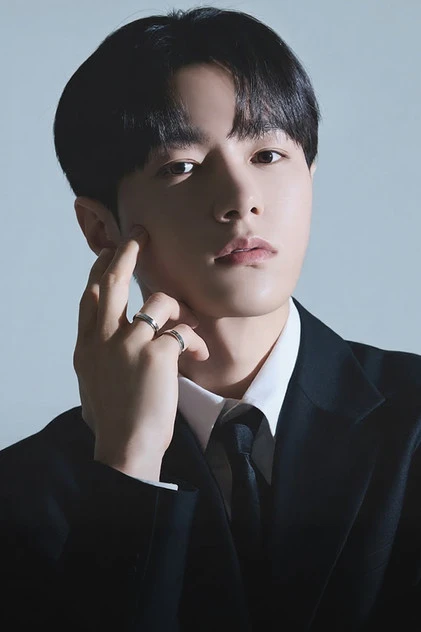
Lead

Lead

Supporting
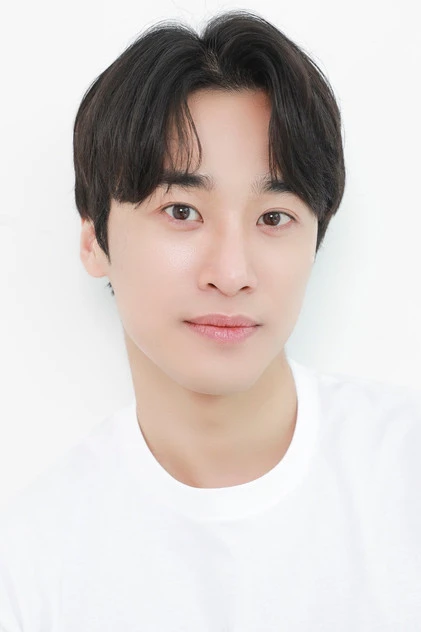
Supporting

Supporting

Supporting
📺 Episode Guide
Catch up fast — spoiler-light, episode by episode.

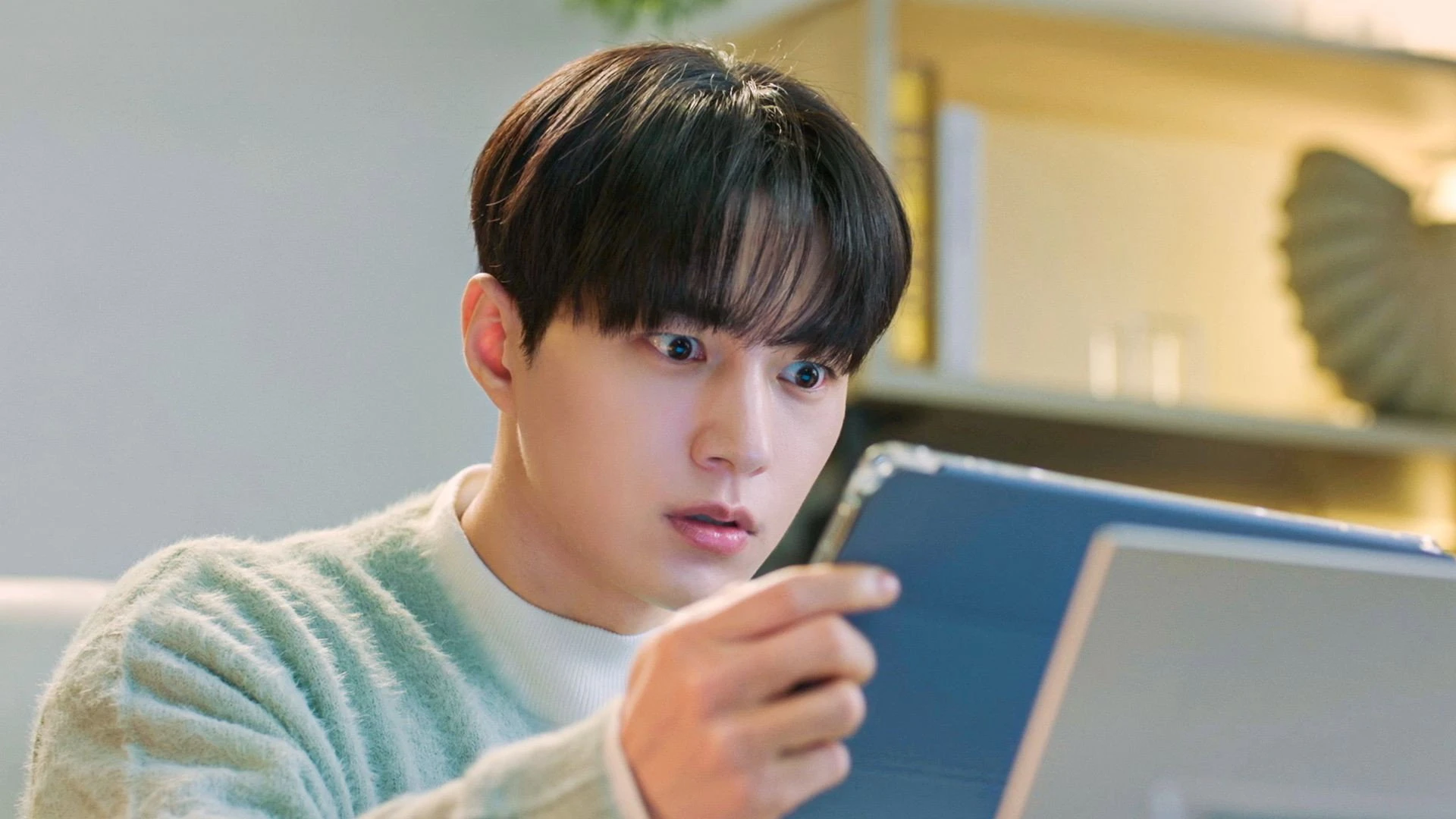
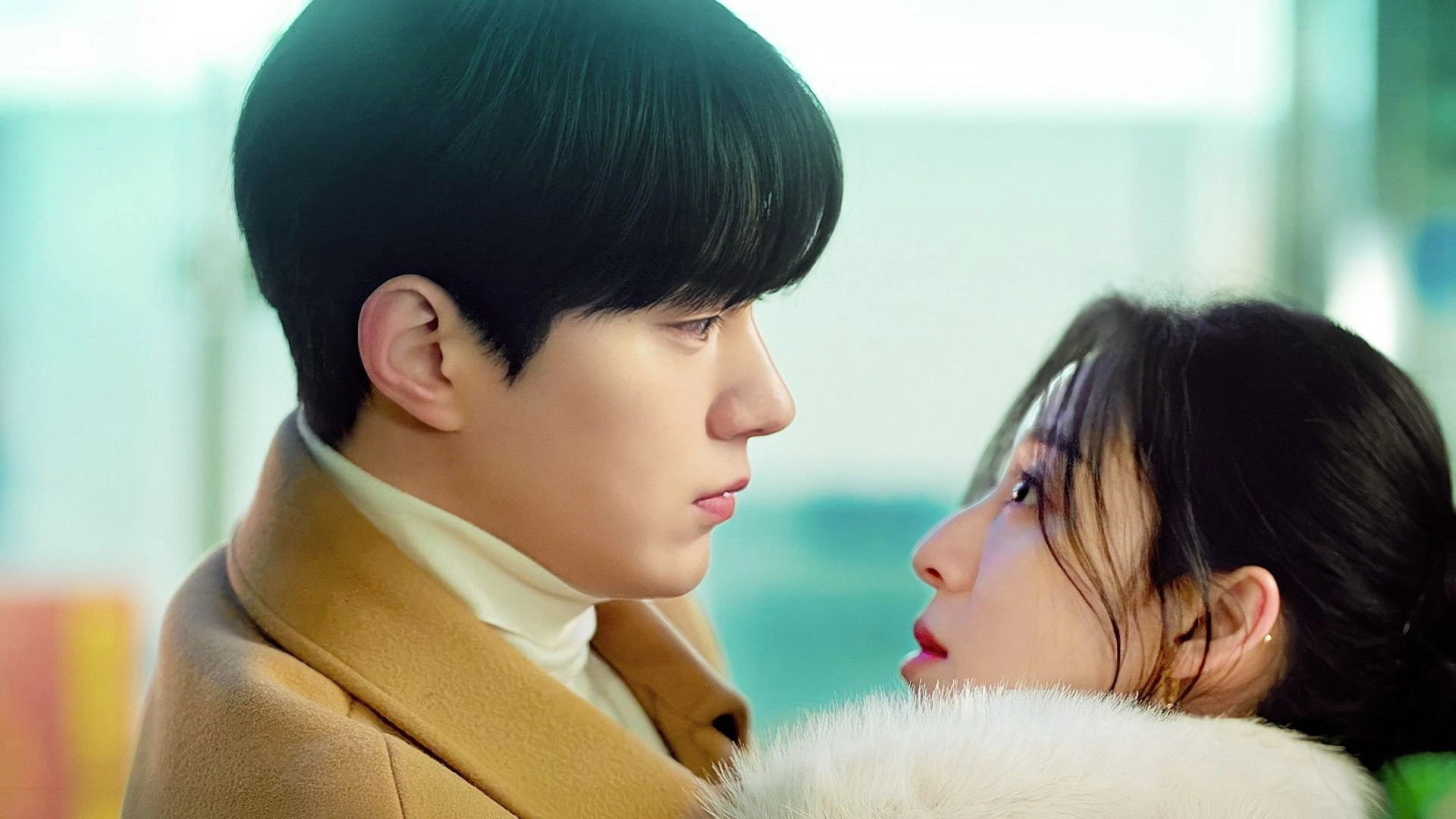
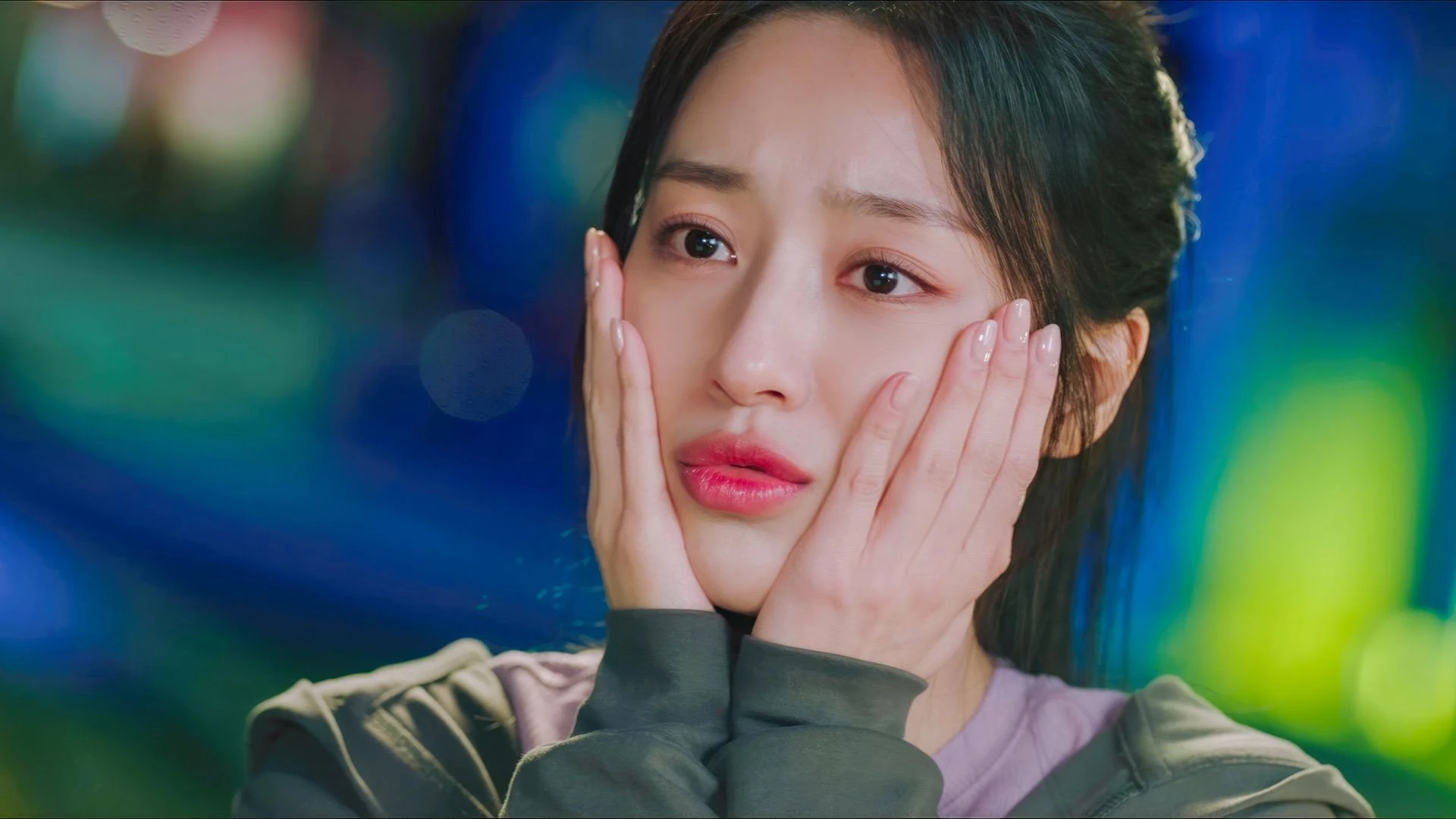
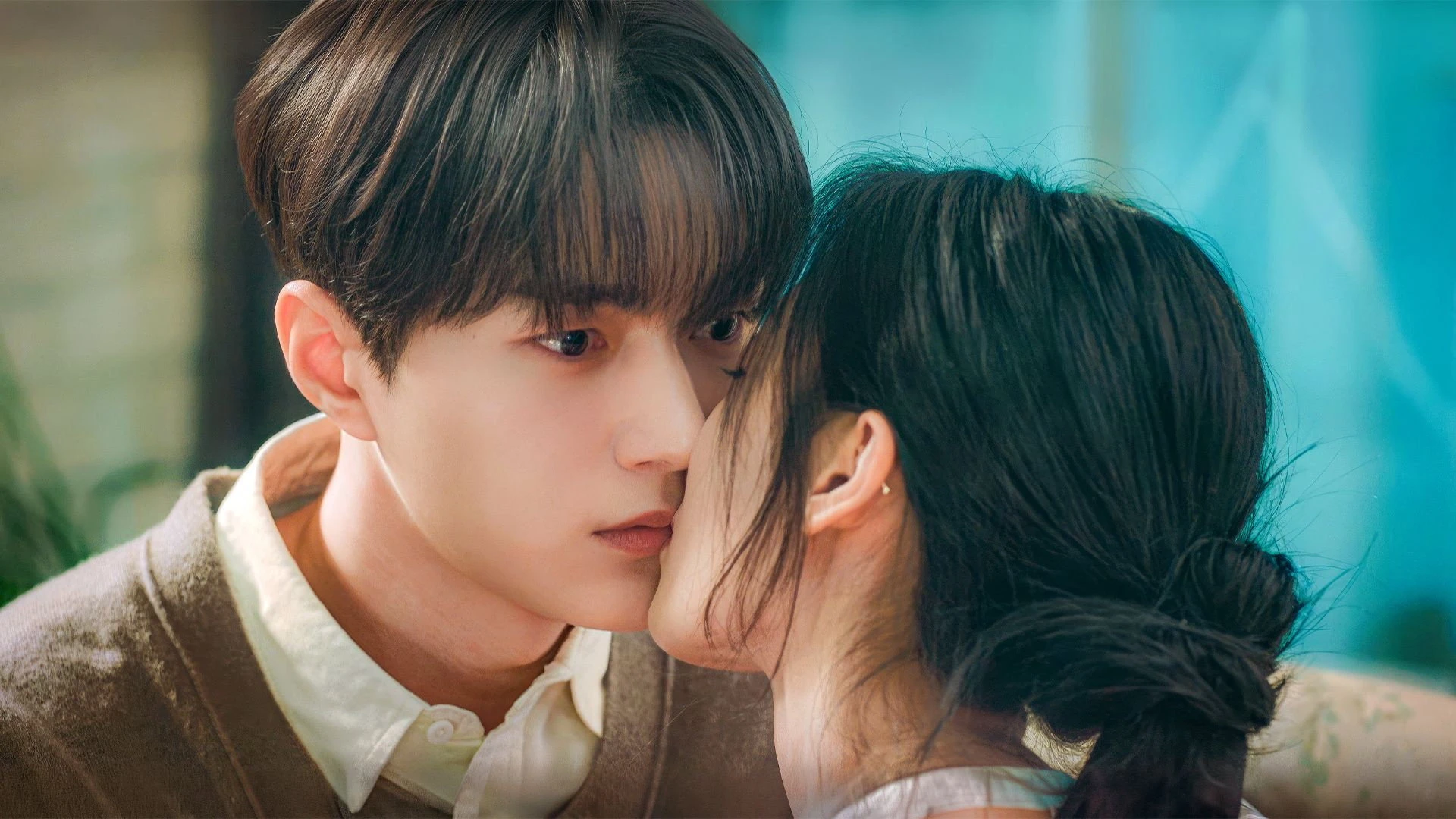
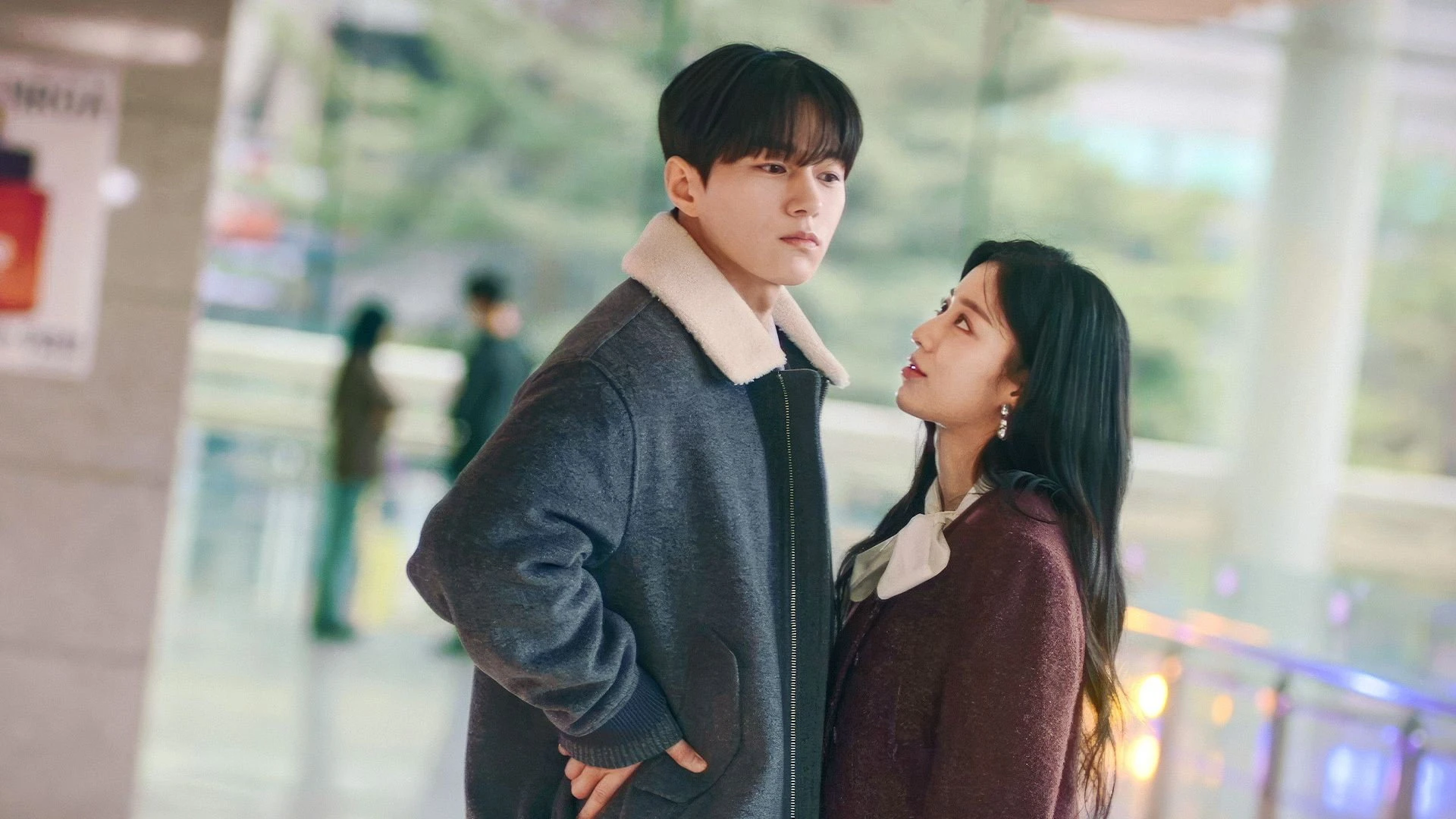
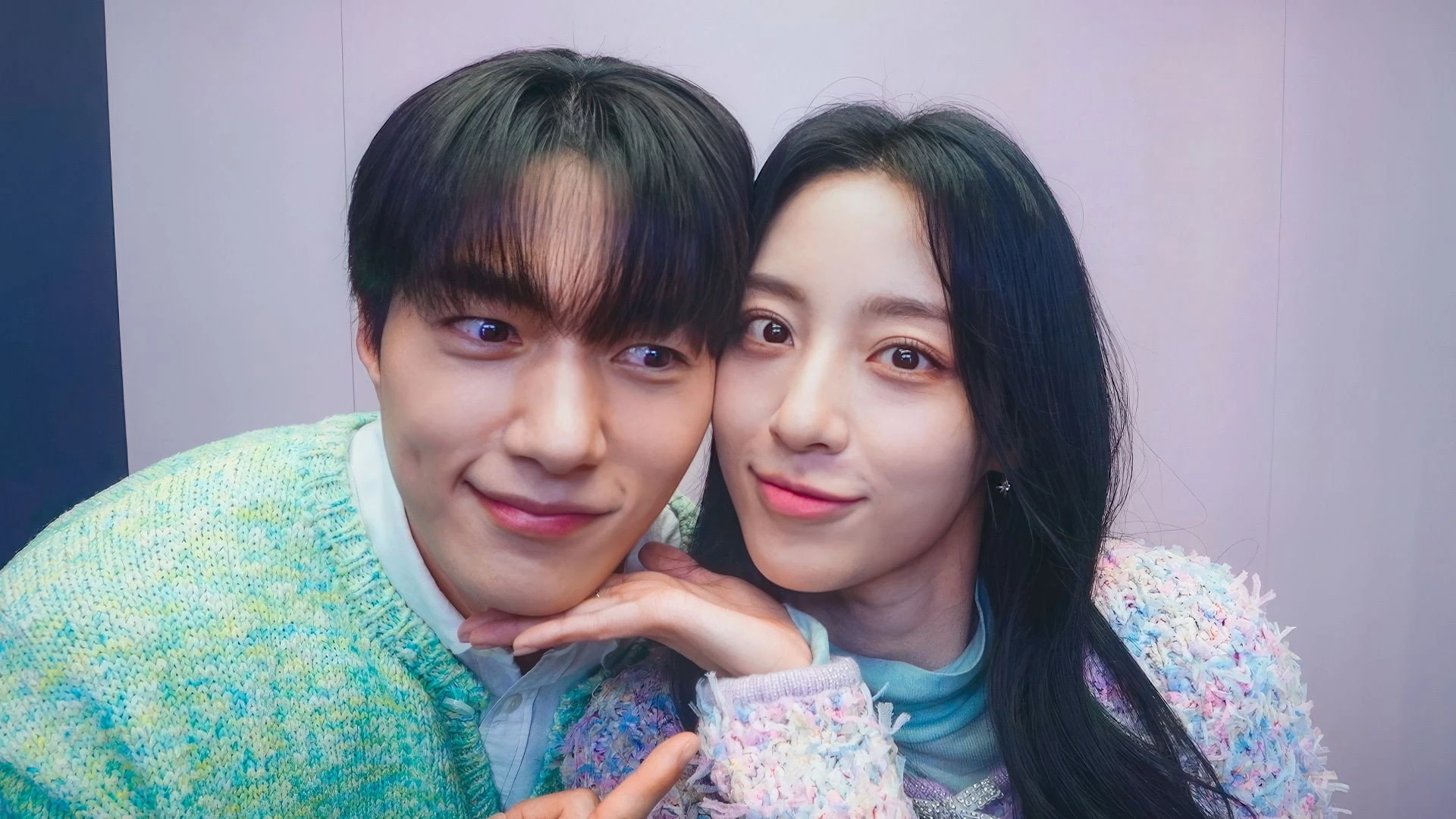
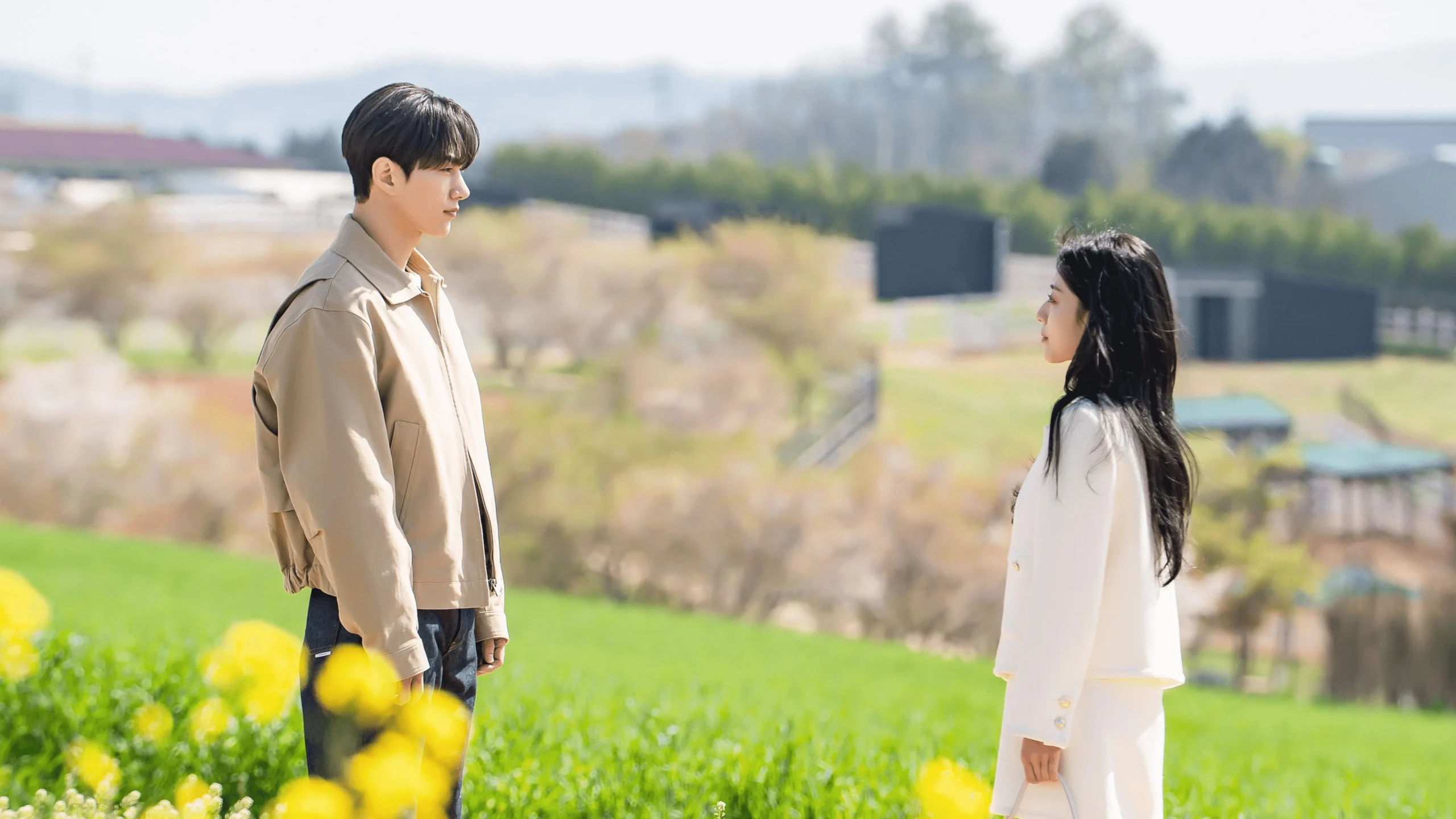
🏁 Ending Explained
The finale, unpacked in full. Consider yourself warned.
How the scandal actually unravels CEO Han Jung-sik, not a jealous rival or a random troll, turns out to be the architect behind the leaked video and the housing scam that nearly ended Ji-an’s career — orchestrated with help from her own mother, who’d been managing her out of resentment rather than protection. Once Eun-hwan’s investigation surfaces the paper trail, public opinion flips fast, and Ji-an doesn’t wait for an apology before cutting the contract that’s controlled her since childhood.
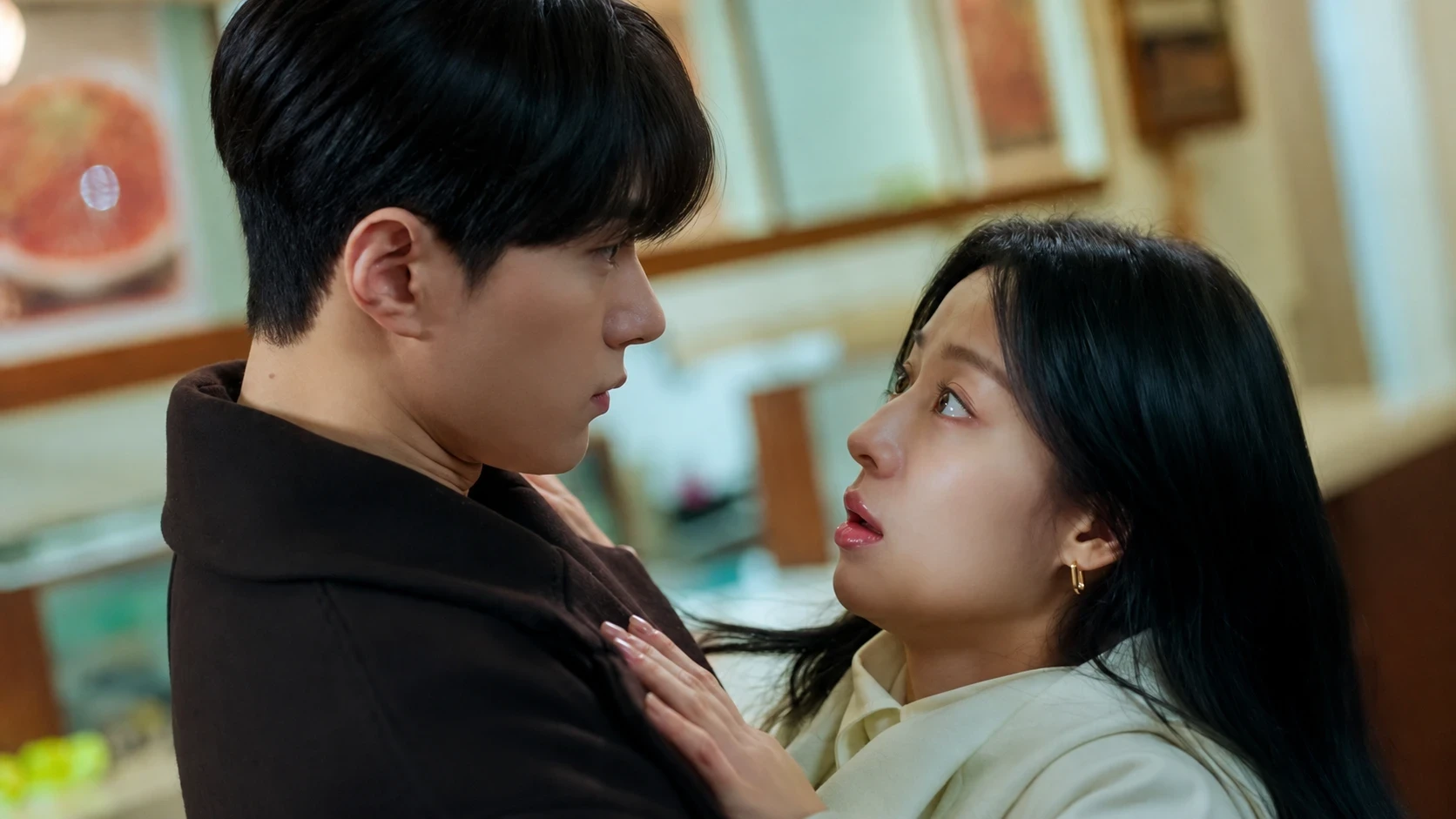
That reversal matters more than the plot mechanics suggest. For most of the season Ji-an’s career crisis and her strained relationship with her mother have been treated as separate problems — one professional, one personal. The finale collapses them into the same betrayal, which is why firing her mother lands as the bigger release than clearing her name does.
What the fire actually means The childhood fire that’s haunted both leads gets its full shape here: it was Eun-hwan’s father who pulled Ji-an out, not her mother, who let the lie stand for years rather than admit she wasn’t the one who saved her daughter. The reveal reframes Eun-hwan’s guilt — he’s spent the show believing his family’s tragedy is a debt Ji-an doesn’t know she’s owed, when the truth is closer to the opposite.
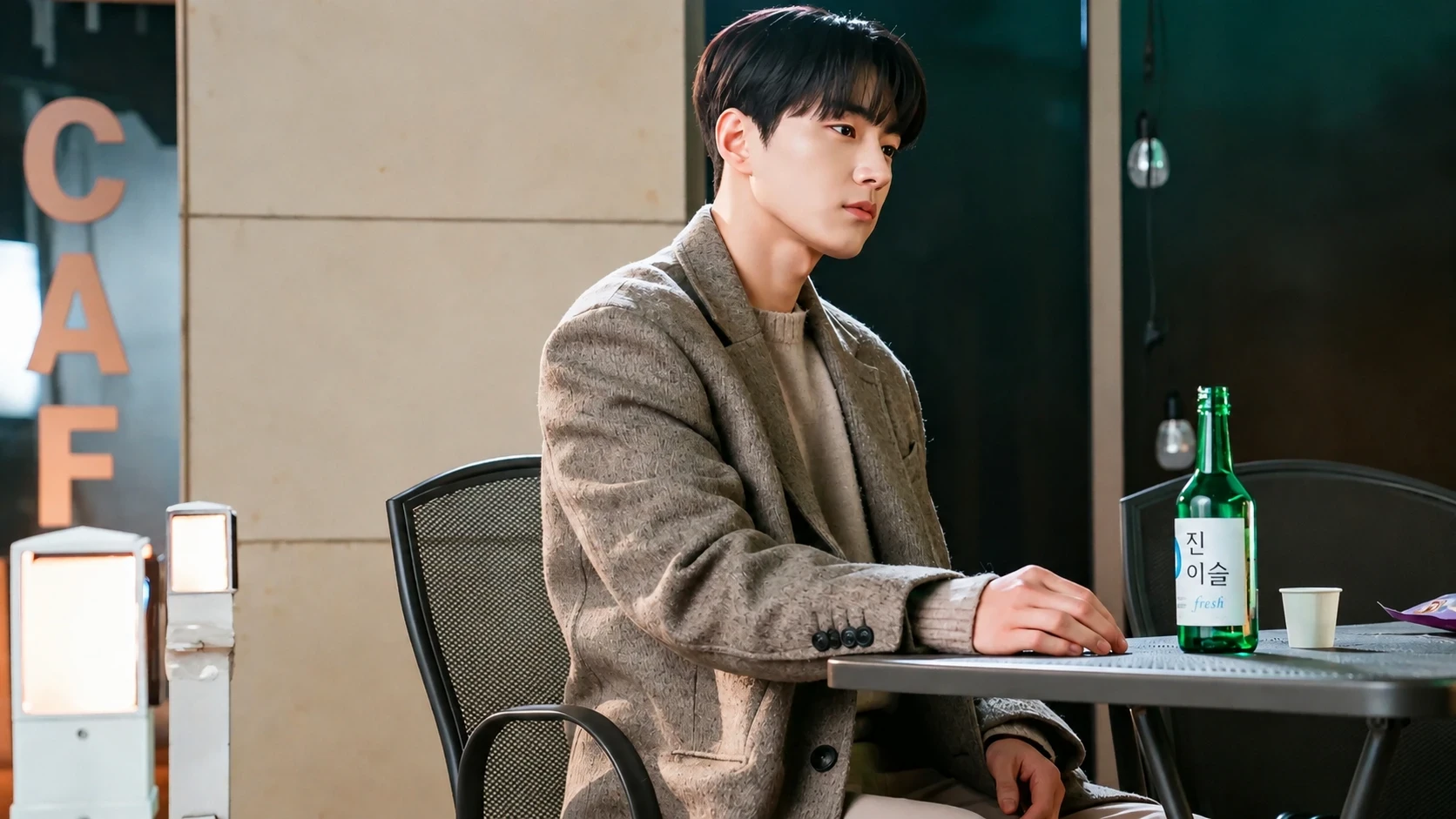
It’s a soap-opera-sized coincidence dressed up as fate, and the show leans into it rather than explaining it away — the emotional transference itself reads less like an unresolved supernatural glitch and more like the story’s blunt way of forcing two people who already share a trauma to finally talk about it.
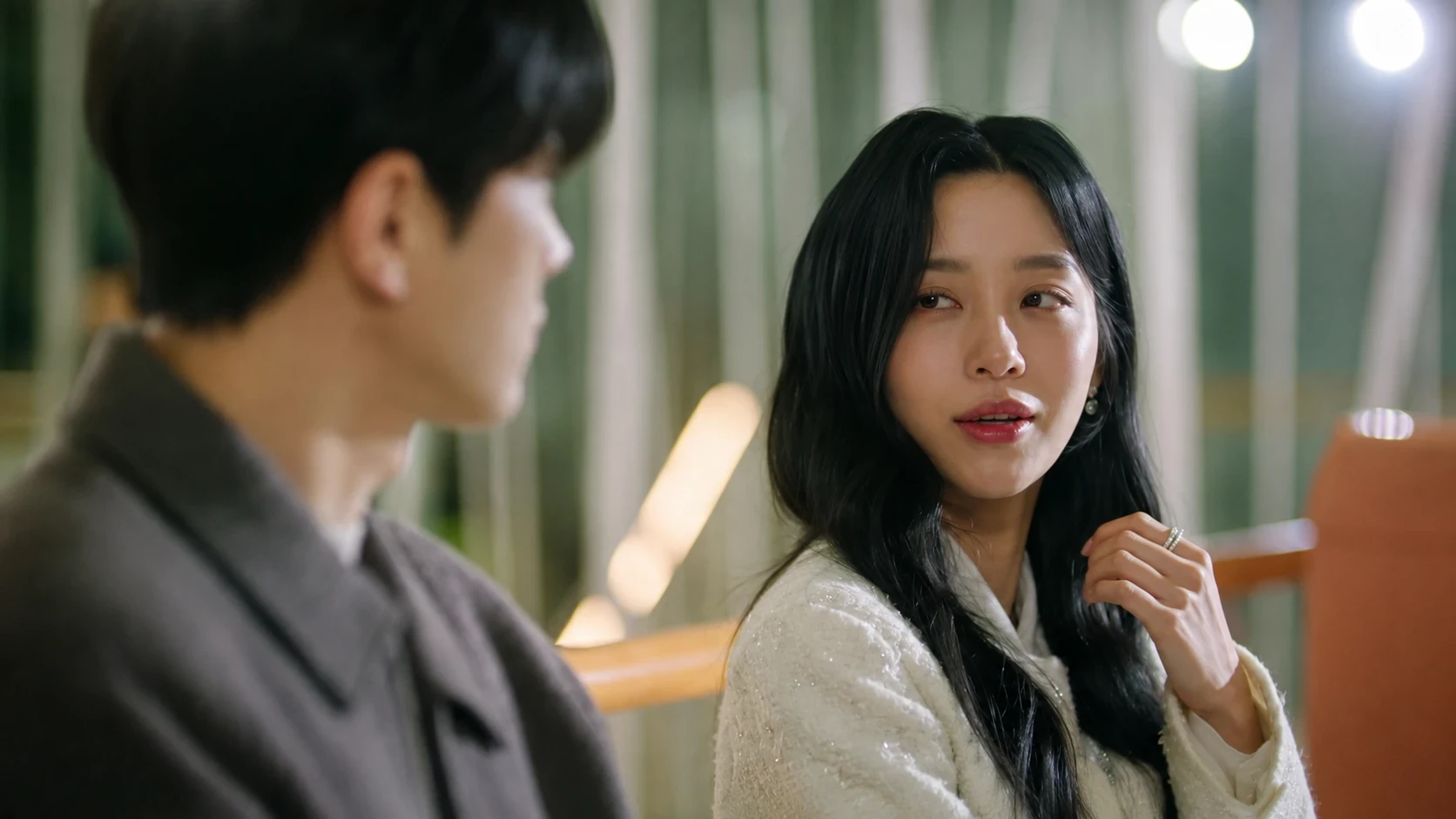
The KDW verdict The time jump to Ji-an’s award win and Eun-hwan’s reinstated license isn’t ambition so much as tidiness — the show closes every loose thread it opened, sister and niece included, rather than trusting the central reunion to carry the ending alone. It works because the transference fading out isn’t played as loss; two people who spent eight episodes literally feeling each other’s pain don’t need the gimmick anymore once they’ve said the things it was standing in for.
✍️ KDramaWorlds Editor’s Take
Our real opinion — worth the watch, and for who exactly.
Love in Sync’s central gimmick — two people accidentally wired into each other’s emotions — could have coasted on novelty alone, but the show keeps circling back to the actual cost of feeling too much or too little, which is a smarter question than the premise initially promises. It’s the same trick My Demon pulled off a season earlier: strand a supernatural mechanic in among two believable, flawed people, and the fantasy stops being the point.
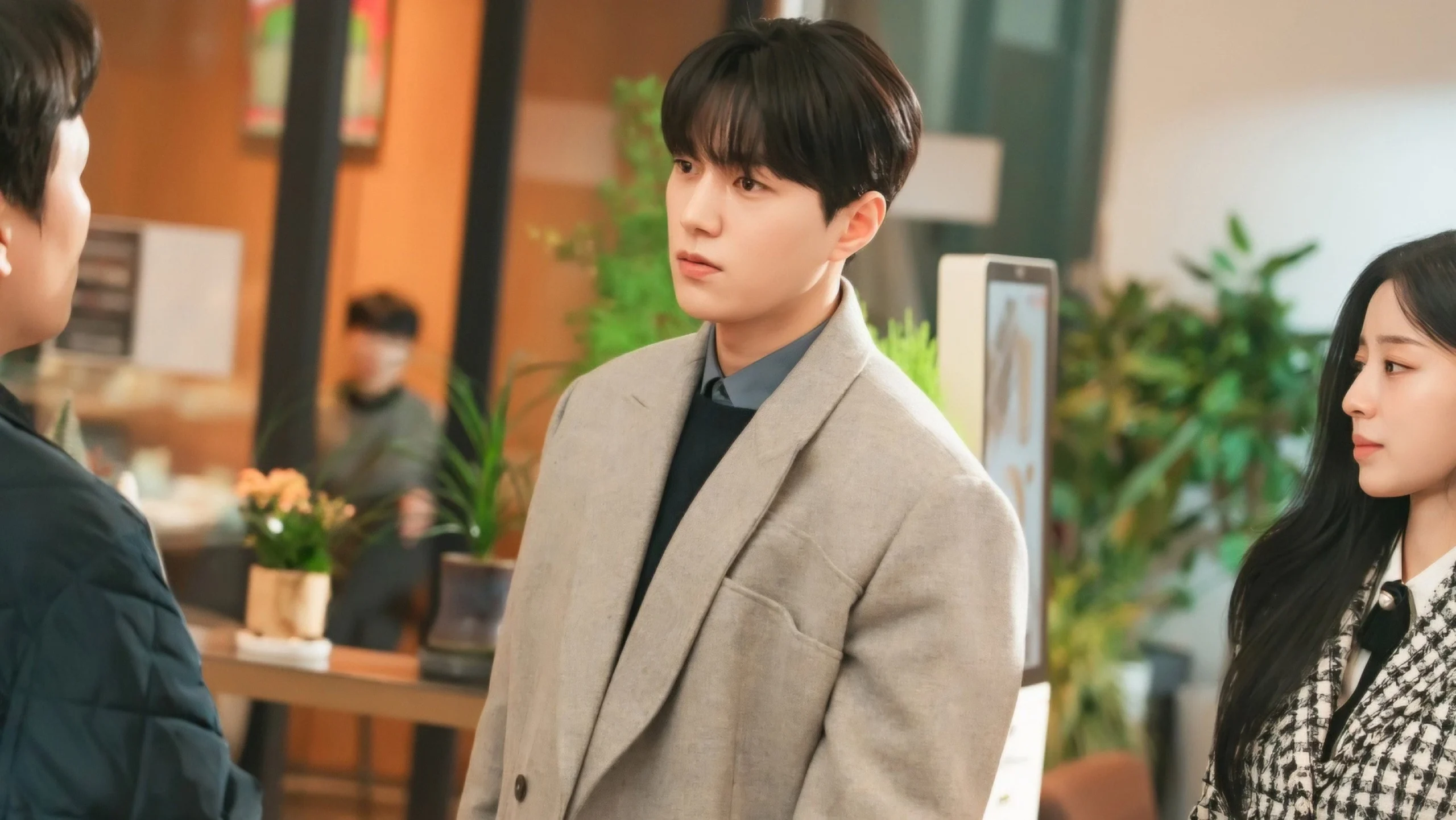
Kang Min-ah’s Ji-an is the more interesting performance of the two leads — an actress playing an actress who’s bad at faking emotion, which is a needle that could easily have been overplayed and mostly isn’t. L brings a quieter register to Eun-hwan, someone whose entire professional identity is built on absorbing other people’s pain, and the chemistry works because neither actor strains for the bit the way A Good Day to Be a Dog occasionally does with its own curse premise.
Eight episodes is a tight runway for a show carrying this many subplots — a scandal, a prison visit, a family betrayal, a literal house fire — and there are stretches where the pacing shows the seams. But the finale earns its reunion by actually resolving the mother-daughter wound instead of papering over it with the romance, which is more than a lot of eight-episode fantasy rom-coms bother to do.
🎬 You Might Also Like
If you liked Love In Sync, these are your next three watches.
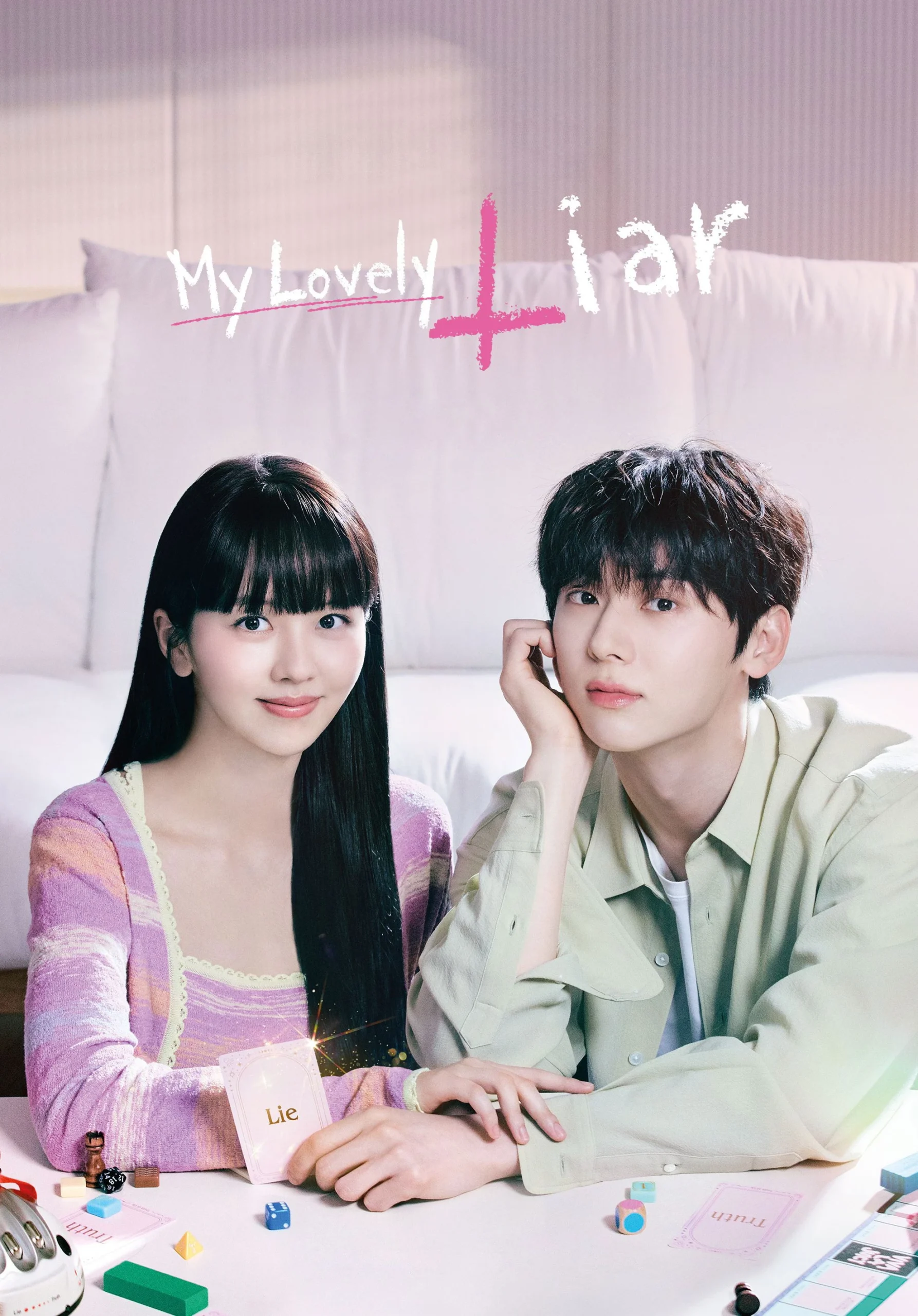
 Dream to You
AdulthoodChasing Dreams
Read Full Review →
|
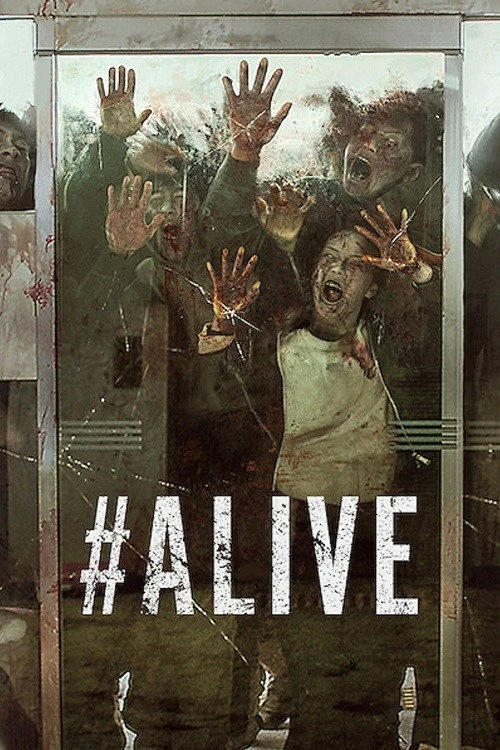
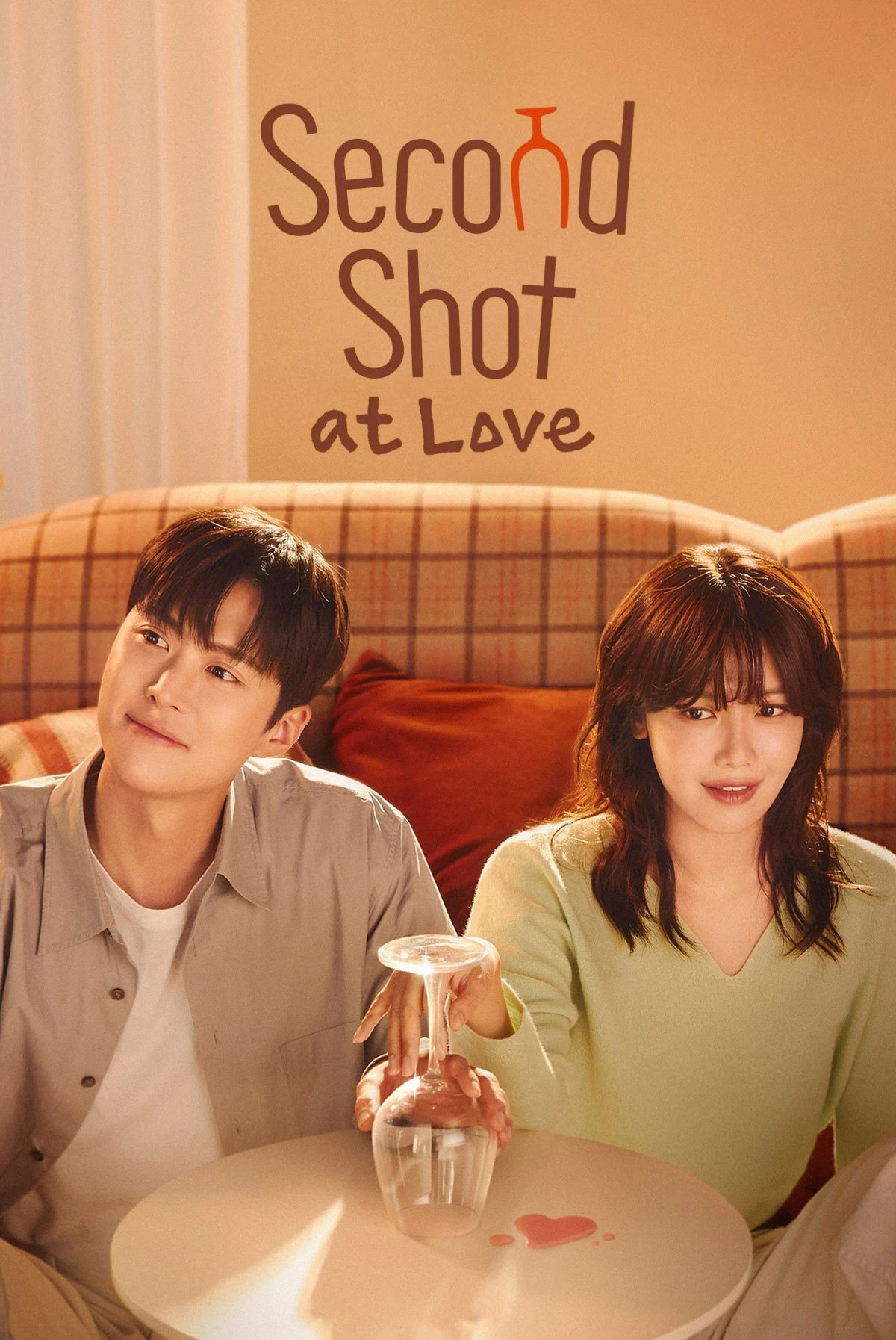 Second Shot at Love
Alcoholism RecoveryHealing
Read Full Review →
|
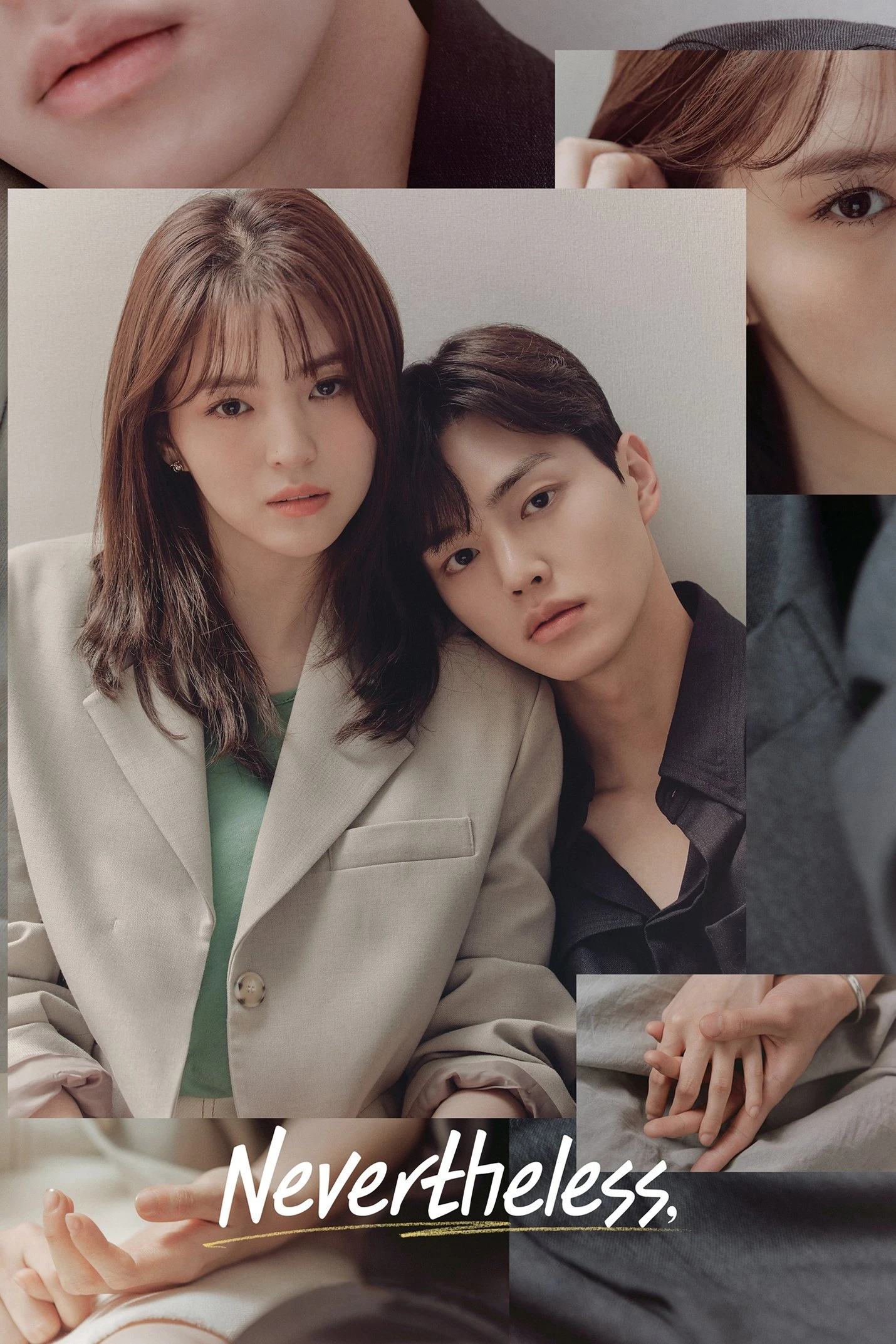
 Clean with Passion for Now
Age Gapfamily drama
Read Full Review →
|











Keep it kind, skip the harsh language, and please — no spoilers. Everyone's taste is different, and that's perfectly fine.
This space is for real reactions and discussion from other viewers. Help keep it comfortable for everyone by not giving away major plot details.
1 Comment
A badly timed power outage accidentally letting two people swap emotions during what was supposed to be a routine mandated therapy session is such a fun premise ⚡ — treating that swap as a genuine diagnostic tool instead of just a rom-com gimmick is what actually makes it work. Curious how everyone felt Ji-an and Eun-hwan changed once they’d felt what the other one was carrying.
What do you think of this drama?
Login to share your review or leave a comment.
No email needed — just pick a username & password.