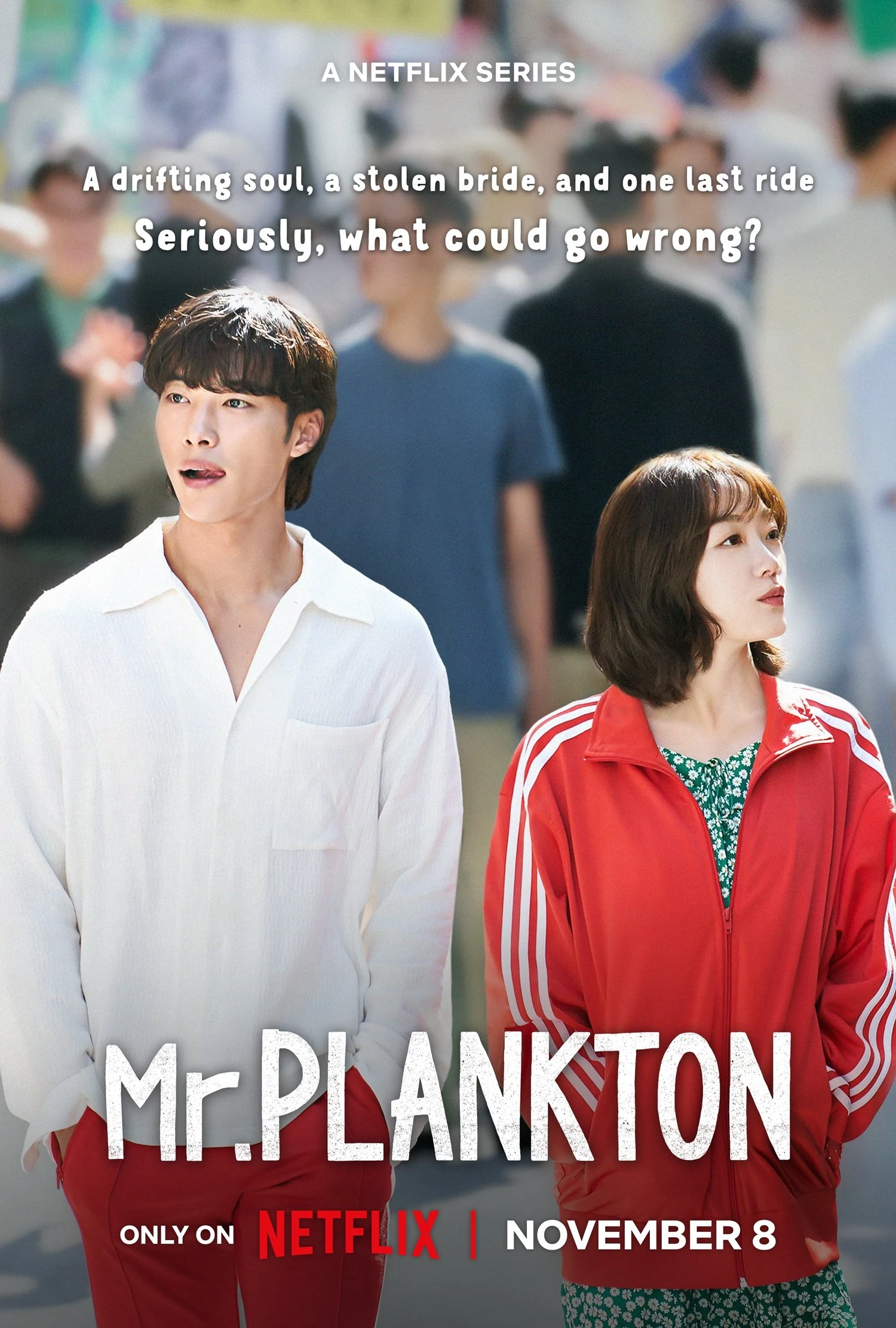
Mr. Plankton
🎬 Netflix
⭐ 8.6 MDL
📺 15+
📋 Drama Overview
💗 Healing Romance Pick
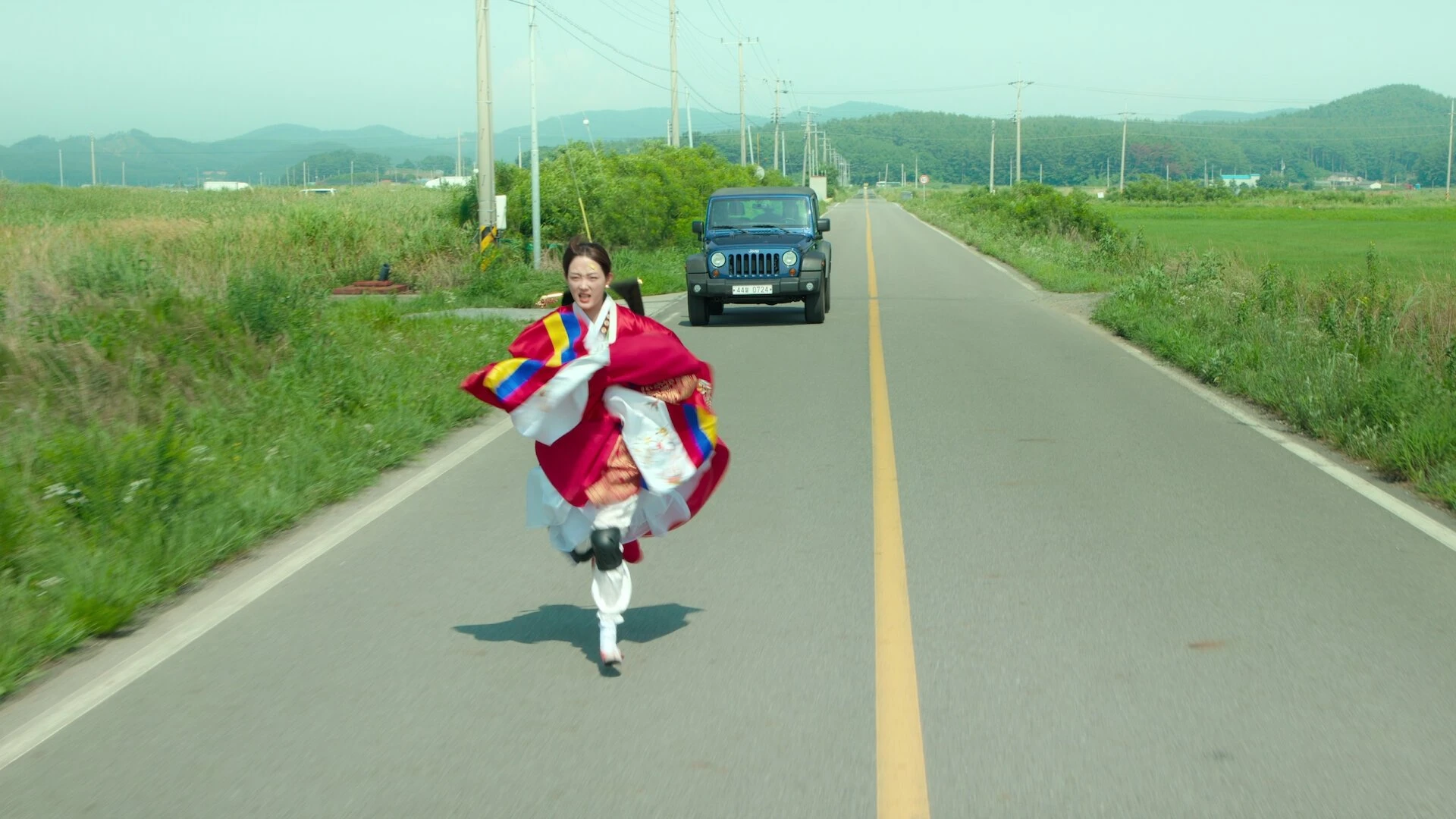
Hae-Jo drifts. He’s been drifting his whole life — hired to run other people’s errands, belonging to no particular place, carrying the specific low-grade grief of someone who was never given a reason to plant roots. Then a doctor tells him he has three months to live, and even that arrives with terrible timing: in the same hospital waiting room that same afternoon is his ex-girlfriend Jae-Mi, learning news that mirrors, almost cruelly, the worst thing he ever said to her in anger.
What follows is a road trip that only works because neither of them knows how to say no to the other. It isn’t quite a love story. It isn’t quite a farewell. It’s two people who already know each other’s worst qualities driving toward something that probably won’t fix anything — and finding, in the drift itself, something they didn’t know they were still looking for.
10 / 10 ✅ Completed
⚡ Quick Verdict
Everything you need to decide, in one place.
MDL Score · Check MyDramaList for updated community rating
▶ Official Trailer
🎭 Cast & Characters
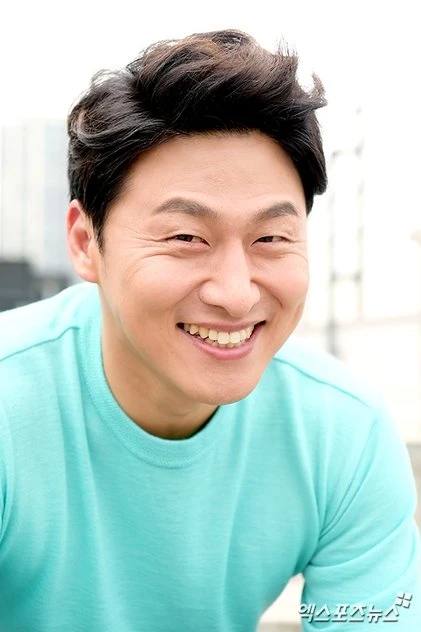
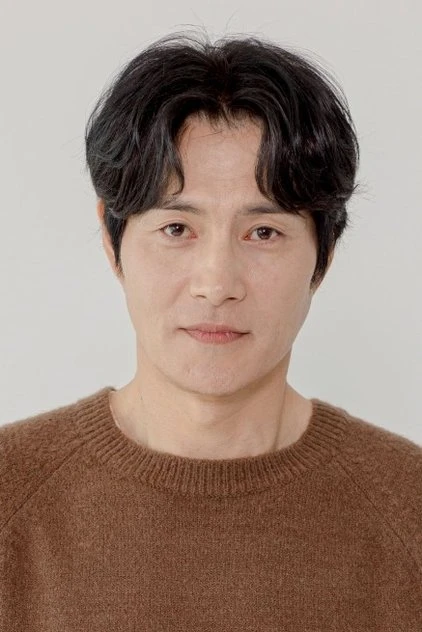
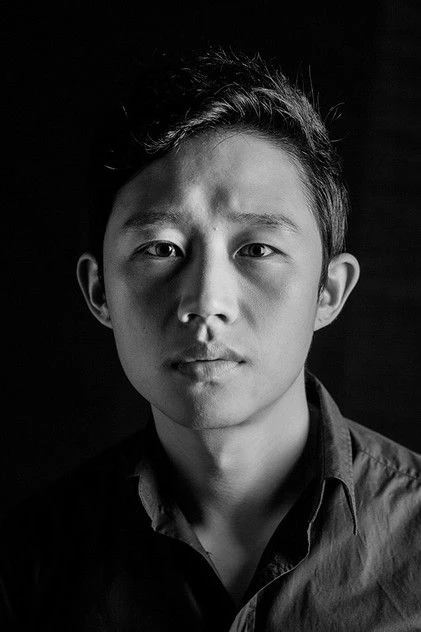
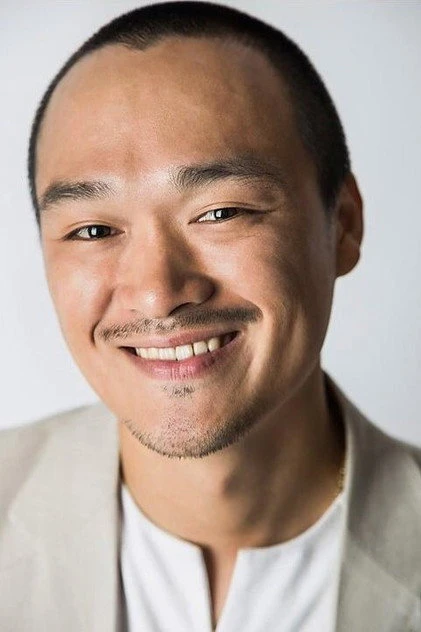
Woo Do-hwan and Lee You-mi lead a cast that turns a road trip premise into an emotional reckoning.

Lead

Lead

Supporting
Supporting

Supporting
Supporting
Supporting
Supporting

Supporting
Supporting
Supporting
Supporting
📺 Episode Guide
Episode-by-episode, spoiler-light — a refresher, not a rewatch.
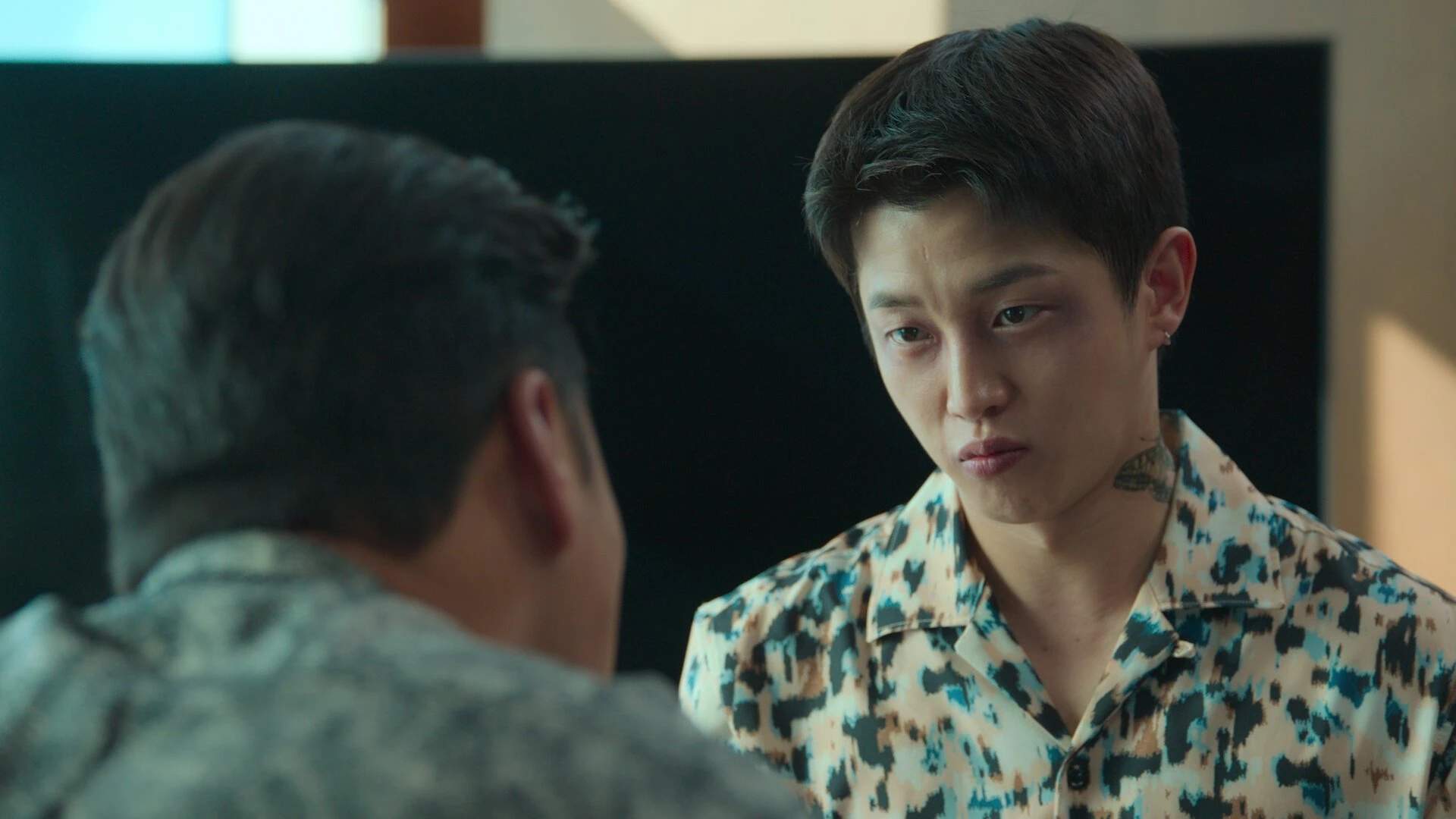
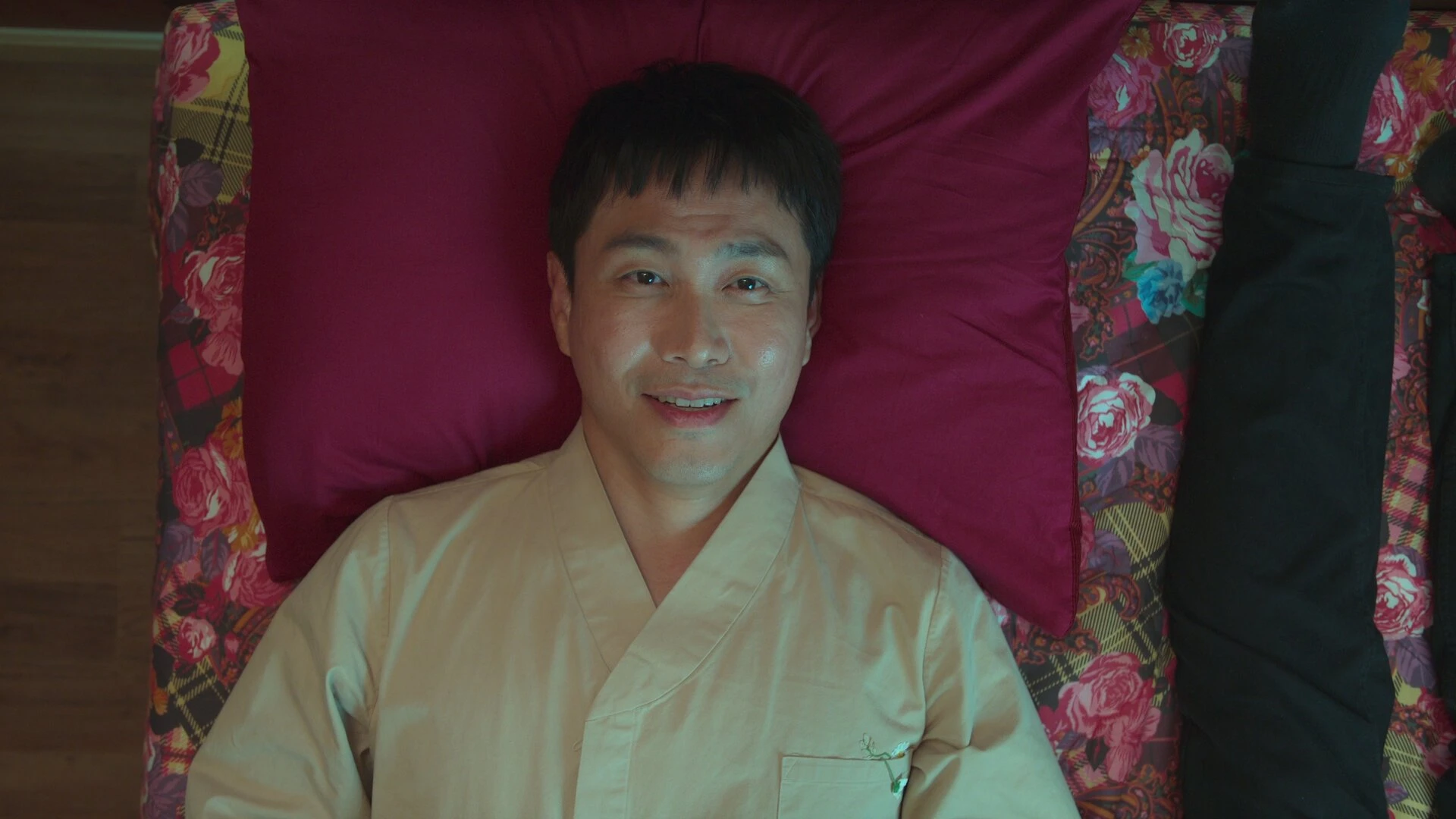
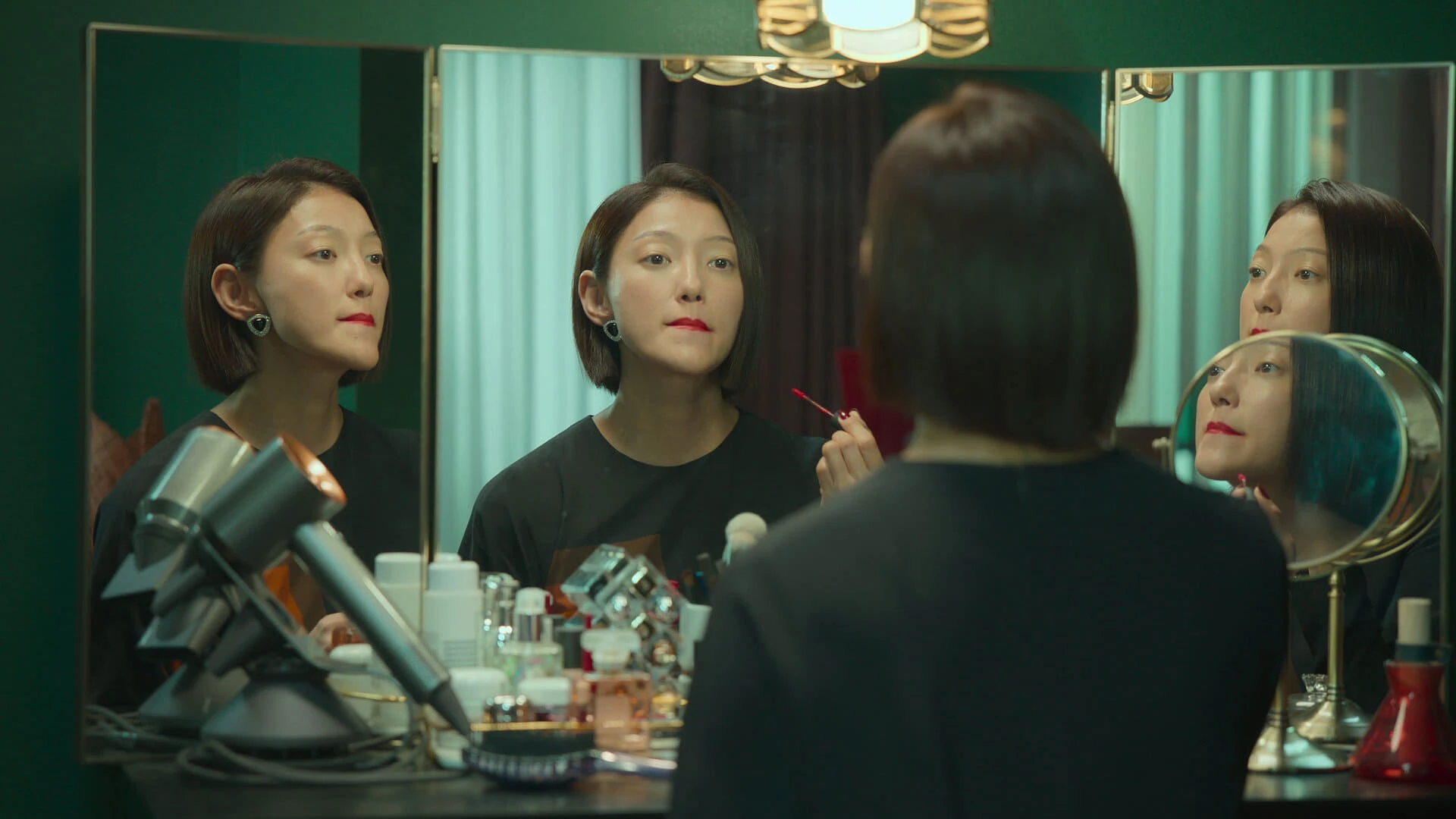
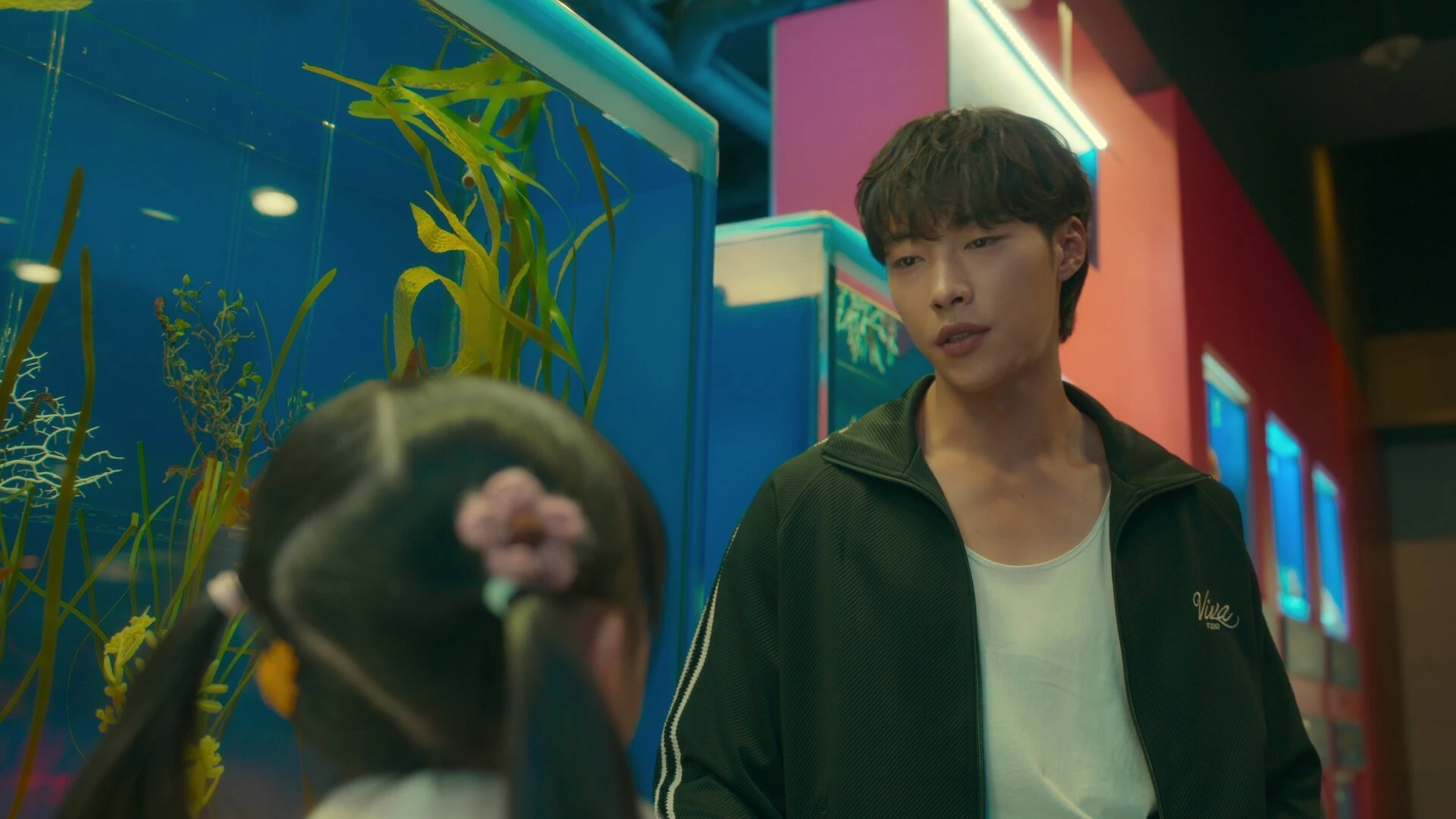

🏁 Ending Explained
The finale, explained in full. Spoilers ahead.
Spoiler Warning — This section covers the full finale of Mr. Plankton. Stop here if you haven’t finished the series.
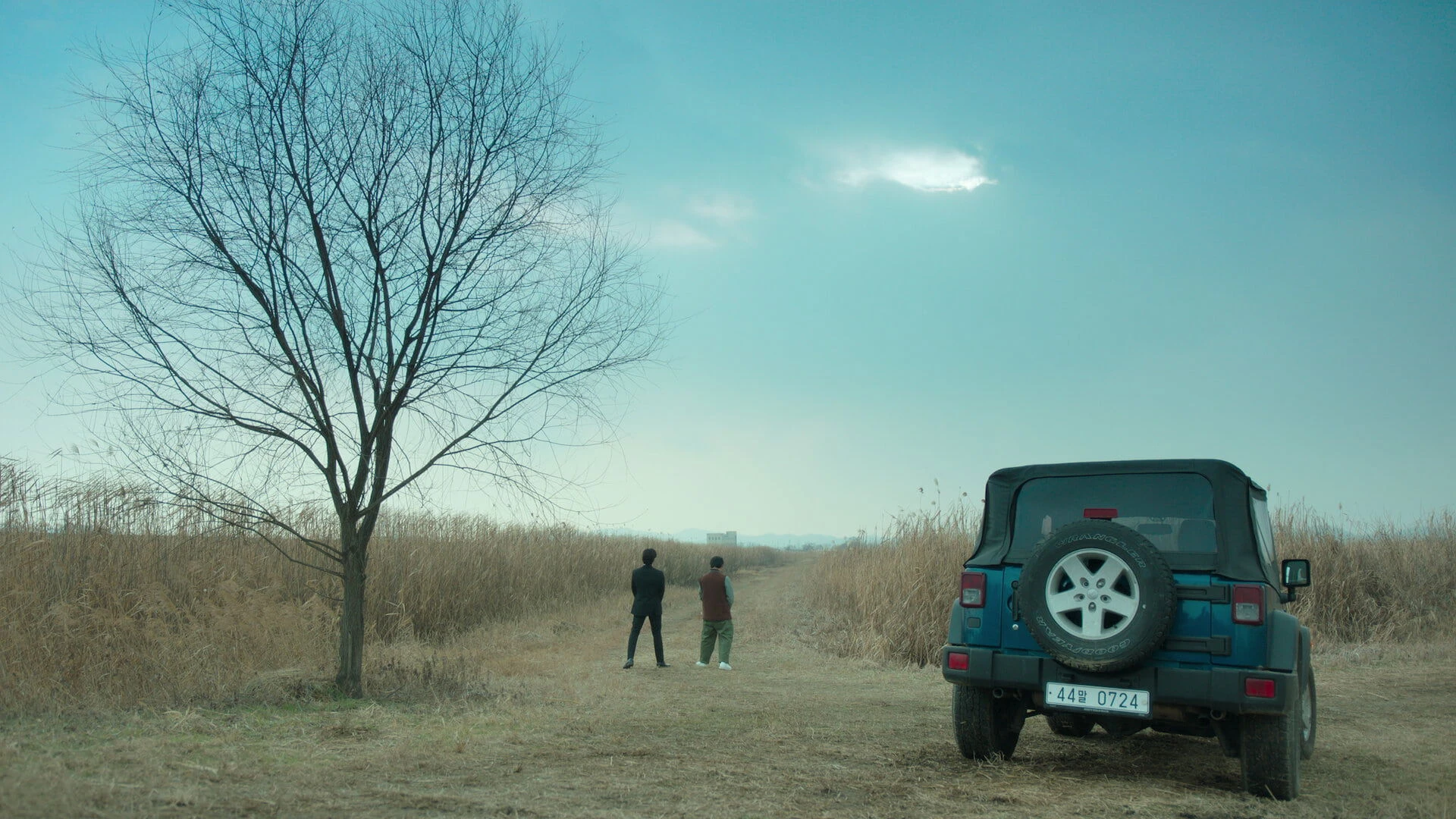
The Father’s Room. Choi Yeong-Jo’s bedroom — the one kept frozen at the age Hae-Jo was when he left — is the ending’s most precise emotional detail. Not a memorial. An apology sent to no one. Yeong-Jo abandoned Hae-Jo at age 8 under a false certainty he carried for decades, then spent thirty years knowing he was wrong and doing nothing about it, except keeping the room exactly as it was. When Hae-Jo stands there, the apology is in the furniture. What Yeong-Jo couldn’t say in words is already written in the unchanged wallpaper, the preserved evidence of a son he chose not to return to. Their embrace — two men crying through something neither had rehearsed — doesn’t resolve the abandonment. It acknowledges it, which is a different thing, and in Mr. Plankton’s world, it is enough.

The Half-Sister’s Closure. Hae-Jo’s half-sister is a minor figure in the last act, but her function is precise: she is the one who went looking for a brother she’d never met, who set part of this final arc in motion simply because she thought a sibling deserved to be found. Her closure is quiet — she learns her father might choose differently now. The show is careful not to promise transformation; it promises intention, which is a more honest thing.
Eo-Heung’s Release. Eo-Heung walks away from Jae-Mi, from his mother’s expectations, and from the rescue-reflex that defined every version of himself he’d ever tried to inhabit. Walking toward the wilderness-and-adventure life he’d always suppressed isn’t heartbreak — it’s the first thing Eo-Heung has ever done entirely for himself. Oh Jung-se plays the release with a kind of surprised quiet, like a man who braced for grief and found relief instead.
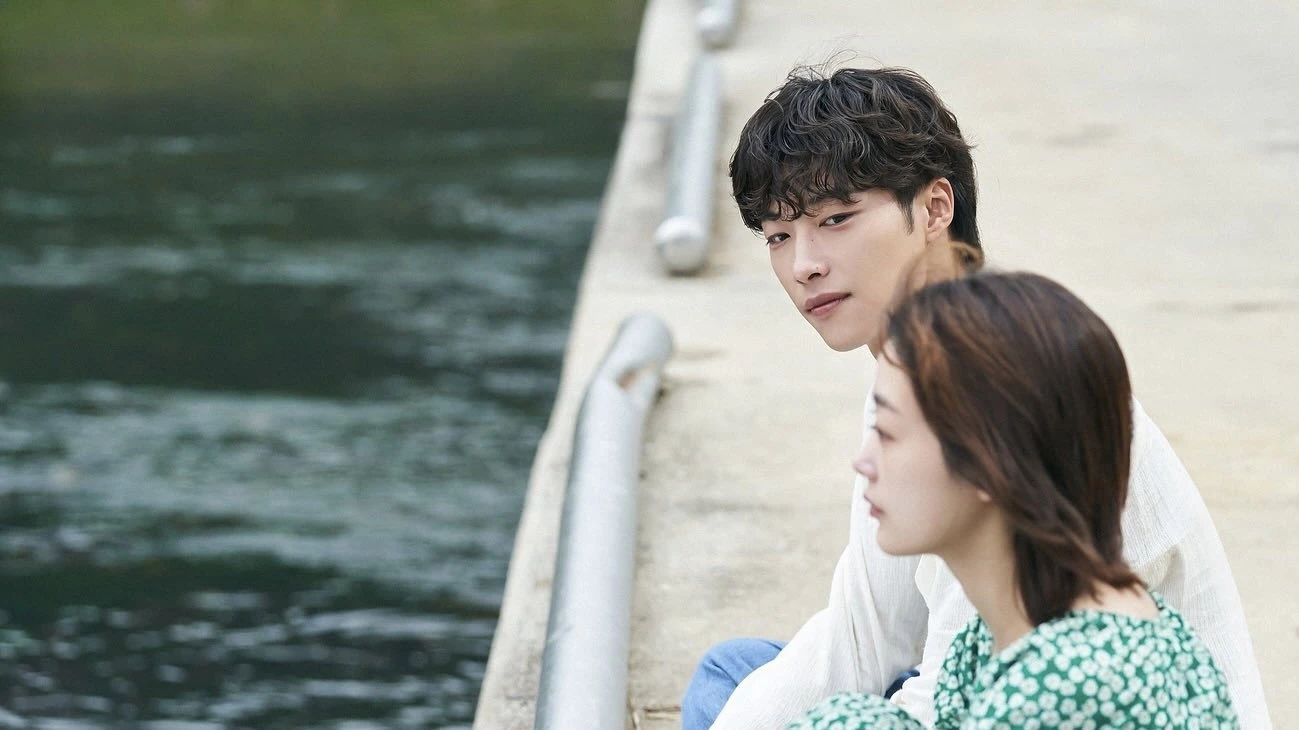
The Death Scene. Hae-Jo’s one actual wish was never the father. It was the location. Outdoors. Open sky. Not a hospital room. With Jae-Mi beside him. The show delivers this exactly, and it makes a specific, unsentimental argument with the choice: that dying in the conditions you chose, with the person you chose, is its own form of belonging. For a man who spent his life drifting, that is enough of a place.
The Four-Leaf Clover. The final image is Hae-Jo finding a four-leaf clover — planted throughout the drama as his private antidote to the bad luck he believed was his inheritance from birth. Whether it means survival, afterlife, or simply the show’s last stubborn refusal to confirm his self-assessment, the effect is the same: a man who spent thirty years certain he was cursed ends the series holding evidence of something else. Jae-Mi walks forward. Not into collapse — into continuation. She doesn’t transform. She continues, which is what she learned on the road.

✍️ KDramaWorlds Editor’s Take
Straight talk on whether this one’s worth watching, and for who.
🚗 Road Trip
😂 Dark Humor
💔 Healing Journey
🌿 Found Family
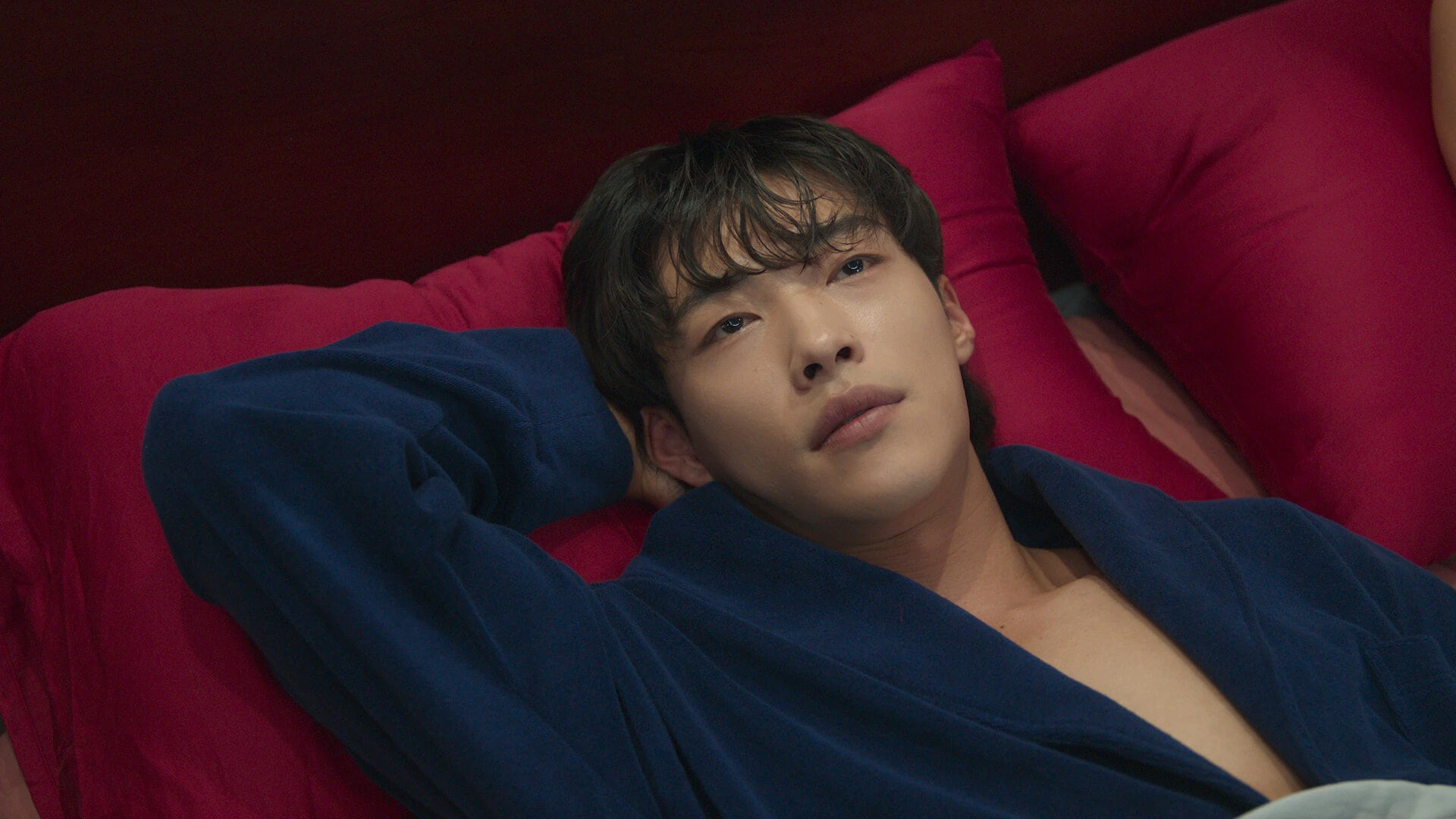
Woo Do-hwan’s career has been defined by controlled menace — Mad Dog, The King: Eternal Monarch, roles where his stillness reads as coiled rather than at rest. Hae-Jo requires something fundamentally different: a man whose easiness is a long-developed defense against the specific pain of never having been chosen. Do-hwan gets this right through small physical choices. Hae-Jo never fully settles into a space — always positioned slightly toward the exit, always sitting as if unsure whether he was invited to stay. The terminal diagnosis doesn’t change this quality. It just gives the audience the name for what they’ve been watching. For a similar emotional register where a lead actor lets vulnerability do the structural work, the comparison that comes to mind is My Youth (2025) — though that drama commits more fully to its central couple far earlier in the run.
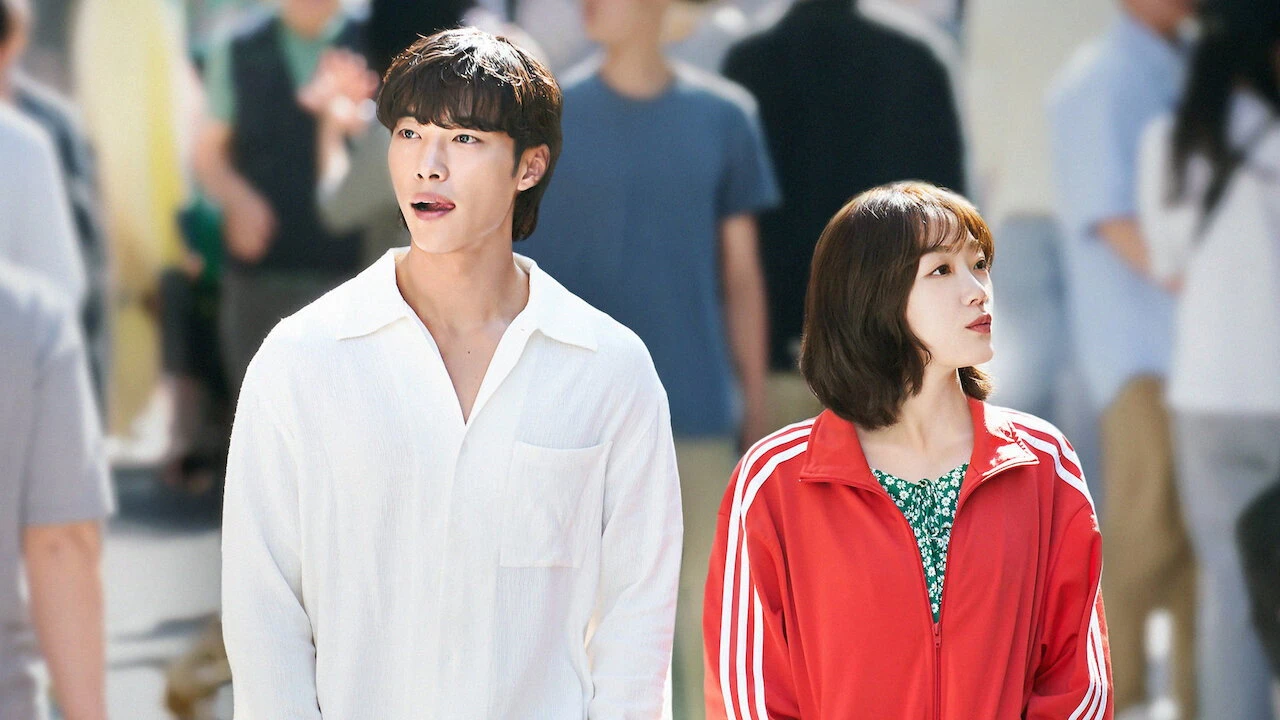
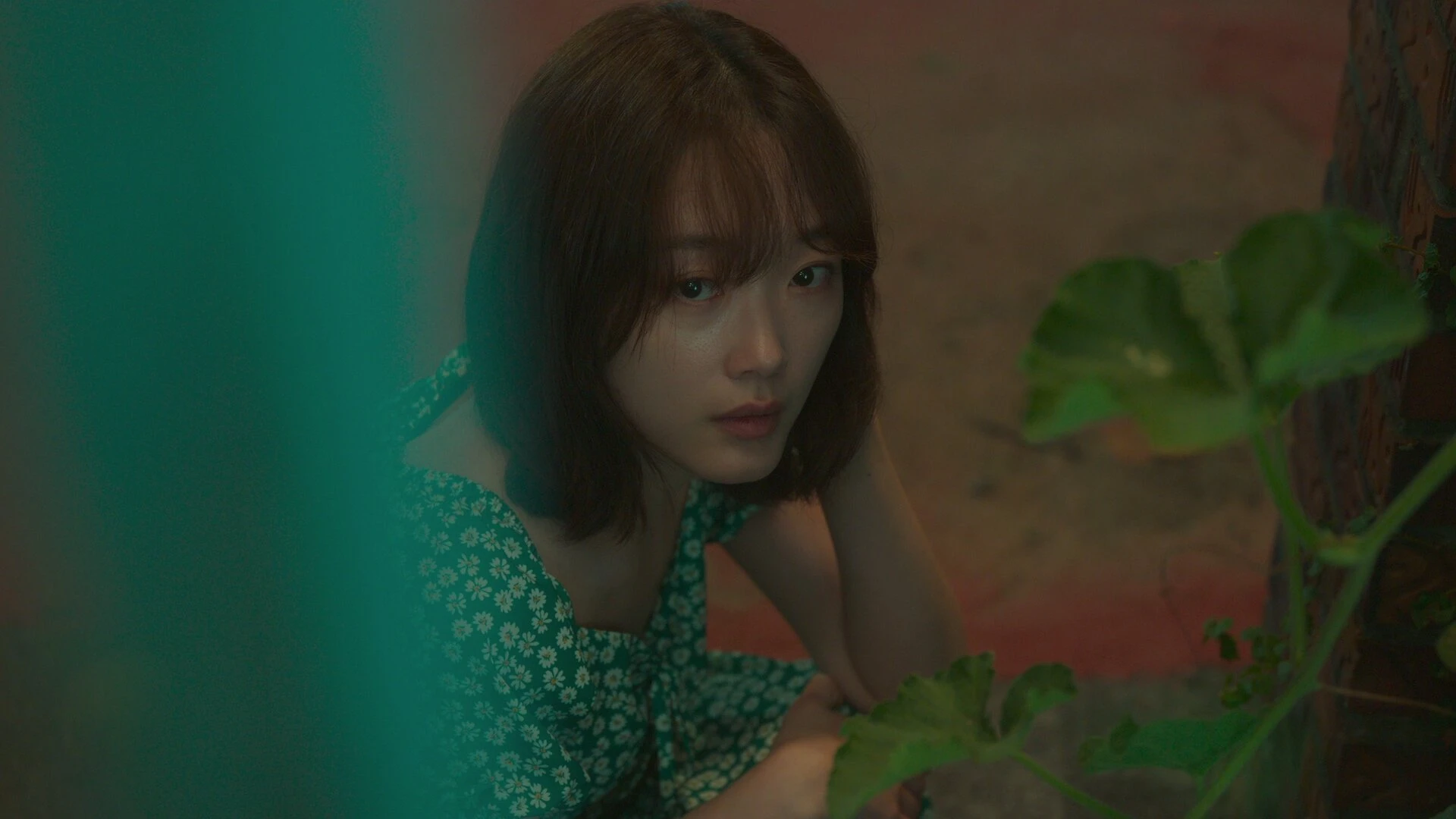
Lee You-mi’s challenge is structural: Jae-Mi knows exactly how she feels at every moment, but has spent years learning not to show it, so the entire performance is built around the masking — and specifically around the half-second when it slips. She’s at her best in the scenes where something lands on her face before the composure returns, that brief delay doing more than any speech could. Oh Jung-se brings Eo-Heung a goodness that resists becoming martyrdom; a supporting performance that could easily have become a doormat and instead becomes the island sequence’s moral center. The triangle works because no one in it is a villain, which is harder to sustain than it sounds — Lovely Runner (2024) pulled off something similar by refusing to let the wrong-person-right-time setup collapse into obvious antagonism.
The middle section — episodes 6 and 7, the island arc and its aftermath — is where Mr. Plankton loosens most noticeably. The gang subplot never fully earns its screen time, and the comedic side characters work in small doses and strain in extended sequences. But the emotional throughline holds even when the plot mechanics stall, because Do-hwan and Lee You-mi have built something that doesn’t require narrative velocity to feel true. The ending is not what most viewers will want. It is, however, exactly what the drama promised — and the distance between those two things is what the show was always about.
Woo Do-hwan fans ready to see him at his most unguarded
Viewers who don’t need a happy ending to feel satisfied
A bittersweet road trip that earns its ending by refusing to make it tidy.
🎬 You Might Also Like
If you liked Mr. Plankton, these are your next three watches.
 The Remarried Empress
alphatartComing Soon
Read Full Review →
|
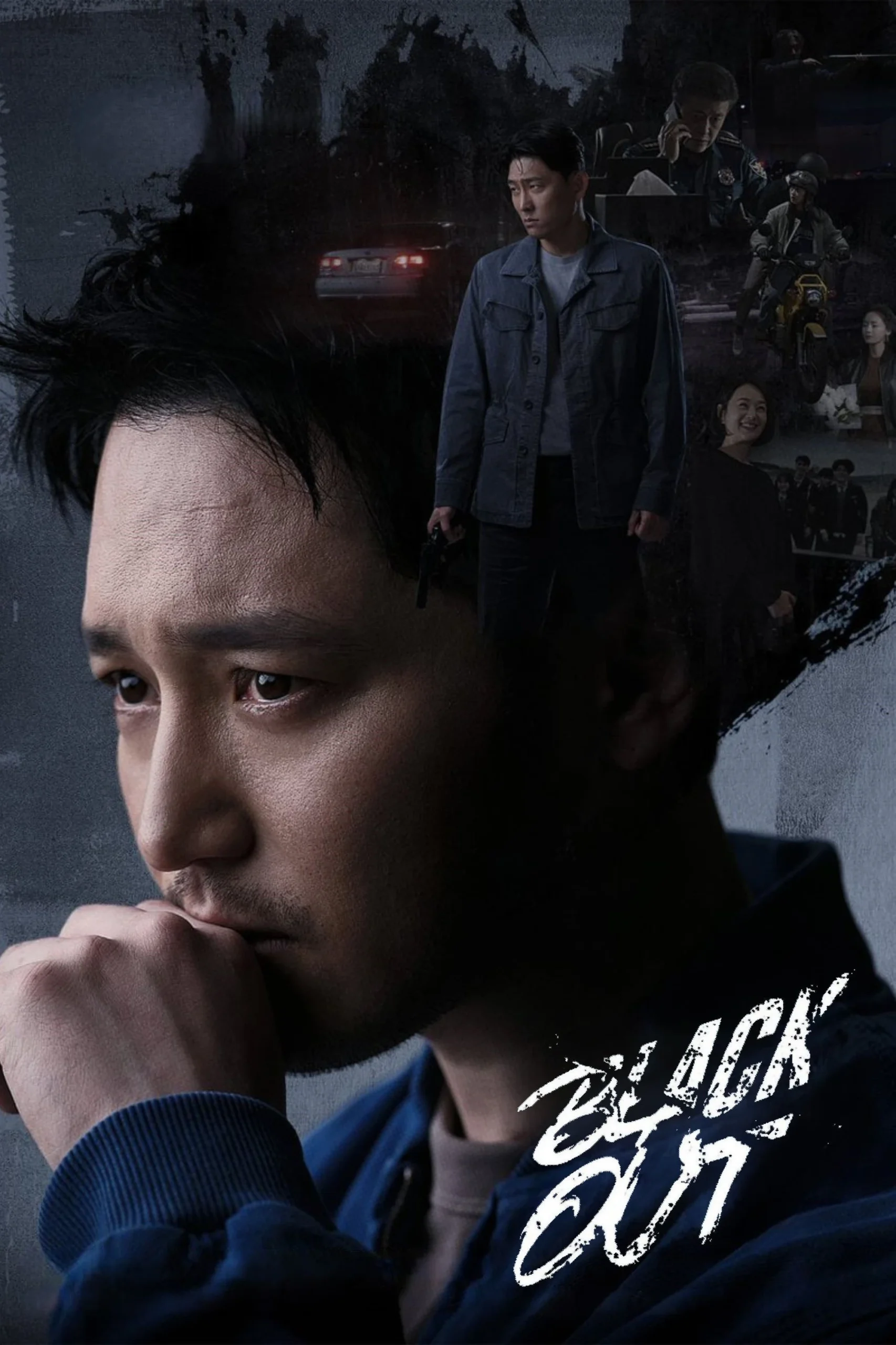 Black Out
Byun Yo-hancrime
Read Full Review →
|
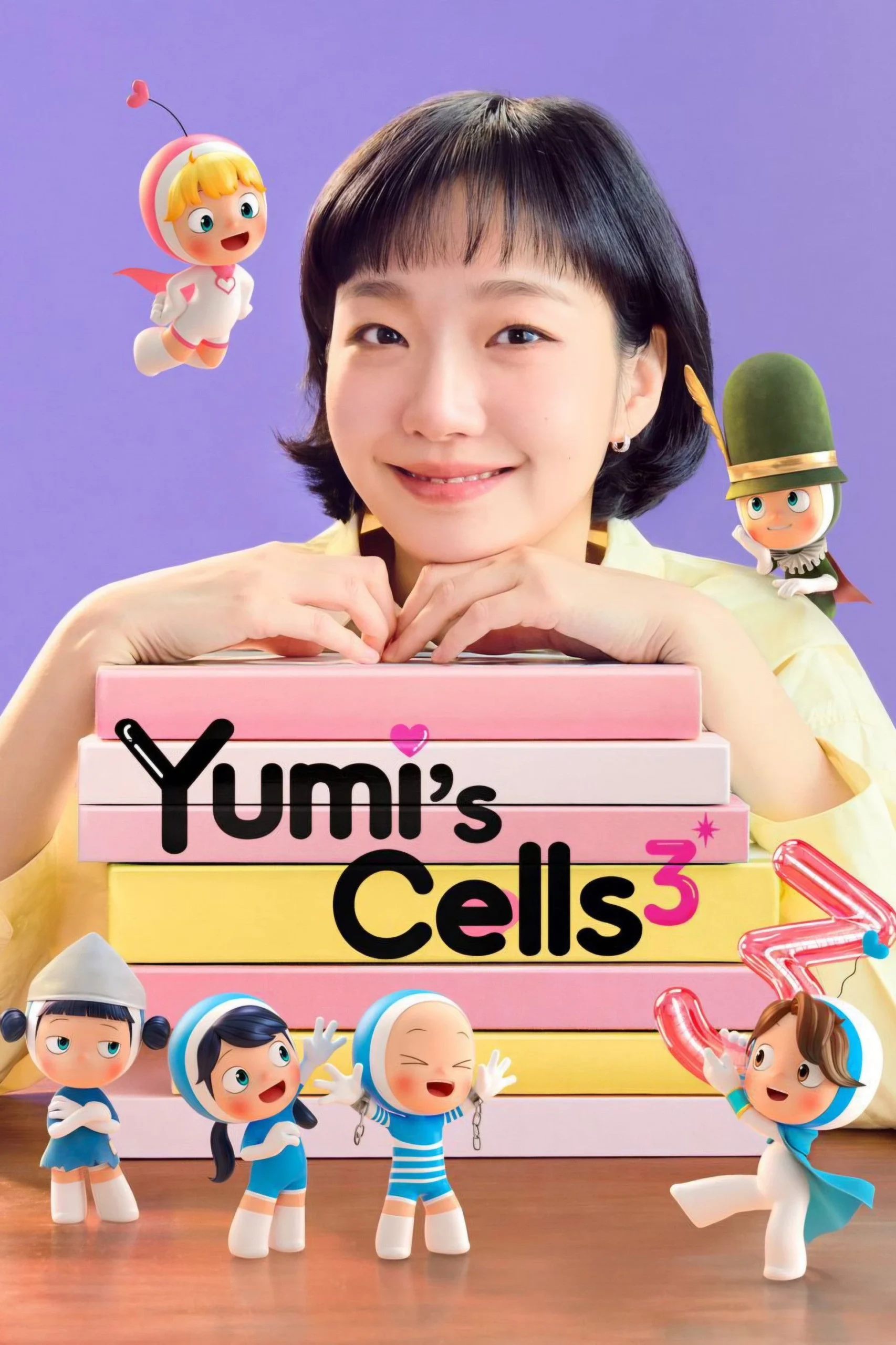 Yumi's Cells (Season 3)
Age Gap RomanceChoi Daniel
Read Full Review →
|













Keep it kind, skip the harsh language, and please — no spoilers. Everyone's taste is different, and that's perfectly fine.
This space is for real reactions and discussion from other viewers. Help keep it comfortable for everyone by not giving away major plot details.
What do you think of this drama?
Login to share your review or leave a comment.
No email needed — just pick a username & password.