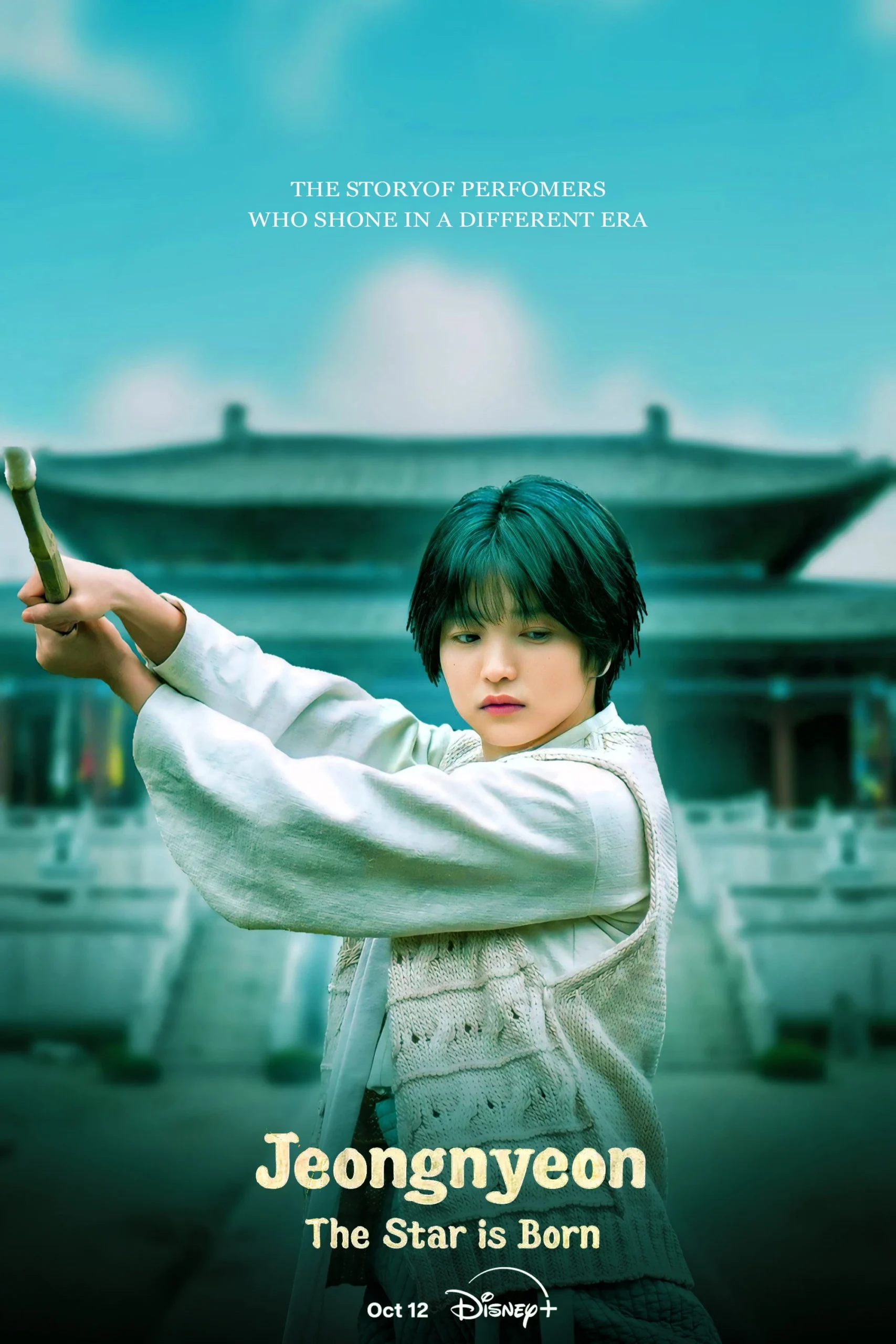
Jeongnyeon: The Star Is Born
🎬 Disney+ · Hulu · Apple TV+
⭐ 8.3 MDL
📺 TV-PG
🎬 Drama Overview
🎭 Performing Arts Pick
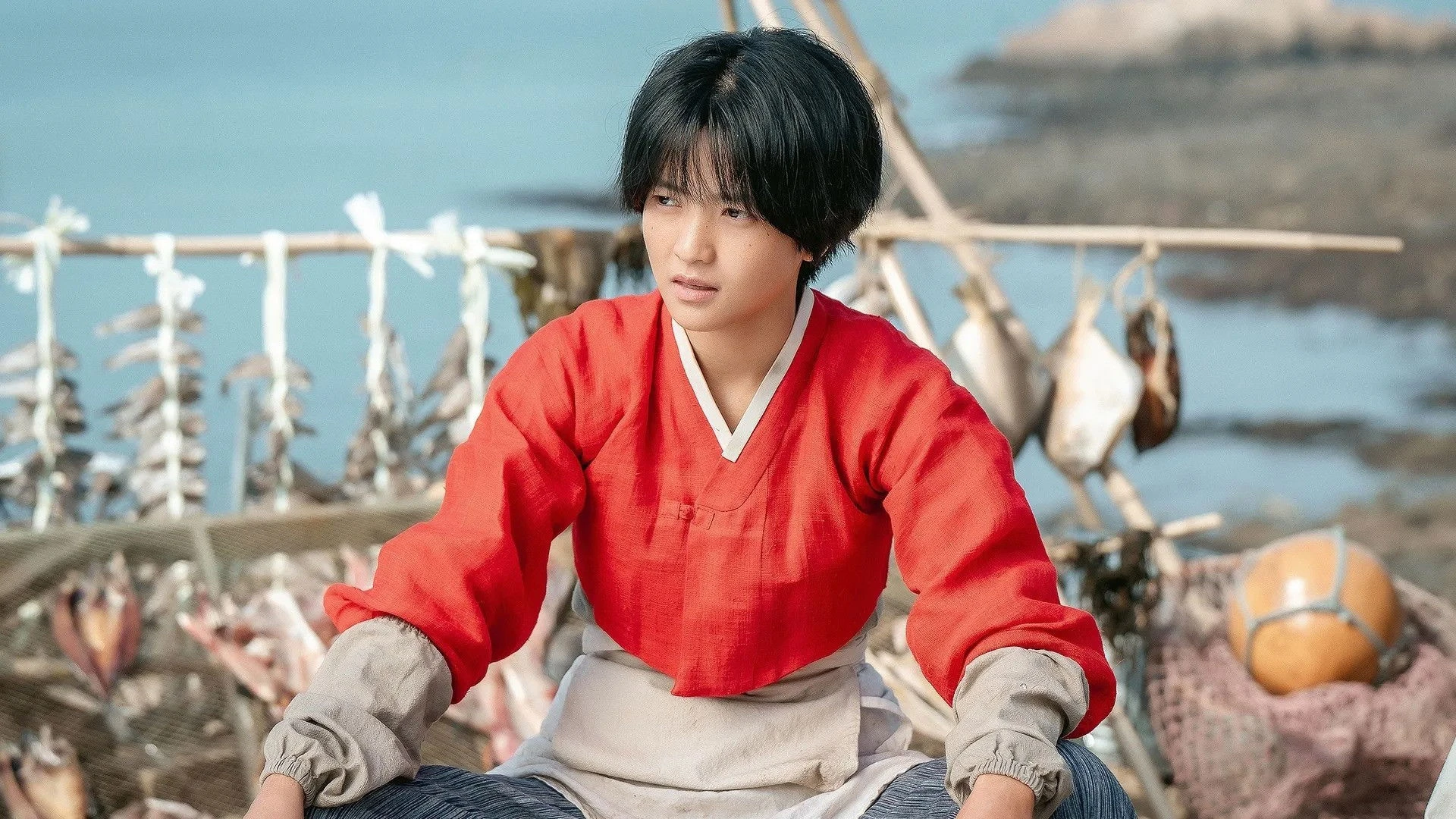
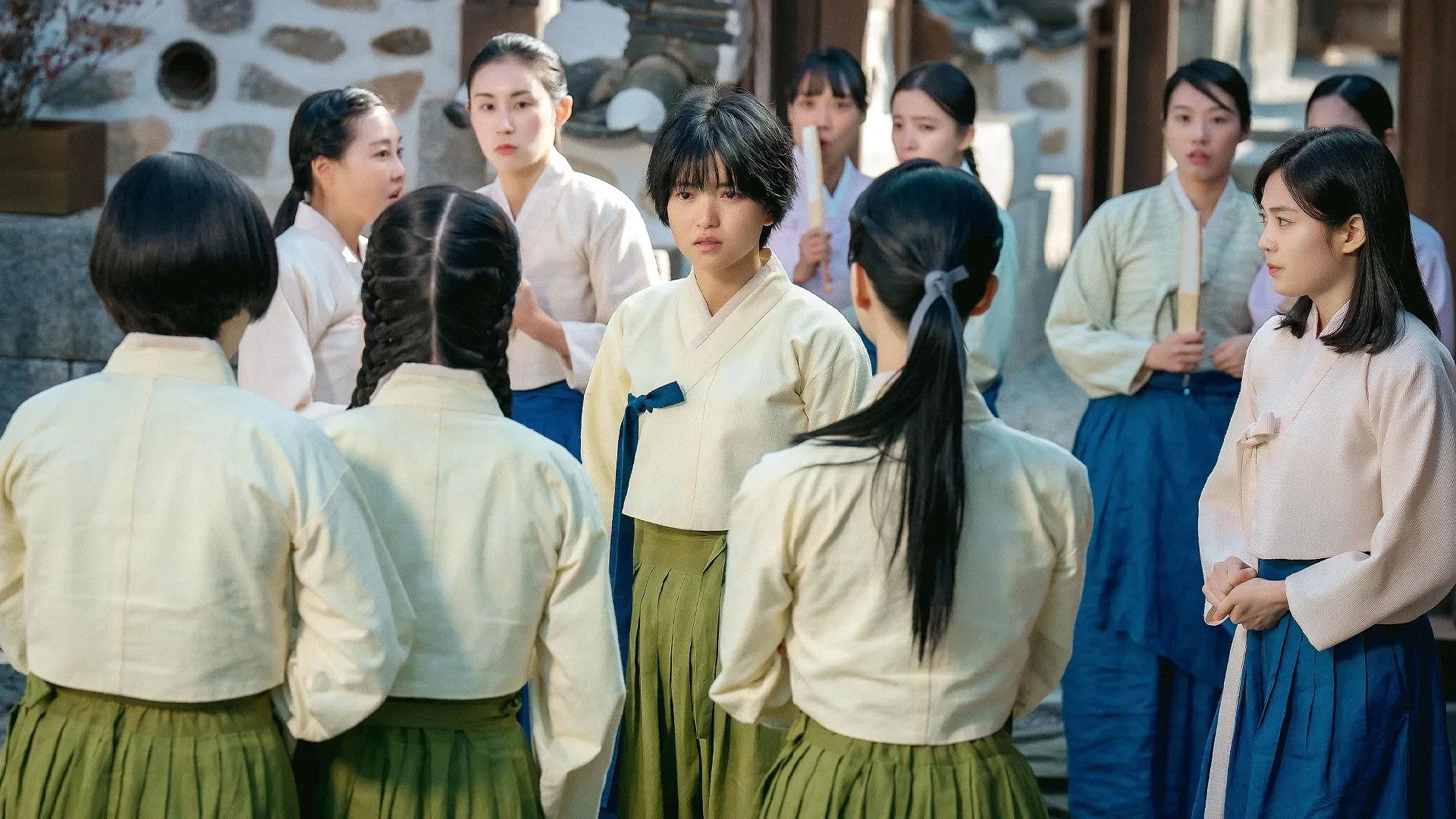
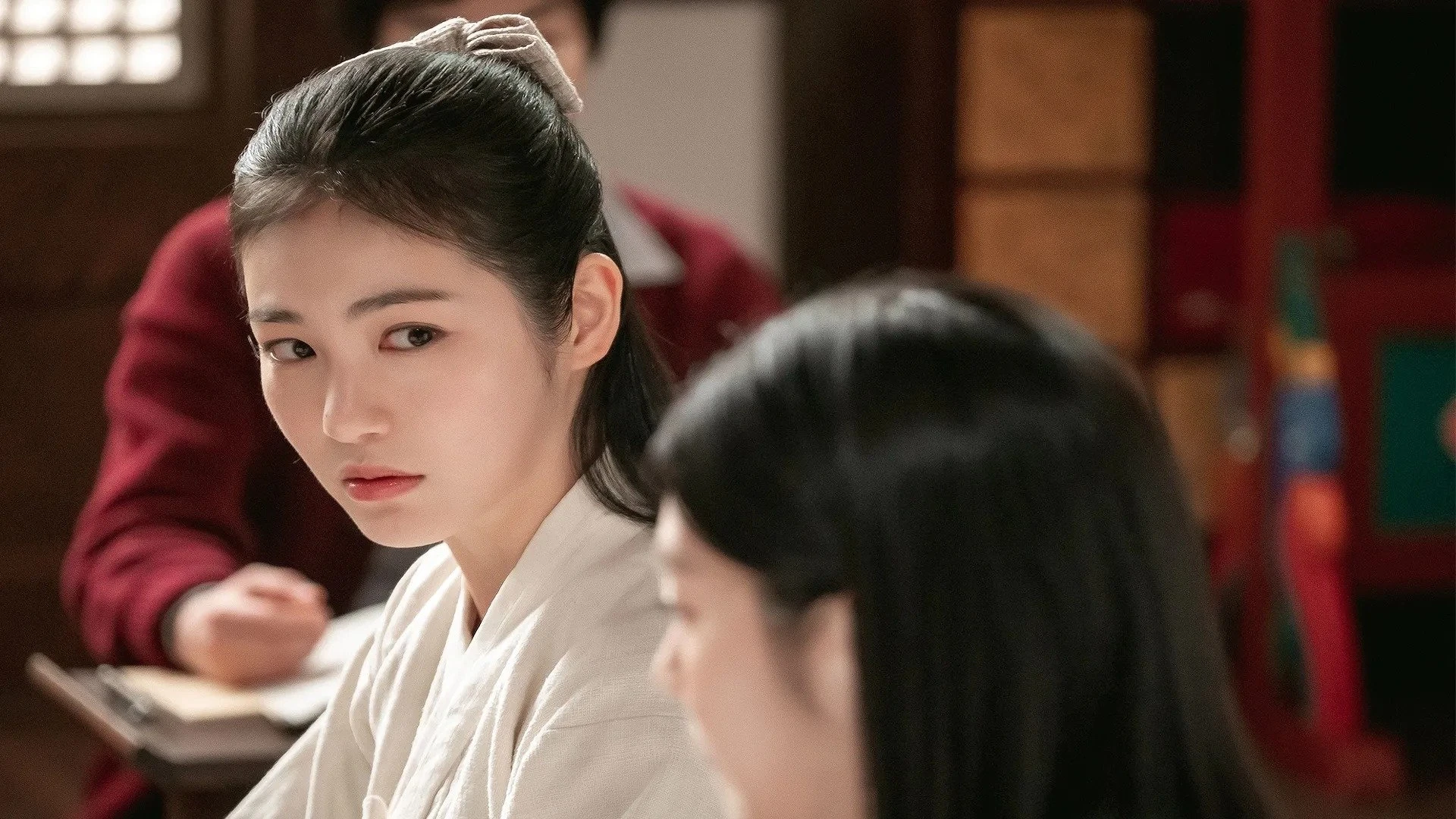
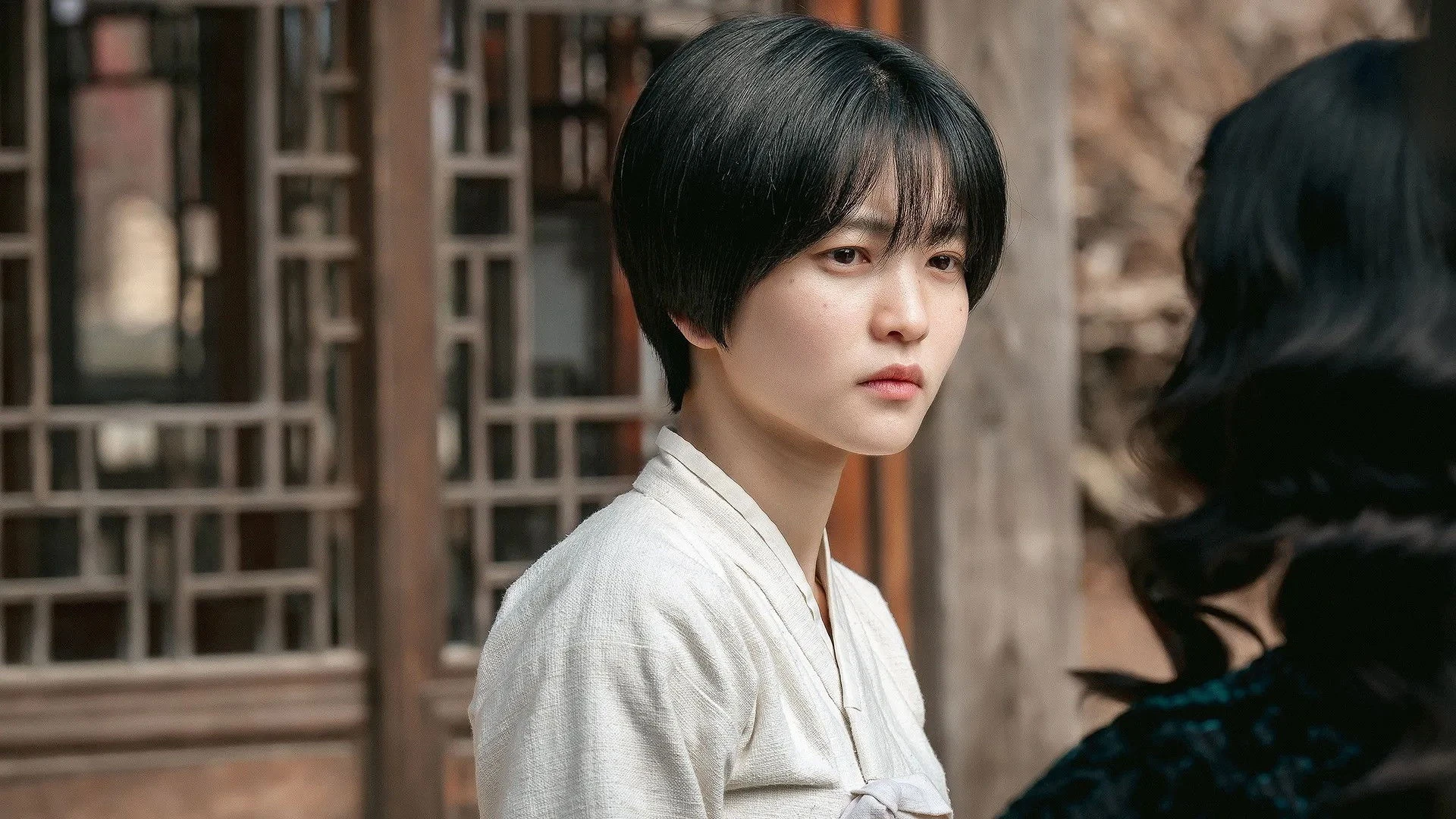
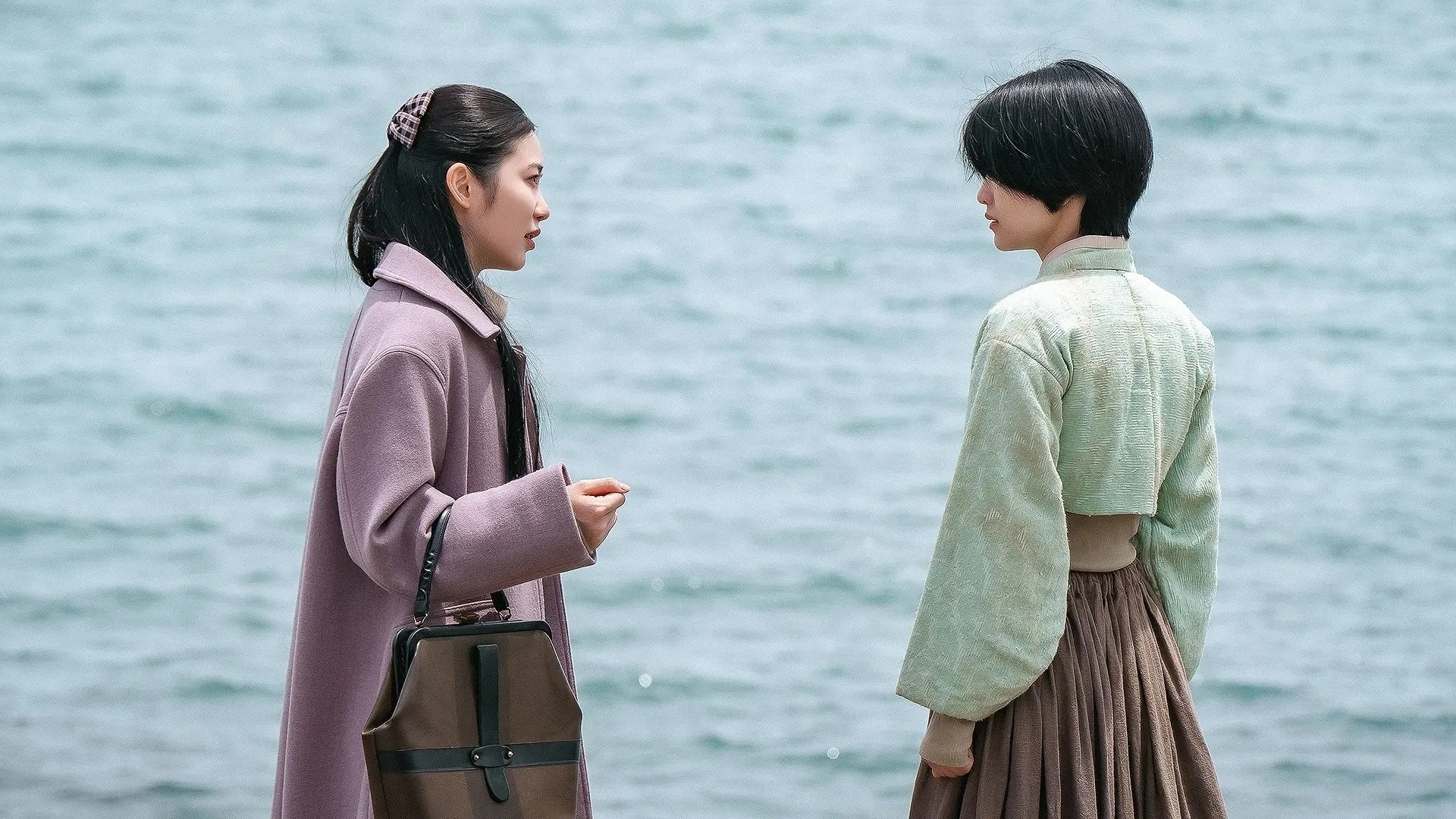
Jeongnyeon opens in 1956 Mokpo, where Yoon Jeong-nyeon sells clams at the market and sings in the street when she thinks no one important is listening. The inciting event — a chance encounter with Moon Ok-gyeong, Korea’s greatest gukgeuk actress, who hears her at the fish stall and buys everything in her basket just to keep her singing — doesn’t feel like a fairy godmother story. It feels like the moment someone’s life stops being about survival and starts being about something more dangerous: wanting.
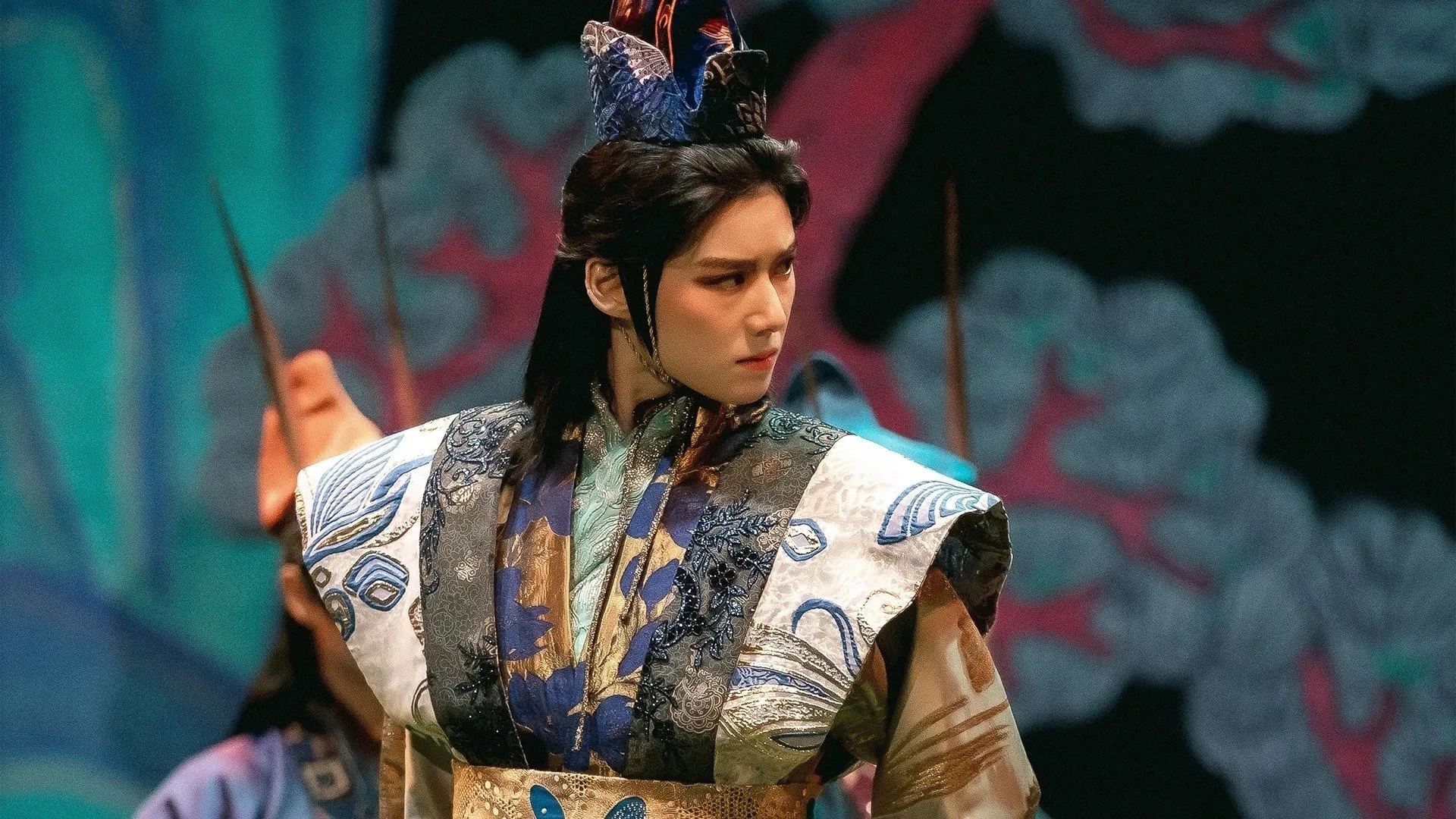
What makes the drama unusual for its genre is that the obstacle isn’t talent. Jeong-nyeon has talent in excess. The obstacle is everything talent can’t account for — discipline, political hierarchy inside the troupe, rivals who’ve worked longer and harder, and a traditional art form that demands emotional truth from performers who’ve barely lived. Gukgeuk is a world where raw ability is the entrance fee, not the graduation. The show’s real subject is the gap between the two.
12 / 12 ✅ Completed
⚡ Quick Verdict
The TL;DR, boxed and ready.
MDL Score · Check MyDramaList for updated community rating
▶ Official Trailer
🎭 Cast & Characters
An all-female ensemble at the center — the stage is theirs entirely.
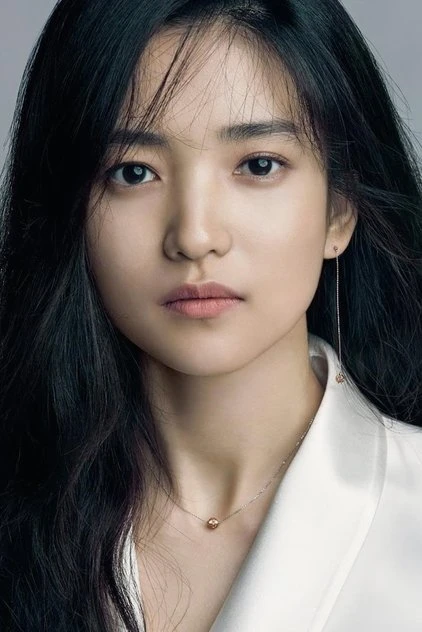
Lead

Lead

Supporting

Supporting

Supporting

Supporting

Supporting
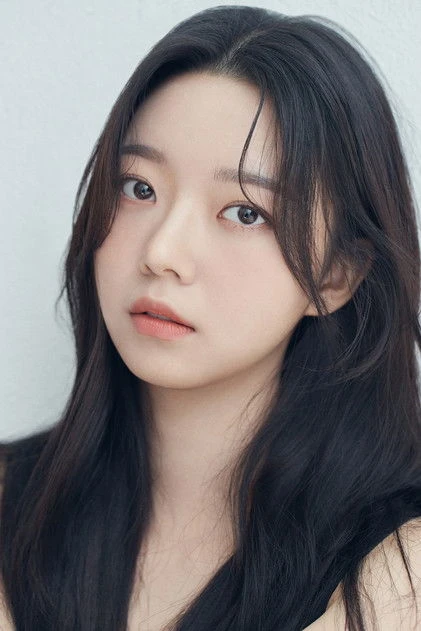
Supporting
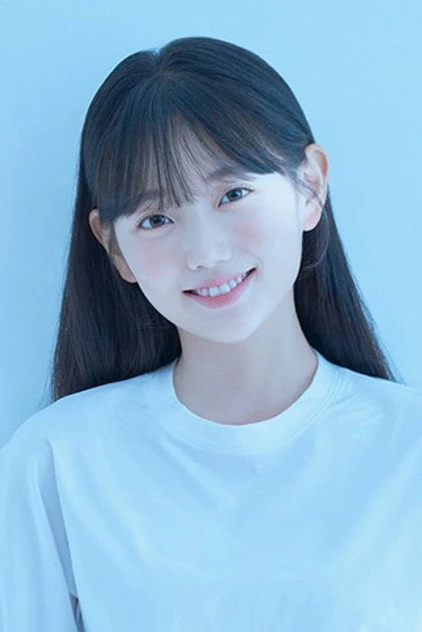
Supporting
Supporting
Supporting
Supporting
📺 Episode Guide
A spoiler-light refresher, episode by episode.
🏁 Ending Explained
Full spoilers — breaking down the finale and what it means.
Spoiler Warning — This section covers the full finale of Jeongnyeon: The Star Is Born. Stop here if you haven’t finished the series.
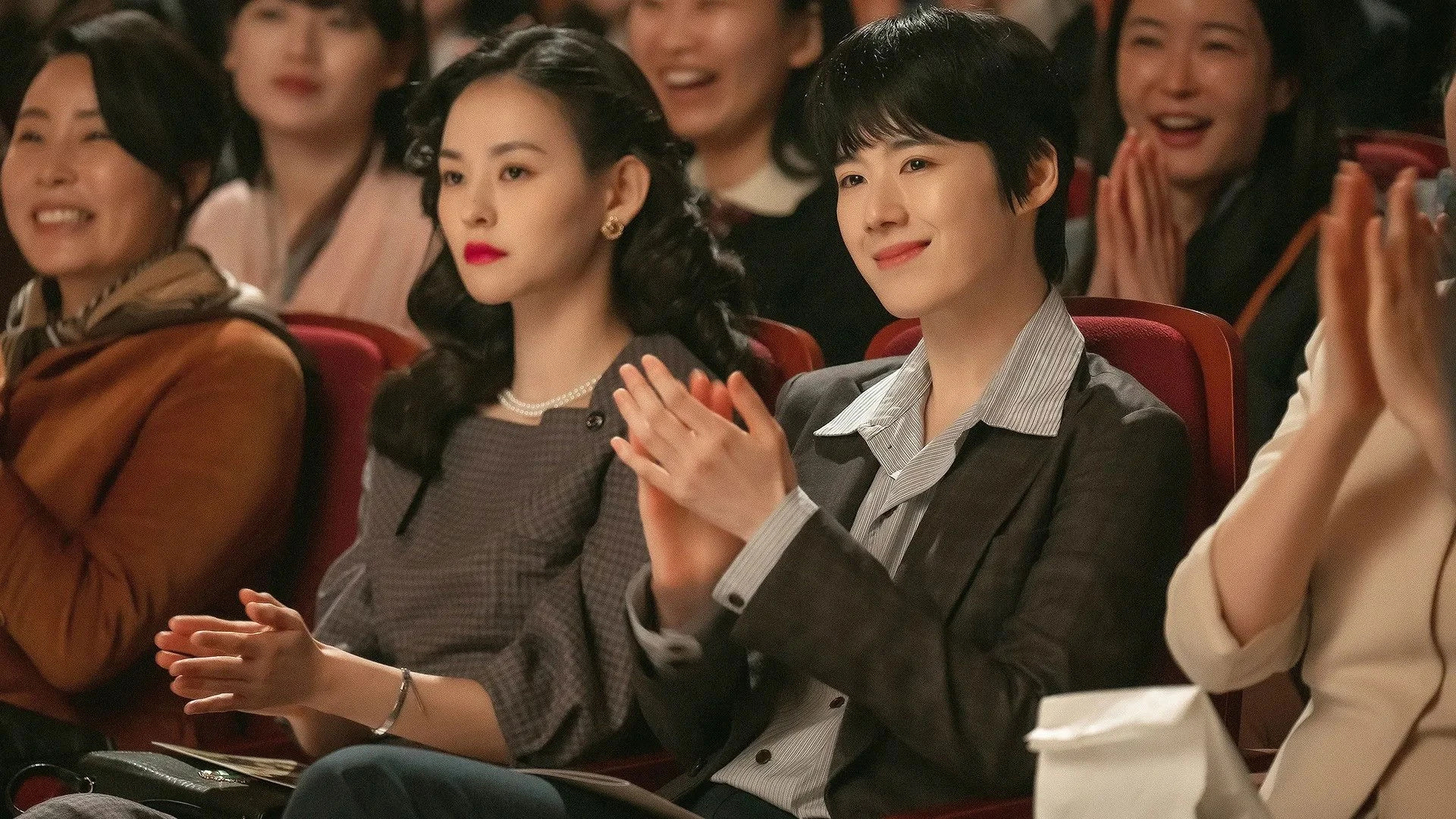
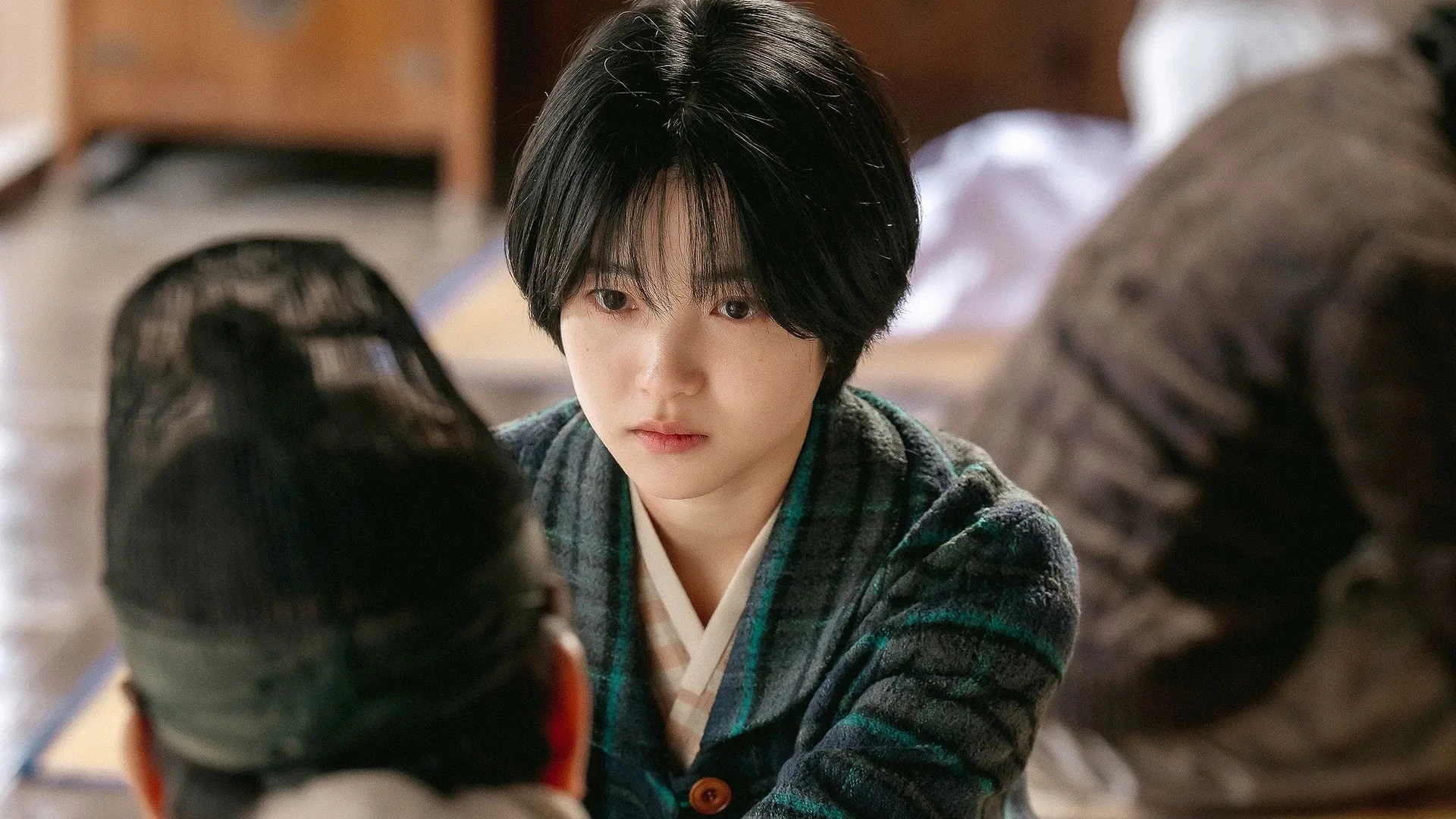
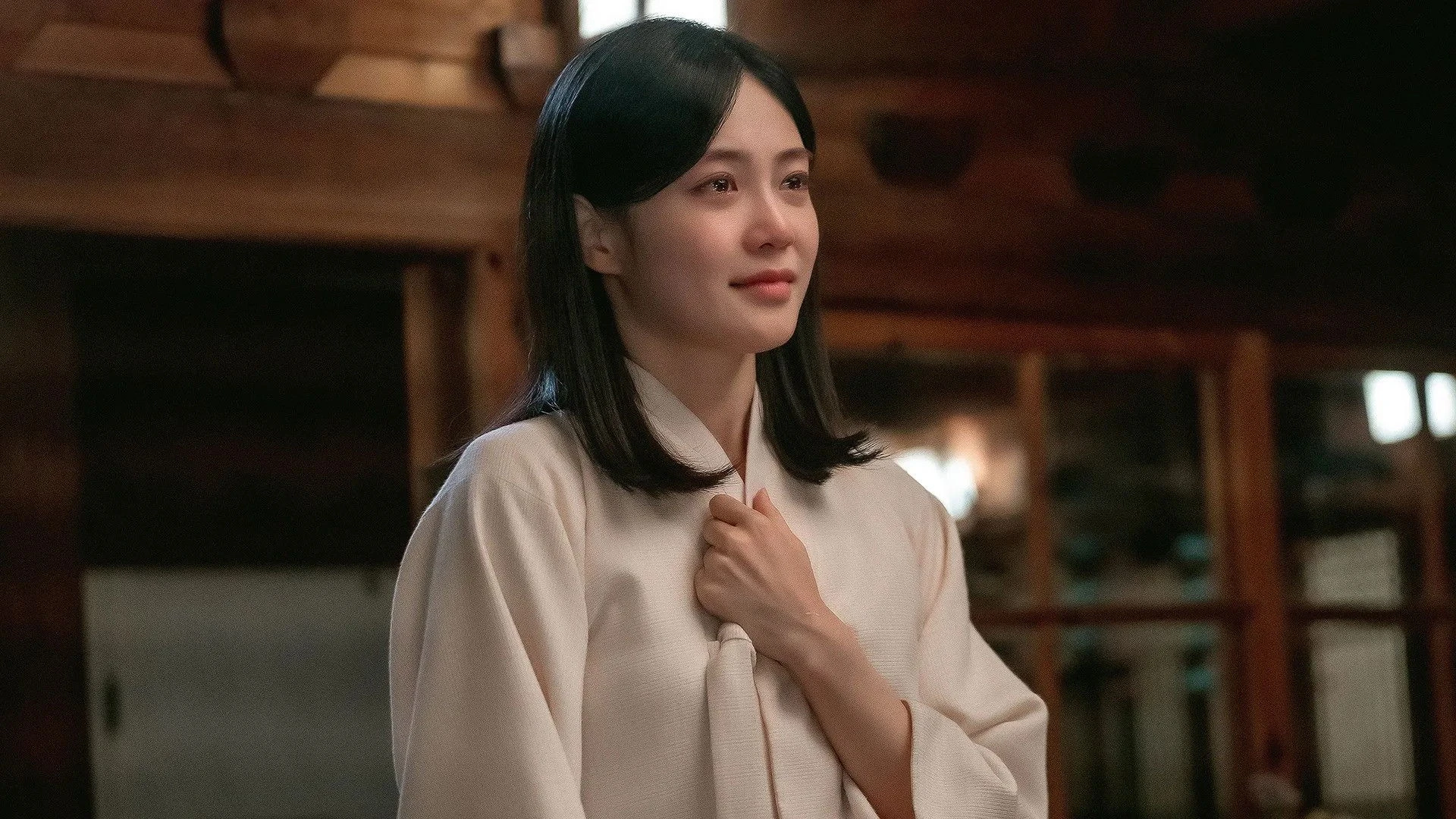
The performance isn’t triumph — it’s proof. Jeong-nyeon takes the stage on a voice that medical diagnosis declared unreliable, and what she finds there isn’t the technical perfection she chased for twelve episodes. She finds something harder to name and harder to fake: emotional truth. The drama makes a careful distinction here — she doesn’t perform through the injury to prove she can. She performs because the gukgeuk she has spent an entire series learning to embody cannot be expressed any other way. The damaged voice becomes the instrument, not the obstacle. It carries everything she has survived, and that is the performance.
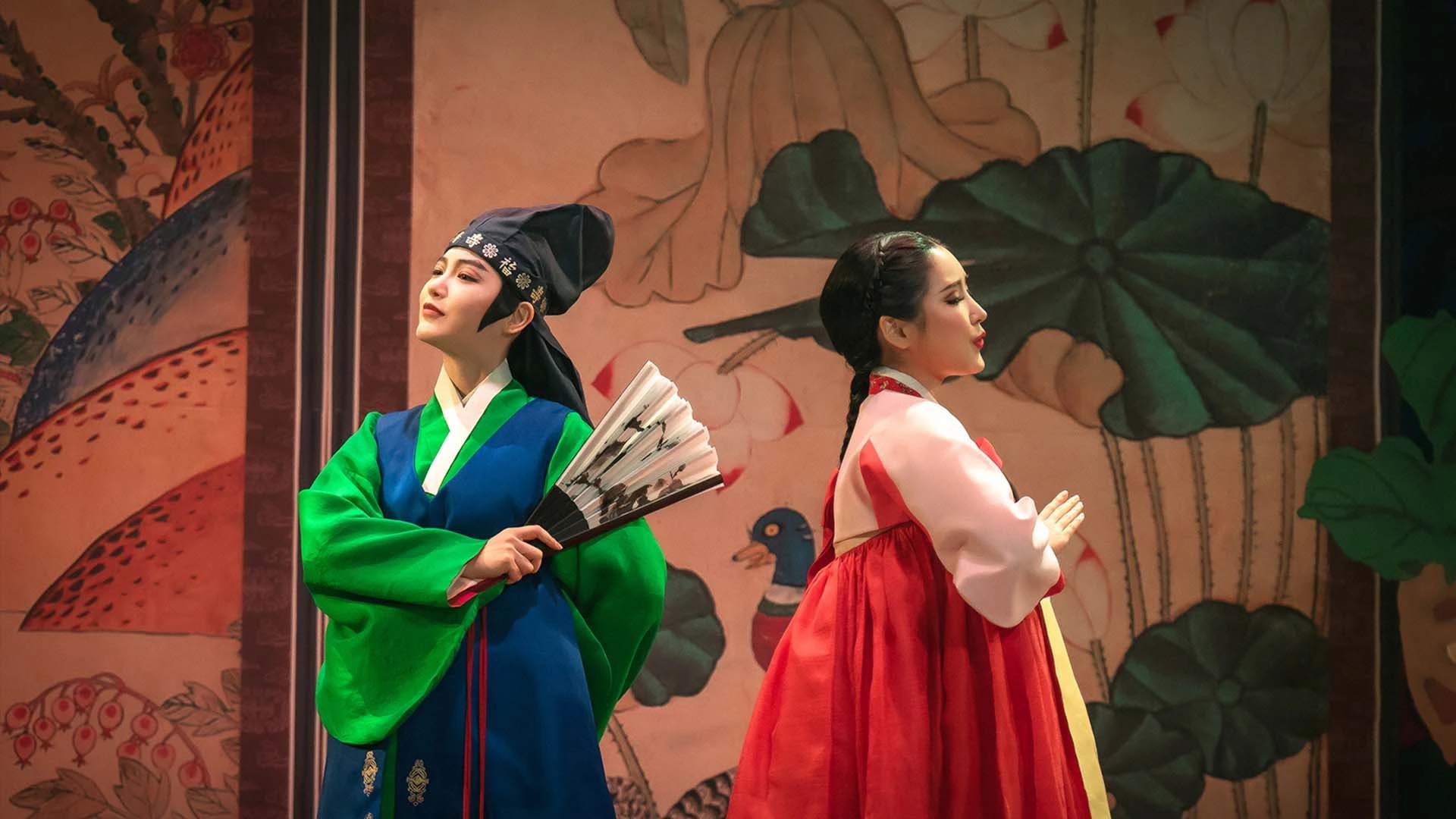
The rival who stopped being one. Heo Yeong-seo spent the entire drama measuring herself against Jeong-nyeon — first with contempt, then with competitive respect, then with something harder to name. In the finale, watching Jeong-nyeon on stage, she arrives at genuine admiration. Not the gracious acknowledgment of a loser to a winner, but the recognition of someone who has finally understood: the person you competed against most fiercely is the one who made you better. They end as peers. The drama understands that this is rarer, and more meaningful, than any trophy.
The star who gave the light and let it go. Moon Ok-gyeong’s arc ends not in triumph but in the harder register of earned dignity. Cleared of the worst accusations but permanently changed by the scandal, she steps away from center stage. The show never frames this as defeat — she was the one who heard Jeong-nyeon at the fish market and recognized what she was. Her greatest act wasn’t a performance. It was the choice to stop holding the spotlight. A legacy measured not in what she kept, but in what she made room for.
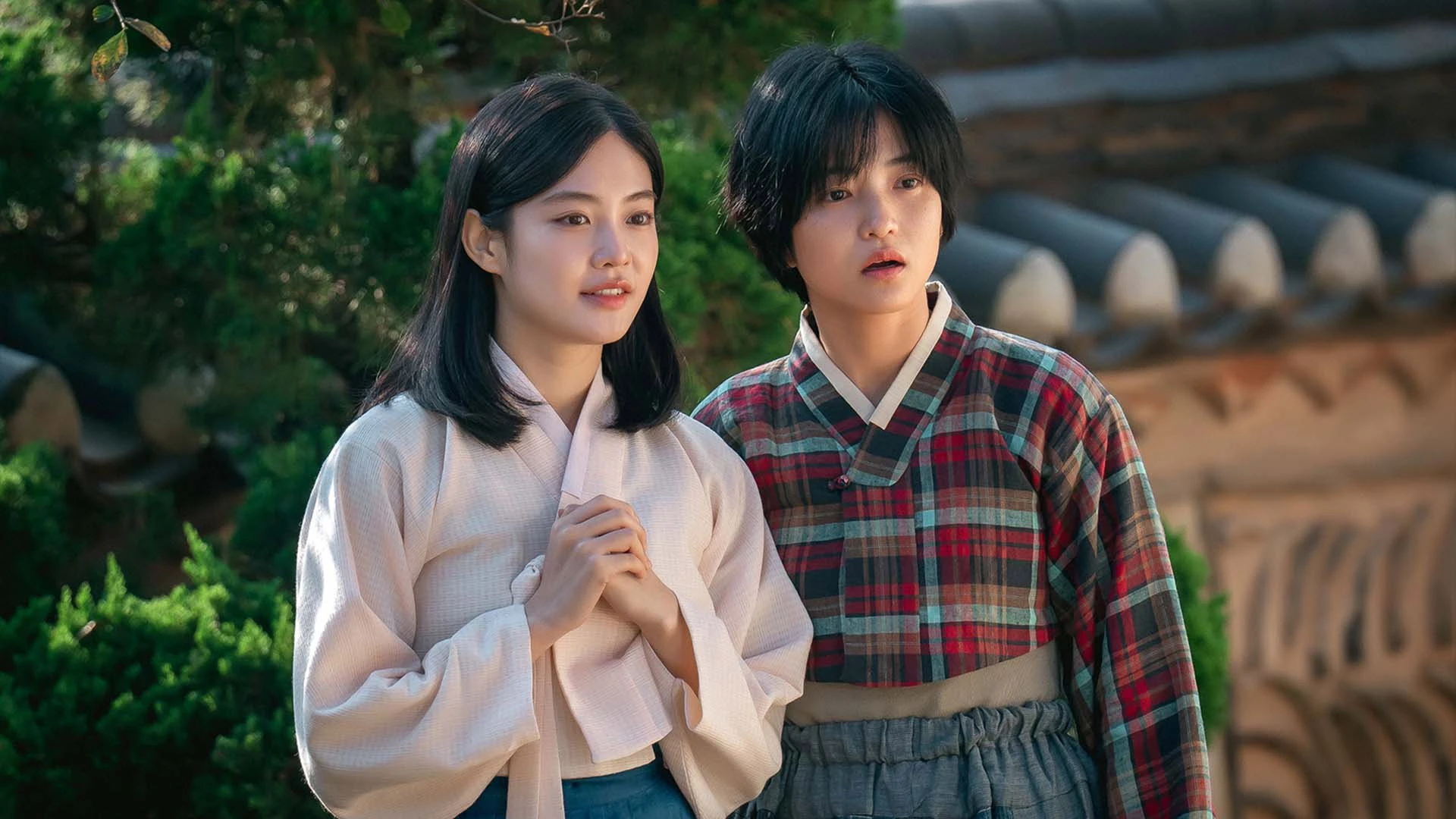
The director’s definition. Kang So-bok watches the joint performance from the wings — the woman who expelled Jeong-nyeon, reinstated her, banned her from the stage, pushed her through every failure — watching the result with an expression that confirms the drama’s central argument about what great teachers actually are. Not defined by their own excellence. Defined by what they help others become. The character who appeared most like an obstacle was the one building the strongest foundation all along.
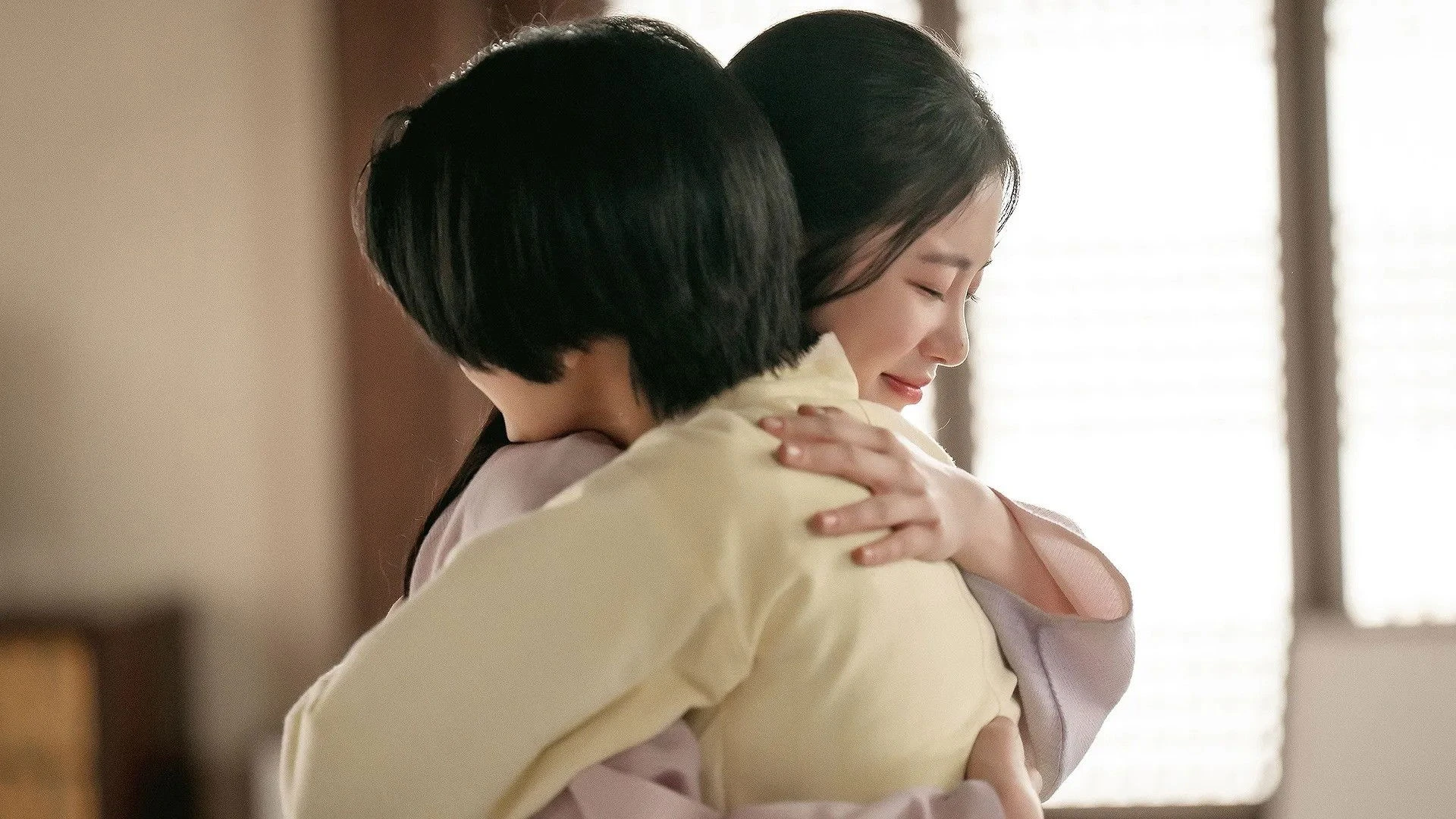
The mother’s arc closes last, and it closes hardest. Seo Yong-rye was a singing genius who buried her gifts to raise her daughter. Watching Jeong-nyeon on stage — reclaiming the exact future she herself gave up — she finds not regret but something more complex: resolution. The show doesn’t collapse this into easy catharsis. It holds both truths simultaneously: that she sacrificed something irreplaceable, and that witnessing her daughter stand where she could not is, somehow, enough. Her arc argues something the drama has been building toward since Episode 10: that the opposition of a parent who loved something and lost it is not the same as the opposition of a parent who never understood. Seo Yong-rye always understood. That’s what made her warning so precise, and her silence in the finale so complete.
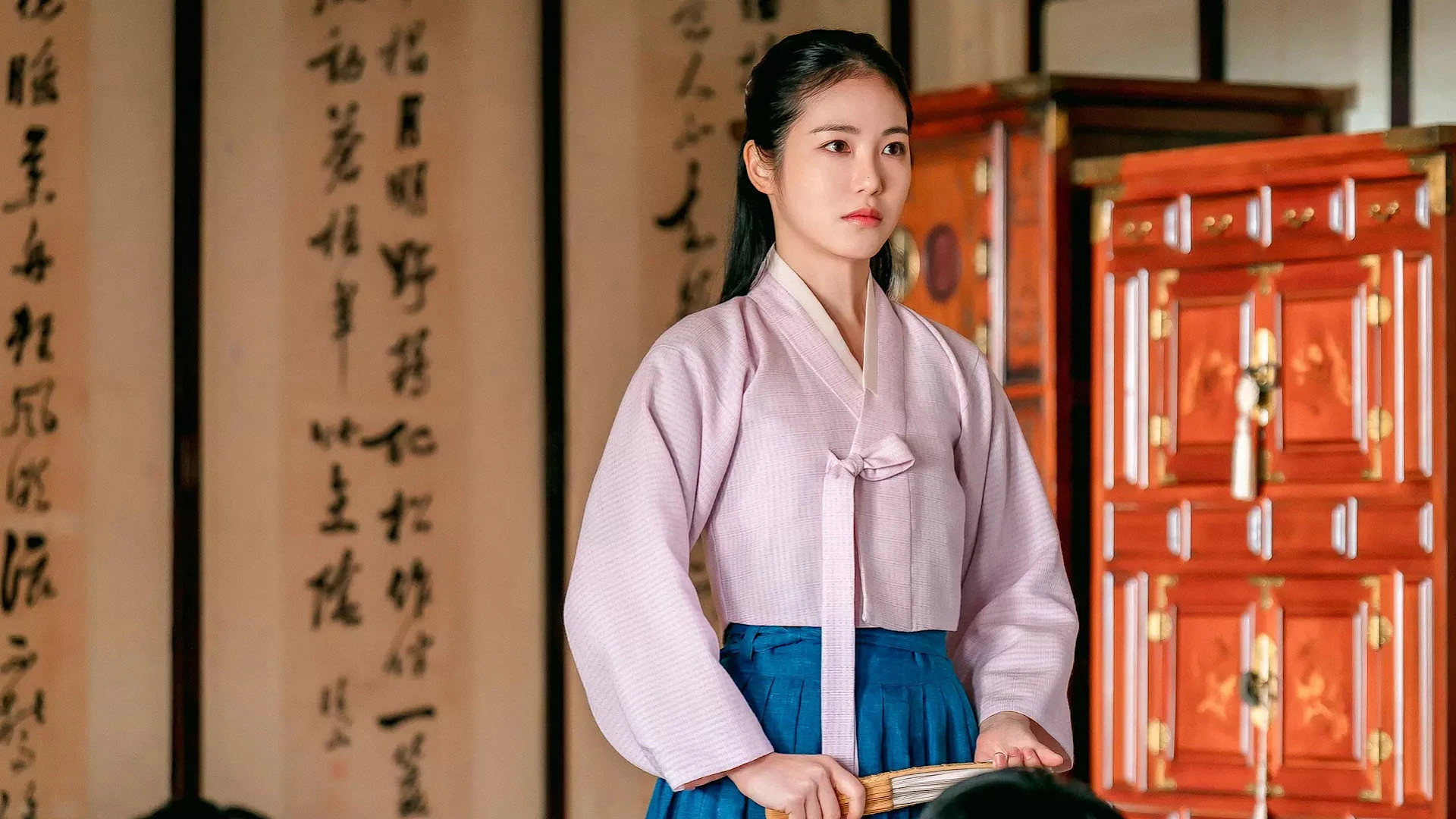
✍️ KDramaWorlds Editor’s Take
Is it worth your time? Here’s our honest take, and who it suits best.
📜 1950s Authenticity
🔥 Fierce Female Ensemble
🎶 Gukgeuk as Identity
✨ The Price of Becoming
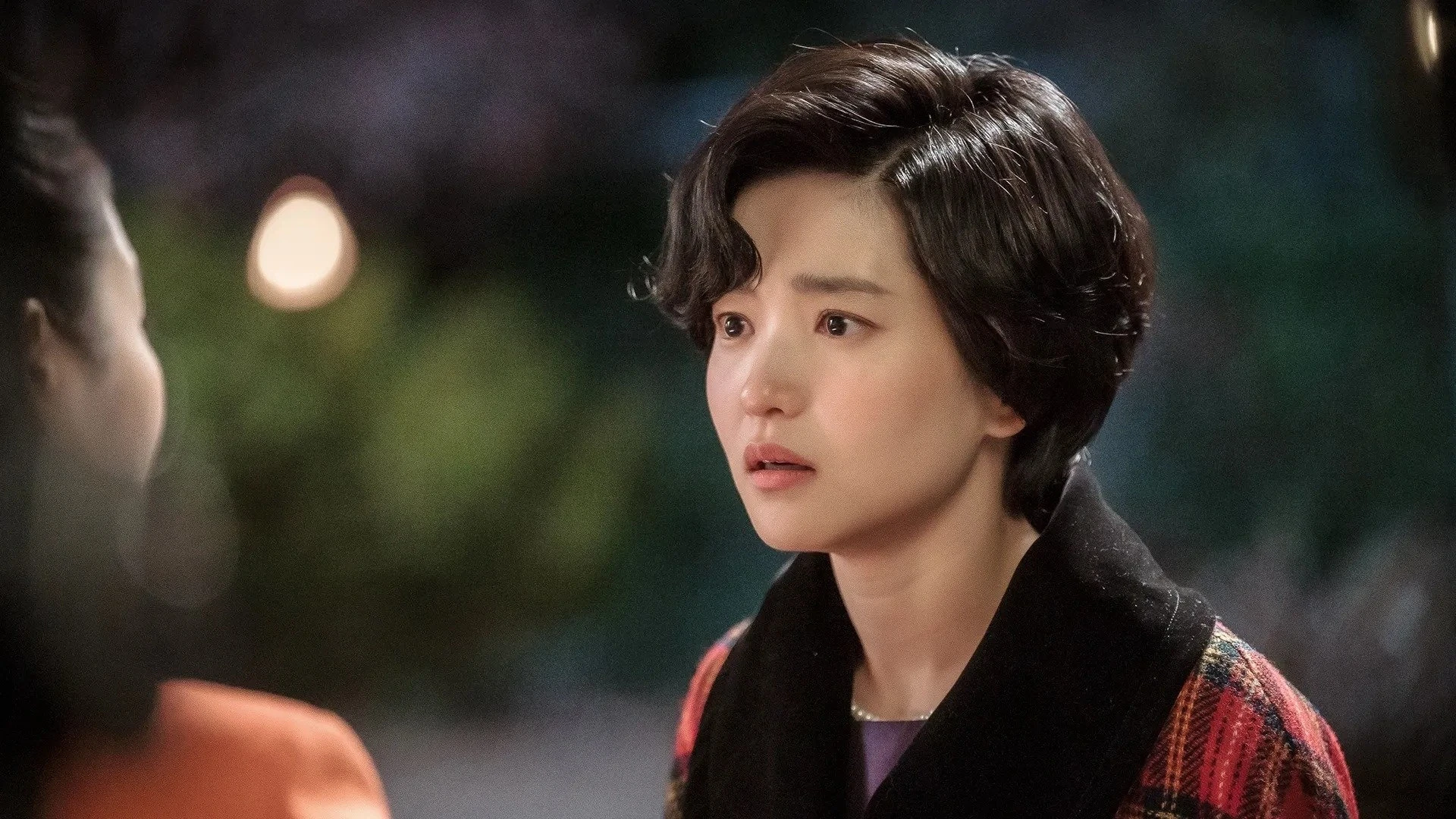
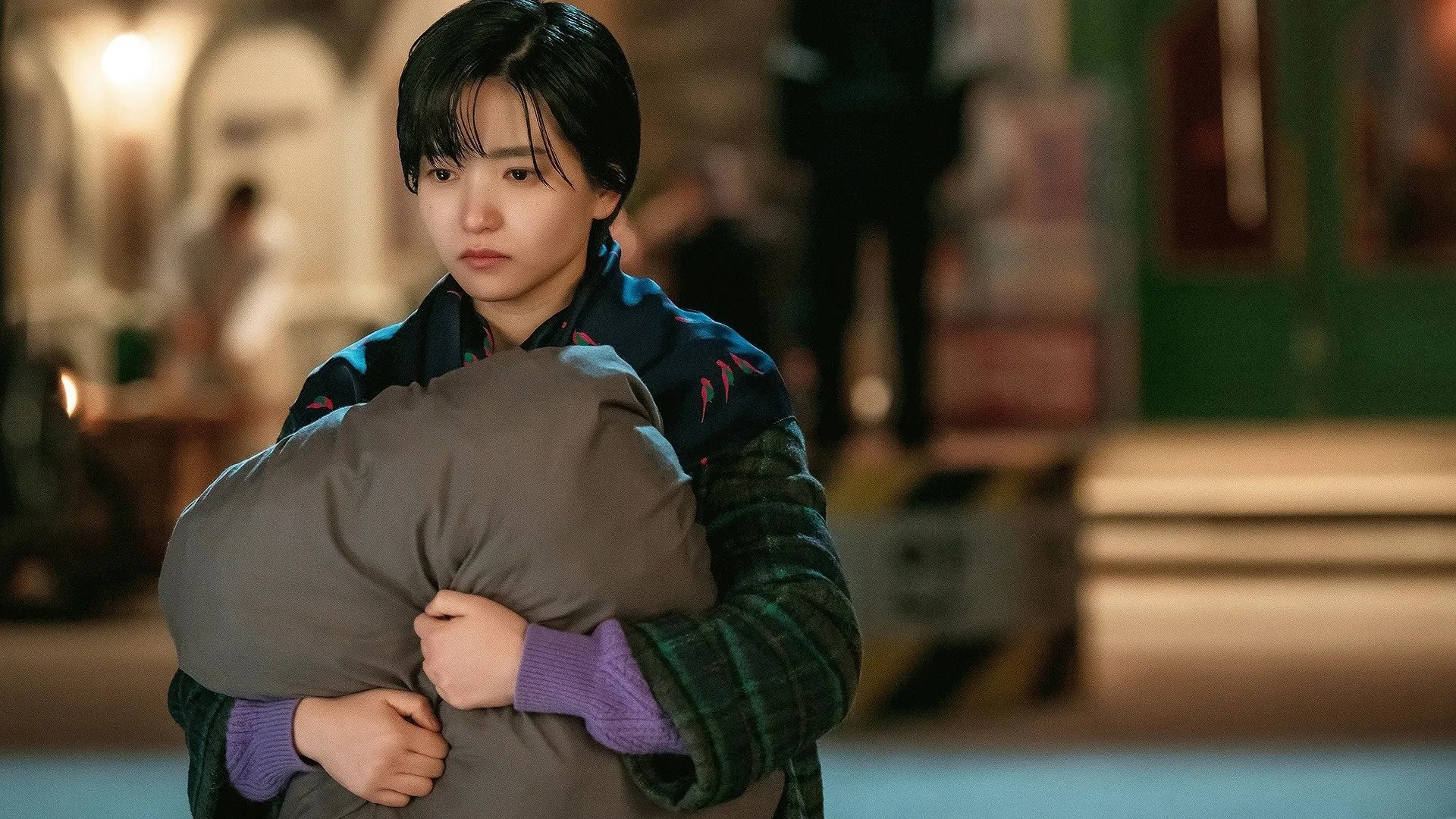
Kim Tae-ri built her reputation on quiet intensity — The Handmaiden, Mr. Sunshine, Twenty-Five Twenty-One — but Jeongnyeon asks for something different: a character whose entire inner life comes out through her body when she performs rather than between performances. What she gives Jeong-nyeon in the gukgeuk sequences is physically specific in ways that feel researched rather than rehearsed — the particular way instinct-driven singers hold tension in the shoulders before a high note, the moment when technique falls away and something rawer takes over. The show is structurally a coming-of-age story, but Kim Tae-ri plays it as if it’s a study in the difference between knowing you have something and knowing how to use it. That gap, narrow as it is, is where the performance lives. If you found her work in Twenty-Five Twenty-One (2022) quietly devastating, this is the role that makes the case for why she belongs in the conversation for her generation’s best.
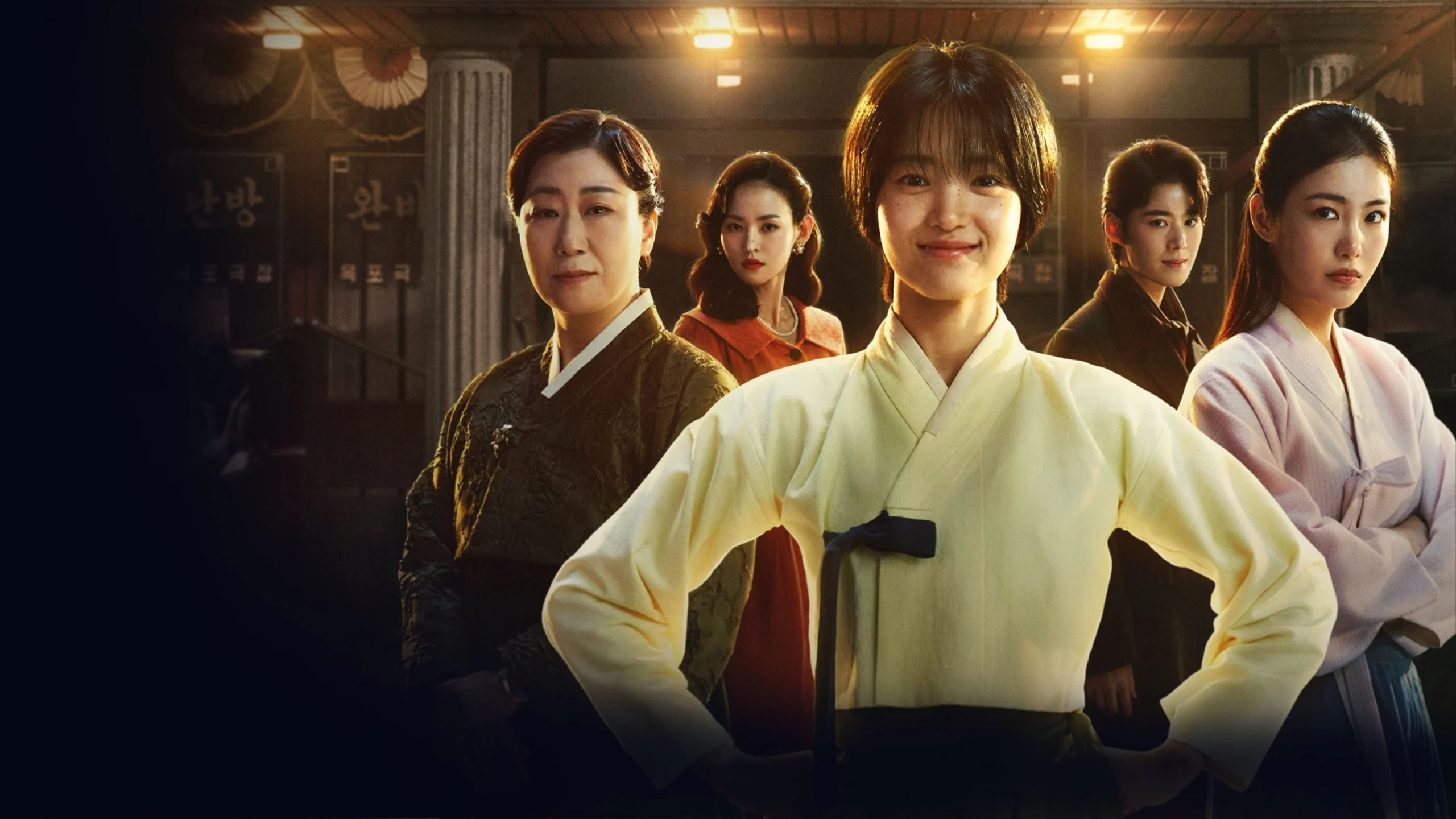
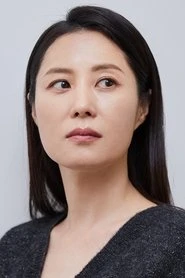
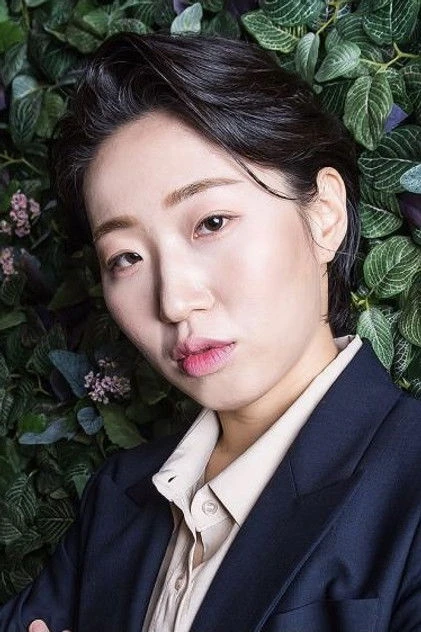
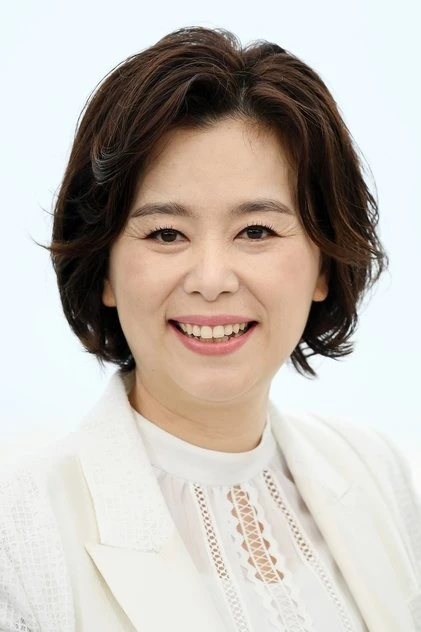
The ensemble is the drama’s second great achievement. Ra Mi-ran plays Kang So-bok as a woman operating entirely on institutional logic — decisions that appear punitive always have a structural rationale visible about two episodes later, which is the show’s most sophisticated piece of character writing. Moon So-ri, as Jeong-nyeon’s mother, carries the drama’s most emotionally precise arc: a woman who gave up her own vocal genius to raise a daughter, watching that daughter stand on the stage she herself abandoned. Moon So-ri plays that scene in Episode 10 without a word of explanation and the full weight of the backstory lands anyway — that’s what thirty years of acting looks like when it’s operating at full capacity. Record of Youth (2020) explored a similar tension between parents’ sacrificed dreams and children’s inherited ones — Jeongnyeon arrives at a sharper, more specific version of that emotional territory.
The honest limitation is the mid-series pacing. Episodes 6 and 7 are where the show loses its forward momentum, and the troupe’s internal politics require enough context to follow that the emotional throughline gets briefly obscured. The vocal injury crisis in Episode 9 corrects this decisively — the drama finds its spine again in that hospitalization scene — but those two episodes require patience. What you’re rewarded with on the other side of them is a finale that earns every resolution it delivers. Gukgeuk as a subject matter is genuinely niche; the show never apologizes for that. It trusts the audience to care about an art form because the characters care about it. That trust is almost always justified.
Period drama fans who want cultural specificity over spectacle
Kim Tae-ri completionists ready for her career-defining role
The star isn’t the one born with the most talent — it’s the one who refuses to let the world silence what she was born to sing. Jeongnyeon earns every word of that.
🎬 You Might Also Like
If you liked Jeongnyeon: The Star Is Born, these are your next three watches.
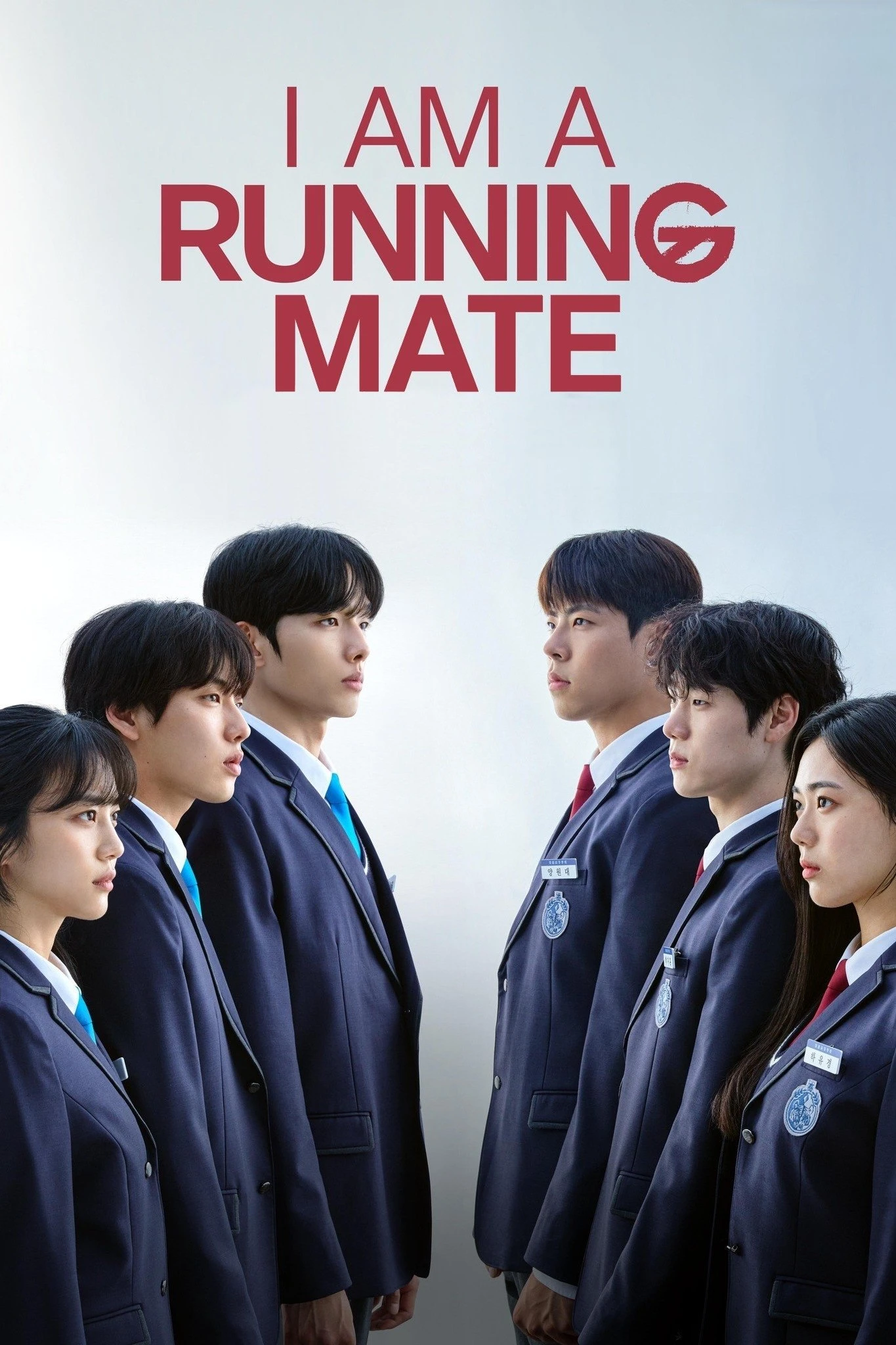
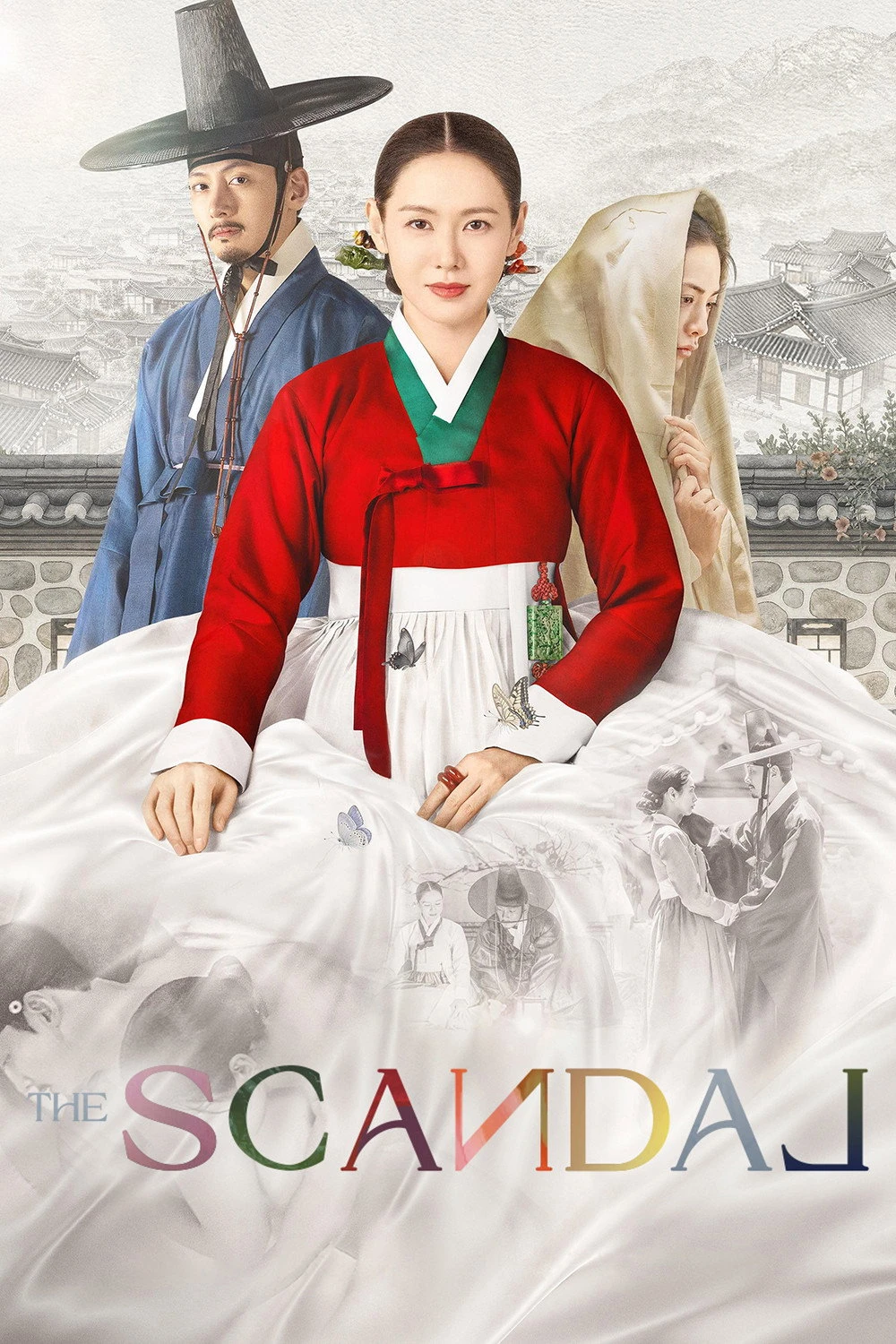 The Scandal
Dangerous LiaisonsDrama
Read Full Review →
|
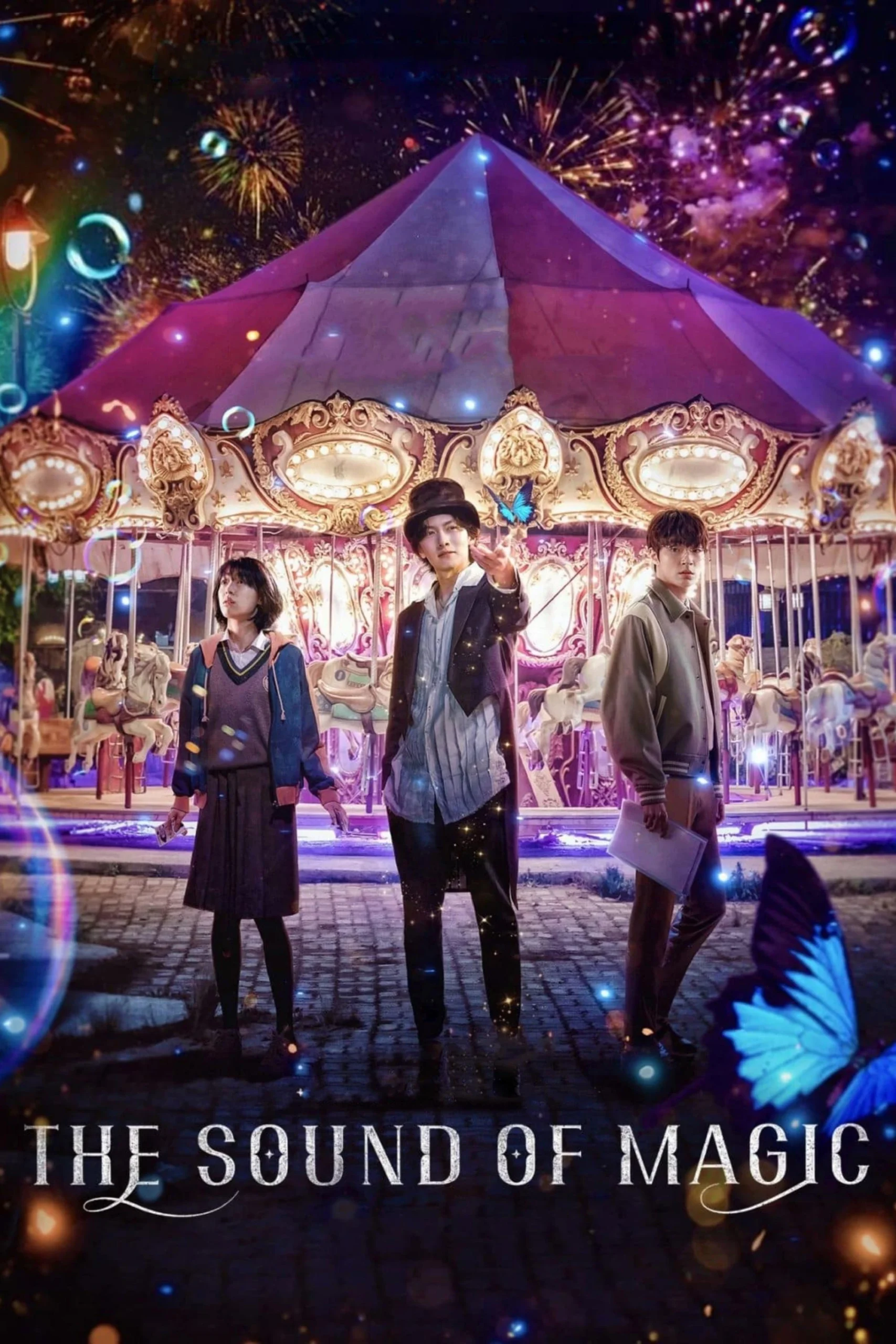
 My Idol, My Debut
coming of agefantasy
Read Full Review →
|
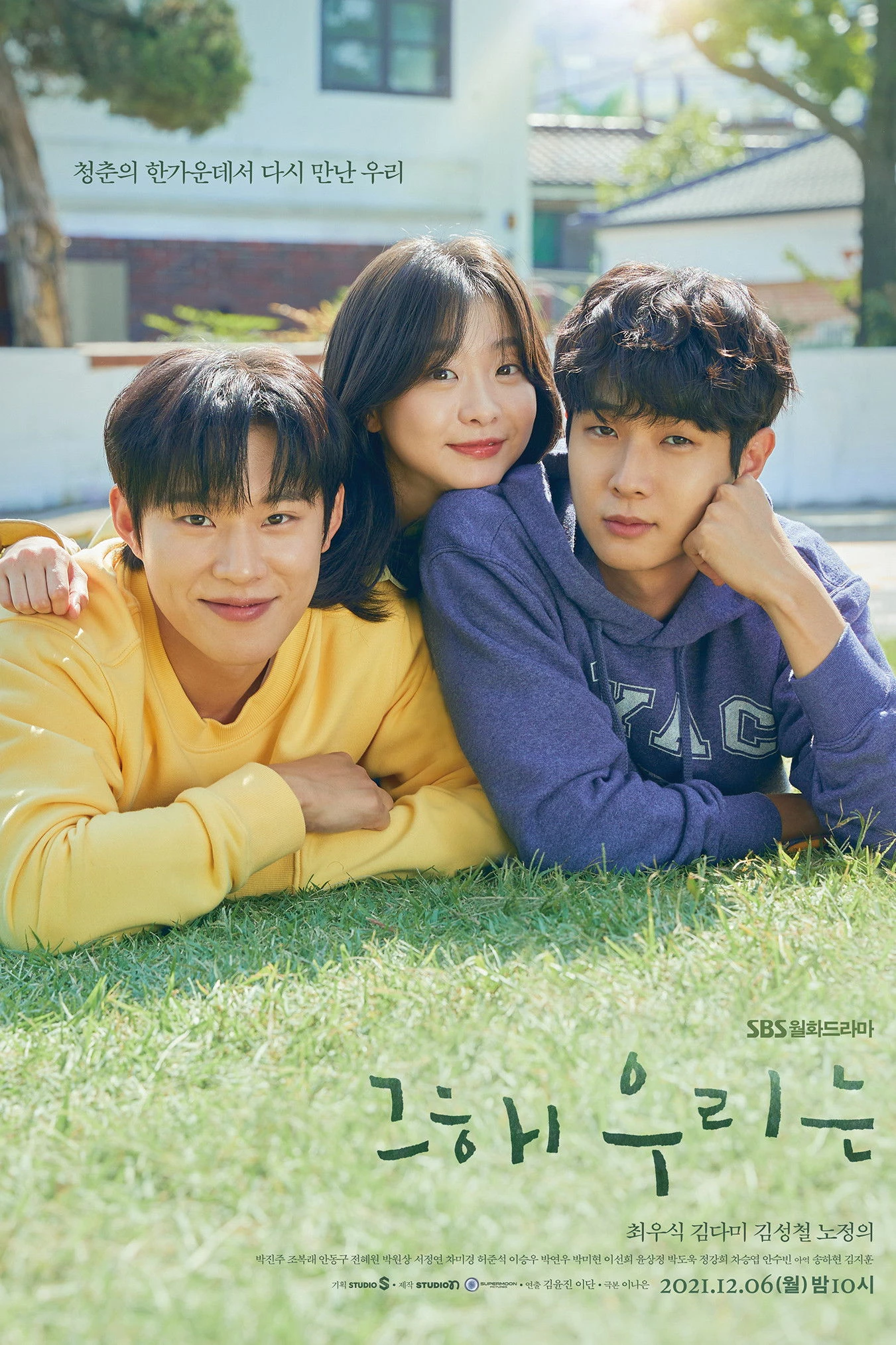
 The Interest of Love
Bank SettingLove Square
Read Full Review →
|










Keep it kind, skip the harsh language, and please — no spoilers. Everyone's taste is different, and that's perfectly fine.
This space is for real reactions and discussion from other viewers. Help keep it comfortable for everyone by not giving away major plot details.
What do you think of this drama?
Login to share your review or leave a comment.
No email needed — just pick a username & password.