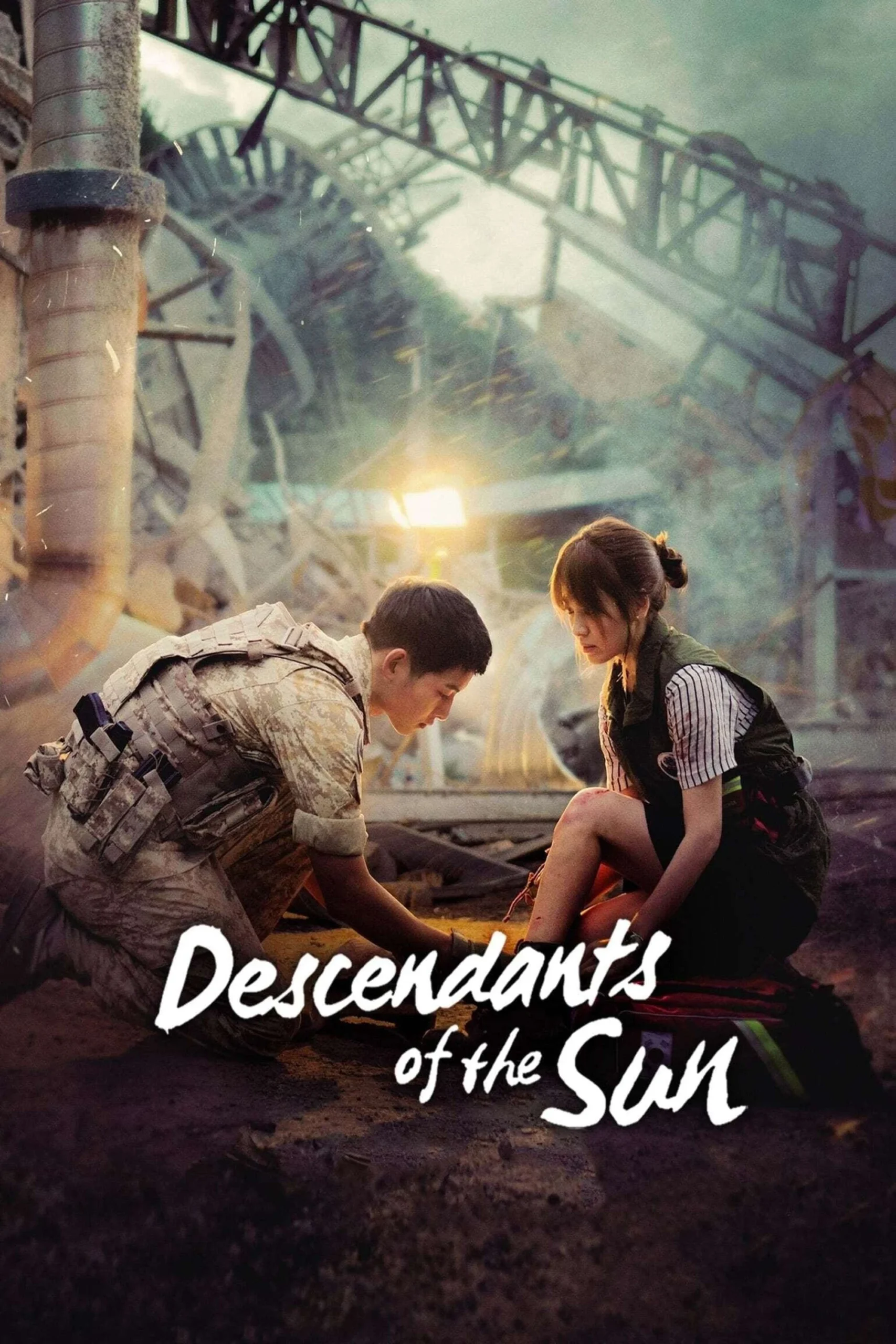
Descendants of the Sun
🎬 Netflix · Viki · Viu
⭐ 8.7 MDL
📺 TV-14
📋 Drama Overview
Everything you need to know before you hit play.
💗 Iconic Romance Pick
Viki
Viu
Vidio
Kocowa
Kang Mo-yeon is a cardiac surgeon at a prestigious Seoul hospital — the kind who is quietly exceptional until the moment she refuses to perform unnecessary surgery on a powerful donor’s relative. One refusal costs her a major award nomination, and the fallout sends her to Uruk: a fictional conflict zone with no clean edges, no obvious exits, and a special forces unit already stationed there whose captain she has already met under very different circumstances.
That captain is Yoo Si-jin. He spent their brief Seoul acquaintance being charming and dangerous in roughly equal measure, and she saw through both attributes almost immediately. What Descendants of the Sun understands, and what makes it hold up, is that the drama isn’t about whether these two belong together — it’s about what it costs to keep choosing each other when every institutional and logistical structure is arranged against them. She saves lives. He sometimes ends them. Neither of them pretends that distinction away.
16 / 16 ✅ Completed
⚡ Quick Verdict
One box. Everything you need to decide.
MDL Score · Check MyDramaList for updated community rating
▶ Official Trailer
🎭 Cast & Characters
Two star-powered leads and a secondary couple that turns a supporting romance into an argument for the whole show.

Lead

Lead

Supporting
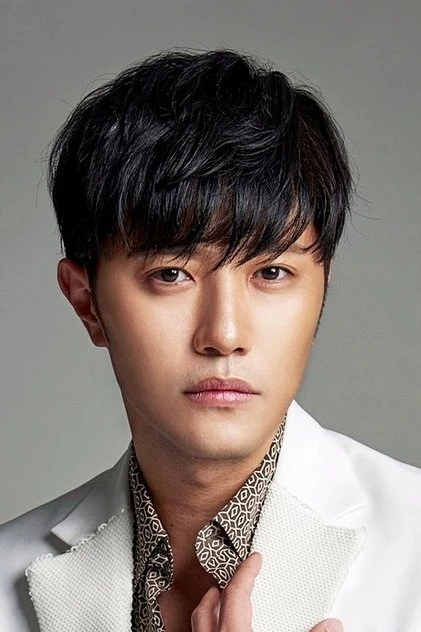
Supporting
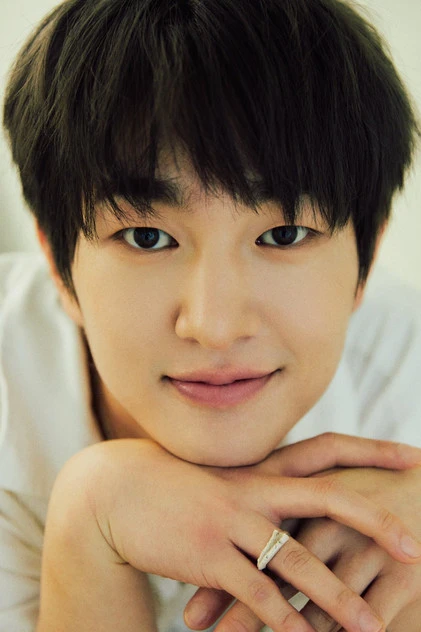
Supporting
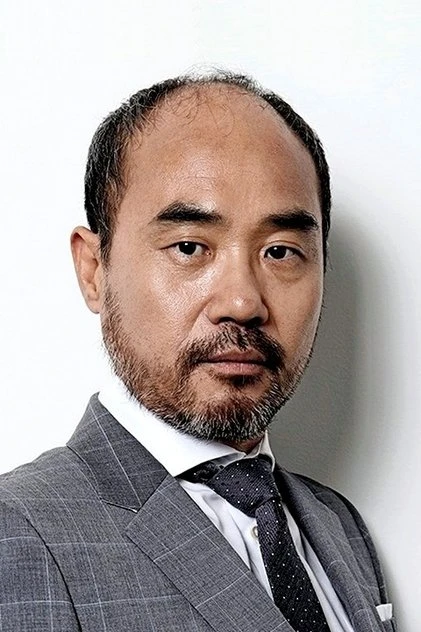
Supporting

Supporting
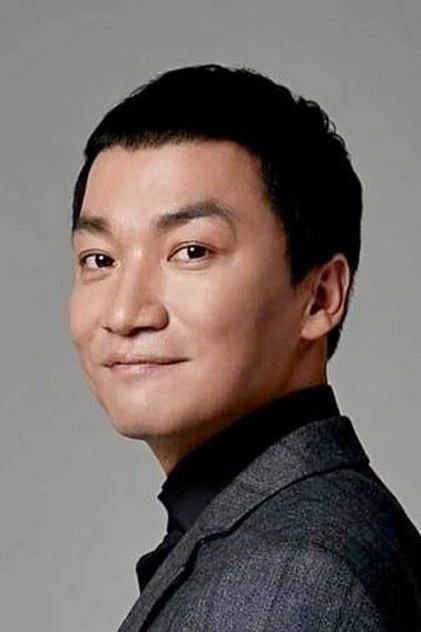
Supporting

Supporting

Supporting
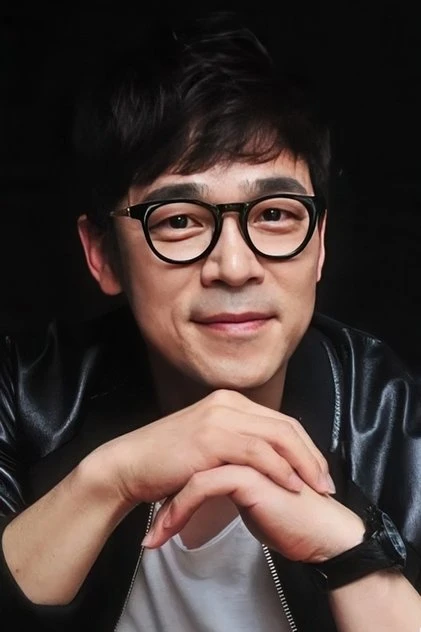
Supporting
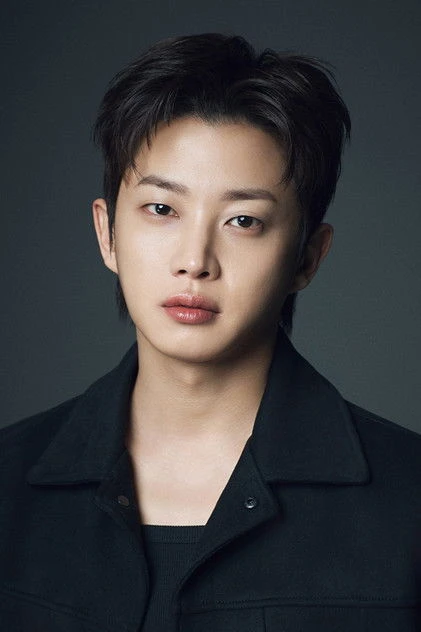
Supporting
📺 Episode Guide
Spoiler-light recaps — enough to remember where you left off, nothing that ruins the ride.
EP 2
EP 3
EP 4
EP 5
EP 6
EP 7
EP 8
EP 9
EP 10
EP 11
EP 12
EP 13
EP 14
EP 15
EP 16 · Final
🏁 Ending
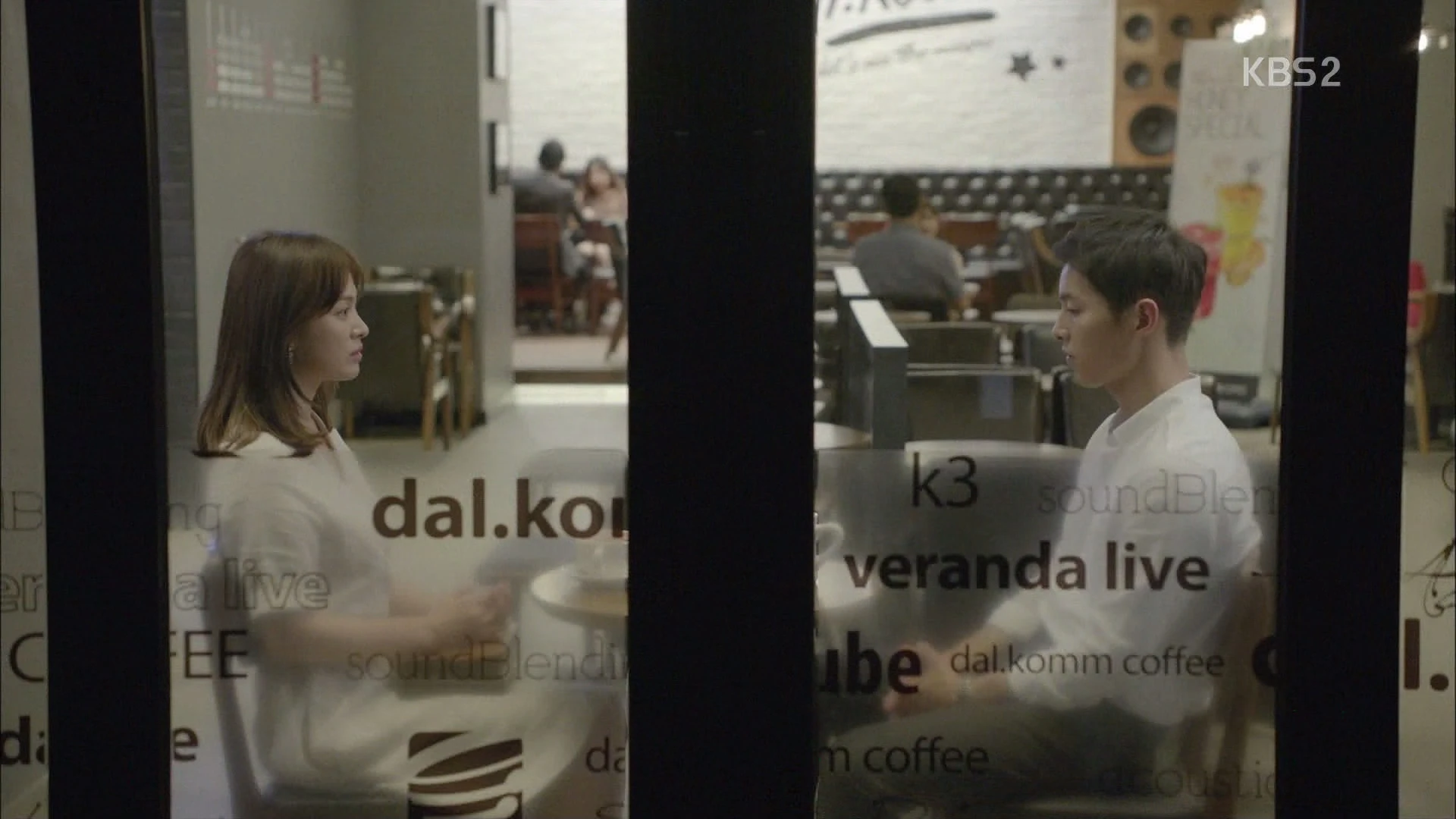
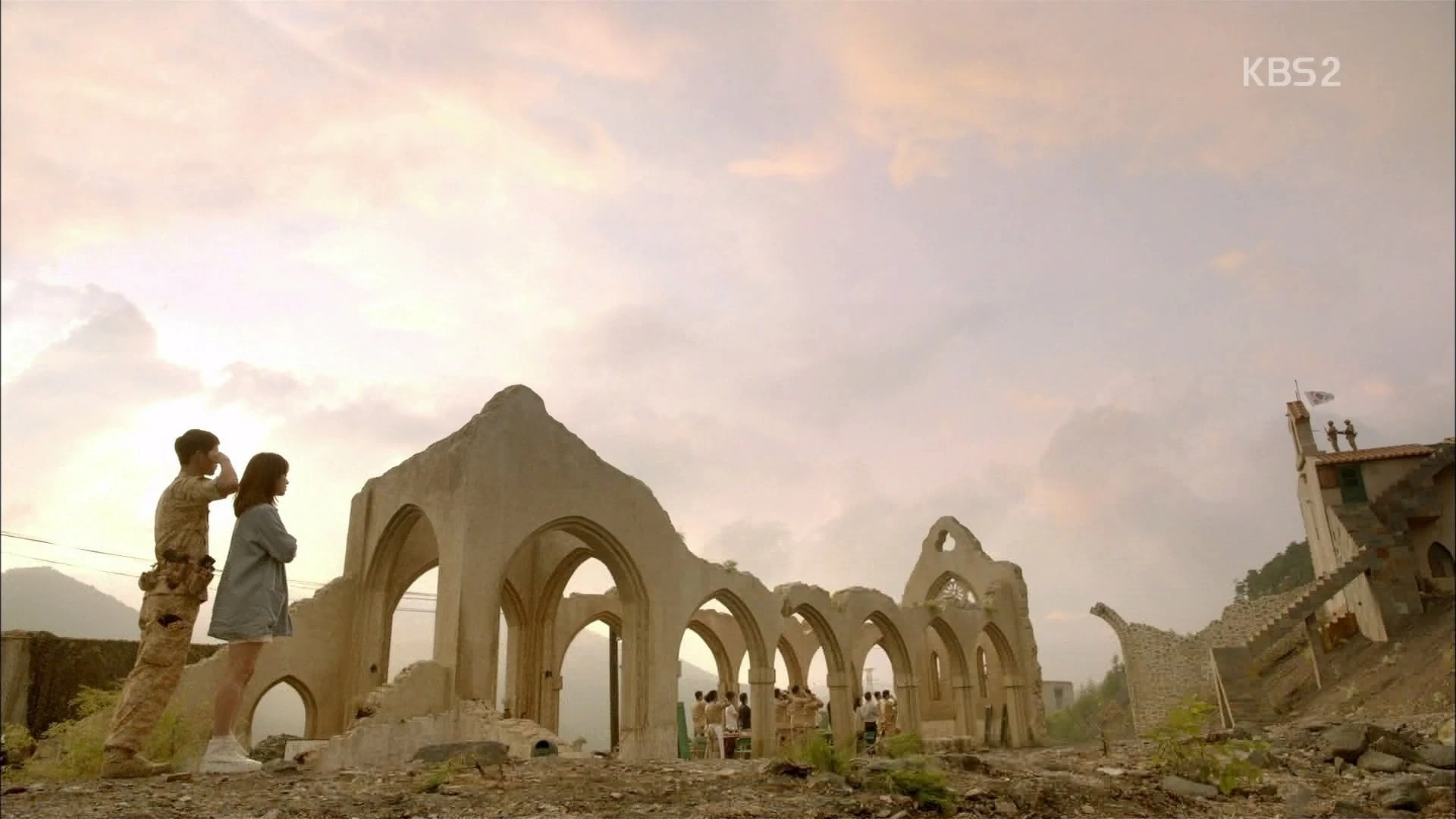
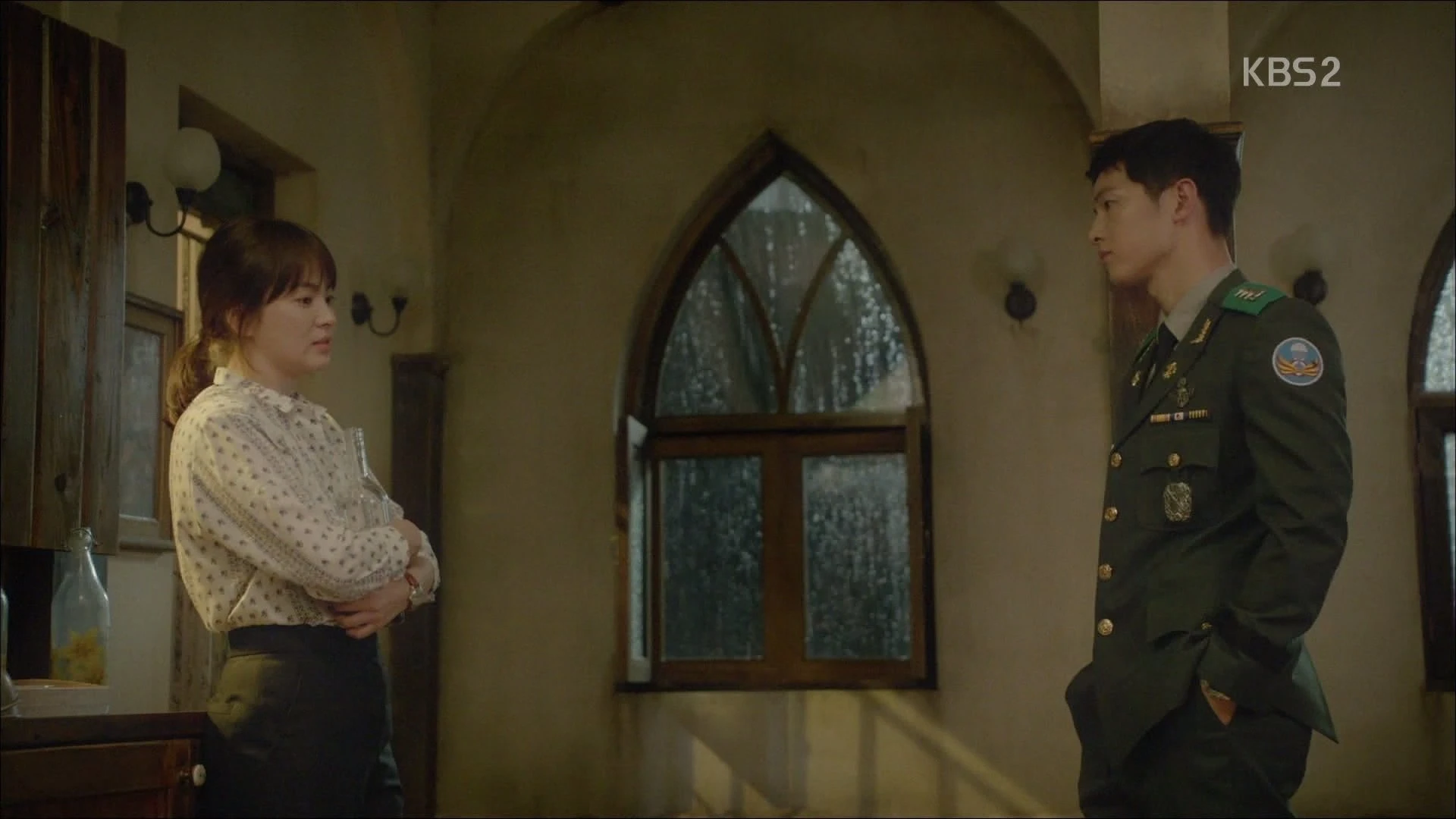
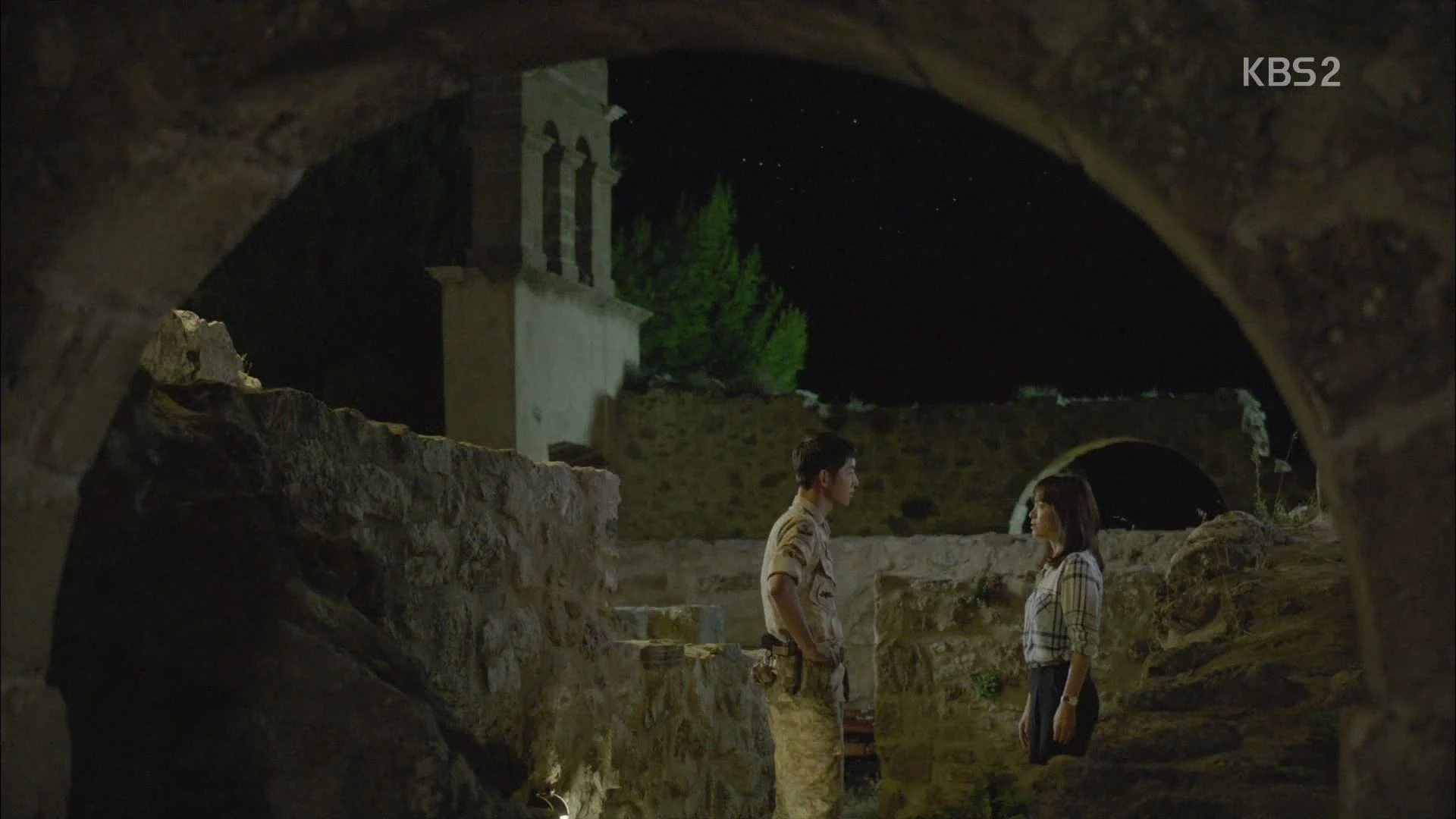
🏁 Ending Explained
Full spoilers ahead — everything that happens in the finale and what it all means.
Spoiler Warning — This section covers the full finale of Descendants of the Sun. Stop here if you haven’t finished the series.
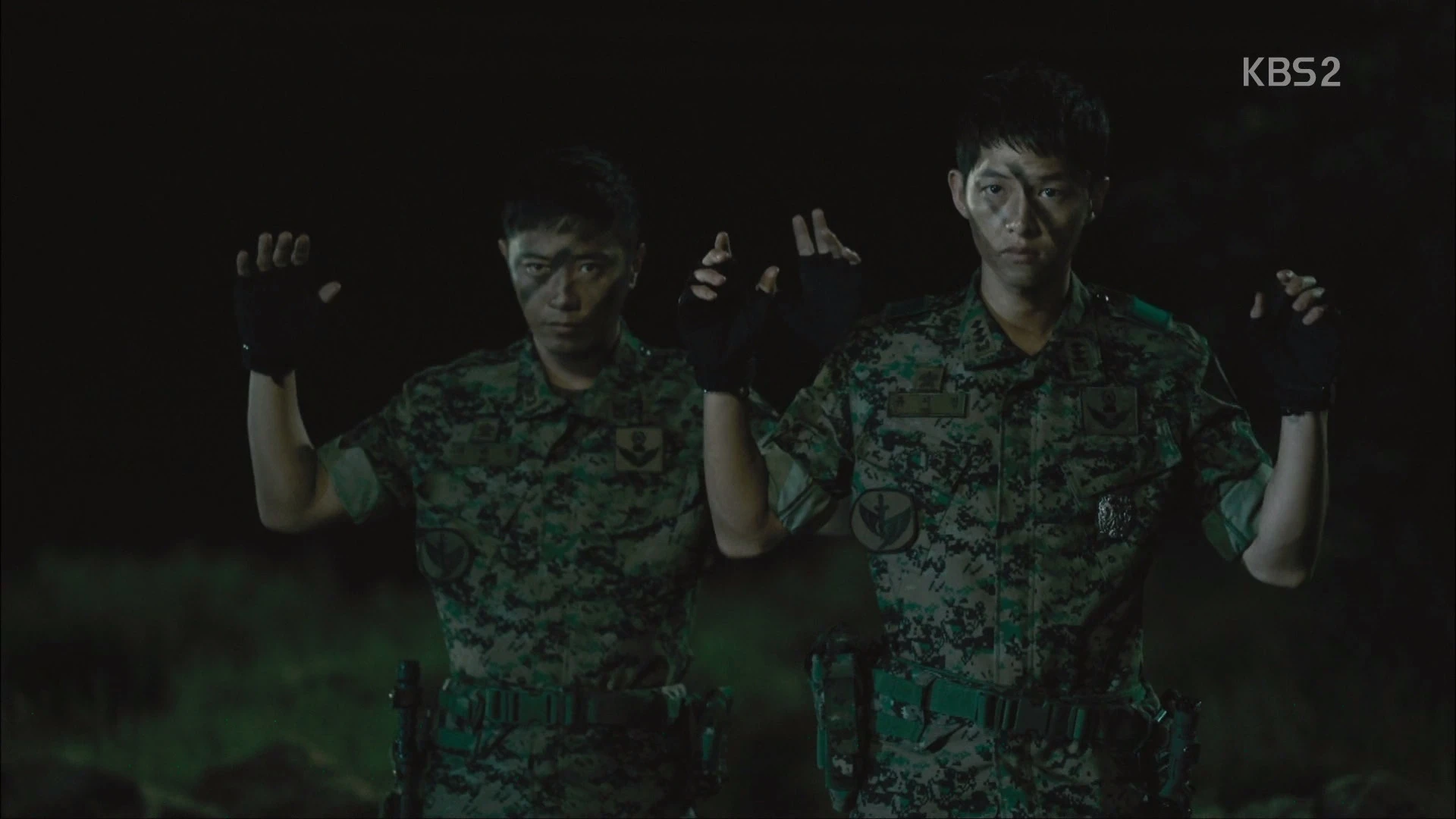
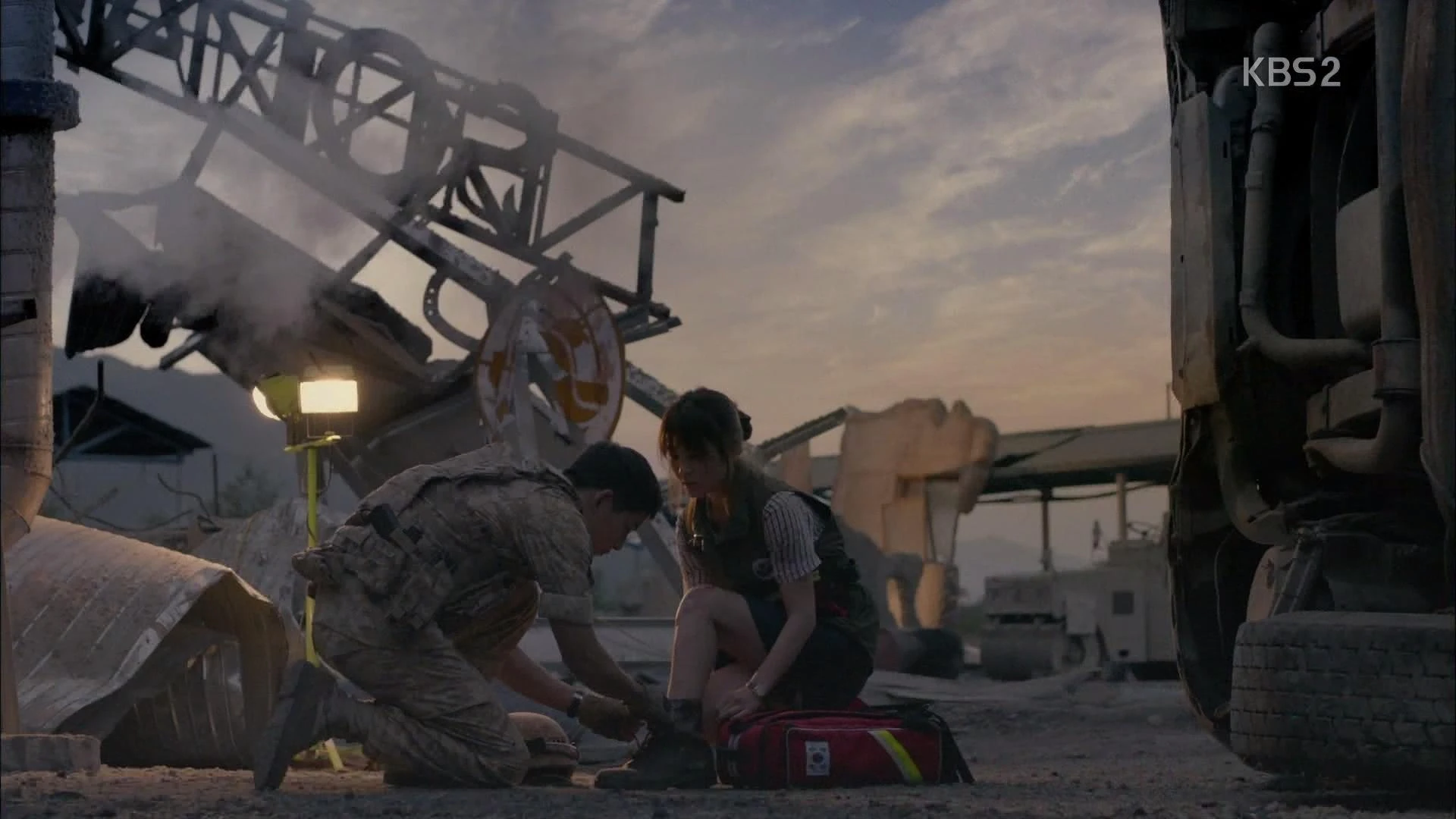
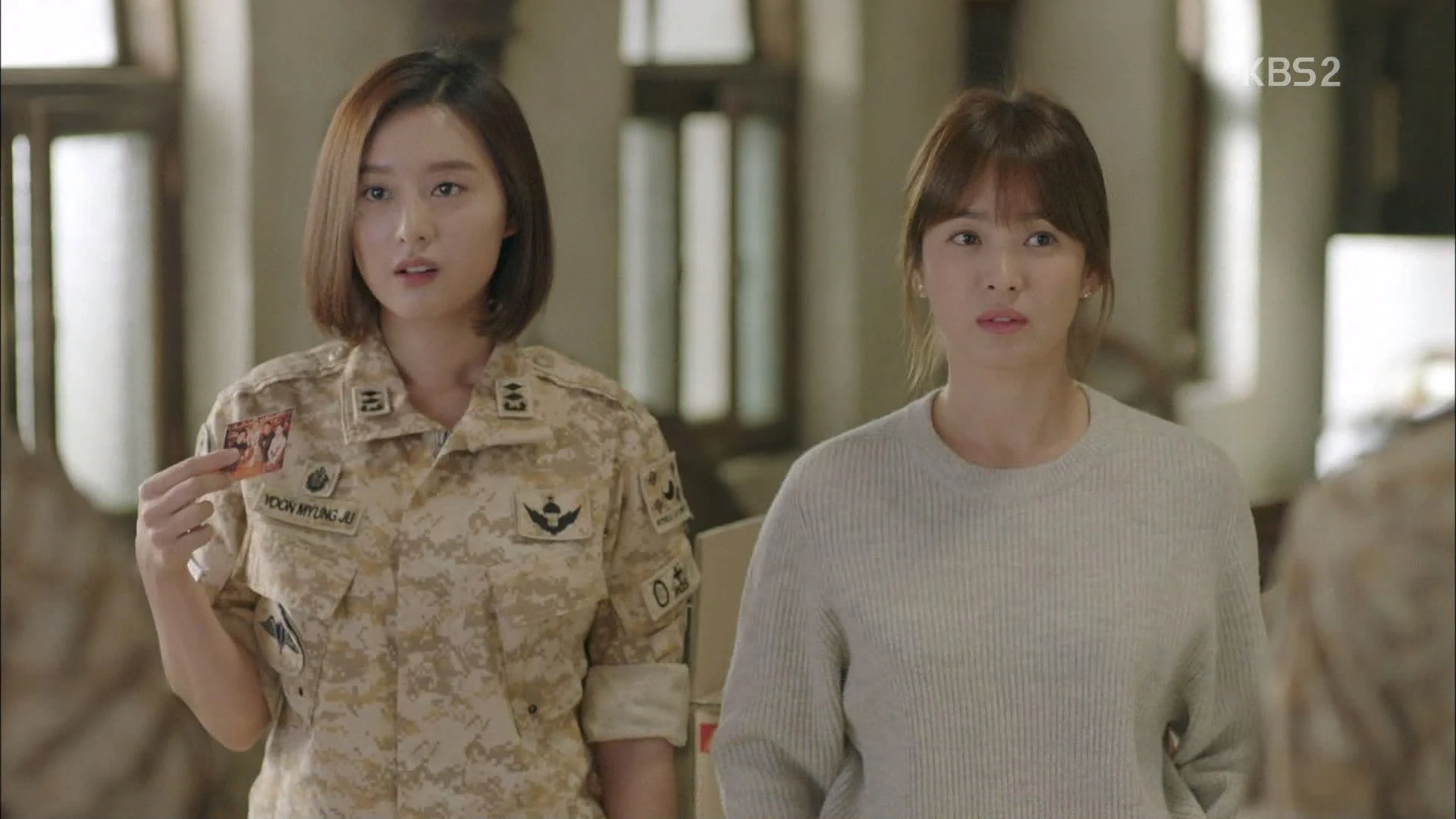
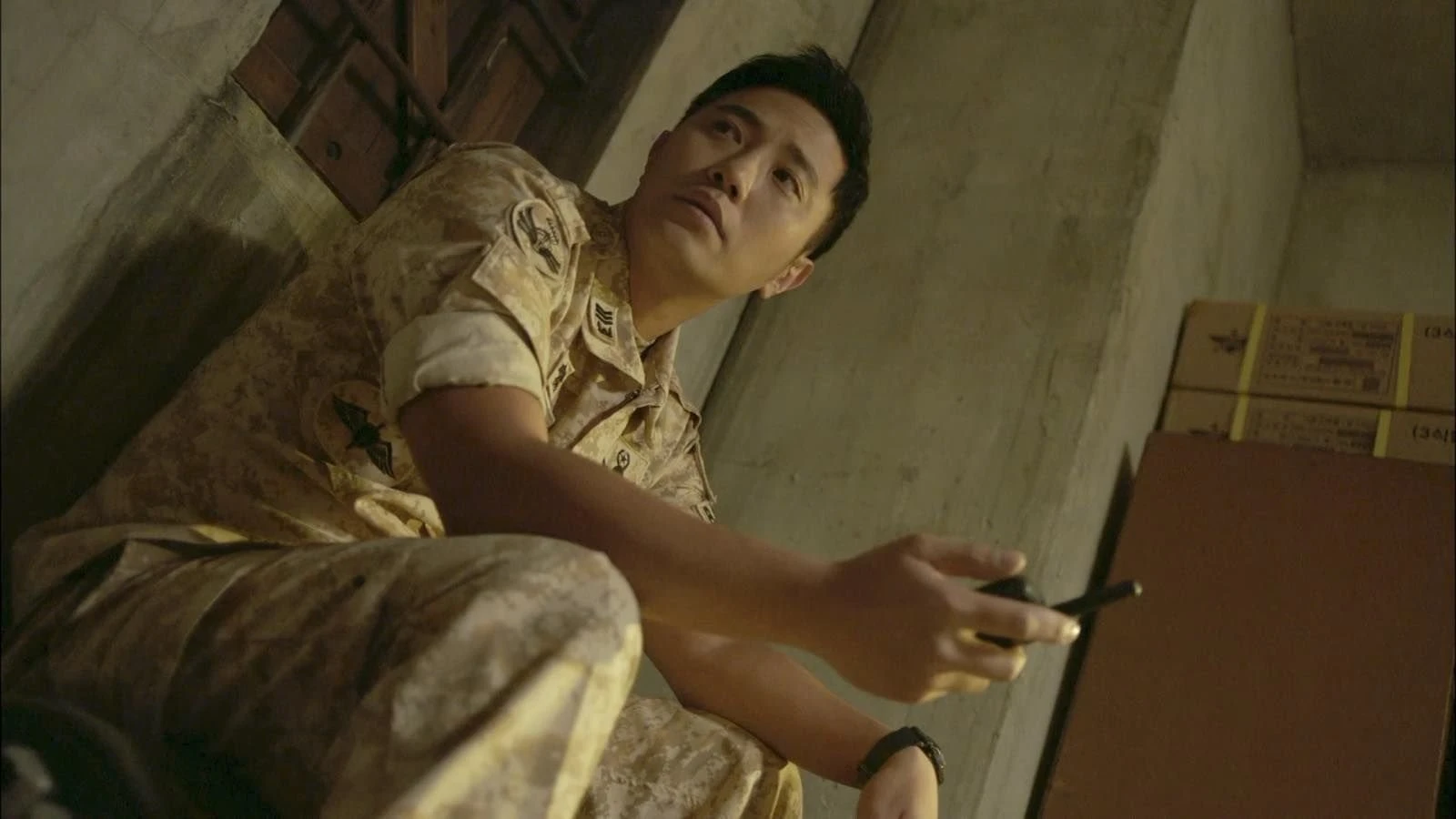
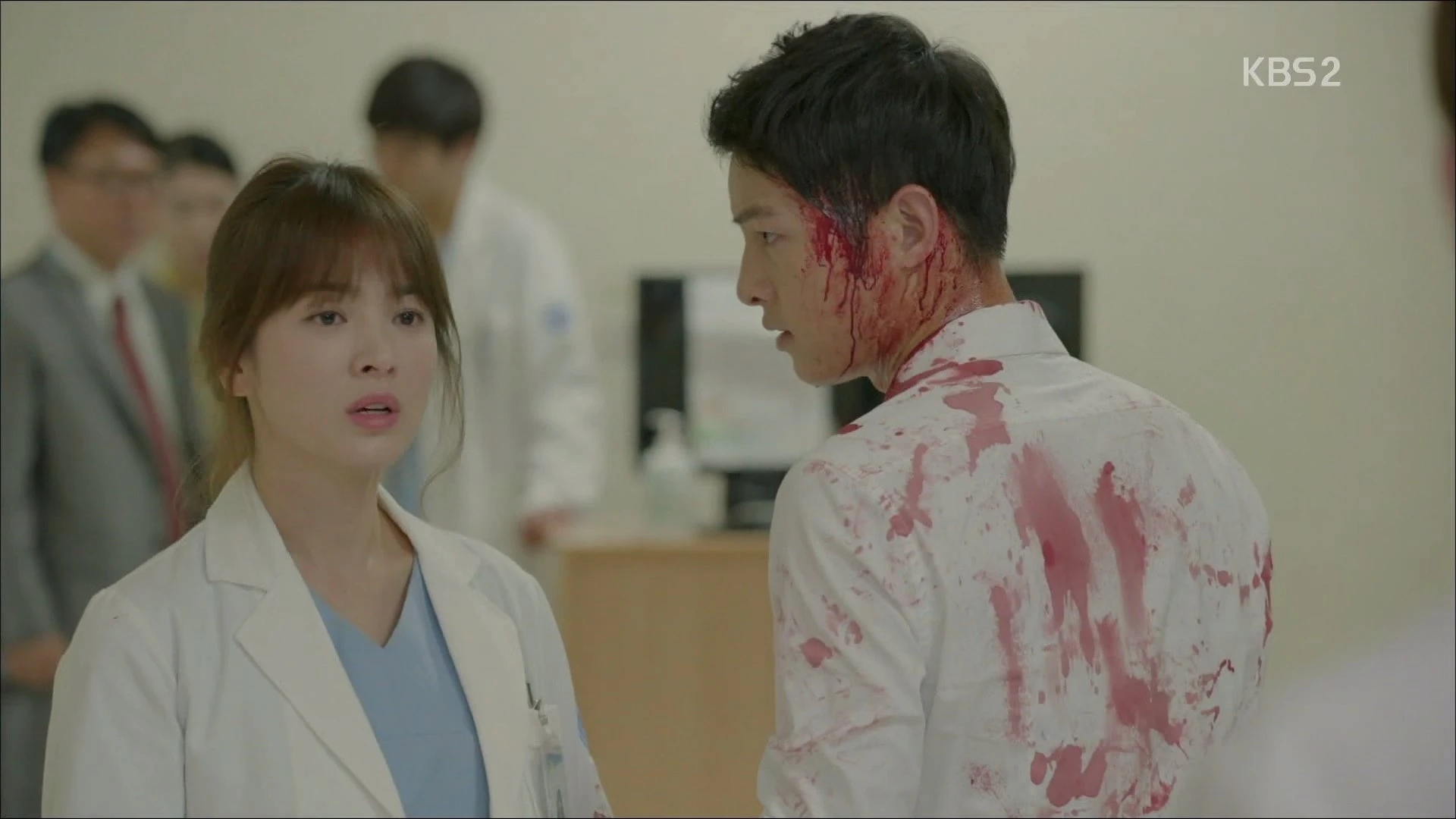
The presumed death. Si-jin and Dae-young don’t die in the finale — but the drama earns their survival by making everyone, including the audience, genuinely believe they might have. The Argus mission ends in an explosion that produces no immediate confirmation of life. What follows is not a quick dramatic reveal but a sustained period of not-knowing: no body confirmed, no contact established, nothing to hold onto except probability. Mo-yeon processes this with the same economy she brings to everything — she doesn’t collapse, she continues, she carries the absence the way a surgeon carries the memory of a patient she couldn’t save.

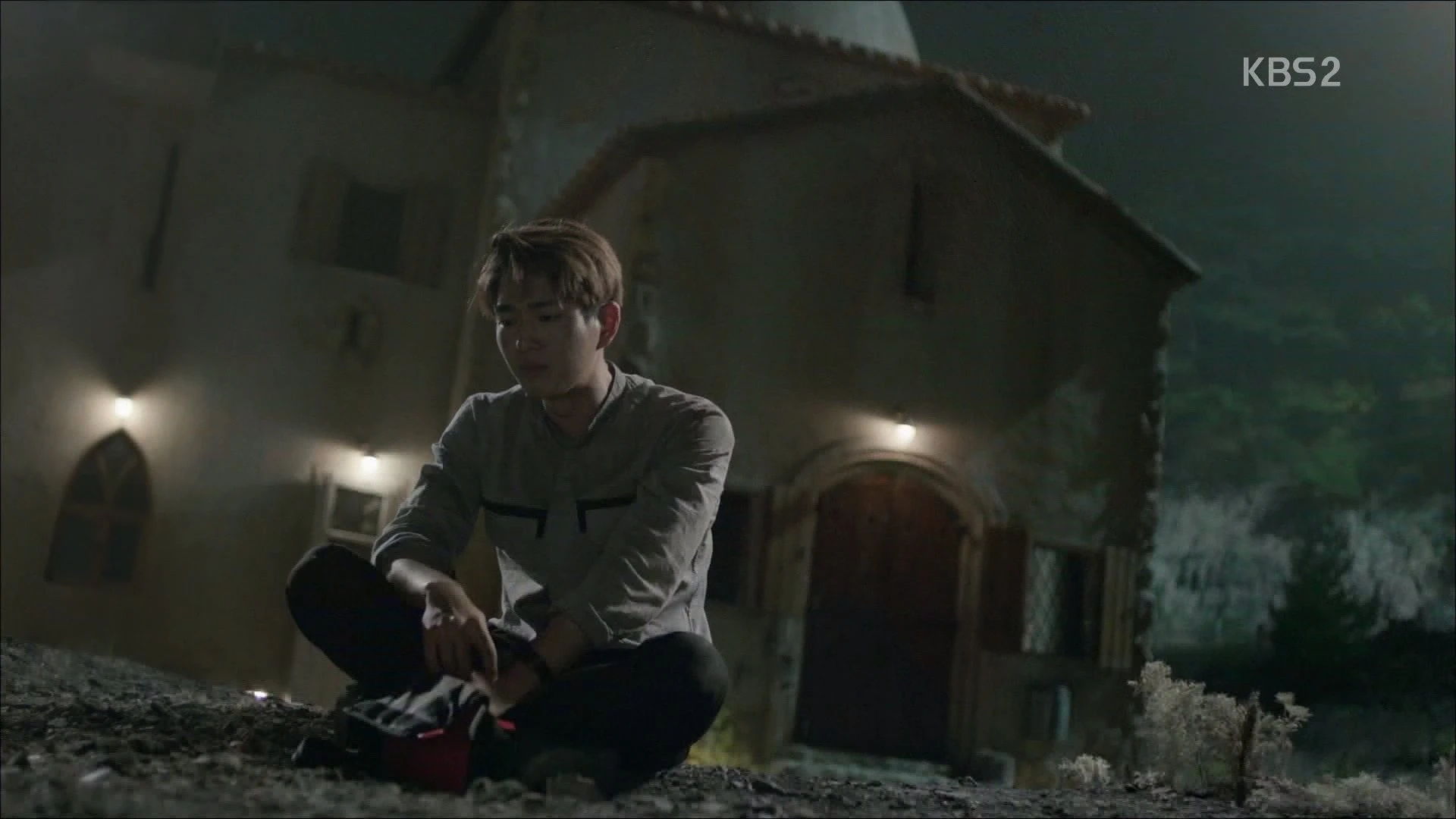
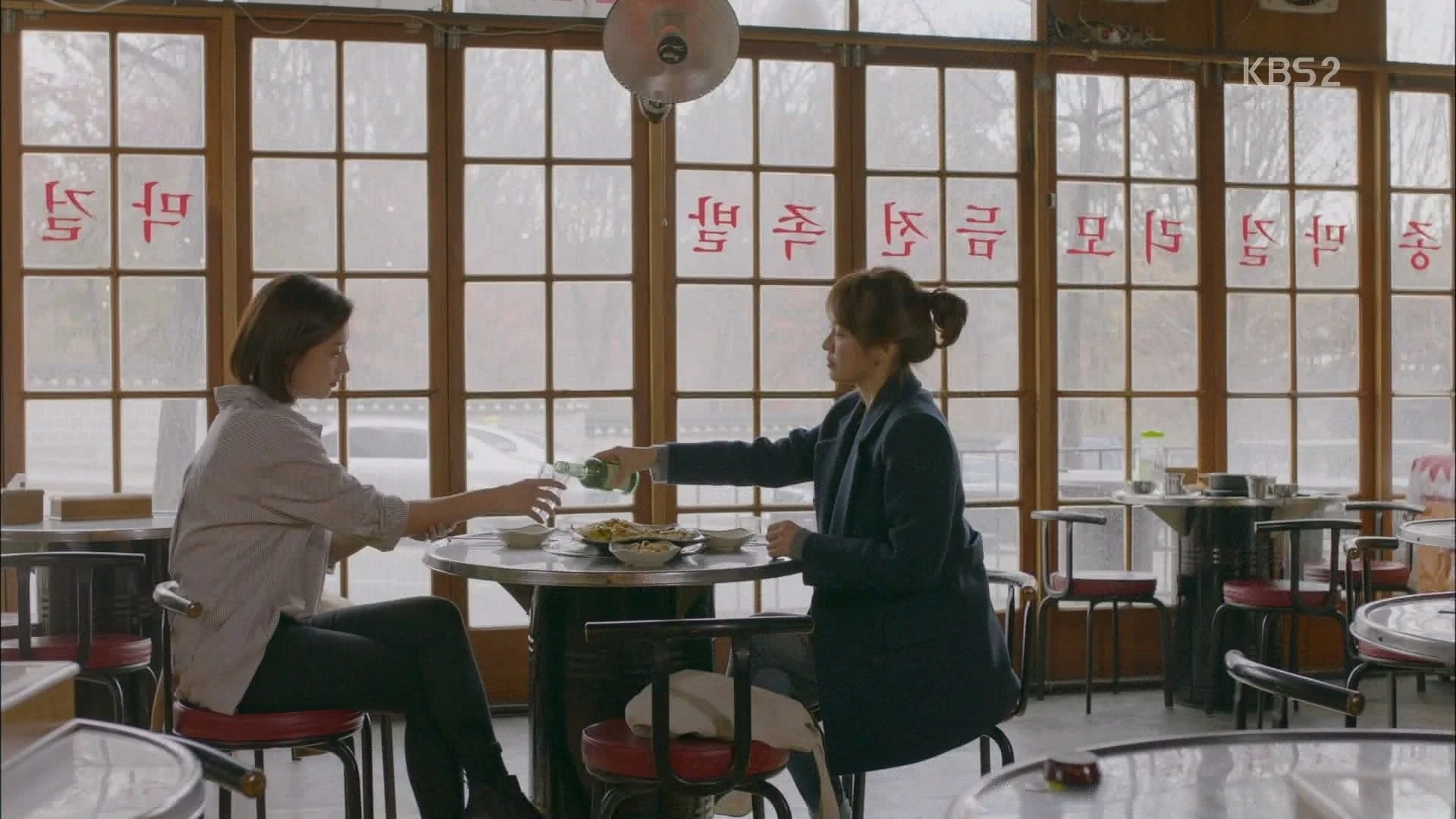
The ten-month gap. Ten months pass. The drama doesn’t elide this — it insists on it. Mo-yeon went back to Seoul, returned to medicine, and built a life that didn’t leave space for someone who might be dead. That isn’t denial; it’s survival. Myung-joo’s version of the same process runs louder and more visibly, but both women arrive at the same place: a liveable life, if not the one they would have chosen.
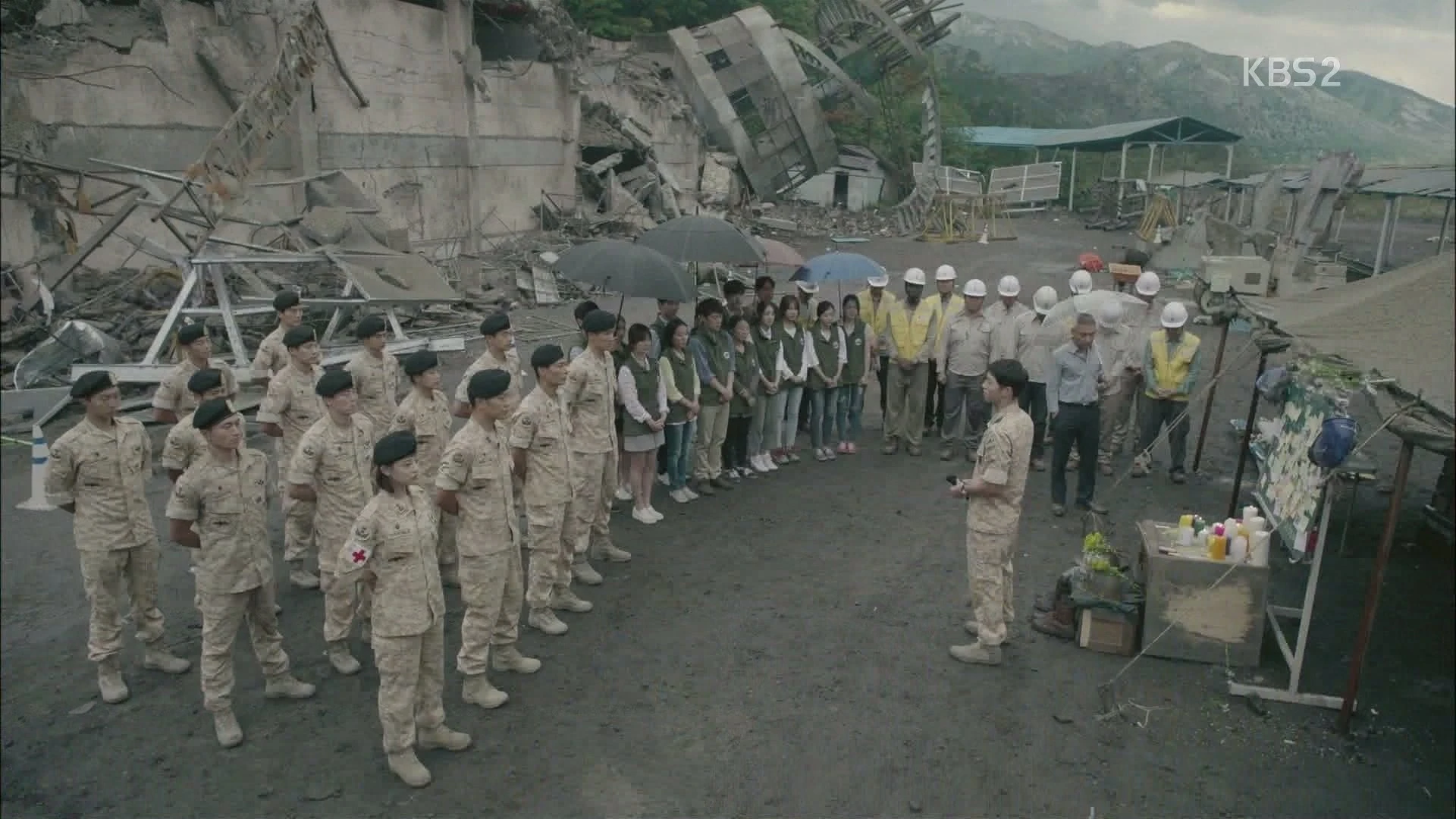
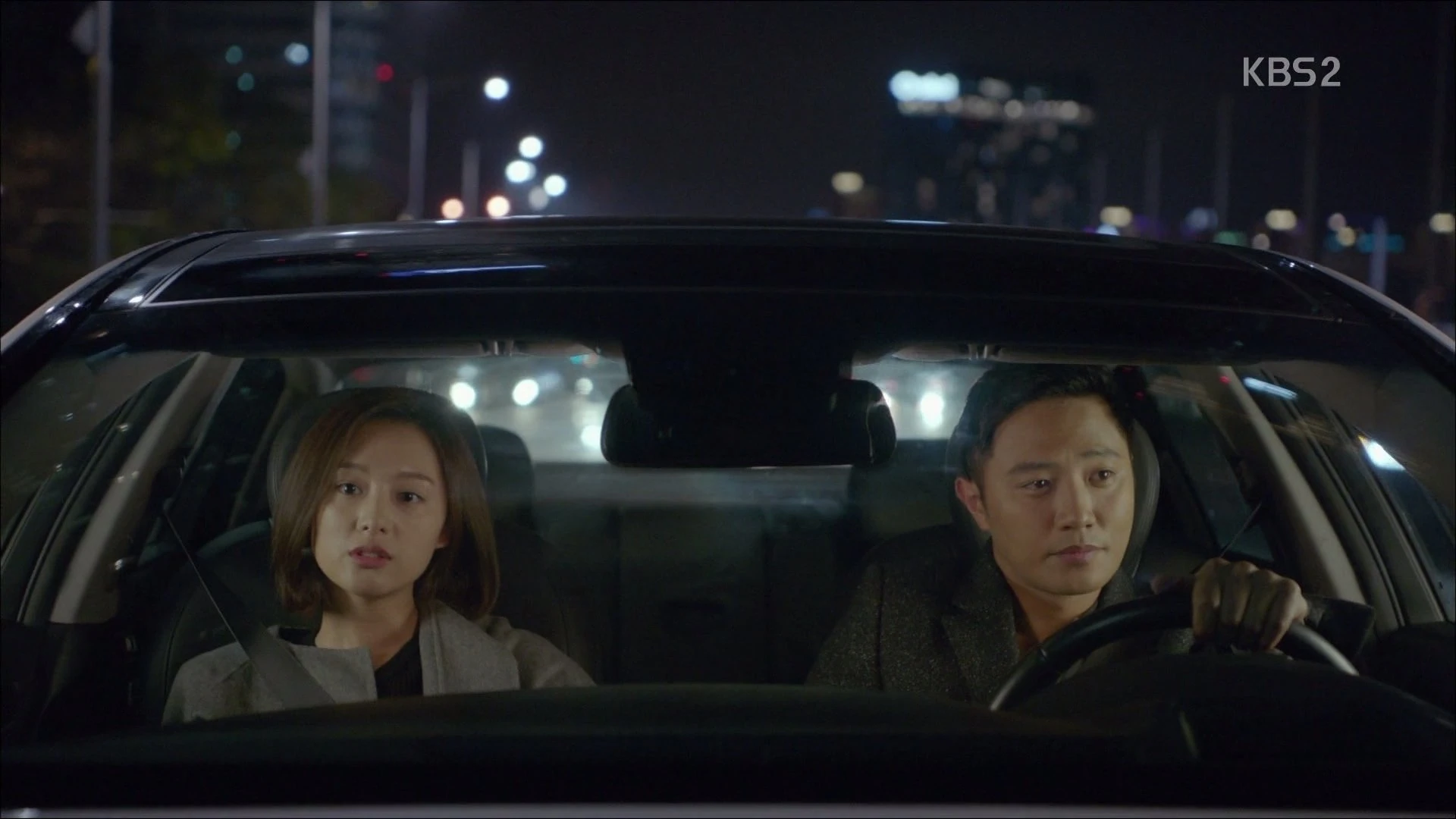
What the return requires. When Si-jin and Dae-young come back — alive, and unable to explain the silence — they’re not returning to the people they left. They’re returning to people who have already grieved them, processed them, and closed the chapter. The reunion the drama stages is genuinely confused: not triumphant, not clean. Both women have to decide whether they can absorb that emotional whiplash, and the show doesn’t rush the question into an answer.
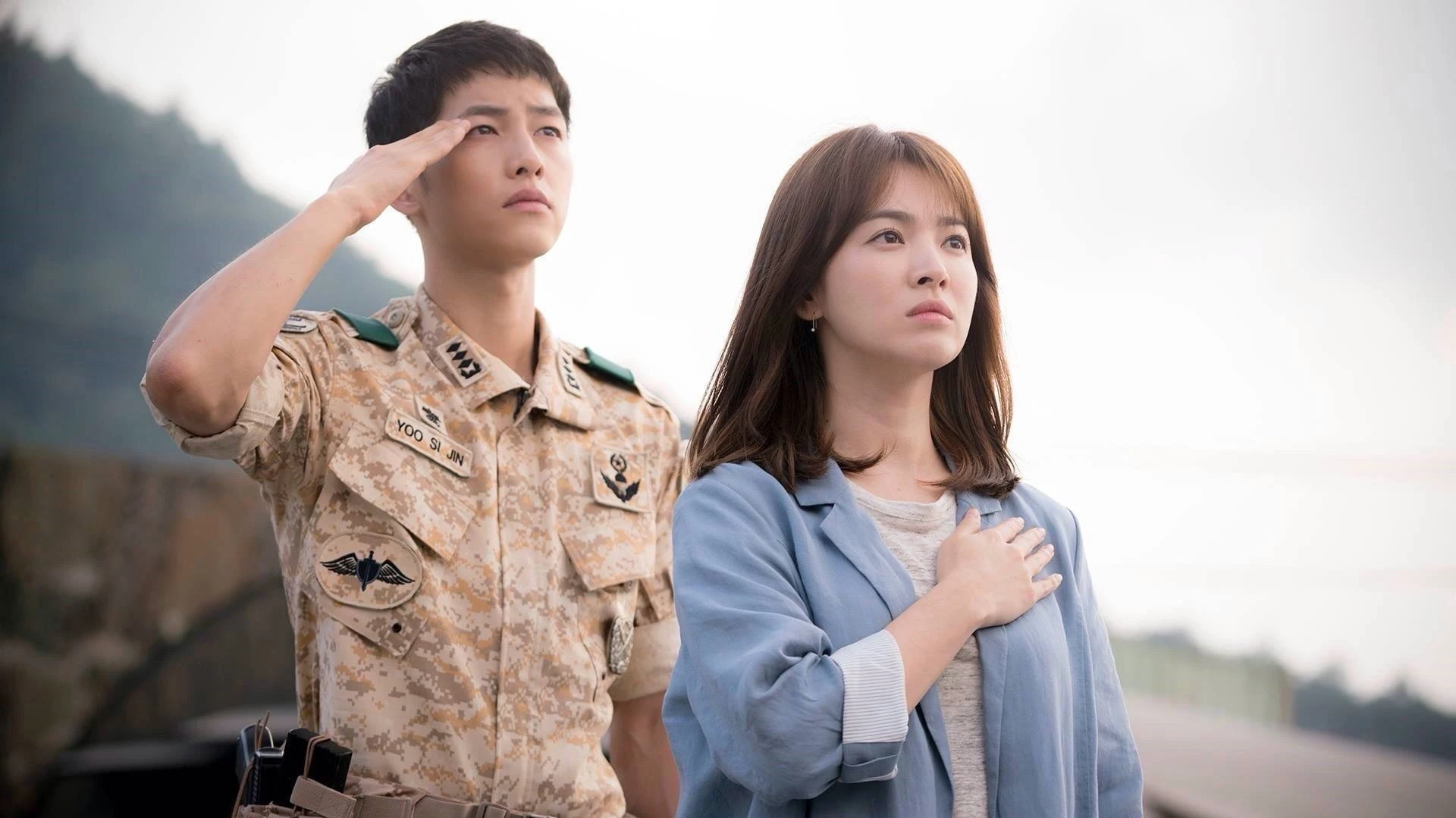
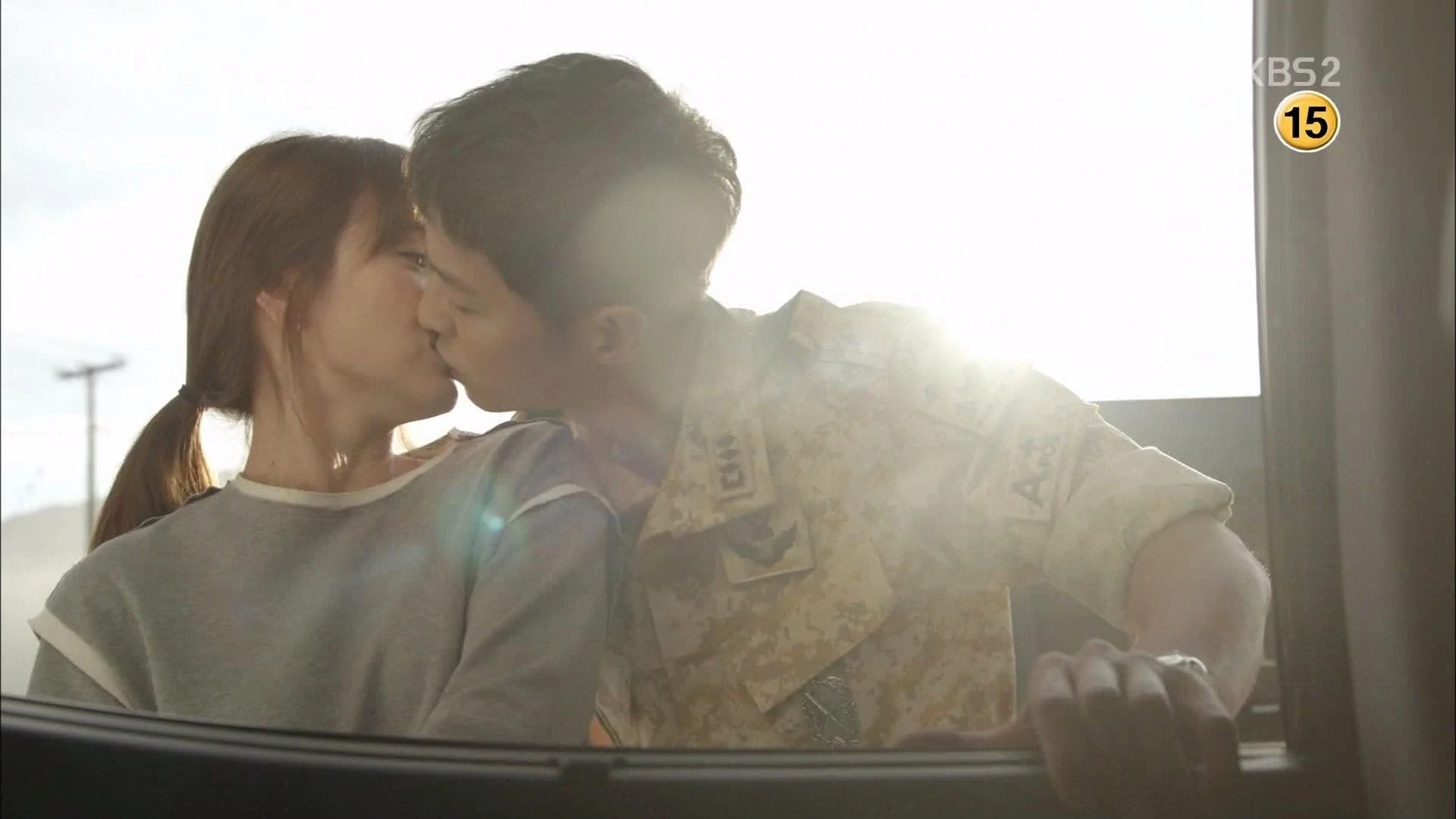
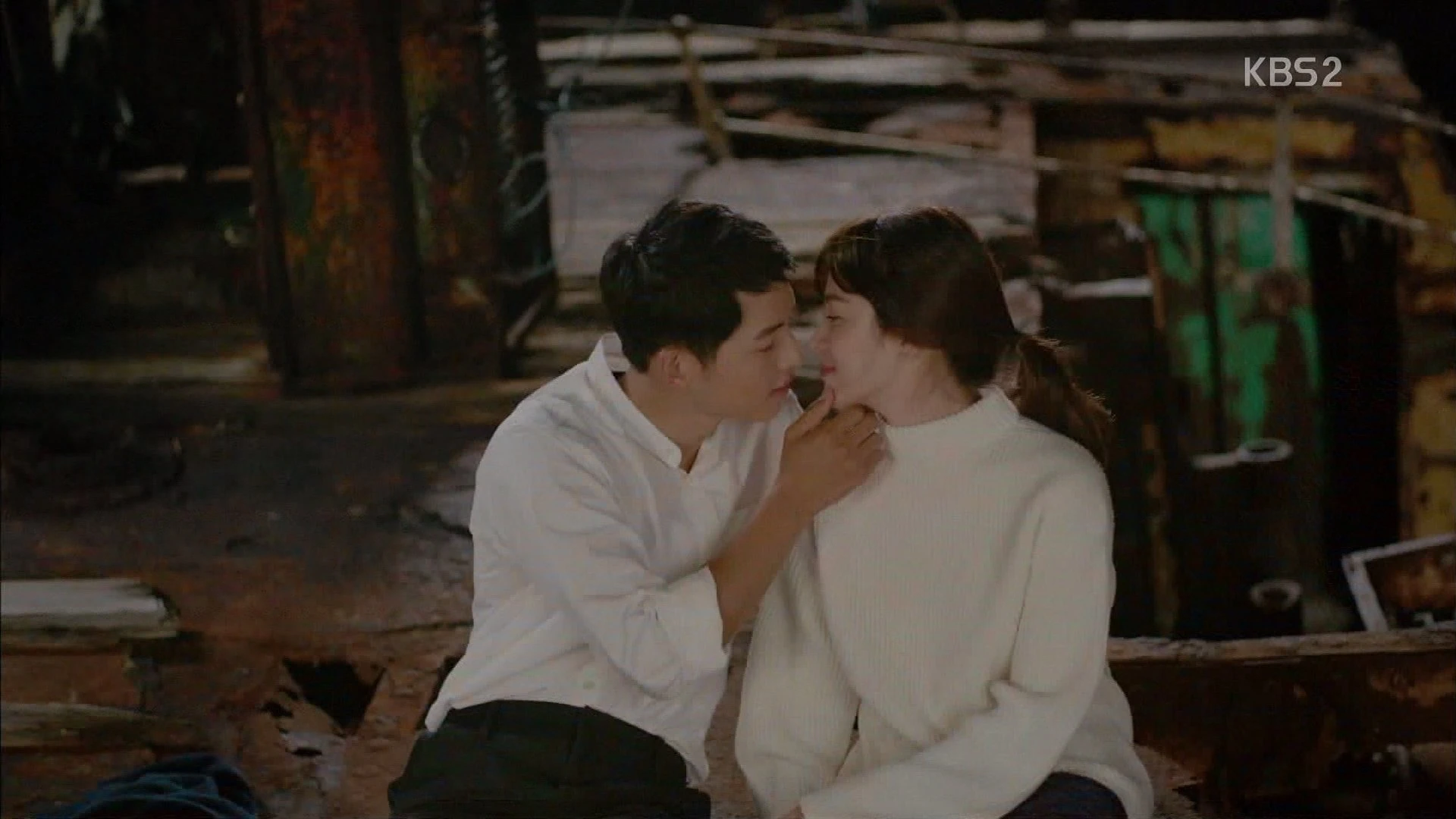
What each arc means. Mo-yeon’s acceptance of Si-jin in the finale isn’t the same decision she would have made in episode five. Back then, she was still trying to reconcile the shape of his life with the shape she’d expected love to take. Now, she has stopped reconciling — she has accepted that these shapes are non-negotiable, and she is willing to take both or neither. That’s a different, harder, more durable kind of yes. Dae-young and Myung-joo’s resolution lands differently: they have General Yoon’s blessing now, which the show treats less as permission and more as public acknowledgment of something that was always real.
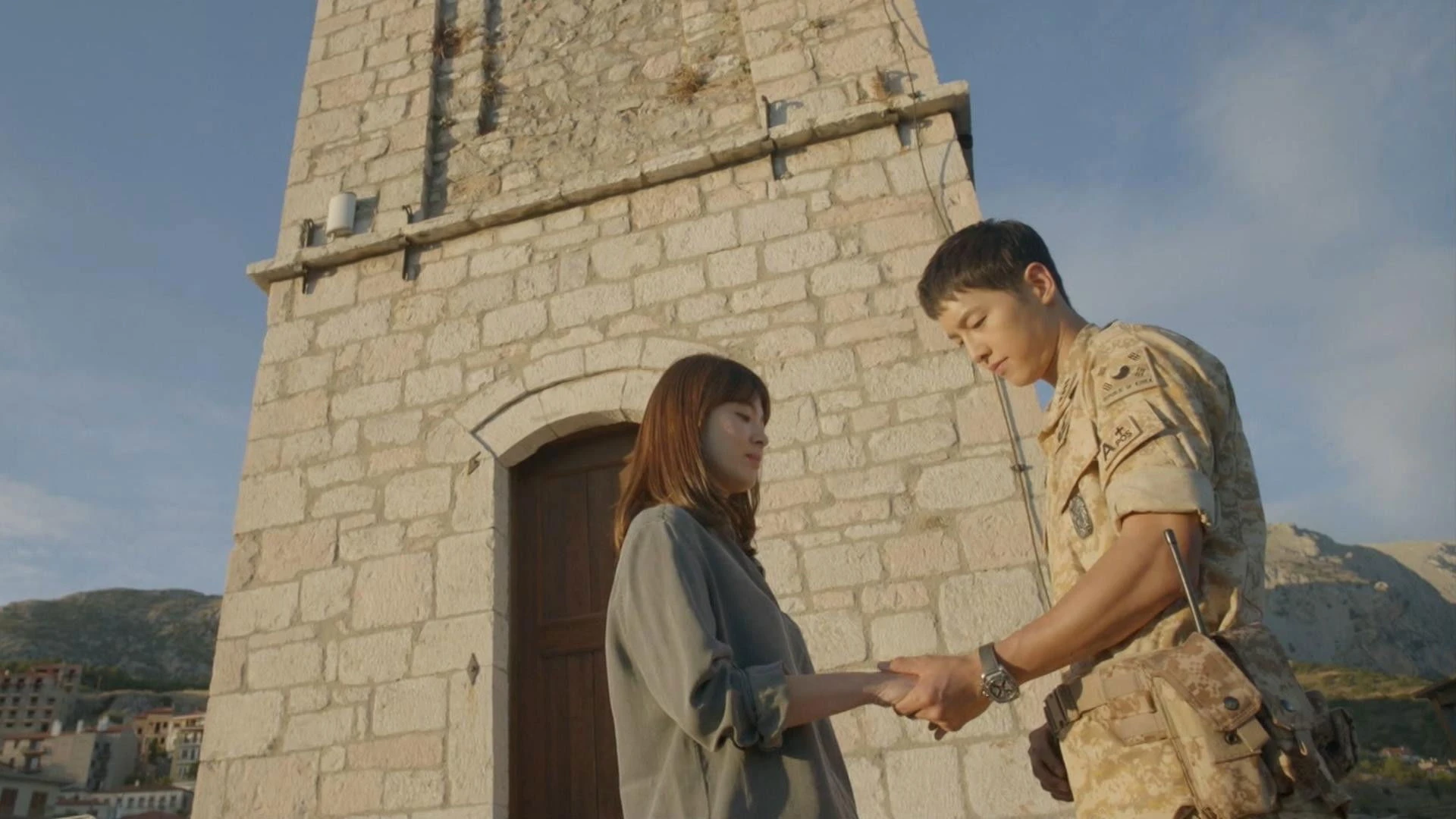
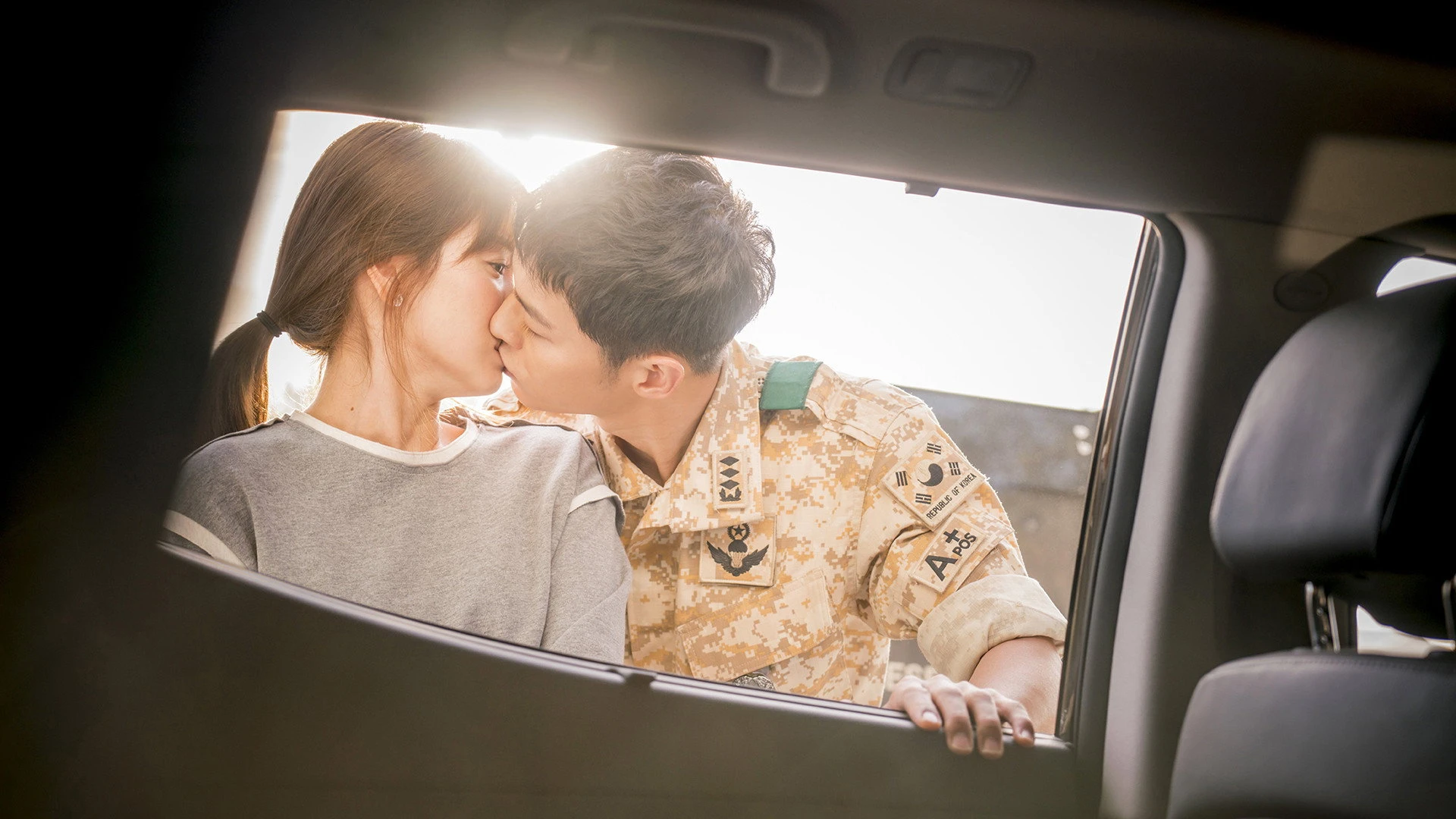
What the ending is actually saying. Descendants of the Sun ends with the argument that love, under these conditions, is not a feeling — it’s a practice. Si-jin comes back from Uruk. He comes back from the Argus mission. He comes back from being presumed dead. By the time the finale’s closing scene arrives, the word “return” has accumulated enough meaning that the quietness of the ending feels proportionate. The show spent sixteen episodes proving that these two people keep choosing each other past the point where the circumstances allow it. The finale doesn’t celebrate that. It confirms it. That’s enough.
✍️ KDramaWorlds Editor’s Take
Our honest read on why this drama is worth your time — and who it’s for.
⚔️ Military Action
🩺 Life & Death Stakes
🌍 War Zone Drama
🎬 K-Drama Landmark
Song Joong-ki’s career before Descendants of the Sun was built on projects that appreciated his warmth more than they tested it. Kim Eun-sook’s writing gives him something the earlier work didn’t: a character whose confidence is not decorative but structural, whose honesty — he doesn’t soften bad news, doesn’t apologize for the shape his life takes, doesn’t pretend the gap between what he does and what she does isn’t real — becomes its own kind of romantic architecture. What the performance does physically is commit to stillness: Si-jin doesn’t gesticulate through tense scenes, doesn’t perform urgency he doesn’t feel. When the restraint finally breaks in episode eight, it lands proportionately. If you’ve watched Itaewon Class, the architecture is similar — a male lead whose transparency about who he is becomes the primary romantic mechanism — though Si-jin’s version runs through charm where Park Saeroyi’s runs through stubbornness.
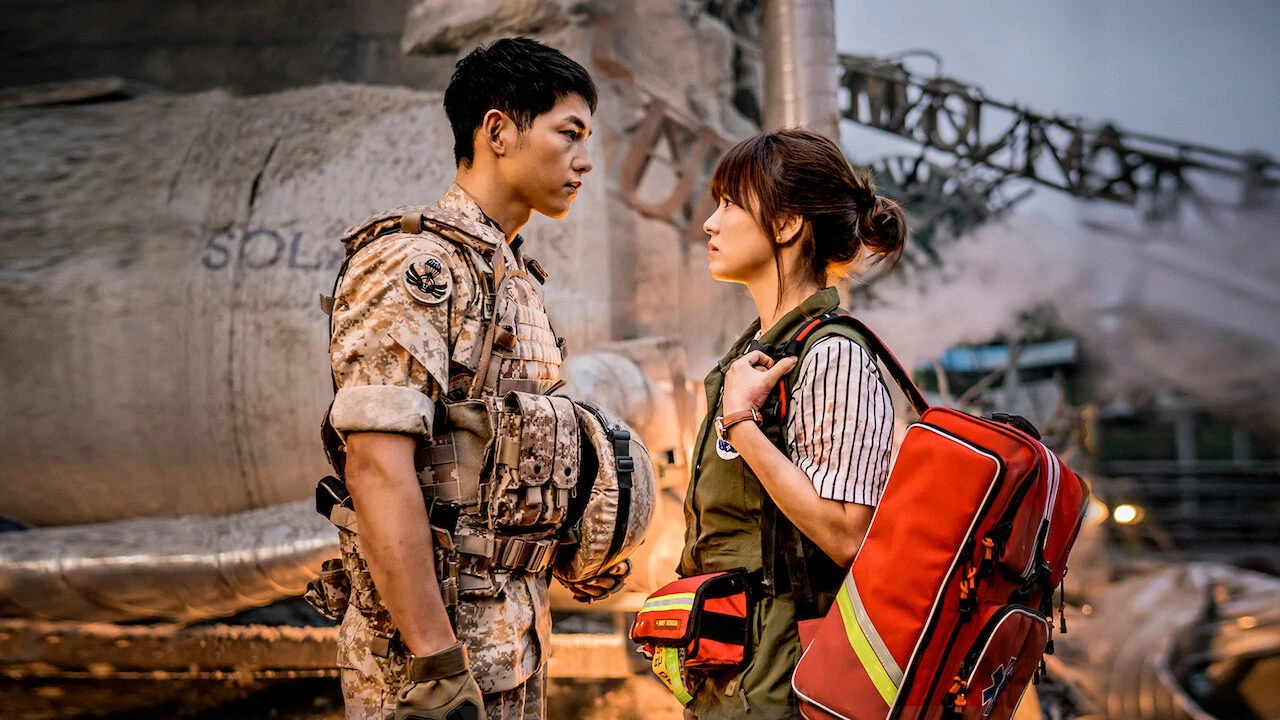
Song Hye-kyo was already a recognizable face before this drama, and what Descendants of the Sun offers her is a character whose competence is never in question. Mo-yeon’s restraint is a performance decision — she doesn’t chase emotional moments, doesn’t reach for the camera. In episodes thirteen and fourteen, when the grief should be at its most visible, Hye-kyo renders it through what Mo-yeon doesn’t say and doesn’t do; the subtraction is more effective than almost anything openly expressive. Kim Ji-won’s Myung-joo runs in the opposite direction — she gives everything immediately and trusts the specificity underneath to do the work. What this show reveals is that Ji-won can operate in both registers, which is why her career accelerated so sharply after it. If the patient, accumulative quality of Summer Strike is what brought you here, the emotional rhythm in the late-middle stretch of this series will feel familiar: the show earns the feeling before it pays it off.
The middle section — roughly episodes nine through twelve — is where Descendants of the Sun most clearly shows its era. The Argus storyline, meant to provide dramatic escalation, lands closer to procedural than personal: he is a credible threat but not a compelling character, and the scenes built around him slow the emotional momentum without replacing it with anything of equal weight. Kim Eun-sook’s dialogue occasionally crosses the line from honest to declarative, saying aloud what the performances were already communicating. These are real weaknesses. They don’t outweigh what works: the earthquake arc in episodes six and seven is among the best sustained filmmaking in the pre-produced K-drama format, the leads make the romance real on their own terms, and the finale delivers on every promise the first half made.
Viewers new to K-drama — this is the cultural landmark to start with
Fans of Kim Eun-sook’s writing at its most structurally disciplined
A landmark drama that trusts its leads to make the romance real before it tests them. They do.
🎬 You Might Also Like
If you liked Descendants of the Sun, these are your next three watches.
 Spring Fever
Ahn Bo-hyunHealing Drama
Read Full Review →
|
 Our Love Triangle
Ahn Se-minB-PLAY
Read Full Review →
|
 Family: The Unbreakable Bond
action comedyDouble Identity
Read Full Review →
|









Keep it kind, skip the harsh language, and please — no spoilers. Everyone's taste is different, and that's perfectly fine.
This space is for real reactions and discussion from other viewers. Help keep it comfortable for everyone by not giving away major plot details.
What do you think of this drama?
Login to share your review or leave a comment.
No email needed — just pick a username & password.