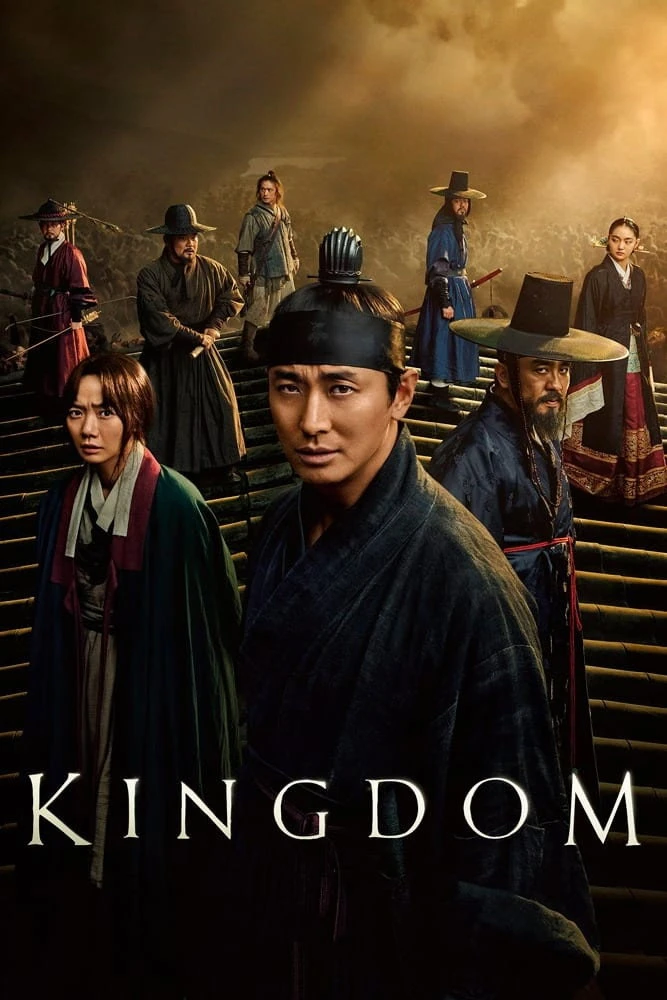
Kingdom (Season 2)
🎬 Netflix
⭐ 8.8 MDL
📺 TV-MA
📋 Drama Overview
What to expect, before you press play.
🏹 Historical Horror Pick
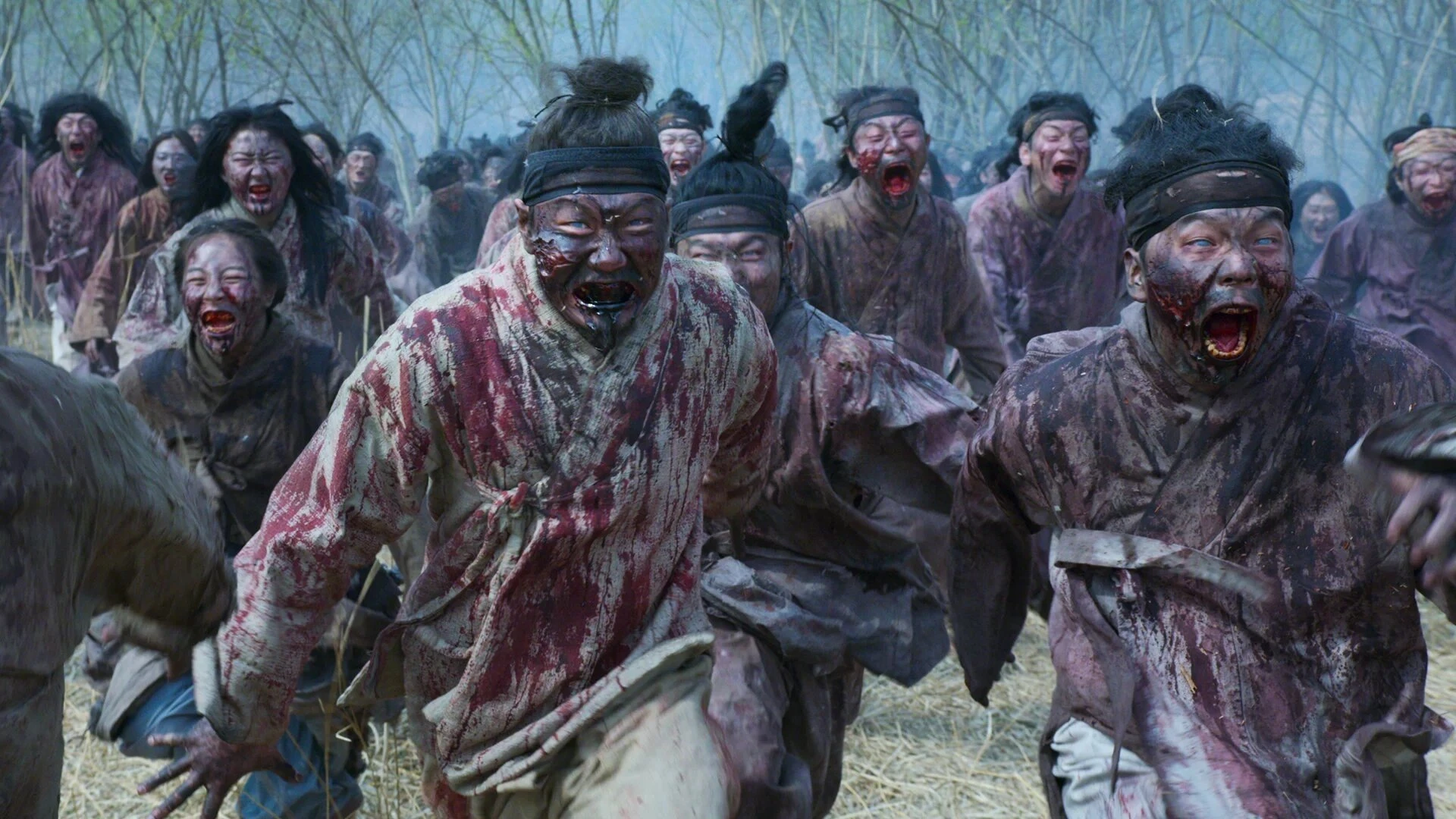
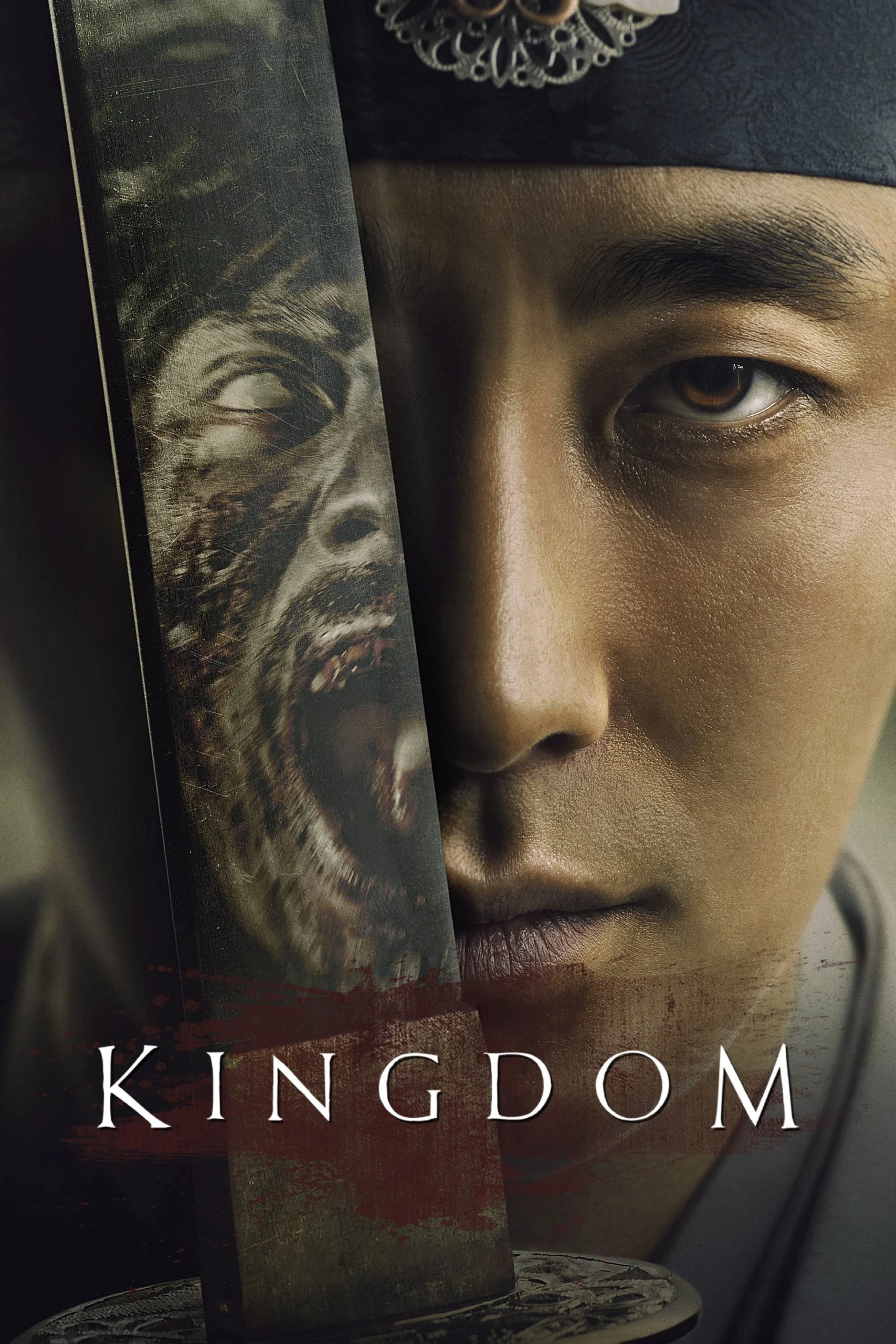
Kingdom isn’t really about zombies. The plague is the weapon, not the story. What Season 2 makes explicit — and what Season 1 was only willing to imply — is that the undead crisis and the court’s political ambitions were always the same disaster. The outbreak didn’t happen to the kingdom. The kingdom made it happen, and the people responsible are inside the palace walls.
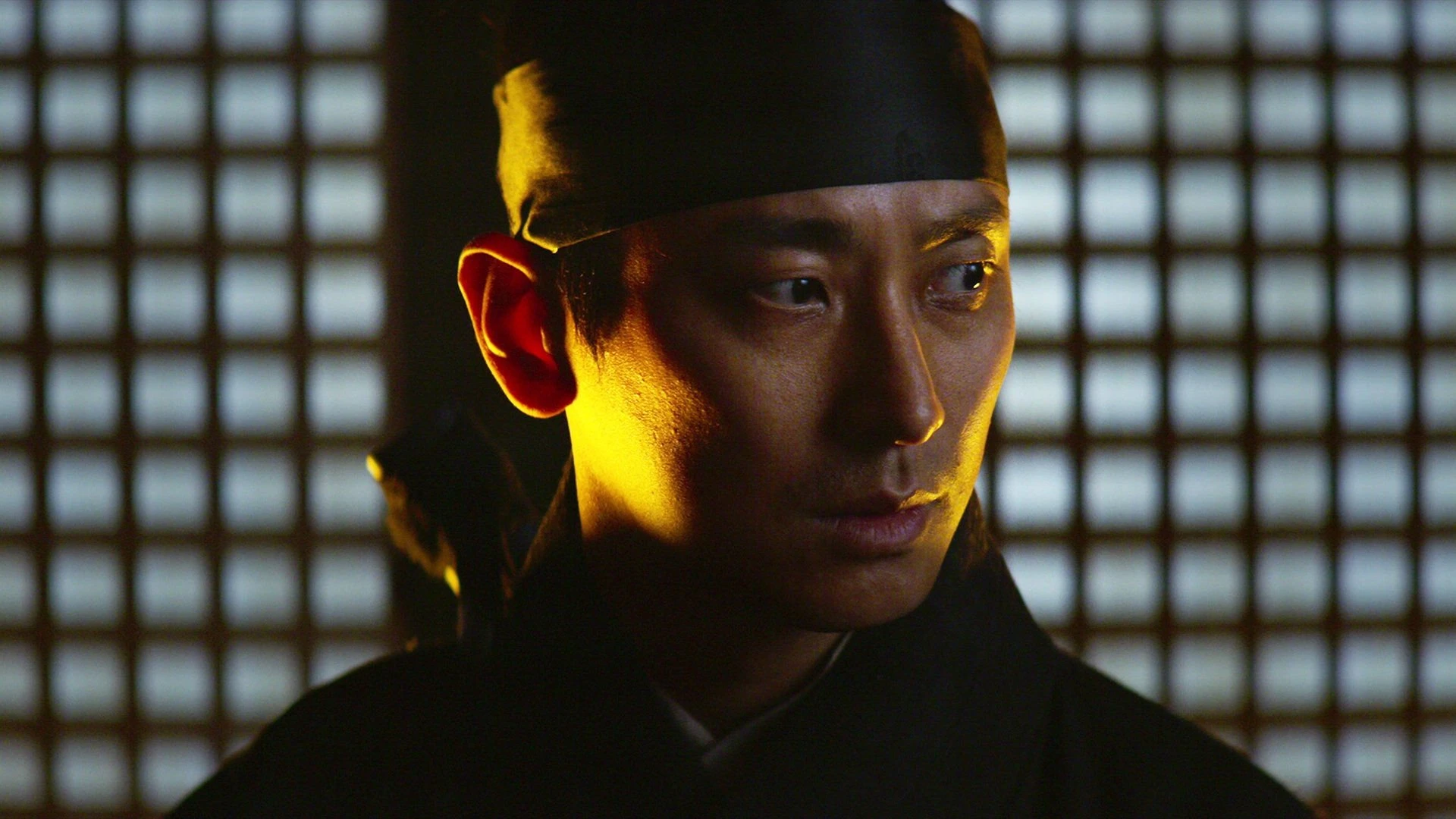
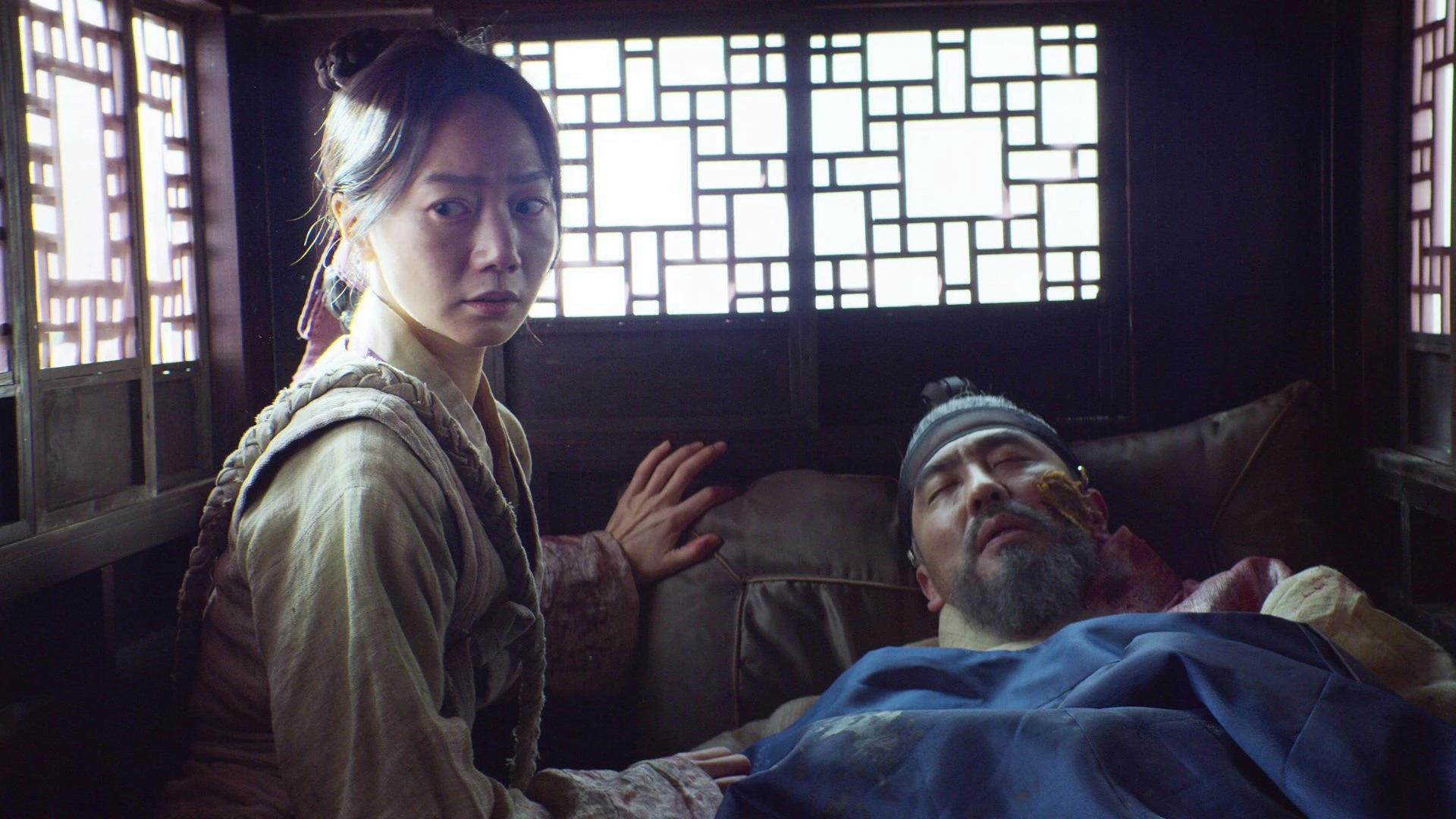
Crown Prince Lee Chang returns from the events of Season 1 carrying evidence and a specific question: who knew, and who did nothing? Seo-bi carries the season’s scientific argument, running evidence-based investigation against a court that operates entirely on loyalty, fear, and self-interest. She believes the plague can be understood and stopped. She’s right. The problem is that understanding it and stopping it require cooperation from the people whose survival depends on the plague continuing.
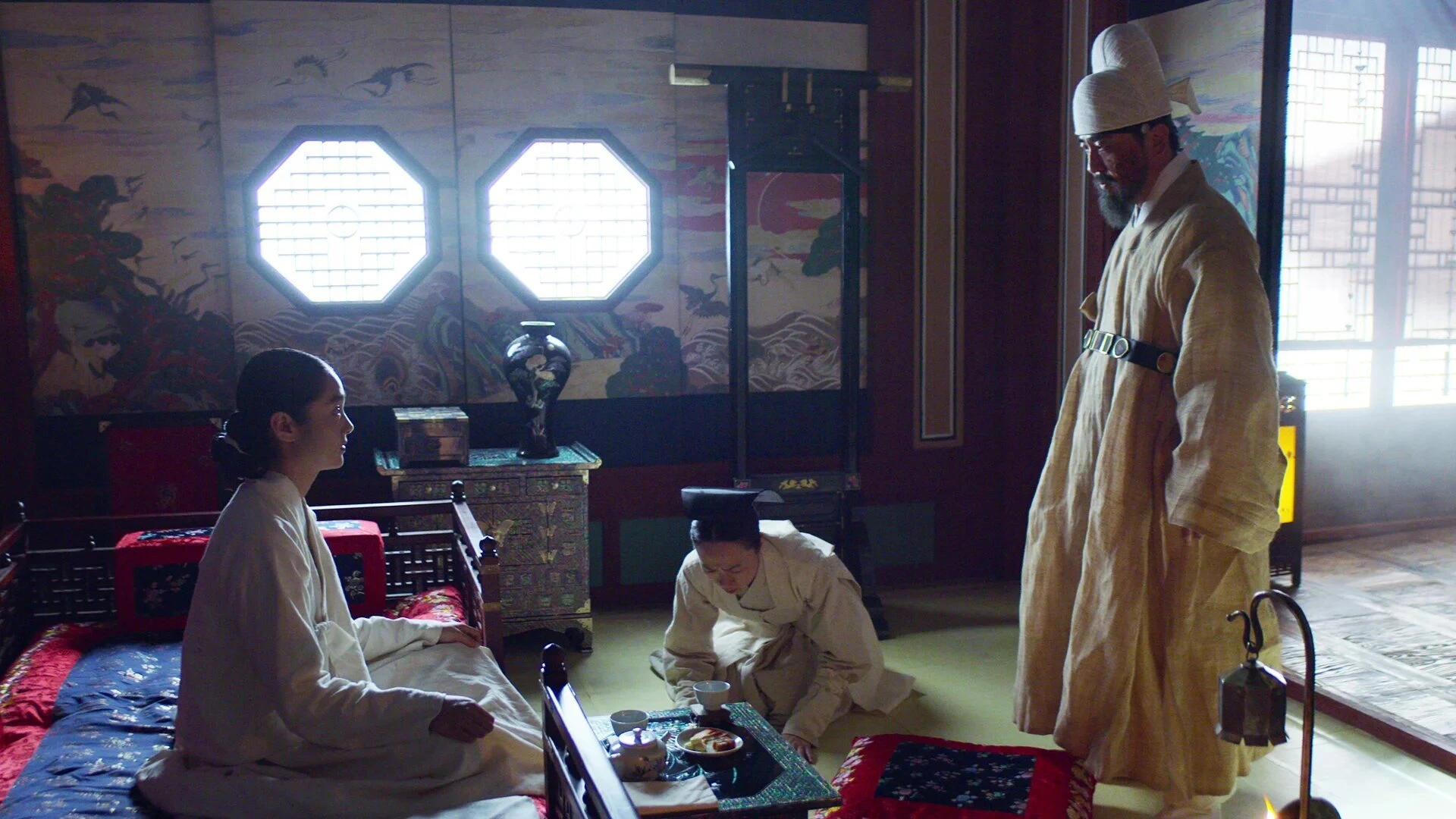
Six episodes at 45 minutes each is the tightest format Netflix has given a Korean production, and Kim Sung-hoon’s direction uses every minute. There’s no subplot that doesn’t return as a load-bearing element. Cho Hak-ju and Queen Cho are more frightening than the undead because they have strategy. The monsters outside the gates move on appetite. The ones inside move on ambition — and ambition has a longer reach.
6 / 6 ✅ Completed
⚡ Quick Verdict
Everything you need to decide, in one place.
MDL Score · Check MyDramaList for updated community rating
▶ Official Trailer
🎭 Cast & Characters
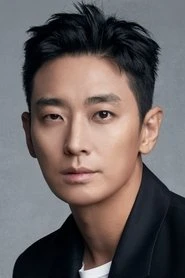
Ju Ji-hoon and Bae Doona anchor a 12-strong ensemble where the human villains are every bit as dangerous as the undead ones.
Lead
Villain

Lead
Supporting
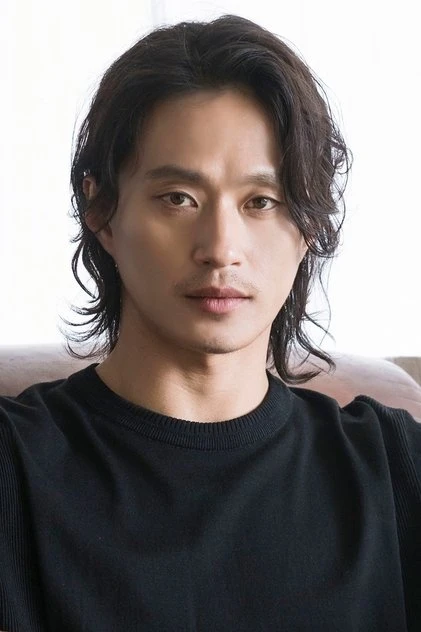
Supporting

Supporting

Villain
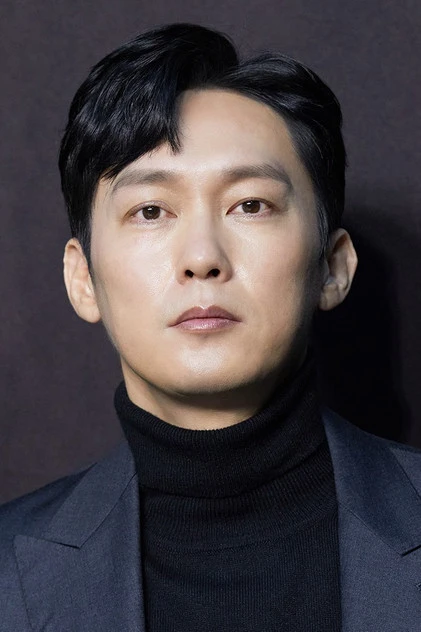
Supporting

Supporting
Supporting

Supporting
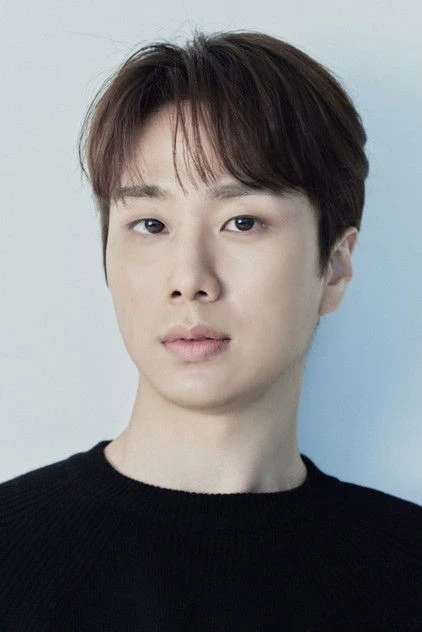
Supporting
📺 Episode Guide
Catch up fast — spoiler-light, episode by episode.

🏁 Ending Explained
Spoilers ahead — the finale, broken down in full.
Spoiler Warning — This section covers the full finale of Kingdom Season 2. Stop here if you haven’t finished the series.
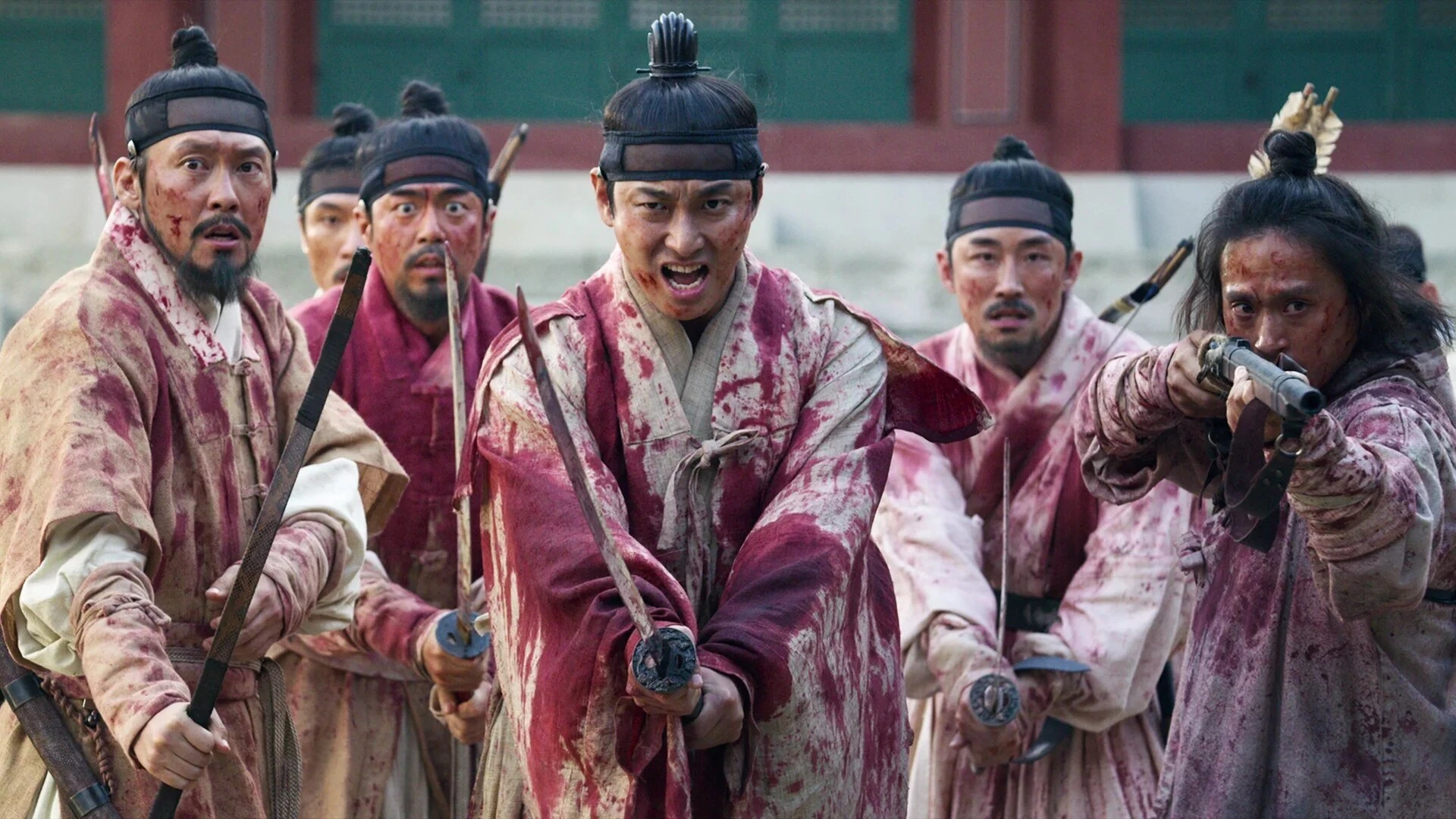
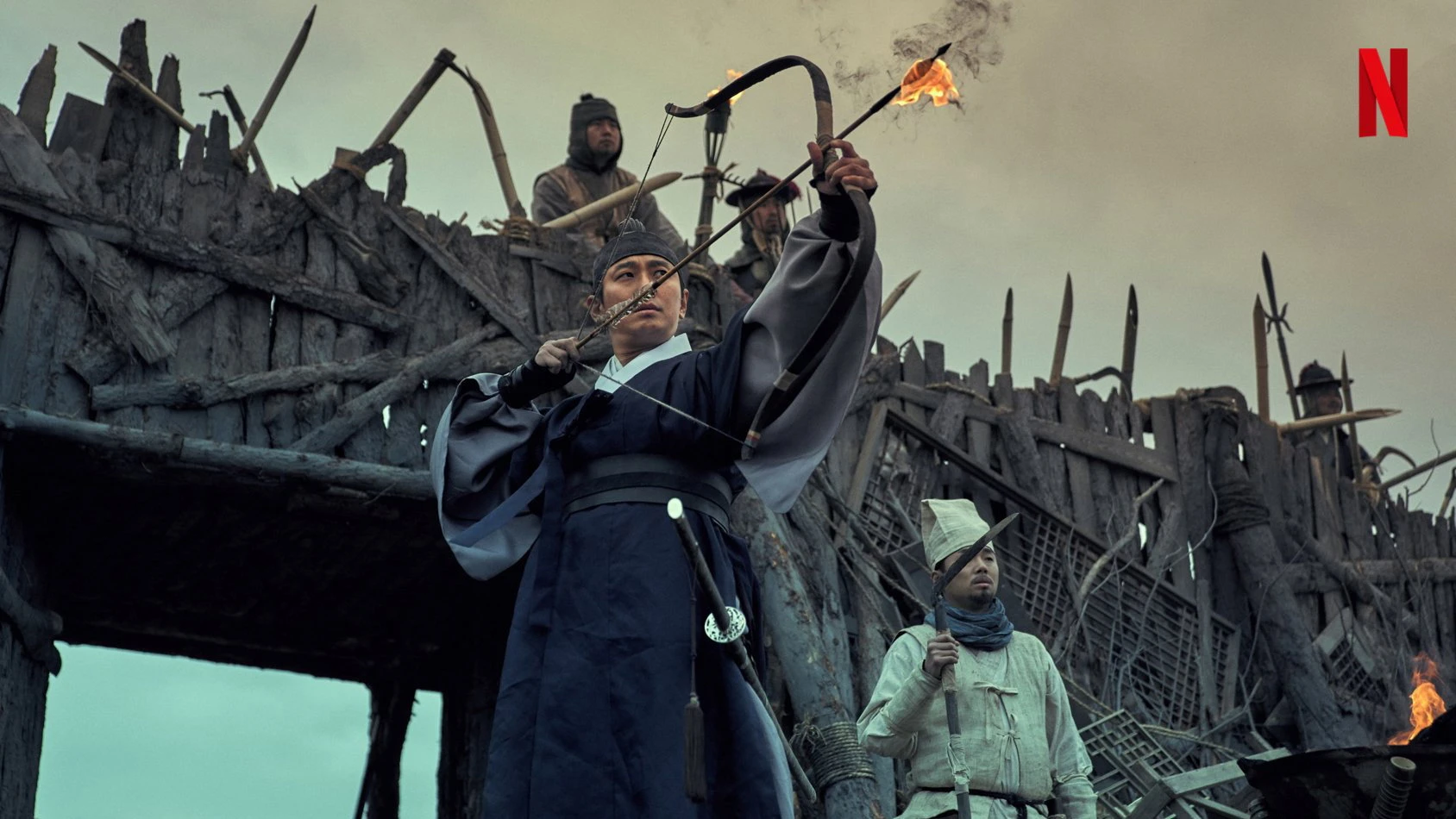
How the Battle Ends. Lee Chang’s strategy breaks the zombie siege at Hanyang — the immediate crisis is resolved through fire, water, and the kind of tactical decision-making the court should have been doing months ago. The victory is real and costs enough that it doesn’t feel like triumph. What makes the battle resolution significant is not how it ends but what it reveals: the kingdom was capable of stopping this all along. The problem was never a lack of strategy. It was a lack of anyone with authority who actually wanted to use one.
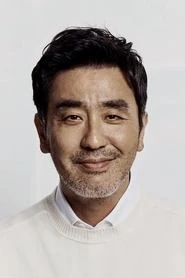
How Cho Hak-ju Falls. Cho Hak-ju dies not as a defeated villain but as a man consumed by the same force he helped construct. Ryu Seung-ryong plays the collapse with something colder than fear: the recognition that the system he built to preserve his power was always capable of eating him. His death is the season’s most satisfying and least cathartic moment — because the corruption he represents hasn’t been eliminated. It’s just temporarily without a host.
What Lee Chang Chooses. The crown prince’s final decision is the season’s most politically loaded beat. He discovers that the queen is pregnant — not with the king’s child, but with someone else’s. That child will be presented to the court as royal. Lee Chang, who knows the truth, could expose it. He doesn’t. The choice reads as exhausted pragmatism and something harder to name: a decision by the person best positioned to rule that the people are not ready for the truth about who is ruling them. Whether that makes him wise or complicit is the question Kingdom leaves open.
Queen Cho Survives. The queen ends the finale with her secret intact and her position preserved. She didn’t lose. The undead didn’t reach her. The political crisis didn’t force accountability. Cho Hak-ju is dead but the system he operated inside is still functional, and Queen Cho is still at its center. The plague was contained in Hanyang. The court was not cleaned. Kingdom is honest about what that means: stopping one crisis doesn’t fix the structure that caused it.
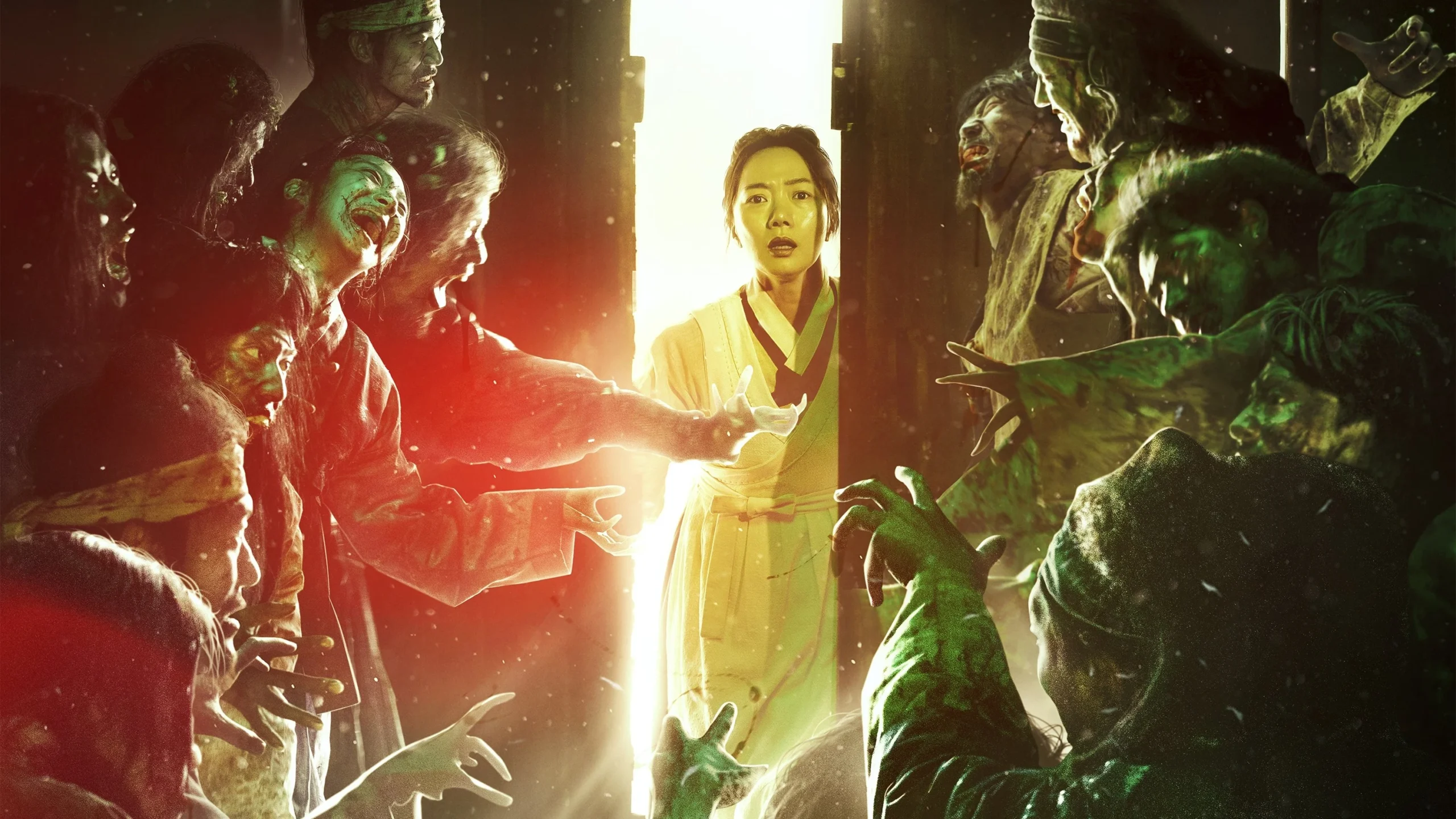
What the Final Image Means. Seo-bi leaves Hanyang heading north, toward the origin of the resurrection plant. The show closes not on resolution but on the direction of travel — Lee Chang surviving and making an uneasy peace with what he chose, the queen secure, and Seo-bi moving toward the thing that might actually end this. At the very end, a young girl appears: a survivor of the infection who should be dead. She isn’t. That image is Kingdom’s promise that the question it raised in Season 1 — what creates the plague, and can it be stopped at its source — is still open. The kingdom saved itself from one wave. The next one is already forming.
✍️ KDramaWorlds Editor’s Take
Here’s our real take, and exactly who this one’s for.
🏛️ Political Intrigue
🧟 Zombie Siege
👑 Corrupt Court
🔬 Science vs Superstition
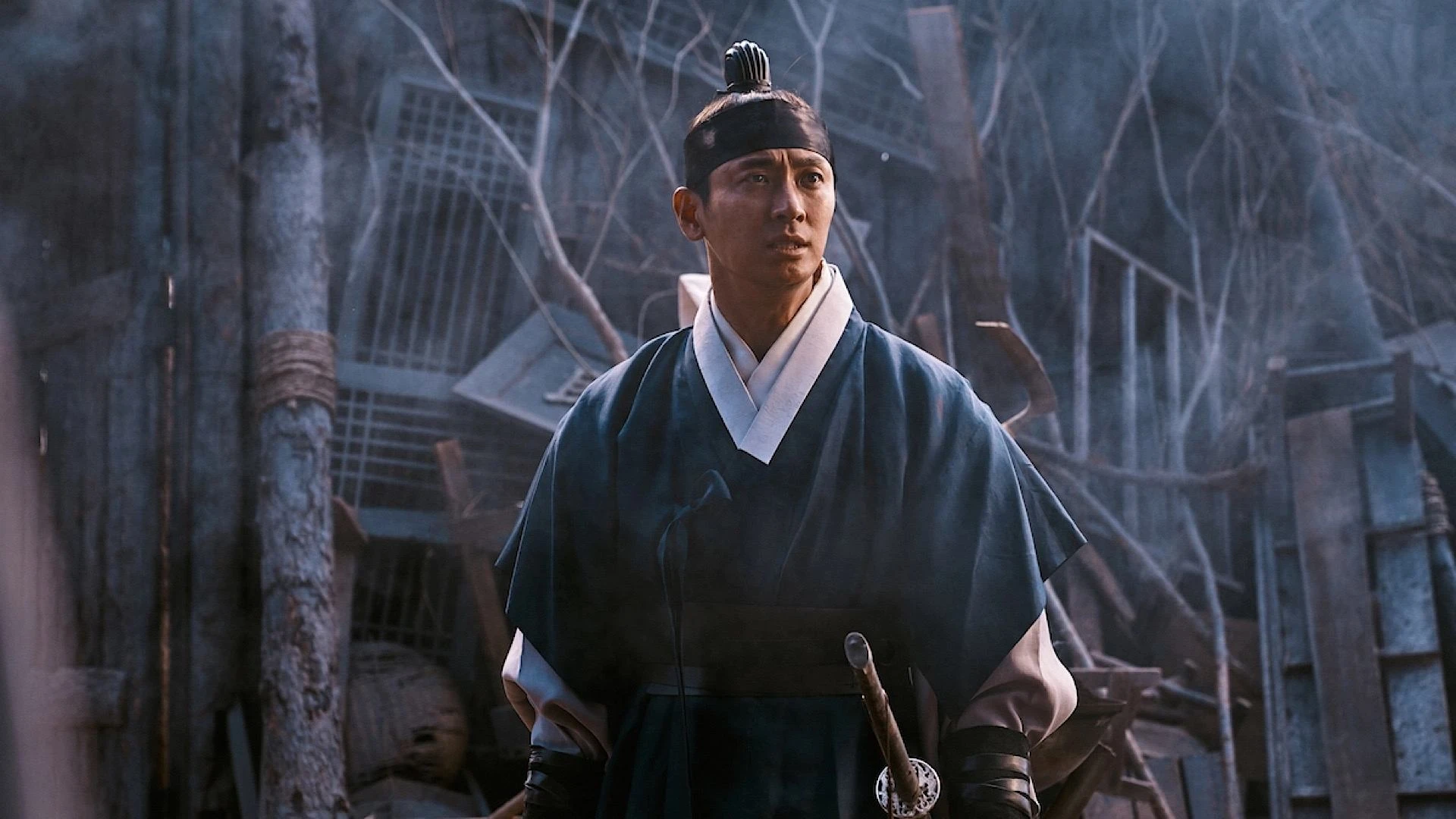
Ju Ji-hoon spent years in roles that let him be charming and a little dangerous, mostly in service of romance — before Kingdom handed him Lee Chang, which is a completely different physical problem. The crown prince can’t be soft; he has to be someone people follow into places they don’t want to go. Ju Ji-hoon builds that authority through stillness: the way Lee Chang watches, processes, and absorbs damage without showing it until the moment it becomes relevant. By Season 2 he’s carrying two seasons of accumulation, and what the performance has built is a character who is exhausted by his own righteousness and doing it anyway. The closest parallel in terms of what the role demands might be something like Hellbound Season 1‘s Yoo Ah-in — a figure whose authority is moral rather than institutional, fighting a system that has already decided he’s inconvenient.
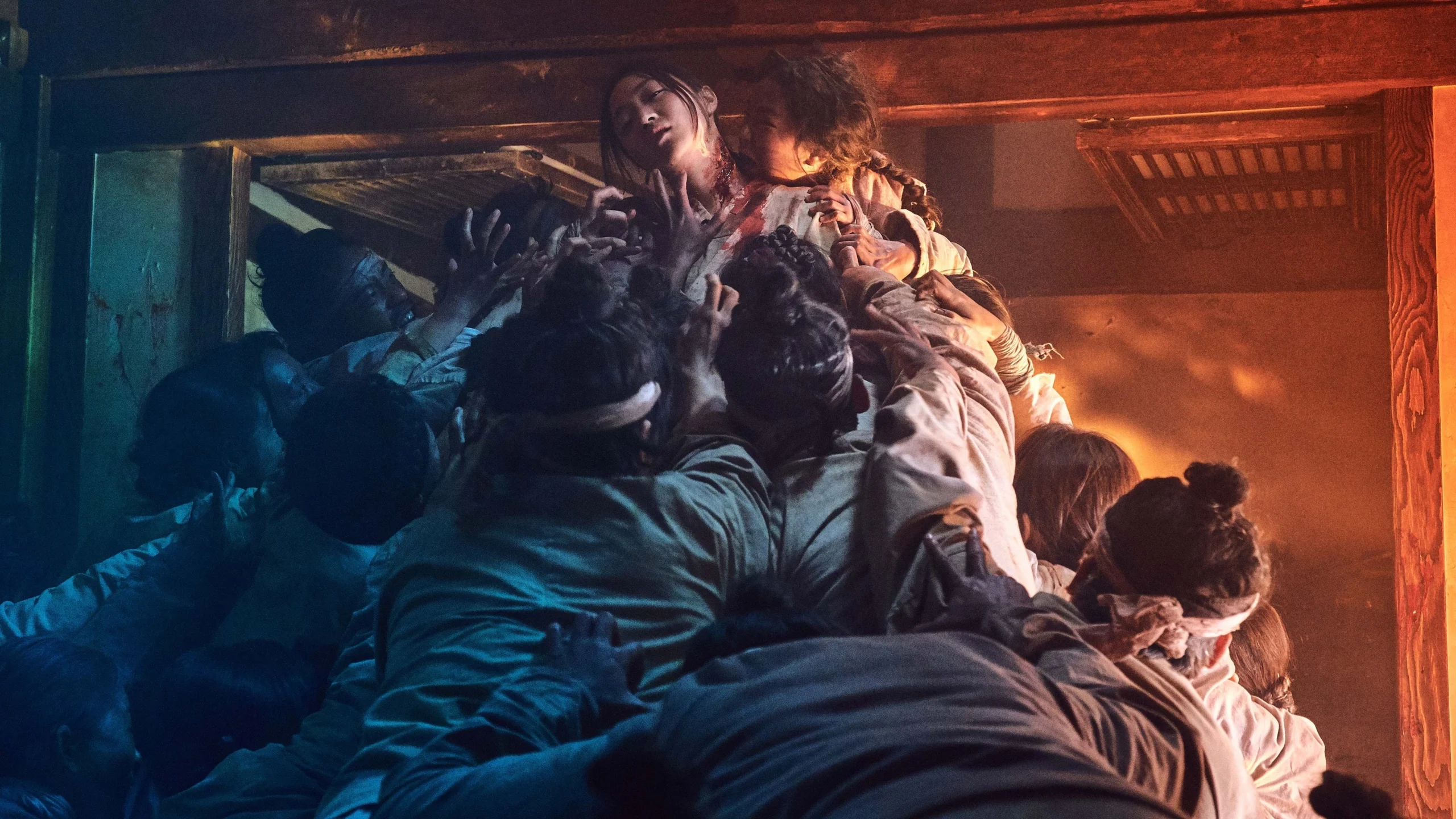
Bae Doona’s Seo-bi and Ryu Seung-ryong’s Cho Hak-ju are the season’s two most formally interesting performances because they’re playing opposite arguments. Seo-bi is empirical: she believes the plague can be understood through observation, and Bae Doona plays that conviction as controlled urgency — she never panics, but she’s always in motion toward something provable. Cho Hak-ju believes that power is a mechanism you operate regardless of what it costs others, and Ryu Seung-ryong plays the belief the same way: not as evil, as arithmetic. He’s genuinely correct that his methods work, right up until they don’t. All of Us Are Dead uses similar structural logic — a zombie crisis as a lens for examining who in authority actually acts — but Kingdom operates with more precision because it has fewer characters and a colder, smaller world.
Six episodes at 45 minutes each is the tightest format Netflix has given a Korean production, and Kim Sung-hoon’s direction uses every second. There’s no subplot that doesn’t return as a load-bearing element. The one honest weakness: Season 2 leans into serialization more heavily than Season 1 did — the resolution is incomplete by design, and viewers who expected a conclusion will find instead a larger and more dangerous open question. That’s honest. The kingdom hasn’t saved itself yet. It’s survived this particular wave, which is not the same thing at all.
Zombie genre completists with patience for politics
Time-limited watchers — 4.5 hours, no filler
Six episodes that never waste a frame — a villain whose logic is more frightening than his methods, and an ending that refuses to lie about what political survival actually costs.
🎬 You Might Also Like
If you liked Kingdom (Season 2), these are your next three watches.
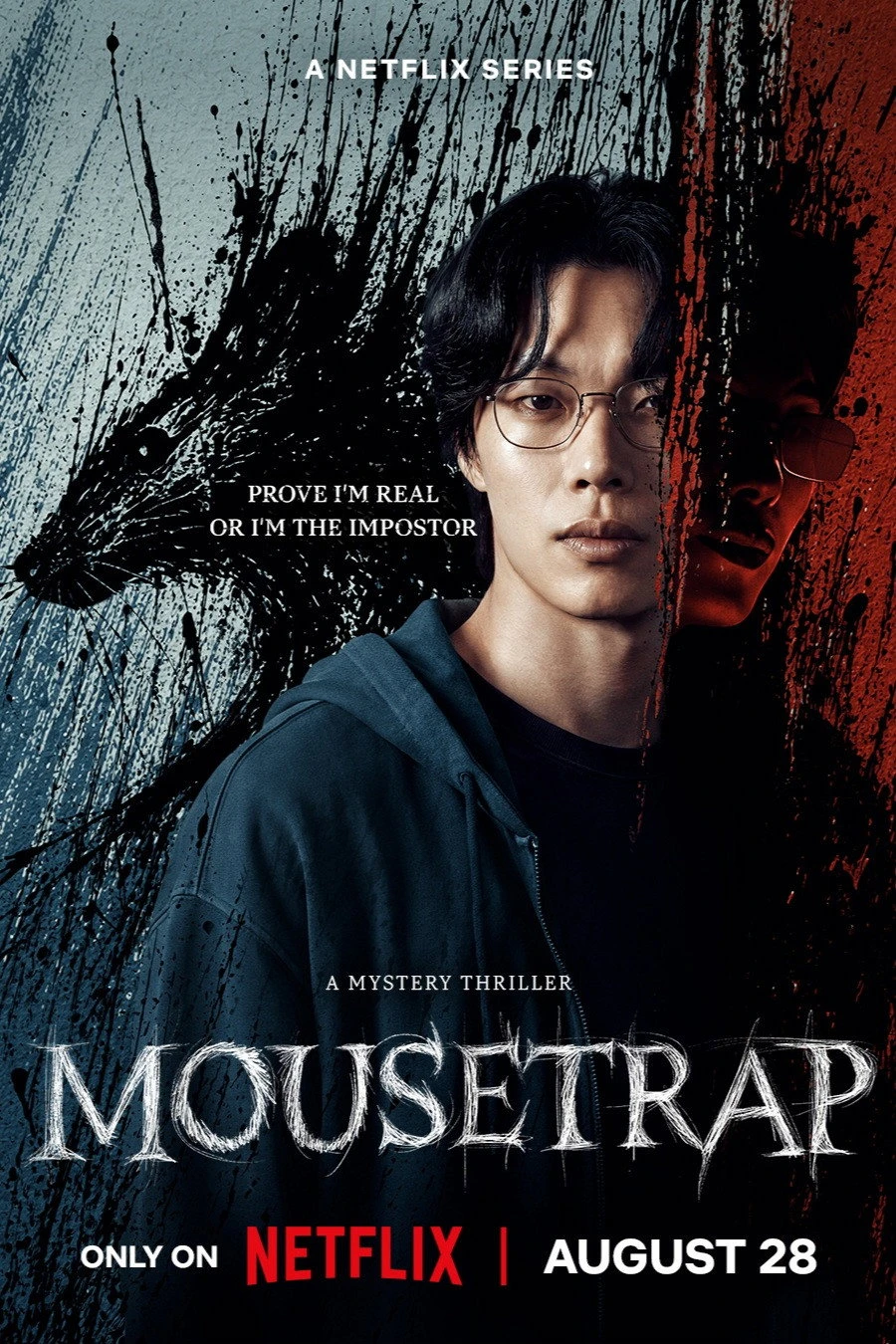 Mousetrap
crimeIdentity Theft
Read Full Review →
|
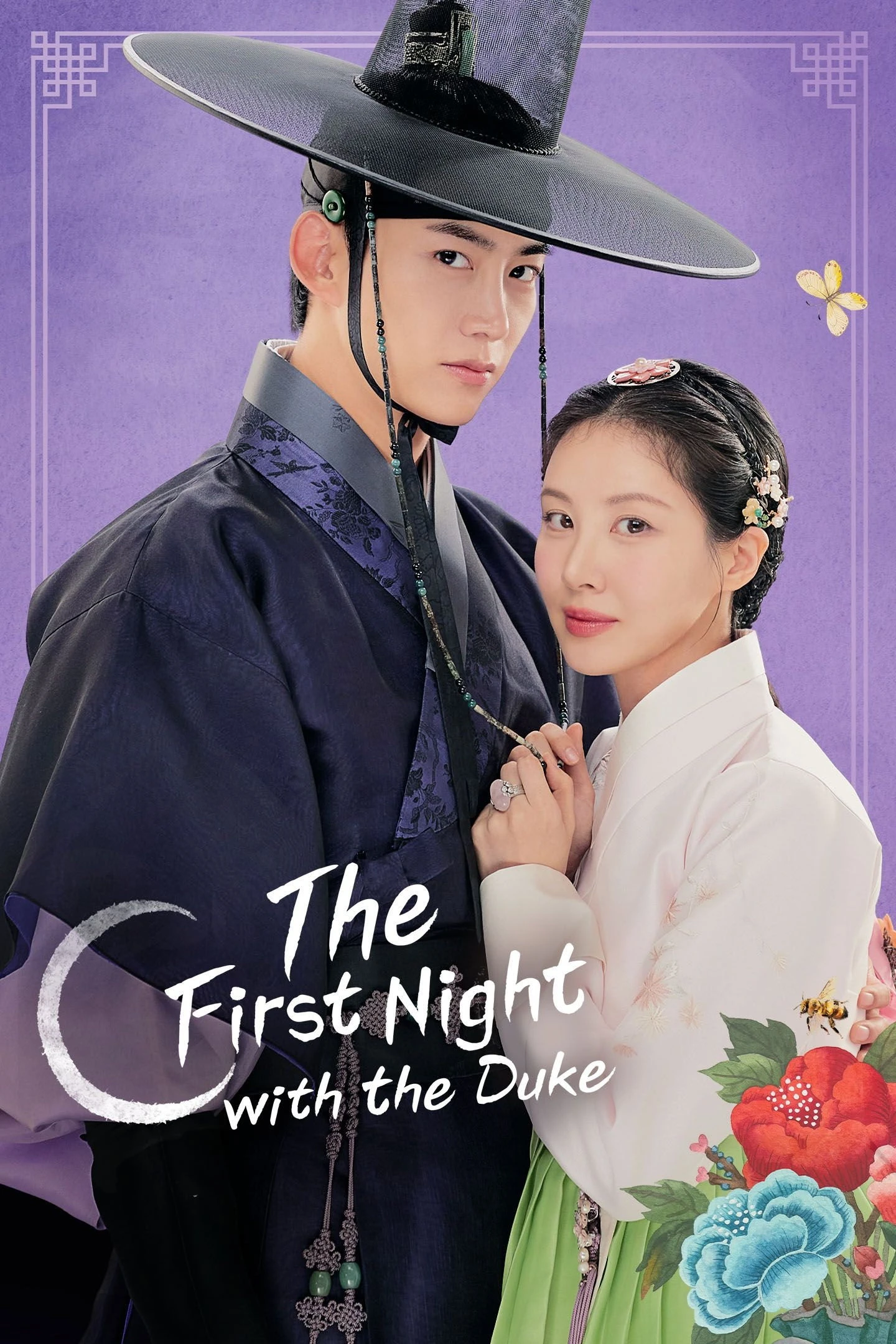 The First Night with the Duke
comedynoble love
Read Full Review →
|
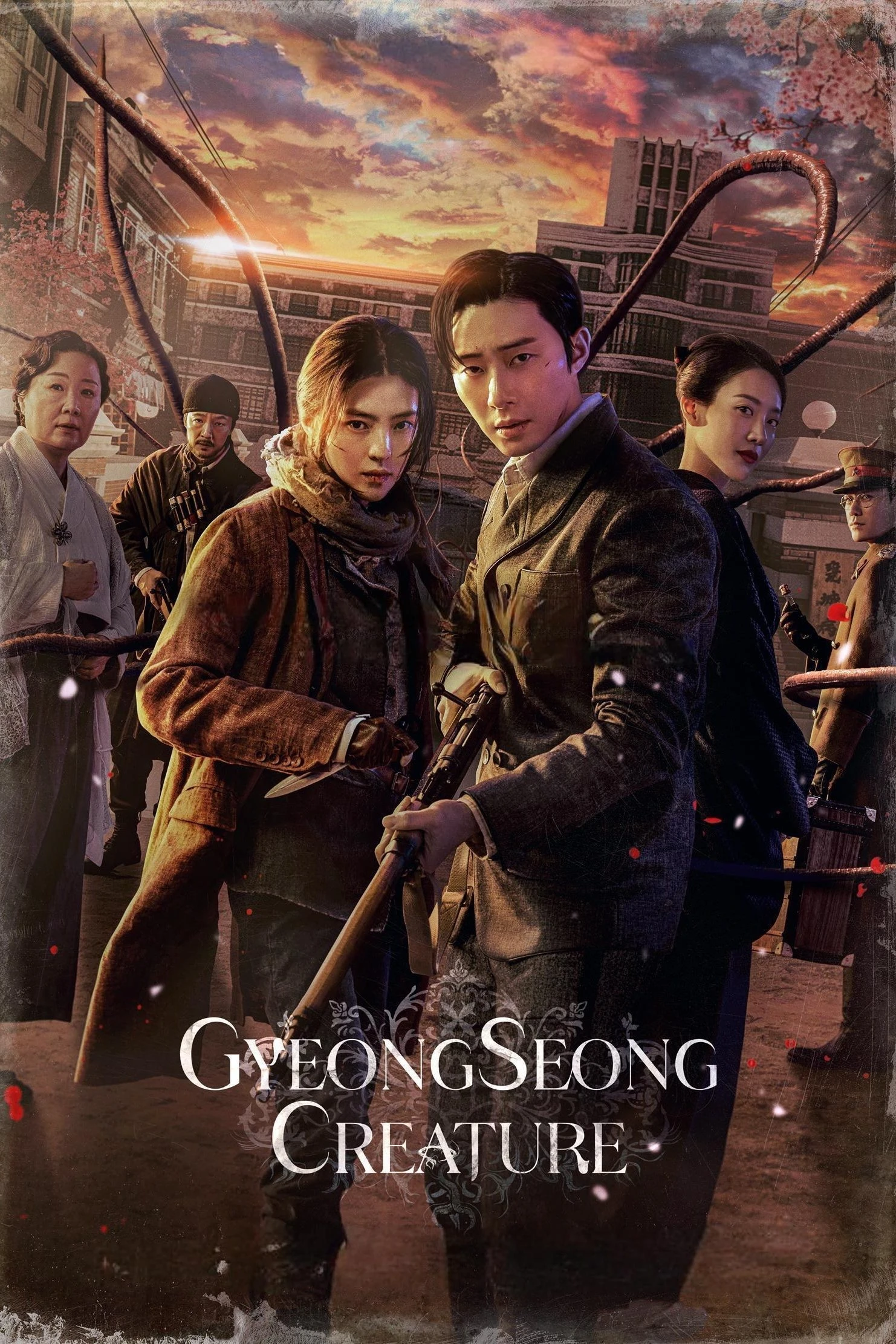 Gyeongseong Creature (Season 1)
body horrorHan So-hee
Read Full Review →
|






Keep it kind, skip the harsh language, and please — no spoilers. Everyone's taste is different, and that's perfectly fine.
This space is for real reactions and discussion from other viewers. Help keep it comfortable for everyone by not giving away major plot details.
What do you think of this drama?
Login to share your review or leave a comment.
No email needed — just pick a username & password.