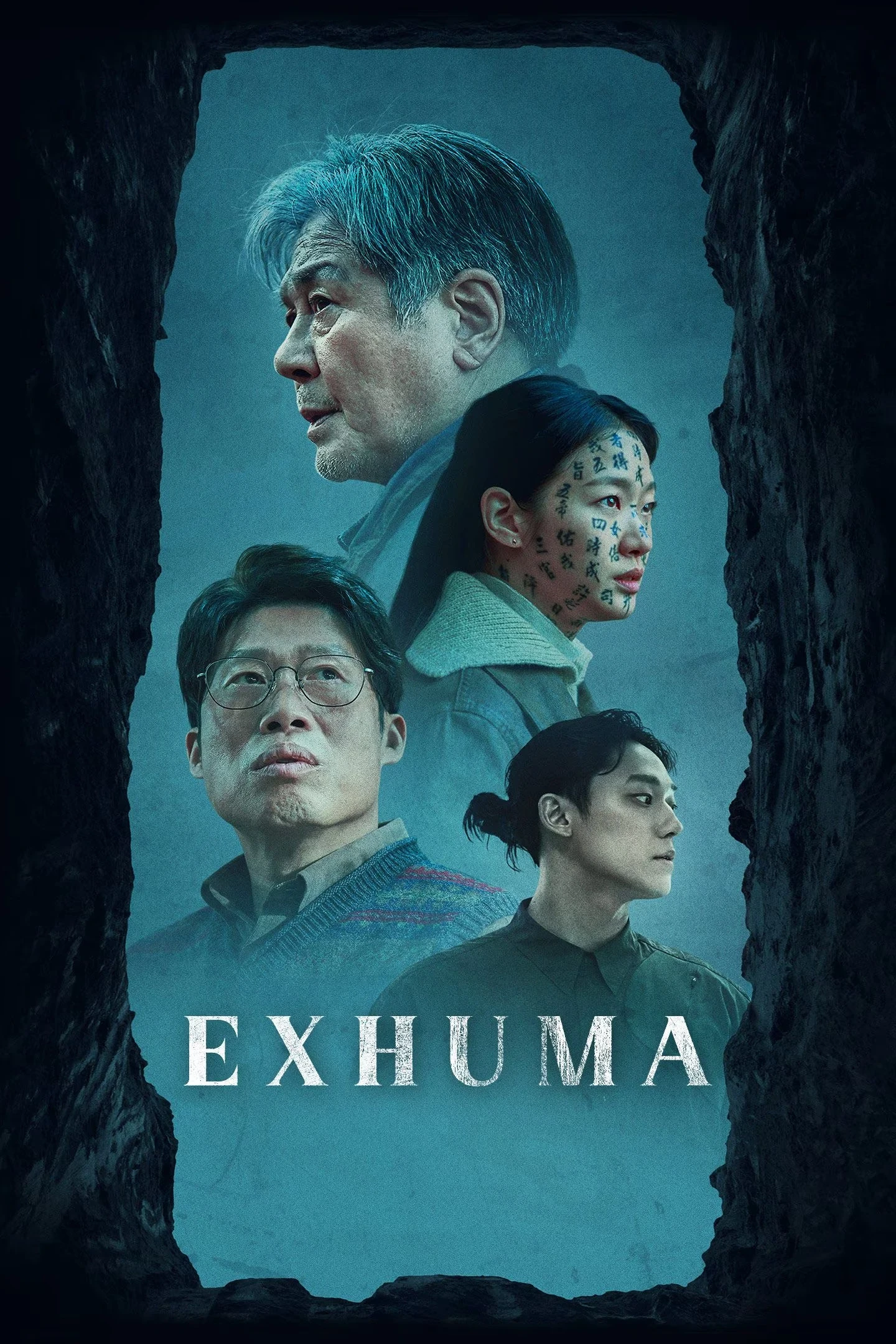
Exhuma
🎬 Film Overview
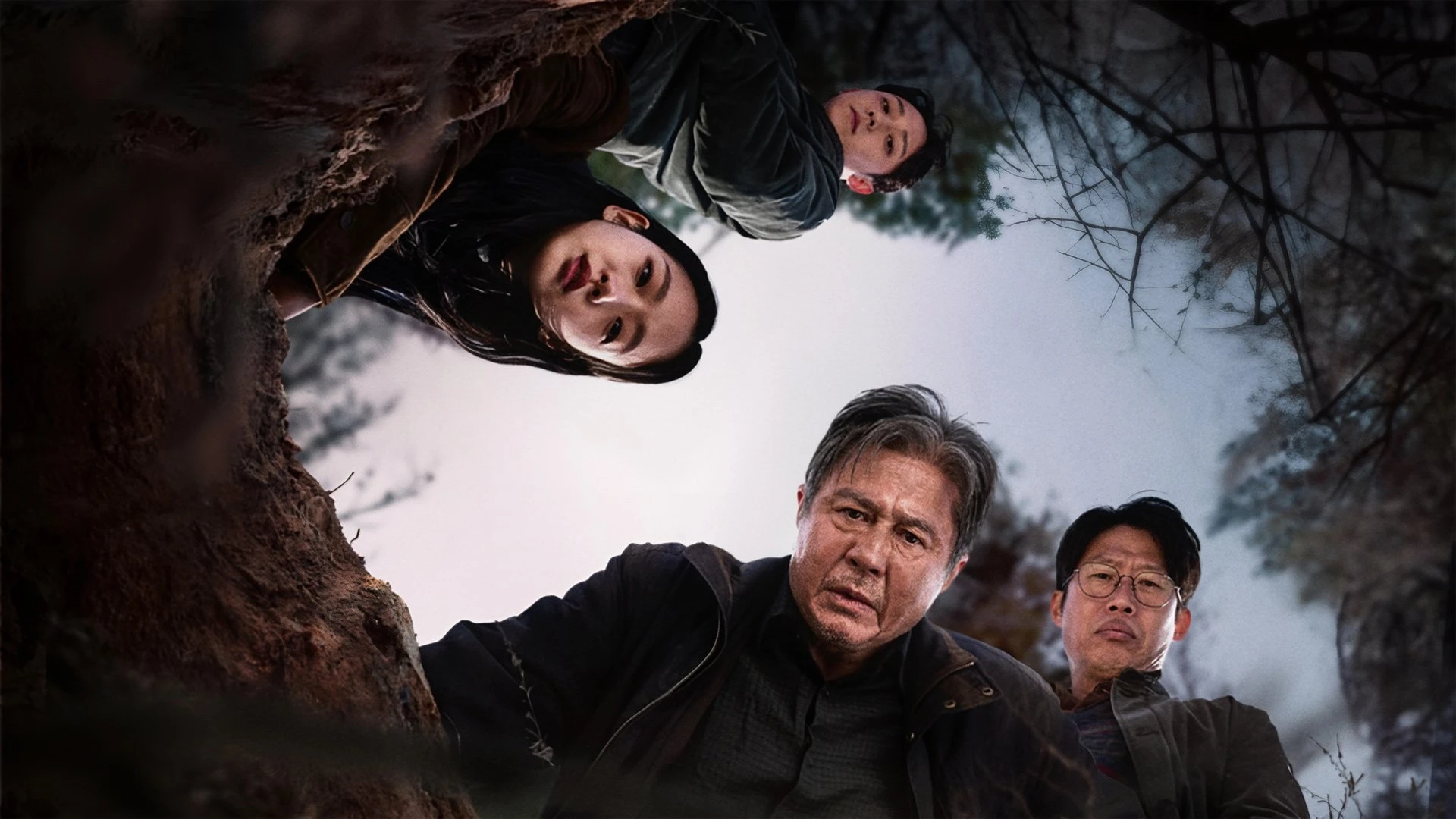
When a wealthy Korean family in Los Angeles summons shaman Lee Hwa-rim to treat their possessed infant grandson, her investigation points to something far older than a household haunting: a curse embedded in the family’s ancestral grave, passed down through first-born sons for generations. To break it, she assembles a team — geomancer Kim Sang-deok, mortician Ko Young-geun, and her own assistant Yoon Bong-gil — and traces the burial site to a remote location near the North Korean border. What they unearth beneath the grave is not what any of them expected, and the horror that emerges from the ground makes their initial commission look straightforward.
⚡ Quick Verdict
The short version — everything that matters, boxed up.
IMDb · Also: 8.4 MDL · 93% RT Critics · 86% RT Audience
▶ Official Trailer
🎭 Cast & Characters
Four specialists, one grave, and a secret Korea buried rather than confronted.
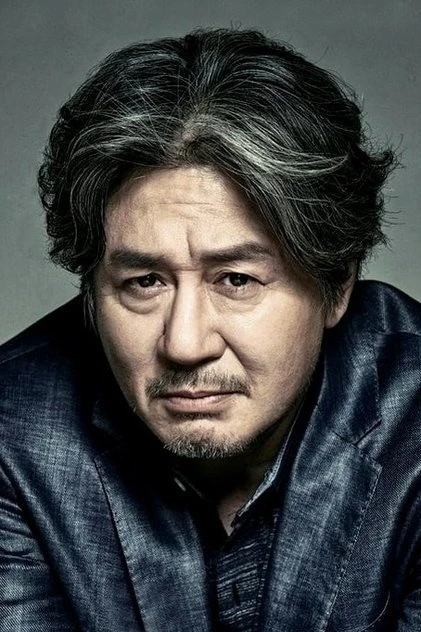
Lead

Lead
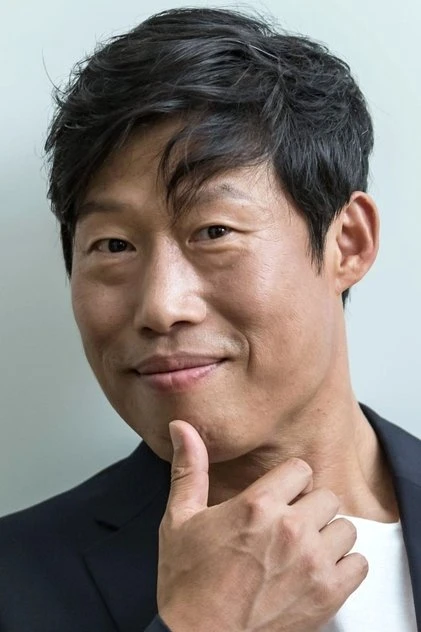
Lead

Lead
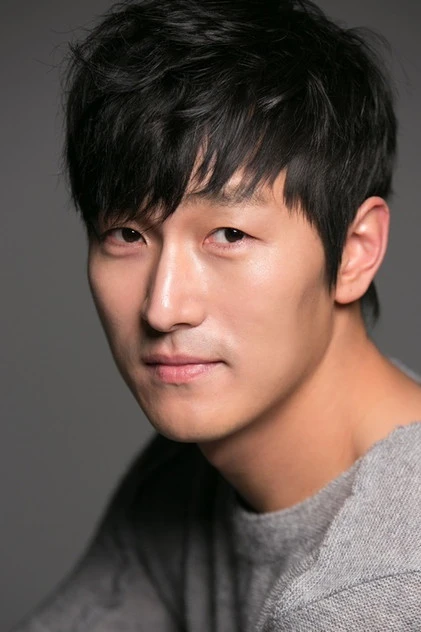
Supporting
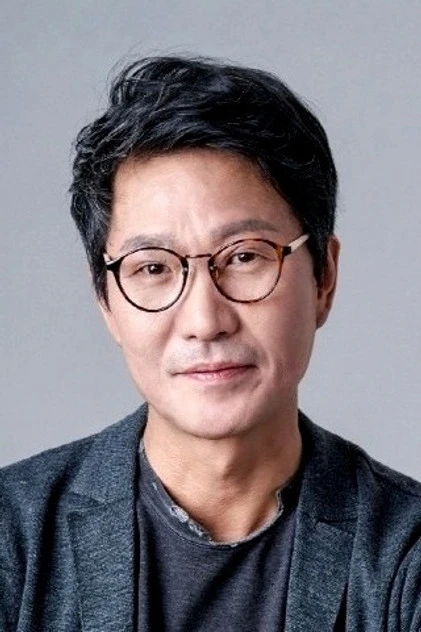
Supporting

Supporting

Supporting
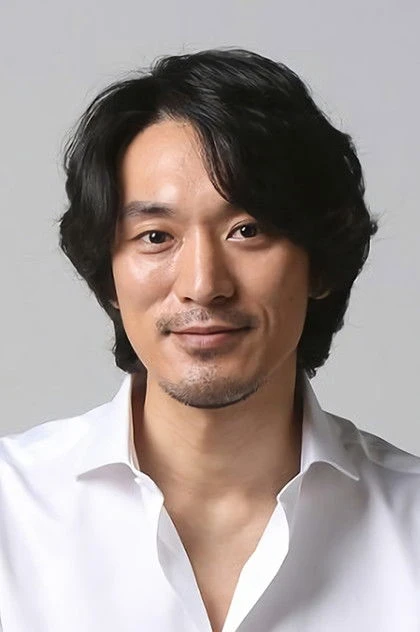
Supporting
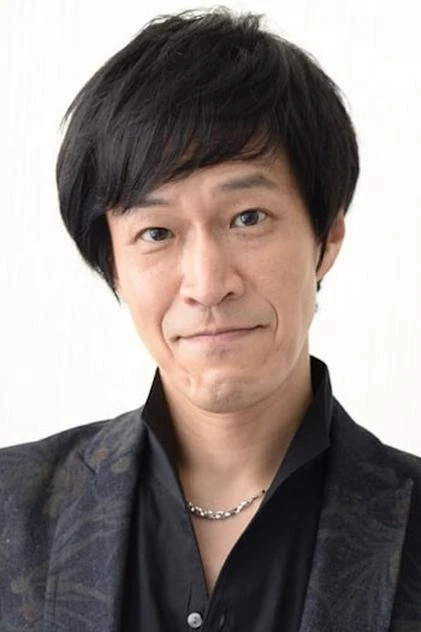
Supporting
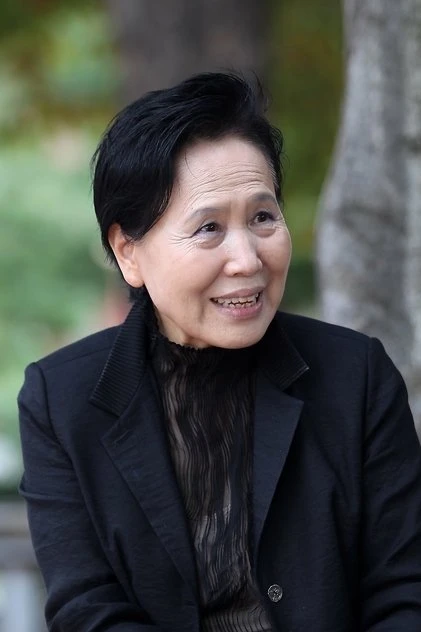
Supporting
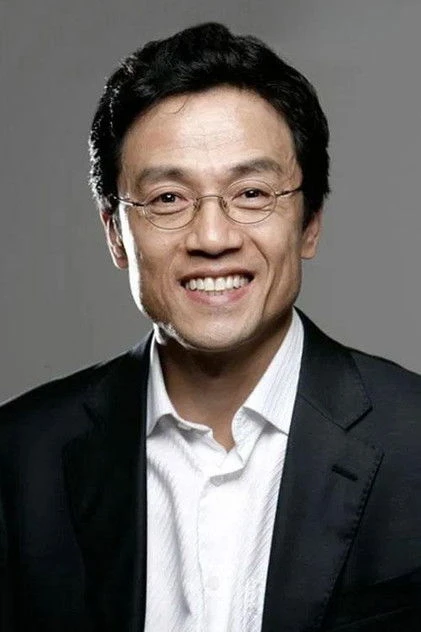
Supporting
🍿 Where to Watch
Stream Exhuma on these platforms. Also available on Shudder and AMC+ in the US.
📖 The Story
Spoiler-free — enough to know if this one’s your speed.
Some people charge money to say the things the dead want said. Lee Hwa-rim is one of them. She’s a young shaman of uncommon precision, working out of Seoul but regularly traveling to Los Angeles to serve the Korean diaspora — the families who left Korea but found that certain things followed them. She performs exorcism rituals, reads spiritual signs, and navigates the complicated world of wealthy overseas Koreans who still hold to ancestral traditions while living inside modernity. Her assistant Yoon Bong-gil manages the logistics with the steady temperament of someone who has absorbed a great deal of strangeness without letting it unsettle him.
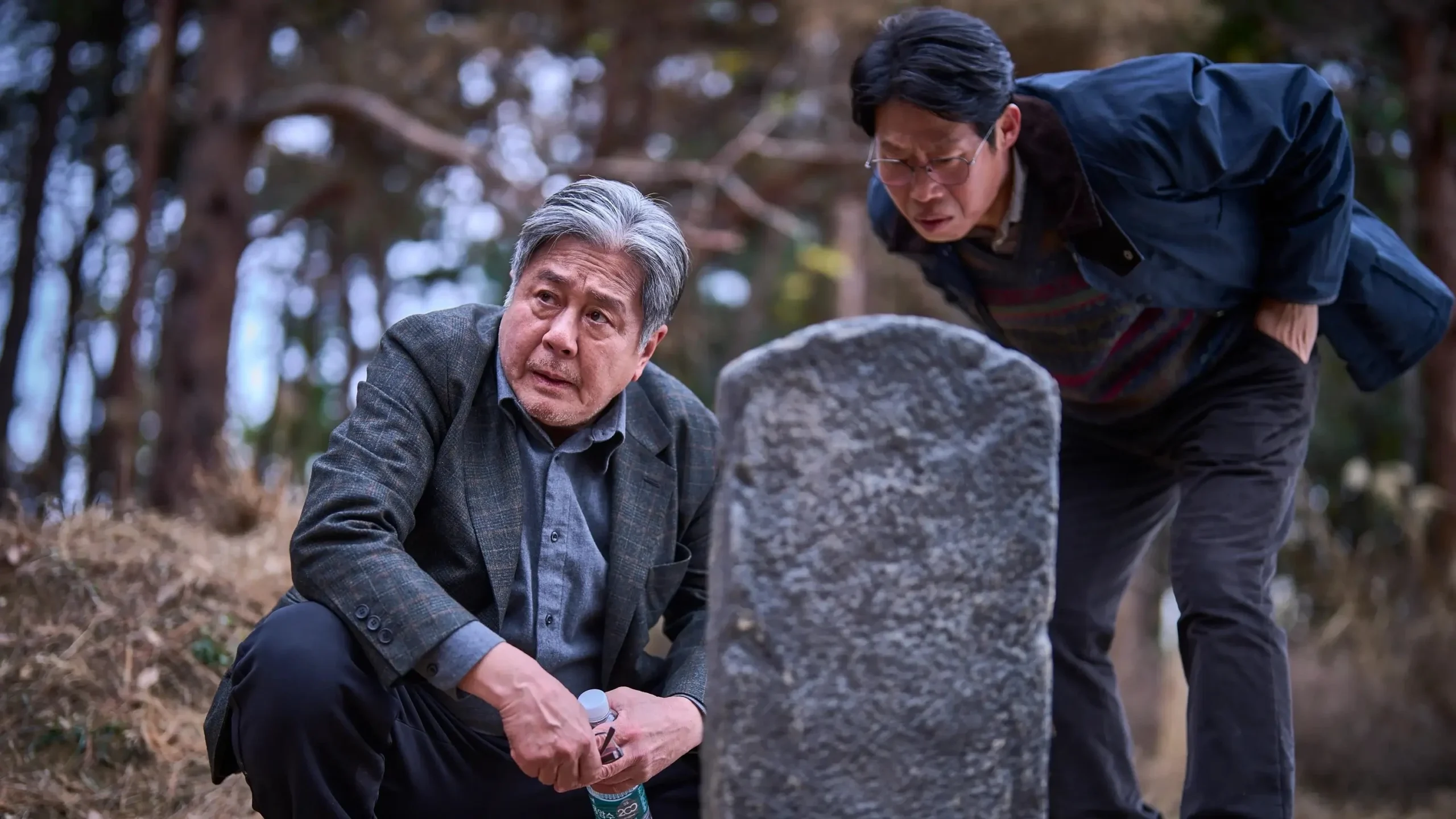
The family that hires her is the Parks — a wealthy lineage whose first-born sons, generation after generation, have suffered from possession and early death since before anyone in the family can remember when it started. The immediate crisis is an infant grandson, currently lying convulsing in a Los Angeles bedroom, whose affliction has resisted everything the family has tried. Hwa-rim reads the signs within the household and understands quickly: this isn’t something that originated here. The source is older, more anchored, and it’s coming from the ground.
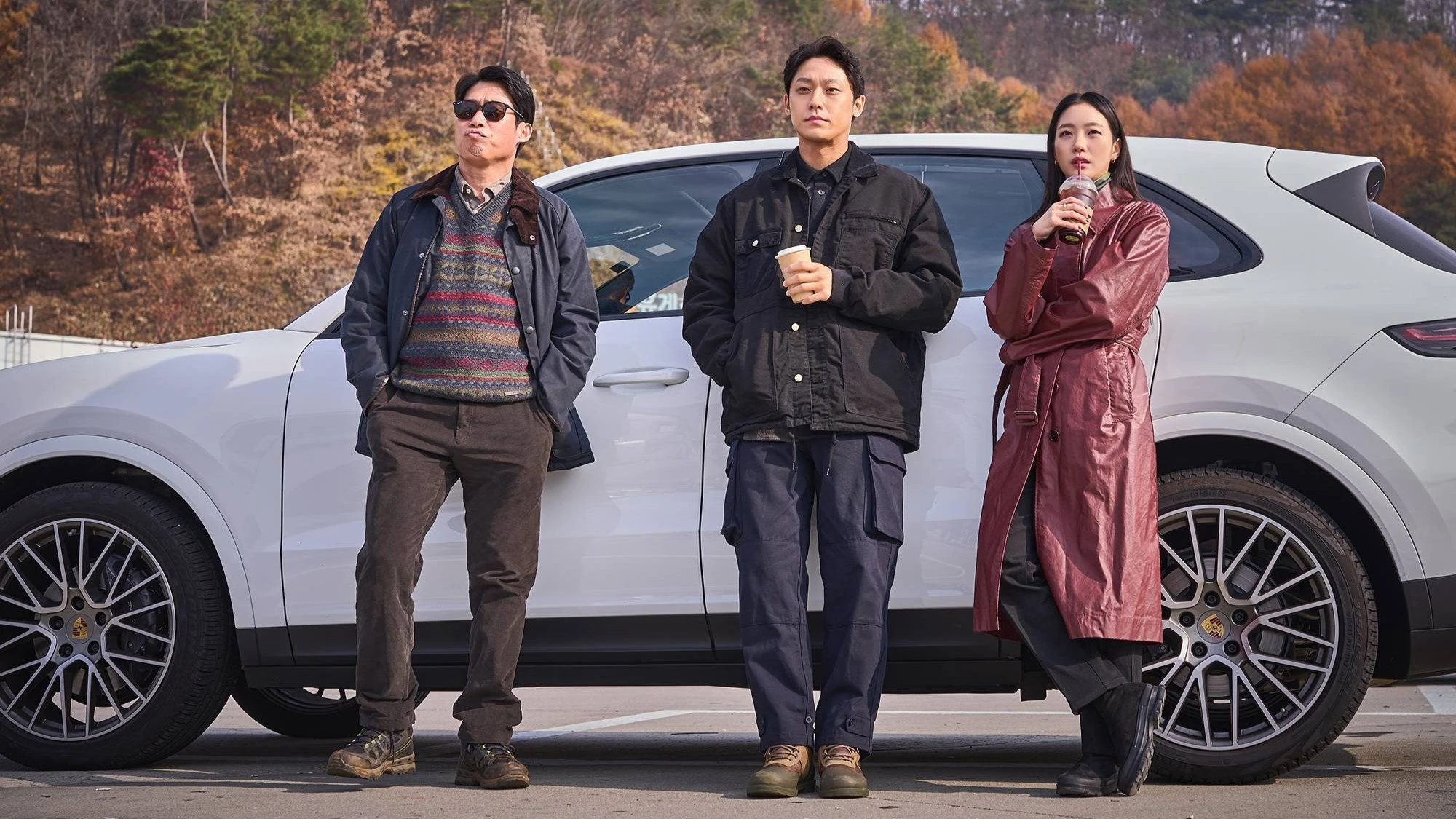
The diagnosis she makes is what practitioners call “Grave’s Call” — a disruption caused by an ancestor whose burial sits on wrong land, whose restless spirit is reaching forward through the bloodline. Breaking the curse requires finding the actual grave, exhuming it, and relocating the remains according to proper geomantic principles. This is beyond her specific expertise, which is why Hwa-rim calls in Kim Sang-deok: a geomancer of decades-long reputation, the kind of man who reads topography and soil composition the way a doctor reads imaging results. Ko Young-geun, a mortician, joins them to handle the physical excavation. He is also a committed Christian whose faith places him in constant, unresolved tension with the shamanic work unfolding around him.
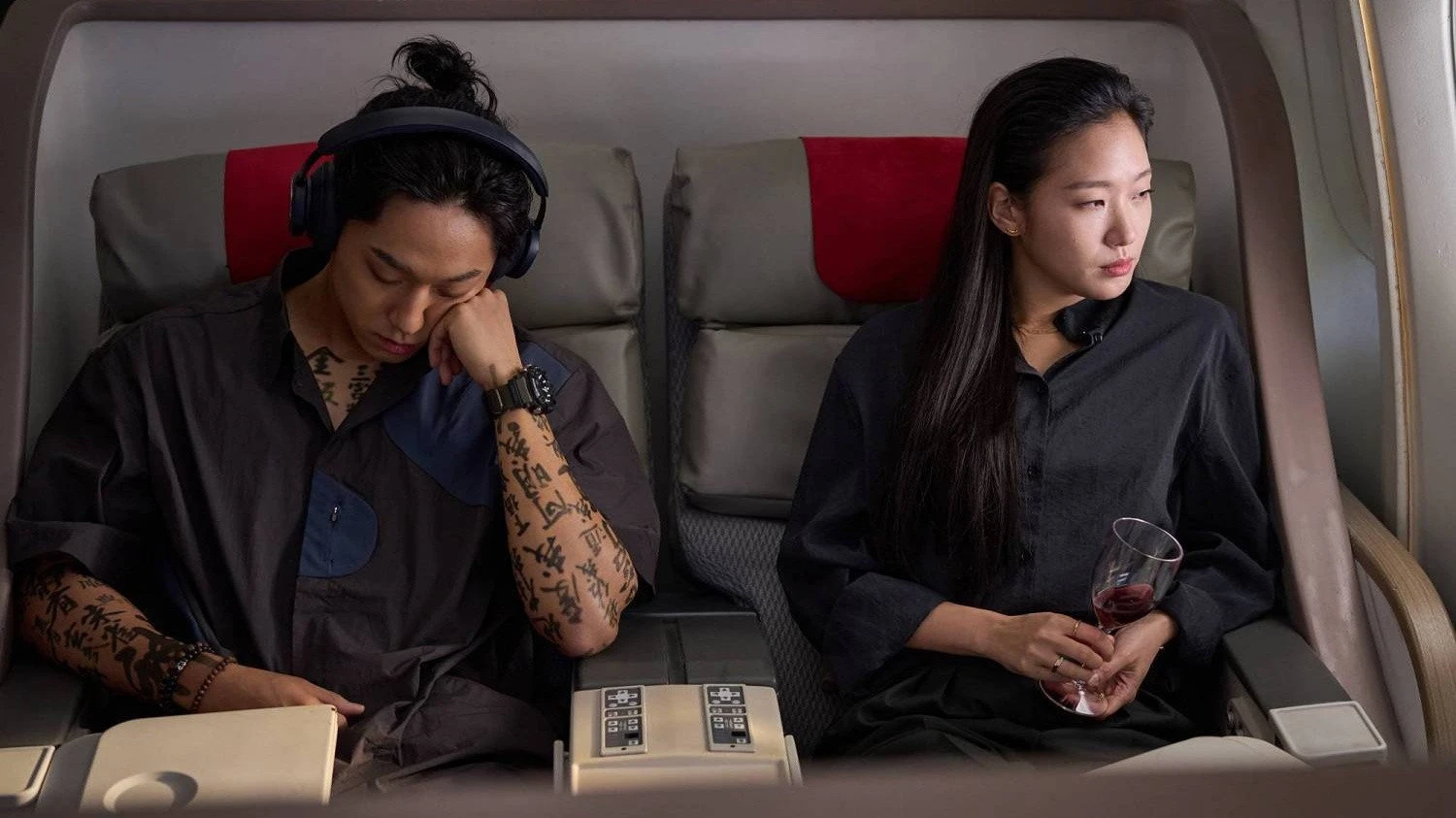
Sang-deok locates the grave near the North Korean border — a zone that has been two things at once for seventy years, neither fully open nor fully closed, where the absence of infrastructure has left the landscape almost unchanged since the mid-twentieth century. The drive there is through mist-covered mountains and emptied villages, a geography of unfinished things. Hwa-rim’s readings intensify as they approach. Whatever rests at this site has been waiting, and it is aware of their intention.
At the burial site, Sang-deok identifies what he calls “killing earth” — feng shui so badly inverted that any ancestor interred here would return from the ground corrupted rather than at peace. The team agrees to exhume immediately. The decision is professional, rational, based on everything their collective expertise tells them. What their expertise does not tell them is that this grave holds more than one occupant, and the second one has been there considerably longer.
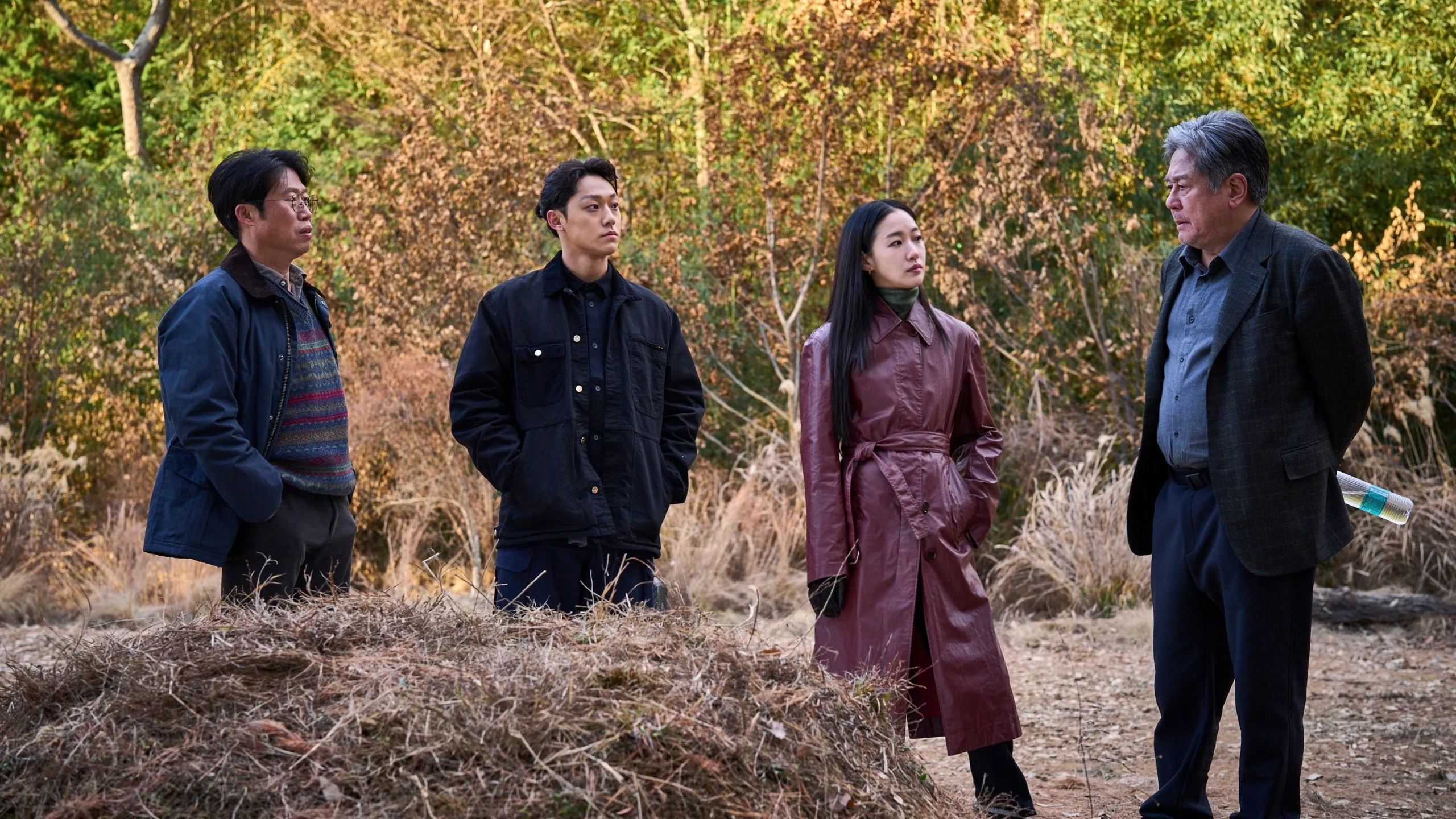
Jang Jae-hyun (The Priests, 2015) shoots and paces Exhuma like the excavation the title promises: patient, layered, careful not to expose the core too soon. The horror in the first half arrives through accumulation — the ritual details are exact, the folklore is treated as architecture rather than decoration, and the atmosphere builds through what is shown just at the edge of the frame rather than what is pushed to the center. There are moments of dry humor between the four team members, but the film never lets warmth crowd out what they are gradually uncovering. The dread is slow. It is also real.
The film’s Korean title — 파묘, literally “to exhume the grave” — is more specific than its English equivalent, and that specificity is a clue. “Exhuma” sounds universal. “파묘” is historically anchored. What the film is ultimately about — and what it refuses to fully state until the third act — is the concept of chinilpa: Koreans who collaborated with the Japanese colonial empire during the occupation of 1910 to 1945, who served that power and were never properly held to account by the generations that followed. Some wounds in Korean history were buried rather than healed. This film is about what happens when someone finally digs one up.
🏁 Ending Explained
Full spoilers ahead — the secret beneath the grave, and what the film is actually saying about Korean history.
Full Spoilers Ahead — This section covers the complete ending of Exhuma. Stop here if you haven’t watched.
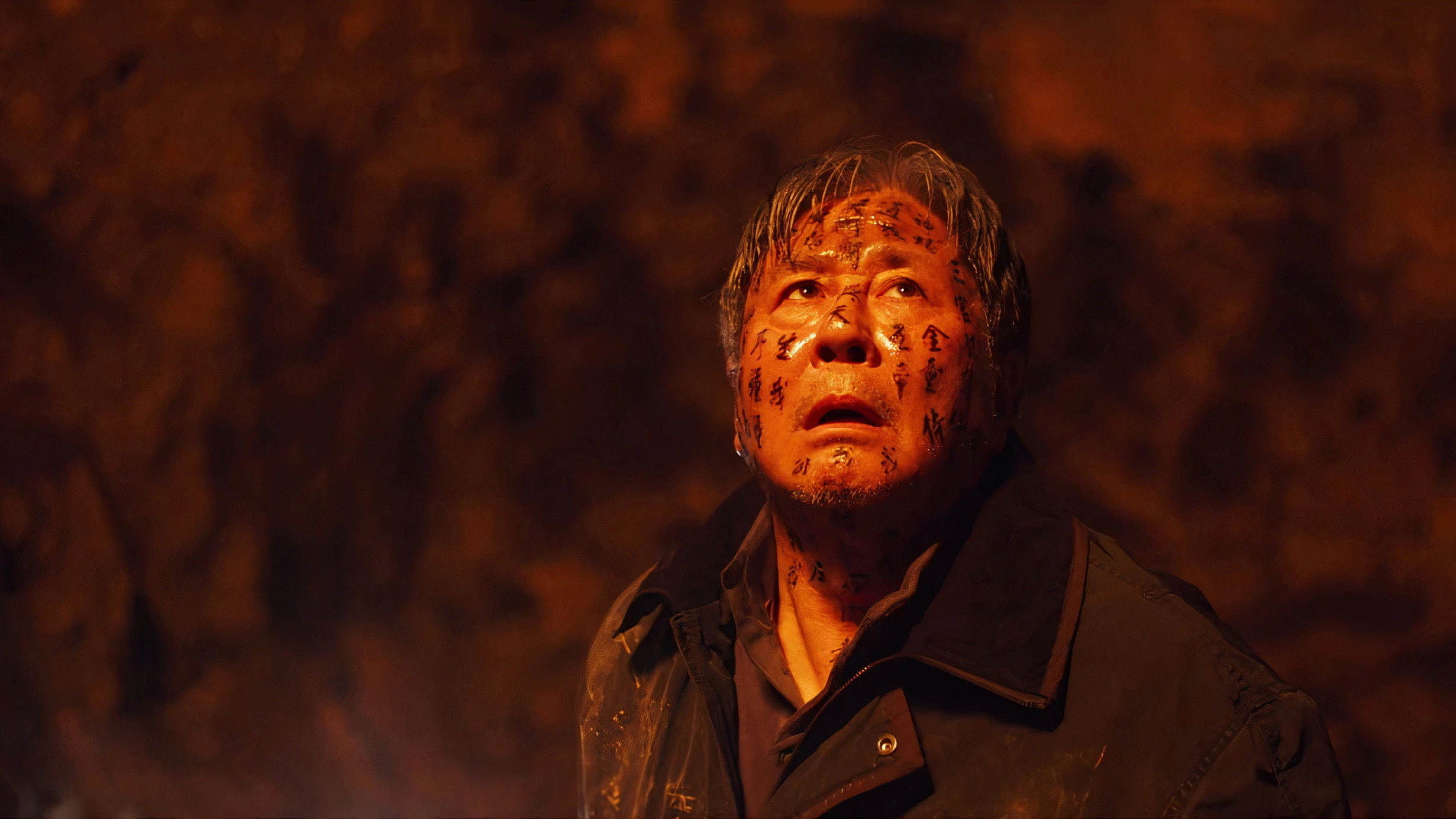
Beneath the Park ancestor’s coffin, buried vertically, is a second coffin. Inside: a figure in Japanese colonial-era samurai armor — a spirit that has been feeding on the Park lineage from below for generations. The ancestor’s grave was not placed here by accident; it was positioned on top of this coffin deliberately, as a seal over something that was never meant to be released. When the team breaks open the first coffin during the exhumation, they break the seal with it. The samurai spirit emerges immediately, begins killing Park family members in escalating succession, and eventually possesses Park Ji-yong completely. The curse wasn’t descending from above. It was pushing upward the entire time.
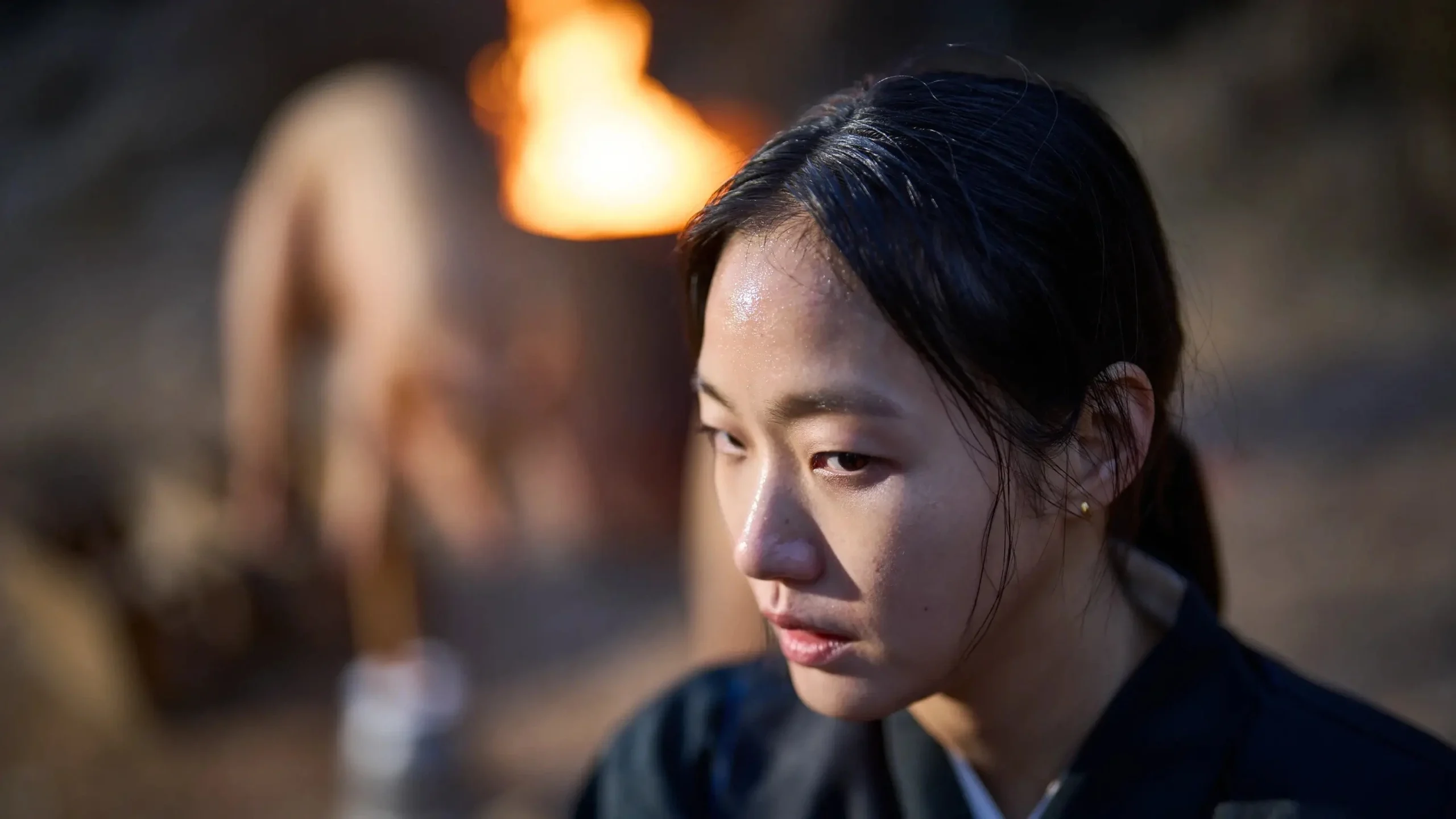
What follows is a battle fought simultaneously across three belief systems. Hwa-rim performs the largest shamanic exorcism of her life — rituals that exhaust every technique she has trained in, extending into improvisation at the edges. Sang-deok works the geomantic parameters of the site, redirecting the feng shui to cut off the spirit’s anchor in the earth. Young-geun, the Christian mortician who has spent the entire film holding his faith at careful distance from the work around him, faces the spirit directly with prayer — and finds that his faith, in whatever framework, does something real. The resolution requires all three. The only way to end the possession is to burn both coffins together in a combined act that is simultaneously shamanic burning, Christian prayer, and geomantic redirection. They do. Park Ji-yong, possessed beyond recovery, burns with the coffins. The infant grandson survives.
Jang Jae-hyun leaves two questions deliberately unanswered. Was the samurai a Japanese colonial soldier, or a Korean chinilpa who adopted Japanese identity so completely that he ceased to exist as anything else? And is the infant grandson actually freed, or only temporarily released from a possession that the burned lineage has merely interrupted? Neither question closes. The ambiguity is the film’s formal position: colonial history does not resolve neatly, and Korea’s question of who bears the deepest guilt — the occupier or the collaborator who enabled the occupation from inside — is one that history never fully settled, and neither does this film.
The KDW reading is that the samurai was a Korean chinilpa — a collaborator who became, in the most literal sense, what he chose to serve. The evidence is location: buried on Korean soil, beneath a Korean ancestor, on land only a Korean family would have controlled. The horror Exhuma presents is not invasion from outside but corruption from within. The Park family’s generational curse is not something Japan did to them. It is something a Korean ancestor did in the service of Japan, and what was never paid for has compounded across every subsequent generation. The samurai armor is the form the guilt chose to wear.
On rewatch, the film plants the collaborator reading in almost every scene. Every Park family member who dies shows signs of moral rot before the possession fully claims them — small cruelties, financial decisions that benefit only themselves, choices that reveal a lineage accustomed to taking rather than giving. The samurai spirit doesn’t manufacture guilt. He finds it and amplifies it. **The film’s thesis is that colonial trauma festers when the descendants of collaborators continue inheriting power, and the only available cure is burning the corrupt lineage entirely — not preserving it, not rehabilitating it, burning it.** That the method of destruction requires shamanism, Christianity, and geomancy working simultaneously is not decorative: Korea needed all of itself to face this wound, and no single part of it was sufficient alone.
✍️ KDramaWorlds Editor’s Take
Straight talk on whether this one’s worth watching, and for who.
Jang Jae-hyun
The Priests (2015)
Choi Min-sik is Korean cinema’s most recognizable face internationally — the films that built that reputation (Oldboy, I Saw the Devil) are films about contained, explosive violence, men pushed to the outer edge of what a person can do and survive. Kim Sang-deok is the opposite of all of that. He’s a geomancer in his sixties, a man who reads land the way physicians read imaging, moving through the world with the patience of someone for whom every answer was eventually produced by paying attention long enough. What Choi Min-sik does in Exhuma is something quieter and technically harder than his celebrated performances: he plays expertise as a physical posture, a specific way of bending toward the earth, a man whose authority derives entirely from what he knows rather than what he can threaten. The restraint is deliberate. The performance is complete. He makes geomancy look like the most serious discipline in the room — because in this film, it is.
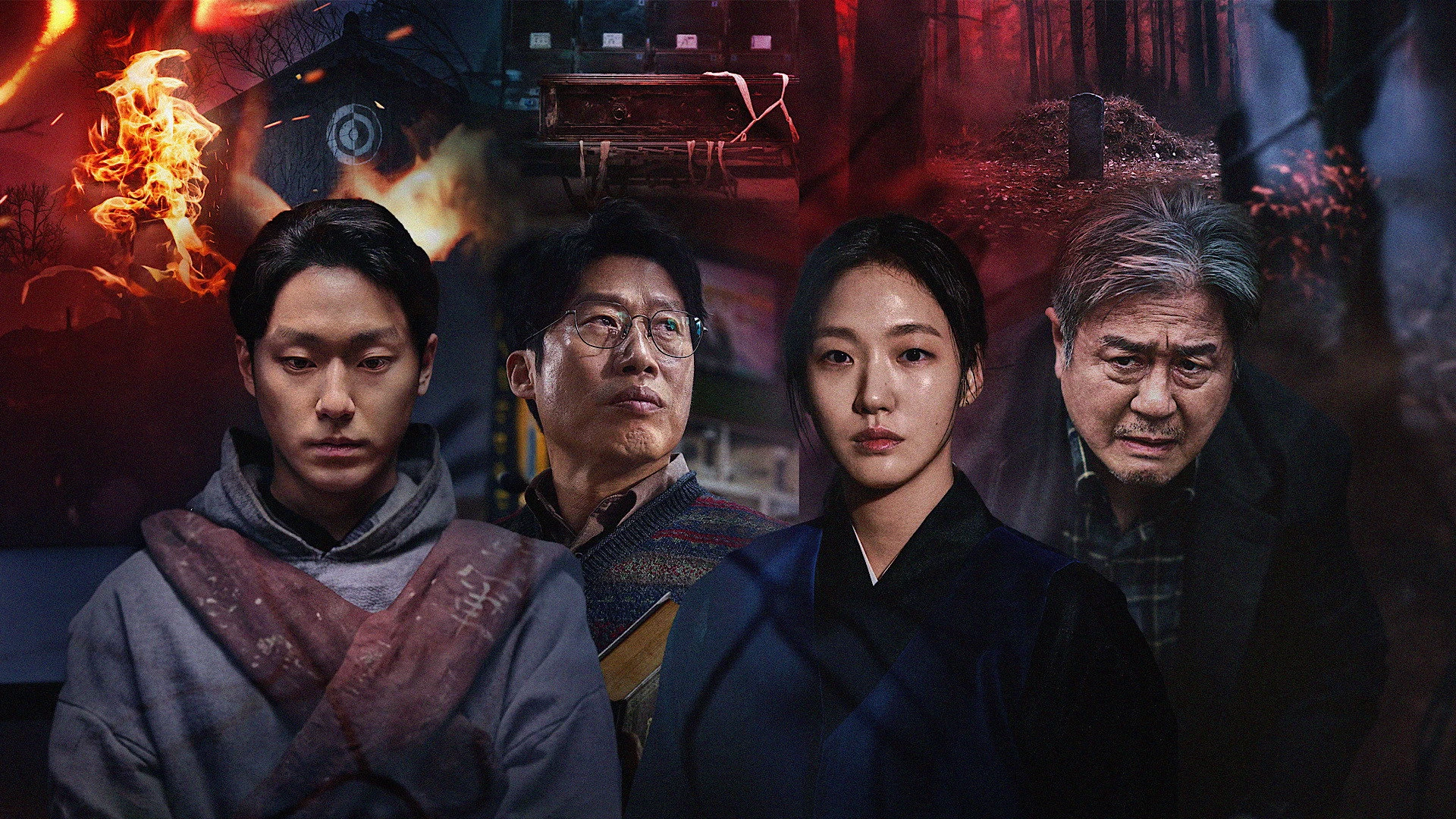
Kim Go-eun carries the film’s supernatural weight, and the weight is considerable. The shamanic ritual sequences run three or four minutes without dialogue, driven entirely by her body and the score, and she anchors them with a focused physical commitment that makes the folklore feel inhabited rather than performed. What she does with the transition between Hwa-rim’s social register — competent, pragmatic, professionally calm — and her ritual register is the film’s most precise acting achievement: the body changes, the voice changes, the eyes change. For viewers who know Kim Go-eun from Guardian: The Lonely and Great God or Little Women, this is a different instrument. The emotional accessibility she deployed in those roles is replaced here by something more like authority, and it holds the film’s supernatural premise together through sheer physical conviction. For another take on Korean horror led by women operating in a spiritual framework, Dark Nuns (2025) covers related territory from a different angle — worth watching as a companion piece.
The film’s limitation is density. Its third act rests on familiarity with chinilpa history and Japanese colonial occupation that Korean audiences carry naturally and international viewers generally do not — and Jang Jae-hyun does not pause to explain it. On a first viewing, the full meaning can arrive after the film rather than during it. This is arguably the point: Exhuma was made for an audience that already knows the wound it is about, and the 93% Rotten Tomatoes critics score suggests reviewers who came prepared found the film fully earned. For viewers arriving without that context, a five-minute read on Korea’s colonial period before the third act will repay itself considerably. The Call (2020) is the closest live-action companion in terms of structural confidence — another Korean genre film that assumes viewers who are paying attention and rewards the ones who are.
Choi Min-sik and Kim Go-eun fans ready to see both operating at career-defining levels
Rewatch enthusiasts — the film is structured so the second viewing explains the first
🎬 You Might Also Like
If you liked Exhuma, these are your next three watches.
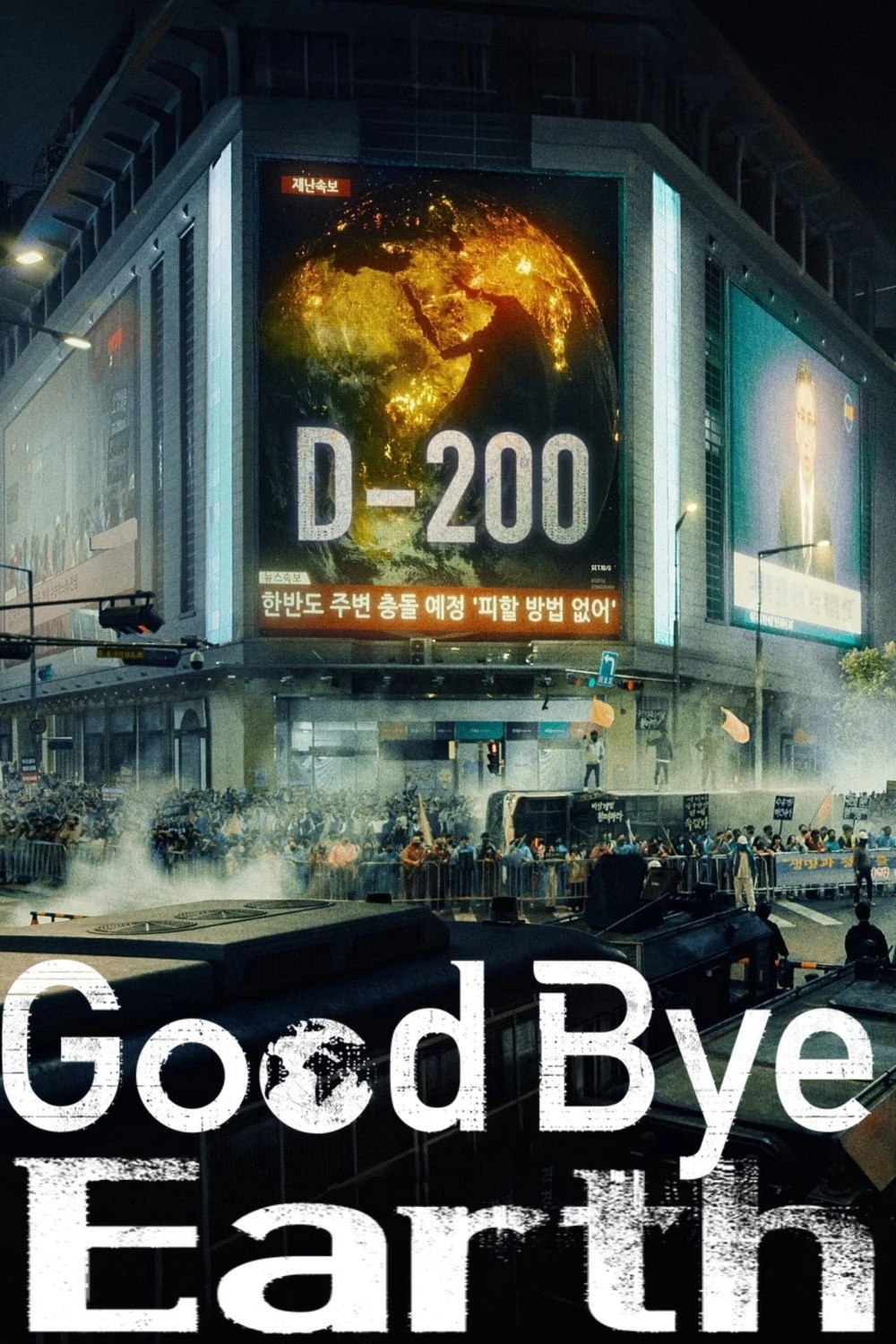 Goodbye Earth
Ahn Eun Jinapocalypse
Read Full Review →
|
 Filing for Love
Audit Teamauditor
Read Full Review →
|
 When the Stars Gossip
AstronautGong Hyo-jin
Read Full Review →
|






Keep it kind, skip the harsh language, and please — no spoilers. Everyone's taste is different, and that's perfectly fine.
This space is for real reactions and discussion from other viewers. Help keep it comfortable for everyone by not giving away major plot details.
What do you think of this drama?
Login to share your review or leave a comment.
No email needed — just pick a username & password.