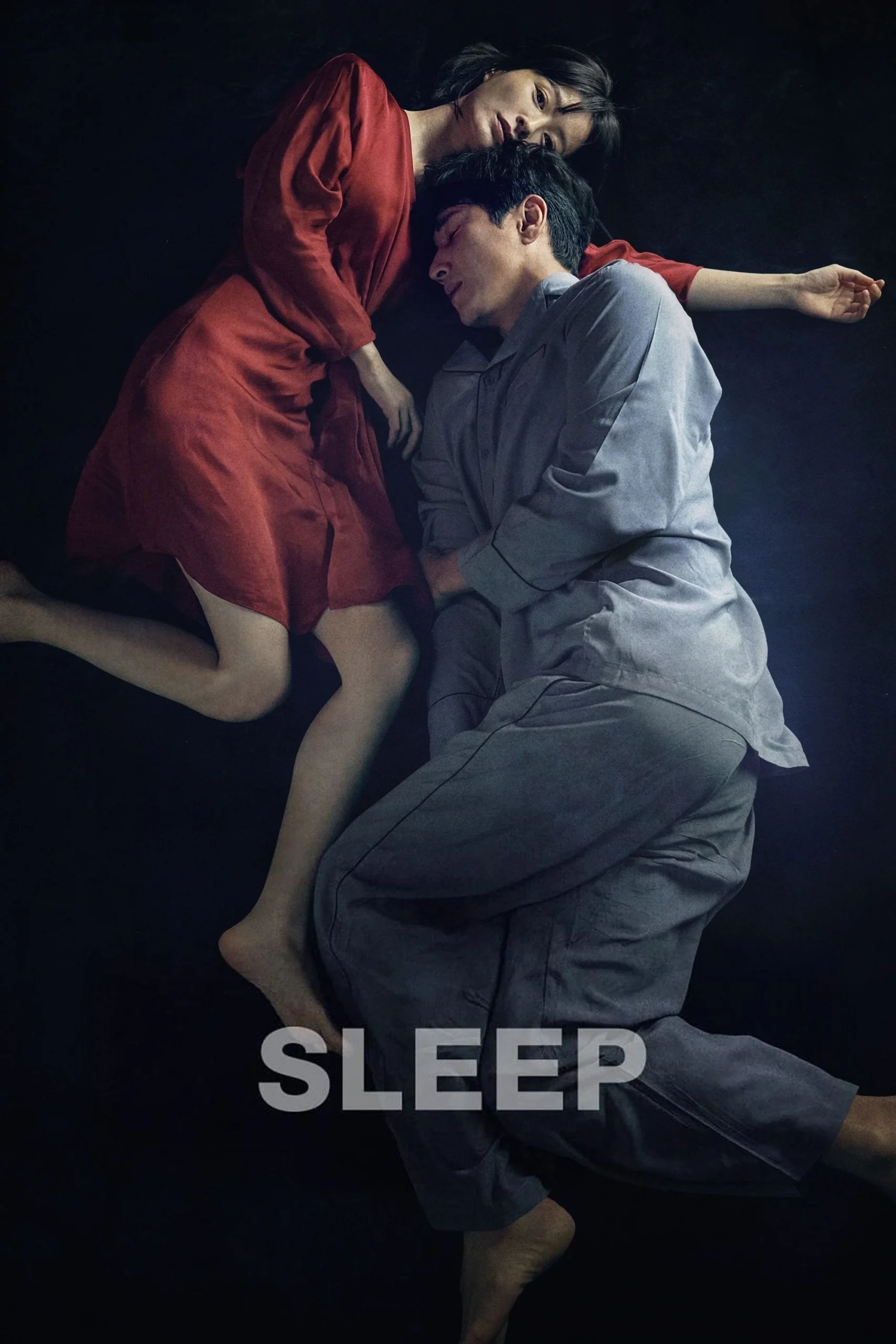
Sleep
🎬 Hulu · VIU · Apple TV+
⭐ 6.6 IMDb
🔞 15+
🎬 Film Overview
CANNES PSYCHOLOGICAL HORROR PICK
Sleep is Jason Yu’s debut feature, and it arrives with a specific intelligence: the horror isn’t primarily in what Hyun-su does while sleepwalking — though what he does is deeply unsettling — it’s in what watching him do it gradually does to Soo-jin. The film is formally about a sleep disorder. It’s actually about the terror of realizing the person you’ve chosen to share your life with might be something you can no longer trust, and about how completely that erosion can dismantle a mind.
Yu previously worked as an assistant director to Bong Joon-ho, and the influence shows not in style imitation but in structural intelligence. Sleep is simultaneously a domestic thriller, a slow-burn supernatural horror, and a sharp-edged marital portrait that refuses to resolve its central ambiguity. Jung Yu-mi and Lee Sun-kyun are two of Korean cinema’s most capable performers, and the film uses their naturalistic chemistry to establish a register of warmth before it begins, methodically, to disassemble it. The apartment feels genuinely lived in. The relationship feels real. By the time the film reaches its more extreme territory, you have accepted this world completely — and the film uses that acceptance against you.
⚡ Quick Verdict
Everything that matters, at a glance.
· IMDb
▶ Official Trailer
🎭 Cast & Characters
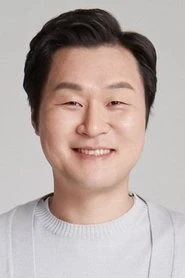
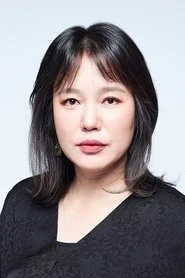
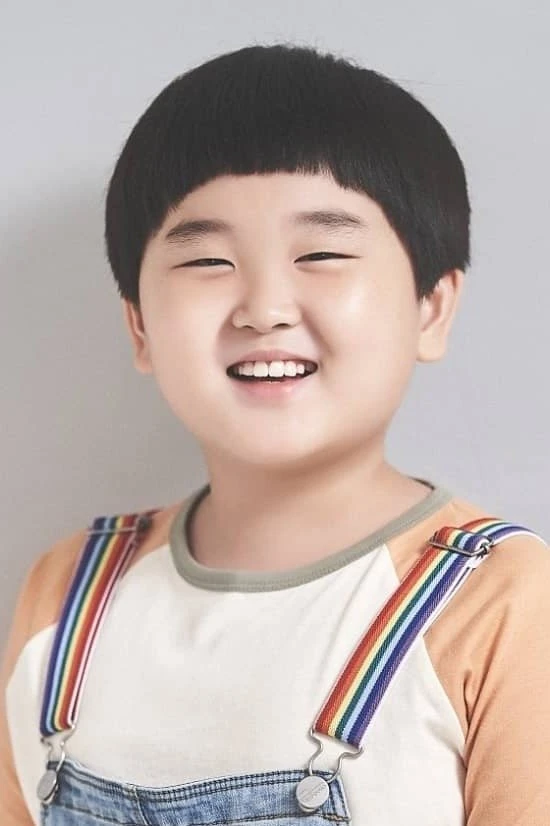
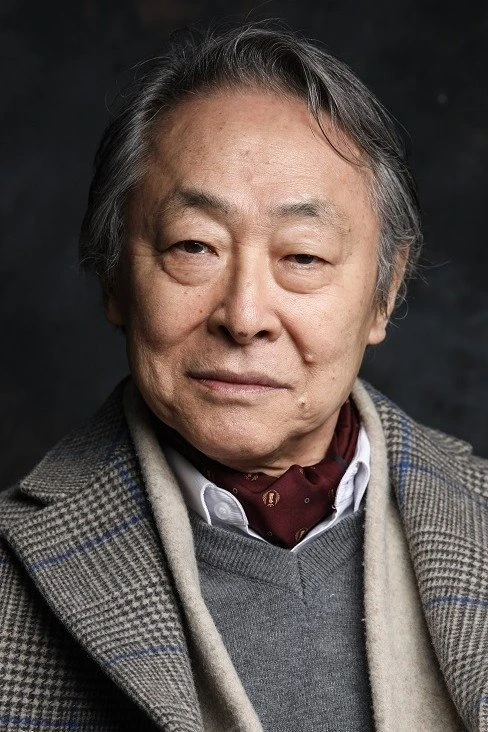
Two performers at the top of their craft — and the supporting cast who make the apartment feel like a world.

Lead
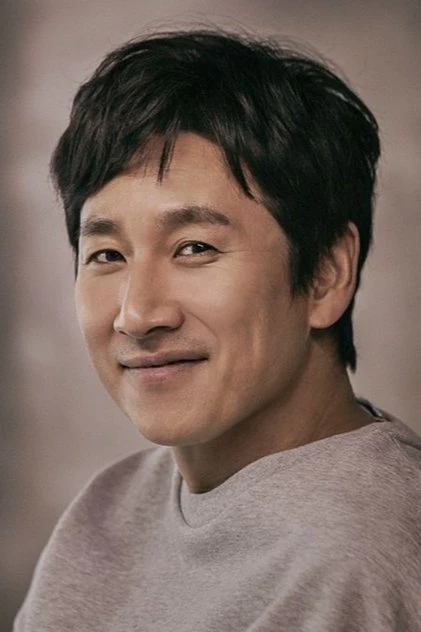
Lead
Supporting
Supporting
Supporting
Supporting
Supporting
Supporting
Supporting

Supporting

Supporting
Supporting
📖 The Story
No spoilers — just what you need to know going in.
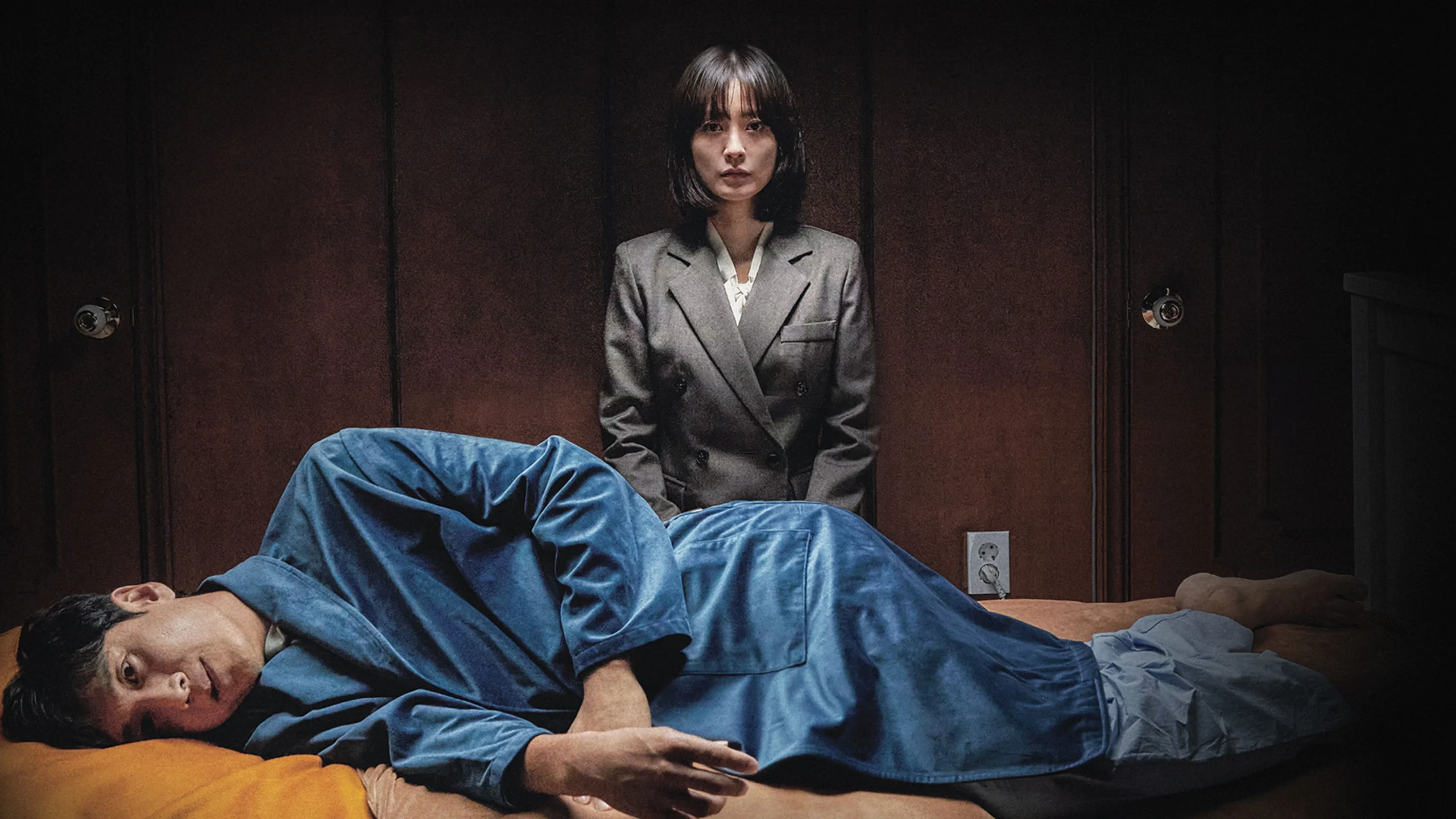
The film takes its time establishing what it’s about to dismantle. Soo-jin and Hyun-su are introduced as a specific kind of ordinary — young married couple, first apartment, baby on the way, a beloved Pomeranian named Pepper. Hyun-su is an aspiring actor with a warm, easy presence; Soo-jin is competent and caring, the organizer of their shared domestic life. The film allows genuine affection to accumulate between these two characters and the audience before the first crack appears. That patience is strategic, not indulgent.
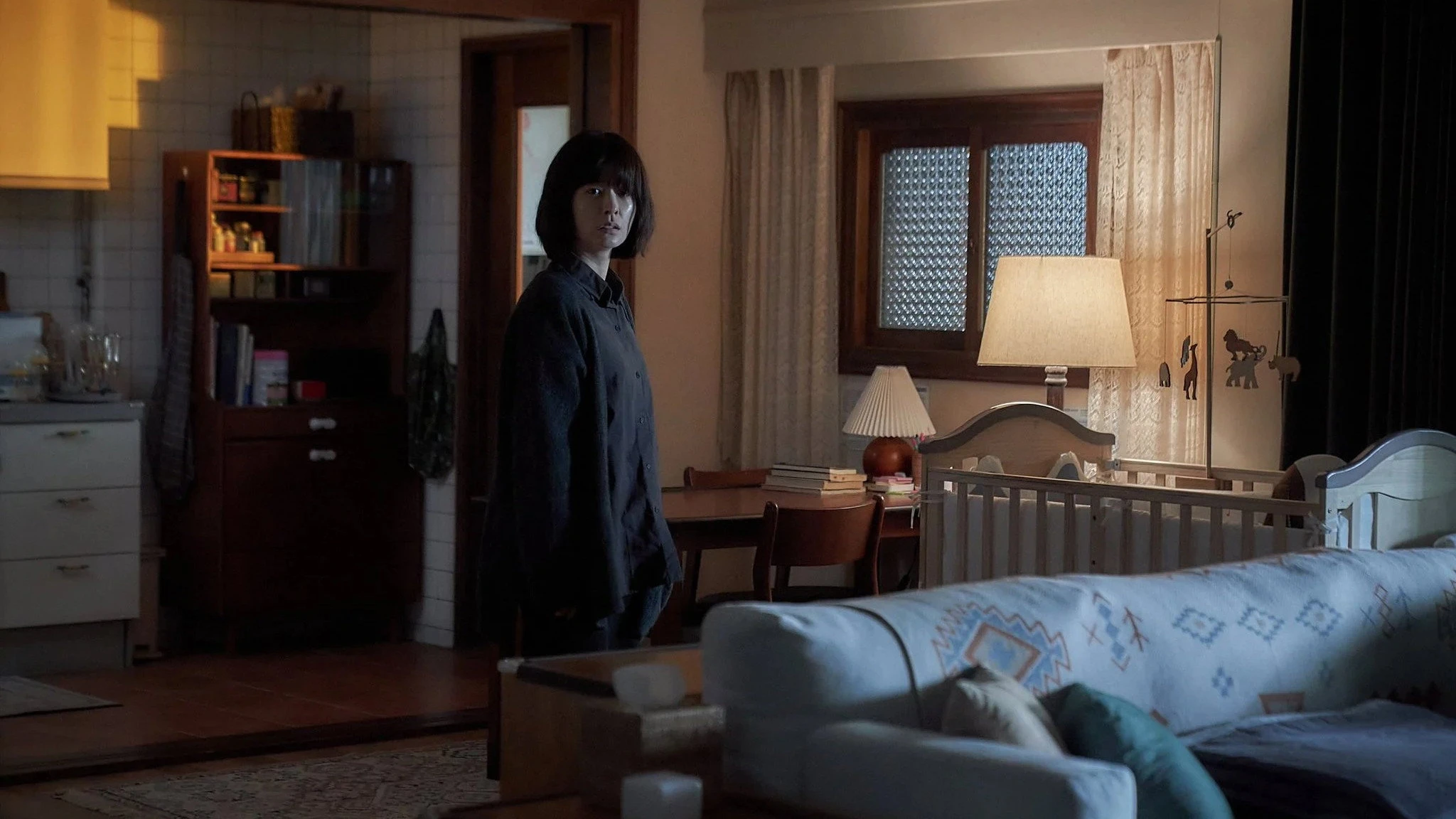
The crack: Hyun-su’s sleep-talking begins. “Someone’s inside.” Soo-jin wakes to hear it, registers it as odd, and moves on. The film follows her in doing so — it lets the first few incidents seem manageable, almost funny. This is intentional. The horror of what comes later depends entirely on the audience having lived through the same normalizing process as Soo-jin. By the time the incidents stop being manageable, you’ve already accepted far more than you should have.
The escalation is precisely handled. Sleep-talking becomes face-scratching. Face-scratching becomes eating raw meat from the refrigerator at 3am. Wandering the apartment in a trance. What’s most unsettling isn’t the acts themselves — it’s the contrast with who Hyun-su is when he wakes: present, warm, apologetic, completely unaware. The gap between sleeping Hyun-su and waking Hyun-su is where the film’s central horror lives, and Soo-jin must hold both versions in her head simultaneously.
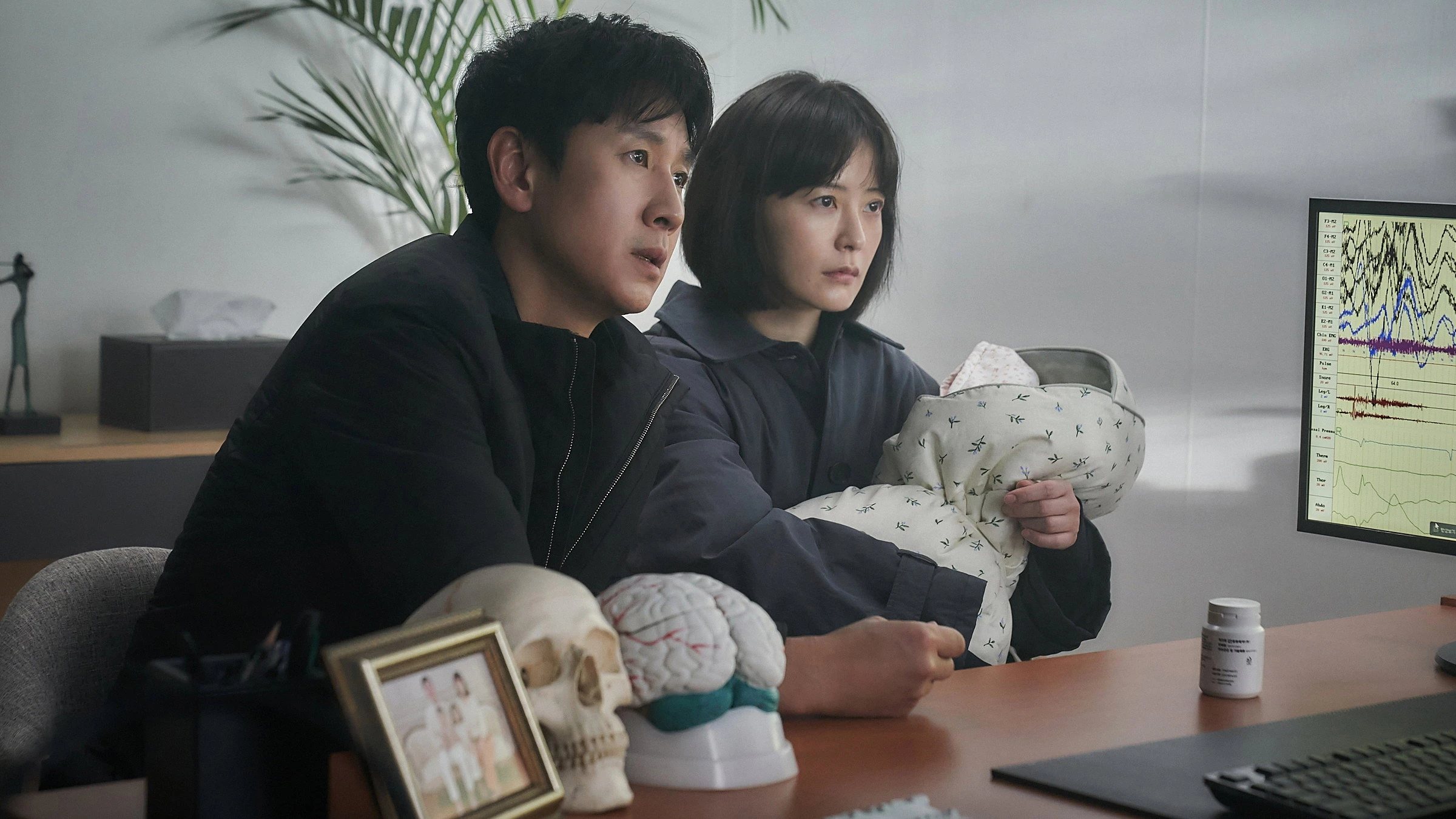
The supporting cast is deployed carefully rather than generously. Soo-jin’s mother carries the traditional, supernatural reading — shamans, ancestral spirits, remedies that medicine dismisses. Downstairs neighbor Min-jung enters the film sideways, initially as a connection to ordinary life, then as someone whose family history becomes tangled in Soo-jin’s growing fixation. The doctor represents the rational framework that is steadily failing. The film uses all three perspectives without endorsing any of them.
By the midpoint, Soo-jin has made a decision: this is spiritual. What’s remarkable is the film’s refusal to confirm or deny her. Both interpretations remain fully live. A scene that reads as evidence of possession can be read with equal logic as severe parasomnia; a moment of apparent lucidity from Hyun-su could be lucidity or could be performance. Director Jason Yu maintains this doubleness with real discipline — never winking, keeping the camera close enough that the audience is doing the same detective work as the woman onscreen.
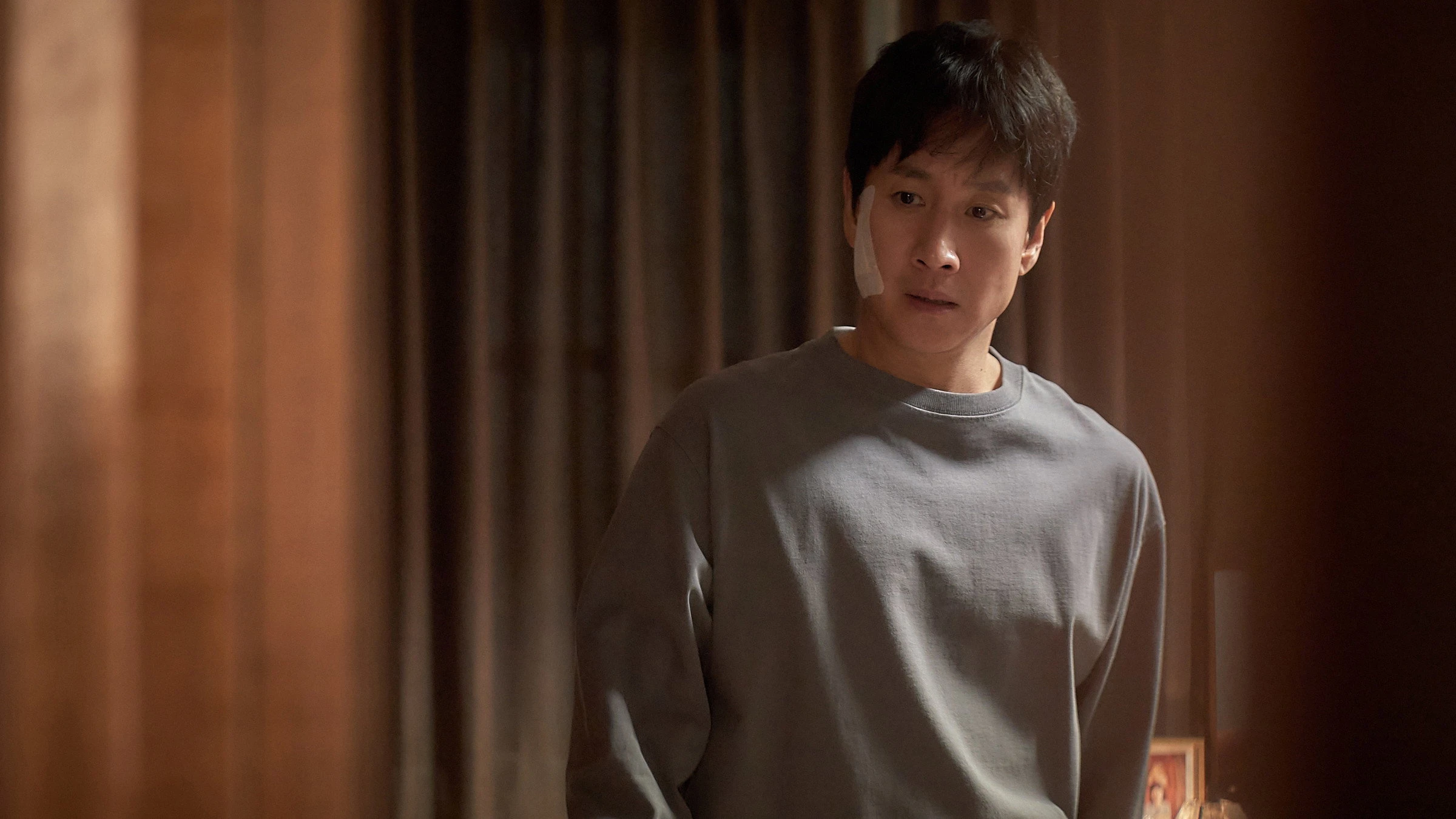
The film’s atmosphere shifts decisively in its final third. The dark humor that flavored the opening sections — and there is real, knowing humor in the early scenes — disappears entirely. What replaces it is tighter and more claustrophobic. The apartment, which felt cozy in the opening act, has contracted. Soo-jin’s thinking has narrowed. The decisions she starts making feel both completely understandable and quietly alarming — the logic of someone operating at the absolute edge of rational thought.
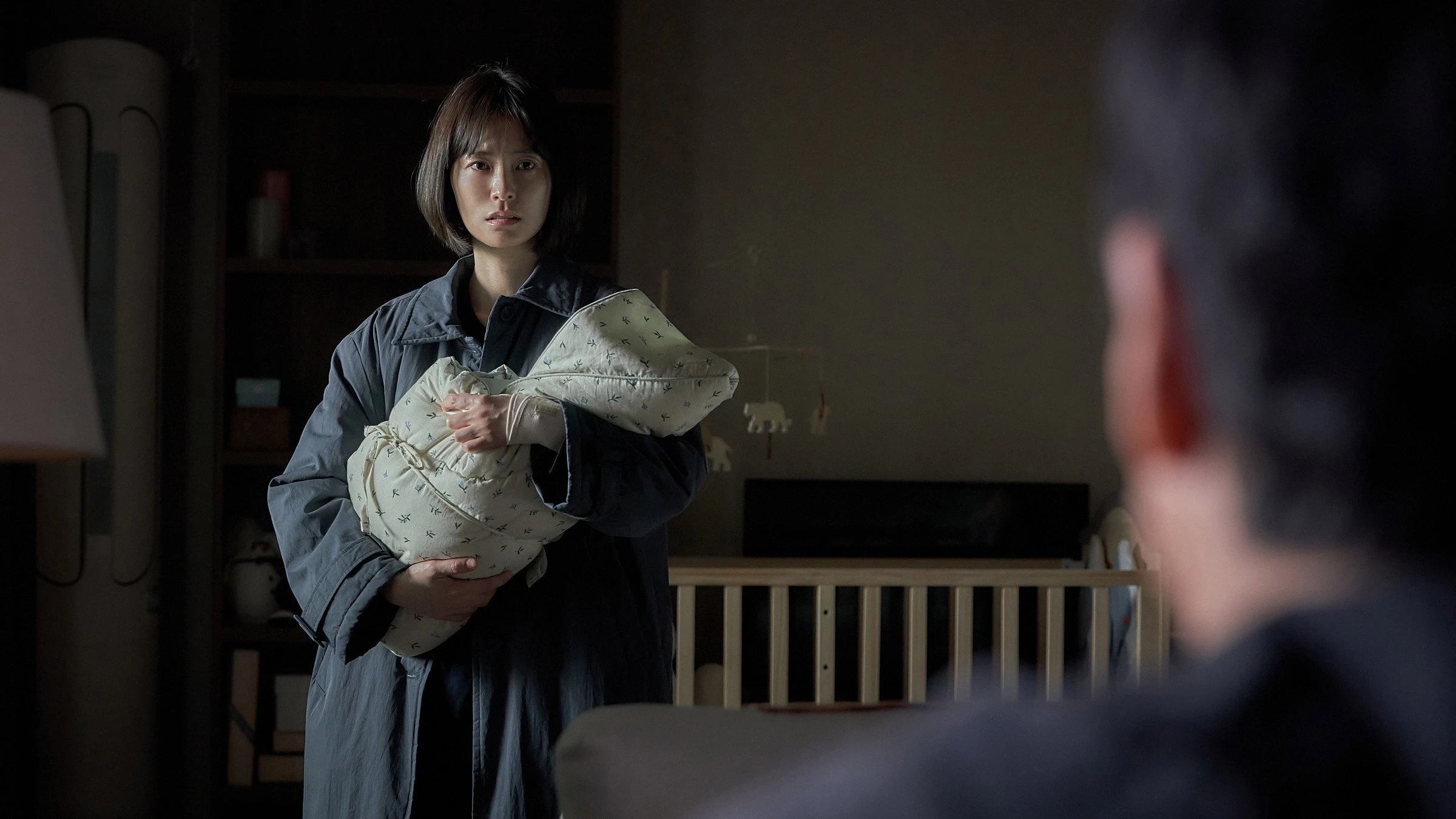
Sleep earns its ending by never having promised a clean resolution. Jung Yu-mi carries the film’s full weight in the final act — the performance is committed in ways that feel genuinely costly, not spectacular. The question the film poses has no official answer, and the film is entirely serious about that refusal. What it leaves you with instead is a portrait of a mind under maximum pressure, and the uncomfortable knowledge that Soo-jin’s intelligence, turned against itself by weeks of terror, is the real tragedy at the center of everything.
🏁 Ending Explained
Everything that happens, explained in full — spoilers ahead.
Full Spoilers Ahead — This section covers the complete ending of Sleep. Stop here if you haven’t watched.
What actually happens in the climax Soo-jin, convinced that Hyun-su is possessed by the spirit of their deceased downstairs neighbor Park Chun-gi, kidnaps Min-jung — the man’s daughter — and brings her into the apartment. Armed with a power drill, Soo-jin demands the spirit exit her husband in exchange for Min-jung’s safety. Hyun-su, apparently under the spirit’s influence, communicates through gestures and sounds. After a tense confrontation, he collapses. The couple falls to the floor together, utterly spent. The immediate danger is over. What exactly happened is not explained.
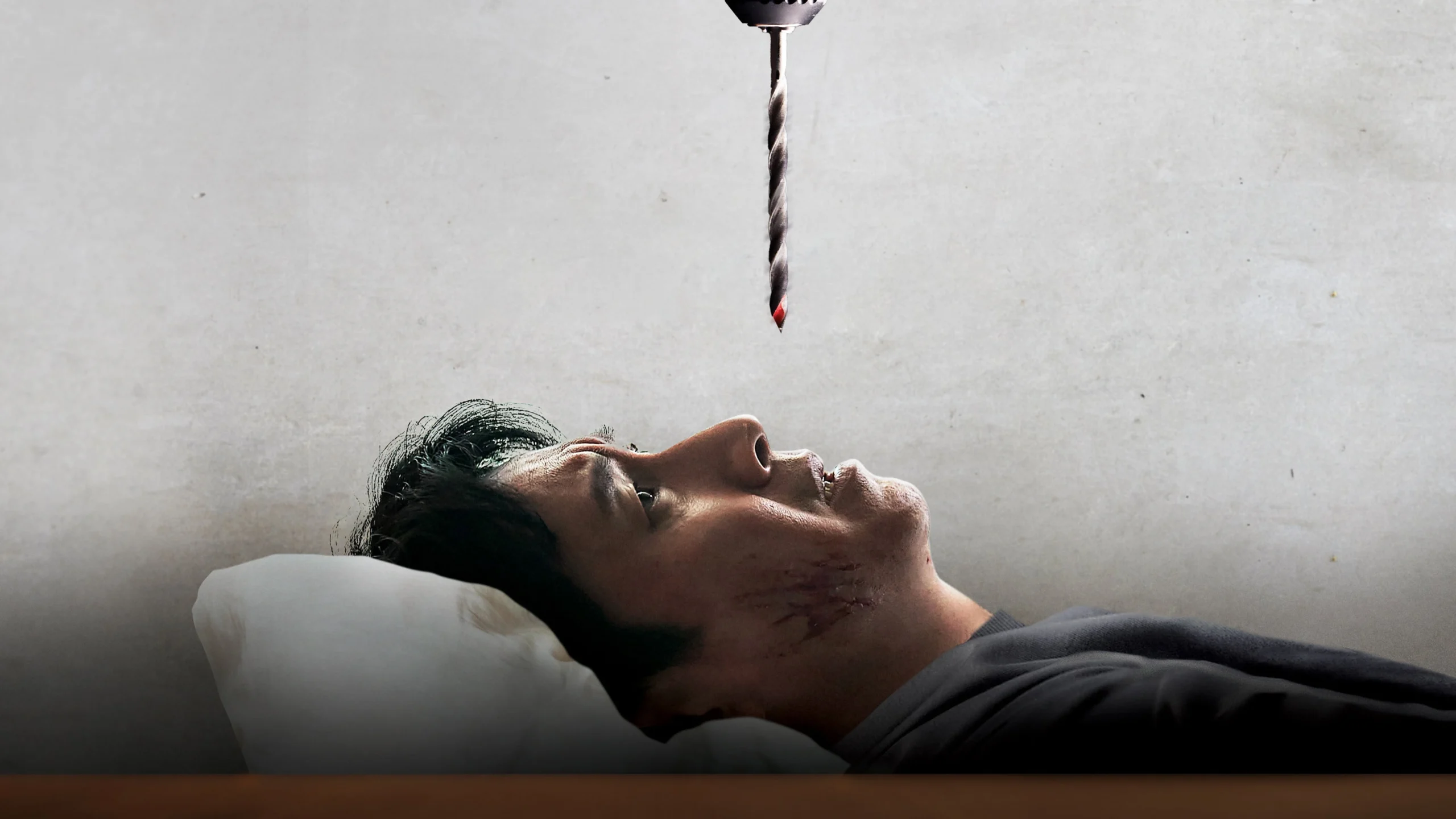
The possession reading One interpretation: Park Chun-gi was real. The spirit genuinely inhabited Hyun-su, and Soo-jin’s desperate, unorthodox actions successfully drove it out. This aligns with the shaman’s earlier diagnosis, with Soo-jin’s mother’s instincts, and with the film’s careful refusal to debunk any of the supernatural evidence it accumulates. Under this reading, the medical framework failed not because Soo-jin was losing her mind but because it was addressing the wrong kind of problem entirely.
The psychological reading The more unsettling interpretation: Hyun-su was never possessed. He was suffering from a severe parasomnia, and the exorcism was a performance — a calculated act by an actor who saw his wife crossing into genuinely dangerous territory and chose to give her the resolution her deteriorating mind required. This reading is supported by Hyun-su’s professional skill set (he is an actor), by his evident awareness of his own condition, and by the film’s consistent framing of Soo-jin’s rationality as something being steadily eroded.
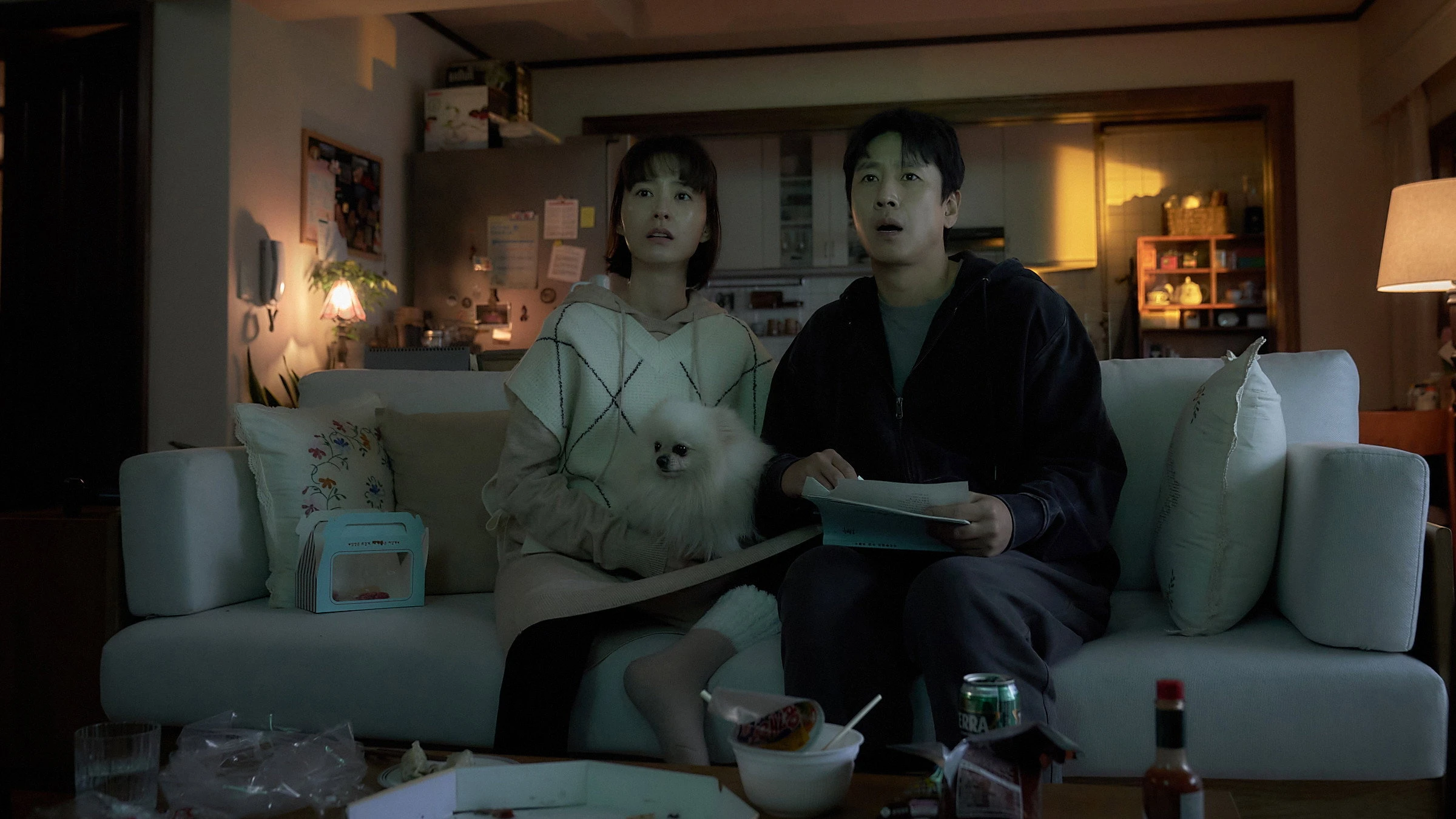
The final shot — and why it matters The final scene: Soo-jin snores. The specific rhythm mirrors Hyun-su’s earlier sleepwalking sounds. If the possession was real, the affliction has transferred to his pregnant wife. If it was psychological all along, Soo-jin’s own mind has now crossed into the territory she feared in her husband. Neither possibility is comfortable. The film offers this image without commentary, and it is the most precise horror move in a 94-minute film full of precise horror moves — because both interpretations of the ending are genuinely worse than the alternative.
The KDW read Sleep’s actual subject is the fragility of the domestic. The apartment that opened the film as a sanctuary has been permanently reconfigured by fear. The relationship that seemed like its stable center has been altered by what Soo-jin has done, by what she now believes, and by what she will never fully be able to explain to Hyun-su. The horror was never primarily about the ghost or the sleep disorder. It was about what prolonged terror does to a mind — and the film’s final image confirms that the damage does not simply end when the immediate crisis does.
✍️ KDramaWorlds Editor’s Take
Straight talk on whether this one’s worth watching, and for who.
Jason Yu
Known for: Jason Yu is a debut feature director who worked extensively as an assistant director under Bong Joon-ho, one of Korean cinema’s defining figures. That apprenticeship is visible in Sleep’s structural precision — the film is built so that every scene carries double weight, and nothing exists purely for atmosphere. Sleep premiered at the 2023 Cannes Film Festival in the Directors’ Fortnight section and earned a 91% score from critics on Rotten Tomatoes, establishing Yu immediately as a filmmaker with serious formal command. His next project will be closely watched.
The film’s formal achievement is its sustained ambiguity — not the lazy kind that dodges commitment, but the kind that requires constructing a story where every piece of evidence is genuinely double-sided. Every scene that supports “the ghost is real” also supports “Soo-jin is losing her mind,” and Jason Yu maintains this without ever tipping his hand. The shamanism sequences — which could easily veer into camp — are played with exactly the same naturalistic register as the medical appointments, giving neither framework any more authority than the other. For fans of Korean supernatural horror, Exhuma operates in adjacent territory with more scale and spectacle; Sleep is the more interior, more persistently unsettling piece of work.
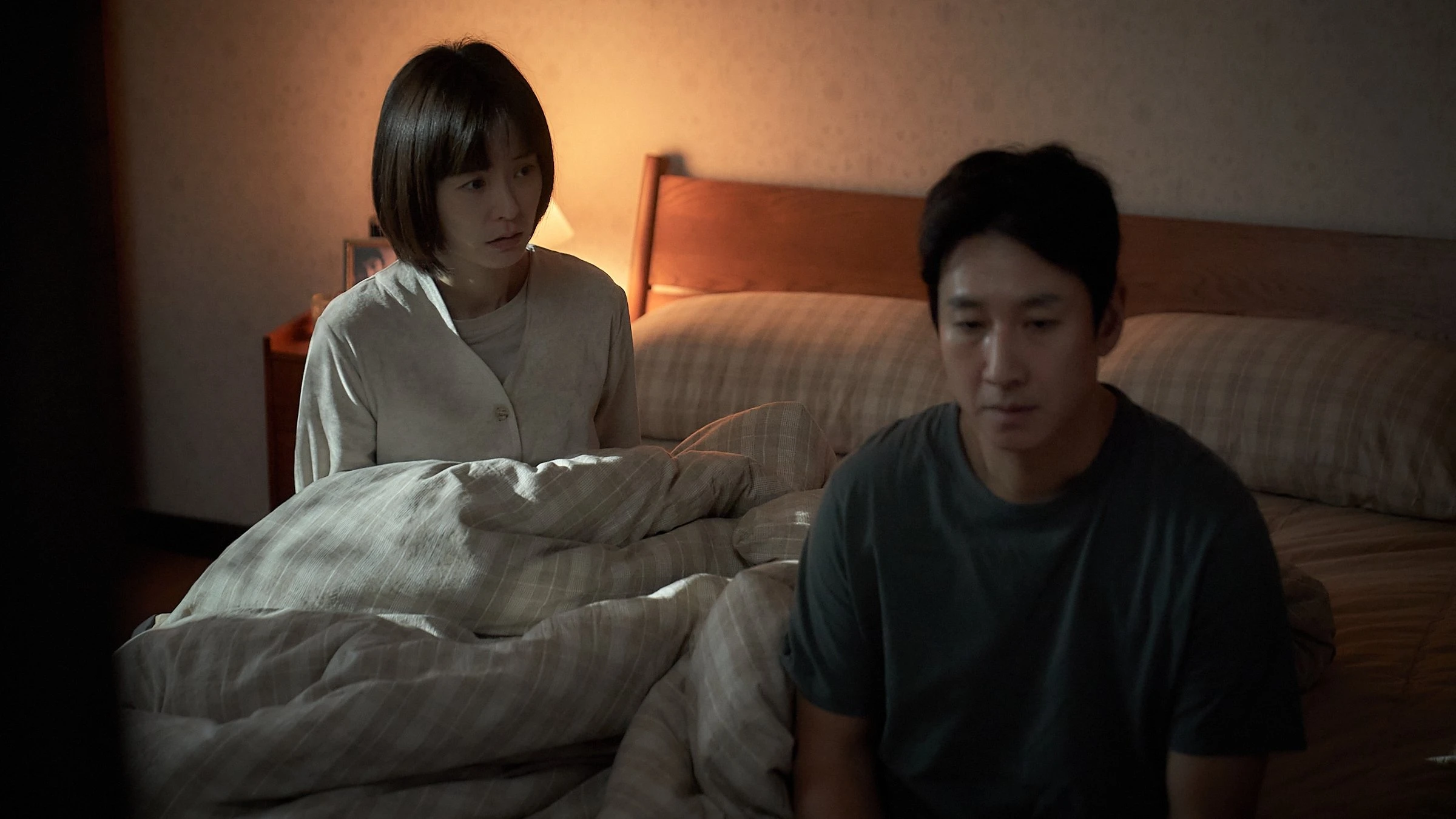
Jung Yu-mi holds the film together in its most demanding passages. Soo-jin’s descent has to be simultaneously sympathetic and frightening — you have to understand why she makes each decision while also watching those decisions compound into something alarming — and the performance never takes the easy route of choosing one register over the other. Lee Sun-kyun brings a different skill: waking Hyun-su’s warmth has to feel completely genuine to make sleeping Hyun-su genuinely disturbing, and it does. The tragedy of Lee Sun-kyun’s passing in December 2023 makes Sleep one of his final performances on record; it is unmistakably excellent work. The Call similarly built its domestic horror on two performers operating at maximum capacity — Sleep works the same mechanism with comparable result.
Jason Yu’s background as Bong Joon-ho’s assistant director is visible not in imitation but in structural discipline. Bong’s films are relentlessly constructed — every scene serves multiple purposes — and Sleep is built the same way. The dark humor in the early sections isn’t tonal inconsistency; it’s load-bearing. The warmth the film establishes in its first act is the height from which the second act falls. Without that height, nothing that follows lands the same way. It’s a debut that knows exactly what it’s doing from the first frame.
🎬 You Might Also Like
If you liked Sleep, these are your next three watches.
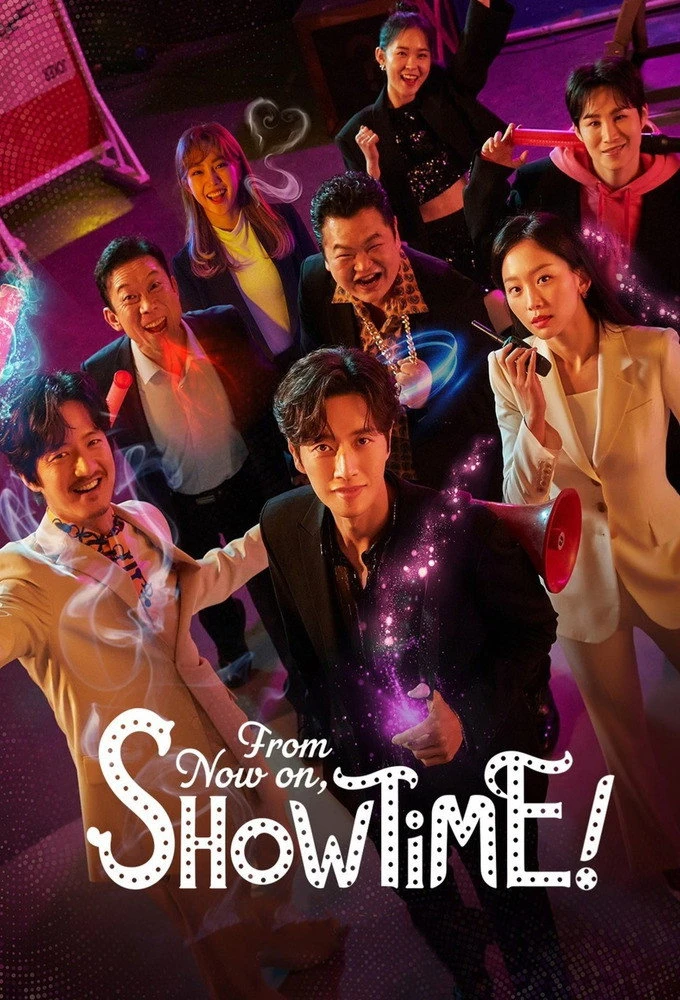 From Now On, Showtime!
comedyEnemies to Lovers
Read Full Review →
|
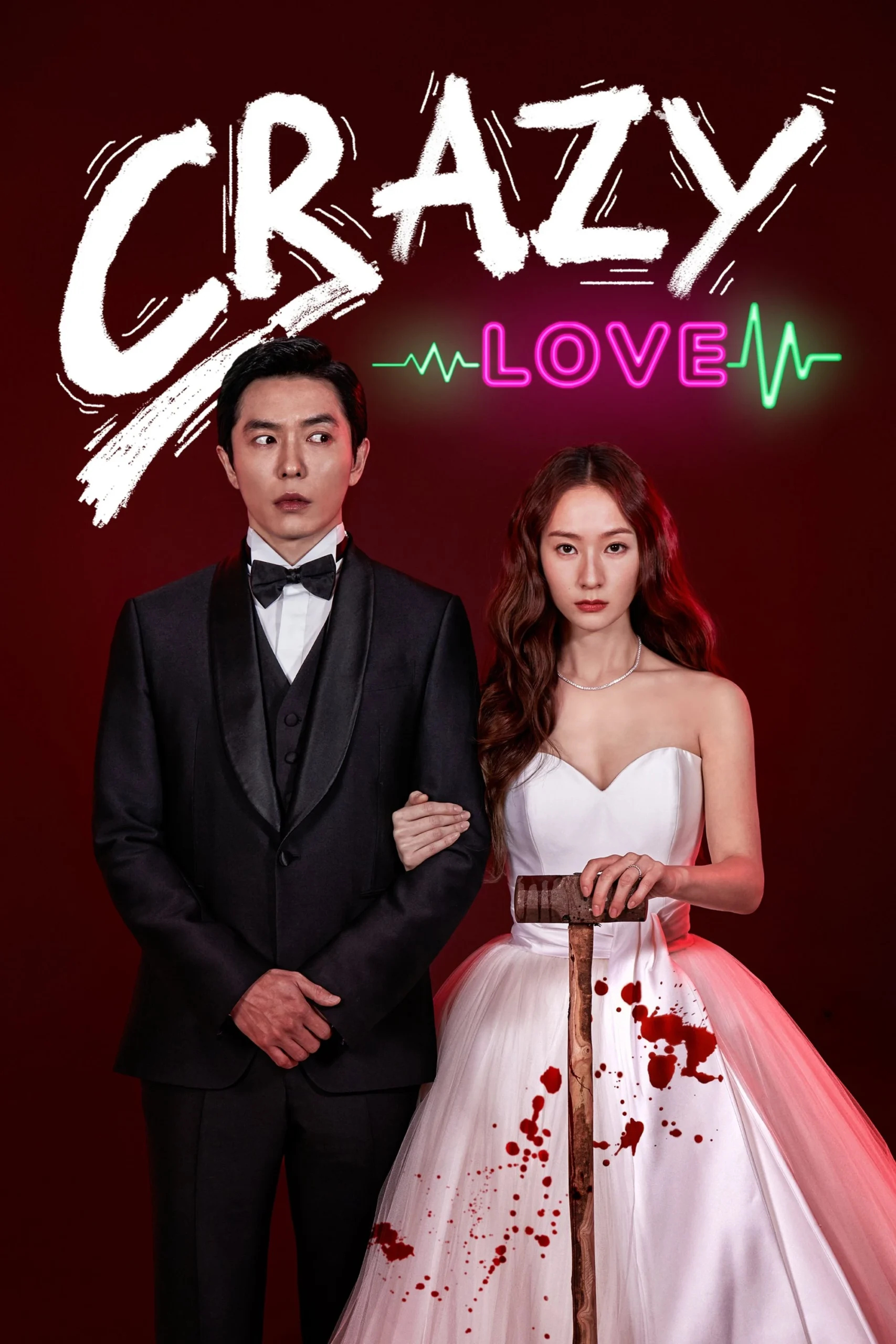 Crazy Love
AmnesiaKim Jae-wook
Read Full Review →
|
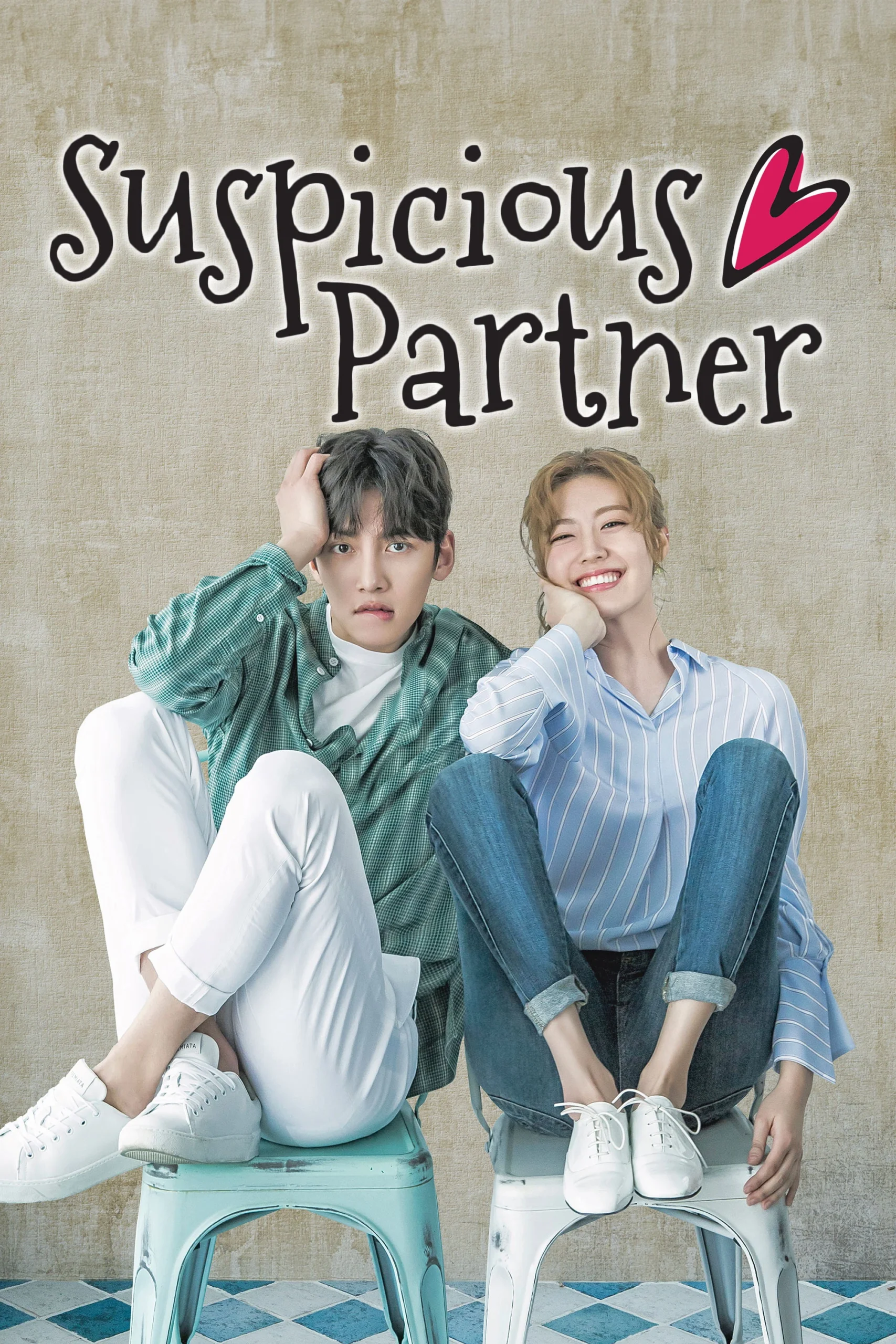 Suspicious Partner
comedyJi Chang-wook
Read Full Review →
|




Keep it kind, skip the harsh language, and please — no spoilers. Everyone's taste is different, and that's perfectly fine.
This space is for real reactions and discussion from other viewers. Help keep it comfortable for everyone by not giving away major plot details.
What do you think of this drama?
Login to share your review or leave a comment.
No email needed — just pick a username & password.