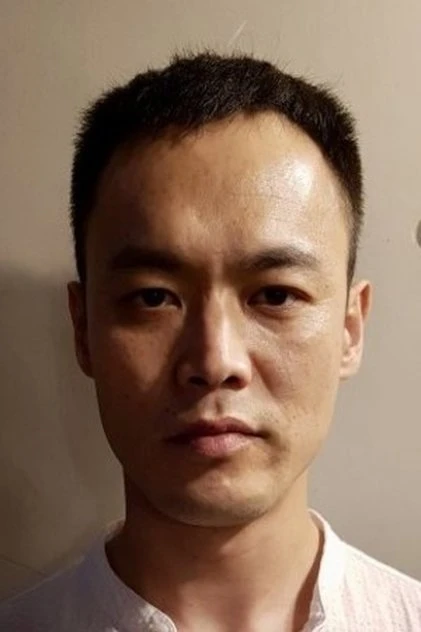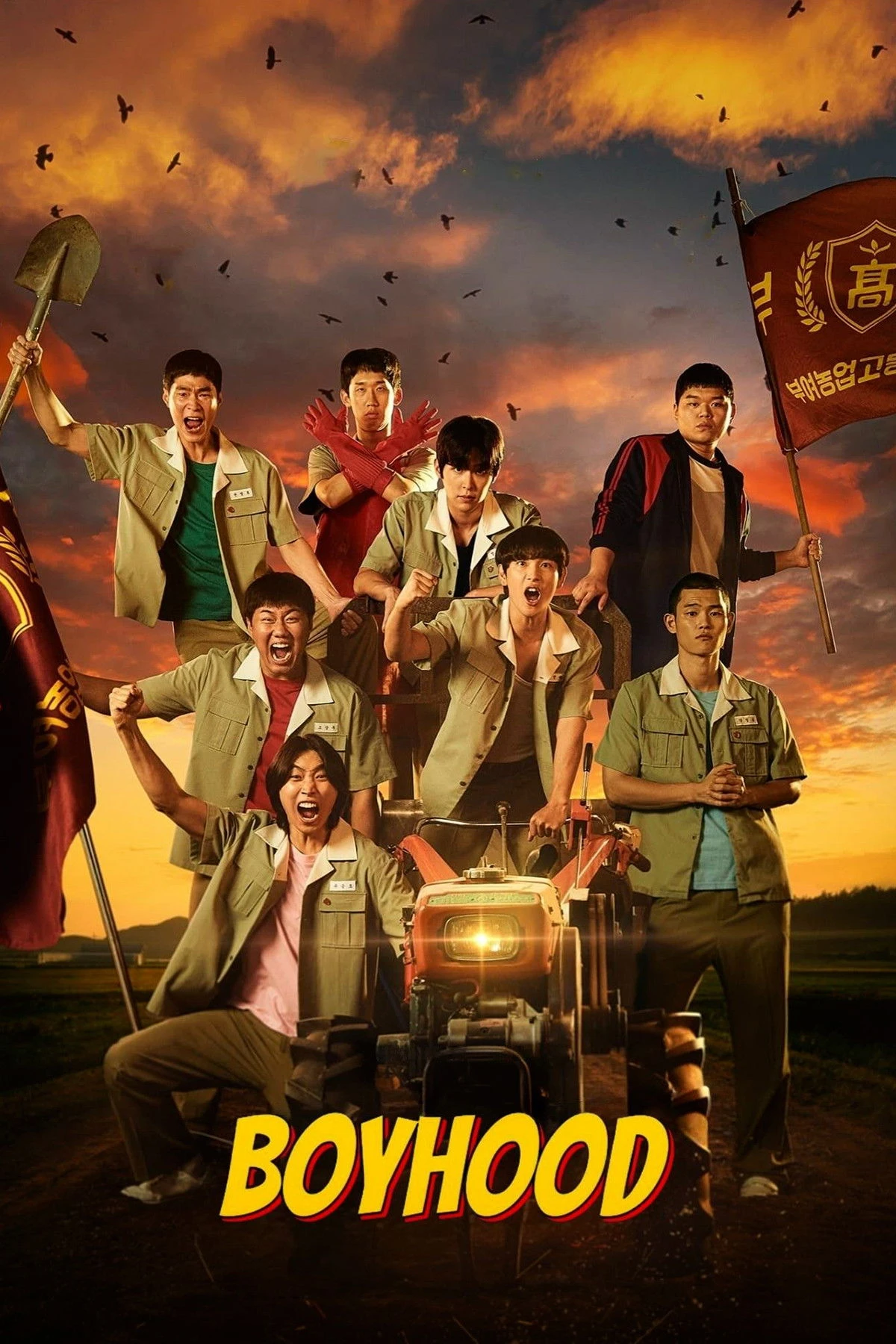
Boyhood (2023) official poster
📺 K-Drama Guide · Comedy · Action

Boyhood

소년시대 · 2023
✅ Completed · 10 eps
🎬 Viki · OnDemandKorea
⭐ 8.6 MDL
📺 15+
⚡ Updated · Jun 29, 2026

📋 Drama Overview

Everything you need to know before you hit play.

Boyhood (2023) poster
Completed
😂 Underdog Pick
Boyhood
소년시대 (Sonyeonsidae) · 2023 · South Korea
WriterKim Jae-hwan
DirectorLee Myung-woo
Episodes10 eps · ~60 min each
Where to Watch✅ Viki, OnDemandKorea
⏱️
Binge Time10h 0m
AiredNov 24 – Dec 22, 2023
NetworkCoupang Play
GenreComedy · Action · Drama
Content Rating15+

Viki
OnDemandKorea
School Hierarchy
Mistaken Identity
1989 Setting
Underdog Story
Bromance

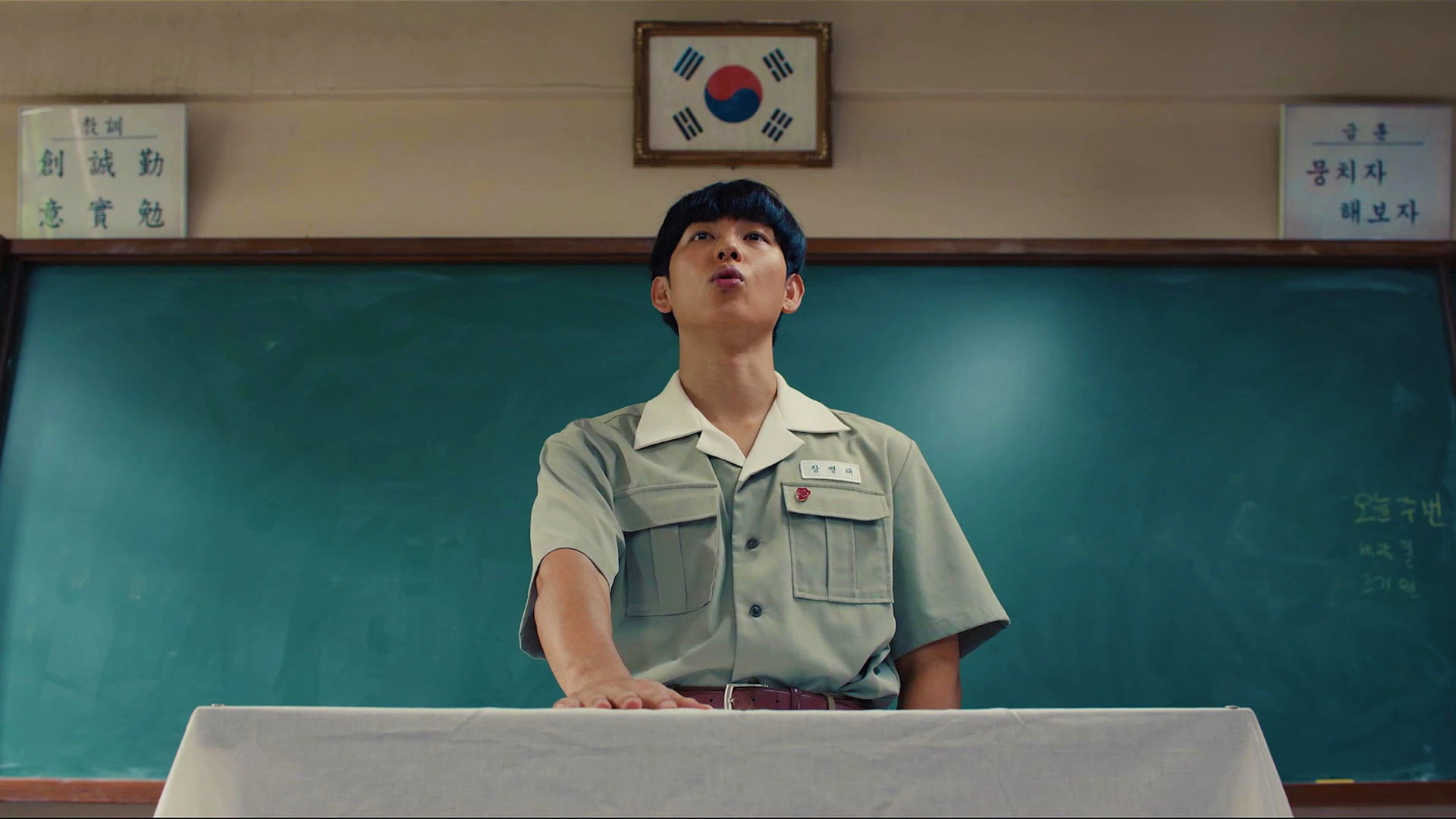
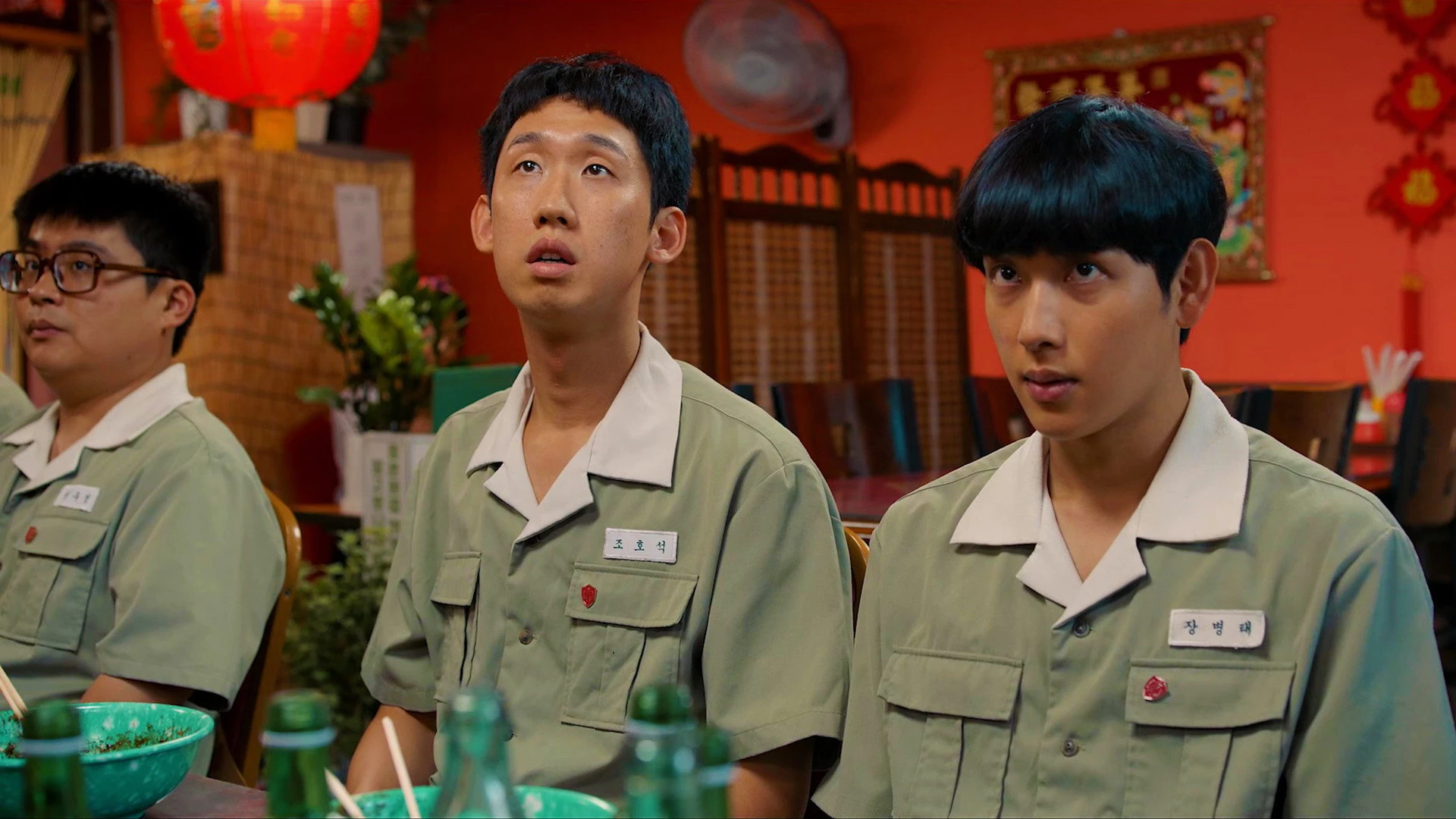
Boyhood opens with a boy who has spent his entire school career perfecting the art of not being there. Jang Byung-tae doesn’t fight, doesn’t argue, and doesn’t give anyone a reason to look at him twice — which makes the moment a school full of strangers decides he’s the most dangerous fighter in the district one of the more disorienting premises recent Korean comedy has offered.

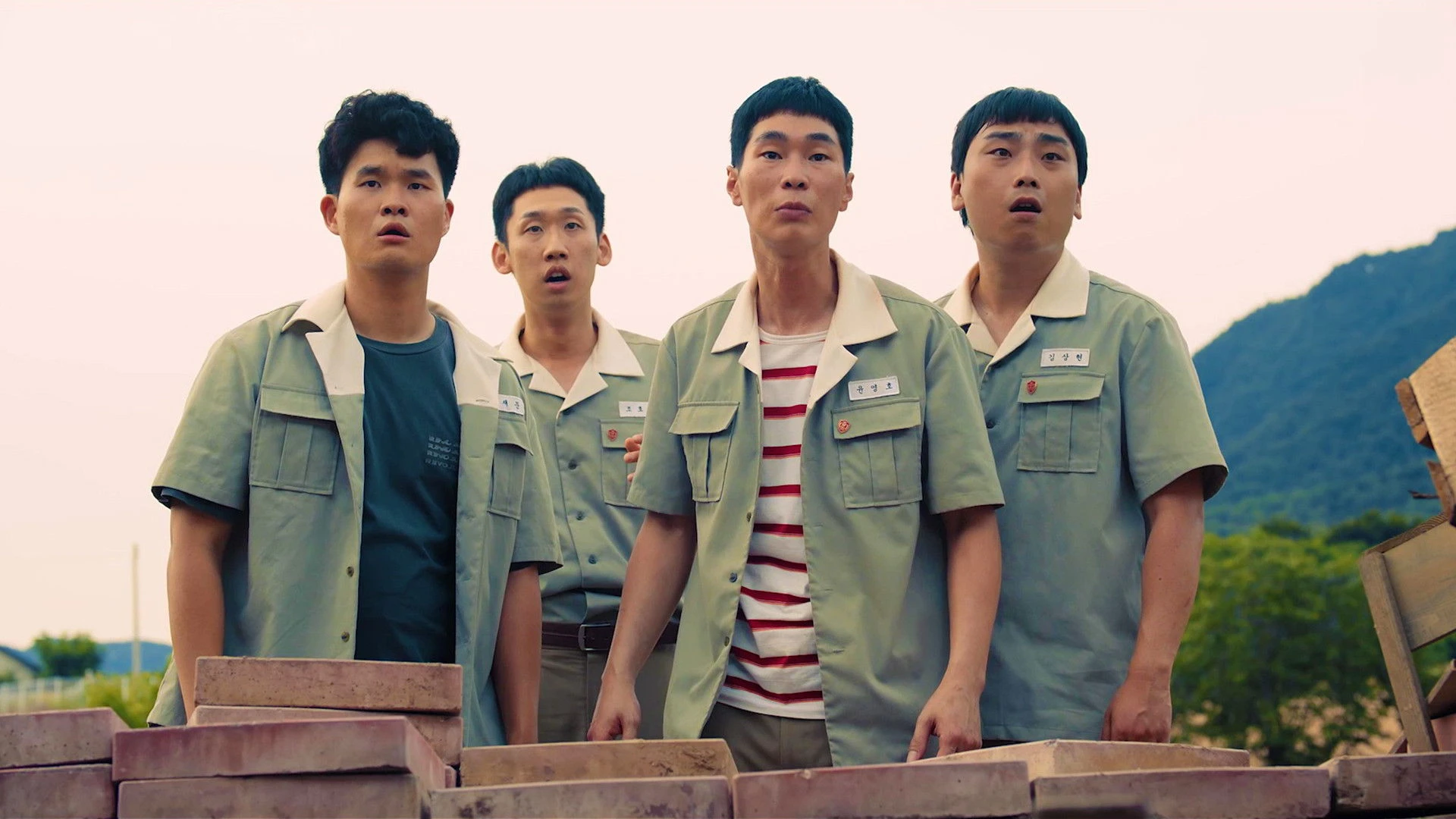
The 1989 setting does real work here: rural high school hierarchies, the reverence for physical reputation, the specific silence of adults who aren’t supposed to see what they can see — all of it belongs to a moment in Korean adolescence the drama treats with both affection and accuracy. Yim Si-wan plays the coward with physical specificity, and the show’s real question is whether borrowing someone’s identity is worse than having none of your own.

Episode Progress
10 / 10 ✅ Completed

⚡ Quick Verdict

One box. Everything you need to decide.

⭐ Worth it?Yes — funny, warm, and genuinely surprising
⏱️ CommitmentMedium — ~10 hours total
😂 VibeUnderdog · Nostalgia · Comedy
📺 Skip if…You want a serious martial arts drama or deep romance

8.6 / 10
MDL Score · Check MyDramaList for updated community rating

▶ Official Trailer

🎭 Cast & Characters

Two students who both borrowed their identities — one from fear, one from intimidation — and a supporting cast watching to see when the bill comes due.

Yim Si-wan as Jang Byung-tae in Boyhood (2023)
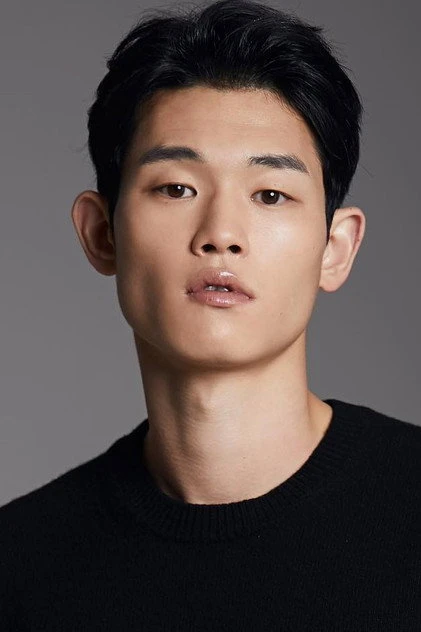
Yim Si-wan
Jang Byung-tae

Lead

Lee Sun-bin as Park Ji-young in Boyhood (2023)
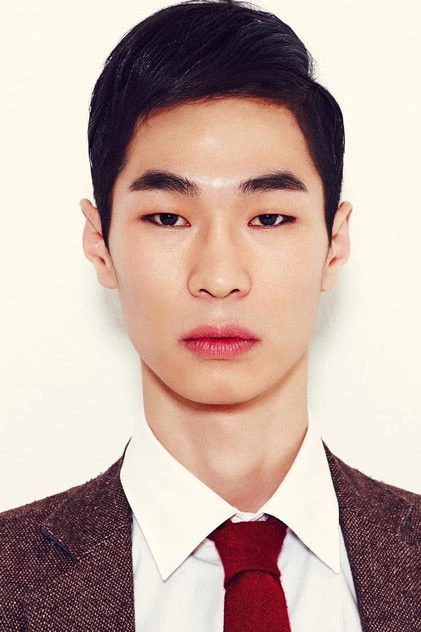
Lee Sun-bin
Park Ji-young

Lead

Lee Si-woo as Jung Gyeong-tae in Boyhood (2023)
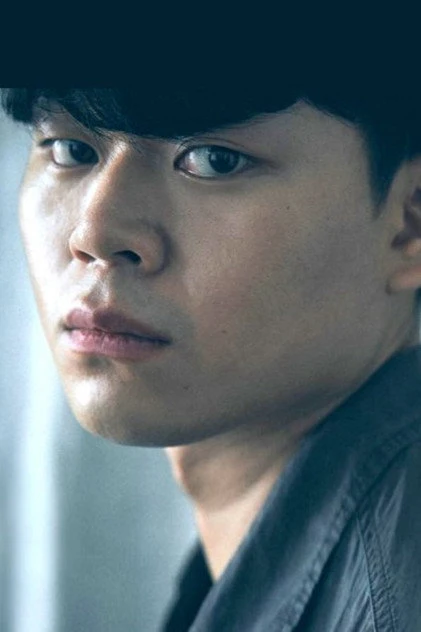
Lee Si-woo
Jung Gyeong-tae

Villain

Kang Hye-won as Kang Seon-hwa in Boyhood (2023)
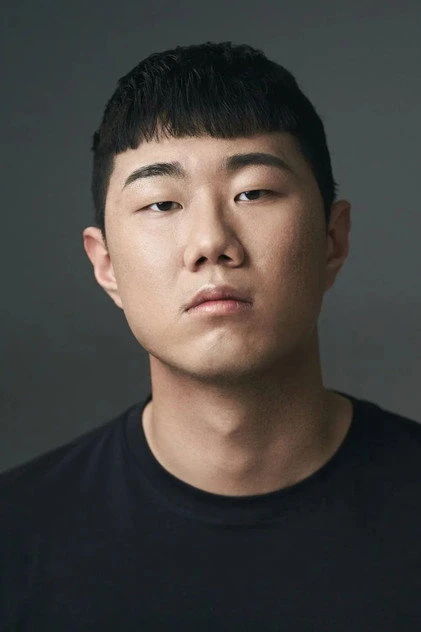
Kang Hye-won
Kang Seon-hwa

Supporting

Kim Jeong-jin as Yang Cheol-hong in Boyhood (2023)
Kim Jeong-jin
Yang Cheol-hong

Supporting

Lee Sang-jin as Jo Ho-seok in Boyhood (2023)
Lee Sang-jin
Jo Ho-seok

Supporting

Kim Yoon-bae as Yoon Yeong-ho in Boyhood (2023)
Kim Yoon-bae
Yoon Yeong-ho

Supporting

Heo Geon-young as Kang Dae-jin in Boyhood (2023)
Heo Geon-young
Kang Dae-jin

Supporting

Park Gun-joo as Jo Sang-woo in Boyhood (2023)
Park Gun-joo
Jo Sang-woo

Supporting

Seo Dong-kyu as Yoo Seung-ho in Boyhood (2023)
Seo Dong-kyu
Yoo Seung-ho

Supporting

Jeon Hee-jung as Son Young-hee in Boyhood (2023)
Jeon Hee-jung
Son Young-hee

Supporting

Han Dong-won as Kim Hyeong Gi in Boyhood (2023)
Han Dong-won
Kim Hyeong Gi

Supporting

🍿 Where to Watch

Stream Boyhood on these platforms.

📺 Episode Guide

Spoiler-light recaps — enough to remember where you left off, nothing that ruins the ride.

Boyhood Episode 1 — The Transfer
EP 01
The Transfer
November 24, 2023
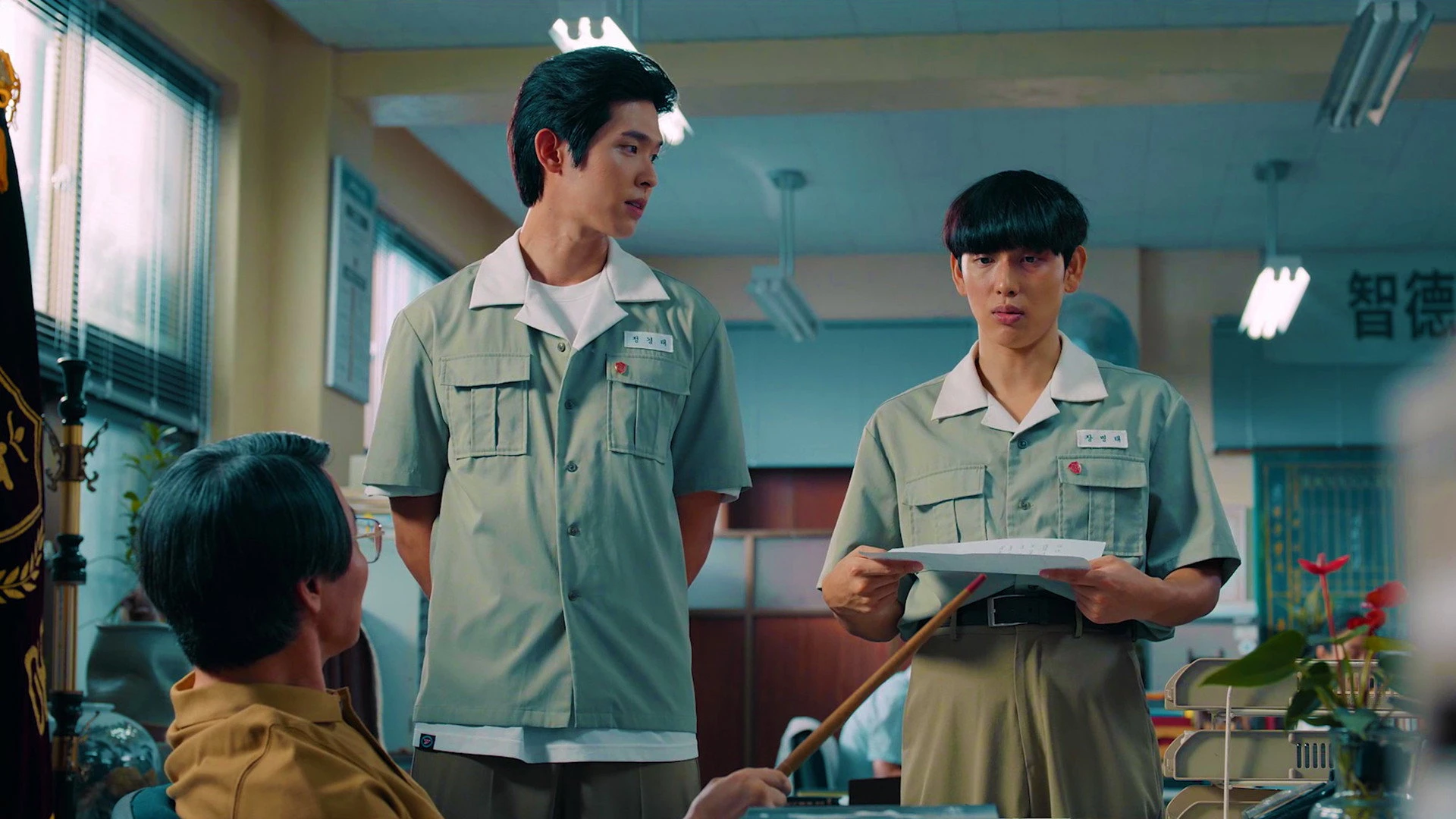
Jang Byung-tae transfers to Buyeo Agricultural High School with one goal: disappear faster than anyone can notice him. What derails that plan is a case of mistaken identity — a single moment of chaos in the hallway that the student body reads as exactly the kind of violence he has spent years running from. The show earns its premise in ten minutes: you believe the coward completely before anyone mentions the legend.

Boyhood Episode 2 — A New Legend
EP 02
A New Legend
November 24, 2023
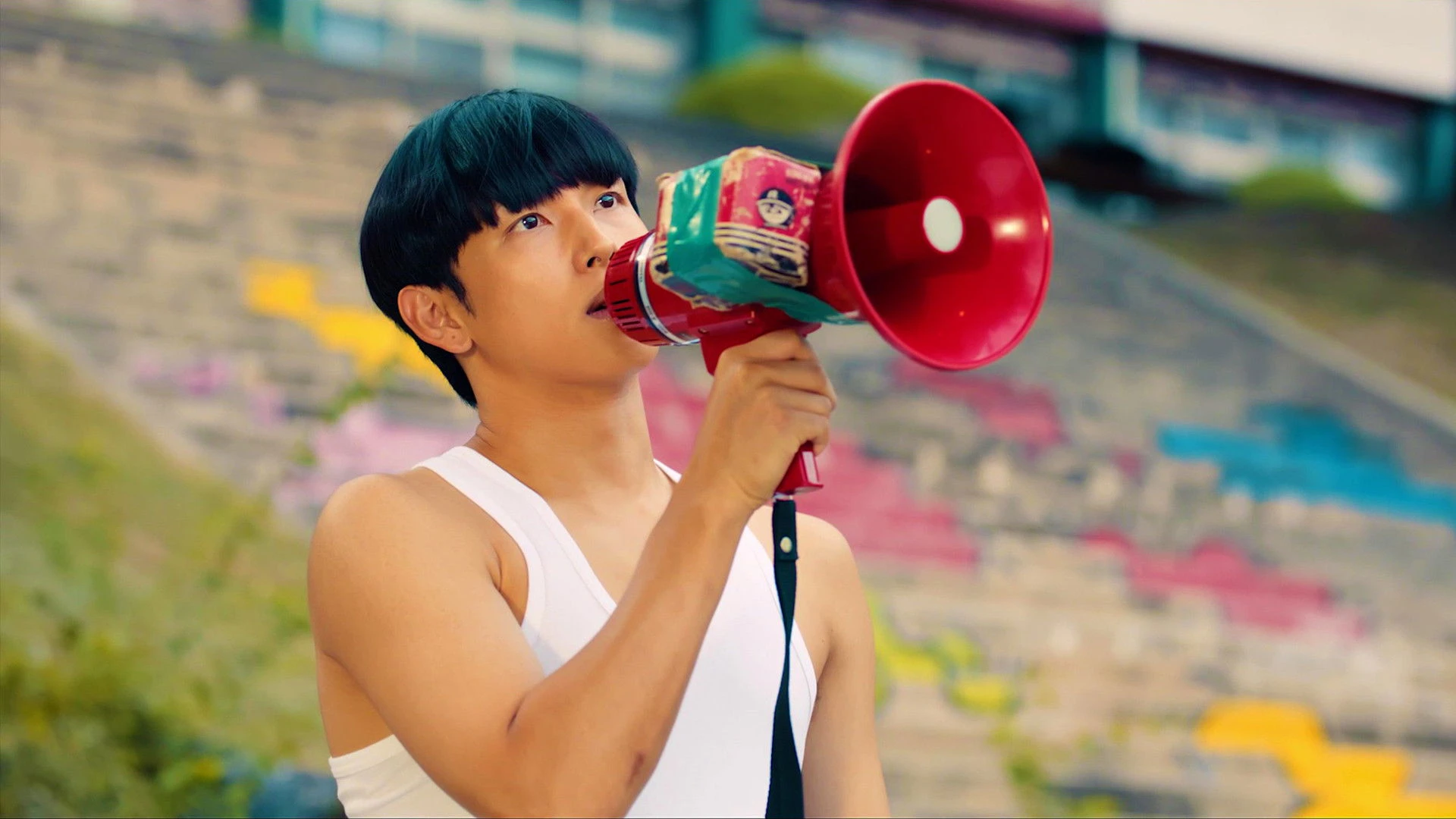
Byung-tae wakes up on his second day to find students bowing in the hallway — the same students who were planning to sort him out the day before. He tries on the reputation the way you’d try on clothes you didn’t buy, and Yim Si-wan plays every moment of that misfit: the performed composure, the rehearsed silence, the flinch that almost escapes before he catches it. The comedy is precise because the fear underneath it is real.

Boyhood Episode 3 — The True White Tiger
EP 03
The True White Tiger
December 1, 2023
Jung Gyeong-tae, the actual White Tiger, transfers in and registers Byung-tae’s deception before homeroom is over. The two circle each other across three scenes — neither one confirming what the other suspects out loud — while the rest of the school remains comfortably wrong about everything. Lee Si-woo’s Gyeong-tae is dangerous in the specific way that earns the word: patient, unhurried, and completely unimpressed.

Boyhood Episode 4 — Caught in the Act
EP 04
Caught in the Act
December 1, 2023
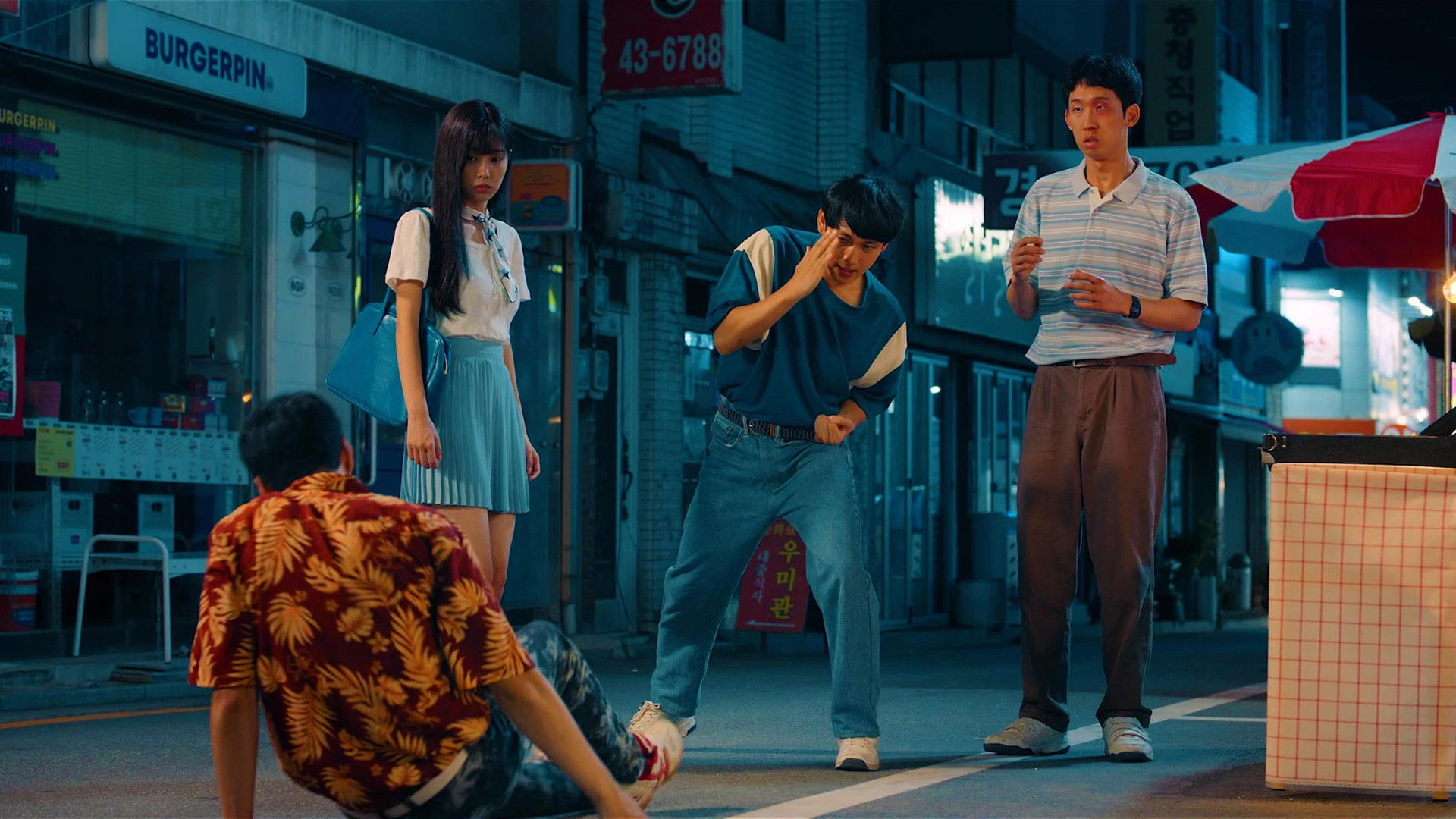
Byung-tae keeps getting cornered into situations that demand the fighter he isn’t. He survives through misdirection, timing, and what the episode starts calling resourcefulness but is really just well-executed cowardice under pressure. The show makes a quiet decision here: it would rather you root for the tricks than wait for the transformation.

Boyhood Episode 5 — The Mask Slips
EP 05
The Mask Slips
December 8, 2023
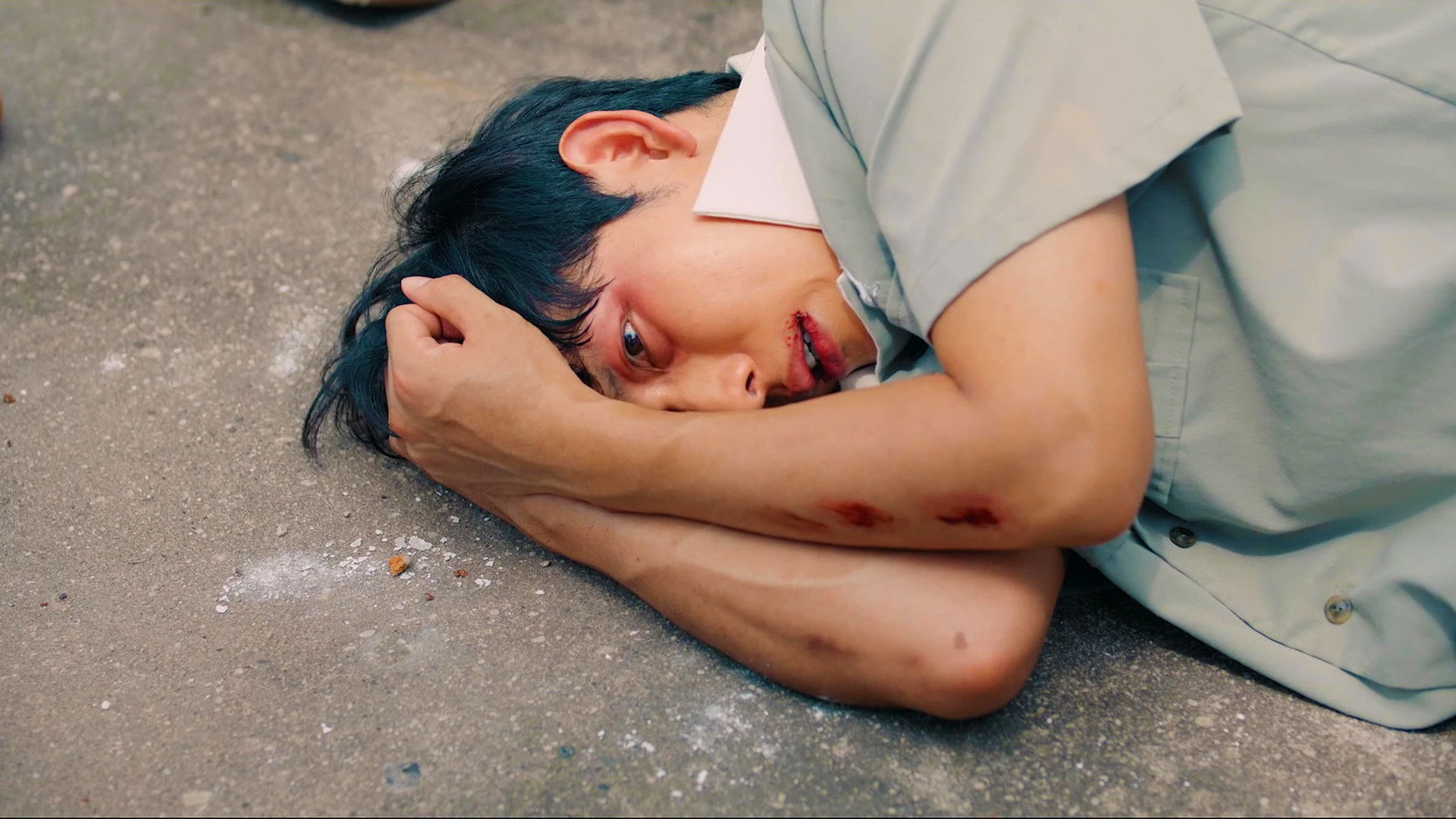
The deception falls apart publicly — not through one dramatic reveal but through the accumulation of everything Byung-tae cannot do. Gyeong-tae corners him alone and the scene plays out without theatrics: two students in a hallway, one of whom was never confused about which of them was dangerous. The fall matters because the show spent four episodes making the borrowed reputation feel real.

Boyhood Episode 6 — Bottom of the Ladder
EP 06
Bottom of the Ladder
December 8, 2023
Byung-tae sits at the bottom of the school hierarchy again, and the episode refuses to rush him out of it. Park Ji-young watches from the margins — and what she chooses to do with what she’s seen turns out to be more consequential than either of them realizes at this point.

Boyhood Episode 7 — The Desire for Change
EP 07
The Desire for Change
December 15, 2023
Byung-tae decides, quietly and without announcement, that he is done being the person things happen to. The training montage that follows is genuinely funny — a boy with no fighting instinct in a discipline built entirely on instinct, surrounded by people who believe effort is the gap between where he is and where he needs to be. Training-arc episodes usually exist to show potential. This one is more interested in showing the distance.

Boyhood Episode 8 — Mastering the Strike
EP 08
Mastering the Strike
December 15, 2023
The training shifts from brute repetition to something more suited to what Byung-tae actually is: someone who thinks faster than he moves. His allies teach him what a real fighter would dismiss as tricks — footwork, angles, the timing of a person who knows he cannot absorb punishment. His crew solidifies around him here not because he’s powerful, but because he’s genuinely trying to earn what he used to just borrow.

Boyhood Episode 9 — The Final Confrontation
EP 09
The Final Confrontation
December 22, 2023
The showdown is set and Byung-tae prepares with the specific energy of someone who has made peace with losing but not with not showing up. Small scenes before the fight — a conversation with Ji-young, a moment with his training crew — confirm what the last nine episodes have been building toward. The episode earns the showdown by refusing to let it feel inevitable.

Boyhood Episode 10 — The Boy Who Grew Up · Finale
EP 10
The Boy Who Grew Up · Finale
December 22, 2023
Byung-tae fights Jung Gyeong-tae and wins — not cleanly, not comfortably, but with enough conviction that the result feels claimed rather than given. Gyeong-tae loses the fight but gets something more interesting than simple defeat: the show uses his humbling to suggest the school’s violence was always about his own unchecked fear, not his strength. Park Ji-young finds her footing as a leader in her own terms, separate from the chaos Byung-tae’s misadventure created around her. The drama’s final answer isn’t whether Byung-tae can fight — it’s whether he can stop letting that question define him.

🏁 Ending Explained

Full spoilers ahead — everything that happens in the finale and what it all means.

⚠️
Spoiler Warning — This section covers the full finale of Boyhood. Stop here if you haven’t finished the series.

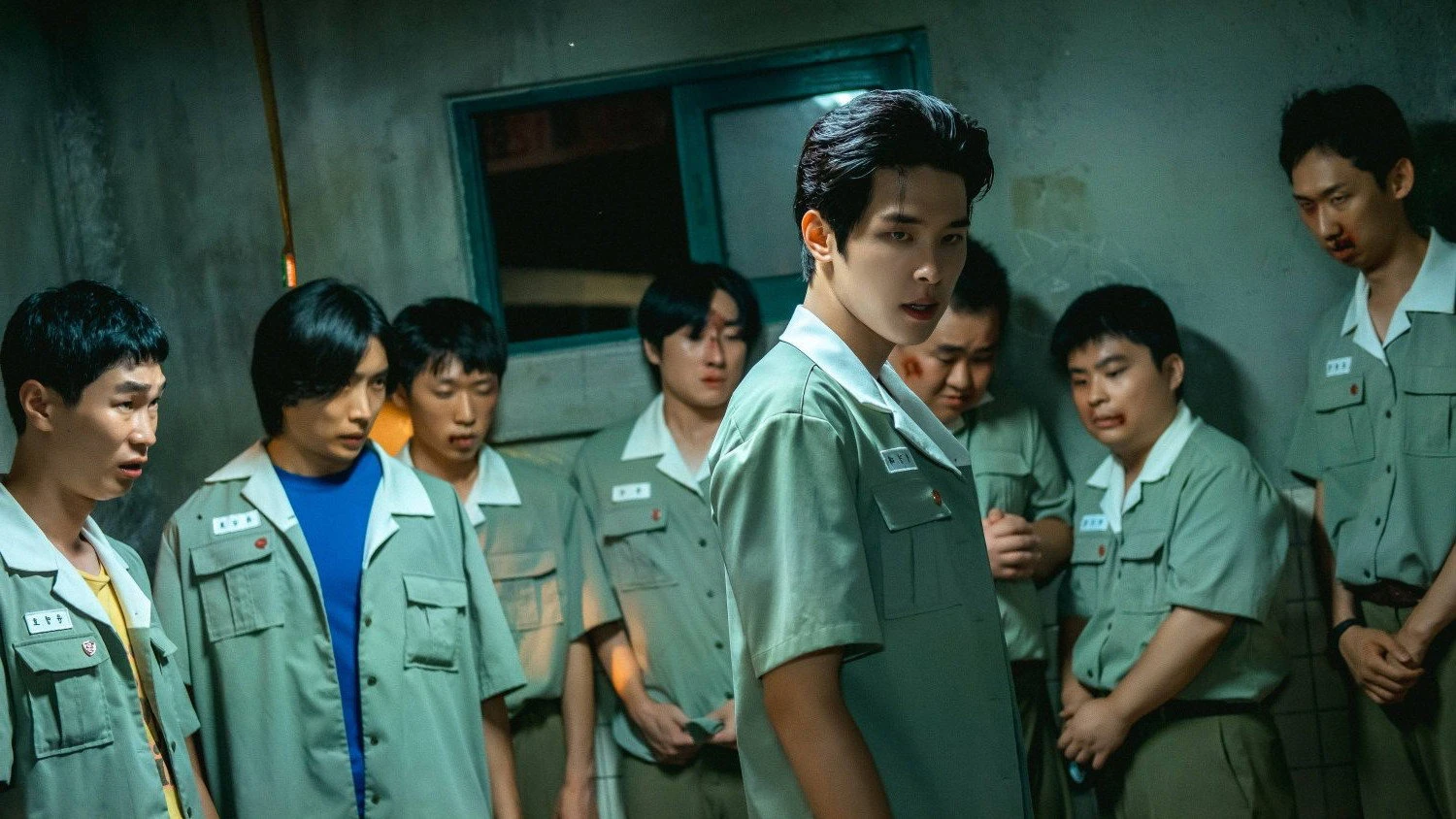
Does Byung-tae Actually Win? Jang Byung-tae defeats Jung Gyeong-tae in a direct confrontation — this part is unambiguous. He doesn’t win through superior skill; he wins through preparation, angles, and the specific advantage of someone who has been studying exactly one opponent for exactly this moment. The victory is earned, but it isn’t a transformation story. He doesn’t become a fighter. He defeats one.
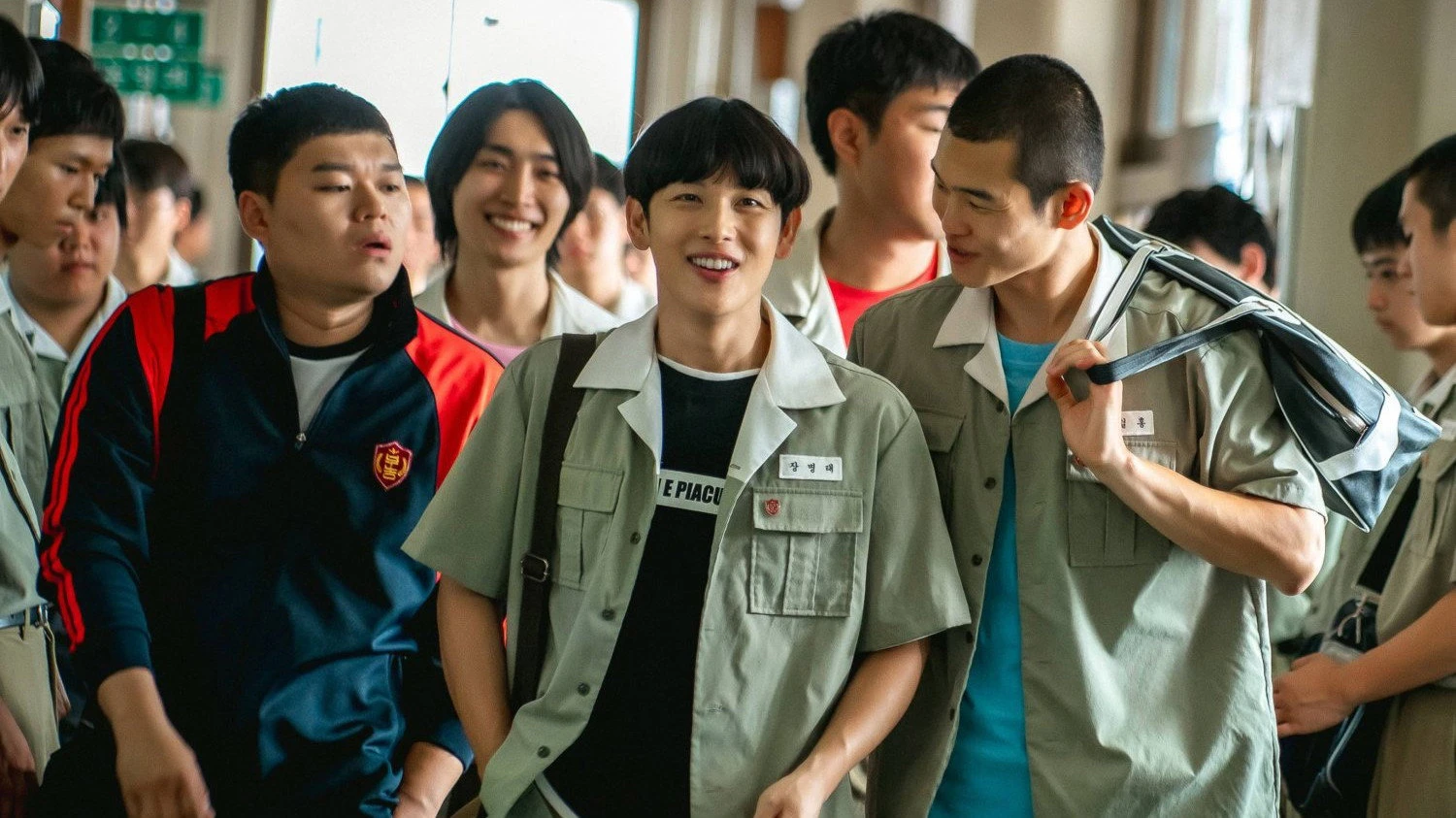
Boyhood (2023) — Ending Explained

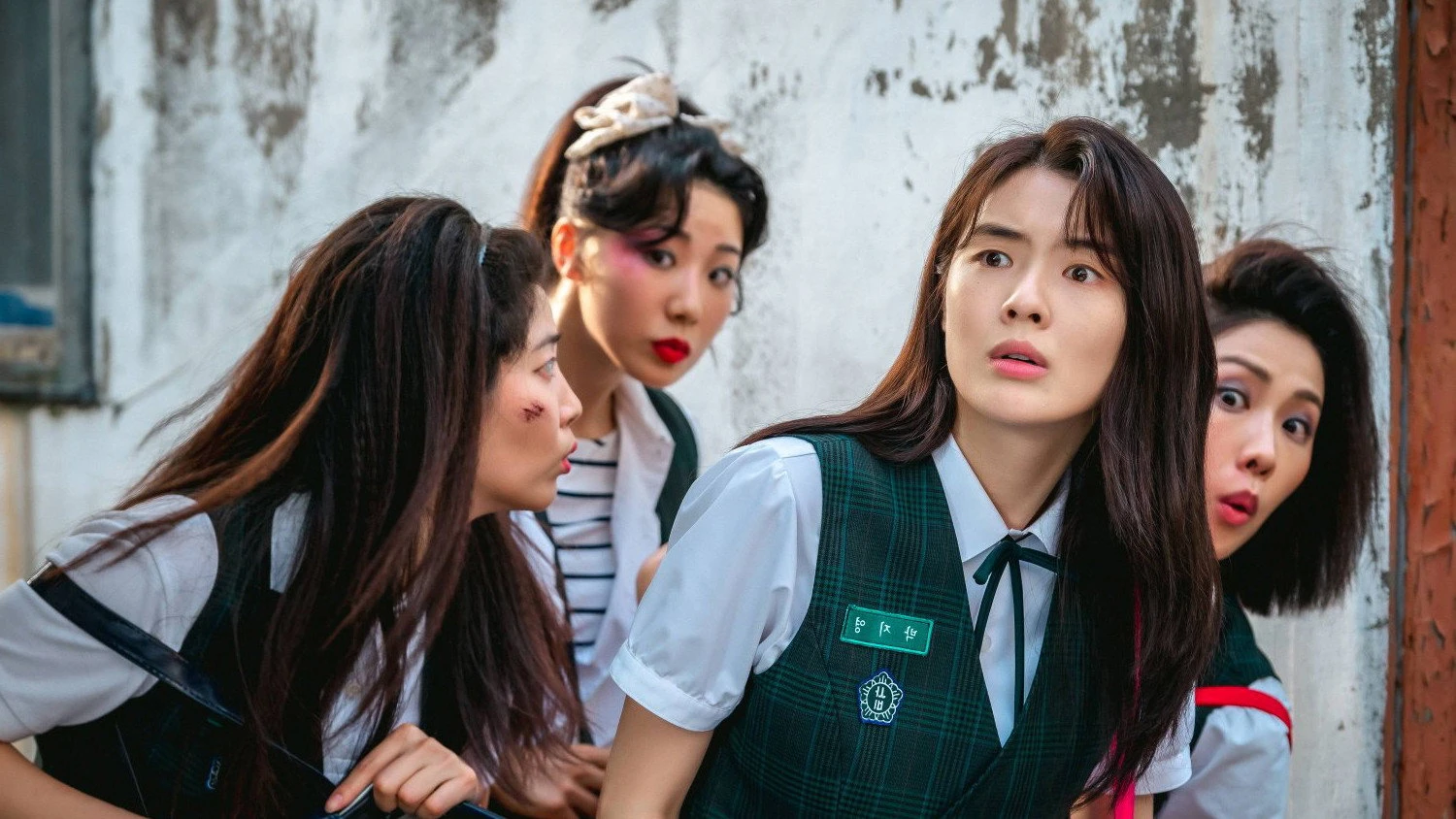
What Happens to Jung Gyeong-tae. Gyeong-tae’s arc ends on a note the drama earns: not destroyed, not reformed, but stripped of the mythology that gave him his power. The show never fully explains what made him the White Tiger — whether it was talent, cruelty, or simply the absence of anyone willing to challenge him. What the finale reveals is that his identity was as borrowed as Byung-tae’s was. Two students sustained by a reputation neither of them fully owned.

What Park Ji-young Gets. Ji-young’s resolution is quieter but more durable. She ends the drama with agency she didn’t have at the start — not because Byung-tae’s victory created space for her, but because she built it herself. The show respects the clarity she brought to the situation all along: she understood what was happening earlier than most, and the drama trusted that intelligence without needing her to announce it.
Boyhood (2023) — Ending Explained

What the Mistaken Identity Was Actually About. The premise is a vehicle for one question: what does a person have to believe about himself before he stops running? Byung-tae doesn’t become confident because he wins the fight — he becomes capable of fighting because he stopped needing to not lose. That’s a smaller change than the genre usually delivers, and a more honest one.

What Does 소년시대 (Boyhood) Mean? The Korean title translates literally to “The Age of Being Boys” — and the drama takes that framing seriously. The 1989 setting isn’t decoration; it’s an argument. The school hierarchy, the violence that sustains it, the reputations that depend on everyone agreeing to believe the same lies — the show locates these not in a specific decade but in a specific phase of life. Boyhood is when the rules are brutal enough to cause real damage and temporary enough to eventually end. What Byung-tae figures out isn’t how to fight. It’s that he doesn’t have to wait for the phase to end — he can choose to stop being inside it.
Boyhood (2023) — Ending Explained

✍️ KDramaWorlds Editor’s Take

Our honest read on why this drama is worth your time — and who it’s for.

🏃 Underdog Energy
😂 Smart Comedy
📼 1989 Nostalgia
💪 Self-Reinvention
🤝 Found Crew

Yim Si-wan built his reputation on characters who hold themselves very still under pressure — the controlled anxiety of his thriller roles, the precision of his dramatic turns. Boyhood inverts that completely. Byung-tae’s terror is physical and constant: Si-wan plays him with a specific vocabulary of flinches, intercepted movements, and rehearsed apologies that makes you feel every year of the boy’s social conditioning before a single fight scene arrives. The performance is funny because it’s precise, and it’s precise because Si-wan understands what being afraid costs a person in the body, not just in the face.

Boyhood (2023) — Editor's Pick

Lee Si-woo’s Jung Gyeong-tae is the kind of antagonist that works because the drama refuses to explain him fully — threatening in the specific way that earns the word, and the finale makes good use of that restraint. High School Return of a Gangster runs a similar high school hierarchy premise to more heightened comedic effect; Boyhood is calmer, more interested in the psychology of the coward than the spectacle of the fight. Lee Sun-bin as Park Ji-young is doing the quieter work — she’s the person who understands the situation most clearly, and the drama trusts that intelligence without needing her to announce it.

The middle stretch — Episodes 5 and 6 — is where the pacing softens before the training arc gives it direction. The tonal shift from farce to genuine underdog story requires a gear change the drama handles unevenly, and for a couple of episodes it feels like Boyhood is waiting for itself. It recovers cleanly. For viewers drawn to the 1989 nostalgia specifically, Reply 1988 is the deeper version of that feeling; Boyhood isn’t competing with it, occupying a different register entirely. Funnier, faster, less sentimental. Worth the ten hours.

👍👍👍 BEST FOR 👍👍👍
🤣 Anyone who wanted a coming-of-age comedy with actual stakes
📼 Viewers who love 1980s Korean nostalgia — or want to
😤 Fans of Yim Si-wan in lighter mode, not his thriller intensity

⚖️ Final Verdict
What works
Yim Si-wan’s physical comedy — precise, earned, and the best reason to watch
1989 period setting with genuine tonal accuracy, not just decoration
Antagonist with real menace that pays off cleanly in the finale

What to know first
Minimal romance — this is not primarily a love story
Episodes 5–6 lose momentum before the training arc arrives
Emotional depth stays below genre ceiling — situational comedy first

8.3 / 10
A warm, funny, properly calibrated period comedy that earns its ending without cheating on its premise.

💬 Helpful? Share this guide →

KDW Editor Editorial Team, KDramaWorlds

This review was written and fact-checked by the KDW editorial team — a small group of K-drama viewers who watch every title before writing about it. No screeners, no synopsis-only takes.

606 Reviews Published
339 Actor Profiles
2026 Writing Since
More about the KDW Editorial Team

Share your reaction to this drama.

You can pick up to 3 reactions.

Before You Comment

Keep it kind, skip the harsh language, and please — no spoilers. Everyone's taste is different, and that's perfectly fine.

This space is for real reactions and discussion from other viewers. Help keep it comfortable for everyone by not giving away major plot details.