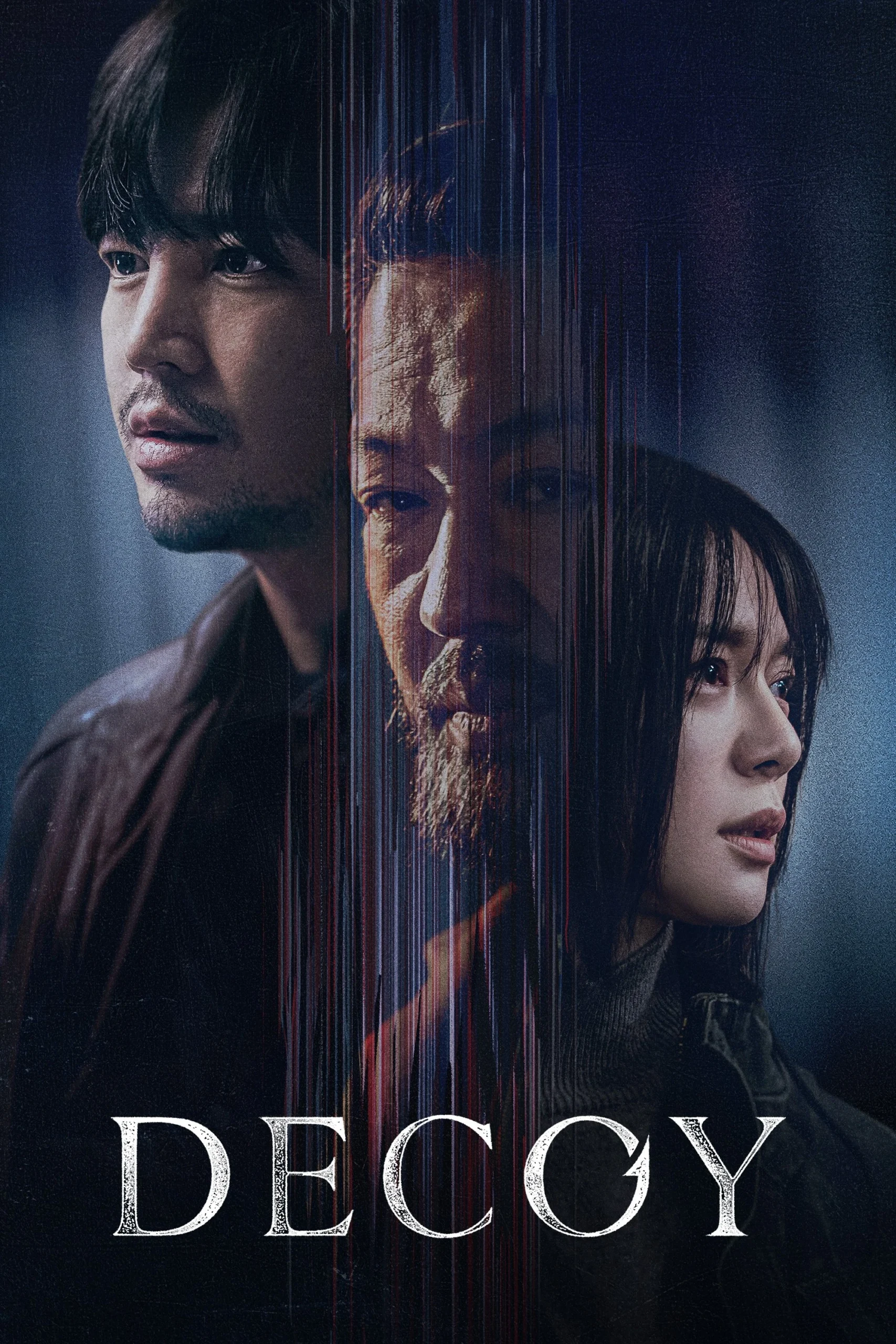
Decoy
🎬 Coupang Play · Viki · Prime Video · Apple TV+
⭐ 7.9 / 10 MDL
🔞 TV-14
📋 Drama Overview
A fast rundown of what this one’s about.
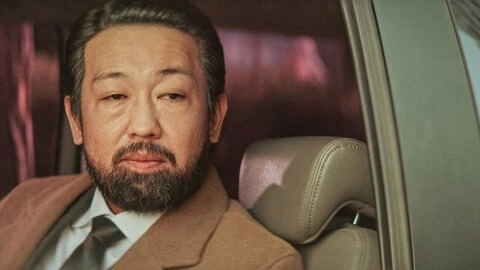
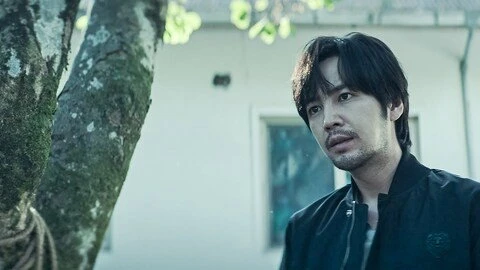
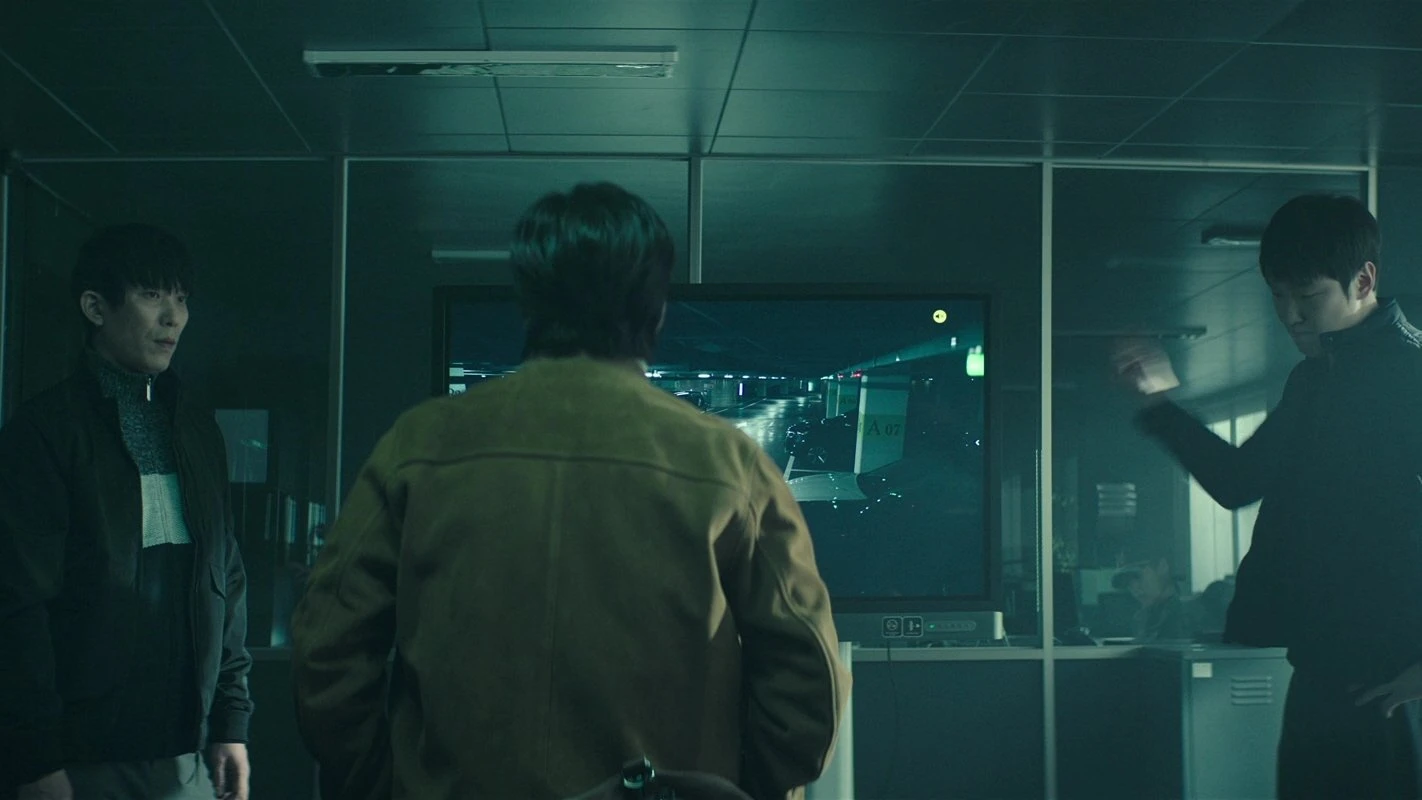
Eight years ago, Noh Sang-cheon ran a Ponzi scheme that destroyed thousands of lives and then vanished — officially dead in China, practically untouchable. Then the murders start. The victims dying aren’t random; they’re names from the original fraud’s internal network, dying in a specific order, and the traces left at each scene suggest someone who knows the case from inside. What makes Decoy distinctive is that it doesn’t treat the old fraud as backstory. It treats it as the machine still running — the present-day murders are not separate events but downstream effects, and the investigation Goo Do-han is running keeps getting redirected toward something with a longer timeline than he originally assumed.
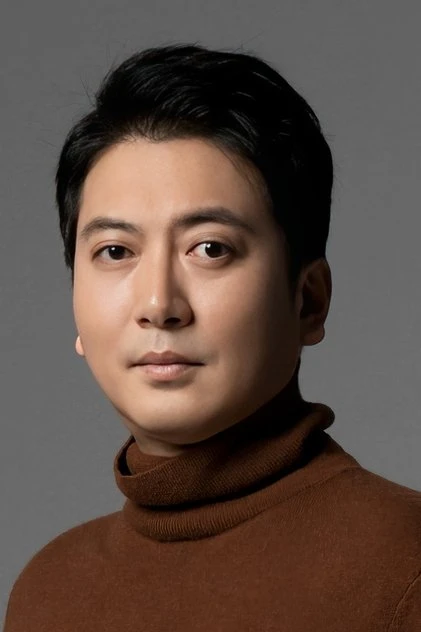
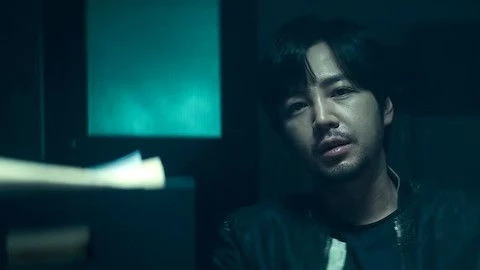
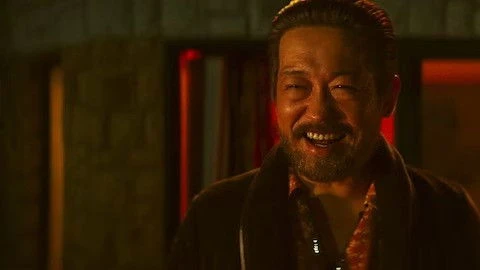
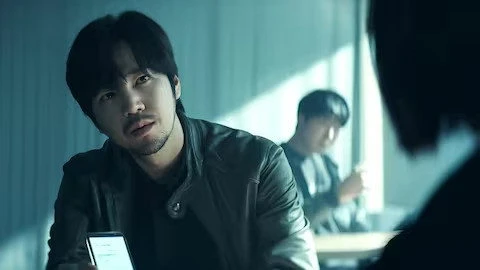
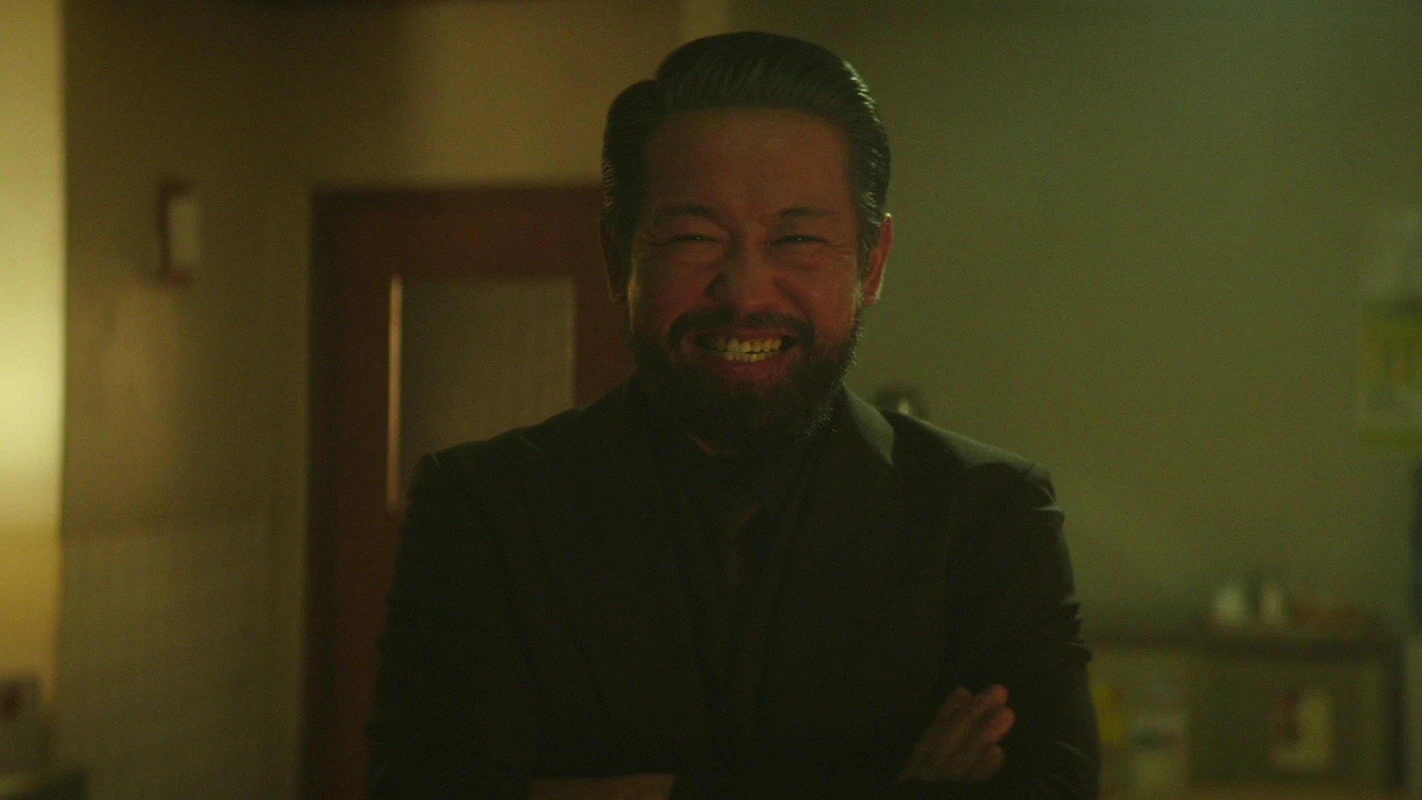
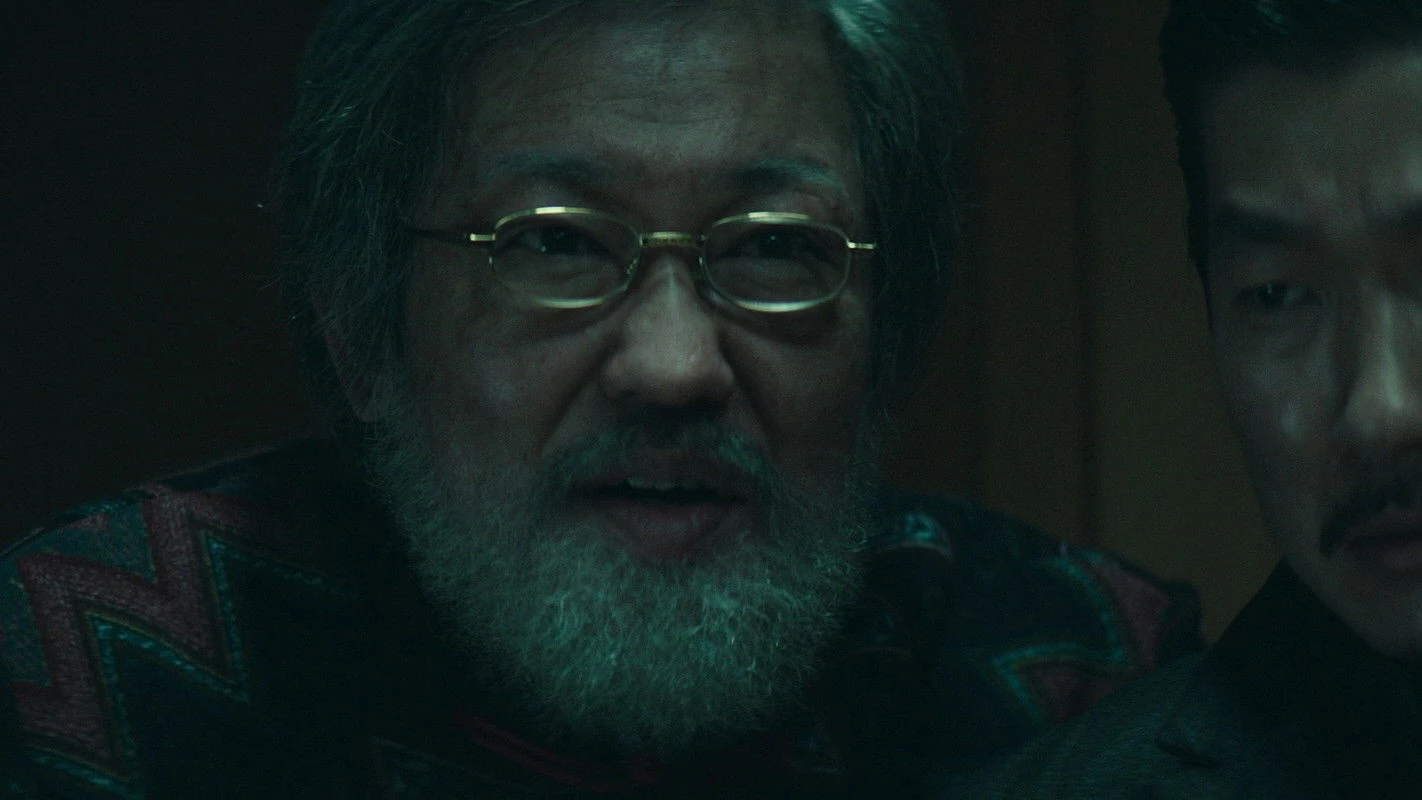
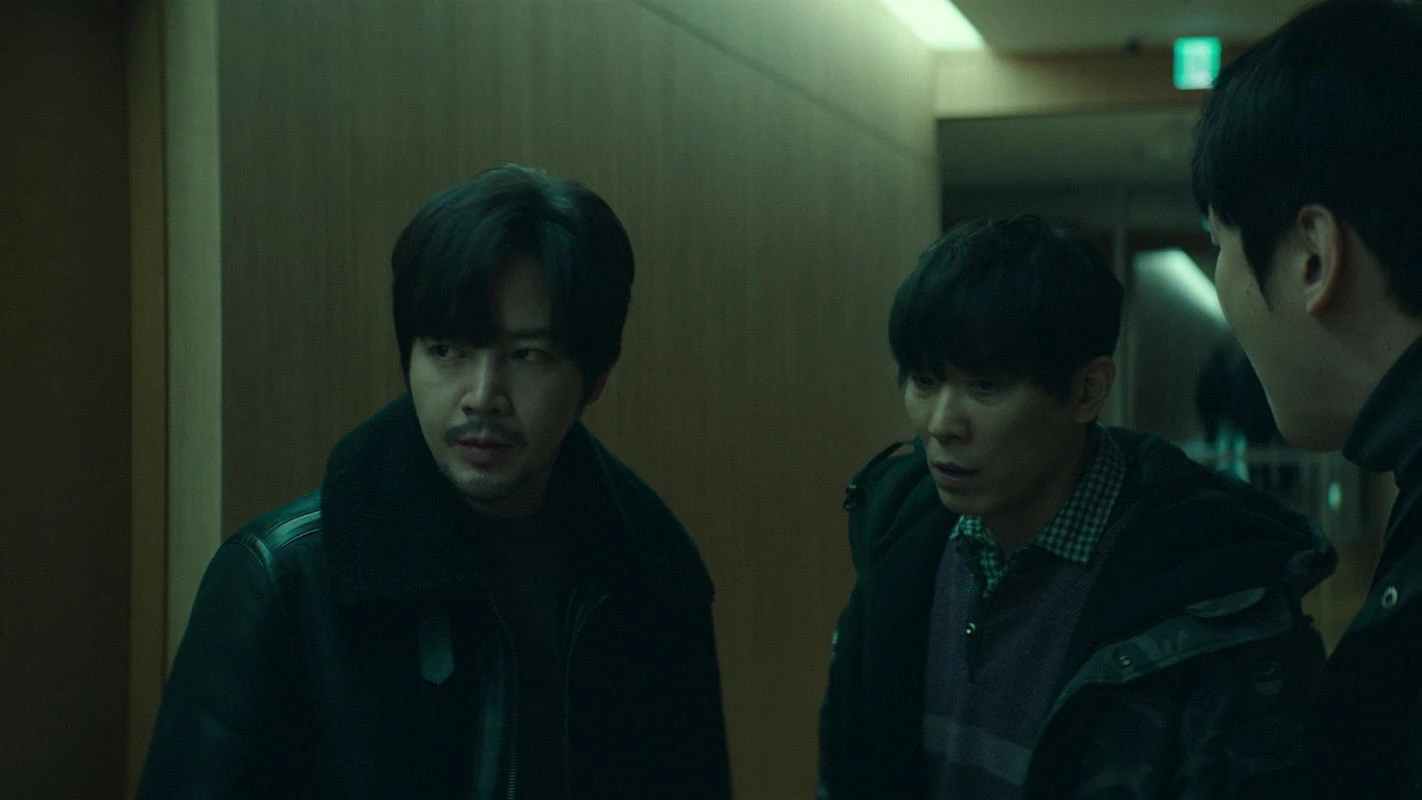
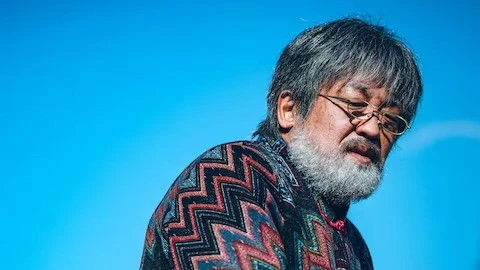
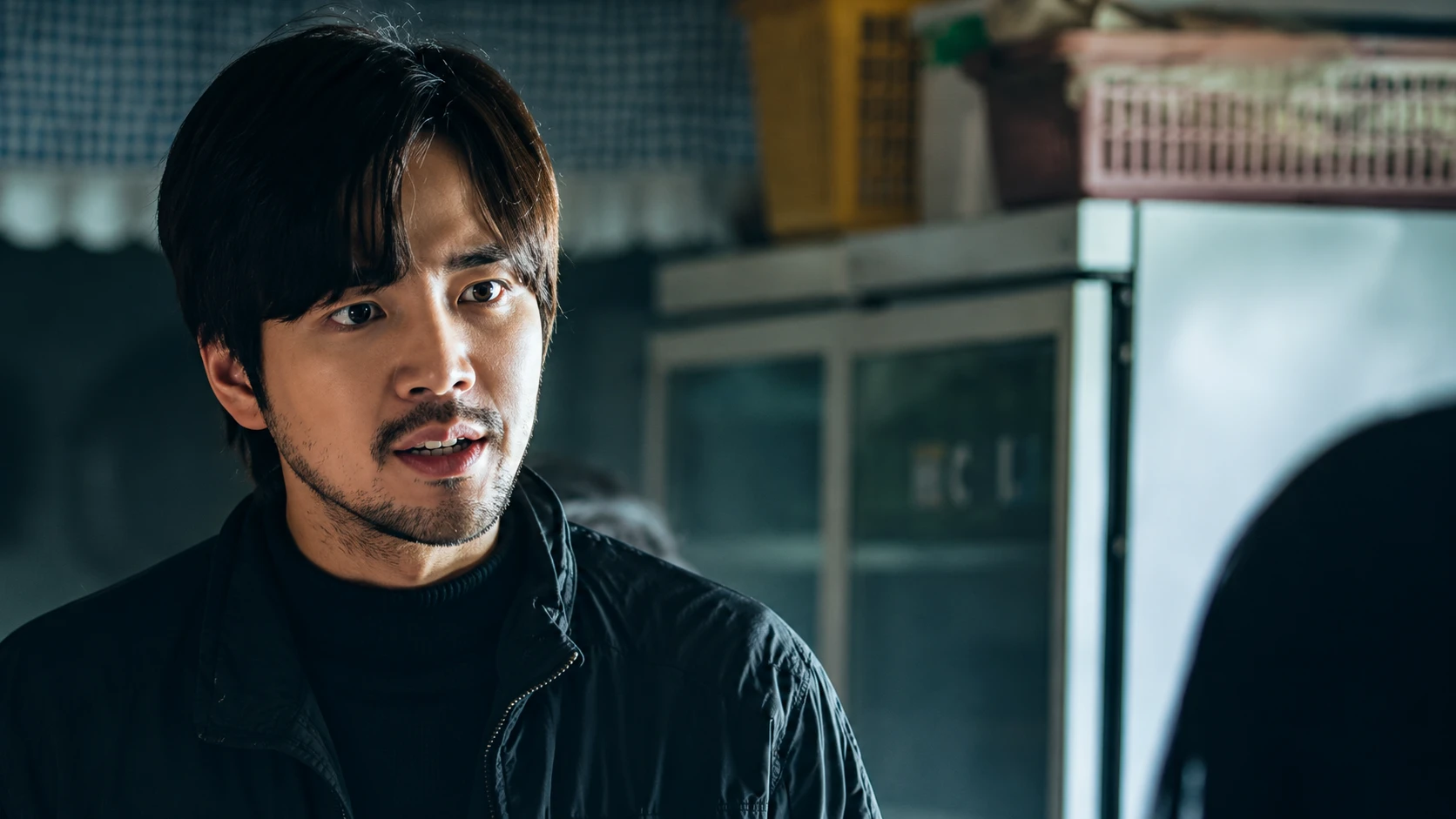
Jang Keun-suk plays Goo Do-han as a former lawyer who thinks in precedents and angles rather than gut instinct, which creates a specific kind of friction when the case keeps producing situations that have no legal category. Heo Sung-tae as the presumed-dead Noh Sang-cheon is the drama’s center of gravity even before the character appears on screen: his presence operates through fear, through documents, through what keeps happening to people who get close to the truth. The series aired in two parts — six episodes in January, six in April — and the split structure works in its favor, forcing each half to resolve its own questions before the full conspiracy assembles into view.
12 / 12 ✅ Completed
⚡ Quick Verdict
Everything that matters, at a glance.
· MDL Score
▶ Official Trailer
🎭 Cast & Characters
The investigators and the ghost they’re chasing — a lean cast doing heavy work.
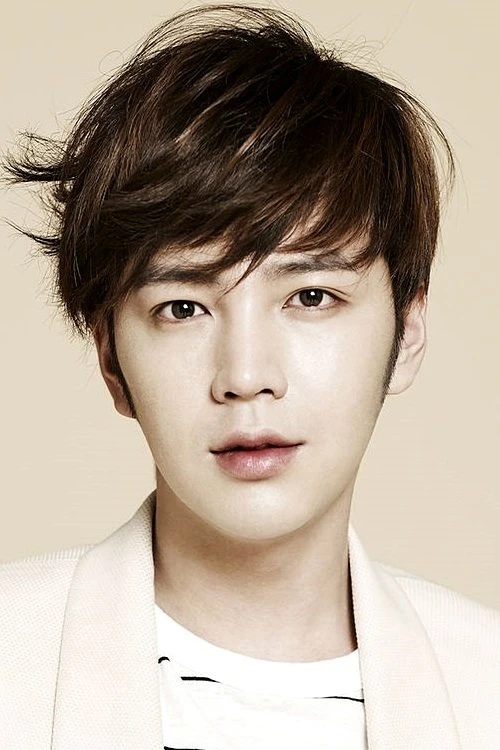
Lead
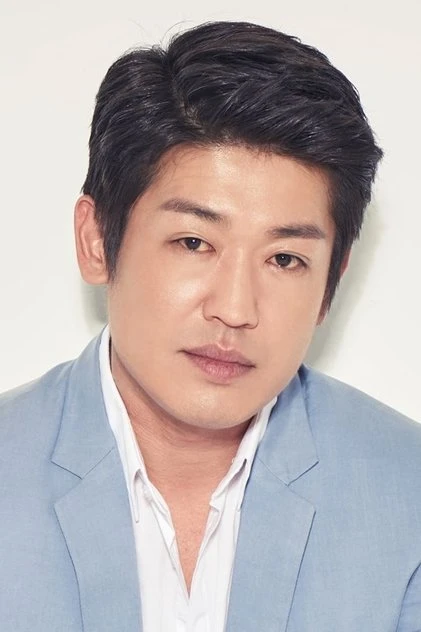
Lead

Supporting
Supporting
Supporting

Supporting
📺 Episode Guide
Light-touch recaps to keep you oriented, episode by episode.


🏁 Ending Explained
Spoilers ahead — the finale, broken down in full.
Spoiler Warning — This section covers the full finale of Decoy. Stop here if you haven’t finished the series.
The full scope of Sang-cheon’s scheme The finale reveals that Noh Sang-cheon’s original fraud was designed with its own cleanup architecture built in — a system for eliminating witnesses, manipulating evidence, and instrumentalizing the victims themselves as unknowing agents in his longer plan. His reported death in China was a move in the same game. The current murders weren’t spontaneous acts by grief-stricken fraud victims; they were triggered and directed by a man who understood that the most controllable people are those who believe they’re acting on their own initiative.
What happens to Na Yeon Chun Na-yeon’s arc ends where it began — a journalist pursuing a story no one wanted published. The difference is that by the finale, the story is real and the people who blocked it can no longer block it. Her closure is professional rather than personal, which fits the character: she functioned throughout as researcher and conscience rather than victim awaiting rescue, and the ending respects that framing by letting her win on the terms she actually set.
The perpetrator who was also a victim Episode 11’s revelation — that the murders were organized by a fraud victim who built their grief into an operational plan — isn’t reversed in the finale. The show holds that uncomfortable truth alongside Sang-cheon’s exposure. Two versions of justice ran parallel through the entire series: the institutional version Do-han represents, and the private one organized by someone the system failed. The finale accounts for both without pretending they’re equivalent, which is the drama’s most honest moment.

The KDW verdict Decoy rewards patient viewers and punishes impatient ones — the first two or three episodes feel like a competent procedural before the conspiracy’s actual architecture becomes visible. Heo Sung-tae’s Noh Sang-cheon is the rarest kind of screen villain: terrifying through absence, built entirely from the patterns of what keeps happening to people who get close to him. The two-part structure works better than it should, and Jang Keun-suk brings a lawyer’s skepticism to the role that consistently distinguishes Do-han from the average TV detective.
What the title means A decoy draws attention away from the real target. Decoy uses the idea across three registers: the literal decoy within the investigation, the false suspect carefully positioned to redirect; the structural decoy the two-part format builds in, asking viewers to solve a murder while the real crime is eight years old; and the philosophical decoy — the belief that justice will arrive through official channels, when in reality both the crime and its reckoning have been operating entirely outside them.

✍️ KDramaWorlds Editor’s Take
Worth watching or not — our honest read, and who it’s for.
🧾 Paper Trail to Murder
⚖️ Justice vs. Law
🎣 The Long Con
What distinguishes Decoy from the standard serial-killer thriller is that the murders aren’t the mystery — the fraud is. The eight-year-old Ponzi scheme isn’t backstory; it’s the machine still running underneath every present-day event. The drama understands that financial crime leaves a specific kind of wound: not dramatic, not visible, just people whose lives quietly collapsed while the perpetrator walked away. The victims organizing themselves into something dangerous is the drama’s most interesting idea, and the first half builds it carefully. In that sense it shares more structural DNA with Beyond Evil than with a conventional whodunit — the question isn’t who did it but what made them.
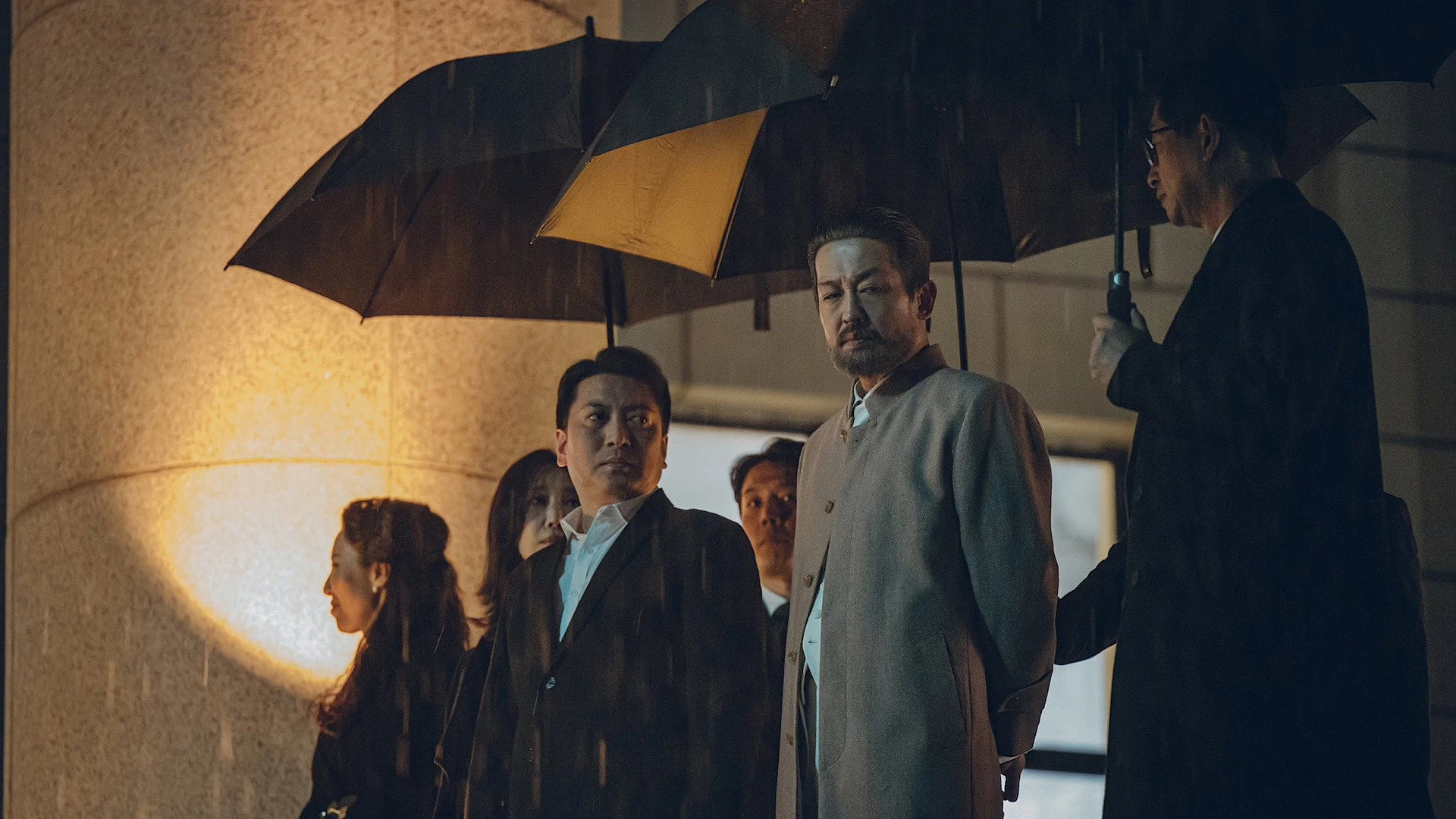
Heo Sung-tae’s Noh Sang-cheon carries the second half entirely on the strength of what the character represents rather than what he does on screen. His presence is built from other people’s fear, from documents, from the pattern of what keeps happening to the people who got close to the truth. Jang Keun-suk, in his first major return to Korean drama in years, leans into Goo Do-han’s lawyer-brain — the character thinks in precedents and angles, which creates a specific friction when the case keeps producing situations with no legal category. Like A Killer Paradox, Decoy is interested in the gap between what the law can do and what justice actually requires — and it doesn’t pretend the two are the same thing.
The title works on two levels. A decoy is what Goo Do-han thinks he’s chasing for most of the series. It is also what the drama does to its audience — feeding you just enough to commit to the wrong theory before pulling it away. The finale’s reveal lands because the show has been honest about all its clues; it just knew which ones you would dismiss.
Viewers who appreciate a villain defined by absence and architecture rather than screen time
Anyone interested in financial crime drama where the money is the actual murder weapon
🎬 You Might Also Like
If you liked Decoy, these are your next three watches.
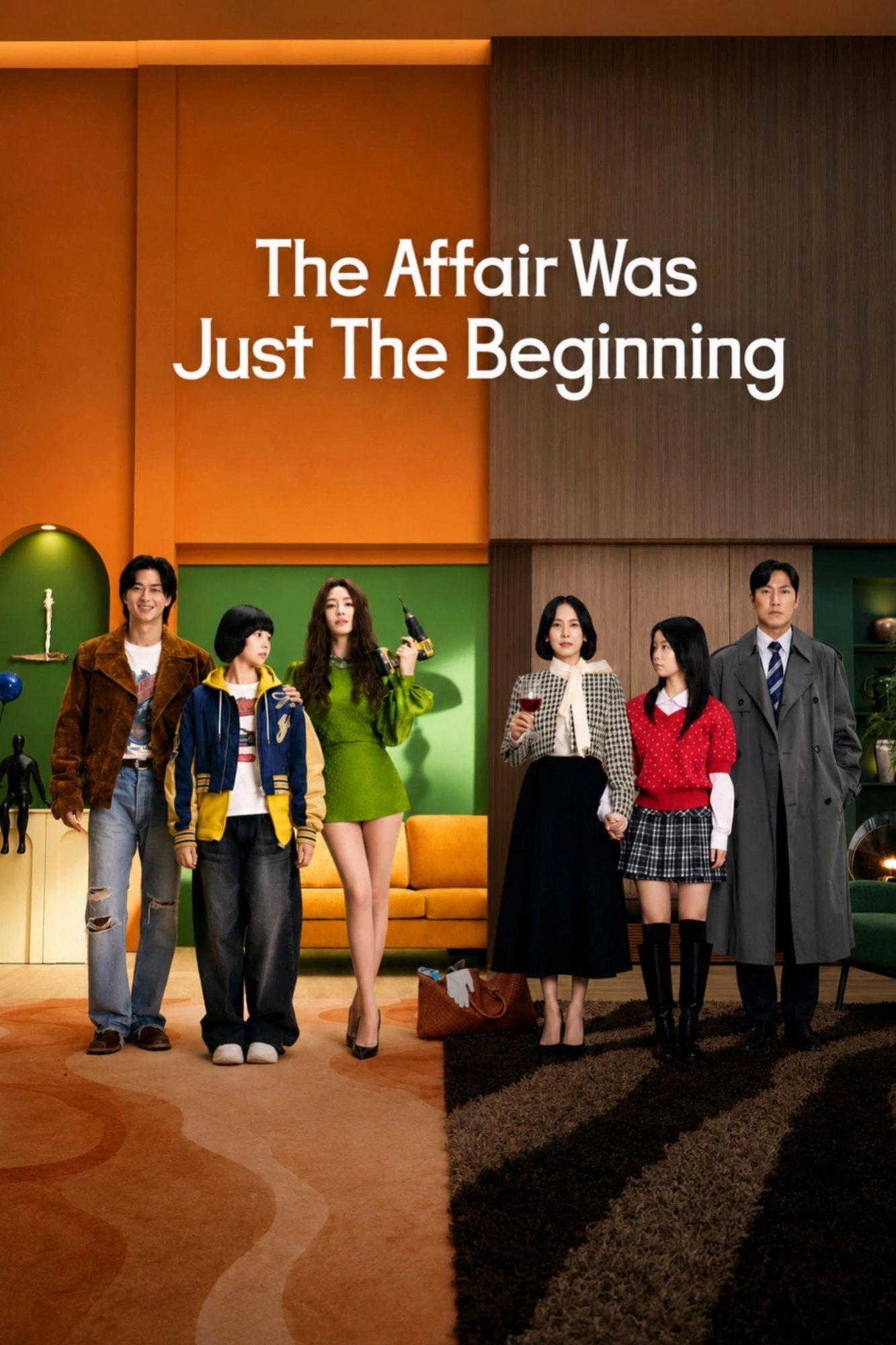 The Affair Was Just The Beginning
Black Comedyblackmail
Read Full Review →
|
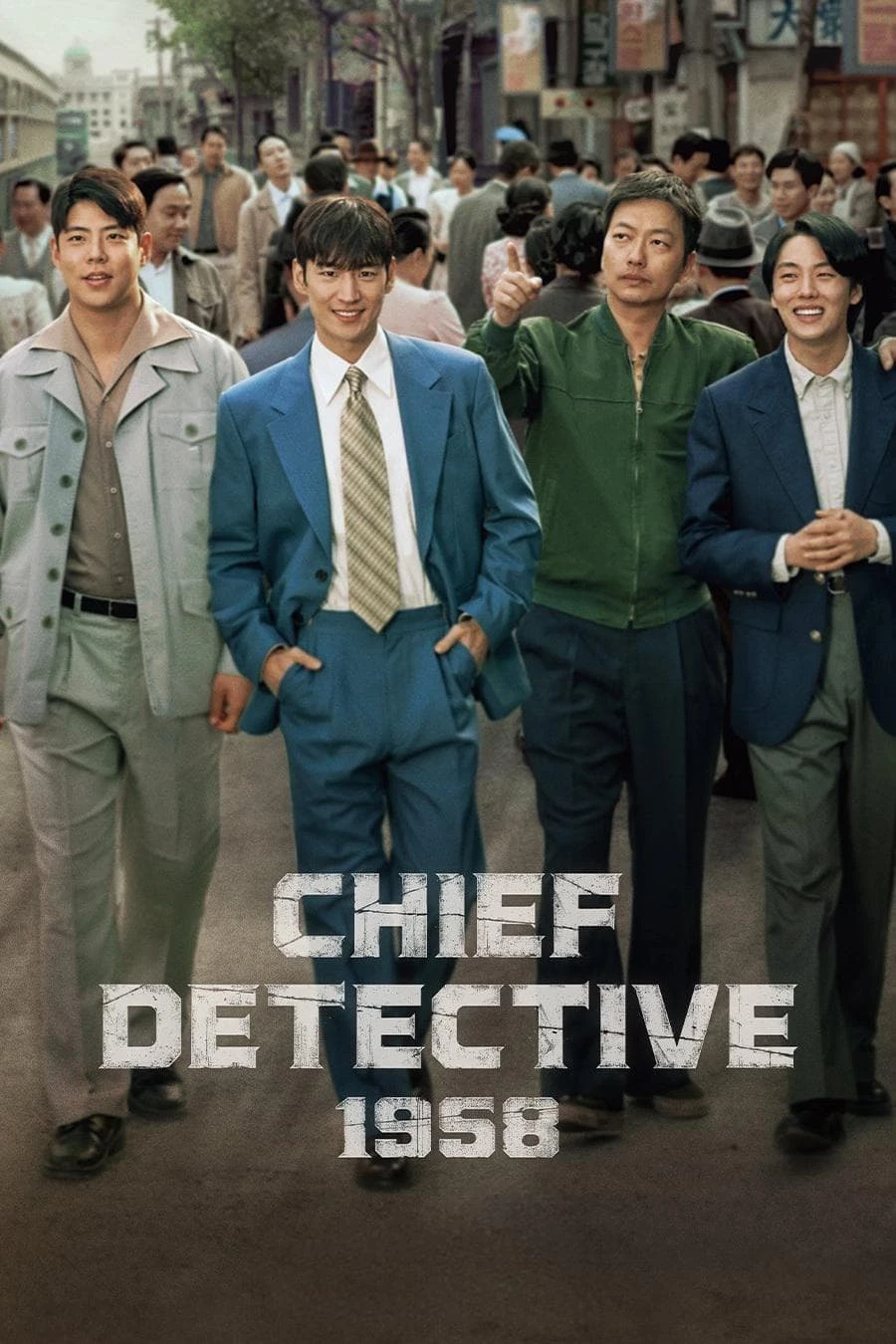 Chief Detective 1958
Buddy CopsCorruption
Read Full Review →
|
 Suspicious Partner
comedyJi Chang-wook
Read Full Review →
|









Keep it kind, skip the harsh language, and please — no spoilers. Everyone's taste is different, and that's perfectly fine.
This space is for real reactions and discussion from other viewers. Help keep it comfortable for everyone by not giving away major plot details.
What do you think of this drama?
Login to share your review or leave a comment.
No email needed — just pick a username & password.