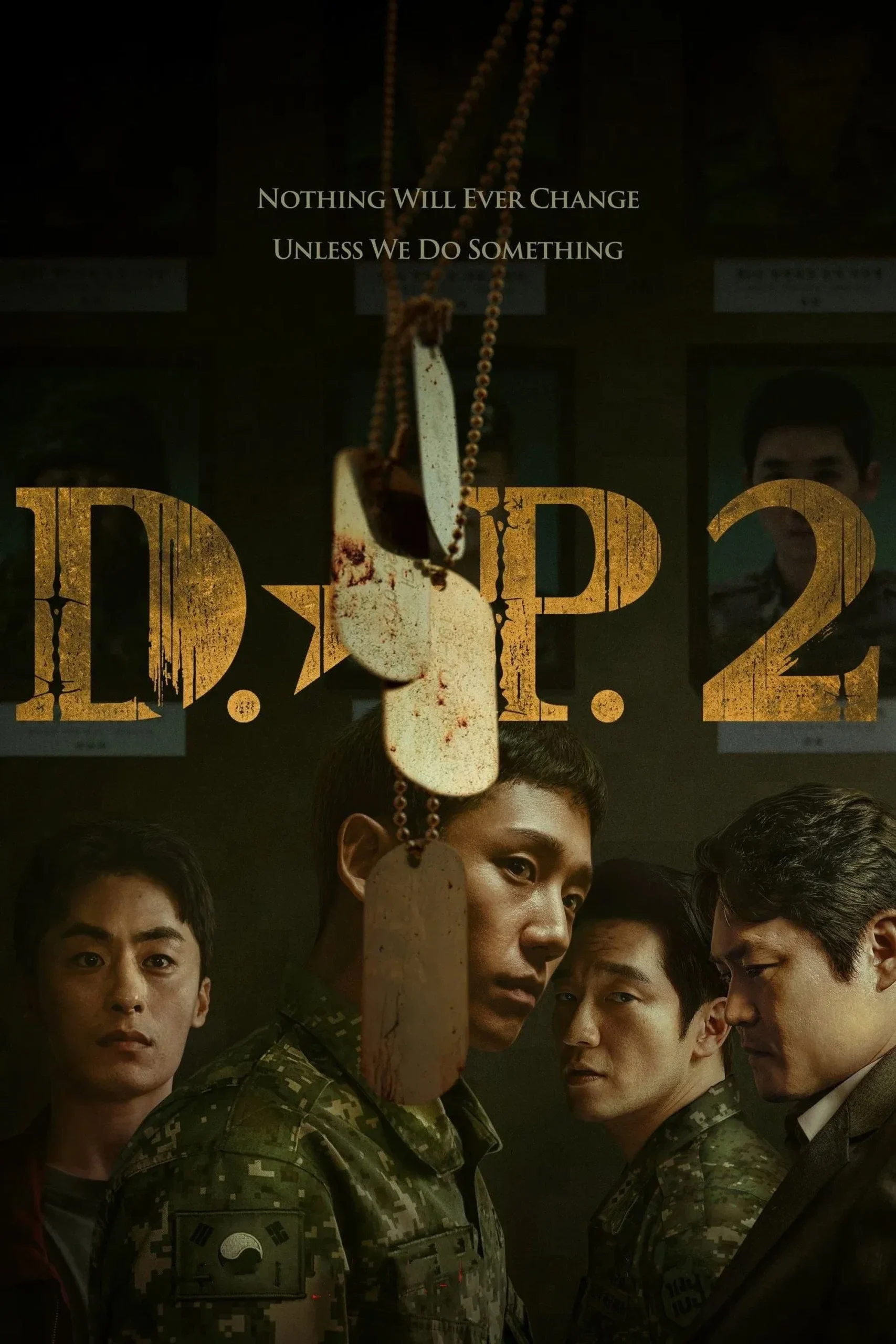
D.P. (Season 2)
🎬 Netflix
⭐ 8.7 / 10 MDL 🔞 TV-MA
📋 Drama Overview
What to expect, before you press play.
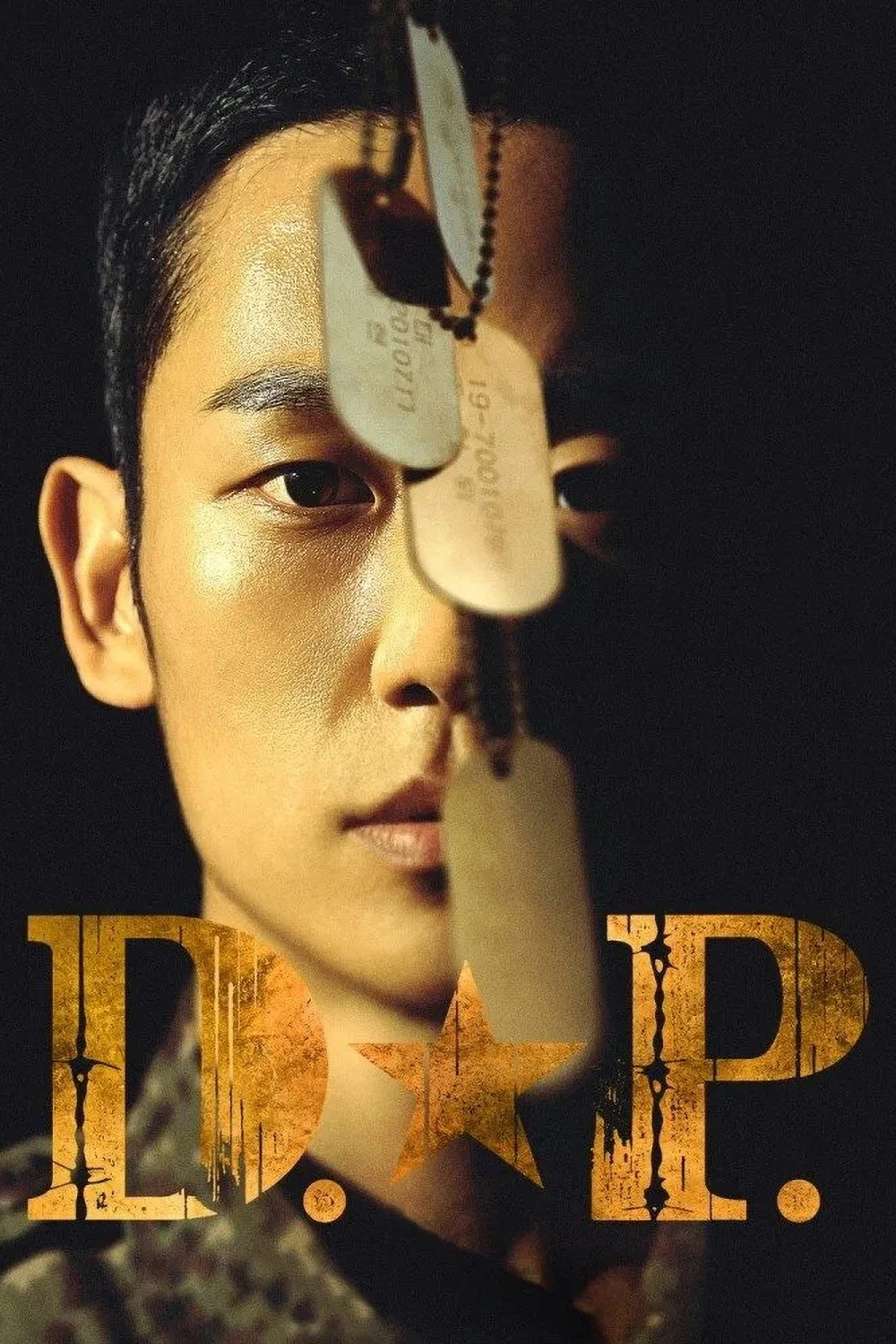
A private opens fire inside his own barracks in the first ten minutes of D.P. Season 2, and the show spends the rest of its runtime asking why that felt inevitable rather than shocking. Ahn Jun-ho and Han Ho-yeol are back on the Deserter Pursuit beat, still carrying what happened to Cho Suk-bong, when Kim Ru-ri’s shooting forces the unit to confront a crisis bigger than any single deserter they’ve chased before.
Season 1 asked who gets crushed by the system. Season 2 asks who’s been protecting it, and the answer reaches further up the chain than Jun-ho ever expected — through cover-ups, a show trial, and officers more interested in reputation than reform. It’s a colder, angrier season, and Jung Hae-in plays that shift without losing the stillness that made Jun-ho worth following in the first place.
6 / 6 ✅ Completed
⚡ Quick Verdict
Everything worth knowing, distilled into one box.
· MDL Score · 24,748 ratings
▶ Official Trailer
🎭 Cast & Characters
A wider unit, a bigger conspiracy — and the same two investigators trying to hold onto their own morality.

Lead

Lead

Supporting

Supporting

Supporting

Supporting
📺 Episode Guide
Recaps that jog the memory, not spoil the ride.
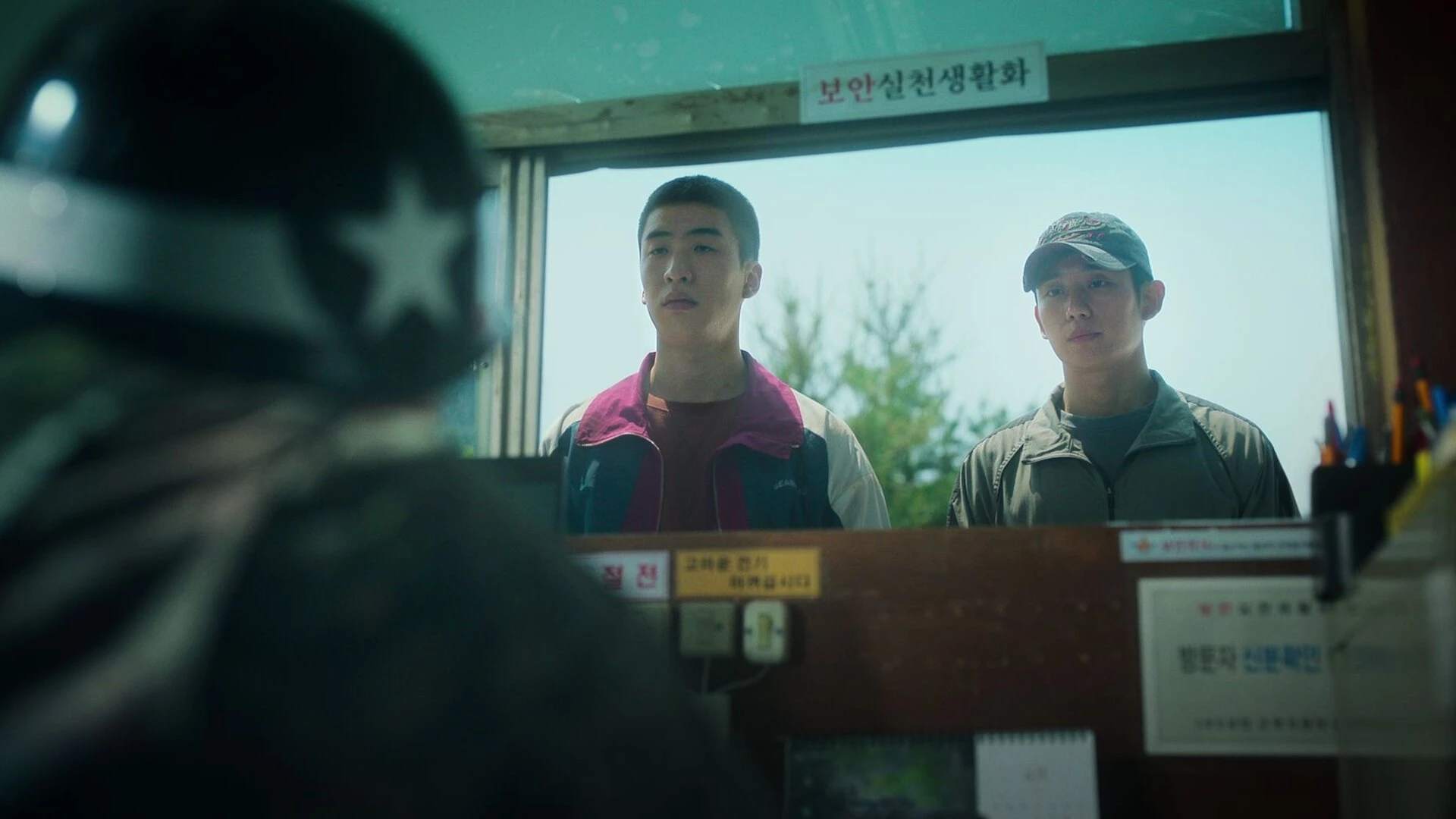
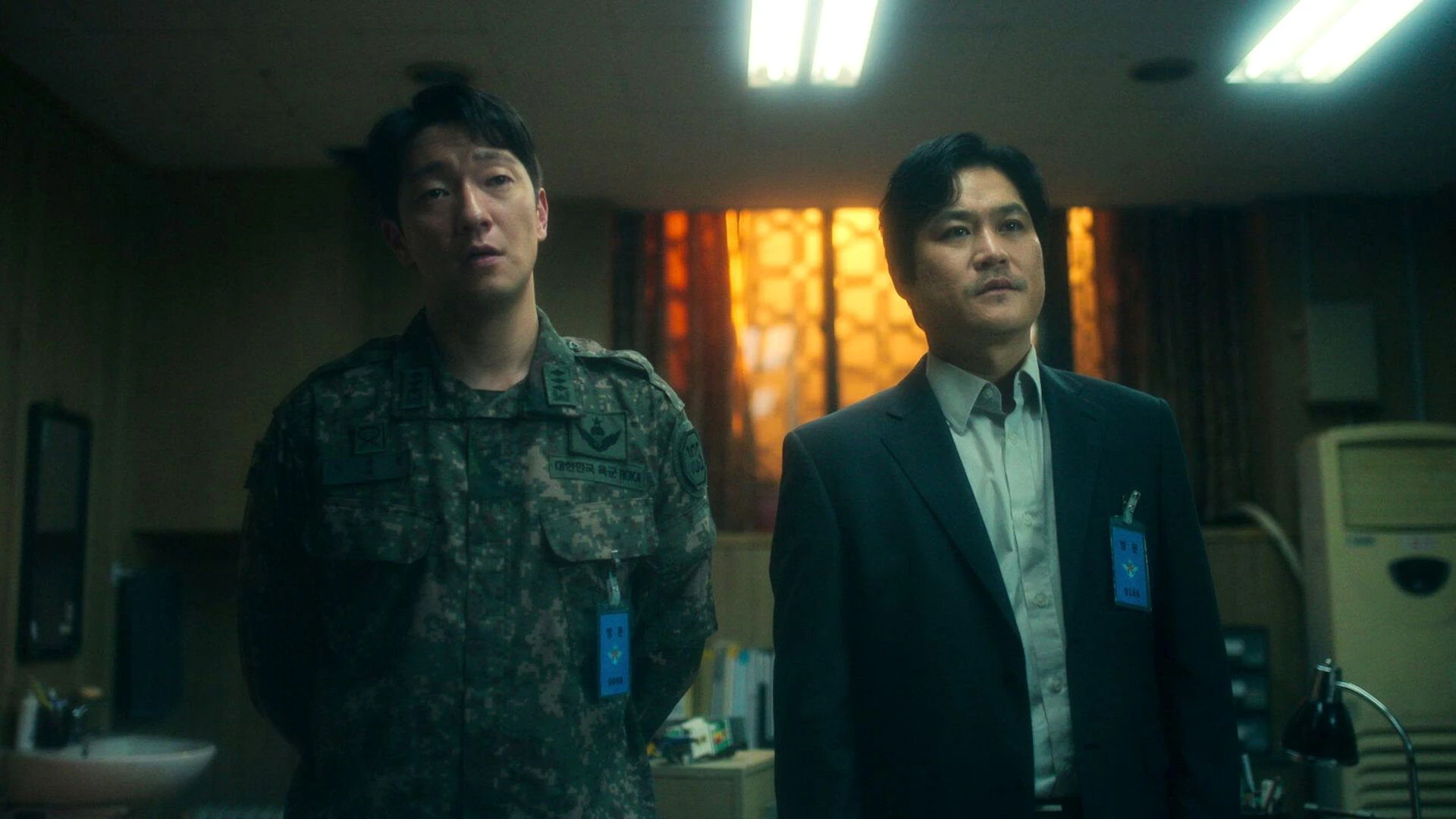
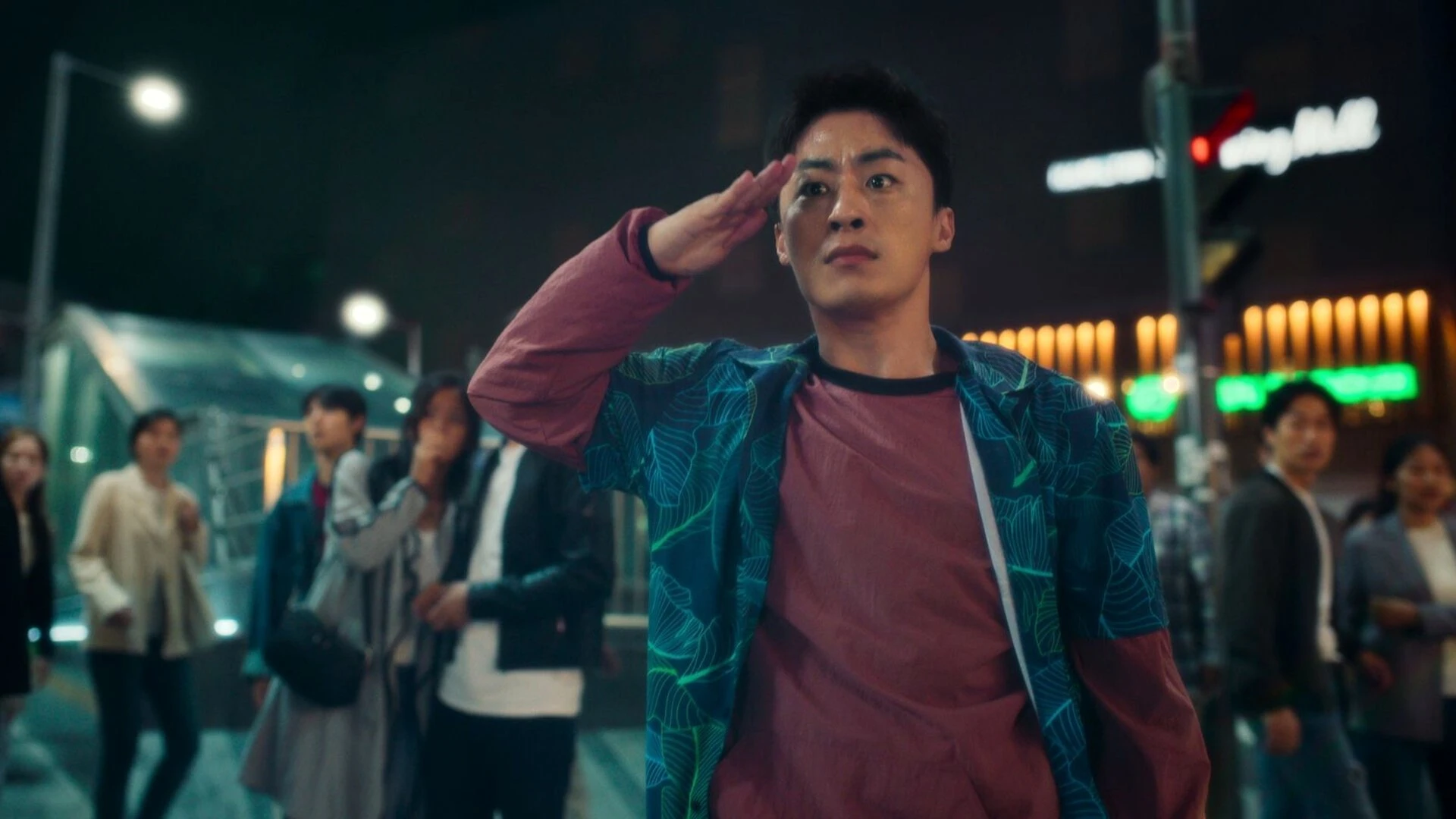
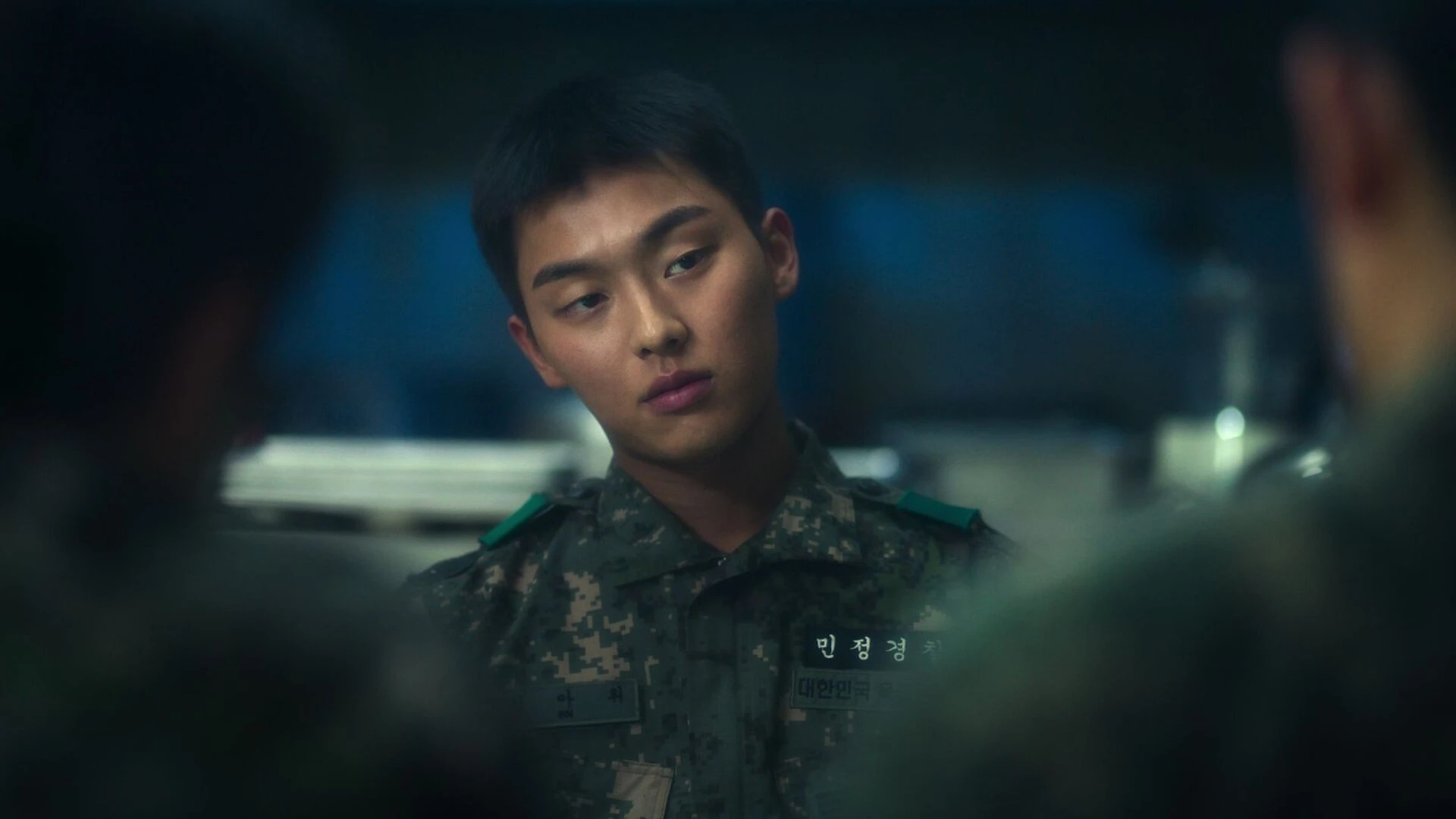
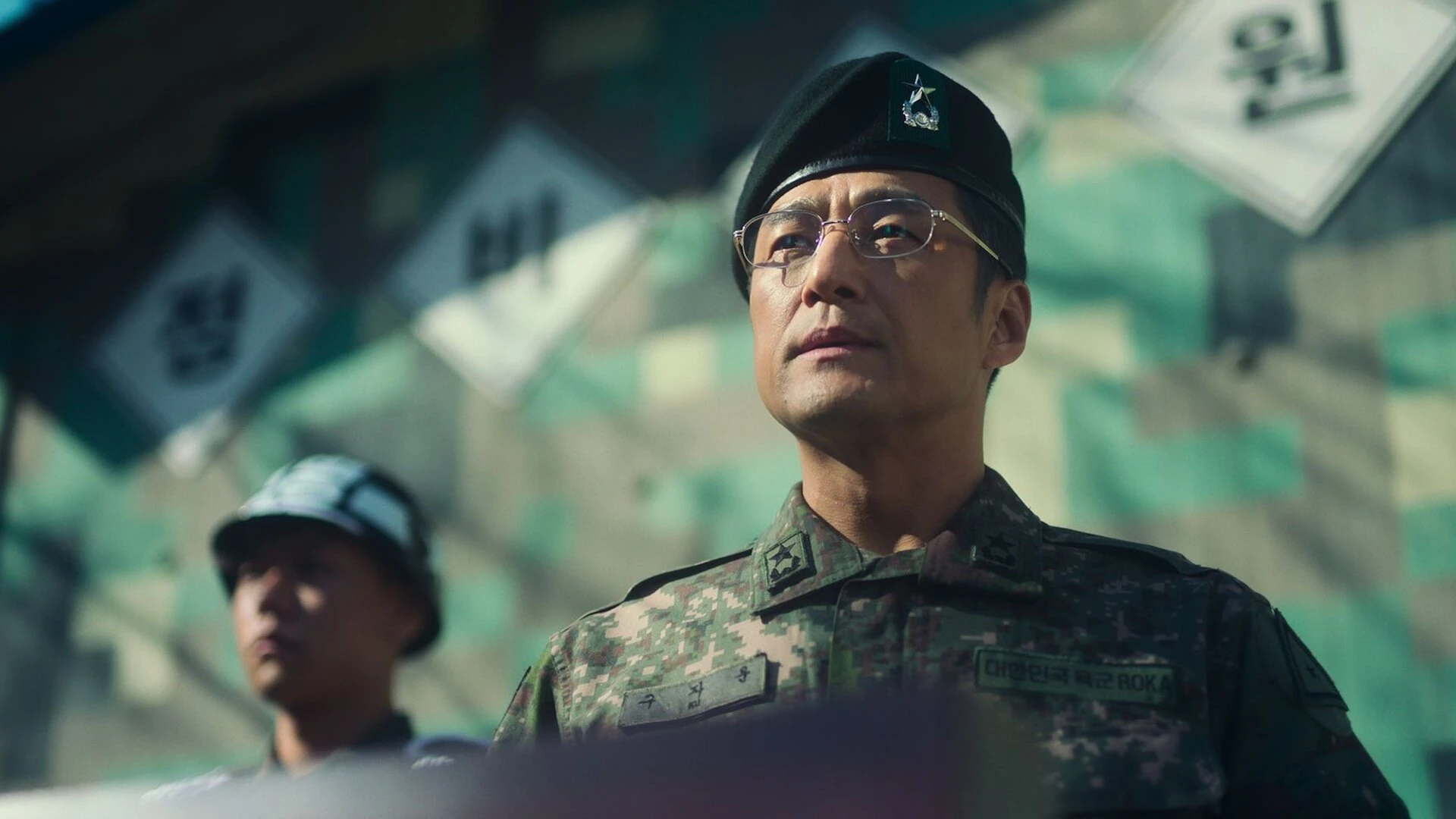
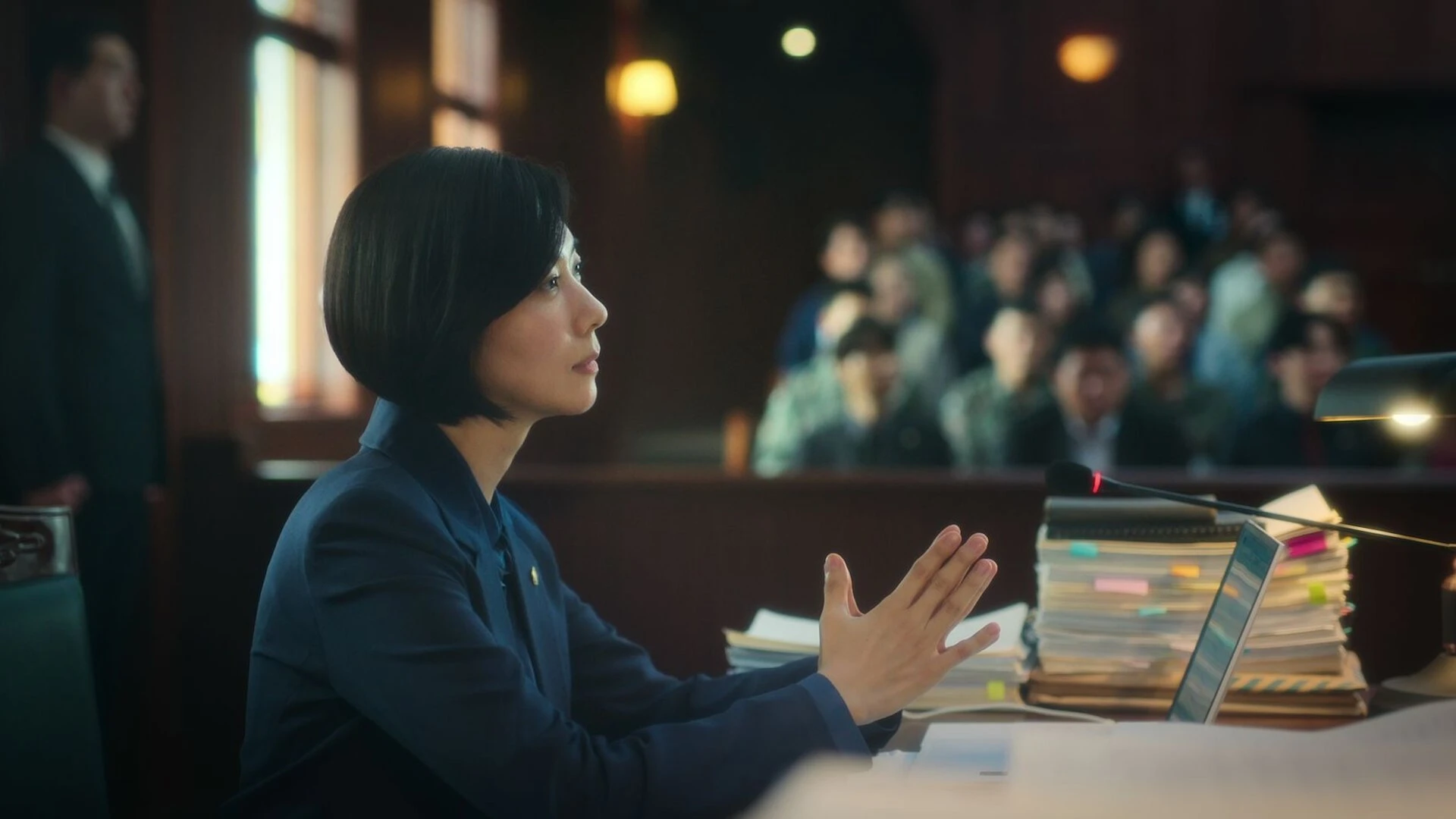
🏁 Ending Explained
Everything that happens in the finale, explained in full — spoilers ahead.
Spoiler Warning — This section covers the full finale of D.P. (Season 2). Stop here if you haven’t finished the series.
What actually happened Sergeant Park Beom-gu hands over the USB drive that proves the cover-up, gets arrested for it, and the trial against the government reaches an outcome that’s more complicated than a clean win. Kim Ru-ri remains in prison. Ho-yeol cuts a deal to protect Jun-ho from the worst consequences of what he uncovered, and a mid-credits scene confirms Cho Suk-bong survived his gunshot wound from Season 1 — and may be willing to testify.
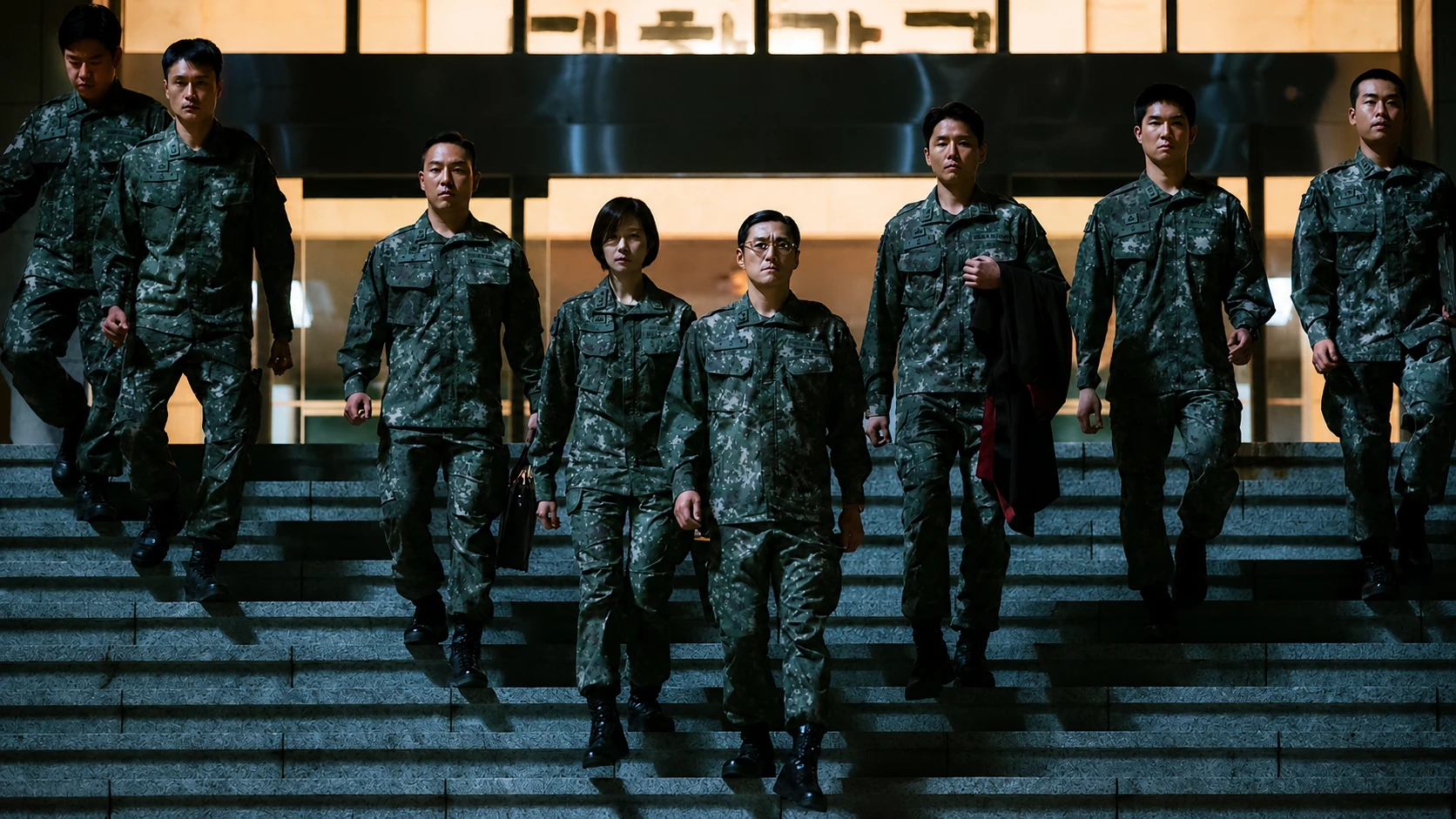
Why Beom-gu is the real hinge of the finale Beom-gu spends both seasons as the officer closest to actually caring, which is exactly what makes his choice land: he’s not a whistleblower by nature, he’s a career soldier who finally runs out of ways to justify staying quiet. His arrest isn’t framed as triumph — it’s framed as the cost someone always has to pay for the system to be forced into daylight, even briefly.
What Suk-bong’s return actually sets up Bringing Suk-bong back alive does more than tease a Season 3. It reopens the one case the military most wants buried — the one where a conscript was driven to violence and then killed by the same institution that created him — with a living witness who has nothing left to lose.
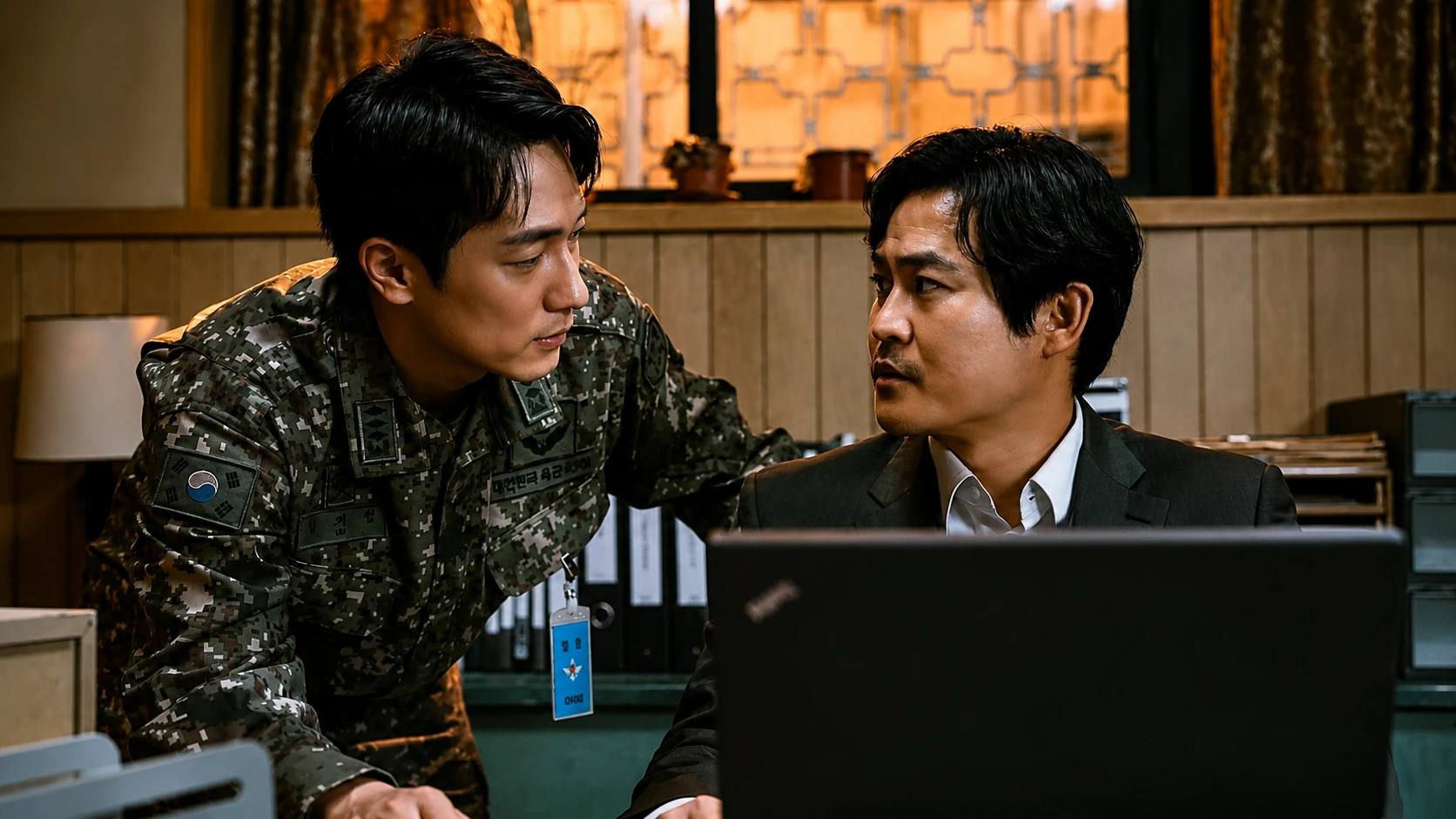
Jun-ho’s unfinished arc Jun-ho doesn’t get discharged, doesn’t get a clean resolution, and doesn’t get to see the trial fully vindicate what he risked. He just keeps serving out his time, visibly changed, which is the show’s bluntest point yet: individual conscience doesn’t get rewarded on any timeline the institution controls.
The KDW verdict D.P. Season 2 ends its story further from resolution than Season 1 did, and that’s a deliberate escalation, not a loose thread. One officer goes to prison for telling the truth, one victim stays locked up regardless, and the system that manufactured both outcomes is still standing at the credits. The show trusts you to be angry about that instead of comforted.
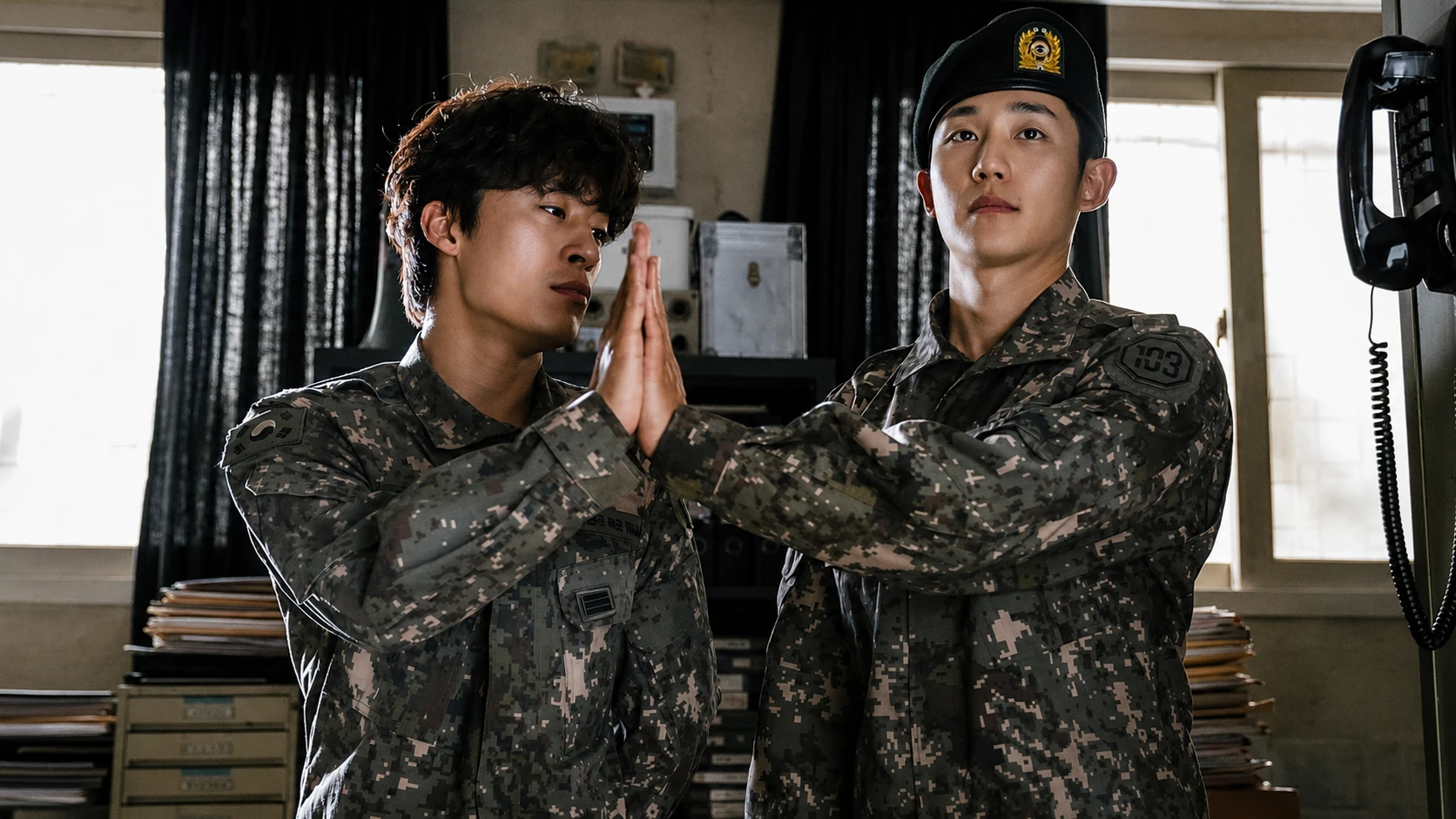
✍️ KDramaWorlds Editor’s Take
Straight talk — our real opinion, and the viewer it’s made for.
🔫 Barracks Shooting Cold Open
🪪 Whistleblower Cost
🎭 Angrier Sequel
Kim Sung-kyun spends Season 2 doing the quietest and best work of the entire show. Park Beom-gu was comic relief with a conscience in D.P. Season 1, and here that conscience finally has somewhere to go — every scene of him weighing career against evidence plays like a man doing arithmetic he already knows the answer to.
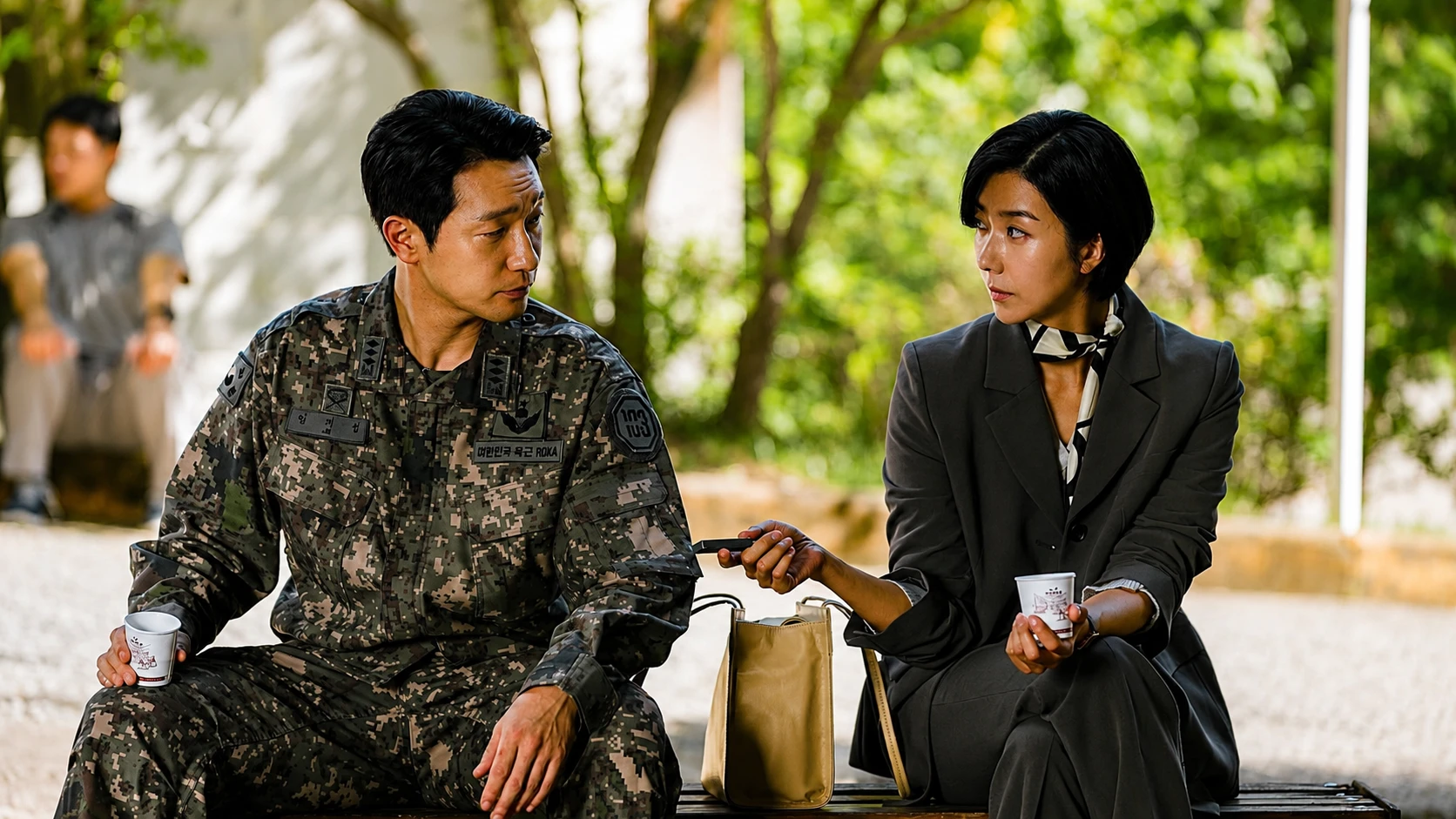
The barracks shooting that opens the season could have played as shock value; instead the show treats Kim Ru-ri exactly the way it treated every deserter in Season 1 — as a product of the system rather than an aberration from it. That instinct to blame the structure over the individual is the same one powering Vigilante, another Korean thriller more interested in why the system fails than in who to punish for it.
What separates this season from a retread is scale. Season 1 built its case episode by episode through individual soldiers; Season 2 zooms out to the officers, the cover-ups, and the trial that decides whether any of it mattered. The mid-credits return of Cho Suk-bong isn’t a twist so much as a promise that the story isn’t done being furious.
Viewers interested in what a whistleblower actually loses for telling the truth
Anyone who wants a sequel that escalates the stakes instead of repeating the formula
🎬 You Might Also Like
If you liked D.P. (Season 2), these are your next three watches.
 A Bona Fide Killer
ActionAssassin
Read Full Review →
|
 Shark: The Storm
Actioncrime
Read Full Review →
|
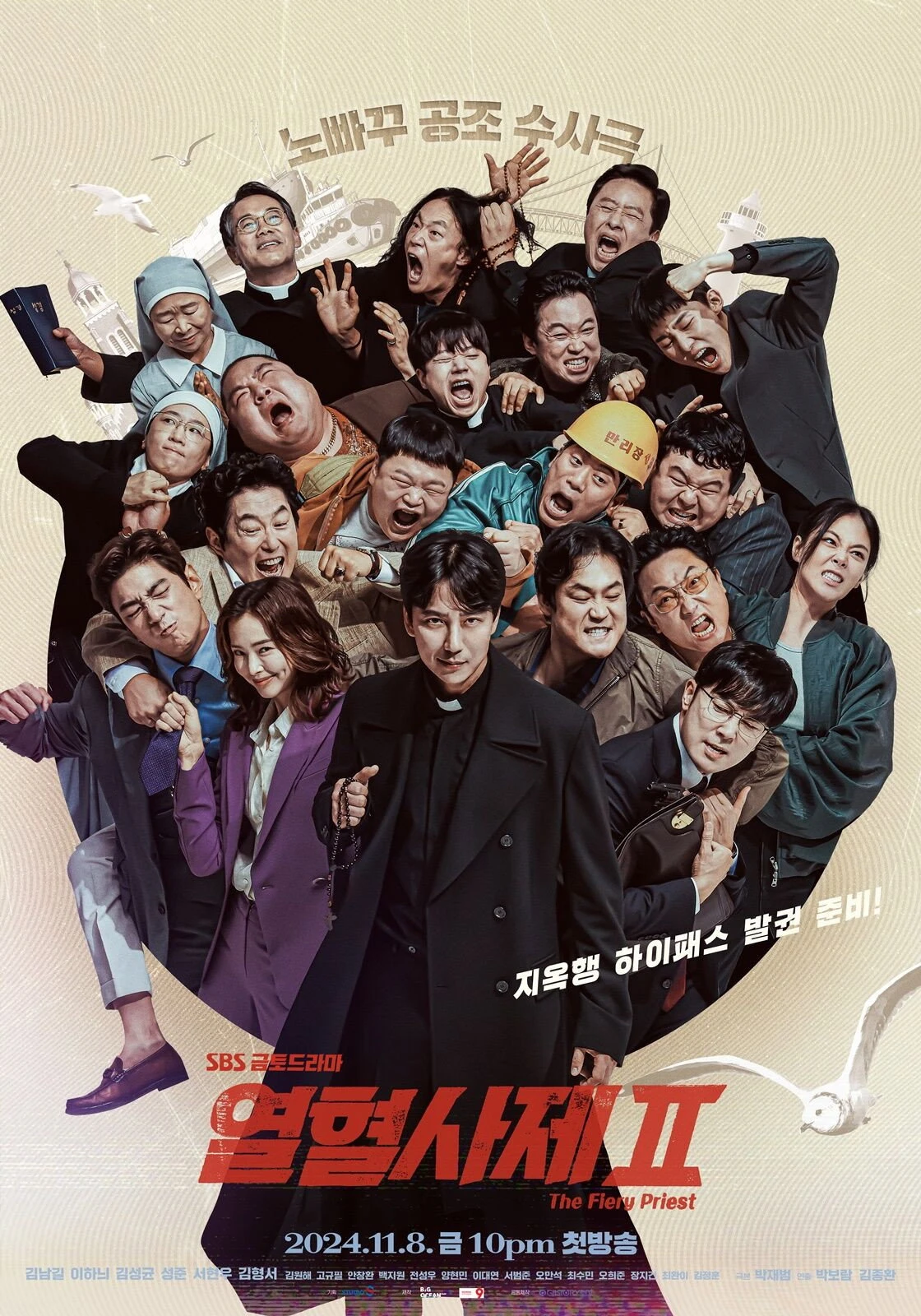 The Fiery Priest (Season 2)
Actionbuddy cop
Read Full Review →
|













Keep it kind, skip the harsh language, and please — no spoilers. Everyone's taste is different, and that's perfectly fine.
This space is for real reactions and discussion from other viewers. Help keep it comfortable for everyone by not giving away major plot details.
What do you think of this drama?
Login to share your review or leave a comment.
No email needed — just pick a username & password.